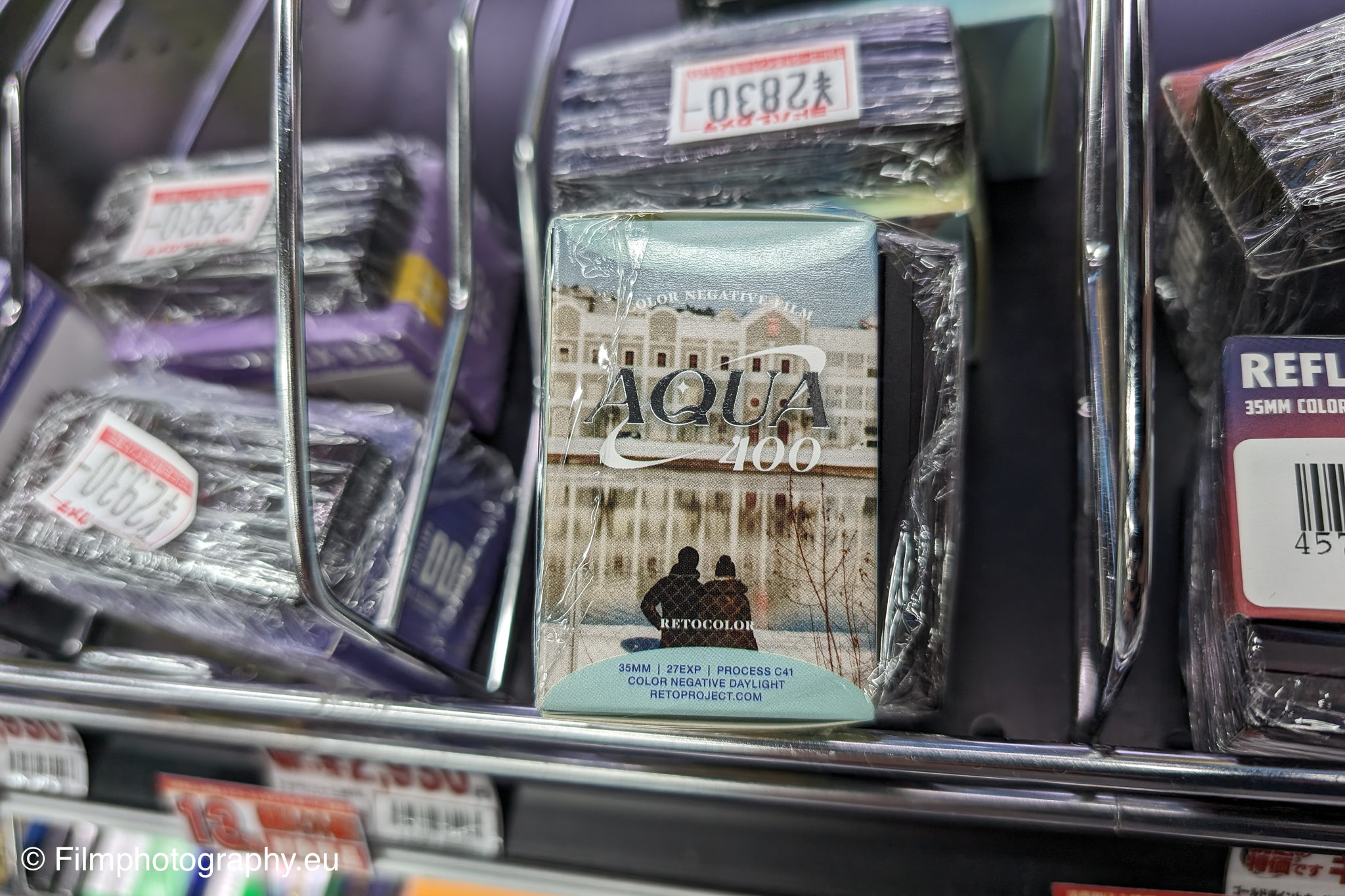
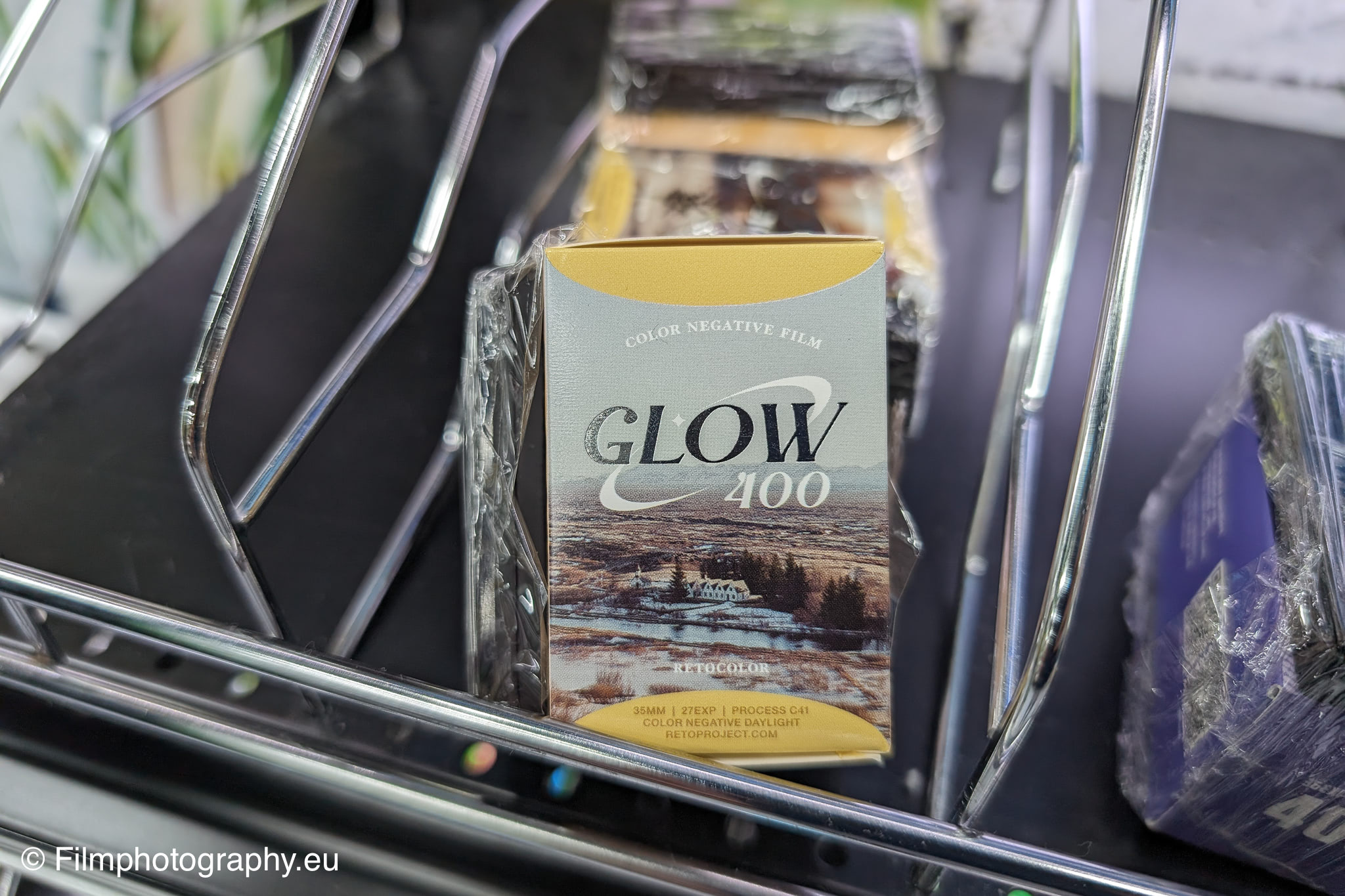
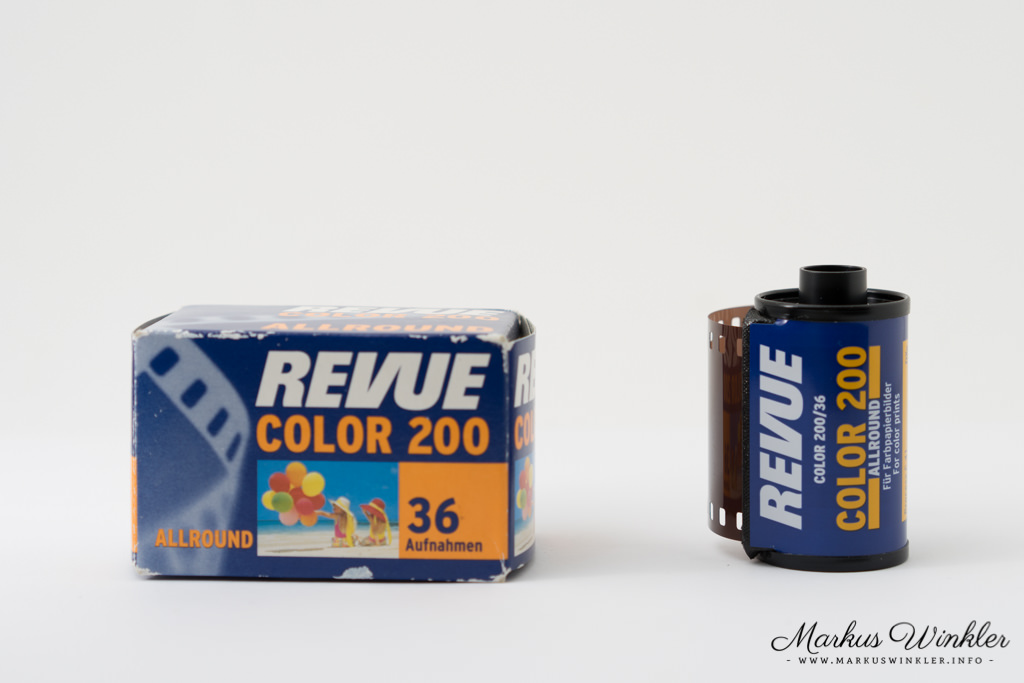
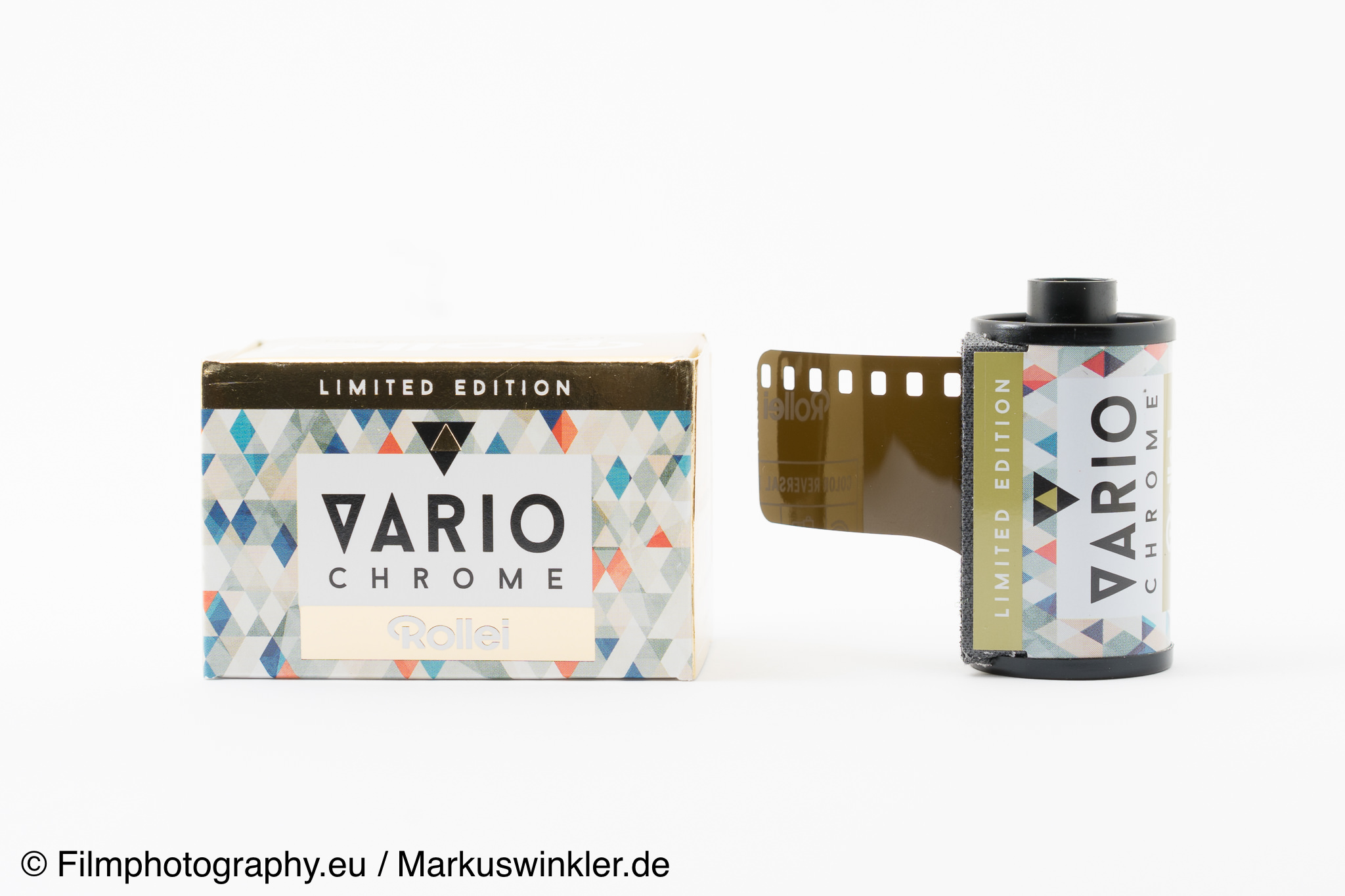
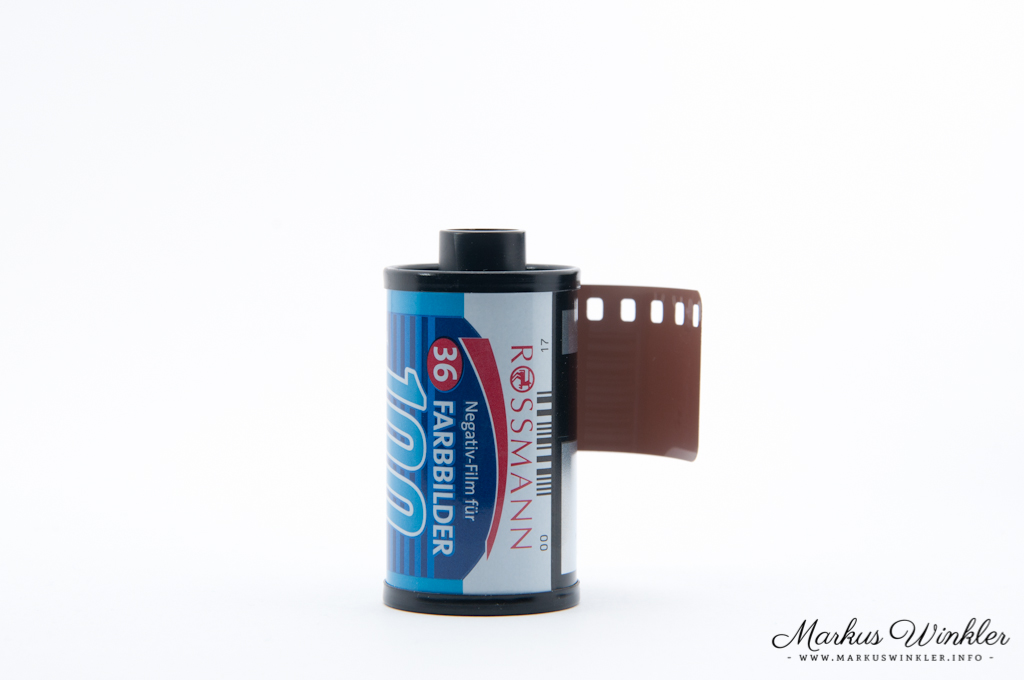
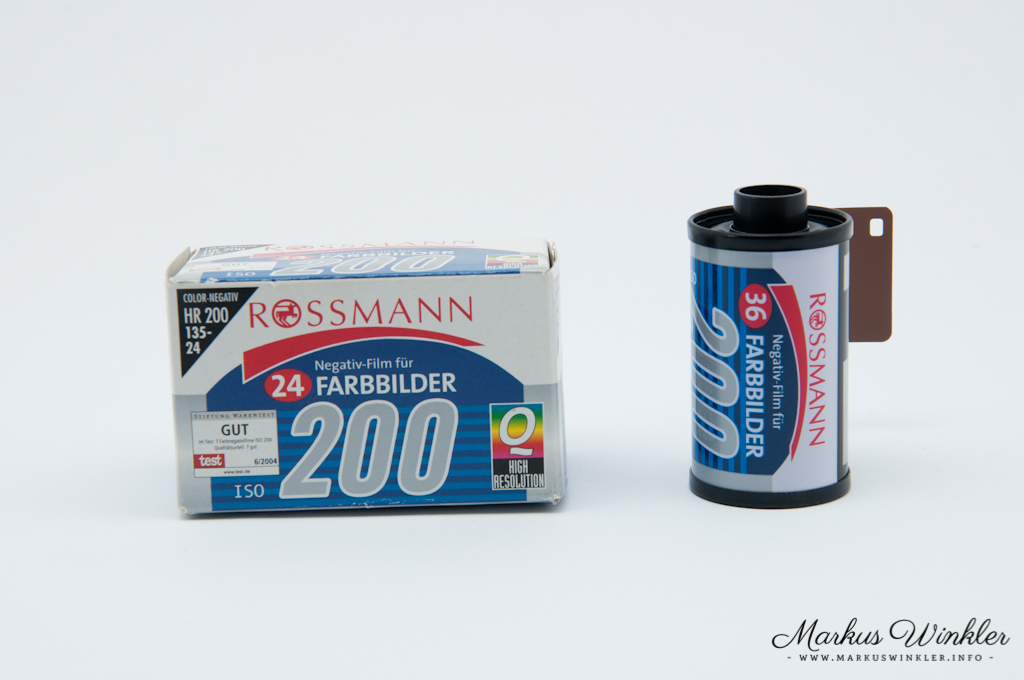
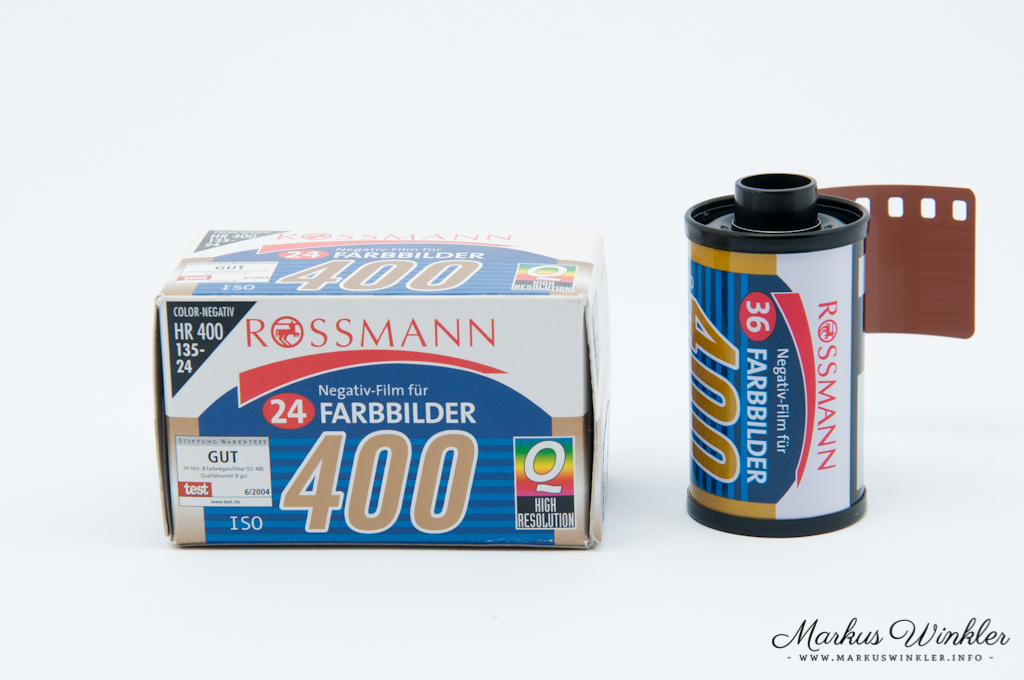
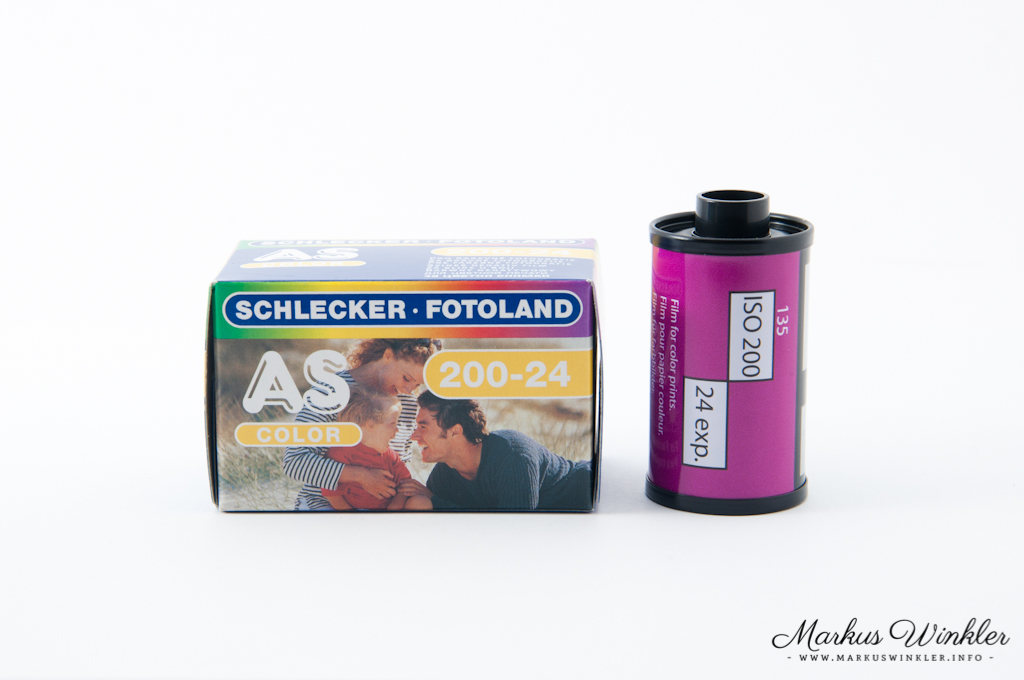
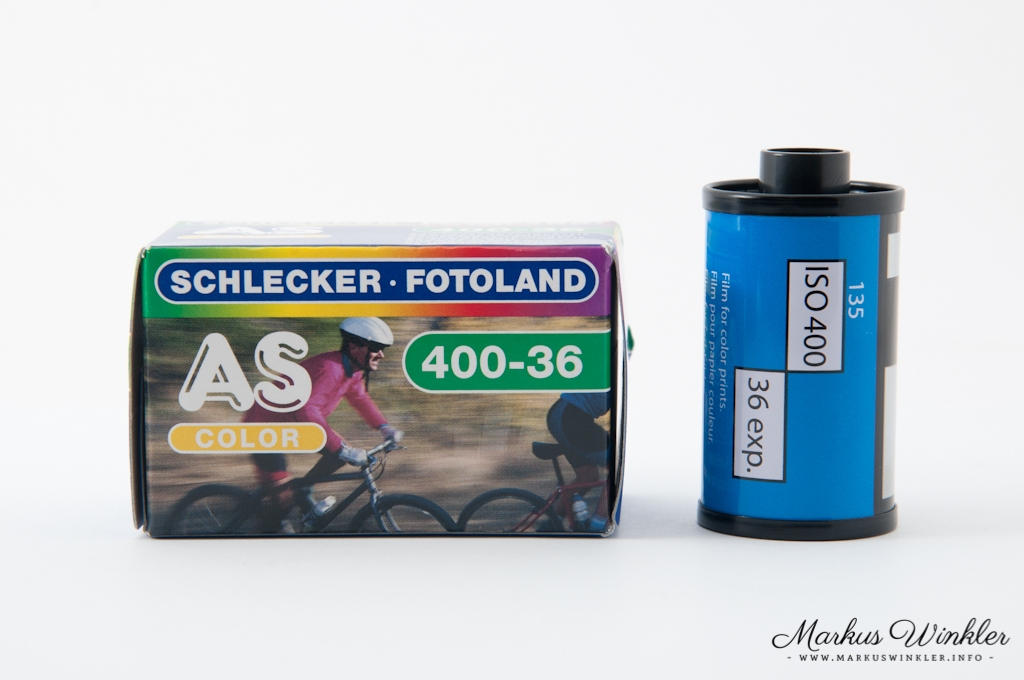
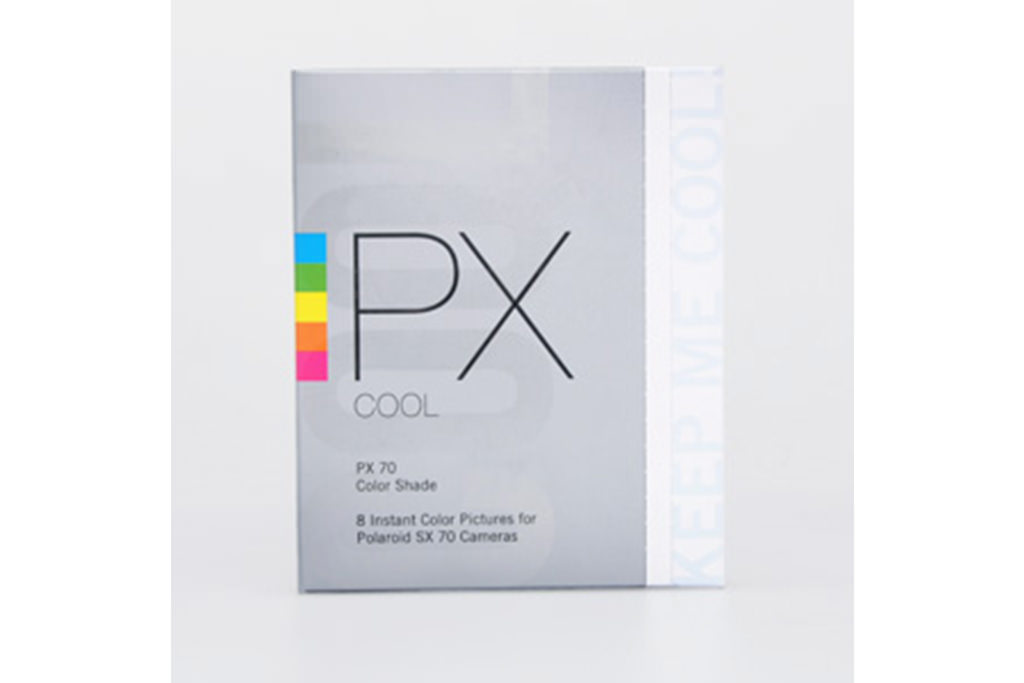
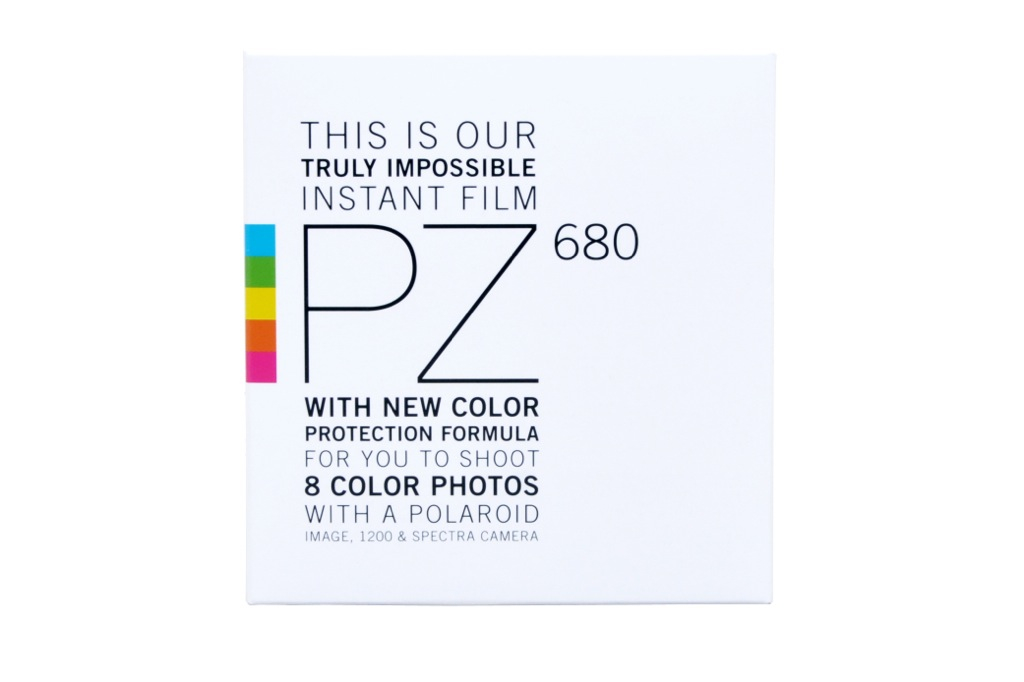
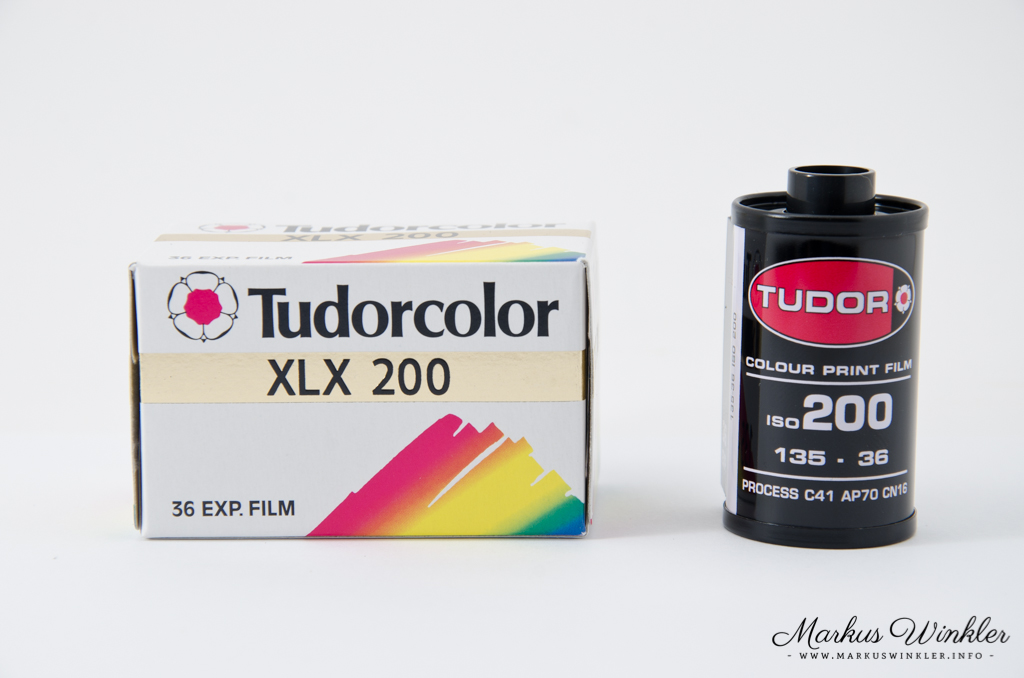
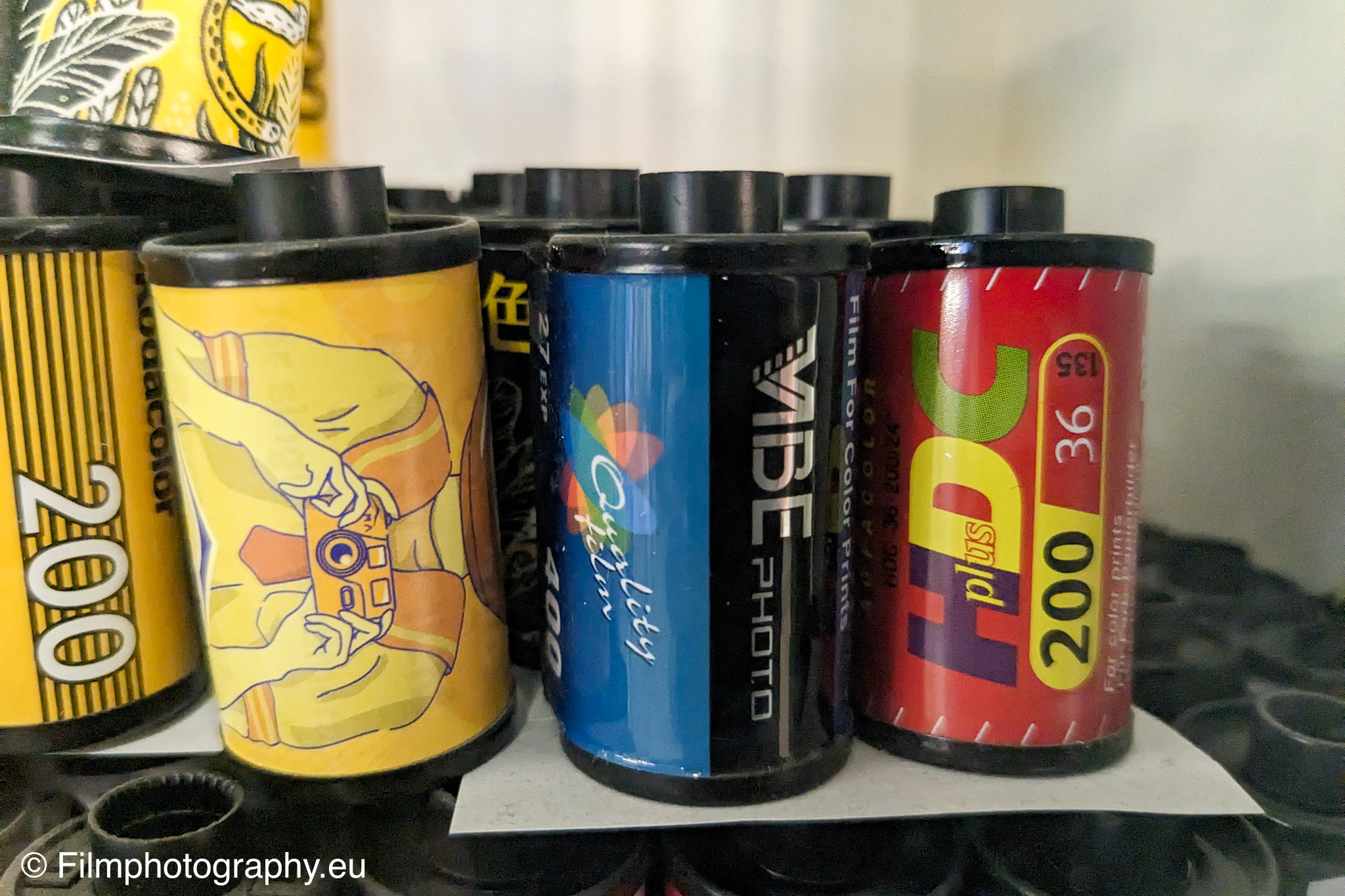
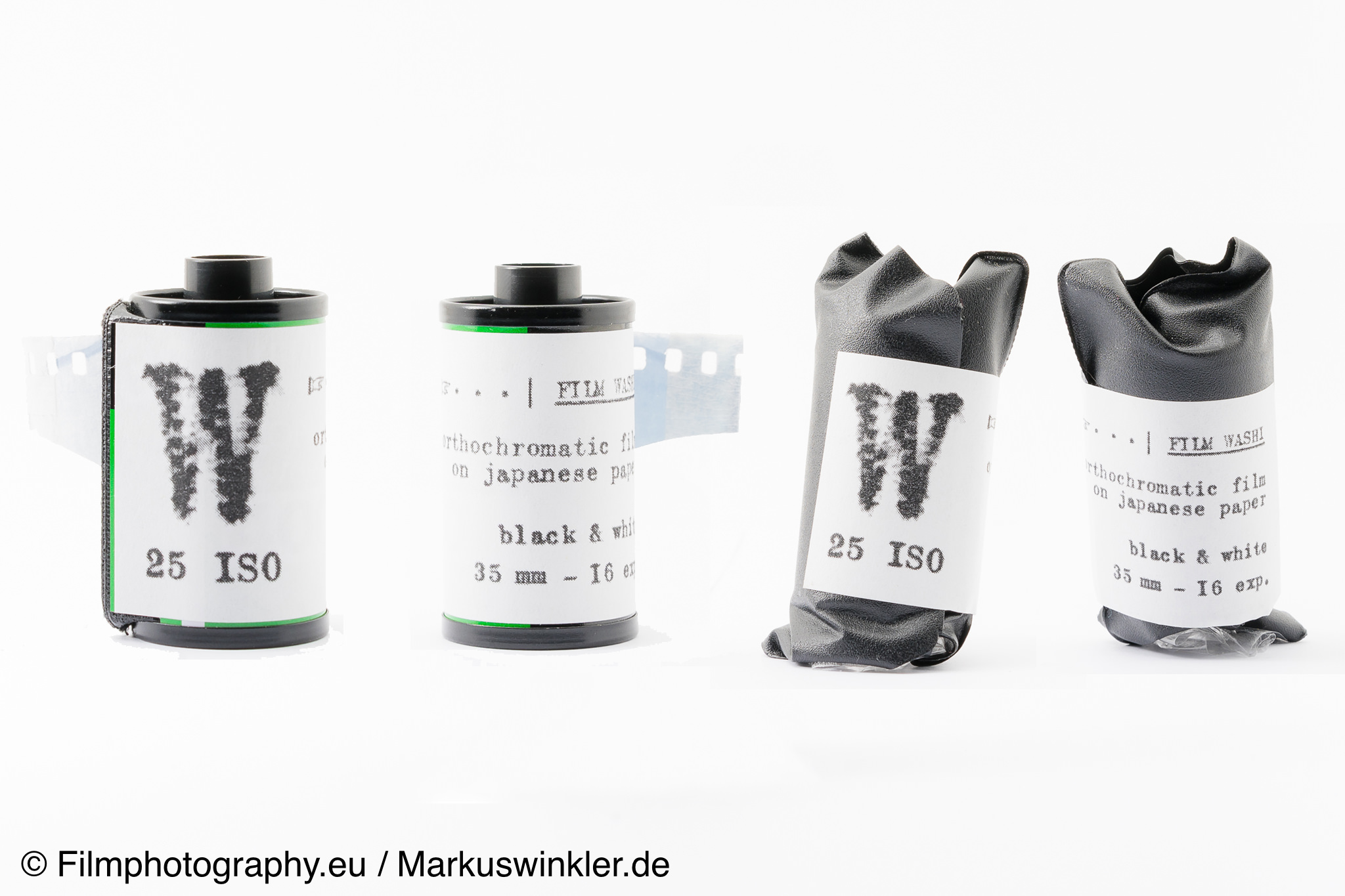
Color films for analog cameras are light-sensitive materials that are available in various formats and sensitivities. They allow photographers to take images in color and have them developed later.
How it works
Color films consist of several layers of light-sensitive emulsions, each containing different dyes. When light hits the film, the emulsions react and form a latent image. This latent image is made visible through chemical development. The exposed areas in the emulsions are converted into silver, while the unexposed areas are removed. The silver image layer is then converted into a dye that corresponds to the respective color filter.
Types of color films
There are two main types of color film: negative film and slide film (also called reversal film).
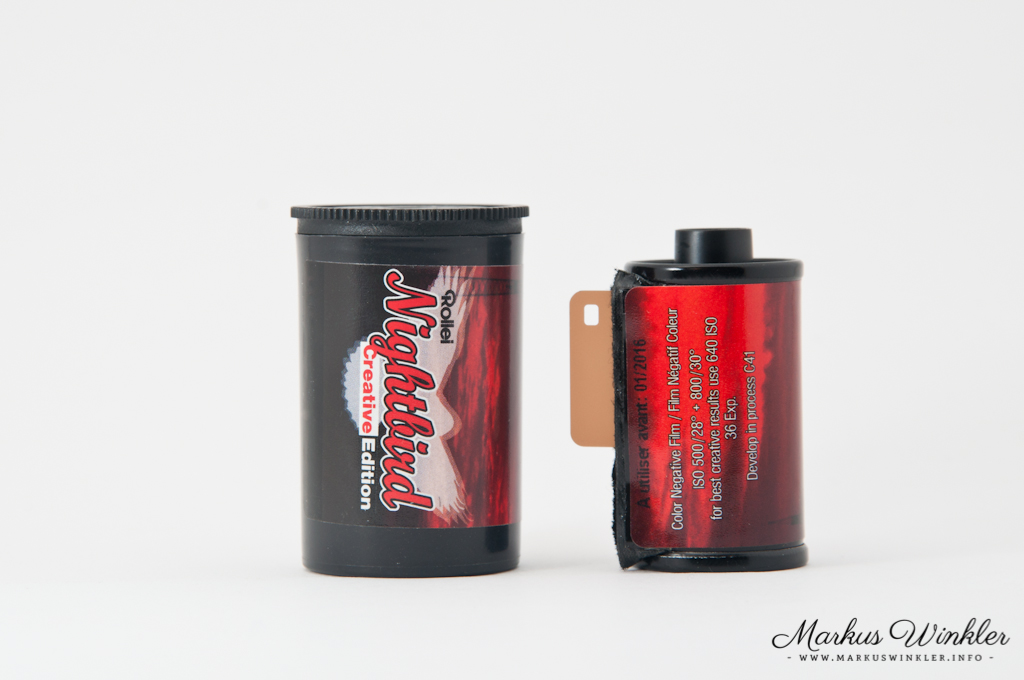
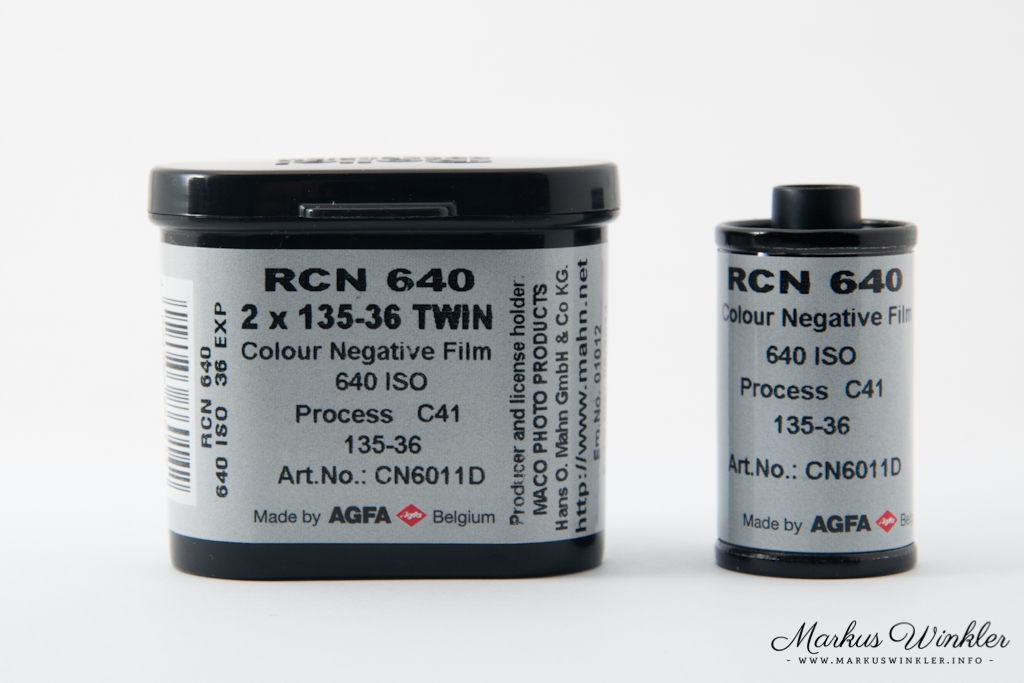
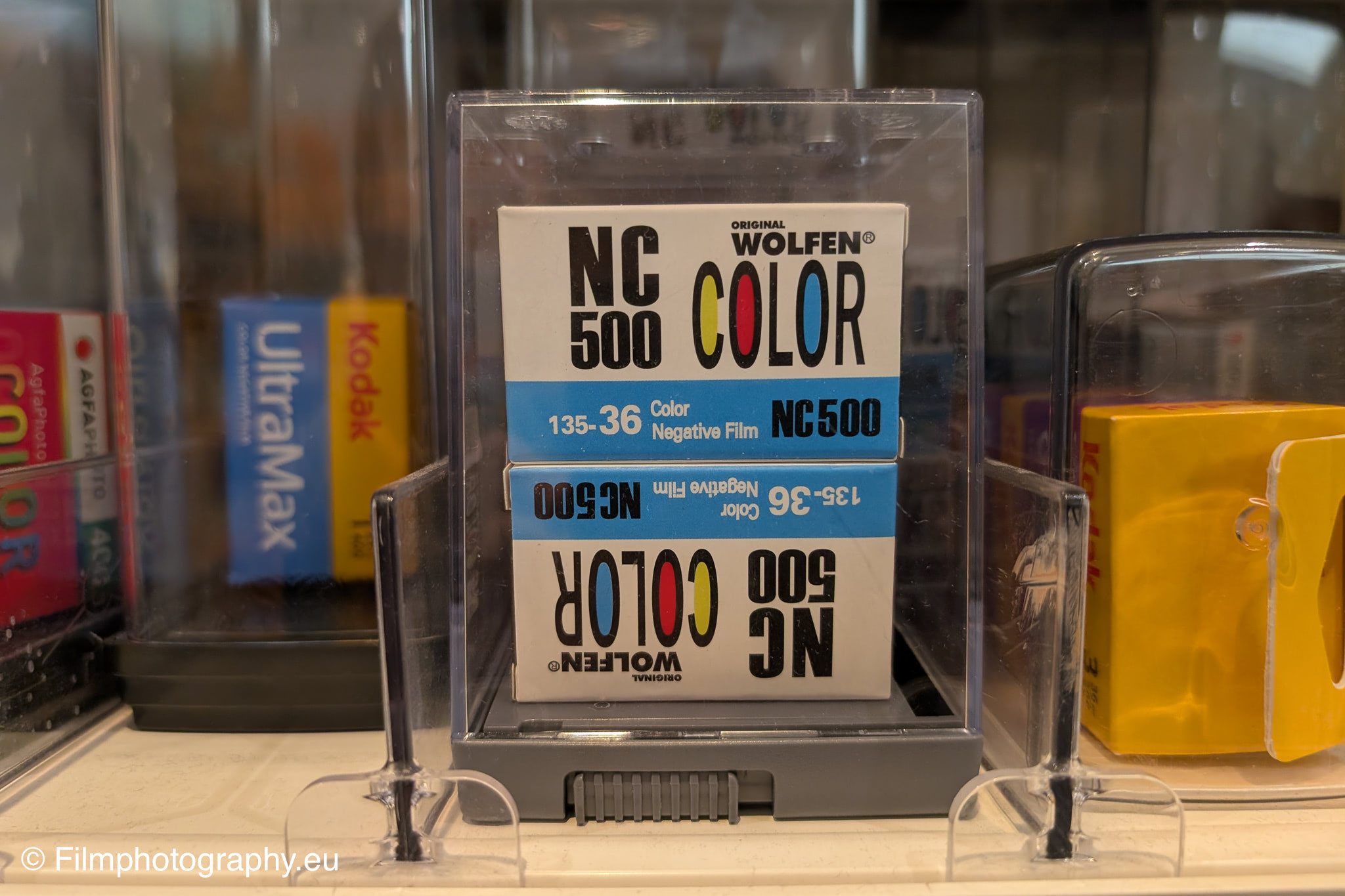
Negative films produce a negative image in which the colors are reversed. This negative is then used to produce color prints. Negative films are generally cheaper and easier to handle than slide films. They also offer greater exposure latitude, meaning they are more tolerant of errors in exposure.
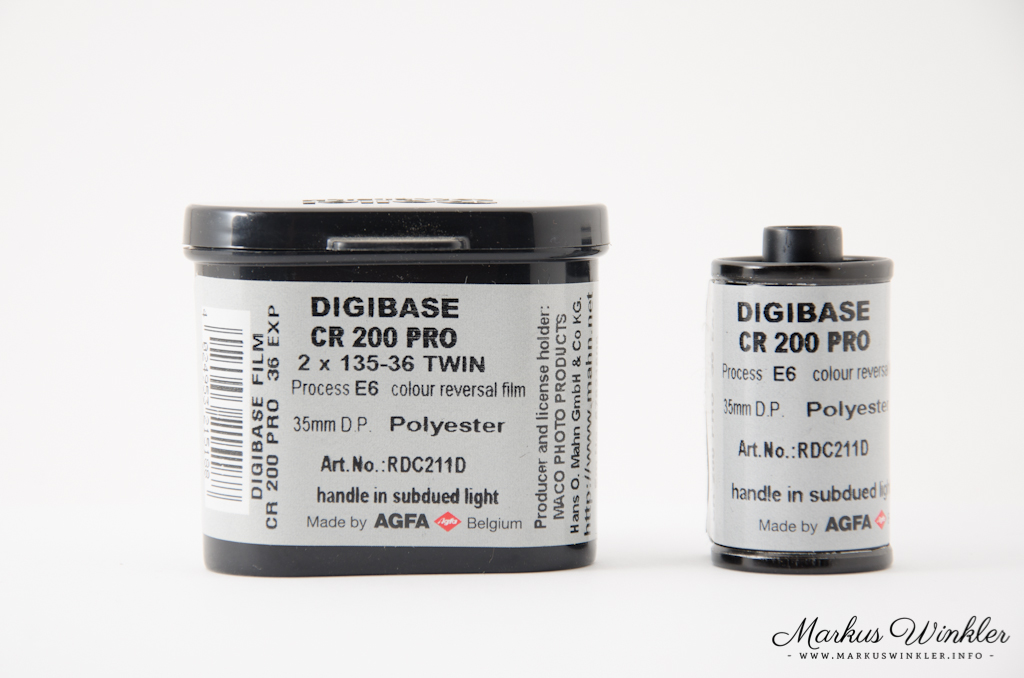
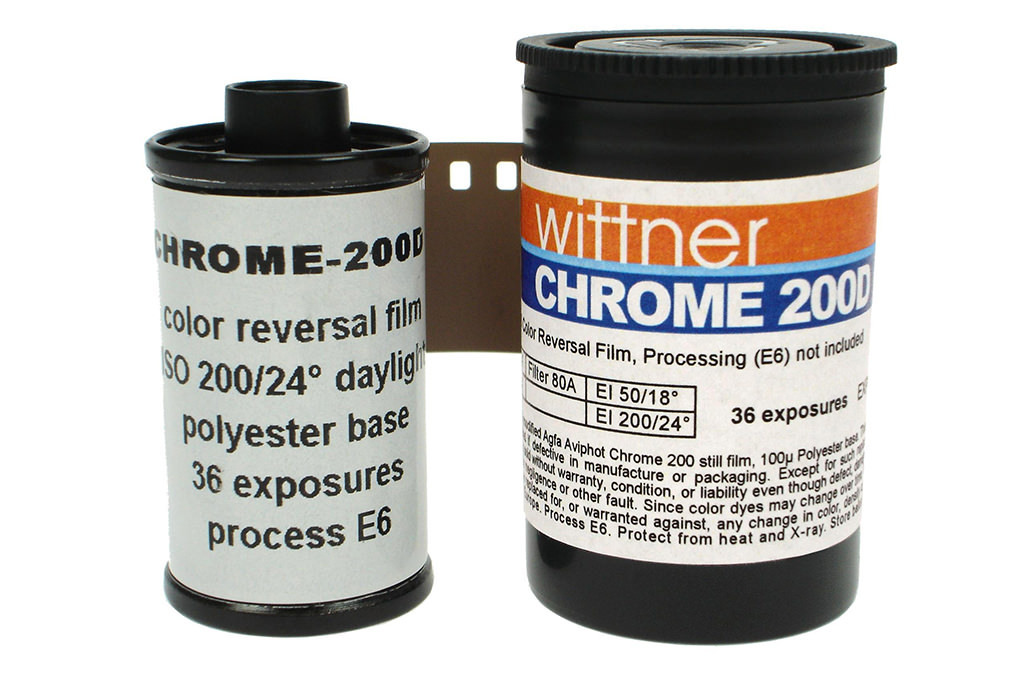
Slide films create a positive image that can be projected or viewed directly. Slide films offer greater color saturation and sharpness than negative films. However, they are more expensive and require more precise exposure.
sensitivity
The speed of a film is given in ISO values. The higher the ISO value, the more sensitive the film is to light. High sensitivity films (e.g. ISO 800 or higher) are suitable for shooting in low light conditions. Low sensitivity films (e.g. ISO 100 or lower) are suitable for shooting in bright light.
Color temperature
The color temperature of a film affects color reproduction. Daylight films (5500K) are designed for shooting in natural light. Tungsten films (3200K) are designed for shooting under incandescent light.
Formats
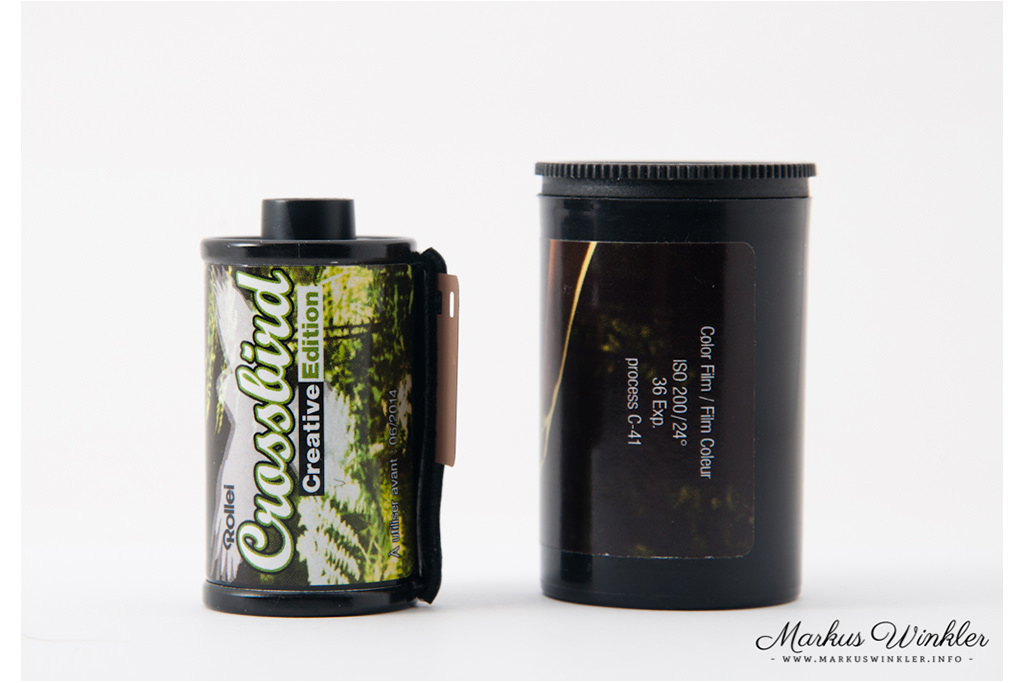
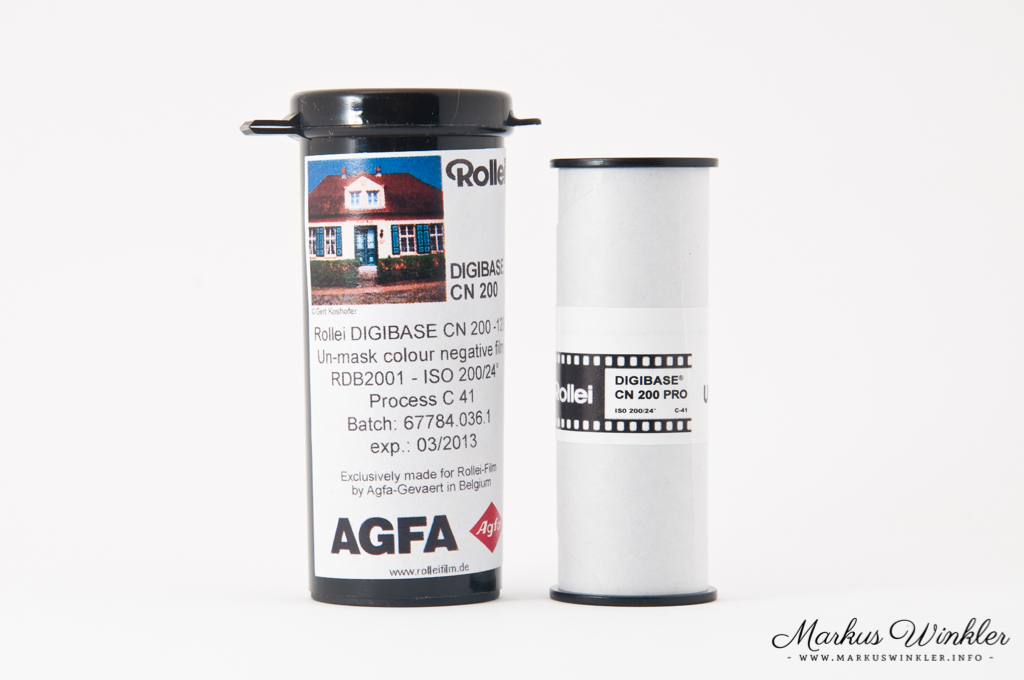
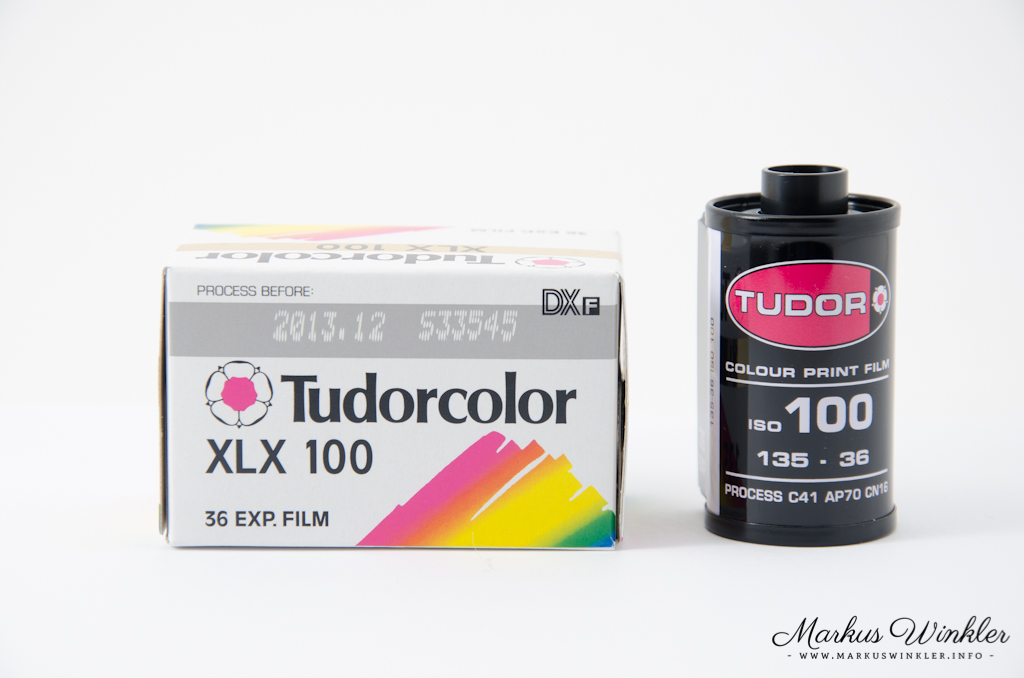
Color films are available in a variety of formats including 35mm (35mm), medium format (120) and large format (4×5 inches and larger). The format determines the size of the negative or slide.
Popularity and availability
Although digital photography has become increasingly popular in recent years, color film for analog cameras remains popular. Many photographers appreciate the unique aesthetics and creative process of analogue photography. Color film is available at many camera stores and online.
Choosing the right color film depends on various factors, such as: B. the desired recording result, the lighting conditions and personal taste. It is advisable to try out different films to find out which film best suits your needs.