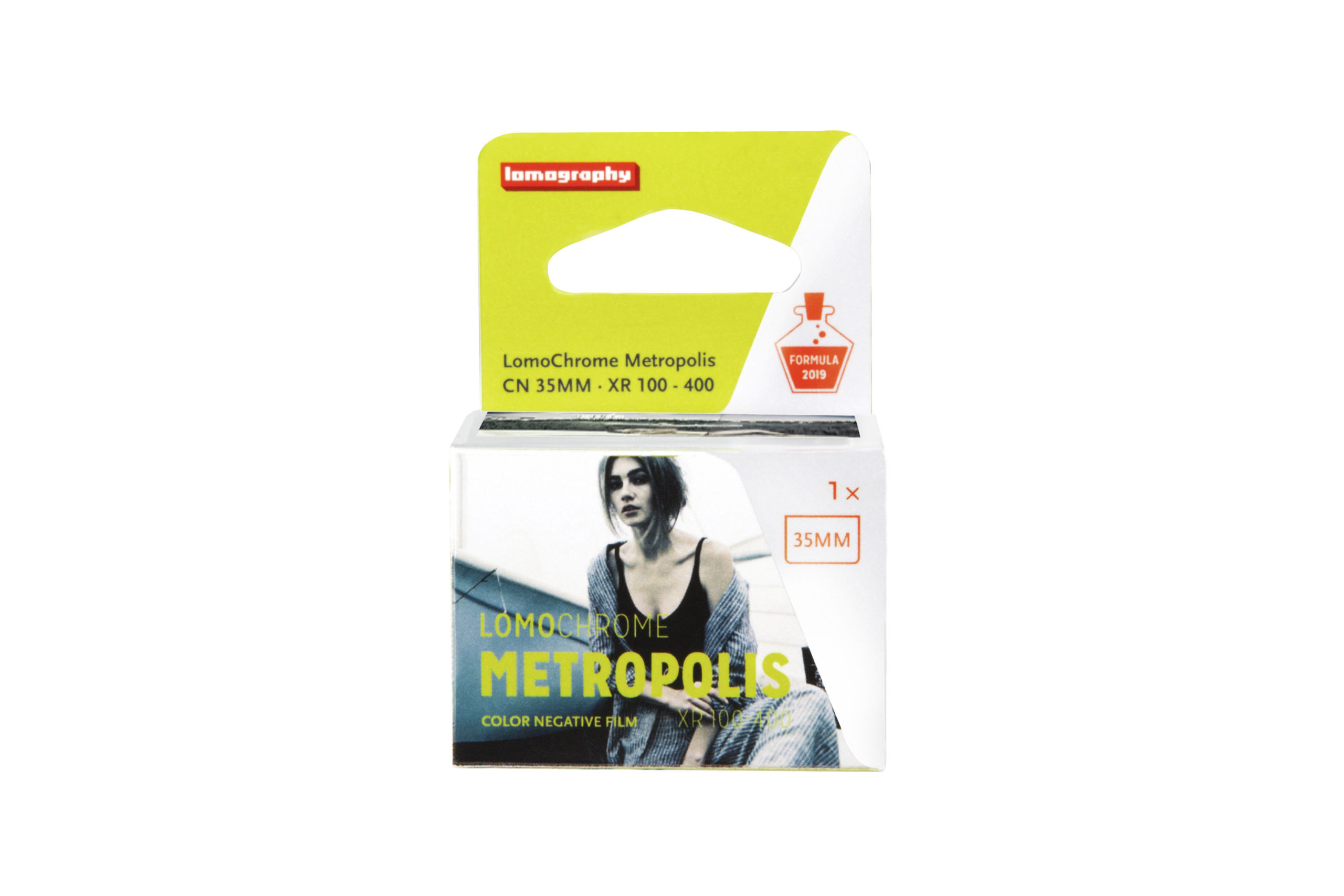
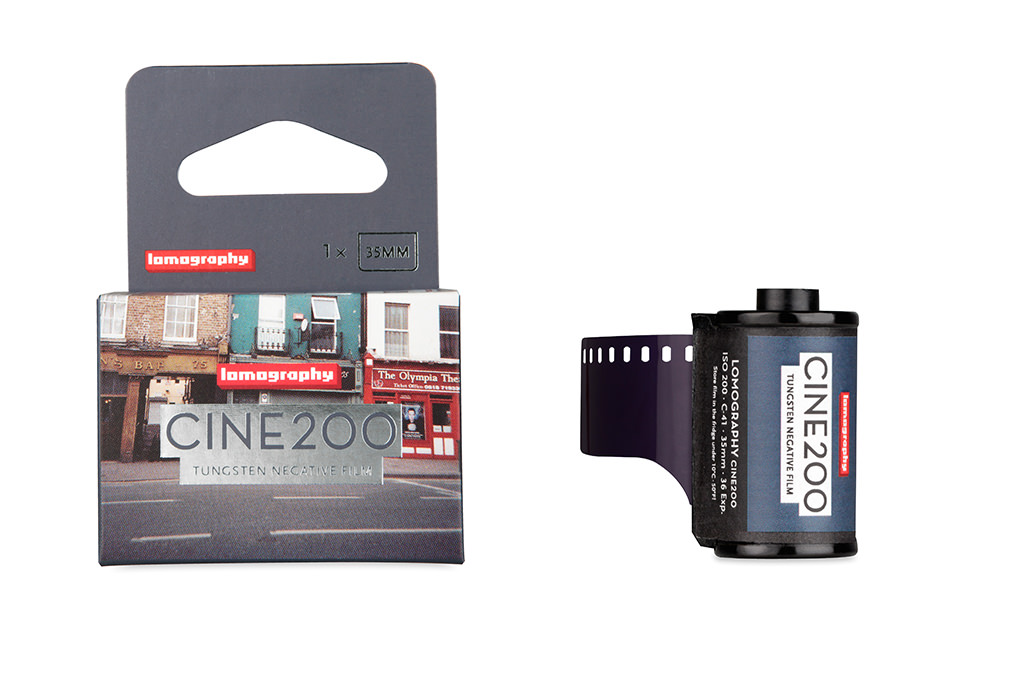
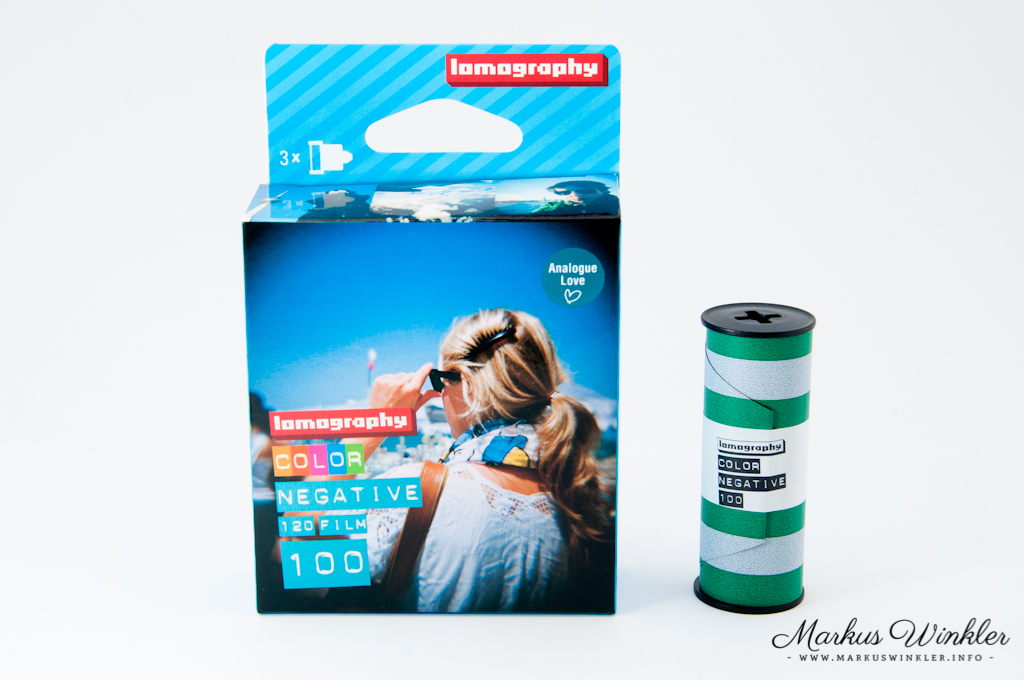
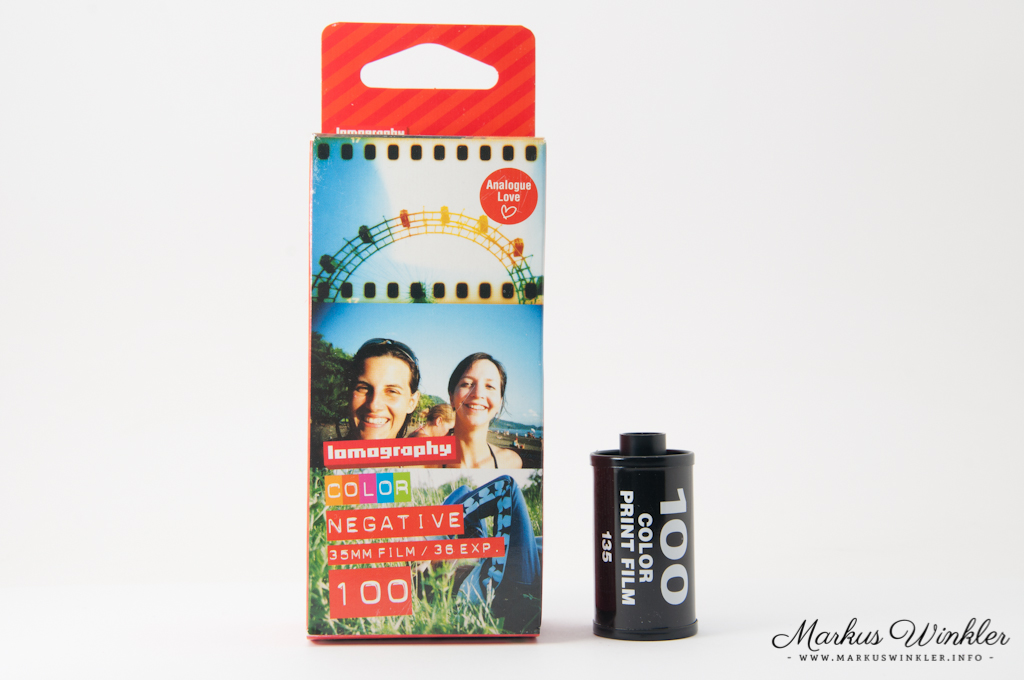
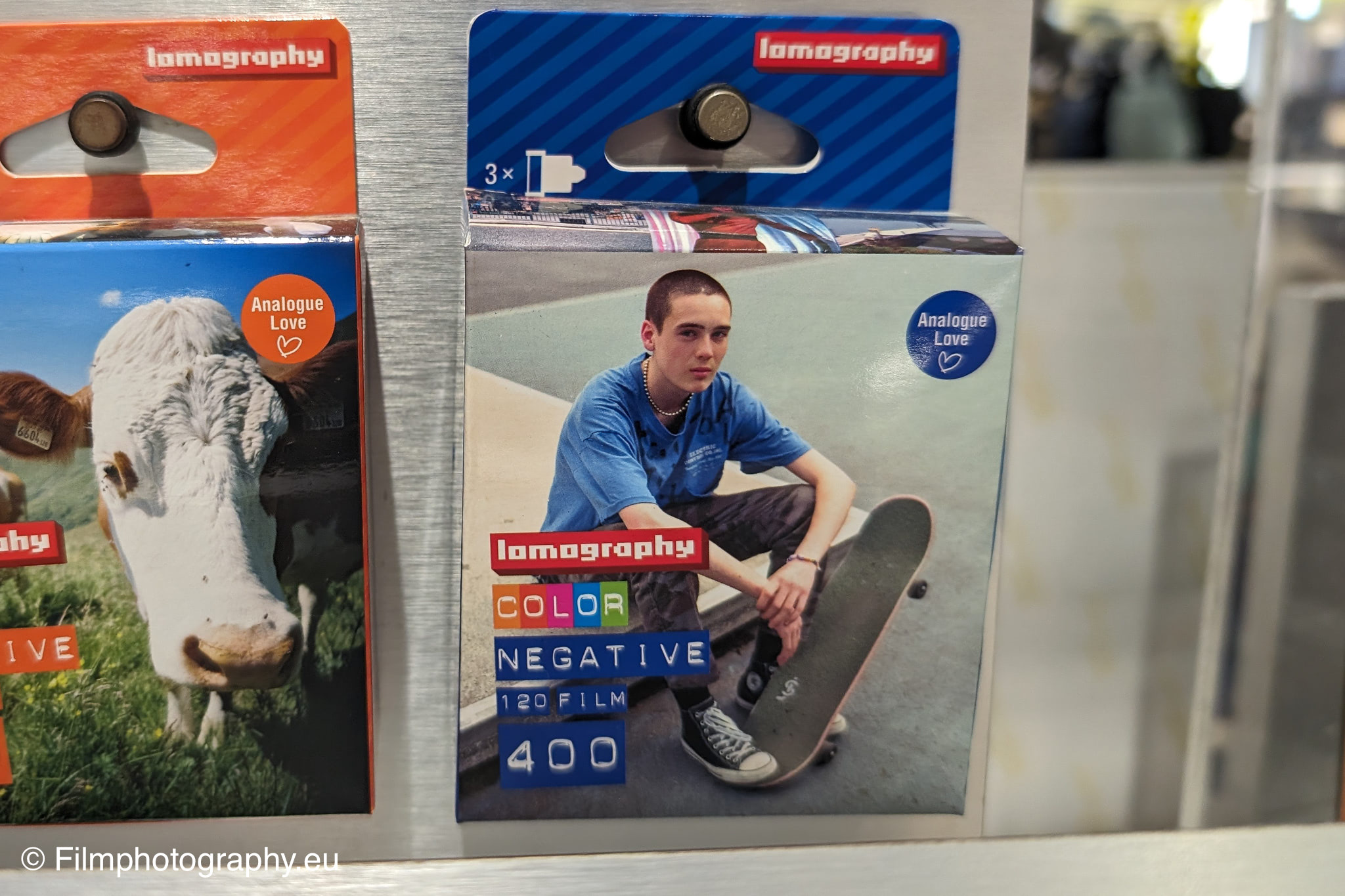
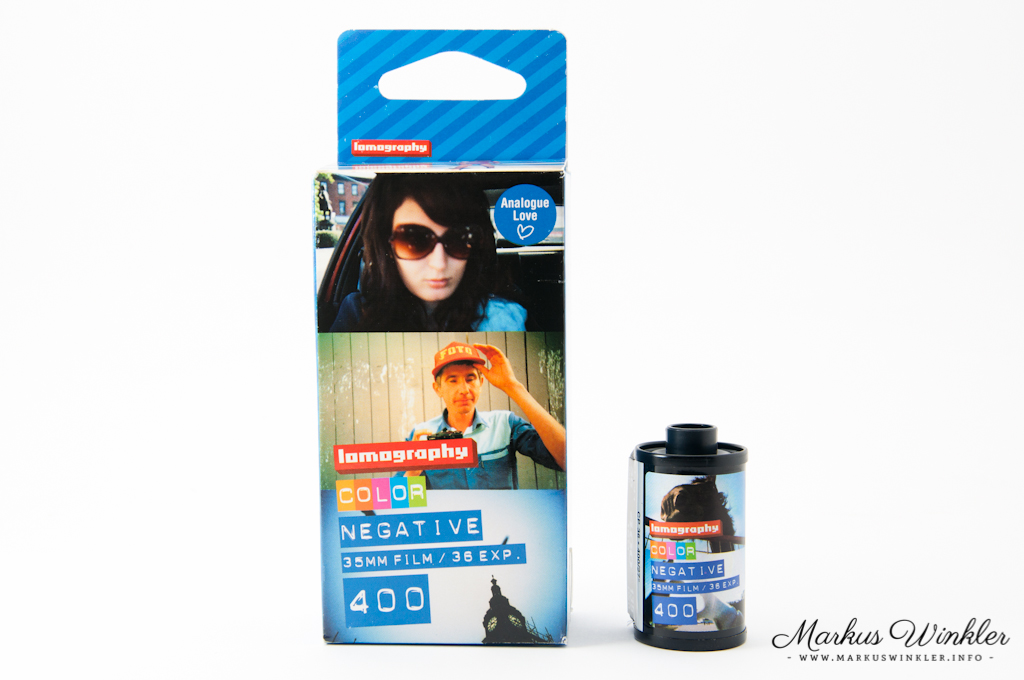
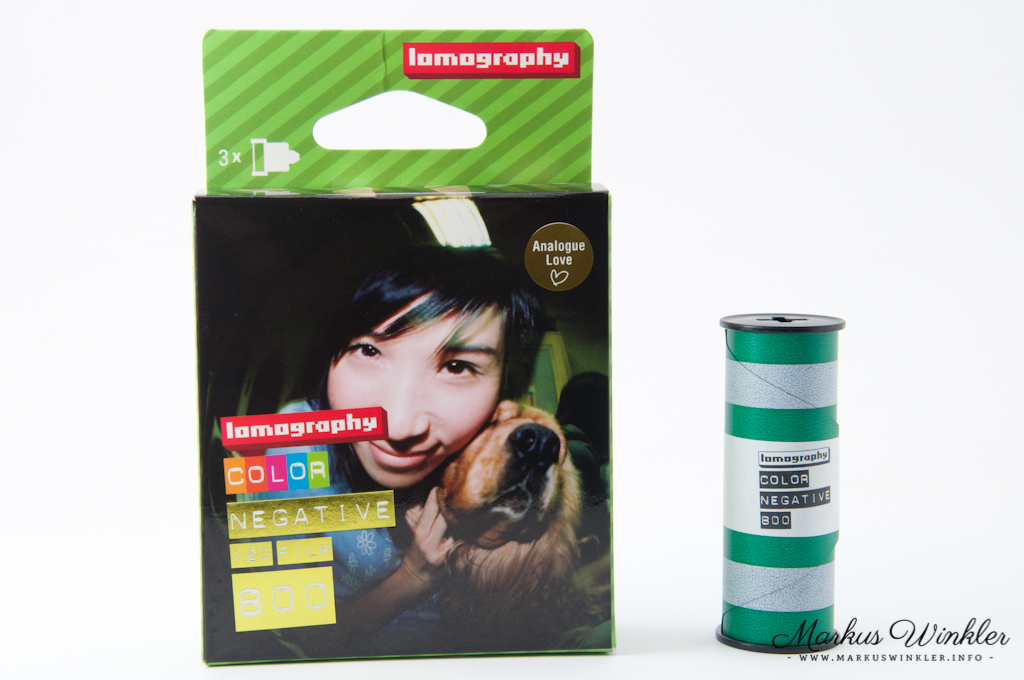
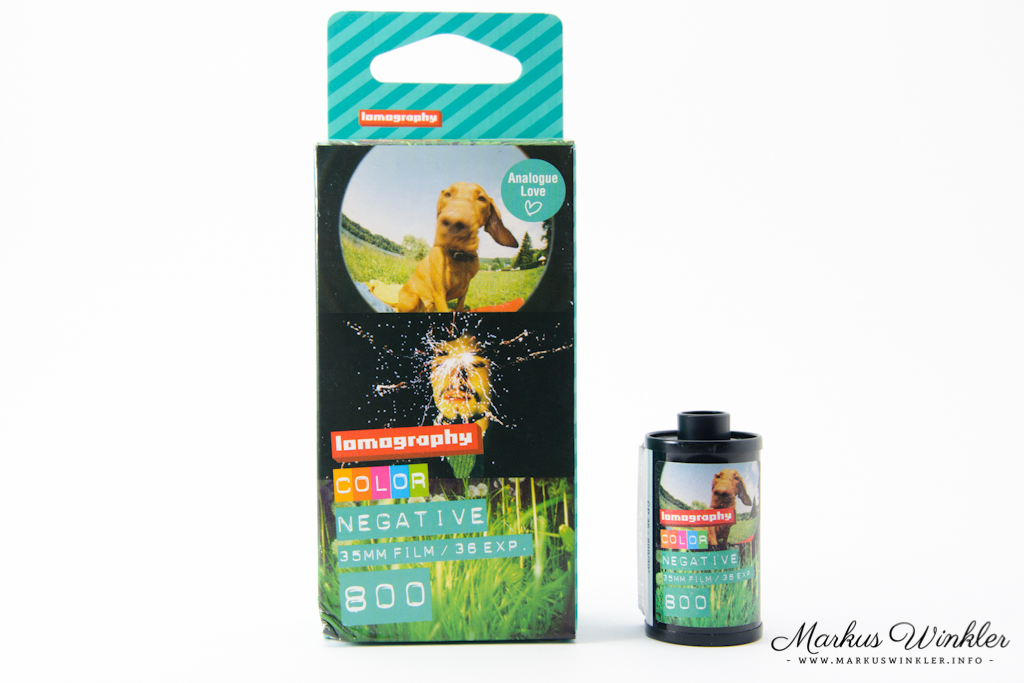
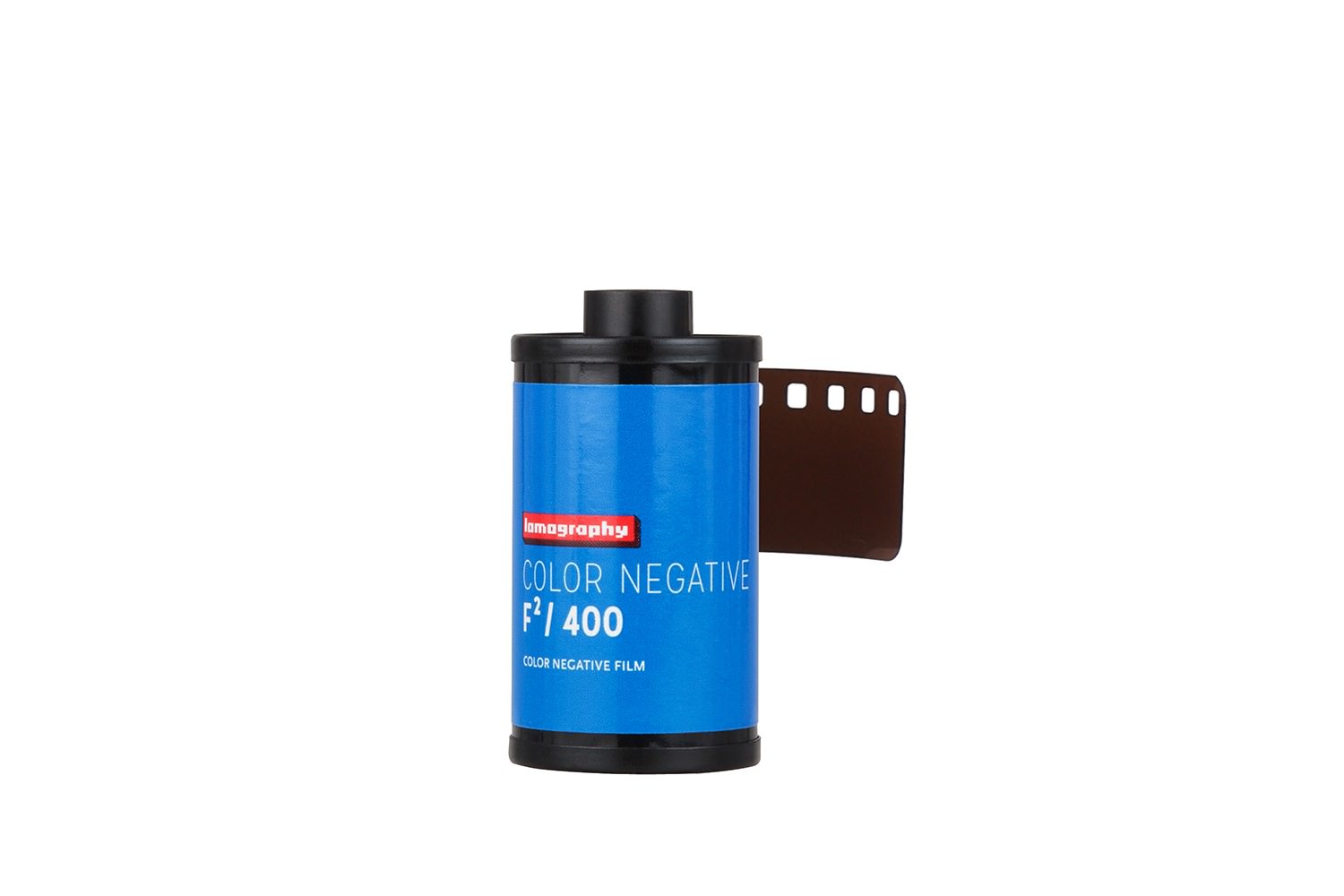
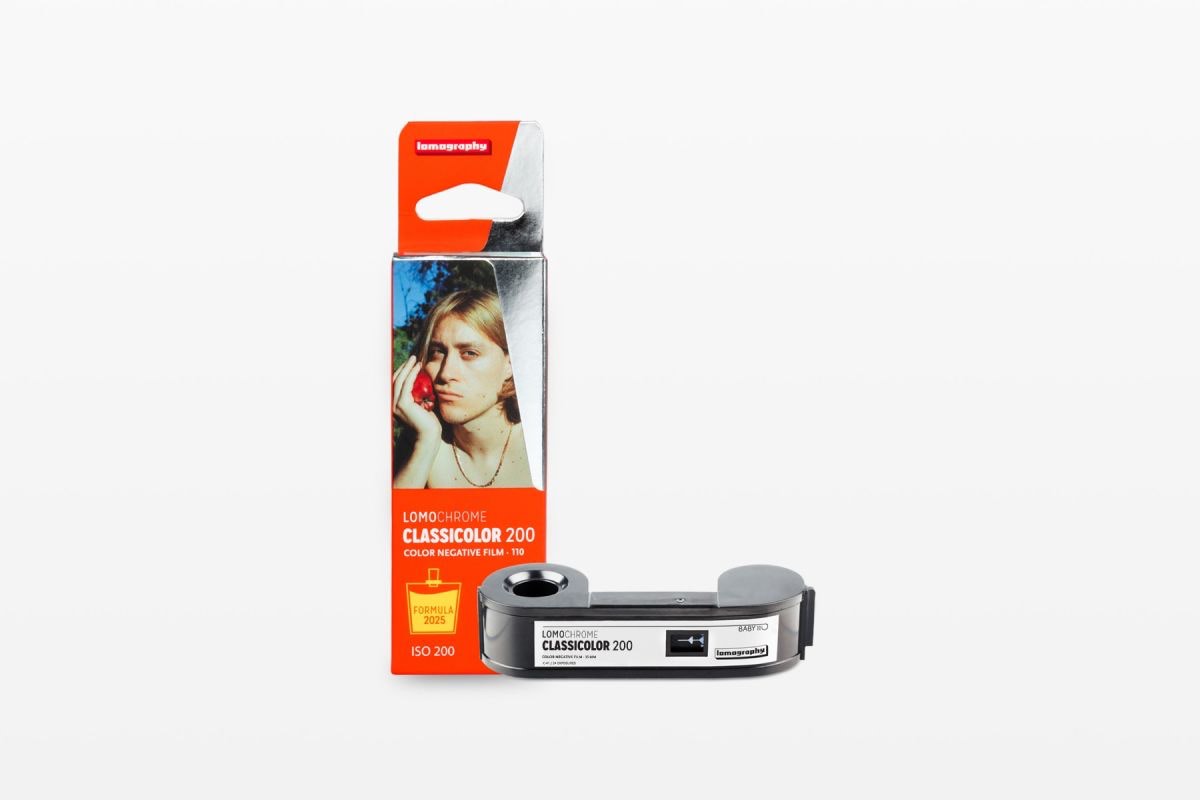
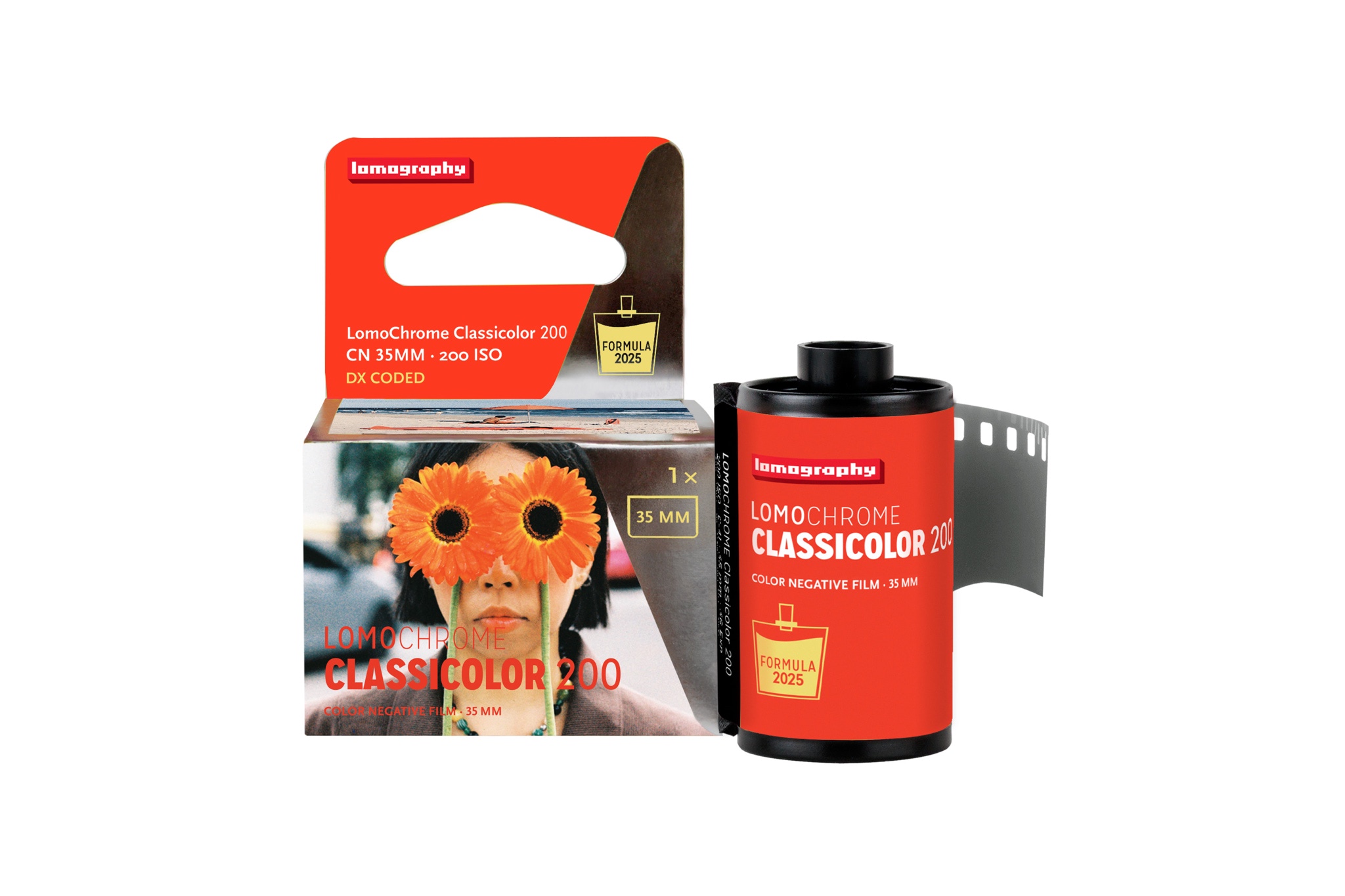
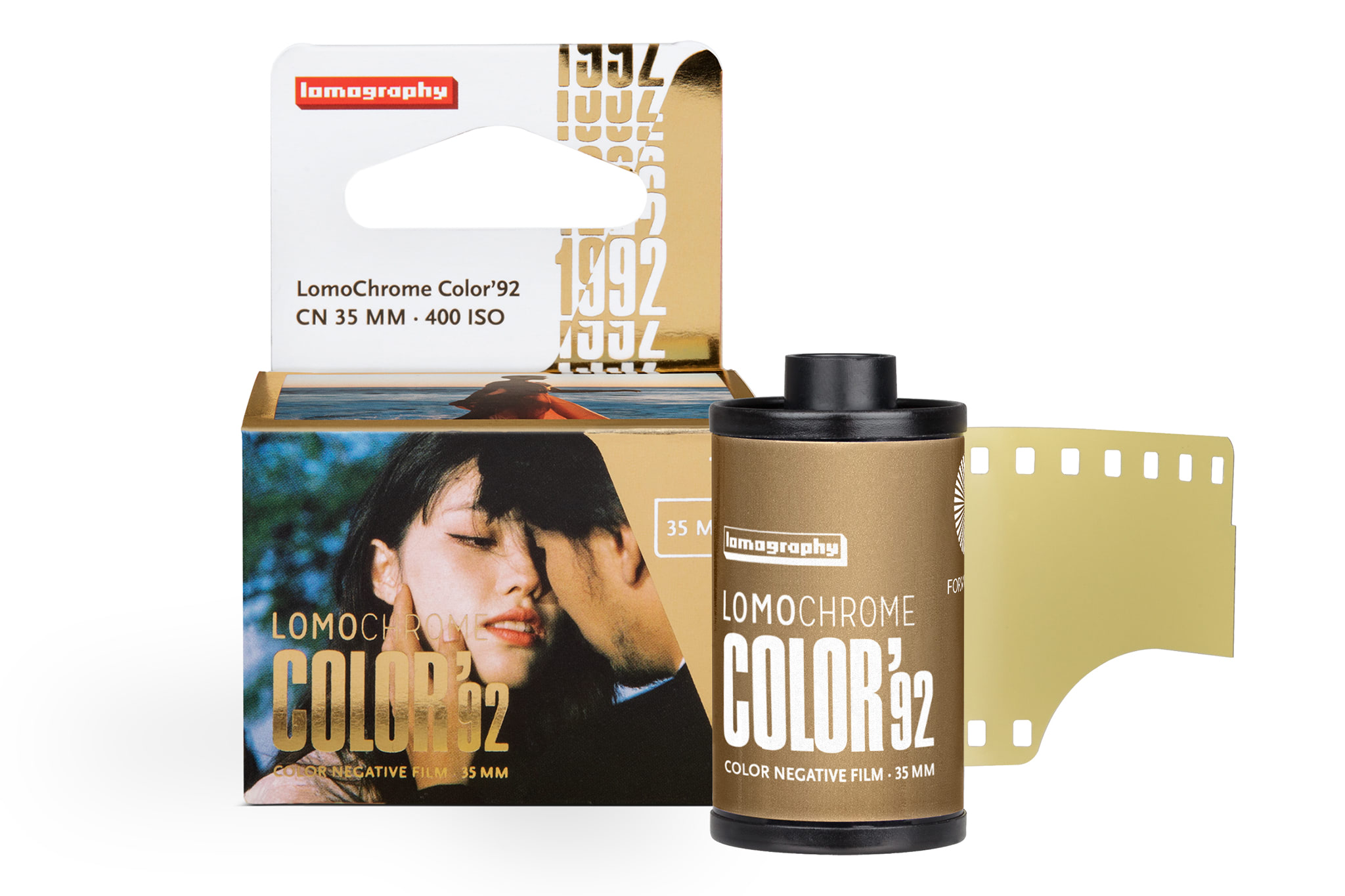
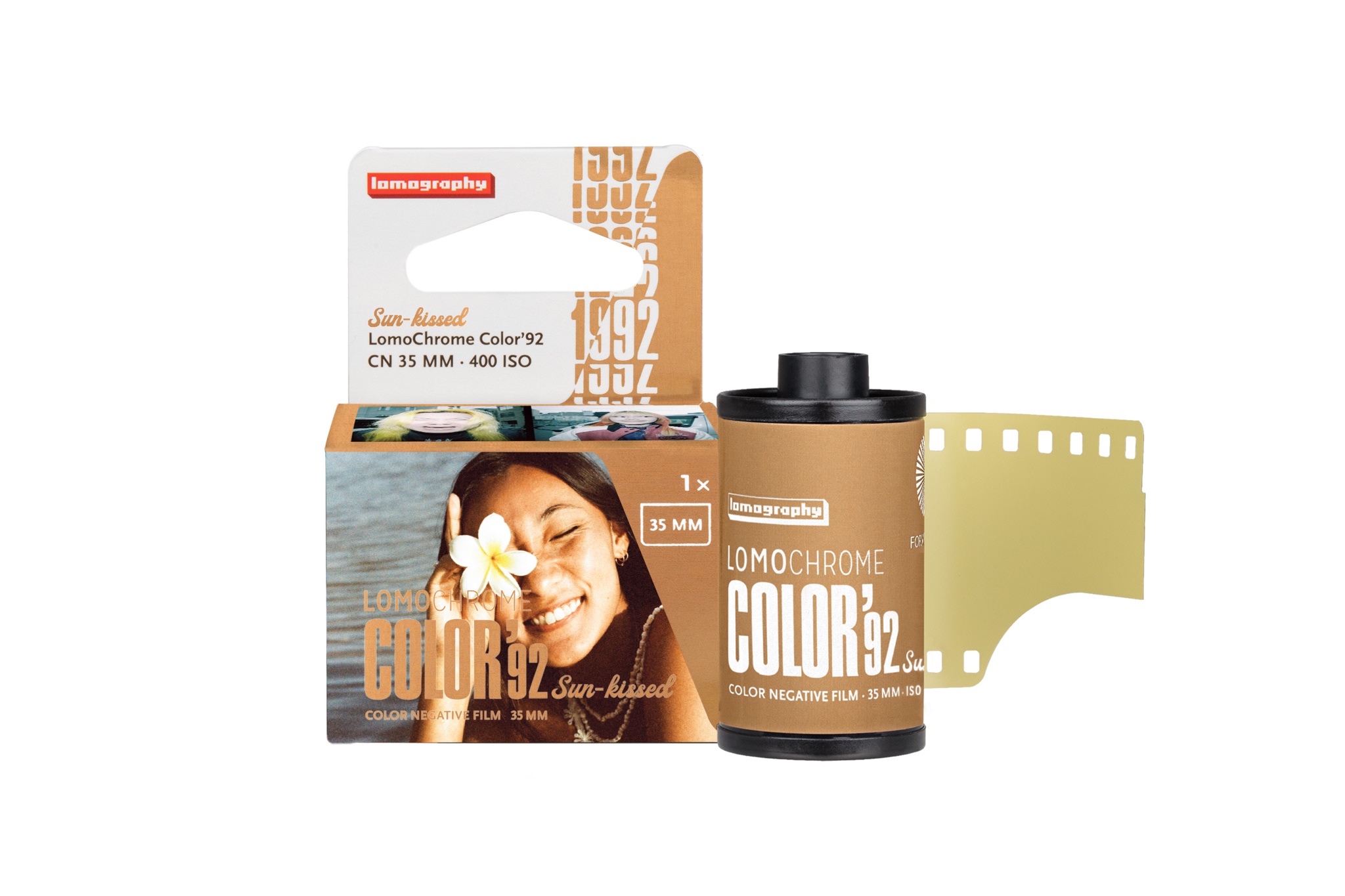
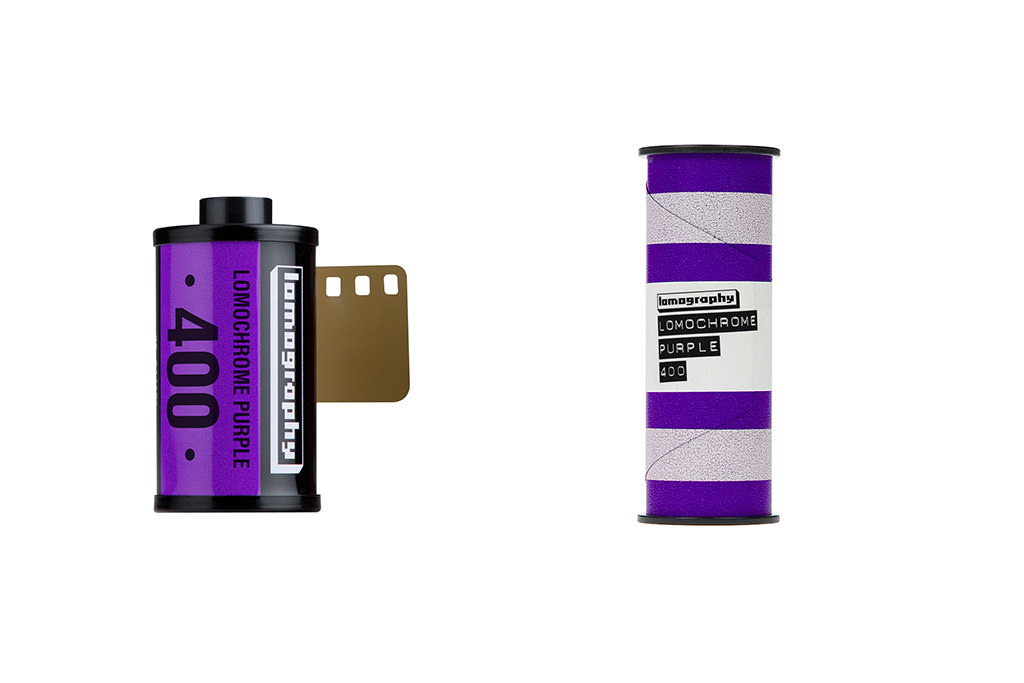
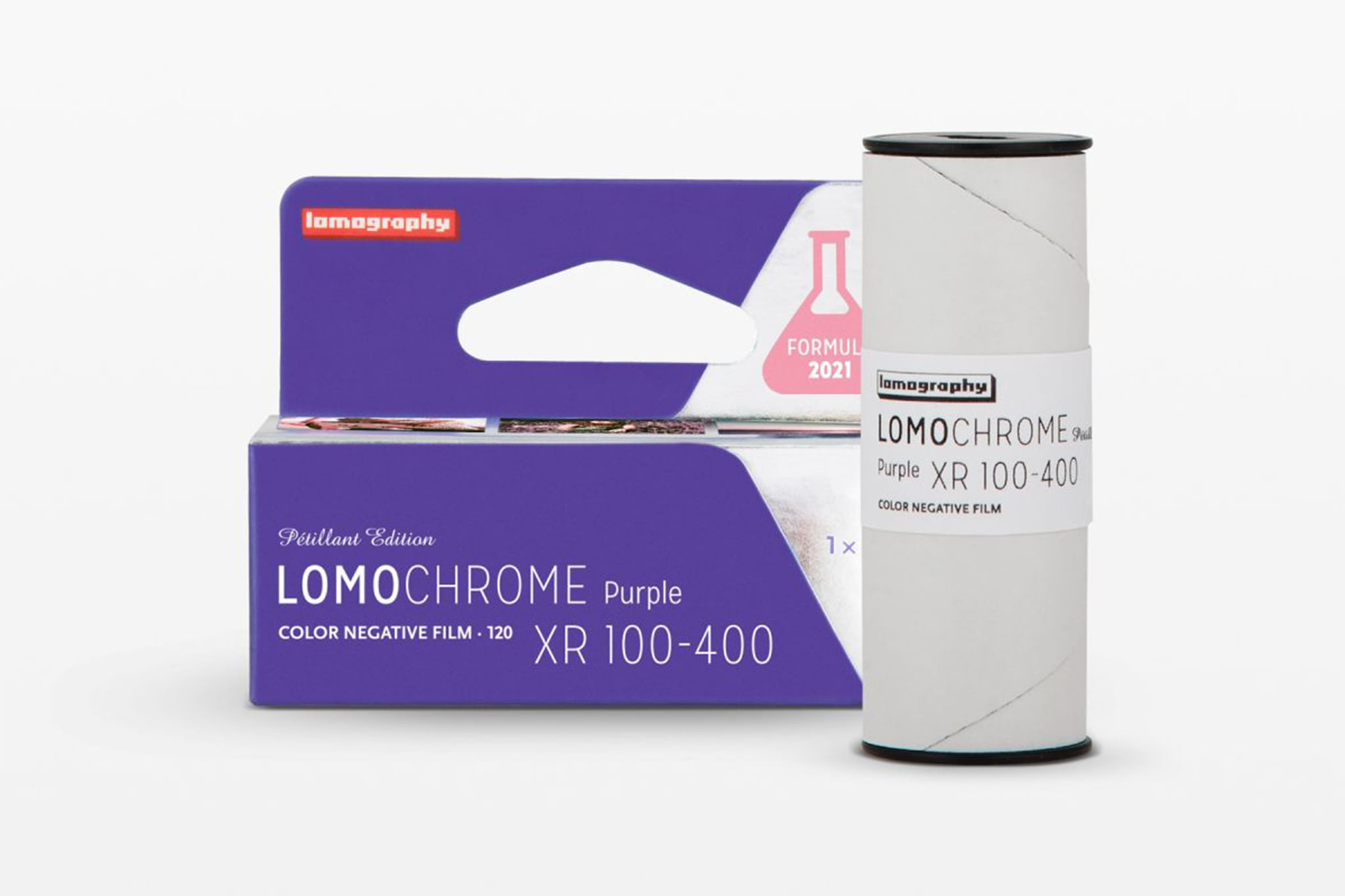
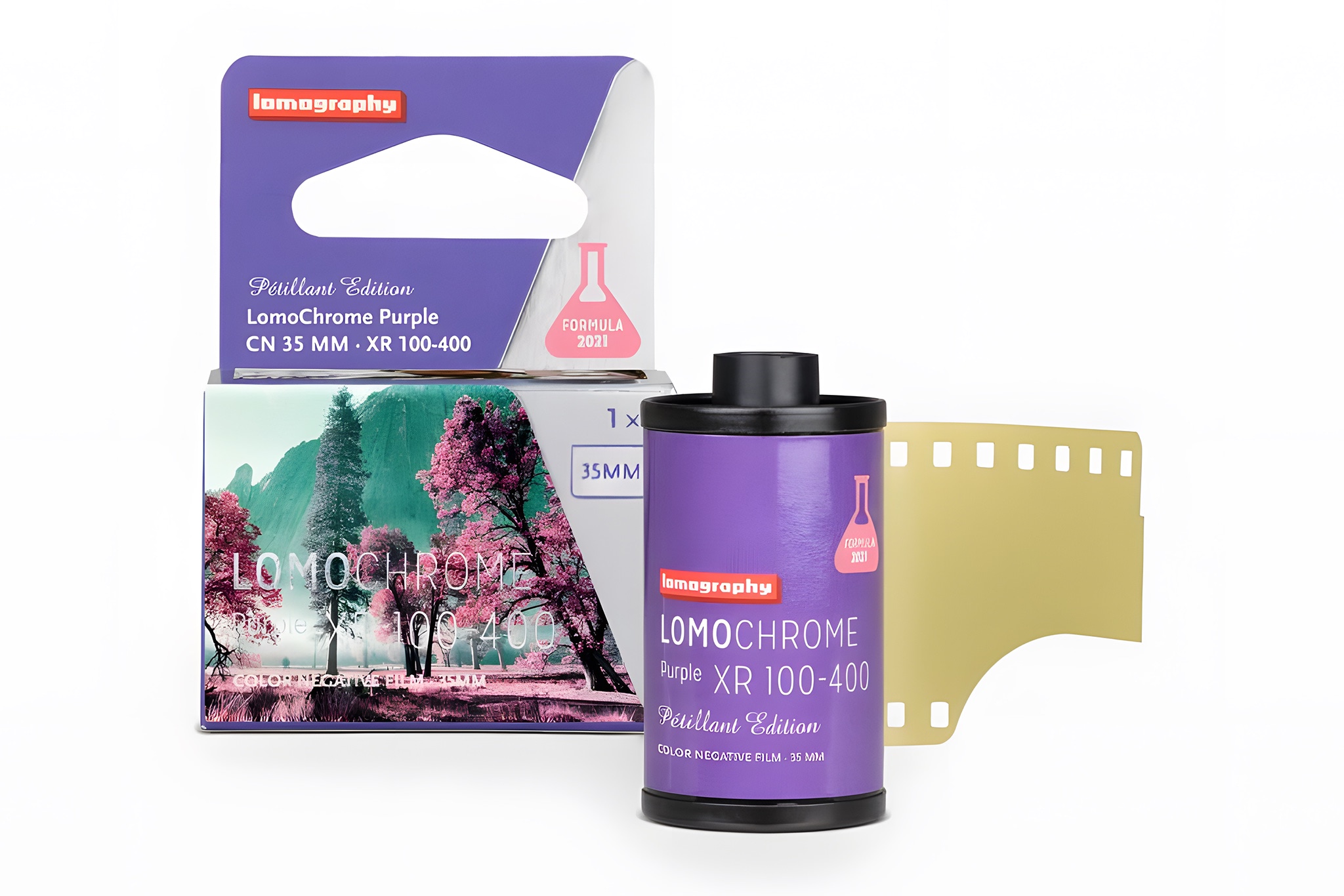
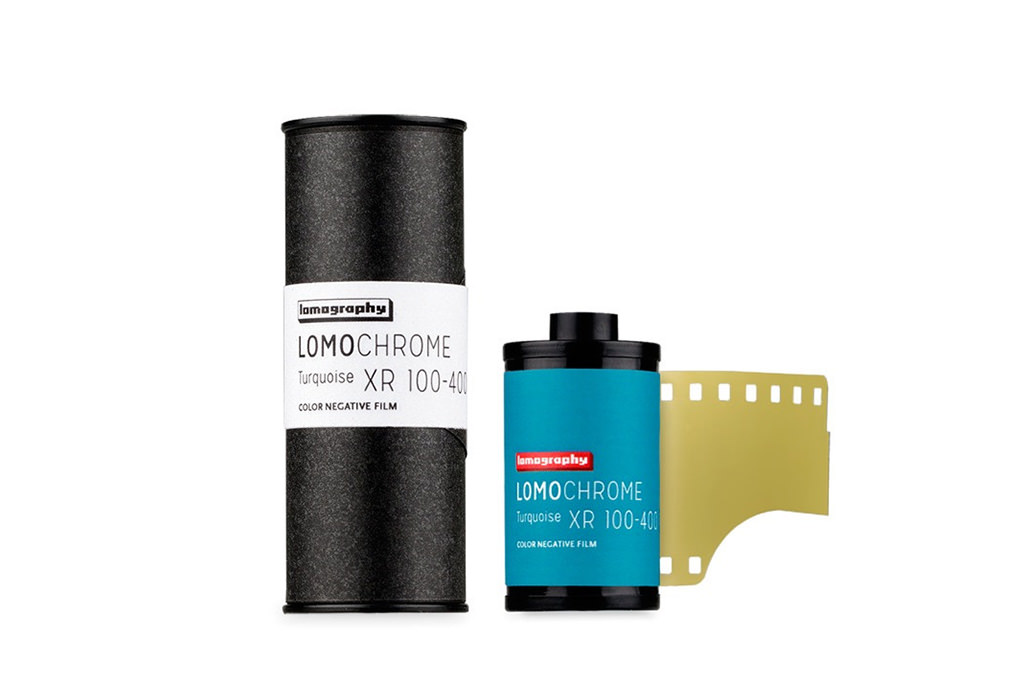
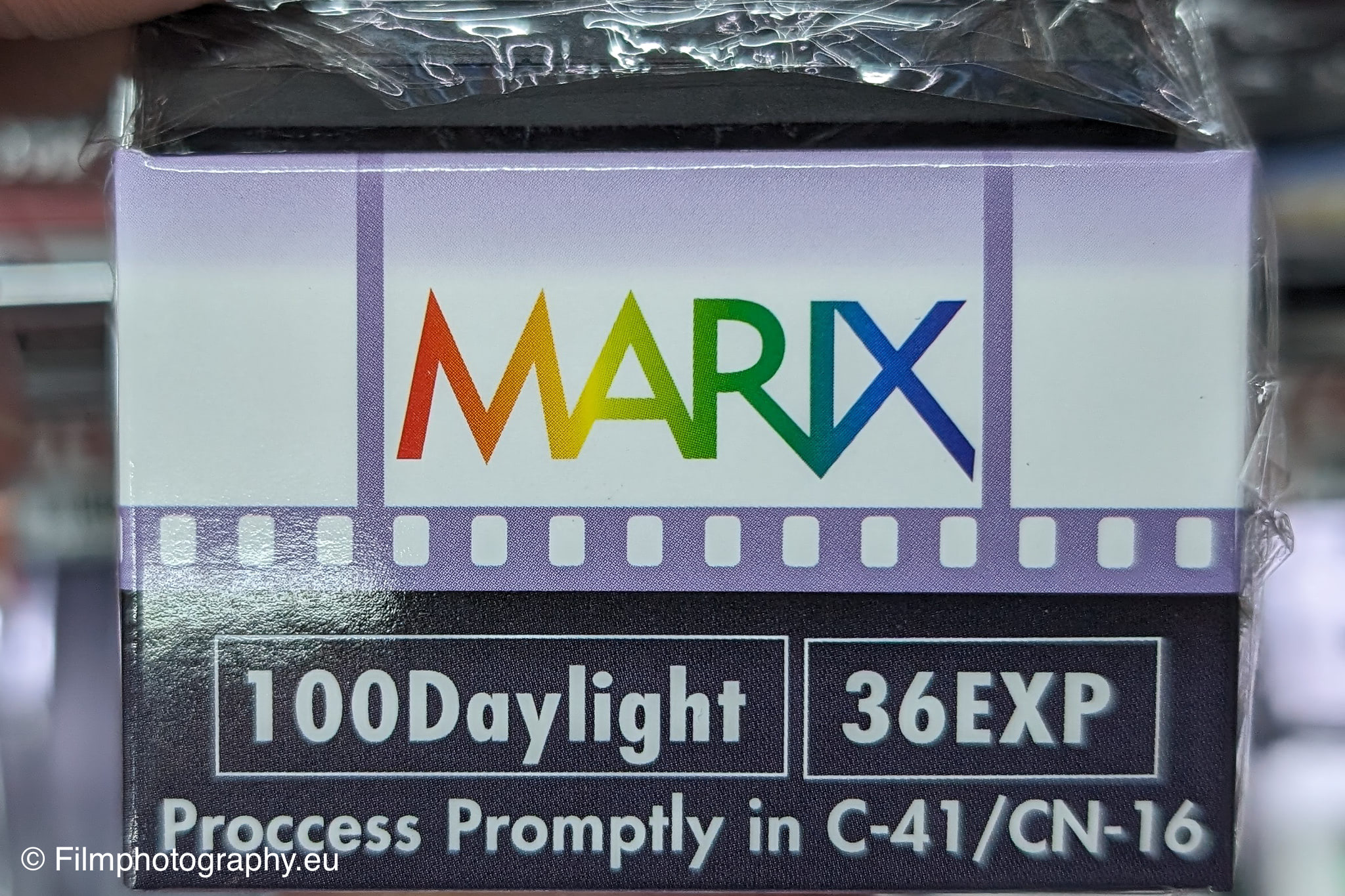
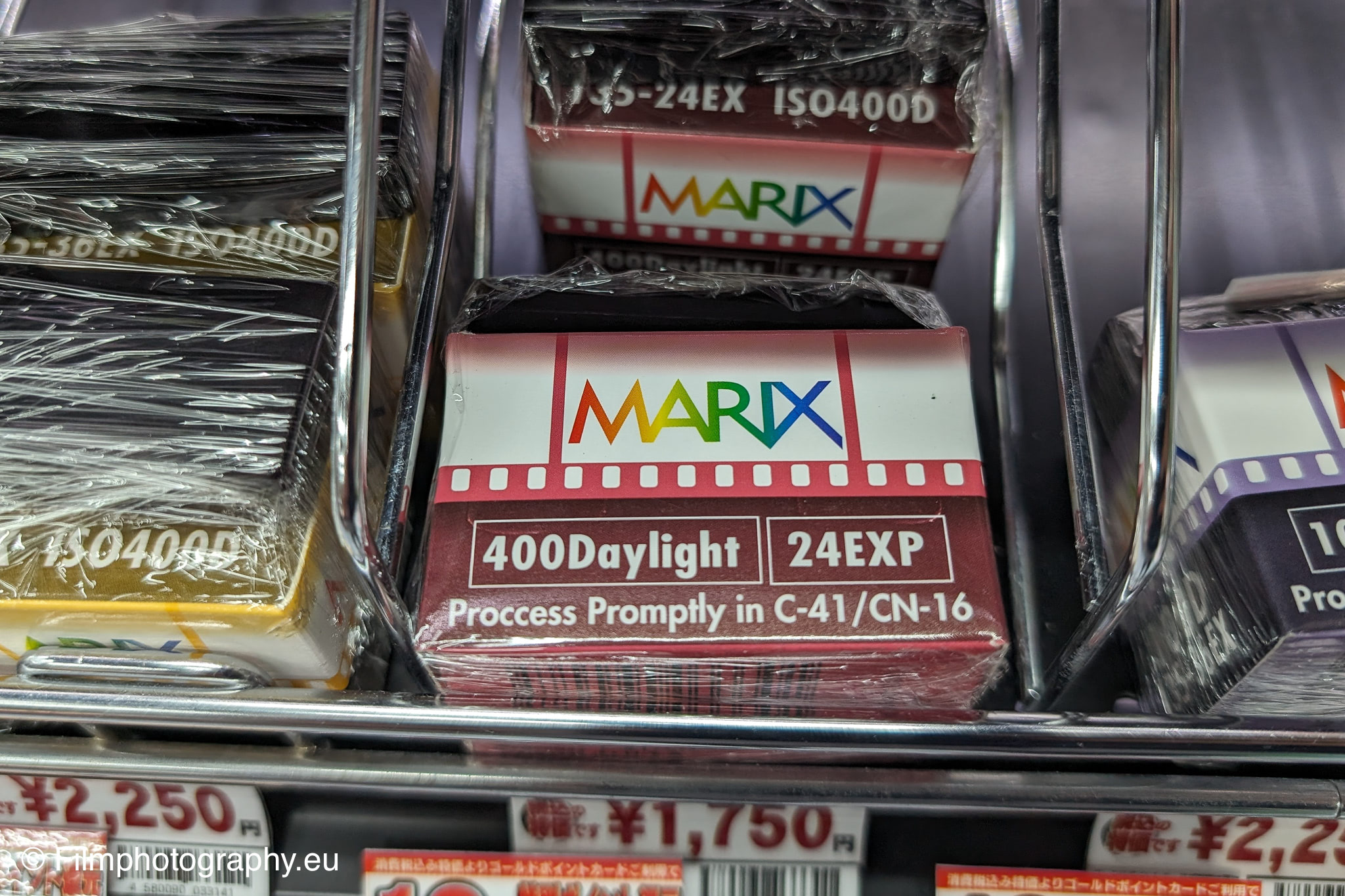
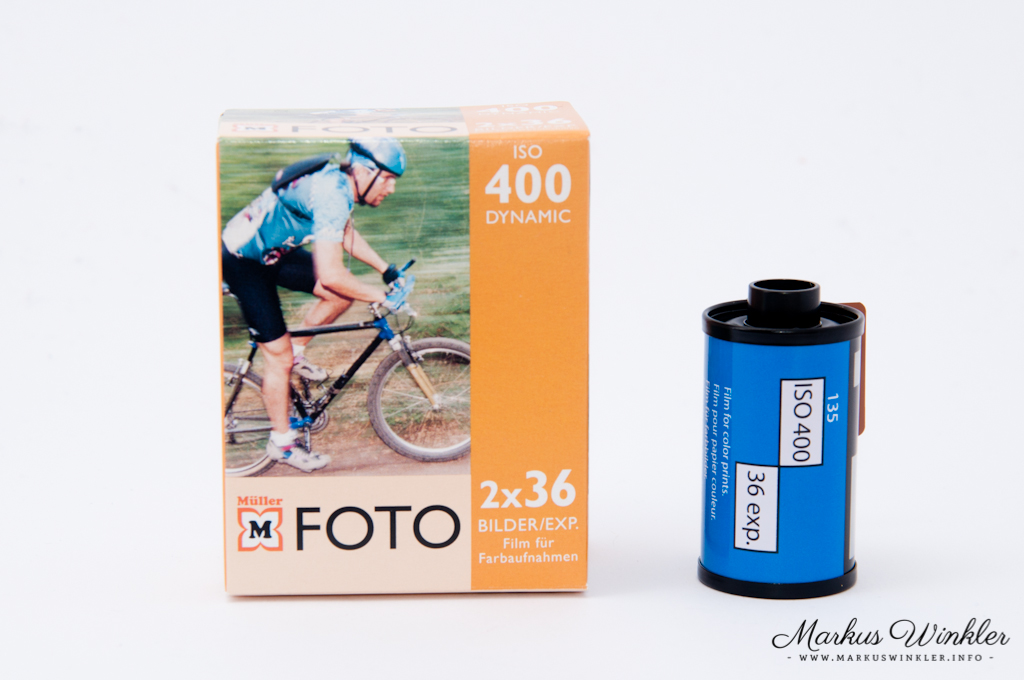
Color negative film is one of the most popular types of film for creating color photographs. As the name suggests, these films produce images in color, with the color tone being negative, meaning that the bright areas in the image appear darker and the dark areas appear lighter. This special property of color negative film ensures that the images after development have a “negative” appearance at first glance, where bright areas in the photo take the form of dark areas and vice versa. Color negative film is widely available and used more frequently than color slide film throughout the world, not least because of its availability and wide support in photography.
Unlike color slide film, which is used for projection onto screens or for making slides, color negative film is designed to be optimized for prints. The development process of these films is usually done using what is known as the C-41 process. This is a standard process used in both professional photo labs and many home darkrooms. C-41 is a relatively simple chemical process designed to produce consistent, high-quality results. The film is developed in several stages, optimizing colors and contrast to produce the best possible prints or scans.
After development, the film takes its final form as negatives, meaning that the color information is in reverse order. This is what makes up the so-called “orange mask” – a layer on the film created during development to improve color contrast and image sharpness. This orange mask is one of the distinctive features of color negative film. It ensures that the color balance in prints and scans is corrected so that the final image reflects the natural colors.
Before the photos can be viewed in the traditional way, they must either be made into prints or digitized, i.e. scanned. Scanning or digitizing the film allows the images to be viewed on a computer and displayed on various devices. Another option is to have them developed into prints in a photo lab, which is preferred especially if you want the traditional, physical prints. Both methods allow you to enjoy the color negative images in all their glory, but the scanning process requires a specific technique and equipment to achieve the best results.