Analogue photography opens up a virtually limitless range of creative possibilities. Not only the choice of camera and lens plays a role, the film itself can also be used as a creative tool to create unique visual effects.
A fascinating approach is so-called effect films. These films are treated, manipulated or changed using special techniques before exposure to create extraordinary results.
The range of effects extends from impressive color shifts to abstract textures and impressive light effects. In this text I show how effect films work, what techniques there are and how you can make them yourself.
What are effect films?
Effect films are analogue films that have been modified using physical, chemical or optical processes before they are used. These changes influence how the light hits the film and how the final image is created. The effects achieved can vary from subtle to spectacular, with chance often playing a decisive role – this is precisely what makes this creative method so appealing.
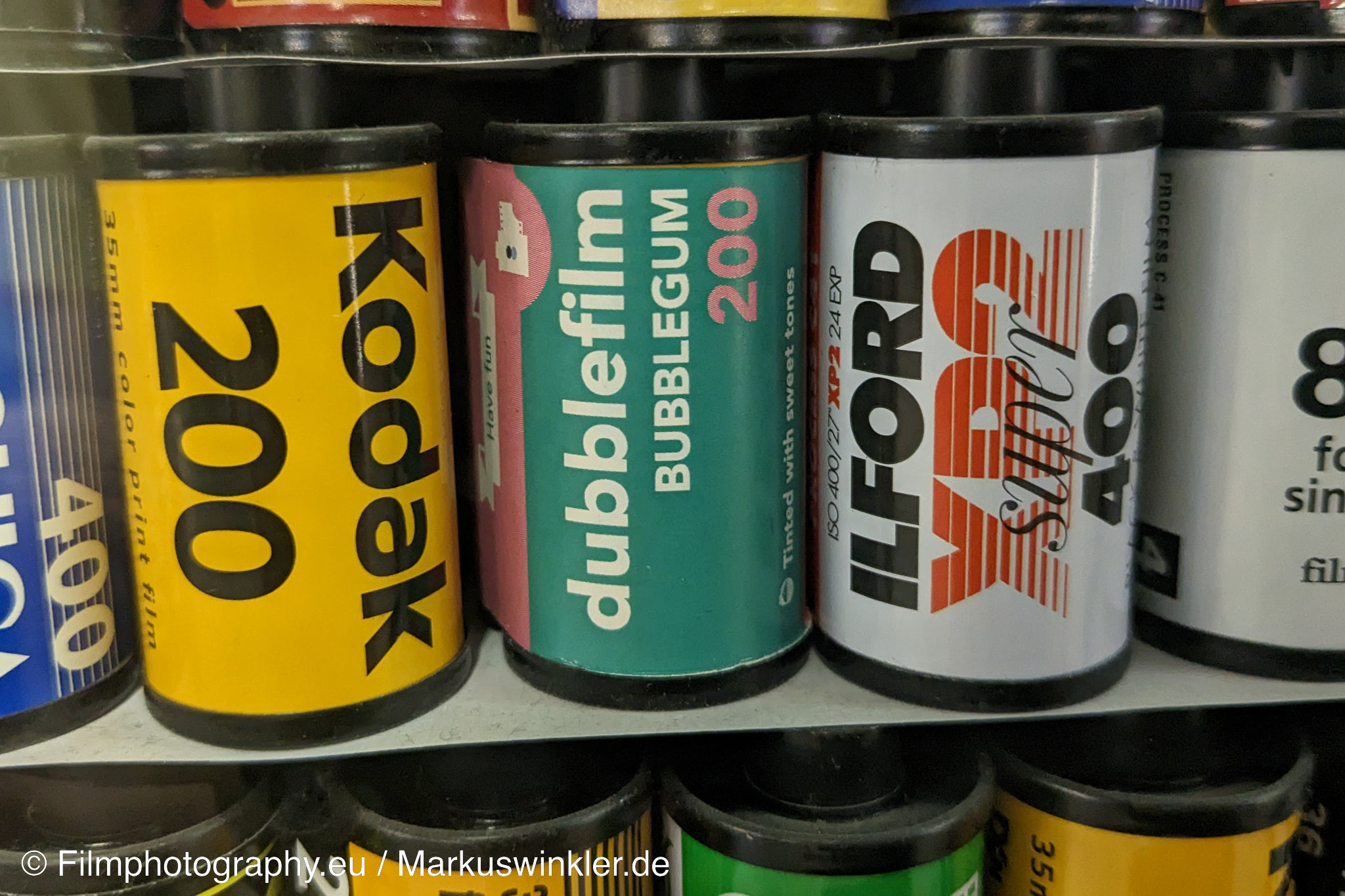
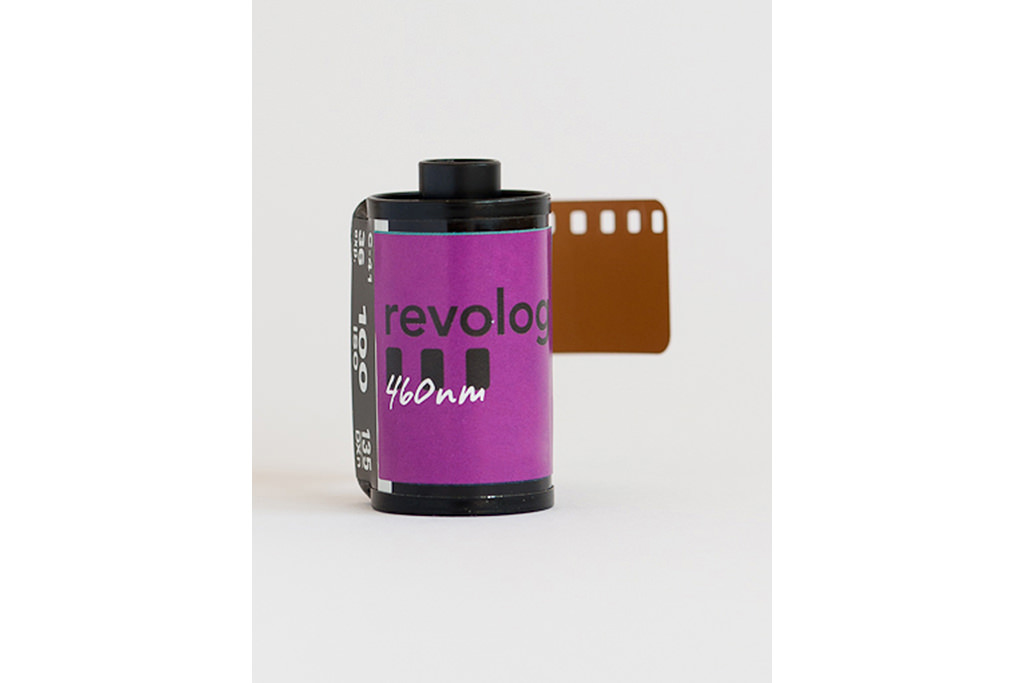
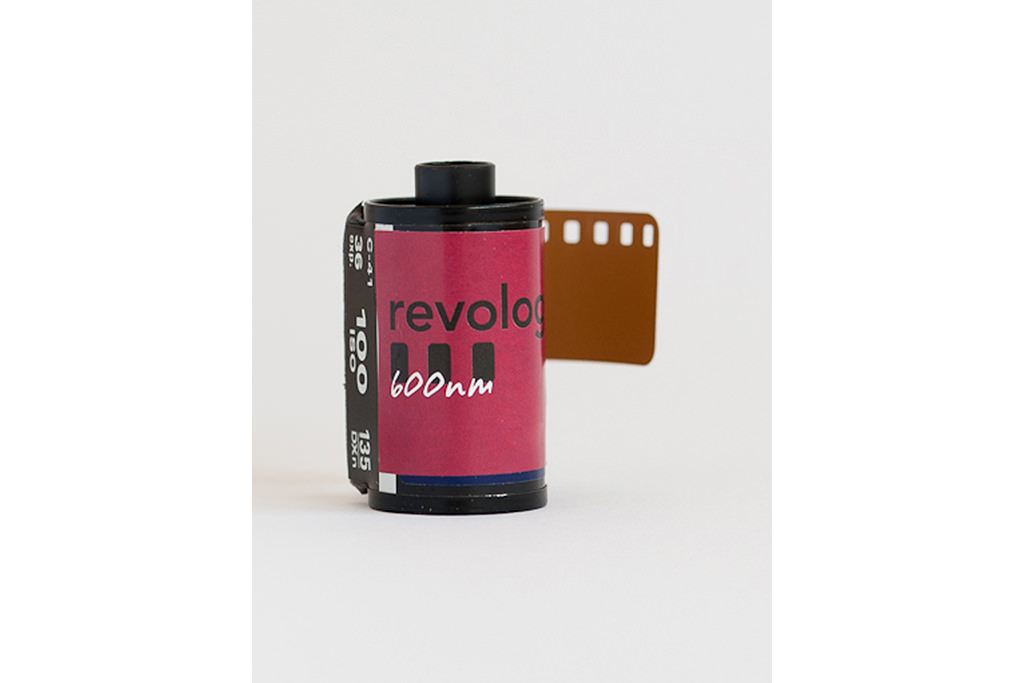
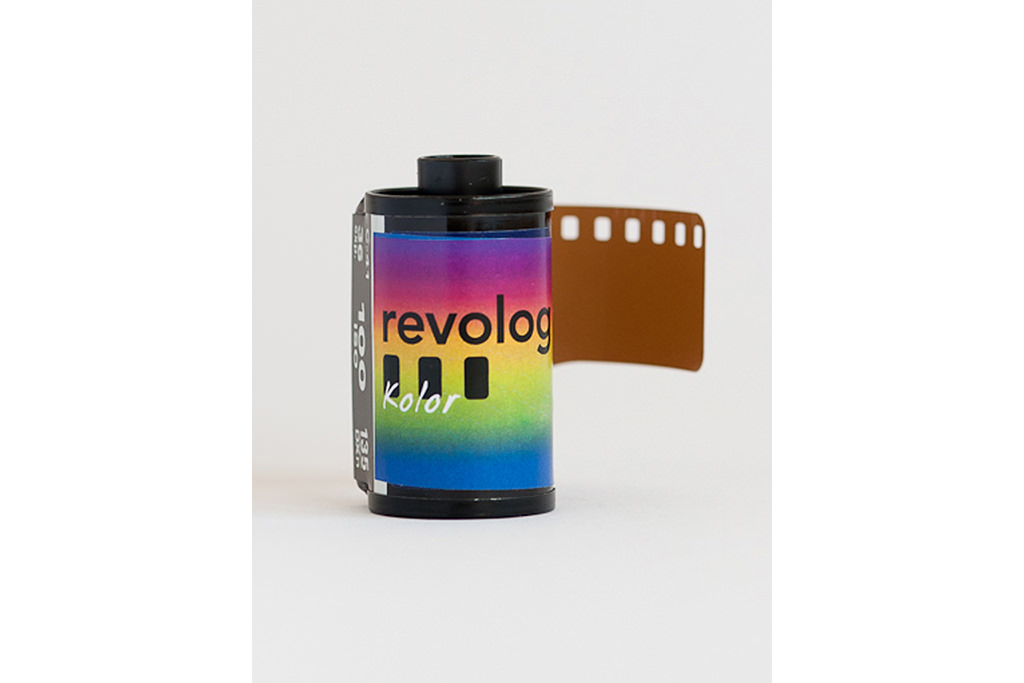
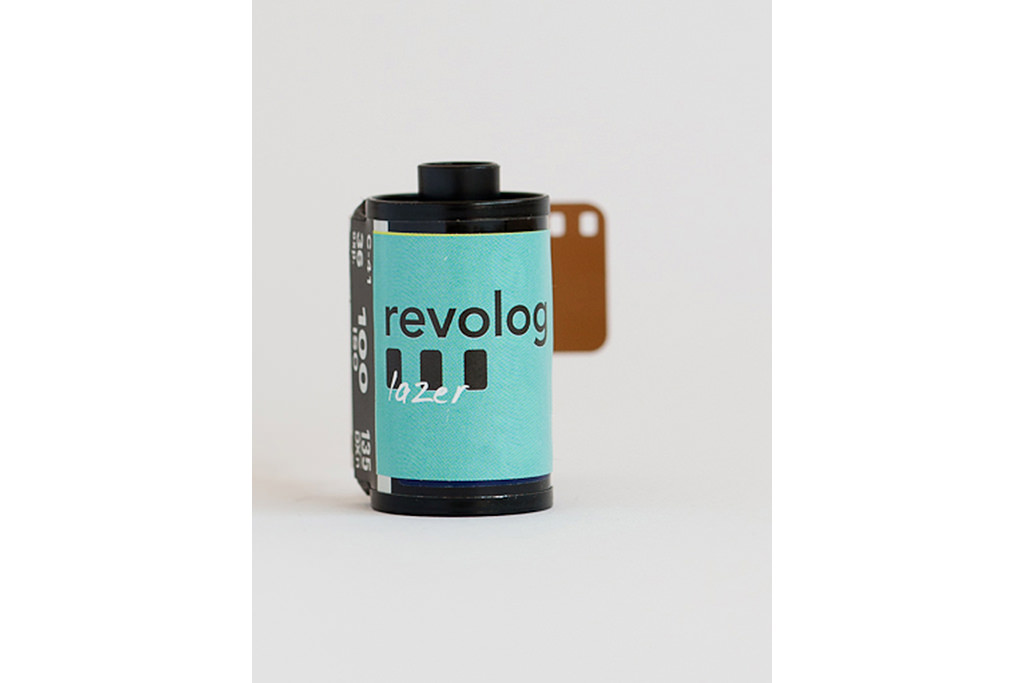
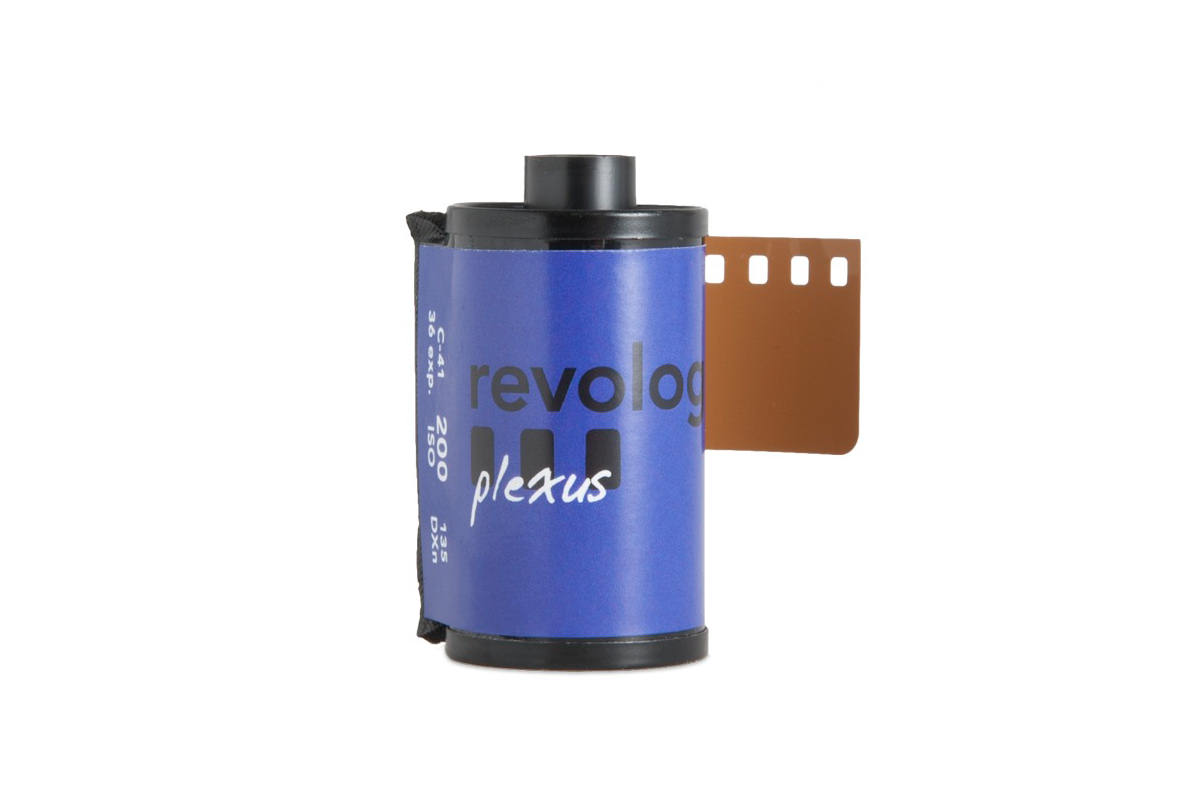
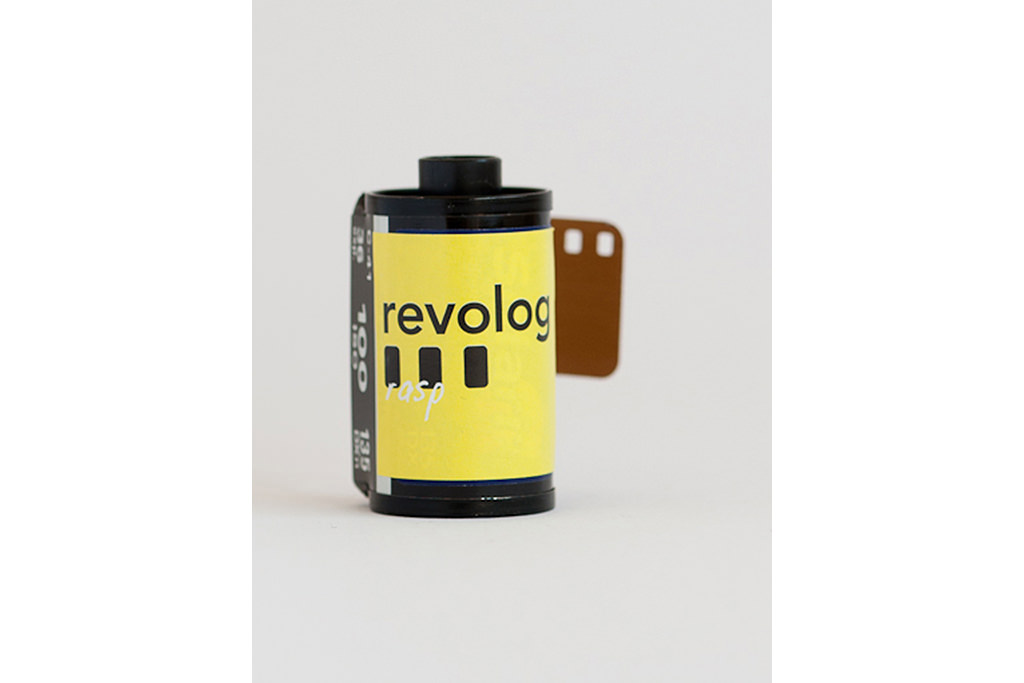
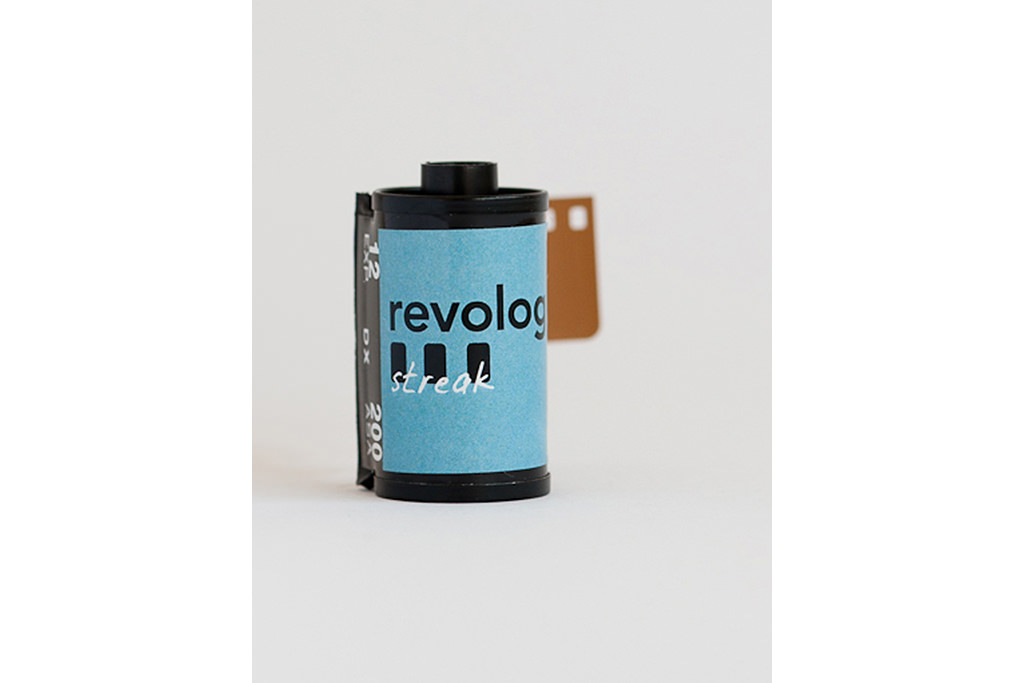
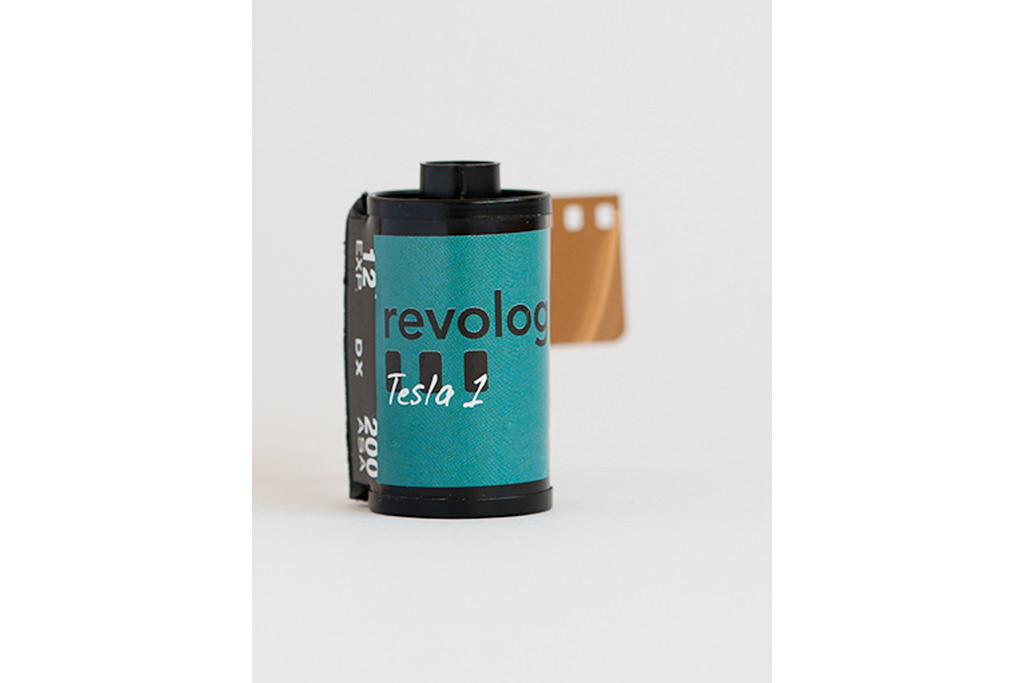
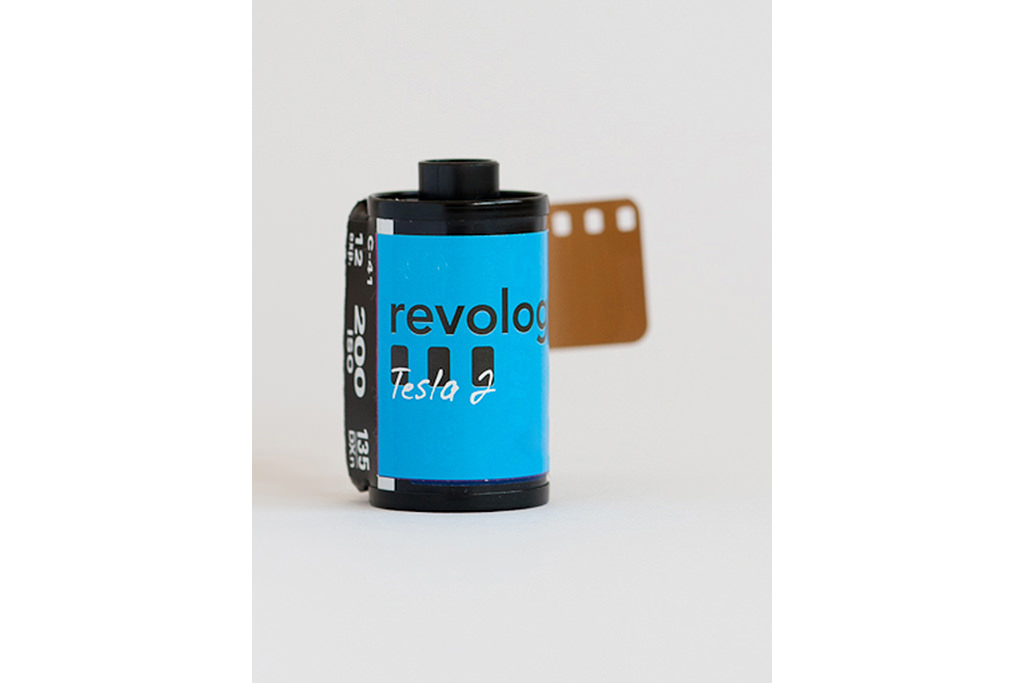
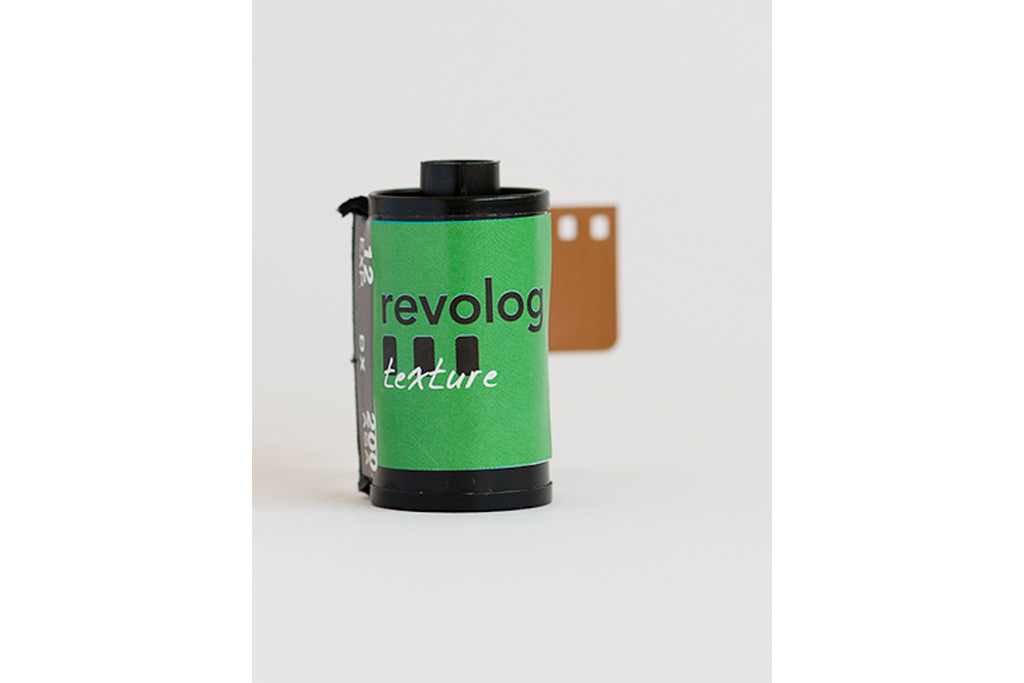
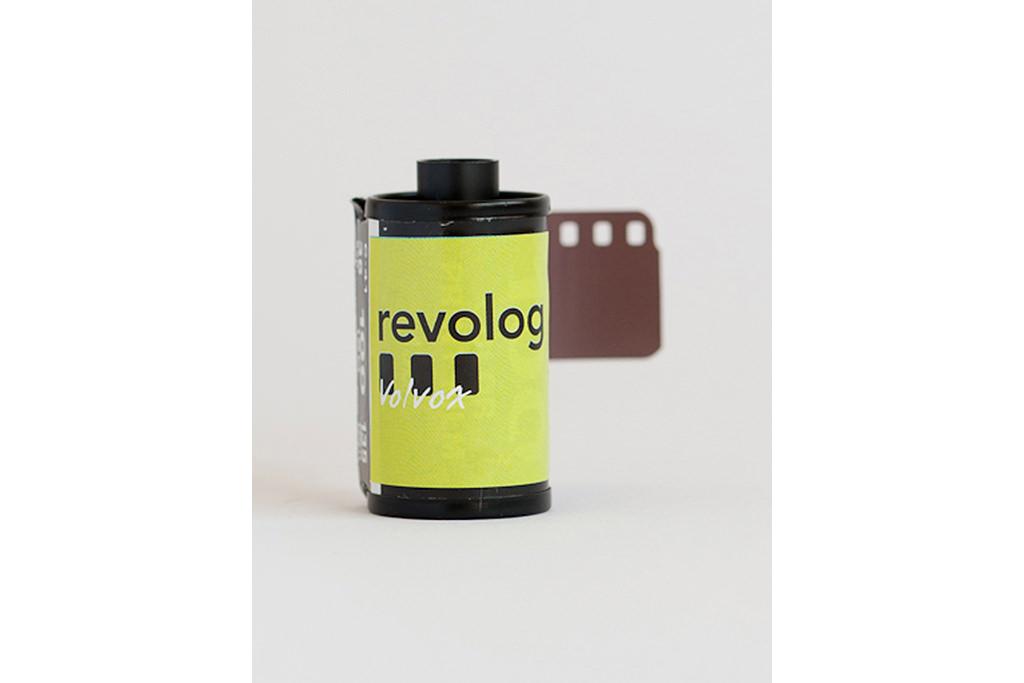
You can create your own effect films, but they are also sold by various suppliers. The suppliers generally use material from well-known film manufacturers such as Kodak or Fujifilm. The most common is color film for the 35mm format. However, there is also some material for medium format cameras and black and white films. Well-known brands include Revolog, KONO! or Dubblefilm. Lomography, which would be obvious, has not yet produced any effect films of this type.
Exposing an effect film
The use of effect films in an analog camera requires special attention during exposure and development, as the manipulations carried out often make the film unpredictable.
Chemical treatments can, for example, change the film’s sensitivity to light, which is why it makes sense to be generous with the exposure – overexposure by 1-2 f-stops is often recommended.
If the film has been processed by pre-exposure or physical manipulation, it is important to take the effects into account when choosing the subject and lighting conditions: contrasts and plays of light are often particularly effective.
During development, the photo lab should be informed of the manipulations, especially if chemical substances have been used, as these could leave residues. Alternatively, you can develop the film yourself to have maximum control over the results. A test film is always useful to better assess the characteristics of the film being treated.