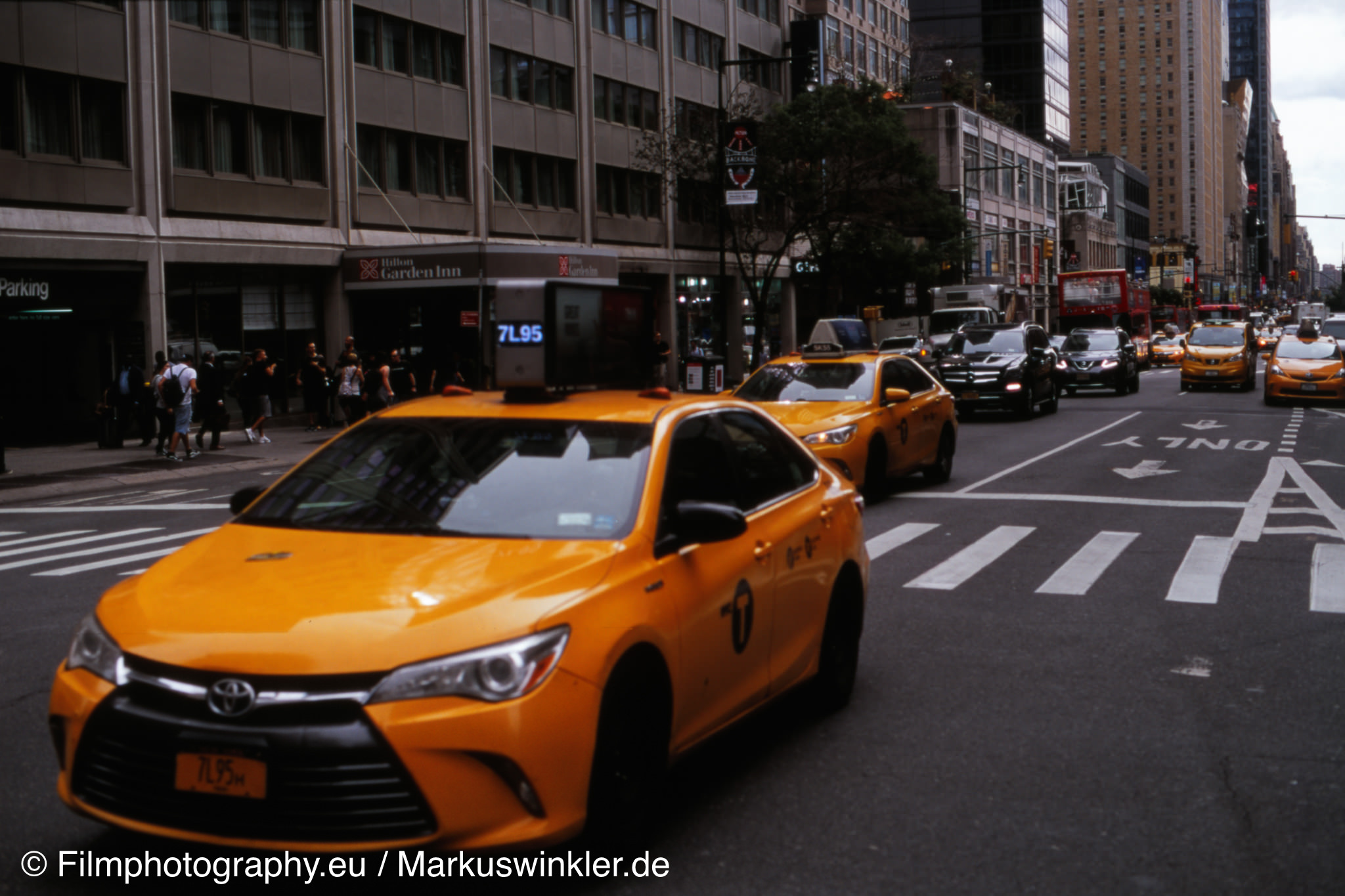
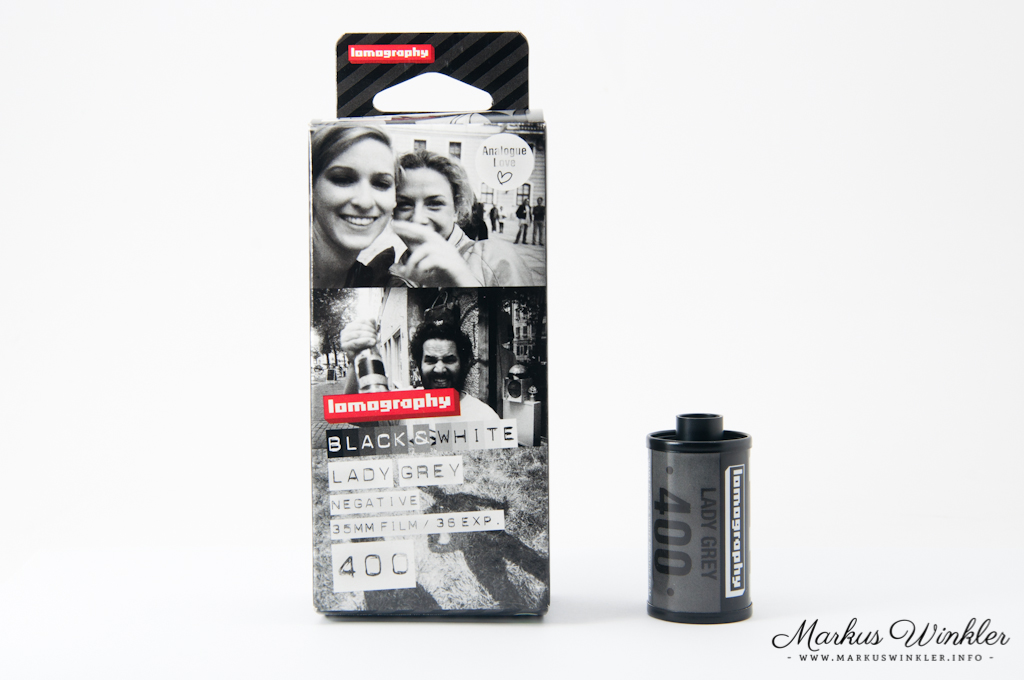
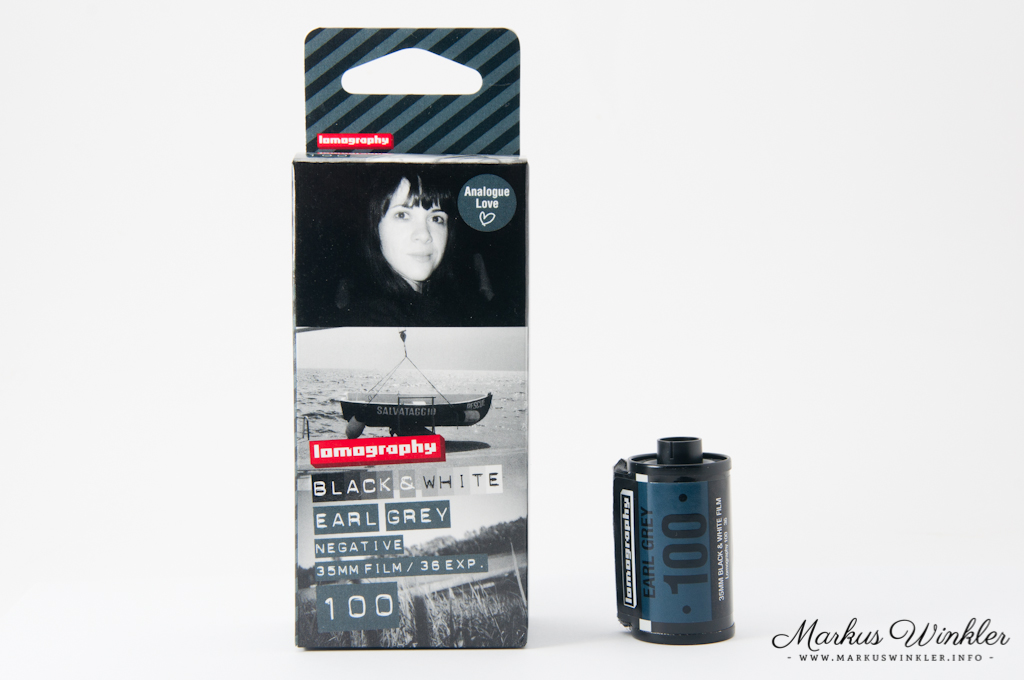
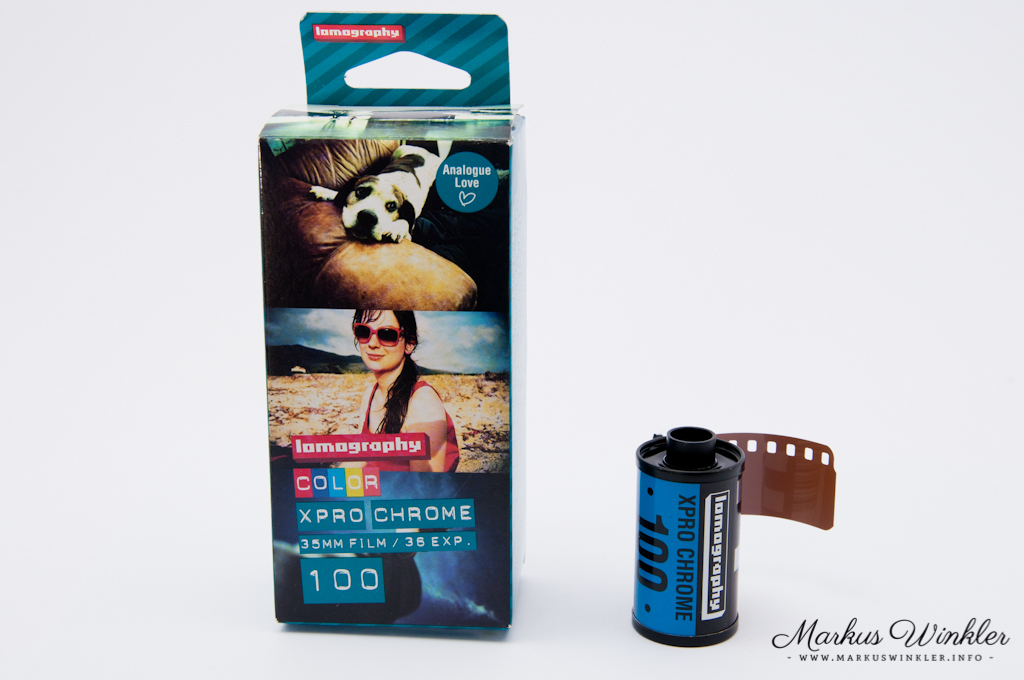
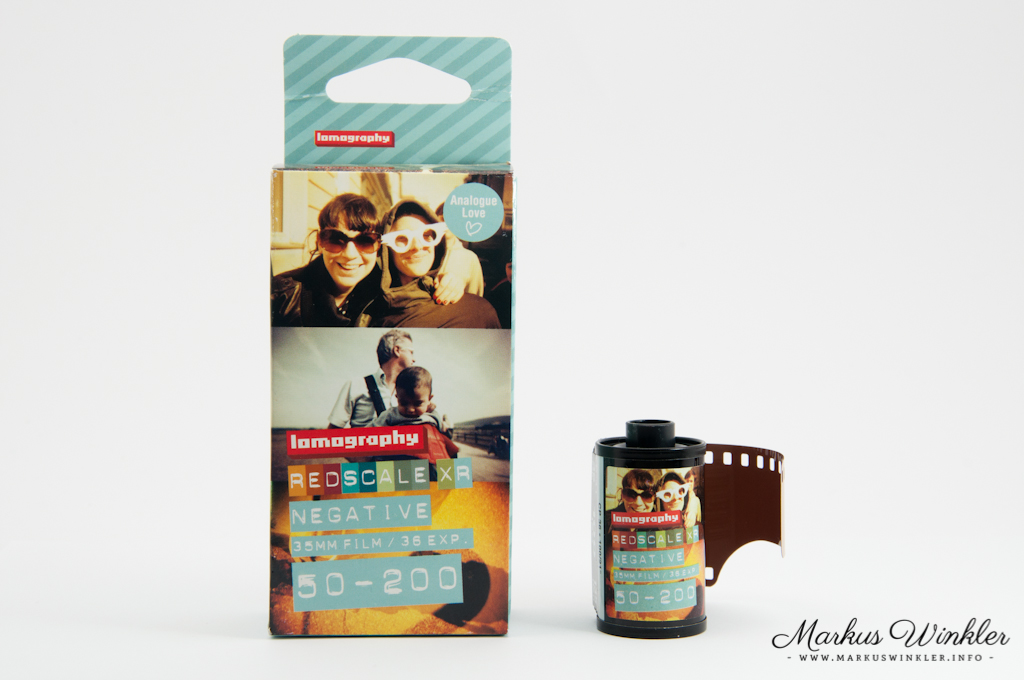
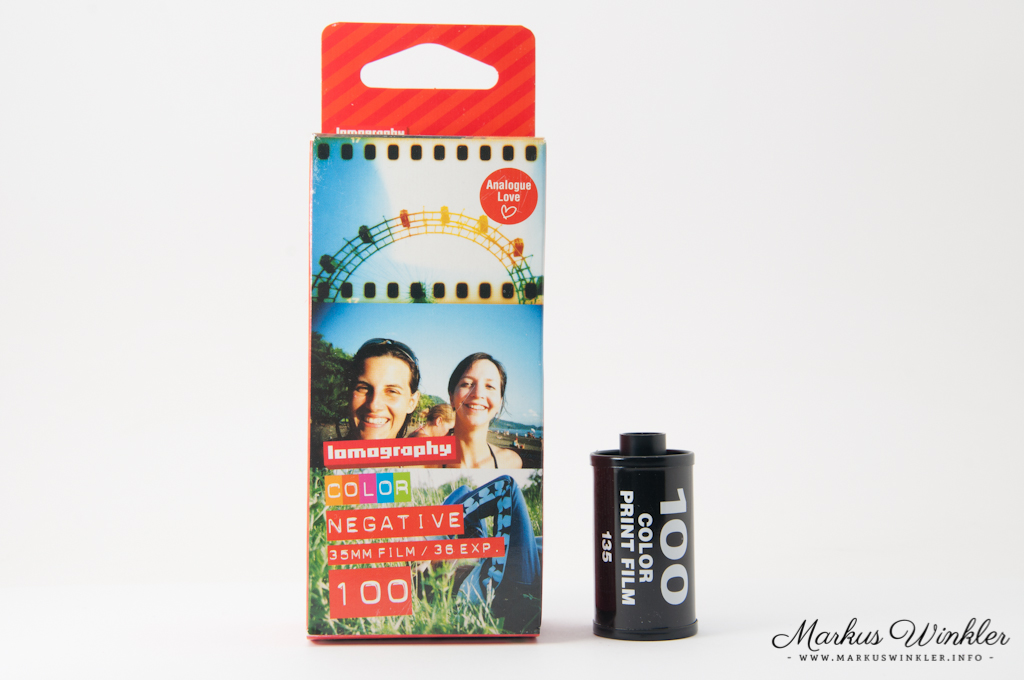
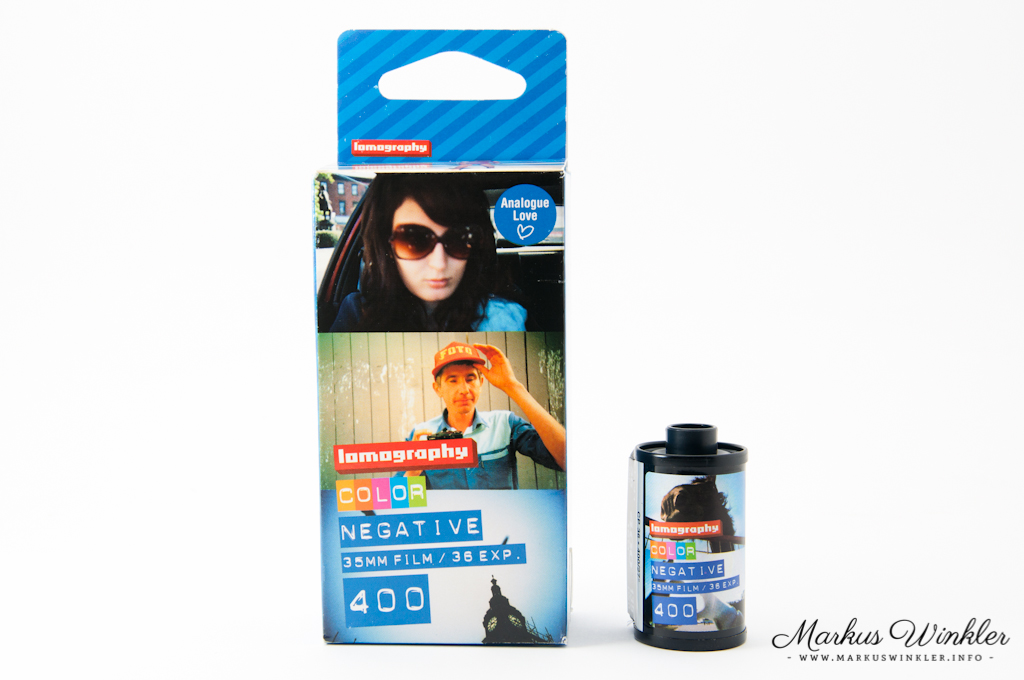
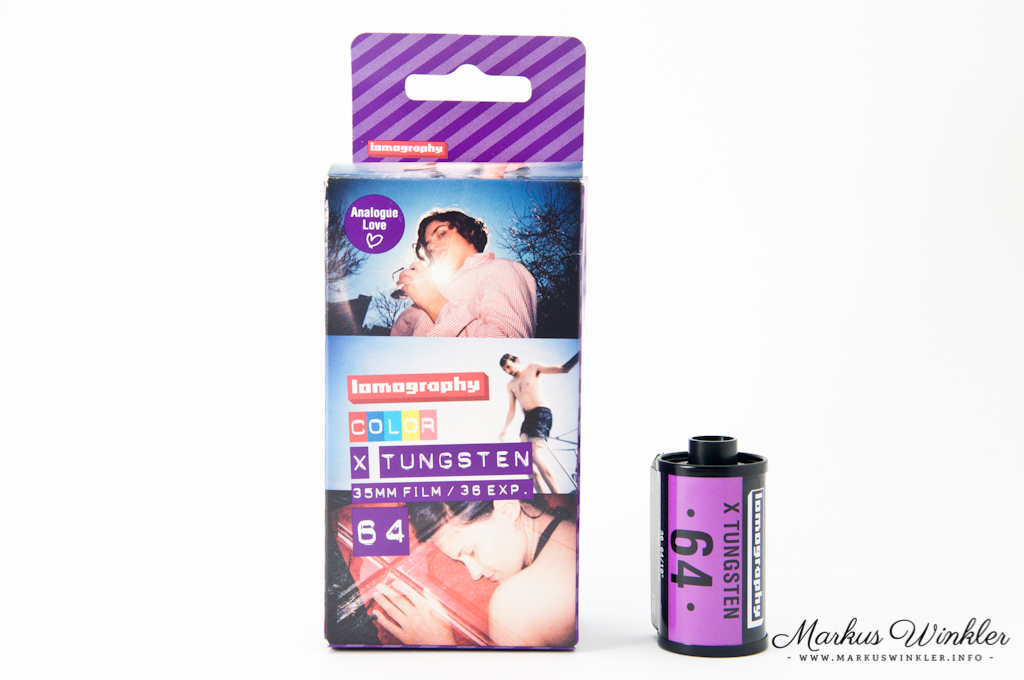
Here you can find an overview of different films with example photos.
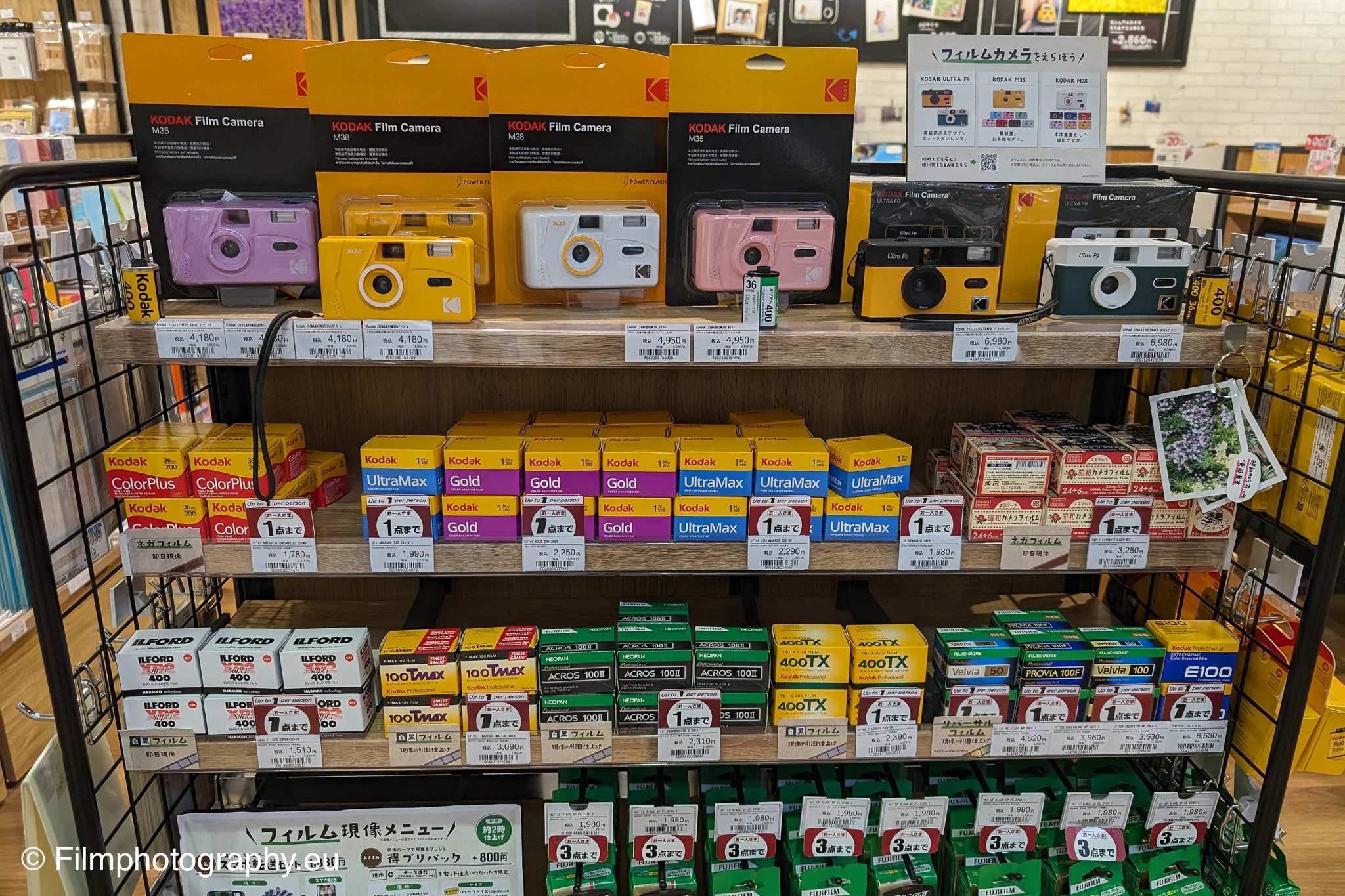
Film cameras need film. Without fresh film stock, nothing works in analog photography and you can’t take pictures. Film stock is light sensitive and converts and stores the light that has passed through the camera’s optics. So film is a mixture of an image sensor (of a digital camera) and a storage medium.
As with cameras, there were and are many different types of film. The main distinguishing characteristics are type, format, and development. The main types are black and white film and color film. These can be further subdivided into color negative film, color slide film, orthochromatic black and white film, and more. Each film differs in its (color) characteristics and sensitivity.
There are also the different film formats. From small to large, in cartridges or loose sheets, and complicated to simple to handle. There have been countless film formats developed and discontinued over the years.
Unlike digital photography, you don’t see the photo you’ve taken immediately. Before viewing the image, the film is developed. This process looks different depending on the film stock used, but always includes a chemical reaction.
Some films need to be treated in a standardized process made up of different chemical tapes and taken to a photo lab for this purpose. For color negative films this process is called C-41, for color slide films E6. In the case of instant films, for example, the chemistry is integrated directly into the film, so that the image appears directly without further intervention.
As you can see, there are many different possible combinations, which is why there are and have been so many different films. There is no such thing as the perfect film, but the choice of film always depends on the shooting situation, the camera and the desired result. We’ll give you an overview of the photographic films that have been developed over the decades, describe the special features and show you which films are still available to buy today.