olympus-trip-xb3-35mm-camera

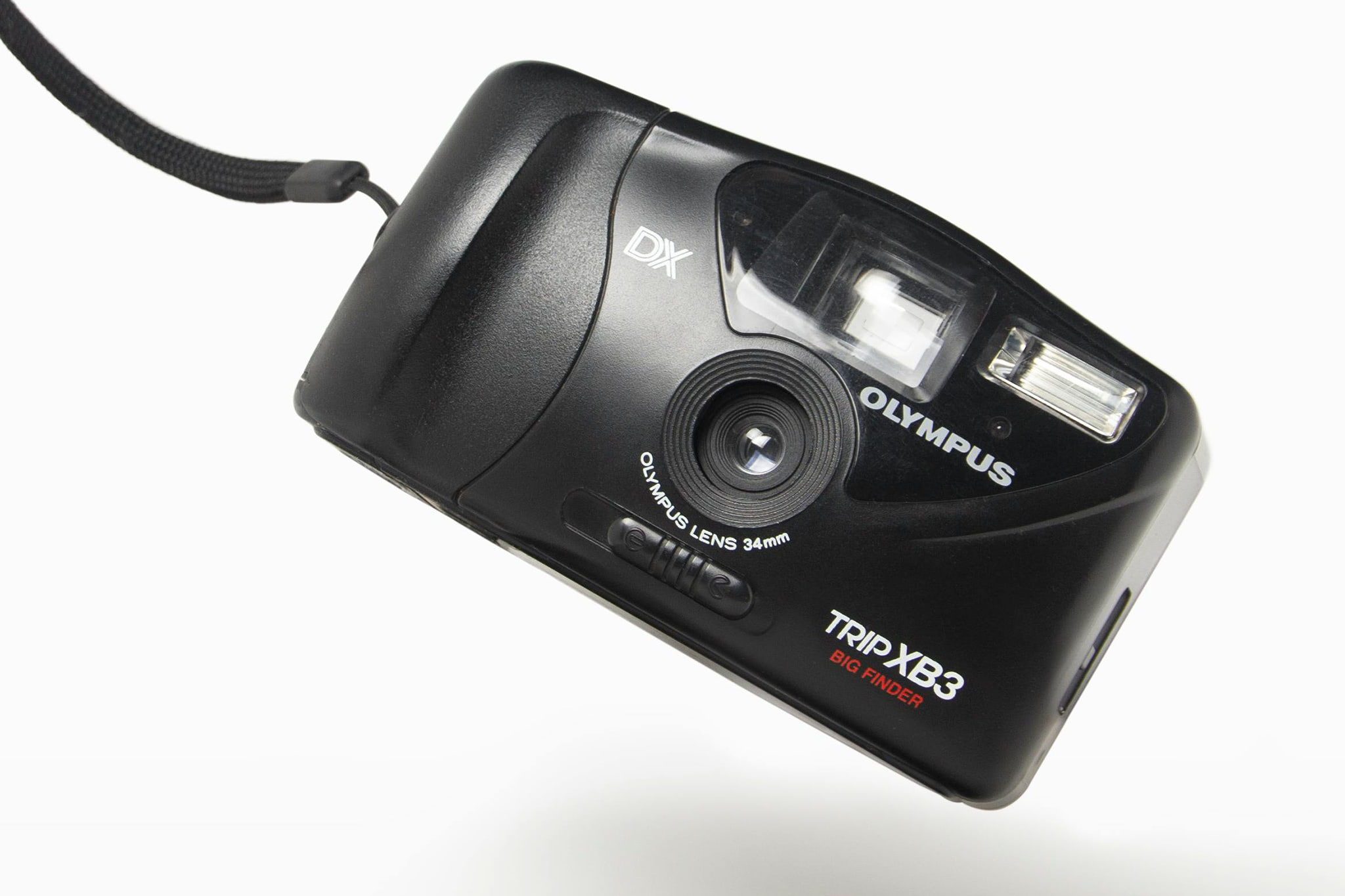
Copyright photos: craveiro_ pics

Olympus Trip Compact Camera Family

Olympus Trip XB3

  • Manufacturer Olympus
  • Type Snapshot camera
  • Type of Film 35mm
  • Focal Length 34 mm
  • Max Aperture -
  • Focus Fixed focus

The Olympus Trip XB3, a product of 1996, is part of the Olympus Trip series of point-and-shoot cameras. The plastic housing emphasizes the user-friendliness of the camera, ideal for beginners and amateur photographers.

The new price in Japan at the time was 11,000 yen. The model was produced in China.

The camera is characterized by its built-in lens with a fixed focal length of 34 mm. The fixed focus (Focus Free) takes away the focus from the user, while a zoom function is missing. A sliding door protects the lens.

A special feature is the large viewfinder. This should make it easier to use. Unlike SLR cameras, this is not connected to the lens.

Automatic exposure settings remove the need for the user to select aperture and shutter speed. Film speed is detected by the film's DX encoding, assuming the film has such encoding. ISO 100, ISO 200 and ISO 400 films can be used.

An indispensable feature is the integrated flash, as the camera is not particularly bright. The flash fires automatically and cannot be turned off. A red-eye reduction mode is available on this model.

A strap can be attached to the camera. There is a thread for a tripod on the bottom. There is also a self-timer function. This makes it easy to take group pictures.

Two AA batteries (eBay / Amazon*) provide the camera with the necessary energy for both the flash and film transport.

Films for the Olympus Trip XB3

It is still possible to use the Olympus Trip XB3 today, and used models are already available for 33,88 €. Of course you also need films.

The camera uses 35mm film, although fortunately the selection is still large. A film usually allows 36 images to be recorded, the number of which can be viewed using a counter on the top. A small window on the back of the camera shows whether film is inserted.

The Fujifilm Superia 400* is recommended for color photography, while the Kodak T-Max 100* is ideal for black and white photos. According to reports, both films are versatile and deliver excellent results.

The film transport is automatic, with the film being transported further after each exposure. When you reach the end of a roll of film, the camera automatically pulls the film back into the cartridge. This function can also be used ahead of time; a special switch is provided for this.

Quartz Date Model

The Olympus Trip XB3 QD model is a special feature, equipped with a built-in clock. This allows the current date and time to be noted directly on the photos, which makes it easier to assign the times when they were taken later.

The only downside might be the visible placement of the date in the photos. Characteristic of this model are the display and the additional buttons on the back.


Technical Specifications

camera_spec
Property Specification
Film format 35mm
Digital Sensor No
Picture Format 36 mm x 24 mm
Lens type Fixed lens
Focal Length 34 mm
Maximum Aperture -
Adjustable aperture No
Adjustable shutter speed No
Auto exposure Yes
Light Meter Yes
Supported Film Speeds ISO 100 to ISO 400
Flash Built-in flash
Flash Modes Red-eye Reduction
Date Imprinting Model-dependent
Tripod Mount Yes
Cable Release Thread No
Self-timer Yes
Strap Lugs Yes
Power Supply 2x AA batteries
Release Date 1996
Age Up to 30 years
Production start 1996
Manufacturer Olympus
Brand Company Name Olympus Optical Co., LTD.

Used Prices

The current average price for this camera is 33,88 € based on 38 offers, as of 6.7.2026.

Average Price per Year

  • 2026: 32,79 €
  • 2025: 36,30 €
  • 2024: 52,75 €

Frequently Asked Questions

FAQ about the Olympus Trip XB3

What type of lens does the Olympus Trip XB3 utilize, and what are its focusing capabilities?

How is the exposure handled on this point-and-shoot camera?

Does the compact camera offer any special features beyond basic shooting capabilities?

What kind of film does this easy-to-use camera use, and how many shots can you take per roll?

Where was this particular model of the Olympus Trip series manufactured?

Olympus Trip Compact Camera Family

snapshot camera VIEW

Olympus Trip AF 4000

snapshot camera VIEW

Olympus Trip XB41 AF

snapshot camera VIEW

Olympus Trip XB40 AF

snapshot camera VIEW

Olympus Trip XB401

snapshot camera VIEW

Olympus Trip XB400

snapshot camera VIEW

Olympus Trip AF S-2

snapshot camera VIEW

Olympus Trip Panorama S

snapshot camera VIEW

Olympus Trip Panorama 2

snapshot camera VIEW

Olympus Trip Panorama

snapshot camera VIEW

Olympus Trip AF 61

snapshot camera VIEW

Olympus Trip AF 60

snapshot camera VIEW

Olympus Trip Junior

snapshot camera VIEW

Olympus Trip AF Super

snapshot camera VIEW

Olympus Trip AF Mini

snapshot camera VIEW

Olympus Trip AF MD

snapshot camera VIEW

Olympus Trip AF

snapshot camera VIEW

Olympus Trip 100R

snapshot camera VIEW

Olympus Trip 100

snapshot camera VIEW

Olympus Trip 10

snapshot camera VIEW

Olympus Trip 201

snapshot camera VIEW

Olympus Trip AF 21

snapshot camera VIEW

Olympus Trip 200

snapshot camera VIEW

Olympus Trip AF 20

snapshot camera VIEW

Olympus Trip AF 31

snapshot camera VIEW

Olympus Trip AF 30

snapshot camera VIEW

Olympus Trip 301

snapshot camera VIEW

Olympus Trip 300

snapshot camera VIEW

Olympus Trip AF 51

snapshot camera VIEW

Olympus Trip 601

snapshot camera VIEW

Olympus Trip 505

snapshot camera VIEW

Olympus Trip AF 50

snapshot camera VIEW

Olympus Trip 600

snapshot camera VIEW

Olympus Trip 500

snapshot camera VIEW

Olympus Trip MD2

snapshot camera VIEW

Olympus Trip MD

snapshot camera VIEW

Olympus Trip MD3

Film cameras and more on Amazon