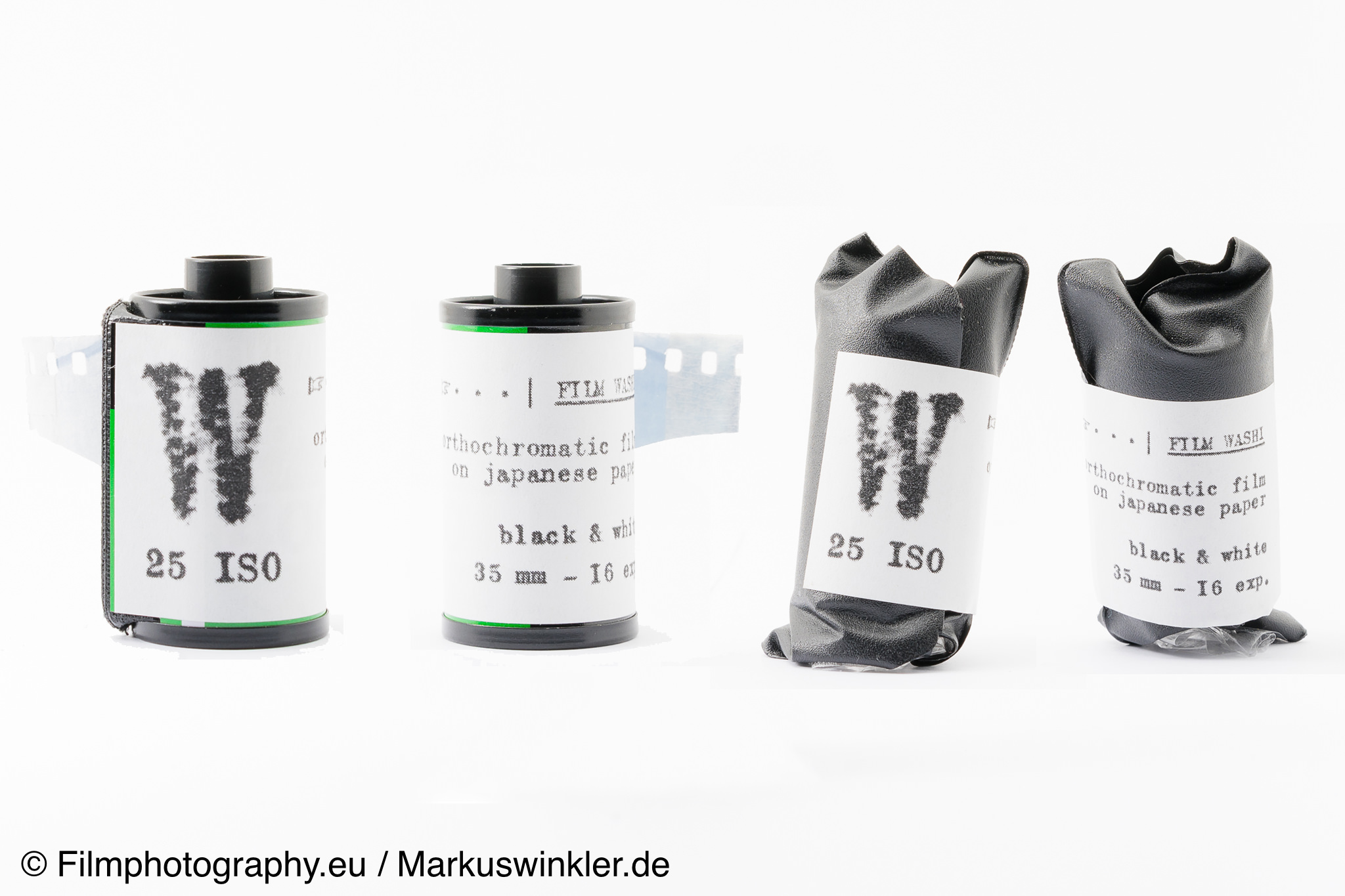
Orthochromatic black and white film is a special type of film material that has played an important role in the history of photography. They differ from modern panchromatic films in their specific sensitivity to different wavelengths of light.
What does “orthochromatic” mean?
The term “orthochromatic” is derived from Greek and means “correctly colored”. However, in the context of photography, this does not refer to the ability to reproduce colors, but to the sensitivity of film to certain colors of the light spectrum. Orthochromatic films are primarily sensitive to blue and green light, while barely perceiving red light.
Historical significance
Orthochromatic films were the standard in black and white photography until the 1920s. They have been used for a variety of applications including portraiture, landscape photography, and documentation. Because of their insensitivity to red, they were also widely used for reproducing writing and drawings, as they better highlighted fine lines and details.
Special properties
The use of orthochromatic films produced characteristic results different from those of panchromatic films. Because red light was barely registered, red objects appeared darker in the images than they actually were. This resulted in interesting effects such as lighter skin tones and darker lips in portraits.





- Black-and-white film
- Available