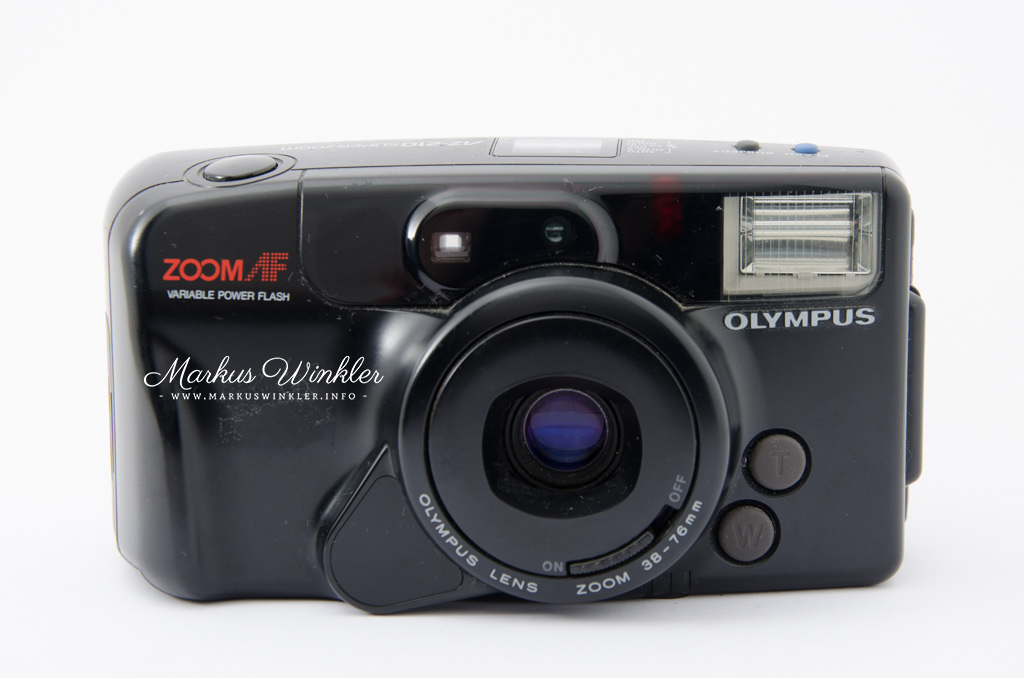
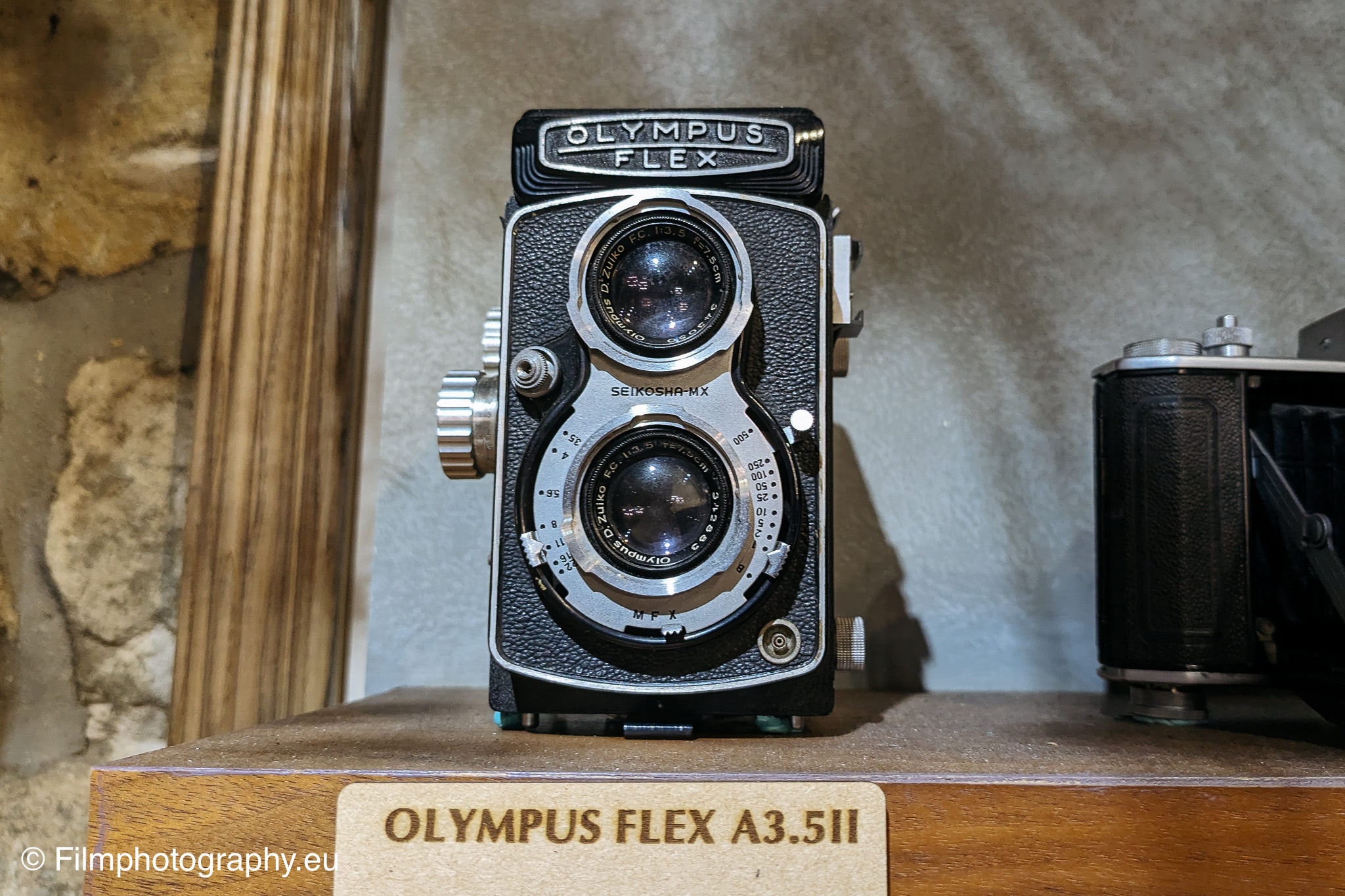
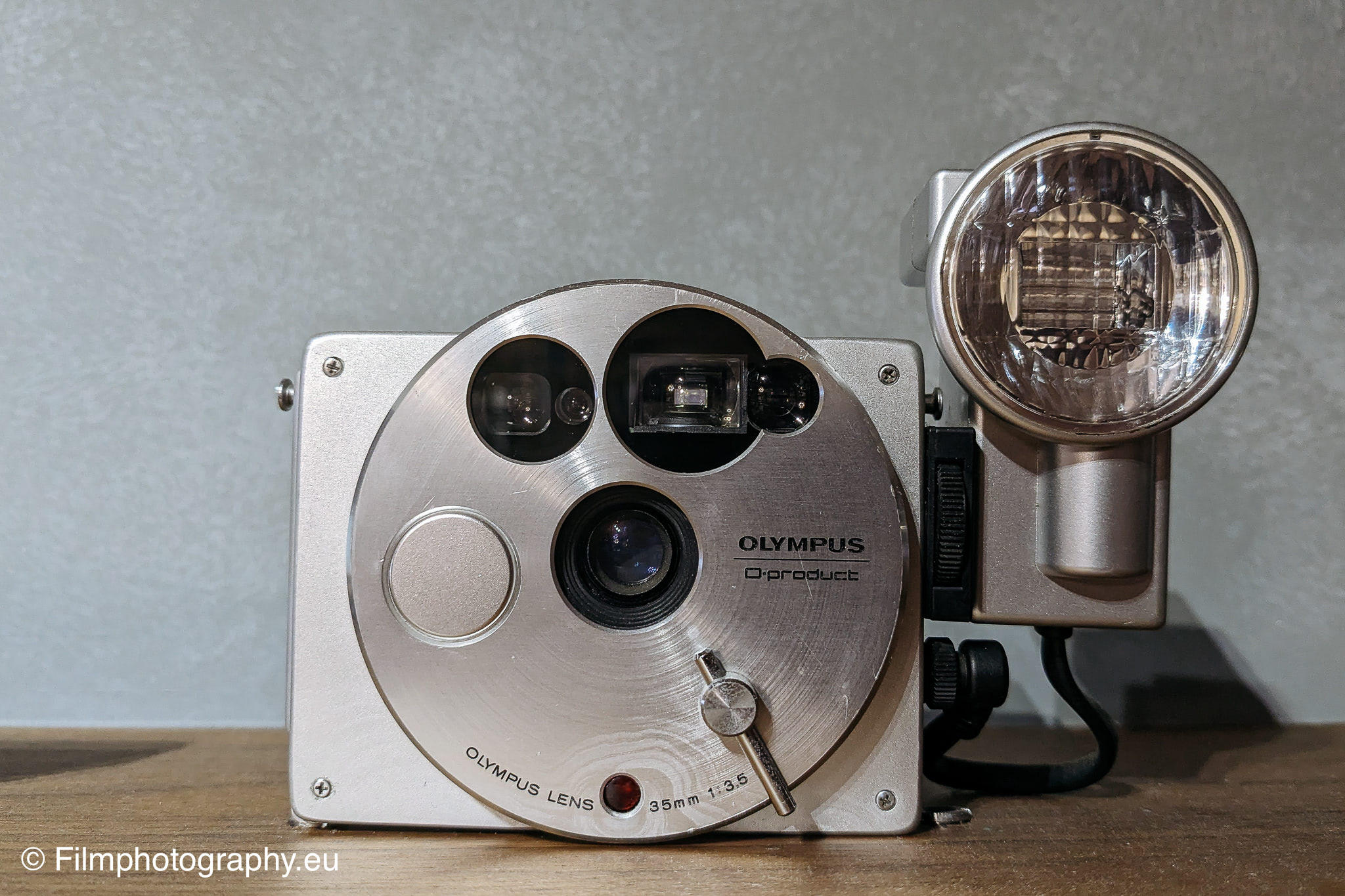
The “Olympus” name is not only synonymous with world-class optical products, but also a symbol of the deep and far-reaching history of innovation and discovery. As a company originally founded in 1919 under the name Takachiho Seisakusho Co., Olympus aimed to produce world-class microscopes for the Japanese market. At this early stage of the company, there was no indication that it would become a titan of photography.
While the company’s early years were spent in microscope production, a crucial turning point occurred in 1936: the introduction of the Semi-Olympus, a folding bellows camera developed in collaboration with the Proud company. This marked the beginning of Olympus’ adventure in the world of photography.
The years before 1942 were crucial in consolidating Olympus’ foundation in the camera business. The introduction of models like the Olympus Six and Super Olympus showed that the company had more to offer than just microscopes. Despite the company’s changing names and identities – from Takachiho Kogaku Kogyo Co. LTD. to Olympus Optical Co. LTD. – the core of the brand remained the same: innovation.
After the 1950s, Olympus experienced a series of remarkable innovations that catapulted the company to the forefront of the photography industry.
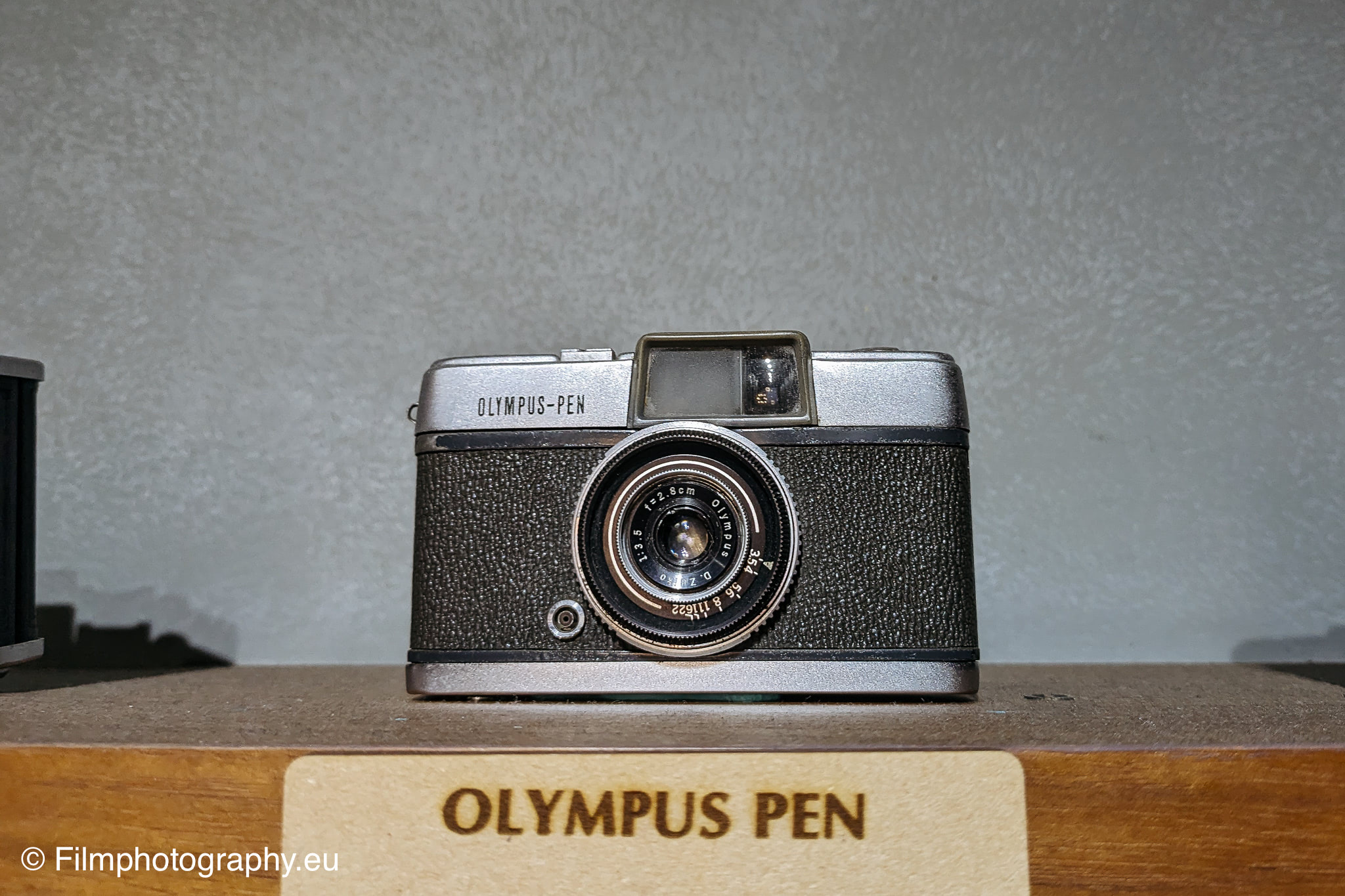
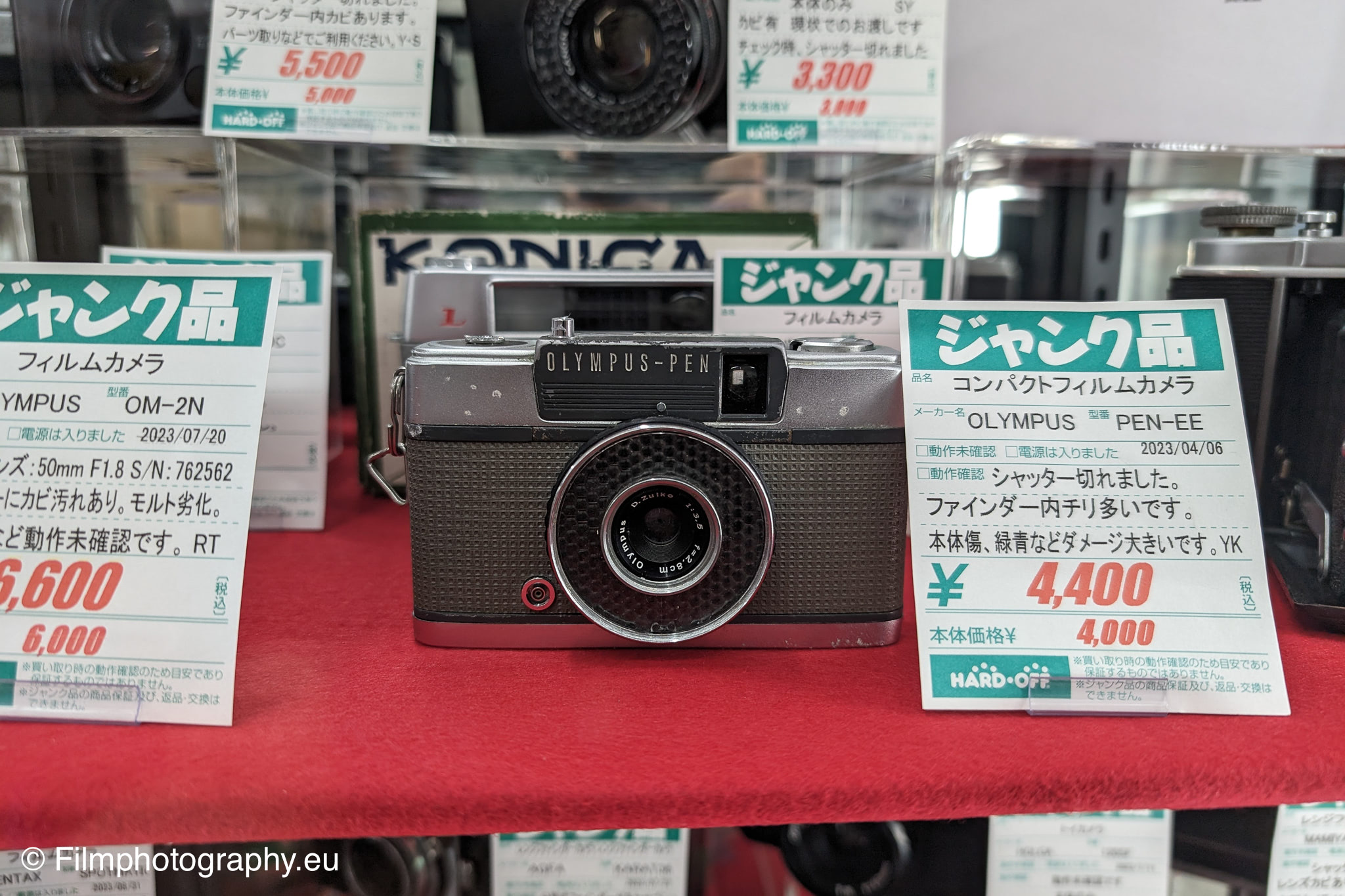
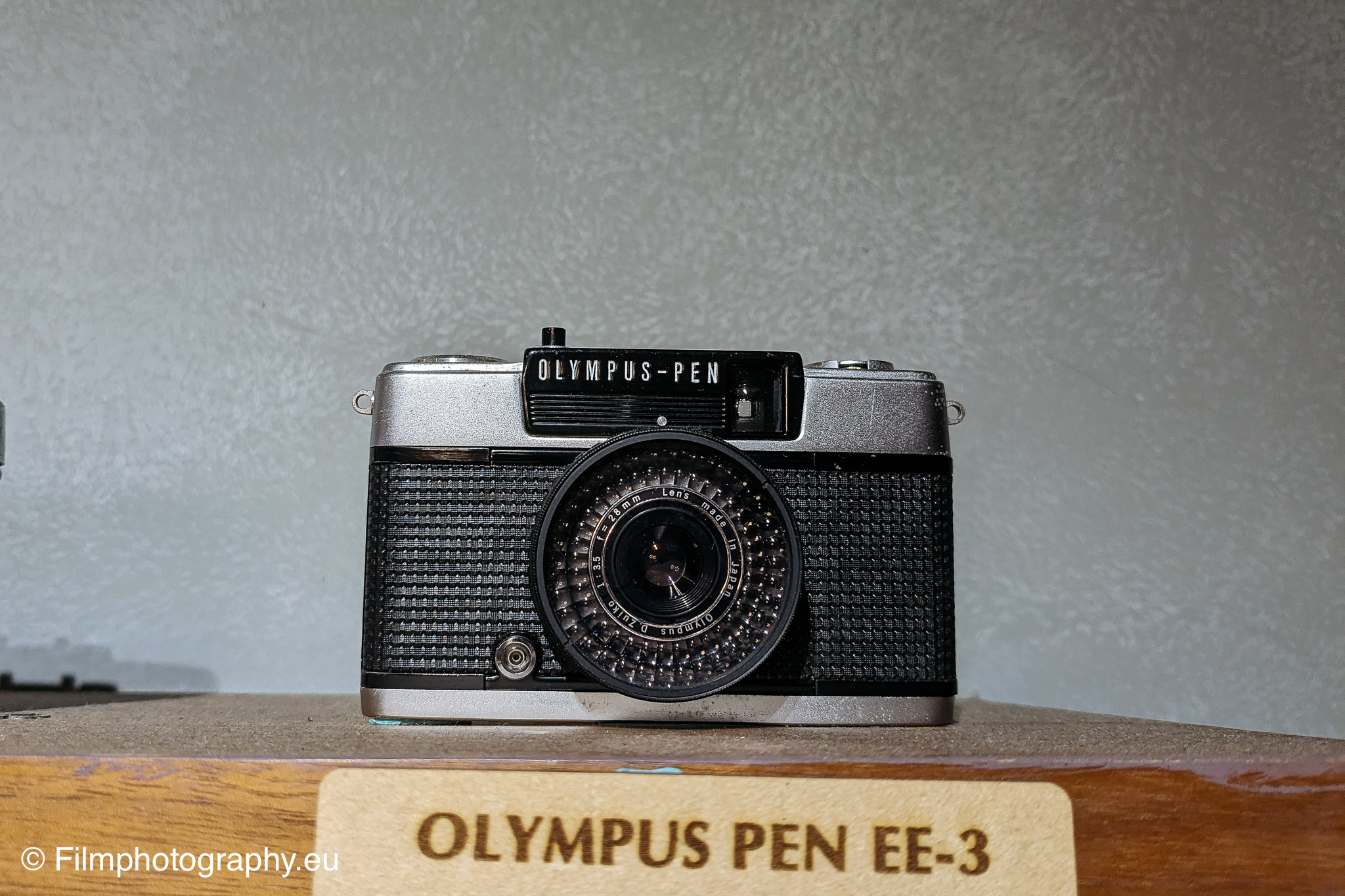
In the 1960s, Olympus launched the PEN series, which revolutionized the photo market with its compact dimensions and half format. The PEN cameras, particularly the PEN F, were notable for their compact size compared to other SLR cameras. The half-frame allowed photographers to capture twice as many exposures on standard 35mm film, making PEN cameras particularly popular with everyday photographers.
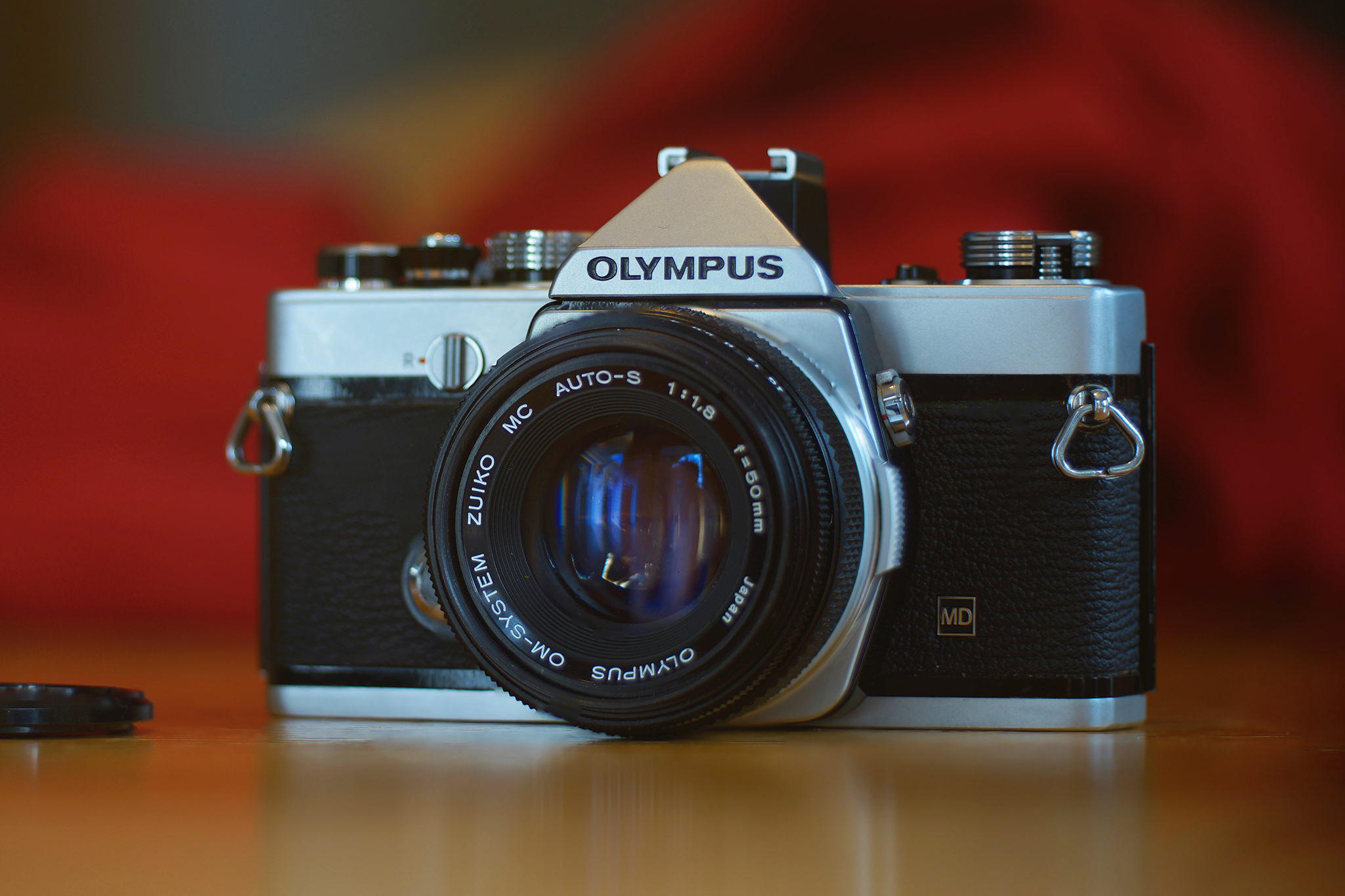
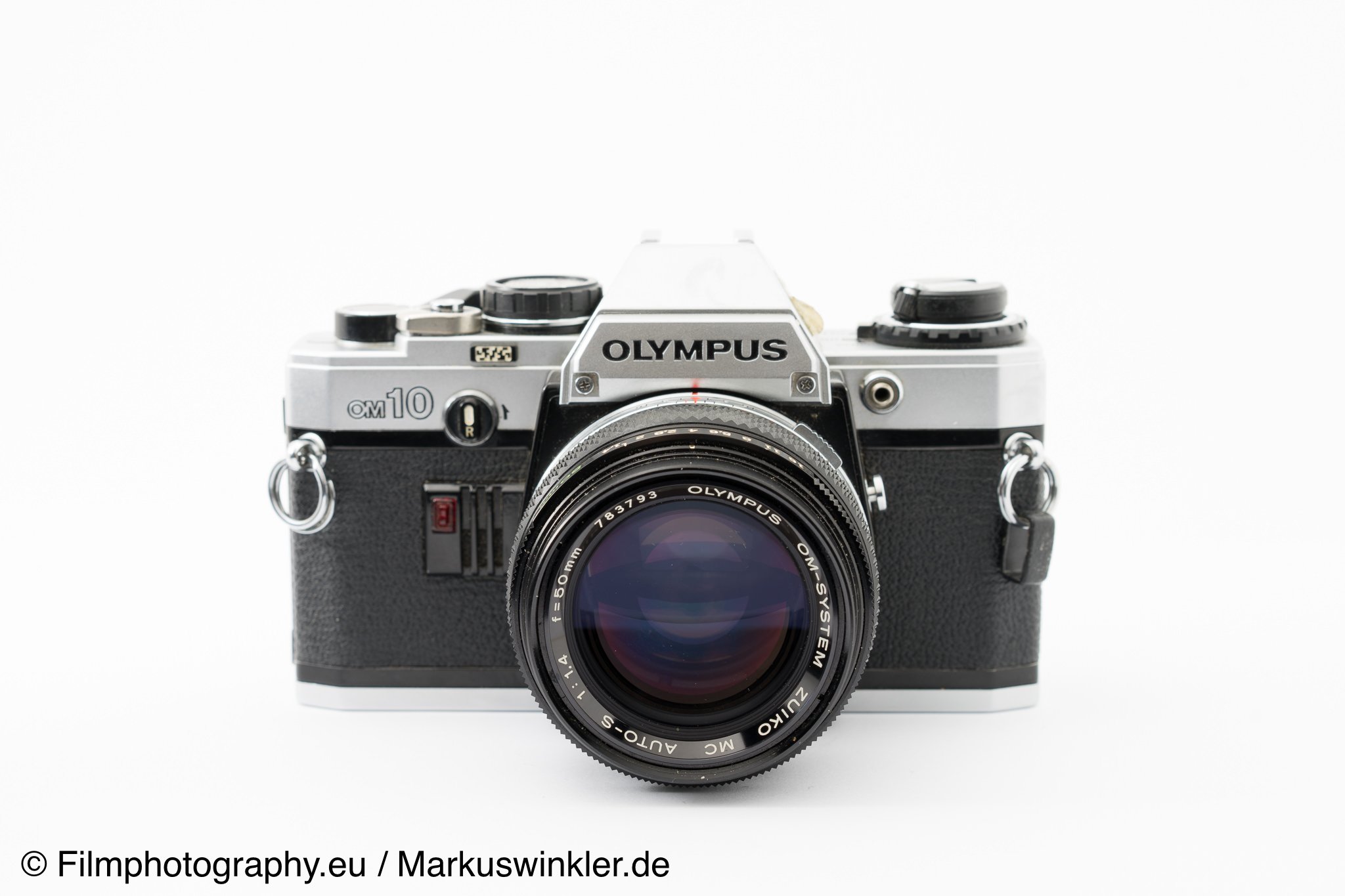
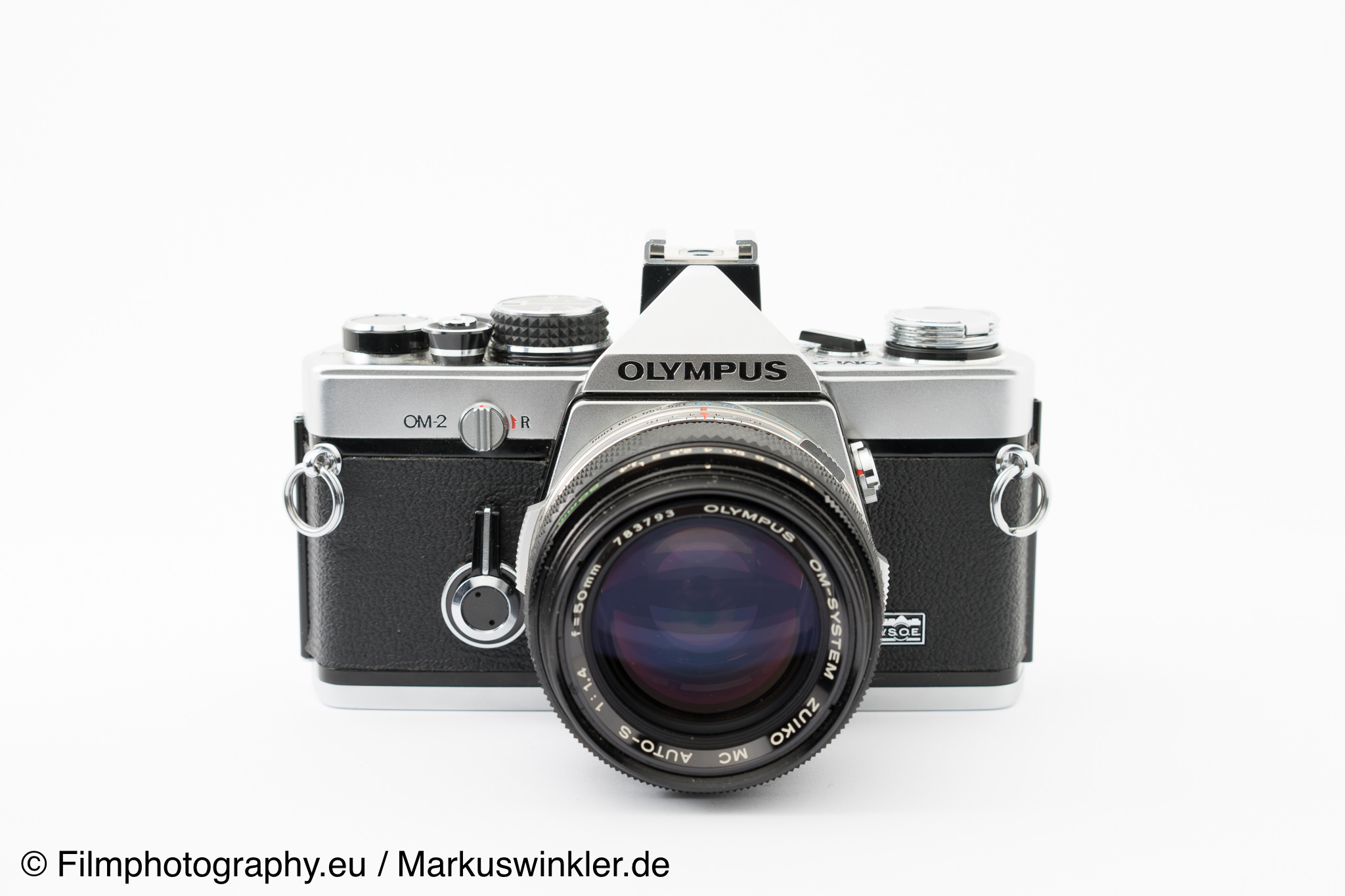
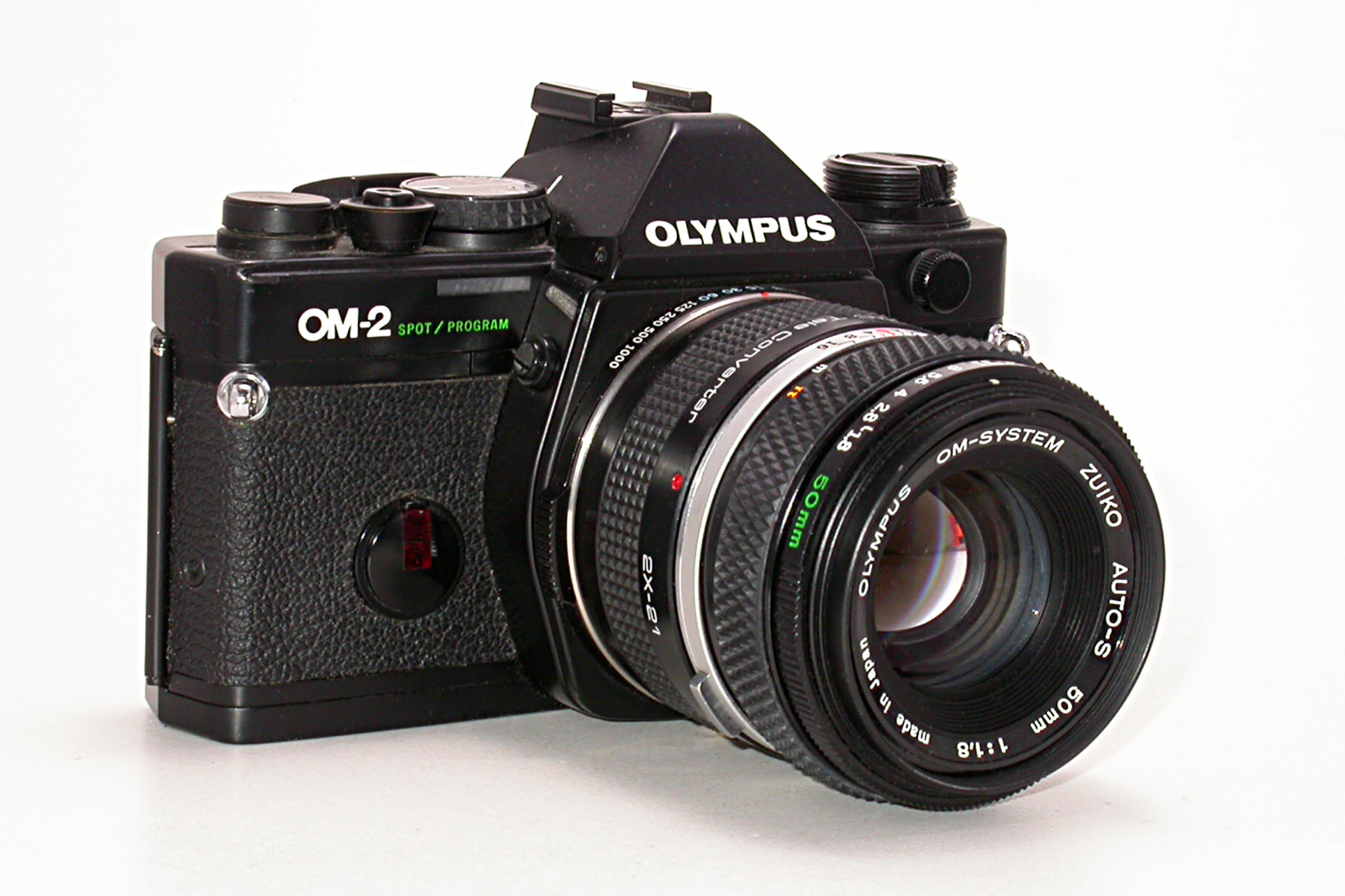
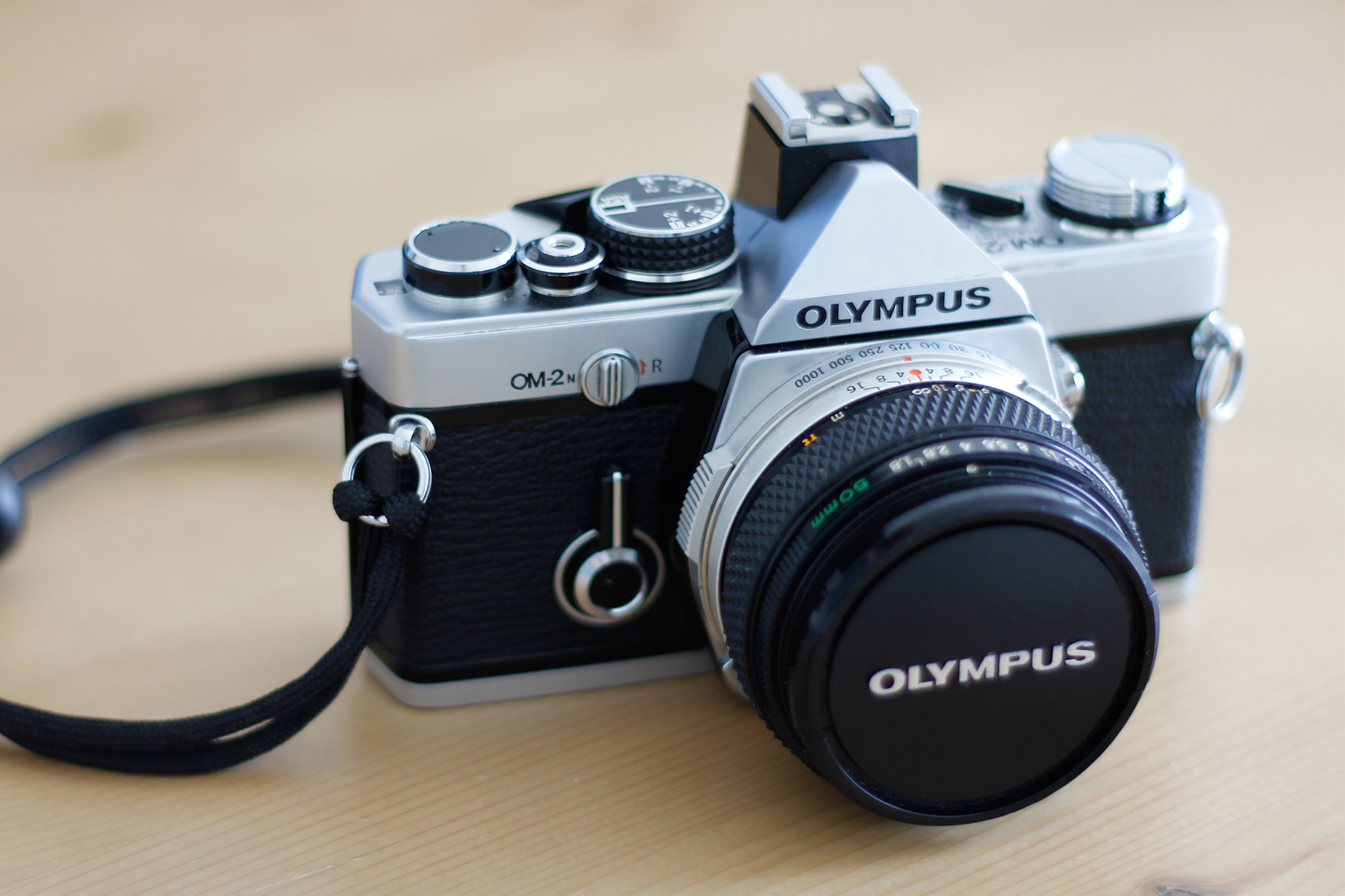
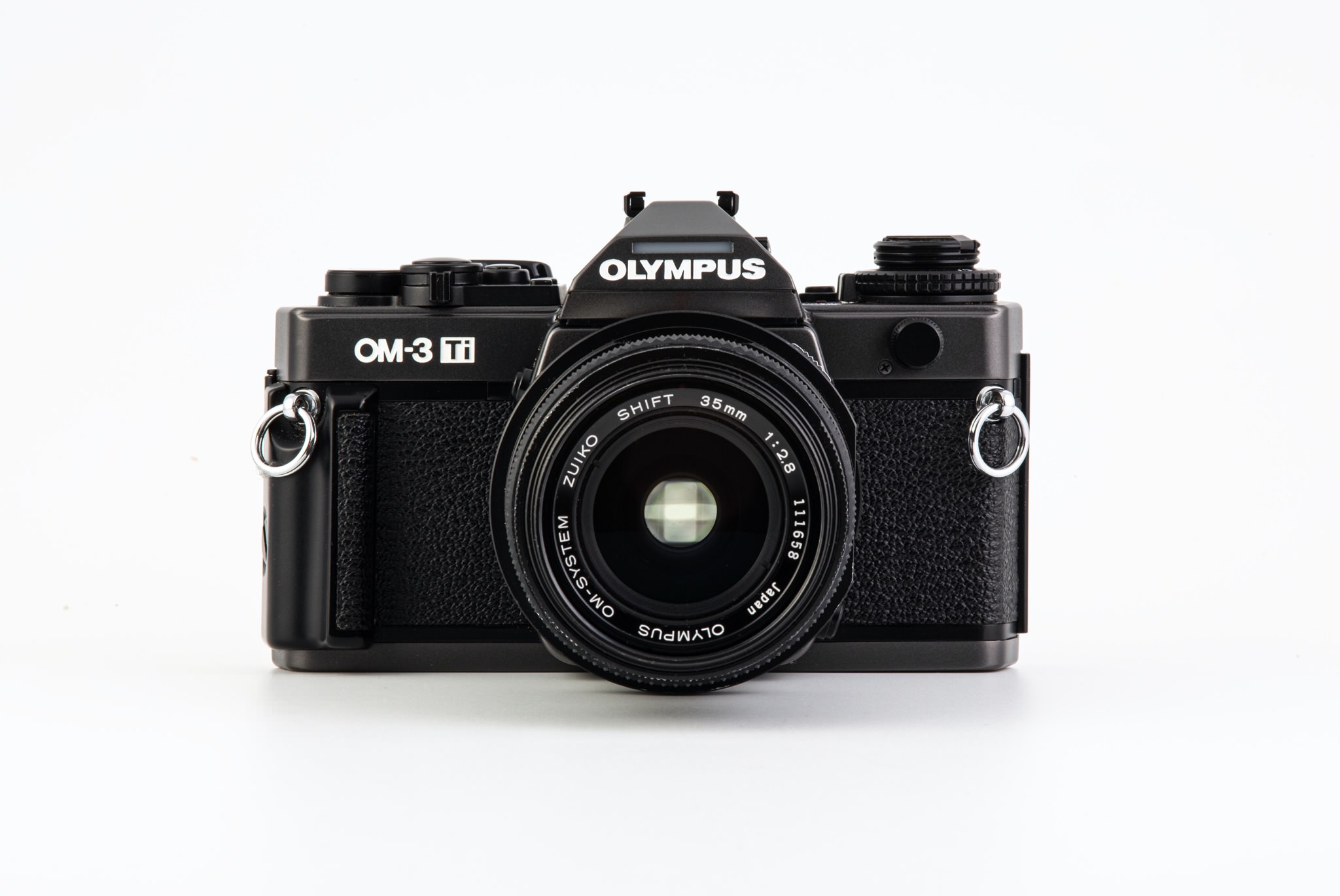
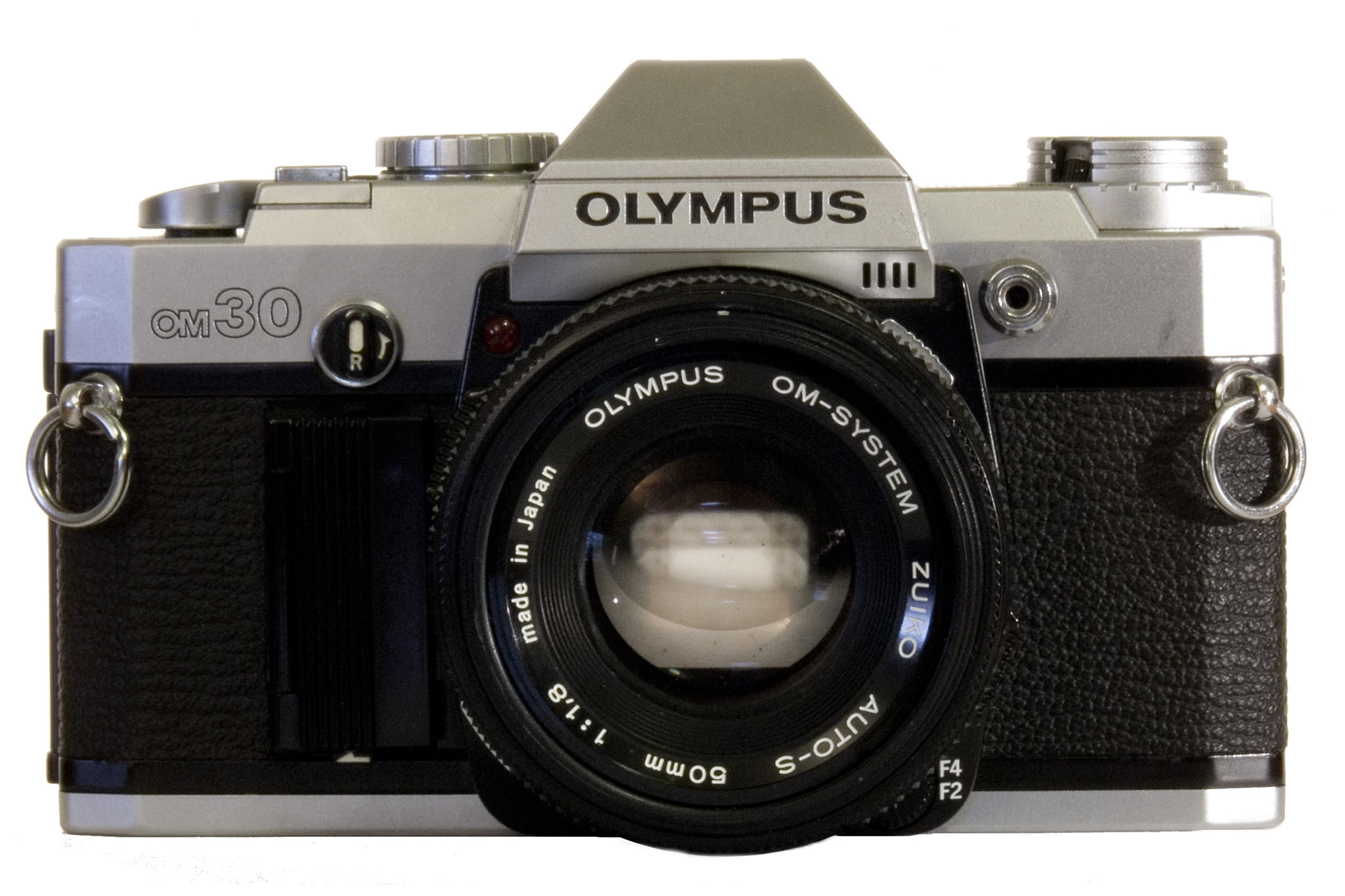
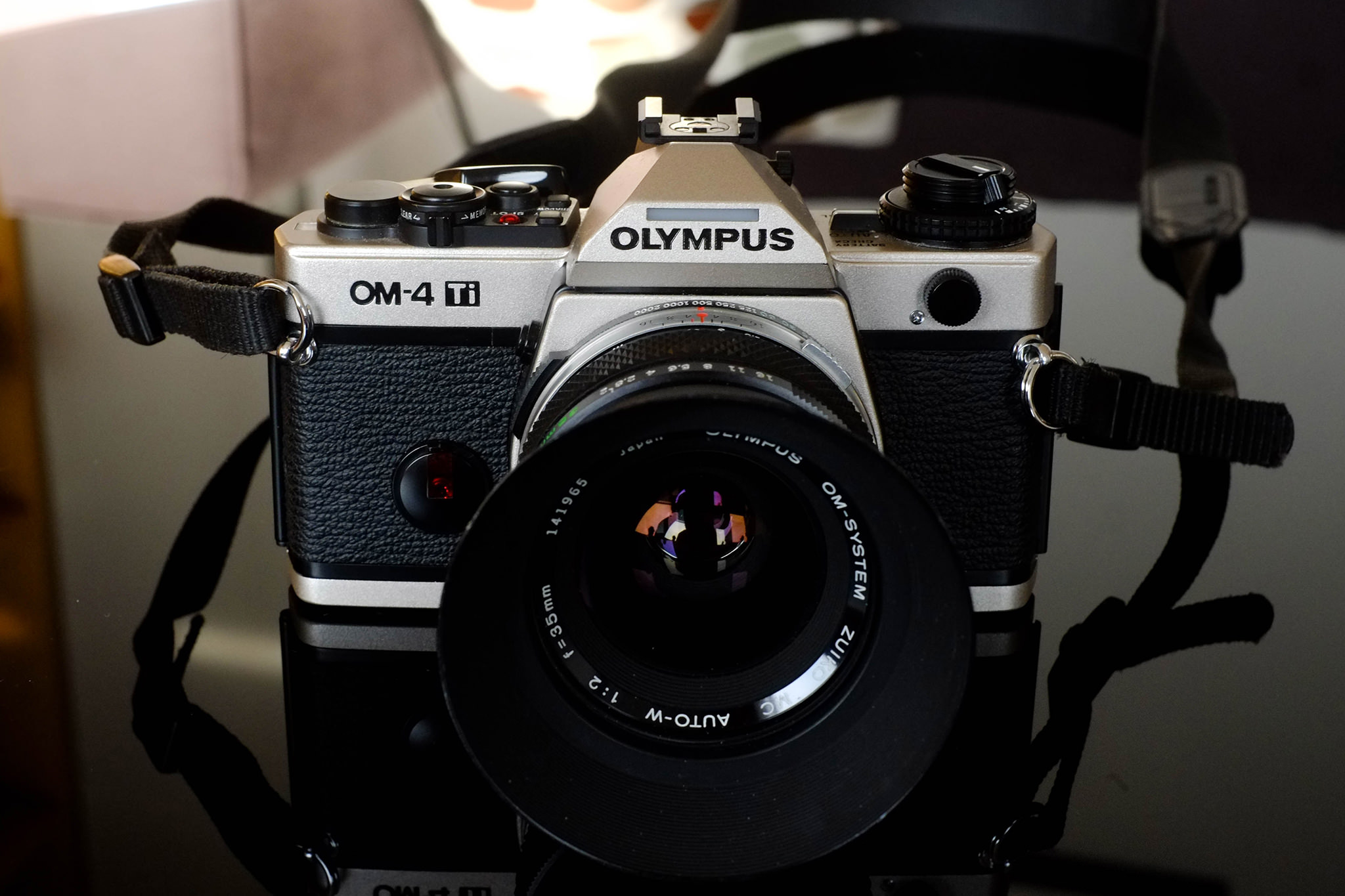
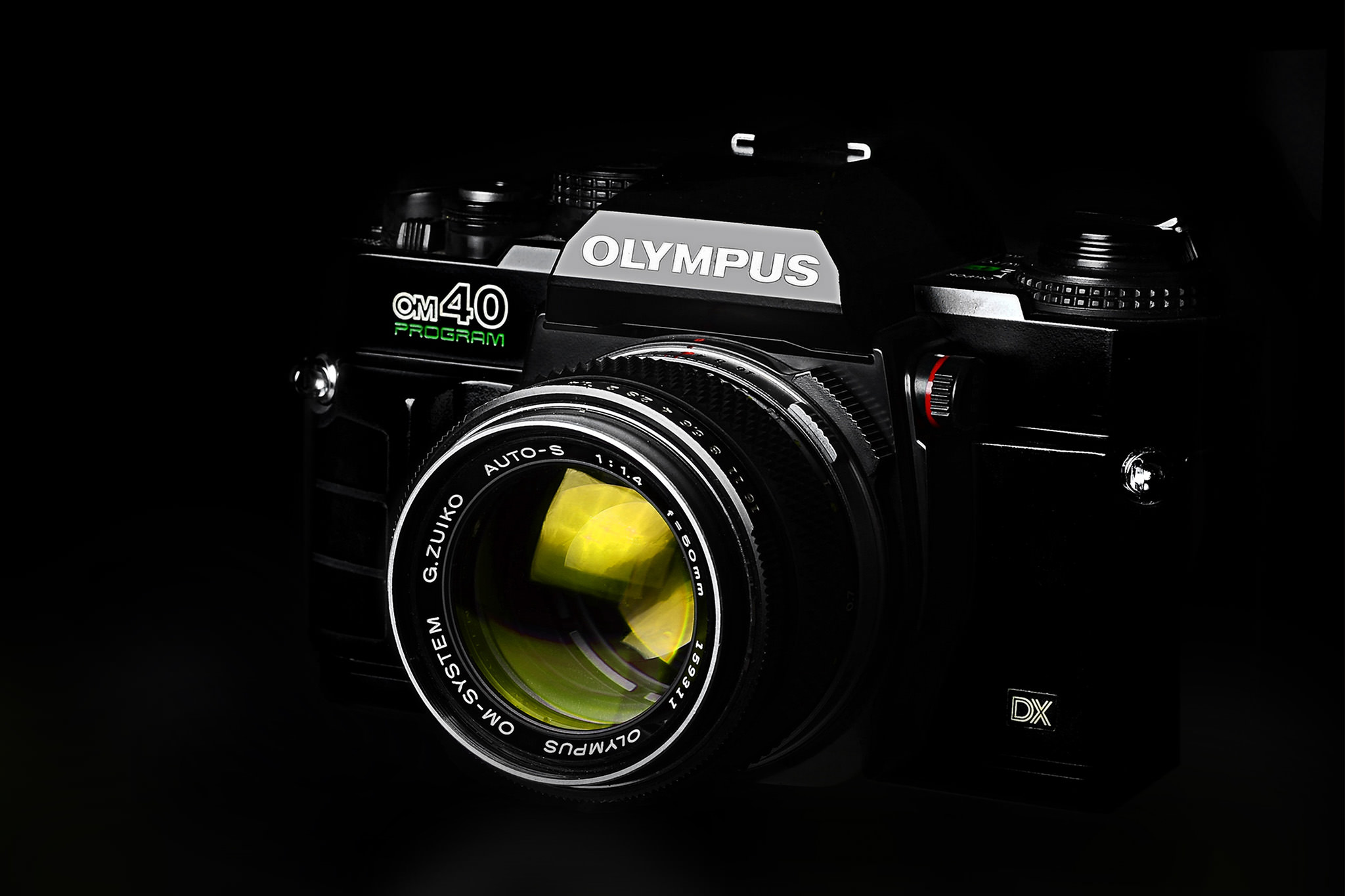
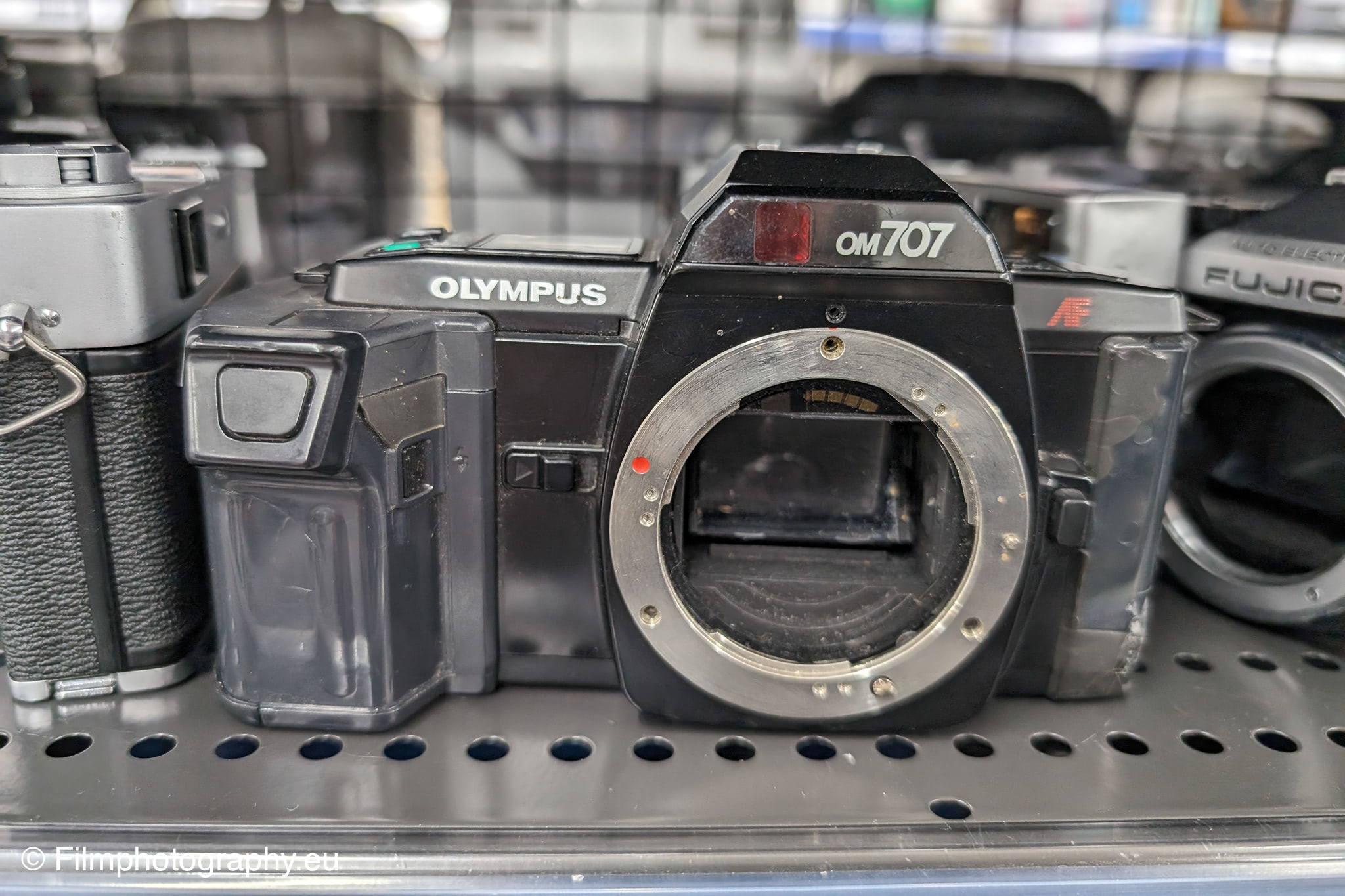
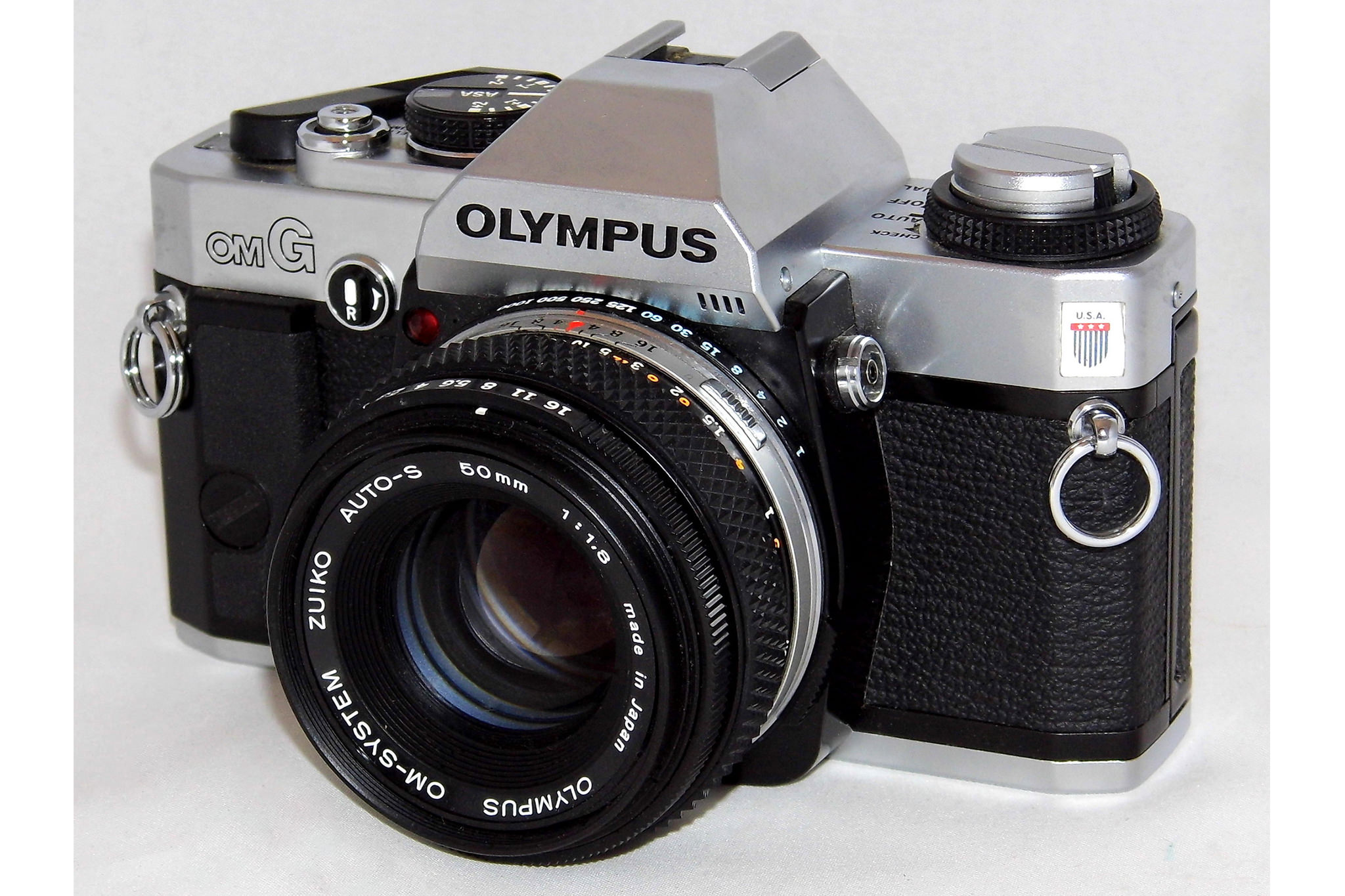
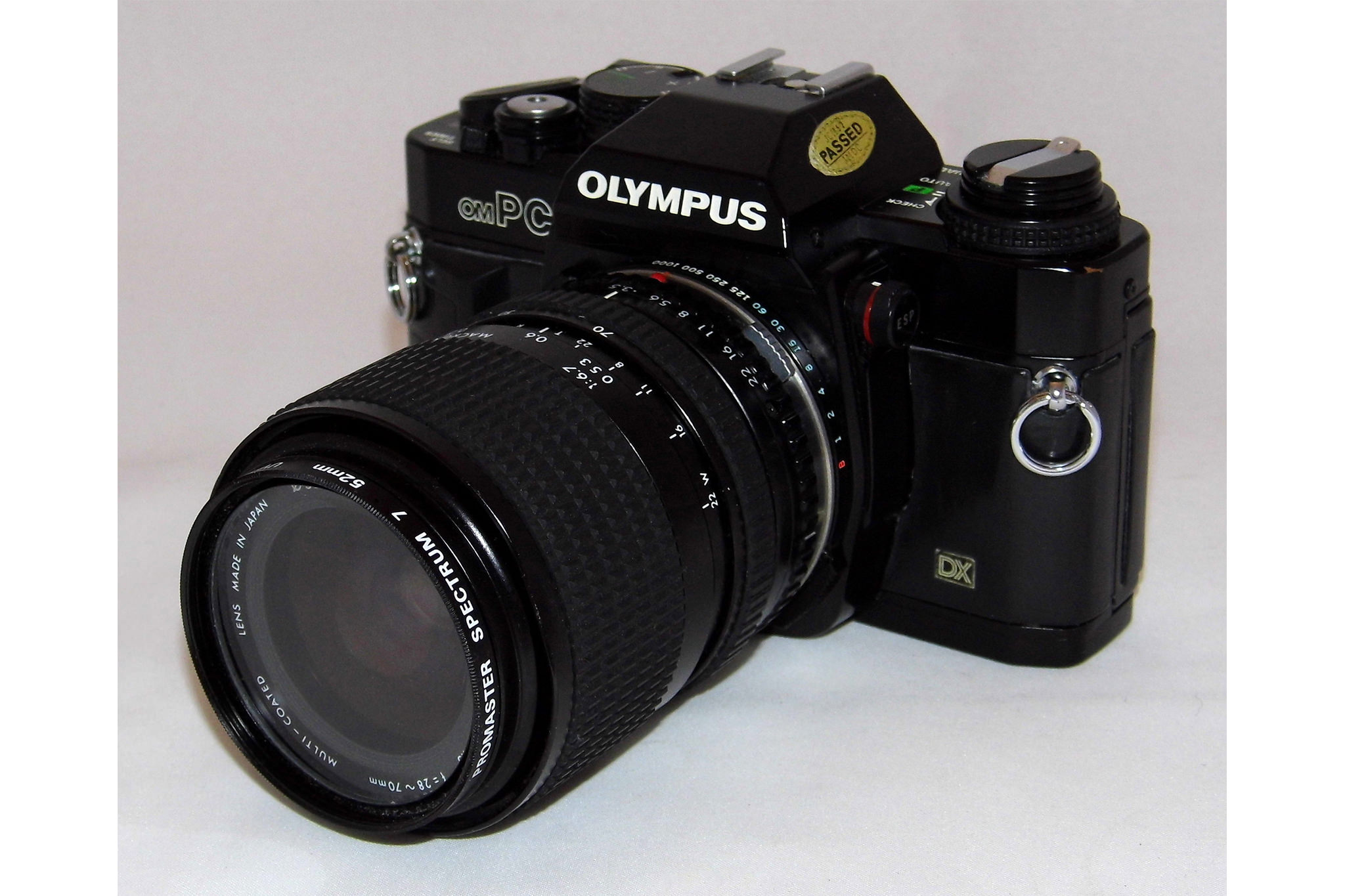
The 1970s were marked for Olympus by the introduction of the OM system, a series of professional 35mm SLR cameras. These cameras, starting with the OM-1, were remarkably light and compact for their time without compromising on quality or features. The OM system also brought with it a range of innovative lenses and accessories that expanded photographic possibilities.
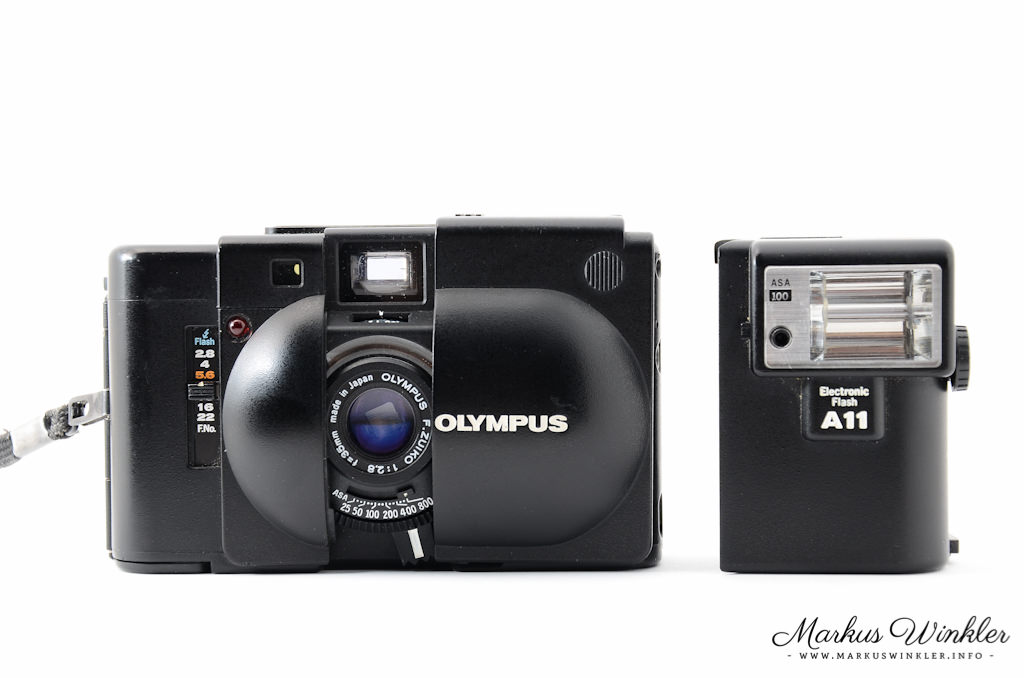
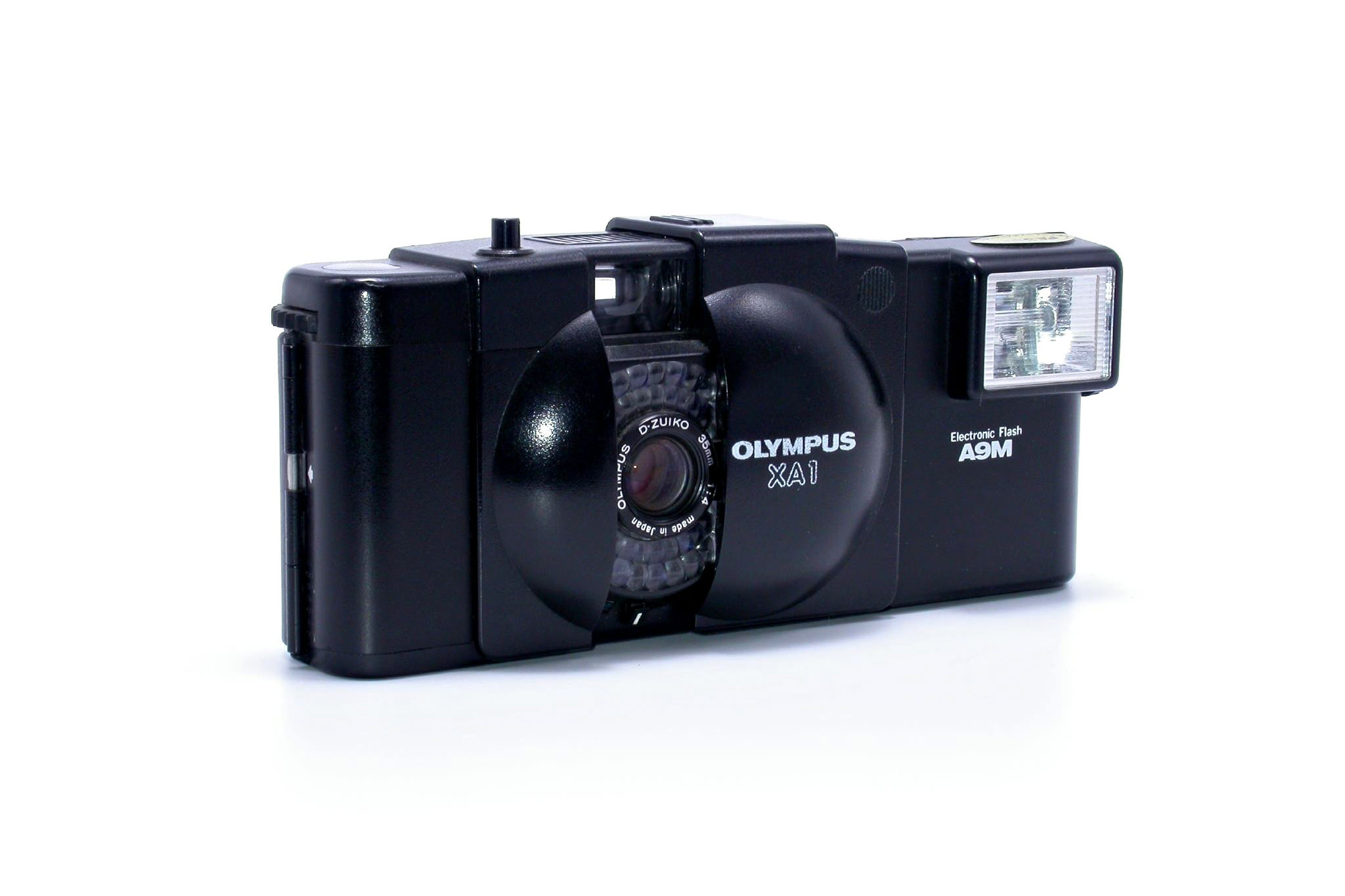
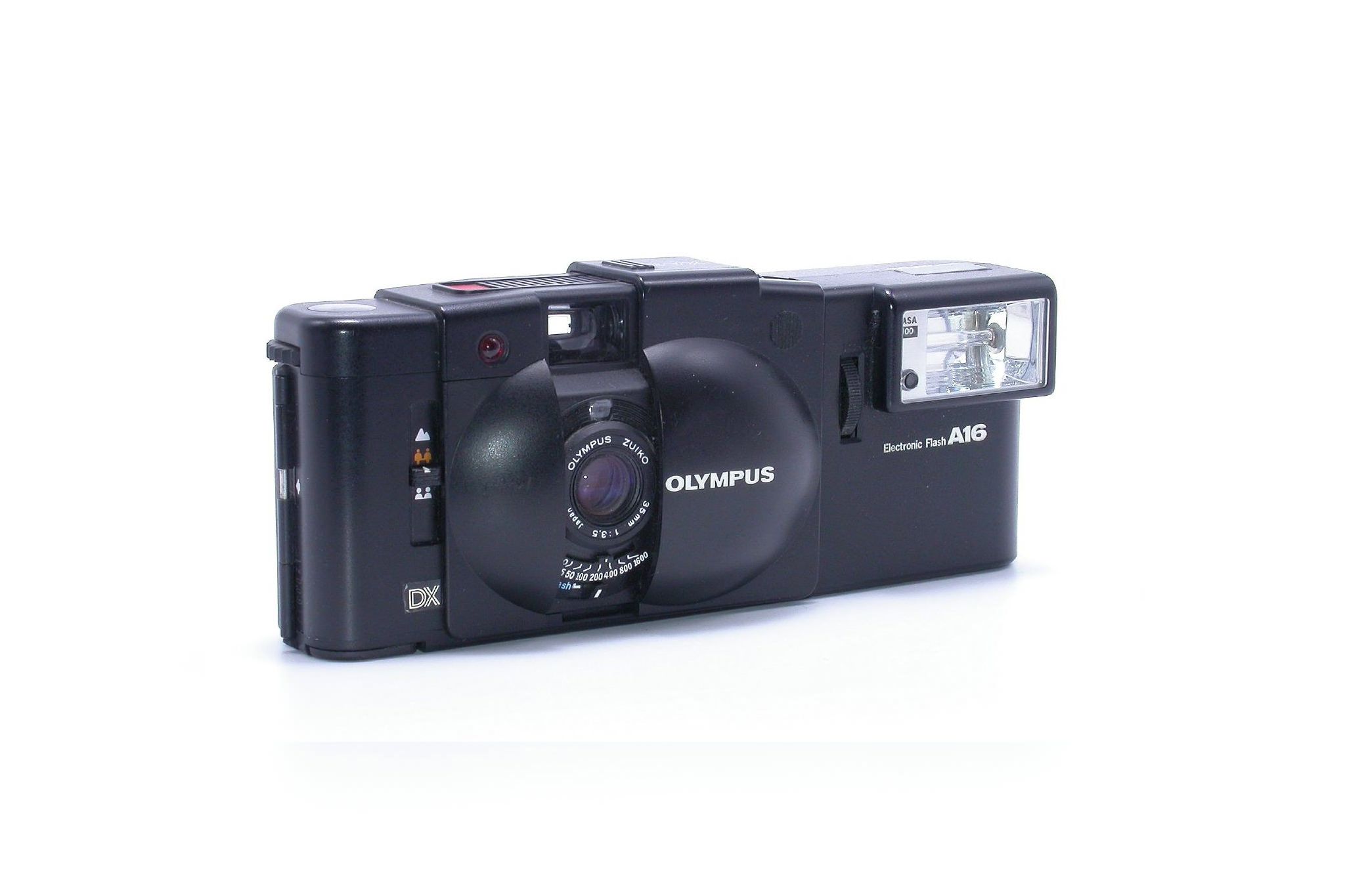
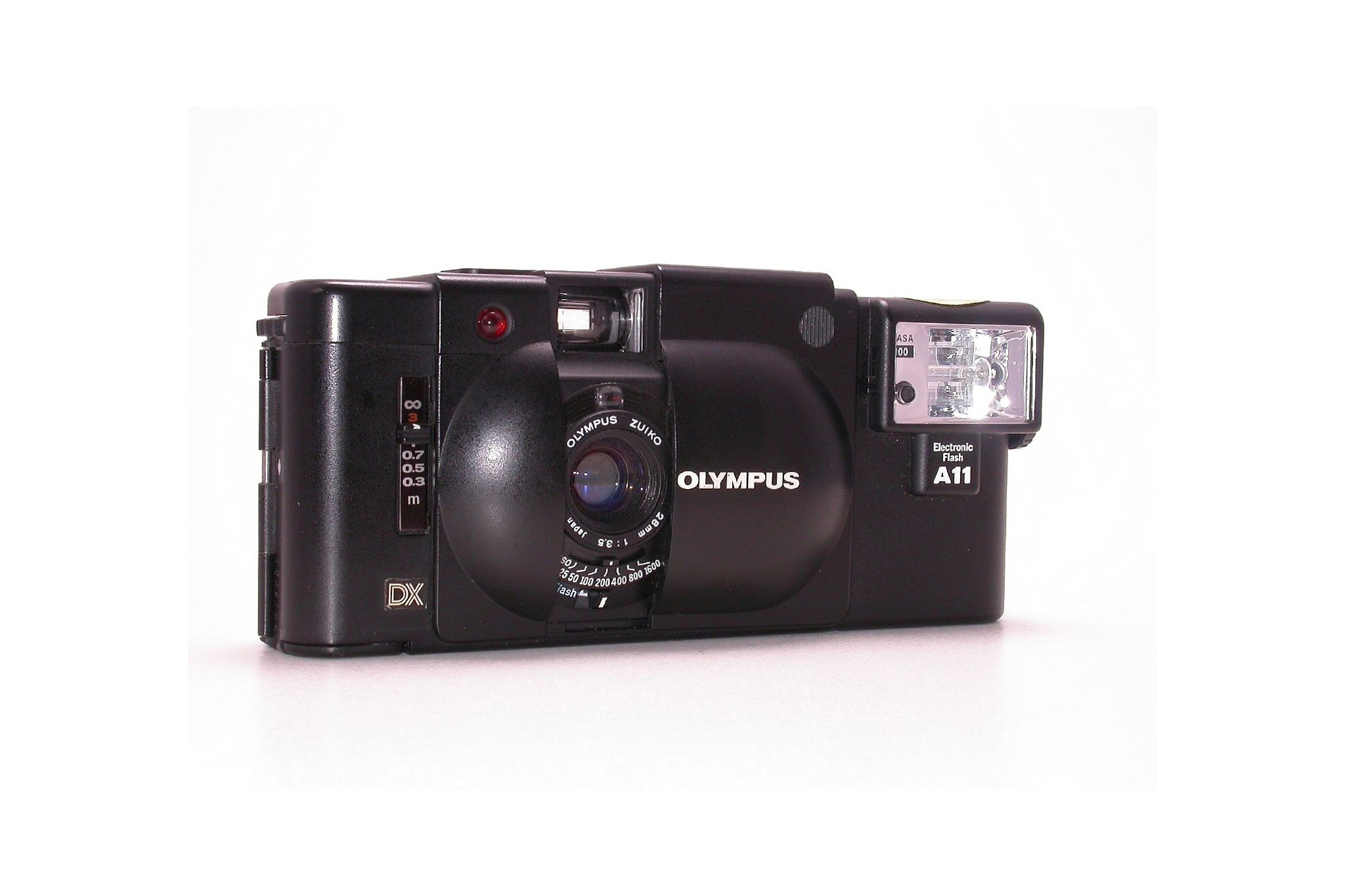
The late 1970s and 1980s saw the introduction of the Olympus XA series, a range of compact 35mm cameras with an innovative sliding cover. The XA was the smallest 35mm rangefinder camera when it was launched, offering excellent image quality in an ultra-compact body.
In the 1990s, Olympus responded to the trend towards digitization and began introducing digital cameras, both compact and mirrorless models. These early digital cameras set the standard for the industry and ushered in a new era for Olympus.
In the 2000s and beyond, Olympus focused its efforts on the Micro Four Thirds system, co-developed with Panasonic. Cameras like the Olympus OM-D series have continued the legacy of the original OM series in a digital format, with an emphasis on compact design, high image quality and innovative features.
Olympus’ journey since the 1950’s has been one of constant innovation and adaptation to an ever-changing industry.