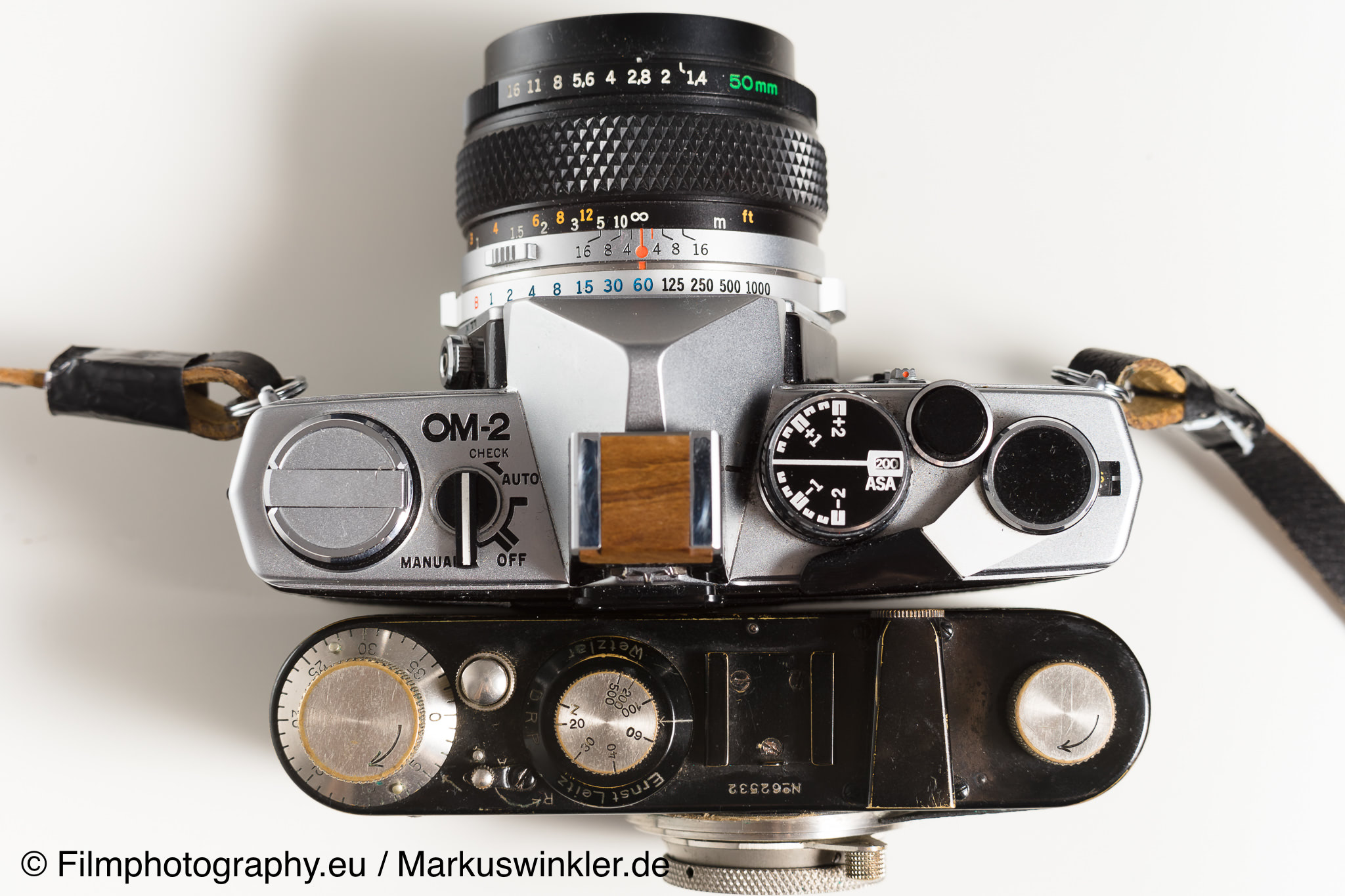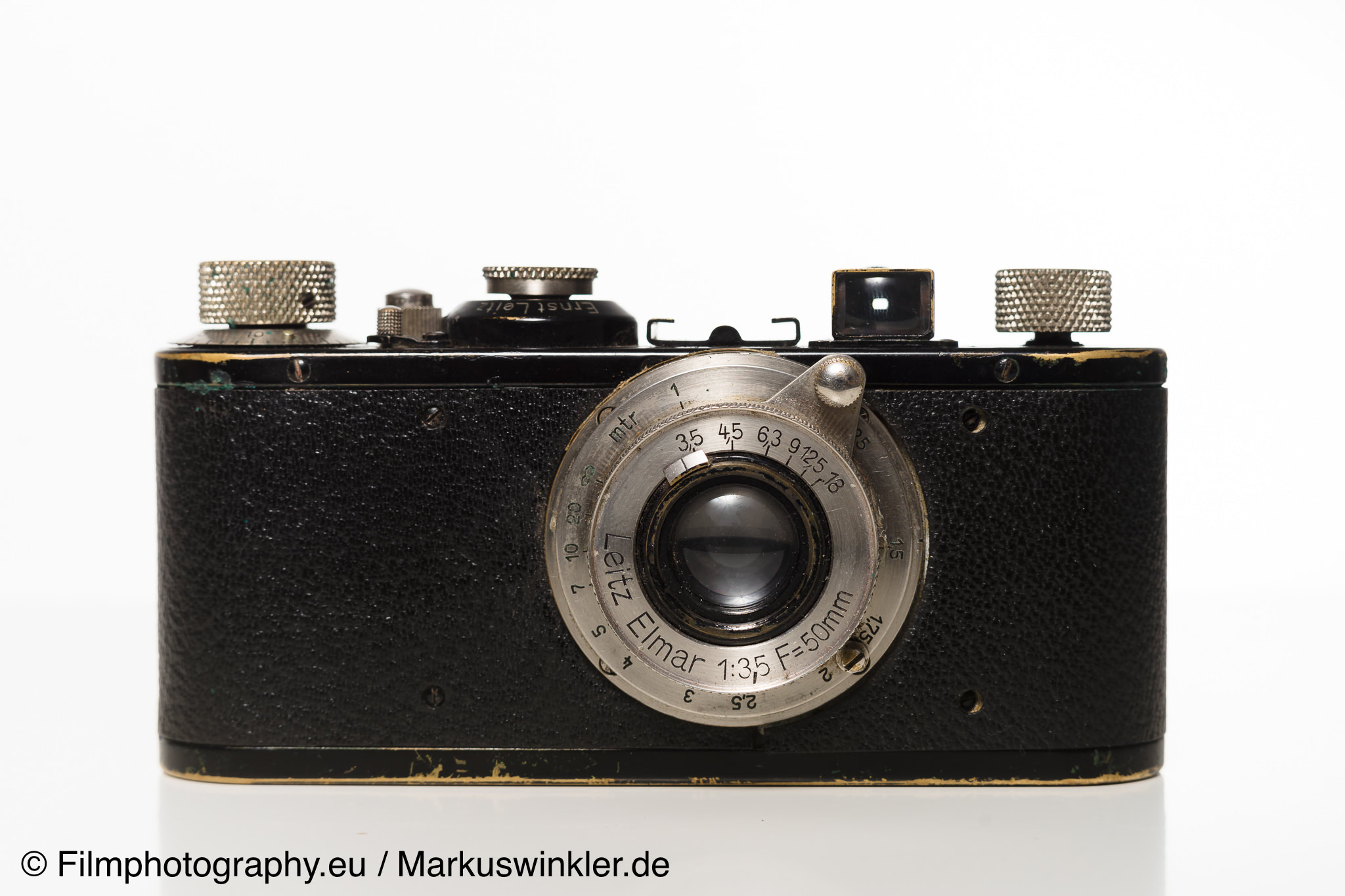
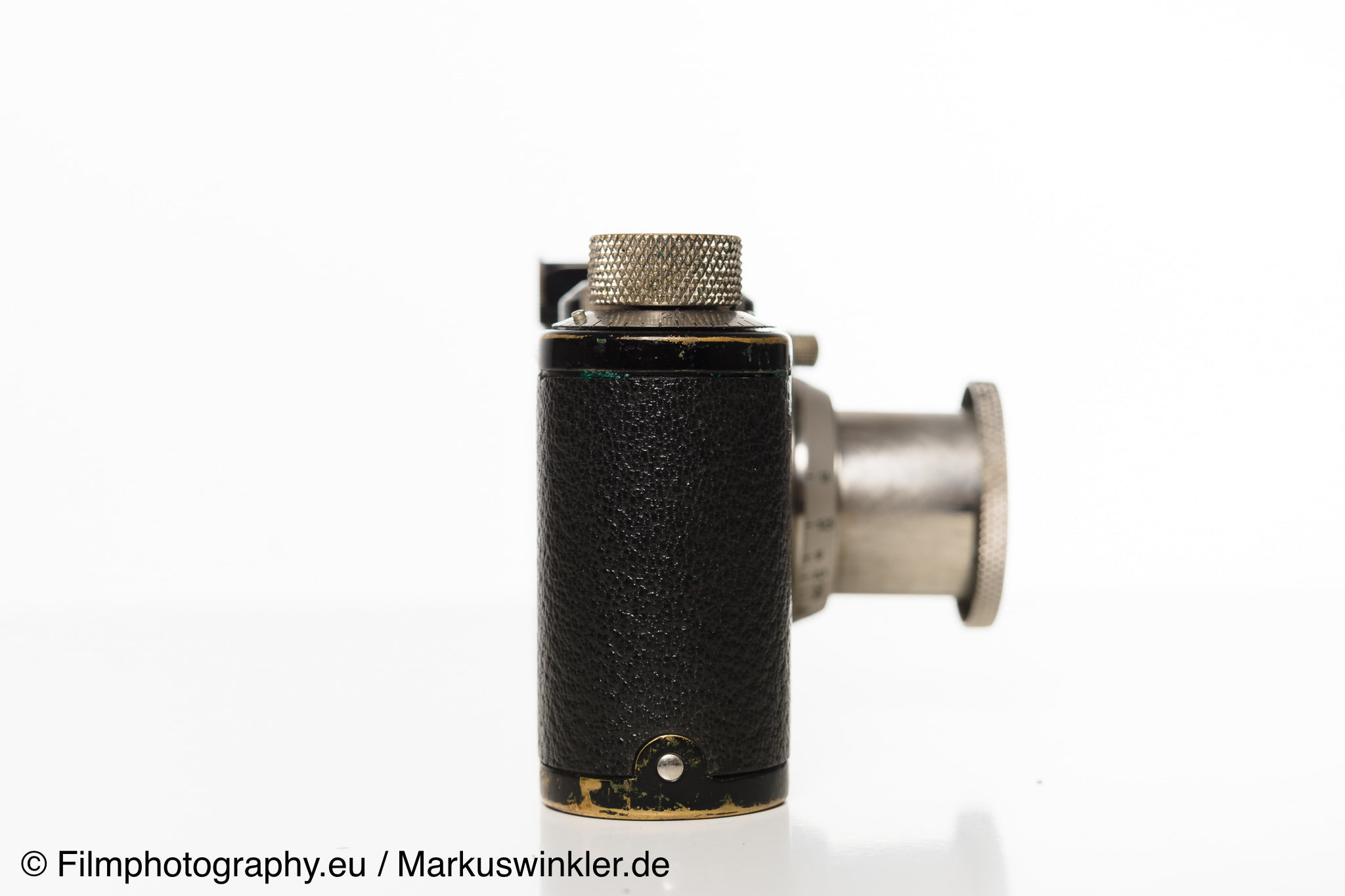
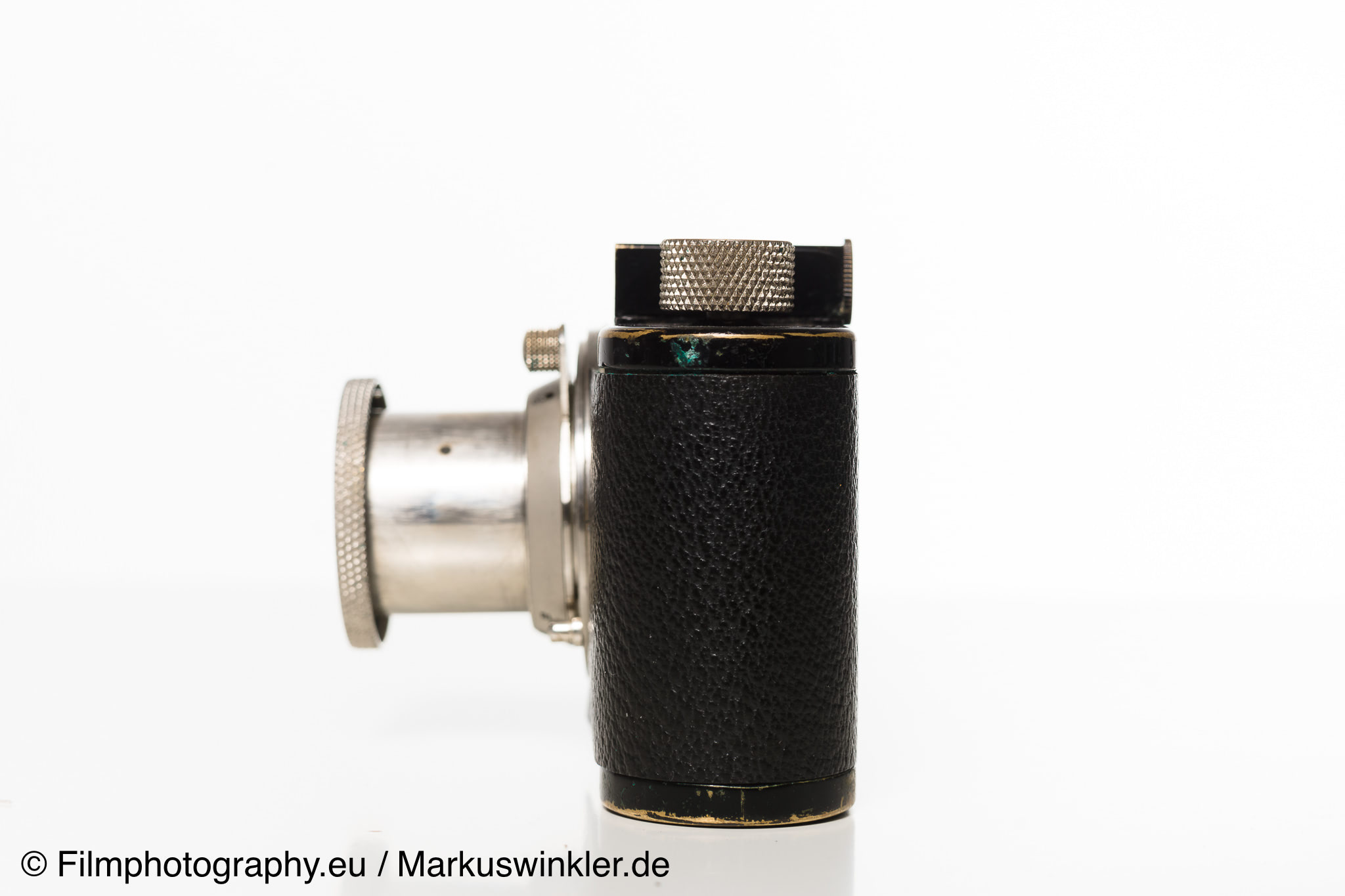
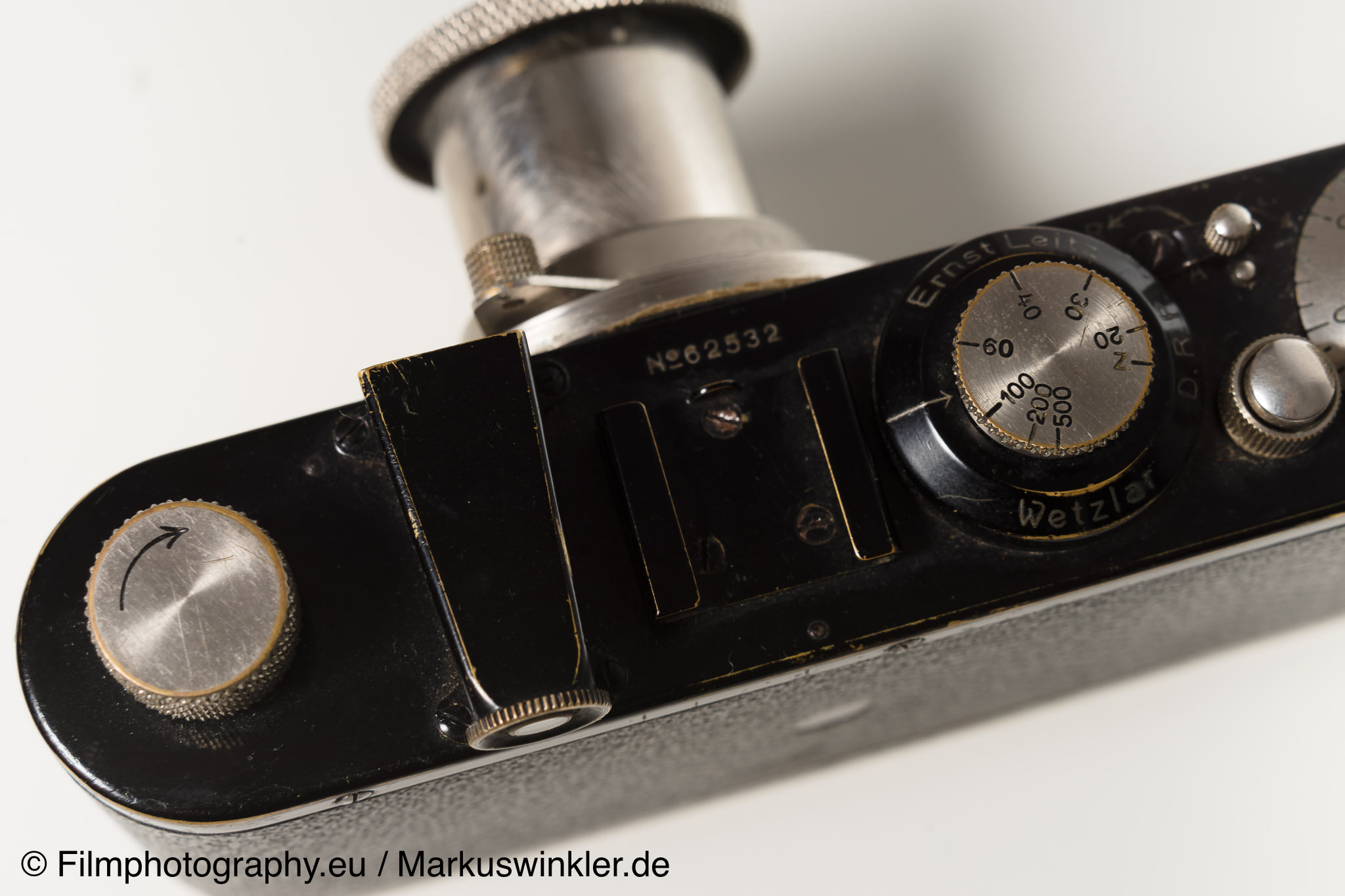
The Leica I Model C is a 35mm rangefinder camera introduced in 1930 by the German manufacturer Ernst Leitz in Wetzlar. It represents a decisive milestone in the development of the Leica system, as it was the manufacturer's first production model to feature an interchangeable lens mount.
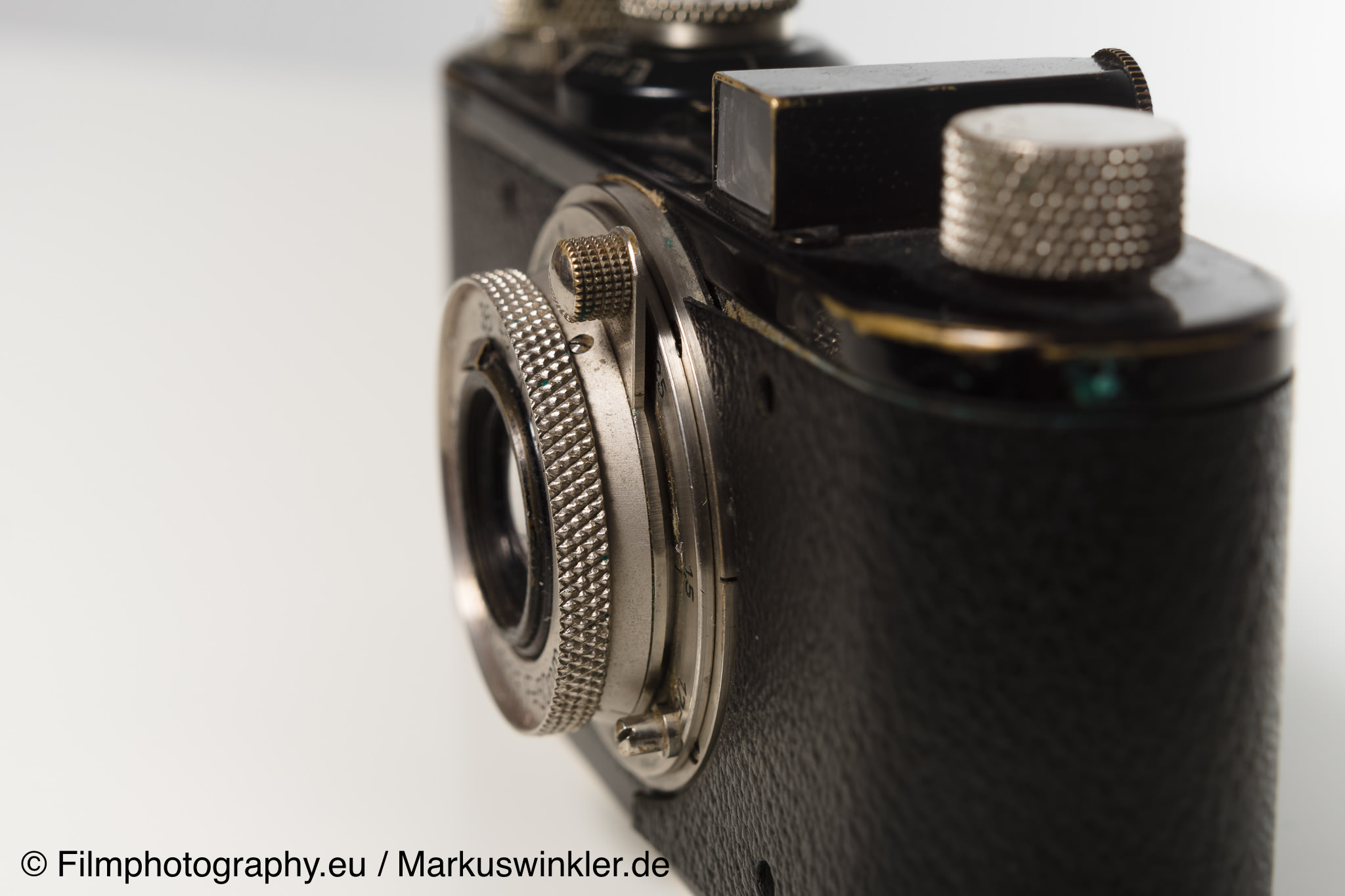
Instead of the fixed lens of its predecessor (Model A), a threaded connection with a diameter of 39 mm and a pitch of 1 mm (M39 thread) was used for the first time. This laid the foundation for the later universal interchangeable lens system.
The Problem of Flange Focal Distance and Standardization
When the Leica I Model C was introduced, the design department faced a significant physical challenge. Due to minimal tolerances in the manufacturing of the camera body and lenses, the so-called flange focal distance (the exact distance between the lens flange and the film plane) was not yet completely identical across all devices. For this reason, the production of the Leica I Model C can be divided into two technically distinct phases.
The Non-Standard Version (1930 to 1931)
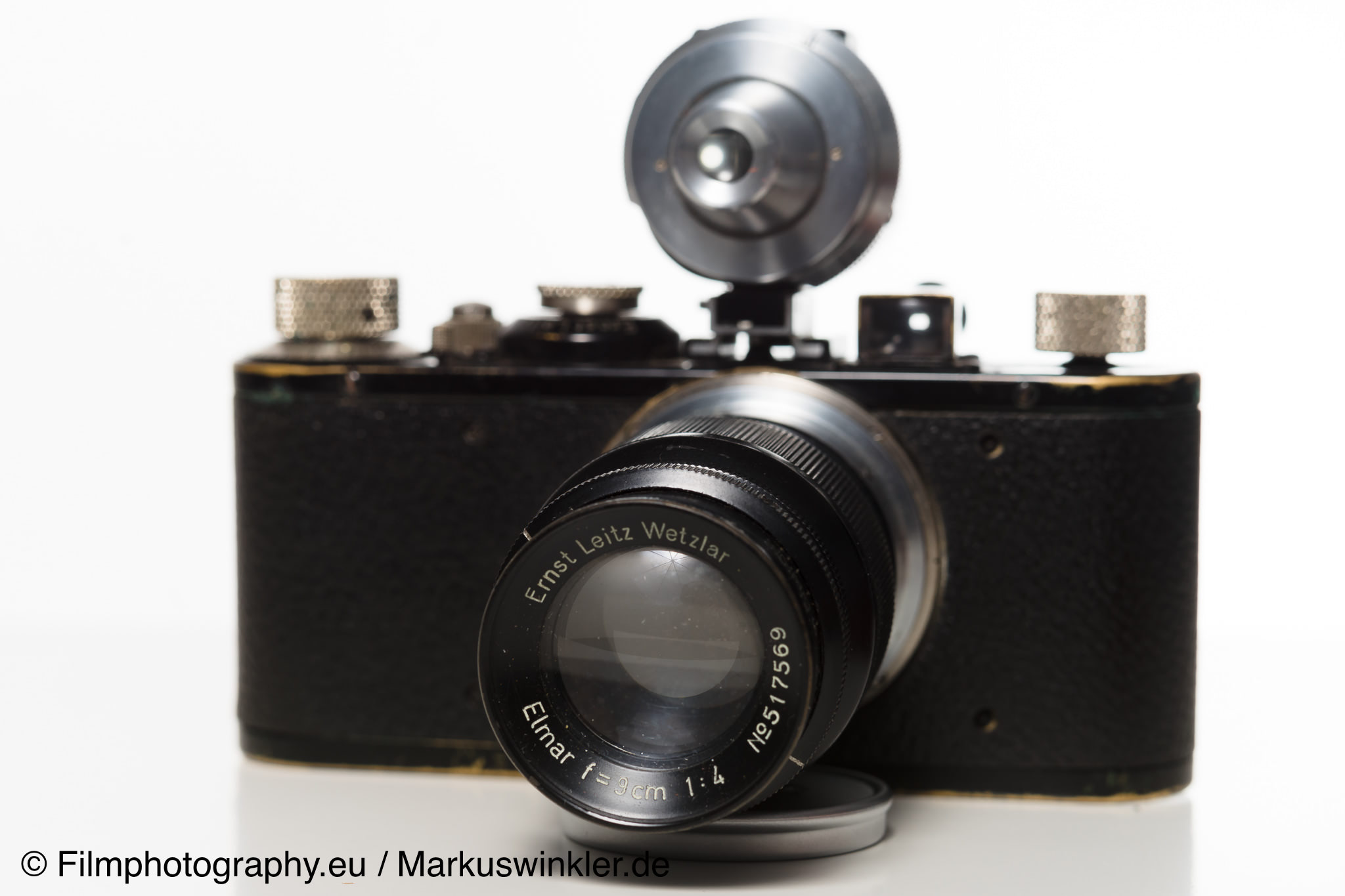
In the first production phase from 1930 into 1931, unrestricted interchangeability of lenses among different camera bodies was not yet possible. Each lens had to be manually matched and fine-tuned to a specific camera body. To ensure that the photographer used the matching components, the lenses of such an individually calibrated set were engraved with a three-digit number. This number exactly matched the last three digits of the serial number of the corresponding camera body. Typically, these cameras were delivered in sets that included, besides the body, a standard lens, a wide-angle lens, and a telephoto lens, all bearing the same three-digit engraving.
Standardization and the "0" Marking (from late 1931)
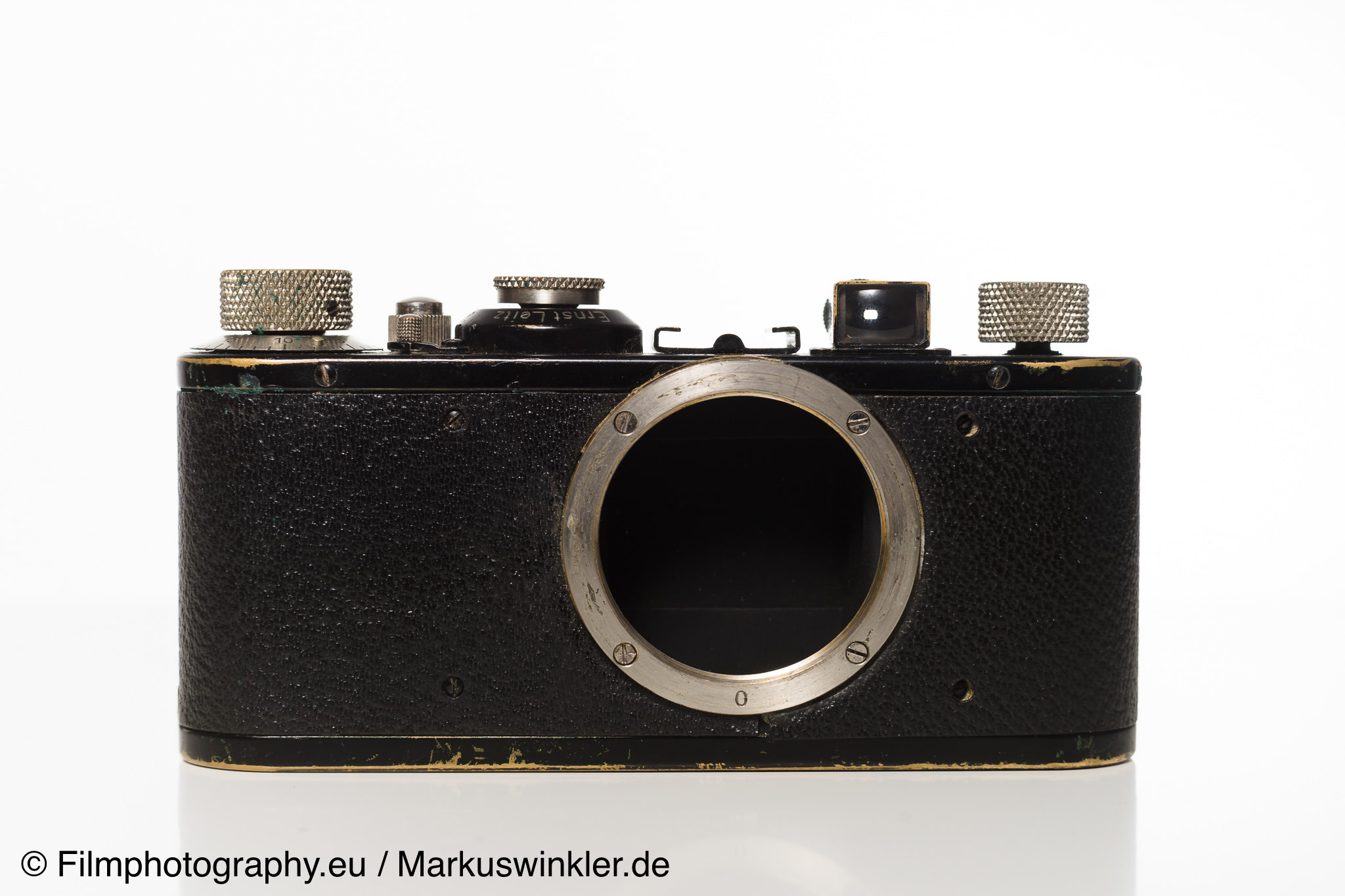
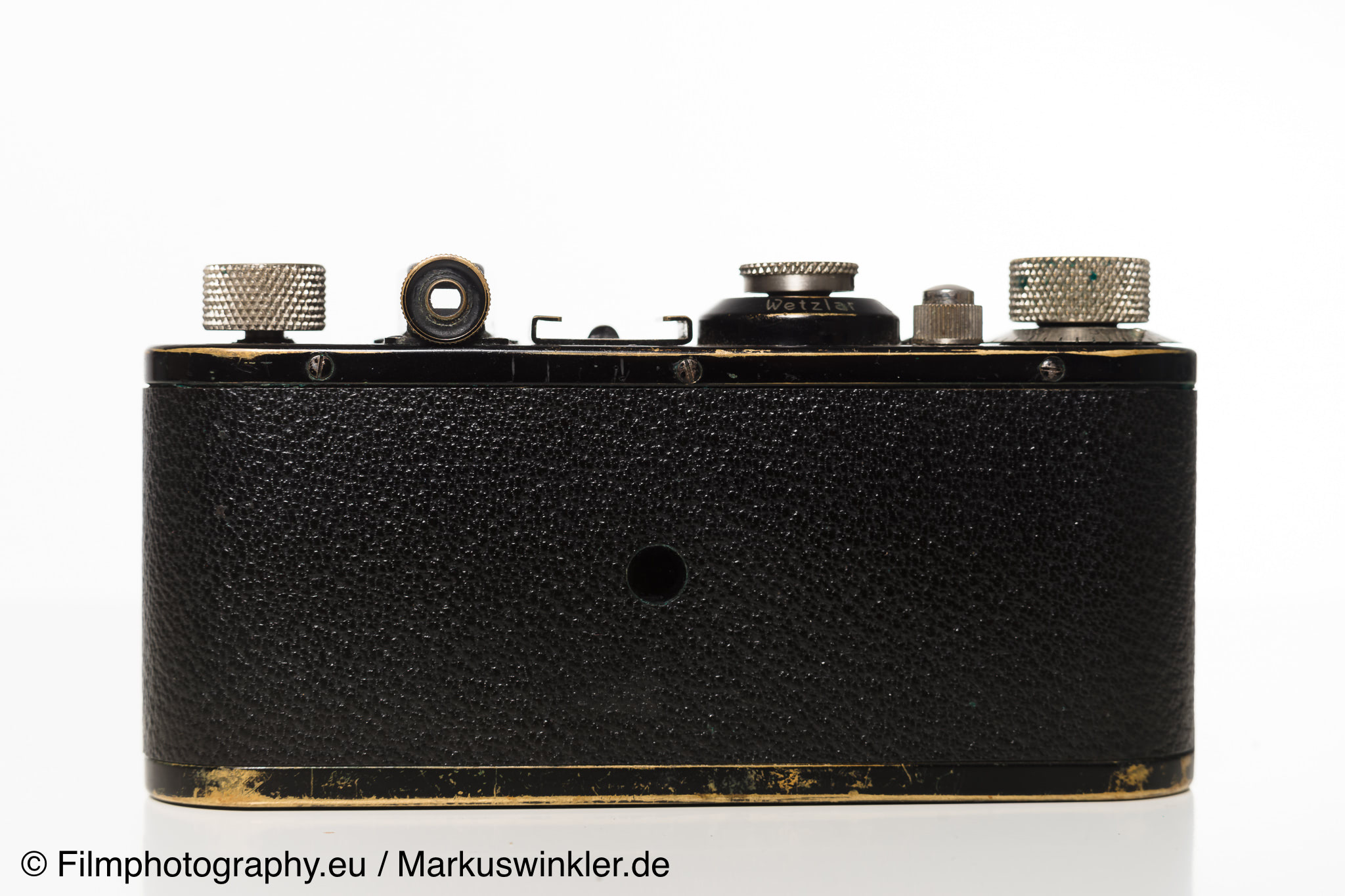
It was only during 1931 that Leitz succeeded in standardizing the flange focal distance to a fixed standard of exactly 28.8 mm. This technical standardization meant that from then on, any standardized M39 screw-mount lens could be used on any standardized camera body without prior individual adjustment, and focusing would be precise across the entire distance range.
To visually identify the bodies and lenses already manufactured according to the new standard, Leitz engraved a small digit "0" (zero) on the upper part of the mounting ring on the camera body (at the 12 o'clock position) as well as on the barrel of the corresponding lenses. These standardized models formed the direct transition to the later Leica Standard (Model E).
Lens System of the Model C
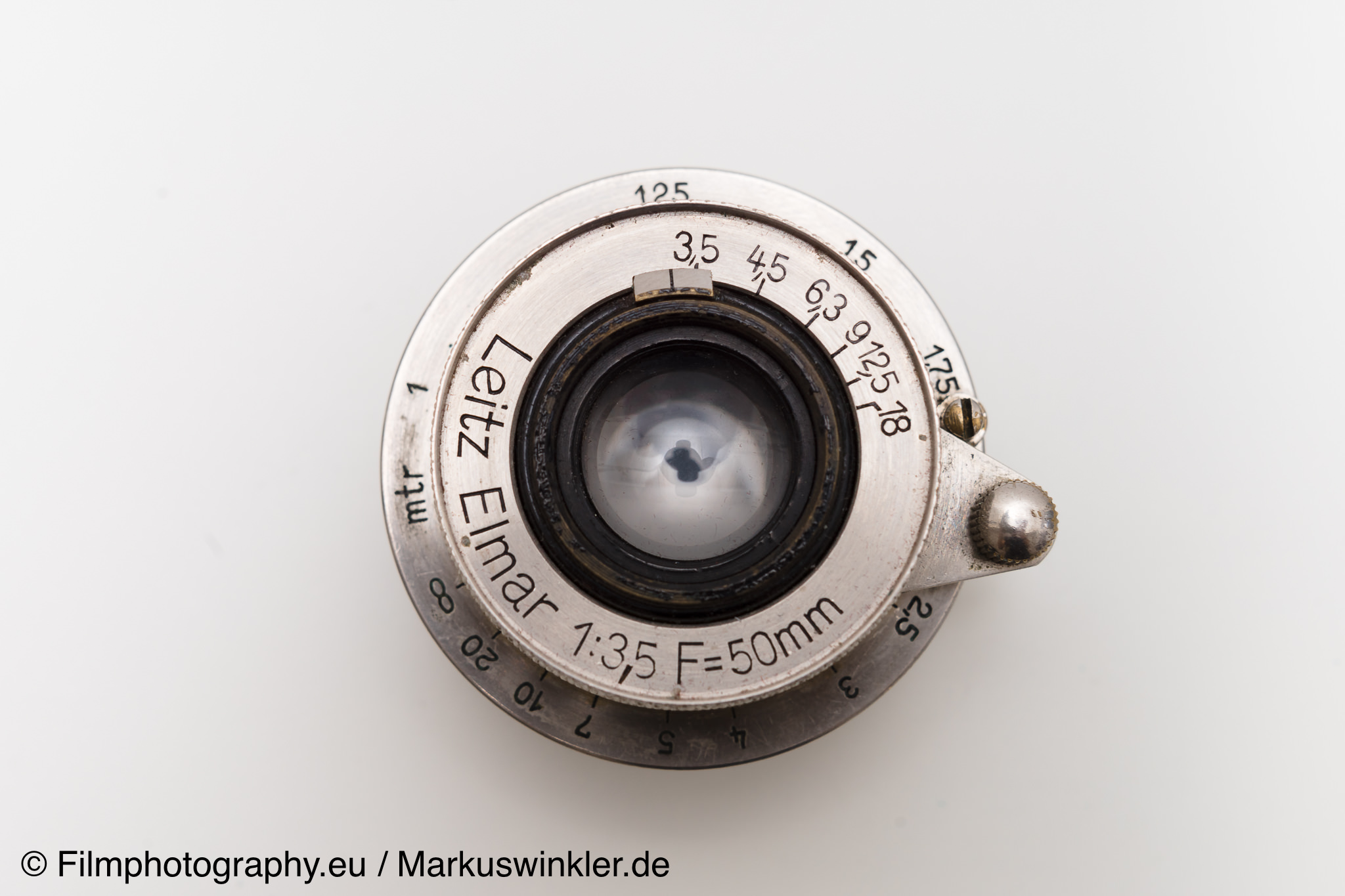
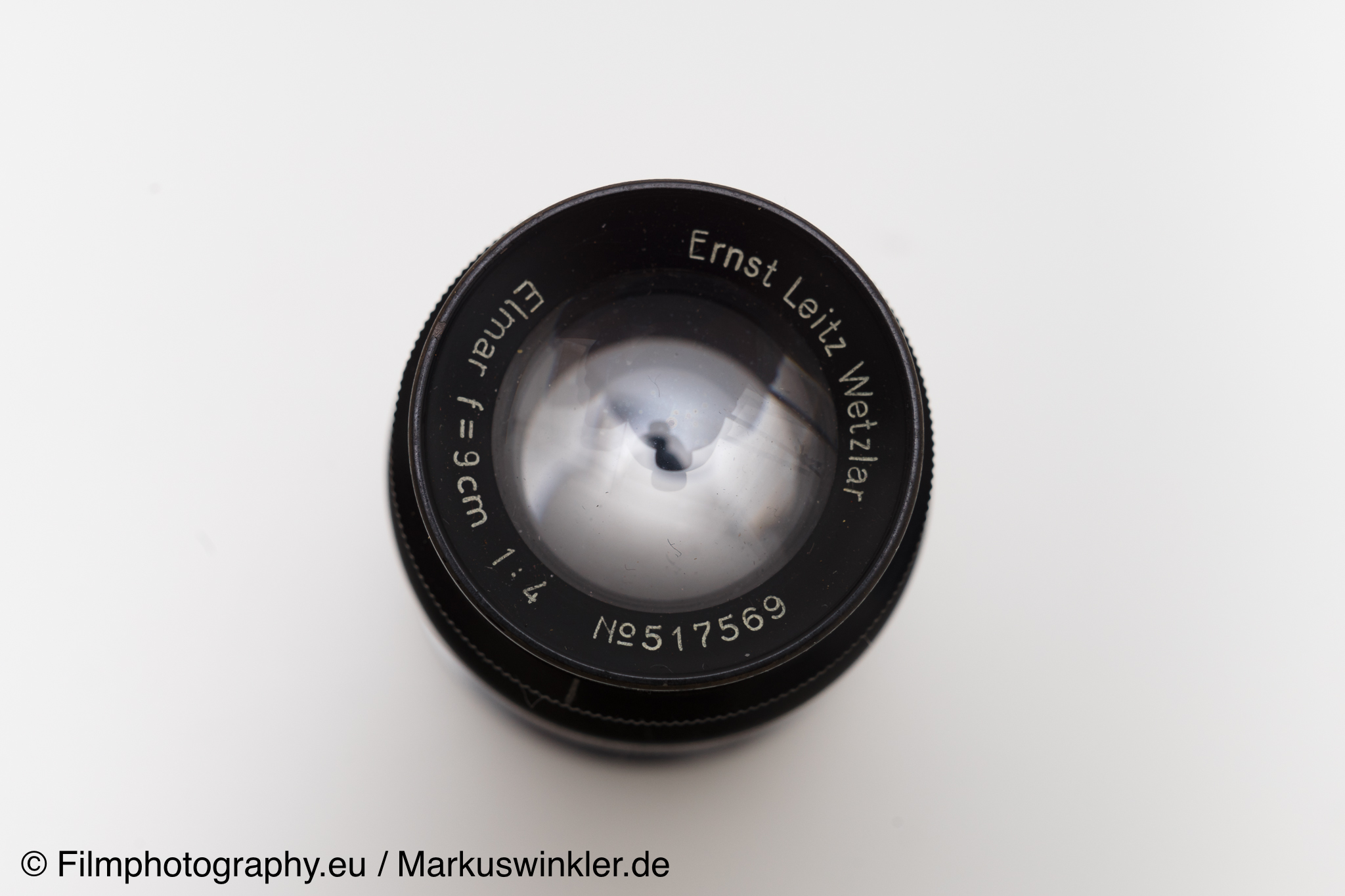
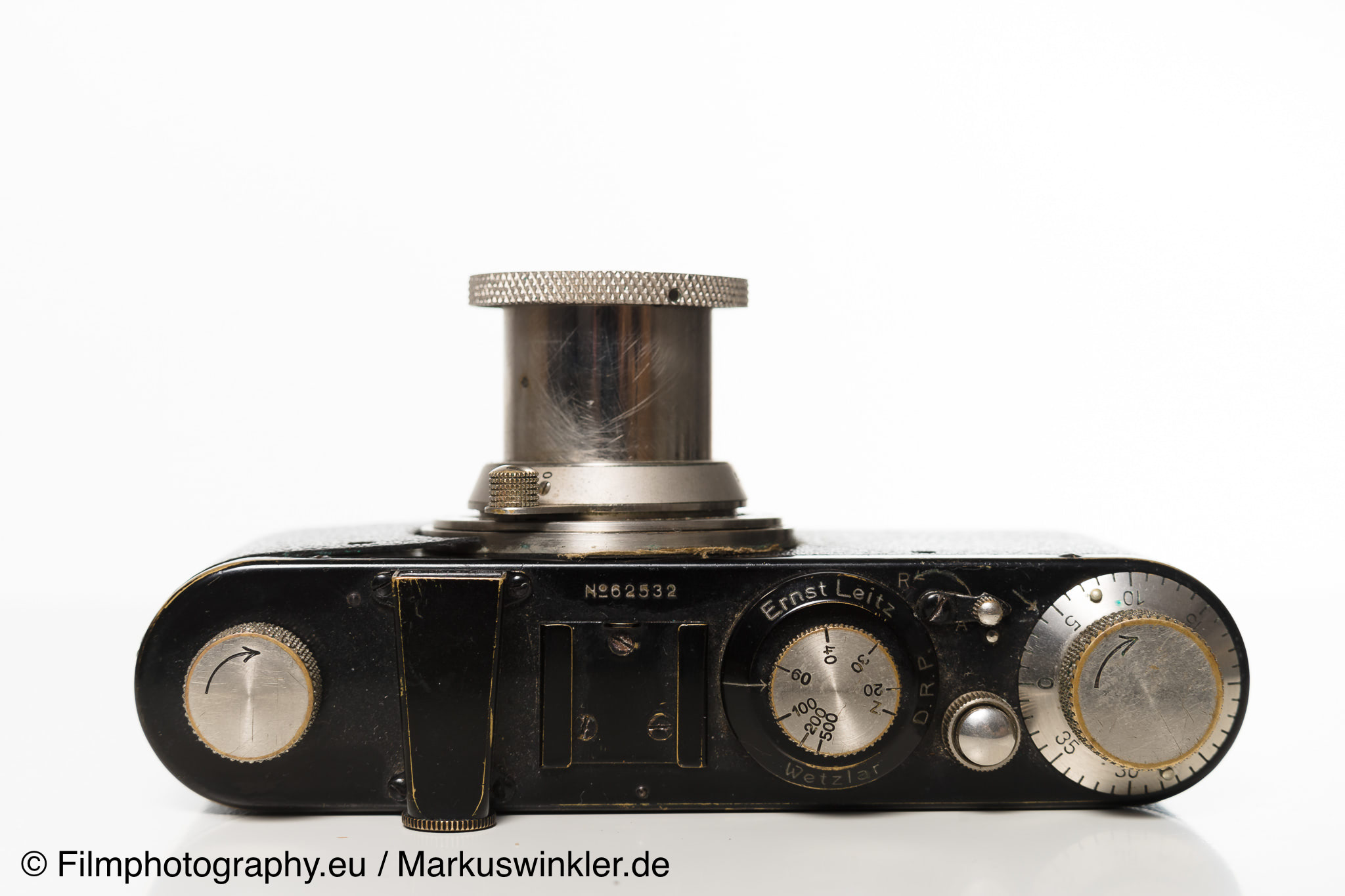
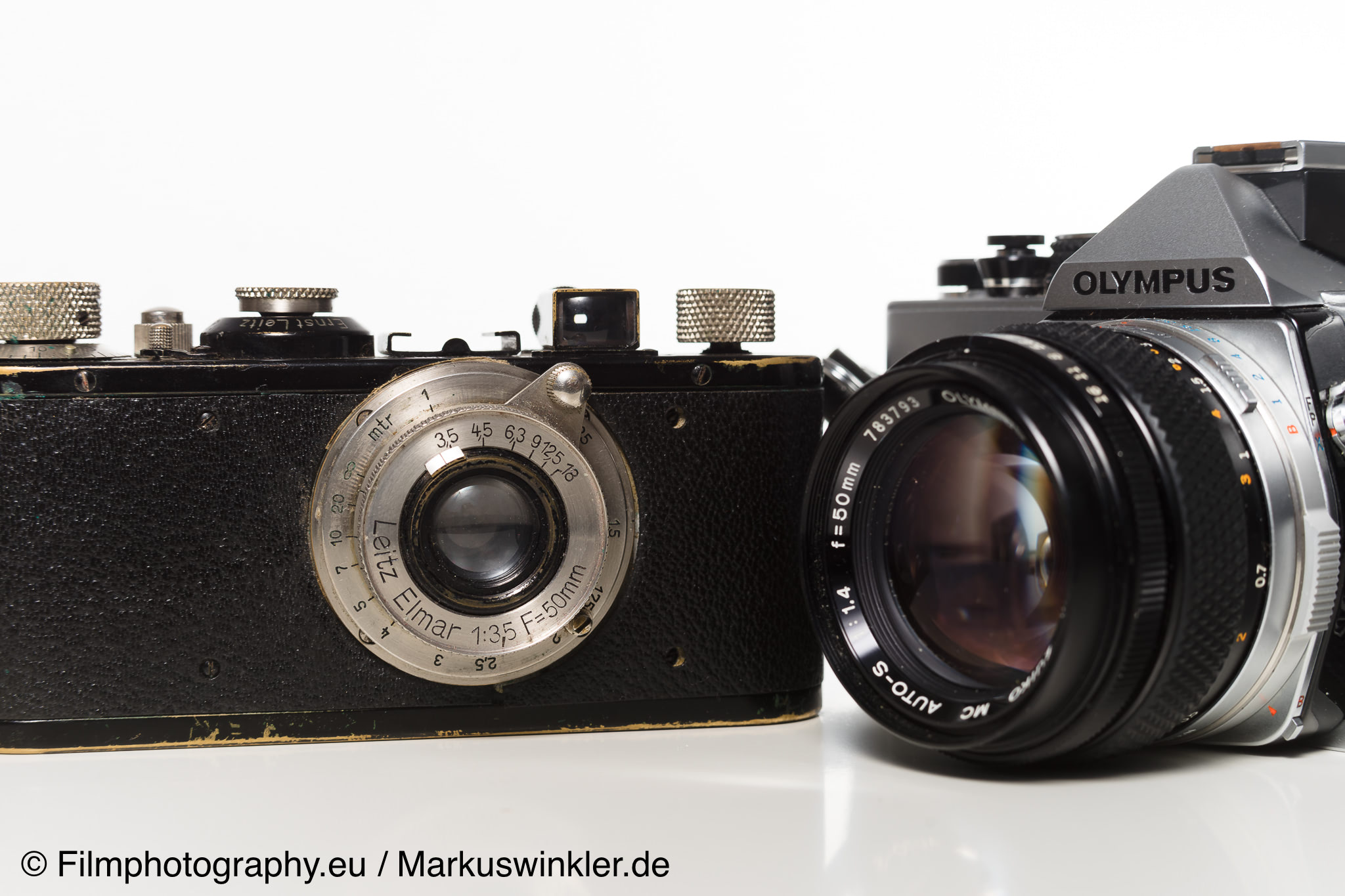
With the introduction of interchangeable optics, Leitz significantly expanded the range of focal lengths to offer photographers new creative possibilities. In addition to the proven standard lens Elmar 50 mm f/3.5, a wide-angle lens of the type Elmar 35 mm f/3.5 was offered. For shots from greater distances, the long-focal-length Elmar 135 mm f/4.5 was available. Towards the end of 1931, this selection was supplemented by the Elmar 90 mm f/4. For low-light photography, the faster Hektor 50 mm f/2.5 with screw mount was also available in the range.
Features and Production Numbers
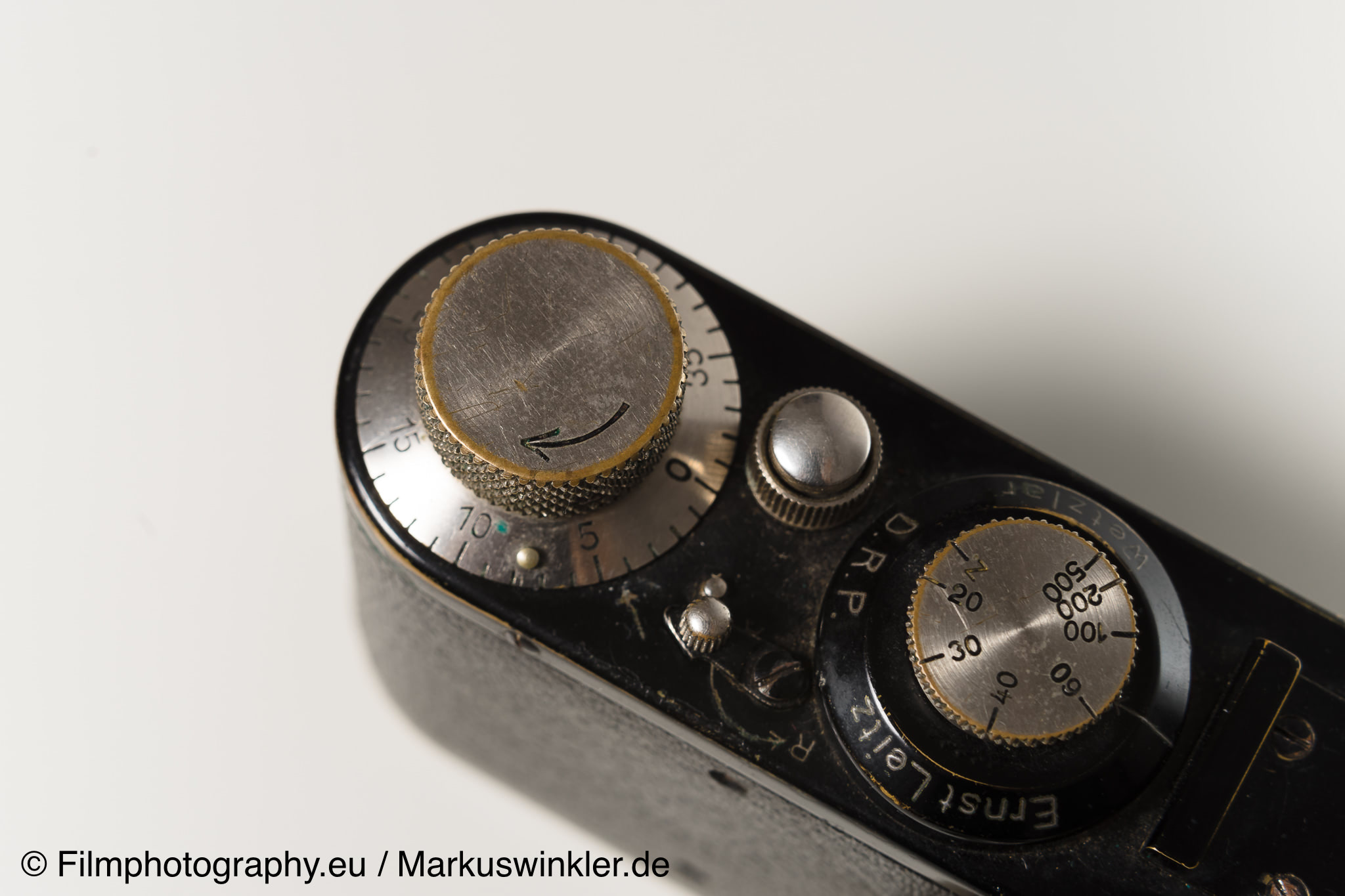
The body of the Leica I Model C corresponds in its basic design and operation to its predecessor. Since a narrower field of view in the viewfinder was required for the 135 mm telephoto lens, Leitz equipped some examples of the Model C with a practical swing mask directly on the built-in optical viewfinder. This mask could be flipped in front of the viewfinder window when needed to simulate the altered field of view of the telephoto lens.
Focusing had to be estimated or determined using a separate, attachable rangefinder (such as the FODIS or the later horizontal rangefinder) due to the lack of a built-in rangefinder.
Production of the Leica I Model C began in 1930 with low numbers in the serial number range starting around 37,280. Regular production in larger quantities began from serial number 55,404. Up to serial number 60,500, Leitz produced both bodies with fixed lenses and bodies with the new interchangeable threaded mount in parallel.
In addition to the classic black lacquered version with vulcanite covering, extremely rare variants with fine leather coverings such as calfskin or lizard skin existed for the export market.