There’s that one feeling every photographer knows, which often sends a chill down our spine colder than the icy wind during a landscape shoot in the dead of winter. It’s the moment you reach into your bag and find nothing. Be it your wallet after a hectic shoot in the city or, even worse, the small bag with your full memory cards, which you thought were safely stowed away moments ago.
Meanwhile, there are several trackers designed to alleviate this worry. Among them is the Rhinokey Smartcard. The manufacturer, perhaps better known to many for their key organizers, has expanded its portfolio and now offers a credit card-sized tracker.
Technical Data and Feel
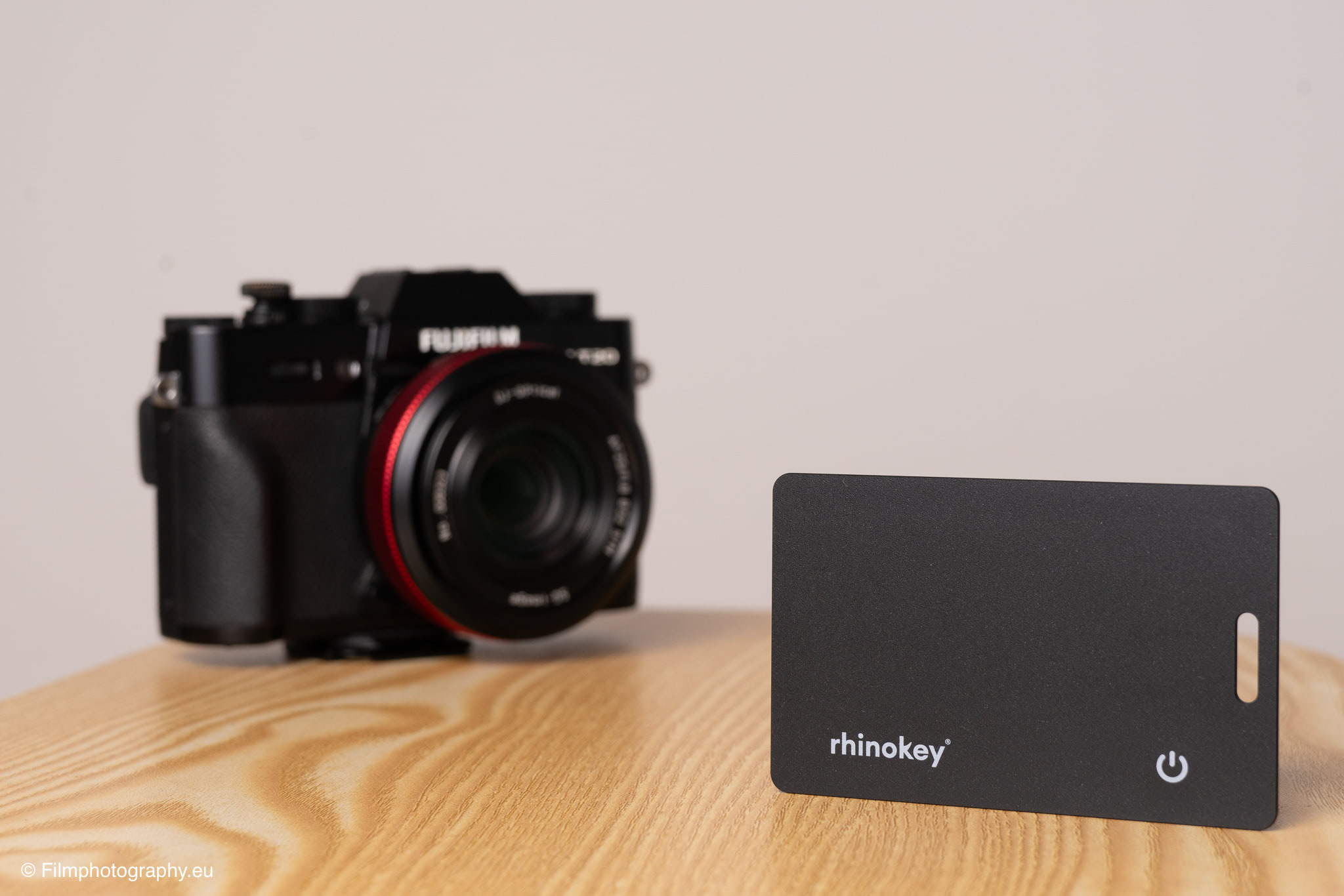
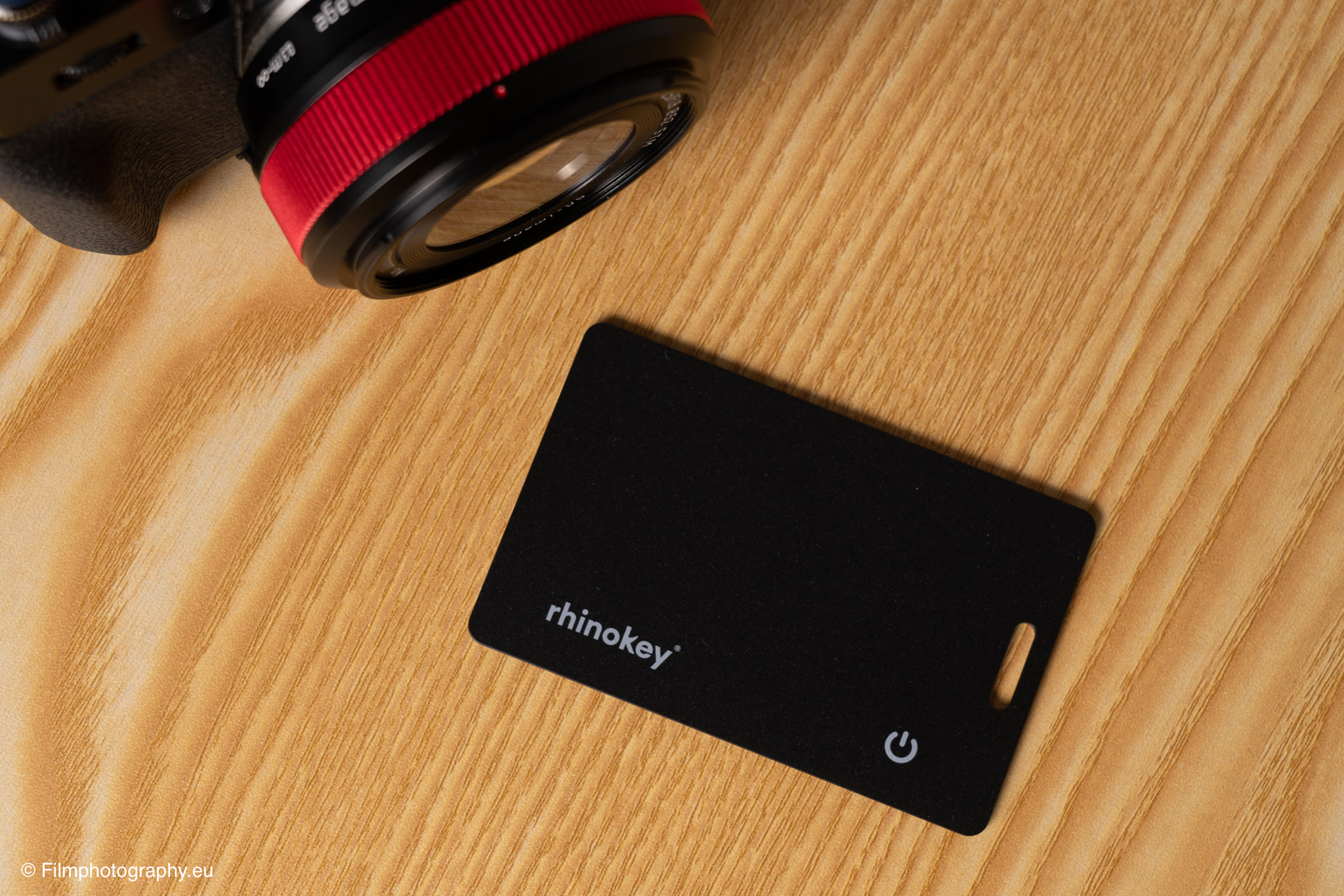
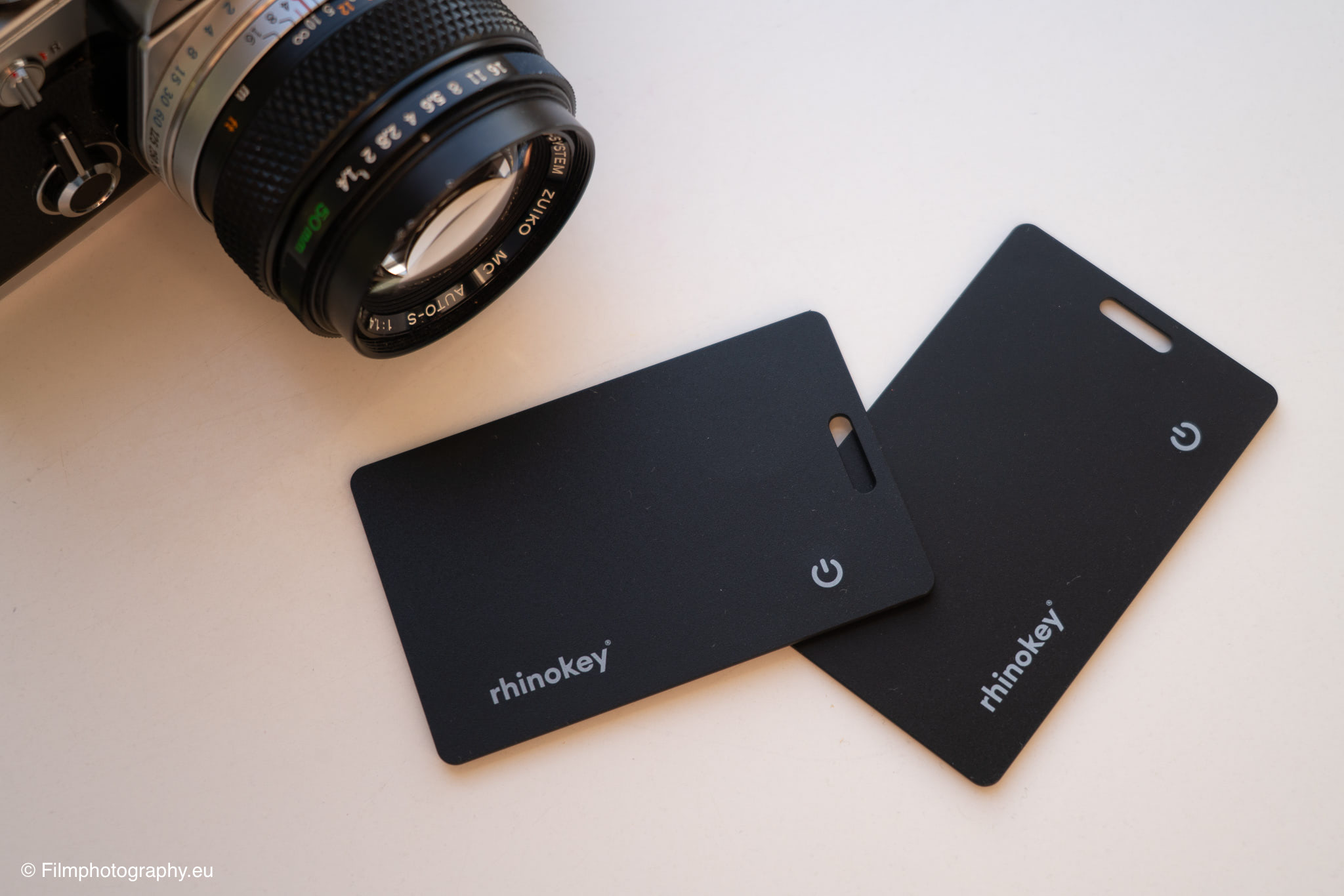
When you first take the Rhinokey Smartcard out of its packaging, its pleasant inconspicuousness immediately stands out. We’re talking about a thickness of approximately 1.8 millimeters. To put that in perspective: this is about the thickness of two standard credit cards stacked on top of each other. While that sounds minimal on paper, it feels noticeably more robust in hand than a simple plastic card. The weight is around 12.5 grams, which is absolutely negligible in everyday use. It won’t add bulk to a packed backpack or your back pocket.
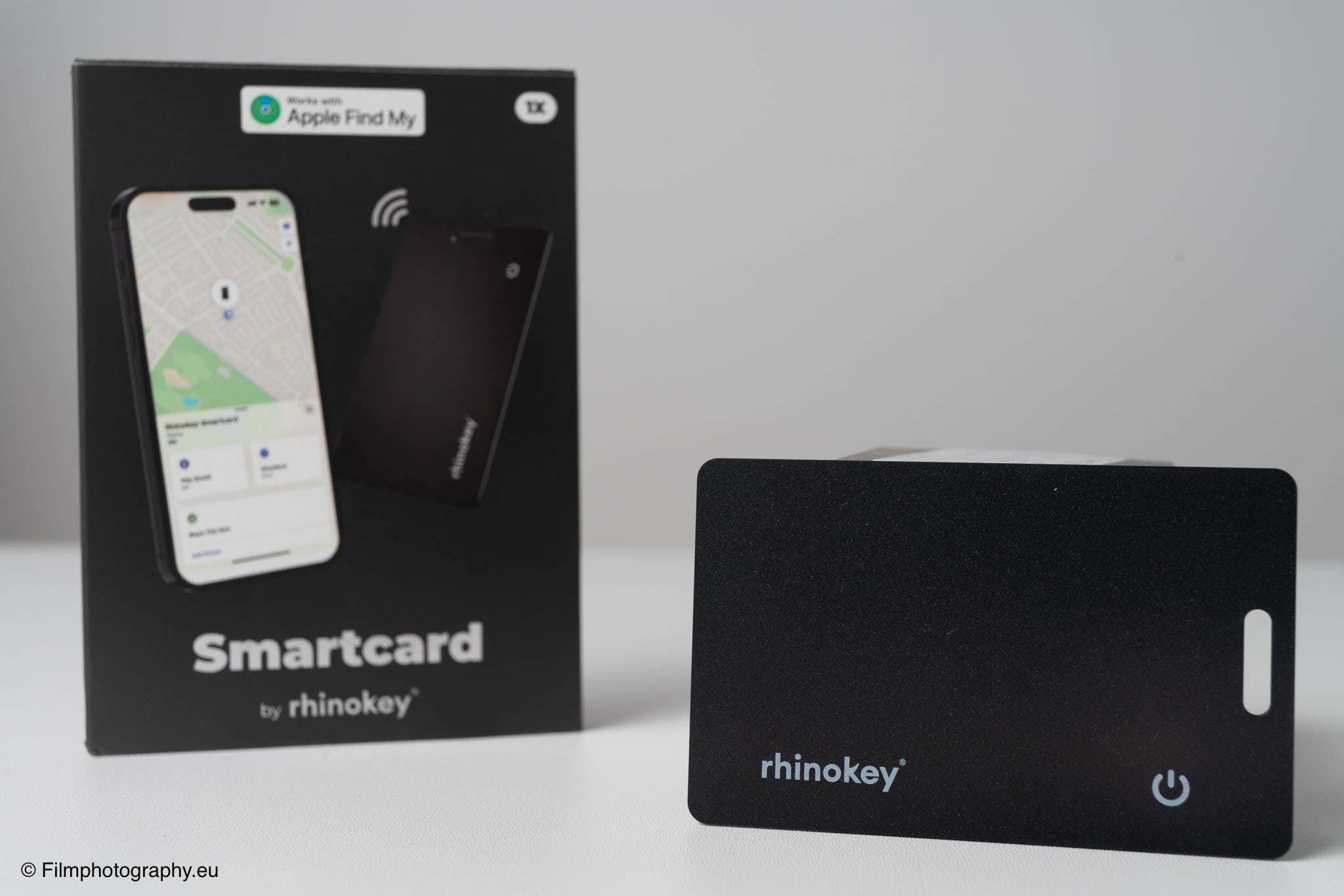
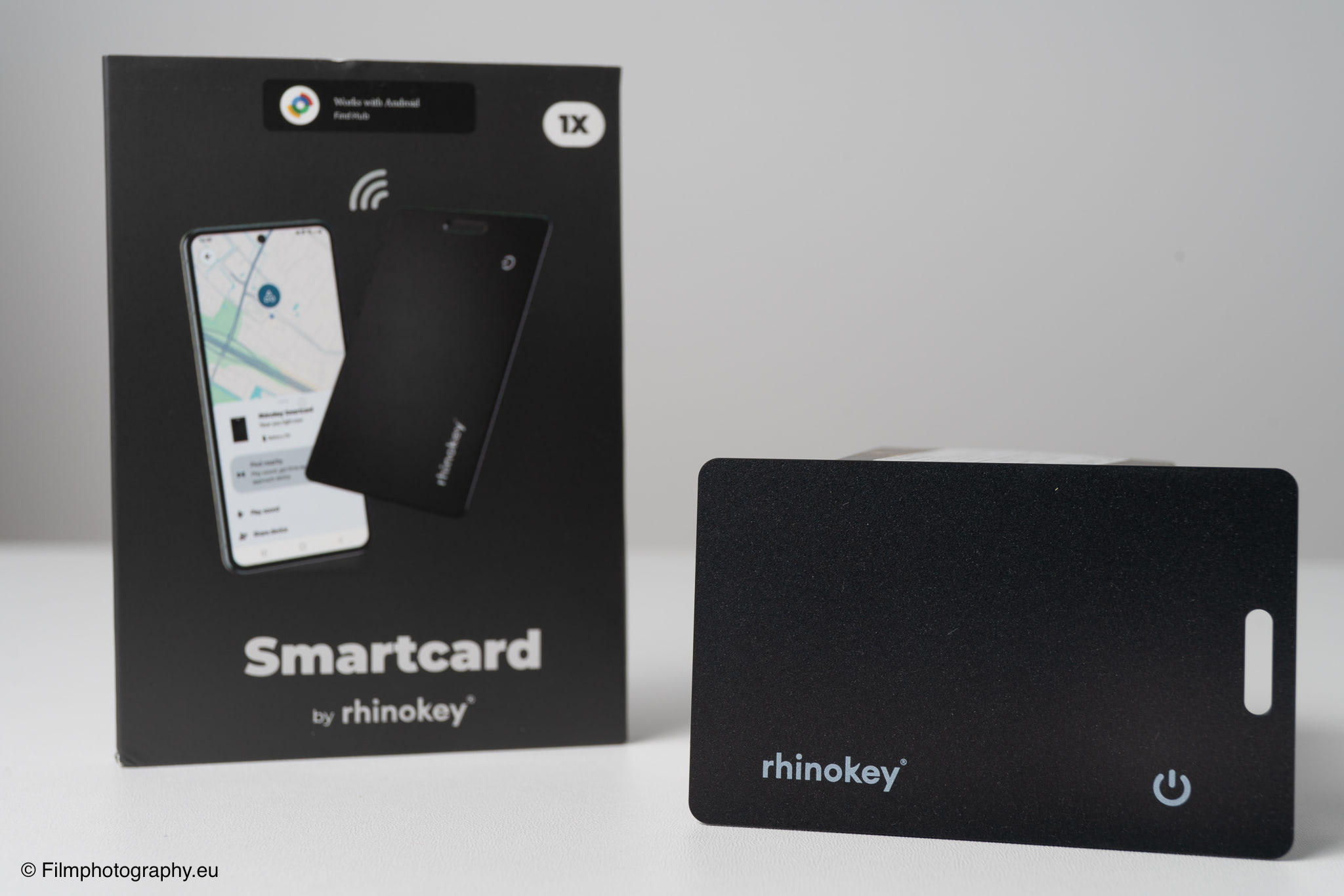
The casing is made of a matte, black plastic. It’s a utilitarian object.
An important detail for us photographers, who are often on the go outdoors, is its resistance to the elements. The card is IP68 certified. This means it’s dustproof and can withstand temporary submersion. So, if your backpack ends up in wet grass during an outdoor shoot or you get caught in the rain, you don’t have to worry about the electronics inside.
A technical aspect that sets the Rhinokey Smartcard apart from many, often cheaper, competitors is its power supply. Instead of using non-replaceable, disposable batteries that contribute to e-waste after one or two years, Rhinokey has integrated a rechargeable battery.
It charges conveniently via the Qi standard. You simply place the card on the same charging pad you use for your smartphone. According to the manufacturer, a full charge should last up to five months. In everyday terms, this means you barely have to think about it, as long as you develop a routine of placing the card on the charger two or three times a year.
Features and Networks
The scope of features is primarily determined by the chosen ecosystem, as Rhinokey doesn’t impose its own app infrastructure but fully integrates into Apple’s and Google’s native solutions. This is a significant advantage, as these networks offer enormous coverage due to the sheer number of participating smartphones.
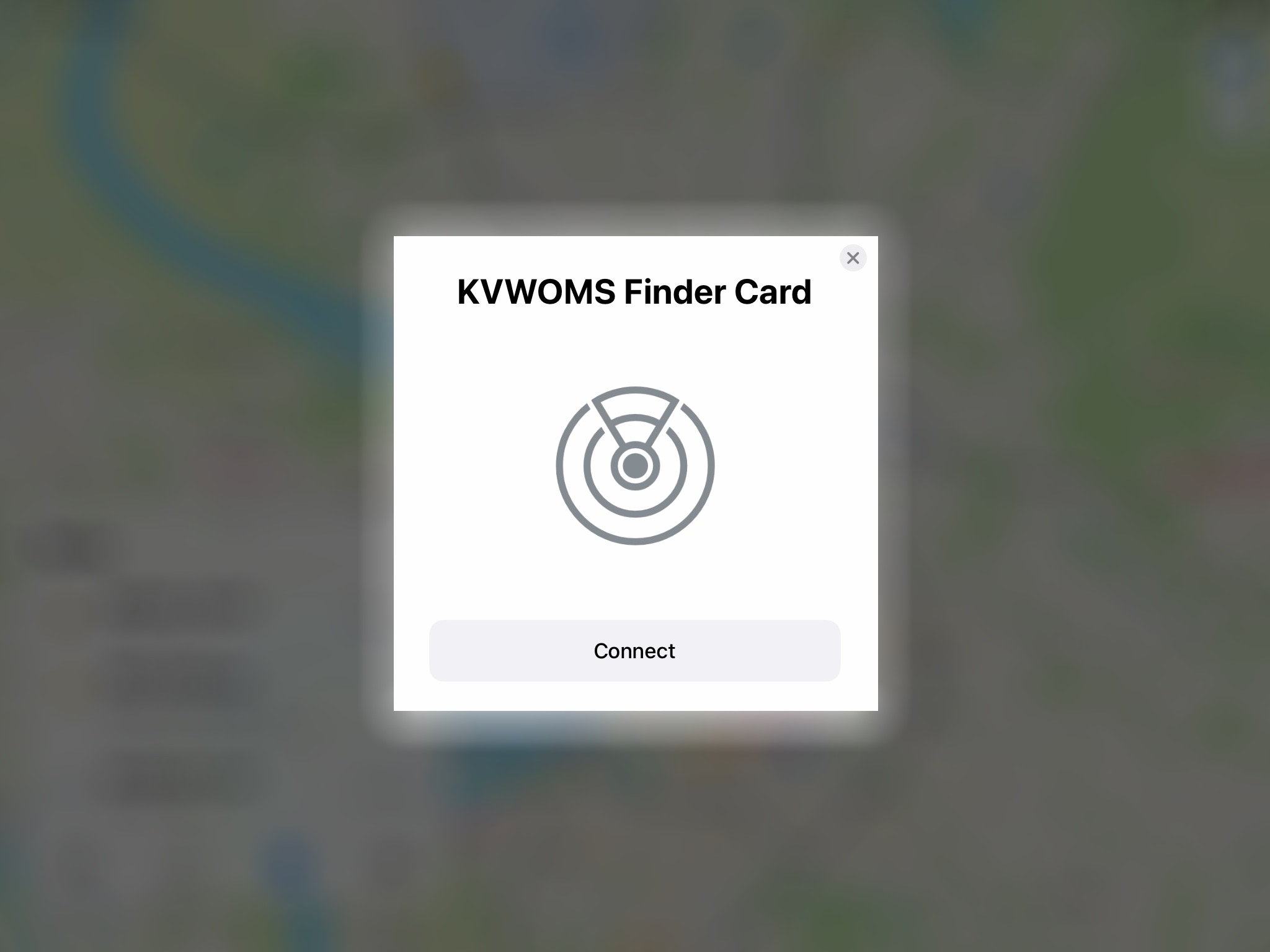
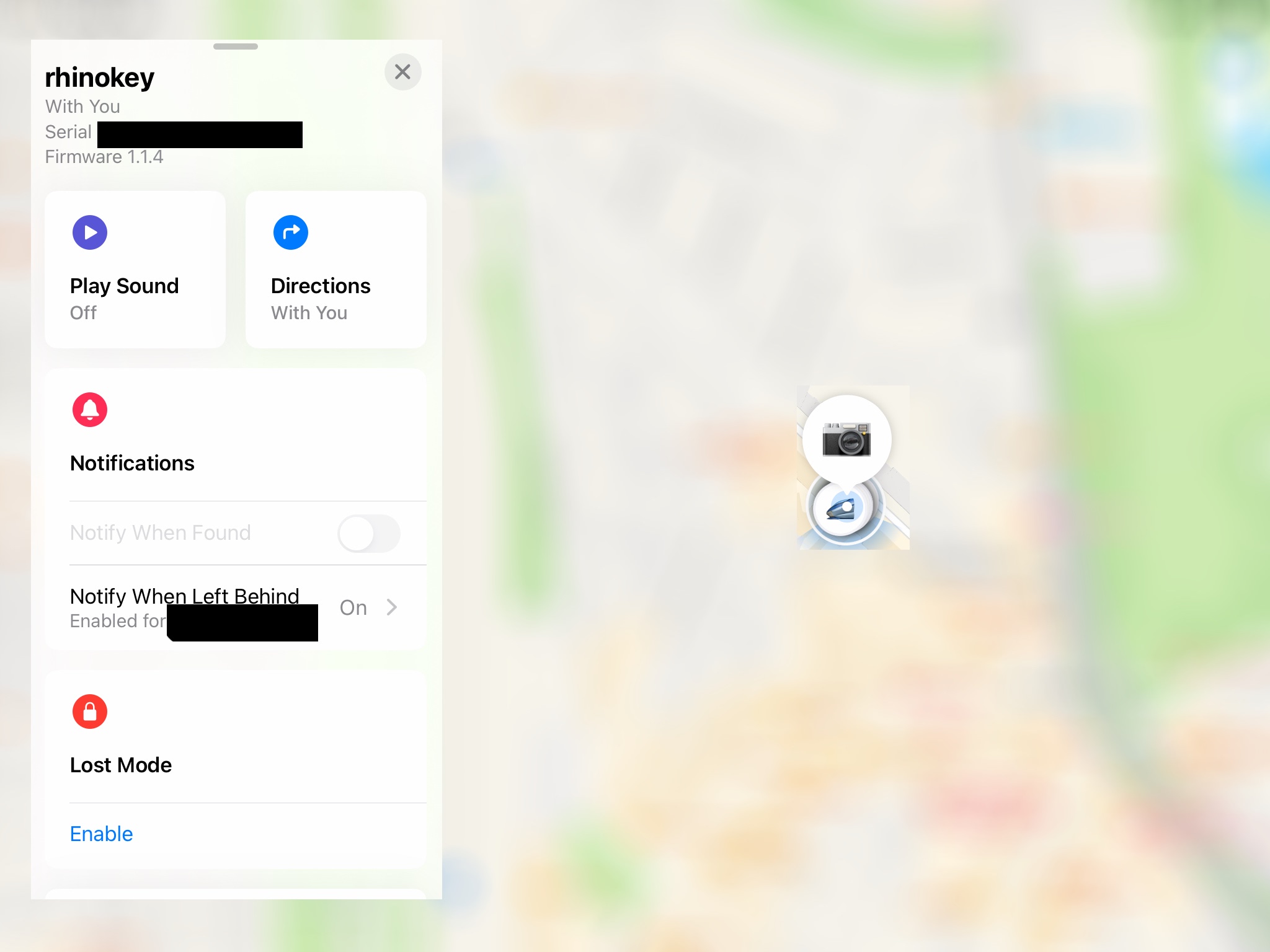
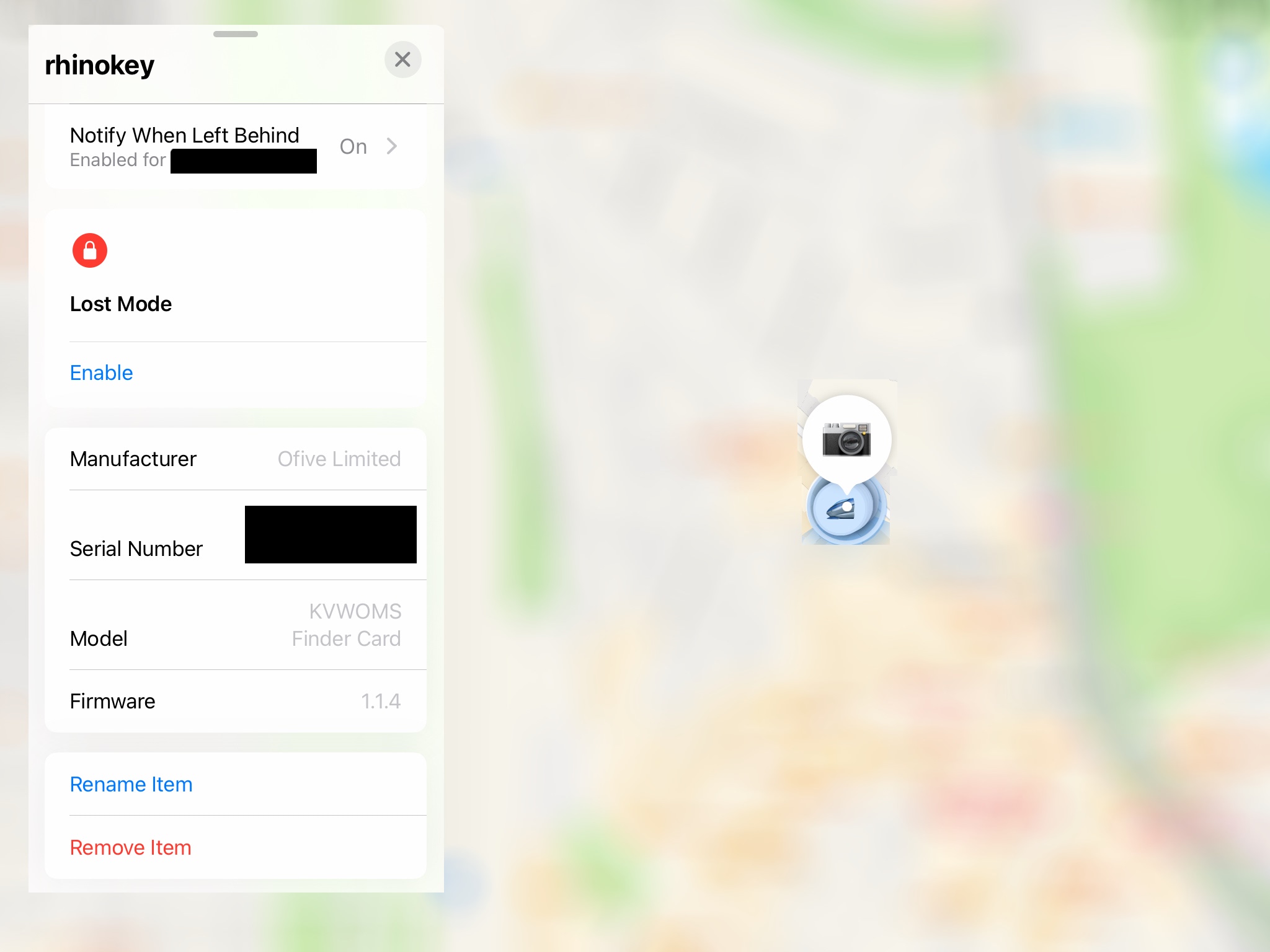
With the Apple variant, the card integrates into the “Find My” network. This means that millions of other iPhones, iPads, or Macs that happen to pass by your lost backpack can pick up the card’s encrypted Bluetooth signal and securely transmit its location to you.
The card also has a speaker for acoustic localization in the immediate vicinity. The “Left Behind” notification is also implemented. So, if you leave the café without your bag, your iPhone will alert you after a few hundred meters.
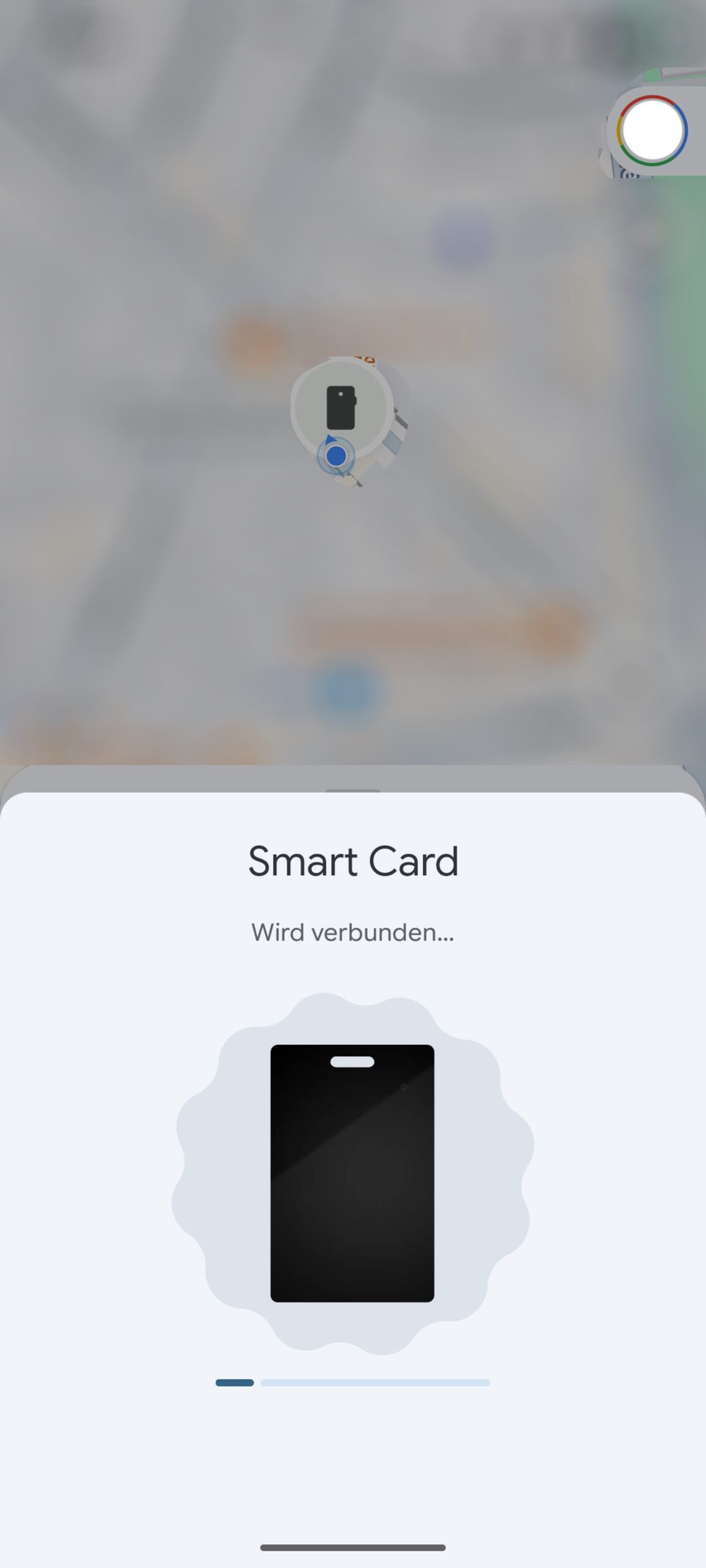
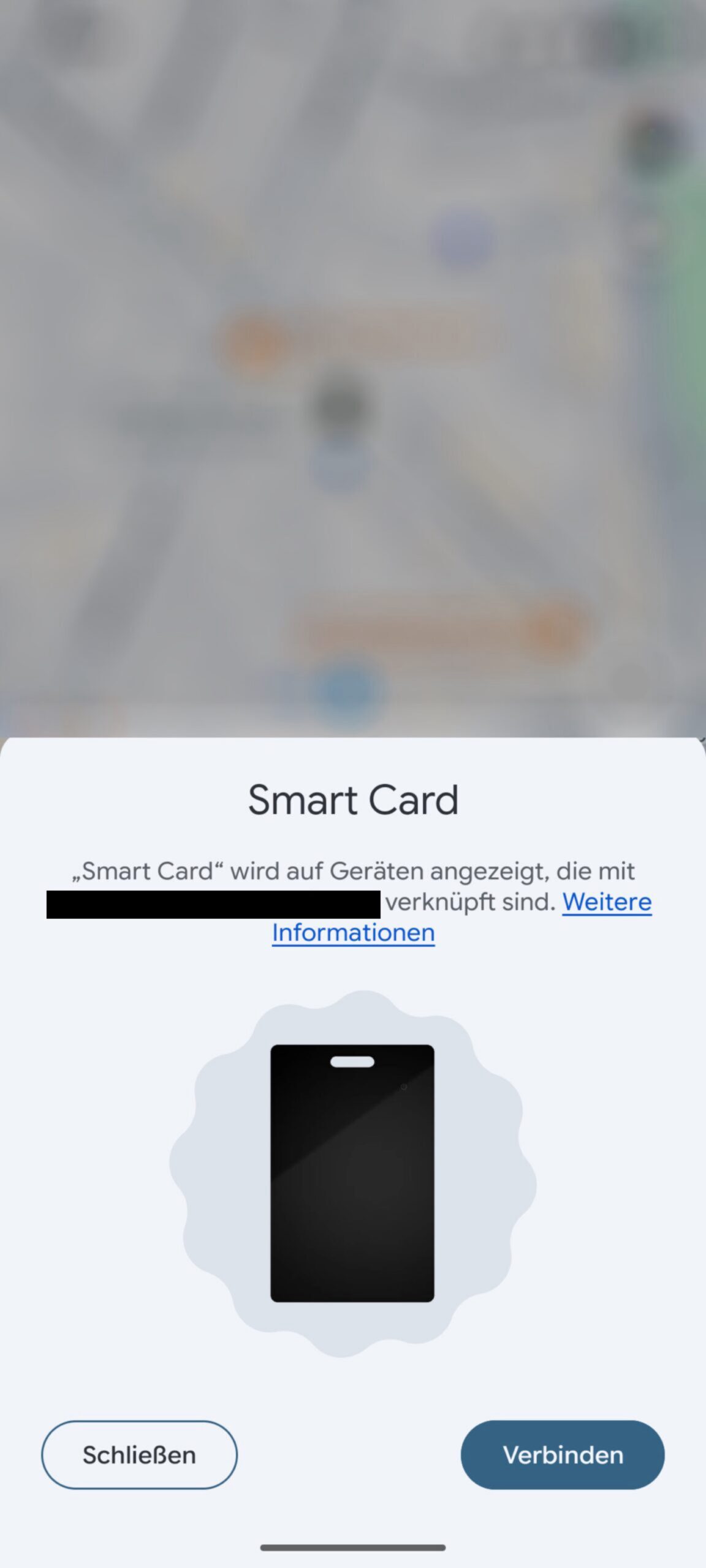
The Google variant uses the corresponding “Find My Device” network for Android. The principle here is also crowdsourcing. For a long time, Google lagged behind Apple in this regard, but with the new network rollout, the tables have turned, and coverage is now very usable even in more rural areas. The Rhinokey card for Android offers essentially the same features: location on the map, playing a sound, and notifications.
A key characteristic of both cards is the absence of UWB, or Ultra-Wideband. This means the precise search with a directional arrow in the final meters, as known from the Apple AirTag, is missing here.
Therefore, you have to rely on your hearing once you are in close proximity. Given its extremely slim design, this is an understandable compromise that you should be aware of before purchasing.
In Practice as a Photographer
Let’s get to the crucial part. How does the hardware perform in a photographer’s daily life? The first step is setup, and here I can commend both variants.
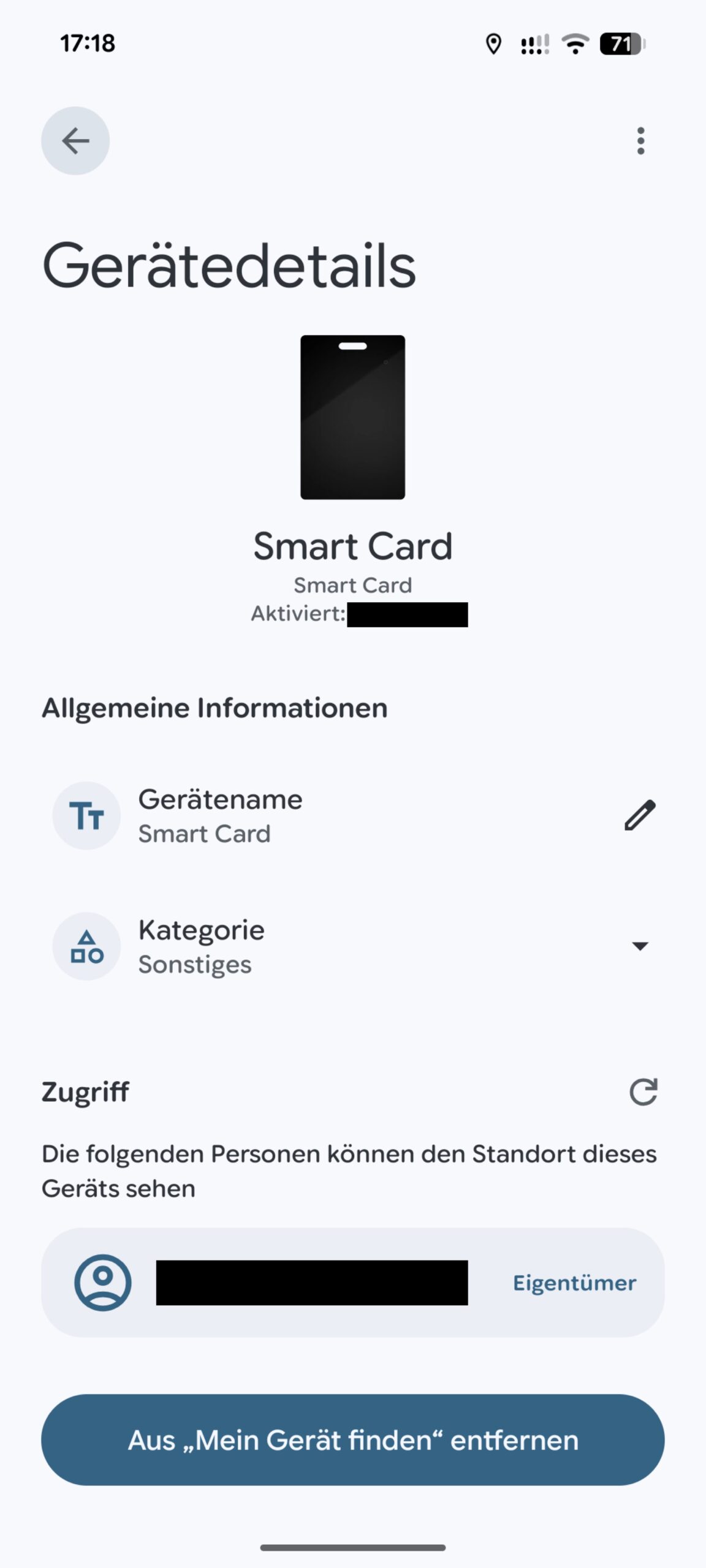
The setup is simple and intuitively designed. You just need to press a marked spot on the card, which is a small, almost invisible button hidden beneath the surface. For the Apple version, you open the “Find My” app, select “Add Other Item,” press the button on the card until you hear a confirmation beep, and the card appears on your screen.
You assign a name, perhaps a fitting emoji like a camera or a backpack, and you’re done. For the Android variant, it’s similarly smooth through Google’s system settings. There are no hurdles, no annoying third-party registration requirements. This is technology that recedes into the background.
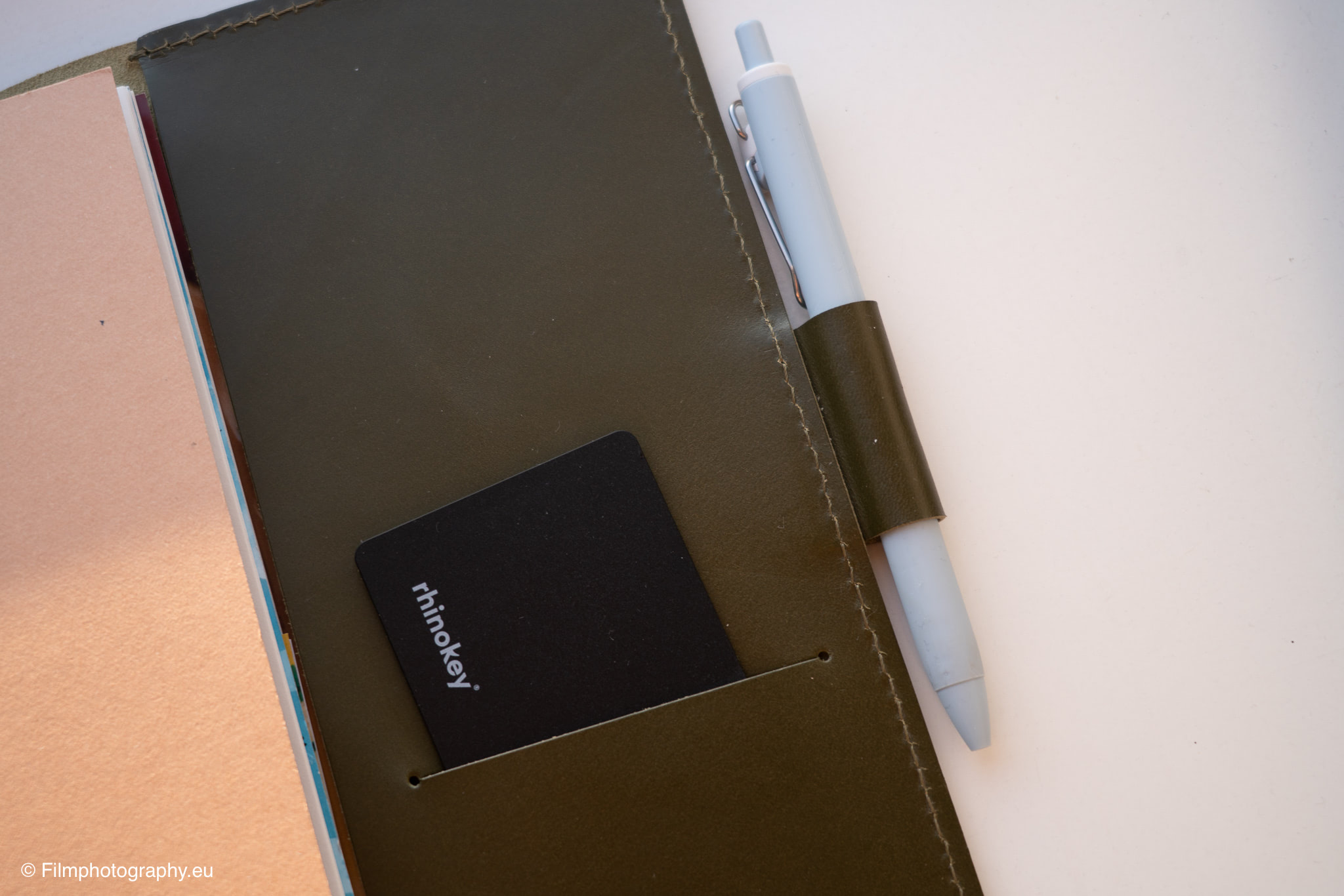
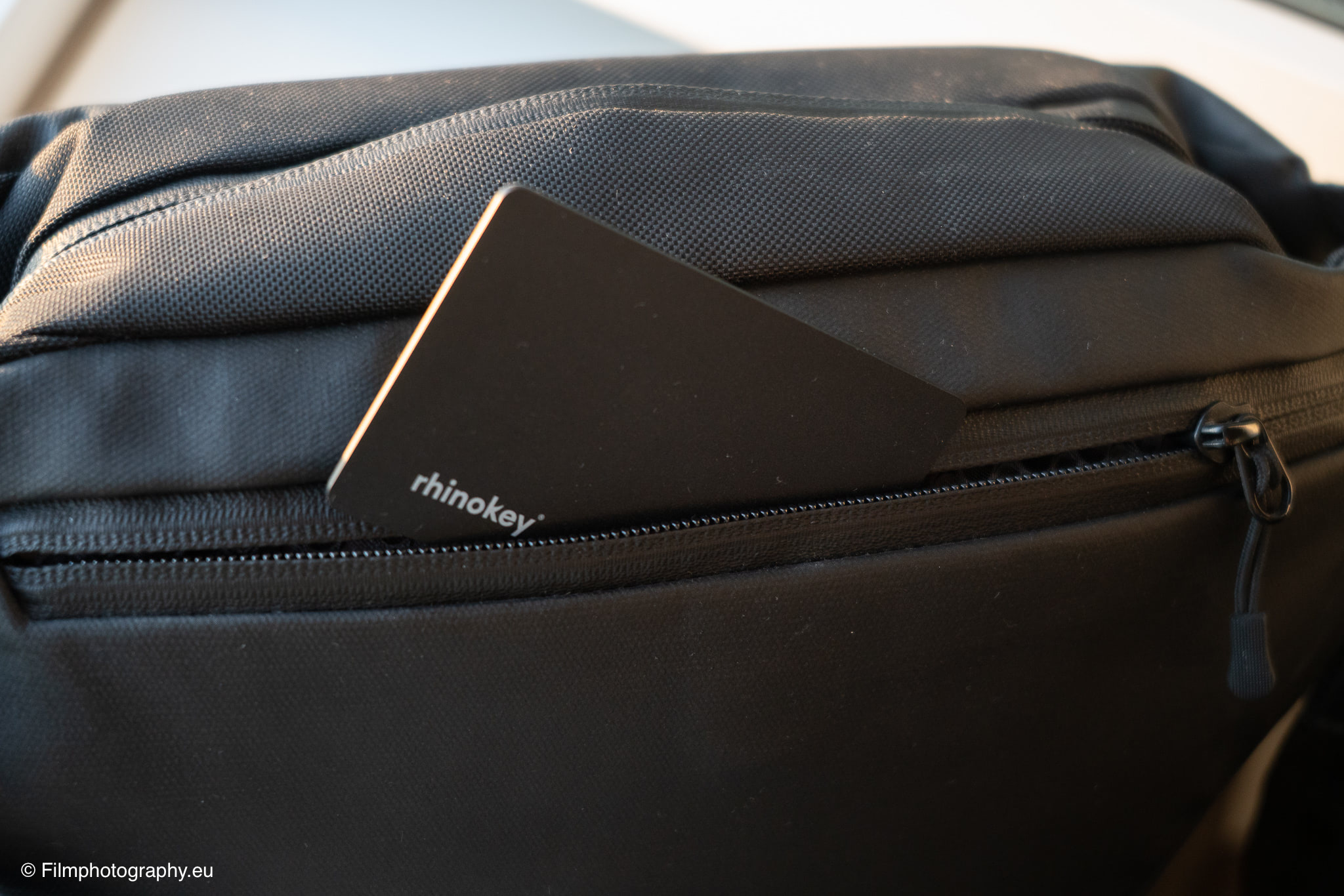
I tested the cards in various scenarios. One copy went into my notebook, the other I hid in a zippered compartment of my camera bag. The Rhinokey Smartcard simply disappears.
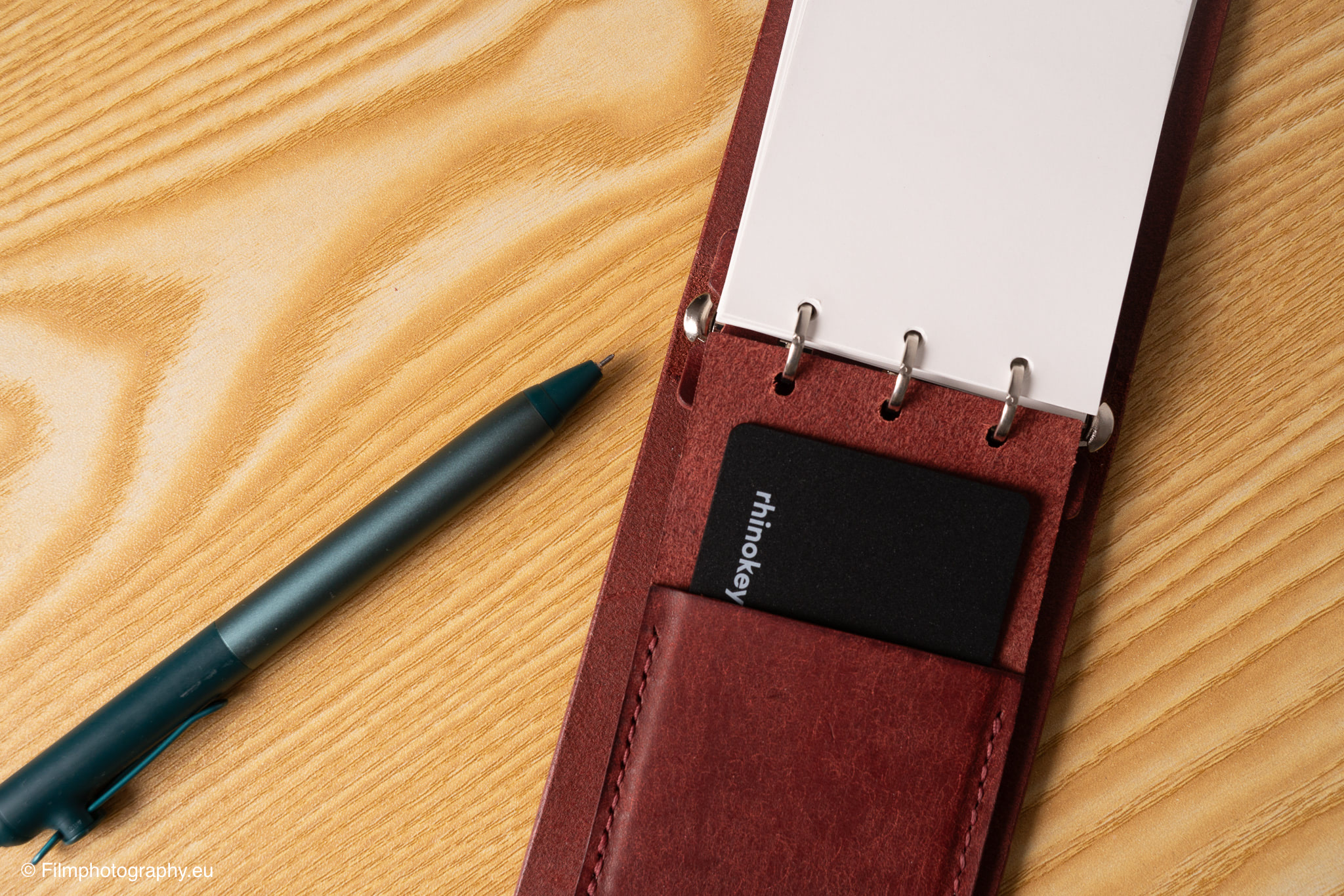
A scenario I simulated is finding the bag again in a cluttered environment, like a busy studio or a hotel lobby. Since precise UWB direction finding is missing, the volume of the integrated speaker is the most important tool.
Here, a curious difference emerged in a direct comparison. While both cards serve their purpose, the Apple version’s chime is slightly louder and more penetrating. The Android version’s tone is clearly audible, but if the card is deep inside a well-padded photo bag, which is then under a pile of jackets, you really have to listen closely.
The Apple version manages to overpower ambient noise more effectively in this situation. It’s not a dramatic difference that makes the Android card unusable, but in a direct A-B comparison, it’s noticeable. This is likely due to different frequency modulations controlled by the respective operating systems.
Regarding battery life, I naturally couldn’t verify the full five months during the test period. But the battery level displayed in the app has barely decreased. Wireless charging worked flawlessly on my nightstand. There’s a small LED on the card indicating the charging status. Red for charging, Green for full. Simple and effective.
I find the thought comforting of simply placing all trackers on the charging mat overnight before a big photo trip and then having peace of mind for the rest of the season, instead of having to buy CR2032 batteries in bulk.
Conclusion
The Rhinokey Smartcard is a tool that does exactly what it’s supposed to do without much fuss. For us photographers, it solves a very specific problem: securing valuable equipment without wasting space or disrupting the ergonomics of our bags.
The omission of precise directional finding is the price paid for its extremely slim design. In my opinion, this is a fair trade. Because the best tracker is the one you always have with you and that doesn’t get in the way. And that’s precisely what the Rhinokey Smartcard delivers.
You can purchase the tracker in both variants directly from Rhinokey’s online shop.