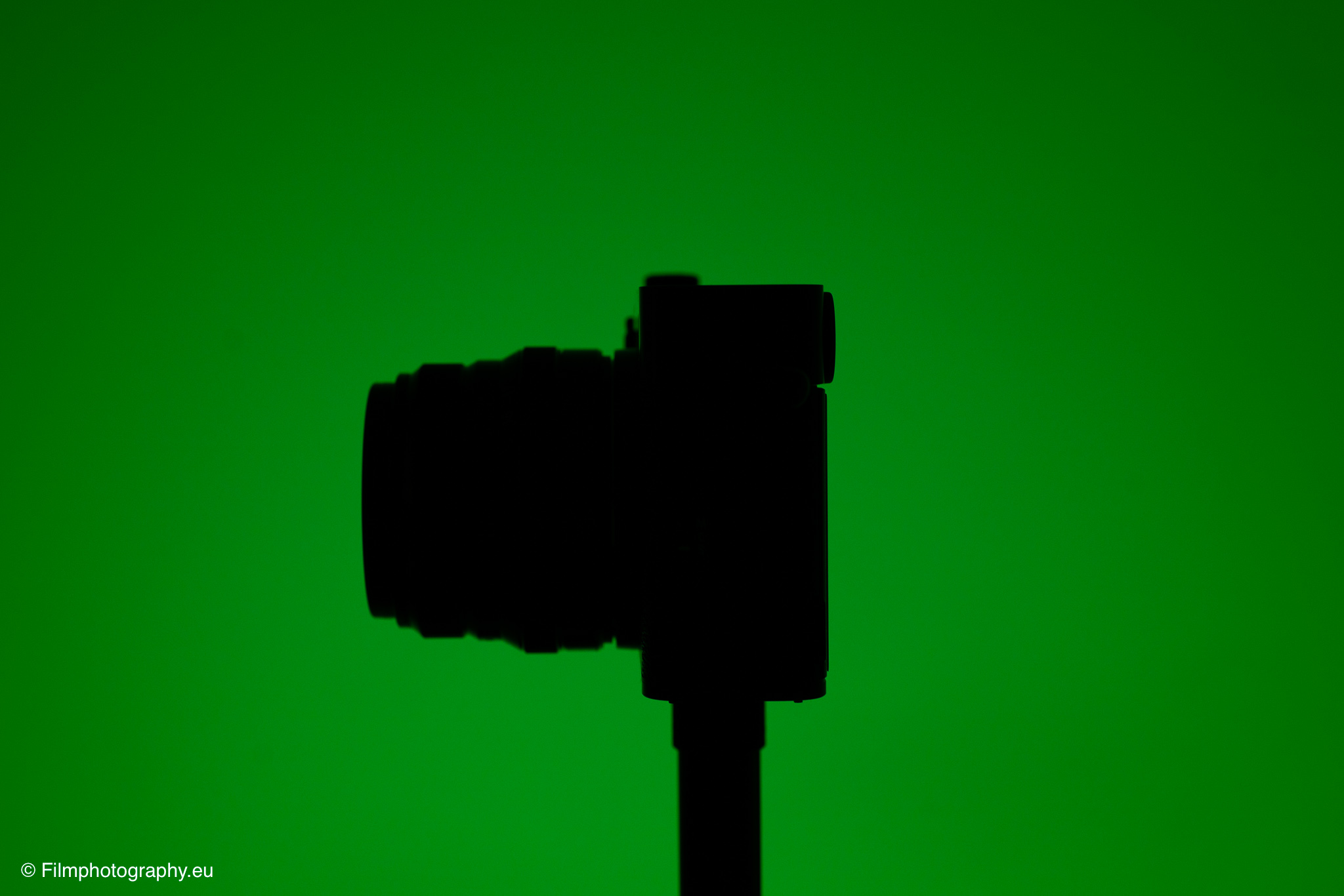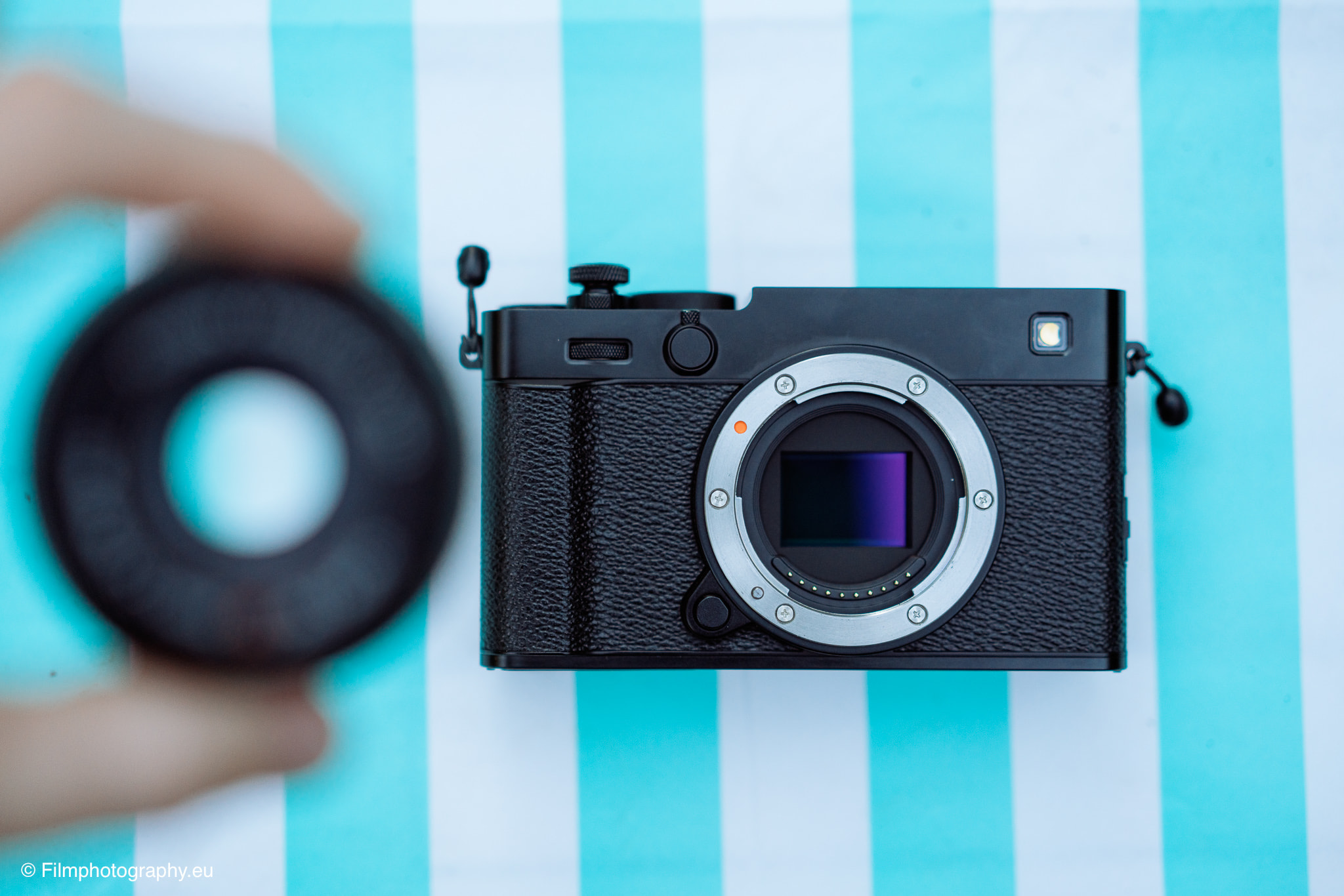
The Fujifilm X-E5 for this article was kindly provided by refurbed.
Two months can fly by, especially when you're out with a camera almost every day. Recently, while checking the frame counter on my Fujifilm X-E5, I did a double take: the ten-thousand mark had already been passed. Reaching a five-digit shutter count in such a short time sounds like a lot of work, but in everyday life with a compact camera, image files pile up surprisingly quickly.
From single snapshots on a walk, short burst sequences and deliberate photo outings, a considerable mountain of image data soon builds up. So it's time for a first interim verdict in our long-term series.
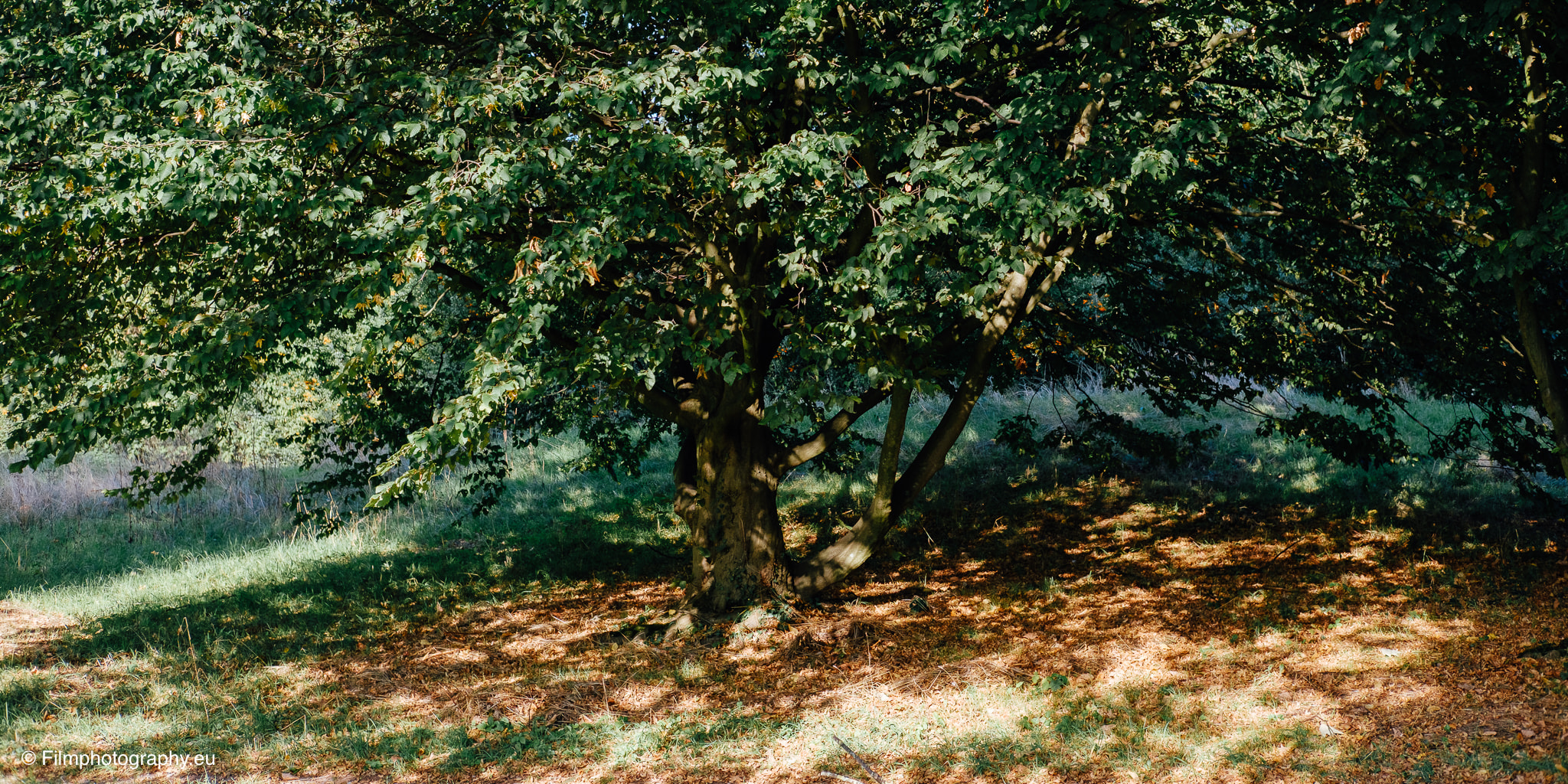
Impressions after two months
After this intense period, one thing stands out above all: the camera is simply enjoyable to use day to day. That was the central requirement I had set for the system in advance. The X-E5 strikes a balance between a handy companion that you can easily slip into a jacket pocket or small shoulder bag, and a fully capable photographic tool. You can carry it along without it becoming a burden.
At the same time, it by no means tempts you to take only fleeting snapshots. When the light gets interesting, the camera invites you to pause, take your time composing the shot and try out new perspectives. This versatility means the camera rarely ends up lying on the desk. Still, with ten thousand shutter actions, some very real downsides naturally come to light.
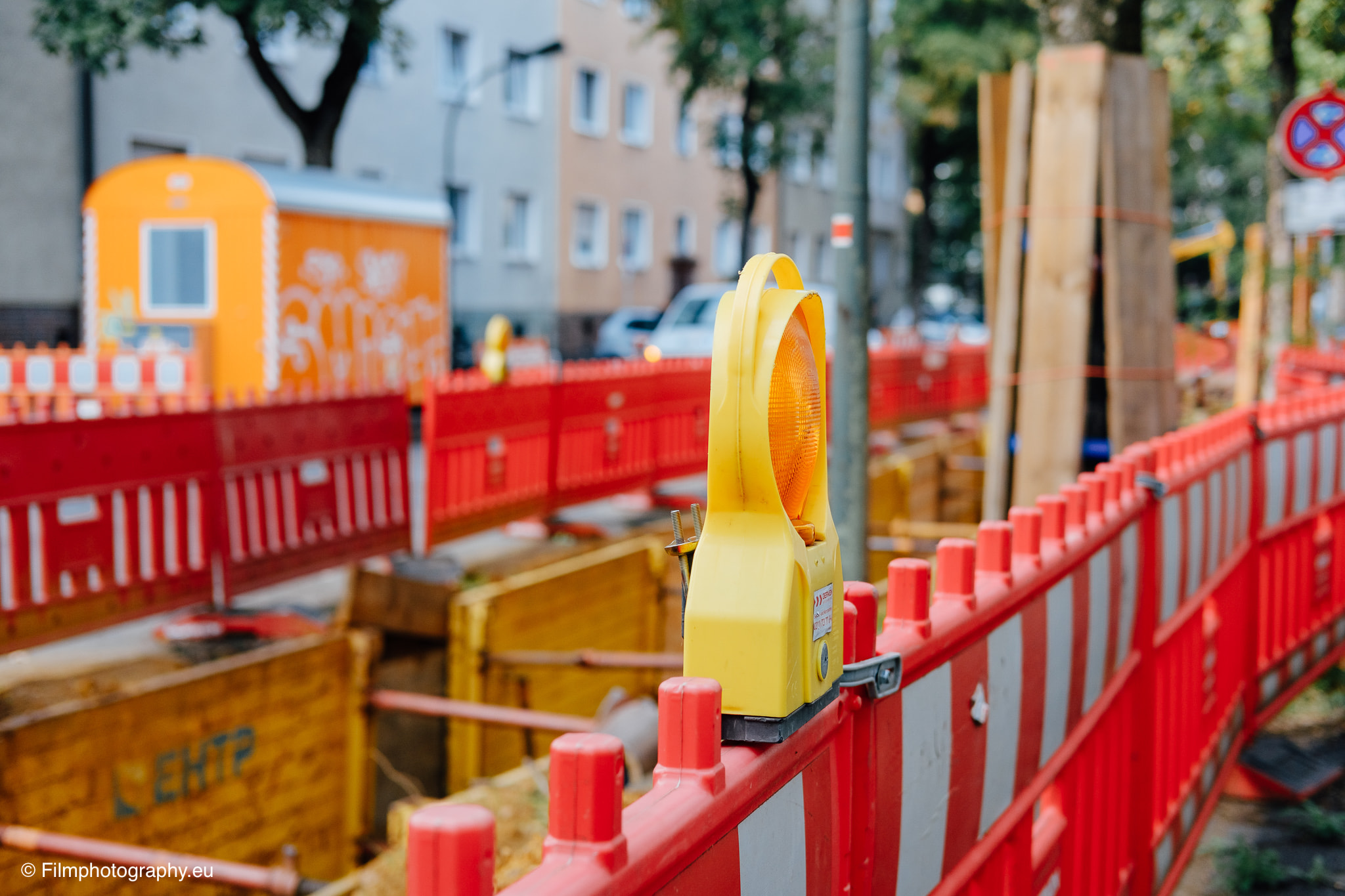



The viewfinder
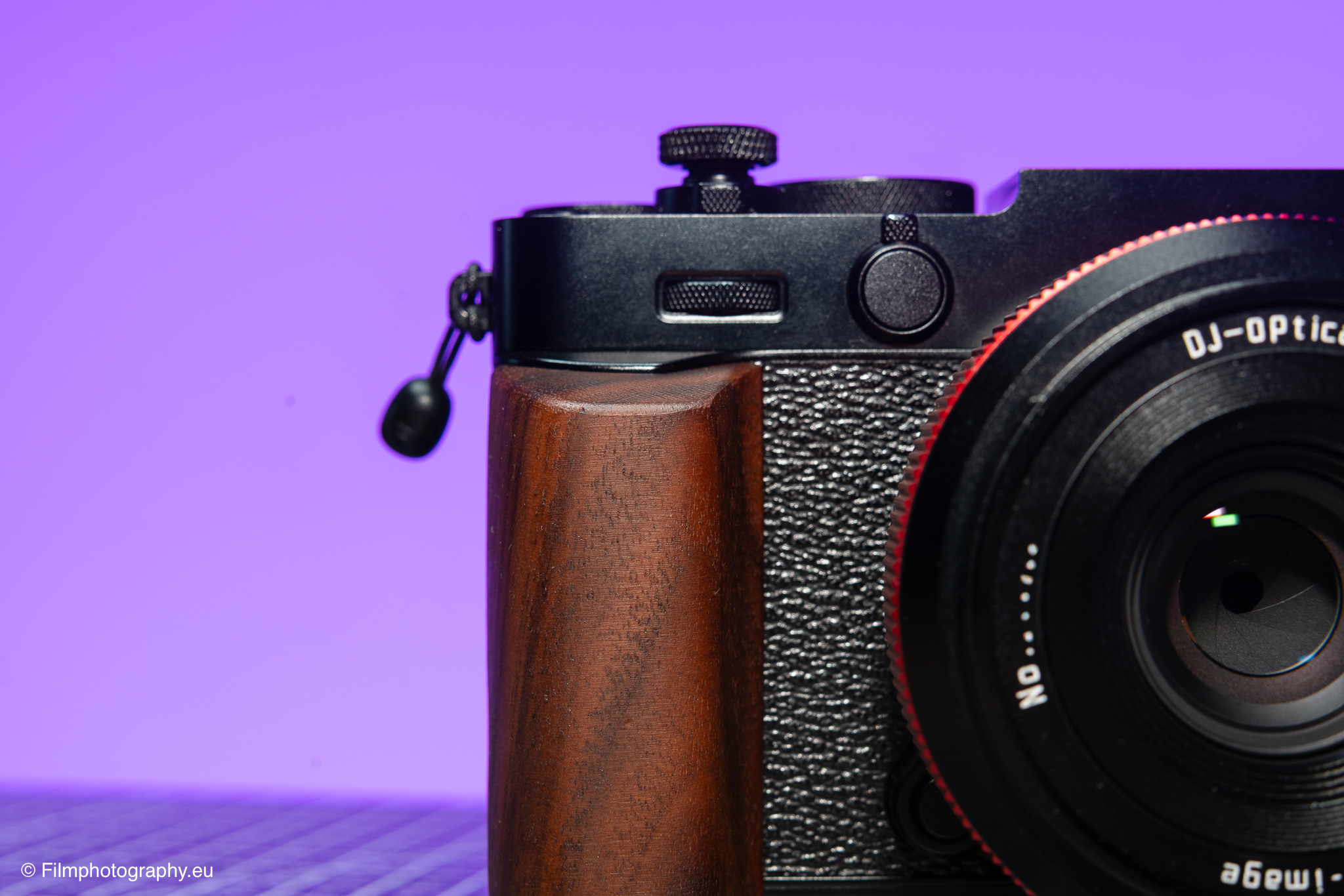
In the first few weeks, the placement of the electronic viewfinder on the left edge of the body took some getting used to. This is especially true for portrait-orientation shots. If you've spent years shooting with centrally placed viewfinders, you quickly notice that the rangefinder-style design creates a very different dynamic here. Turn the camera to the right and the body suddenly sticks out unusually far above your head. Turn it to the left and the camera body almost completely covers your face, so you can barely perceive your surroundings with your other eye.
Over time a certain familiarity sets in, but for me the grip still doesn't feel entirely natural. In practice, I've therefore adjusted my behavior. Whenever a subject calls for a vertical frame, I now mostly look at the display instead of pressing my eye against the eyecup.
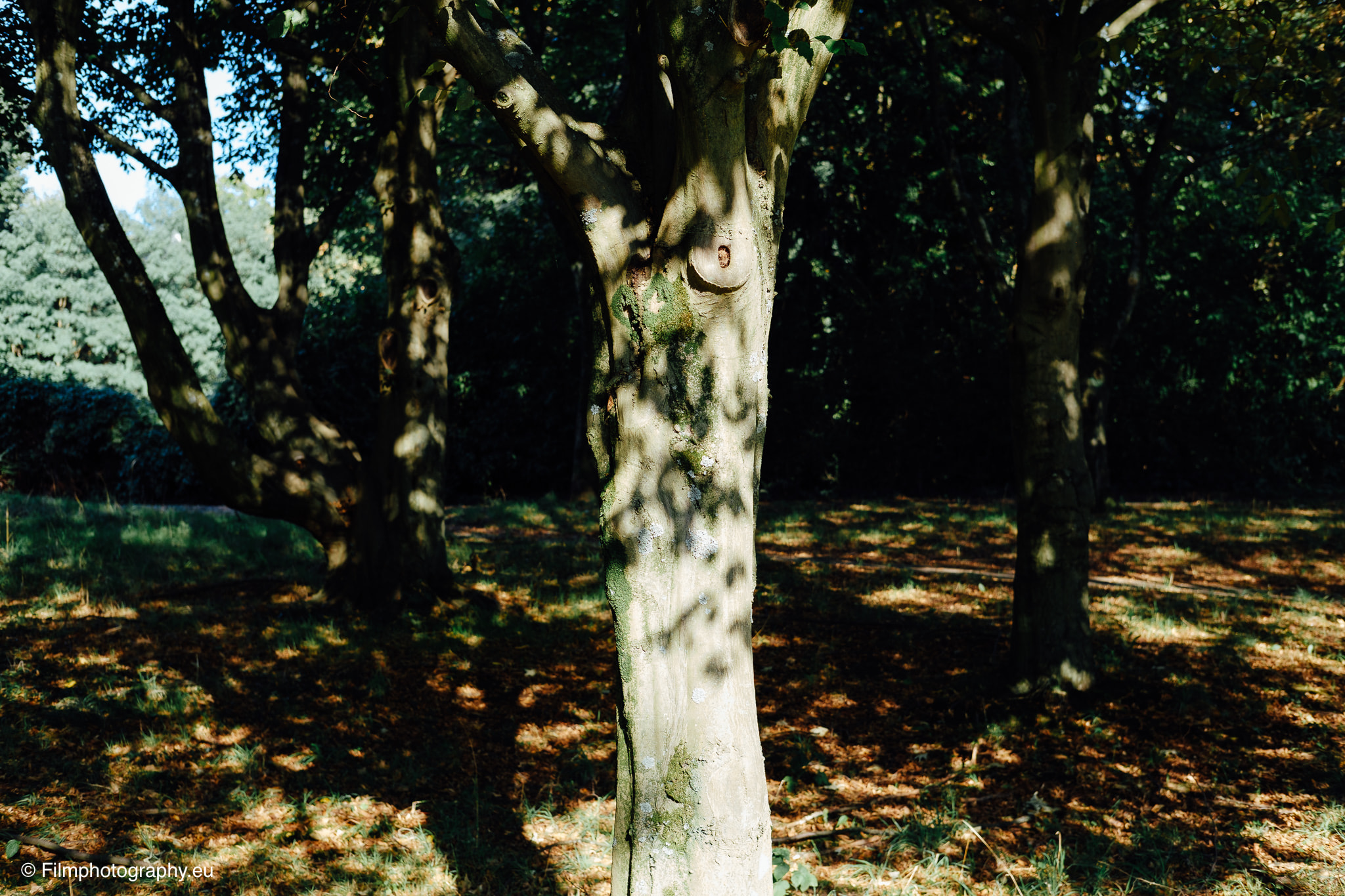
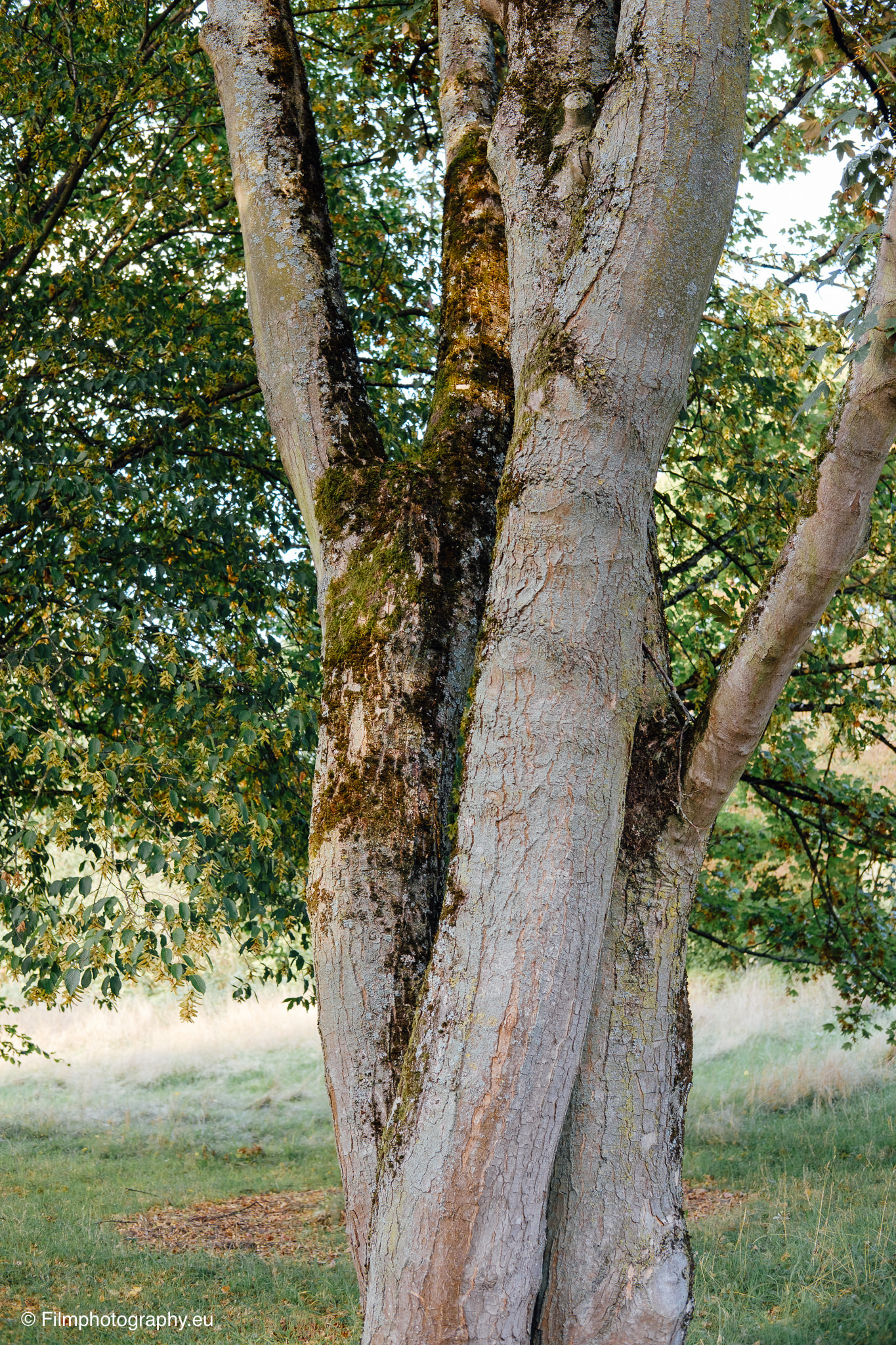
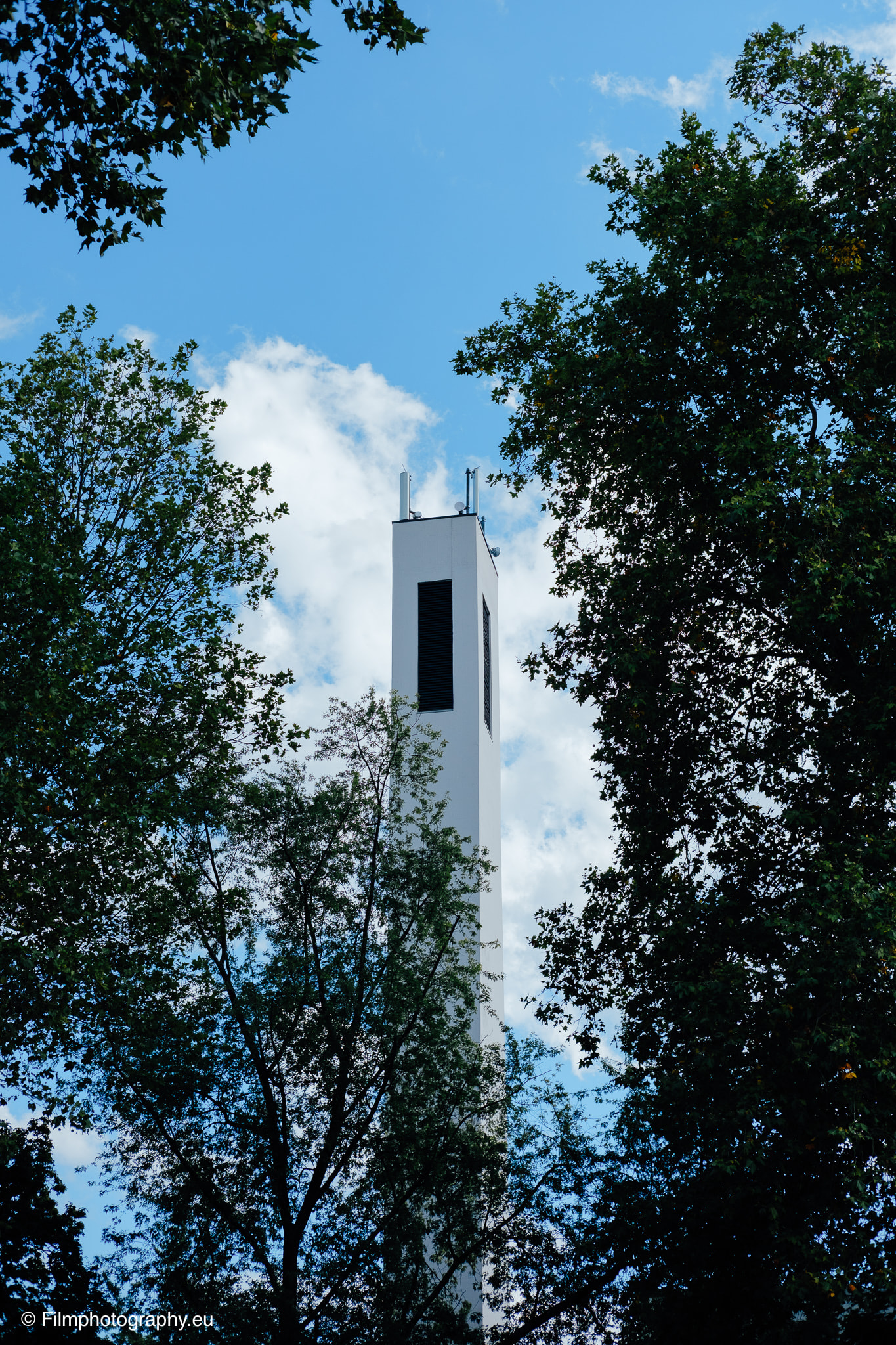
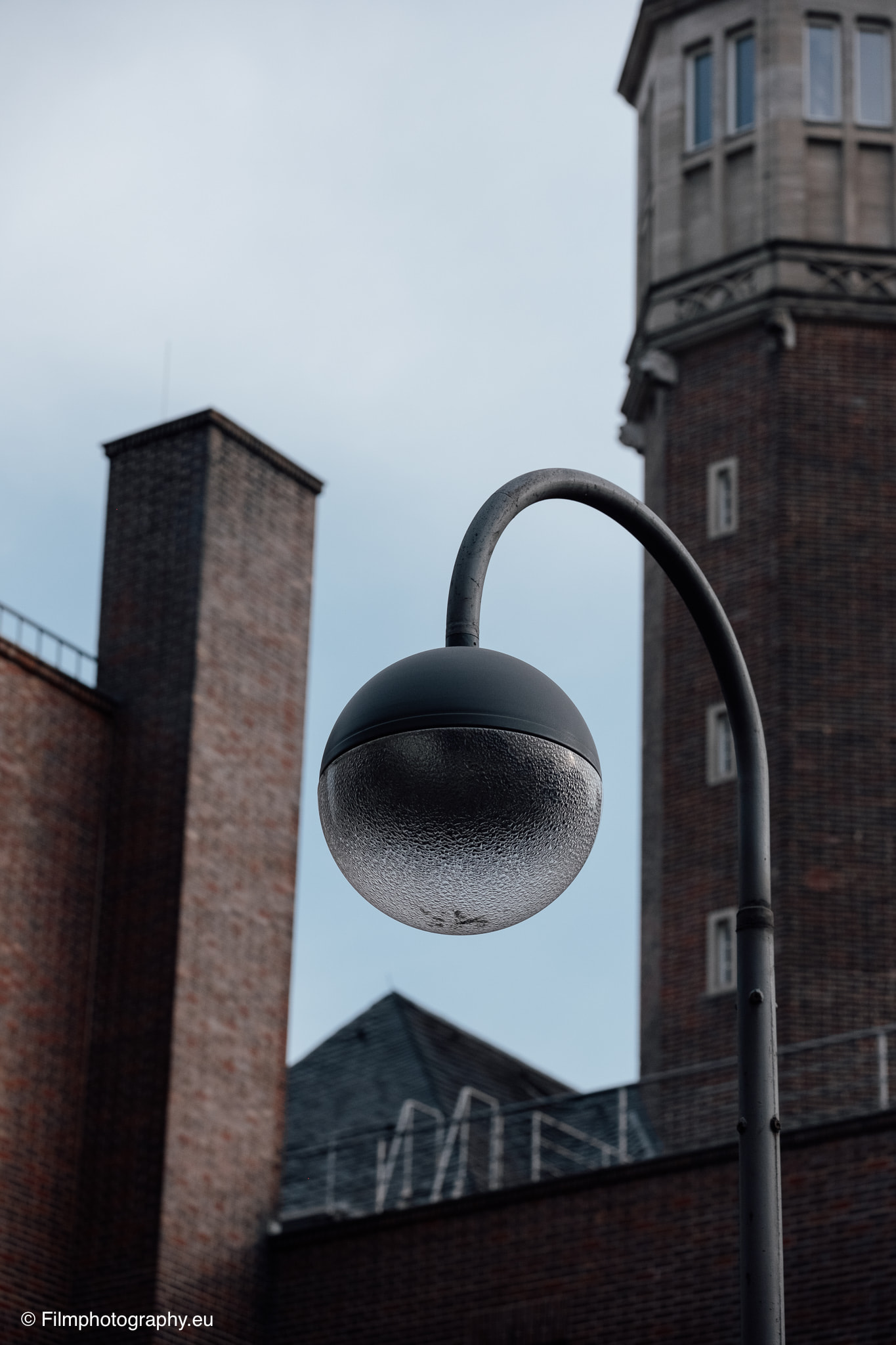
The tilting display
I haven't fully warmed up to the screen itself in the past two months, though. That has less to do with the monitor's image quality and more to do with the hinge mechanism. Compared directly with a Sony A7R II, it's noticeable how much force and finesse Fujifilm's design requires. With the Sony, a single finger is enough to flip the display upward in passing. With the X-E5, I usually need at least two fingers and some pressure to release the display from its lock.
This stiffness may be because the body is still fairly new and the mechanism will become smoother with use. More likely, though, the design is simply more complex. After all, the screen can not only be tilted up and down, but also swung fully forward into a selfie position. That function is genuinely useful in everyday life.
When you're out spontaneously with friends, or want to take a self-portrait with a wide-angle lens, you swing the monitor forward and have the framing under control immediately. Even so, I would have liked a simpler, smoother mechanism for the basic upward tilt.


Exposure control without a mode dial
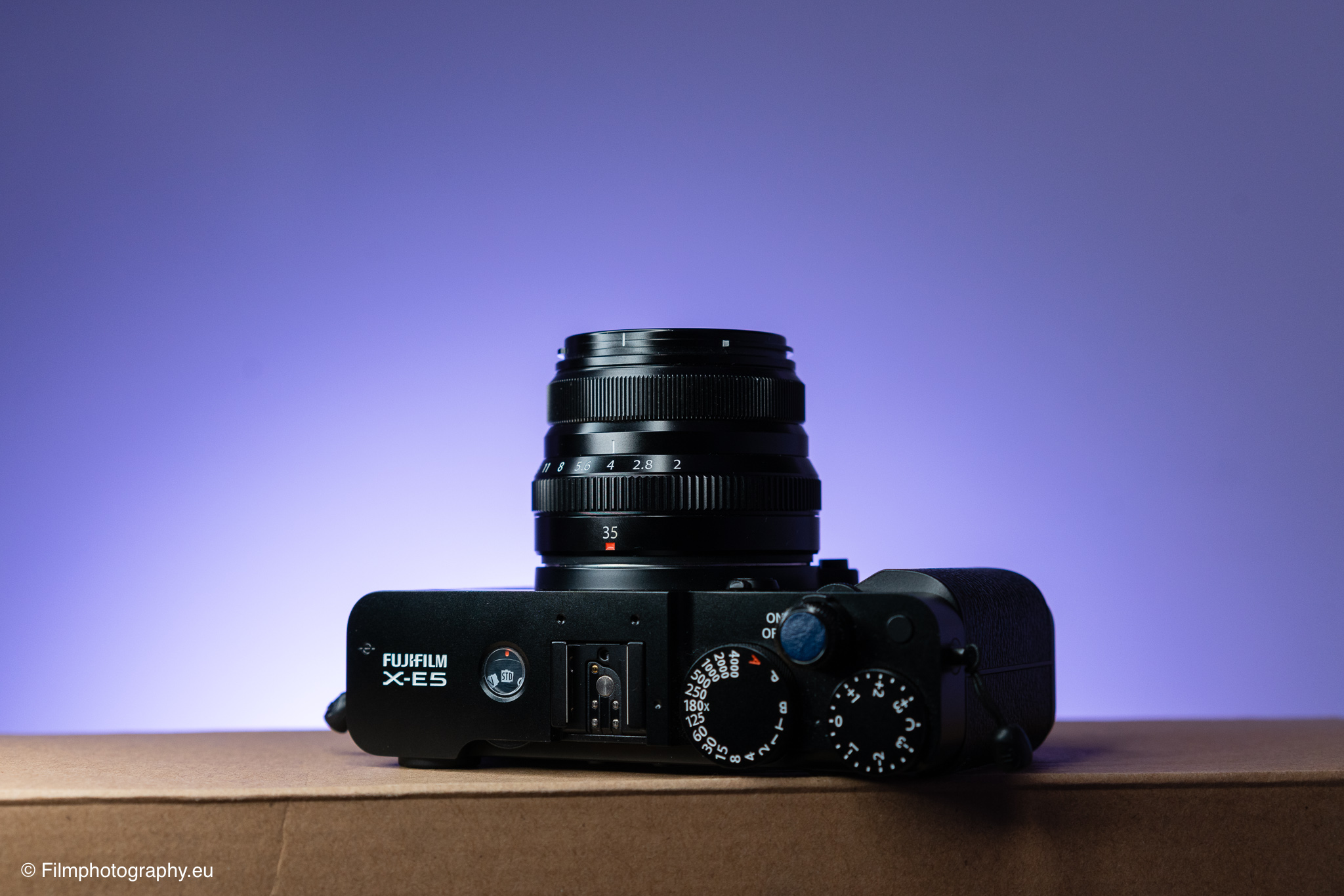
One area that still excites me is Fujifilm's characteristic exposure logic. You can easily put the X-E5 into full auto and leave the choice of all exposure values to the camera when things need to happen quickly. The real advantage, however, lies in how seamlessly you can intervene in this process.
If you want to give the scene a bit more light, you simply turn the exposure compensation dial. If you want to freeze a movement deliberately, you select the appropriate shutter speed directly on the top dial, and the aperture is set on the lens ring. With most other camera systems, you first have to fumble with the mode dial to switch from P to A, S or M, which interrupts your creative flow every time. With Fujifilm, you simply reach for the relevant dial and have full control without having to dig through a menu first.



A proper ISO dial
As well as the control of shutter speed and aperture works, I still sorely miss a dedicated dial for light sensitivity. Adjusting the ISO value digitally, via a multifunction dial or the on-screen menu, simply feels too fiddly in everyday shooting.
More than once in recent weeks, a wrong value has been set while spinning the dial quickly, or I've accidentally ended up in a submenu. A classic, mechanical ISO dial on the top plate, like the one found on some larger sister models, would really round off the manual operating concept. As it stands, ISO is the one setting you can't reliably adjust with a quick, blind movement of your hand.


The flying battery
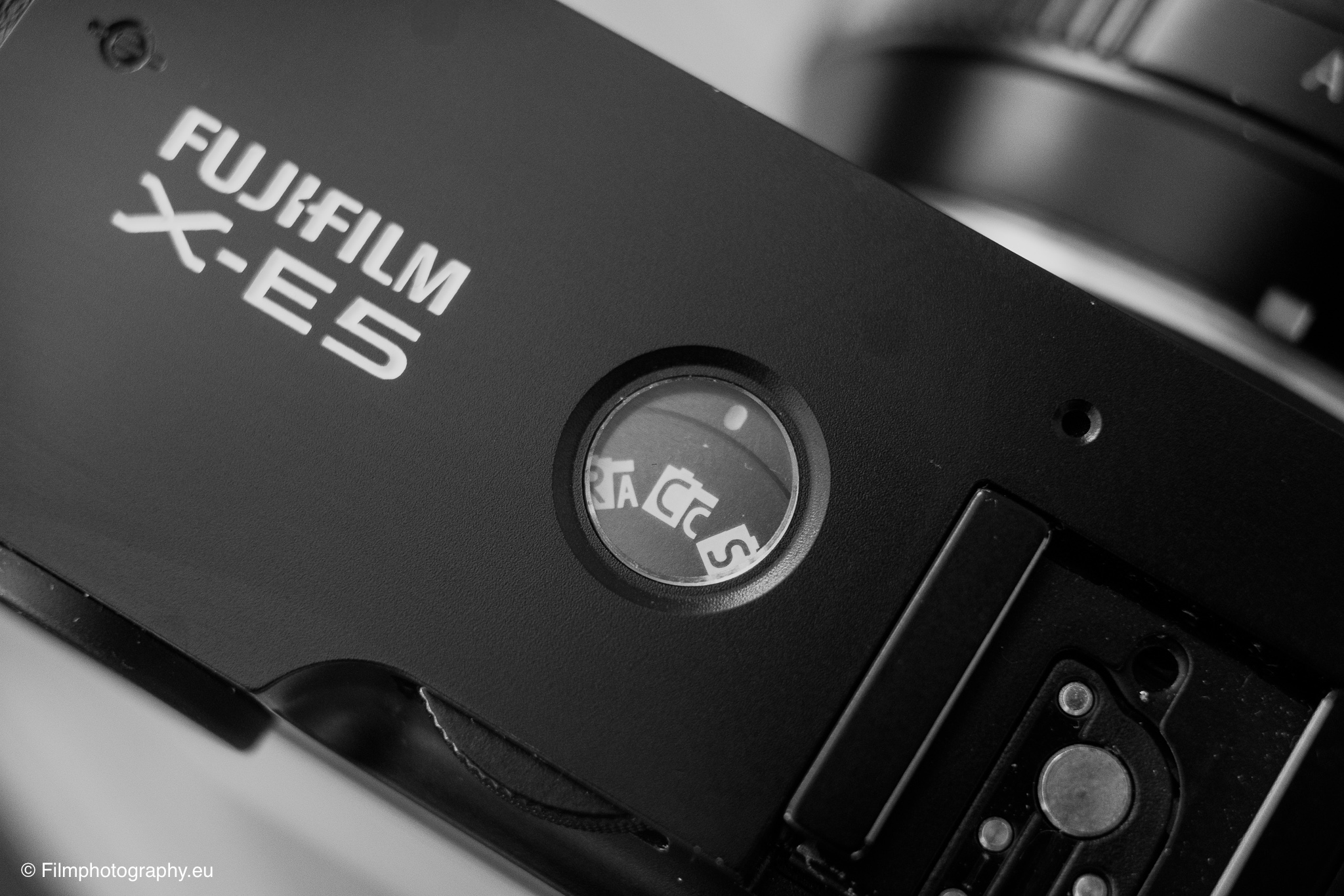
One point that should urgently be reworked in future model updates concerns the underside of the camera. Housing the battery and memory card together in a single compartment is impractical in principle, since you always have to open the entire compartment to change the card. Far more serious, however, is the battery locking mechanism itself.
Fujifilm does not seem to have found the golden mean here yet. While the battery of older bodies such as the X-T20 could sometimes only be pulled out of its bay with considerable effort, the X-E5 goes in the opposite direction. The small plastic lever that secures the battery in its bay is extremely sensitive. If you open the compartment and only lightly touch the latch, the battery springs out with considerable force. During a hurried battery swap on the street, it has happened to me that the battery shot out early and landed roughly on the pavement. A firmer, better-metered spring would be far gentler on the equipment.


Interim verdict
Despite these practical quirks and smaller points of criticism, my interim assessment after ten thousand shots is positive. The Fujifilm X-E5 has established itself as a reliable partner that has won me over above all with its uncomplicated handling and its lively image results. It encourages you to keep shooting and not bring the camera out only for special occasions. As the test year goes on, it will become clear how the body performs in changeable weather and on longer trips.

On refurbed you'll find fully refurbished electronics – up to 40% cheaper, 100% more sustainable, and backed by a minimum 12-month warranty. Whether you are interested in the Fujifilm X-E5 or want to explore the broad range of refurbished cameras: all devices are professionally tested and come with a 30-day trial period.