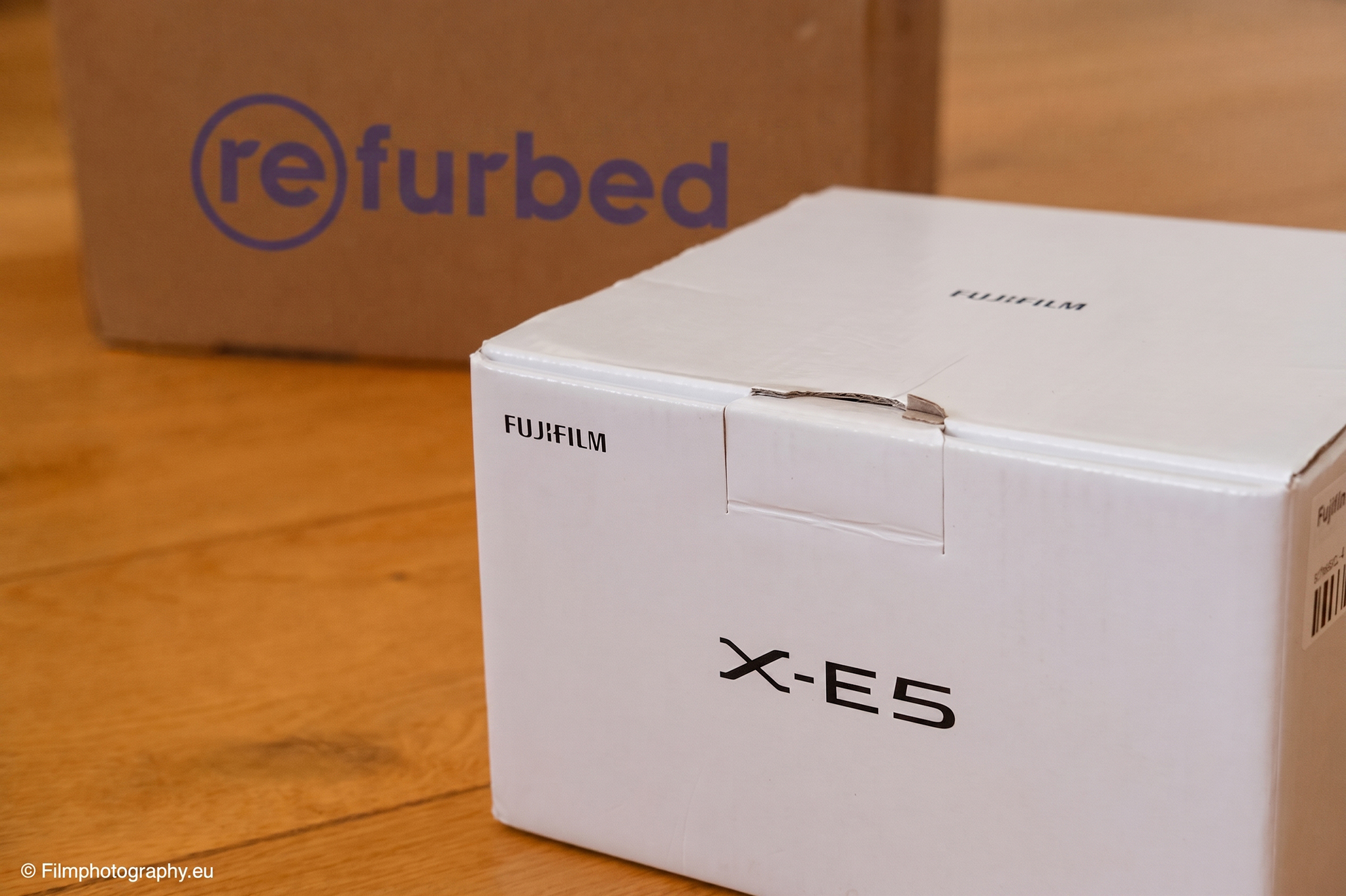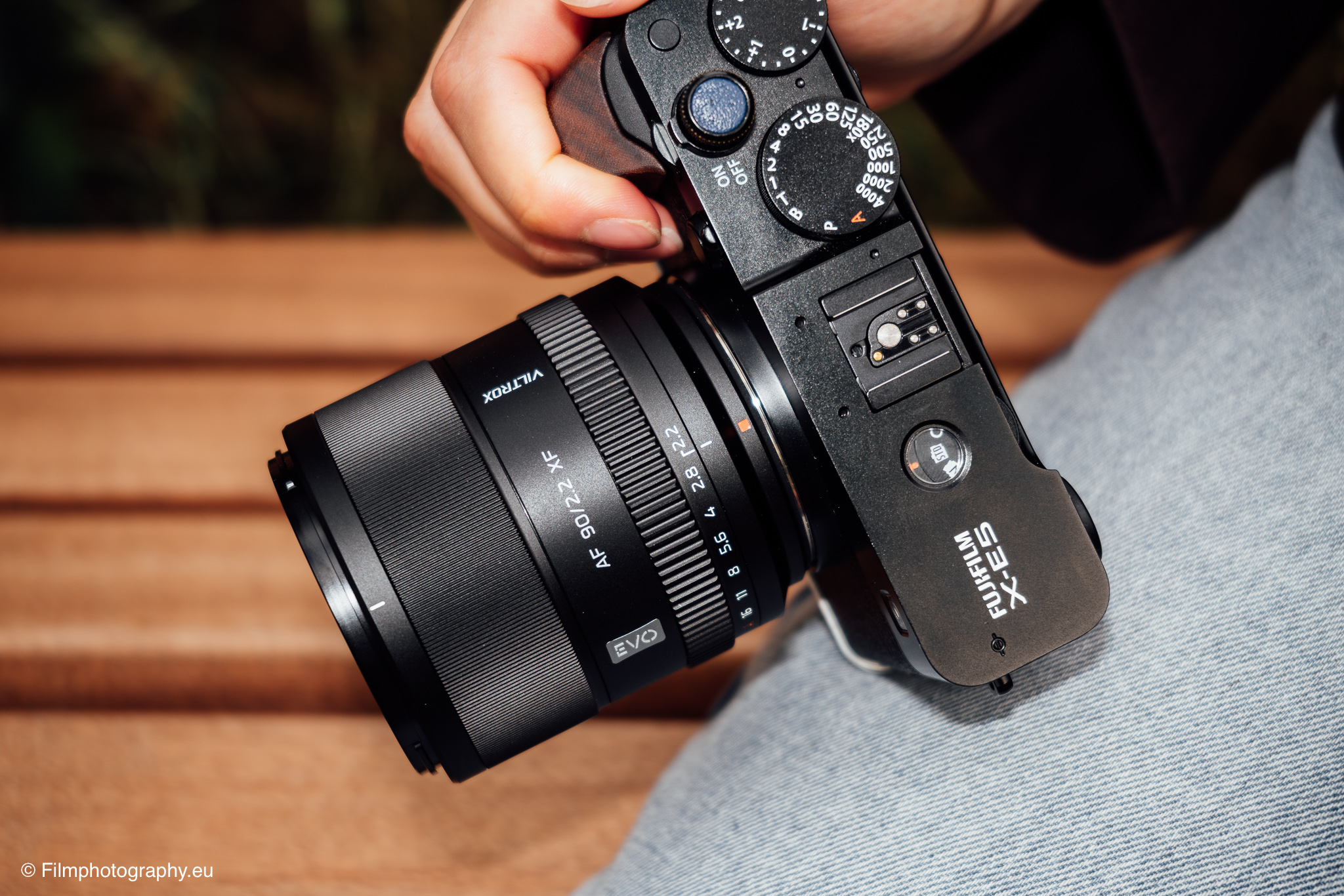
The Fujifilm X-E5 for this article was kindly provided by refurbed.
The search for the right camera is, on the one hand, a very personal matter, but on the other hand, it has a global dimension. If photographers worldwide weren't constantly searching for the right tool, there would hardly be any reason for manufacturers to bring new models to market every year.
For me, this journey began many years ago with a colorful Fisher-Price kids camera. Since then, countless cameras have passed through my hands, so the number of tested models has long been in the solid double-digit, if not triple-digit, range.
It's not primarily about a pure work tool for photo shoots or the images here on the website. In that regard, I am largely satisfied with Sony's full-frame system. Rather, it's about a camera for personal projects and everyday life that primarily brings joy in use. This is only partially the case with the Sony camera, partly because I personally associate it with work, but it is, of course, positioned much more practically.
For me, photography lives from the balance between tactility, a sensible range of functions, and the finished image. As far as pure compactness is concerned, the smartphone would theoretically be the most obvious choice. However, photographing via a pure touch display without a viewfinder simply isn't fun for me, and the image results are also mixed.
A real camera must feel good to hold and convey the feeling of having the process itself in your hands. The act of photographing itself should be fun. Moreover, the camera is also a decisive factor in motivation. You have to want to use it and go out with it.
The Search
I am looking for a camera for personal projects and everyday life that brings joy in operation and masters the balancing act between compact design, solid tactility, and appealing image quality. The right tool should therefore have physical controls, come with an optical or electronic viewfinder, and at the same time remain handy enough to be carried around permanently.
In the search for such a compact companion, one almost inevitably lands on two well-known names: the Fujifilm X100 series and the Ricoh GR. Both systems have their place, but for my purposes, they come with clear limitations.
With the Ricoh GR, the viewfinder is primarily what's missing. Additionally, the restriction to a fixed focal length is an interesting creative discipline, but it noticeably limits flexibility when you need more leeway for certain subjects. The size is, of course, great, especially considering the size and quality of the sensor.
The Fujifilm X100 series does offer a viewfinder and fulfills many functional requirements, but it also remains tied to a permanently fixed lens. While wide-angle and teleconverters exist for this system, regularly attaching them negates the advantage of the compact body.
If you're working with adapter lenses or interchangeable optics anyway, opting for a camera with a real bayonet mount like the X-E series is the more straightforward path.
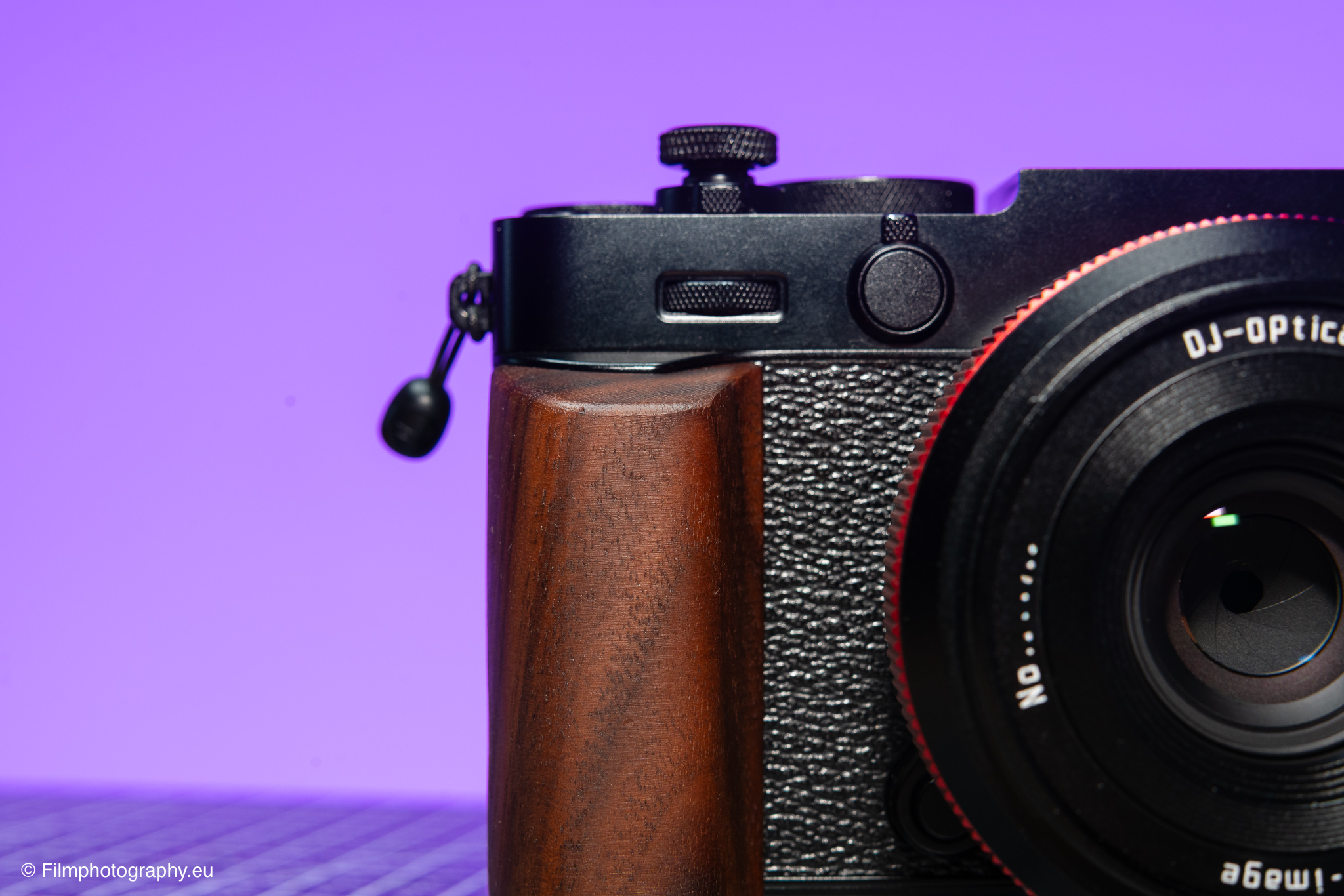
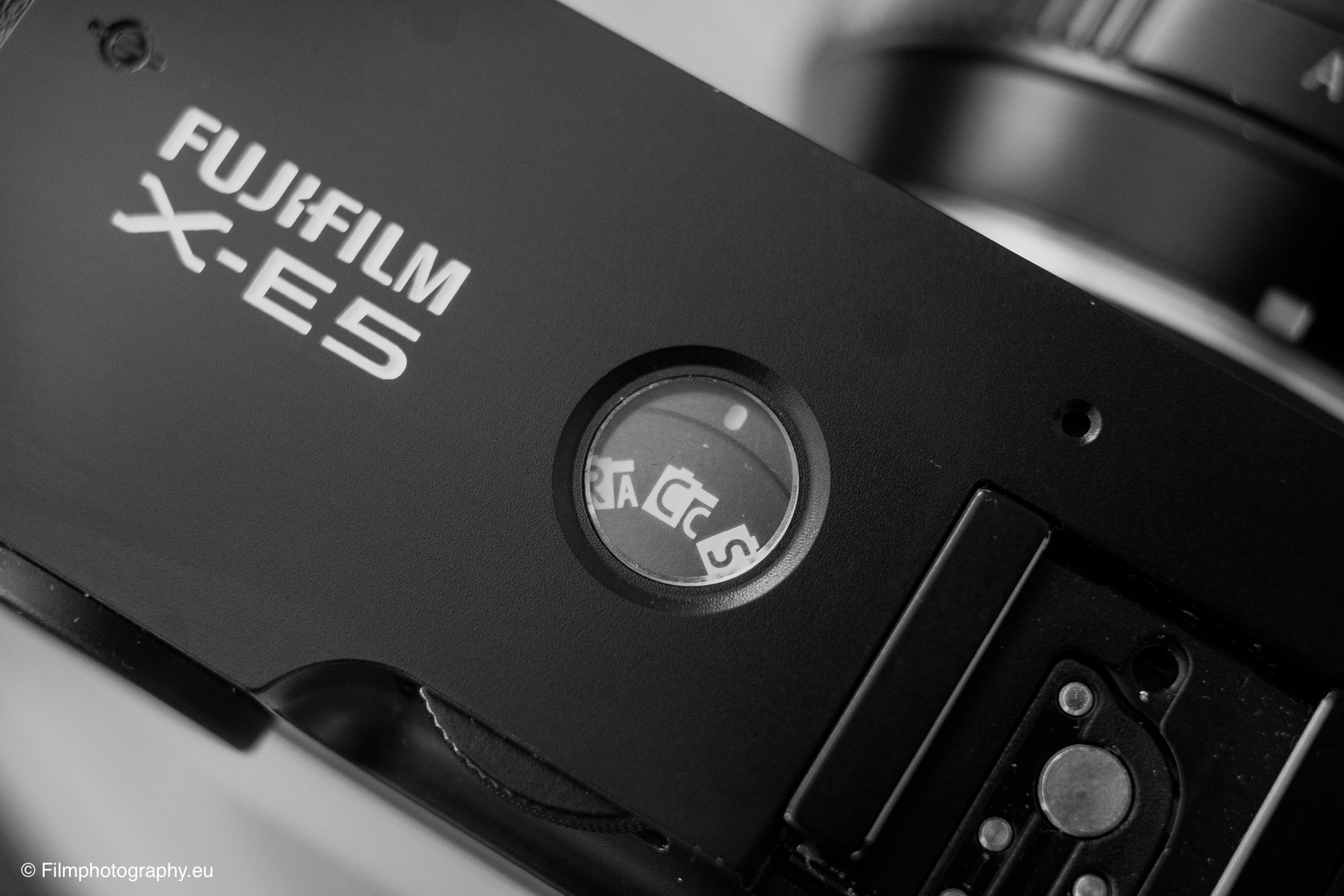
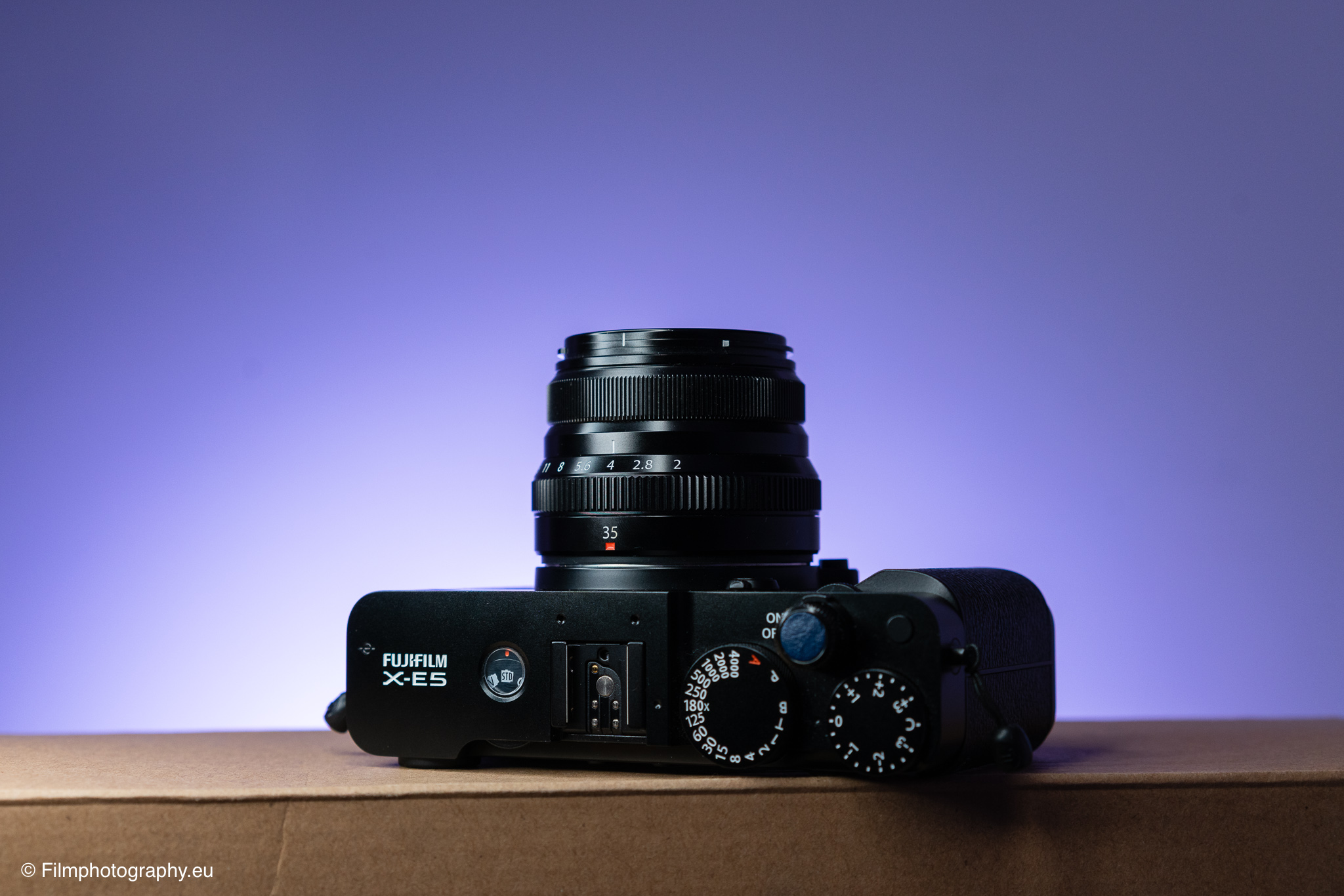
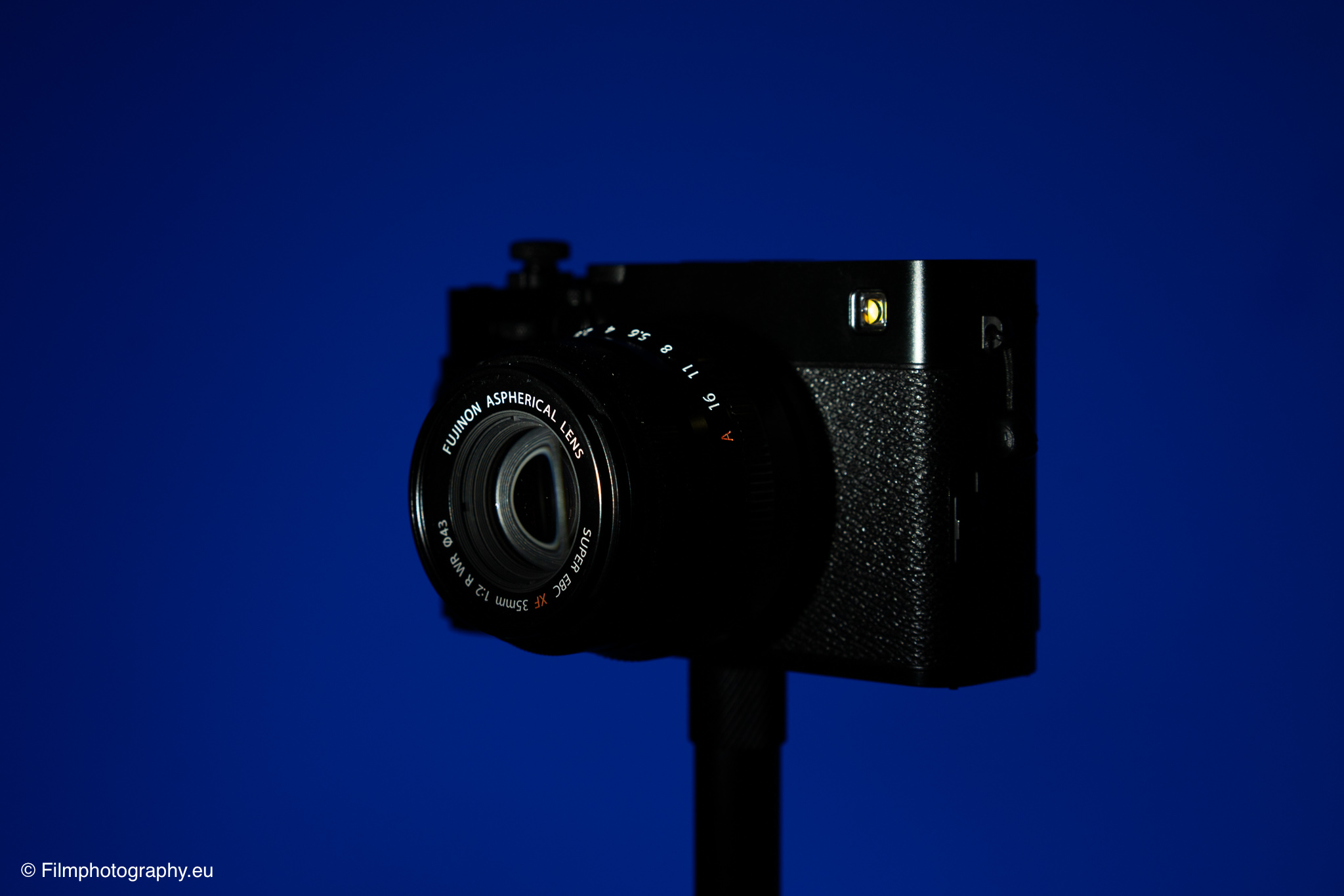
Based on these considerations, the decision was made in favor of the Fujifilm X-E5. That's hardly surprising, of course, if you've read the headline of this article.
My expectations for the body are pragmatic: I want a pleasant shooting experience and dimensions that allow me to actually carry the camera with me every day. And, of course, beautiful images.
Since such a camera system cannot be fully understood in just a few days, I am dedicating an entire year to the Fujifilm X-E5 in the form of an ongoing article series. The next post will cover how the camera found its way to me, followed by my first practical impressions.
On refurbed you'll find fully refurbished electronics – up to 40% cheaper, 100% more sustainable, and backed by a minimum 12-month warranty. Whether you are interested in the Fujifilm X-E5 or want to explore the broad range of refurbished cameras: all devices are professionally tested and come with a 30-day trial period.