In my continuous search for compact and aesthetically pleasing solutions for my cameras, I came across the models from LightPix Labs. In this detailed review, I take a closer look at the FlashQ M20 for FUJIFILM and the FlashQ FM2 for FUJIFILM to test their suitability for everyday photography. These two hot-shoe flashes promise a harmonious balance of high mobility, appealing design, and useful performance.
LightPix Labs
Anyone deeply involved in photography outside the major mainstream brands will inevitably come across the name LightPix Labs sooner or later. The emerging company is based in Hong Kong and specializes in developing compact lighting equipment for demanding photographers.
The company’s history began with the simple yet influential idea of building a tiny wireless trigger no bigger than a standard playing dice. This minimalist approach immediately appealed to many photographers who used mirrorless system cameras and simply didn’t want to mount massive flash triggers on their delicate camera bodies. From this initial idea, a whole ecosystem of compact flash units has grown over the years.
Features of the FlashQ M20
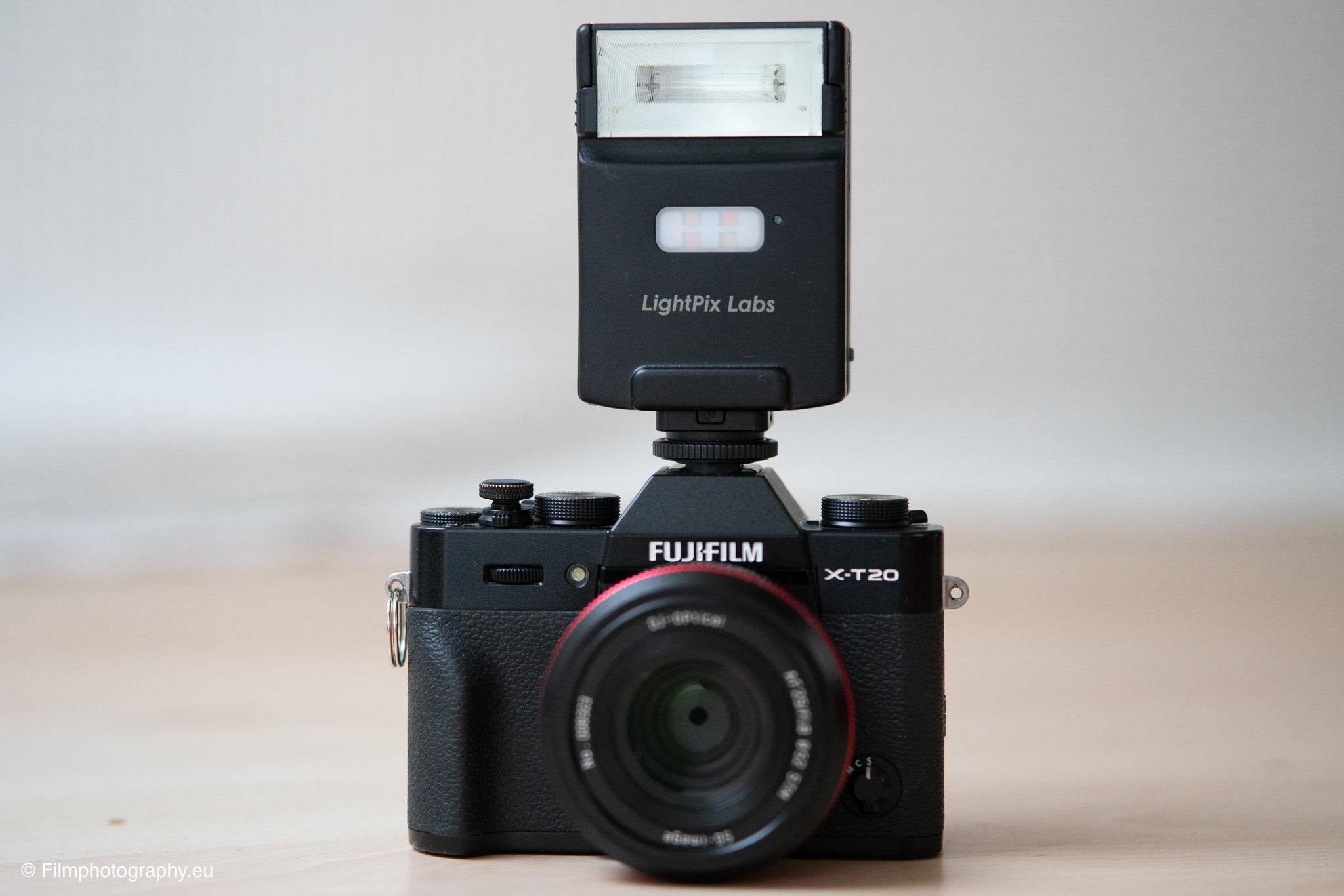
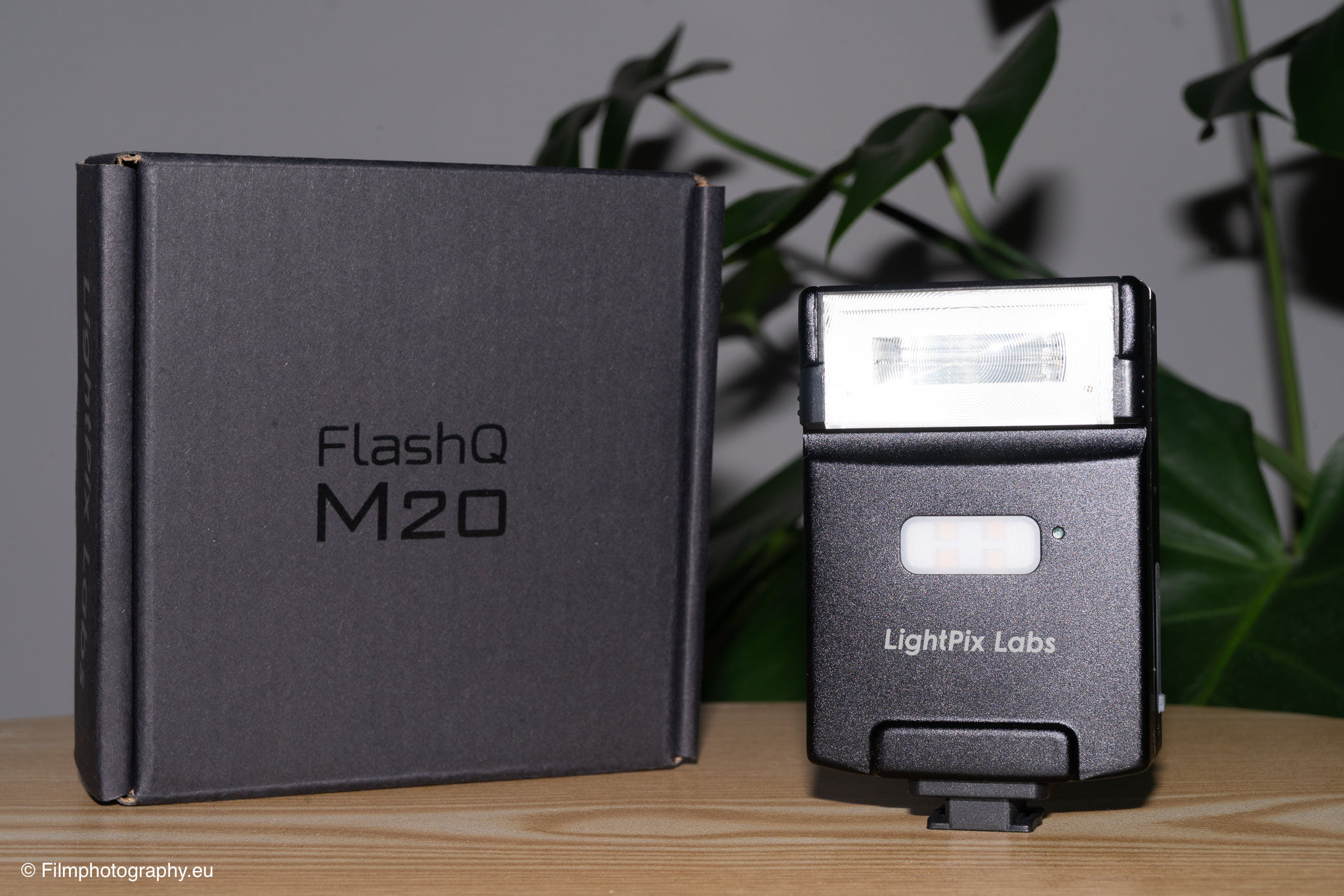
The FlashQ M20 for FUJIFILM presents itself as a remarkably versatile tool in an astonishingly small housing. It offers a guide number of 20, which is perfectly sufficient for short to medium distance portraits as well as for filling in dark shadow areas.
The housing consists largely of robust metal, giving the device a pleasant weight and high durability.
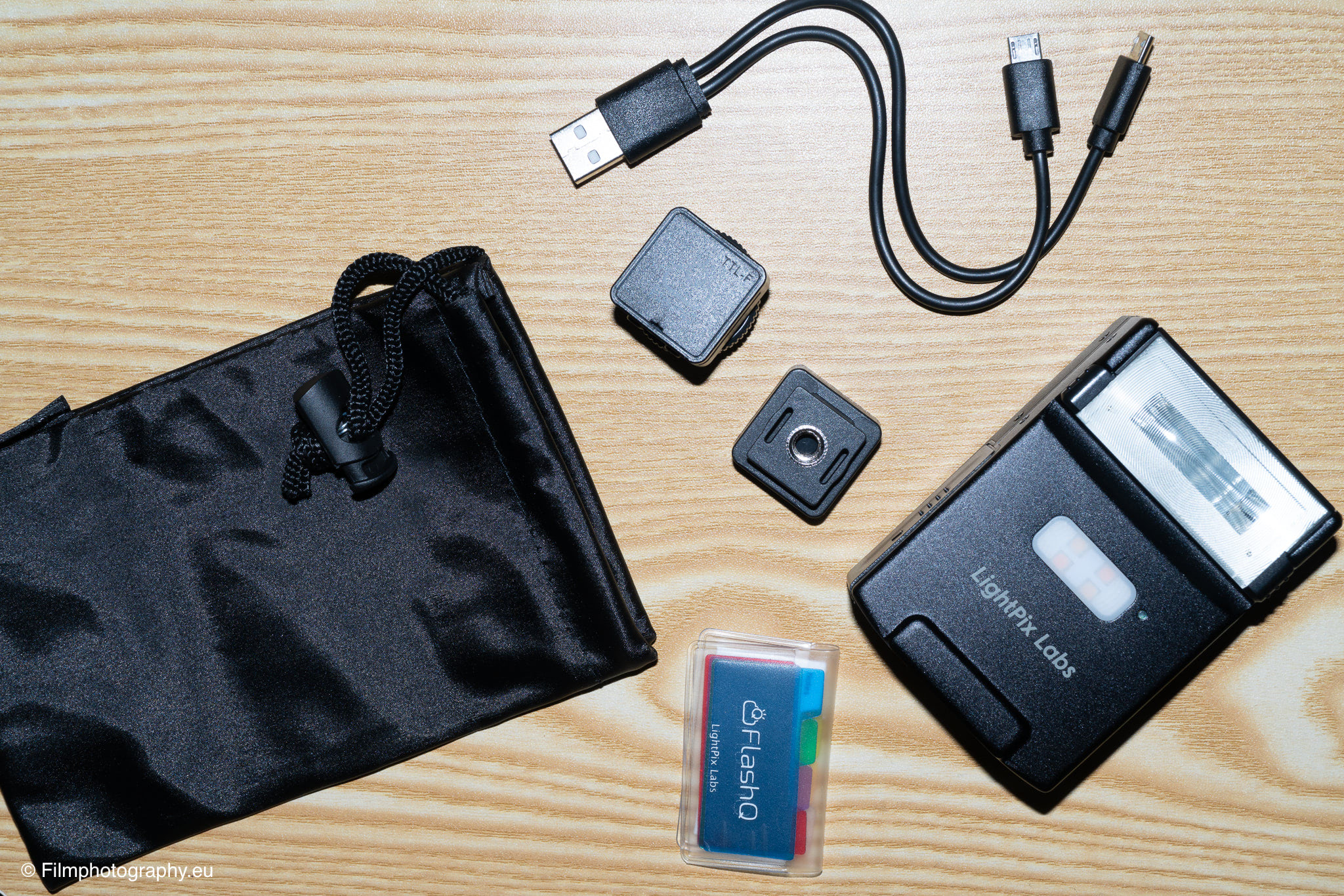
A special feature of this model is the detachable wireless trigger. The base of the flash acts as a transmitter and is conventionally slid into the camera’s hot shoe. The actual flash head can then be easily detached from this base with the push of a button and held freely in the hand or positioned in a completely different place in the room. This enables off-camera lighting within seconds and entirely without additional cables or external receivers.
The M20 supports Fujifilm’s automatic exposure metering, but its power can also be controlled completely manually. Additionally, the flash features a tilting reflector head, which allows for bounce flash via the ceiling or a bright wall to create softer light.
Another very useful feature is the integrated LED light. This can be used both as a modeling light for photography and for short video recordings.
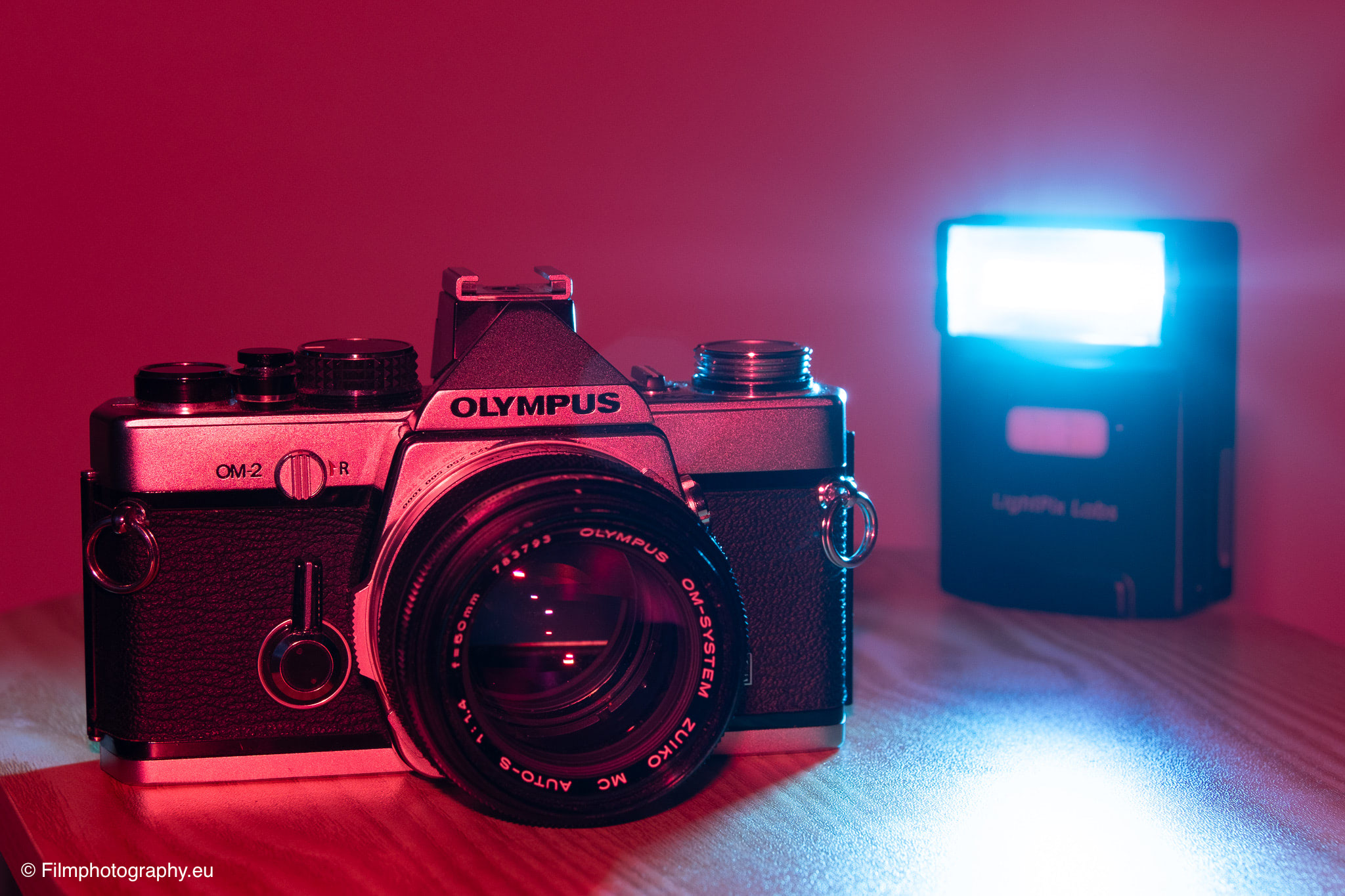
The scope of delivery also includes various color gels that can be slid into an integrated holder right in front of the flash head. This allows the color temperature to be matched to the ambient light, or you can deliberately create colorful creative effects.
The small trigger is comfortably charged via a corresponding port on the side. Unfortunately, this is still a Micro-USB port. The flash itself is powered by two AA batteries (eBay / Amazon*).
Features of the FlashQ FM2
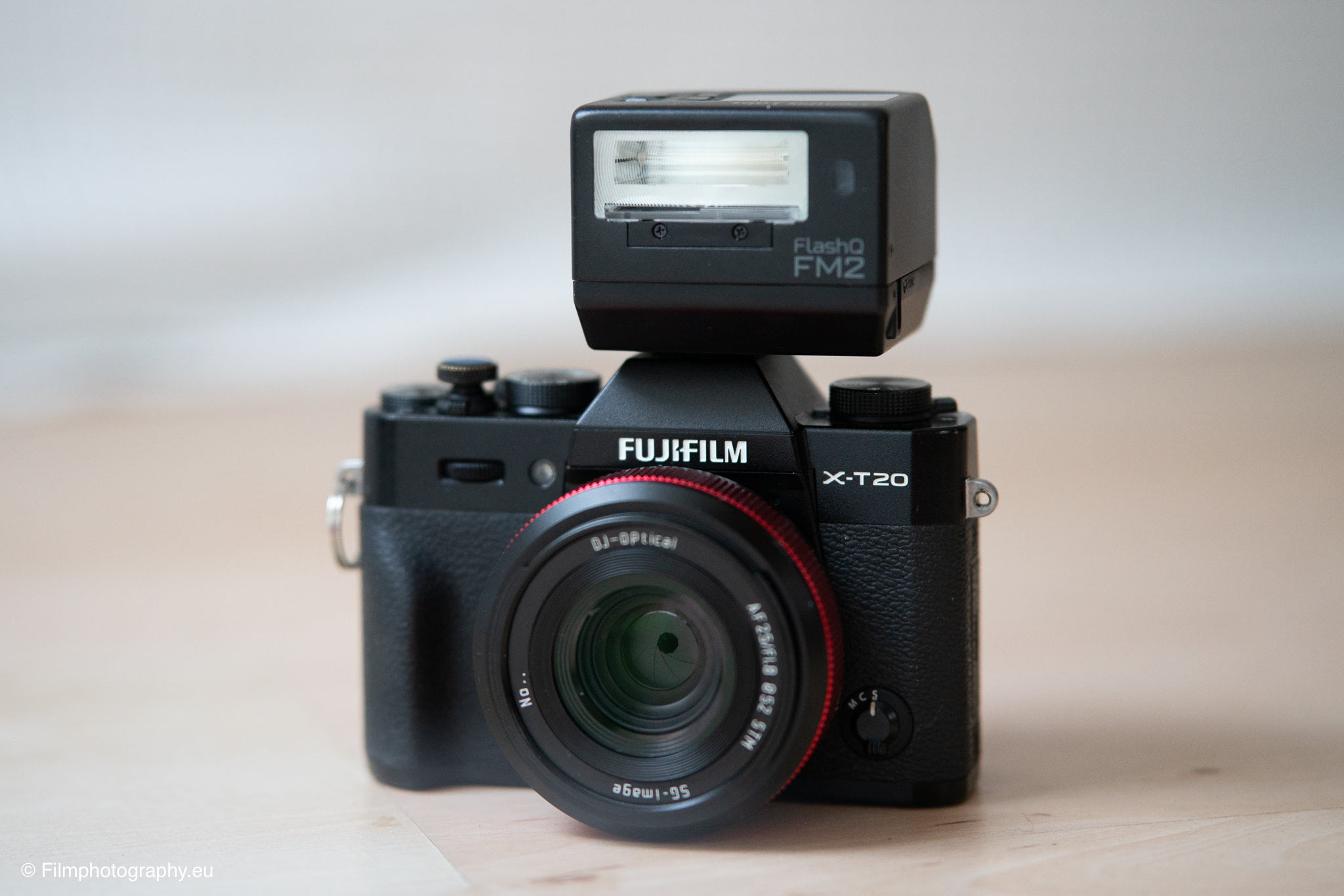
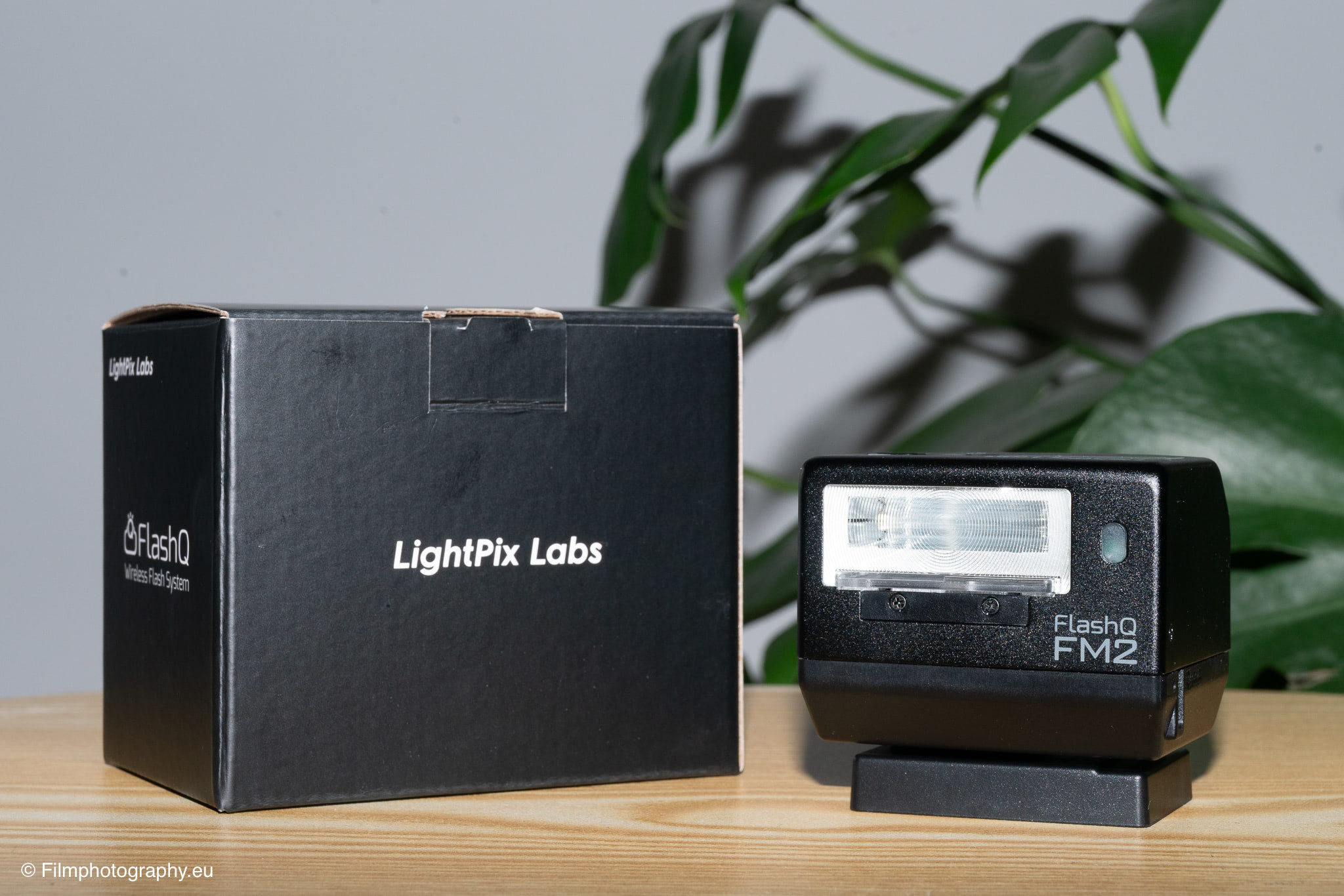
In direct comparison, the FlashQ FM2 for FUJIFILM takes a slightly different design approach. This model is designed purely as an on-camera hot-shoe flash and does without the detachable wireless trigger.
Its design is distinctly boxy and strongly oriented towards the classic flash units of past decades, which were often used on compact rangefinder cameras.
With its housing made of high-quality metal and clear, angular lines, it is a great visual match for the popular retro designs of current Fujifilm cameras. The device is optionally available in black or silver, so it can be matched even more precisely to your own camera body.
The FM2 also features a guide number of 20 and supports Fujifilm’s system for automated and uncomplicated exposure control.
The operation is deliberately kept simple, making it a very suitable companion for situations where a photographer has to react quickly and there is no time for menu settings.
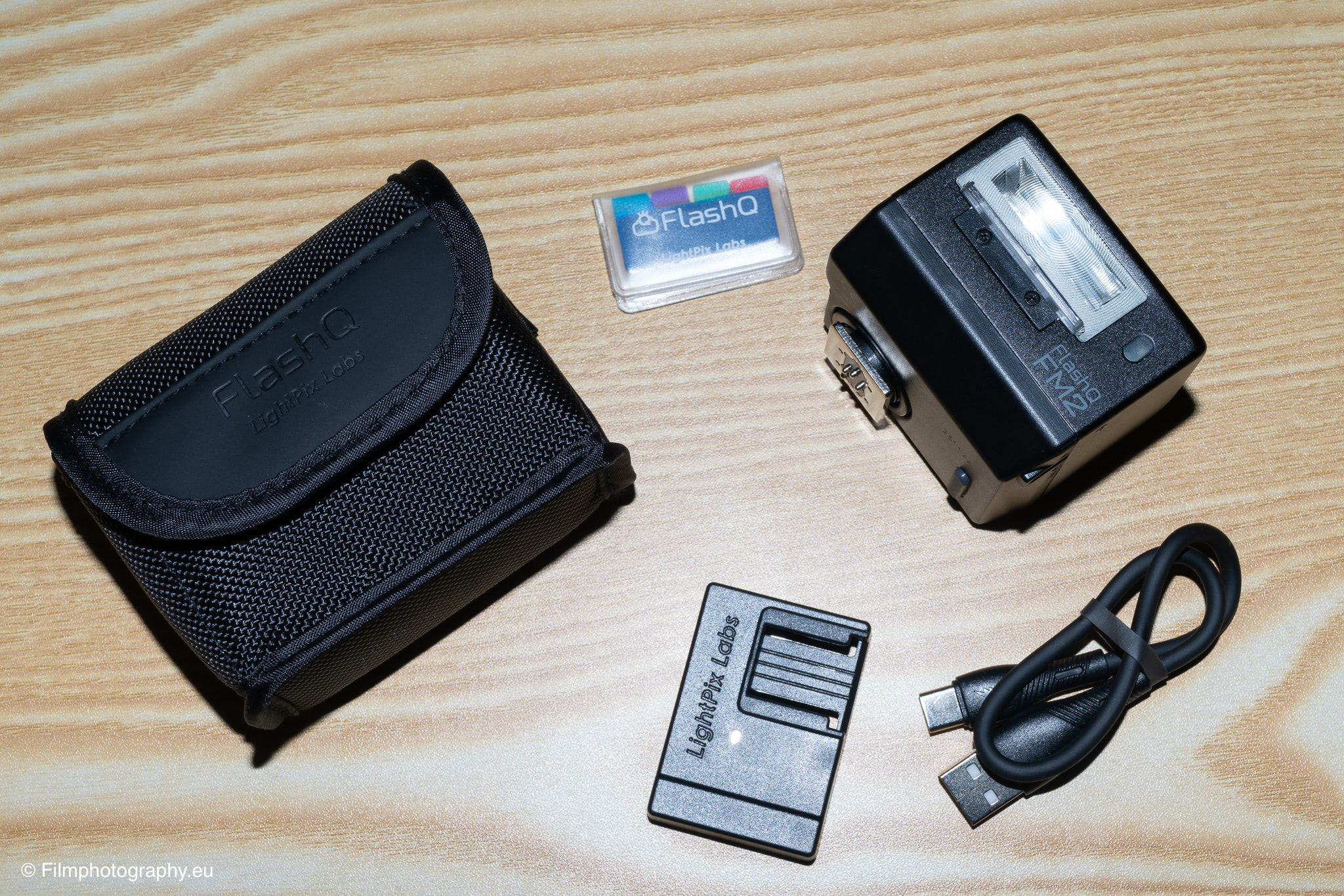
On the technical side, the FM2 offers a modern port for charging or for any software updates.
The package also includes a small stand with a tripod thread in case you want to place the device away from the camera and trigger it via other means.
Thanks to its flat and compact design, the flash effortlessly disappears into a small jacket pocket when not in use and is therefore always readily at hand.
Interplay of the Flashes
Although both flash units fulfill completely independent functions on their own, combined they create a very flexible set for various lighting scenarios.
The M20 often takes on the role of the creative key light in my setup. Thanks to its detachable transmitter, it can easily be placed to the side of the subject to give the image more spatial depth and a certain drama. The FM2, on the other hand, is very well suited as a frontal fill light directly on the camera. This combination of direct and directional light opens up many creative possibilities for the photographer.
Since both models have the exact same guide number and emit a very similar color temperature, they blend harmoniously with each other. When using color gels, which can be applied to both models, the color character remains consistent throughout the entire image composition.
A photographer can thus leave the FM2 permanently on the camera for quick snapshots on the street and keep the M20 in their pocket until a specific portrait situation arises. This modularity in such a small form factor is a considerable advantage for photographers who travel light but still do not want to forego appealing and versatile lighting. You can build very professional-looking lighting setups with these two little helpers without having to transport heavy studio equipment.
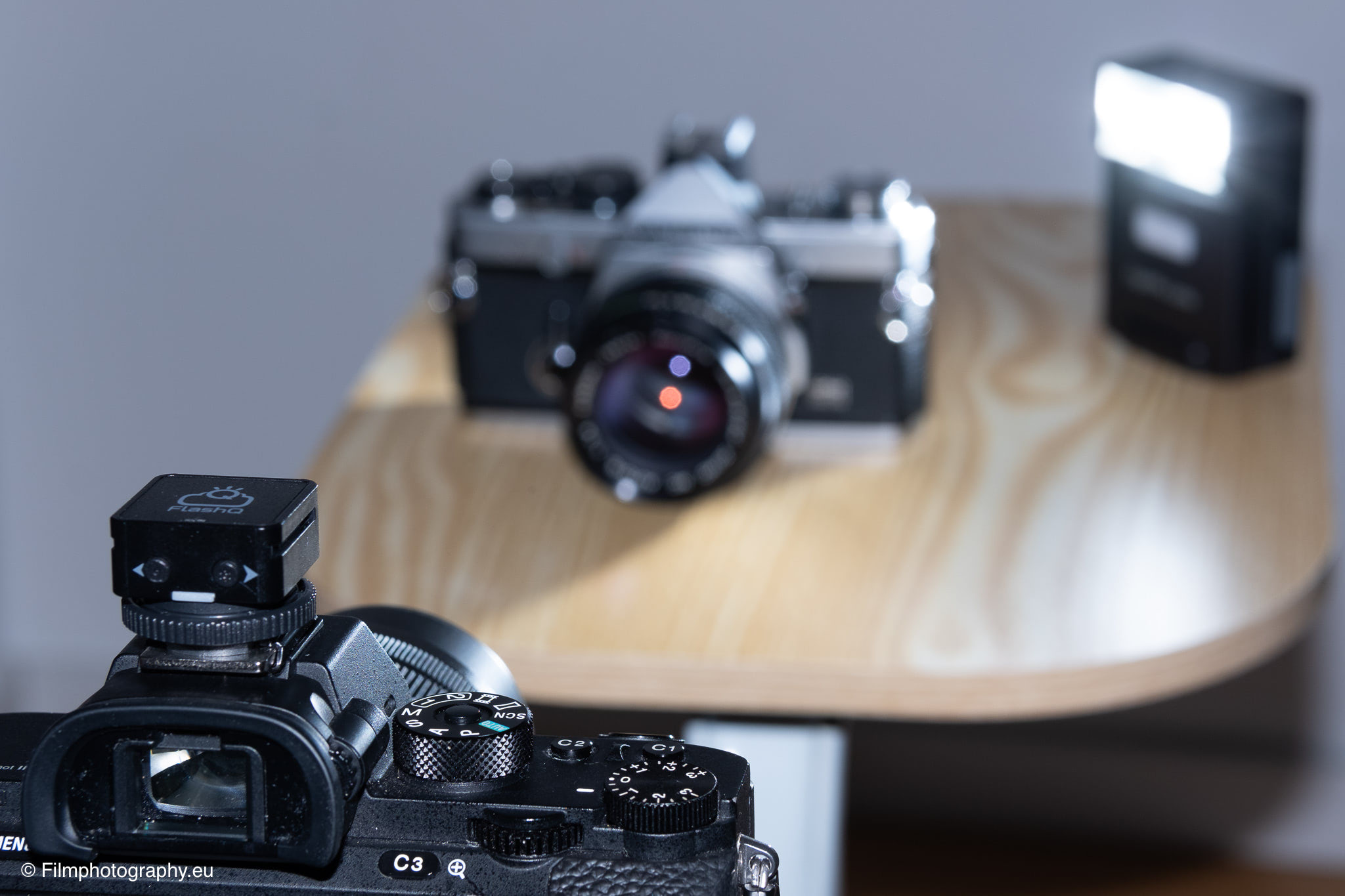
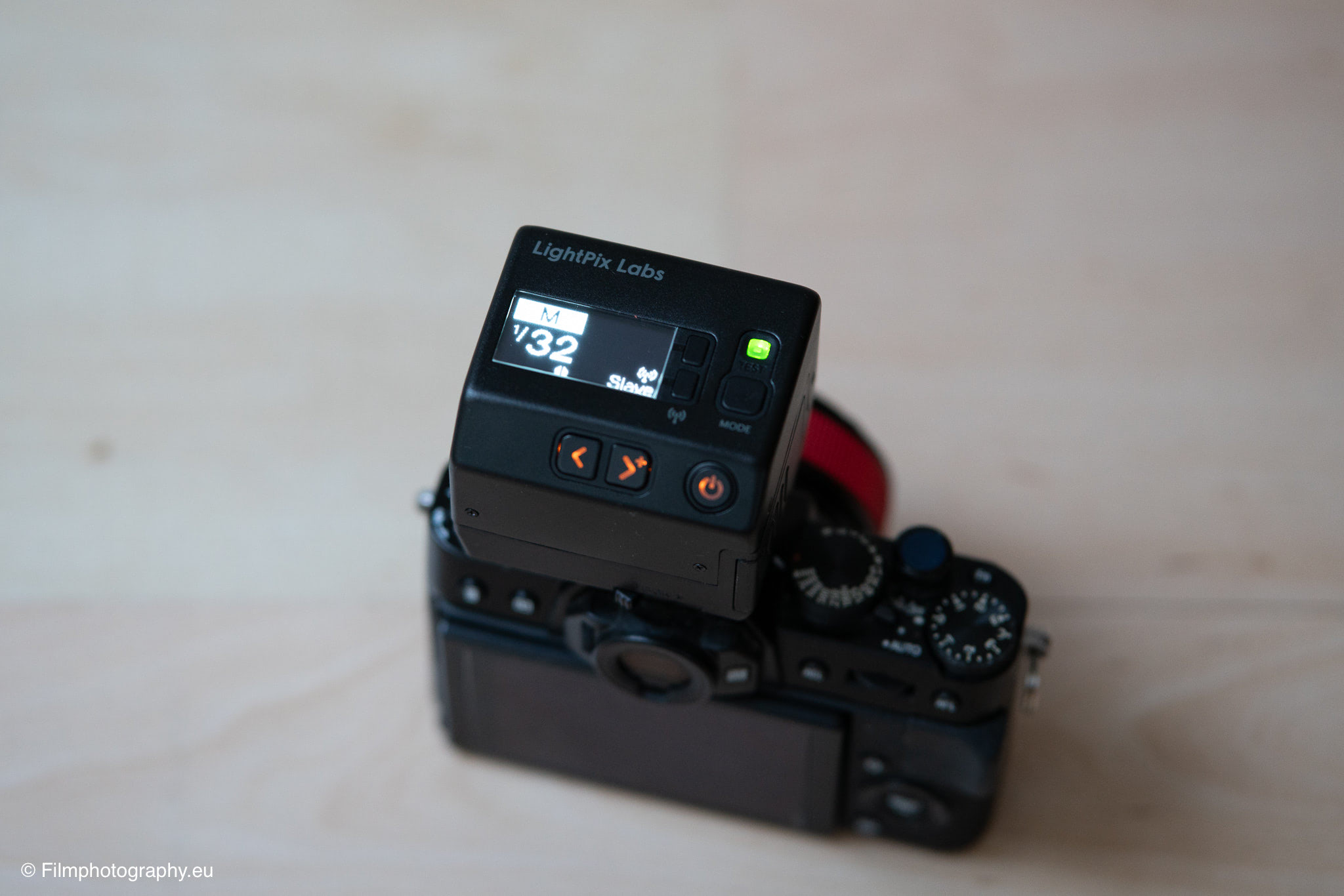
Another aspect of using both flash units in parallel is the ability to control the M20 directly via radio through the attached FM2. In my workflow, I slide the FM2 into my camera’s hot shoe for this purpose, where it acts as the central control unit.
The internal radio system from LightPix Labs is designed so that the devices communicate reliably with each other. You simply make sure beforehand that both flashes are set to the same radio channel. Once the connection is established, the FM2 synchronously triggers the free-standing M20.
The FM2 functions either purely as a trigger or simultaneously fires a flash itself to serve as a frontal fill light. Meanwhile, I can place the M20 elsewhere in the room to create directional side lighting.
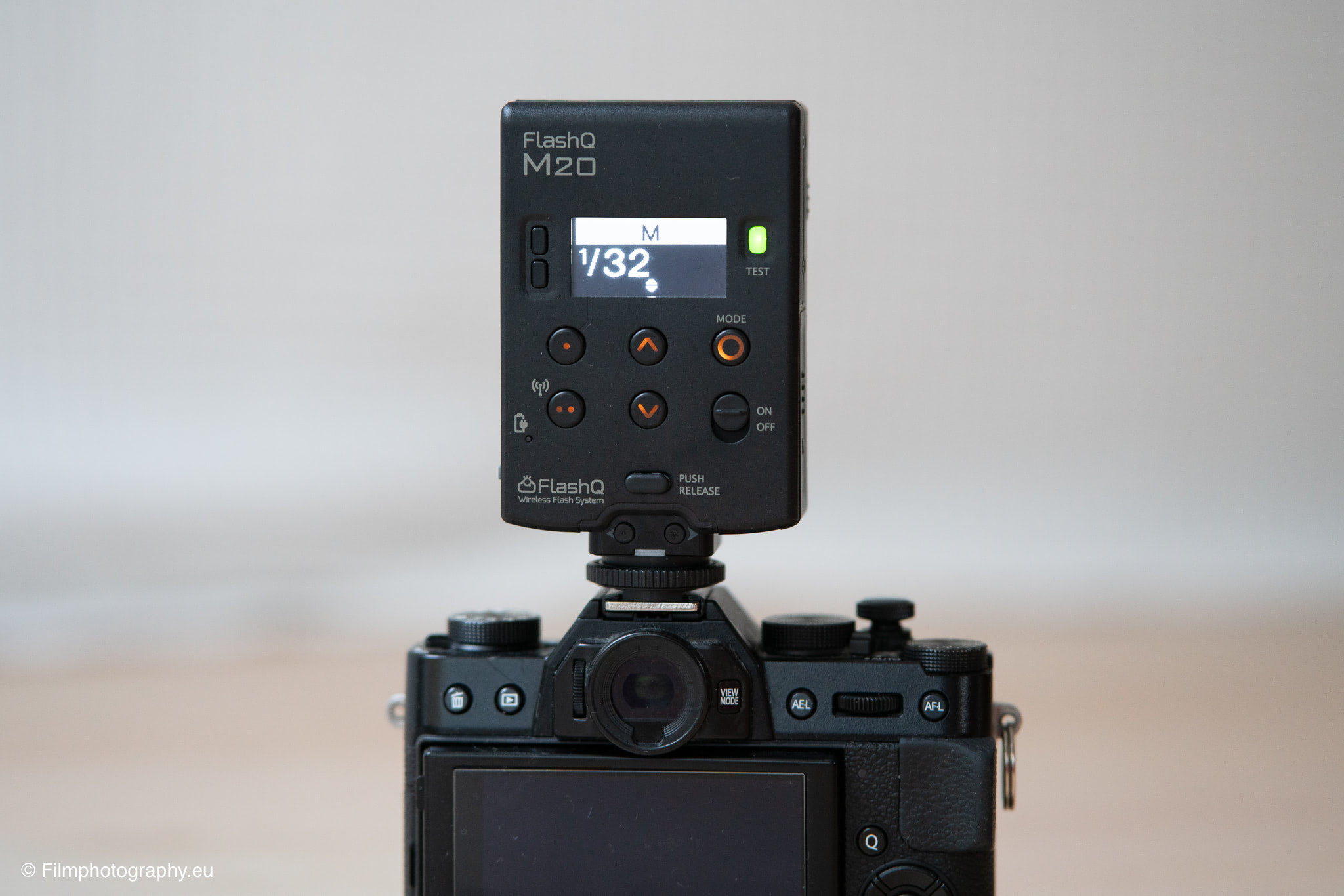
The flash output of the M20 can be adjusted directly via the buttons on the FM2 without me having to leave my position behind the camera. Consequently, I don’t have to walk over to the off-camera flash for every minor brightness correction.
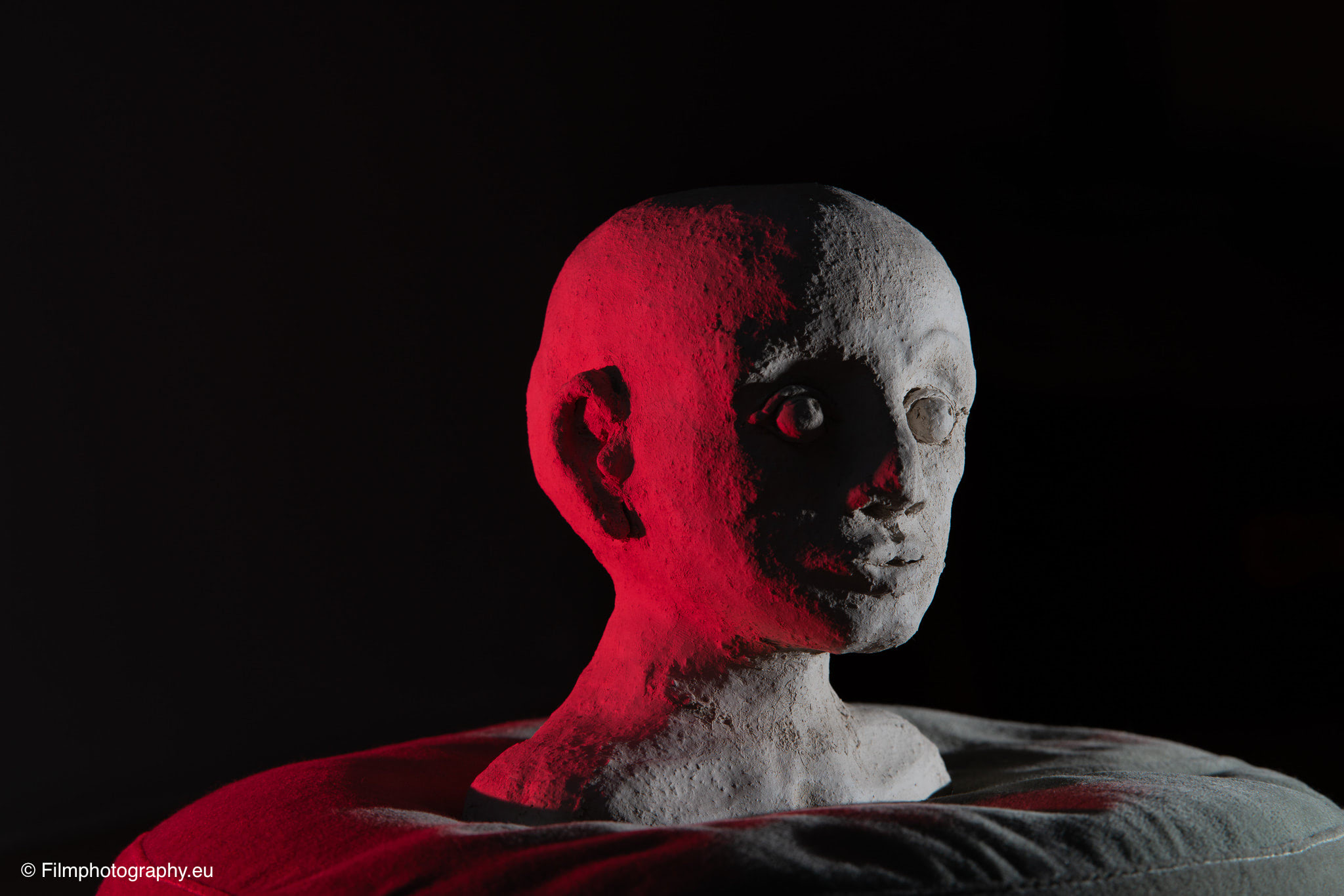
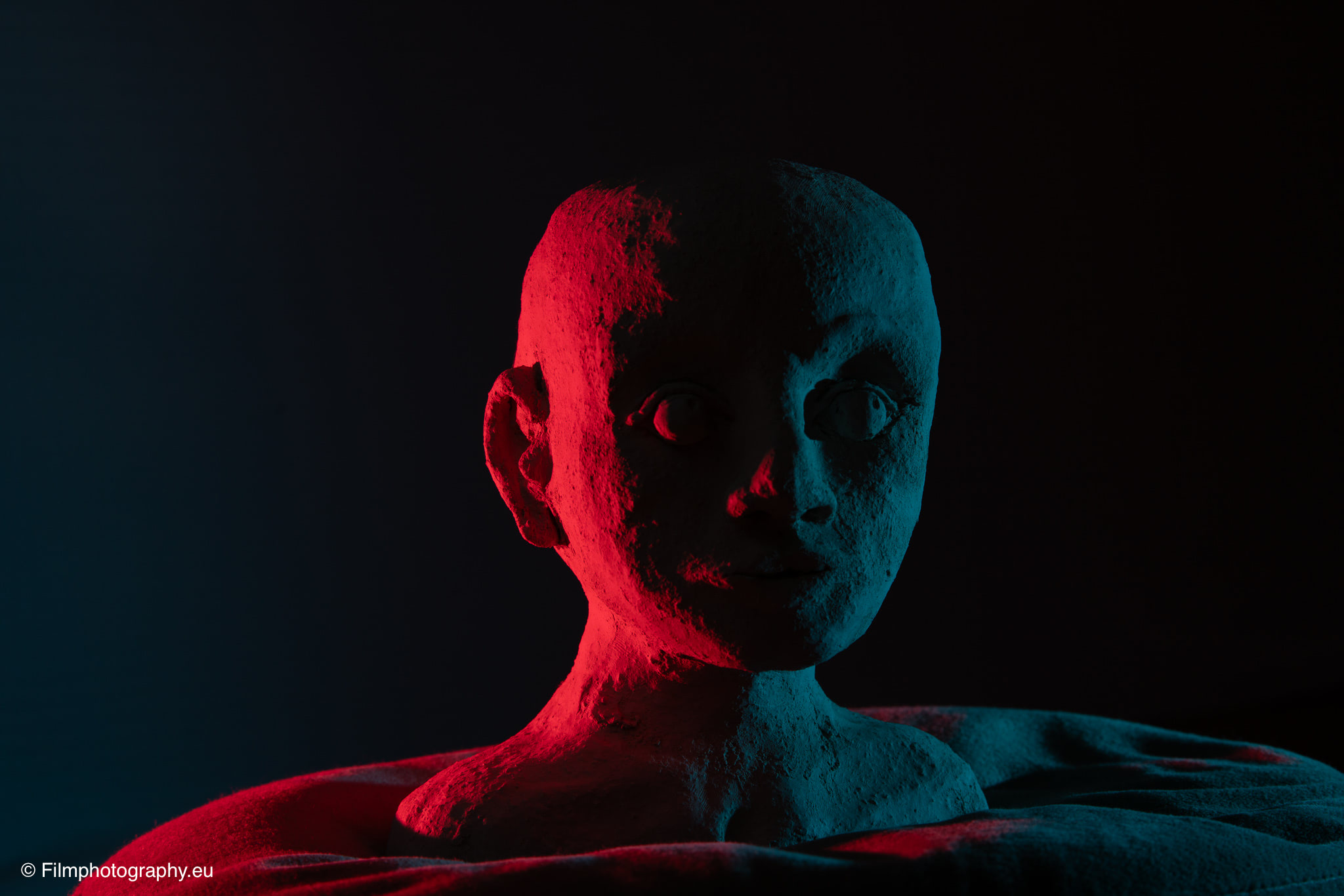
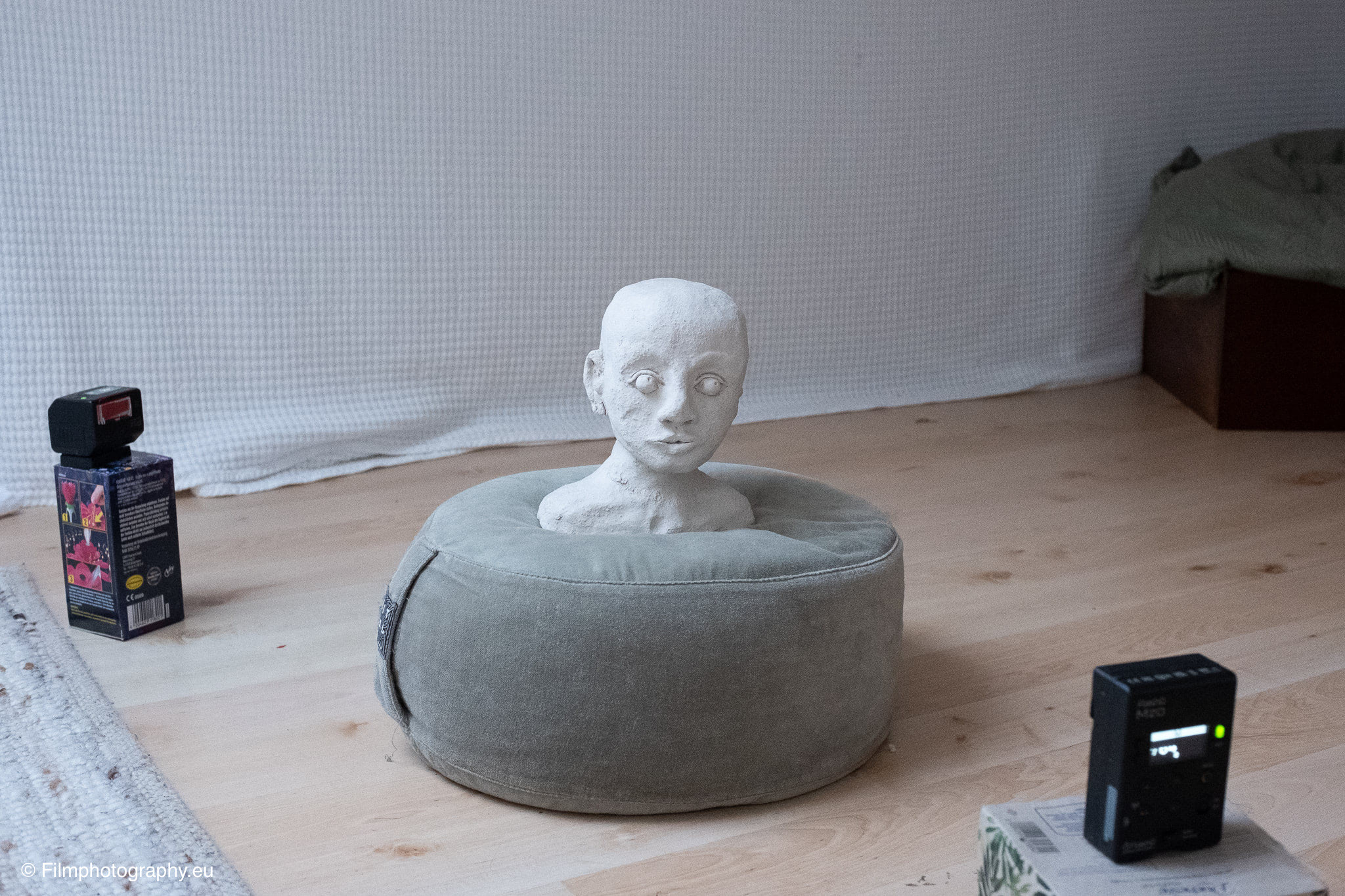
In Practice
When I am out and about with my camera, I particularly appreciate the low weight and the rather inconspicuous appearance of my system. This is exactly where the flashes from LightPix Labs fit seamlessly into the photographic process.
When you slide the FM2 onto the hot shoe, the camera instantly feels complete without becoming top-heavy in any way. The balance of the camera is fully maintained. During an evening walk through the city, this flash delivers exactly that raw and direct look familiar from analog documentary photography or modern fashion photography.
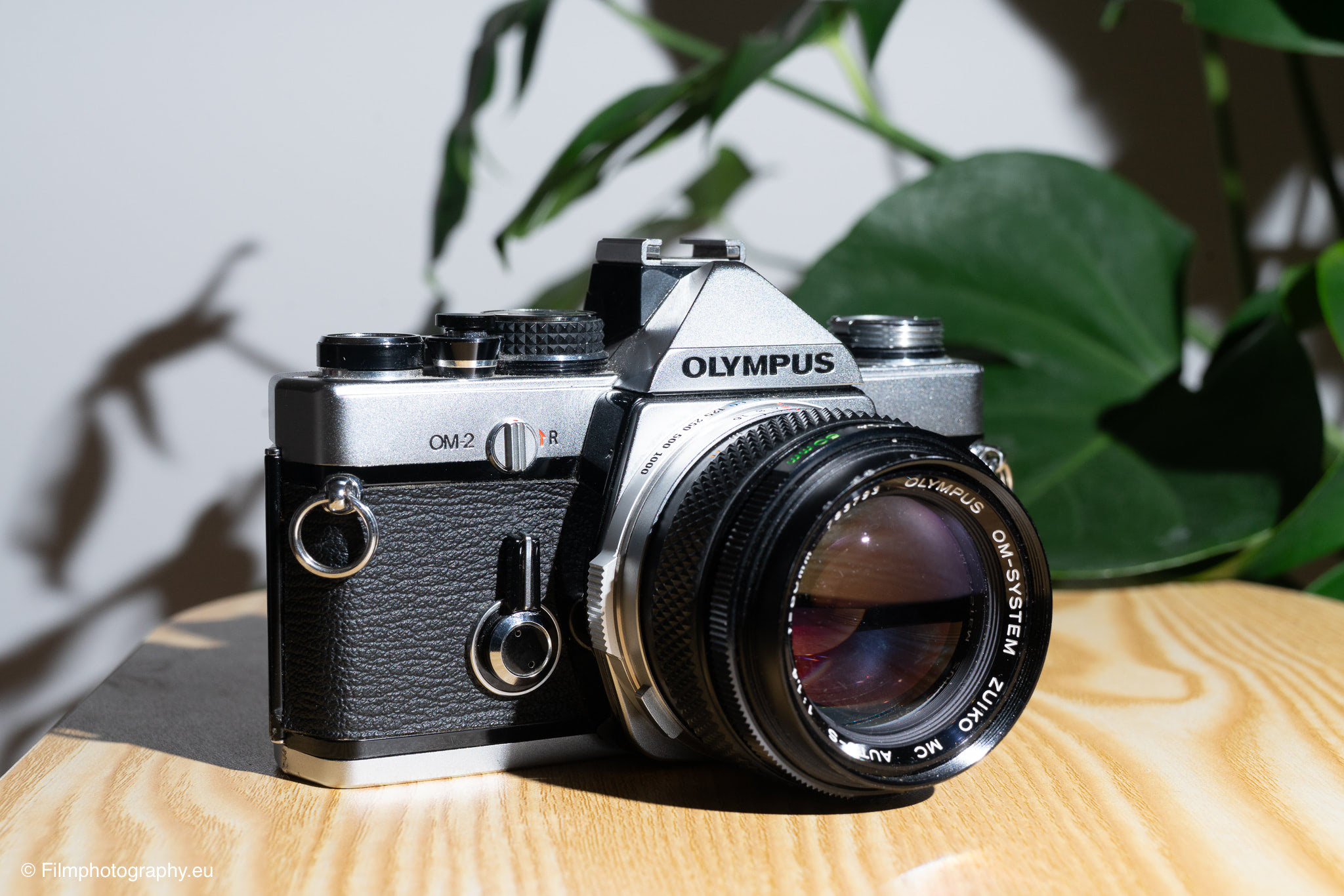
The exposure metering communicates very reliably with the camera and delivers accurate results in many situations. Occasionally, a slight exposure compensation is necessary, but this is completely normal in the demanding work with artificial light and is quickly done via the camera’s dials.
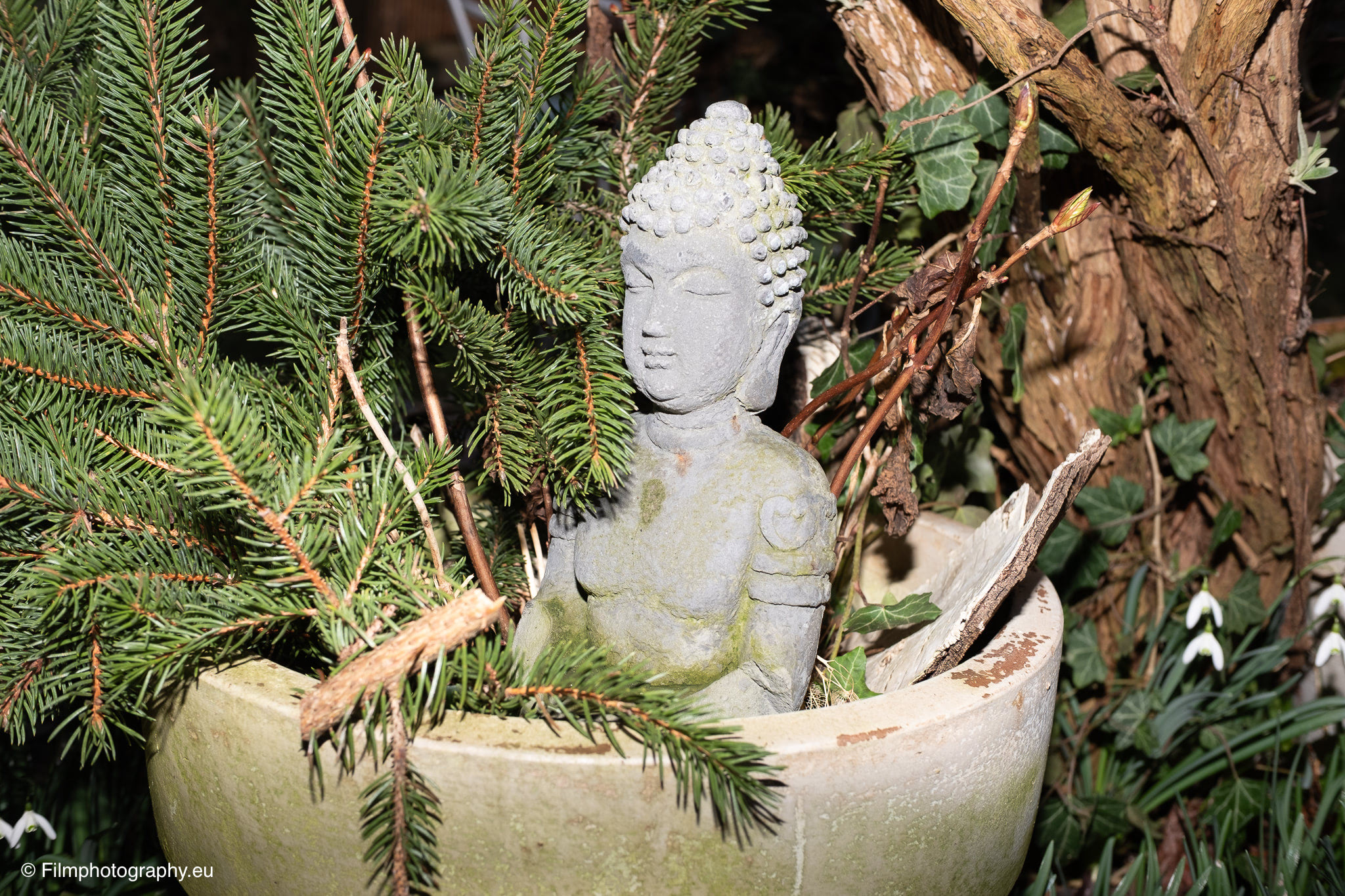
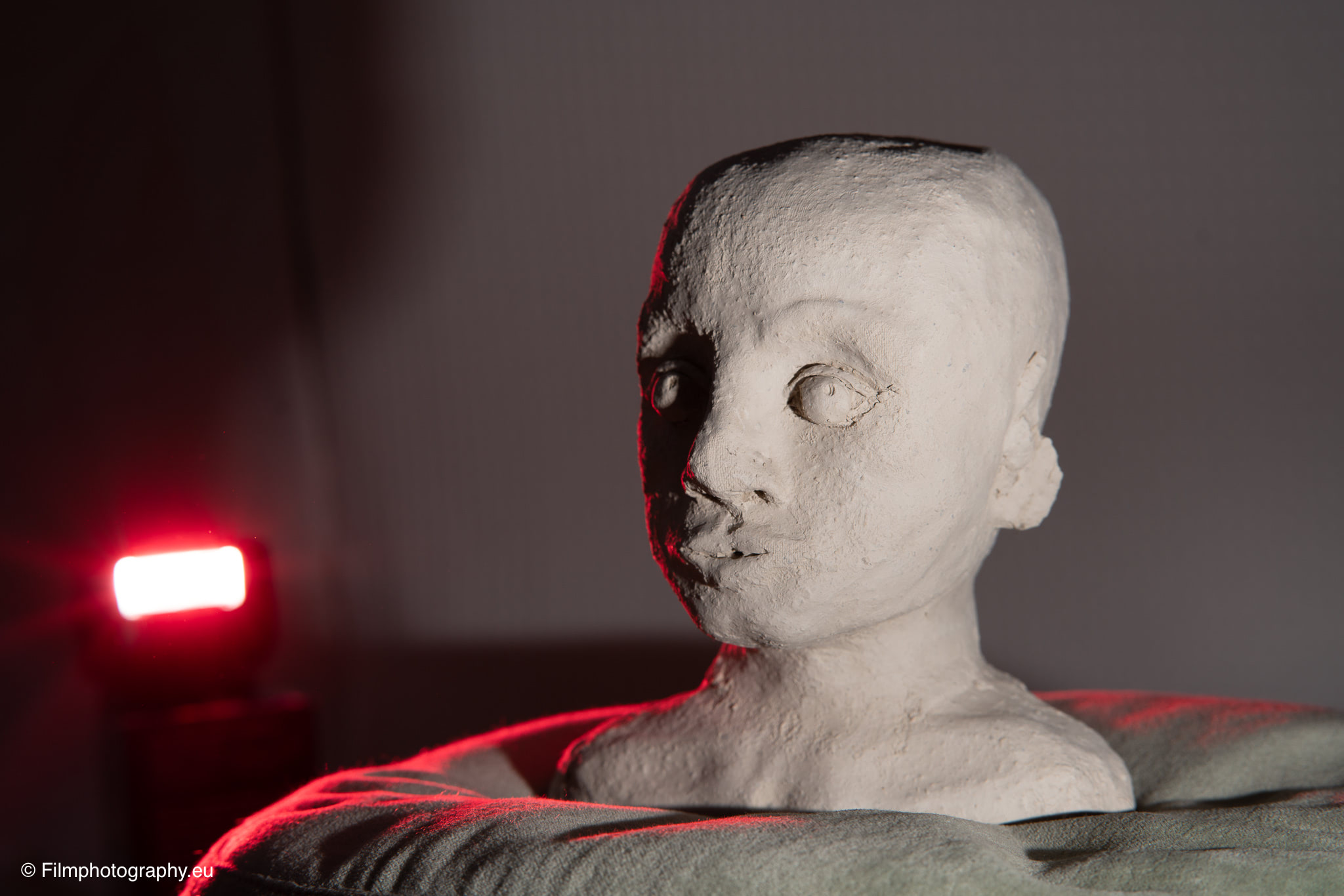
The M20 has permanently changed my way of working with spontaneous portraits. The ability to hold the camera in my right hand and extend the flash out to the side with my left hand gives me great creative freedom on the street. The light loses its flat effect, and faces suddenly gain structure and three-dimensional volume.
The tilt head of the M20 is also very useful in everyday life when you are indoors and want to bounce the light softly off a white wall or a low ceiling.
The menus and controls of both devices are refreshingly stripped down. You don’t spend time digging through nested digital settings. Instead, you concentrate entirely on the subject and the fleeting moment.
Of course, such small light sources also have their physical limits. In bright midday sunlight, the guide number of 20 is often not enough to completely overpower the sun. The recycle time between two flash firings is also slightly longer than with large studio flashes.
Conclusion
The hot-shoe flashes from LightPix Labs are focused tools with a very clear scope of application. They are aimed at photographers who place great value on design, high mobility, and uncomplicated handling.
The M20 for FUJIFILM shines with its clever detachable transmitter and the associated high flexibility of off-camera lighting. The FM2 for FUJIFILM, on the other hand, impresses with its purist aesthetics and direct, uncomplicated workflow as a purely compact on-camera flash.
Both models feature high-quality workmanship and blend wonderfully, both visually and technically, into Fujifilm’s analog-inspired system.
Both devices motivate the user to incorporate light much more consciously and playfully into their own image composition once again.
Buy
Both flash units can be conveniently purchased directly from the LightPix Labs online store.
Product page FlashQ M20 for FUJIFILM
Product page FlashQ FM2 for FUJIFILM