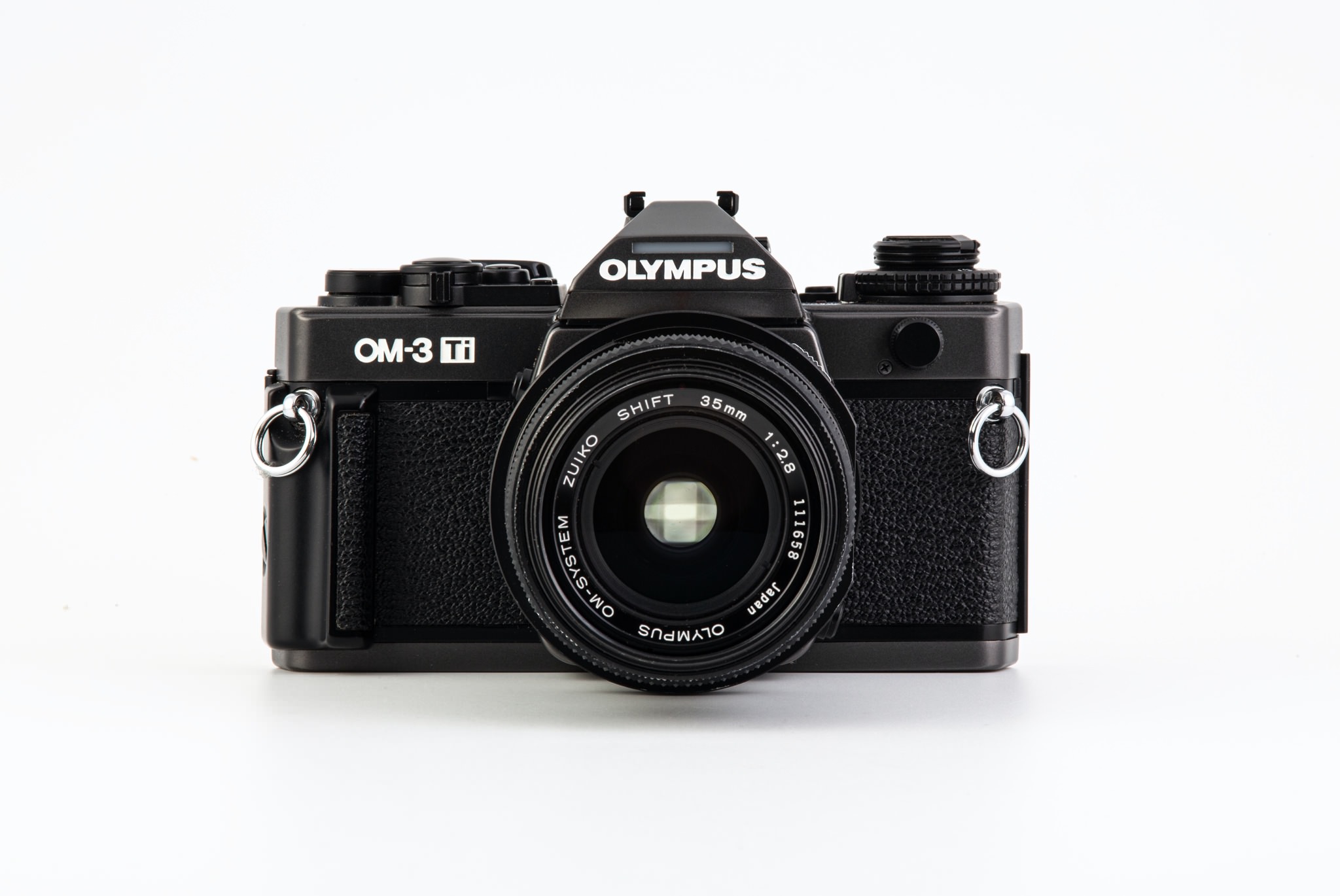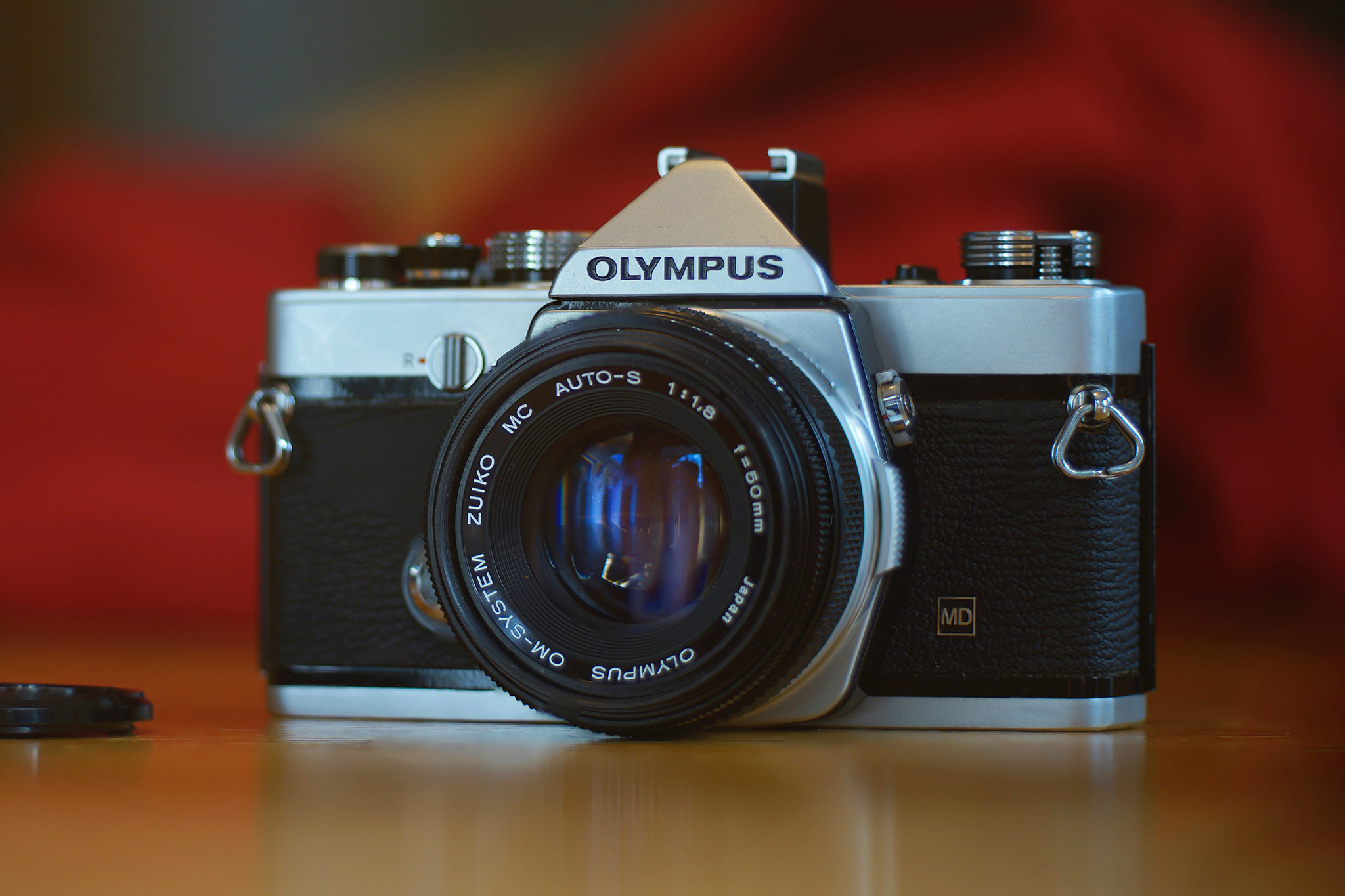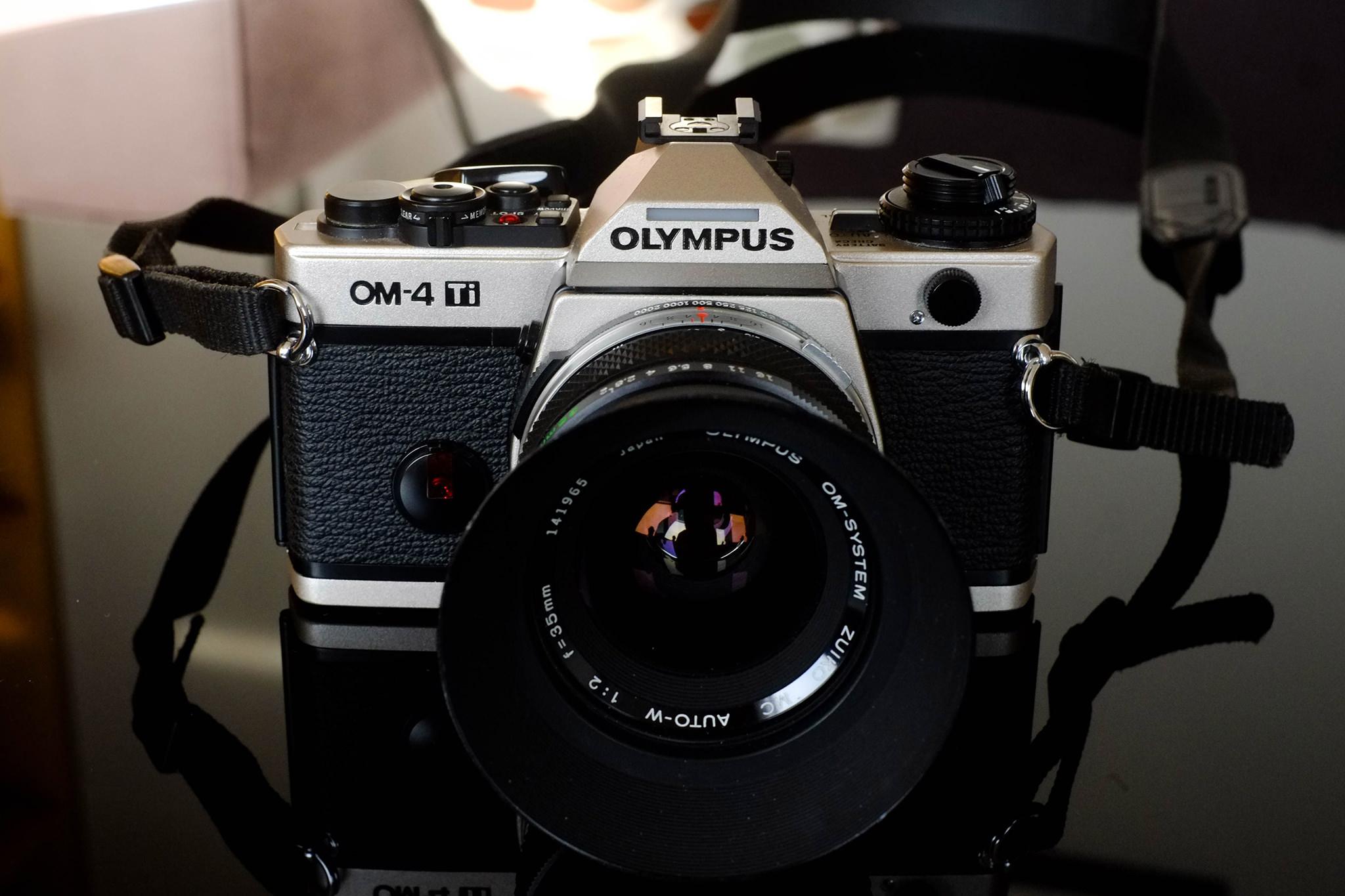
The Olympus OM-3 is an SLR camera. It is the successor of the popular Olympus OM-1n or OM-1. Like the Olympus OM-4, the SLR was introduced at a trade show in Las Vegas in 1983. However, it was not commercially available until the summer of 1984.
The model's innovations were impressive. It had an electronic LCD display in the viewfinder, the shortest exposure time was shortened to 1/2000 second, the mercury batteries were replaced by silver oxide batteries, and the hot shoe was firmly connected to the feeding cup.
The biggest innovations, however, are found in the exposure metering. In addition to the familiar center-weighted integral metering, spot metering and multi-spot metering with up to eight points have been added. In spot mode, there is one button for high-key and one for low-key shooting.
Despite the innovations, the OM-3 did not become a great success. Many photographers either resorted to the OM-1n, which was still in production at the same time, or did not make the relatively expensive update.
The Olympus OM-3 comes with interchangeable lenses. Lenses with an Olympus OM bayonet can be used. There is no shortage of available lenses, the Olympus OM system is rich in lenses with all important focal lengths. The Olympus OM-3 does not have an autofocus, focusing is done manually on the lens.
Measuring the exposure is made easier by the built-in light meter. It is designed for films in a range from ISO 6 to ISO 3200. Thus, it covers all important films.
Exposure metering takes place through the lens on the 35mm SLR (TTL). The aperture and exposure time can be freely selected.
A Bulb setting is available on the Olympus OM-3. With the Bulb setting, the remains open as long as the photographer keeps the shutter button pressed. A flash can be used via the hot shoe or PC flash port.
The Olympus OM-3 doesn't have a built-in self-timer, but a connection option for a cable release. Additionally, there is a thread for a tripod. For the power supply, mercury batteries are no longer needed with this model. The power comes from two LR44 / SR44 batteries (eBay / Amazon*).
Films for the Olympus OM-3
35mm film is exposed in the Olympus OM-3. 35mm film is still produced today and can be developed in most labs. A good choice for the model is Fujifilm Superia 400* (color film) and Ilford Delta 100* (black and white film).