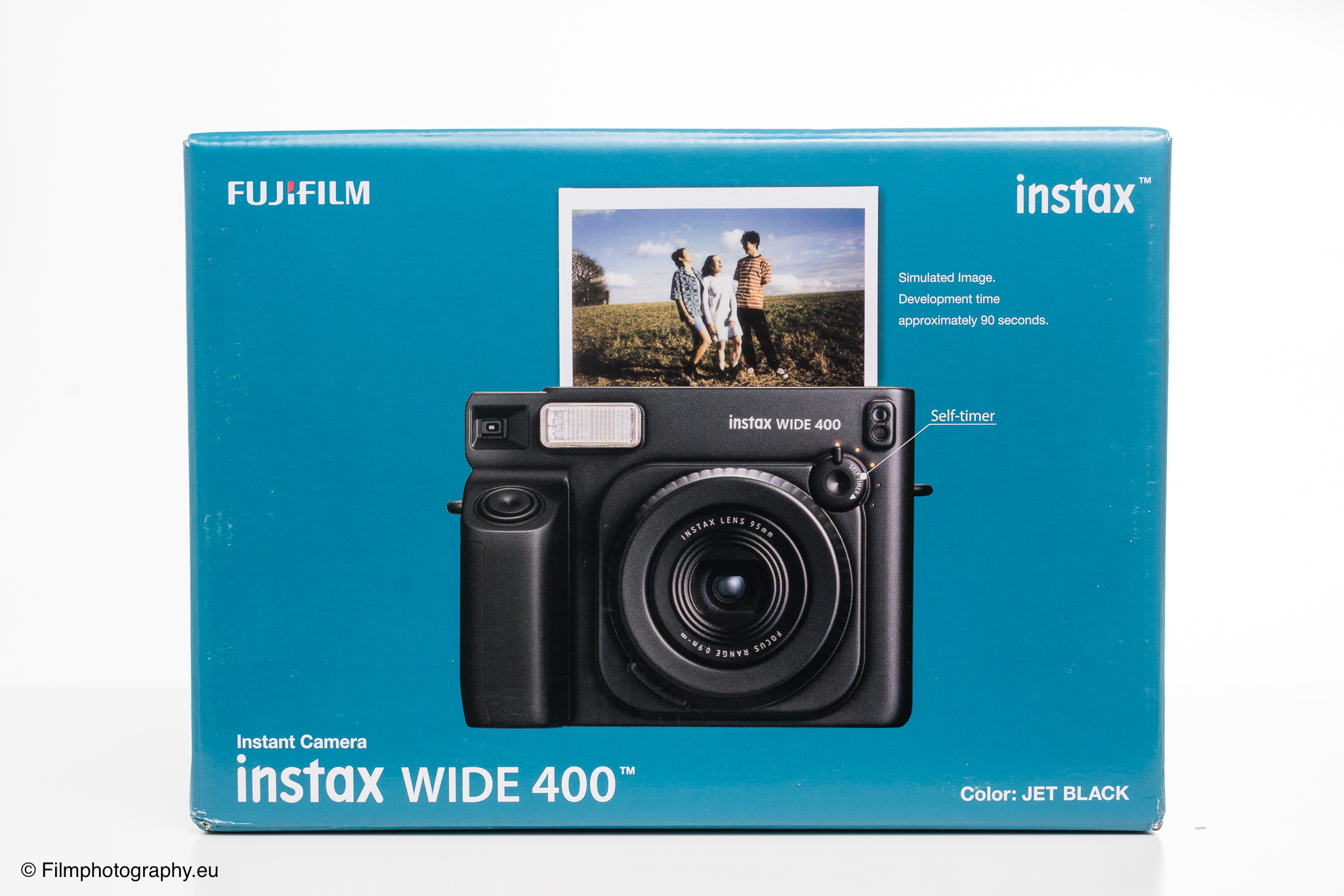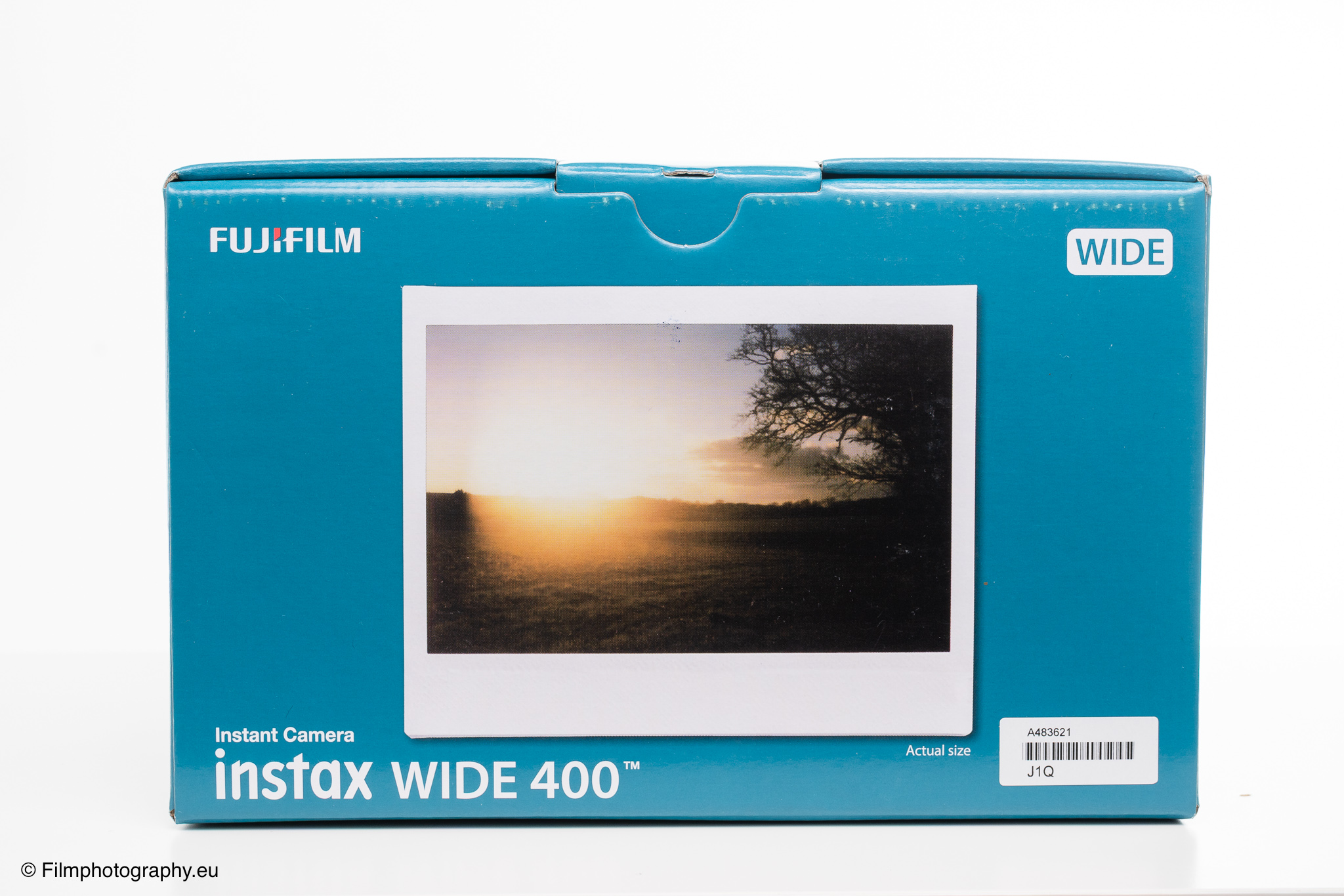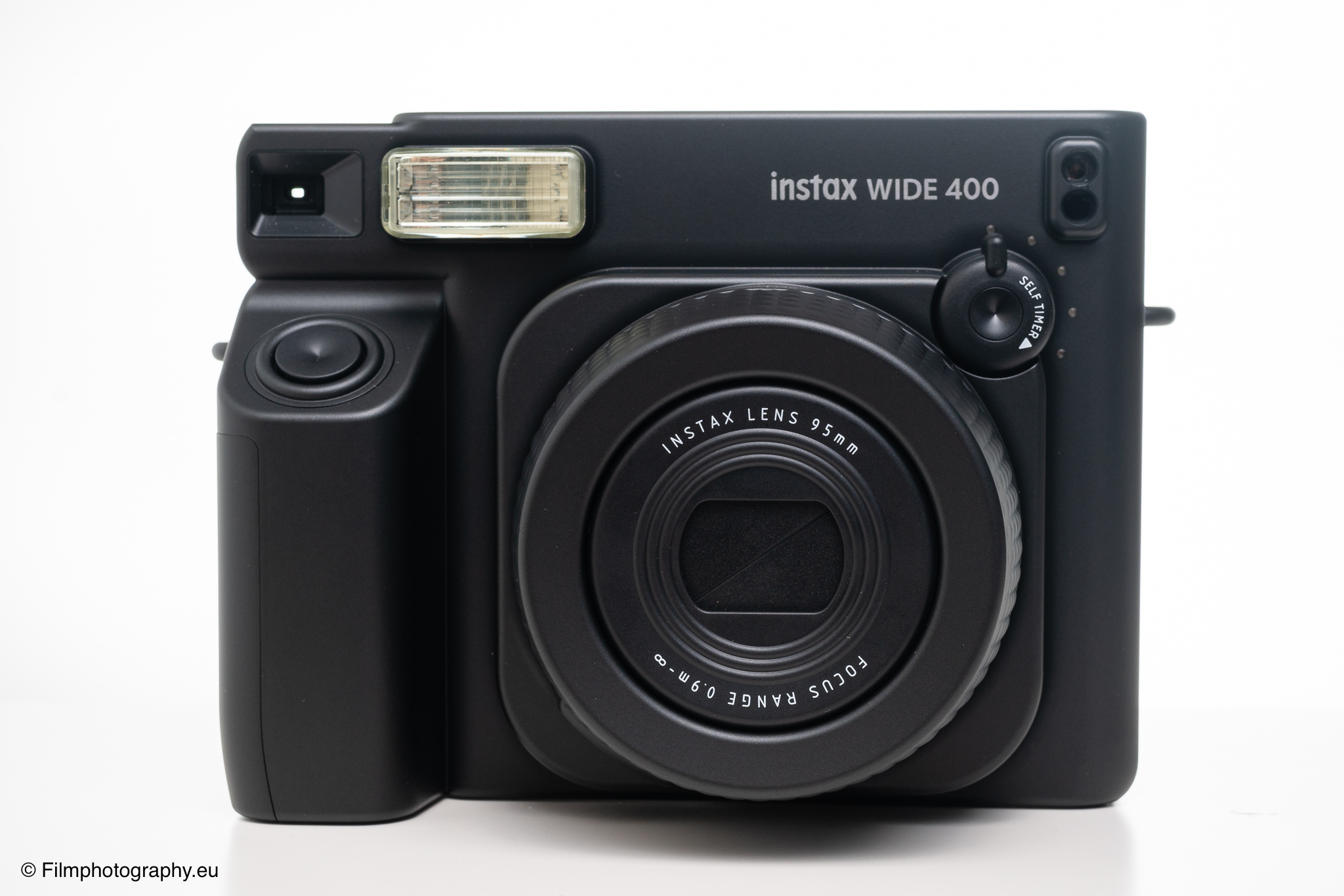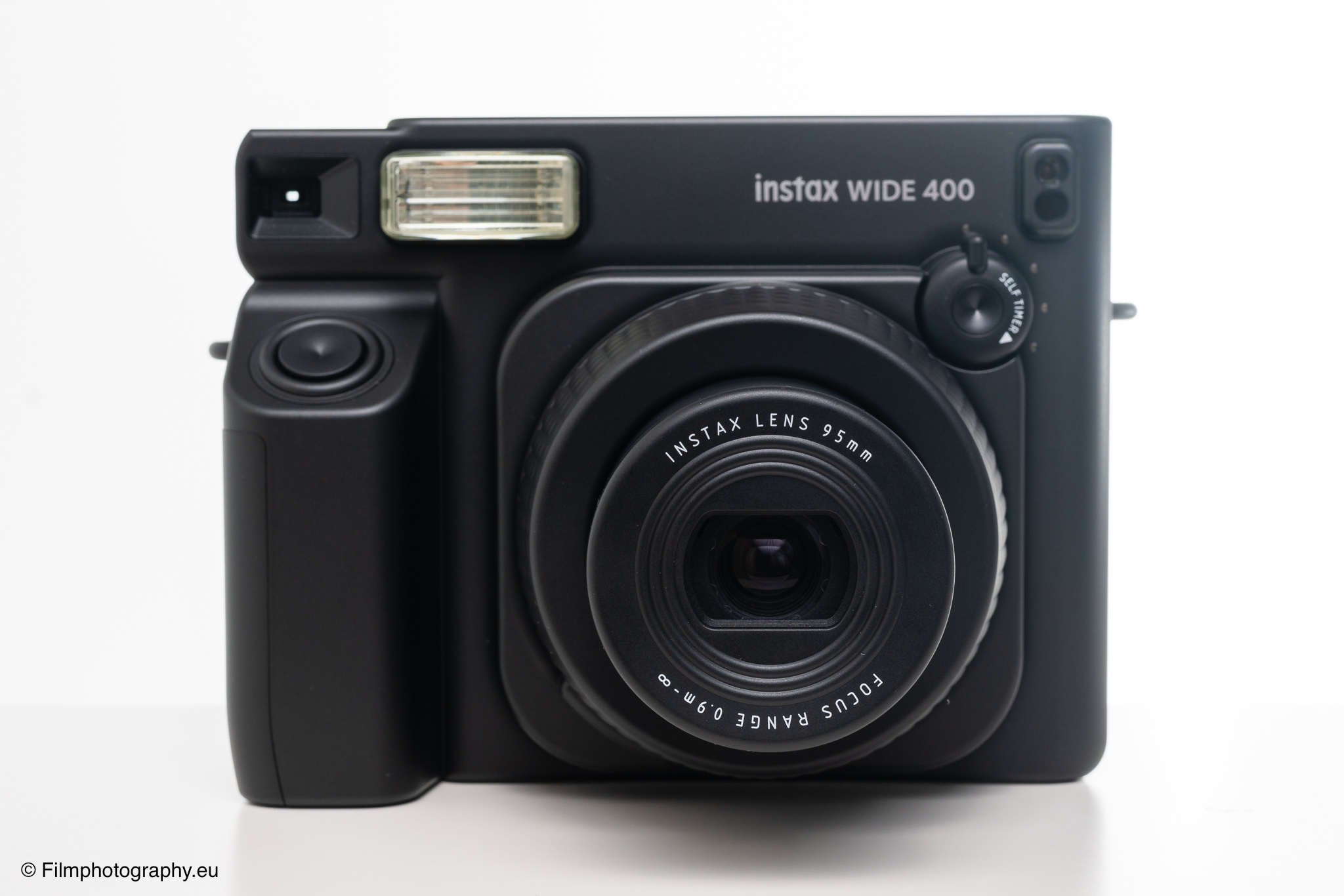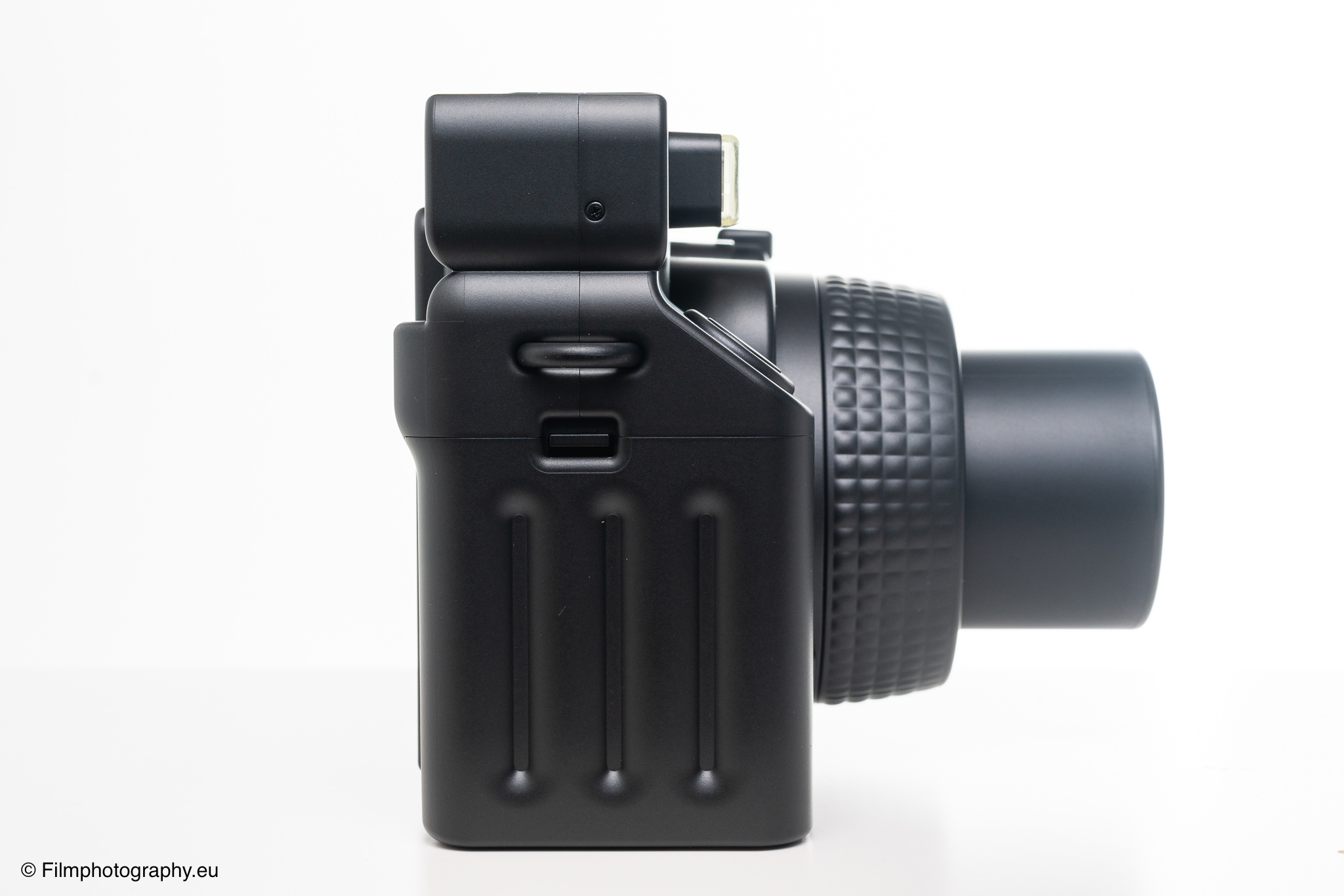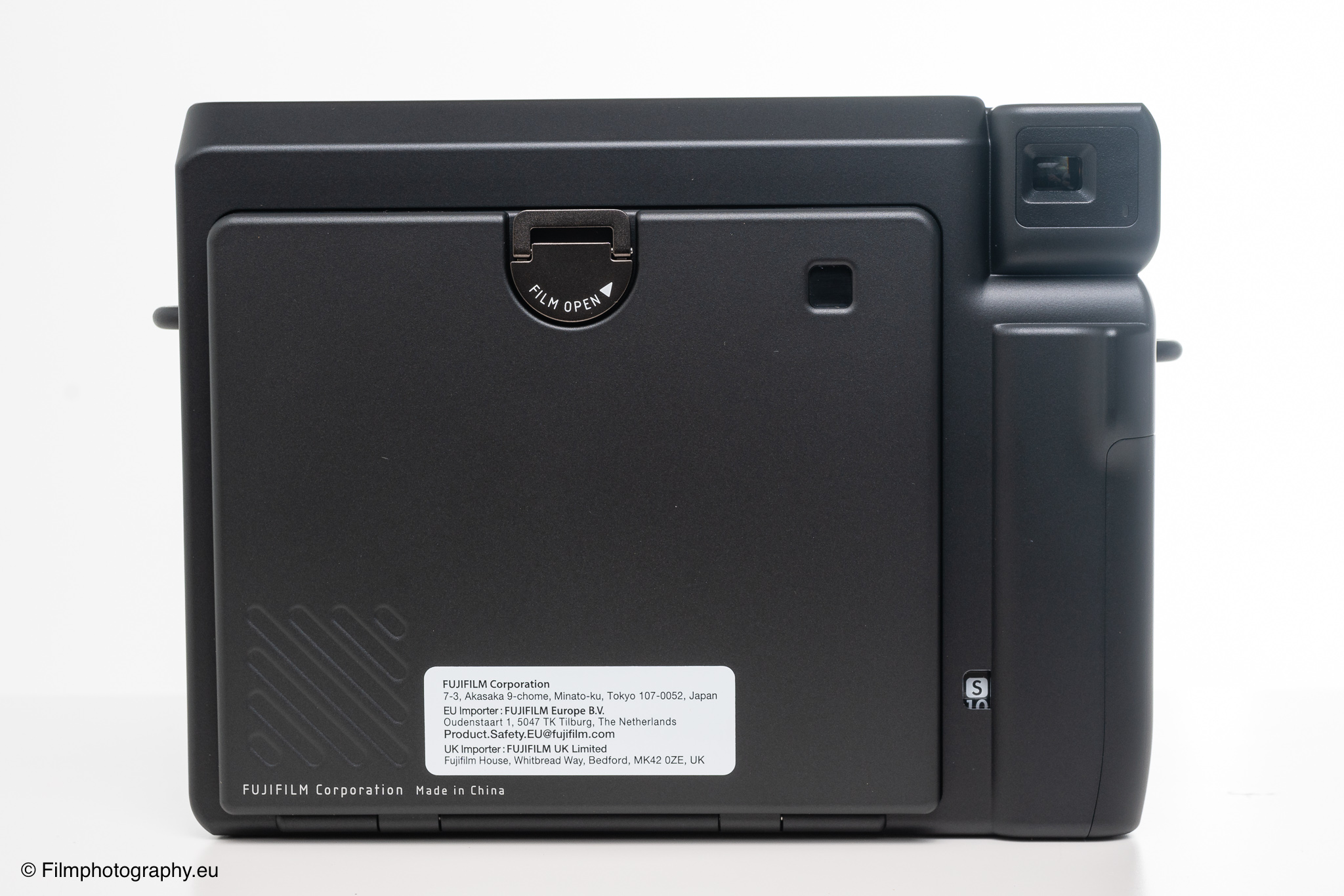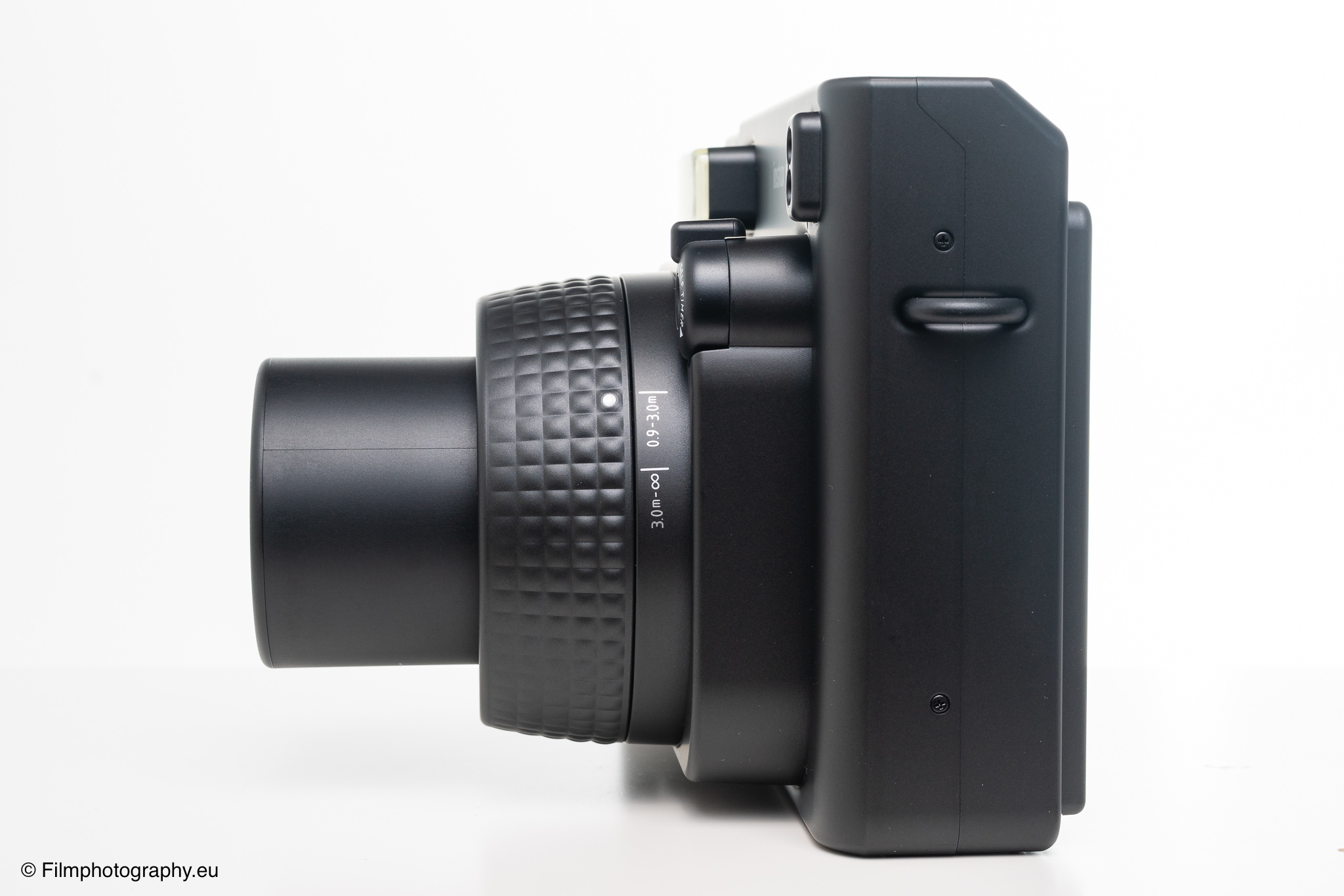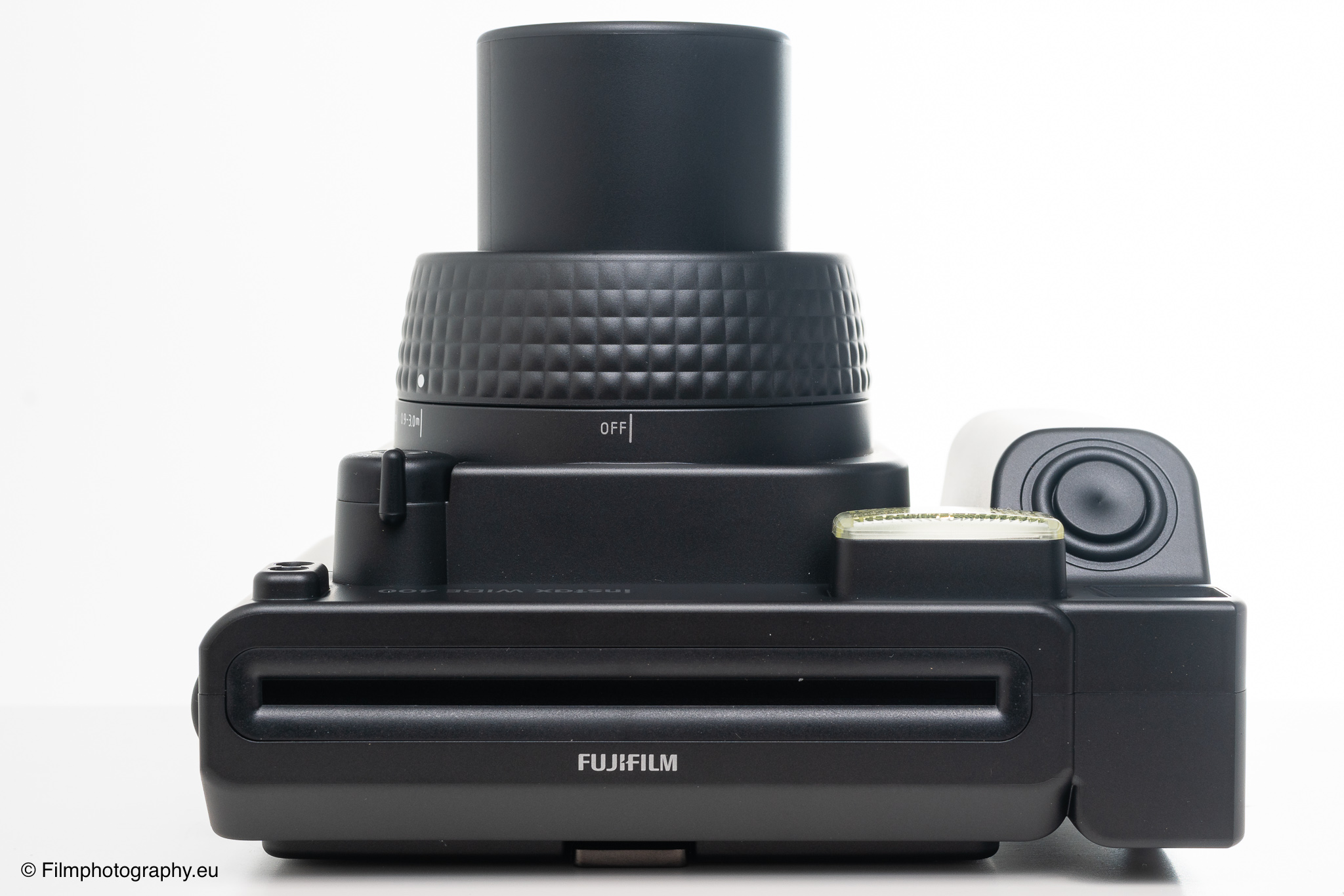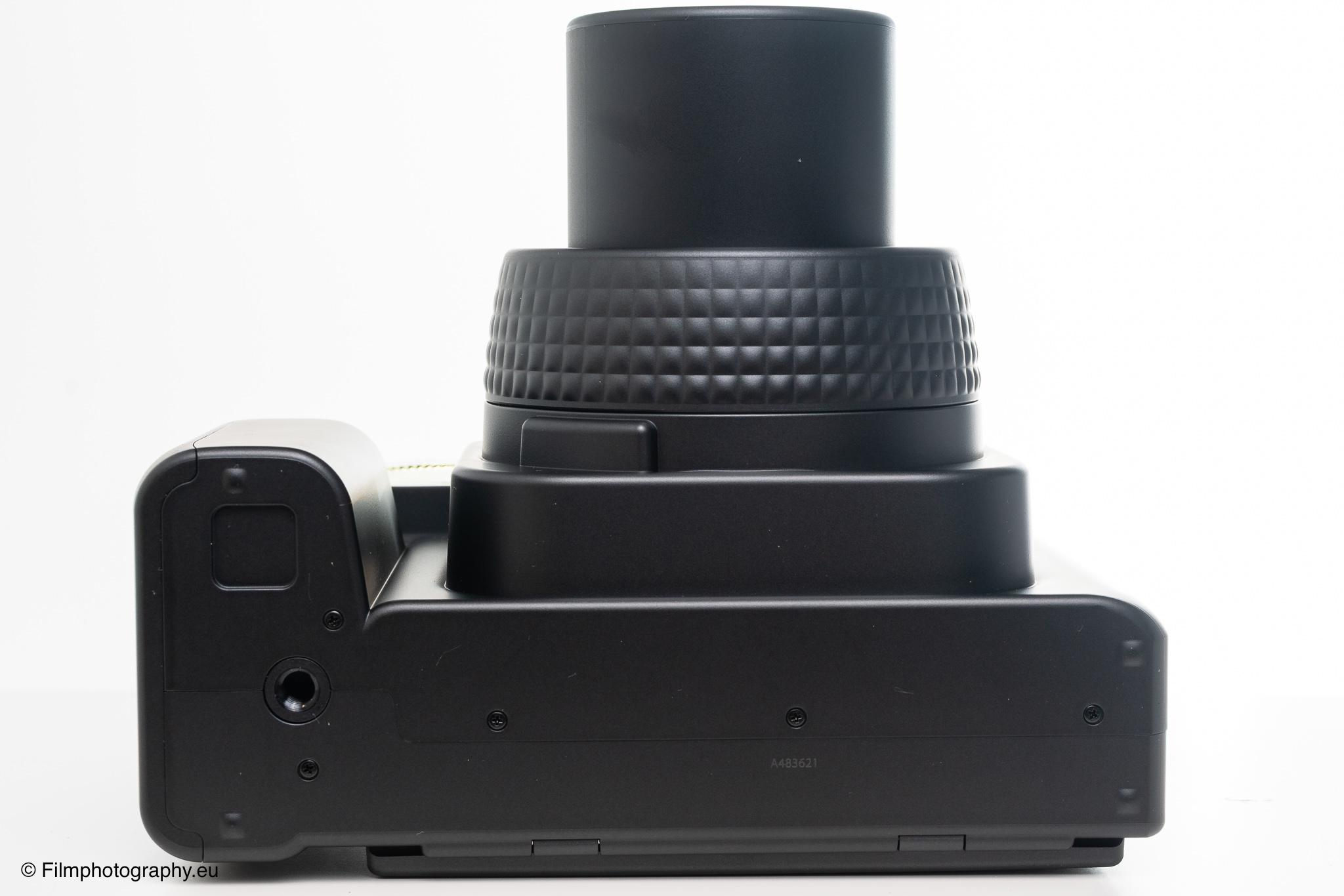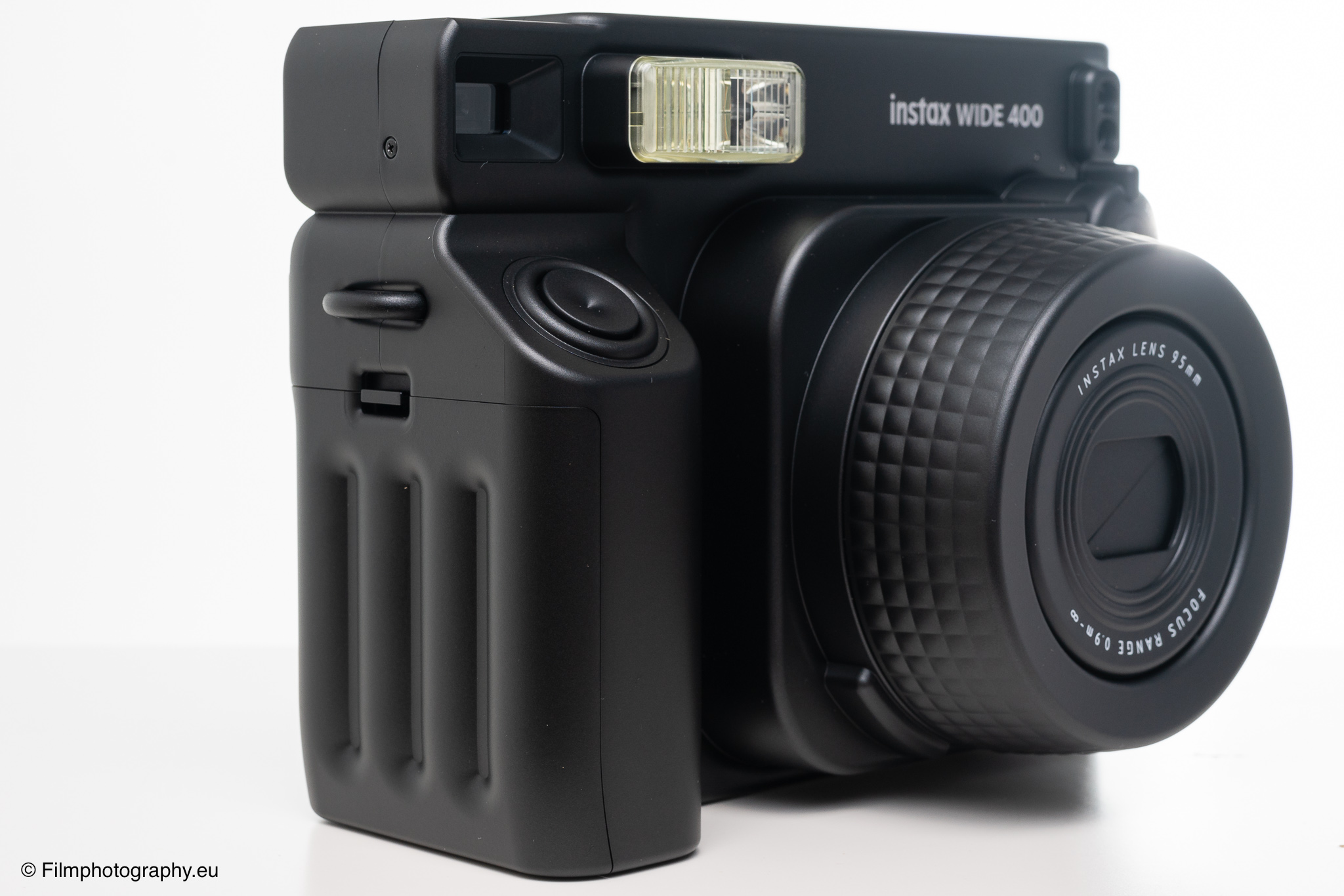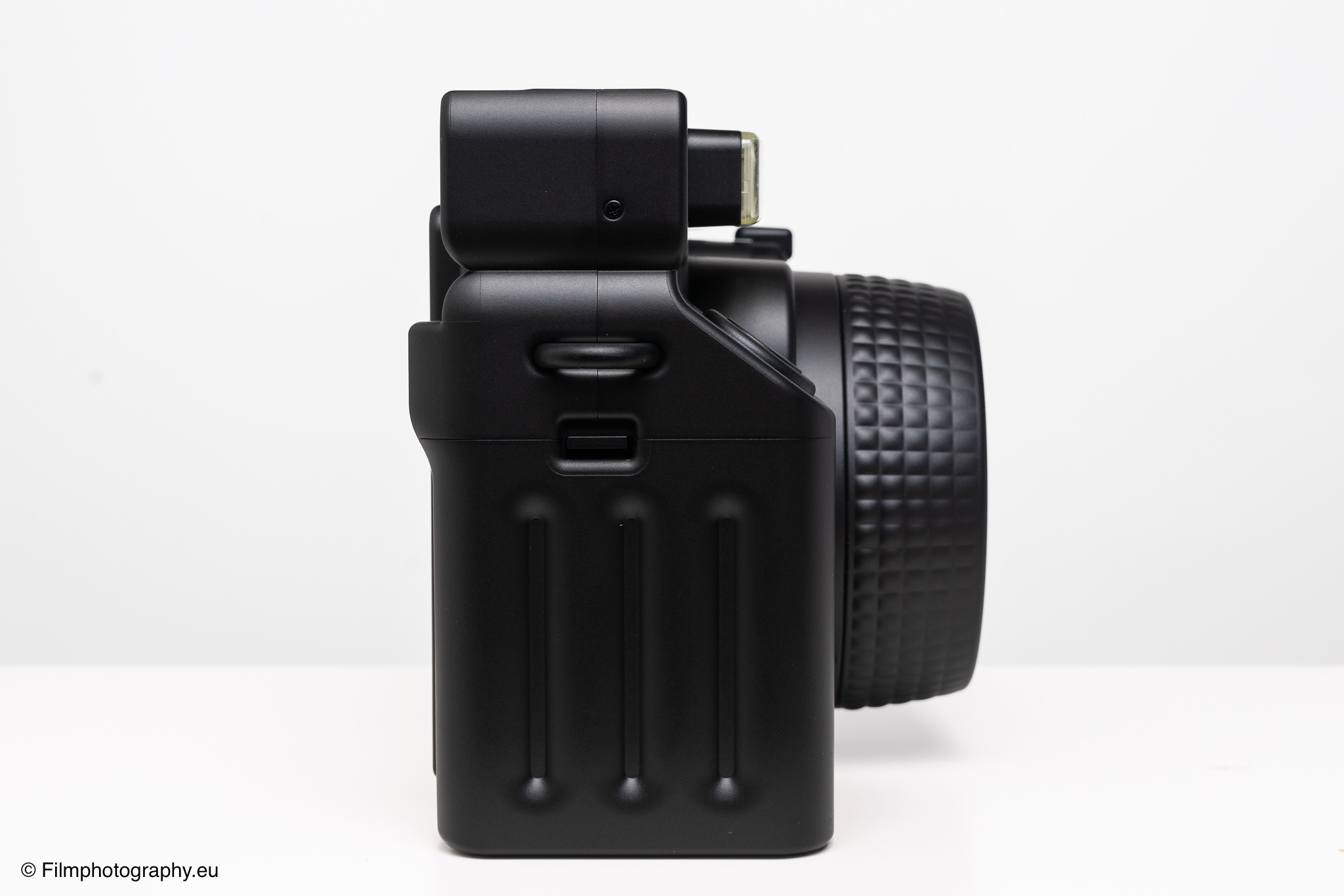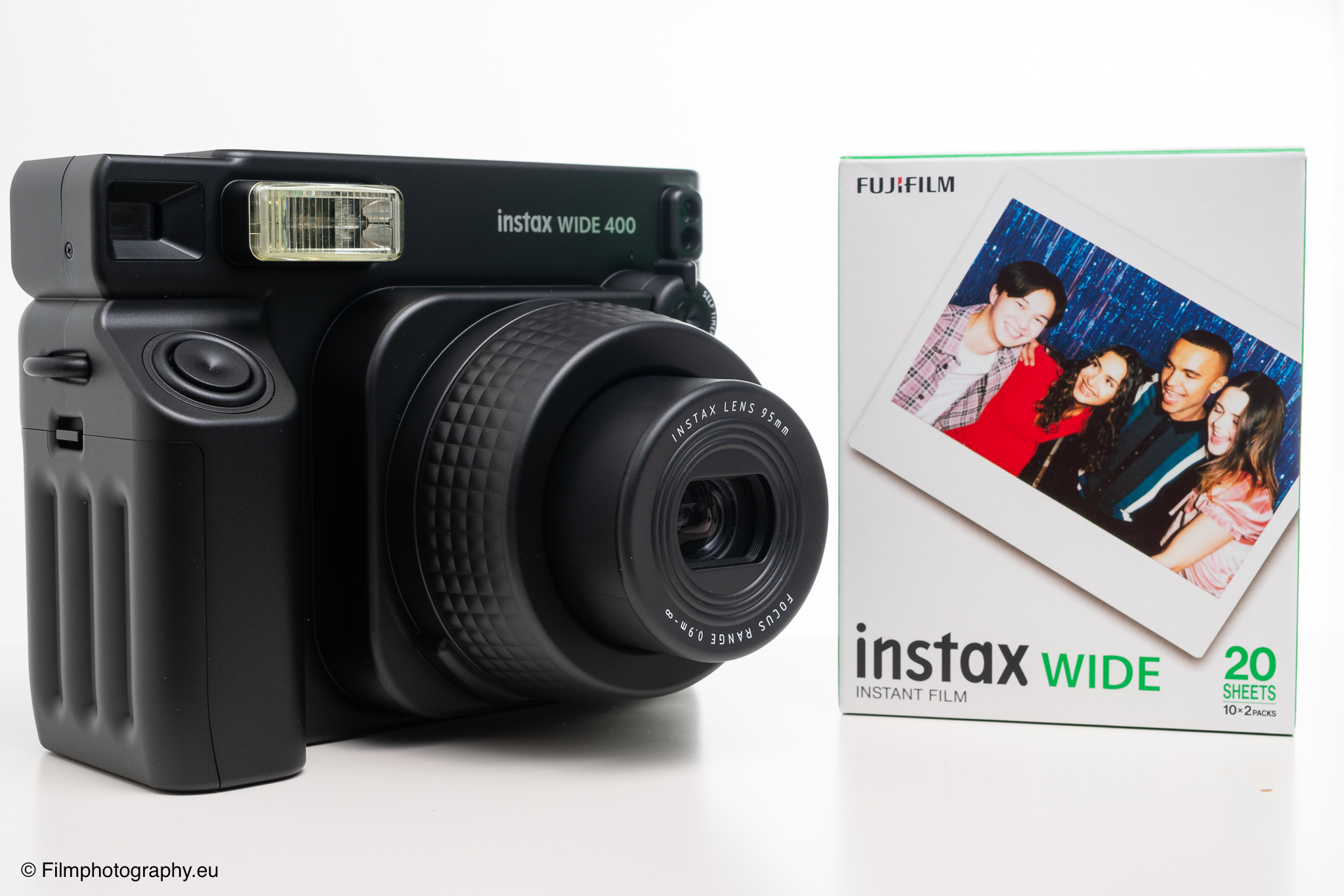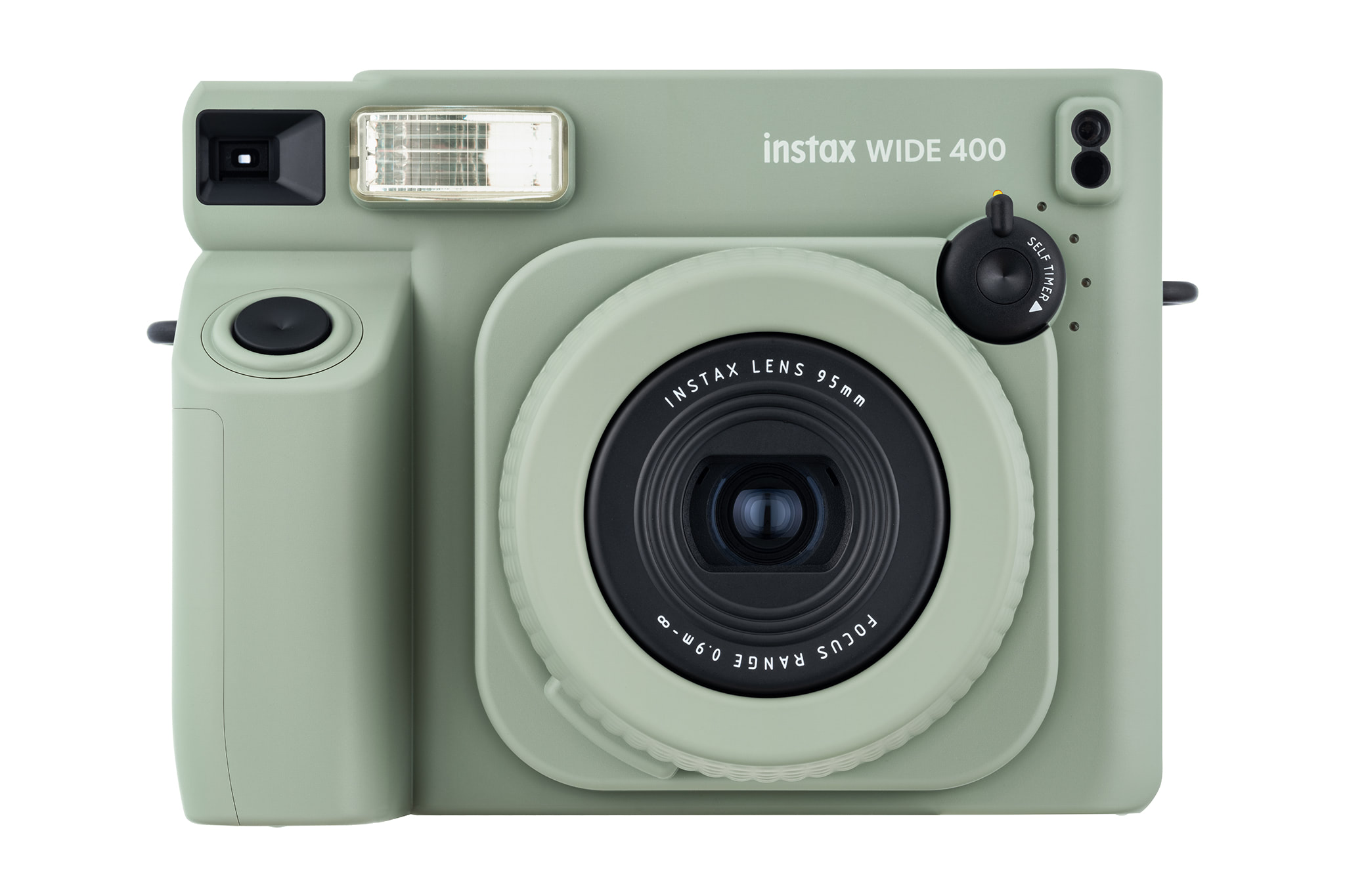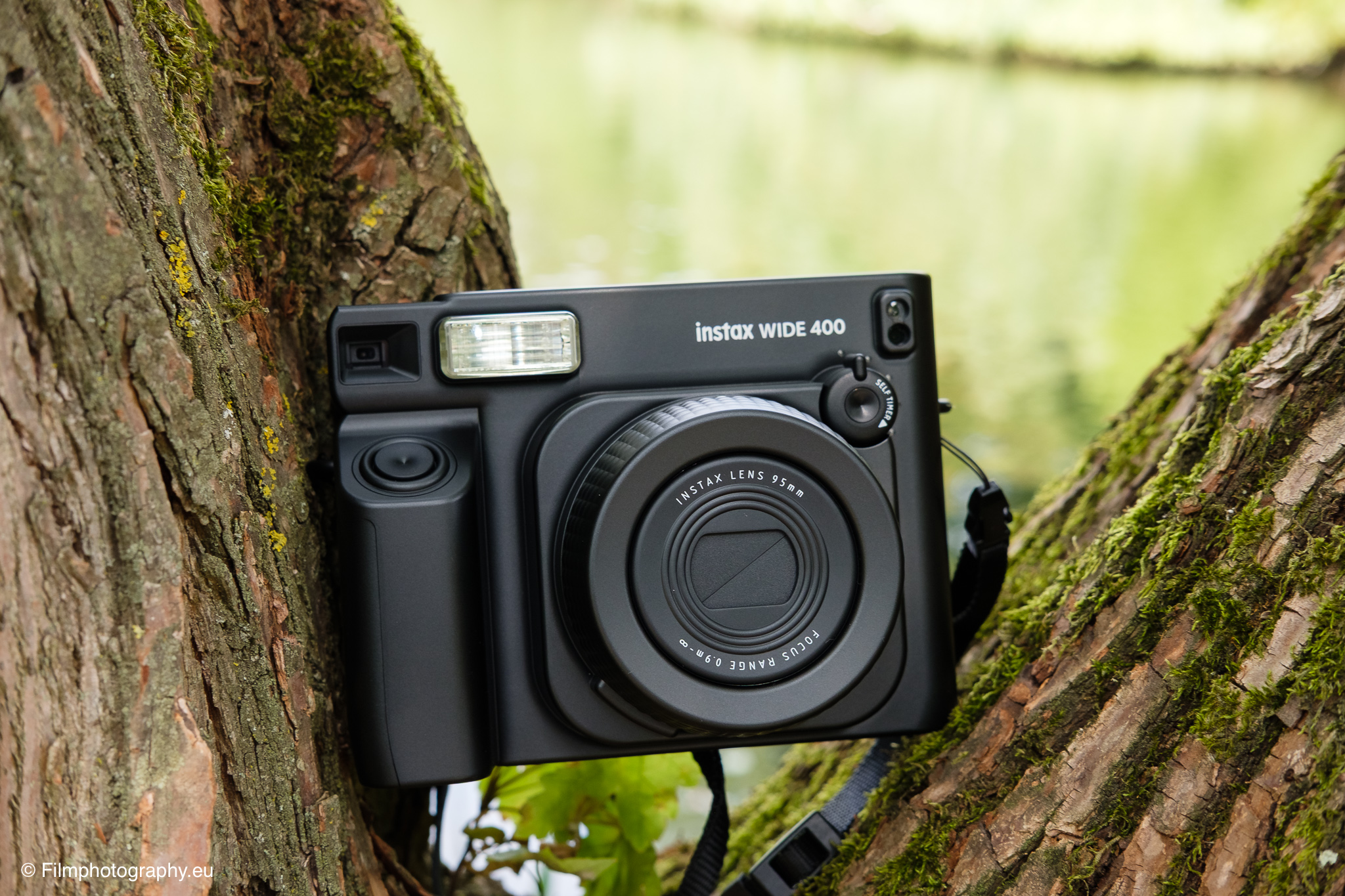
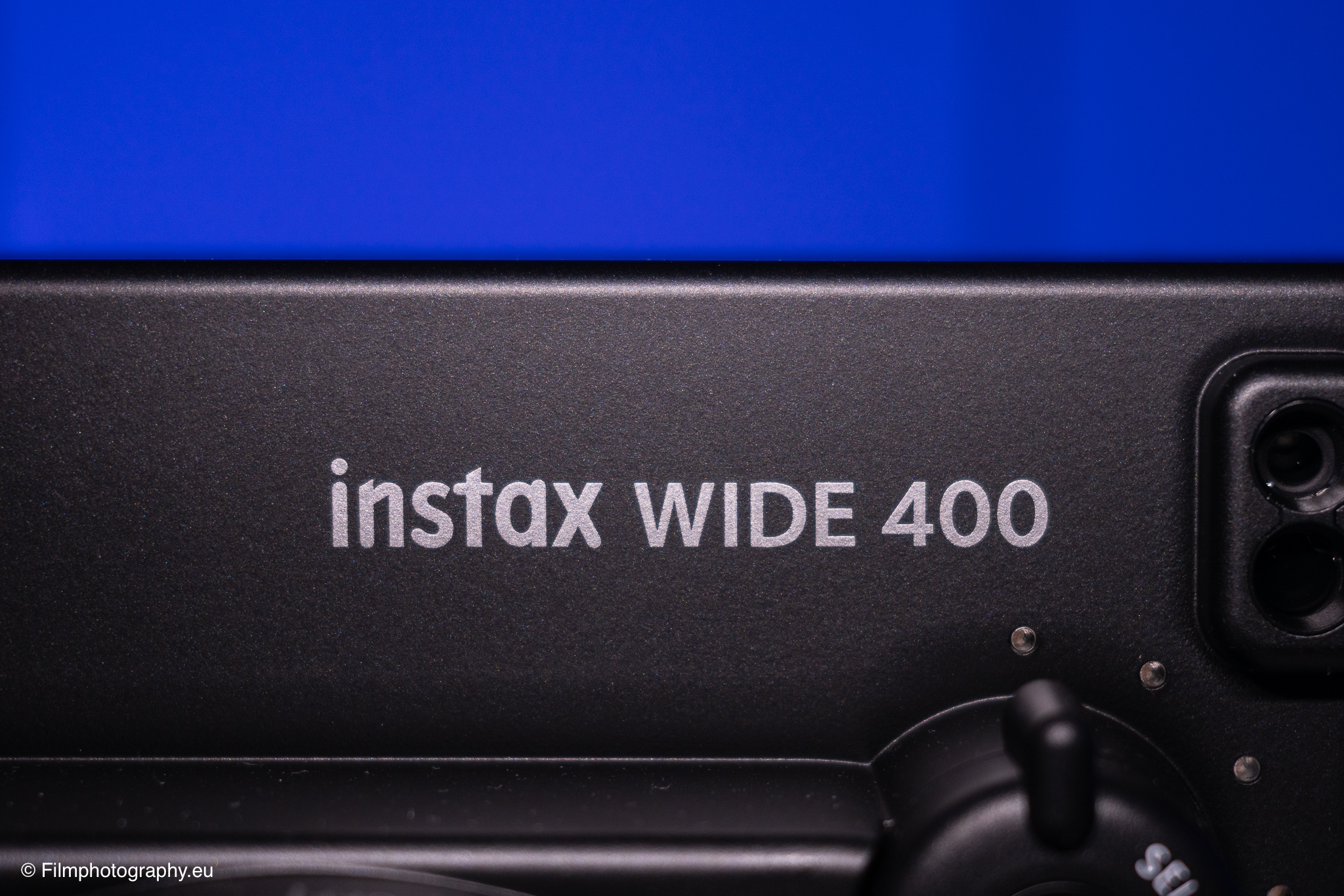
With the Fujifilm Instax Wide 400, the Japanese manufacturer brings the latest model of its well-known Wide series to the market. In this hands-on review, we take a closer look at the instant camera.
Technical Specifications of the Fujifilm Instax Wide 400
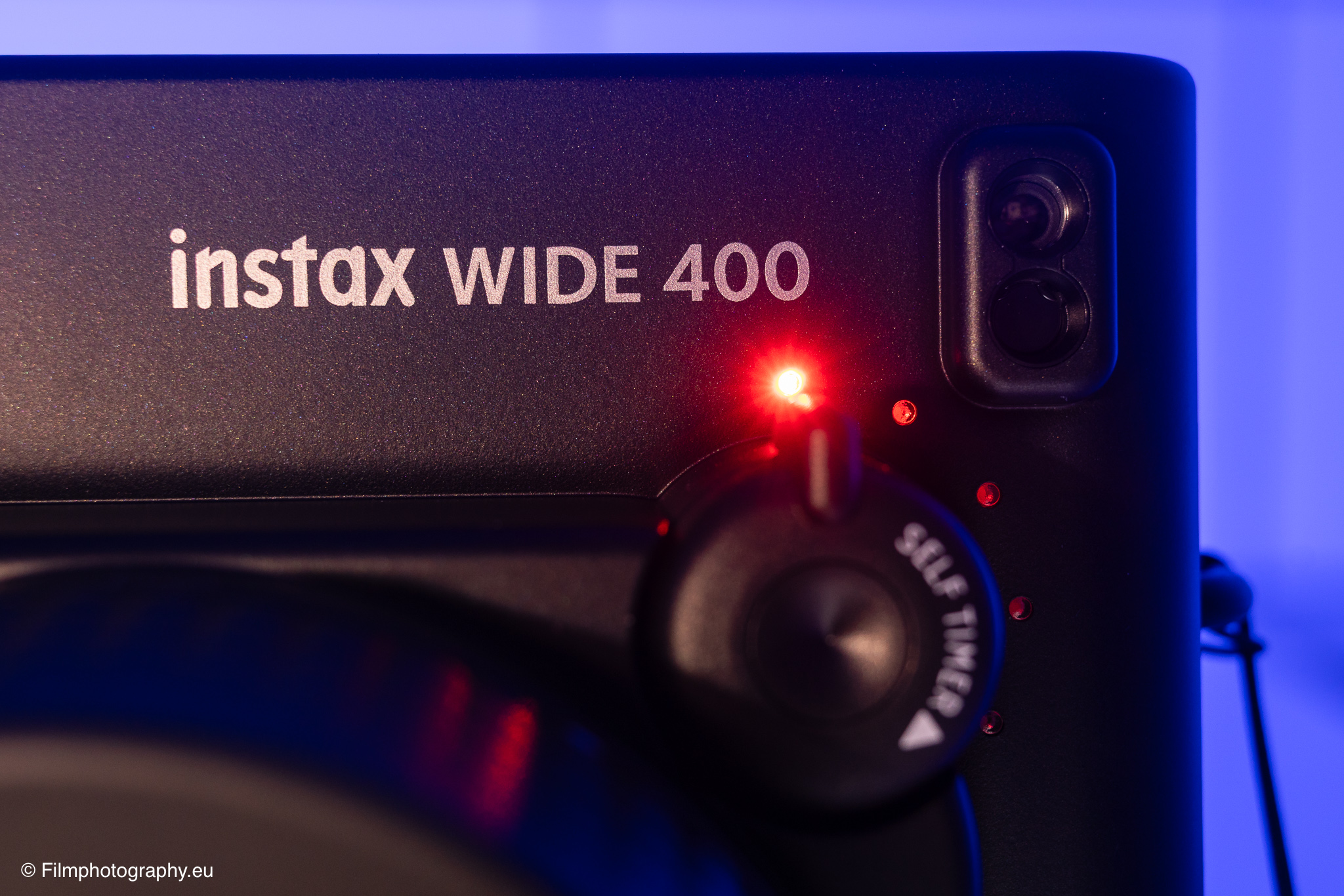
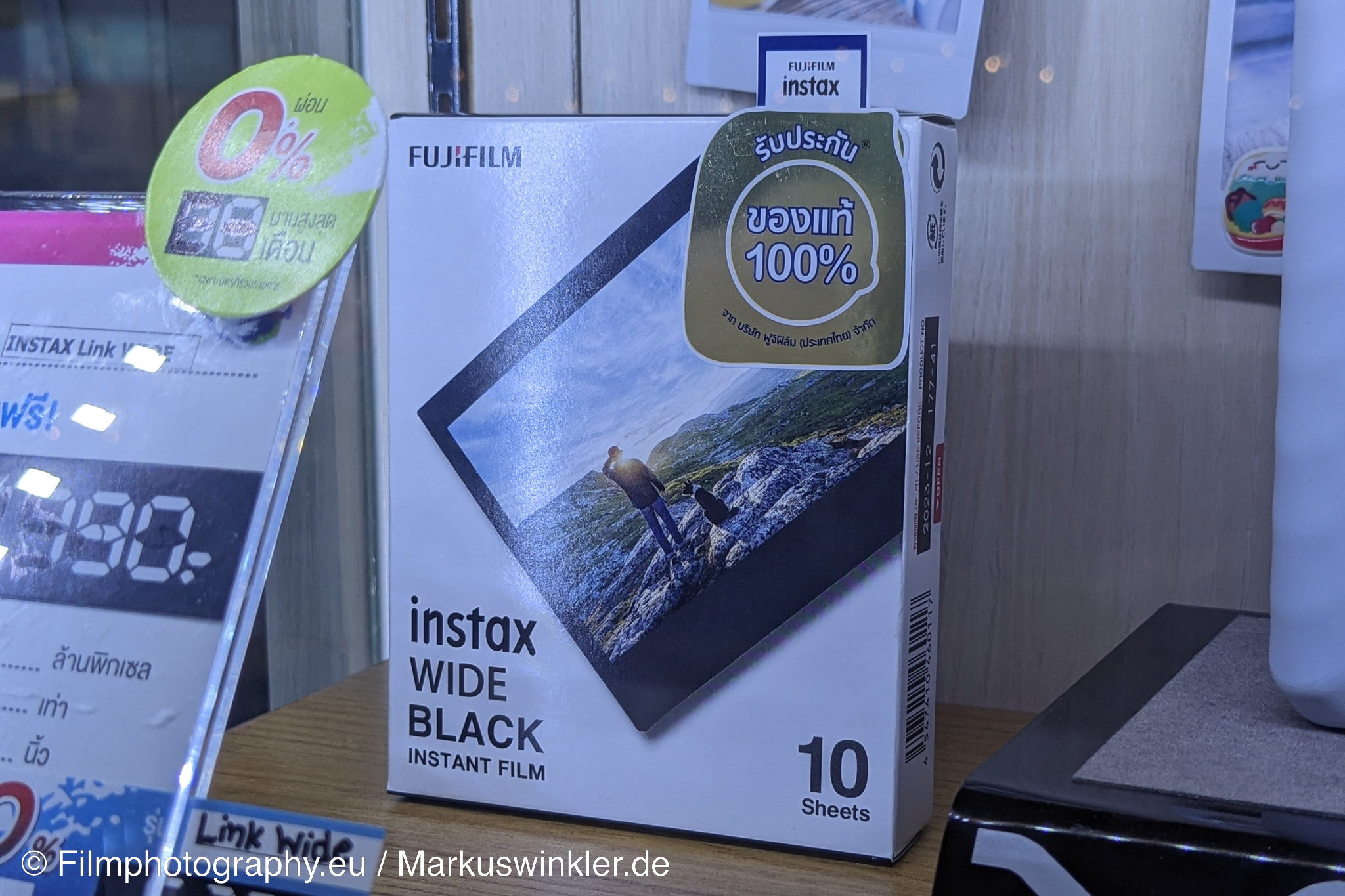
The camera is designed for the well-known Instax Wide format. This format is twice the size of the Instax Mini format.
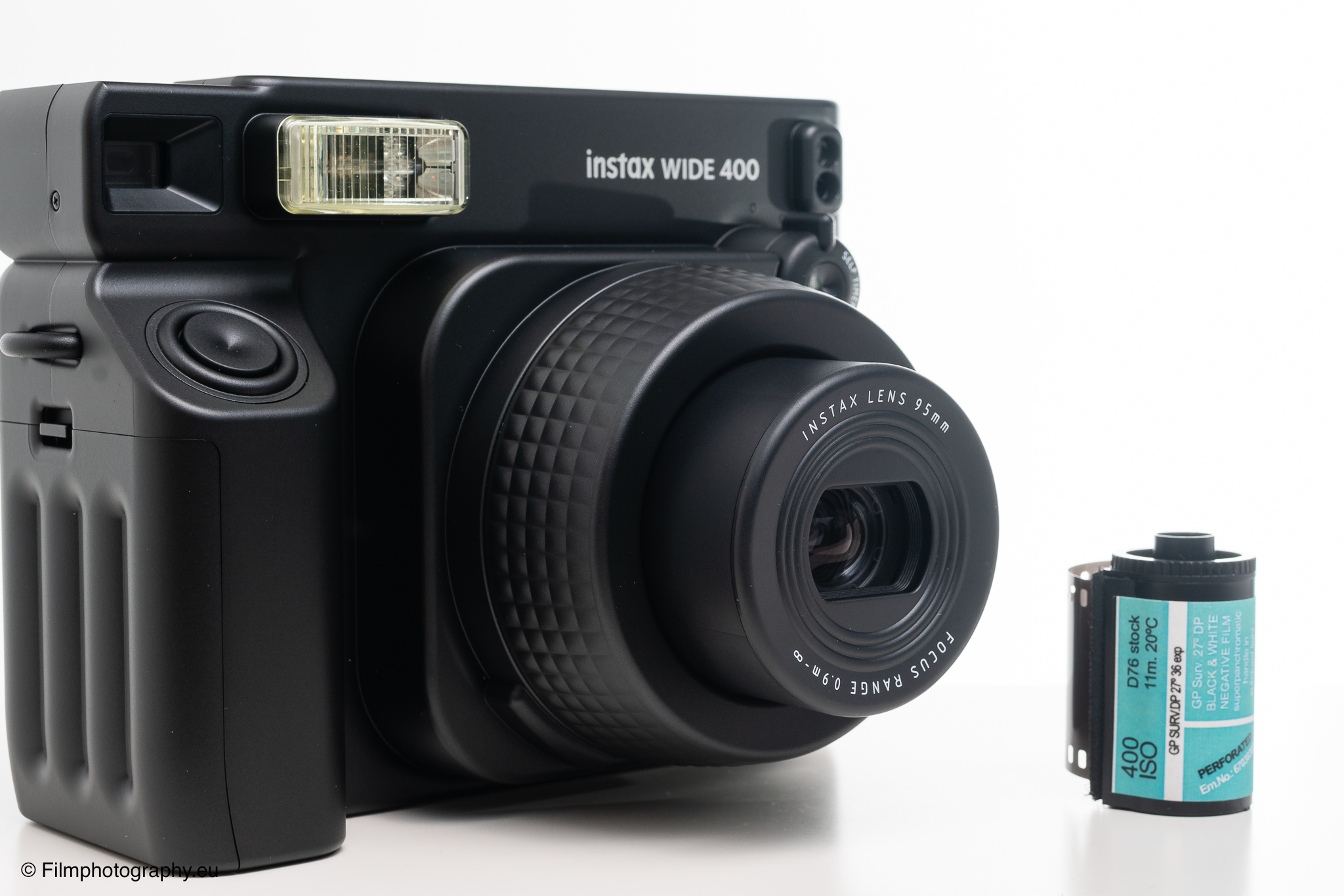
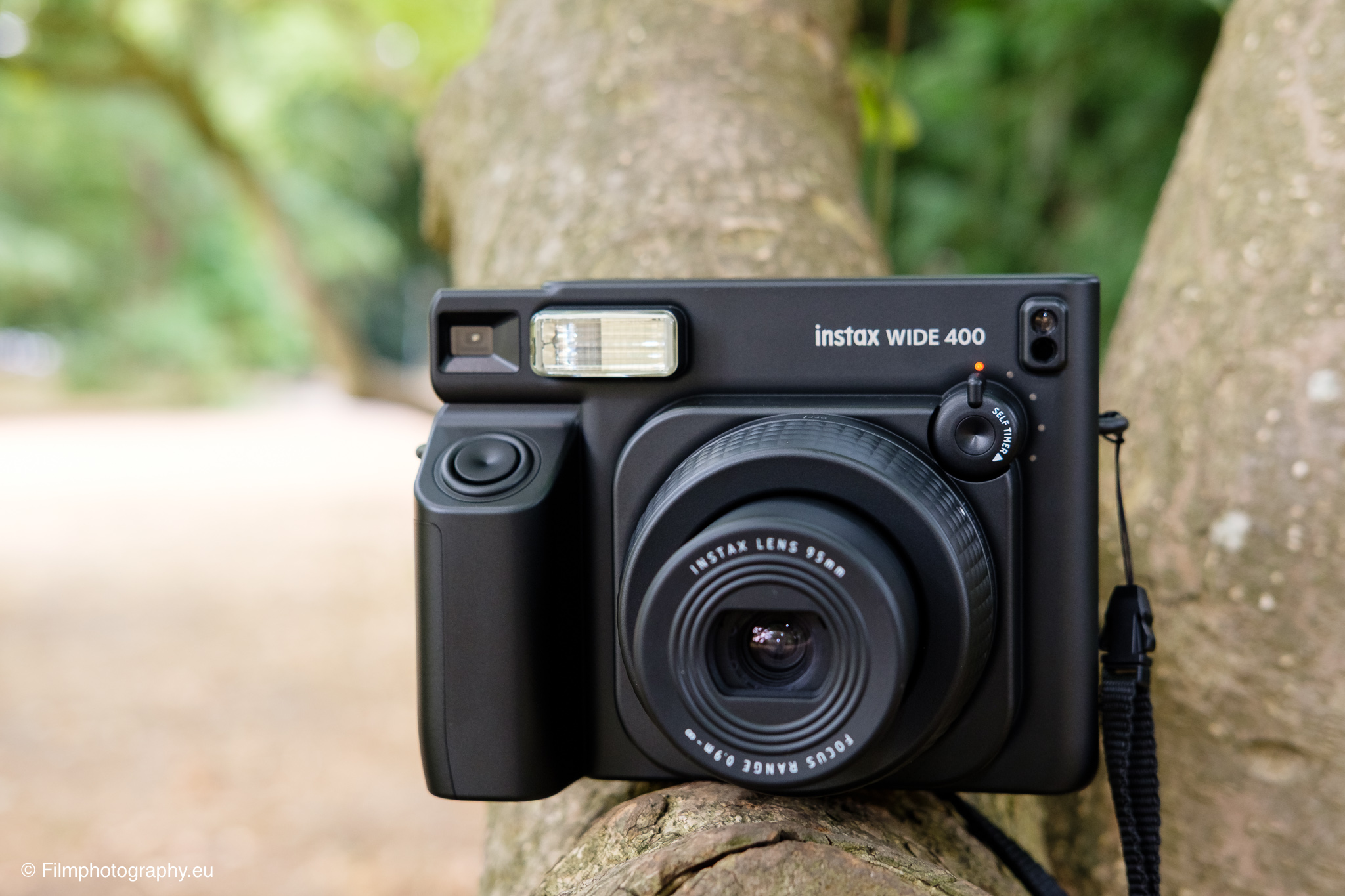
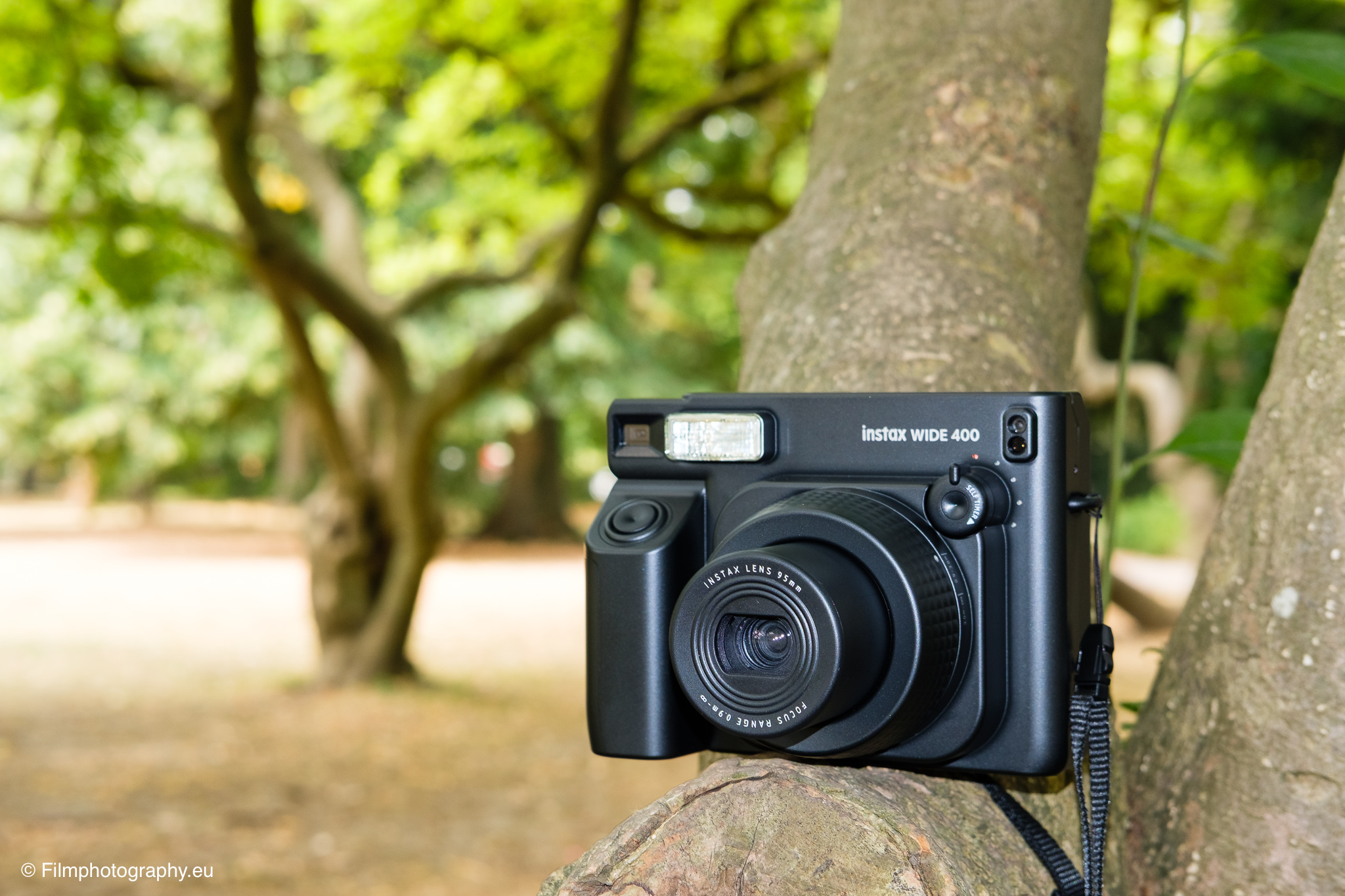
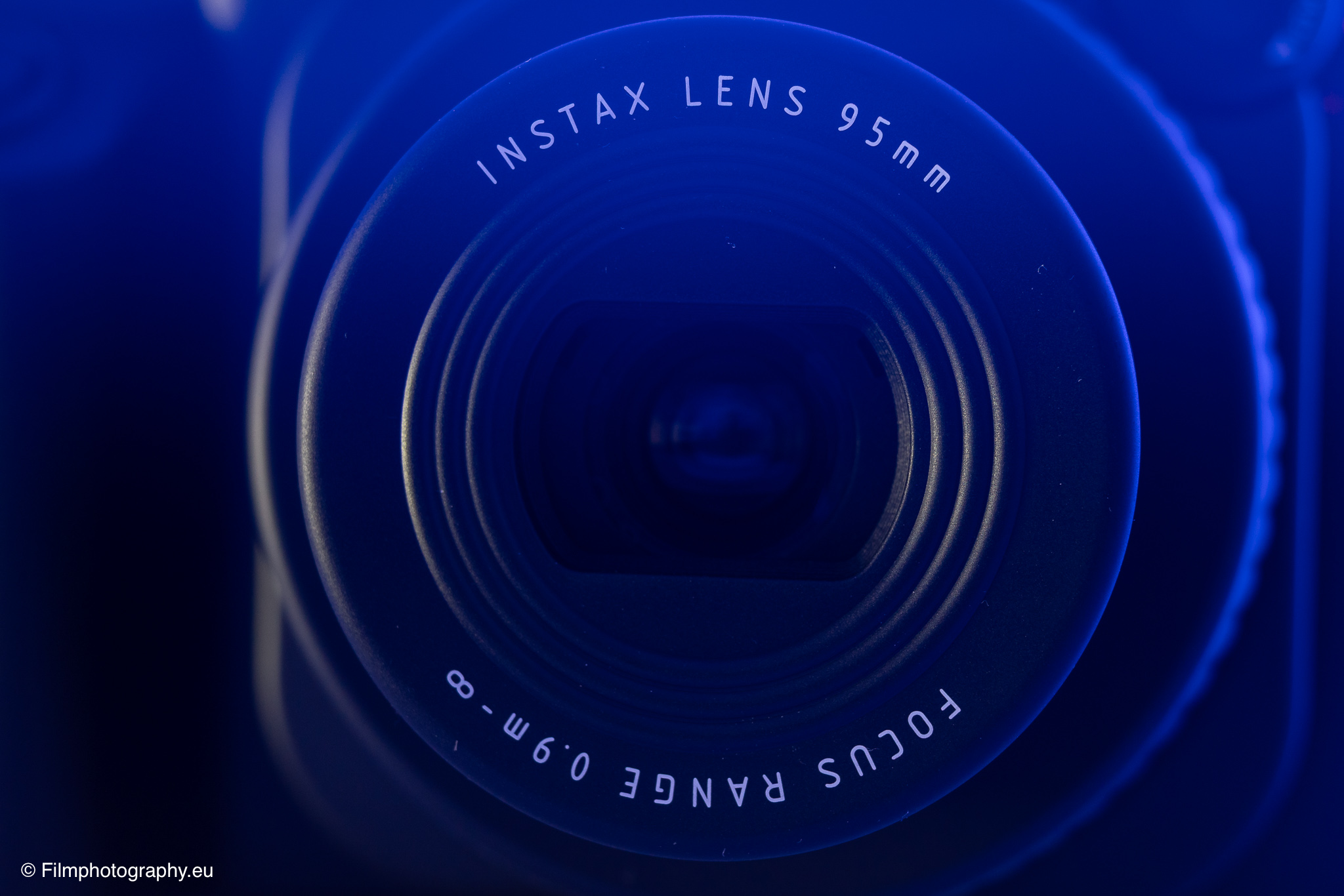
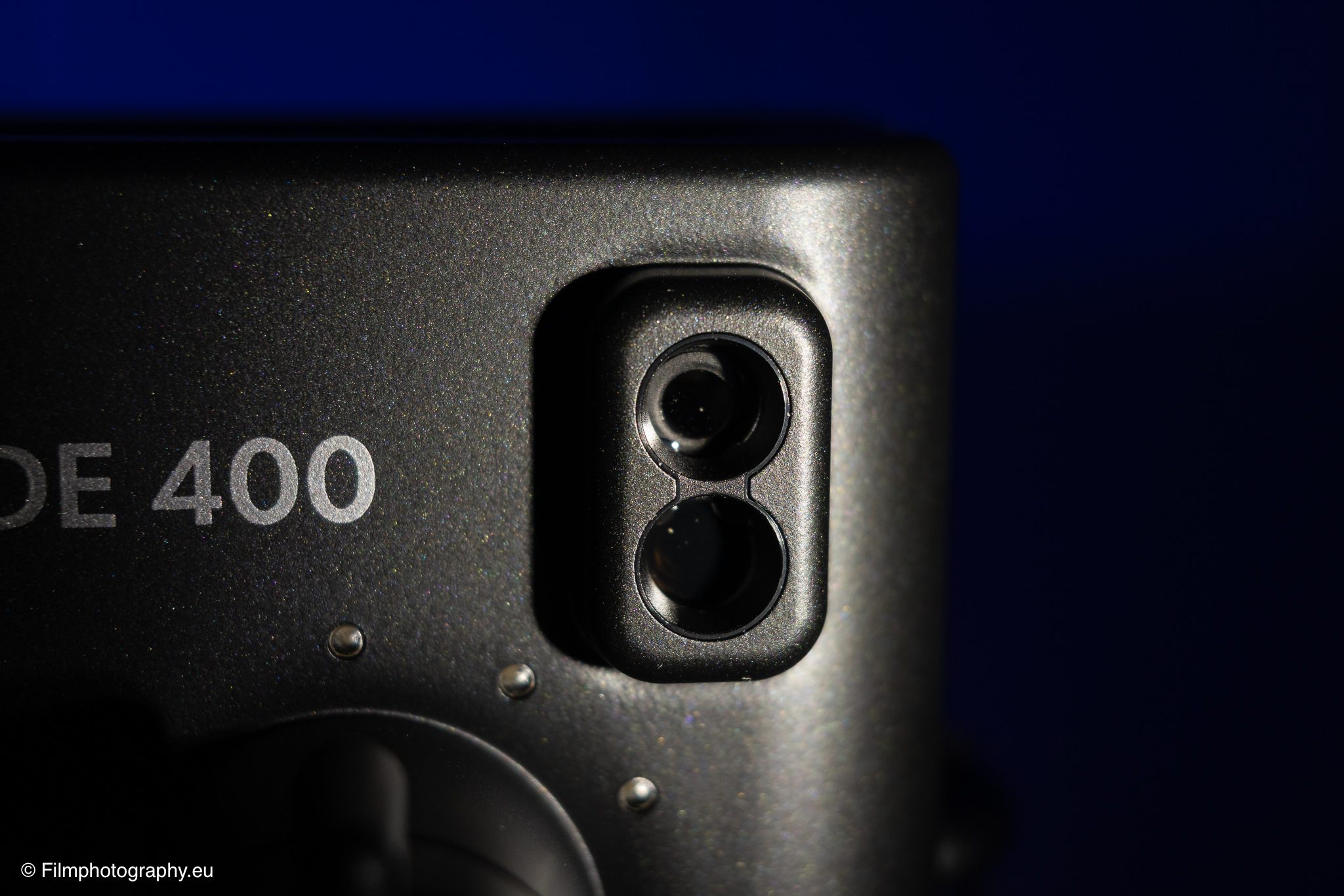
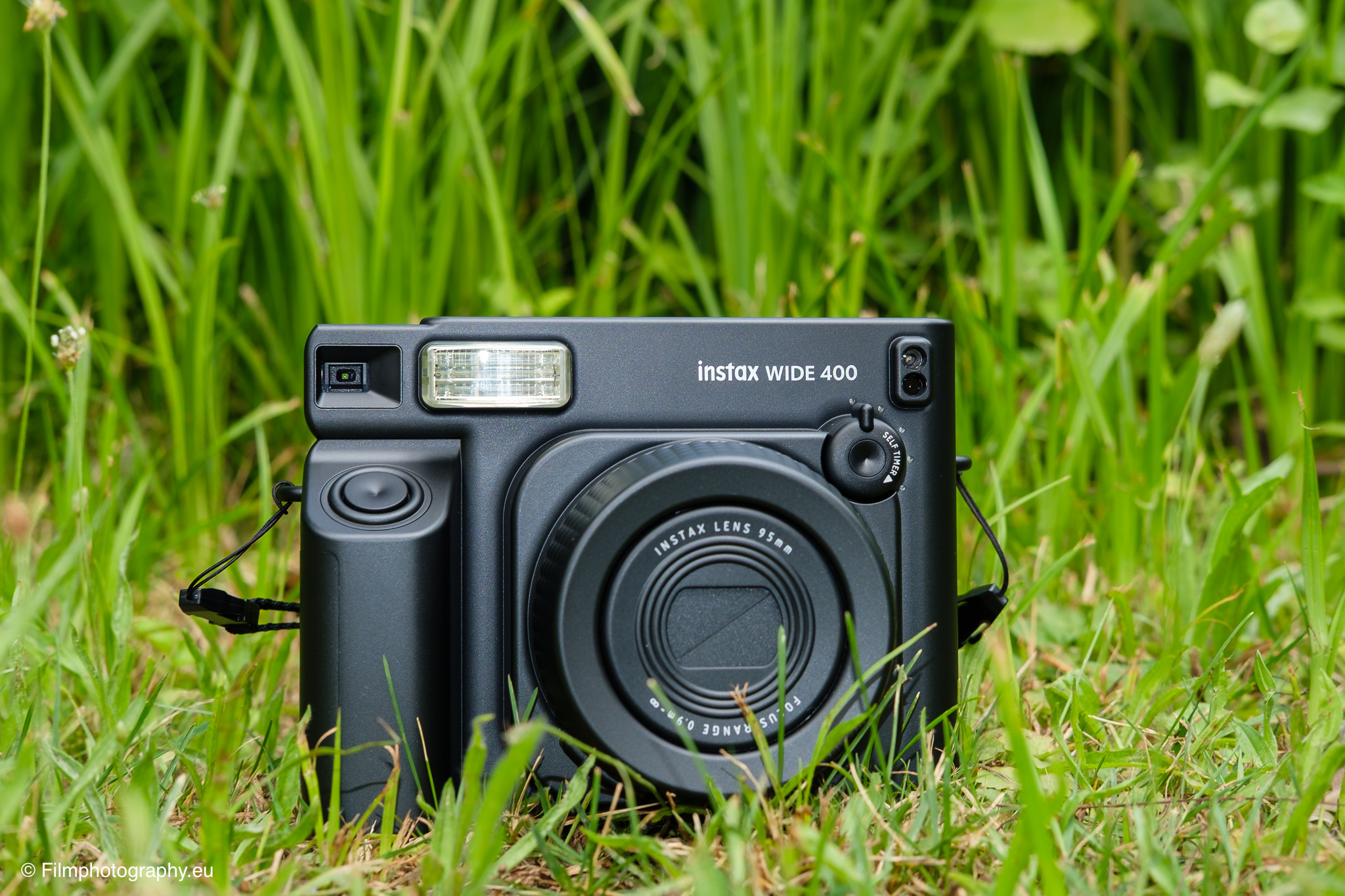
The body houses a retractable lens with a focal length of ninety-five millimeters and an aperture of f/14. The optical construction of the lens uses two lens elements in two groups.
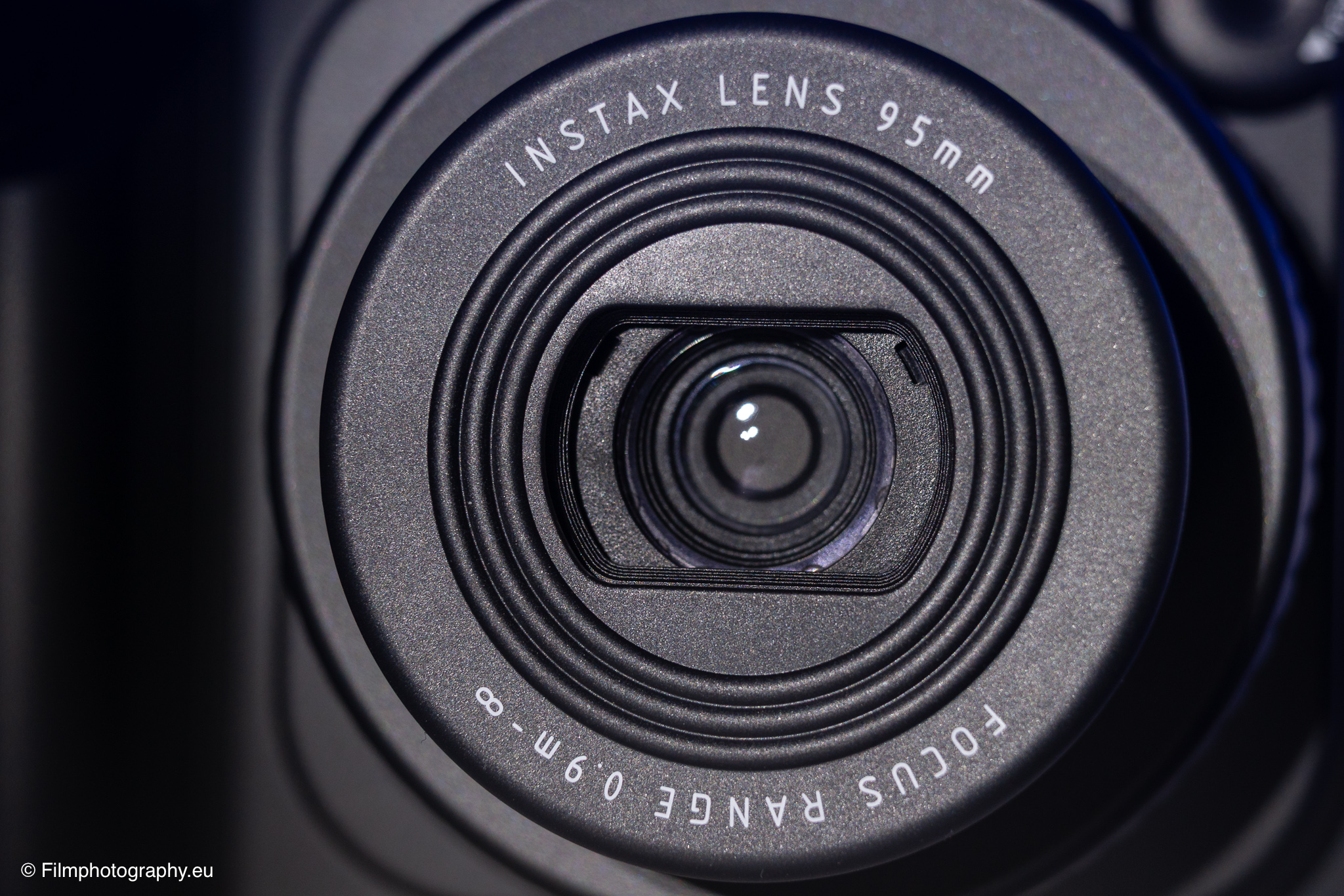
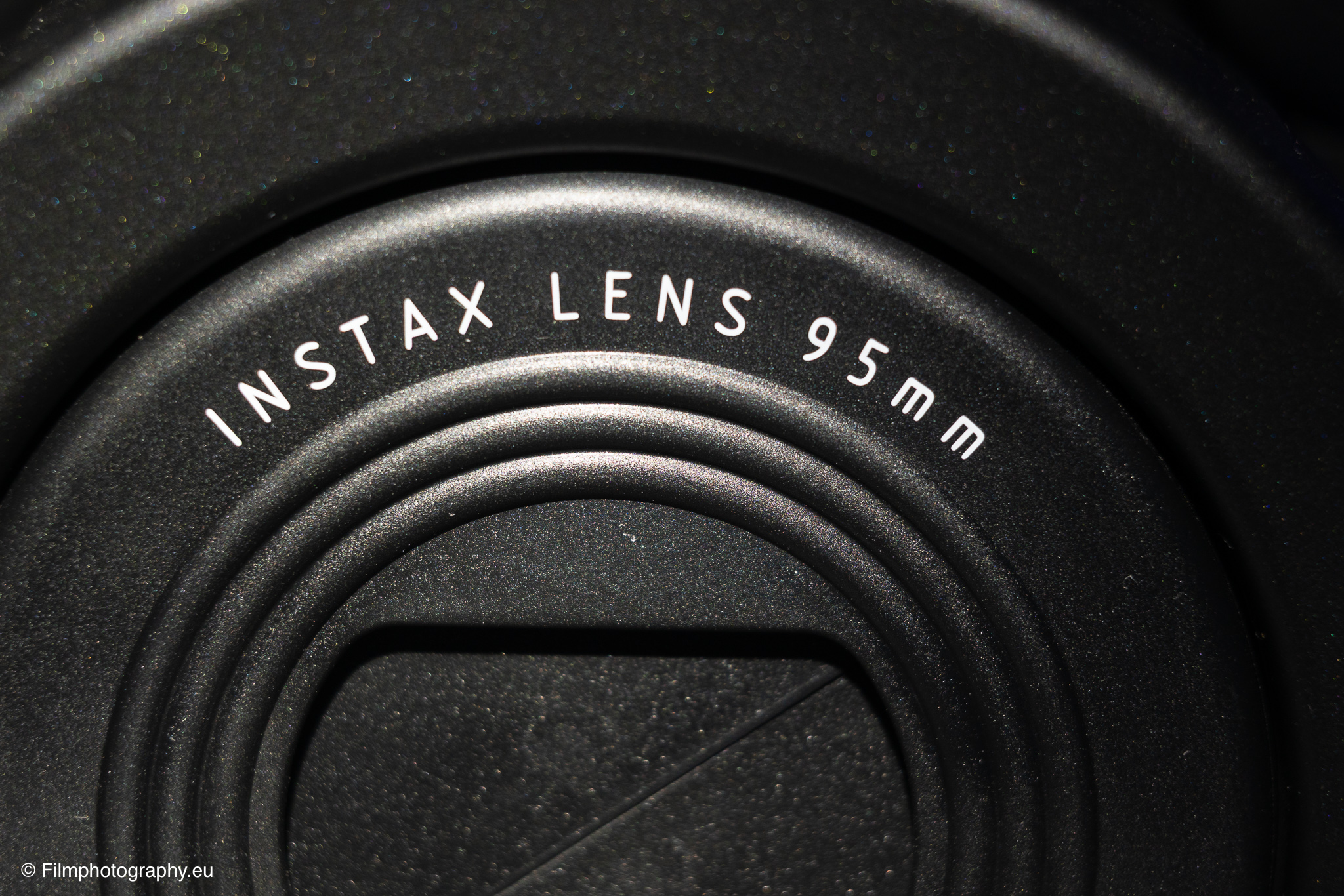
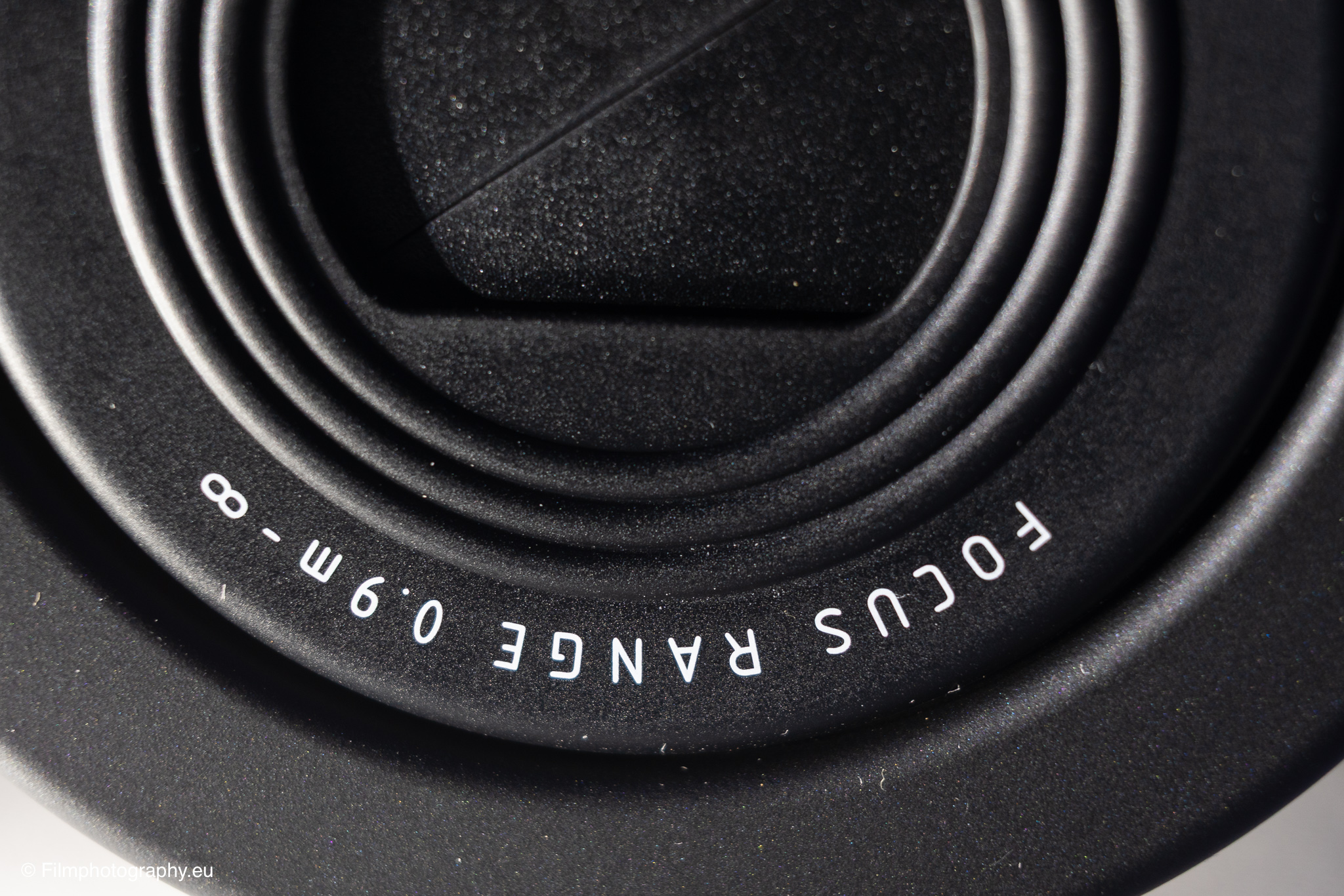
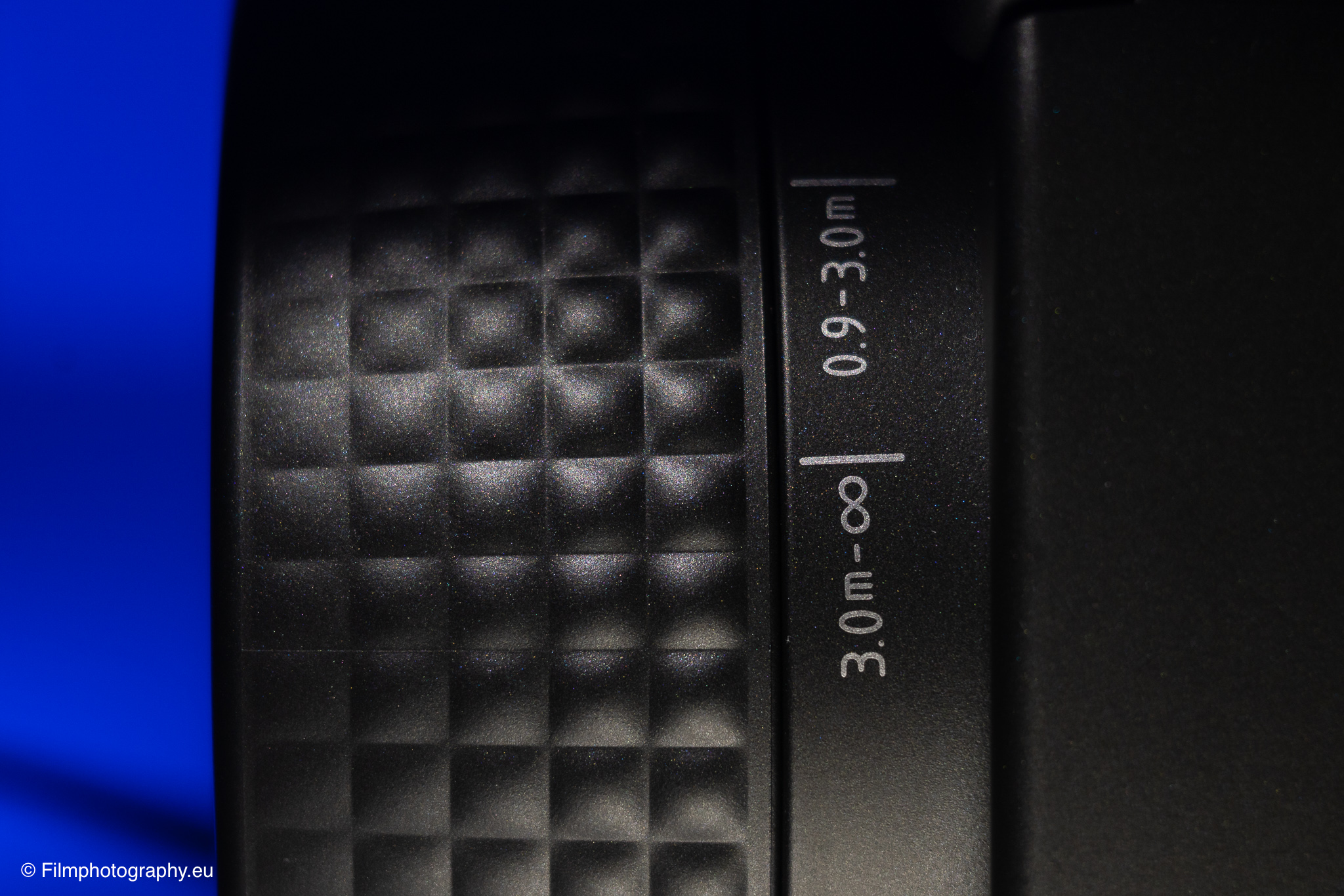
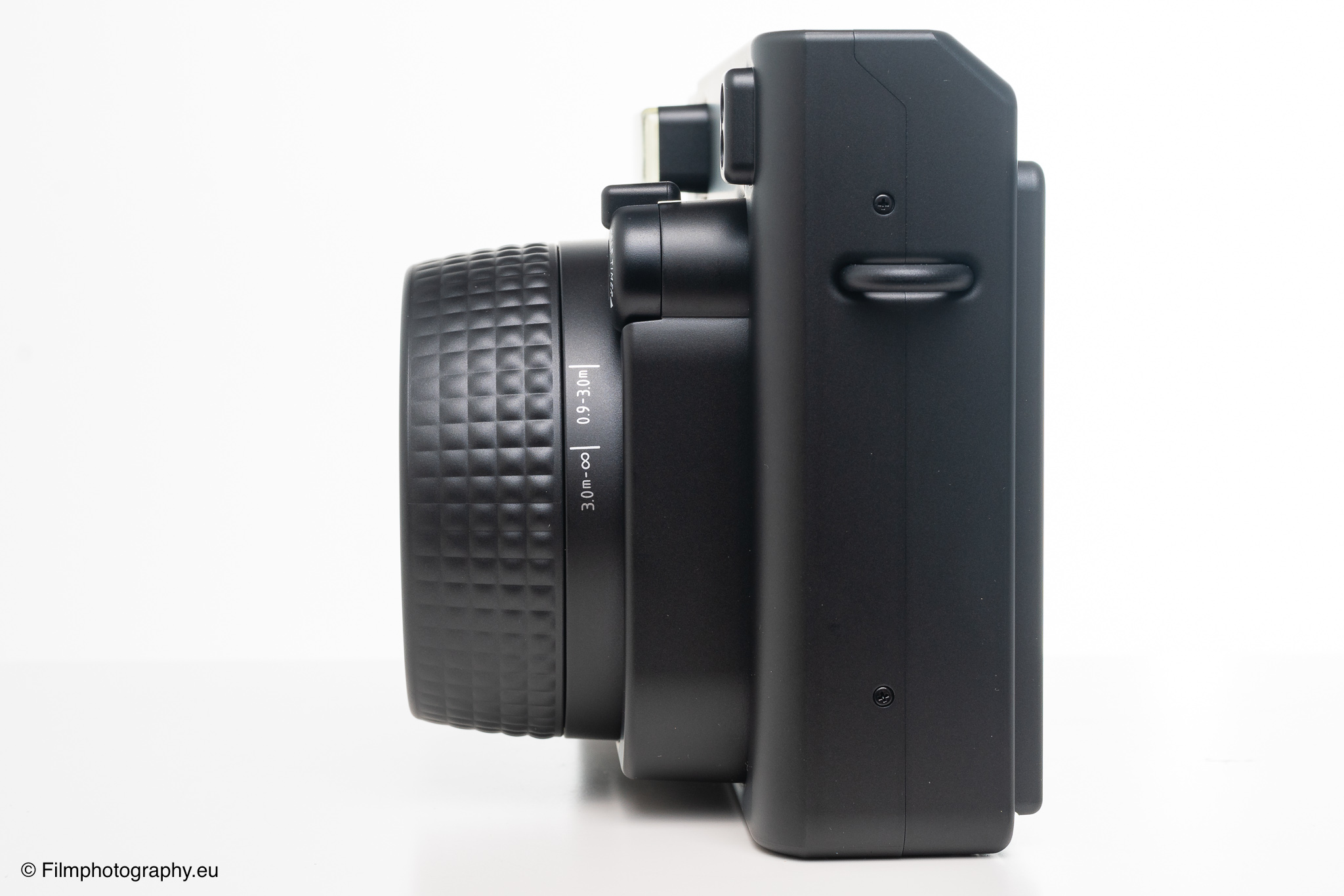
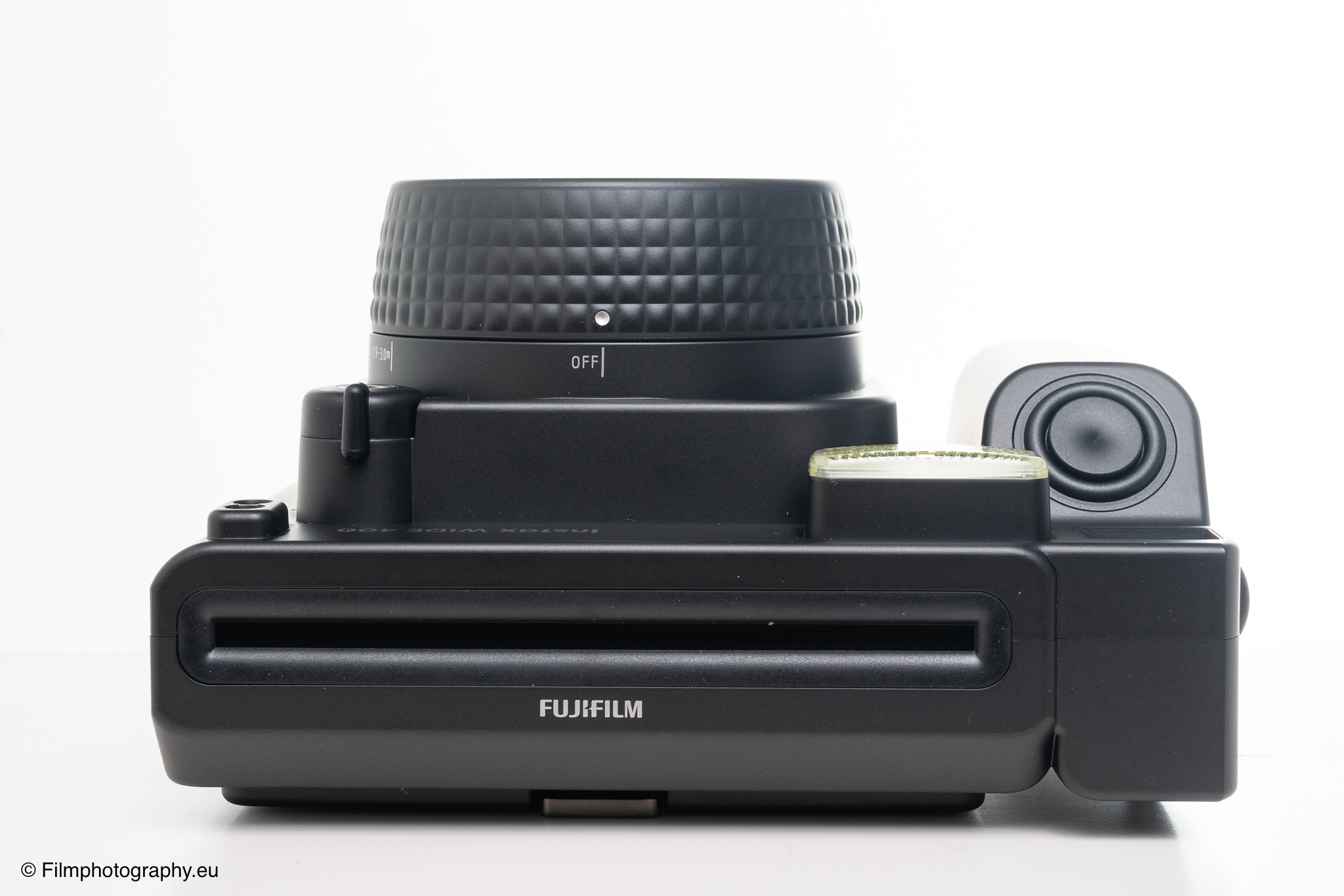
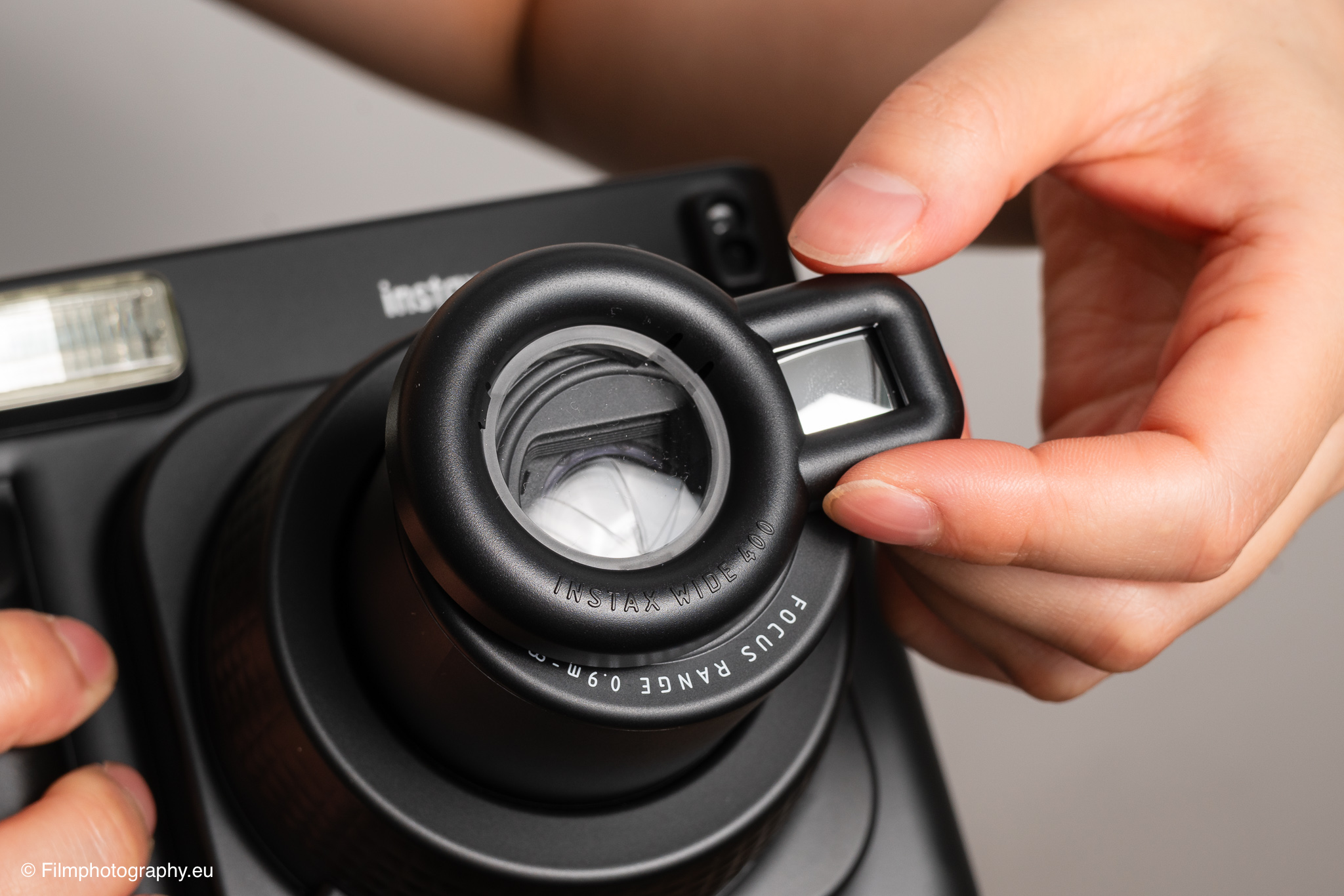
For focusing, the system works with fixed distance ranges that are selected via the ring on the lens. The standard range extends from 0.9 meters to three meters. A further rotation of the lens switches to landscape mode, intended for subjects from three meters to infinity.
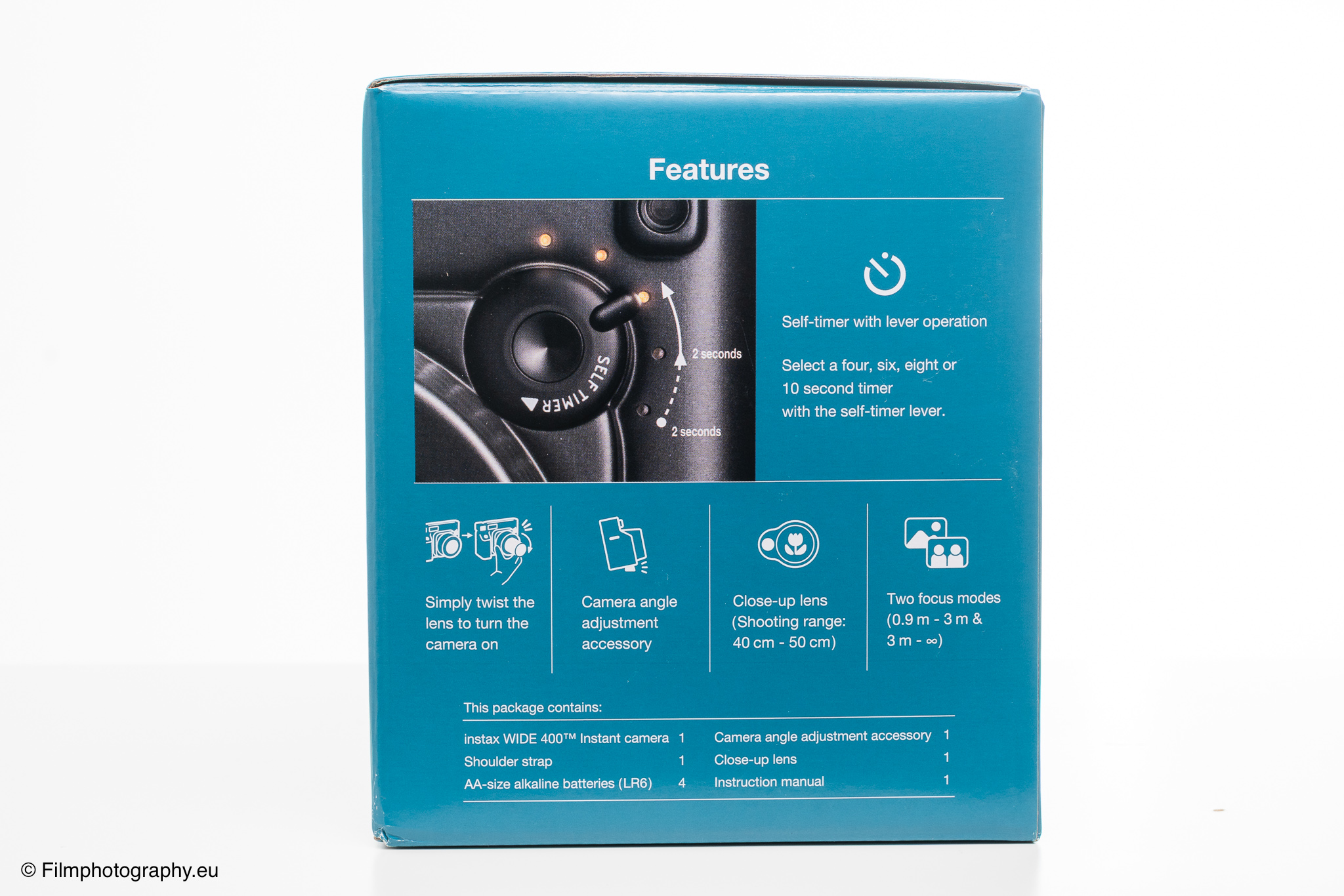
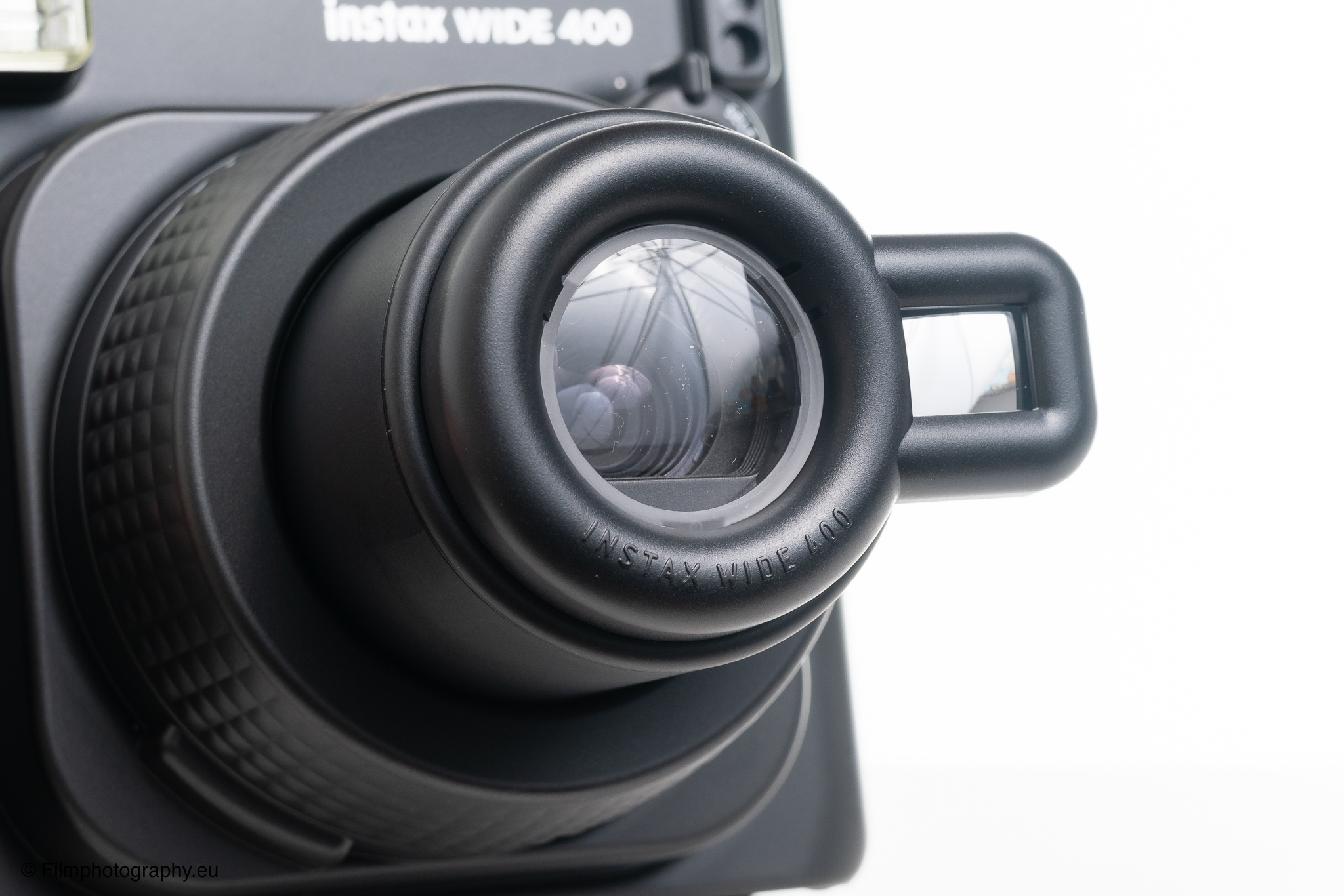
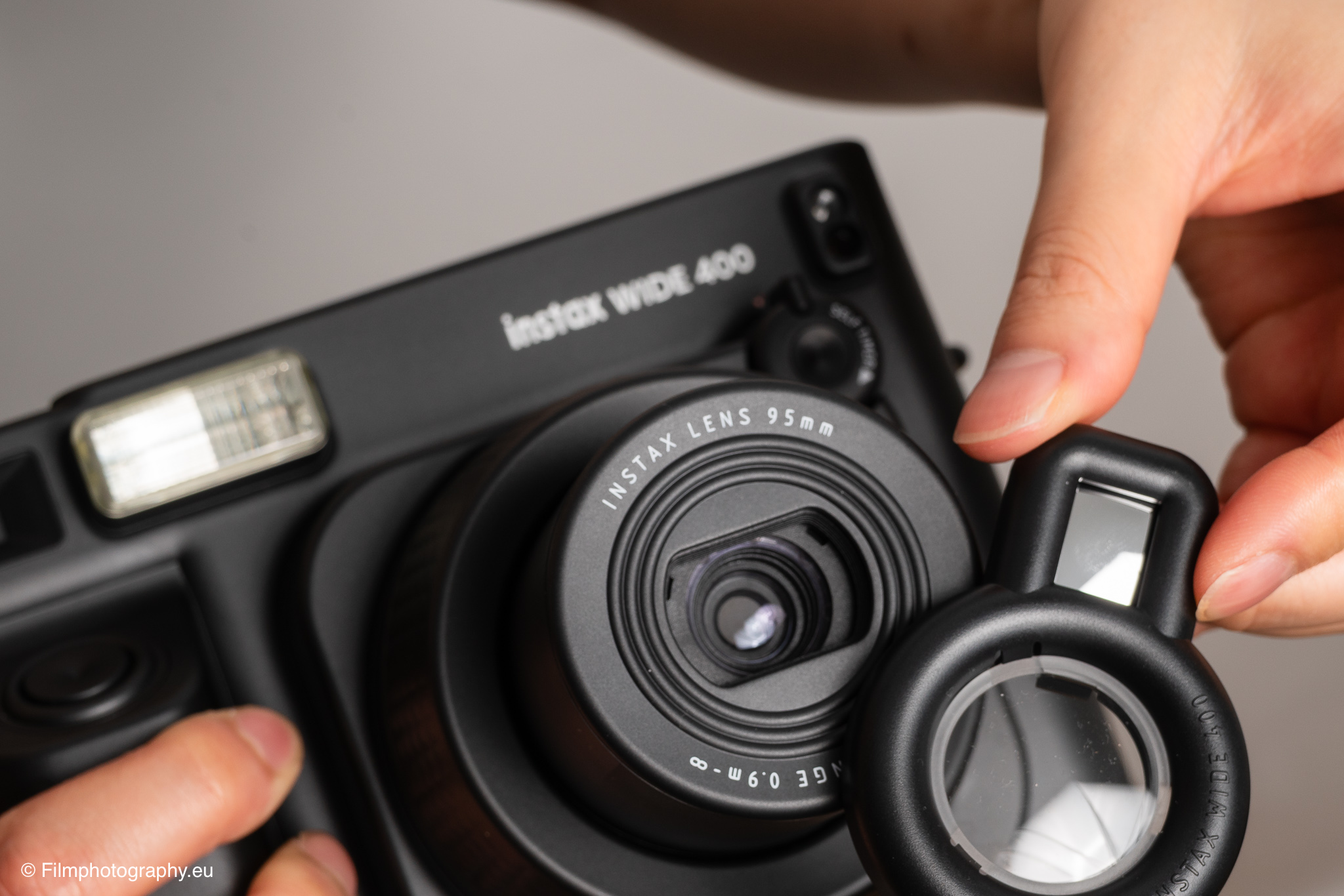
For close-ups, the manufacturer includes a separate close-up lens that attaches to the main lens. With this addition, the range for sharp images changes to forty to ninety centimeters.
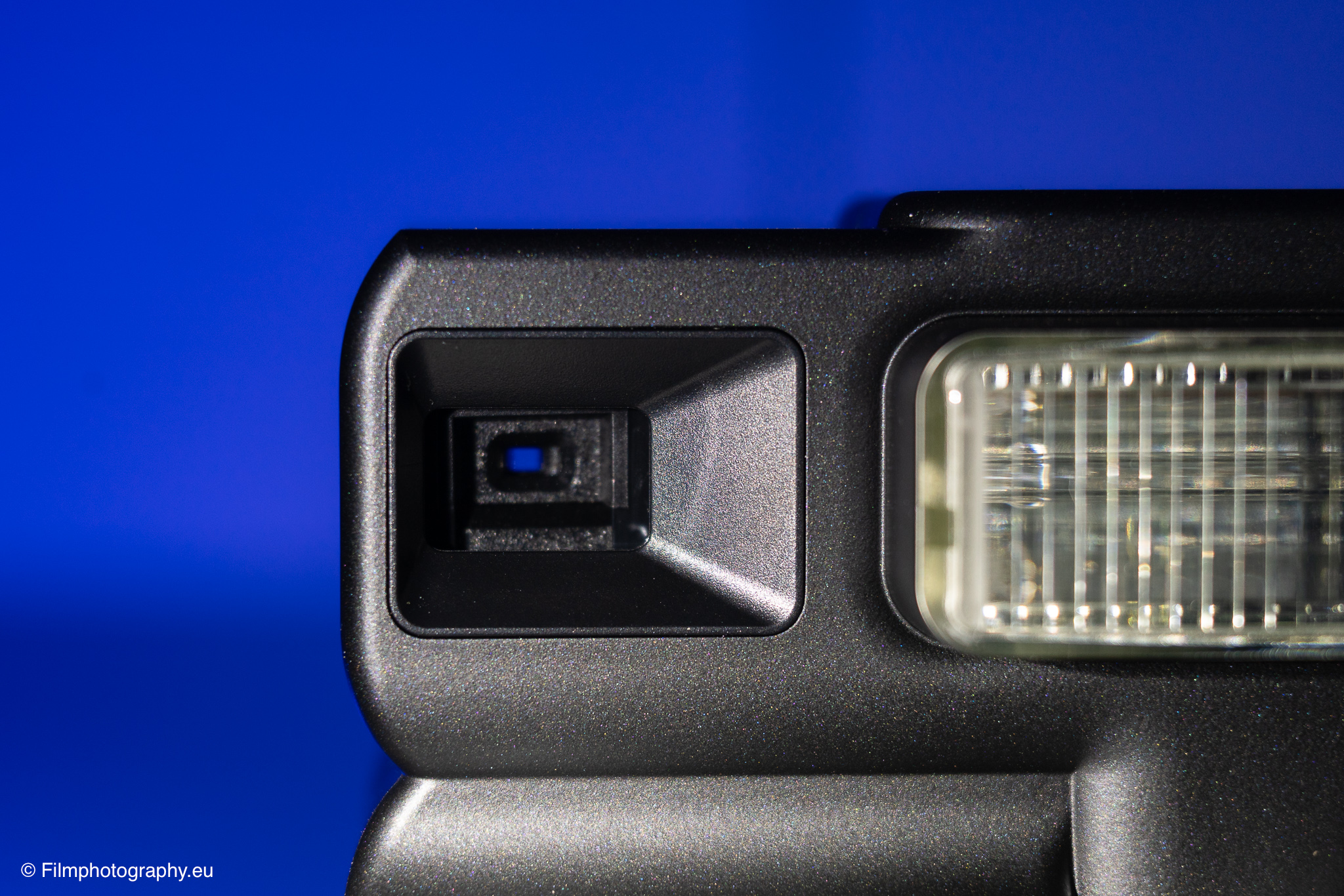
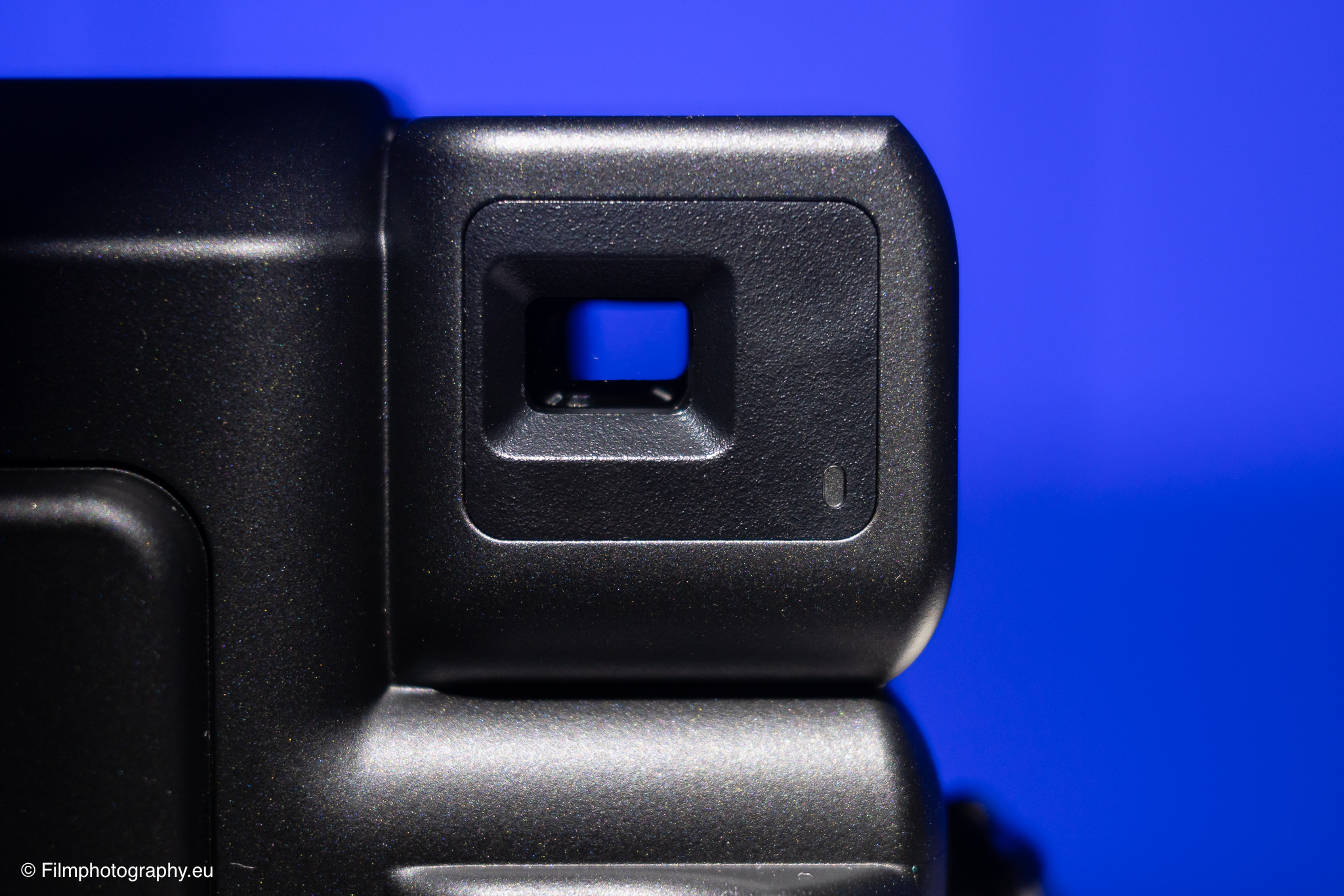
The viewfinder is a real-image viewfinder with 0.37 magnification and a target mark in the center. Exposure control is automatic via an electronic shutter. Shutter speeds range from 1/64 to 1/200 second. The automatic exposure meter sets everything automatically.
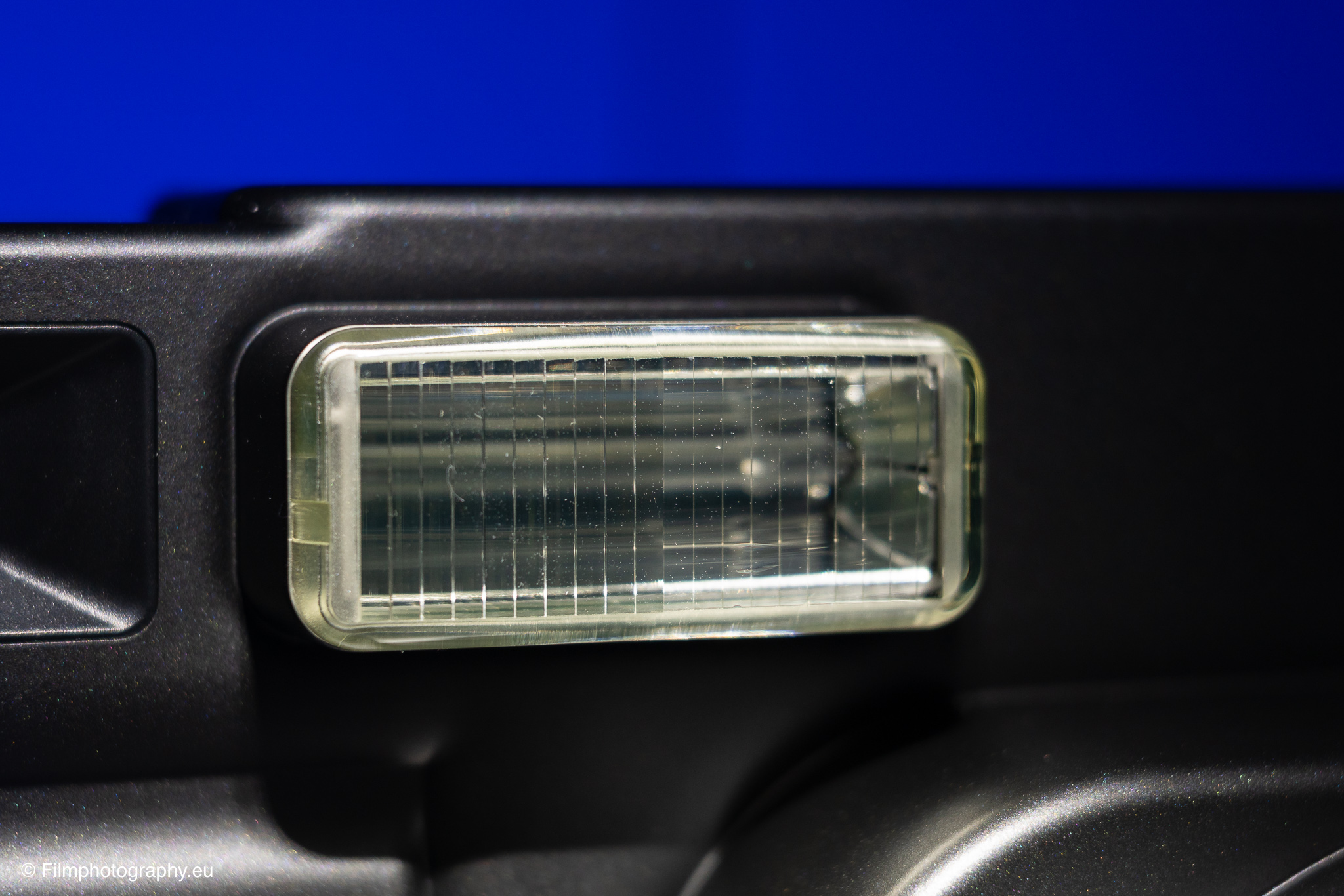
A built-in flash automatically adjusts its brightness to the environment. The flash range is up to three meters. The flash recharge time with fresh batteries is about seven seconds.
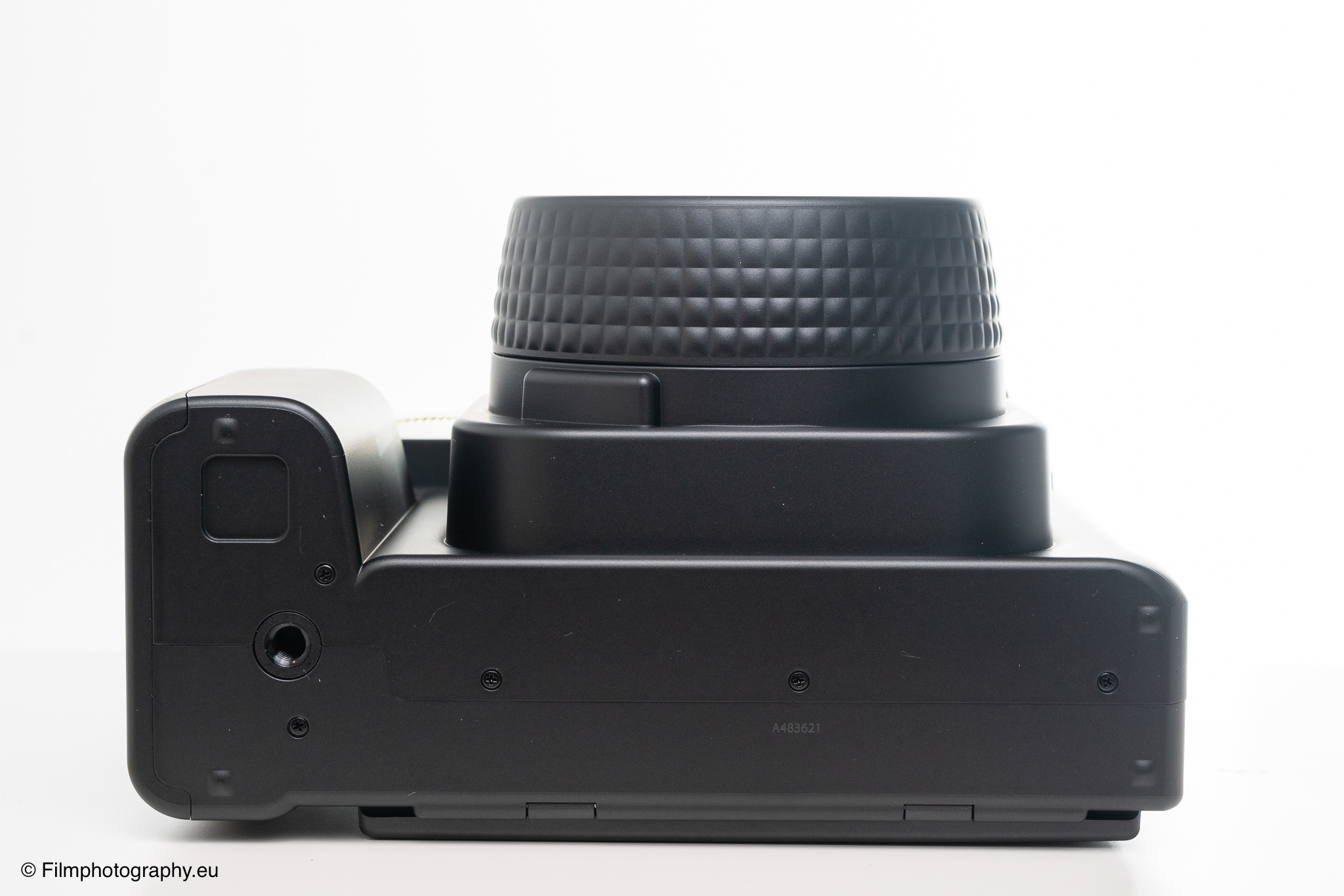
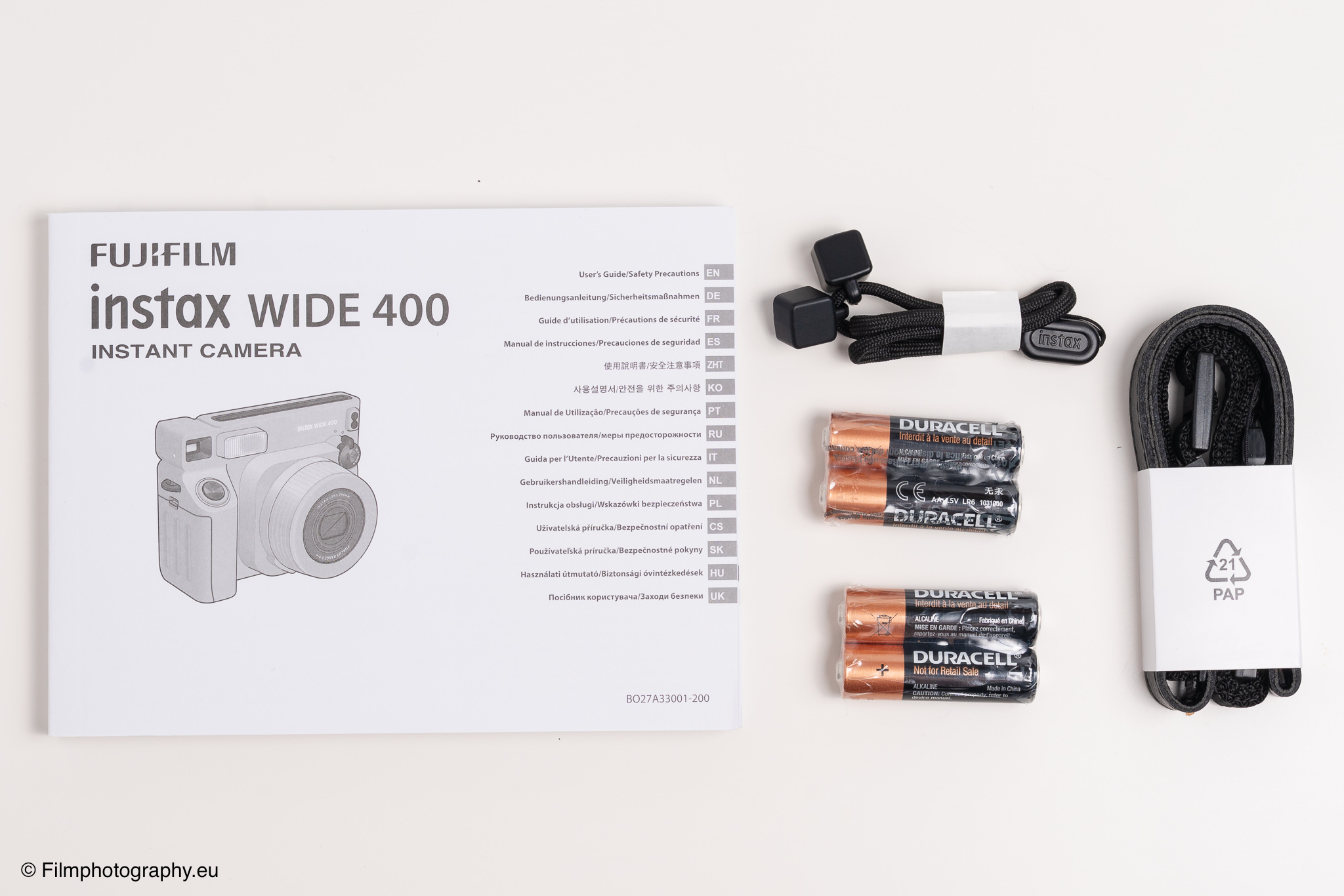
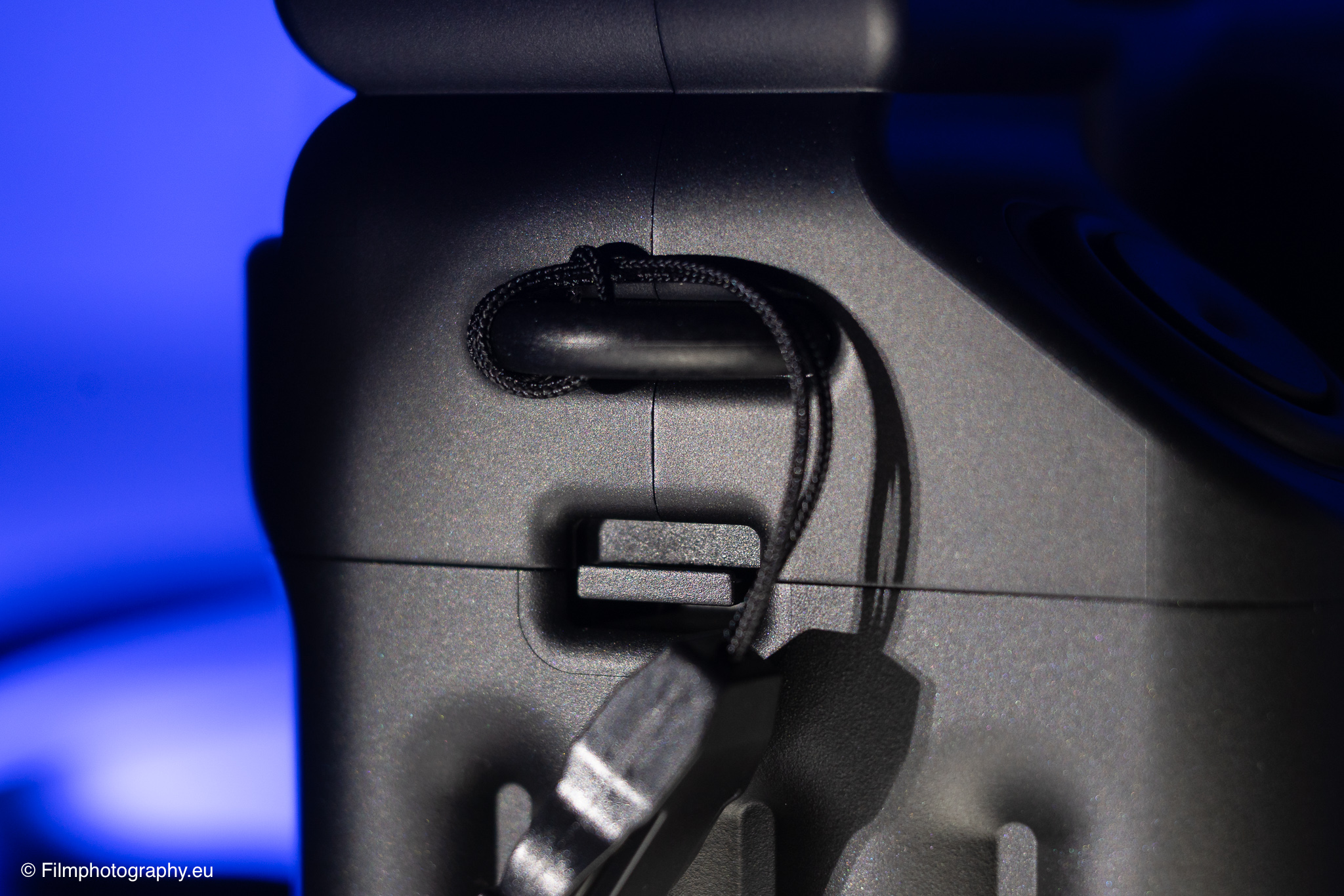
Four AA alkaline batteries (eBay / Amazon*) are required for operation. To save energy, the camera automatically turns off after five minutes of inactivity. A tripod mount is available on the bottom. The weight of the camera without batteries and without film is approximately 600 grams.
Shooting with the Instant Camera
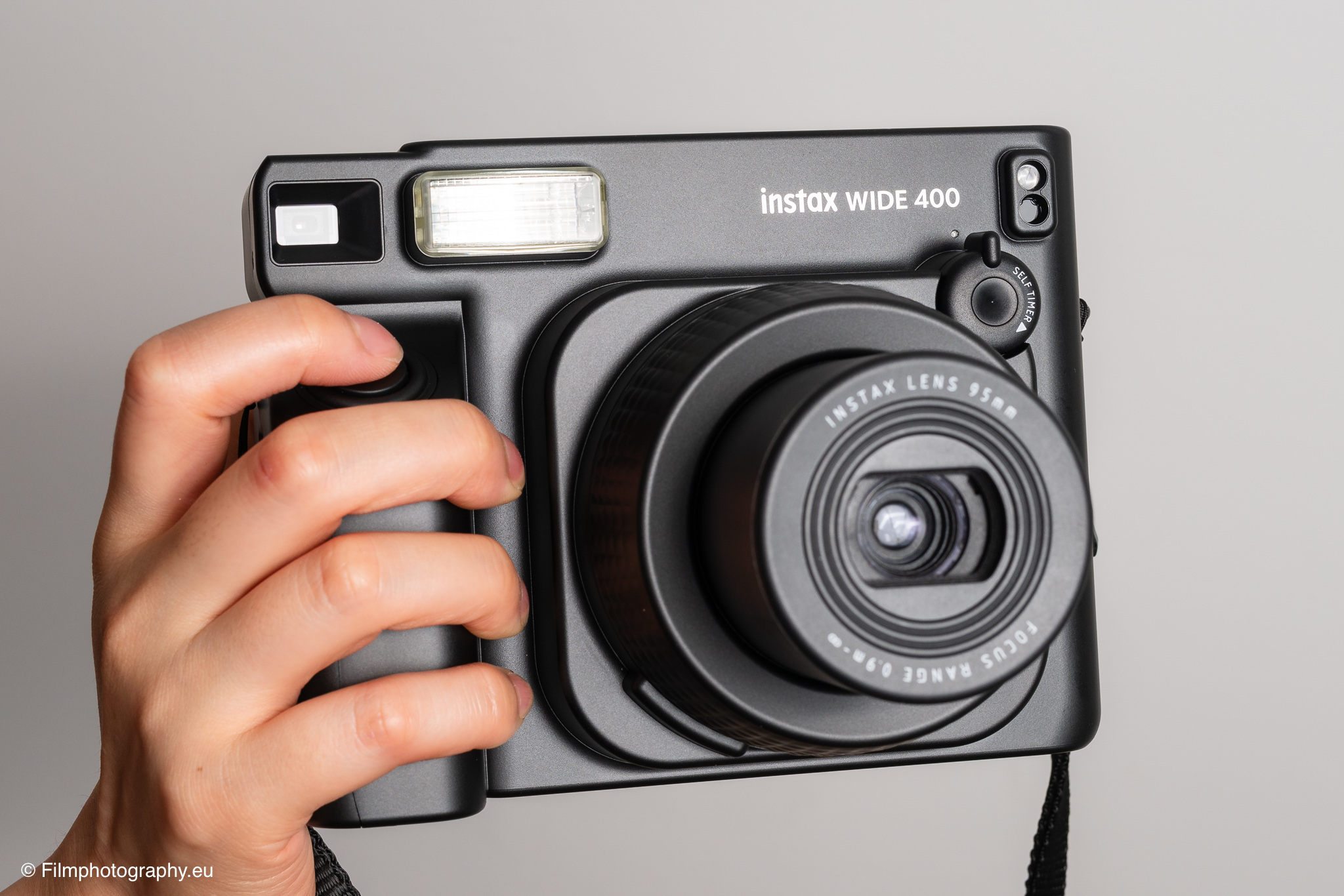
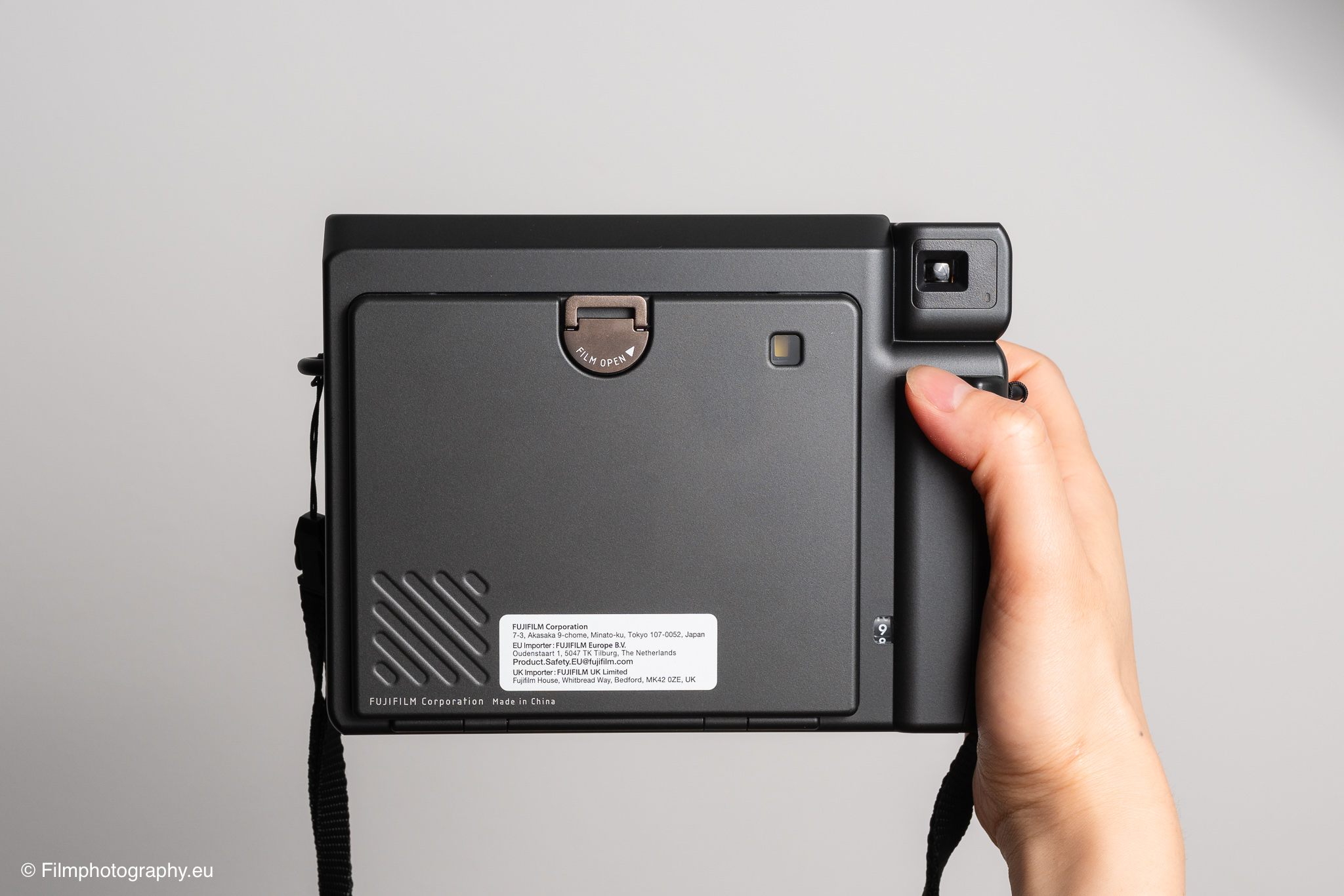
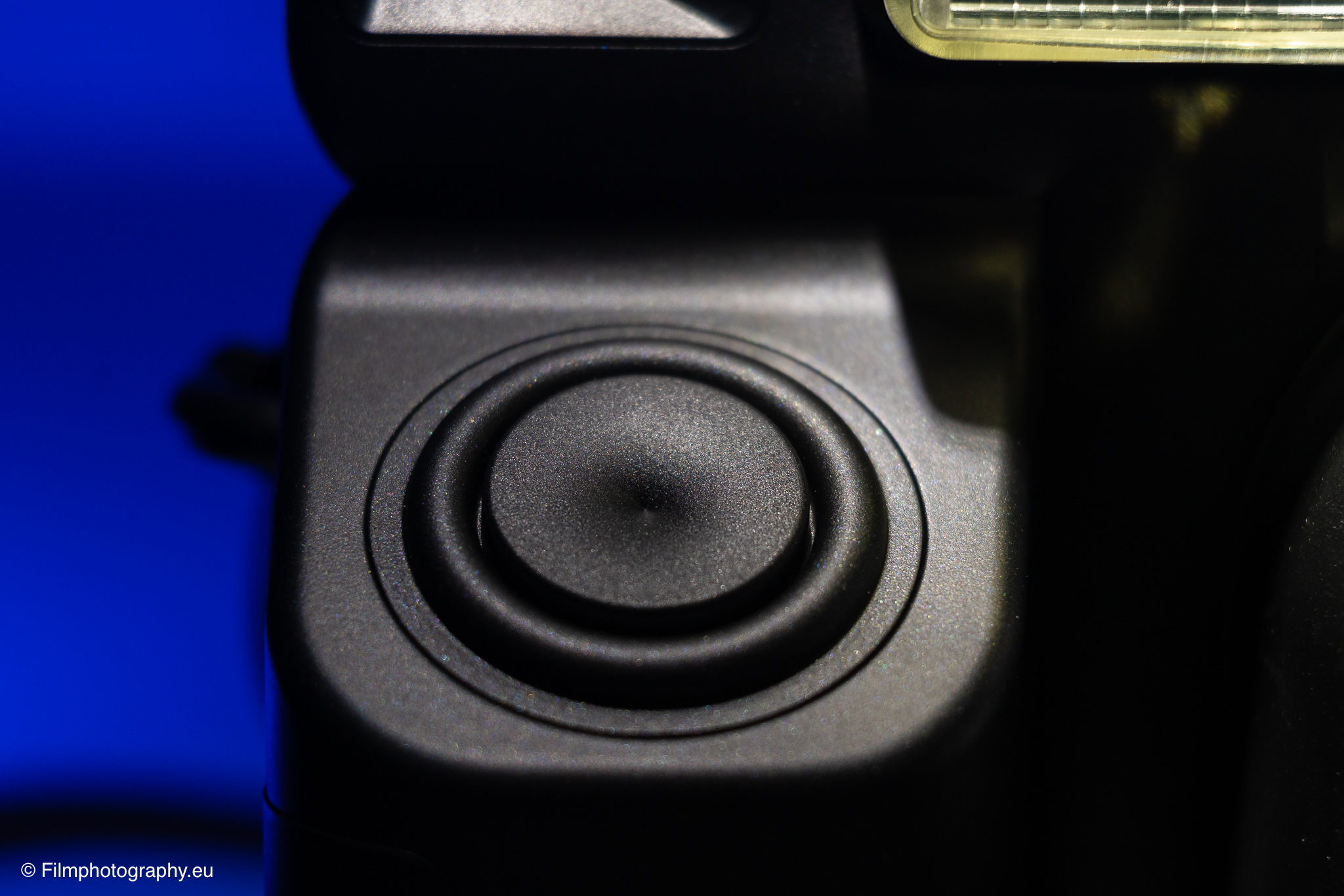
Operation is largely self-explanatory. The camera is turned on by rotating the lens ring. A first turn sets the mechanism to normal focus mode, while a second turn activates landscape mode.
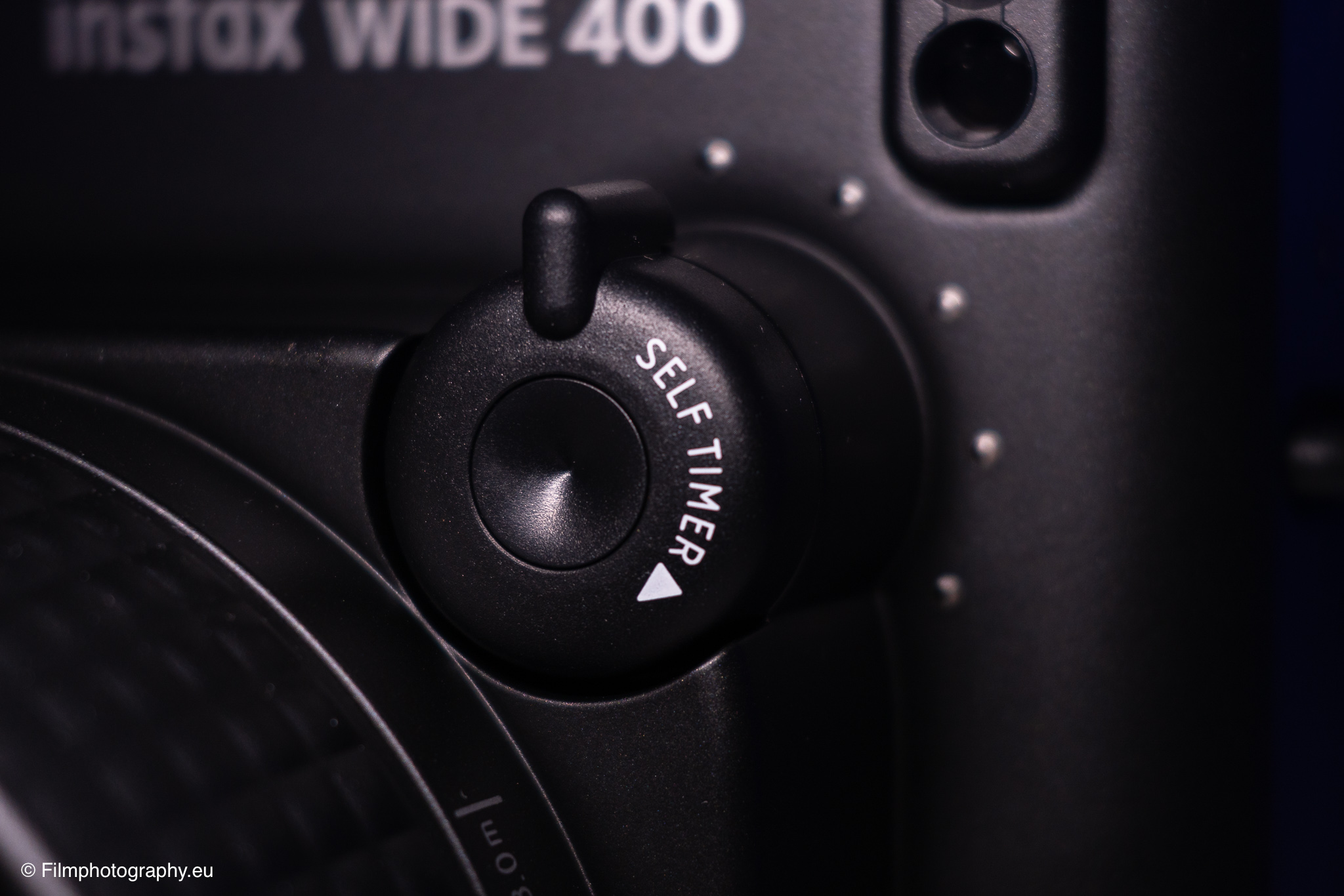
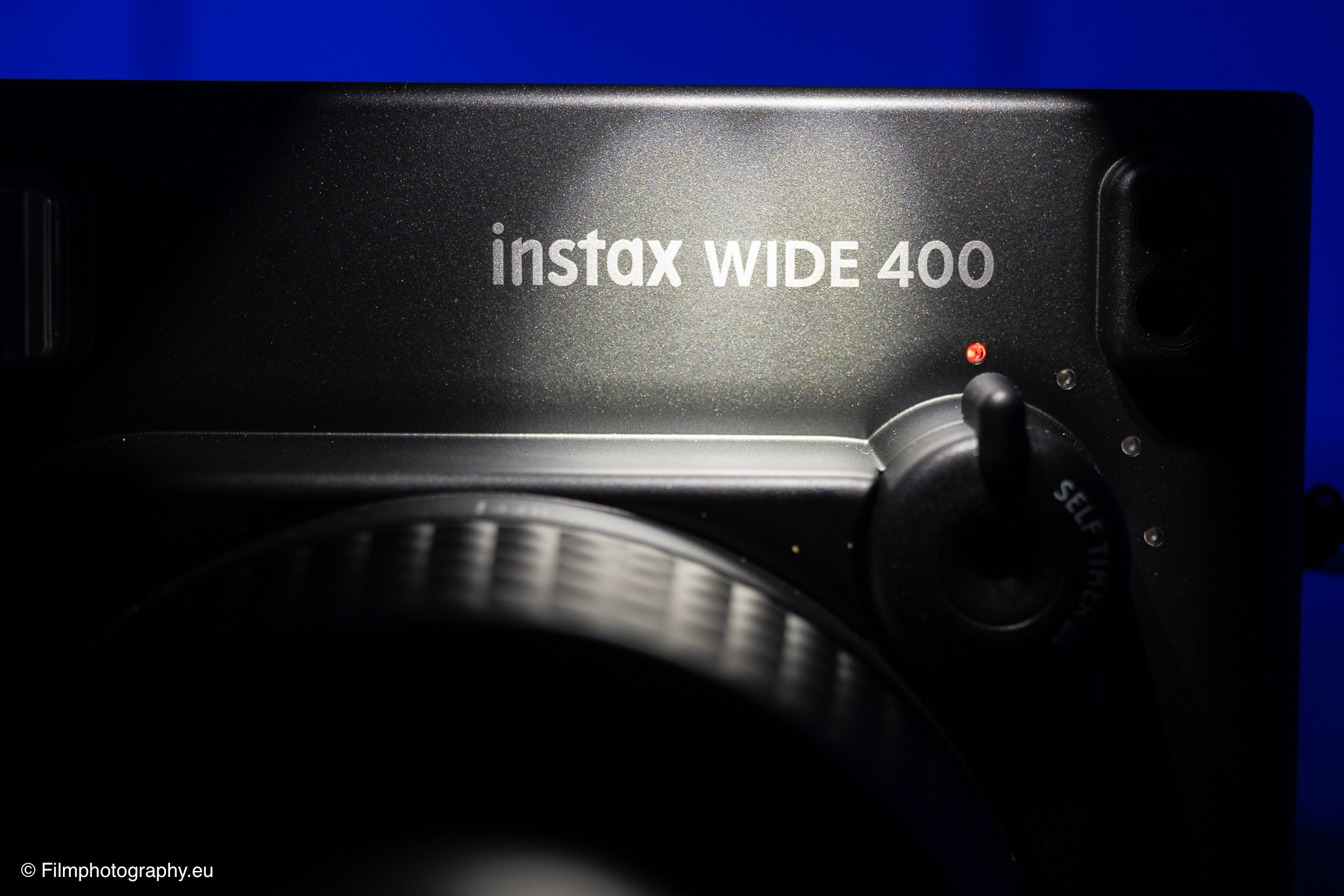
A practical innovation for everyday use is the mechanical self-timer. A lever on the front starts a countdown of four to ten seconds. A row of small LEDs visually indicates how many seconds remain before the shot is taken. This makes group photos or self-portraits easier without needing a second person.
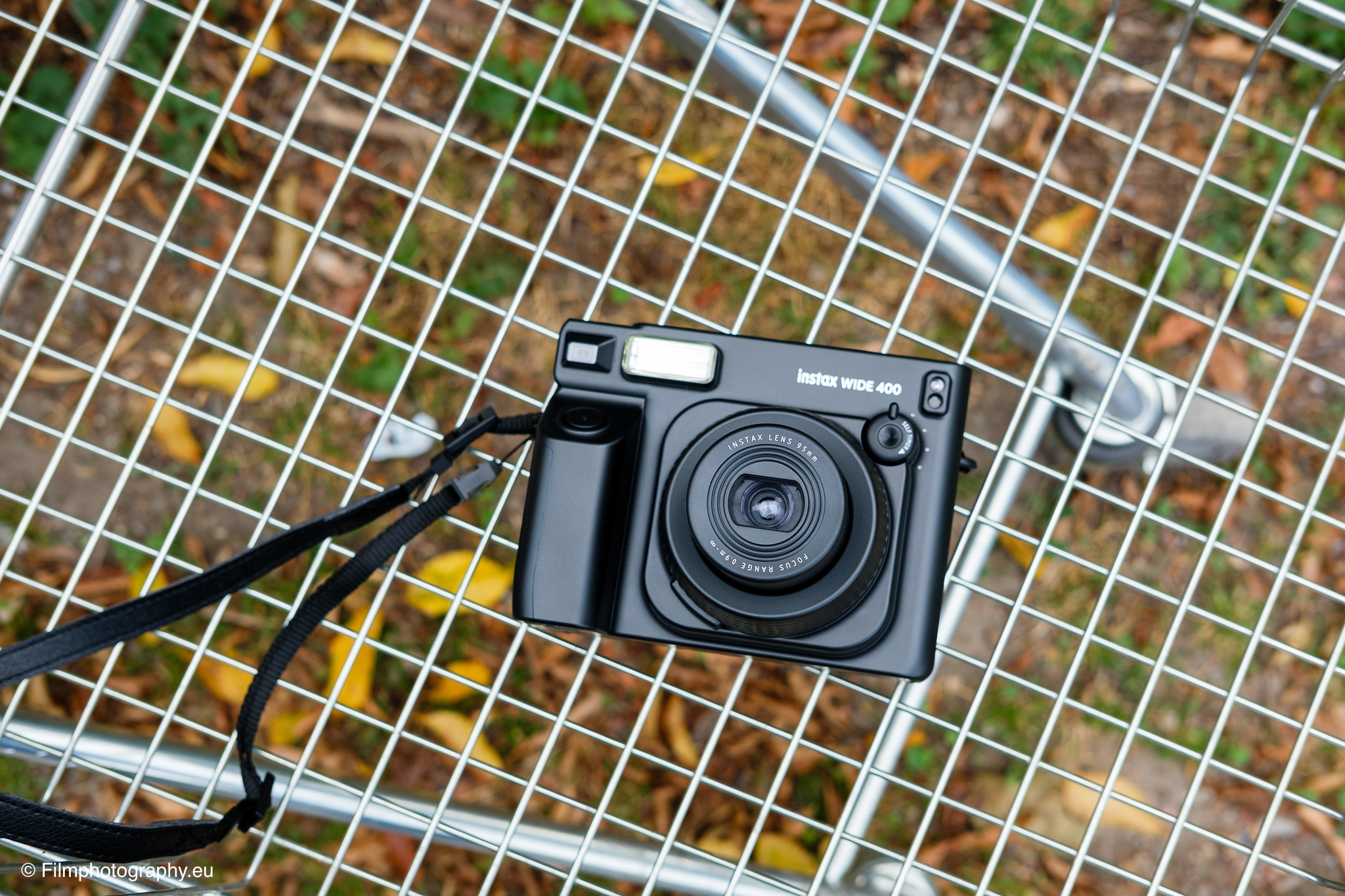
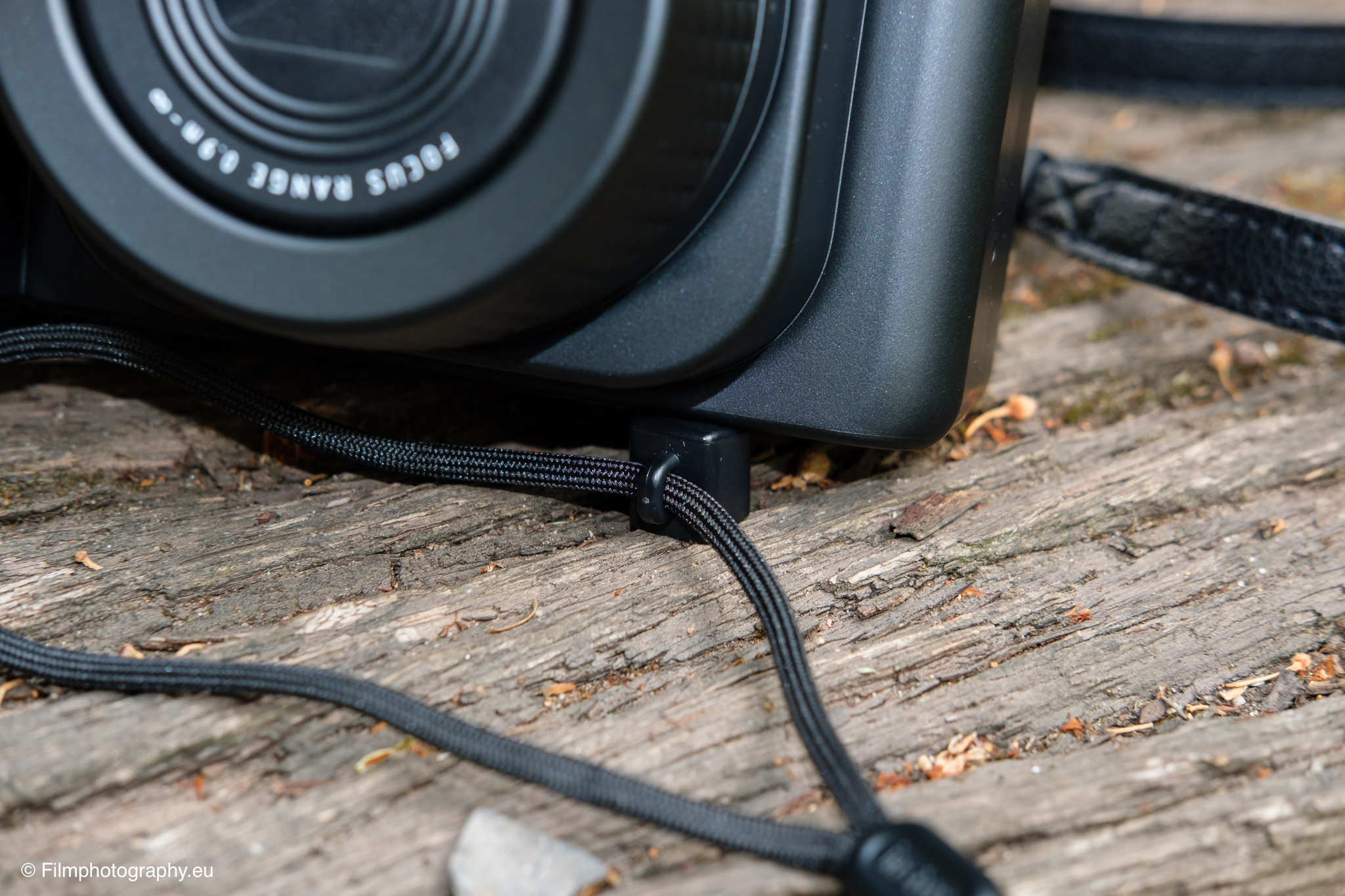
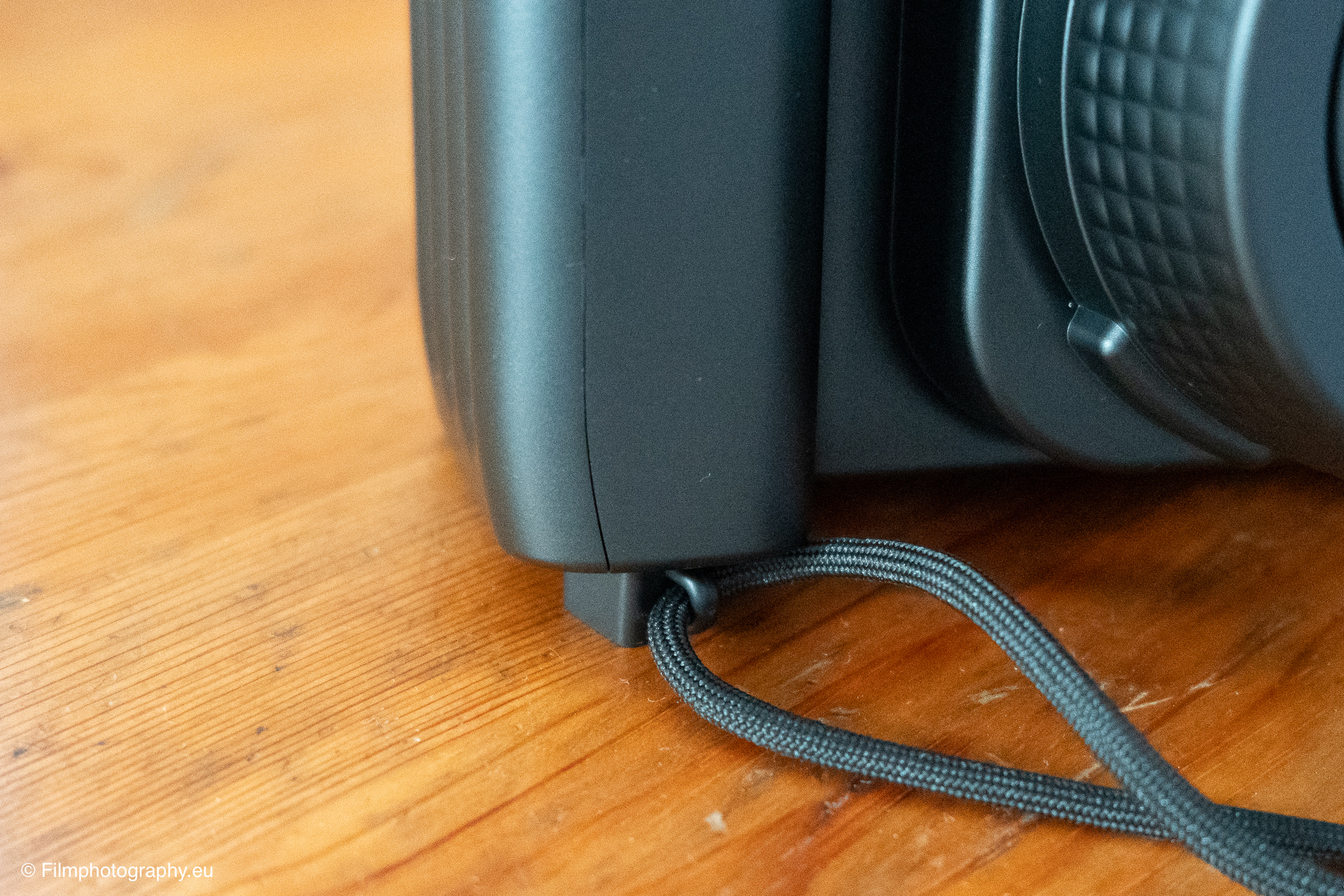
As an addition, the manufacturer includes a small plastic accessory. This part can be slid under the bottom to adjust the tilt angle of the camera on tables or other flat surfaces. This allows you to frame the shot without a tripod.
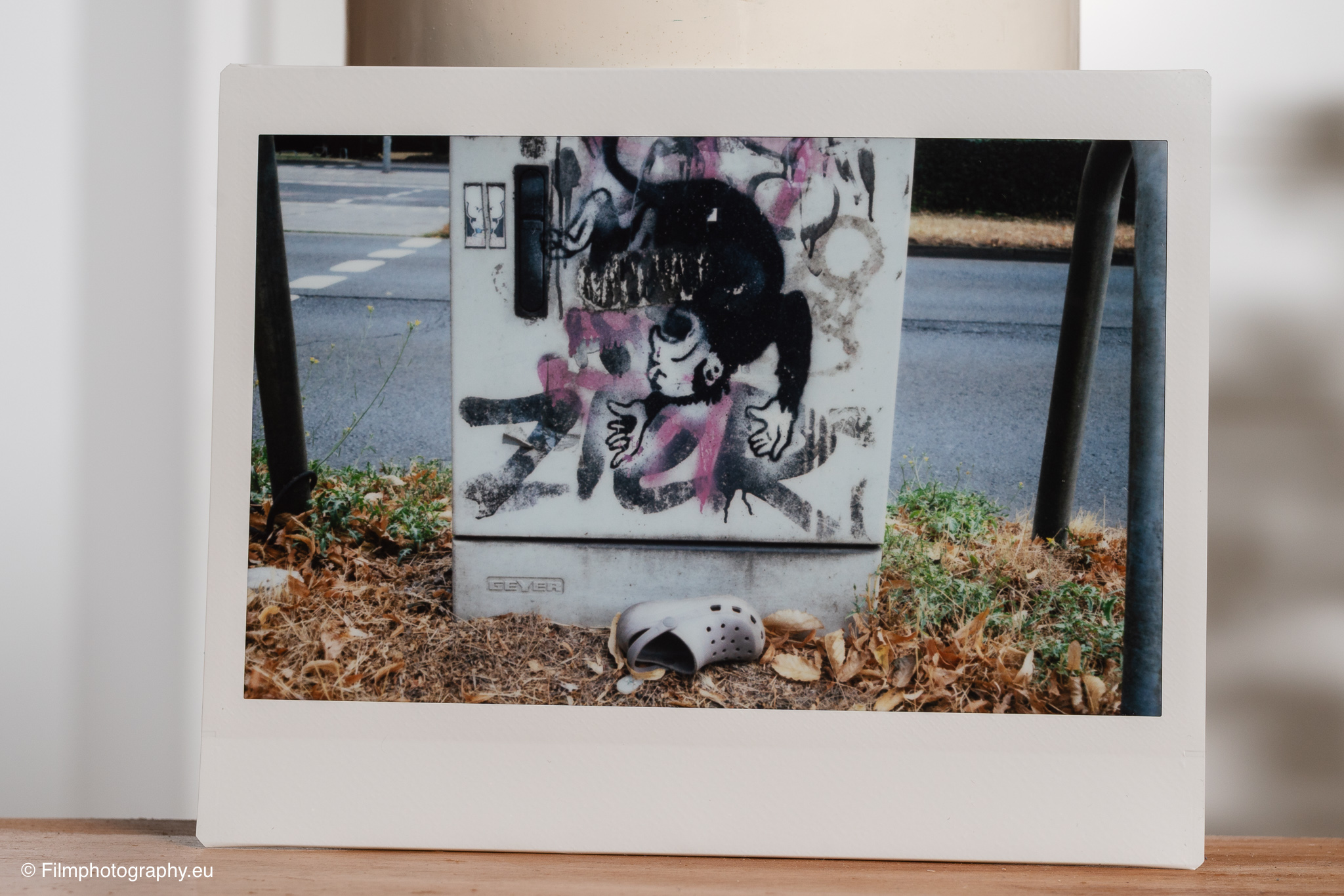
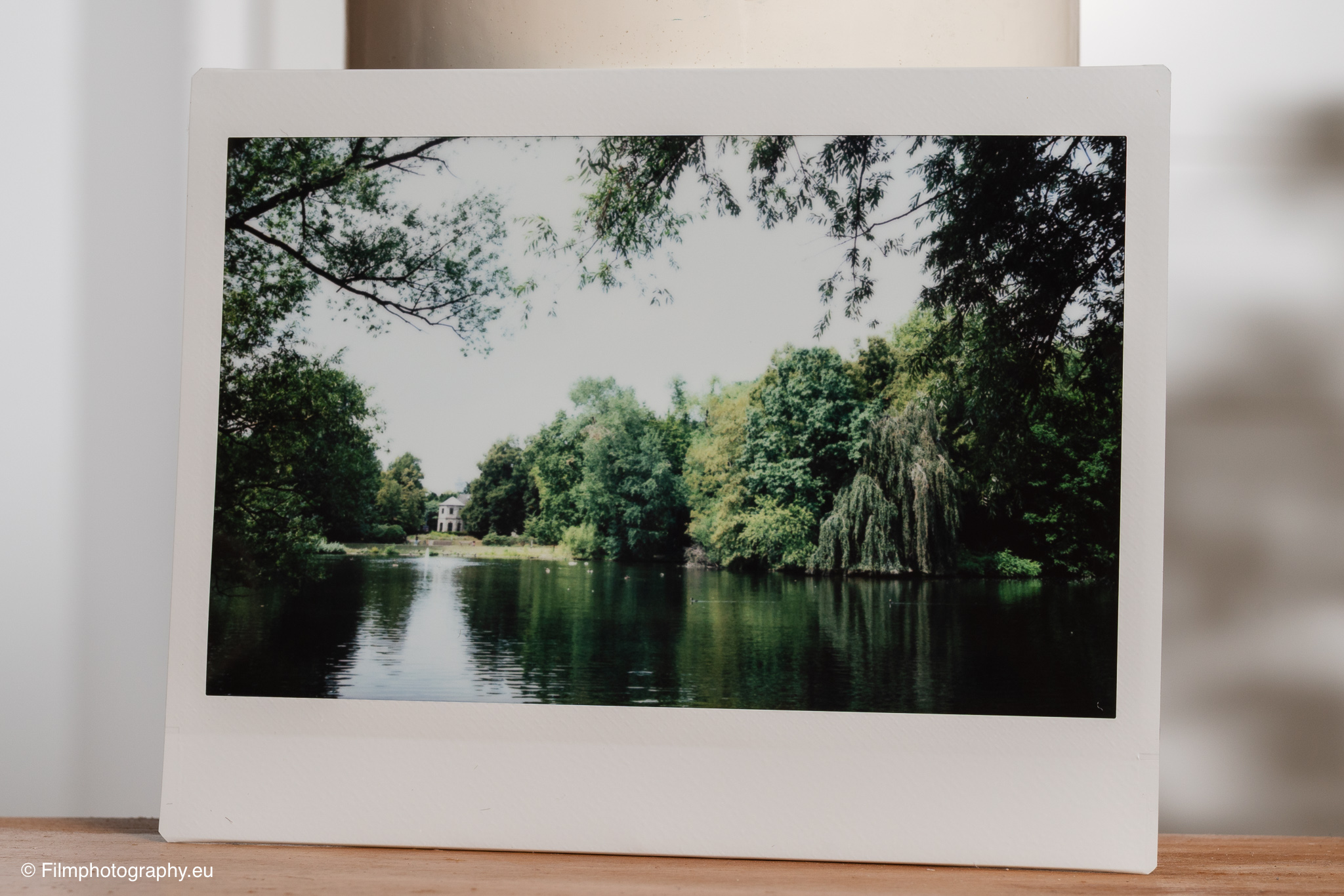
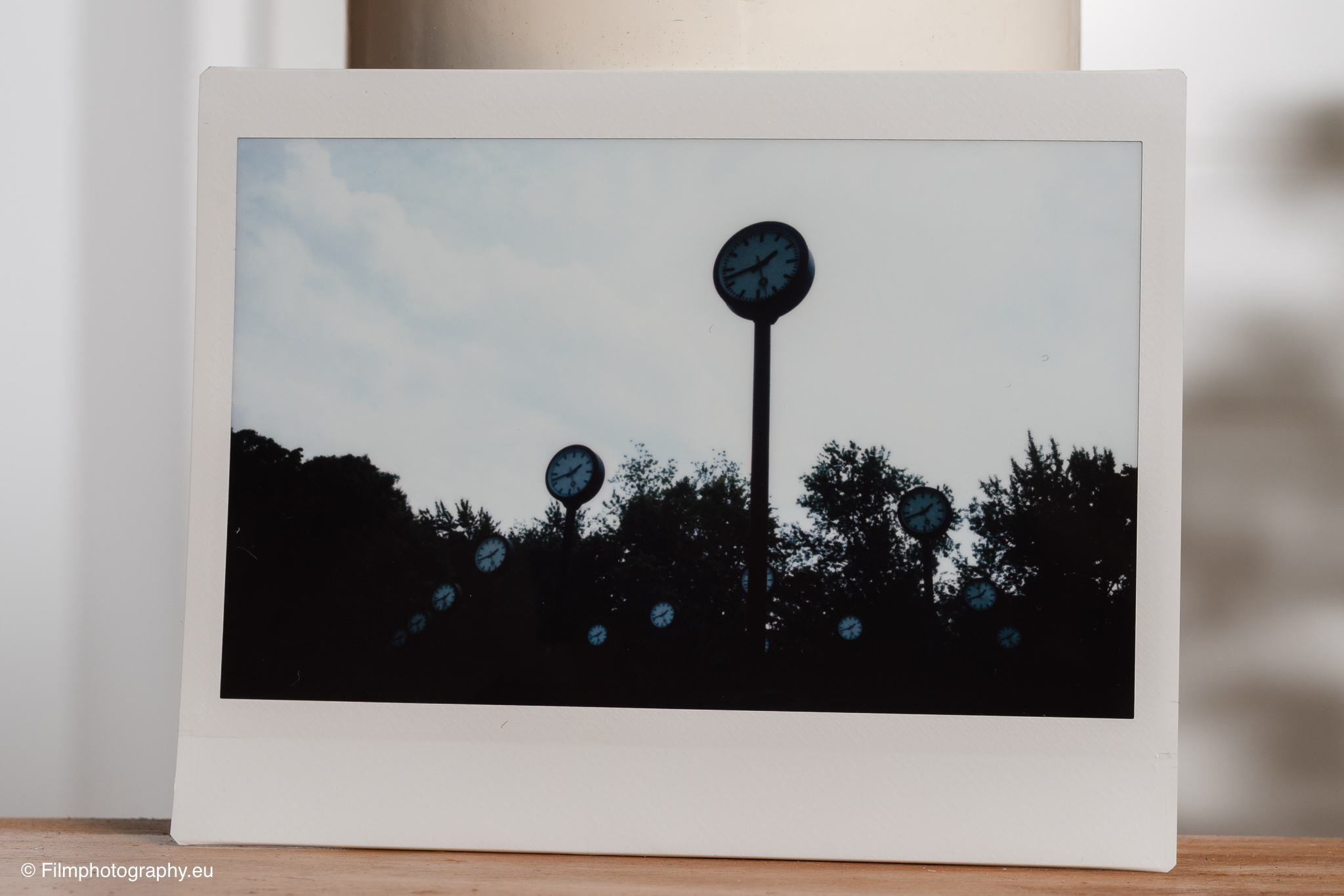
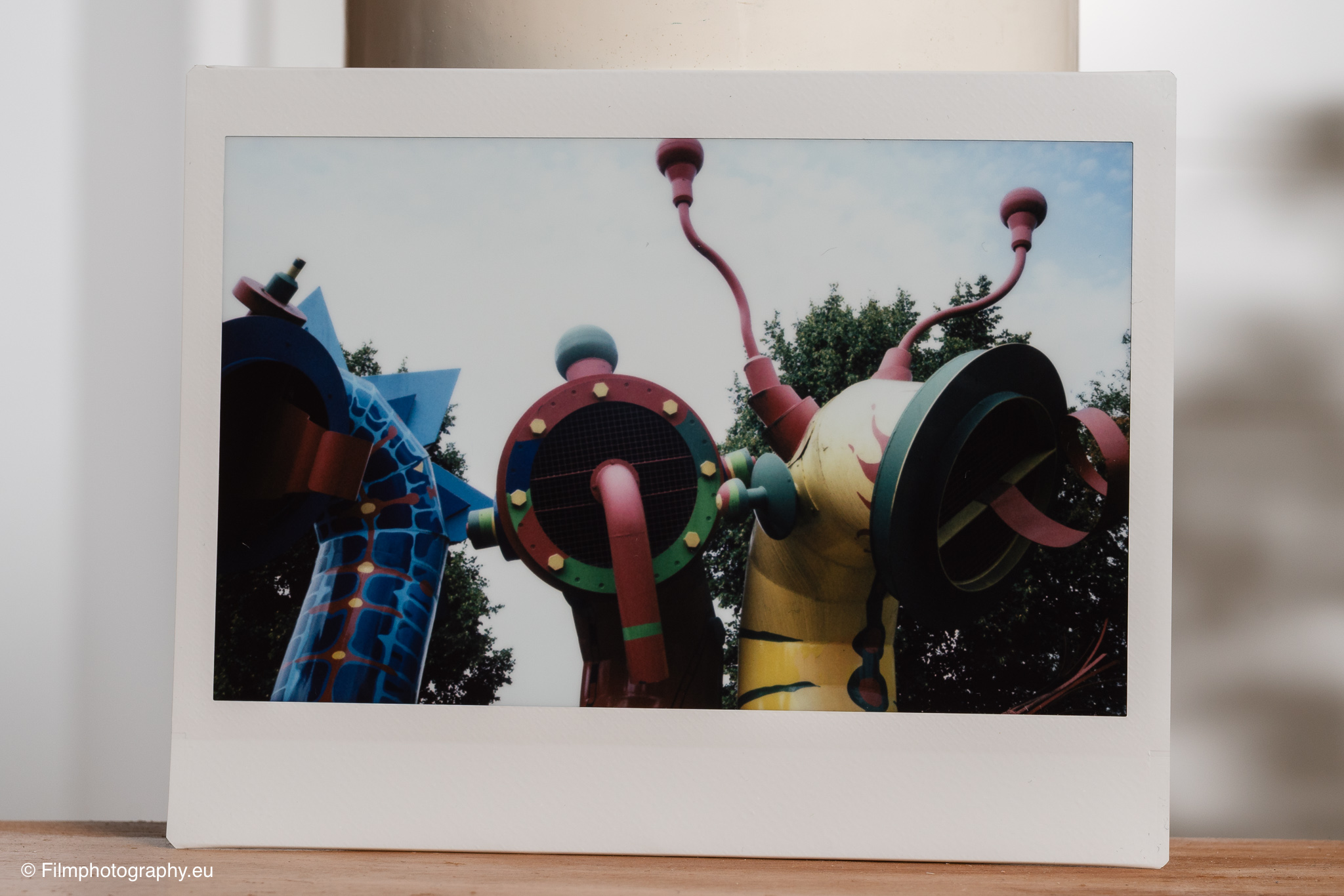
The finished paper prints offer the typical optical characteristics of analog chemistry. Color reproduction is natural and shows clear contrasts. In daylight and in shade, the camera delivers well-exposed images. The wide format provides noticeably more room for details and is suitable for group shots and expansive landscapes.
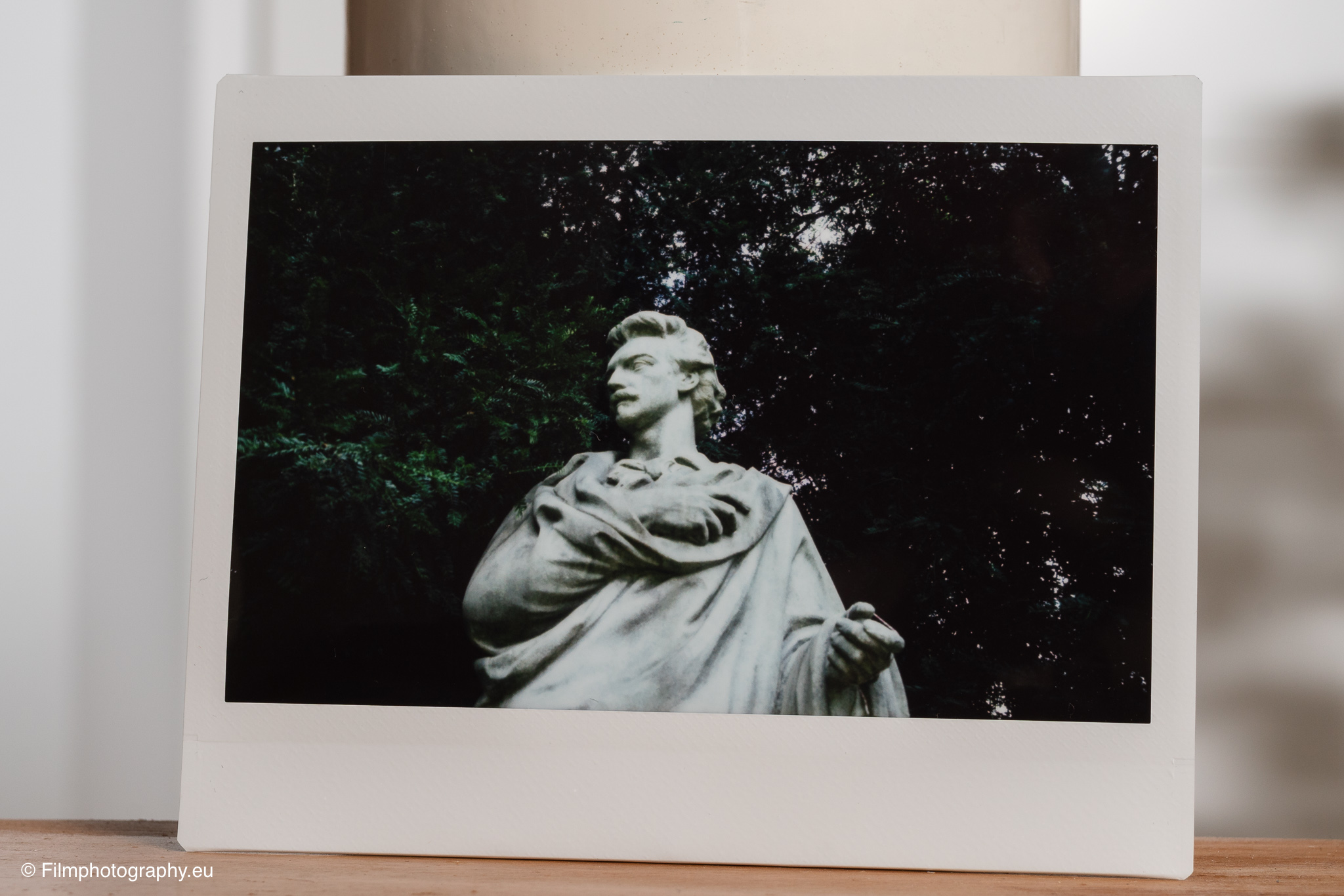

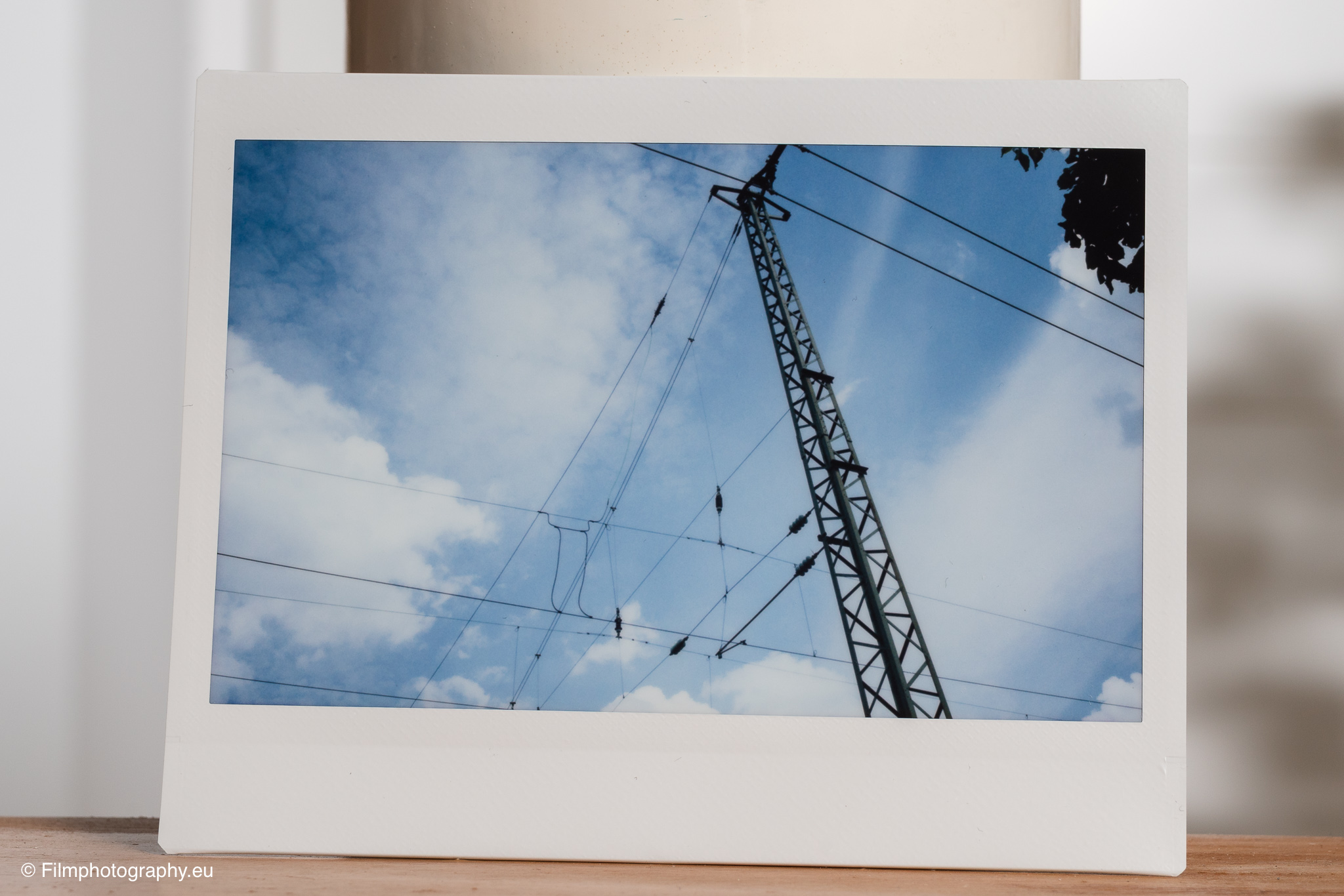
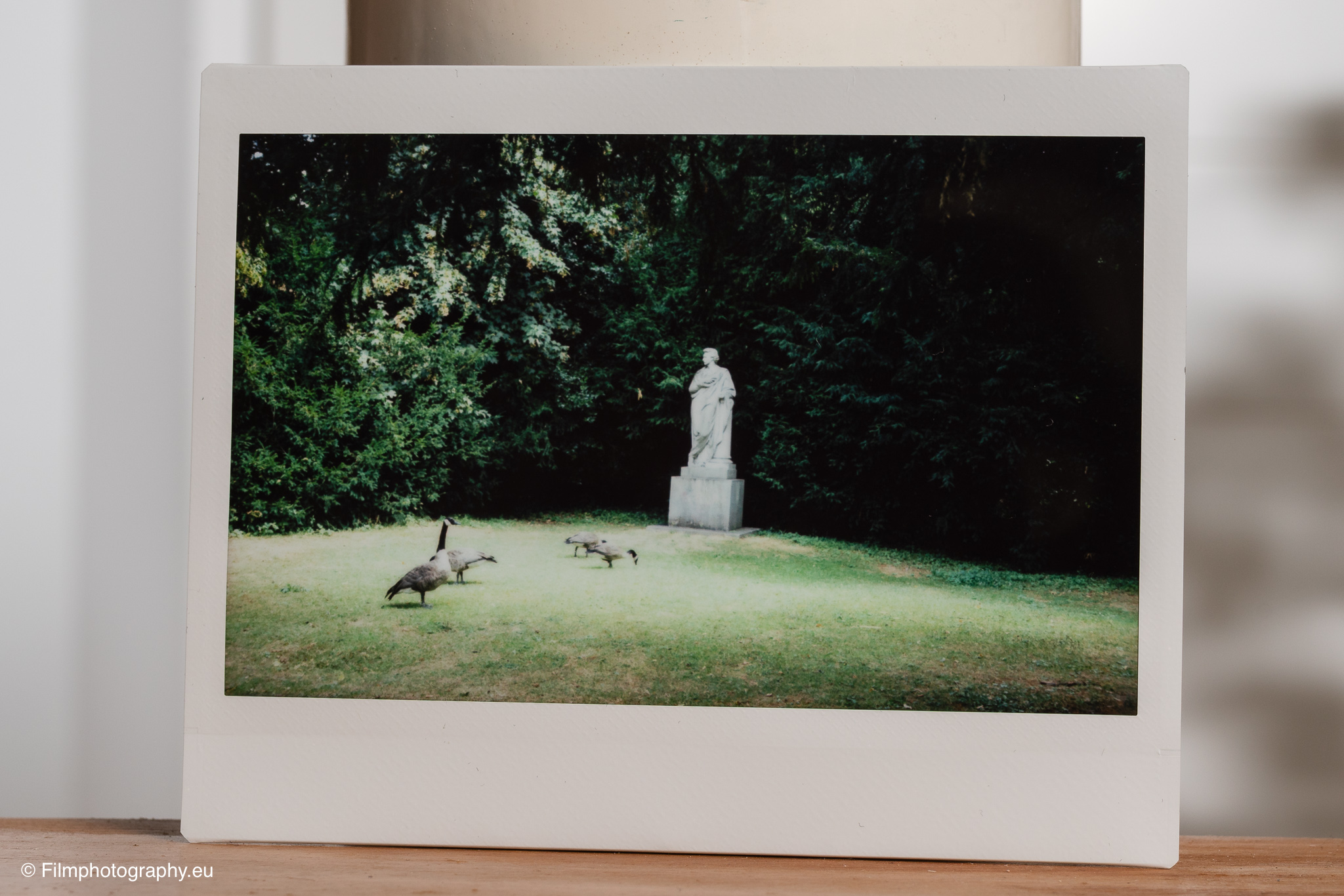
Focusing requires a bit of thought before each shot. Since there is no autofocus, the correct distance must be set manually via the lens ring. If you accidentally choose landscape mode for a close-up portrait, the image will be out of focus.
Another everyday issue is handling the optical viewfinder. Because it is slightly offset from the lens, there is a slight parallax in close-ups. The viewfinder frame does not exactly match the final photo at short distances. A small target circle in the viewfinder helps estimate the center of the image but requires a slight adjustment of the camera position for close-ups.

Verdict on the Fujifilm Instax Wide 400
The Fujifilm Instax Wide 400 is aimed at photographers who appreciate the charm of large-format instant photos and seek simple operation without too many frills.
The camera is a good entry point into the Instax Wide format. It is easy to use and fun to operate. The camera omits digital elements like screens, internal storage, or artificial filters. Instead, pure analog photography is the focus, where every finished image is a real unique piece.
The biggest drawback is certainly the size, but that is more due to the format than the camera itself. If you want more adjustment options and creative freedom, you might consider a different model.
Buying the Instant Camera
If you want to buy the Fujifilm Instax Wide 400, you can find the instant camera at specialty photo retailers and large online platforms like Amazon. More information on the technical specifications can be found here.

More Product Photos