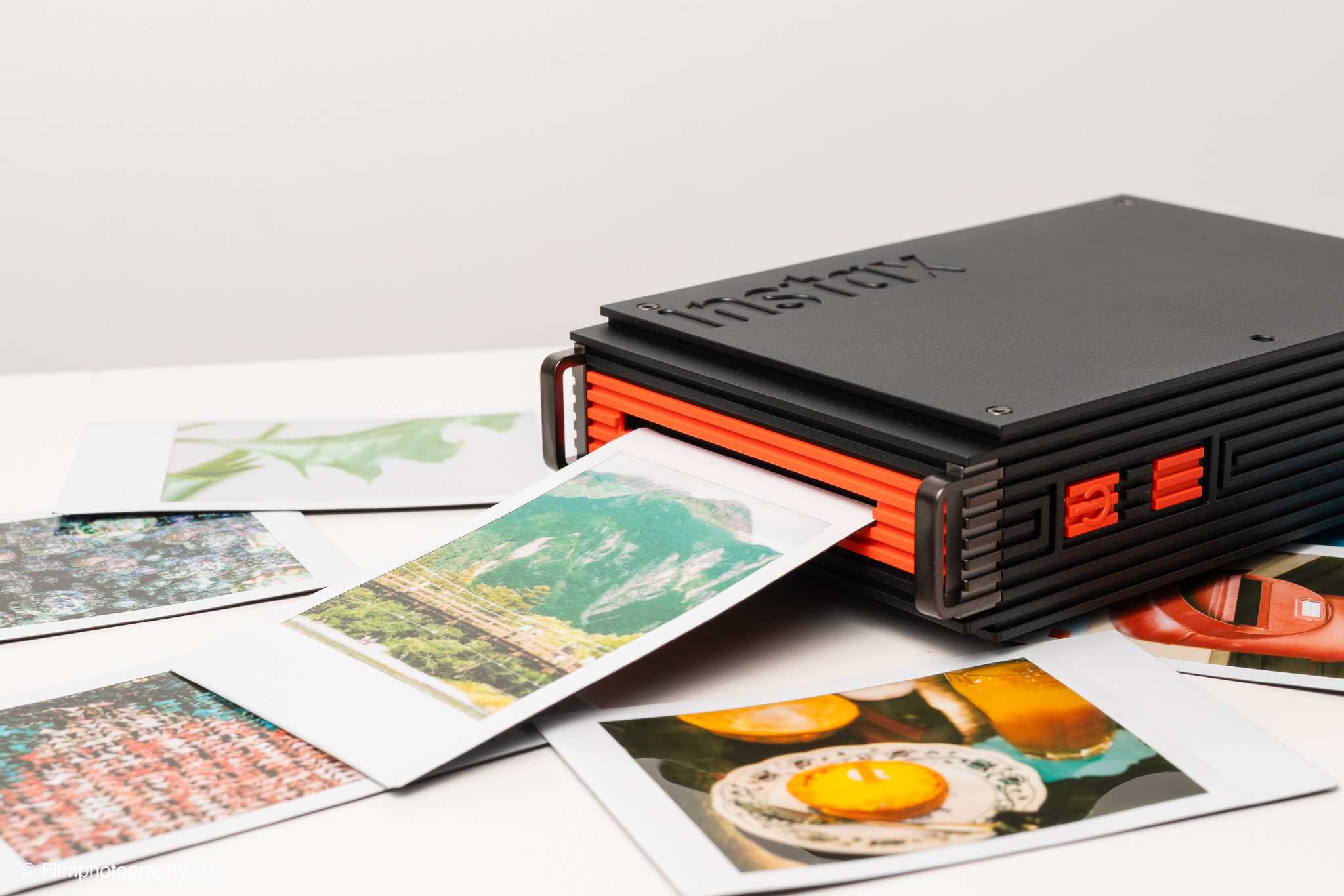
Smartphones nowadays store thousands of memories, but only a few of these shots actually make it onto paper. The Fujifilm Instax Mini Link+ aims to close exactly this gap and makes digital photos tangible again. In this hands-on review, we take a detailed look at the compact printer for the Instax Mini format.
Instant photography has a long and eventful tradition, originally closely tied to classic analog cameras. Fujifilm has continuously developed its own Instax system over the past decades.
With the shift to digital photography, the manufacturer recognized early on that many people want to edit their images on their mobile phones before printing. The Mini Link printer series was the logical response to these changed viewing habits.
Technical Specifications of the Printer
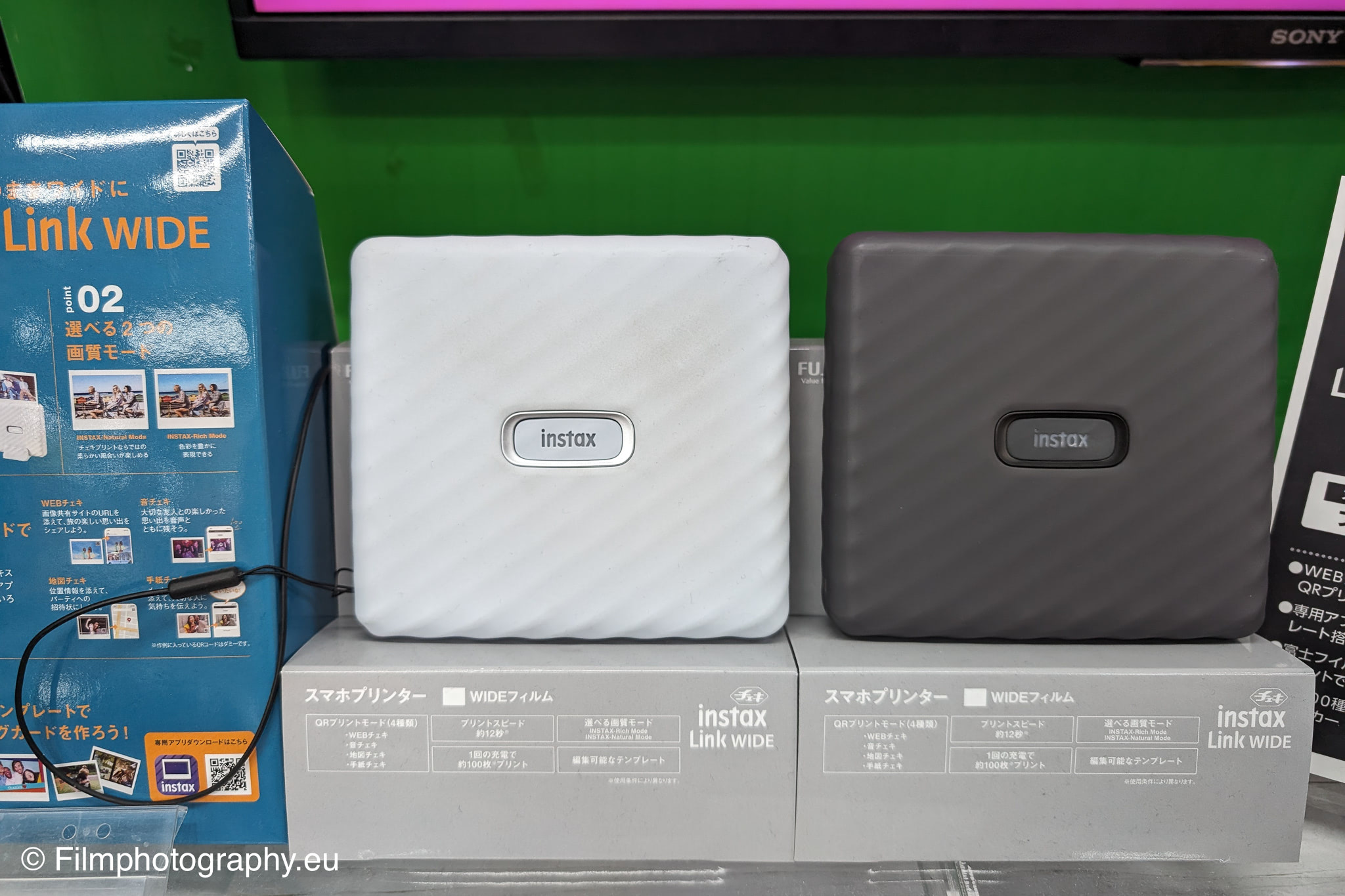
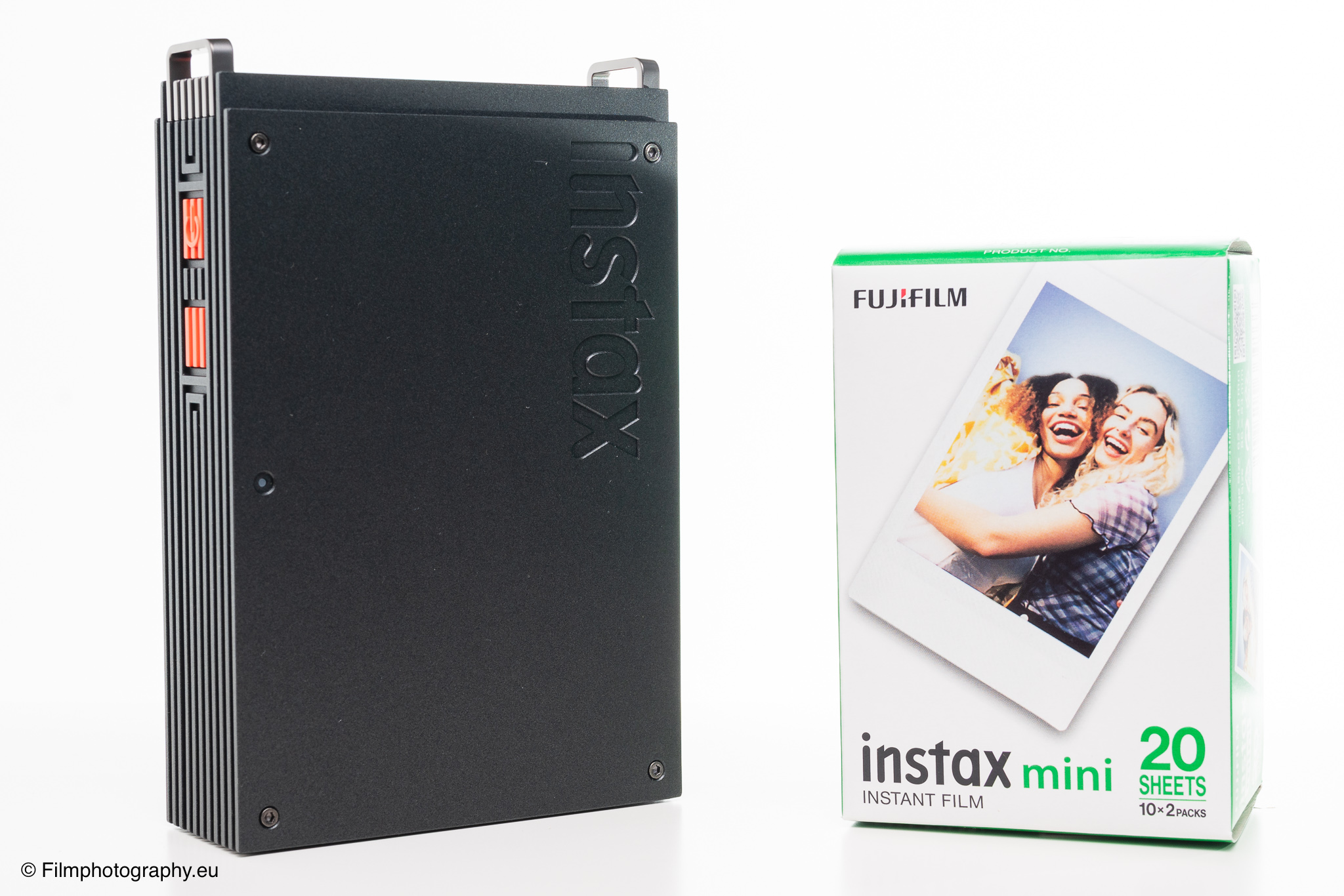
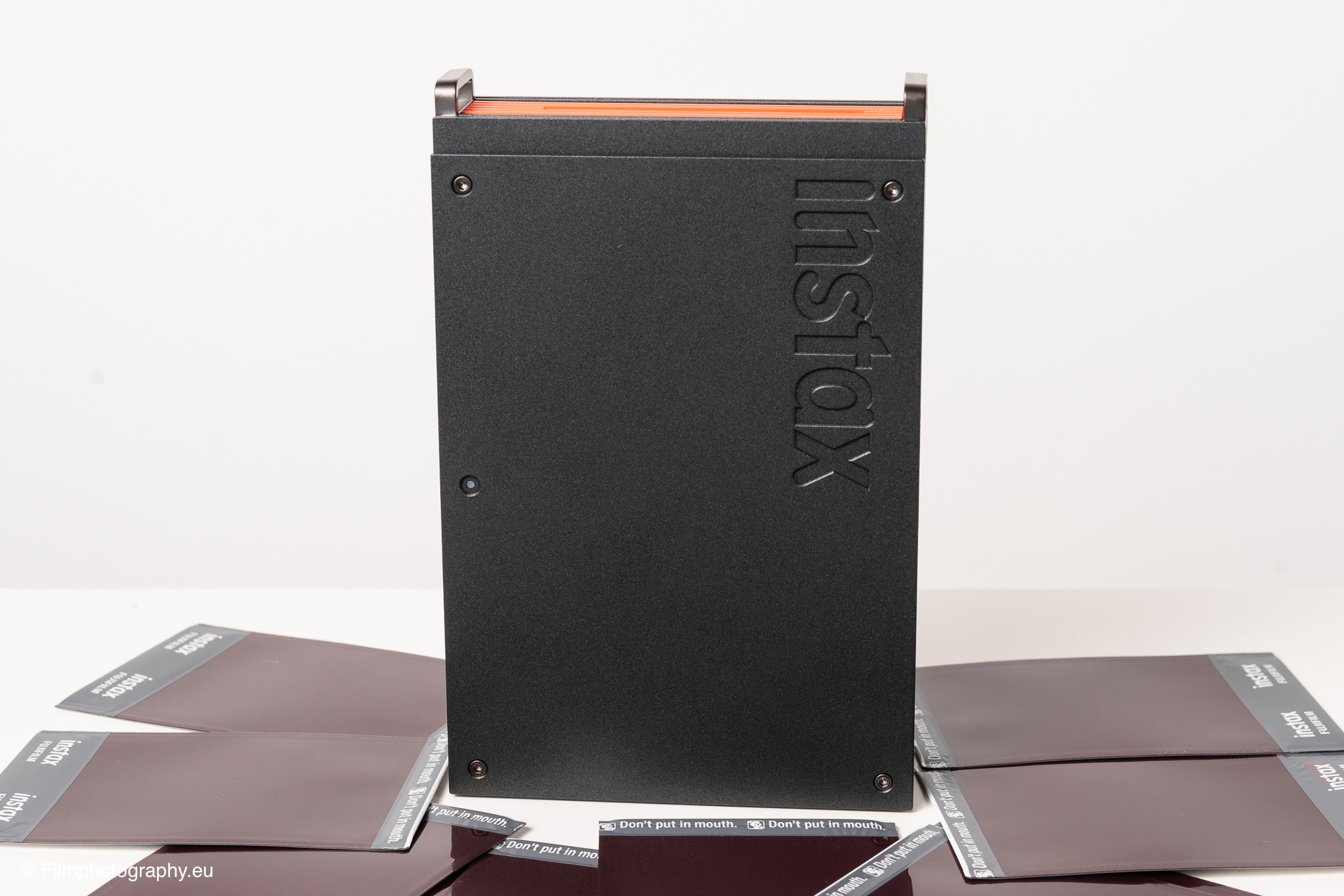
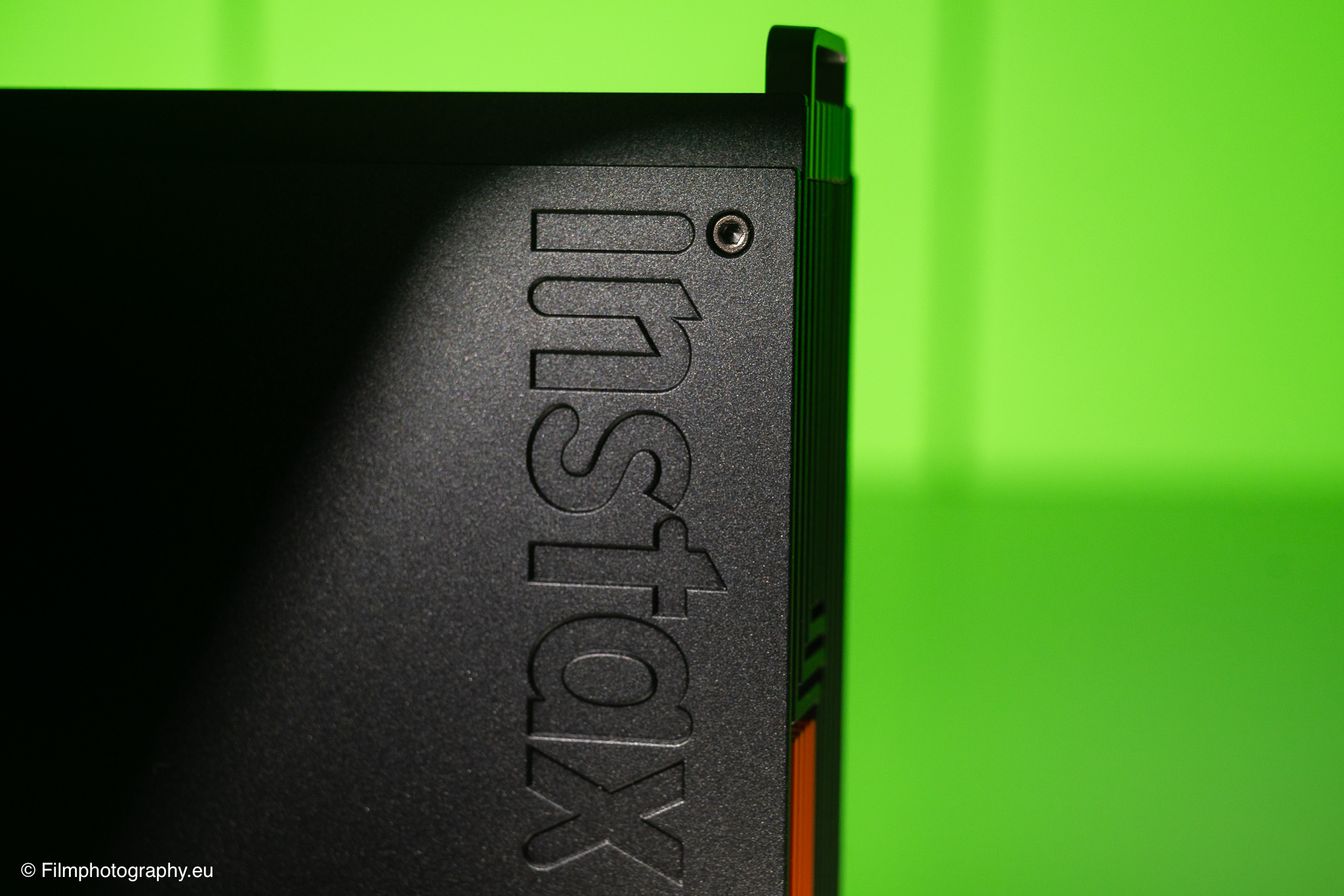
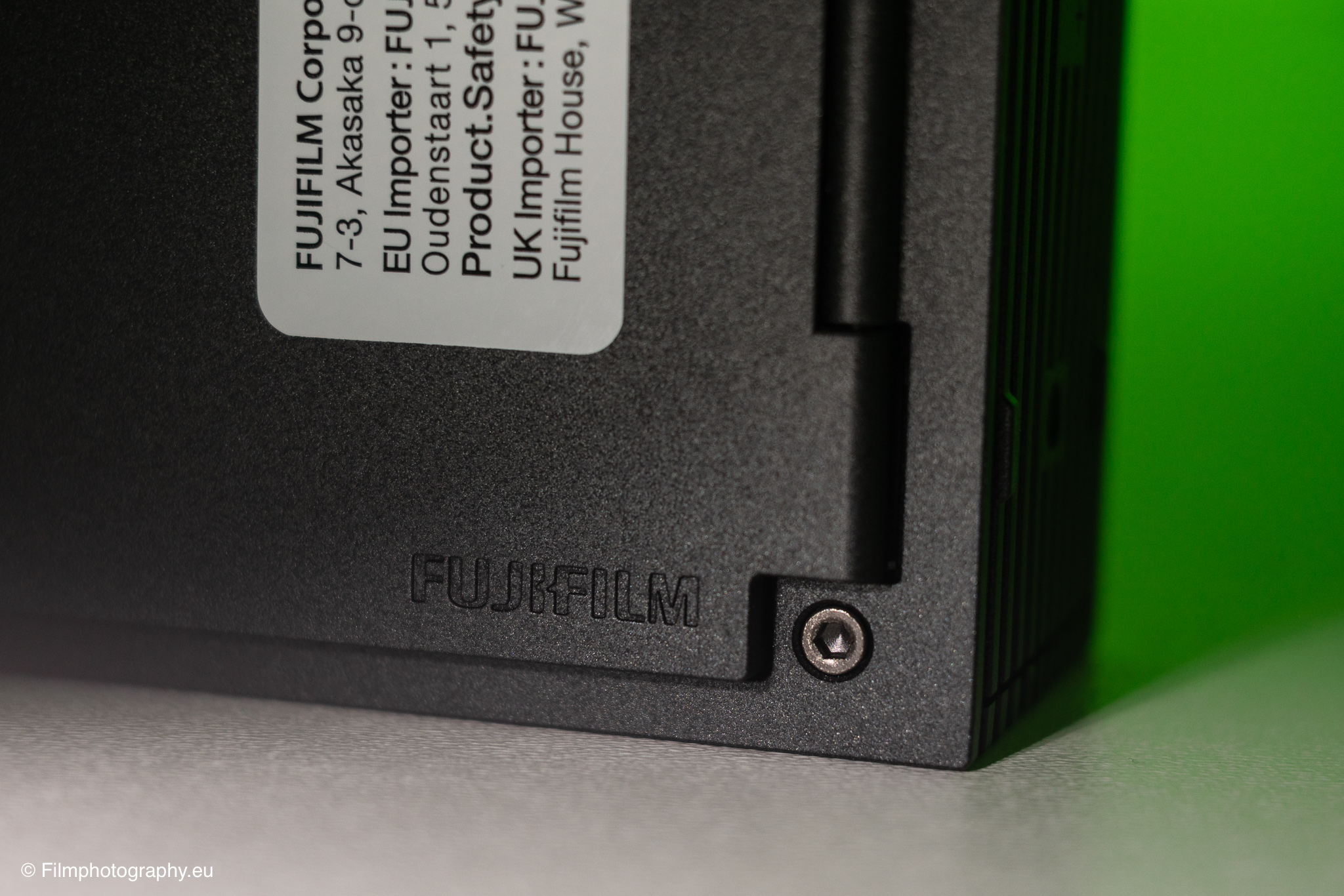
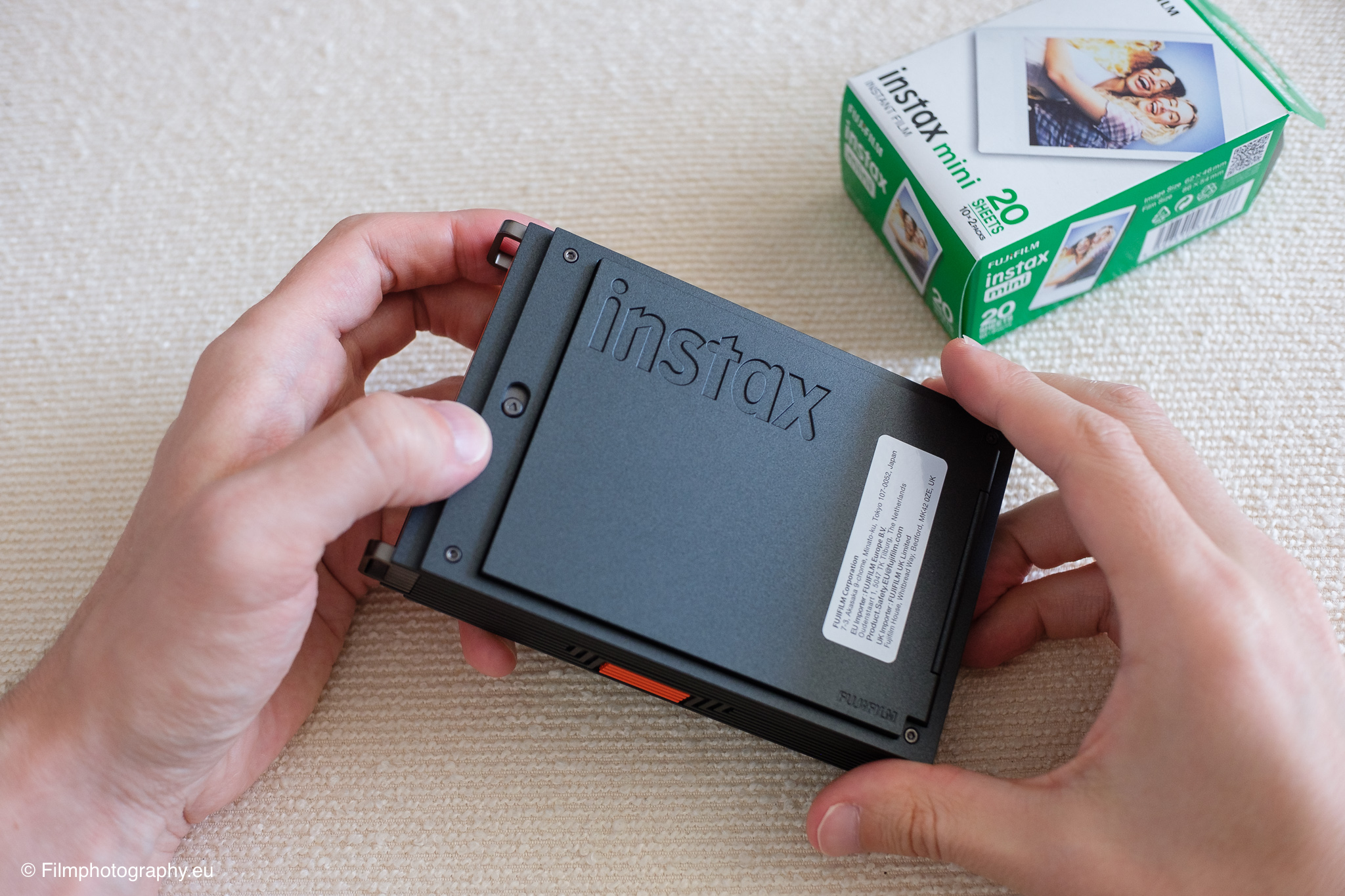
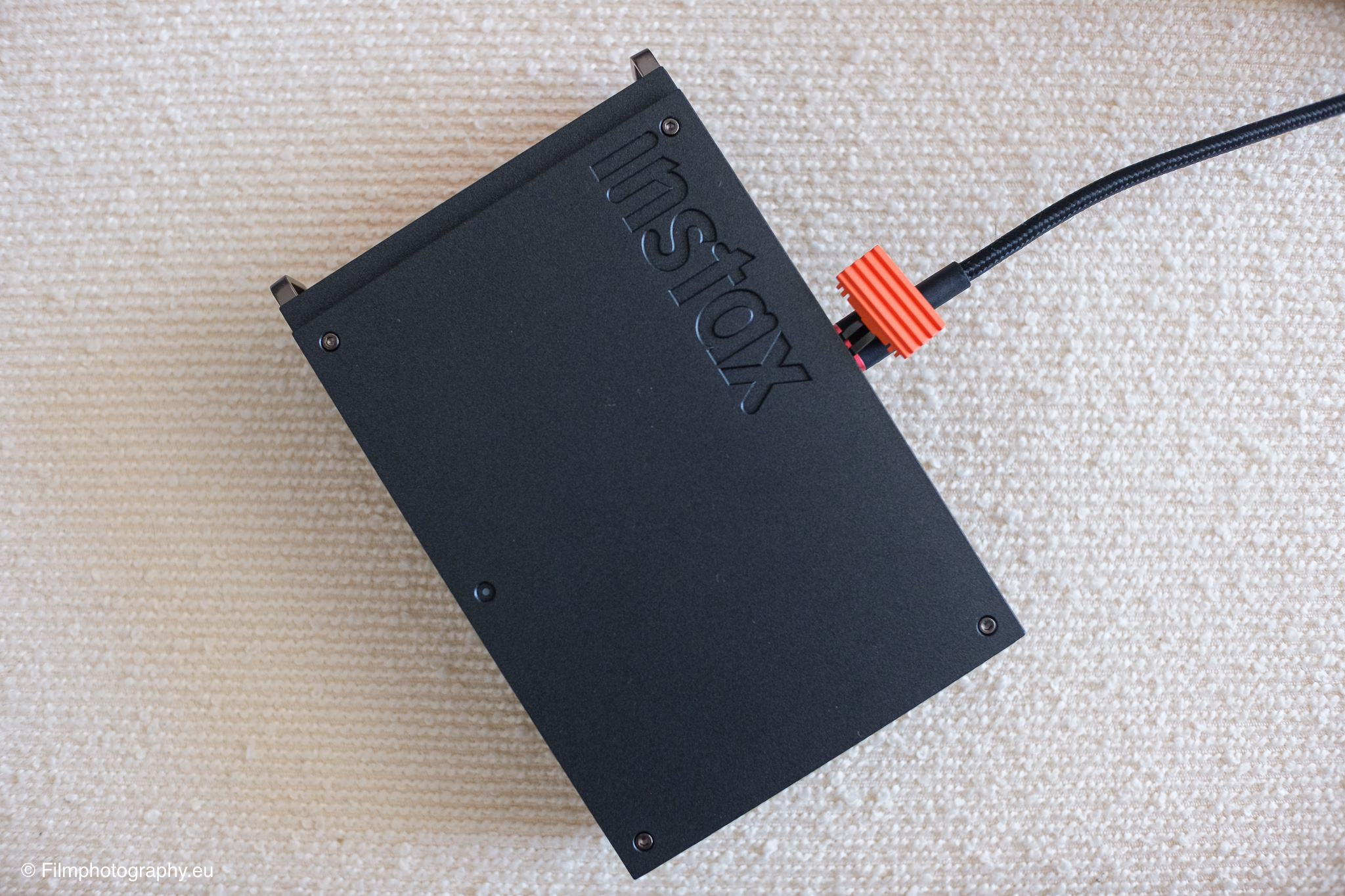
The printer immediately catches the eye visually. It looks very stylish and futuristic. The housing comes in dark tones with fine color accents. Most of it is made of plastic. Therefore, the printer is relatively light and generally very compact within the possibilities of the Instax Mini format. You can easily transport the device in a smaller bag or backpack without it weighing heavily.
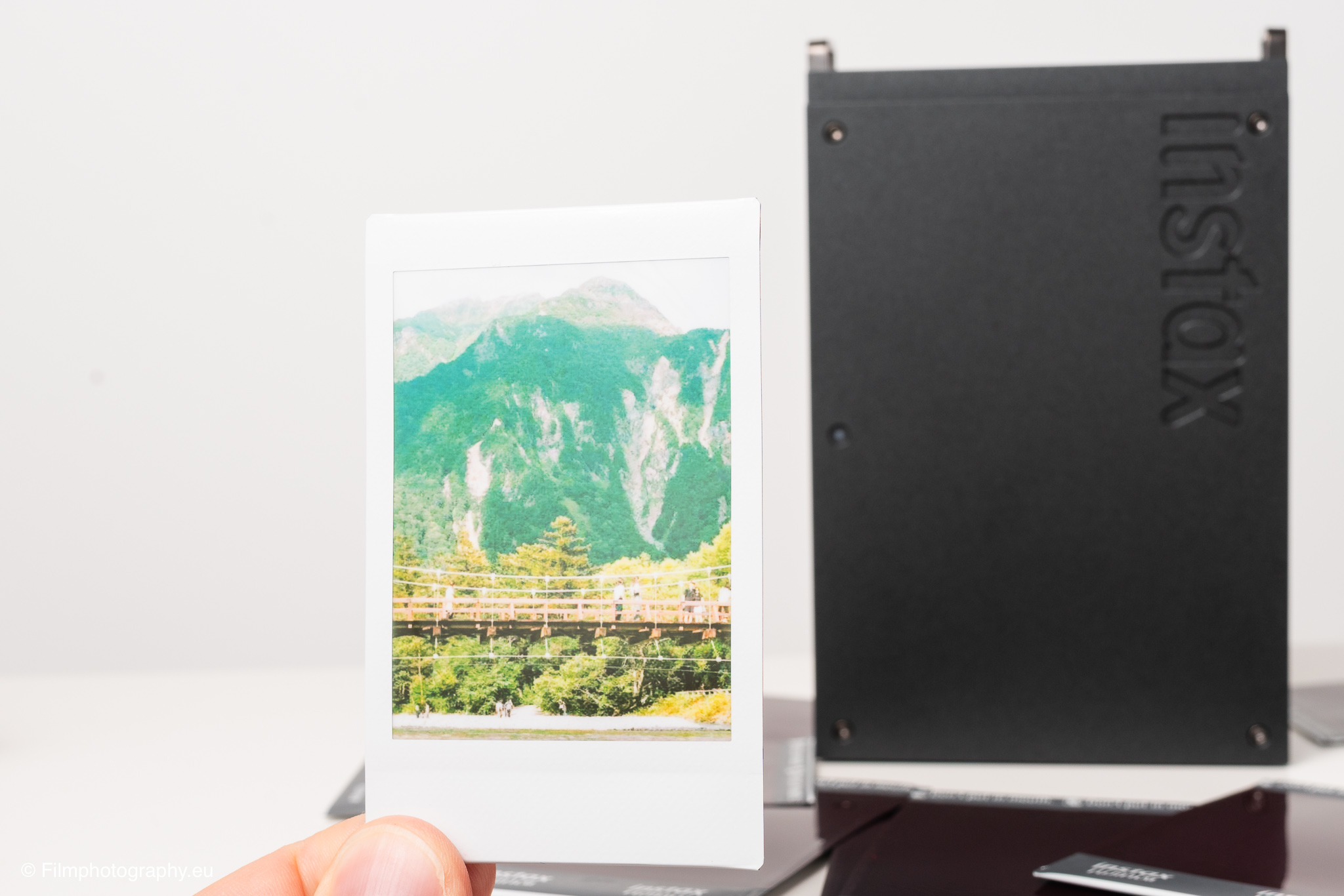
Internally, the printer works with the well-known Instax Mini films (Instax Mini Film*), which offer an image size of 62 by 46 millimeters. The entire paper including the typical white border has the familiar credit card format.
The exposure of the chemicals on the film is done internally via a fine LED line with a resolution of 318 dpi. So the term printer might not be entirely accurate here, as one tends to think of ink when thinking of a printer.
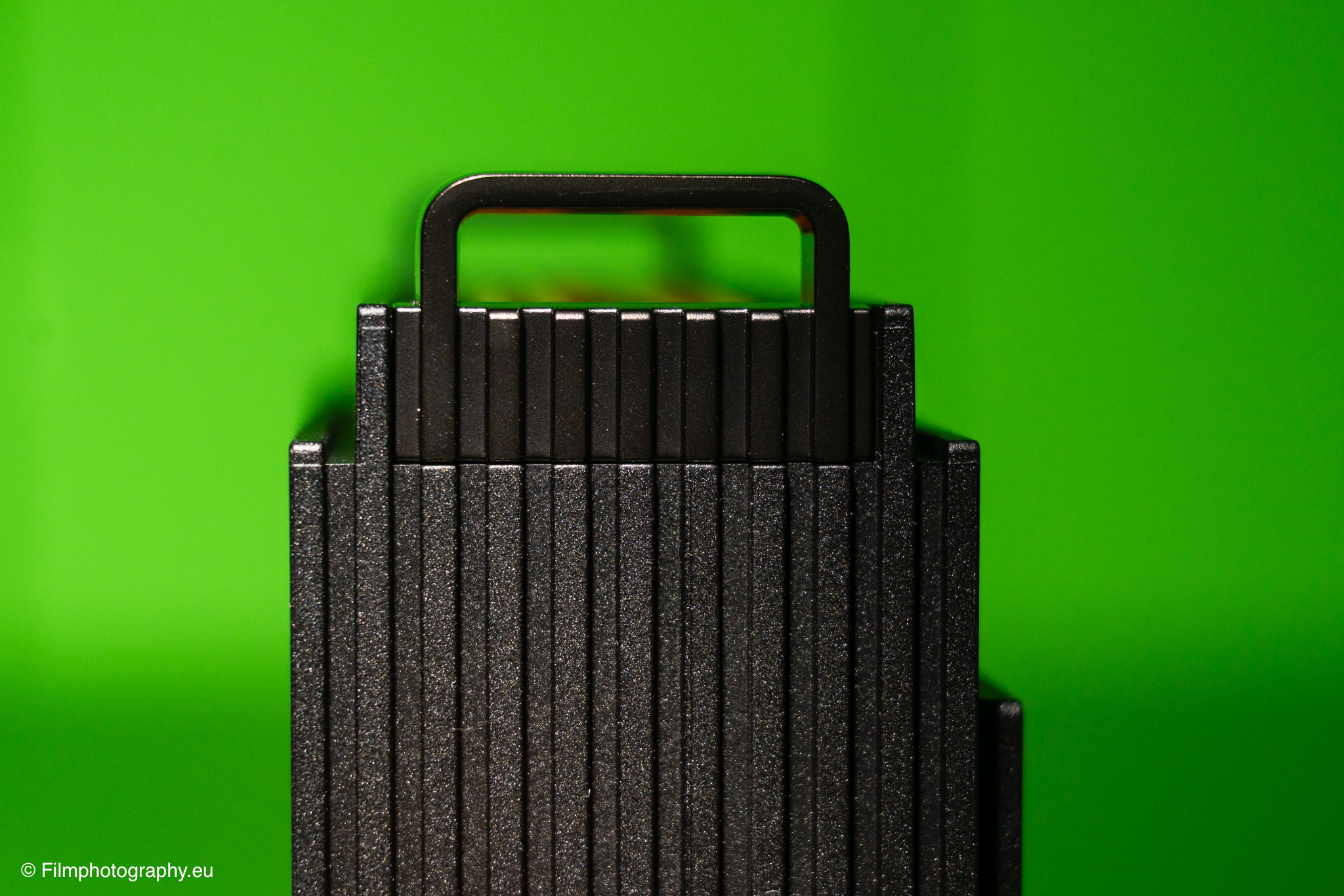
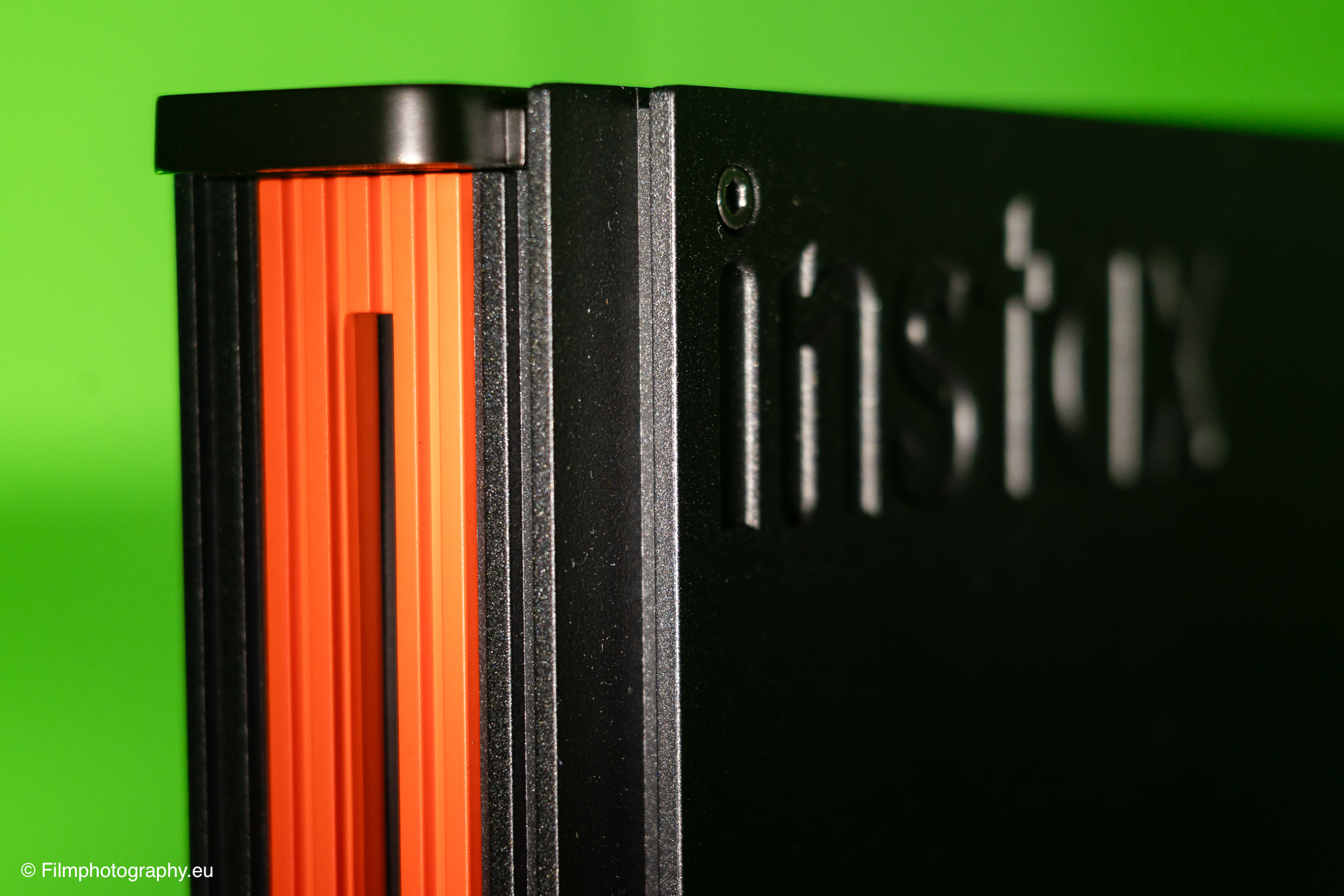
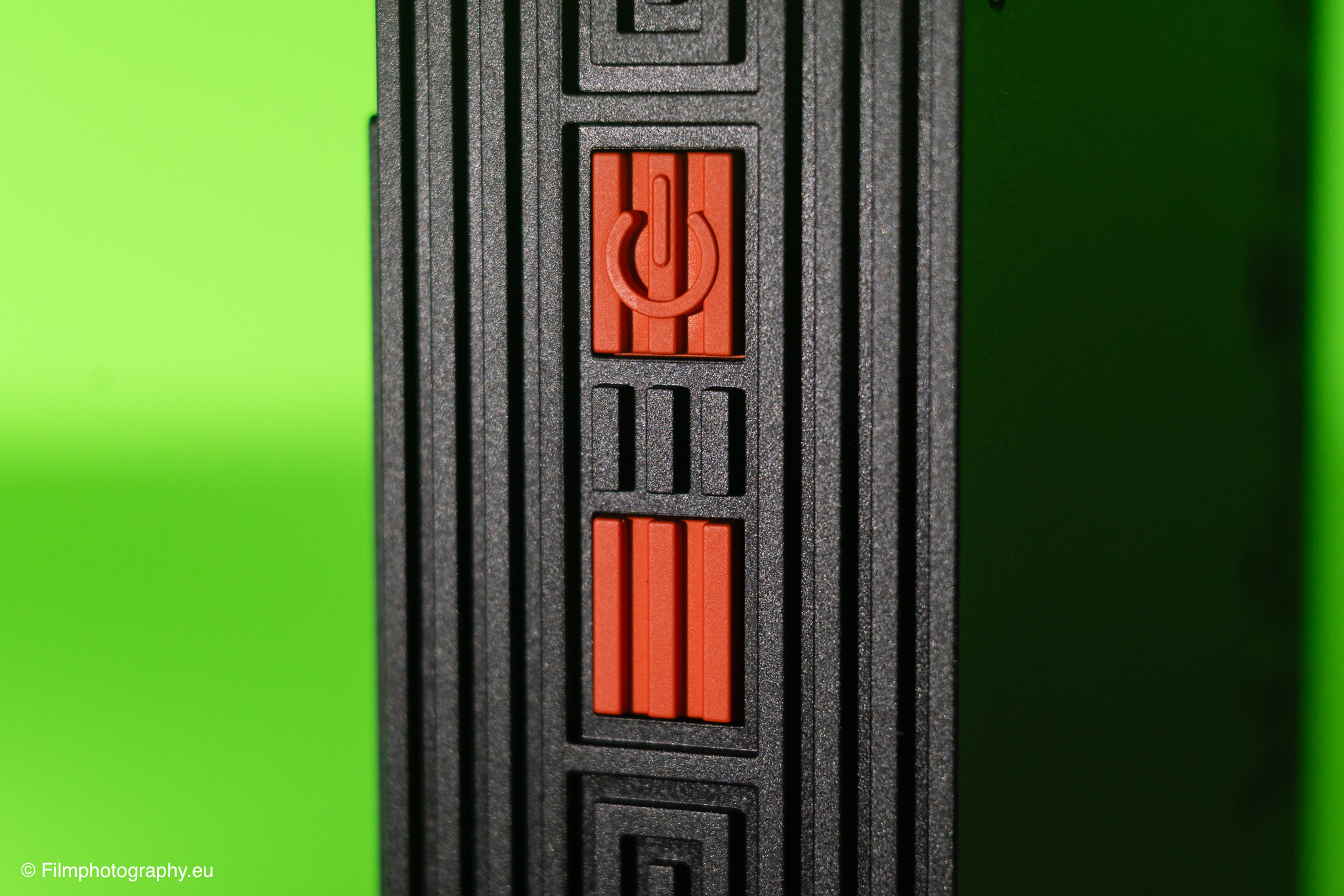
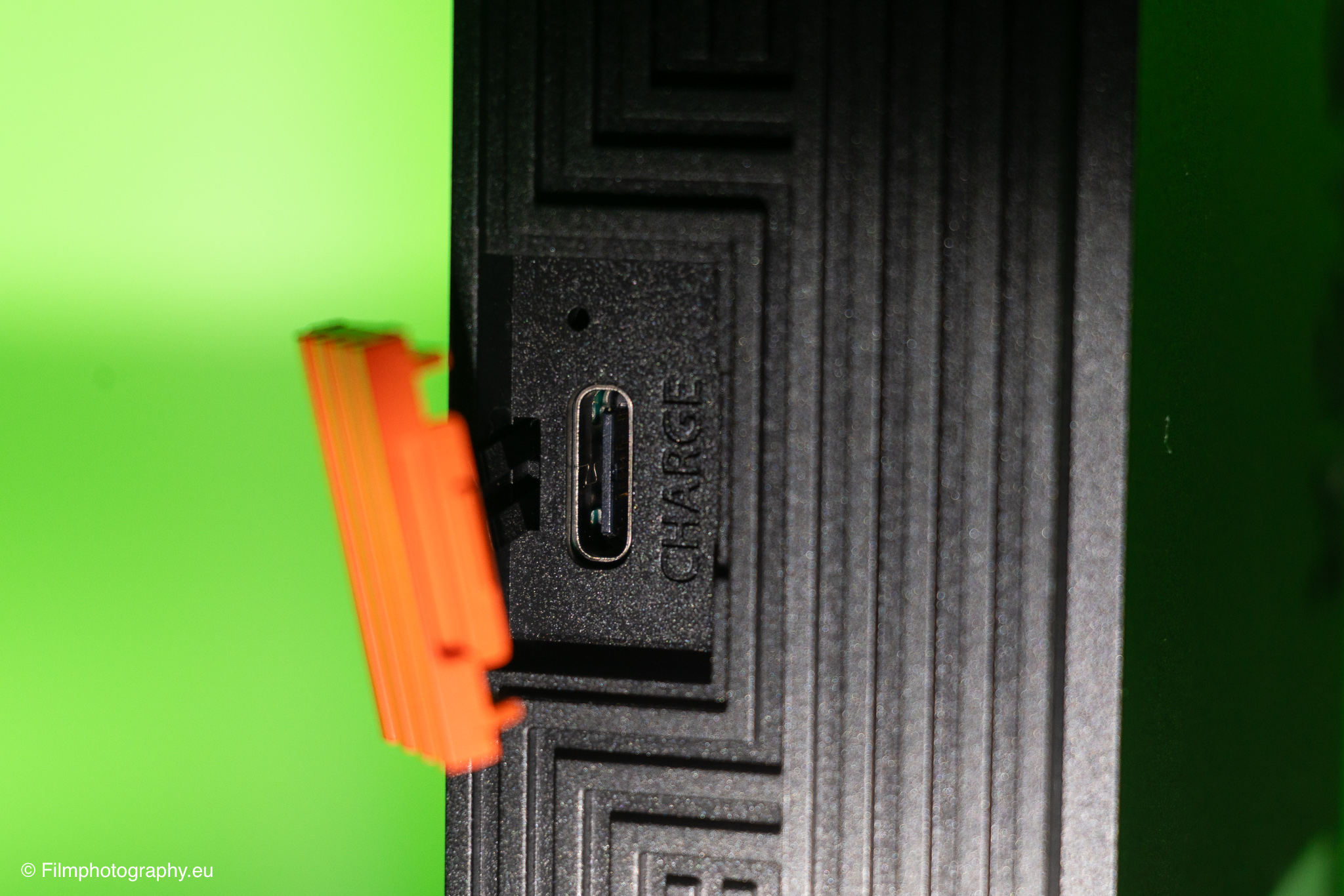
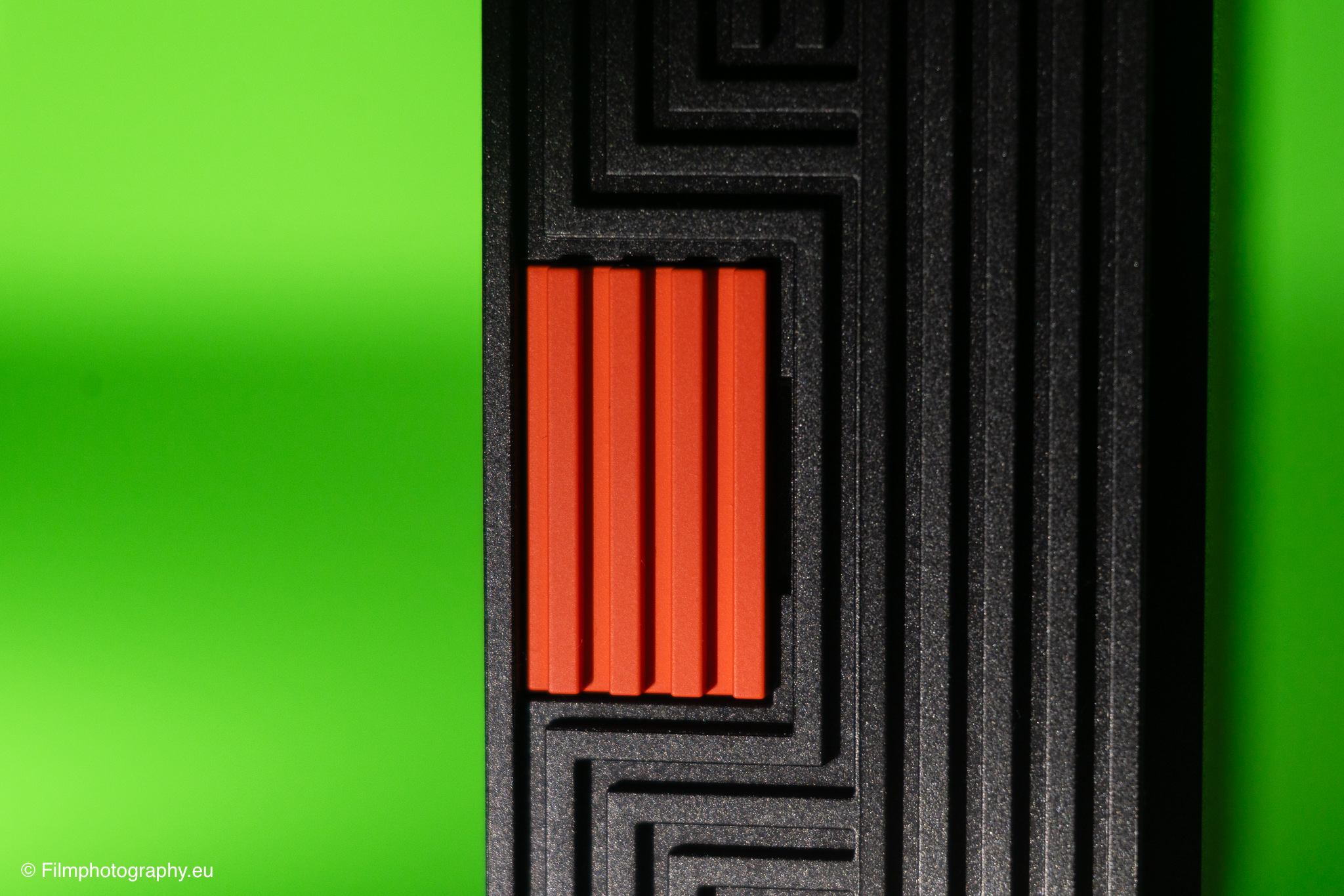
The device gets its power from a built-in battery that can be charged via the included cable. A large central button on the front serves as the power button and as a control for various special functions. The connection to the mobile phone is made wirelessly via Bluetooth. A small LED ring around the power button always shows the current operating status.
The Instax Mini Link+ in Practical Everyday Testing
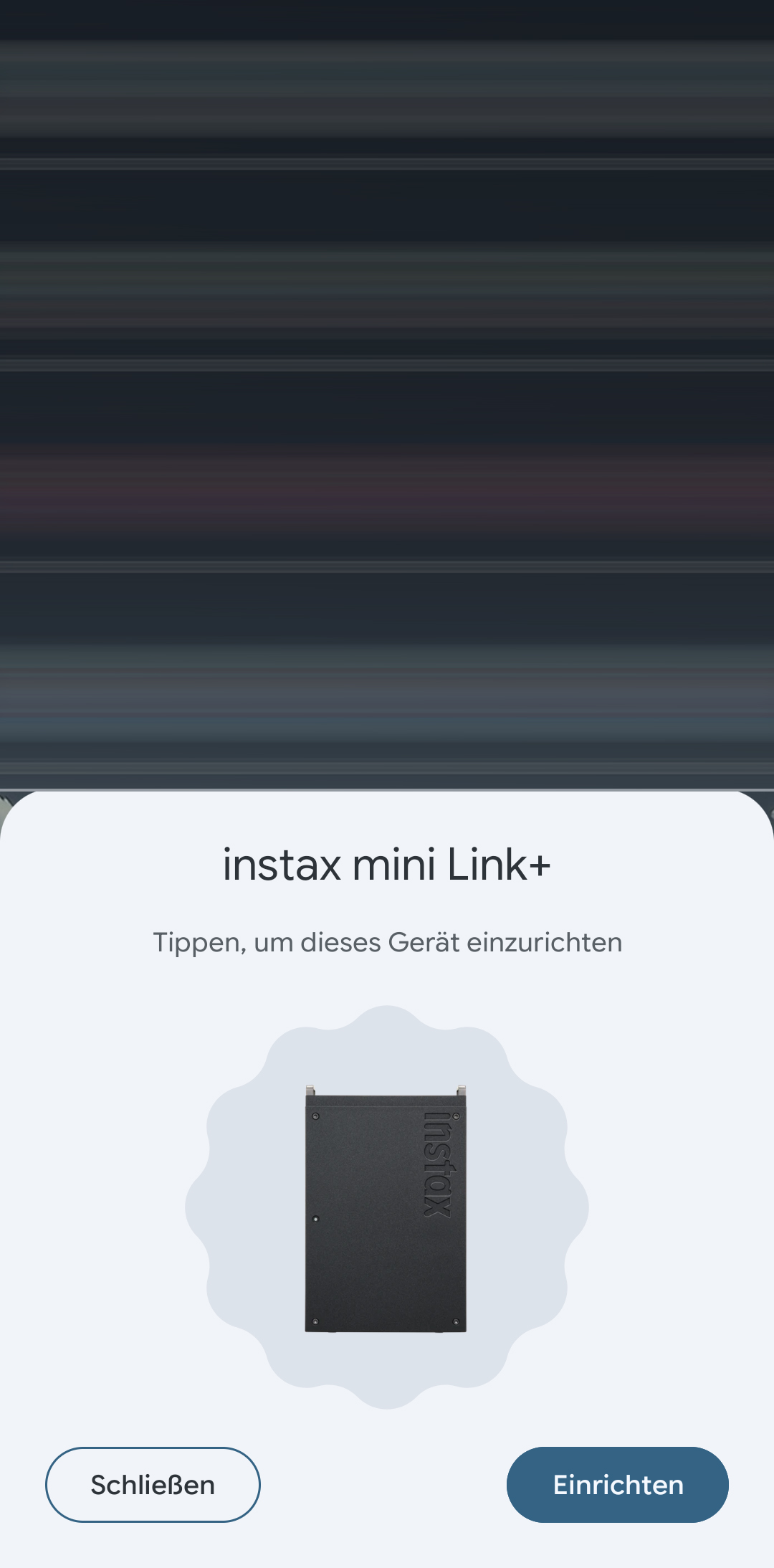
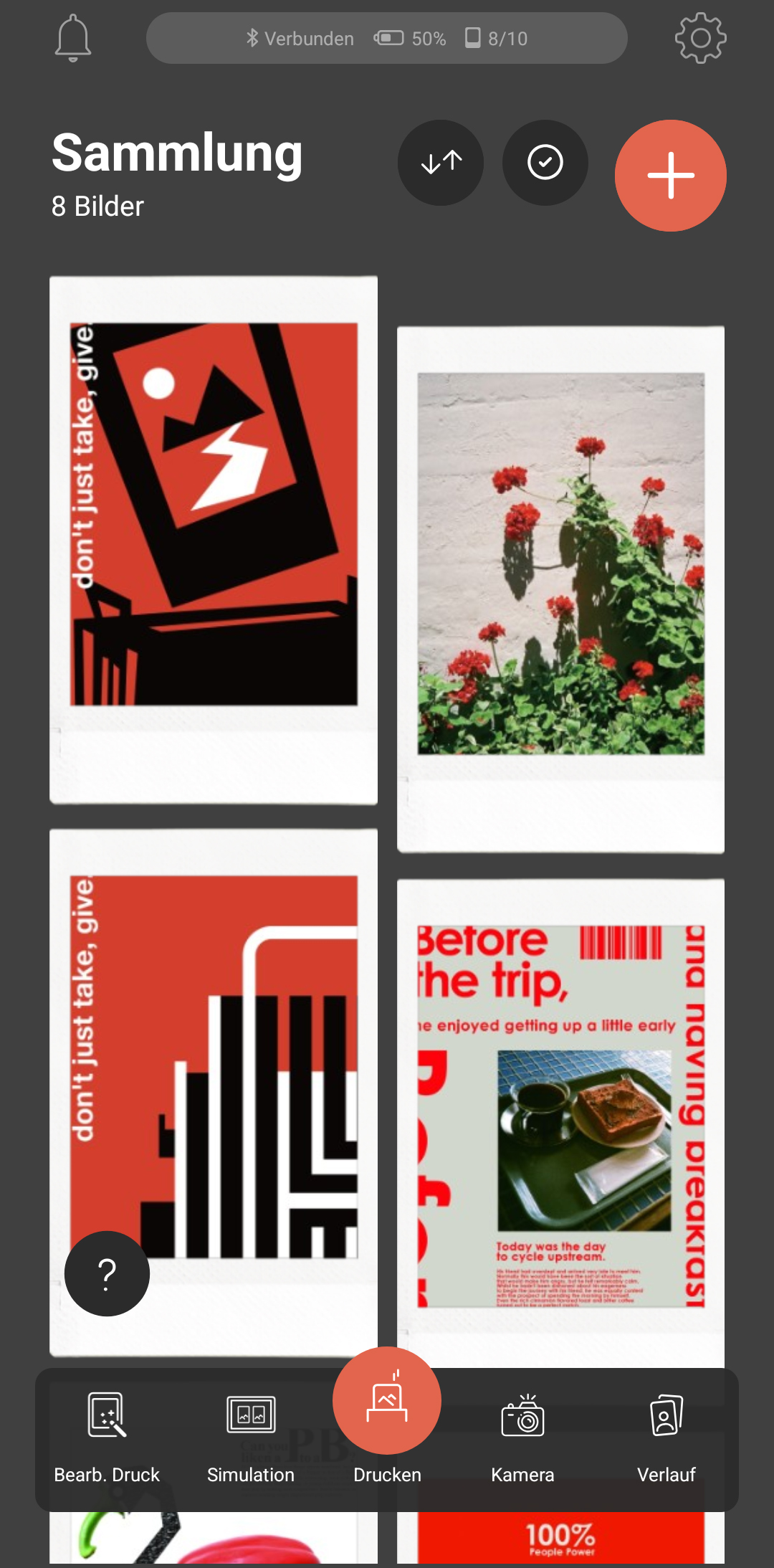
In practical use, it quickly becomes clear how uncomplicated the handling of the small device is. After switching on, the printer connects quickly to the corresponding application on the mobile phone. The app is available for free for Android and iOS.
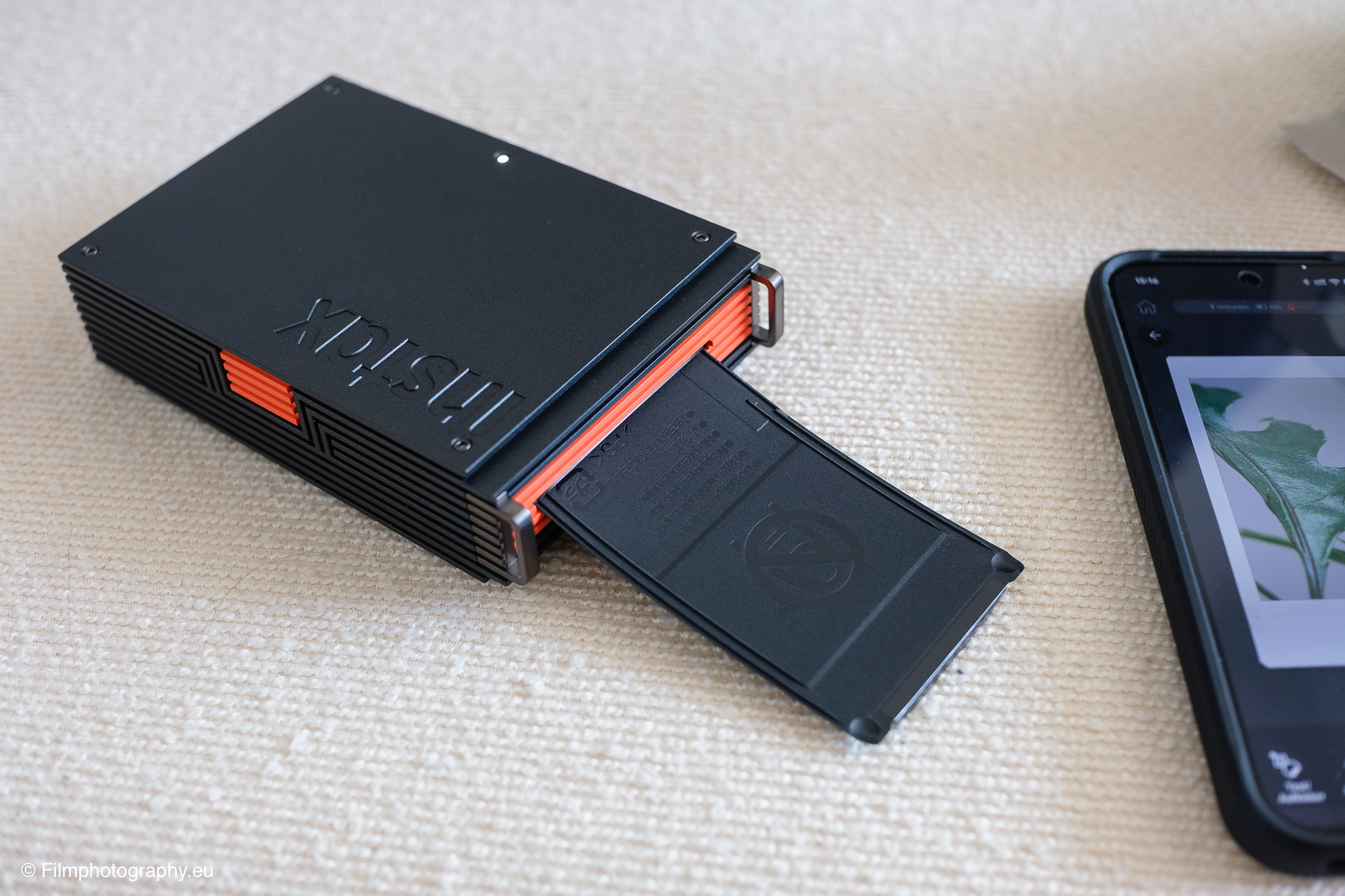
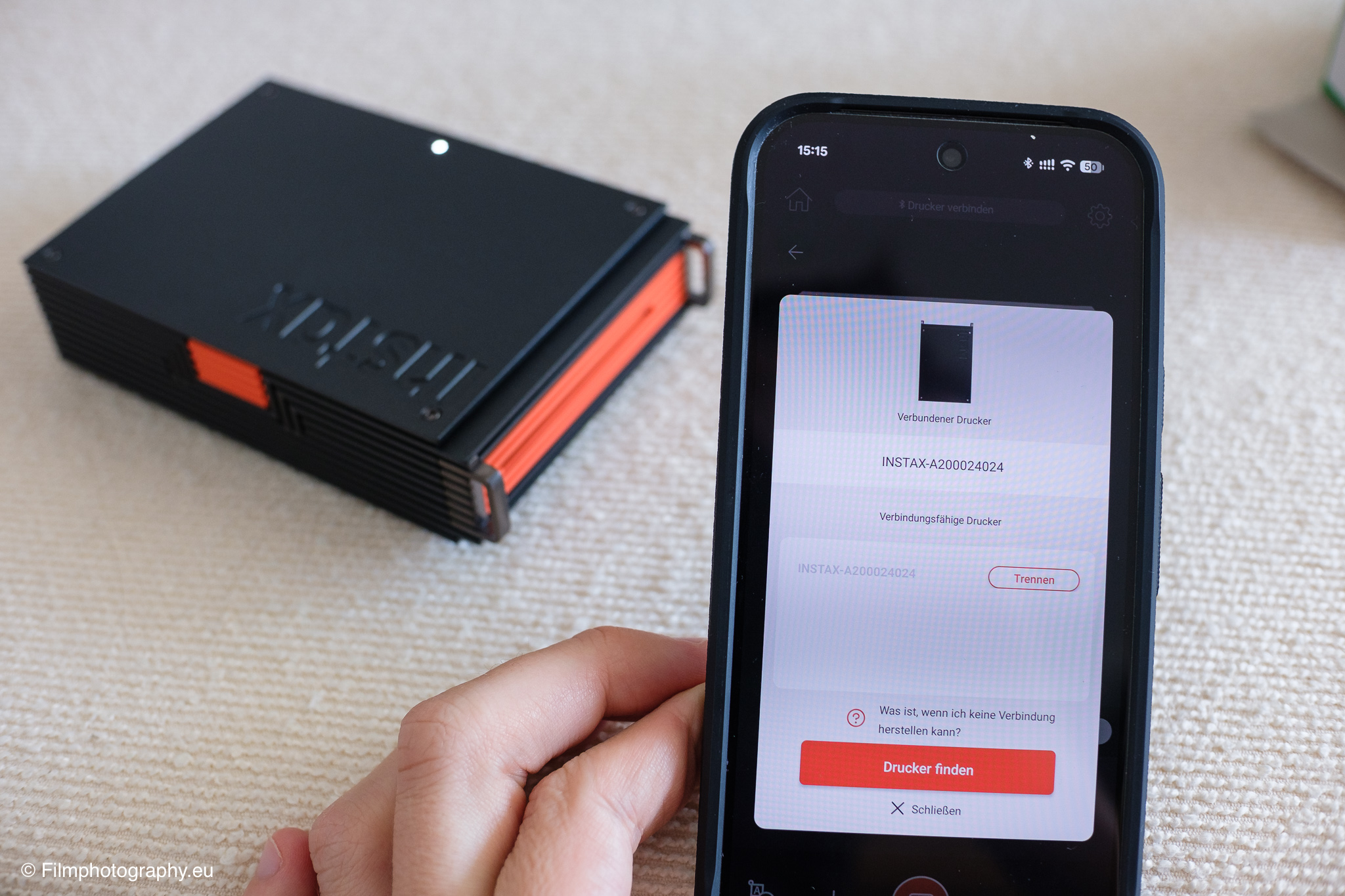
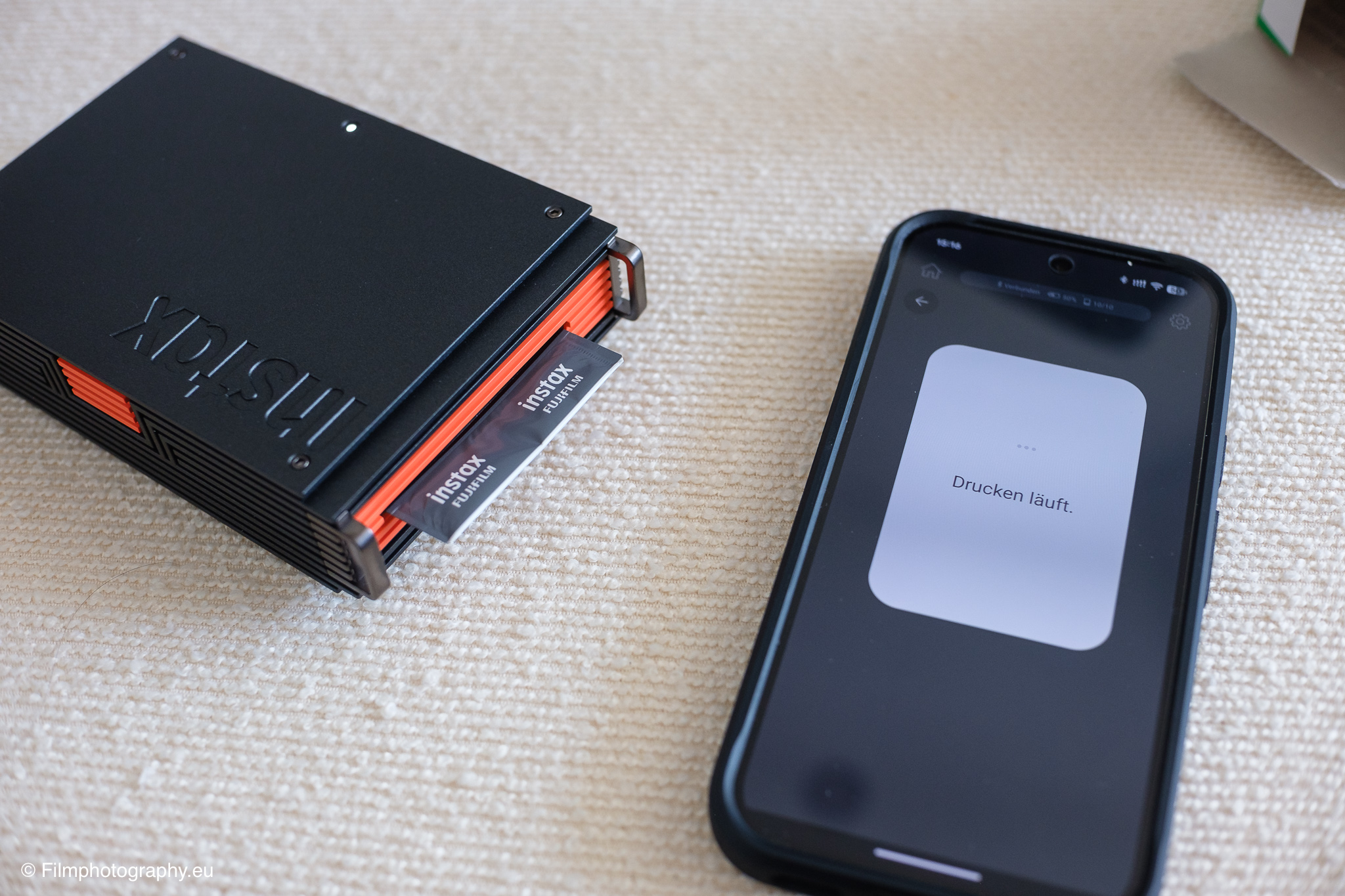
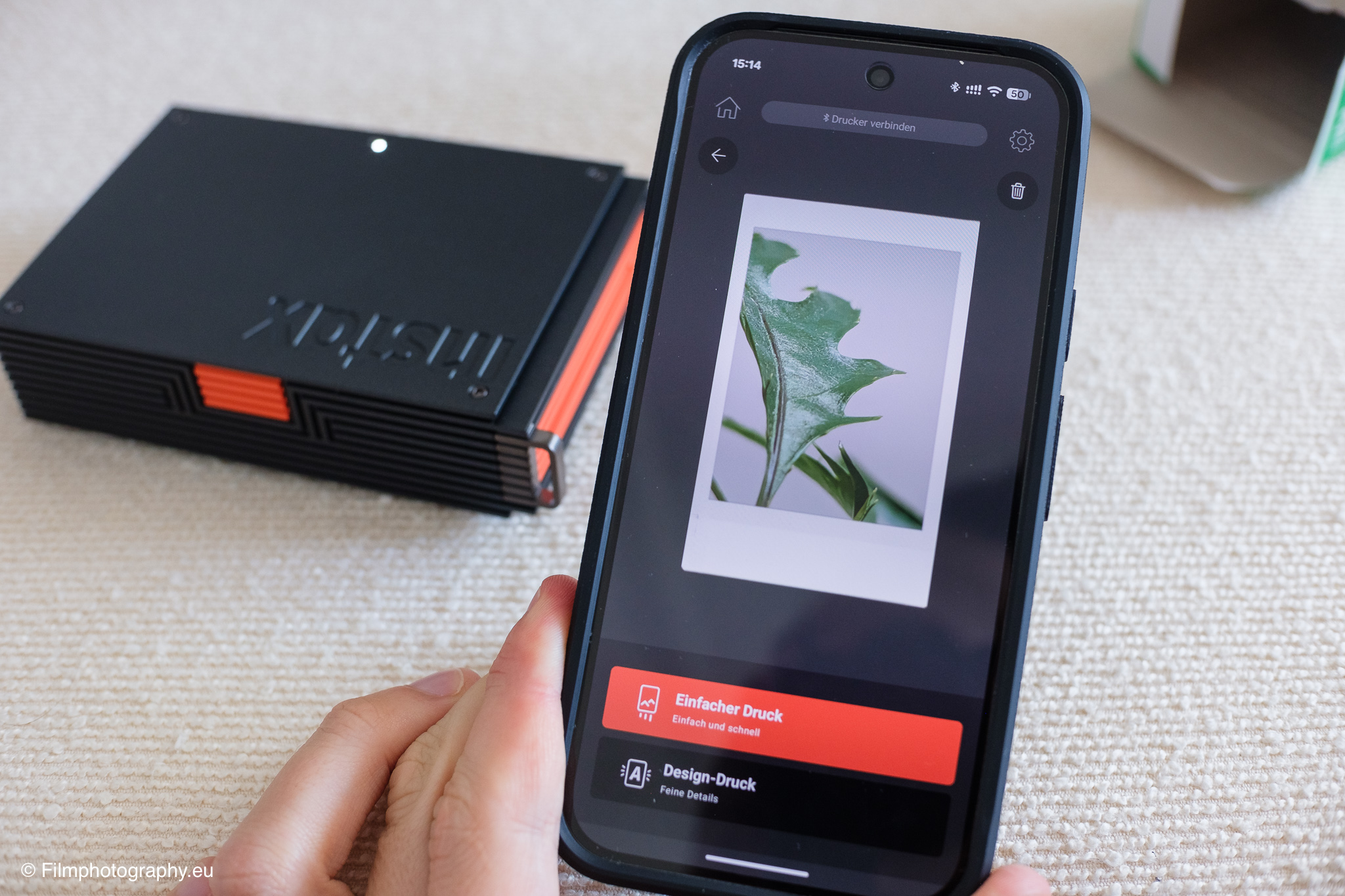
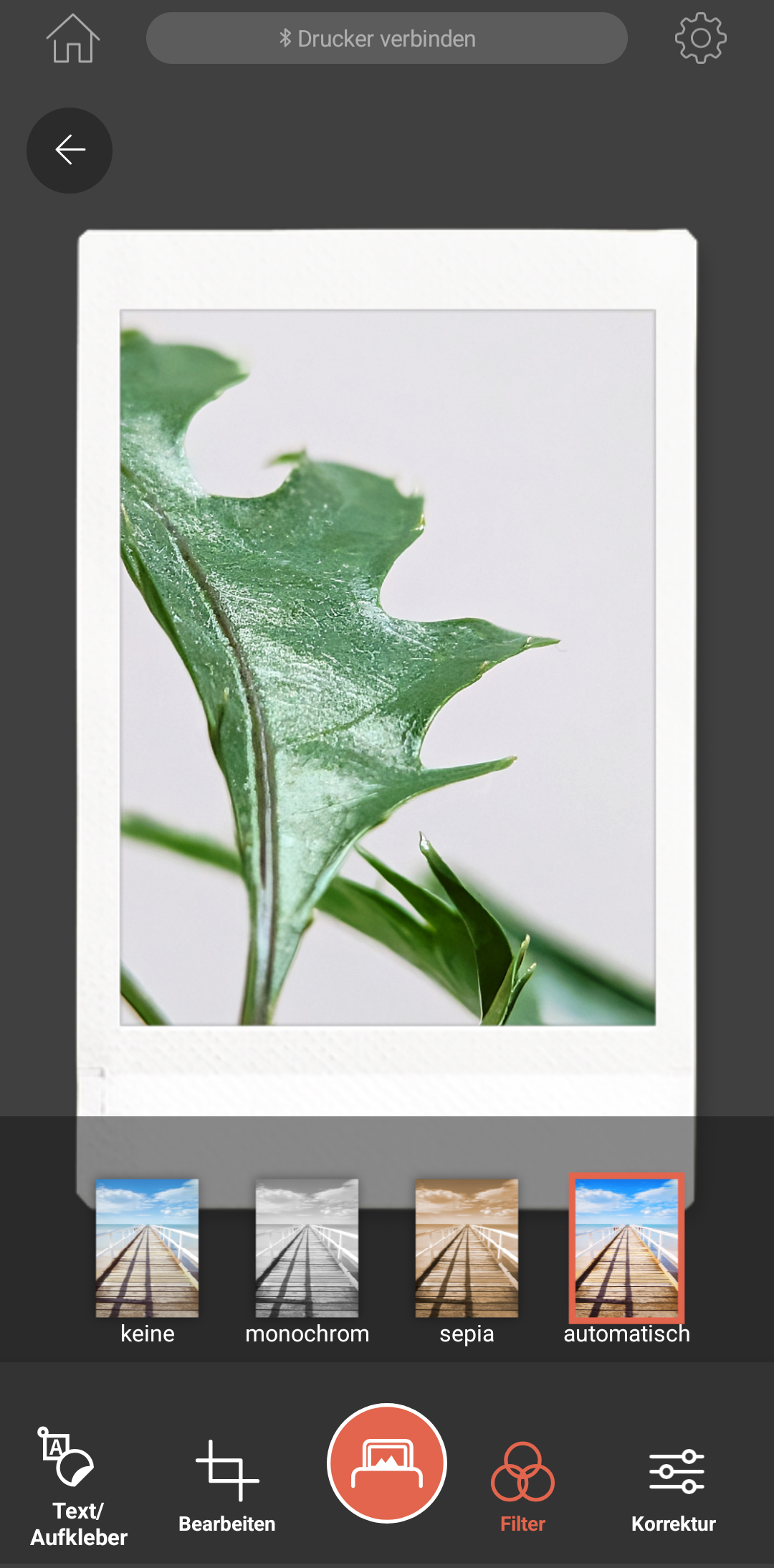
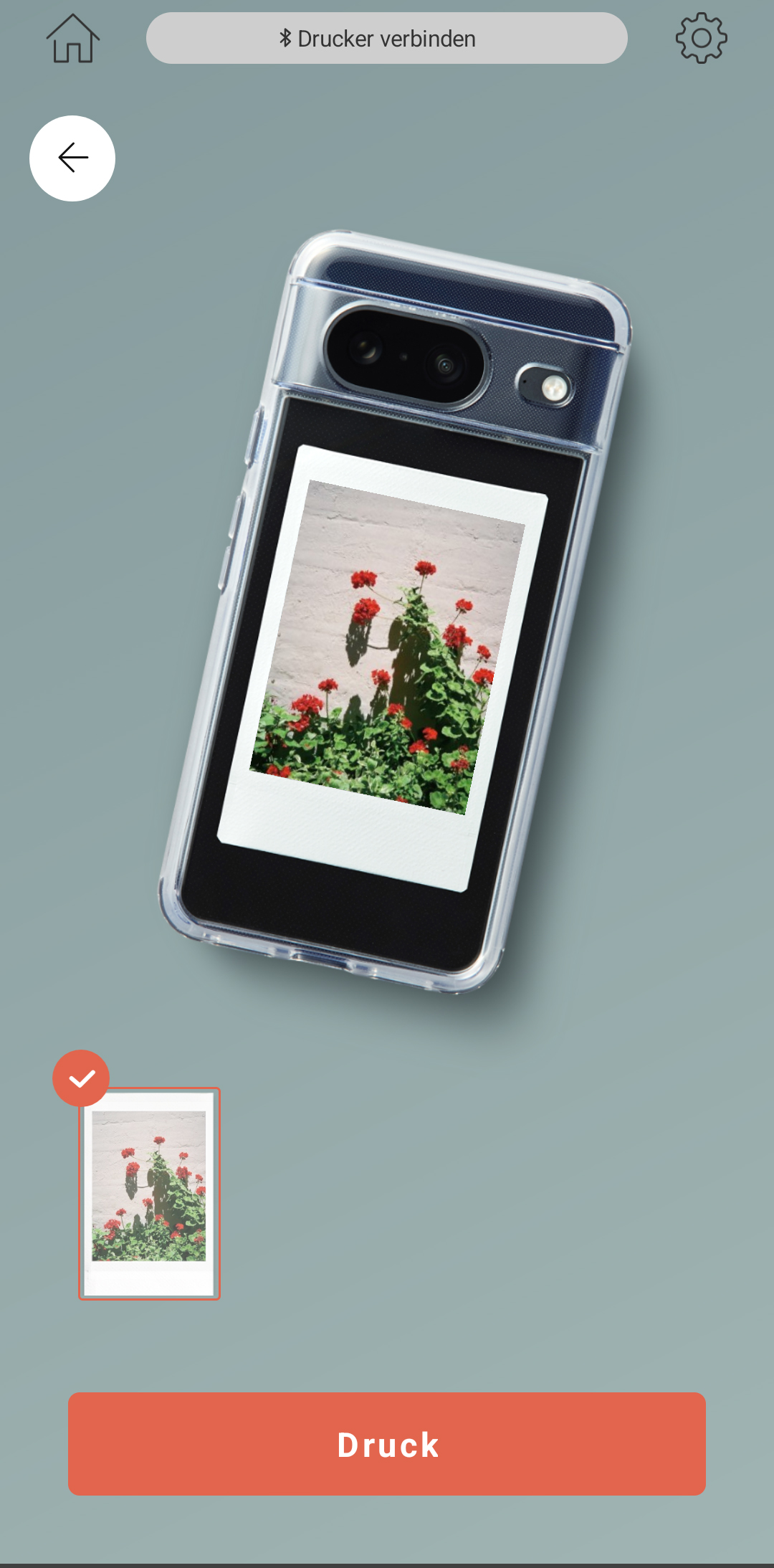
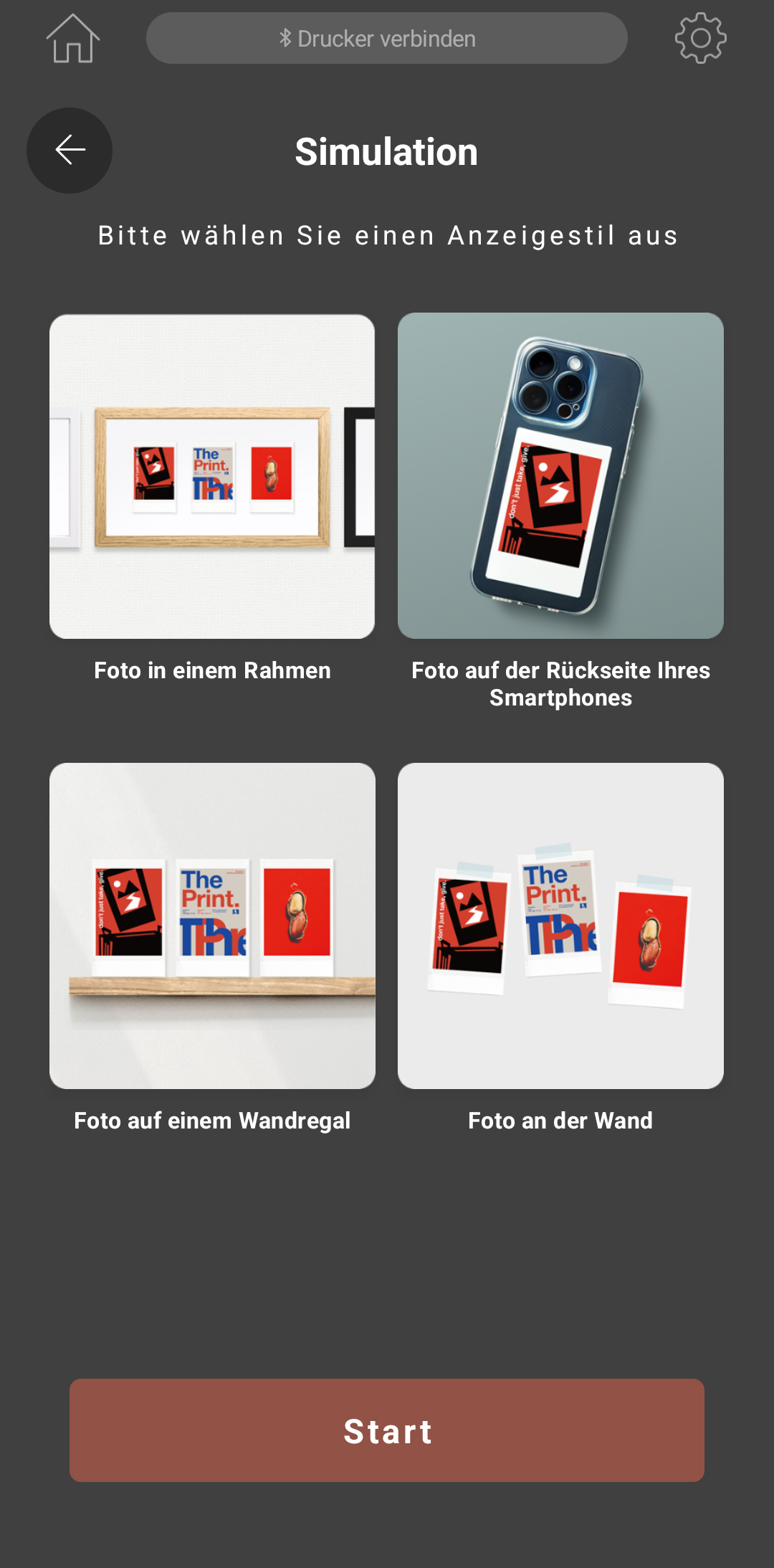
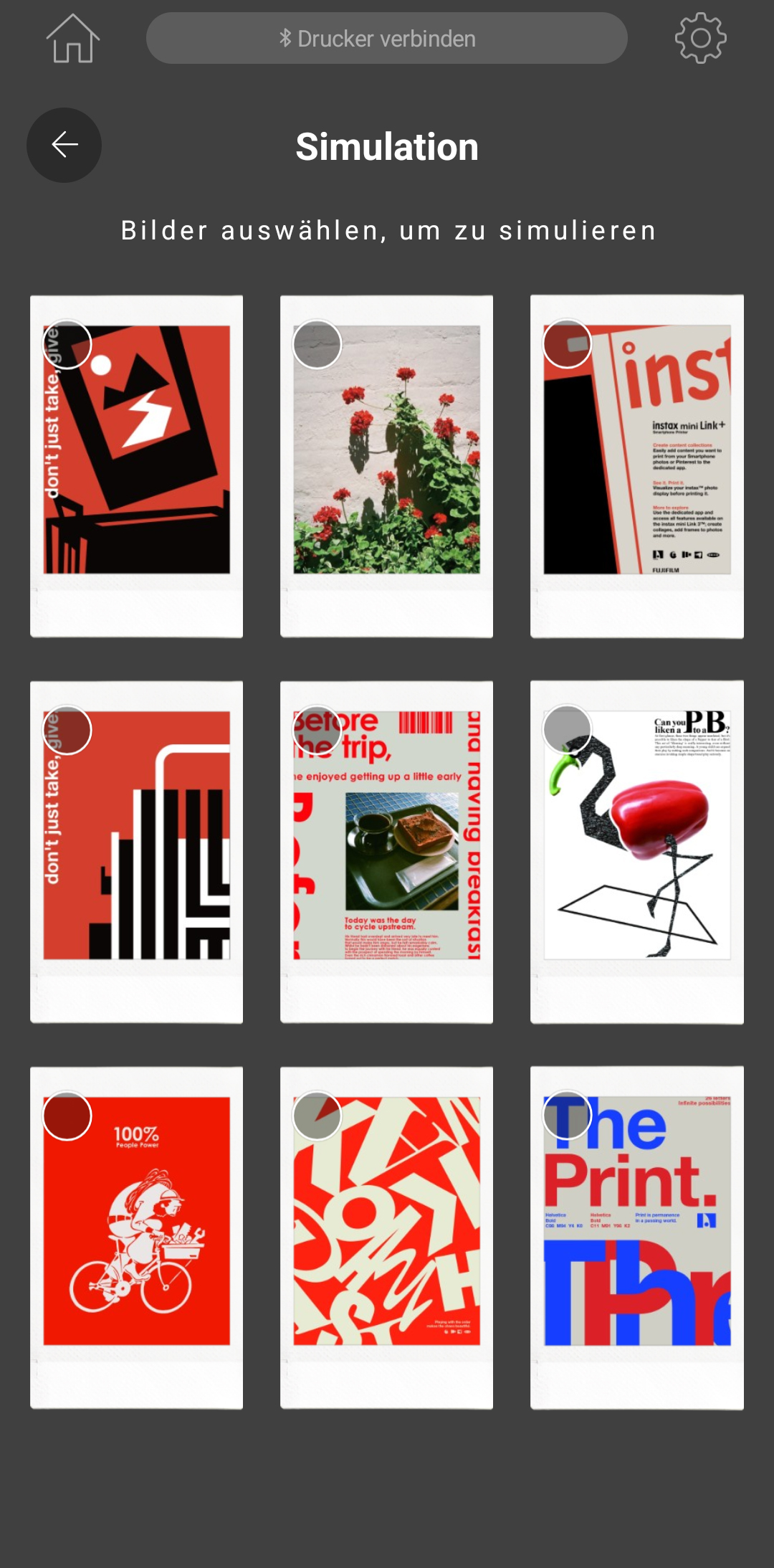
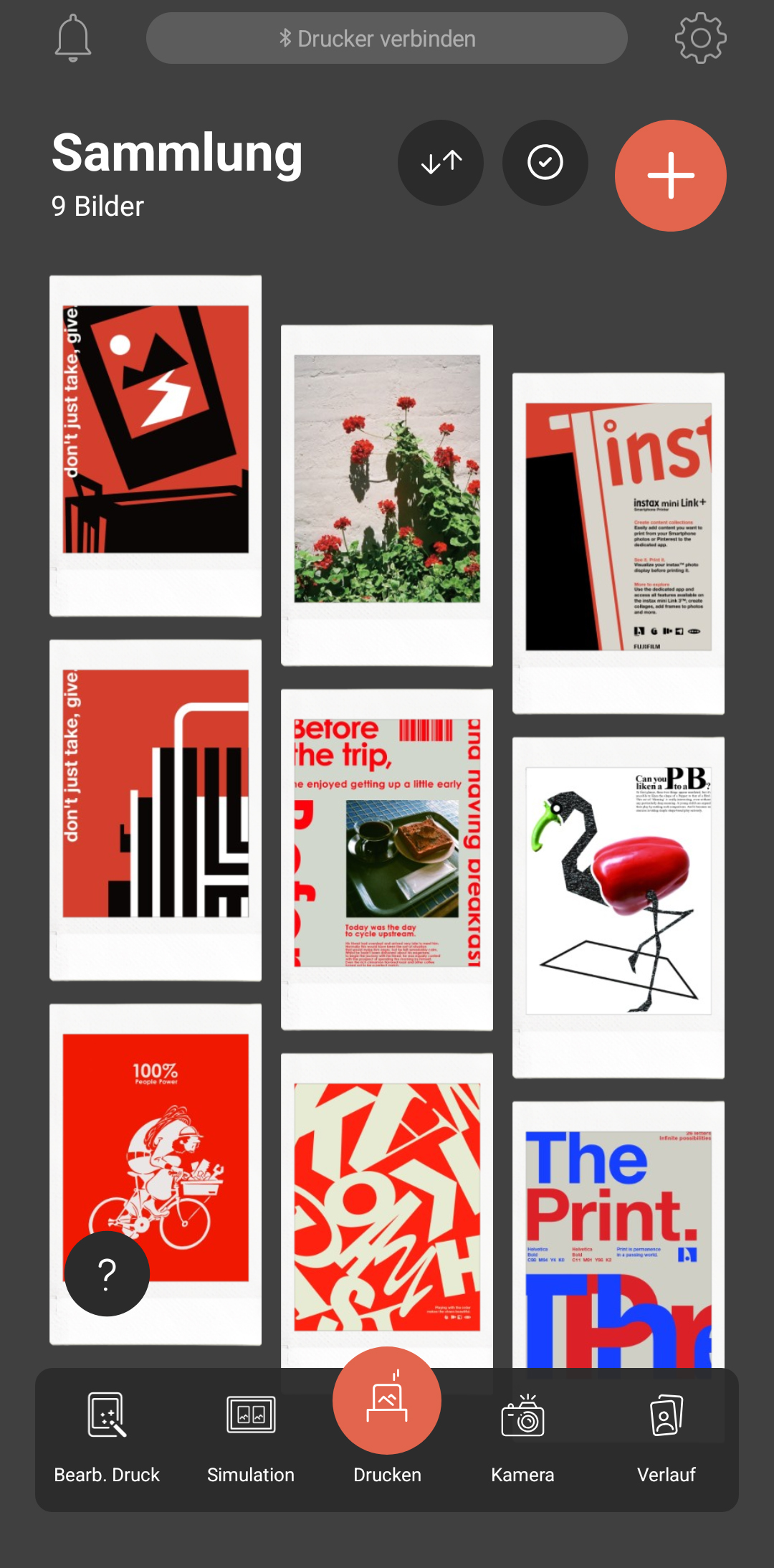
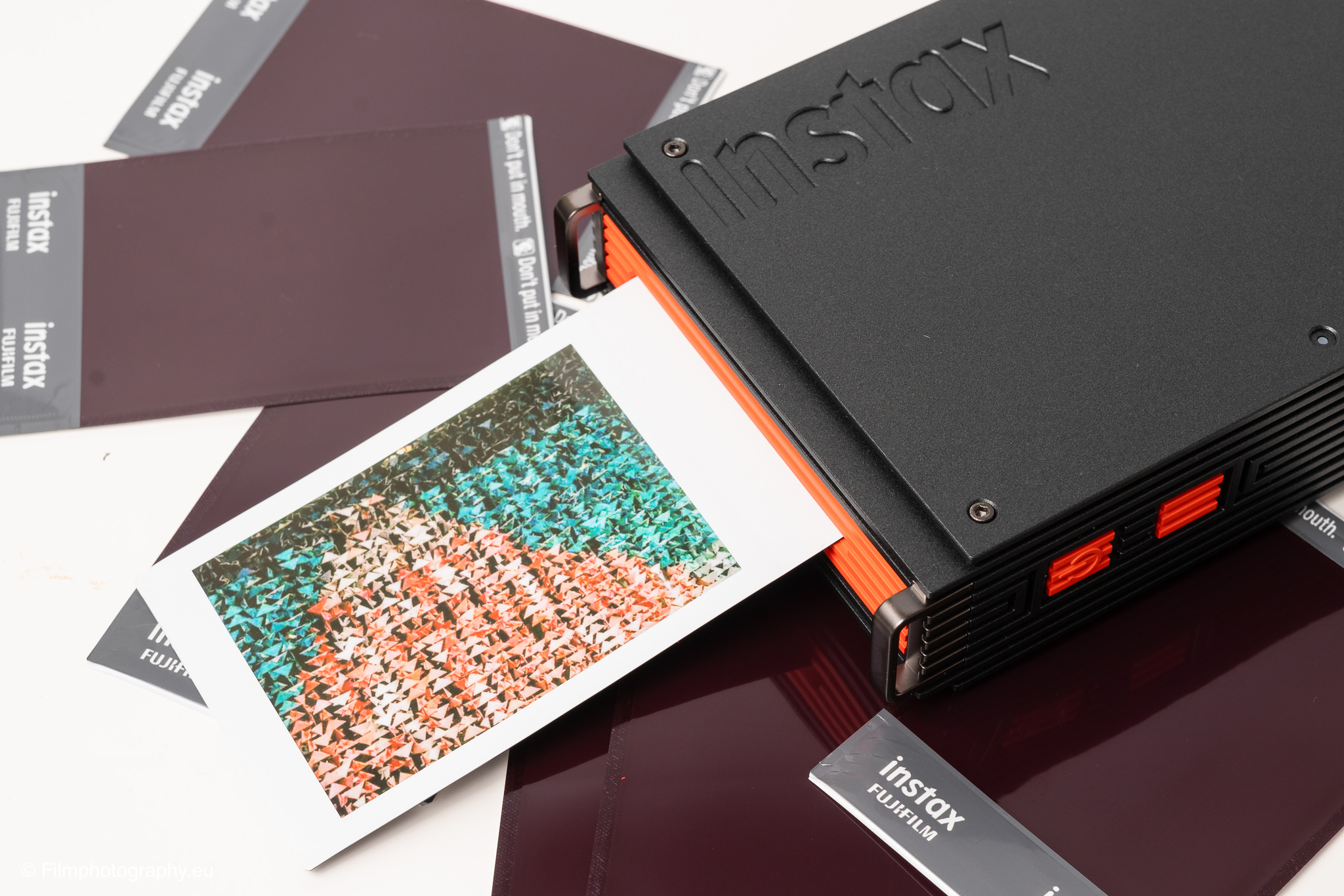
The app is quite clear and easy to understand. The individual menus are well structured, so you can select a suitable image from your own gallery without a long learning curve. Before actually printing, you can crop, rotate, or adjust images with various frames and filters. The actual printing process takes only a few seconds. The exposed image is quietly pushed out upwards and then develops within two minutes in the fresh air.
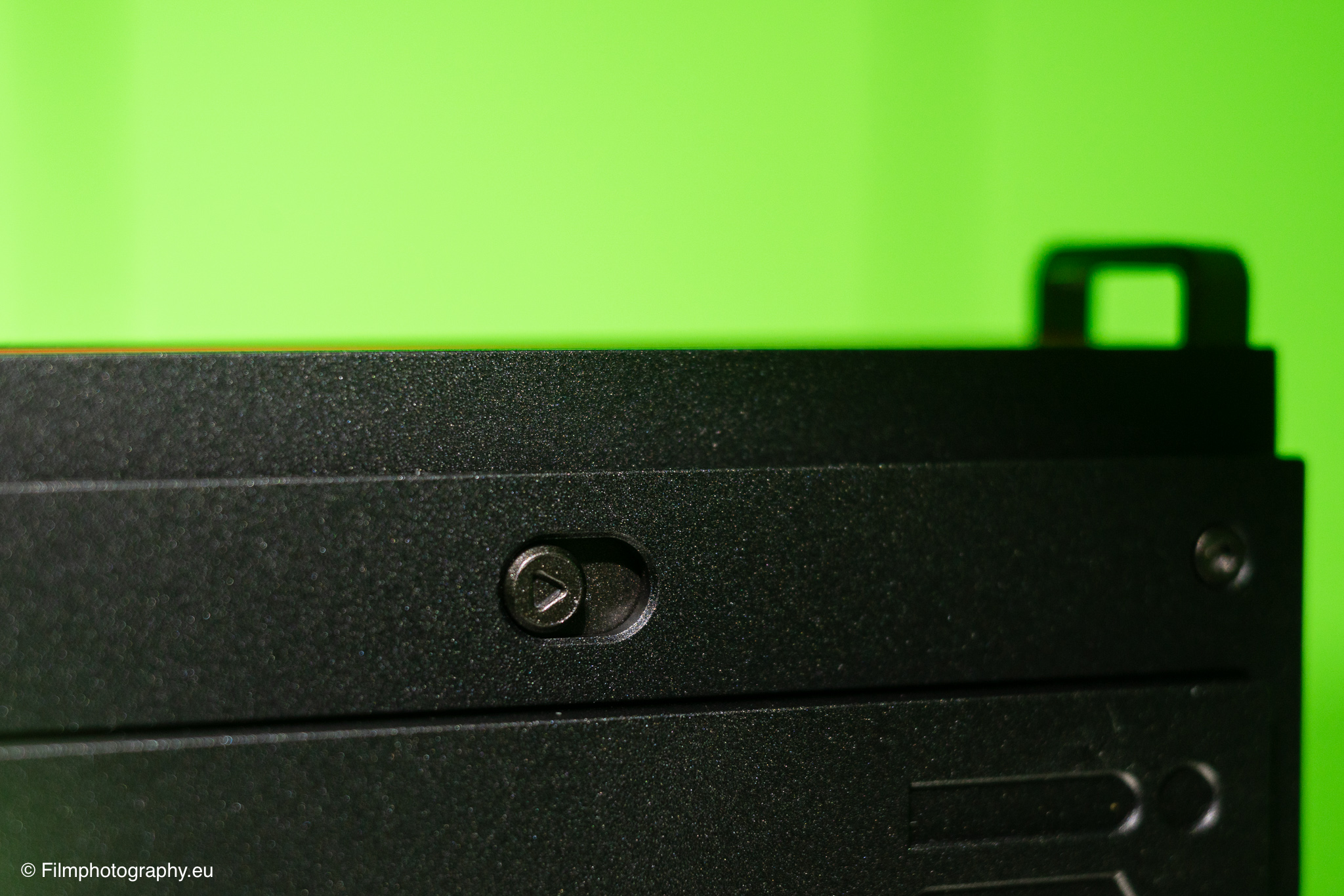
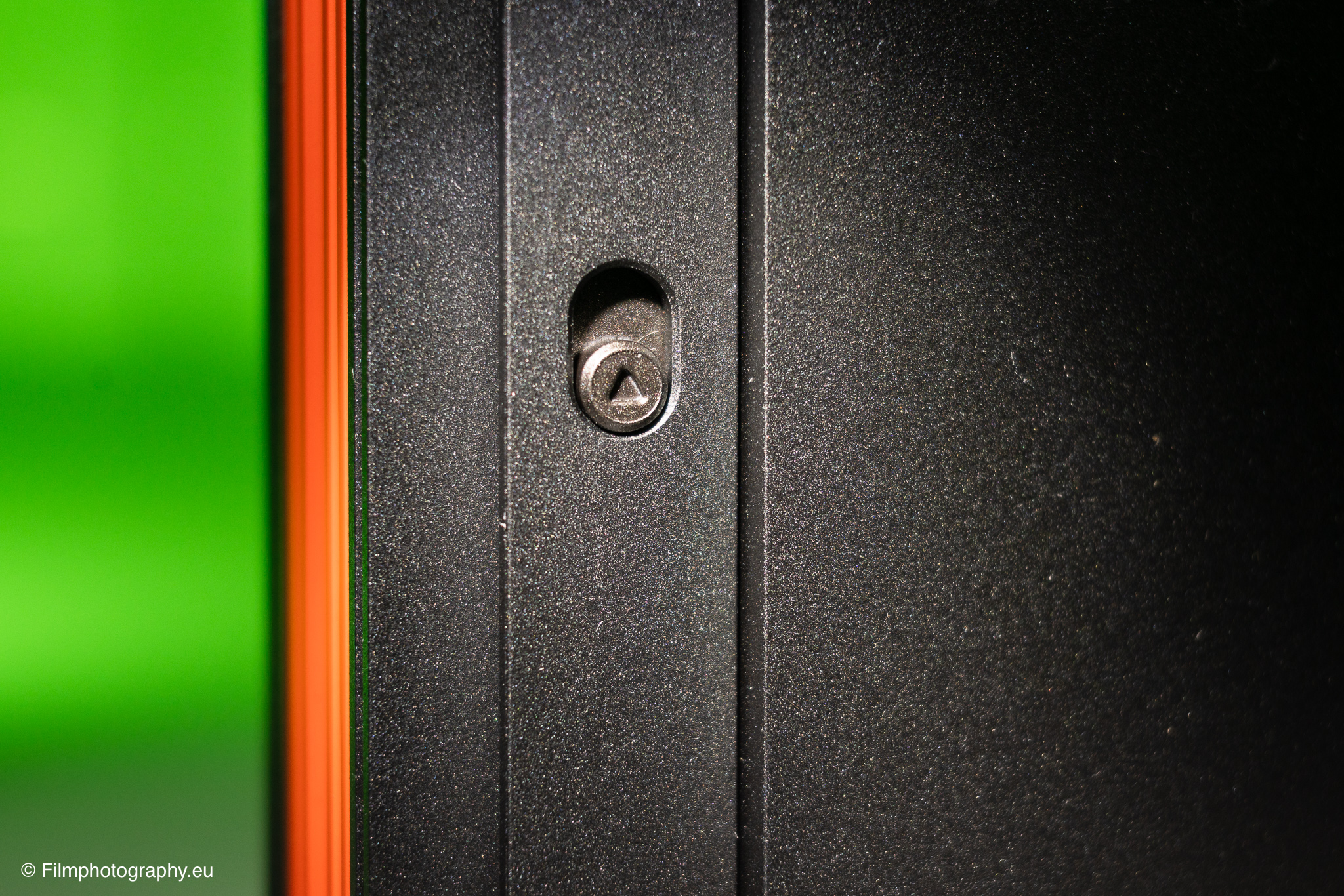
The printer has the option for functions that are activated when it is tilted. There is also the possibility to hold the printer upside down and then print the last image by pressing a button. For me, these are more gimmicks and not really essential. In everyday practice, one tends to reach directly for the smartphone screen to make settings or start another reprint.
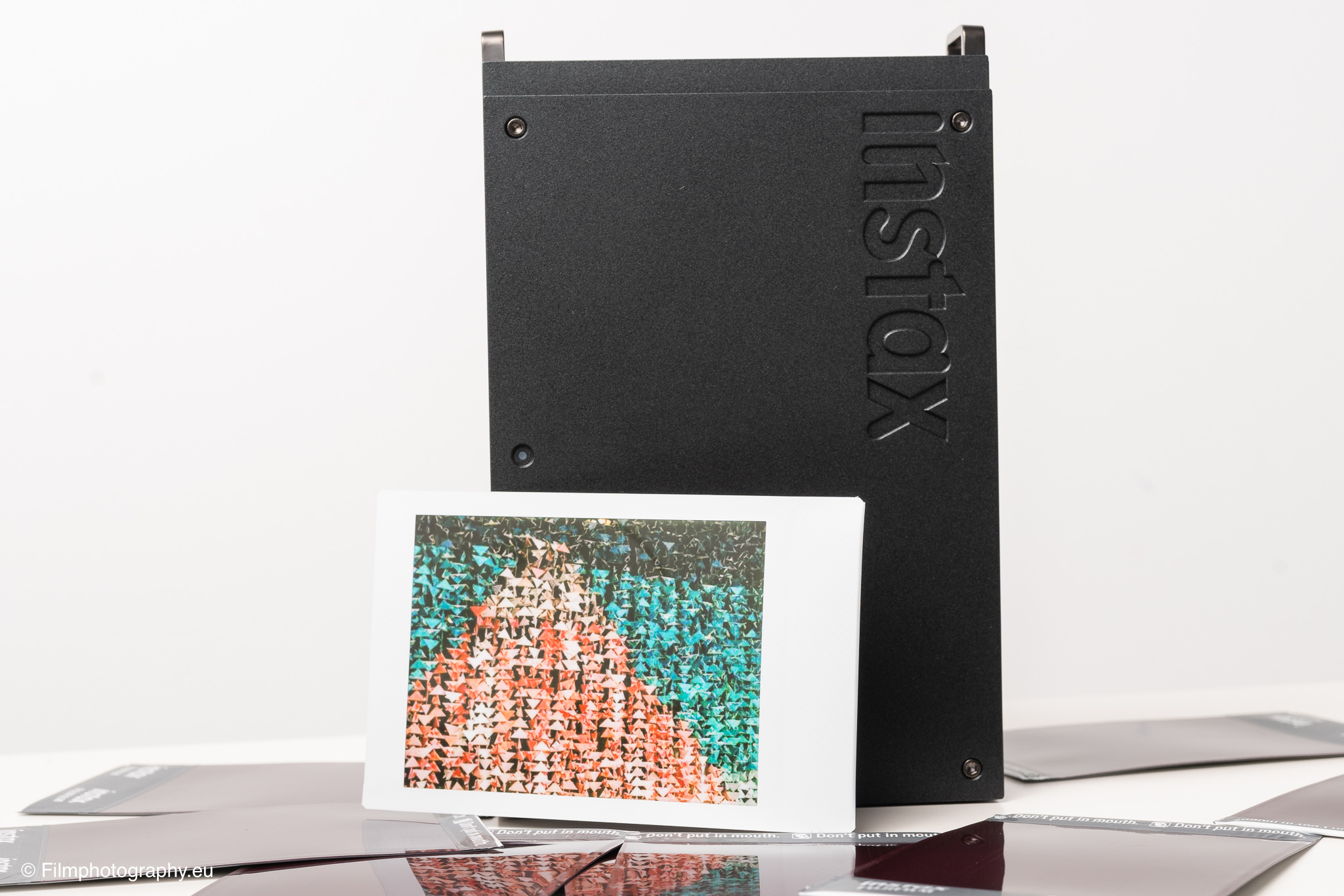
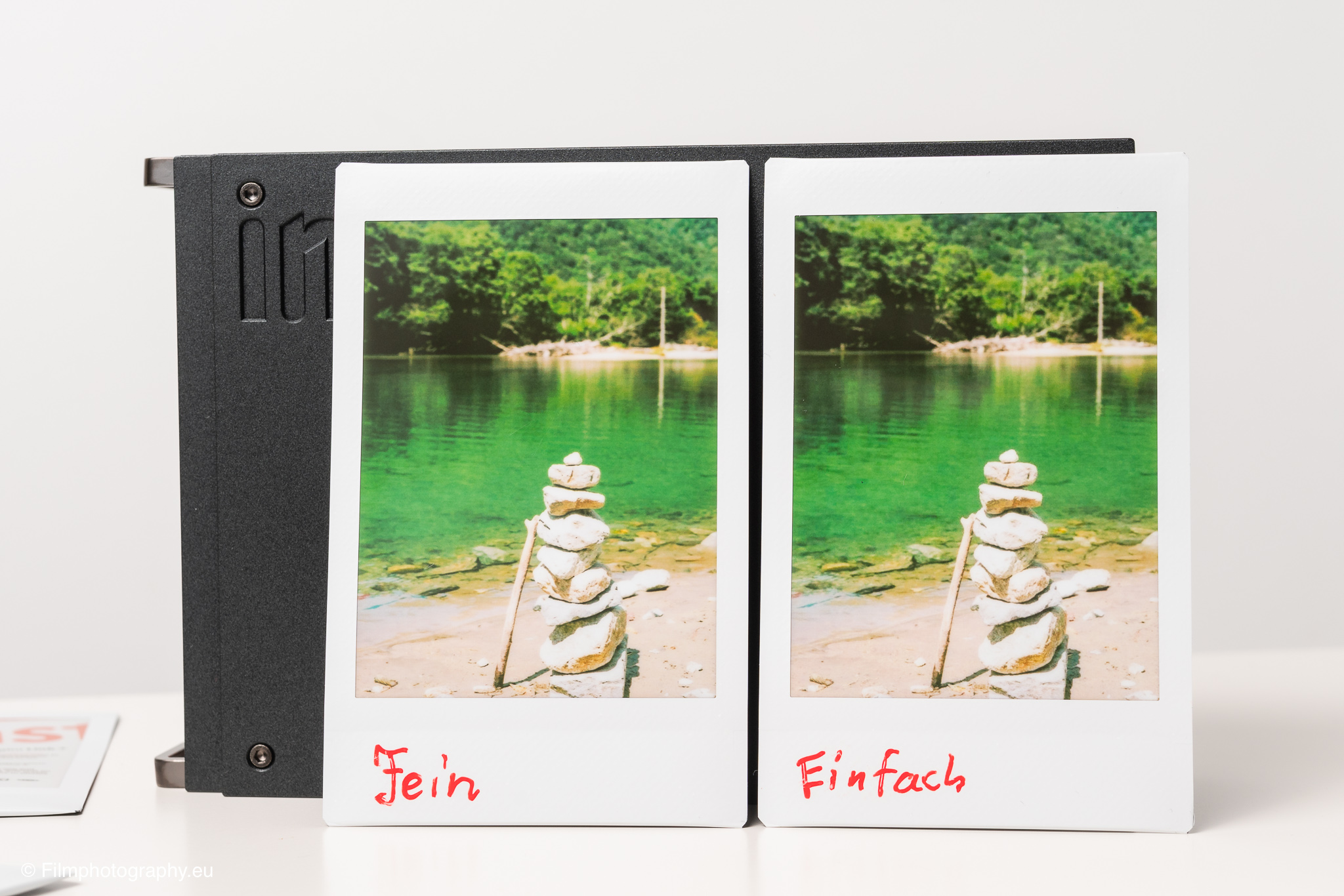
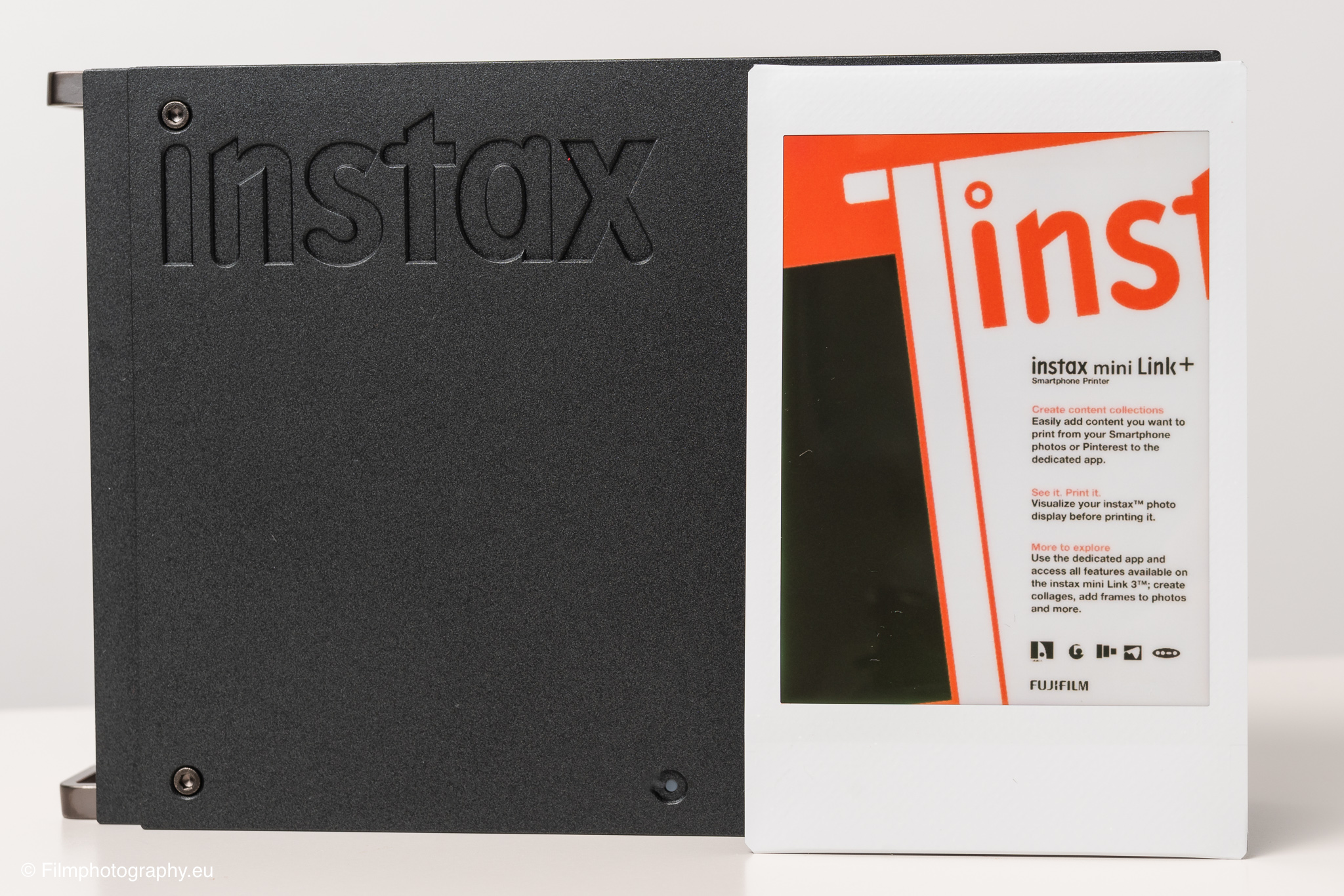
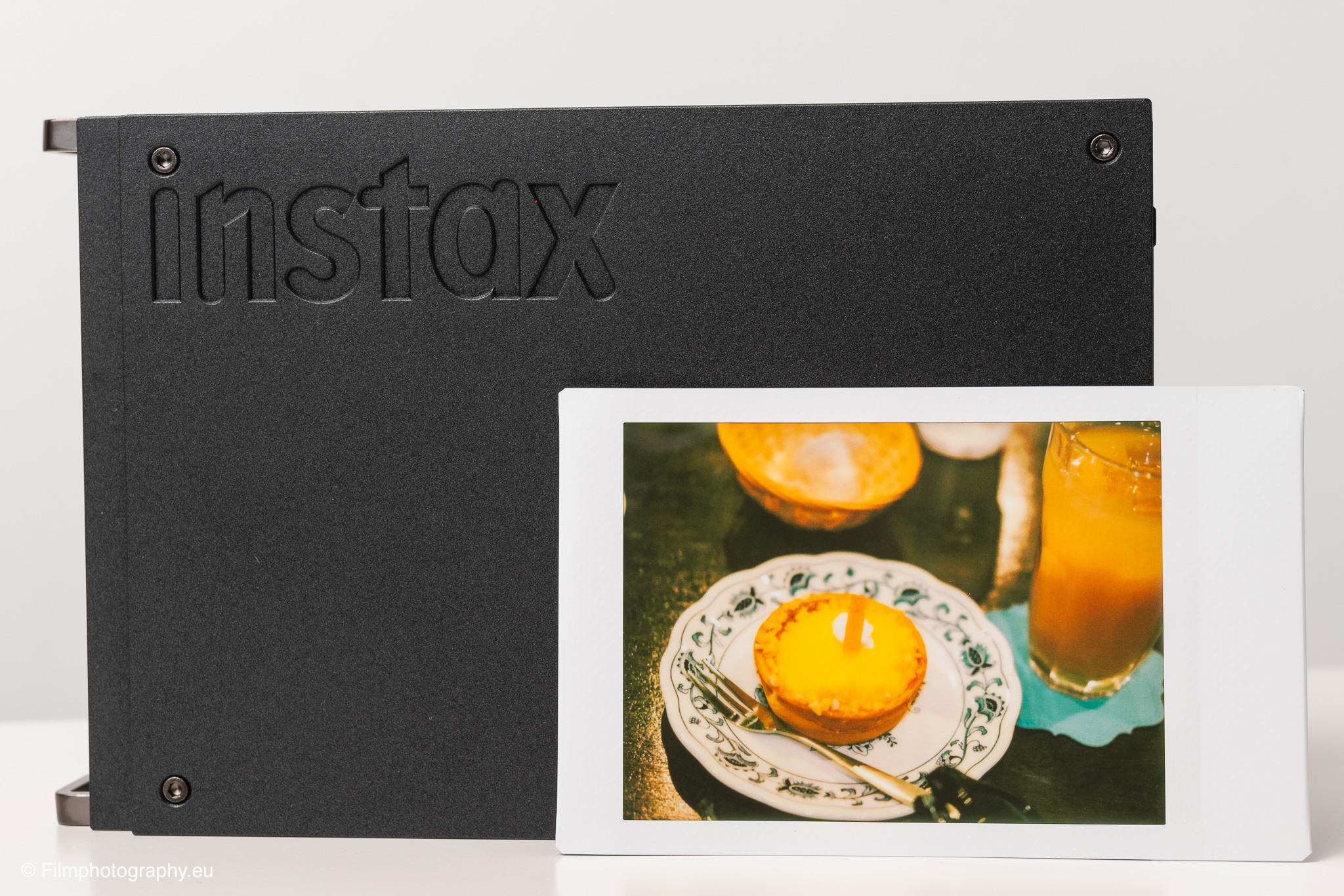
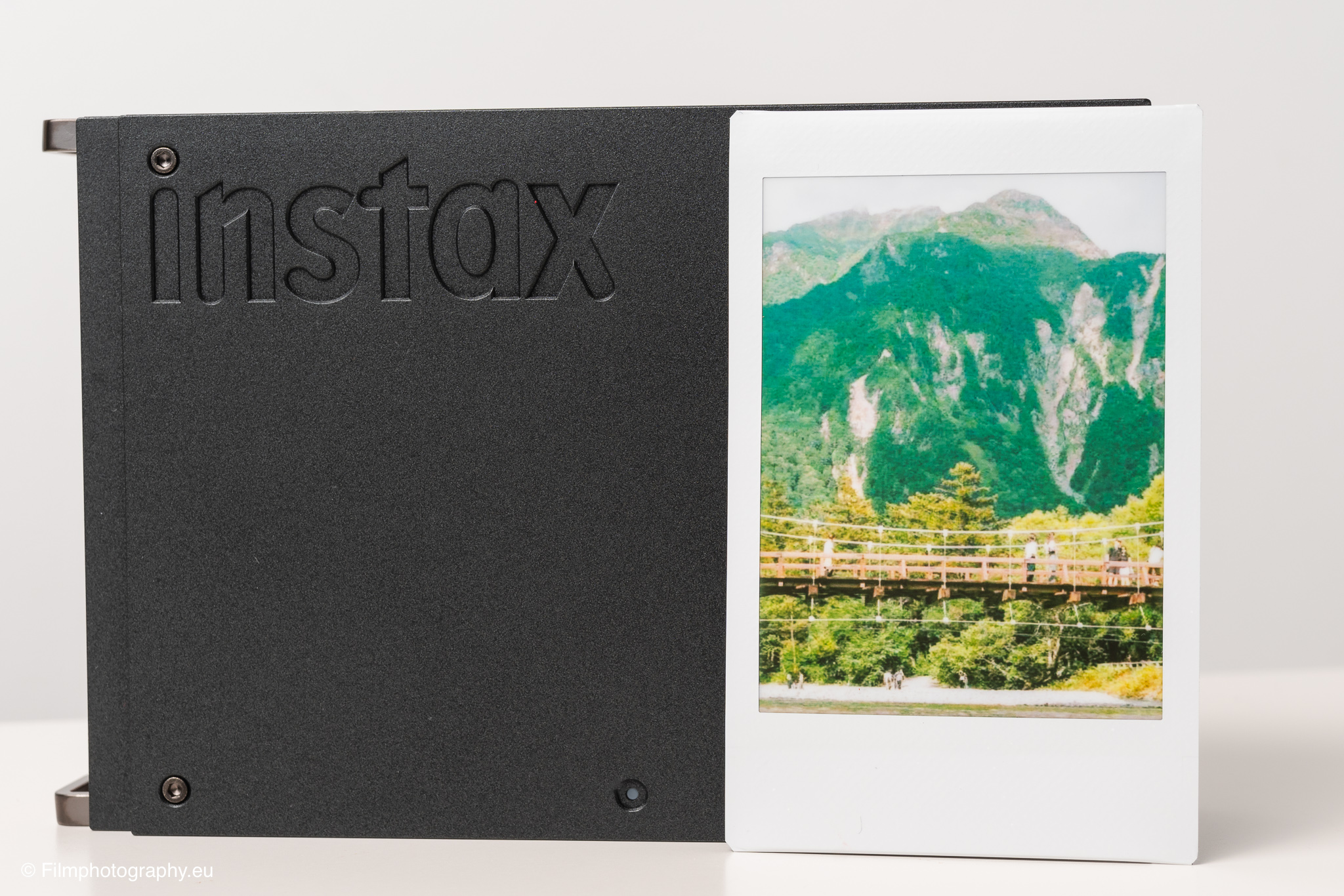
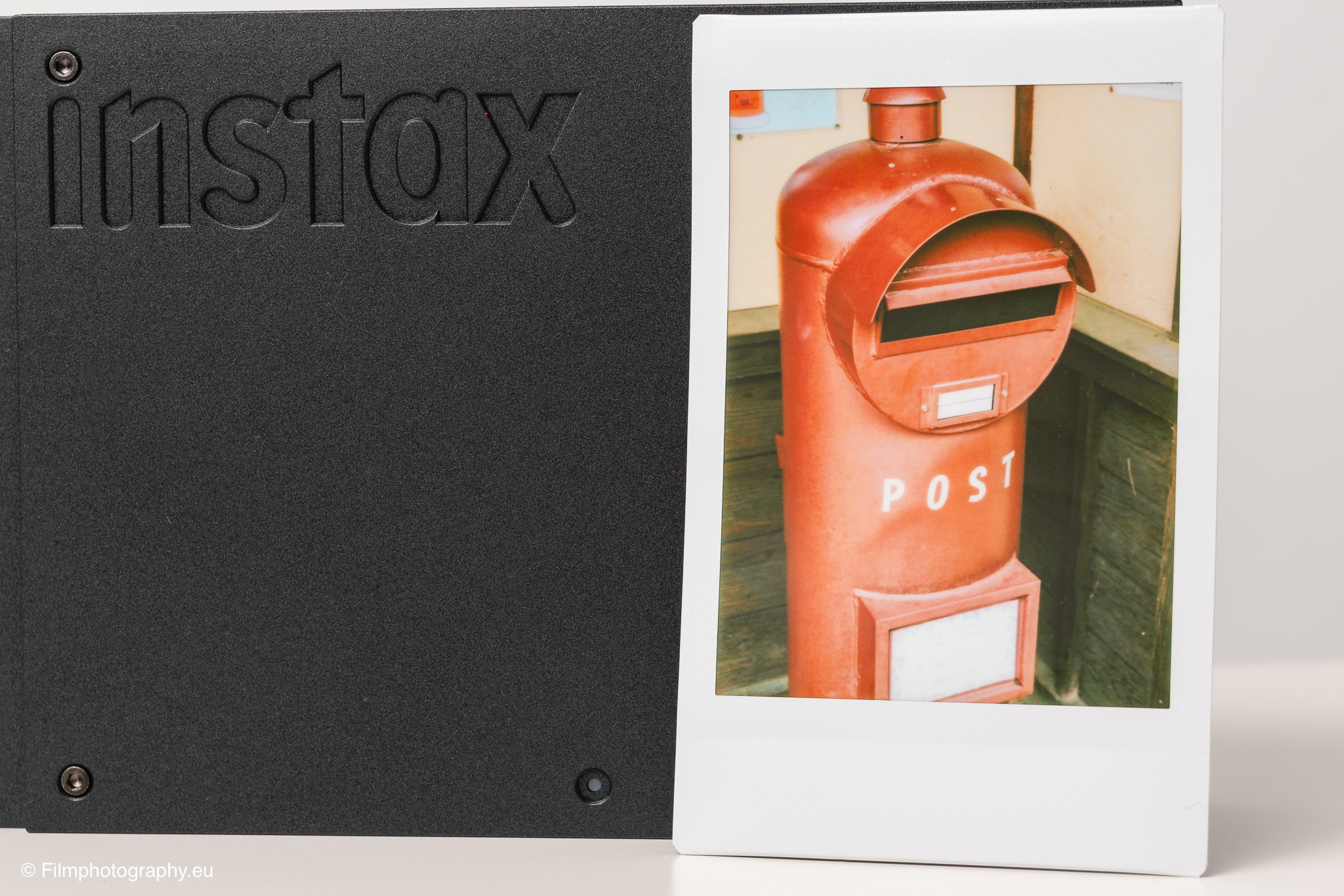
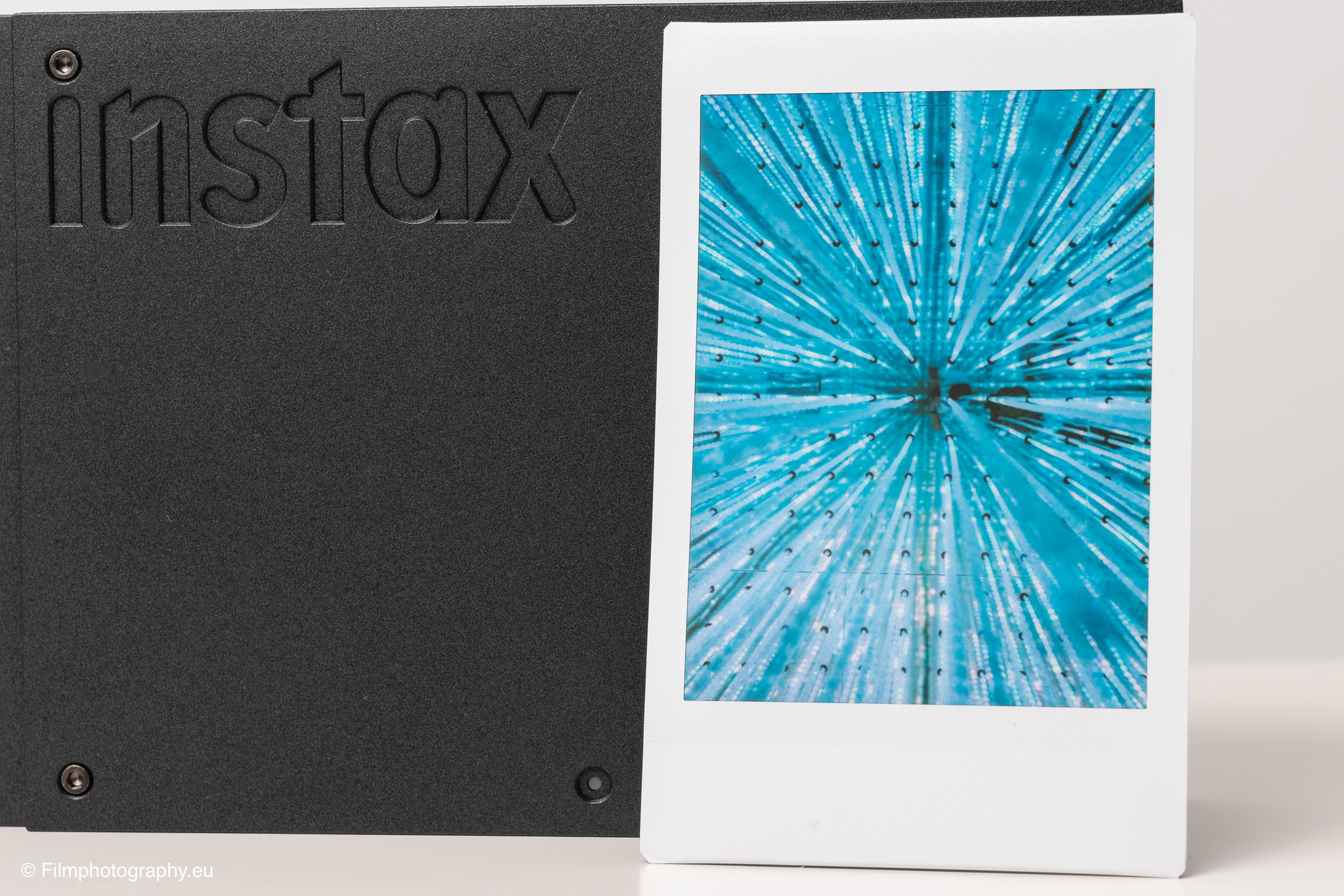
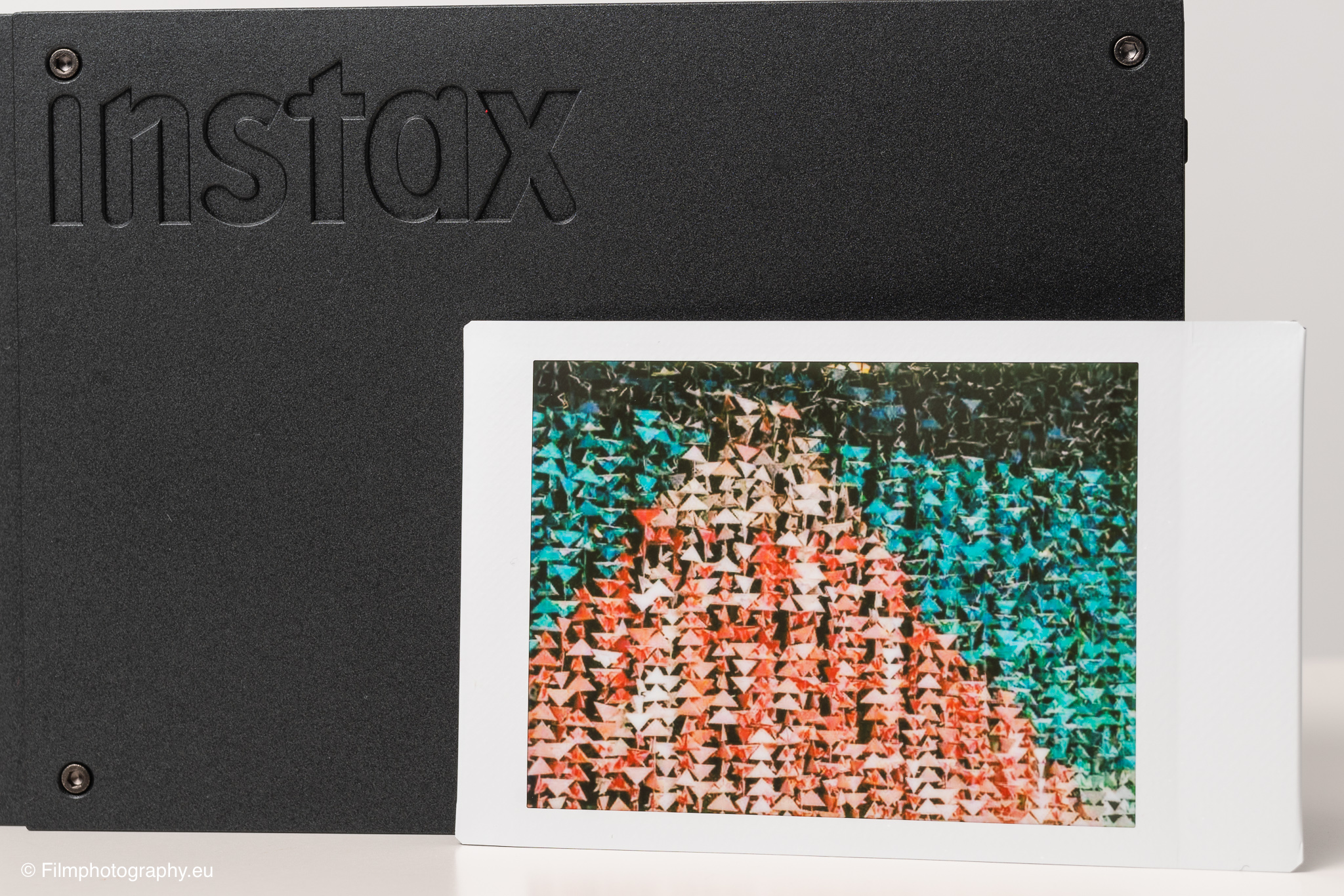
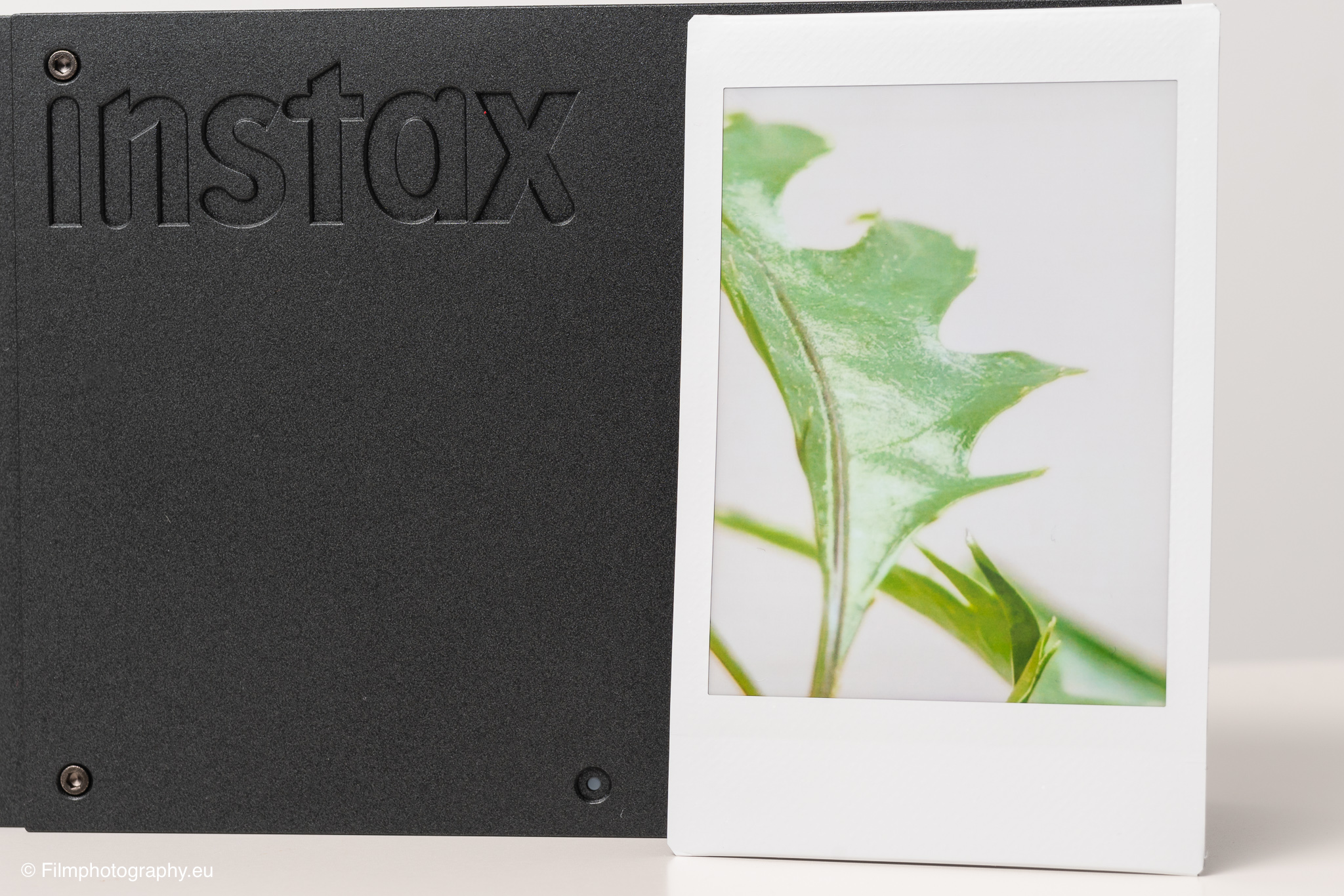
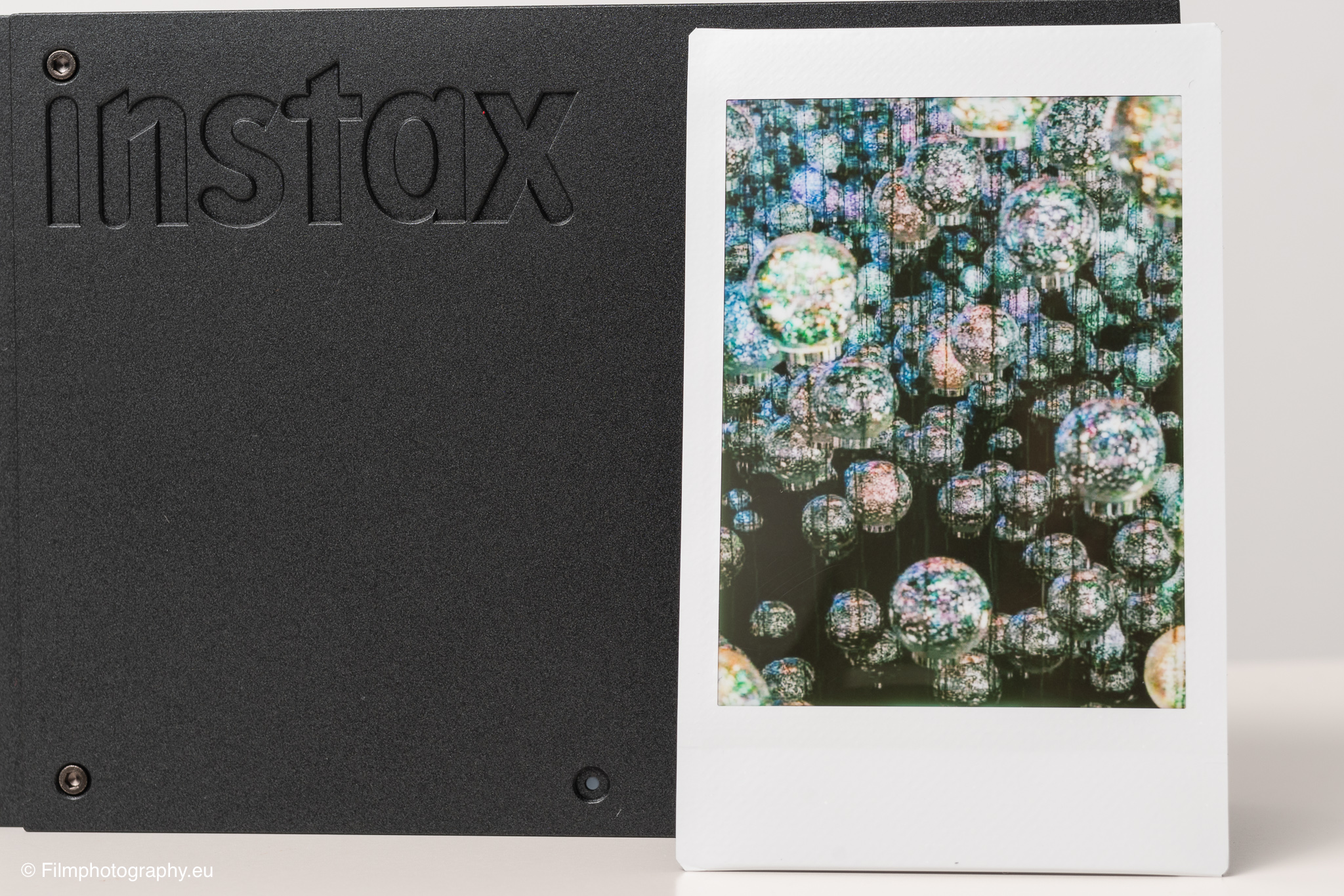
The quality of the prints is very good. Fine details are clearly recognizable. Small text on signs or fine patterns in clothing are reproduced surprisingly cleanly. The characteristic, slightly softer color tone of chemical Instax films is fully preserved, giving the printed memories their own charm.
I don't see a real difference in the print modes. Whether you choose the normal standard mode or the special mode for graphics makes hardly any visible difference in direct comparison on the small paper. Both settings deliver solid results with balanced colors and good contrasts.
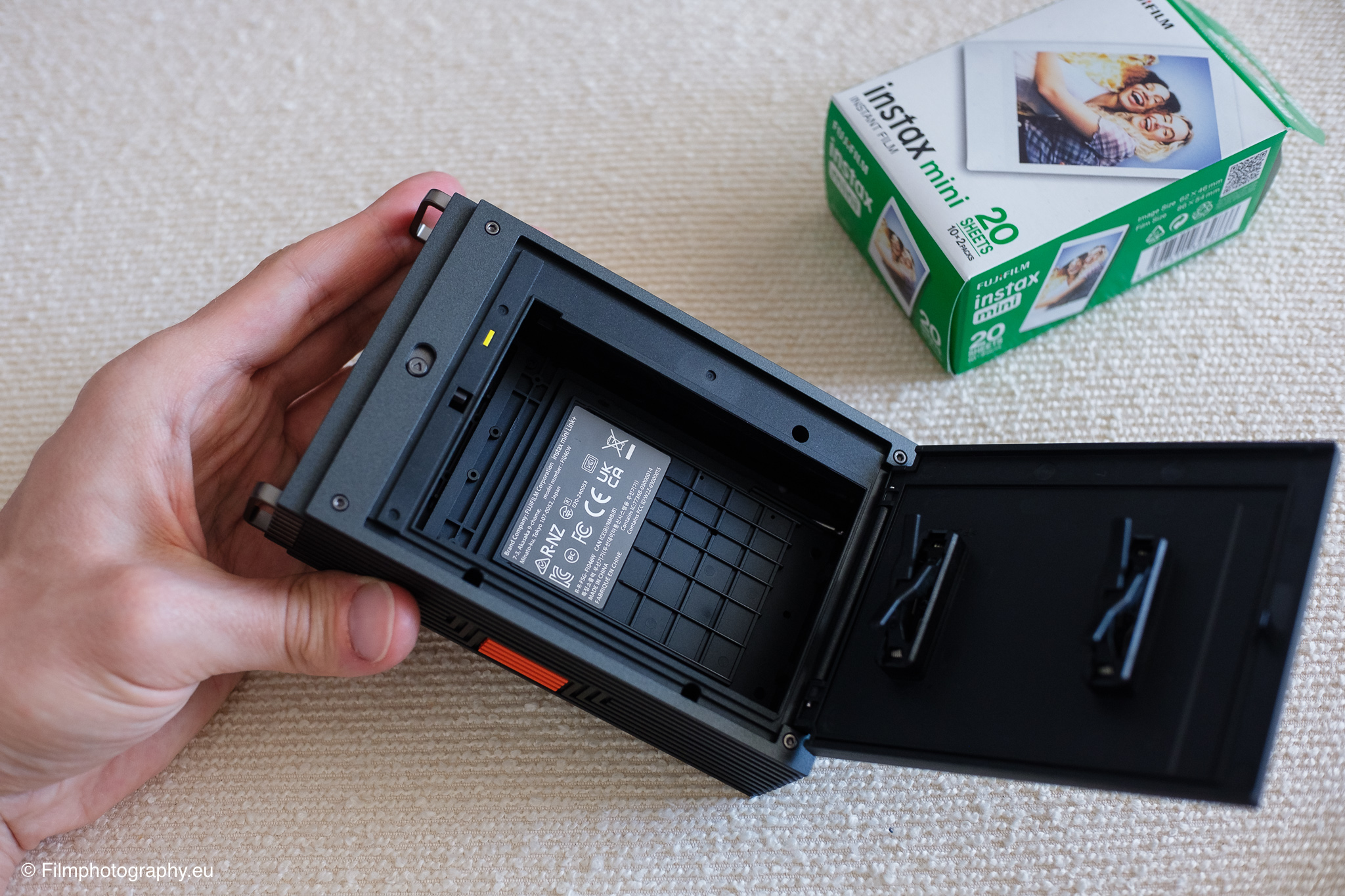
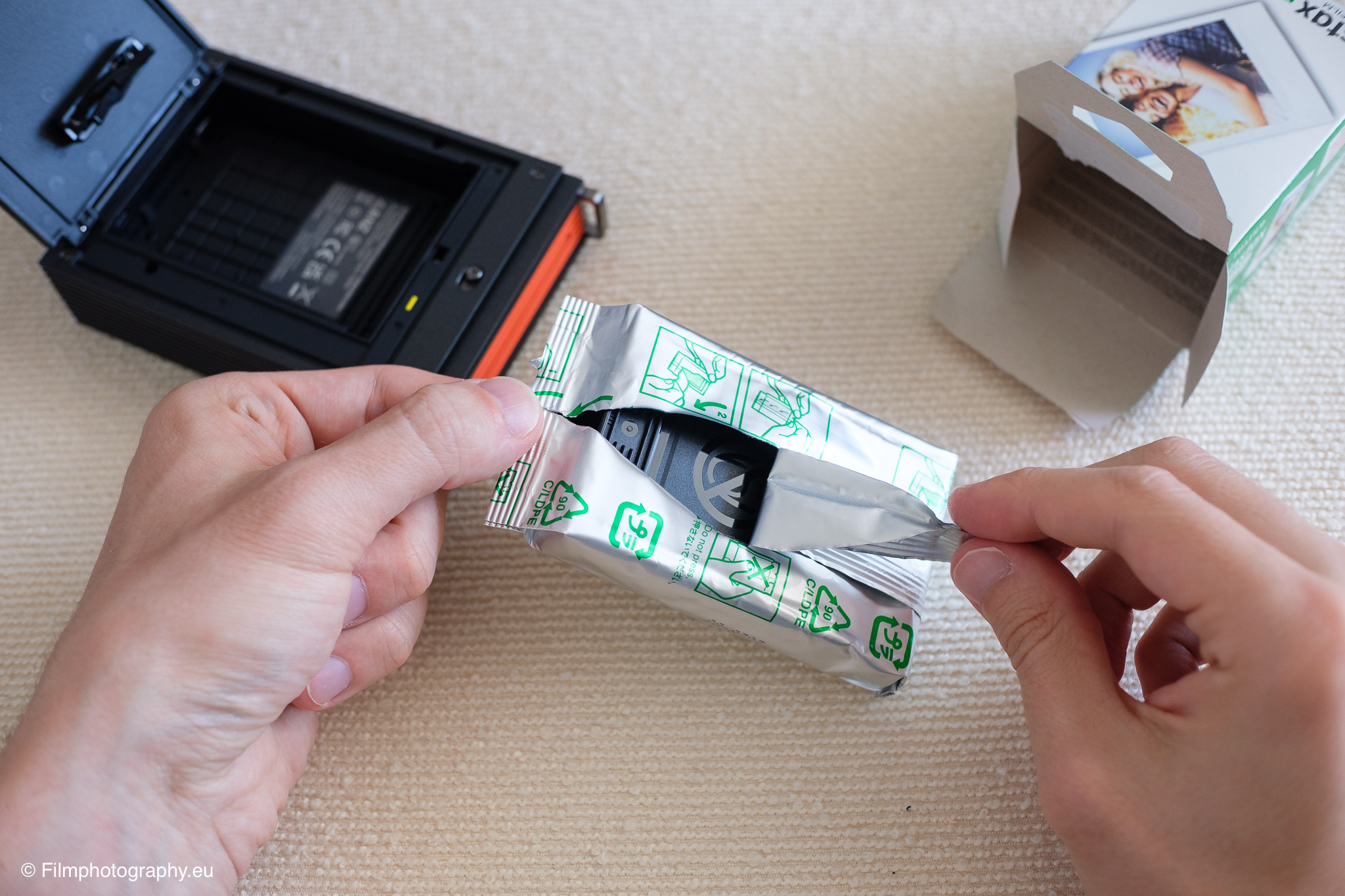
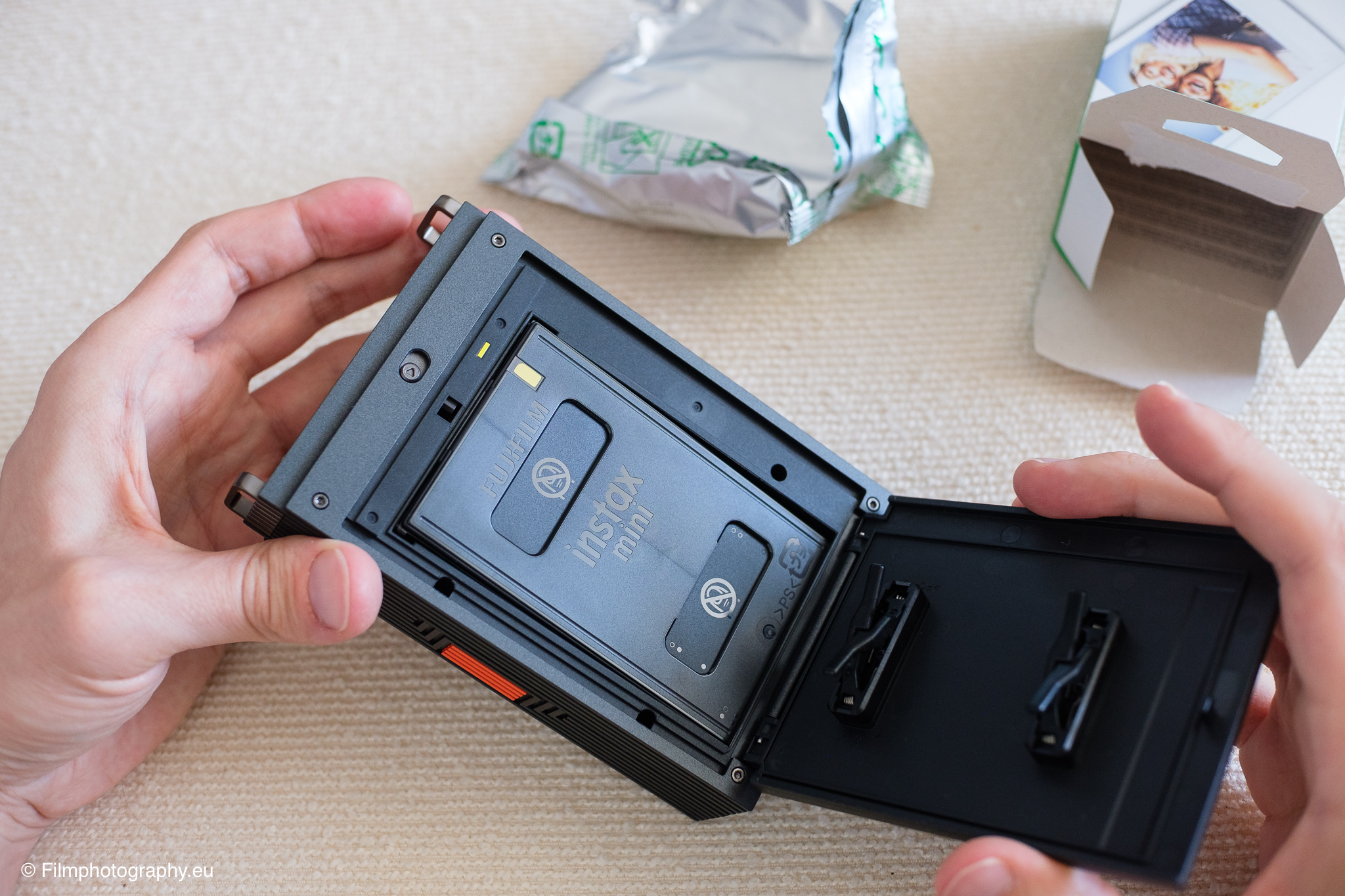
The battery life also proves to be sufficient in everyday use. A full charge is enough to expose several film cassettes one after another. Changing the cassettes is done via the flap on the back with a few simple steps. As soon as the protective cover of the film has been ejected, the printer is immediately ready for use again.
Conclusion on the Fujifilm Instax Mini Link+
In the test, the Fujifilm Instax Mini Link+ proves to be a practical and reliable companion for anyone who wants to turn digital photos into physical memories. The combination of a compact housing, low weight, and a clear application makes everyday operation pleasantly uncomplicated.
The image quality impresses with good sharpness and the typical color reproduction of the Instax system. Some motion functions seem more like gimmicks, but they do not detract from the overall impression. Anyone looking for a handy instant printer will get a well-thought-out product without major weaknesses.
Buying and Choosing Suitable Accessories
If you want to purchase the Fujifilm Instax Mini Link+, you can find it at major online retailers like Amazon as well as in well-stocked specialist photo stores. When purchasing, you should think about suitable film cassettes right away, as no film (Instax Mini Film*) is included in the delivery by default.
Screenshots of the App