
The APX 100 from AgfaPhoto is a good start for self-developers and black and white beginners
The first photographs were monochrome images and many famous and impressive pictures do without color. Black and white shots simply convey a great feeling.

If you want to take analog black and white pictures, you naturally need a suitable film. Here, unlike with slide films, you can draw from a still quite large pool. If you are still at the beginning, the selection can quickly become overwhelming.
First, you should ask yourself whether you want to develop the film yourself or hand it over to a large lab. For large labs, you should look at chromogenic films like "Ilford XP2 Super" (Amazon) or Kodak BW400CN (Amazon). These are developed like color films and therefore cause fewer problems in large labs.
Developing black and white films is not really difficult and you don't have to be a chemist. There are now countless guides for it and for almost all films there are development time specifications for common developers.
At the beginning, depending on the mail-order retailer, you have to spend around 60 euros for the necessary chemicals and utensils, but it becomes cheaper if you get the stuff used somewhere.
If you develop more than just one film a year, you save a lot of money over time.
Add to that the great feeling when you eagerly pull the film out of the tank and see something.
A prerequisite for self-developing, however, is that you have a scanner or can also make prints in the darkroom, otherwise you have a developed film, but only that.
So let's now come to the film choice.
For a start, a forgiving film that tolerates small mistakes during development is good.
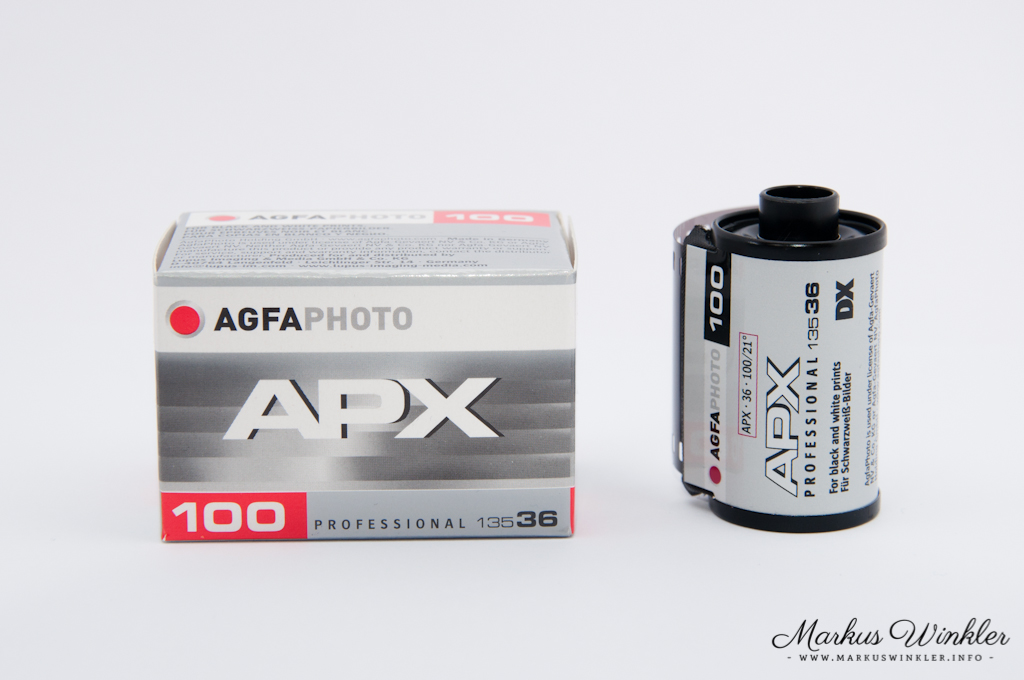
I would therefore recommend the Agfa APX 100. The APX 100 is an ISO 100 film with good sharpness and forgiving behavior that delivers great black and white photos.
It was manufactured by Agfa in Leverkusen, but they have since closed. However, before the closure, gigantic quantities of the film were produced, so it can still be bought today. However, it is no longer sold under the original name, but by various suppliers. For example, the APX 100 was sold as Rollei Retro 100, but all of those have been sold.
As AgfaPhoto APX 100 (Amazon) you can still get it quite easily for your 35mm camera. It is offered, among others, by DM market or Amazon. You usually get it at a reasonable price, where it's not so bad if you first take some test shots or mess it up during development.
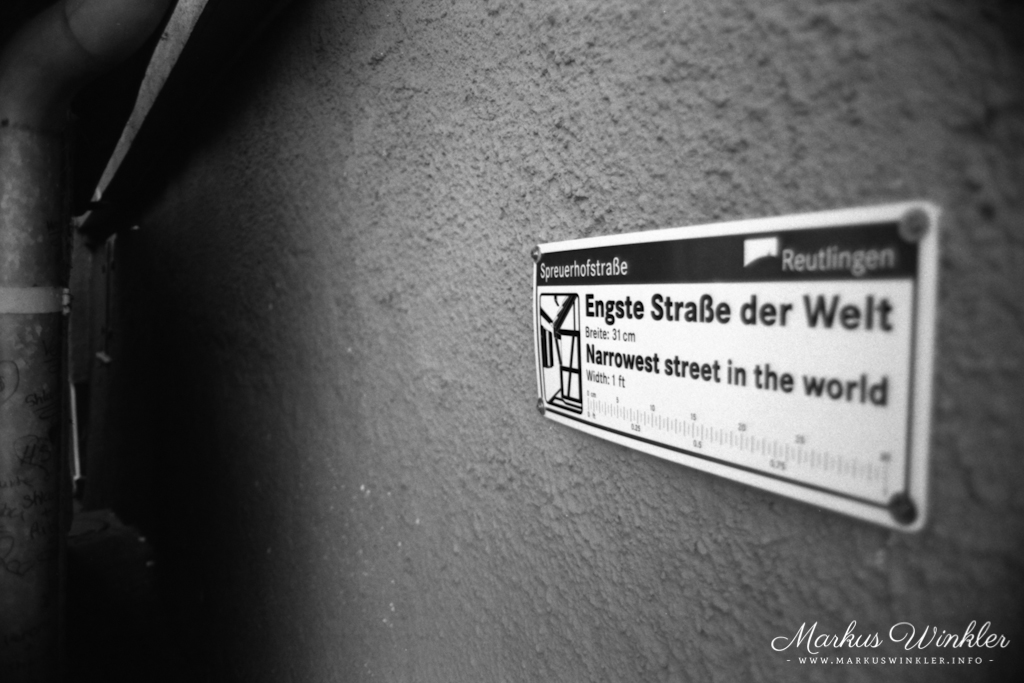
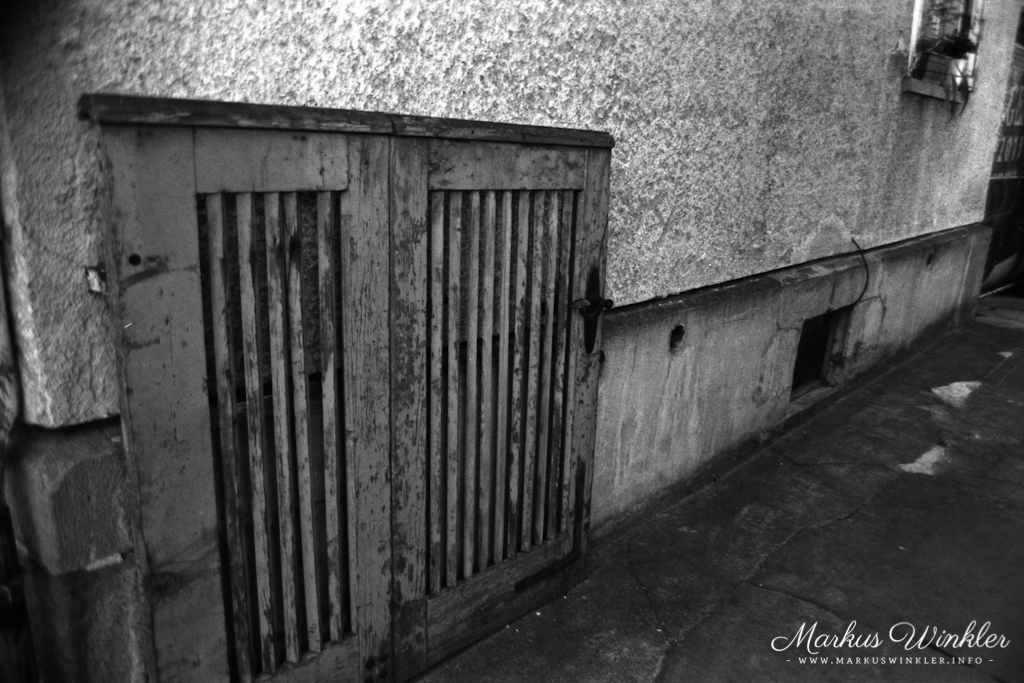
Once you have exposed the panchromatic black and white film, it's time for development. Here we come to the choice of developer. I would recommend Rodinal for the AgfaPhoto APX 100. It harmonizes very well with it, is easy to handle in my opinion, and also forgives mistakes. Rodinal is sold under names like Adox Adonal and R09 One Shot.
I usually develop the APX for 14 minutes in Rodinal at a dilution of 1+50 at 20 degrees. At the beginning, I gently invert the tank for 30 seconds and then invert it once every 30 seconds. After 14 minutes, the developer comes out and stop bath goes in. For this, I use normal tap water, which I pour in and then invert the tank several times. I repeat this a second time.
Next, the film is fixed. How long the fixer takes is usually written on the bottle. Once that time is up, the fixer comes out as well; you should not simply pour it away, as in most cases, unlike the Rodinal mixture, it can be reused.
Now you can look at the film; if you do this earlier, you will ruin your film. Finally, you rinse it with tap water and hang it up to dry.
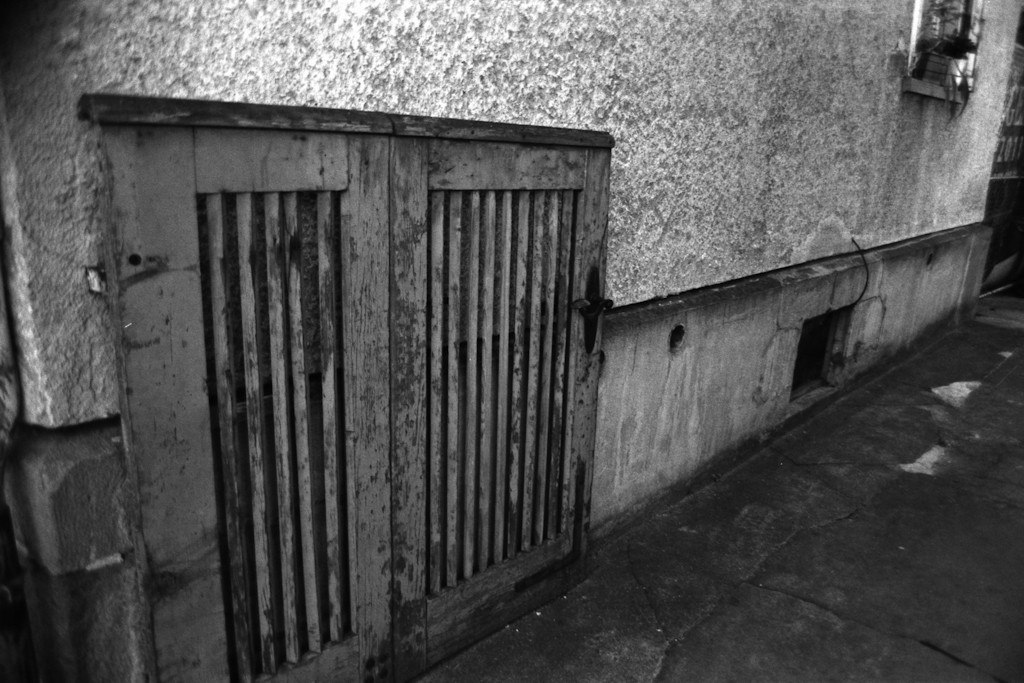
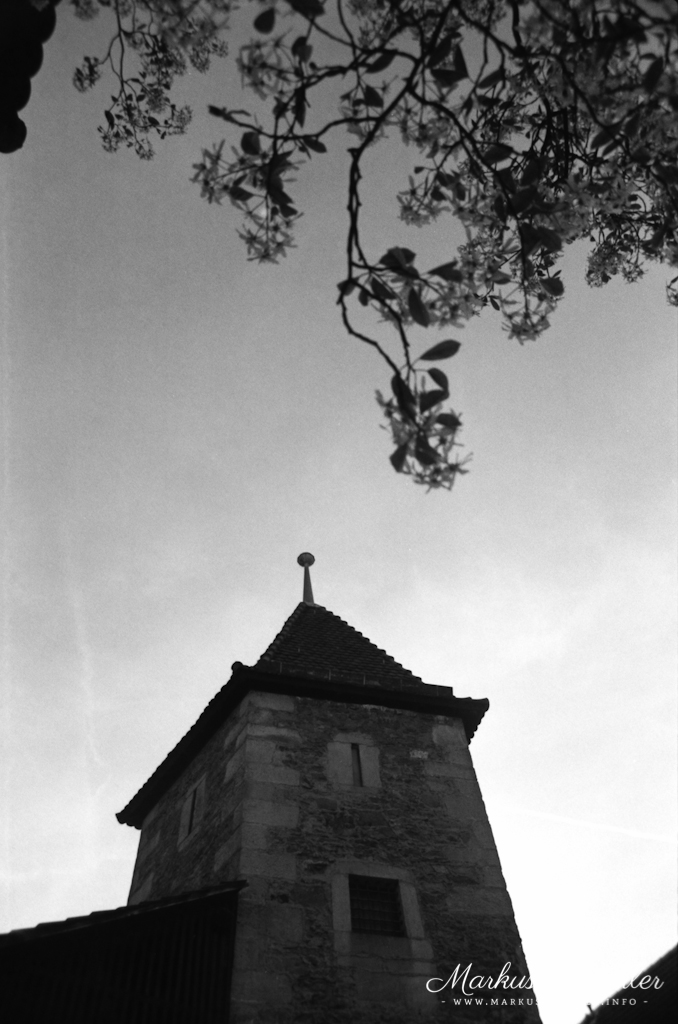
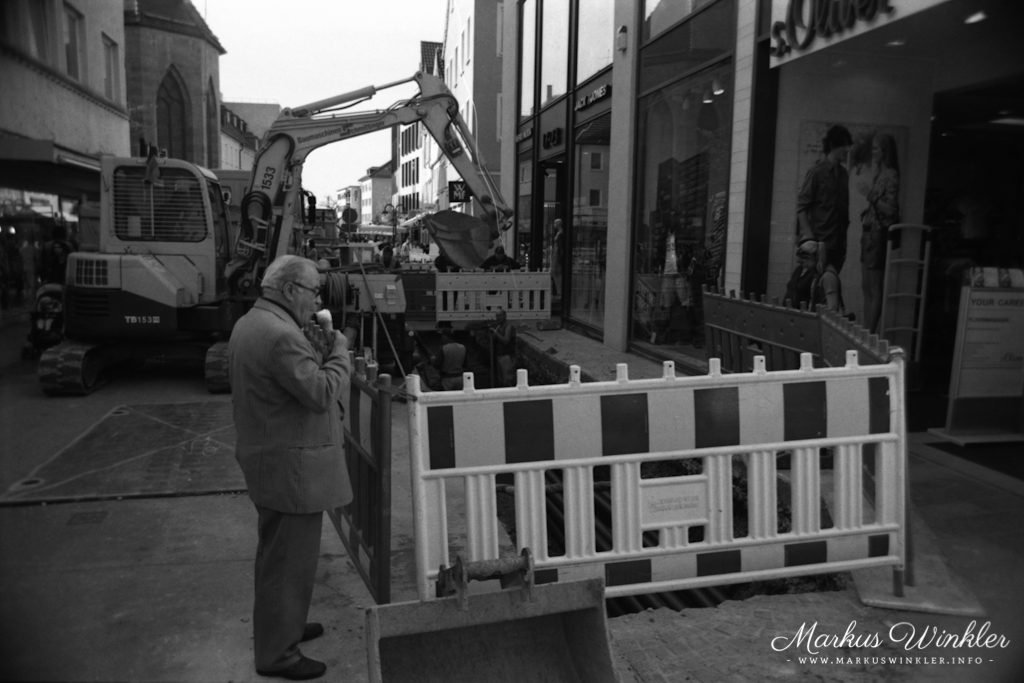
If this is already too complicated, you can also process the film using stand development.
For this, mix Rodinal in a ratio of 1+100 (For 100 ml: 1 ml Rodinal and 99 ml water). Depending on the development tank, you need a certain amount of developer mixture (usually stated on the tank or in the instructions) so that the film is completely covered. The temperature of the liquid should also be 20 degrees. Then pour everything into the tank, invert it several times at the beginning, and tap the tank on the floor a few times to prevent air bubbles from settling on the film.
Now let the film develop for 1 hour and then pour out the developer. Then comes the stop bath and then the fixer. Now the film is practically ready and you can look at it. But you should still rinse it by simply pouring water into the tank several times and inverting the tank a few times. That's basically it, now hang the film to dry and the film is ready.
The AgfaPhoto APX 100 can of course also be handed over to a large lab, but you will certainly get better results if you develop it individually yourself.
Now I wish you lots of fun developing and with the AgfaPhoto APX 100 (Amazon)! You can write in the comments how it went.


