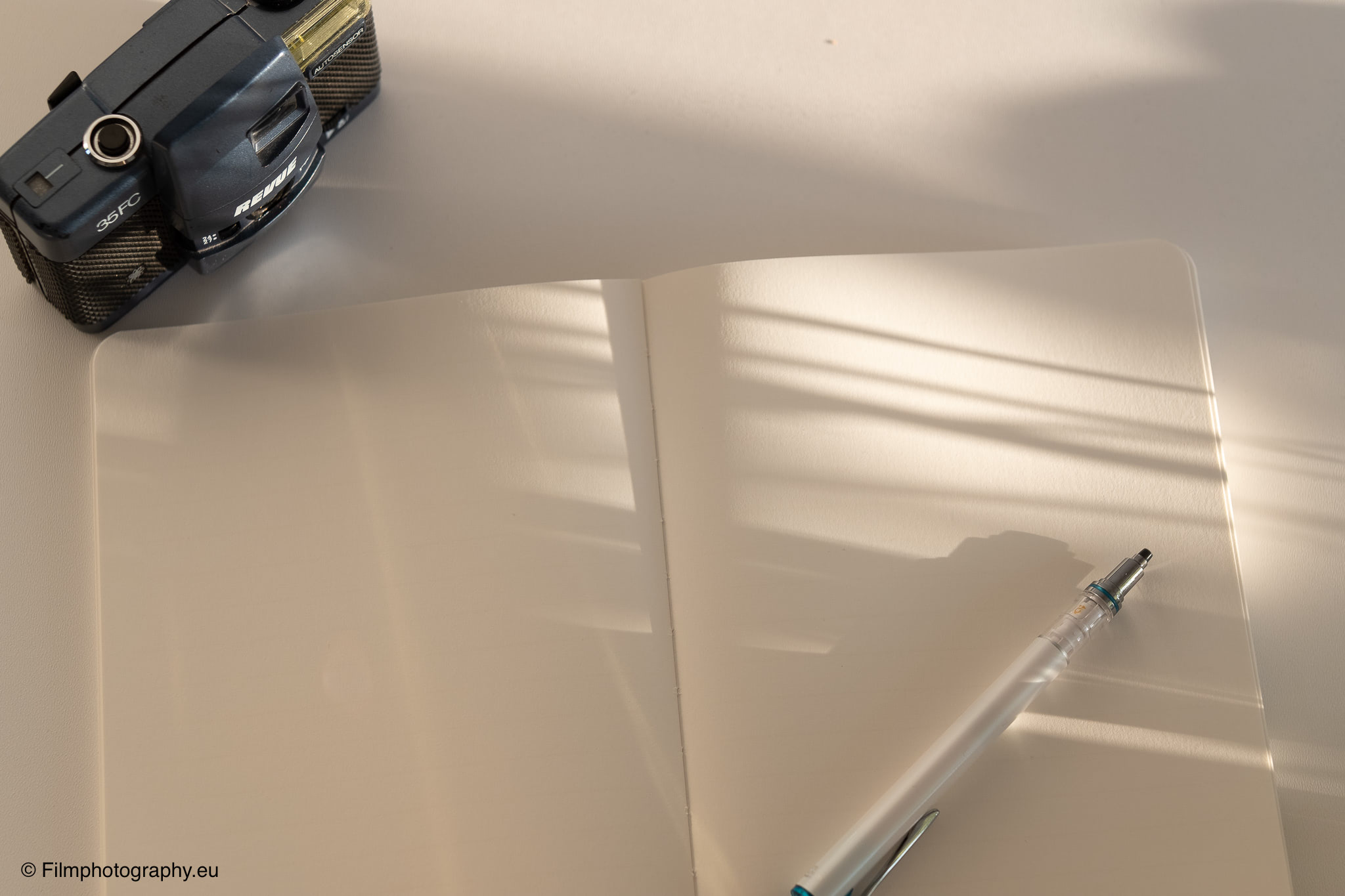
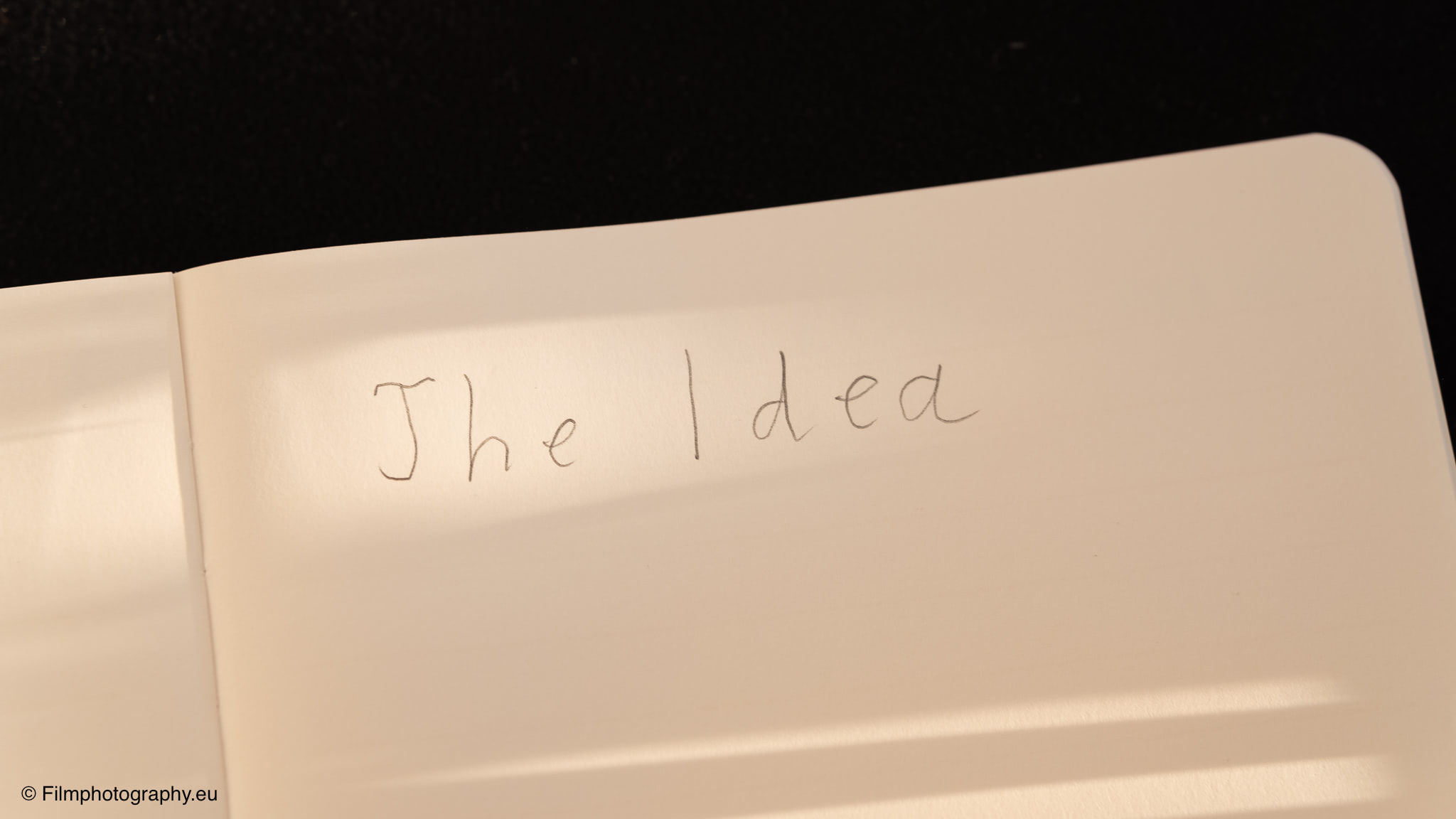
The Idea
Photography is at its core an attempt to stop time and preserve a fleeting moment for eternity. We chase the light, search for compositions, and press the shutter at the decisive fraction of a second.
While it is said that a picture is worth a thousand words, and this is often true regarding the visual information and atmosphere of a scene, photographers undoubtedly have stories about the circumstances behind a photo or a series of images that the picture alone cannot convey.
The conversations with the model, the arduous journey to a remote location, or the technical difficulties that had to be overcome. These nuances fade with the years in our memory. We look at an old negative or a file on the screen and vaguely remember when it was, but the fine details are gone.
This gap has occupied me for a long time. I have been looking for a way to archive this contextual information as permanently as the recordings themselves.
The solution for me was not a digital note on a smartphone or in the image file’s metadata. Typing on a keyboard is efficient and fast and functional. But photography as I love it is a craft process, and so should be the documentation of what happened around the picture.
The idea of creating a handwritten book matured within me. A physical object that stands next to the prints on the shelf and can be picked up in quiet moments. It’s about slowing down the creative process and giving it the appreciation it deserves. When you photograph with an analog camera, you think carefully about each image. I wanted to transfer this same care to the written word.
For this endeavor, I looked for a suitable medium. A simple school notebook or a regular notepad did not seem to do justice to the importance I wanted to give this project. This project is meant to be something special, so one needs a beautiful book in which to write down one’s thoughts and experiences. It must be a vessel that honors the content and that one likes to touch.
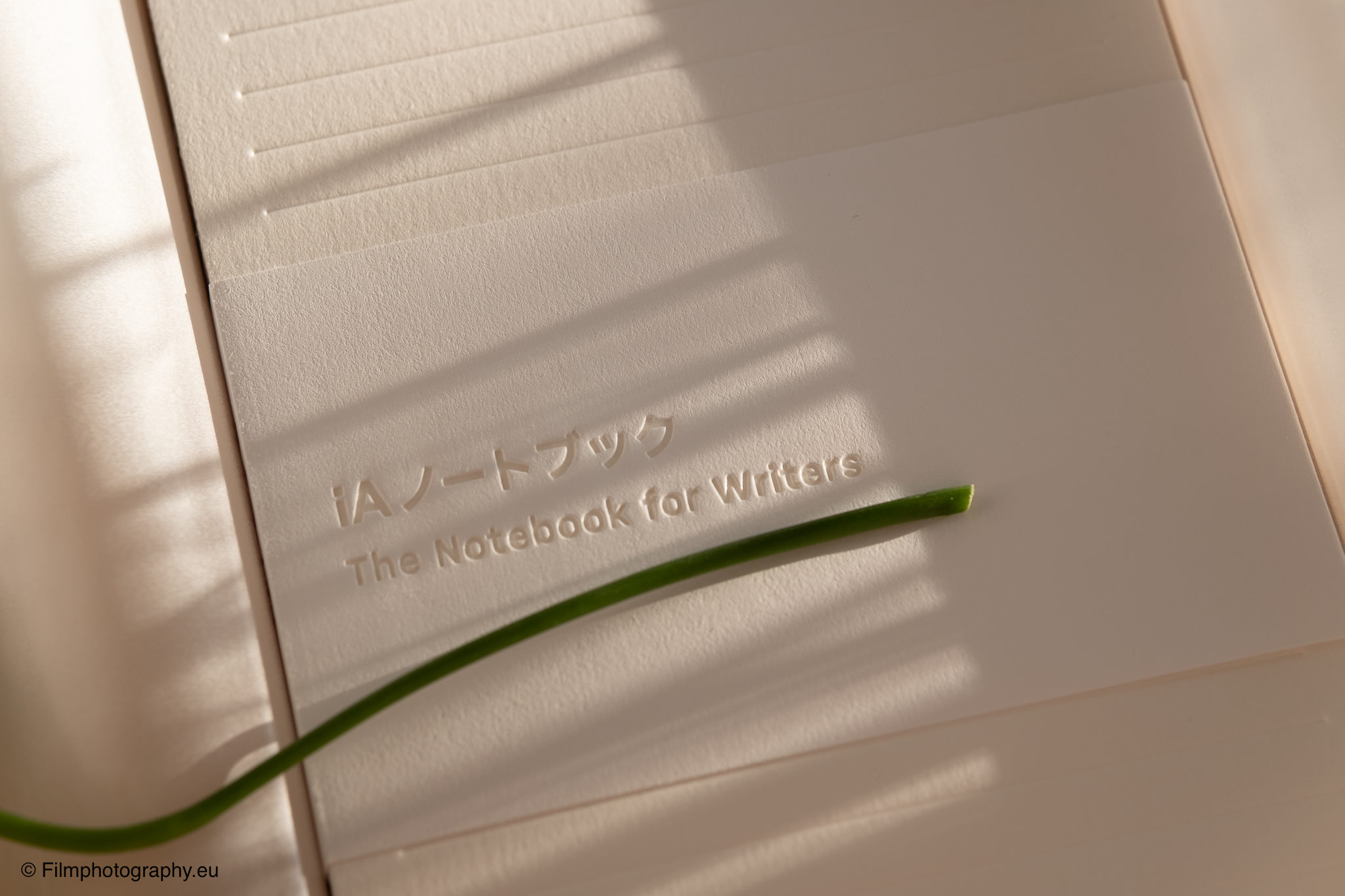
During my research, I came across the iA Notebook. It is designed by Information Architects, a design agency known for its purist and structured approach. Their philosophy prioritizes content over form, or rather, allows form to serve content without intruding. This seemed like the right approach for a book that should capture the stories behind my images.
It is not just a blank notebook but a tool optimized for writing and reading. The decision fell on this notebook because it promised to offer precisely the discretion and quality I was looking for in my collection of memories. This is not about luxury in a flashy sense, but about functional aesthetics that calm the mind and focus on the essential.
In a world that is constantly getting louder and faster, retreating to pen and paper is an almost meditative act. When I return from a shoot and the equipment is stowed away, I take the time to sit down. I let the situations play out in my mind again. What did I feel when the light changed? What did we laugh about? What doubts did I have while photographing? All of this finds its place in this book. A symbiosis of visual and textual memory emerges, going far deeper than merely looking at a photo.
The iA Notebook serves as the silent companion that absorbs these thoughts. It does not impose itself. It is simply there, offering a surface for what would otherwise be lost. The idea is therefore simple yet profound. You give the images back the voice they had at the moment of capture but which often remains silent without context. It is an extension of the photographic work into another dimension.
The Box
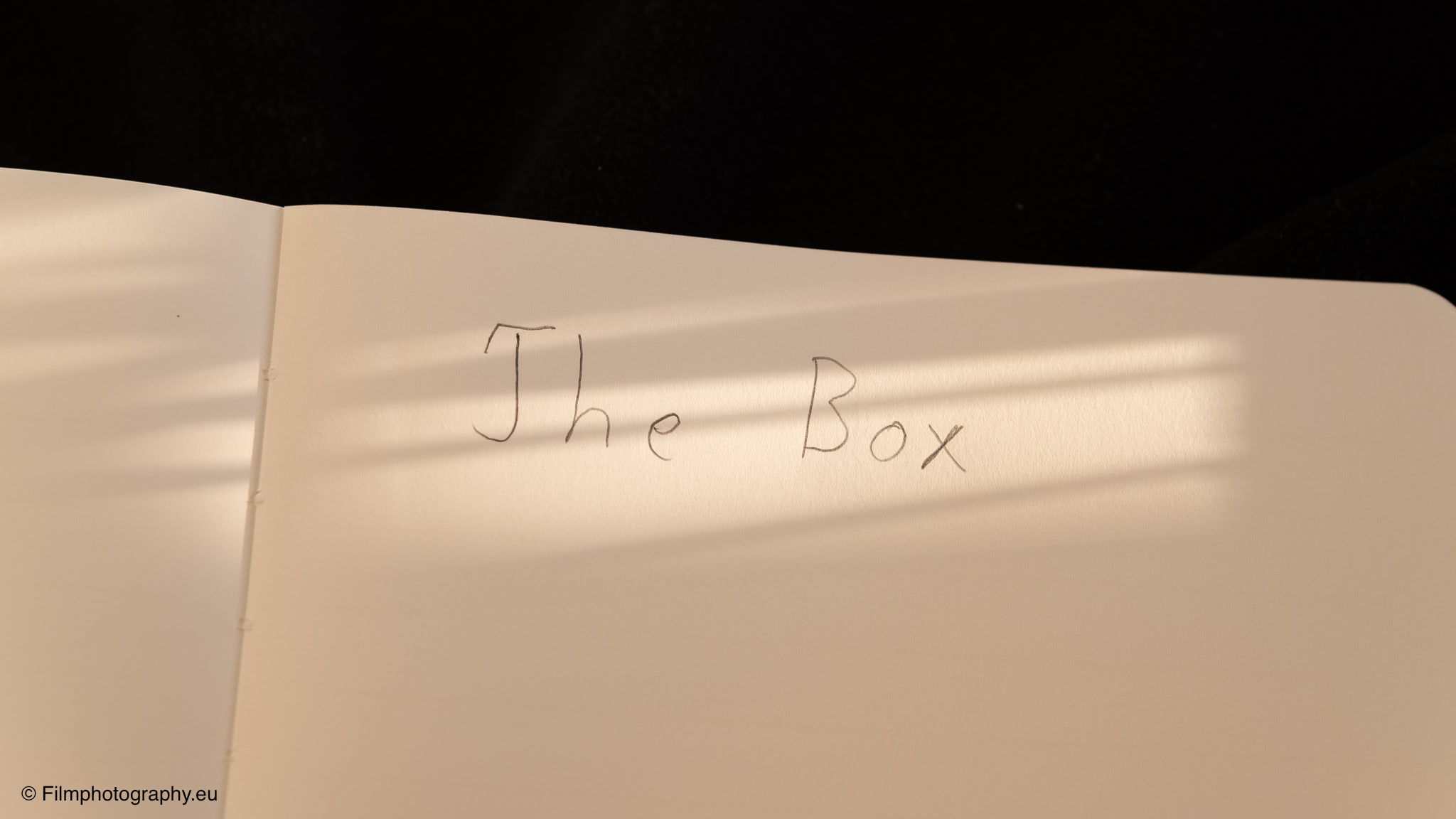
The experience begins long before the first line is written. It begins the moment you hold the object in your hands. Taking it out of the box is a special step. It’s almost like a small ritual that marks the transition from everyday life to creative mode.
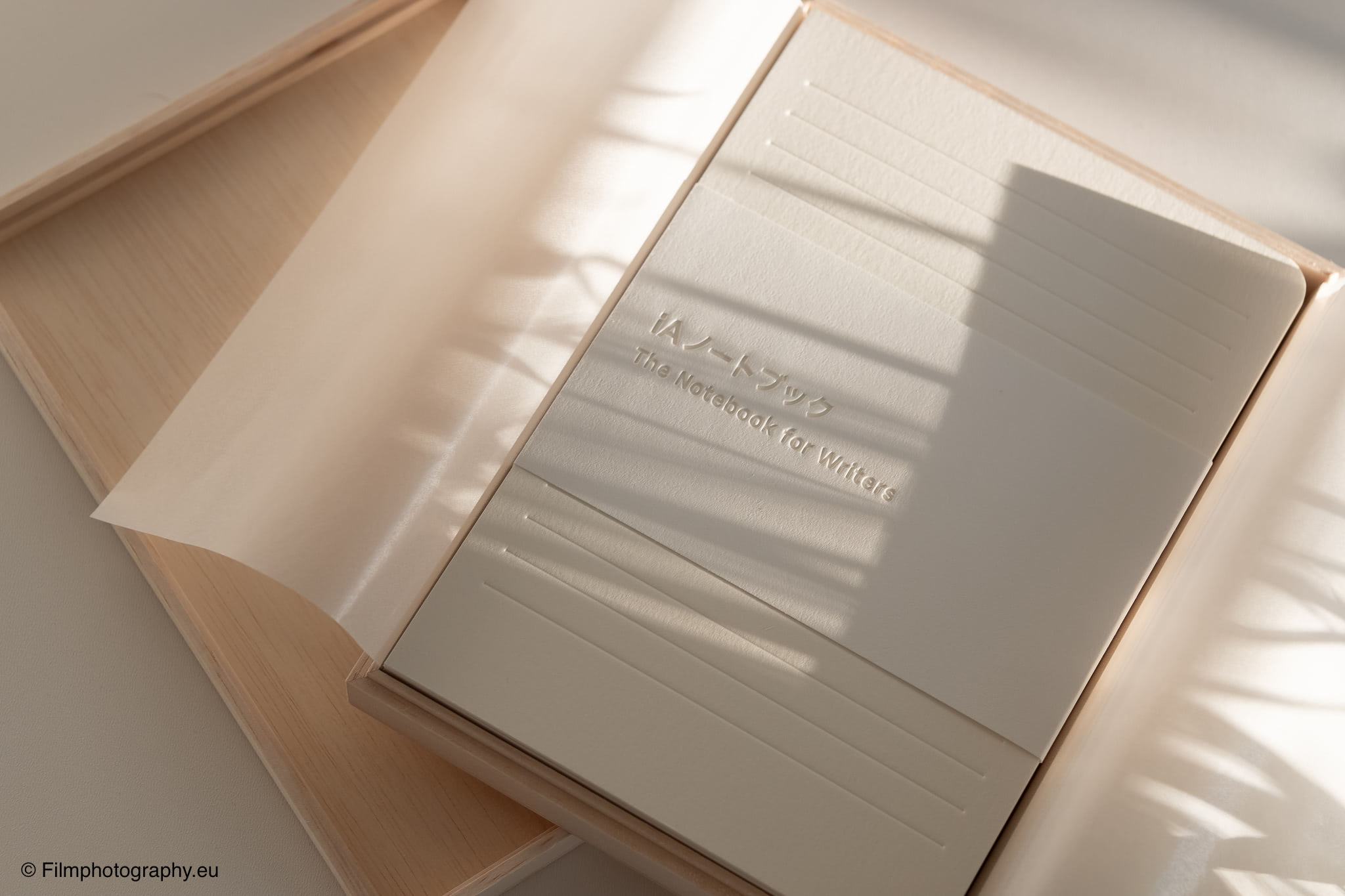
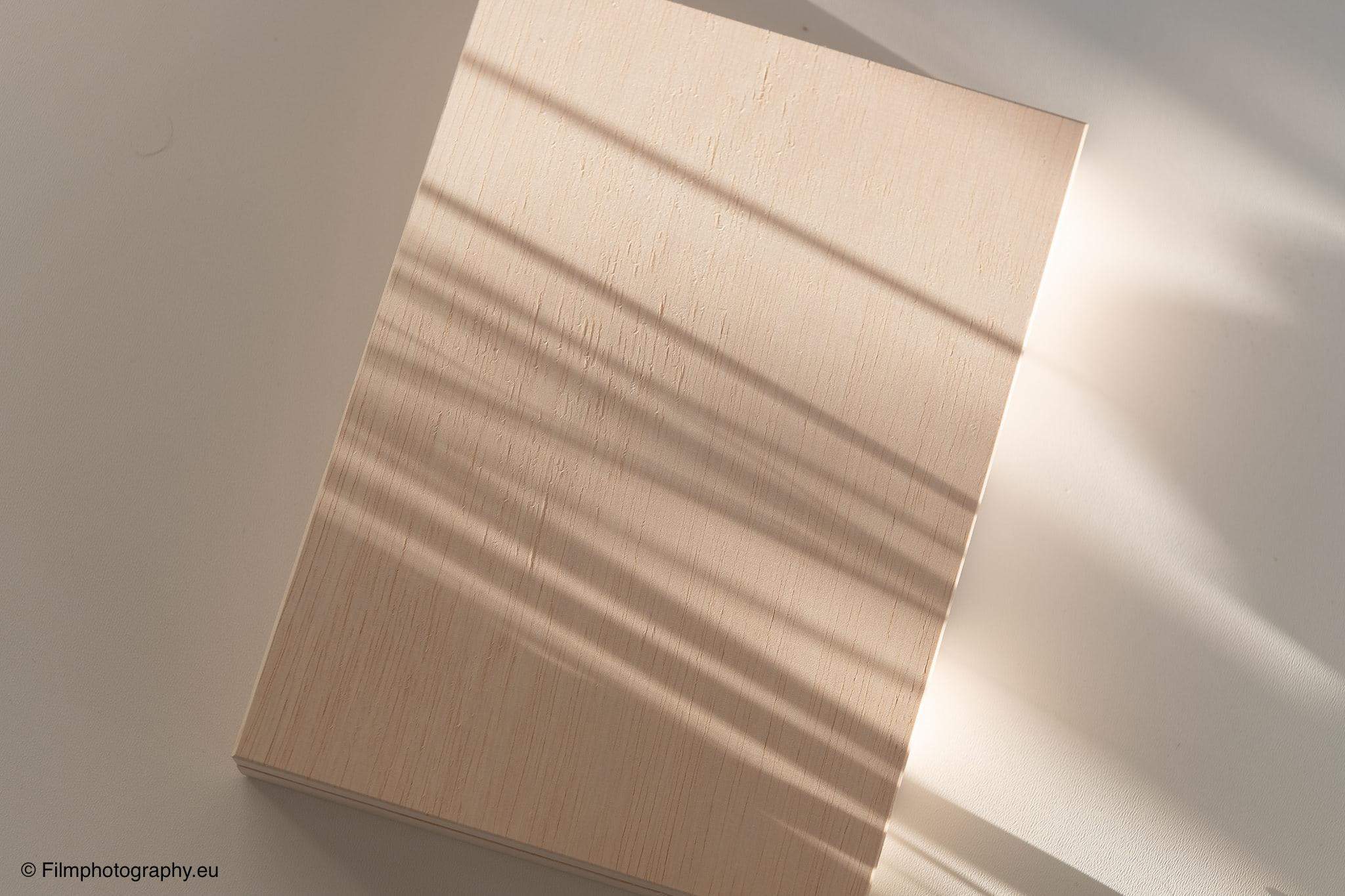
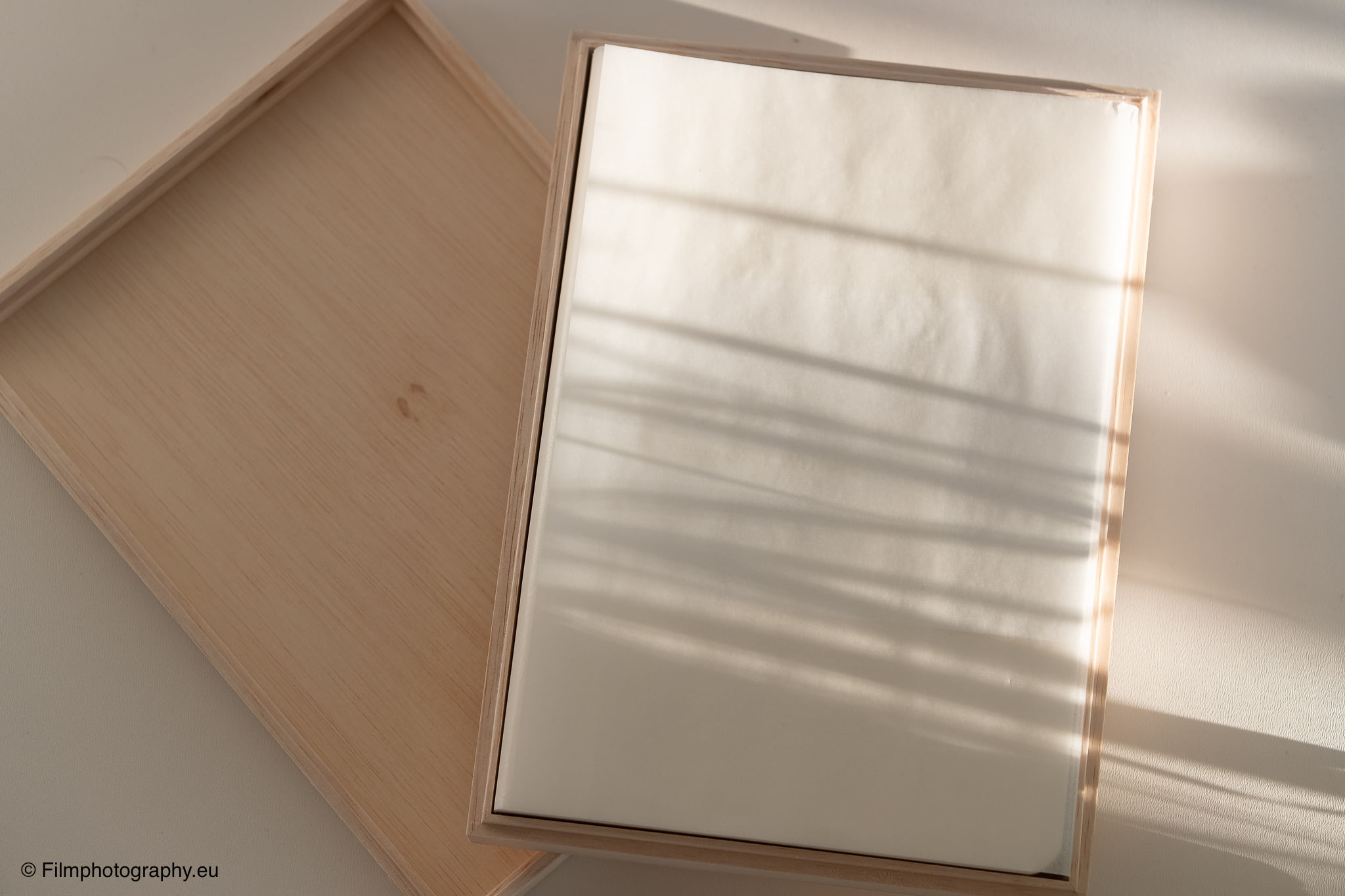
The iA Notebook does not come in simple plastic wrap or loose. It rests in a custom-designed wooden box that appears as thoughtful as the book itself. You take your time opening it. There is no hurried tearing. You lift the lid, and the scent of paper and wood rises to your nose. It reminds me of opening a box of new photographic paper in the darkroom. There is a certain reverence for the untouched material.
The box itself has a pleasant feel. It is solid and stable. You can tell that no corners were cut here. It not only serves for transport but can also be used later for storing the book when it is full. This protects the book from light and dust, which in turn underlines the archival concept I am pursuing with this project.
The design of the packaging dispenses with loud colors or large logos. It is minimalist. This fits the iA philosophy. Nothing should distract from the essential.
The Book
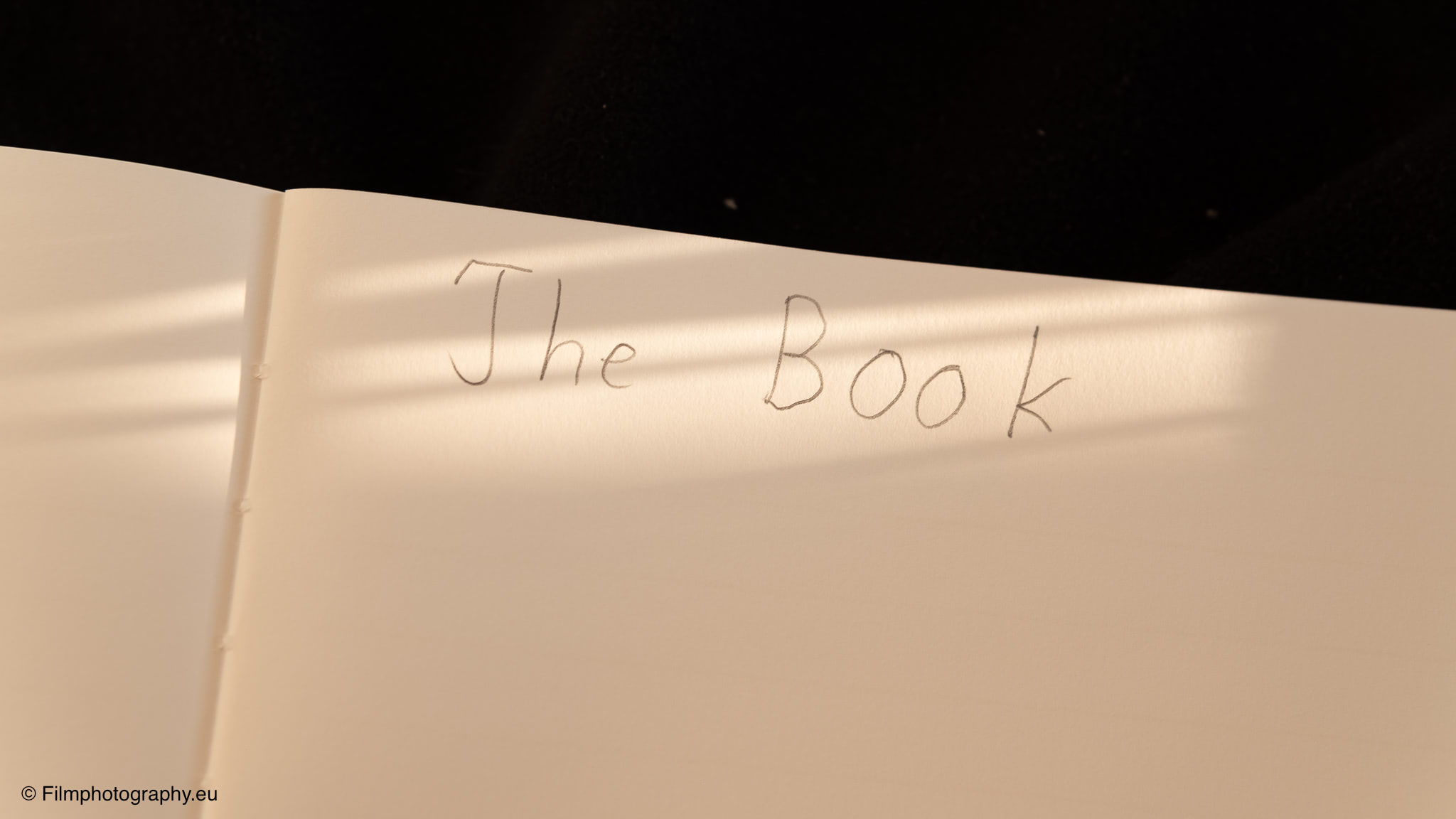
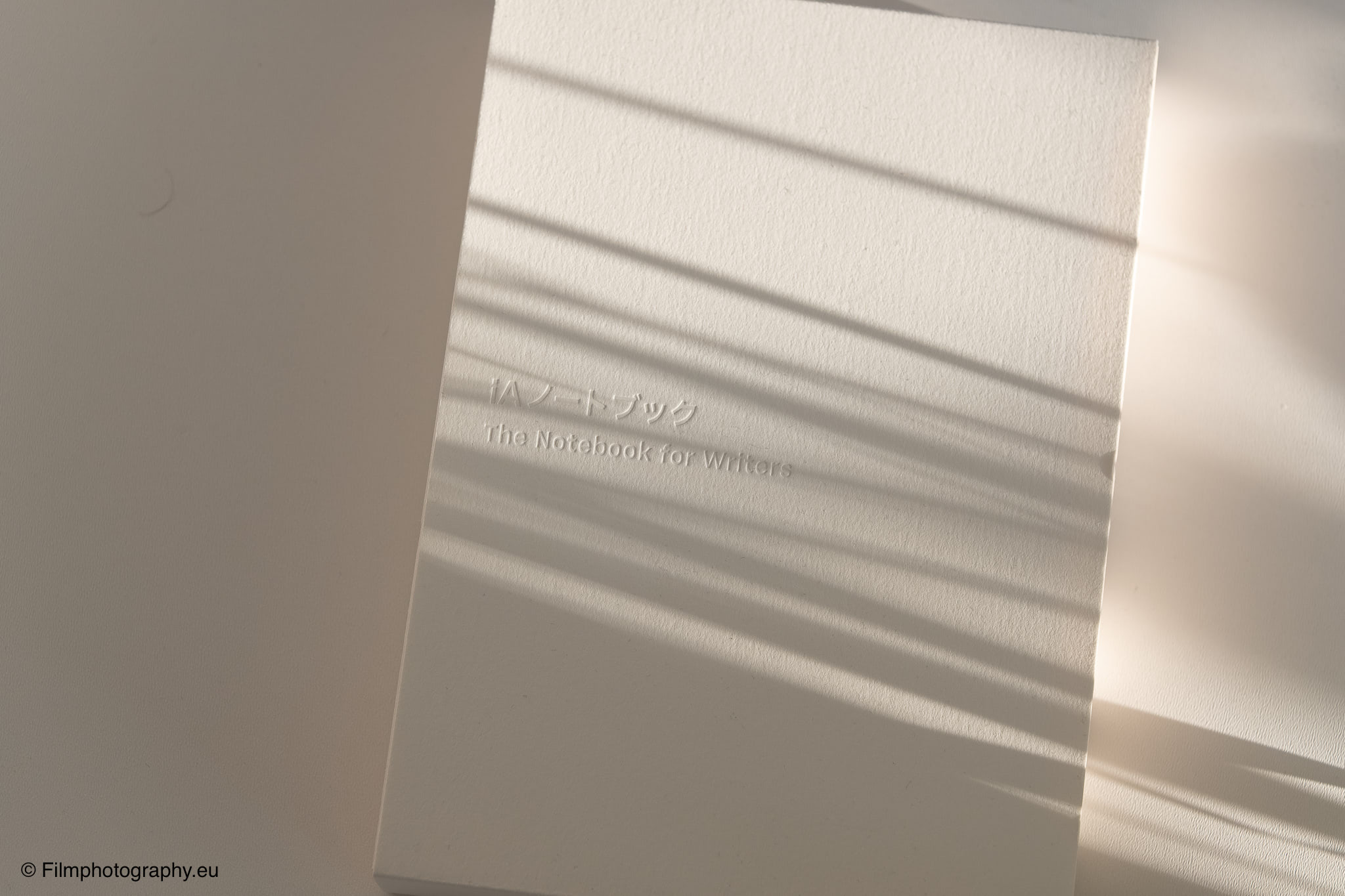
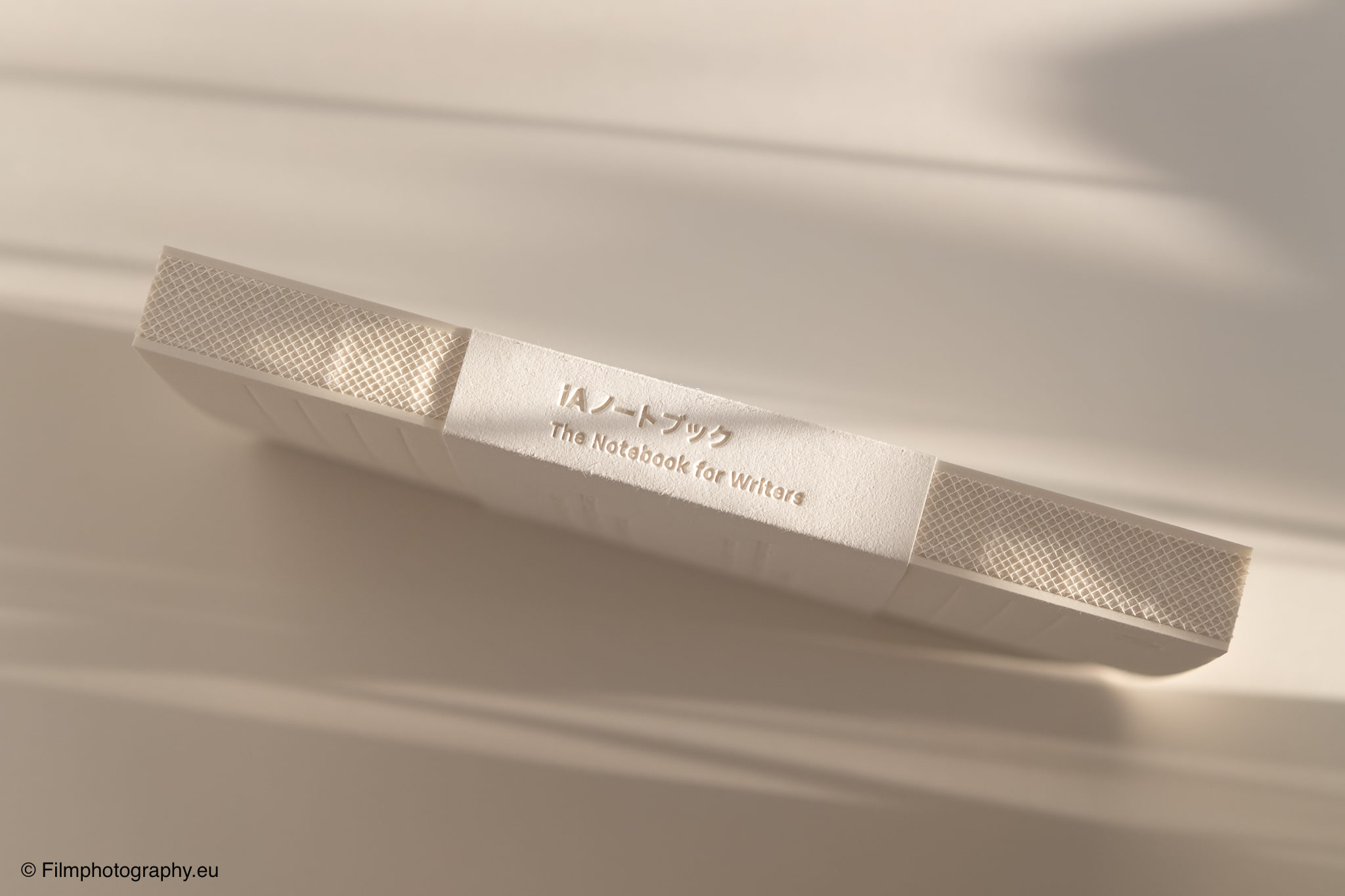
Once the book is freed from its protective cover and lies before you on the table, its true quality is revealed. Weighing 470 grams and in the classic A5 format, it feels substantial in your hand.
It is palpable that this notebook was handcrafted in Japan. Many of us photographers appreciate the precision of Japanese cameras and optics, and this is exactly what you find here. The notebook contains 144 sheets, or 288 pages, offering enough space for the thoughts of a whole year or an extensive long-term project.
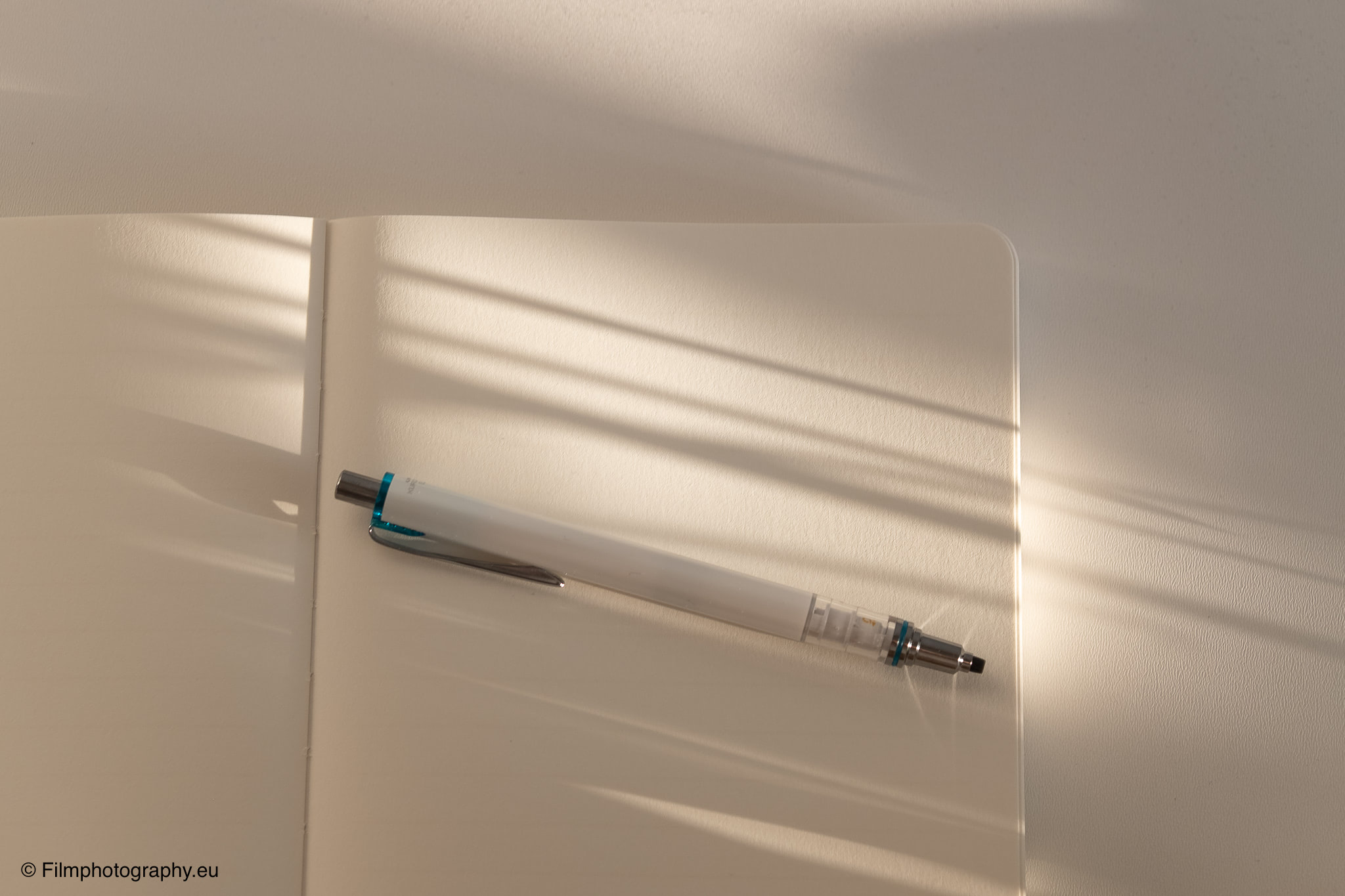
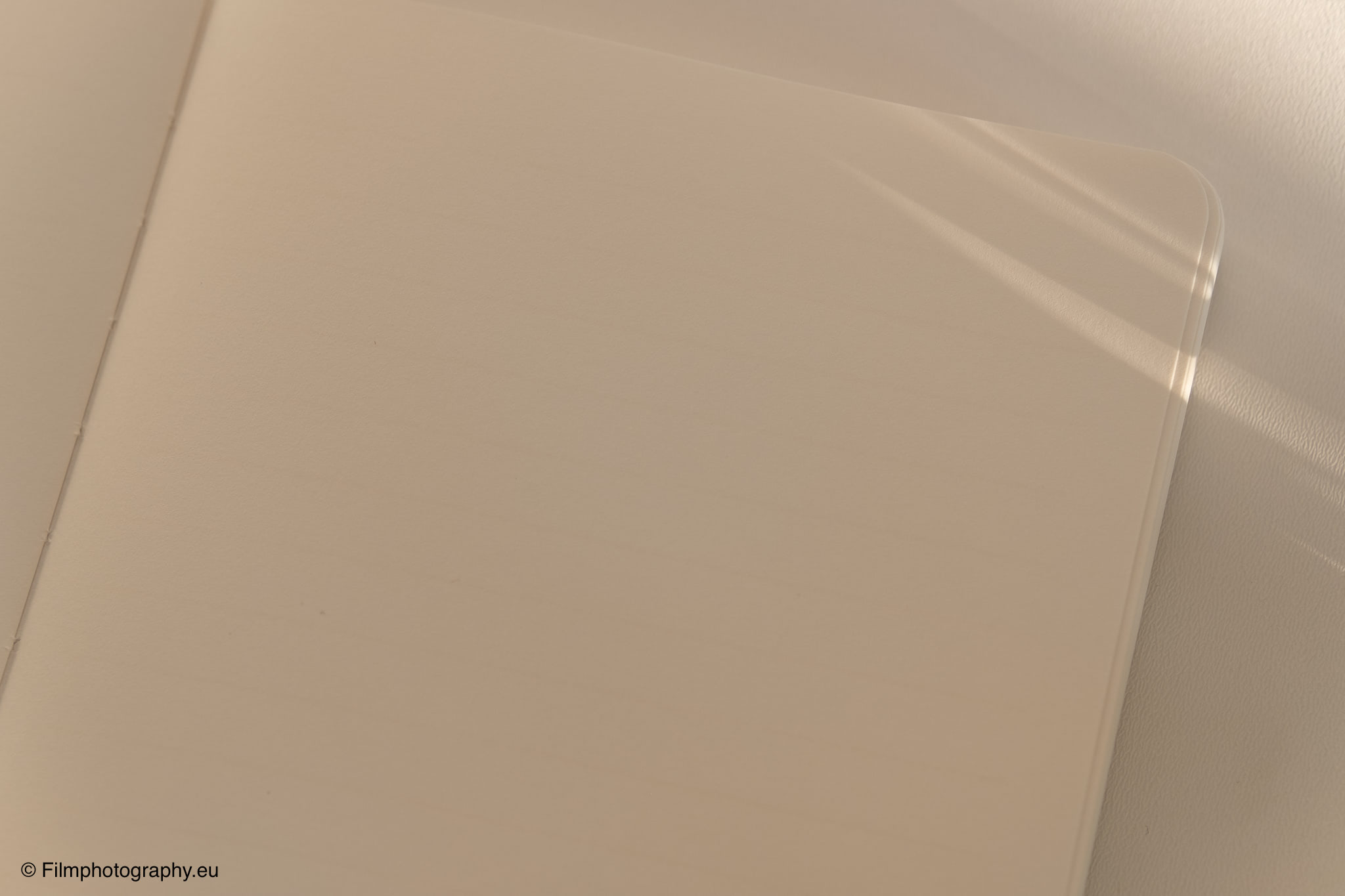
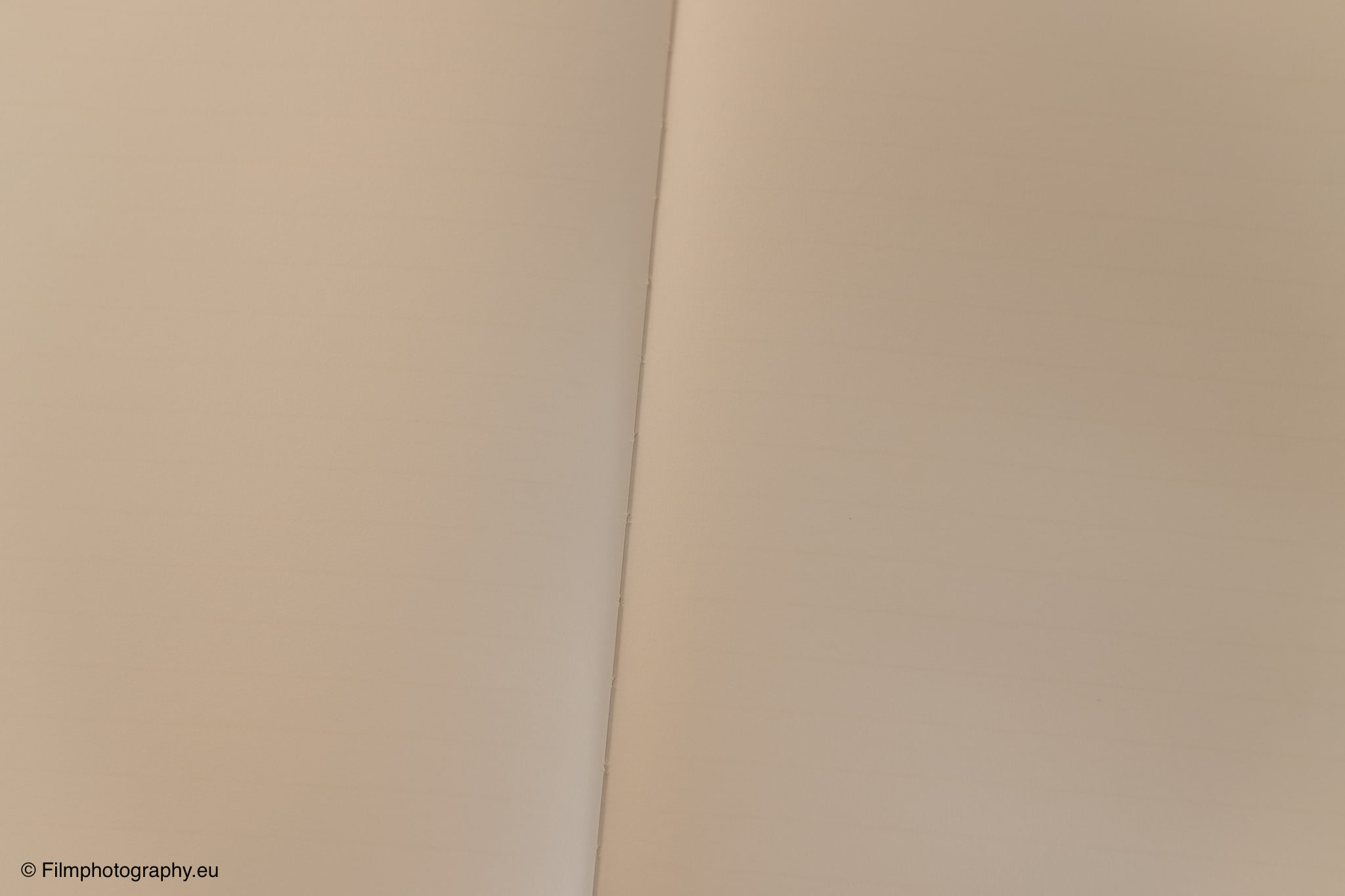
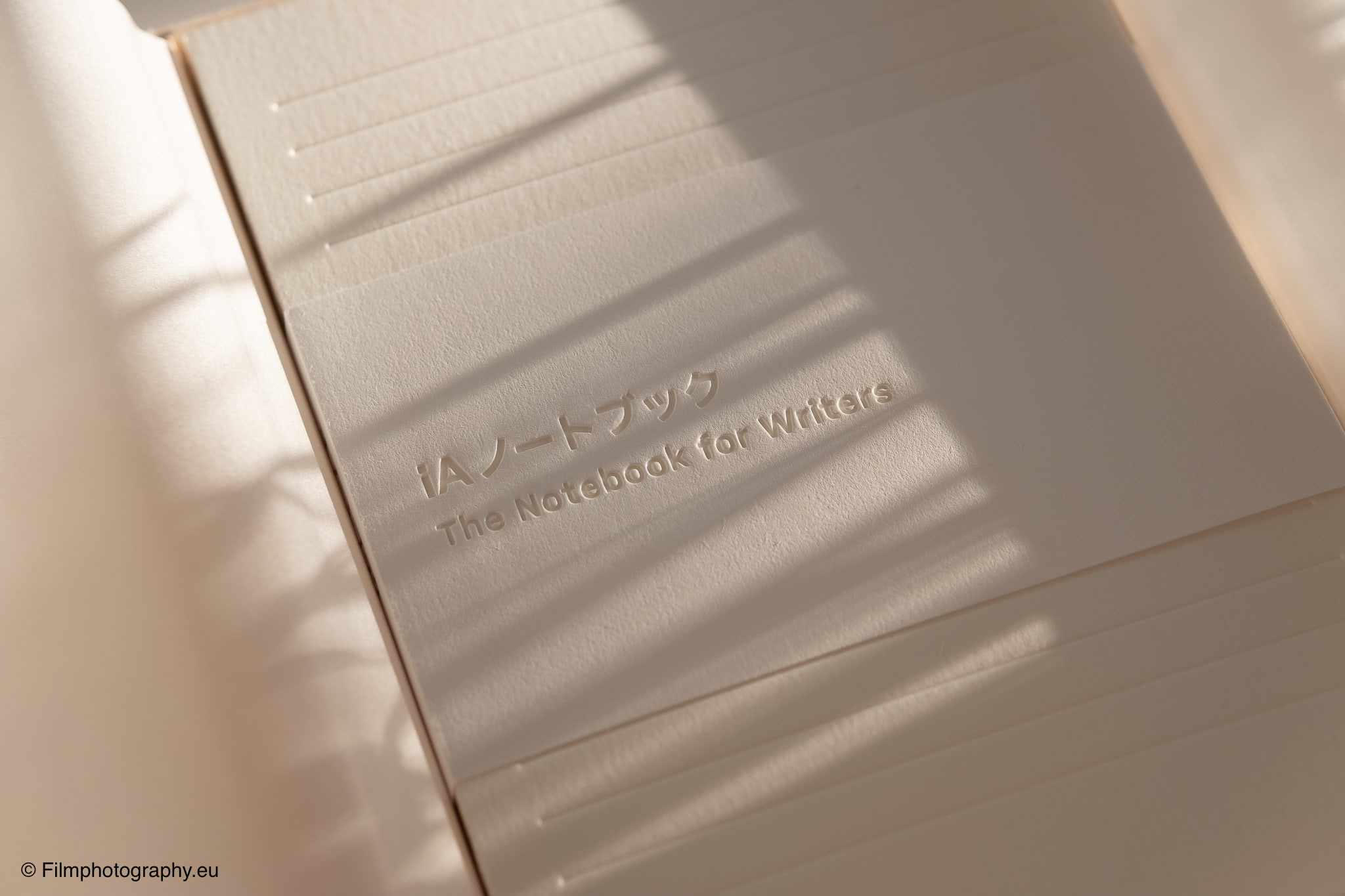
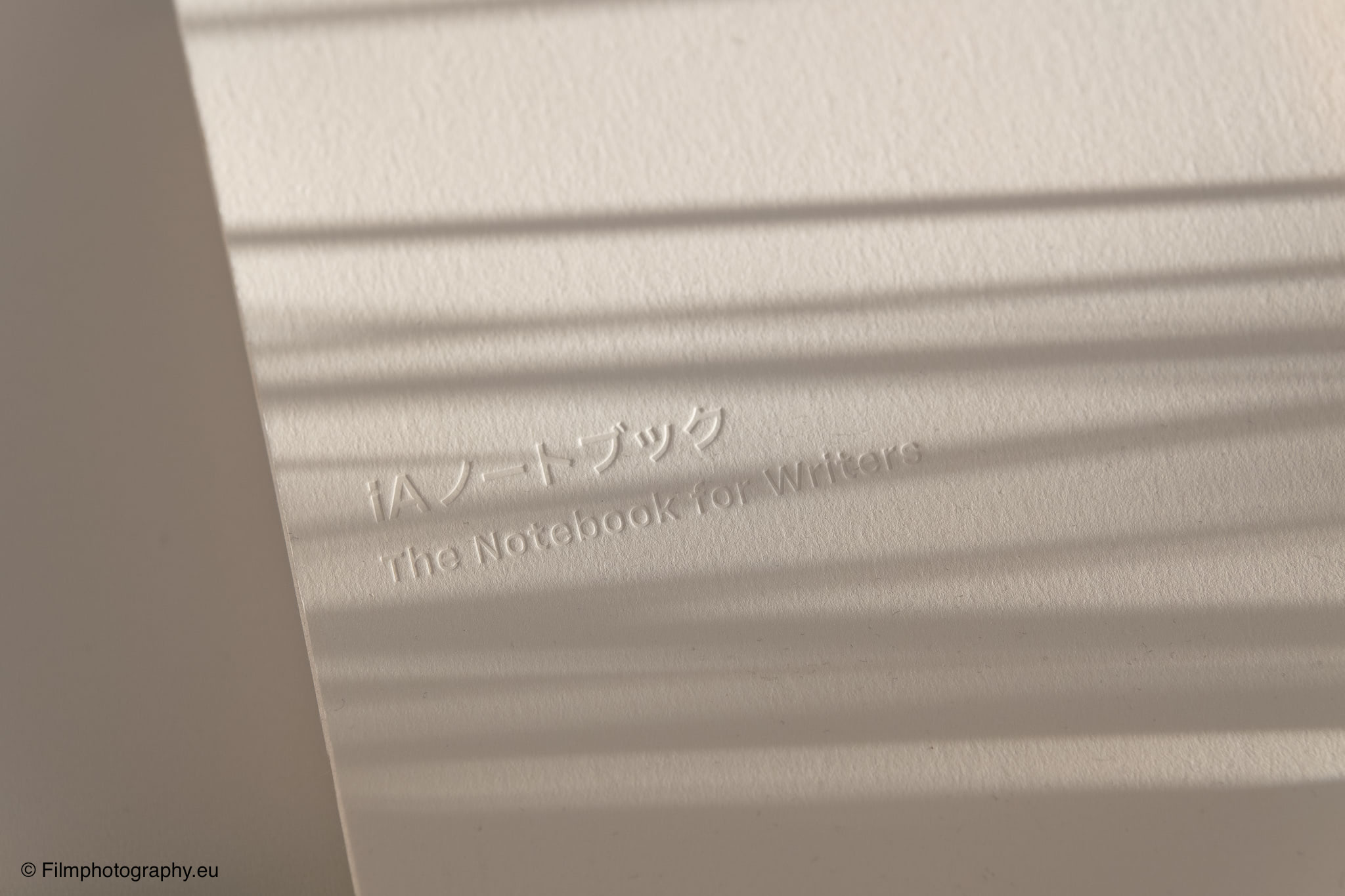
The centerpiece, however, is the paper itself. It is called Araveal White and weighs 81 grams per square meter. When you run your fingers over the page, you feel a fine texture that is smooth enough for the pen to glide effortlessly but offers enough resistance to convey a sense of control. The color of the paper is even whiter than in the pictures in this article.
This paper quality ensures that ink does not bleed through to the back or feather at the edges. This is crucial as the book is specifically designed for use with fountain pens. Of course, other types of pens can also be used.
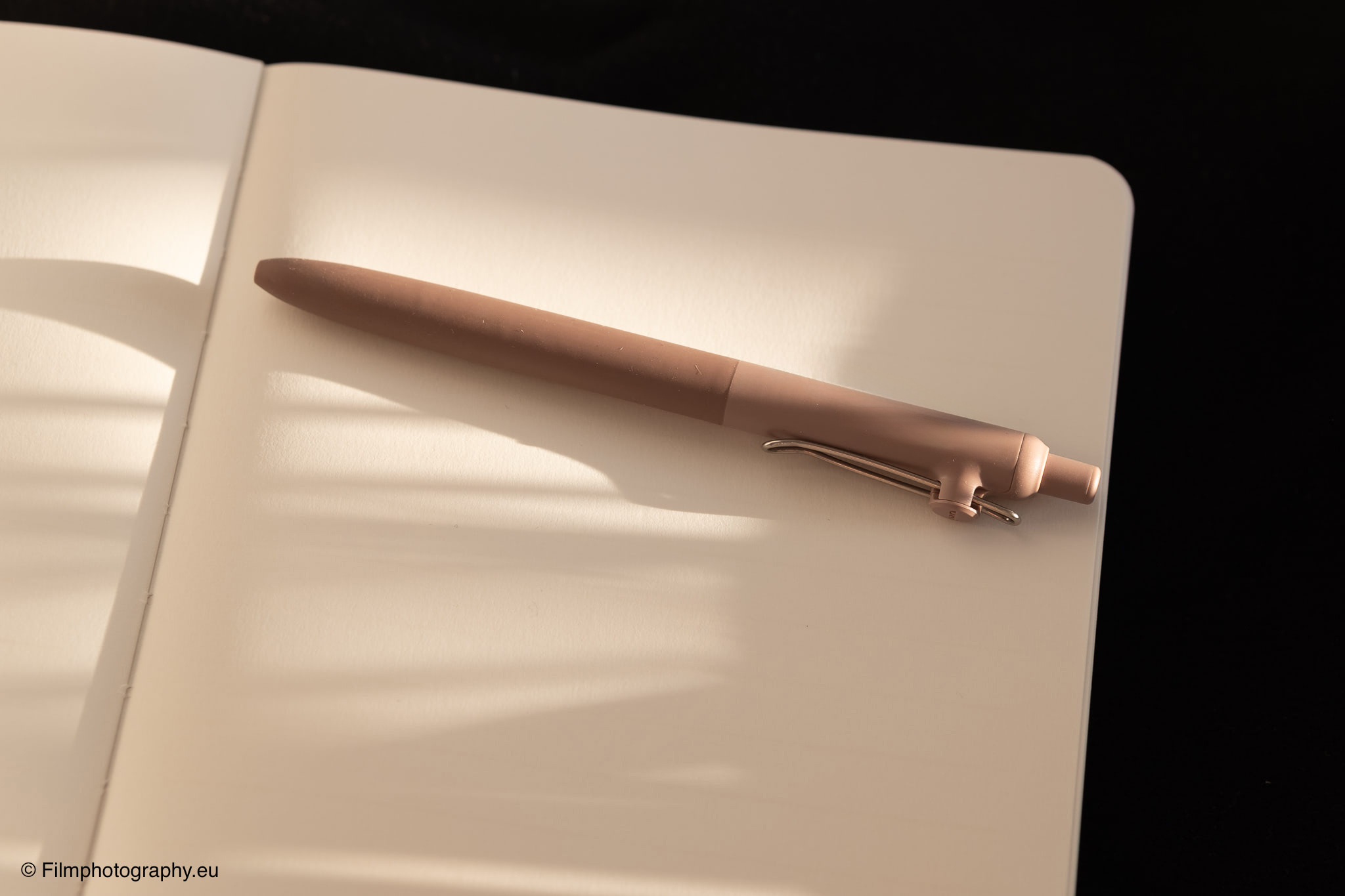
For me, a classic pencil or mechanical pencil fits this project. On the one hand, for the look on paper, but also because mistakes can be quickly erased. This is particularly advantageous for long-term projects.
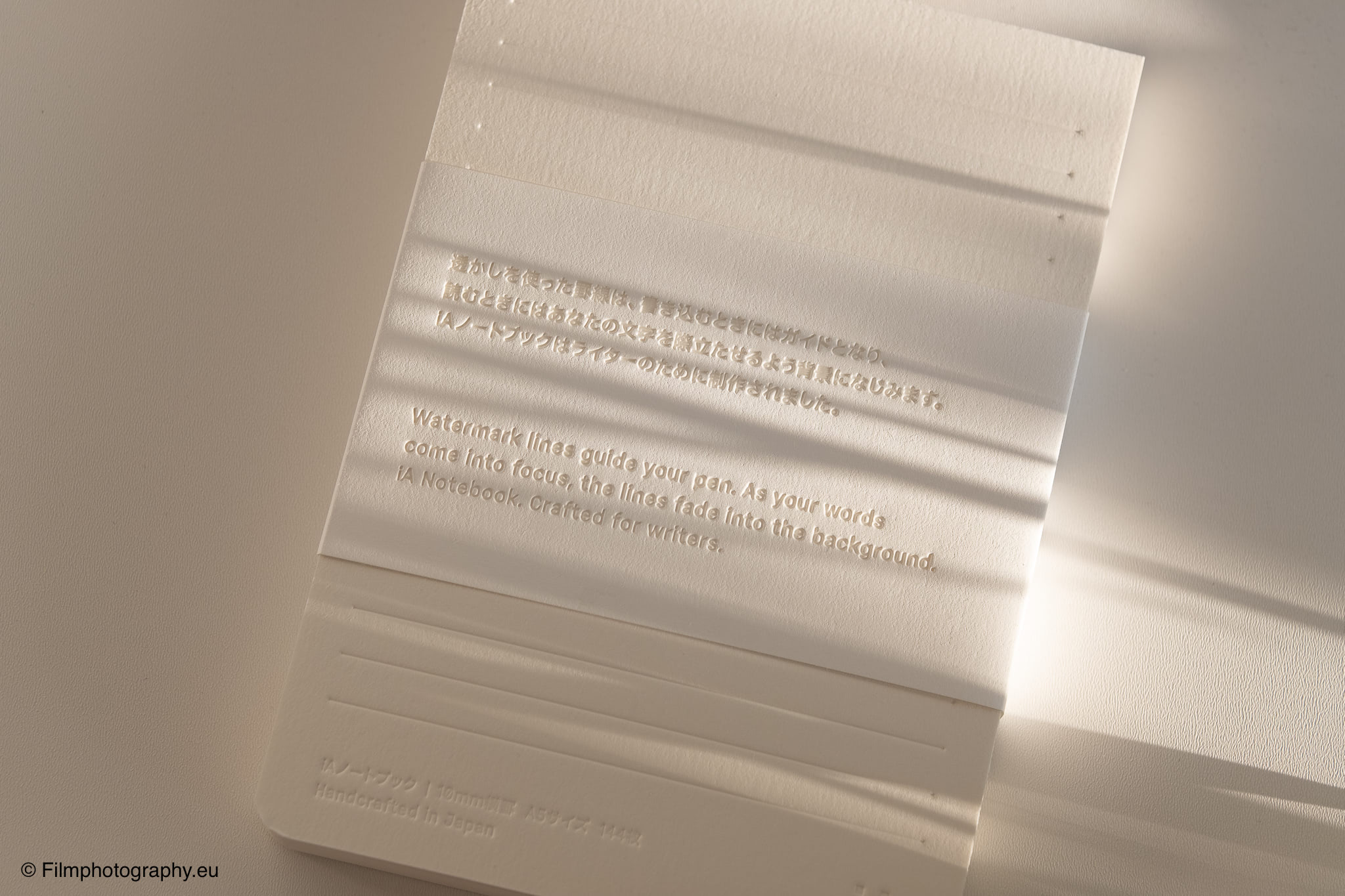
A special feature that distinguishes the iA Notebook from others and fascinates me is the ruling system. Normally, you have the choice between blank, checkered, or lined, but lines often interfere with reading the finished text.
A different approach was taken here. The line spacing of 10 millimeters is incorporated into the paper as a watermark. It is not invisible ink or a chemical trick but a purely optical effect based on the natural interplay of light and dark during papermaking.
When the page is blank, the watermarks provide the eye with guidance and structure for writing. But as soon as the page fills with dark ink, the fine lines visually recede into the background until they become almost invisible. The dark script then optically dominates, making the watermark fade.
The result is a text layout that appears free and unhindered, like in a typeset book. The guidelines have served their purpose and yield the stage to the words. It is this thoughtful functionality that makes writing as enjoyable as photography itself.
The Result
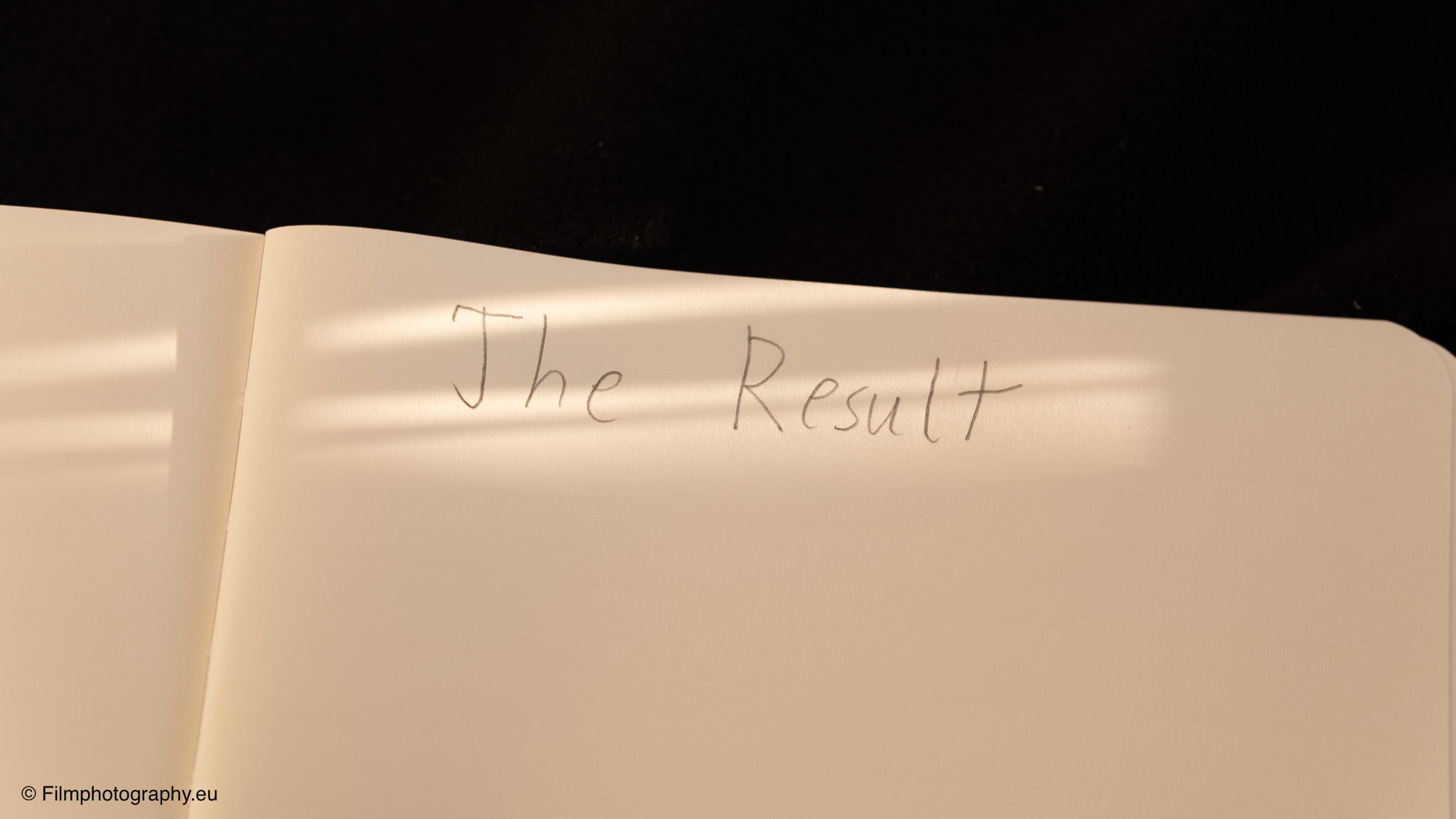
At the end of this process stands an object of immeasurable personal value. You hold a book that contains not just paper and ink, but a piece of your soul and your story as a photographer.
It is unique. No other person in the world has this book. It is filled with the thoughts you had while looking through the viewfinder. It tells of the moments between exposures. It preserves the atmosphere that is often only hinted at in the pictures. When I flip through my filled books, memories resurface that would otherwise have long since faded.
This conclusion, which you arrive at in the end, is why I can only recommend everyone start something like this. It enriches photographic work immensely. It forces you to confront your own actions. You reflect on why you took a particular picture and what it means to you.
You write as personally as possible. It is not a technical logbook with aperture and shutter speed. It is a diary of the creative journey. You learn about yourself as a photographer and as a person. It helps you find your own voice and sharpen your own style. Because whoever writes, thinks. And whoever thinks, photographs more consciously.
Of course, the tool is secondary to the content. You can certainly use any notebook for this. There are many good stationery manufacturers, and in the end, it matters that you write, not what you write on. But for those who appreciate aesthetics and functionality equally, the iA Notebook offers a platform that is second to none. It is made for people who enjoy beautiful things and want to savor the process of creation in all its aspects.
If you want to use the iA Notebook, you can find more information on the iA website. But whatever you choose, the step towards analog writing is the decisive one.
The paper quality sounds incredible. I’m looking for a new journal and this might be the one.
The wooden box and the Japanese craftsmanship look stunning, though I imagine it comes with quite a price tag. Still, for a once-a-year purchase to archive a major project, it seems like a worthy investment in one’s craft.
I just ordered one! I’ve been looking for a way to organize my thoughts for my upcoming exhibition, and the ‘silent’ watermark lines are exactly what I need. Can’t wait to see it in person.
If you’re using this for a long-term project, I highly recommend using archival ink. Since the book itself is built to last, you’ll want to make sure the writing doesn’t fade over decades. A Blackwing pencil would also feel great on that textured paper!
I use their app. Its great way to write digitally.
Interesting read. It’s true that we often lose the ‘why’ behind our photos as the years go by. I’m not sure if I have the discipline to sit down after every shoot, but the idea of a physical archive for thoughts is definitely compelling.
There’s definitely a movement lately toward getting away from screens. Whether it’s vinyl records, film cameras, or paper notebooks, there’s a tactile satisfaction you just can’t replicate with an app. Thanks for sharing this.