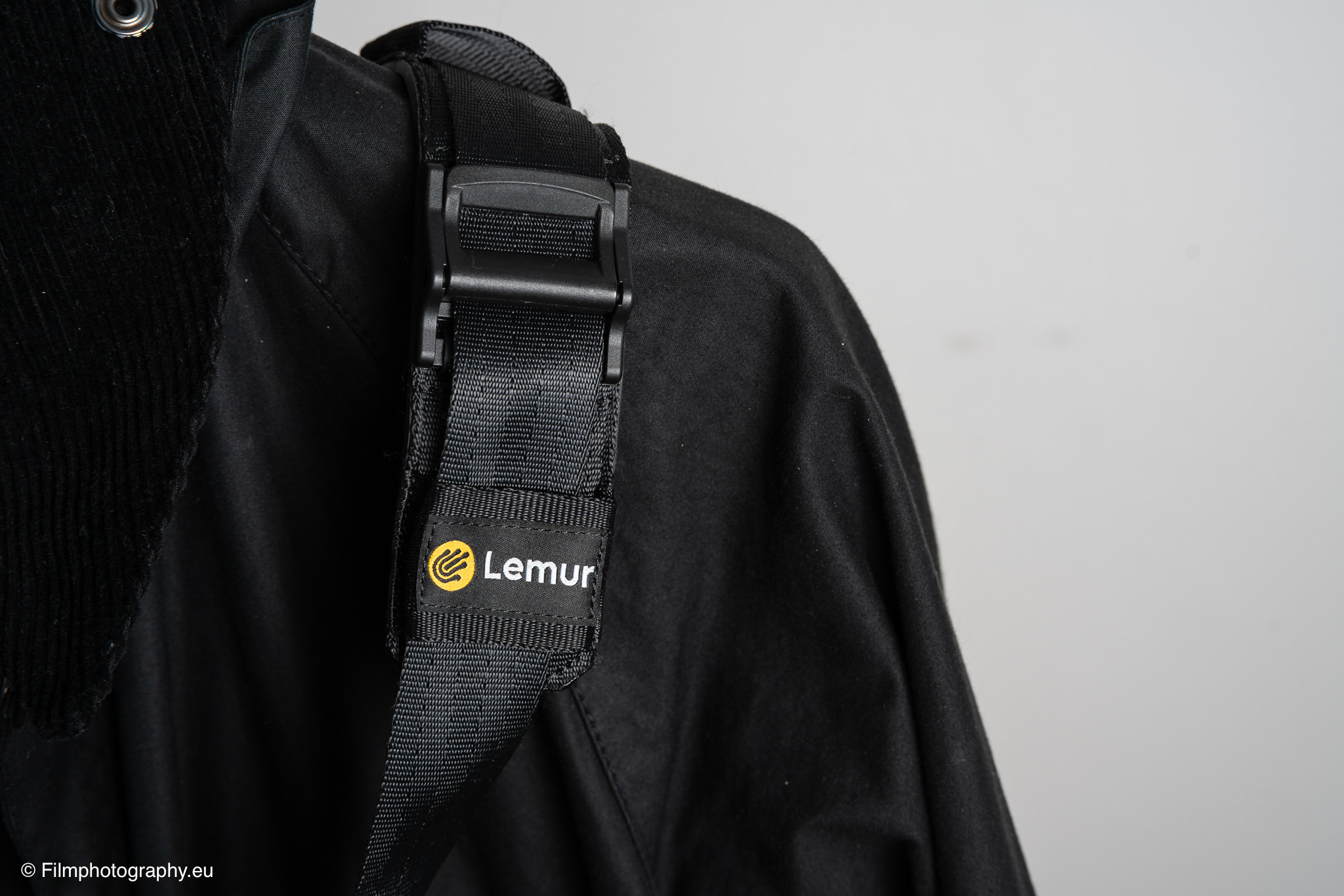
The eternal strap dilemma: Which camera strap is the perfect one. Today, a detailed look at the Lemurstrap.
Background on the Brand
Before we delve into the hardware, a brief look at its origins is worthwhile. The Lemurstrap is not a product of a faceless conglomerate, but rather originates from the outdoor scene in Boulder, Colorado. Like so many innovative photo accessories of recent years, this strap’s journey also began on the crowdfunding platform Kickstarter. The campaign was successful, which shows that the level of suffering among photographers regarding their carrying solutions was apparently high enough to trust a newcomer.
The name was not chosen by chance. The makers were not only inspired by the agility of lemurs but also link sales to a charitable cause. A portion of the profits goes towards the protection of these endangered primates in Madagascar.
This is a nice aspect that adds a likeable touch to the product, even if it is, of course, secondary for the purely technical evaluation of its functionality. However, it shows that people are at work here who think beyond mere sales and want to convey a certain philosophy with their product. For us users, however, it is more crucial whether the agility of the namesake also rubs off on the handling of the camera.
The Lemurstrap
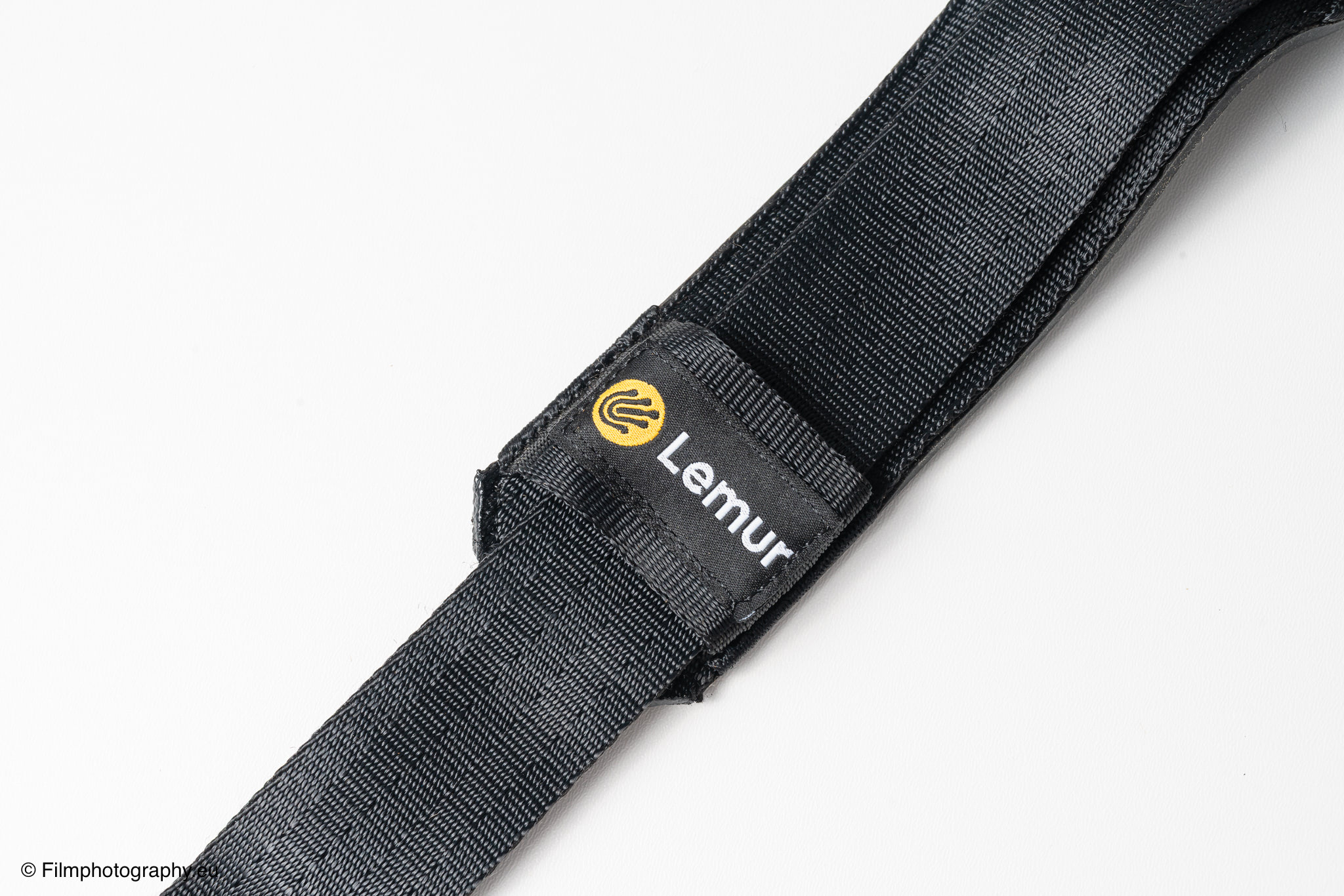
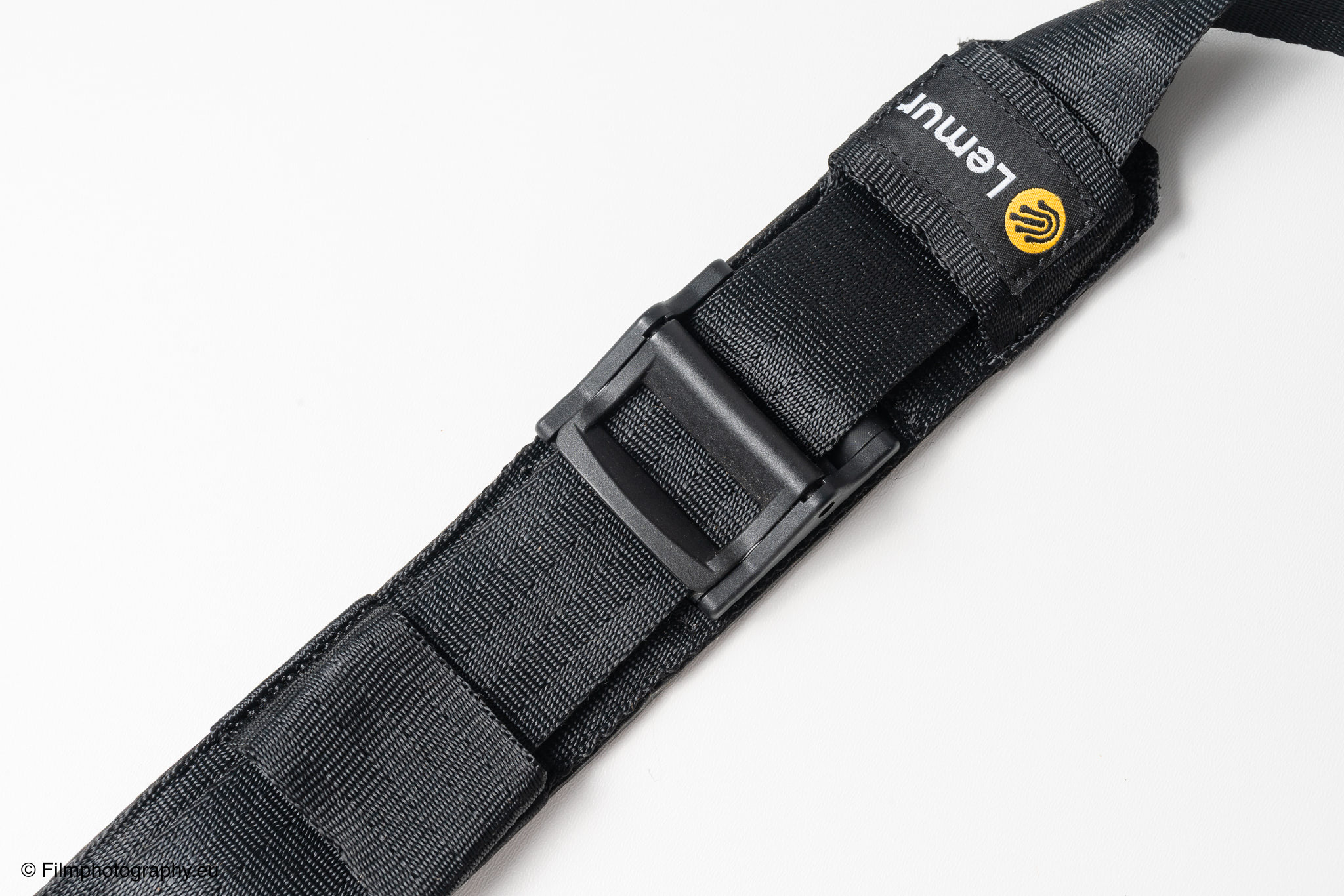
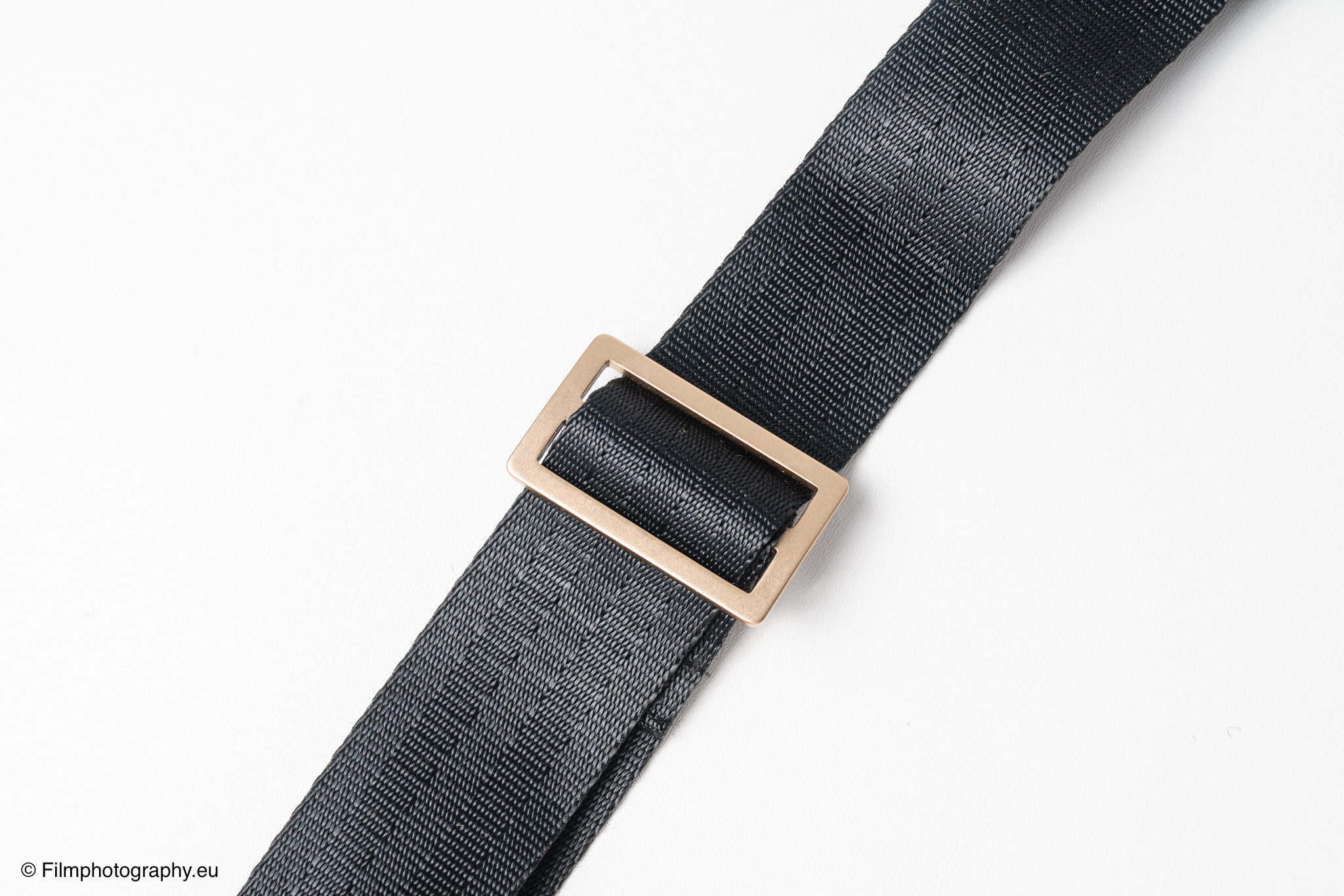
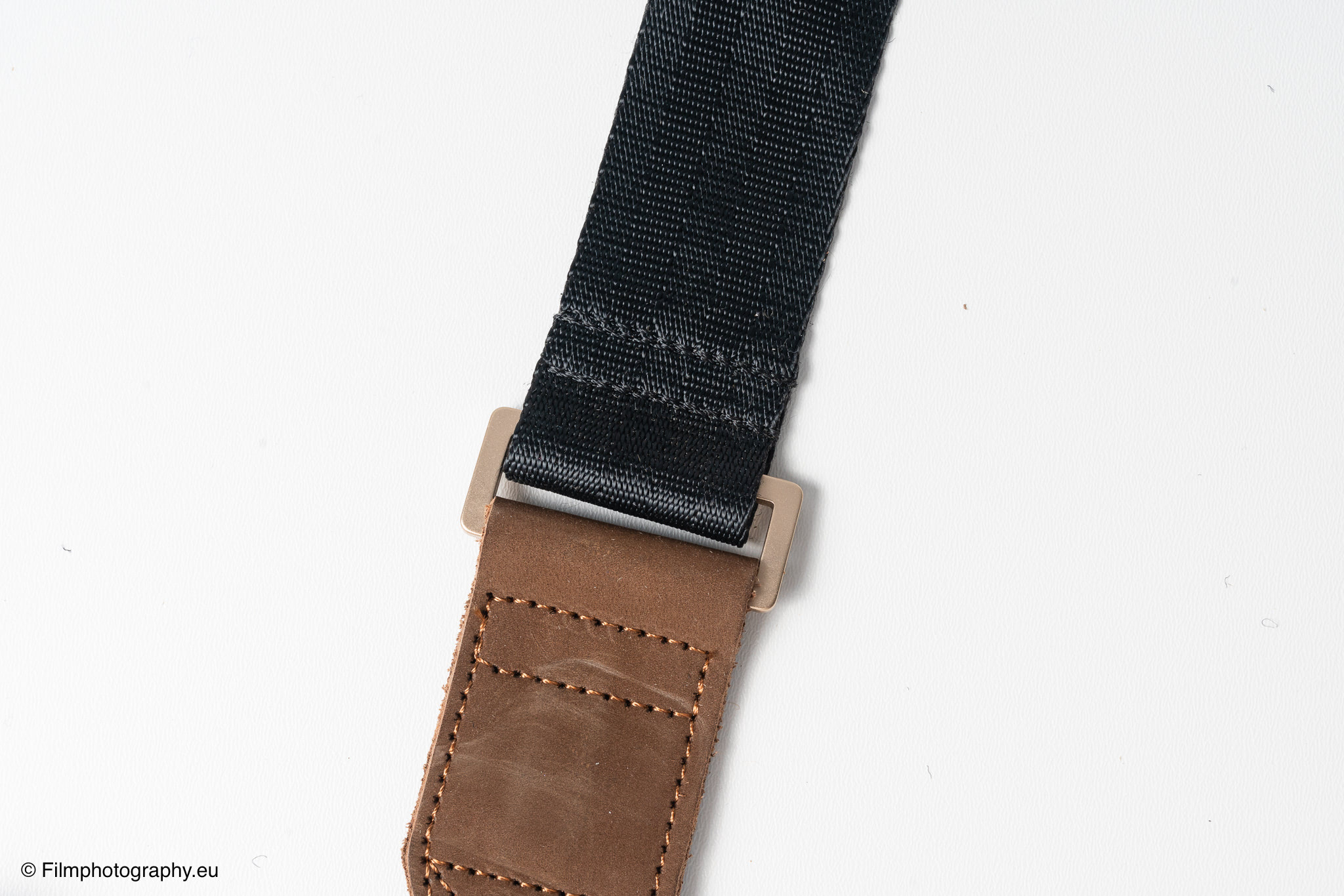
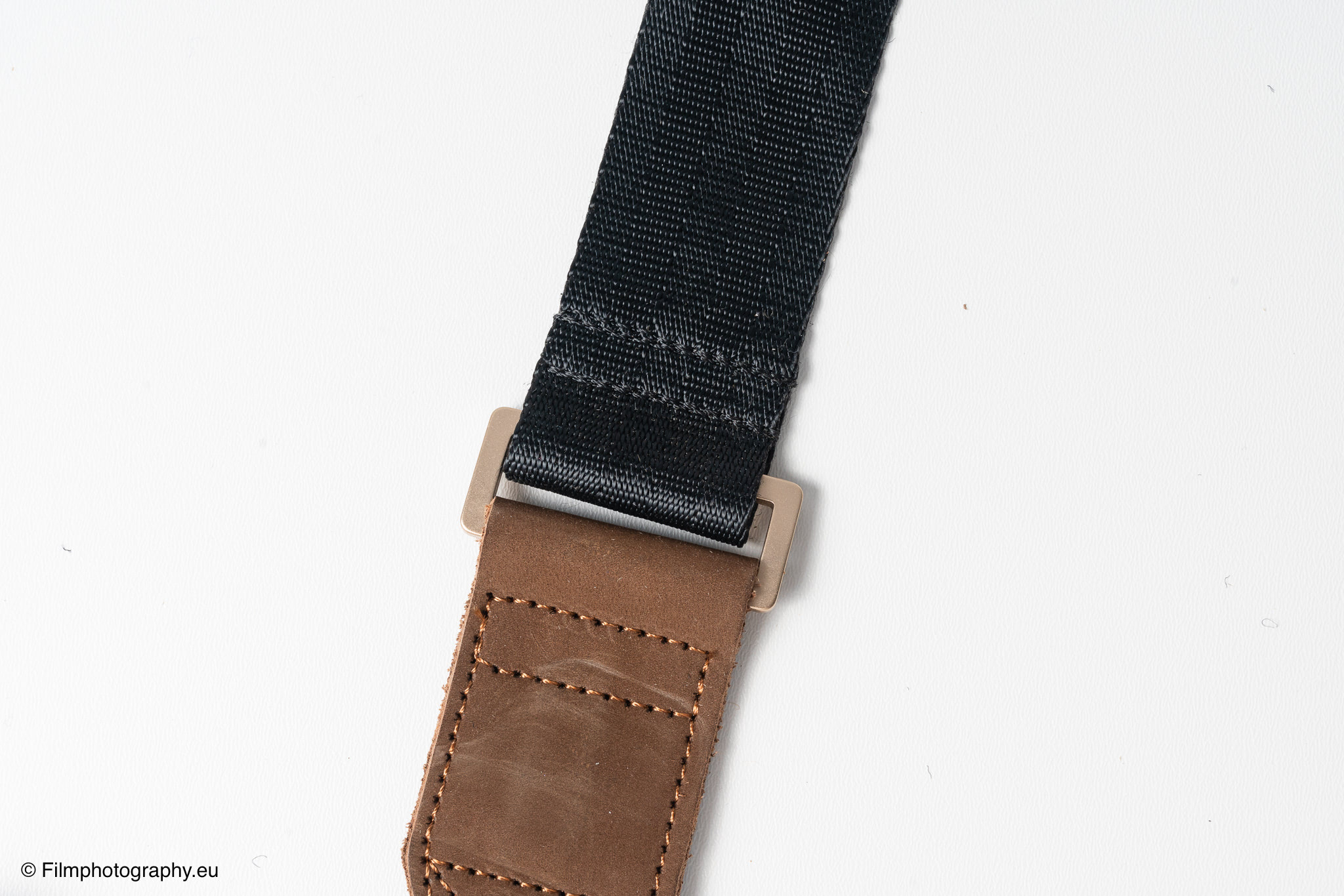
When you first hold the Lemurstrap, you immediately notice its massive construction. This is not a delicate accessory for a small compact camera. The strap itself is made of a wide nylon webbing that strongly resembles seatbelts from the automotive industry. The material appears extremely tear-resistant and durable, but also has a certain stiffness that inspires confidence.
The width of the webbing is about 38 millimeters, while the shoulder pad, the actual core of the construction, measures a good 51 millimeters.
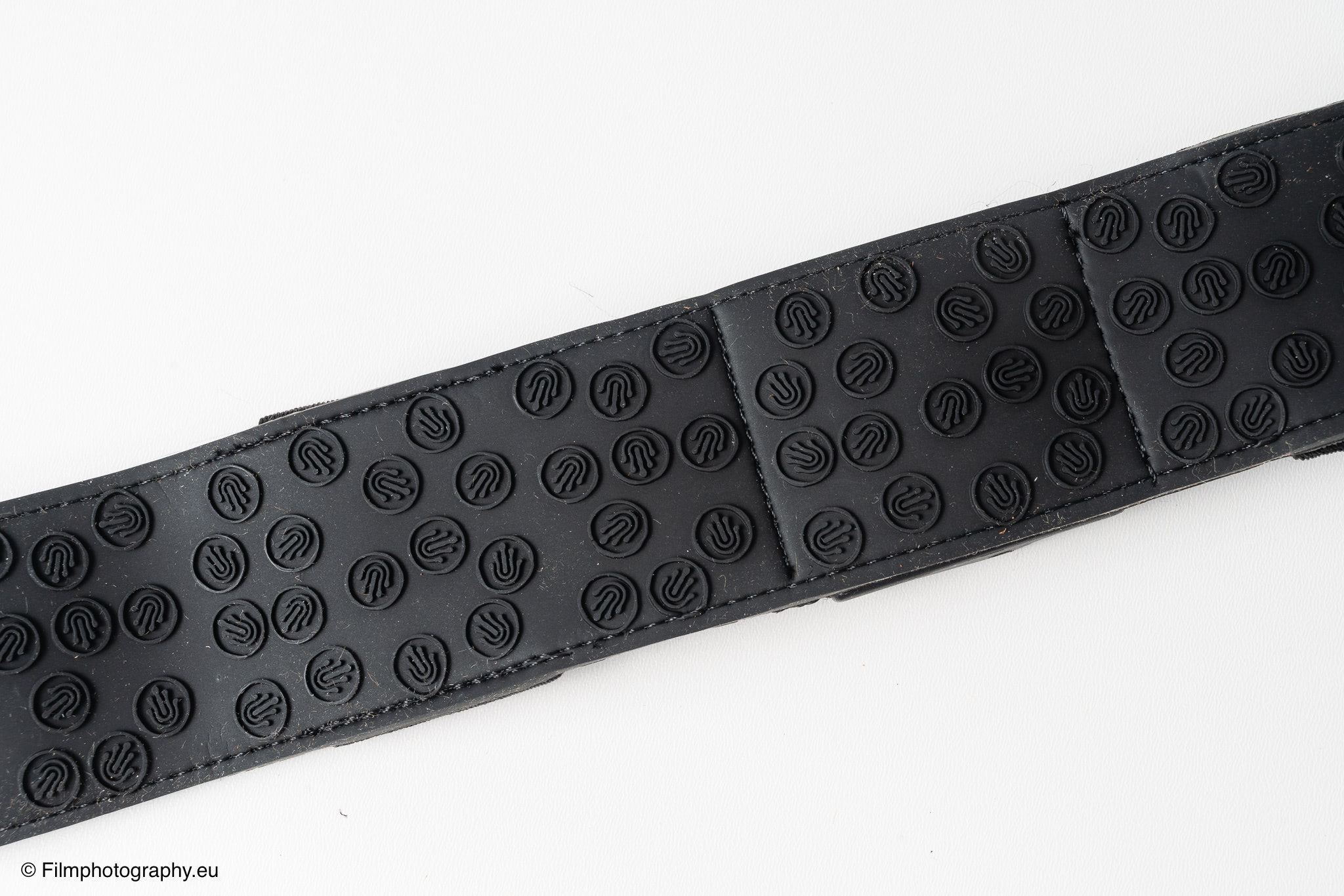
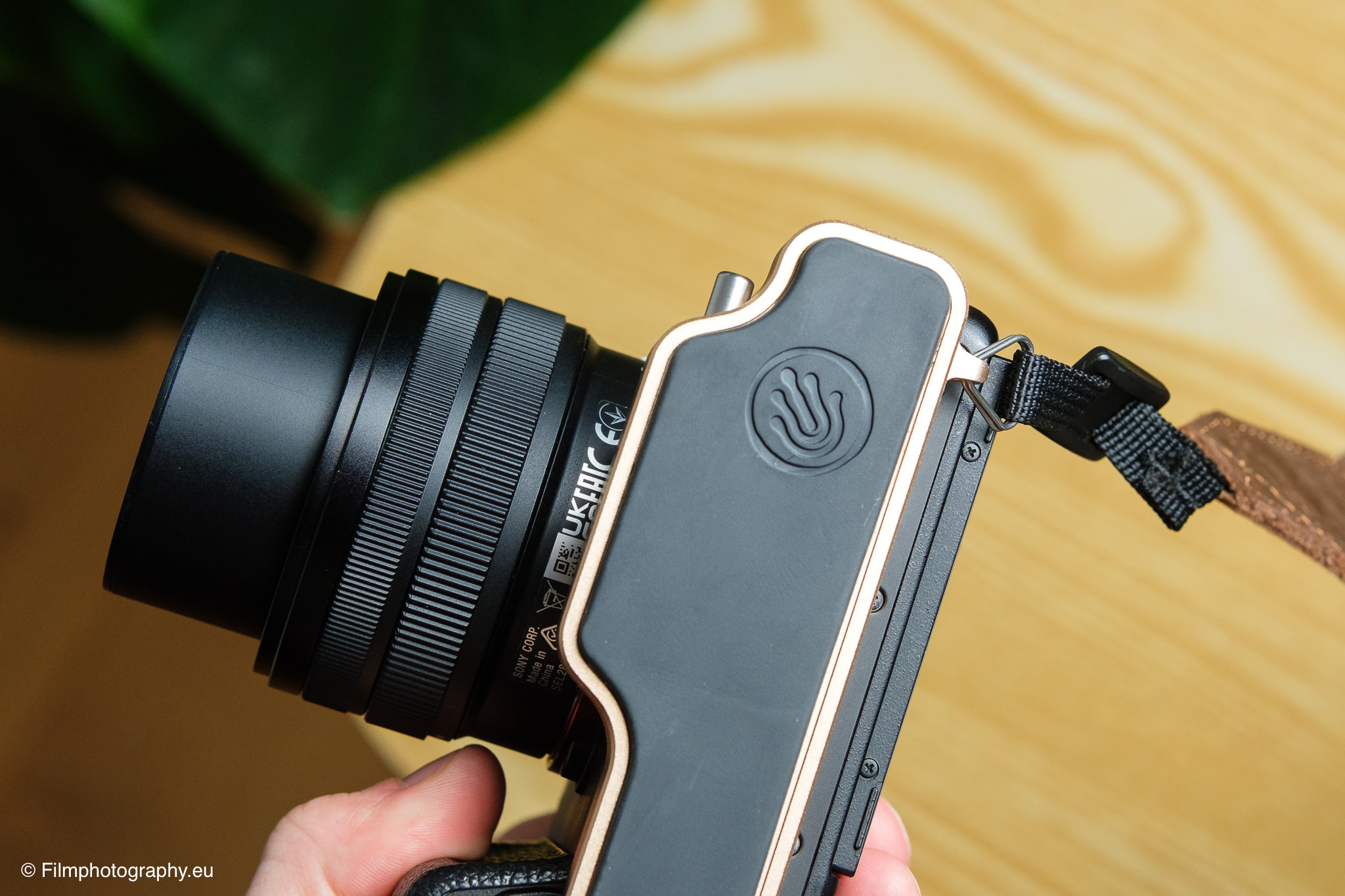
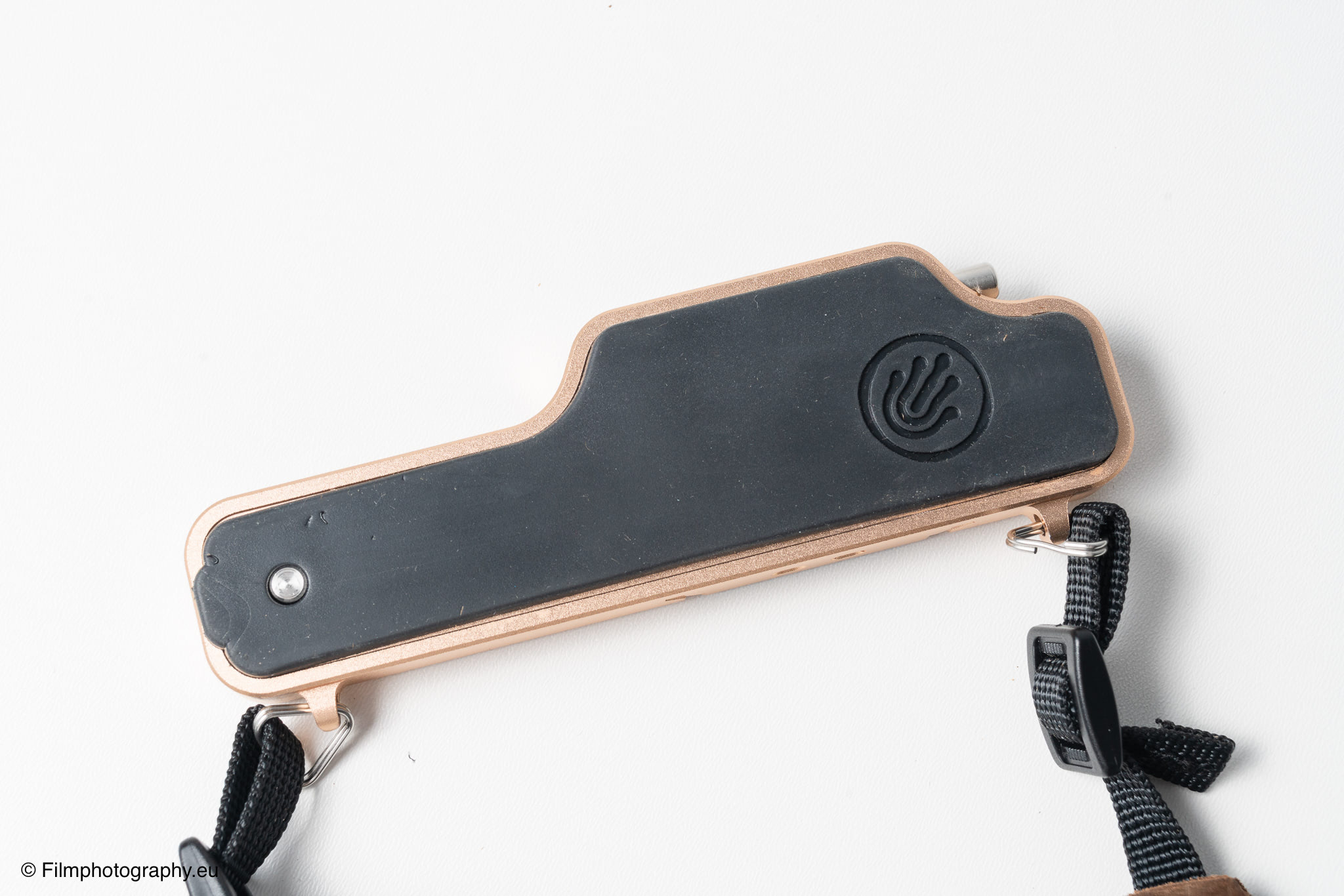
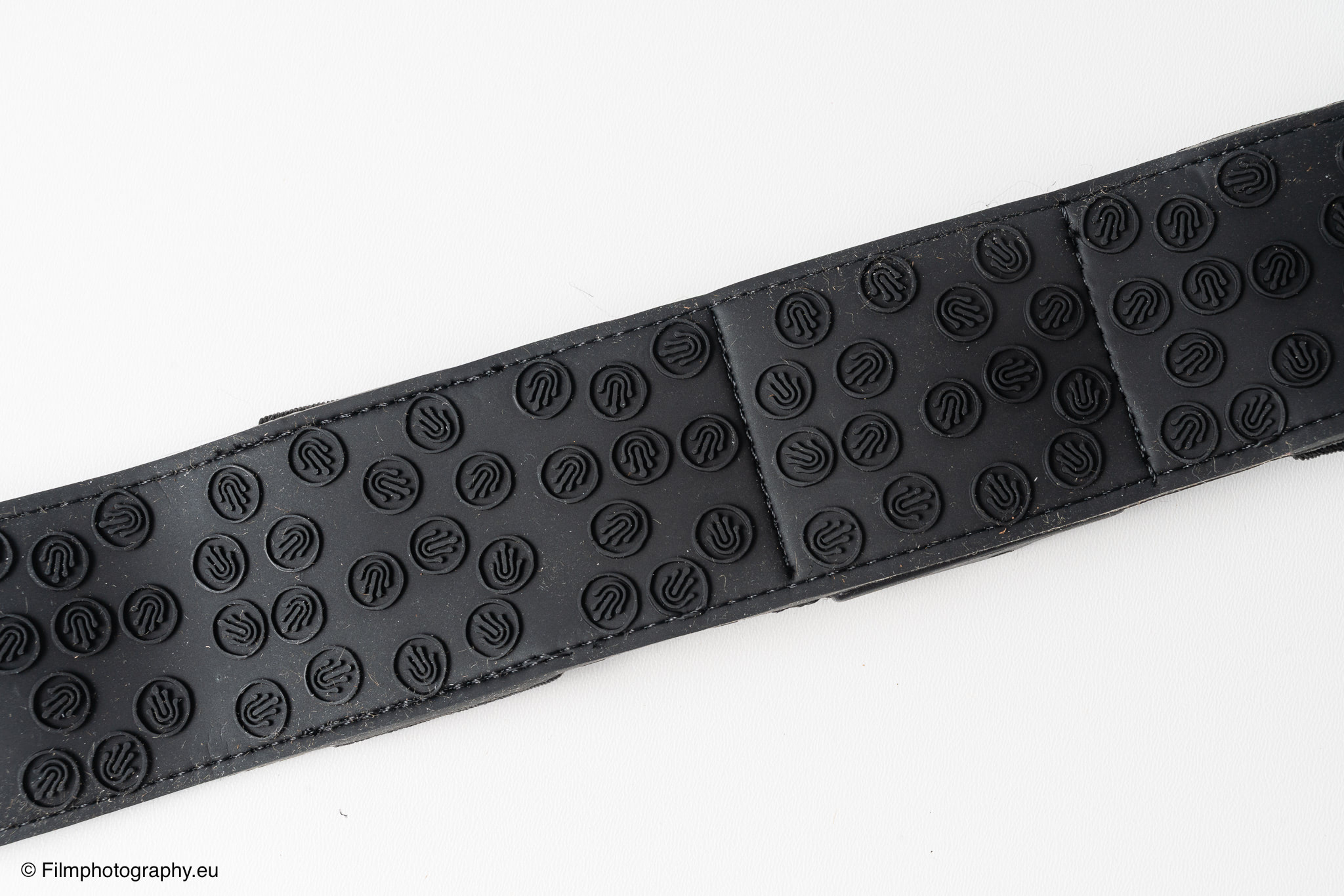
The shoulder pad is made of a silicone-like material. On the underside, i.e., the side facing the body, there are raised structures that are visually intended to resemble lemur paws. However, this structure serves not only the design but primarily ensures grip. The strap should stay on the shoulder and not slip, regardless of the jacket you are wearing.
The hardware components, i.e., the buckles and the base plate, are made of metal, presumably anodized aluminum, which feels cool and high-quality. Plastic is nowhere to be found at critical stress points, which I greatly appreciate.
An important detail is the adjustability of the length. The strap can be adjusted in a range of approximately 115 to 140 centimeters (in the standard version), which should be sufficient for most body sizes to comfortably carry the camera at hip height.
The total weight of the system is noticeable. It’s not a lightweight, but its own weight also conveys a certain stability, which is necessary, especially when used with heavier full-frame cameras and fast lenses.
How the Strap Works
What distinguishes the Lemurstrap from the mass of sling straps is its mechanical function. With many competing products, the entire strap slips over the shoulder when you bring the camera to your eye. This often leads to clothing being pulled along or the shoulder pad eventually ending up at the nape of your neck where it chafes.
The Lemurstrap takes a different approach here. The strap runs inside the shoulder pad. The pad itself remains fixed on the shoulder, while the nylon webbing slides through when lifting the camera.
This principle is complemented by a clamping mechanism on the shoulder piece. This is one of the central features. With a small lever, you can fix the strap. When the lever is closed, the camera is held firmly in one position, usually on your back or at your hip. It doesn’t swing, which is extremely comfortable when hiking or cycling. If you open the lever, the strap is released, and the camera can be brought to your eye instantly and without resistance.
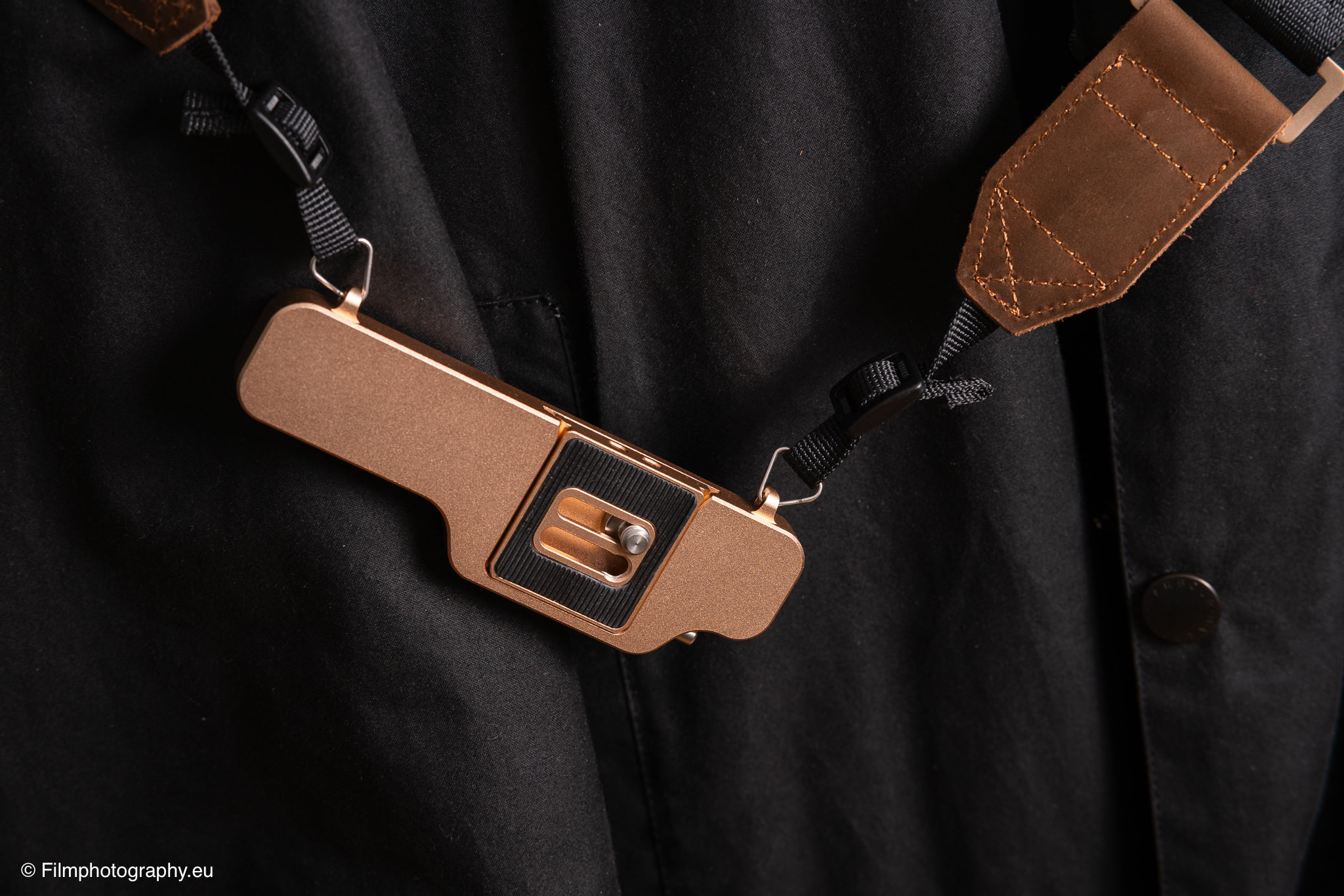
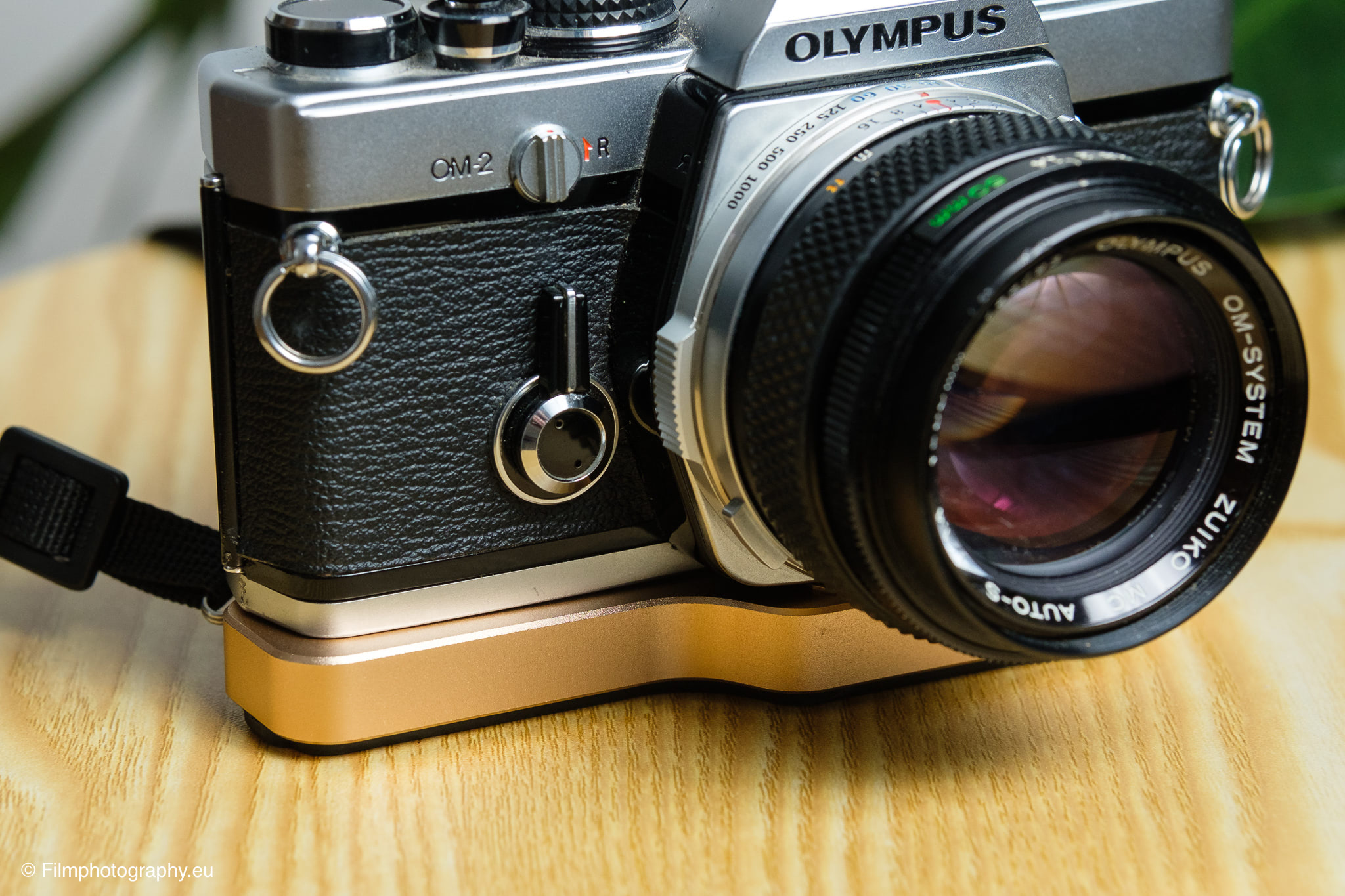
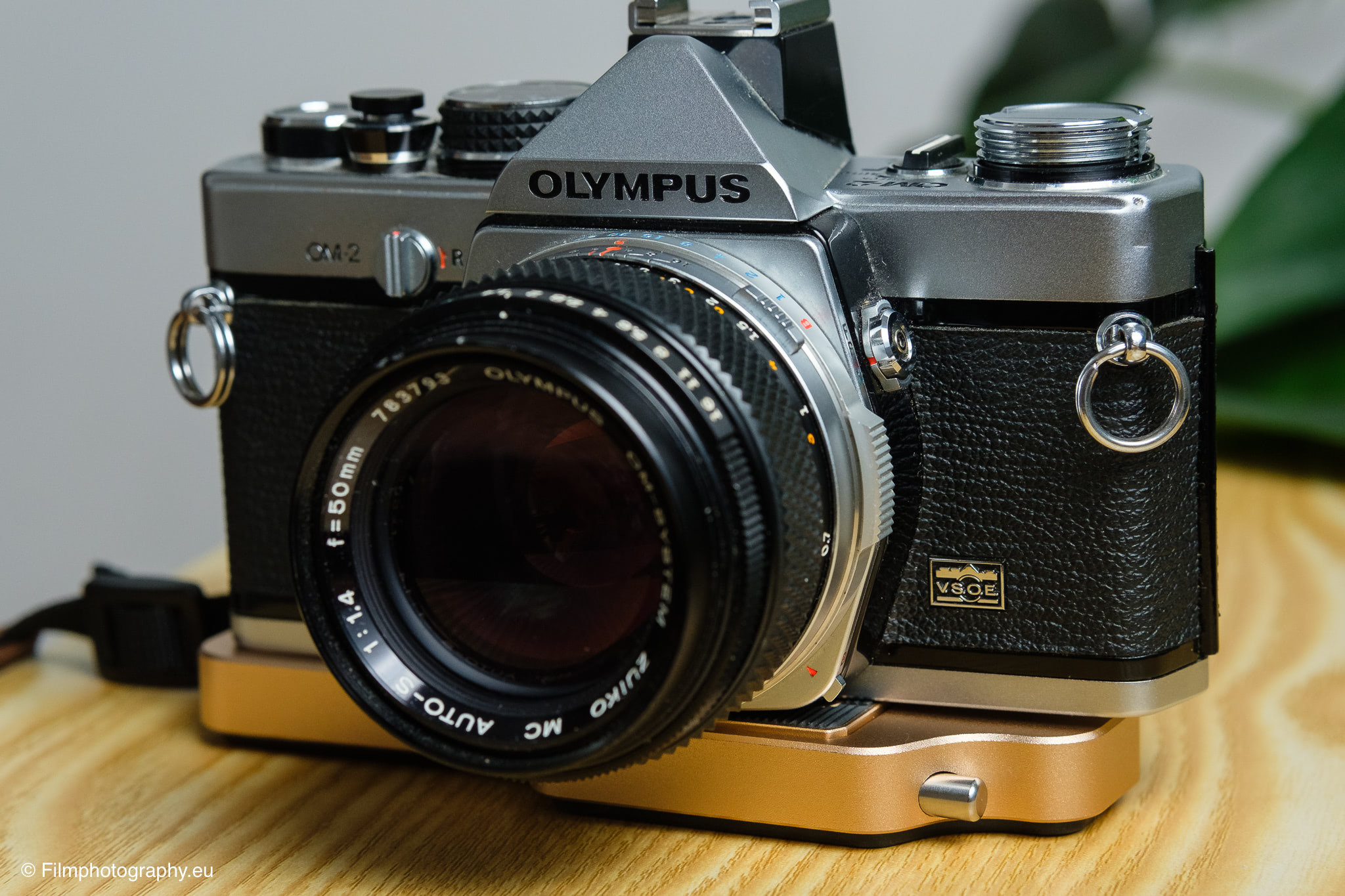
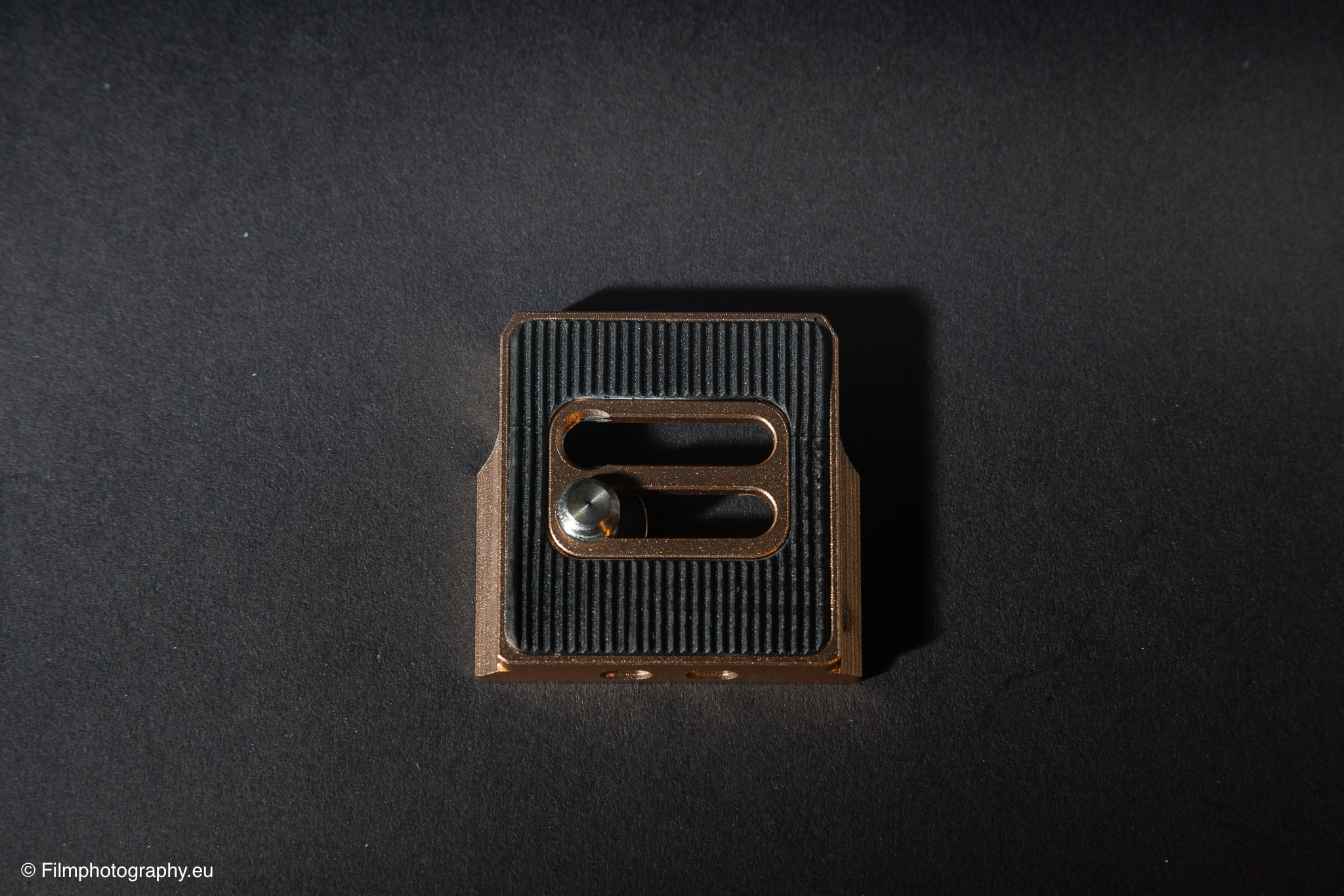
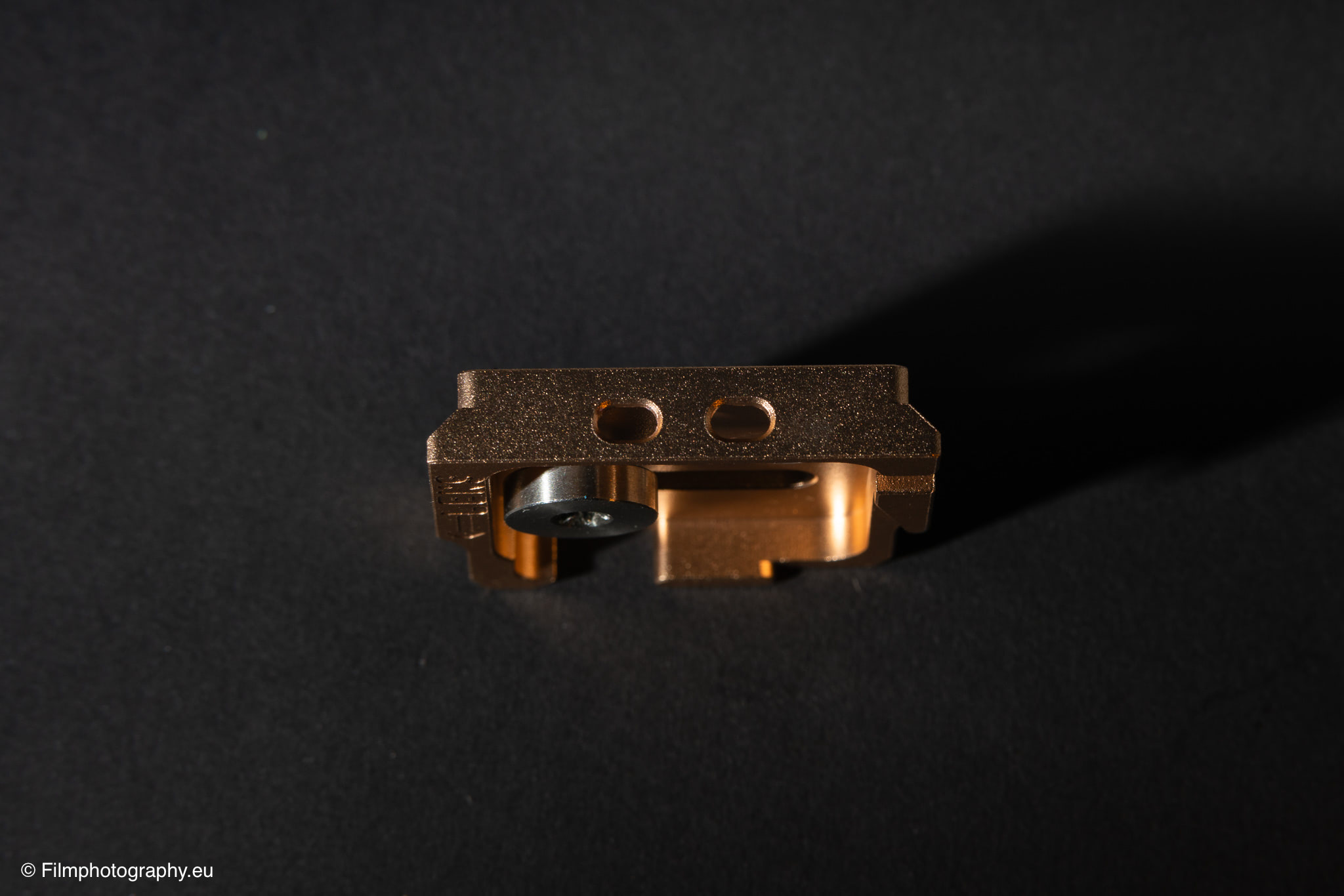
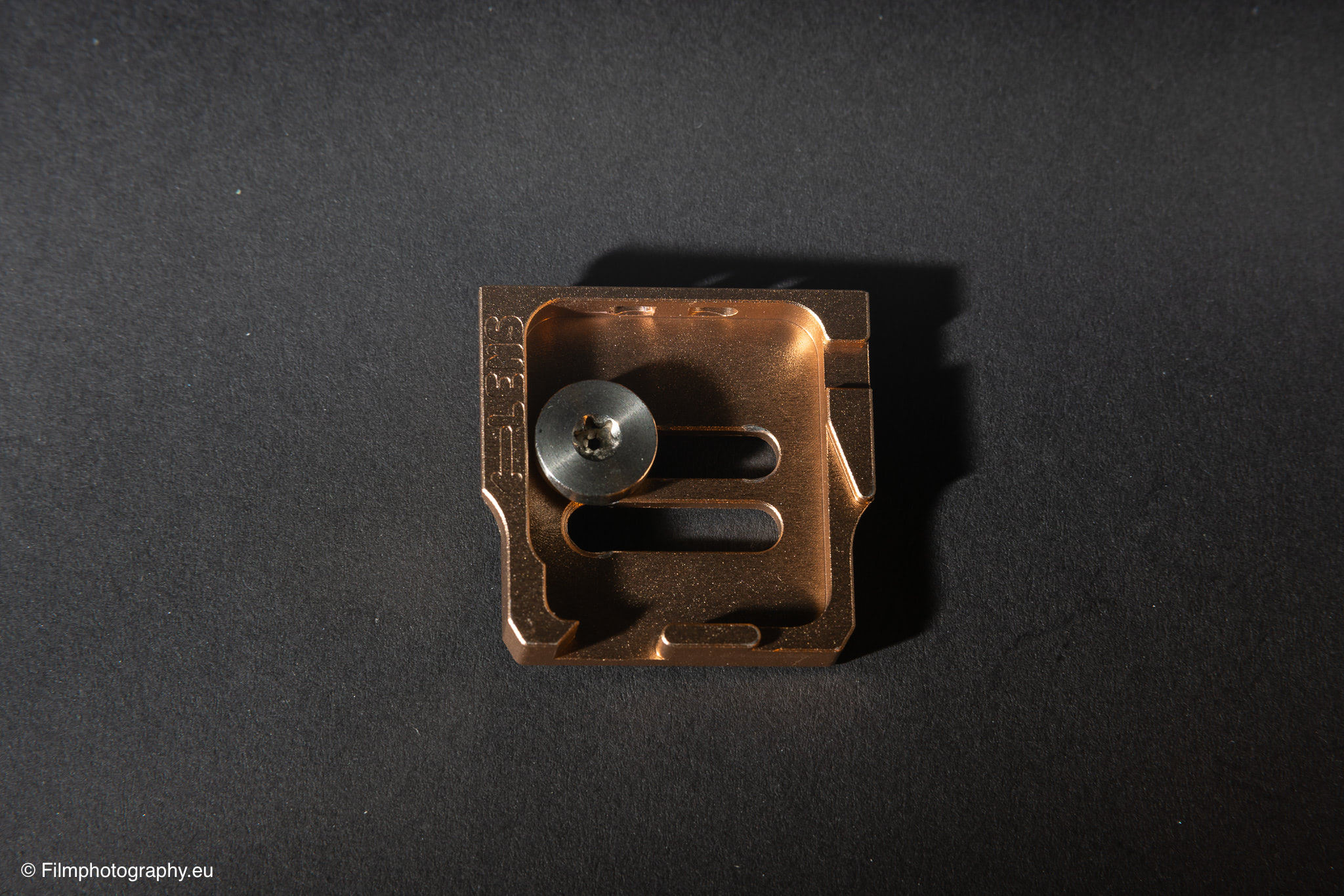
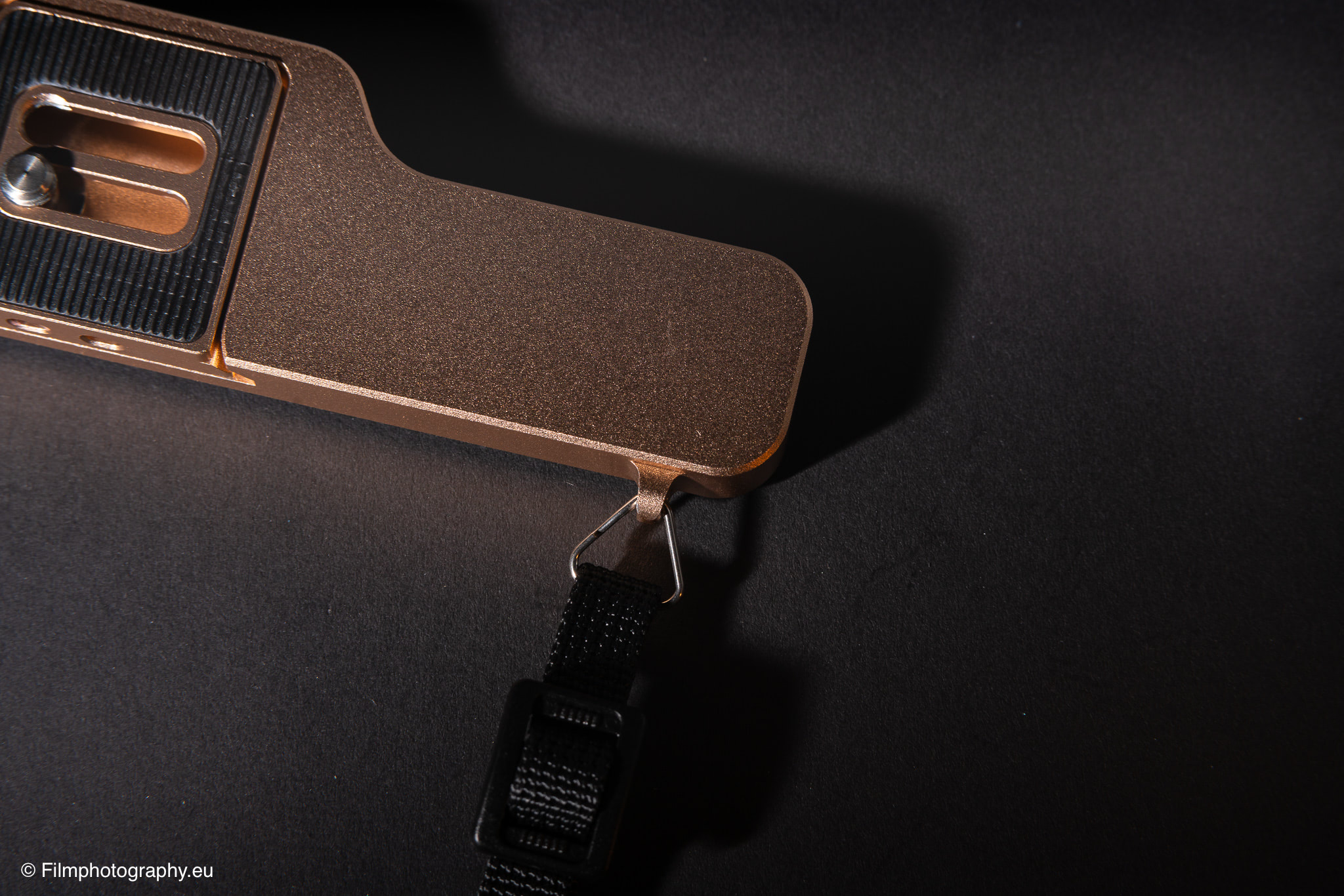
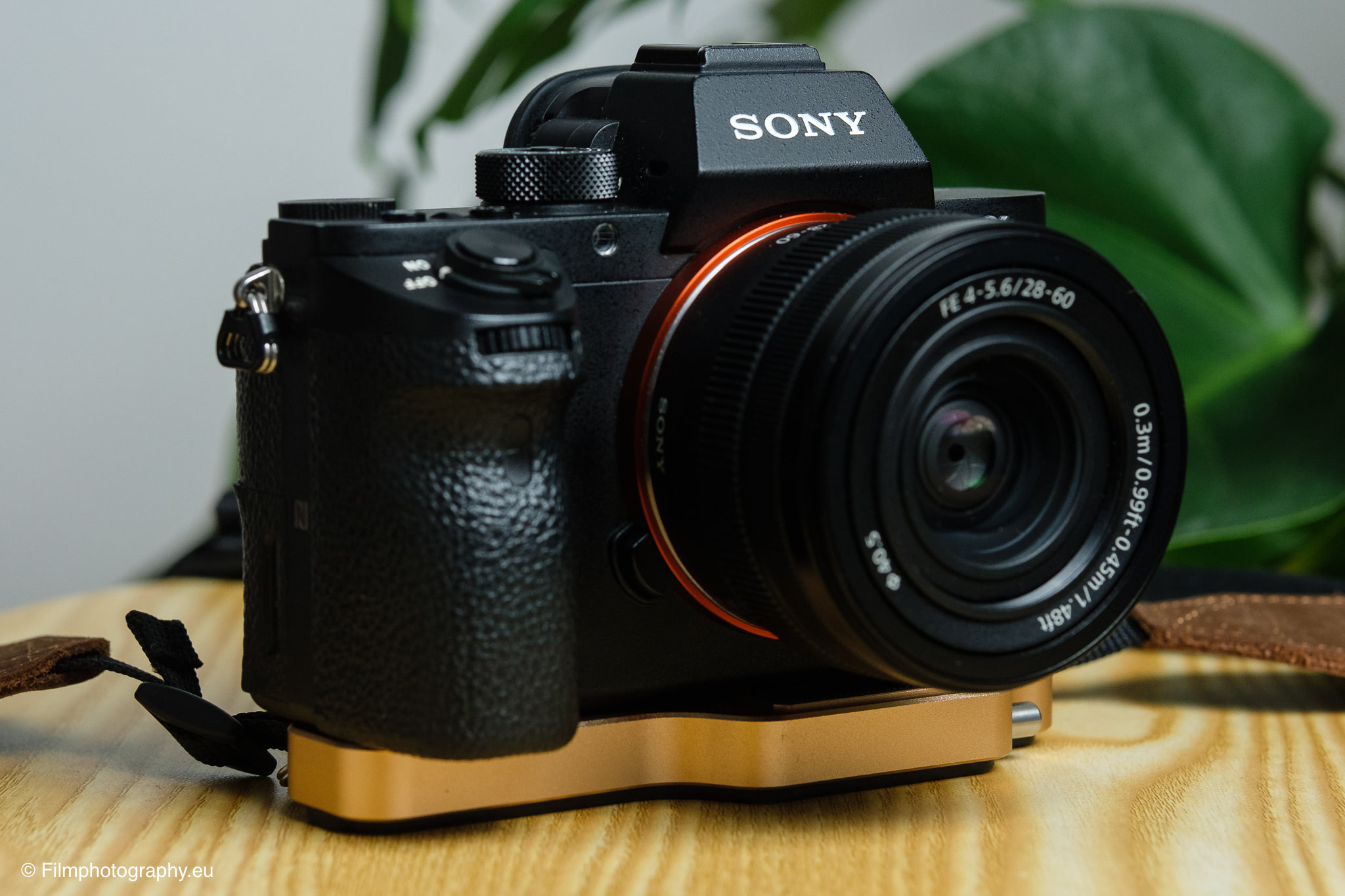
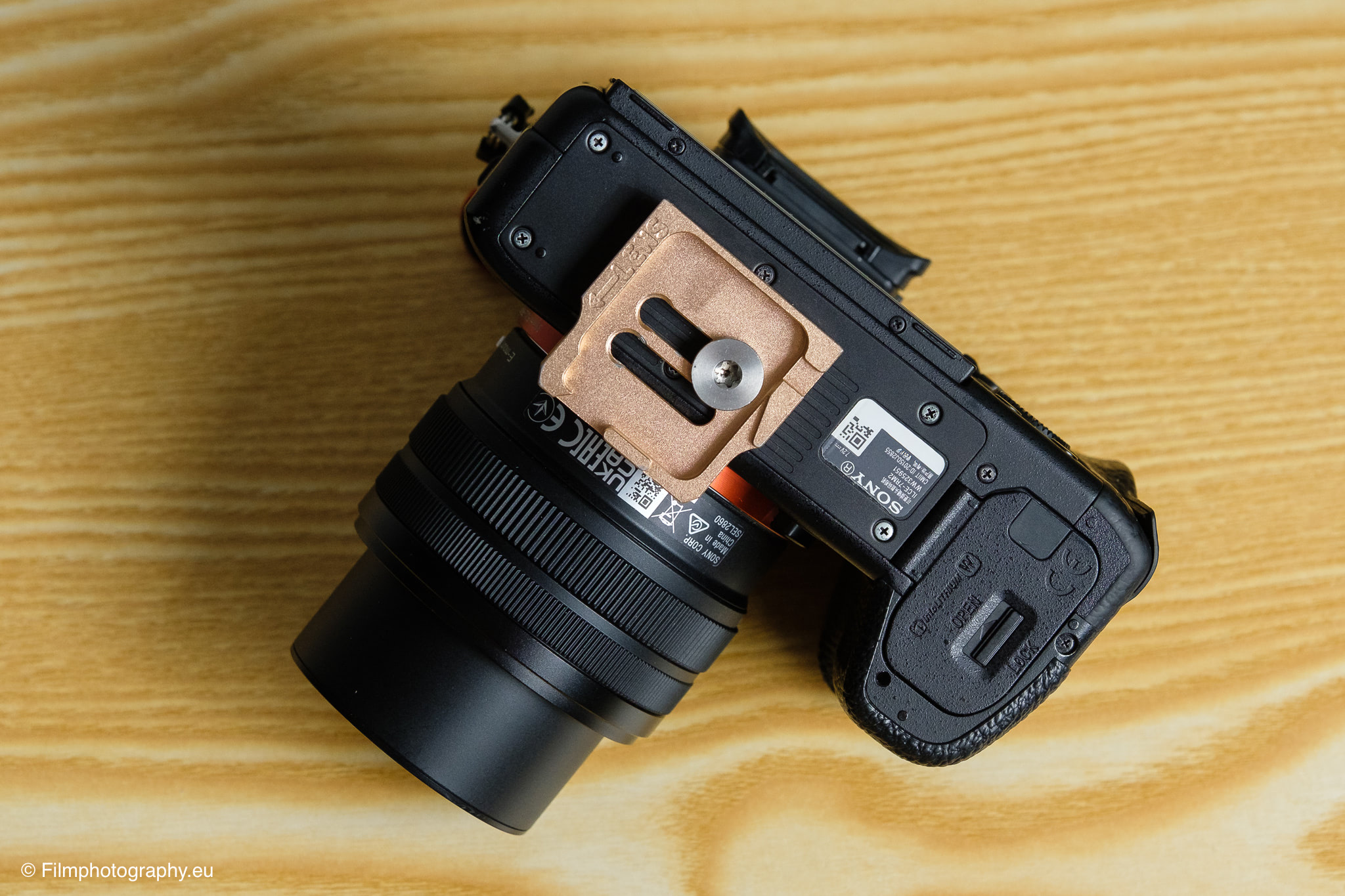
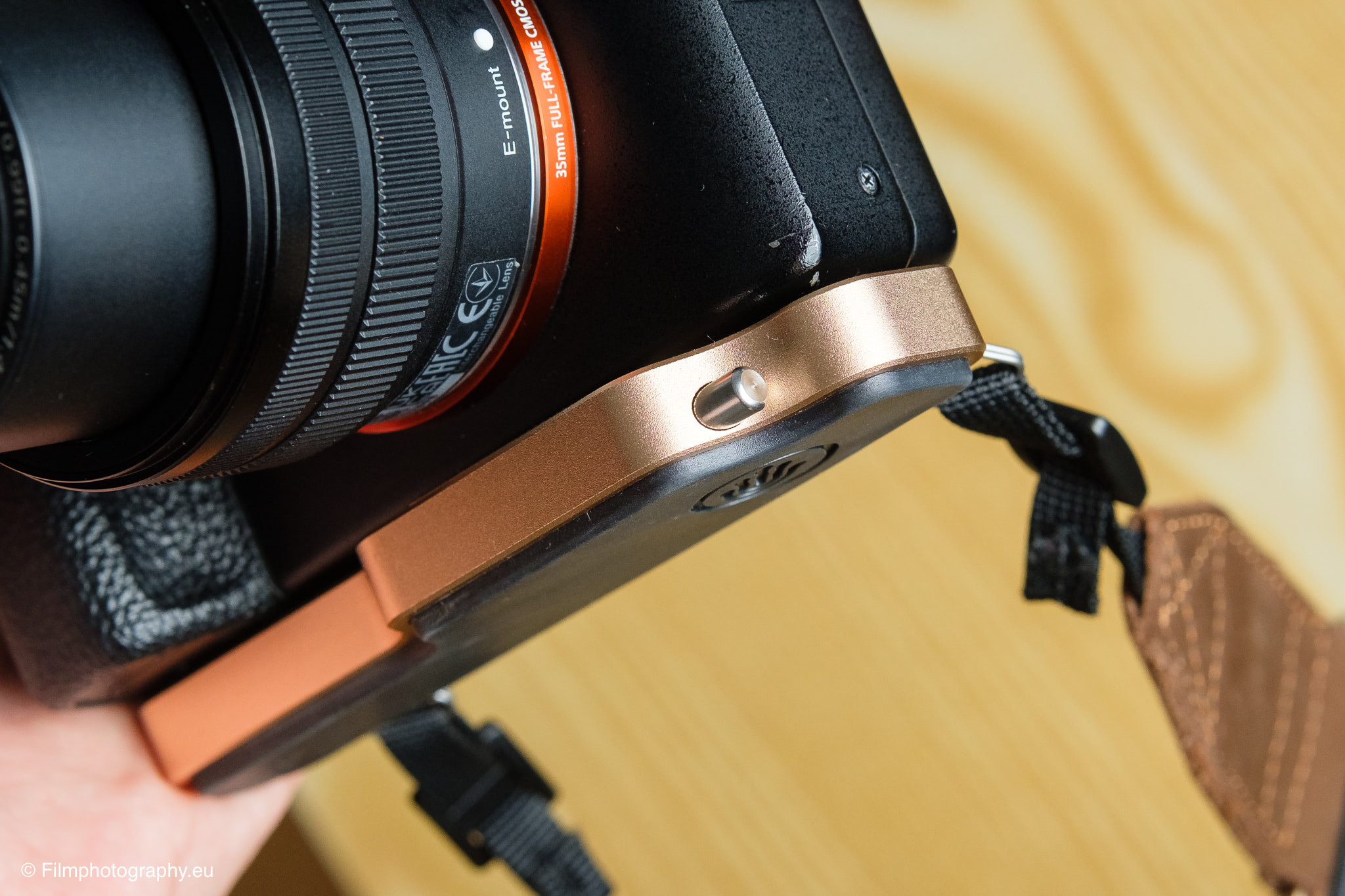
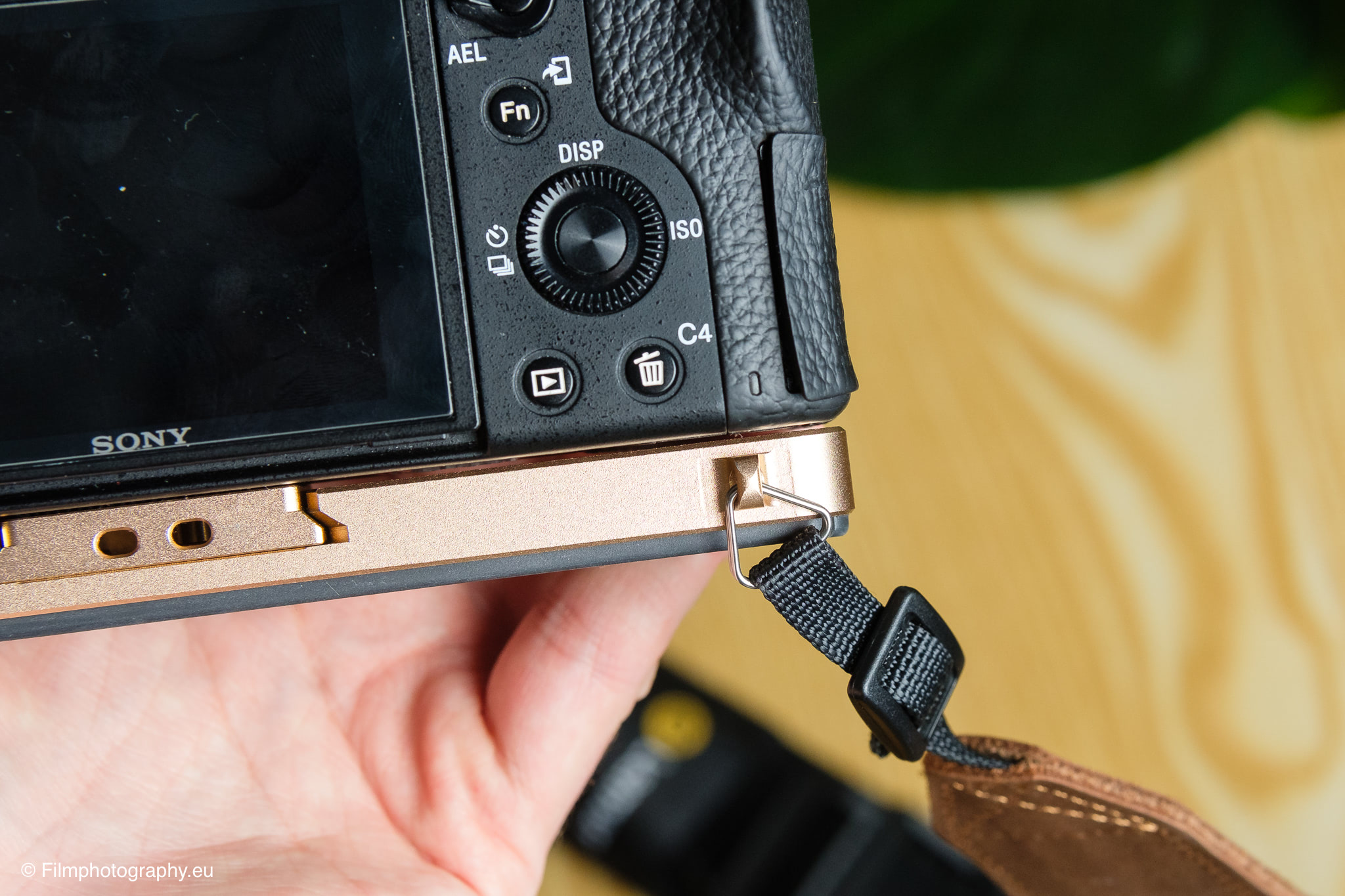
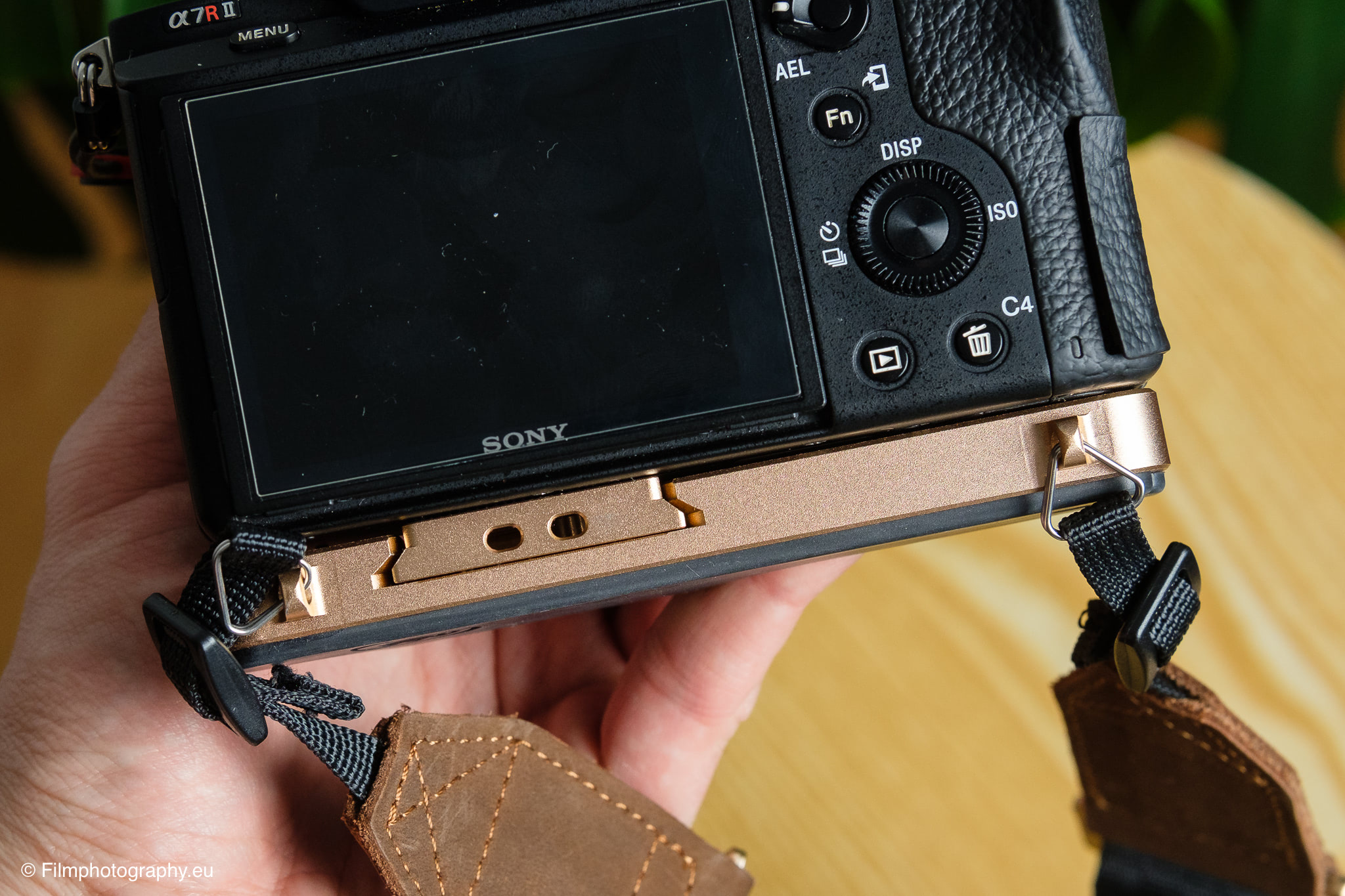
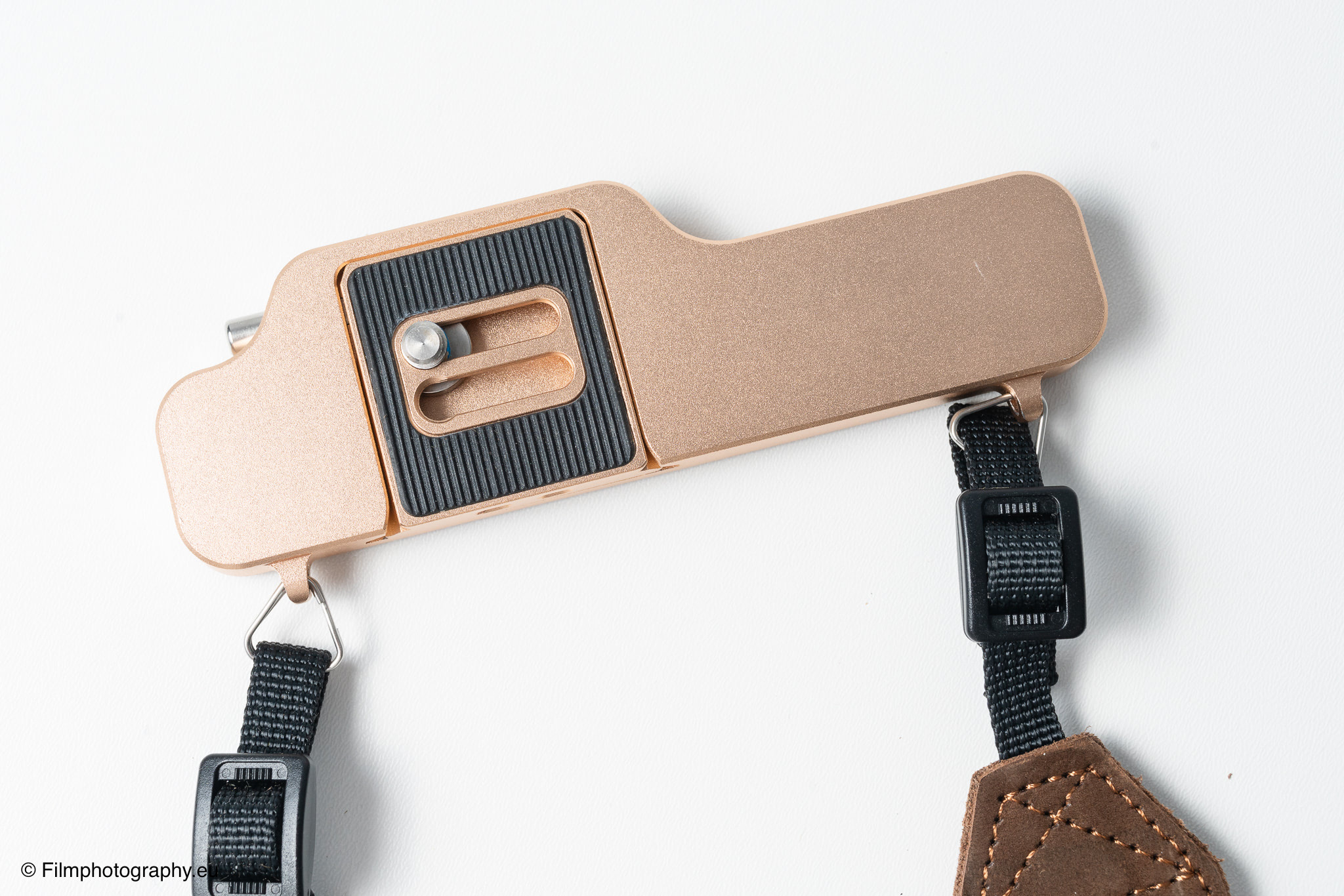
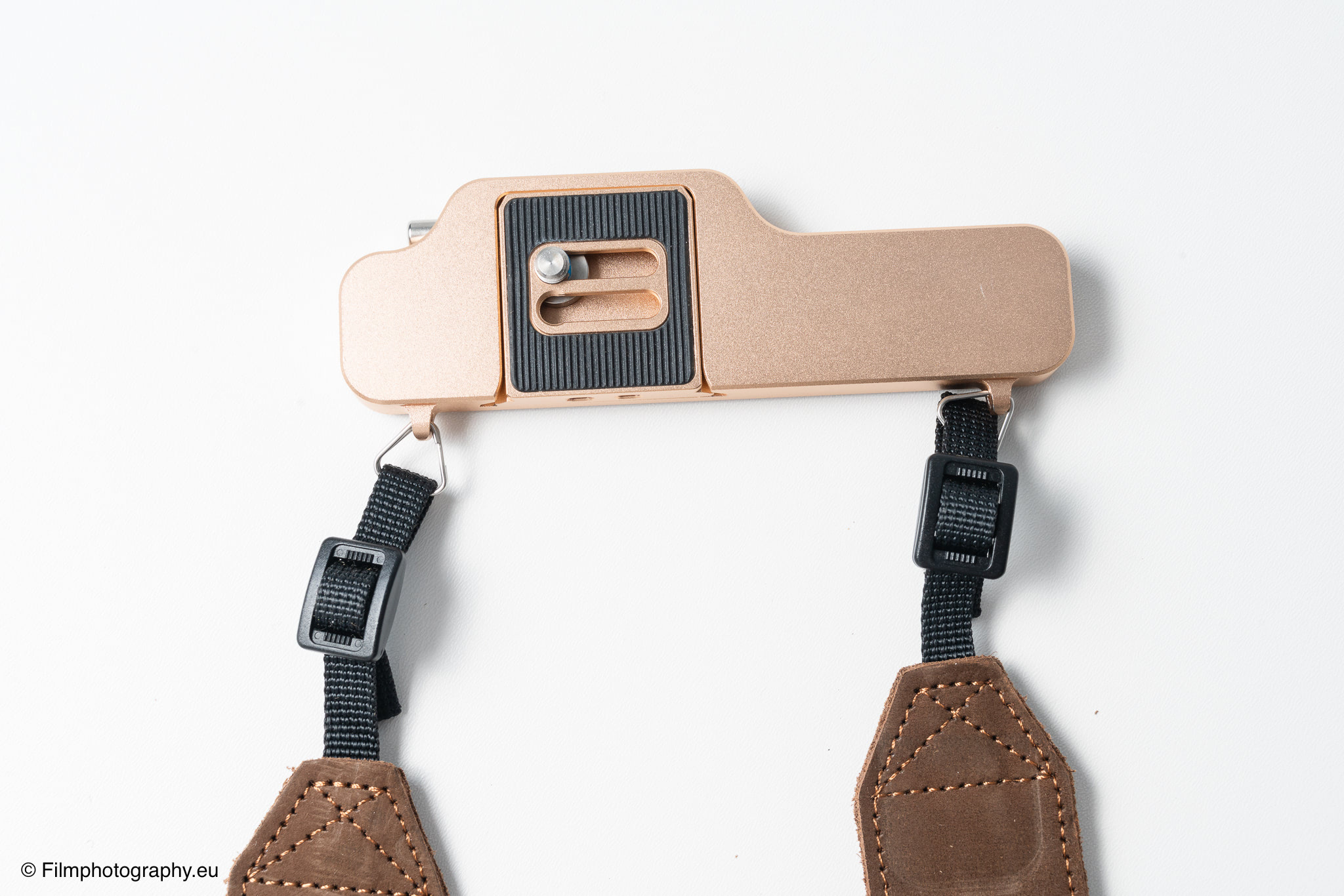
Another essential element is the attachment to the camera. The Lemurstrap does not use the camera’s side eyelets but is attached via a massive base plate to the tripod thread.
This plate is Arca-Swiss compatible, which means you can place the camera directly on corresponding tripod heads without having to remove the strap. A small tool is also hidden in this base plate, a Torx T-25 key, which can be used to tighten the plate.
The connection between the strap and the base plate is made via two quick-release fasteners. These can be released at the push of a button, allowing you to completely detach the camera from the strap. This is a detail that is often underestimated in practice but is essential for certain shooting situations.
In Practice: The Everyday Test
I have now tested the Lemurstrap for several weeks on a Sony A7 full-frame camera and on a slightly lighter analog SLR camera.
The initial attachment requires some patience. The base plate must be securely fastened, and here a small peculiarity becomes apparent: the manufacturer uses Torx screws instead of the usual Allen or slotted screws. Although the included tool is cleverly stowed in the plate, if you lose it, you’re stuck, as you rarely have a T-25 key readily available in your pocket.
Once mounted, however, the plate sits rock solid and doesn’t twist, which is often a nuisance with cheaper solutions.
The wearing comfort is excellent. The wide silicone pad distributes the camera’s weight very well on the shoulder. Even after several hours of walking, I had no pressure points. The rubberized underside delivers what it promises; the pad literally clings to clothing without being uncomfortable.
The “aha effect” occurs once you’ve internalized the mechanism. The camera hangs securely on your back while you walk. It doesn’t bother you, it doesn’t swing. If you see a subject, your right hand reaches for the camera, while your left hand or even just your thumb releases the clamping lever on the strap. The nylon webbing glides quietly through the pad, and the camera is at your eye. This works smoothly and without jerks. It’s a very mechanical, satisfying feeling.
I particularly noticed one situation that is often only mentioned in passing in the product description, but which is essential for me: the quick transition into complicated positions. Anyone who likes to photograph close to the ground knows the problem. The strap gets in the way, it pulls taut, or you have to contort yourself strangely because the length is not enough to lay the camera completely on the ground while the strap is still around your neck. With the Lemurstrap, I simply press the release buttons on the base plate.
This can be done hands-free and in a fraction of a second. The camera is immediately detached from the strap. The strap itself hangs like a sash on your body; it doesn’t fall into the dirt. I can move freely, hold the camera in a puddle, or hold it overhead without being limited by the strap.
Once the shot is captured, I simply click the camera back into the fasteners. Clicking it back in requires some practice, as you have to find the attachment points blindly, but after a few days, you develop the muscle memory for it. But it’s quickly back on the strap, and that’s exactly what makes the workflow so pleasant. There are no fiddly loops to untangle.
The Arca-Swiss compatibility of the base plate works flawlessly with my tripod heads. This is particularly convenient as you don’t have to change anything and can switch quickly between tripod and strap.
However, the attachment to the tripod thread also has its disadvantages, depending on the camera. Many cameras have their battery compartment on the underside. In the simplest case, you just have to detach the camera from the strap to change the battery, which has the disadvantage that you no longer have the security of the strap. With some cameras, however, the tripod plate can also block the compartment.
With smaller camera bodies, it can happen that it blocks the battery compartment. This is a known problem with accessories attached via the tripod thread, but it should be considered before purchasing. When I had to change the battery quickly, it was occasionally a minor nuisance, as I first had to fumble for the tool and loosen the plate, provided access was blocked.
A point of criticism that I noticed during use concerns the size of the system. On a large camera, the strap looks proportionally appropriate. However, if you mount it on a more delicate camera, such as an Olympus OM 2, the system looks almost oversized.
The wide plate and the thick webbing then dominate the camera’s handling too much. Here, a variant that is a bit smaller for smaller camera bodies would be an absolutely sensible addition to the portfolio. It is possible to exchange the strap and only use the mounting plate.
Conclusion
The Lemurstrap is a very solid strap. The build quality is beyond reproach. No corners were cut here, and you can feel it in every component.
The system solves the problem of a slipping strap and a swinging camera in an elegant and mechanically robust way. The ability to detach the camera from the strap in a flash and reattach it just as quickly makes it a very flexible companion for me.
For owners of large, heavy camera systems, the Lemurstrap is a clear recommendation. It takes the load off your shoulder and gives you back freedom of movement. However, those who primarily use small, lightweight cameras will likely wish for a “light” version that is less bulky. Until then, the Lemurstrap remains the robust heavy-duty transporter among straps – reliable, strong, and always ready for the next mission.
Order Lemurstrap
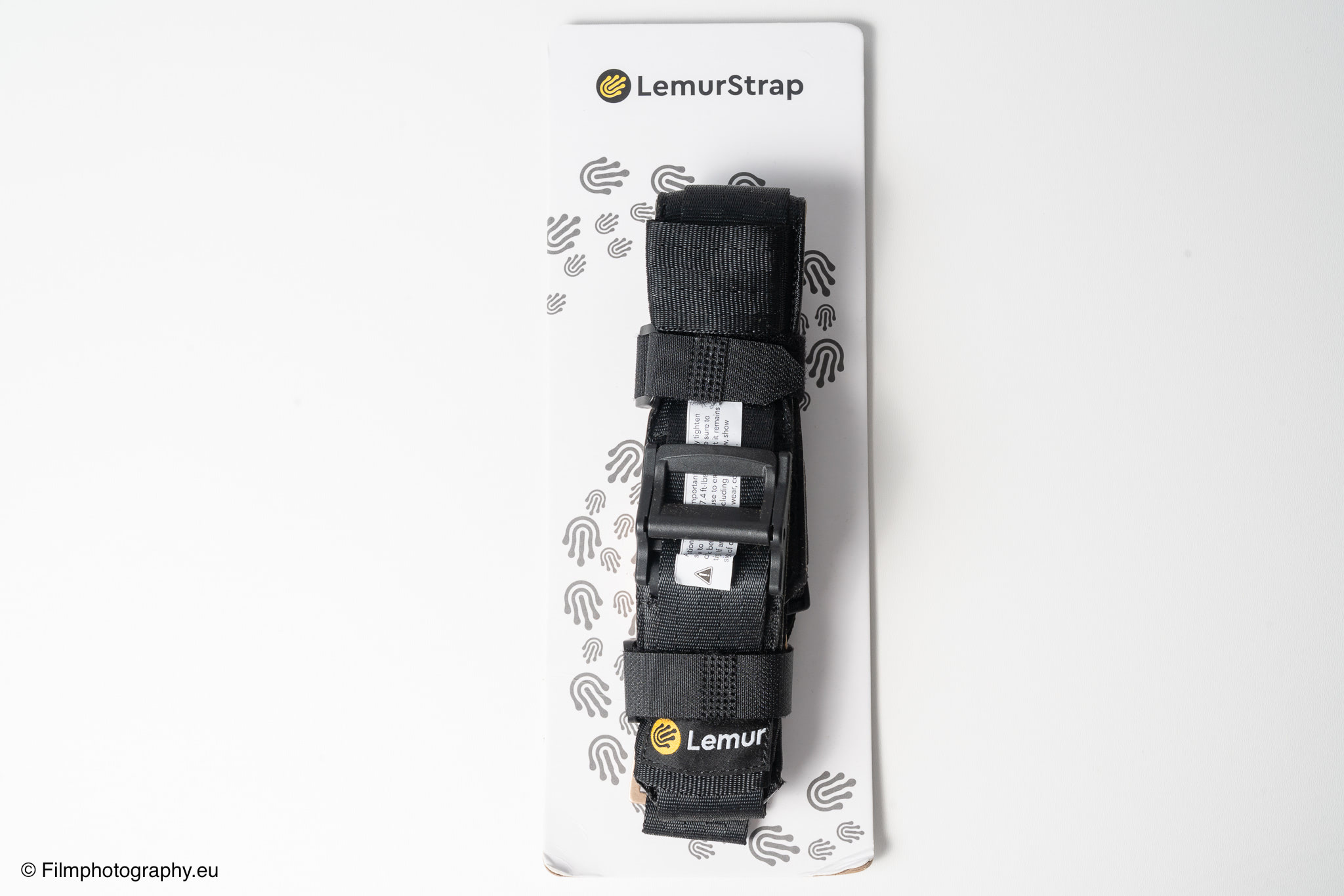
If you want to see for yourself or do your shoulder a favor, you can purchase the strap directly from the manufacturer’s website. It’s worth checking in advance whether your camera and tripod heads are compatible.