The market for autofocus lenses has grown significantly in recent years, and manufacturers previously known purely for manual optics are now venturing into this segment.
One such manufacturer is Brightin Star. With the AF 85mm F1.8, the company presents a classic portrait focal length for full-frame cameras that now also features an automatic focus drive. I took a closer look at this lens to find out how it performs in everyday photography and whether the step into autofocus has been successful.
Technical Specifications
Looking at the bare numbers and facts, it is immediately noticeable that Brightin Star adheres to the classic values of this lens class. The focal length is 85 millimeters, which corresponds to the typical mild telephoto range often used for portraits on a full-frame camera. There is a version for Sony E-mount full-frame cameras and the Nikon Z mount.
The speed is specified with a fast open aperture of F1.8, which offers enough leeway for shooting in less-than-ideal lighting conditions while simultaneously enabling distinct separation of the subject from the background.
The optical design consists of several lenses in various groups, using special glass elements to minimize aberrations. The weight of the lens falls into a range that can be described as moderate for such a prime lens. It is neither a heavy brick that pulls the camera down, nor does it feel like a cheap toy made purely of plastic.
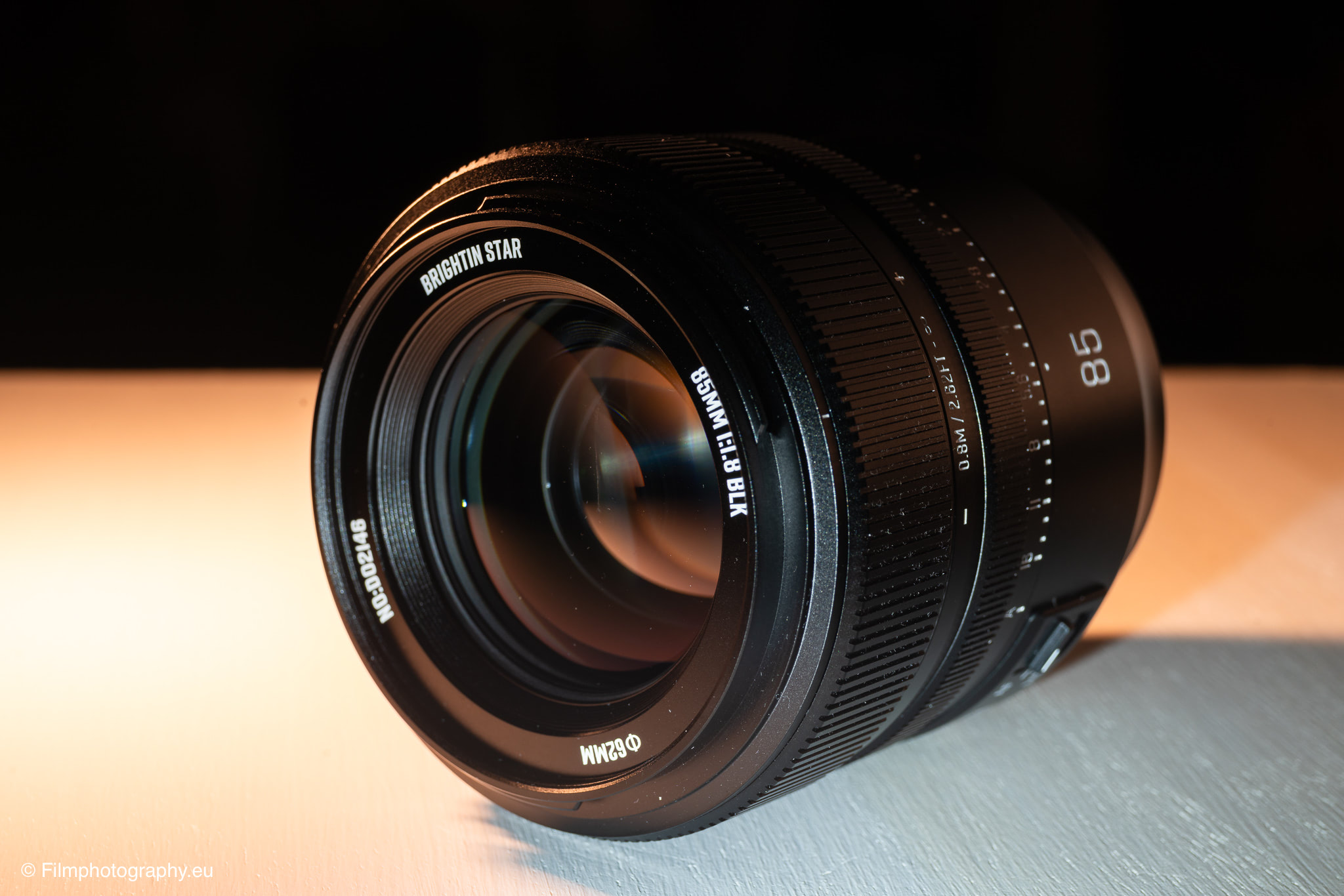
The housing consists of a combination of metal and high-quality plastic, conveying a solid feel. On the front, there is a filter thread with a standard diameter, so existing filters can often continue to be used.
The minimum focus distance is the usual eighty centimeters for 85 millimeters, which is perfectly adequate for headshots but suggests no macro capabilities.
The mount is made of metal and has the necessary electronic contacts to ensure communication between the camera and the lens. This includes aperture control, transmission of EXIF data, and, of course, the autofocus drive.
Features
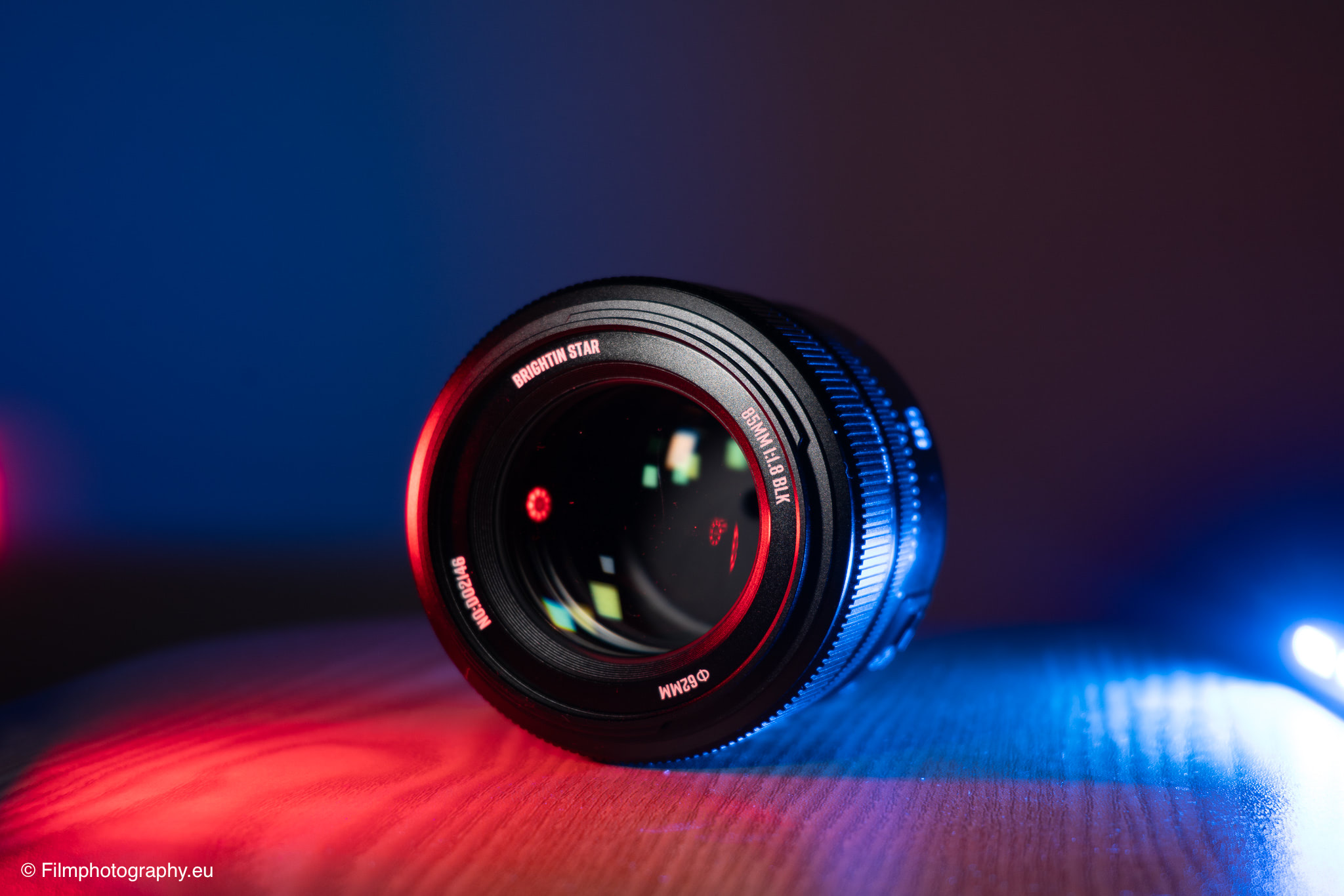
Even upon first unboxing, it is noticeable that the manufacturer has put thought into the presentation. The lens comes in a stylish box with a design I personally like. It doesn’t look carelessly thrown into cardboard but conveys a certain sense of value even before the first use.
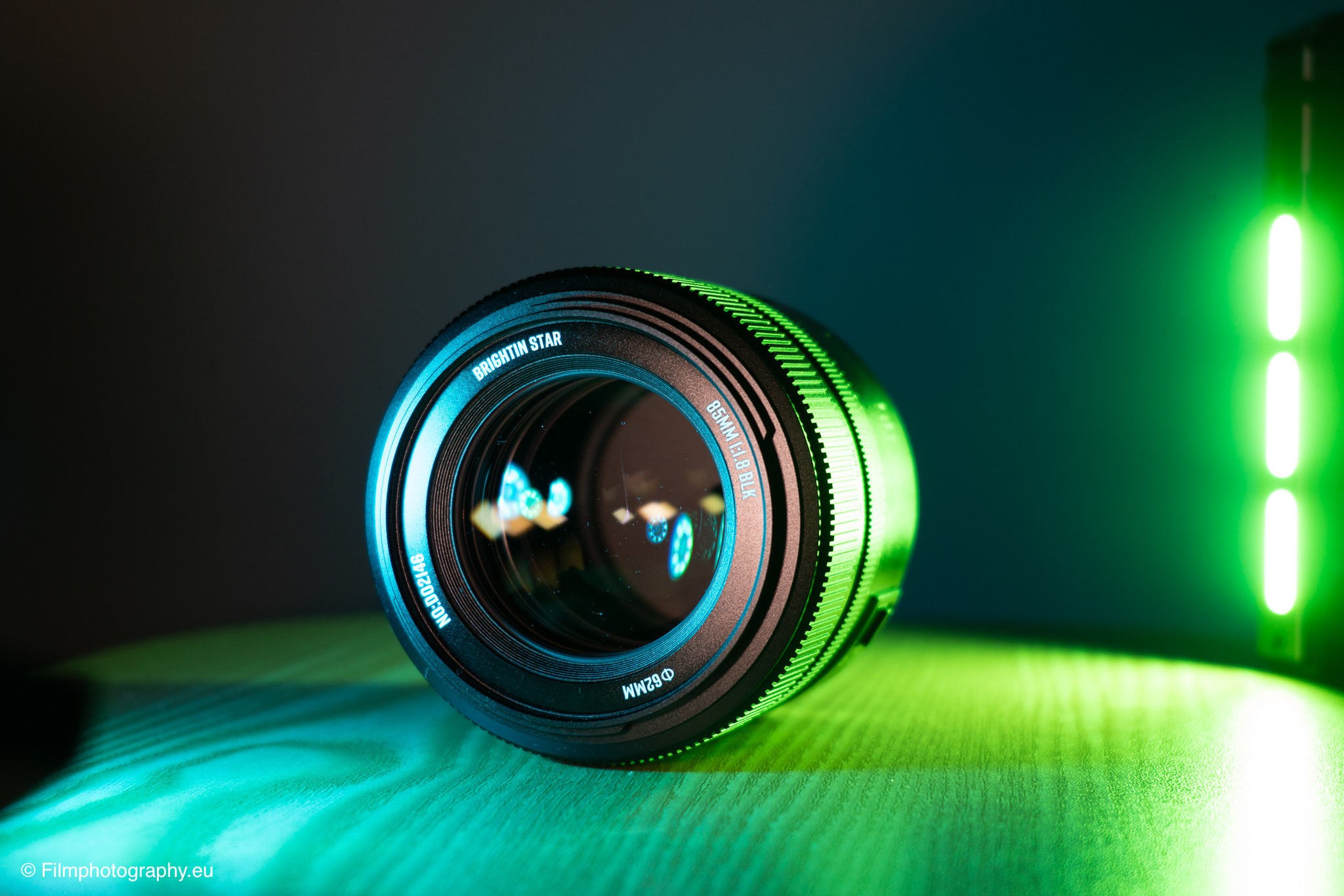
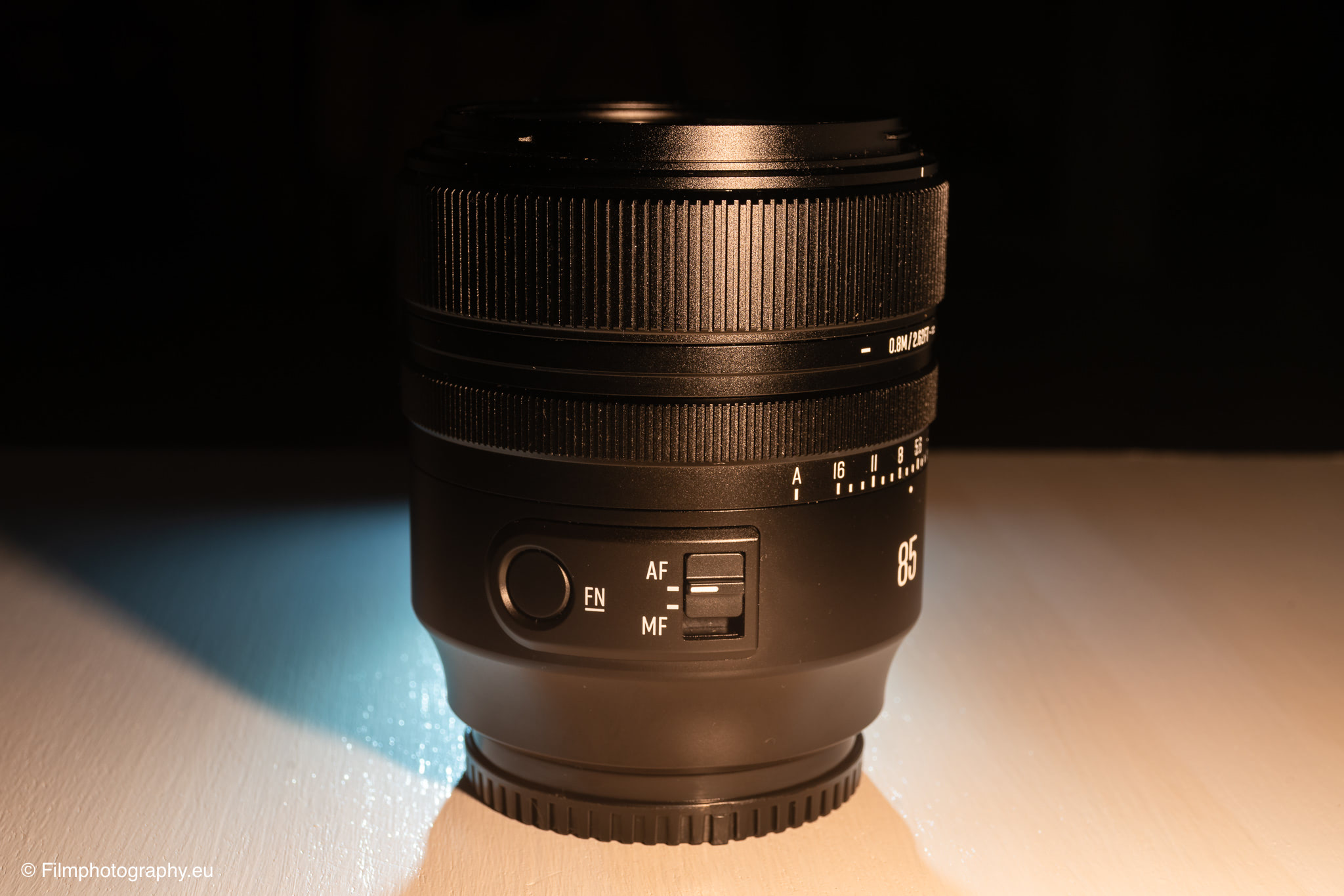
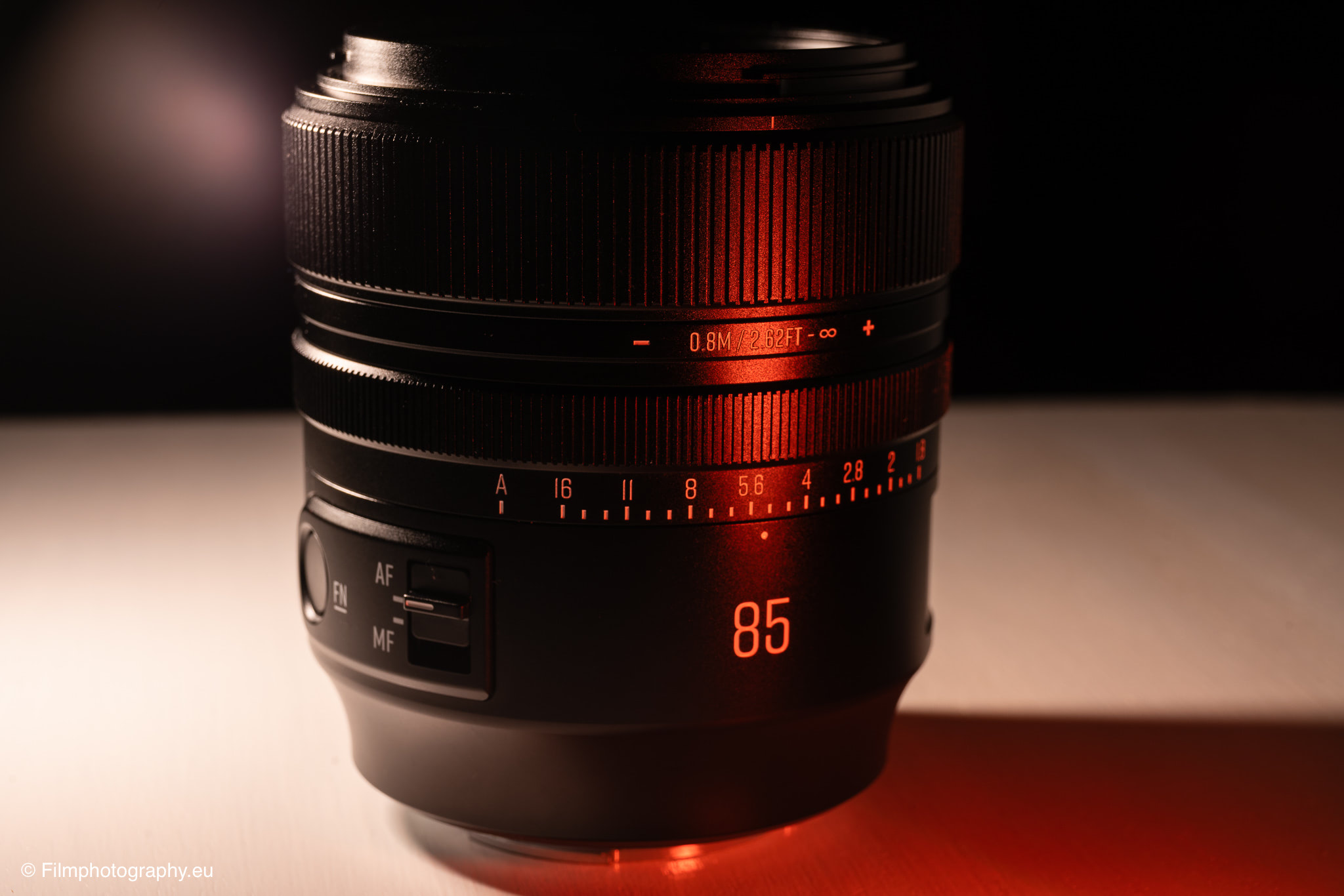
One aspect I often miss on modern lenses, but thankfully find here, is the physical aperture ring. It is simply pleasant to be able to adjust the aperture directly on the lens. This returns a tactile component to photography that is often lost with pure dial control on the camera. The ring turns smoothly and clicks noticeably into place. If you prefer to leave control to the camera, there is an automatic position for this on the ring.



Another control element on the barrel is the focus mode switch. You can switch between autofocus and manual focus directly here without going through the camera menu. This is very practical in the workflow if the autofocus doesn’t find the desired target and you want to intervene manually quickly.
A modern feature that is hardly visible from the outside but can be very useful in everyday life is the USB-C interface. This is located in the rear area of the lens. This makes the firmware update incredibly simple. You connect the lens to a computer via a USB-C cable and don’t have to install complicated software. On Mac OS, the lens appears directly as a drive.
The new firmware file is then simply dragged over to this drive, and the update process is virtually done. This simplicity is praiseworthy as it lowers the barrier to keeping the lens up to date.
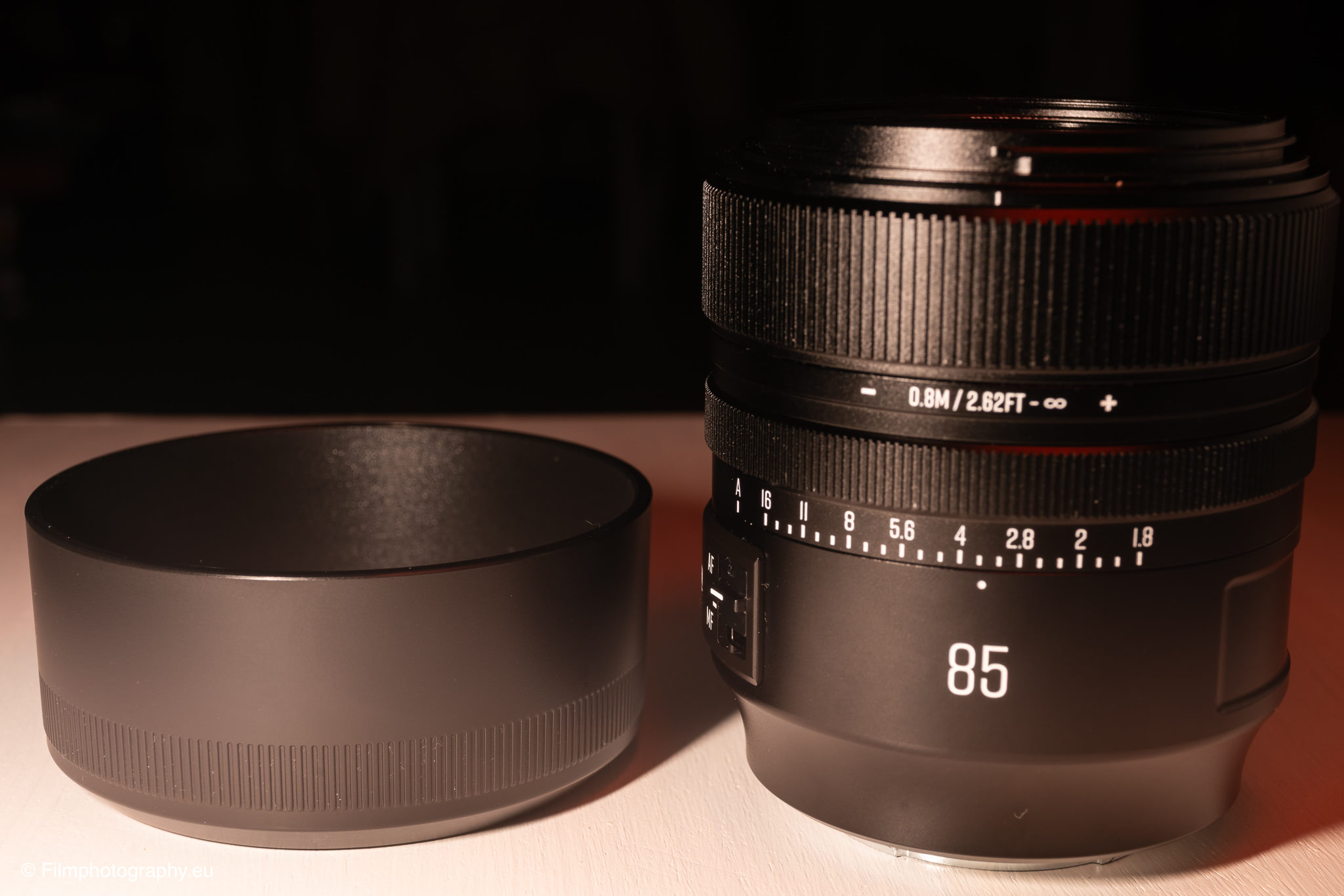
Included in the box are also the usual front and rear caps, as well as a lens hood that helps shield side light and maintain contrast.


In Practice
For this test, I mounted the Brightin Star AF 85mm F1.8 on a Sony A7 II. While this camera is no longer the very newest model on the market, it offers a solid basis for assessing the performance of a lens under realistic conditions. Precisely because the A7 II does not have the absolute latest autofocus system, it shows well how the lens harmonizes with slightly older but widely used camera bodies.
The autofocus does its job. It brings the subject into focus and operates at an acceptable volume level. However, one should not expect miracles. Sometimes it hangs briefly or takes a small moment to finally confirm the focus point. It is not super fast. So, anyone planning to photograph running dogs or sporting events will likely reach their limits here. It is definitely not a lens for sports photography. For portraits and calm scenes, however, the speed is absolutely sufficient. The slight pumping that occurs occasionally hardly disturbs a patient model.



Especially for the price, I see this lens as a great option for beginners. I am often asked what to move on to after the kit lens, and my answer almost always points towards a prime lens. For beginners, I would always recommend prime lenses anyway, as you are forced to concentrate more on the choice of subject and your own position.
You don’t just zoom in comfortably; you have to move. As a result, you learn to really explore the strengths and weaknesses of a focal length and understand how perspective changes when you vary the distance. There aren’t as many options and distractions as with a zoom lens, which often accelerates the learning process.
If you combine this 85mm lens perhaps with a 35mm lens, you have an interesting kit together that covers very many photographic situations. The 85mm takes on the role of the portrait specialist, and the 35mm serves as a reportage focal length for everything where more context needs to be shown. With this combination, you are often traveling better and more consciously than with a single superzoom.
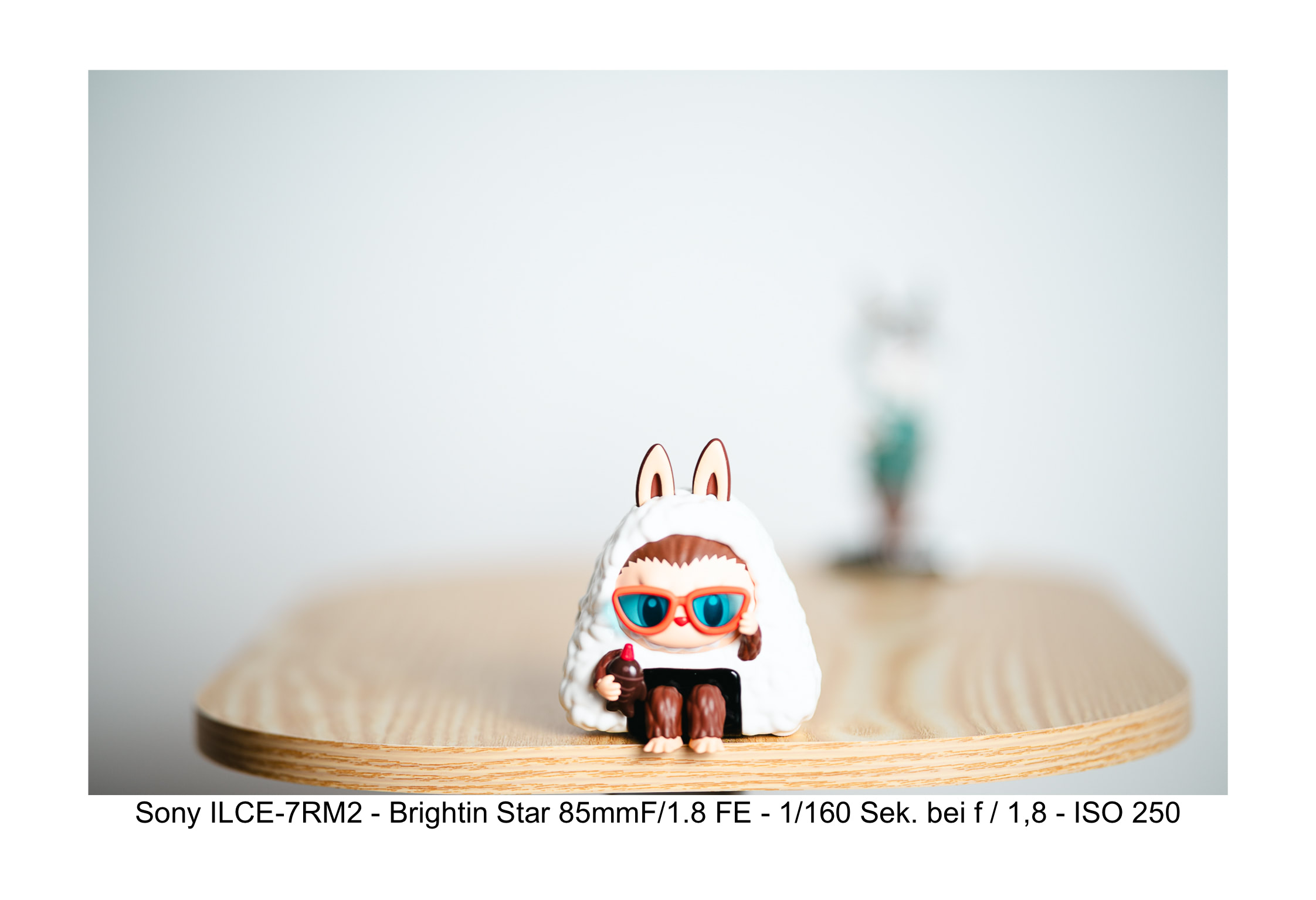
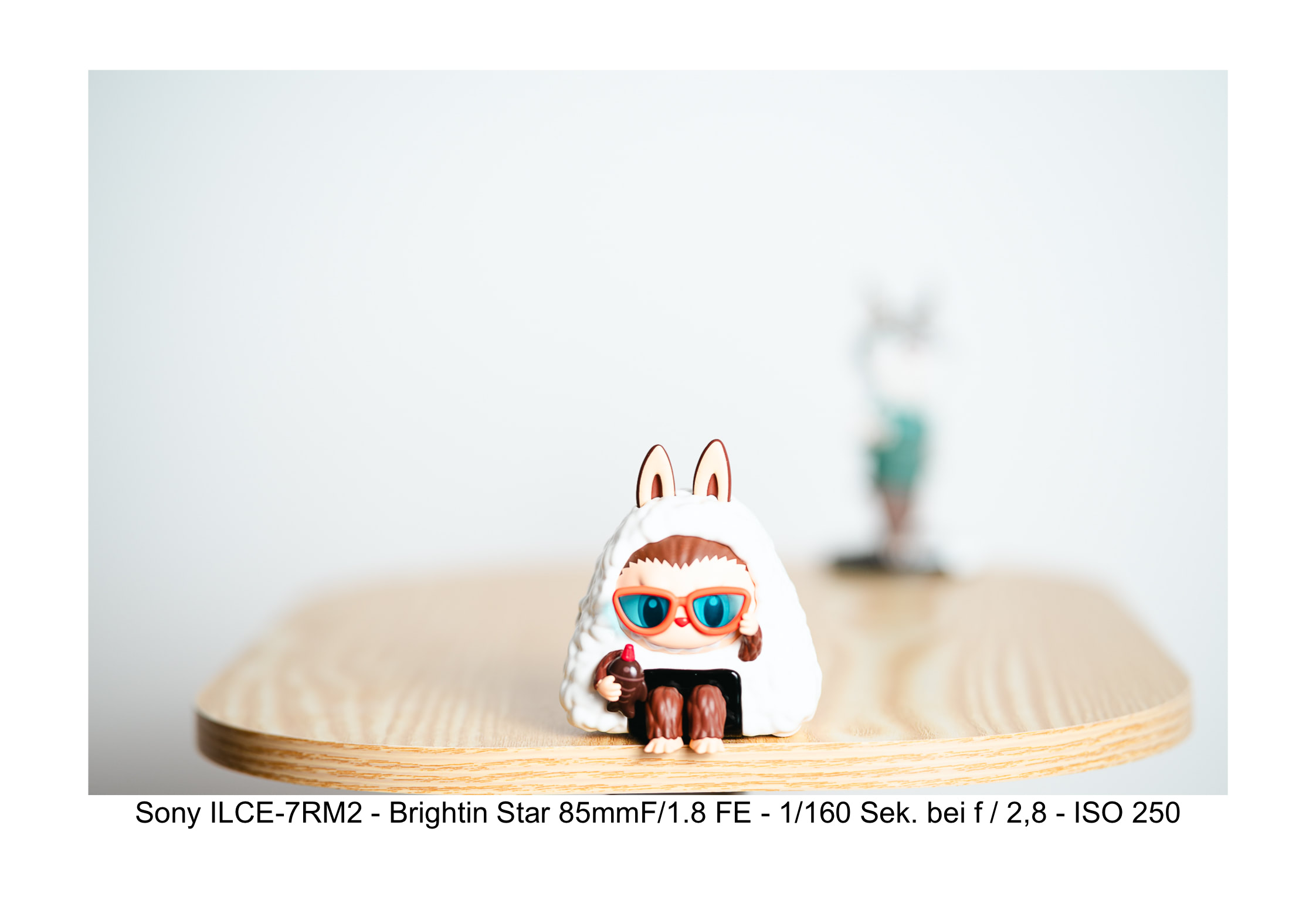
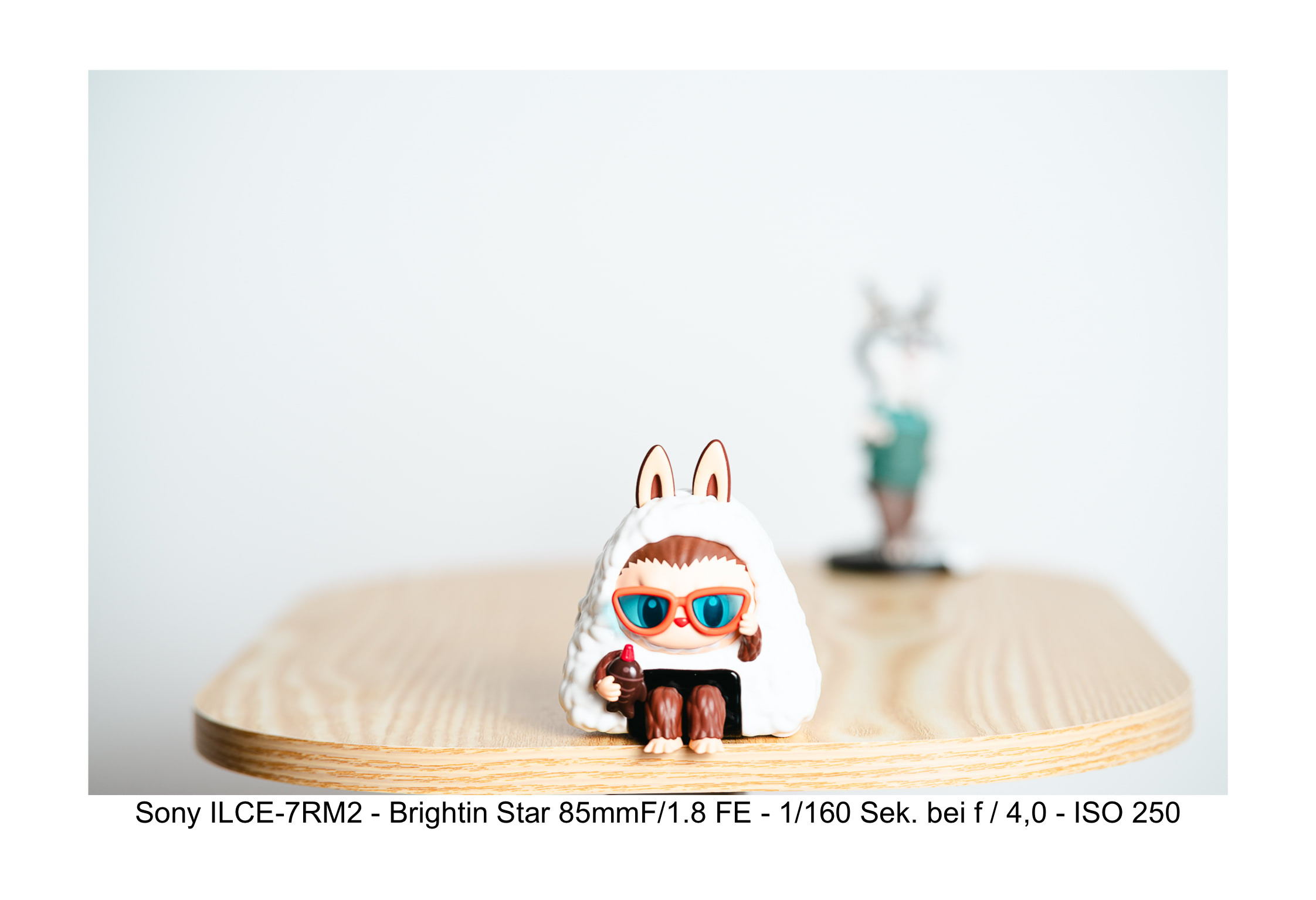
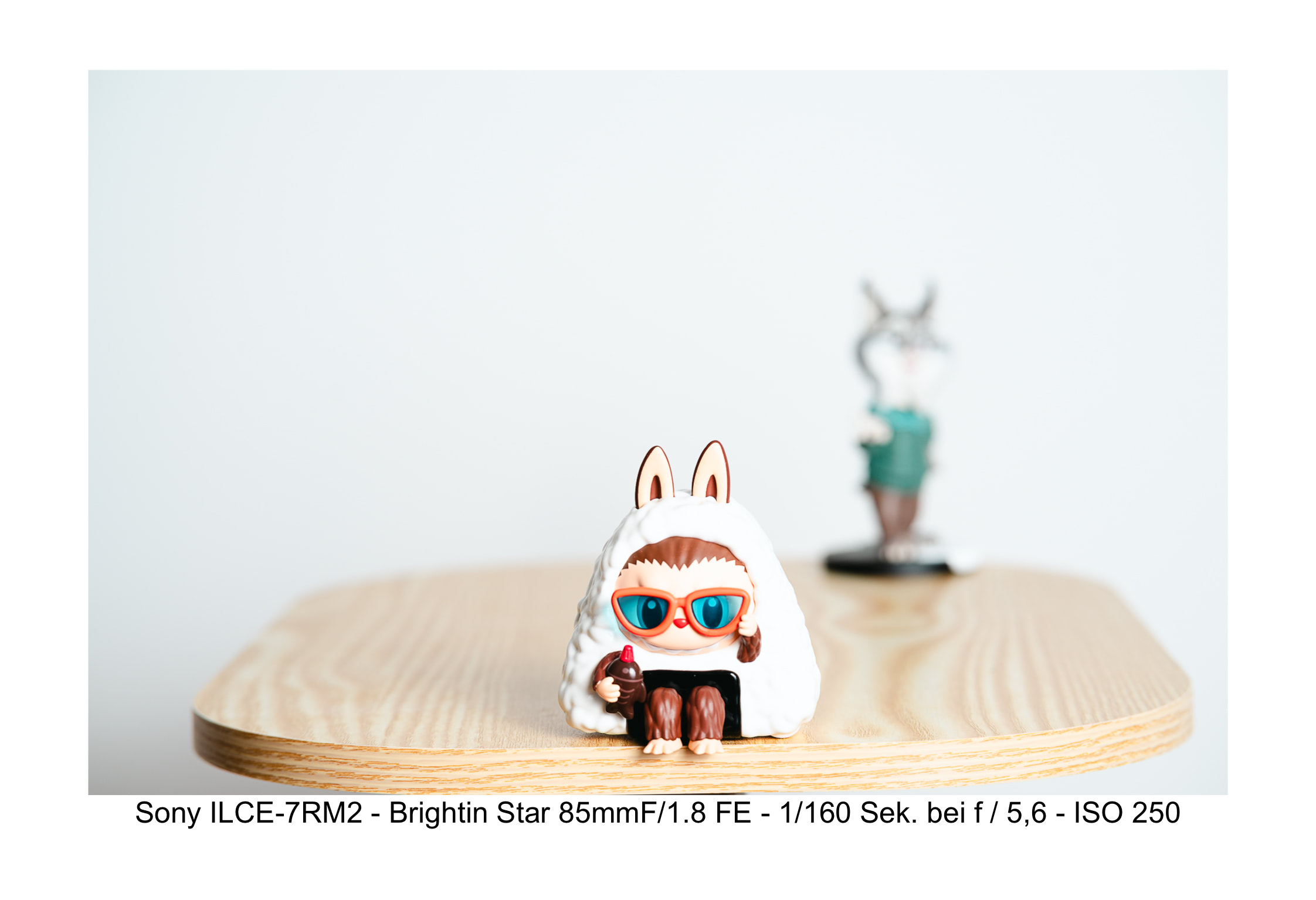
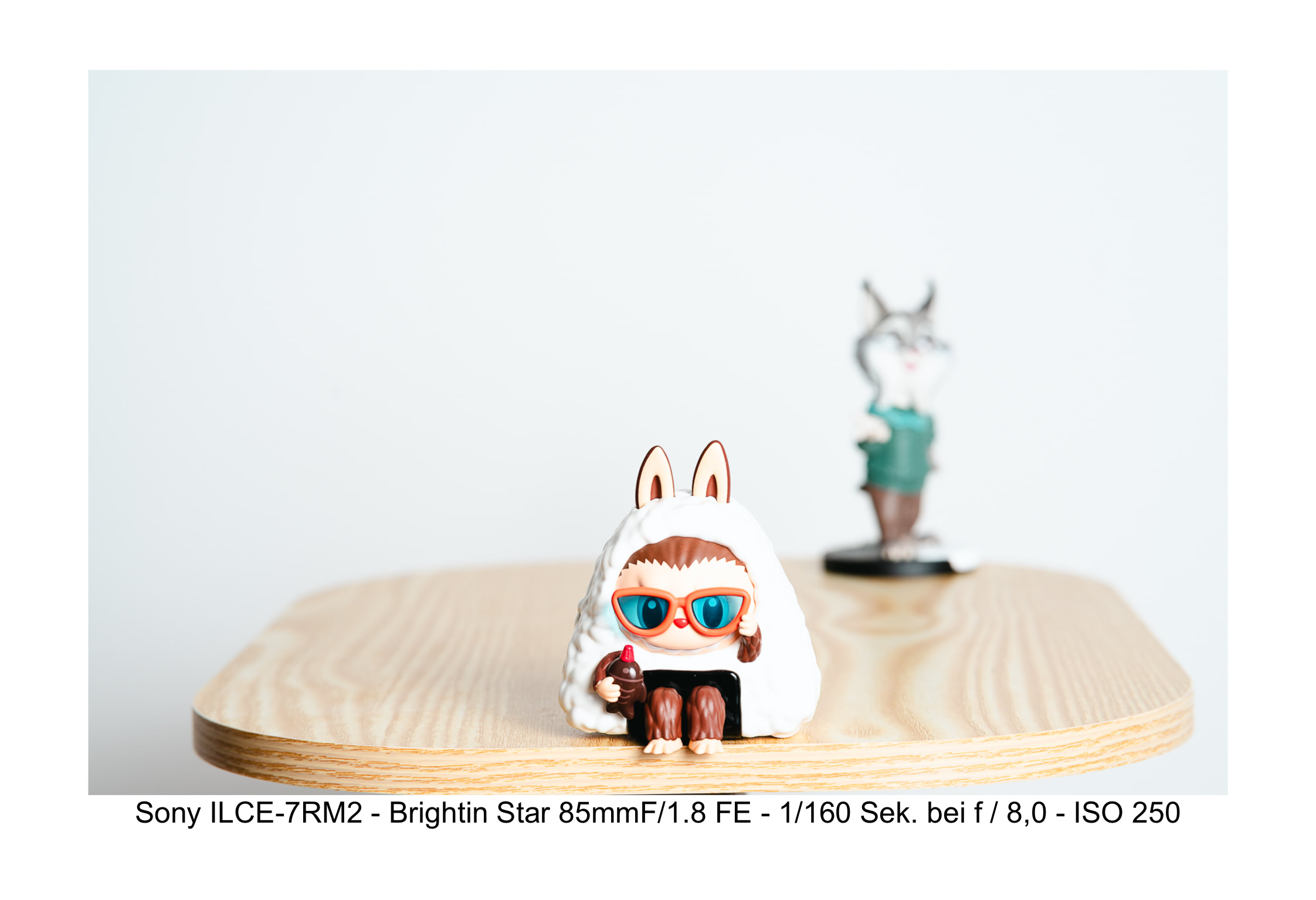
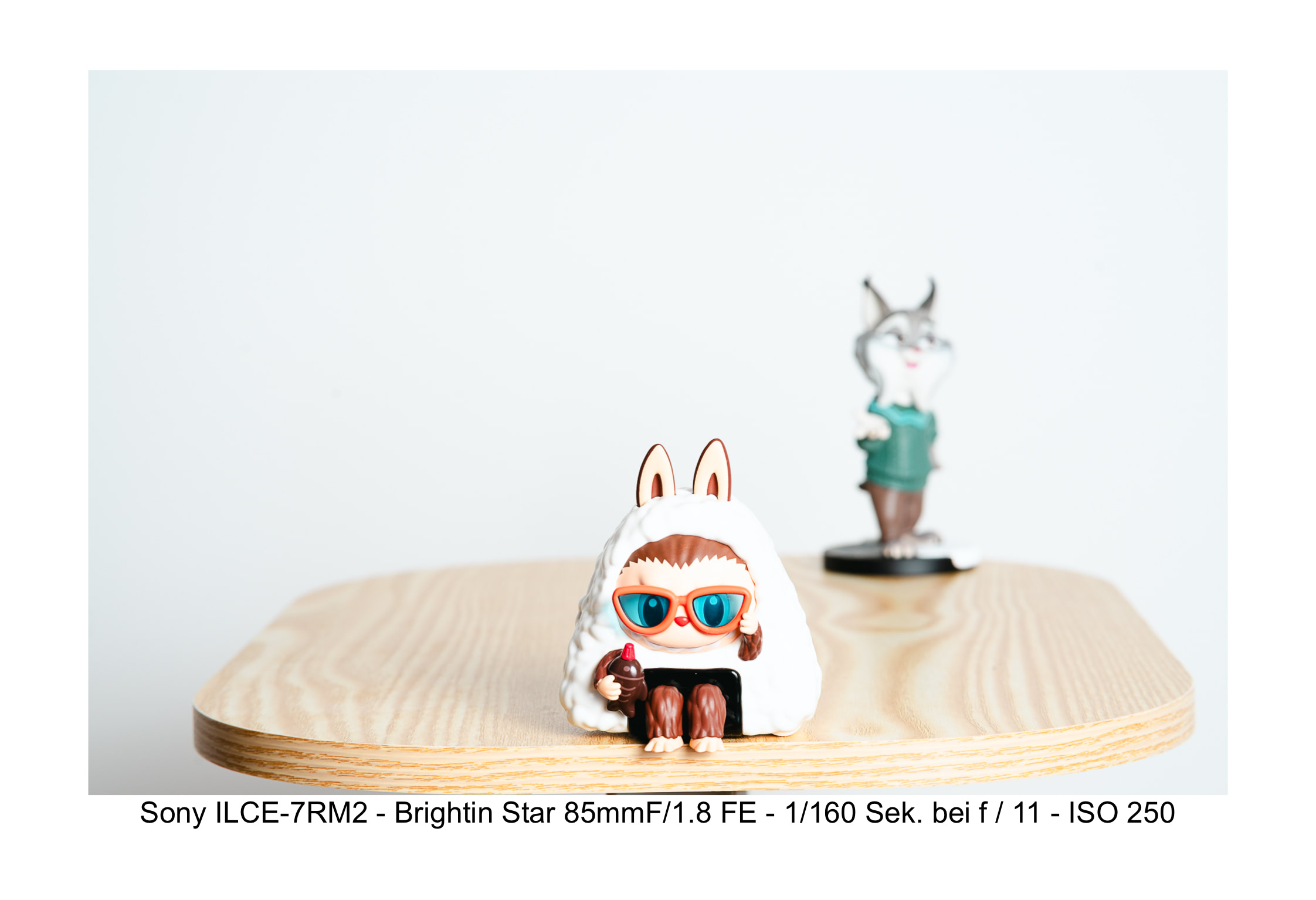
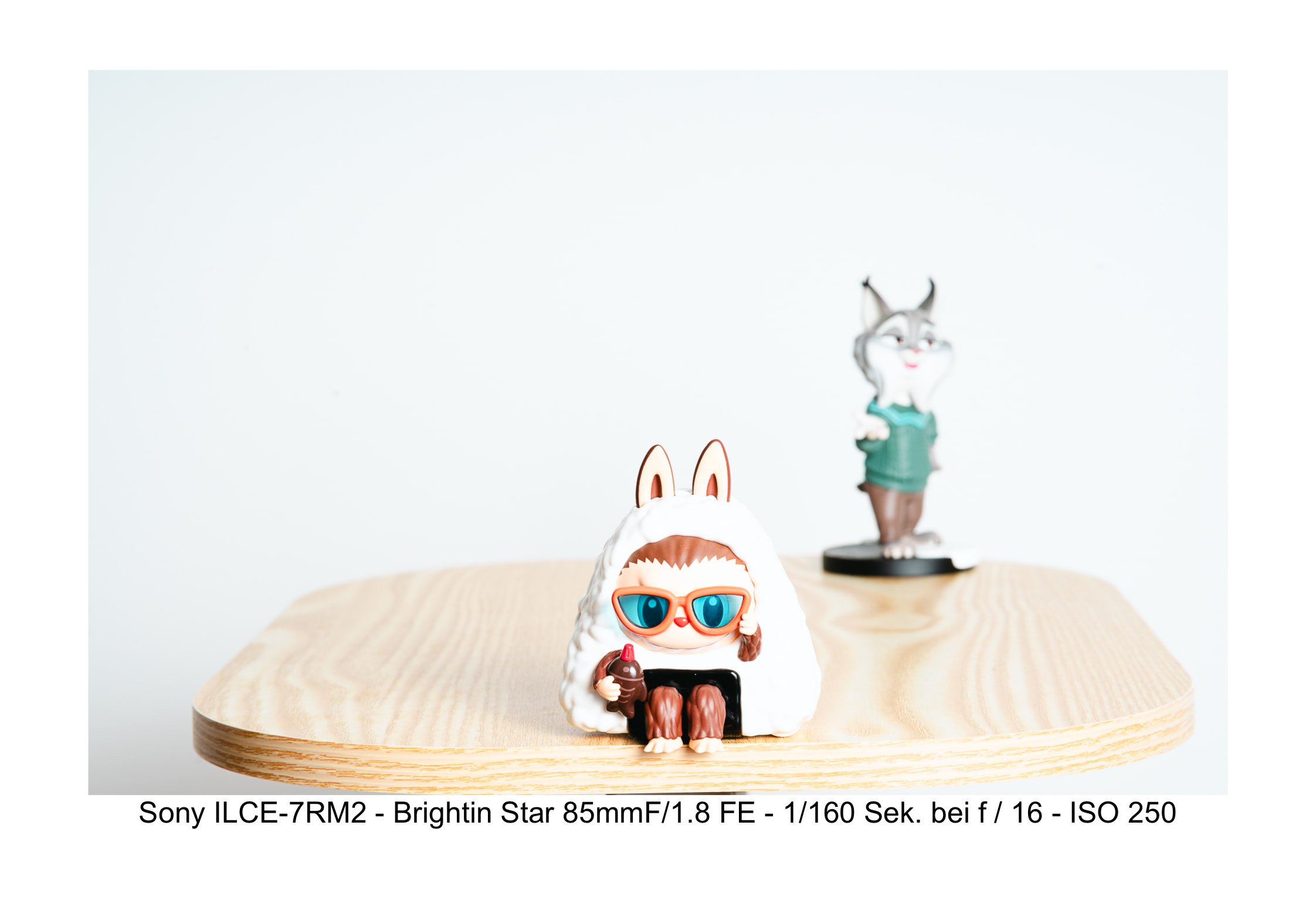
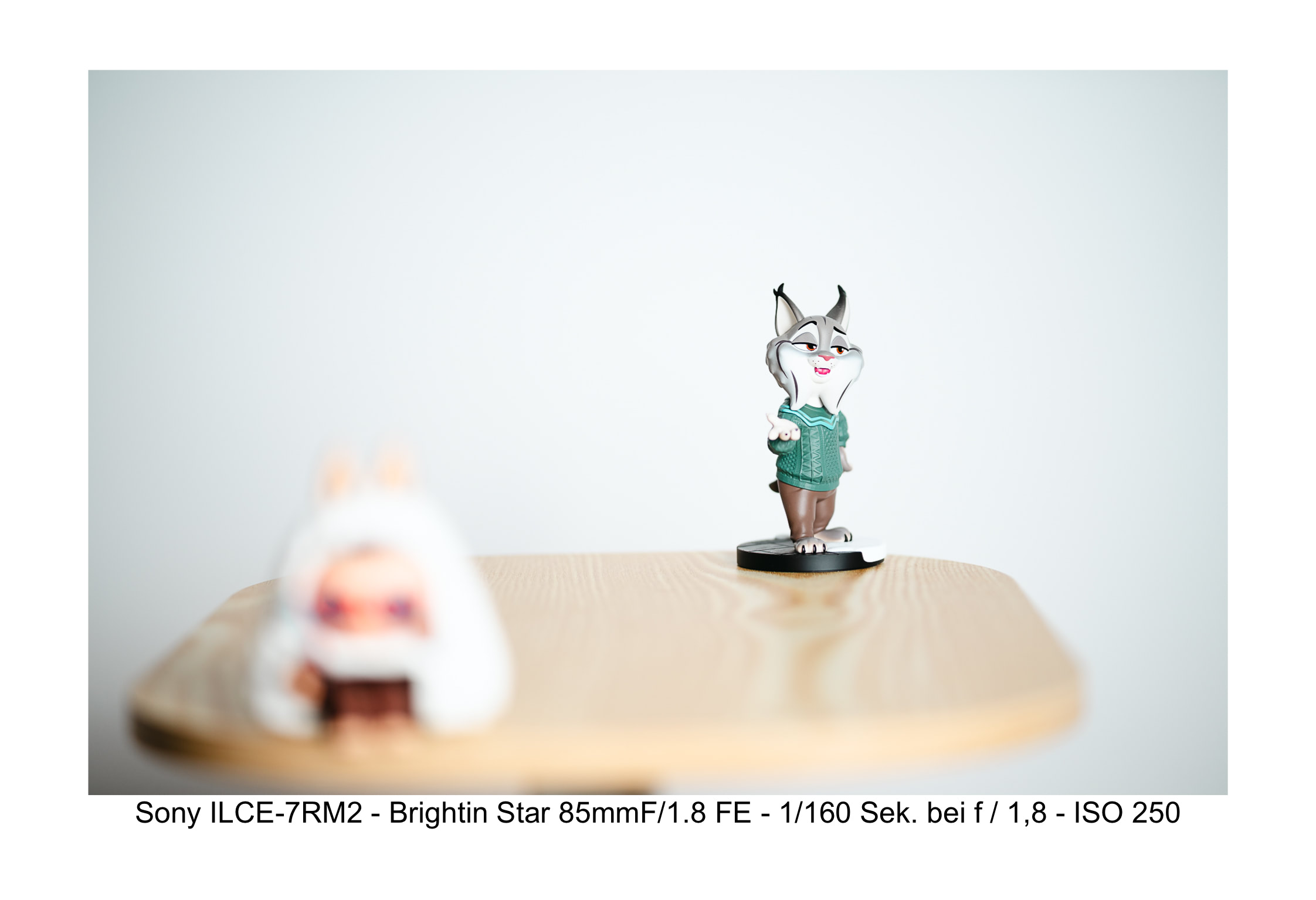
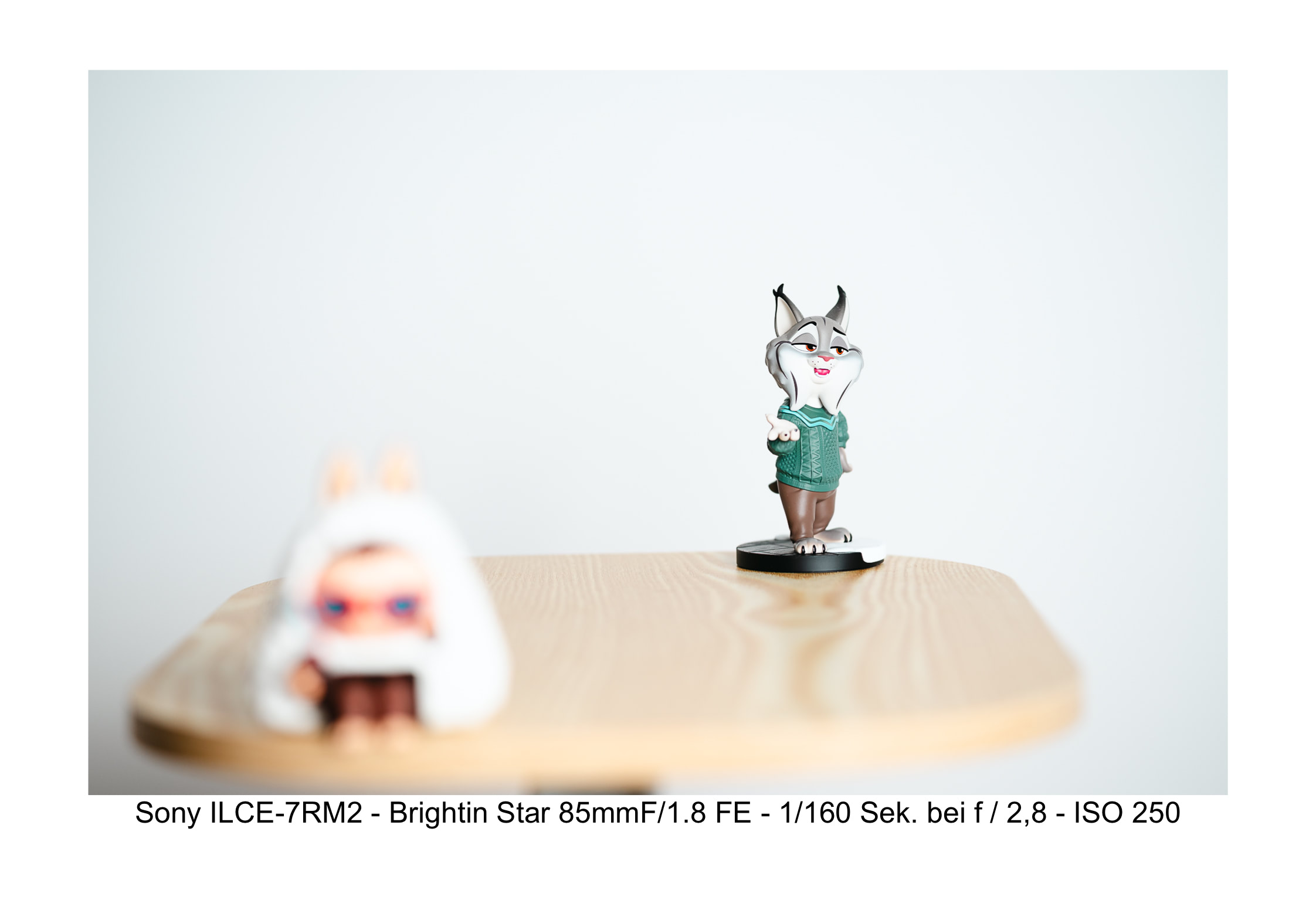
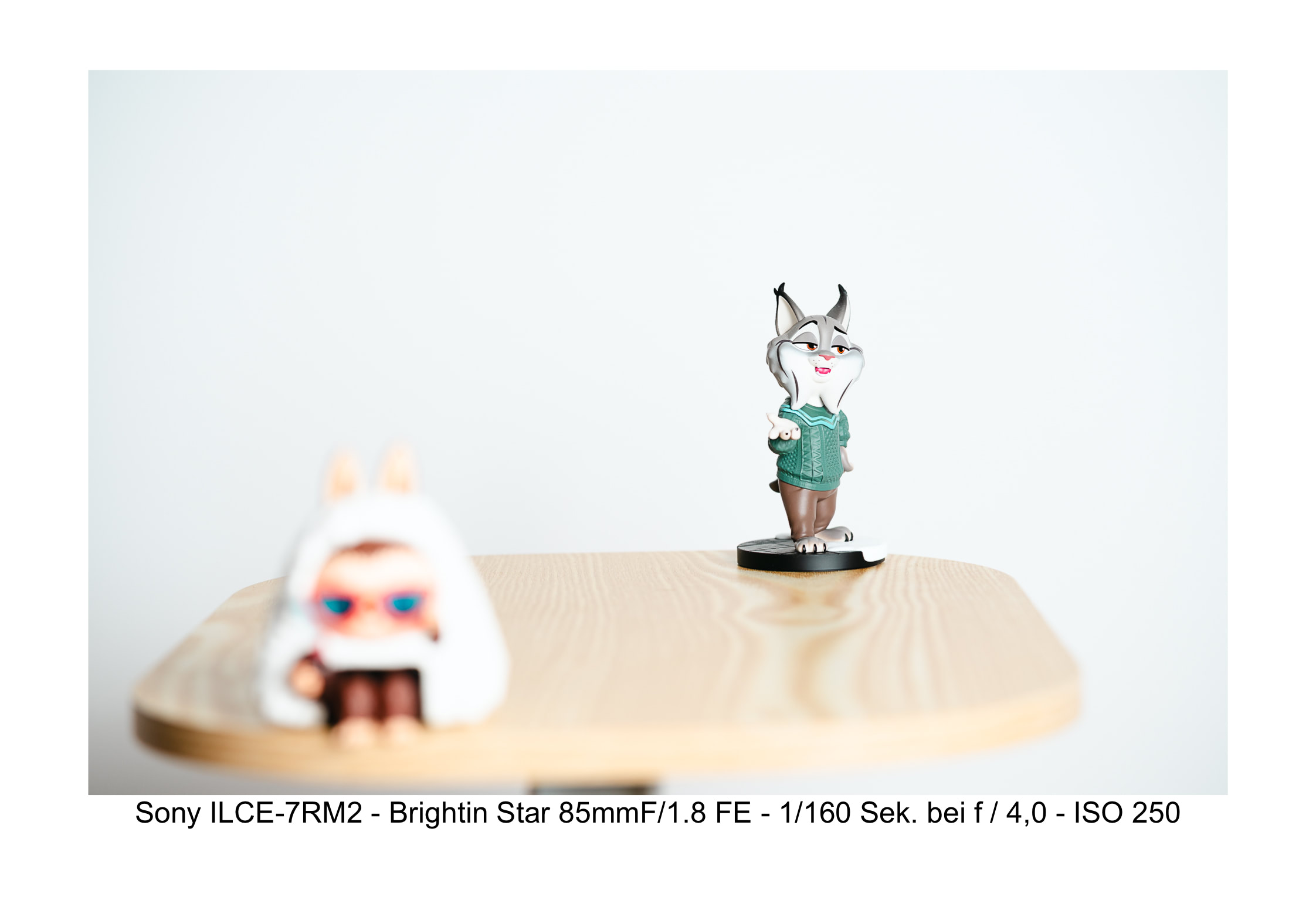
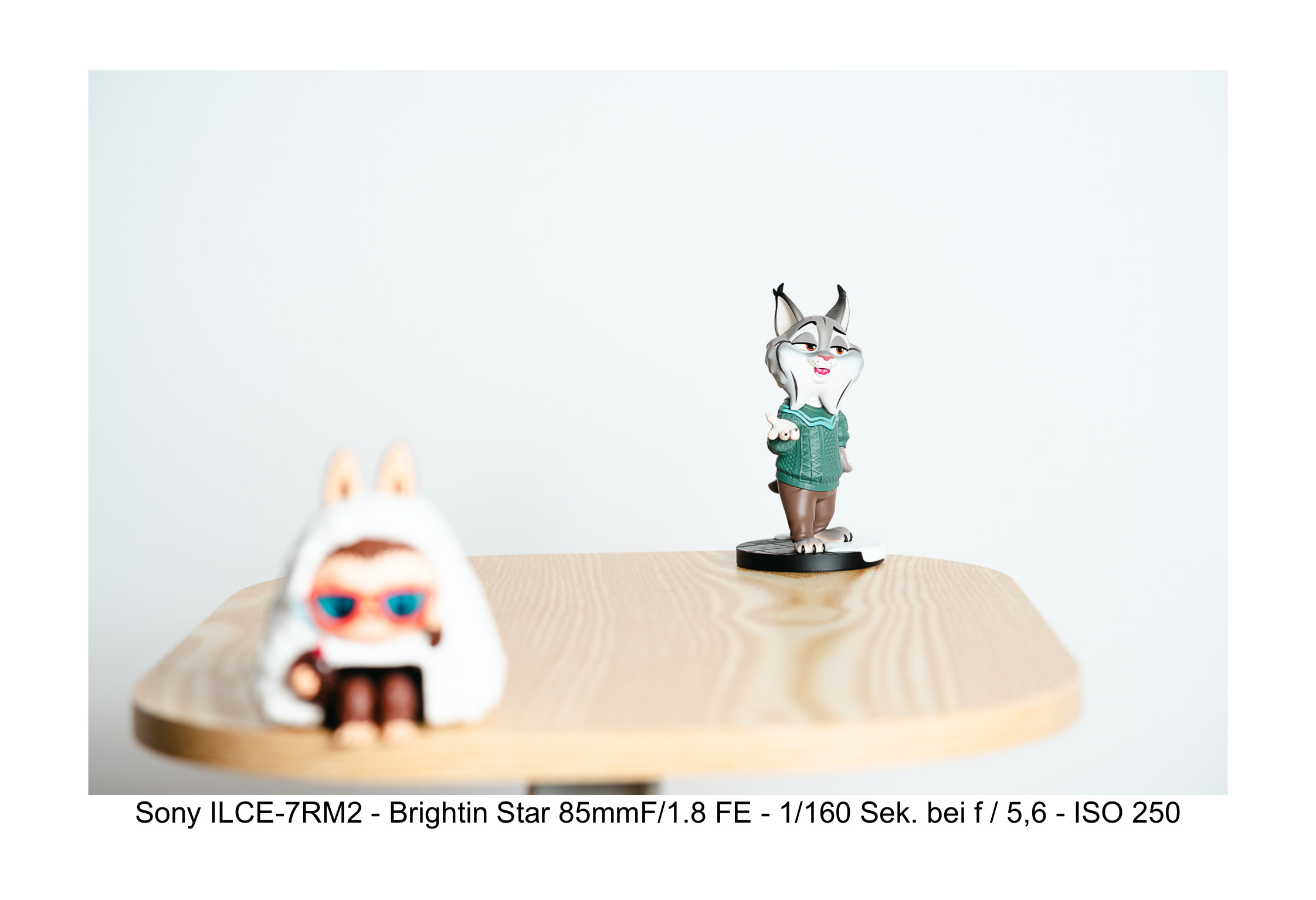
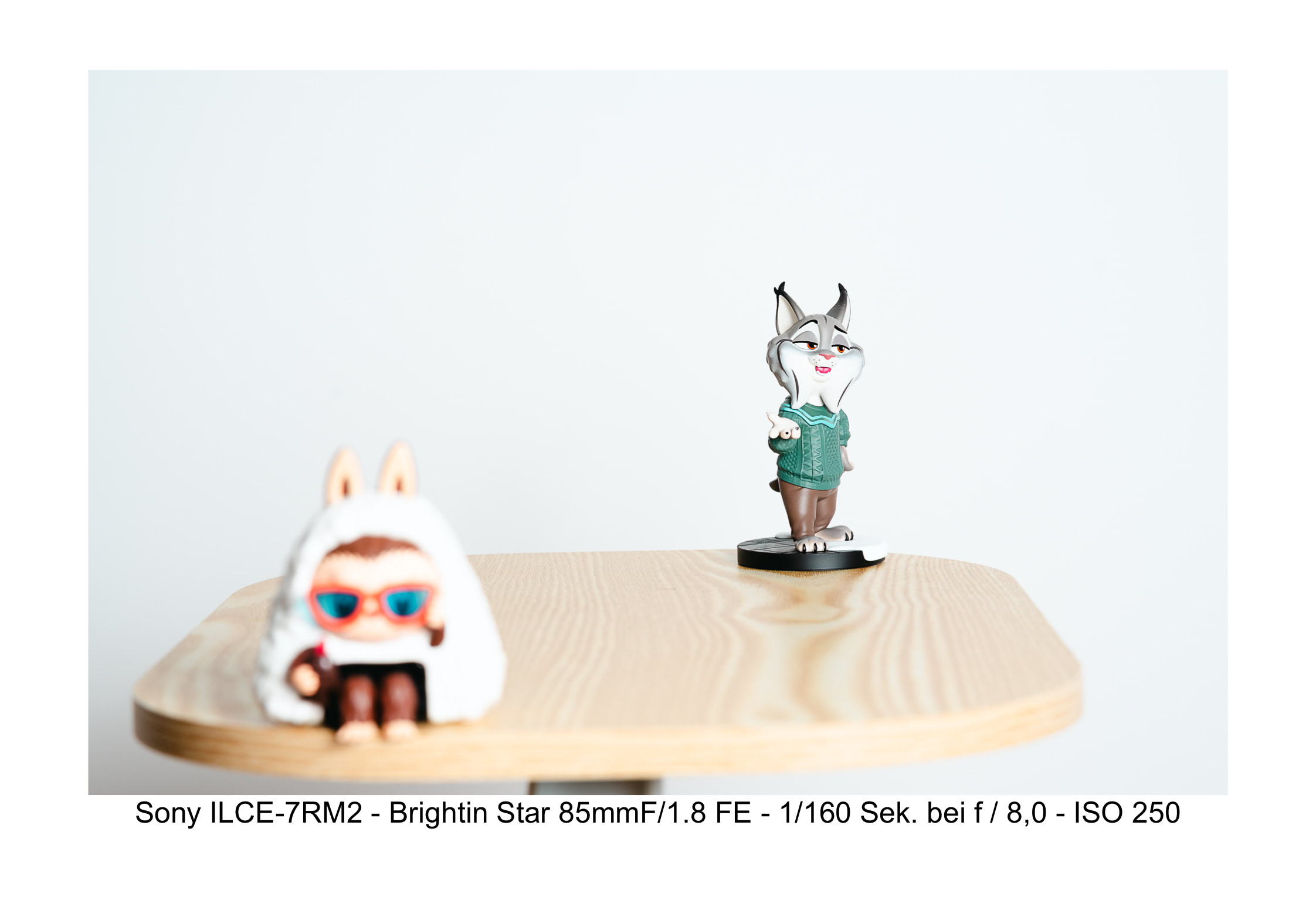
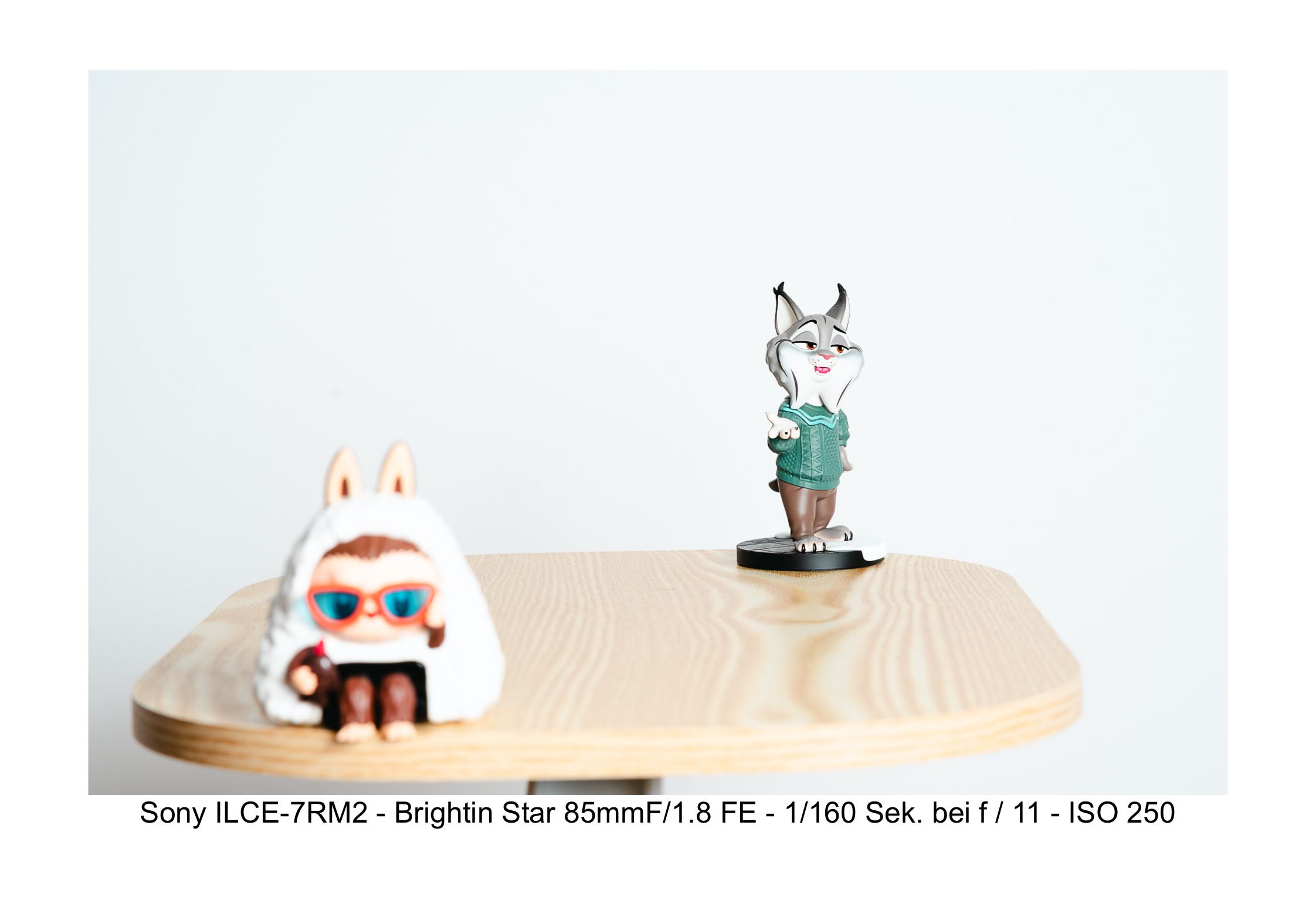
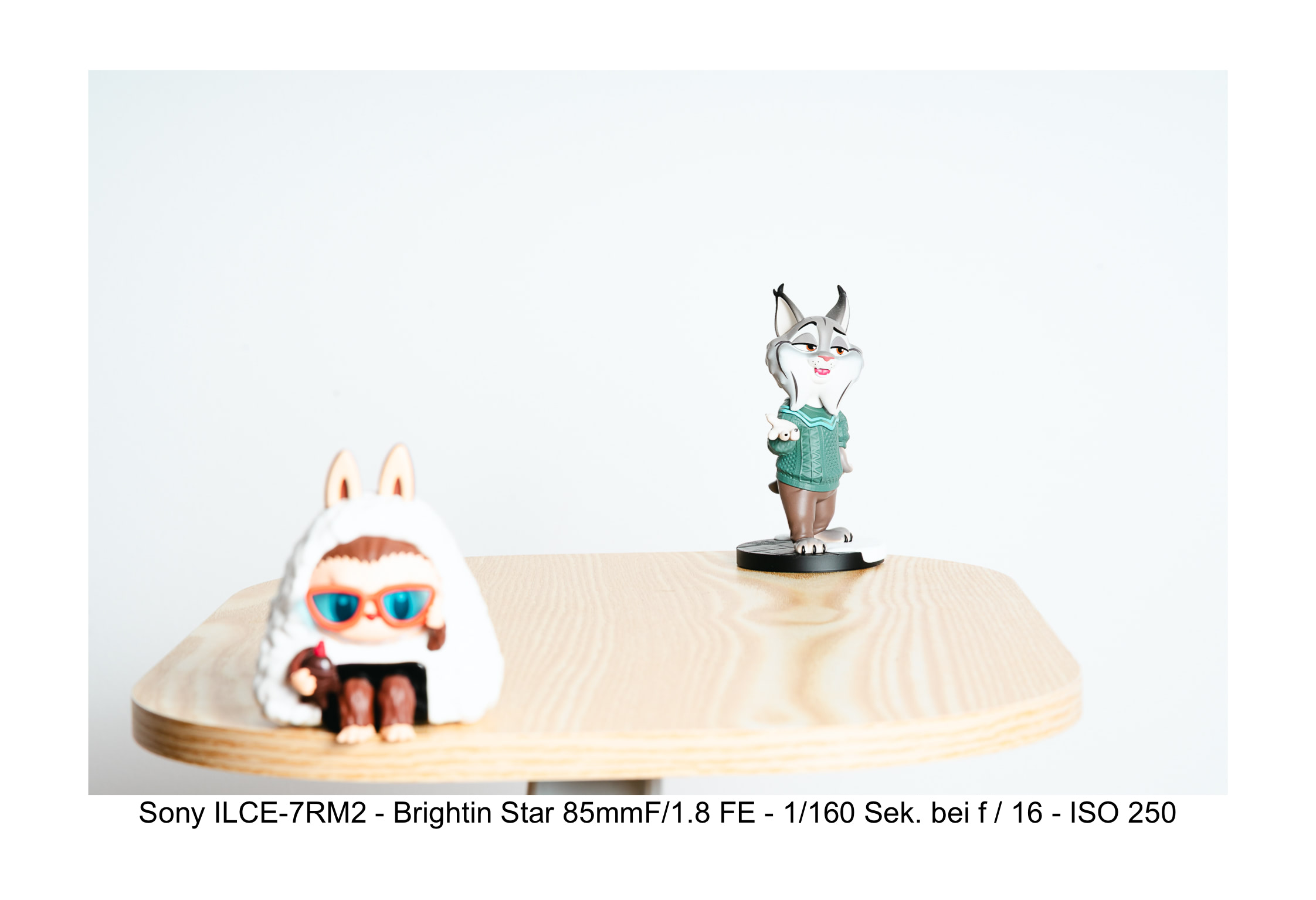
In practical application, the Brightin Star delivers image quality that is appropriate for the price and, in many areas, even slightly above it. Sharpness in the center of the image is already well usable at wide open aperture. Stopped down to F2.8 or F4, the sharpness increases as expected, and the edges also catch up.




The bokeh, i.e., the look of the blurred background, is pleasantly calm. It is not restless or harsh, which can often be a problem with cheap lenses. Light sources in the background are rendered as relatively round circles that can become slightly elliptical towards the edge, which has a certain charm.

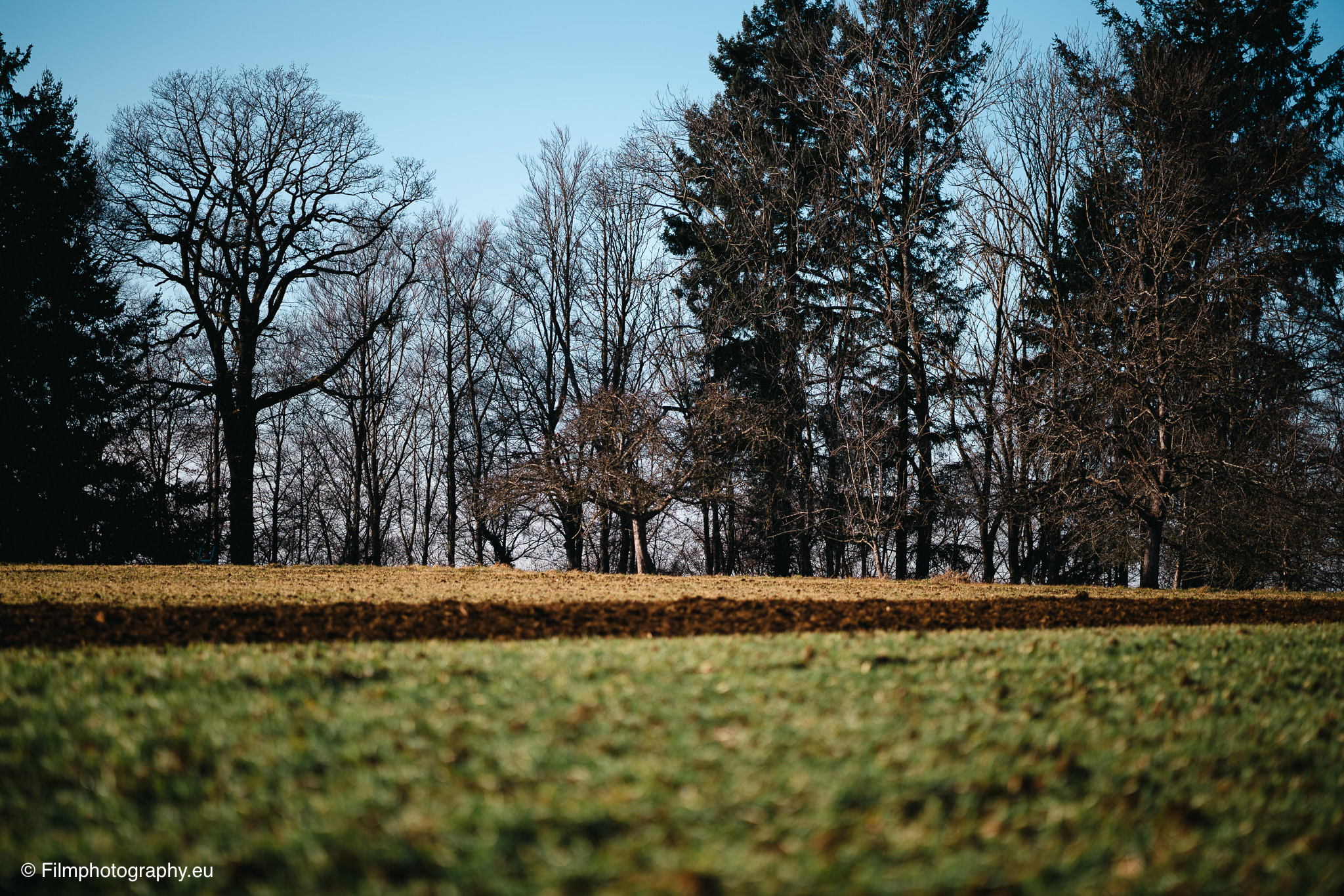


In terms of color, the lens behaves neutrally. There are no strong color casts that would require extensive post-processing. Chromatic aberrations, i.e., color fringing at contrast edges, are visible at open aperture in extreme lighting situations but can usually be corrected well in post-processing. With portraits in backlight, the lens tends to lose a bit of contrast, but this can also be used creatively to create a dreamy look.
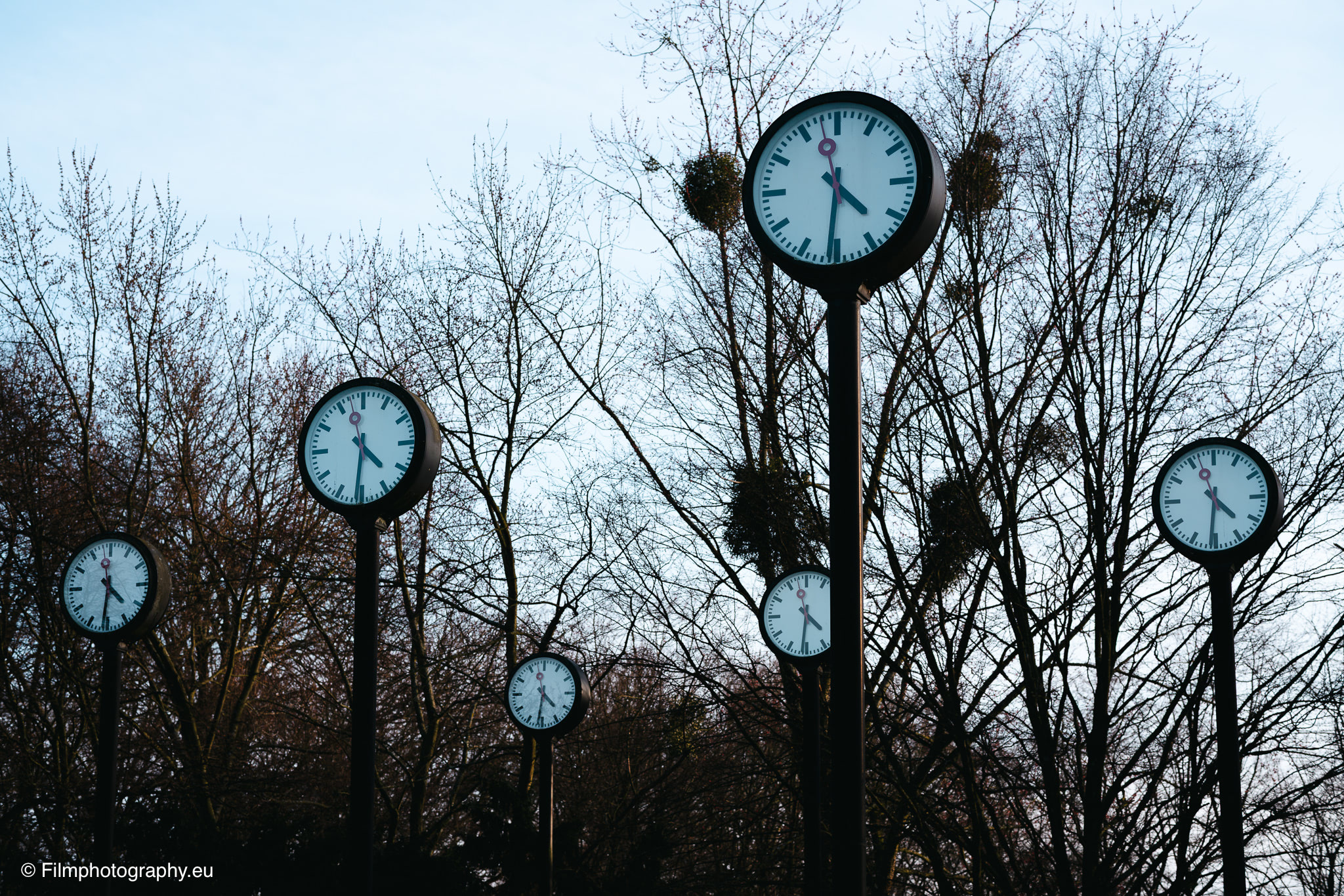
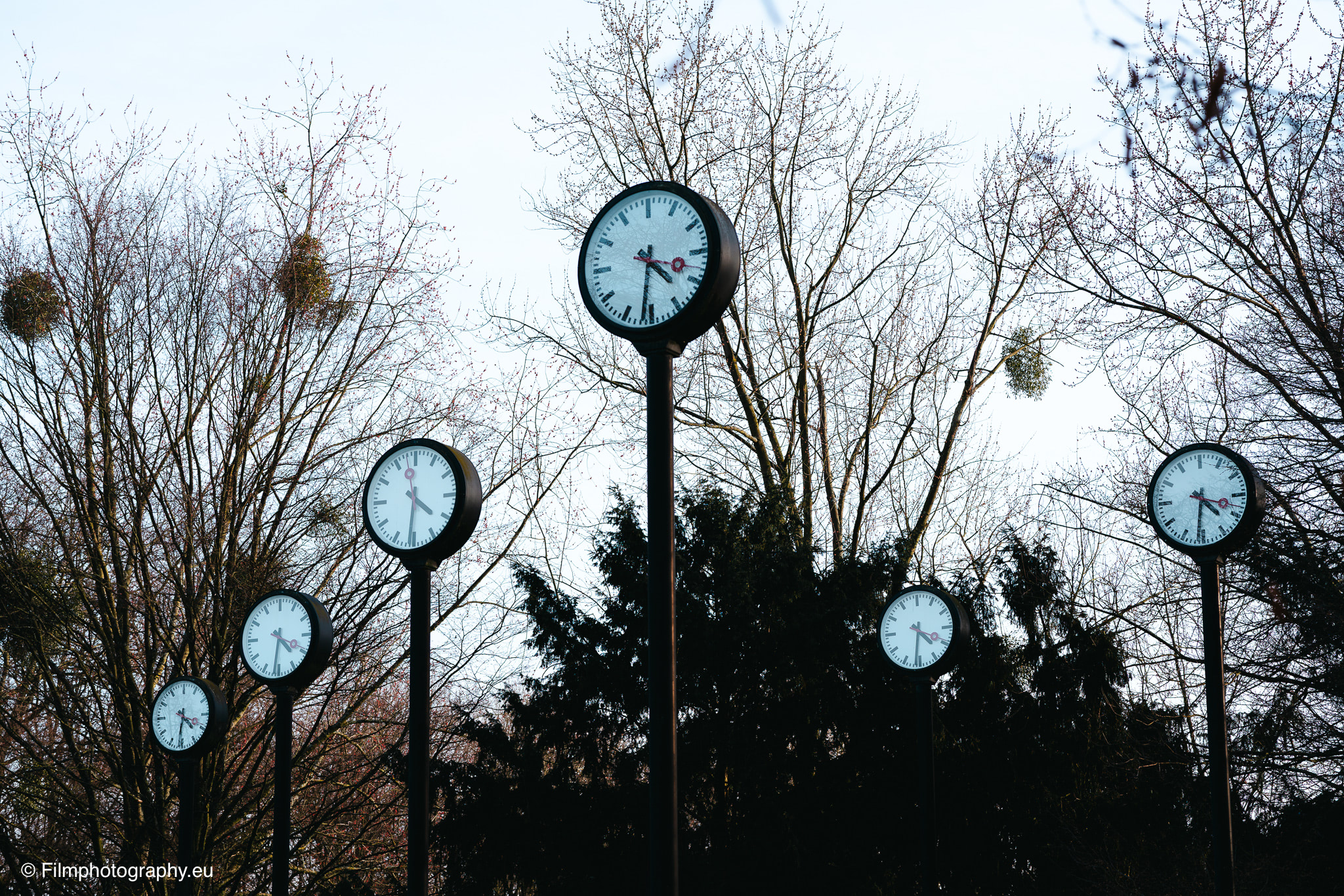


The balance on the Sony A7 II is pleasant. The lens is not front-heavy, and the combination lies well in the hand. The manual focus ring runs smoothly enough to intervene manually if necessary, although you notice here that it is a “focus-by-wire” mechanism where the rotation is transmitted electronically. The direct mechanical feedback of old manual glass is missing, but the implementation is solved decently.
In summary, photographing with this lens is fun if you get involved with its idiosyncrasies. It slows things down a little since the autofocus breaks no records, but the result is impressive. It is a tool that does not get in the way and allows the photographer to concentrate on the essentials, namely the image.


Conclusion
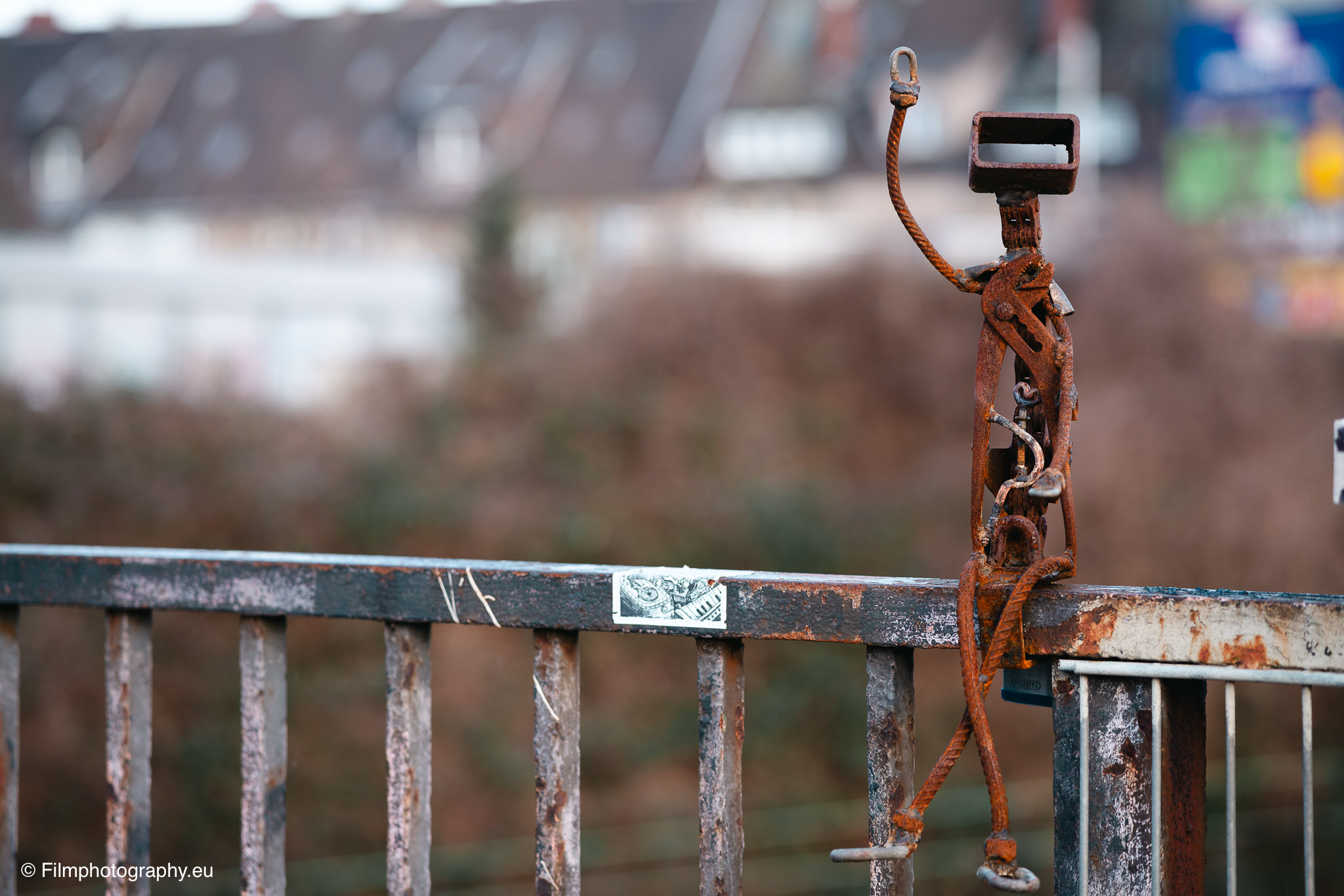
The Brightin Star AF 85mm F1.8 is a solid entry by the manufacturer into the world of autofocus lenses. It offers good build quality, an appealing design, and image quality that is more than sufficient for most applications. The autofocus is usable, even if it breaks no speed records and occasionally requires some patience.
Particularly noteworthy are the physical controls such as the aperture ring and the AF/MF switch, as well as the simple update possibility via USB-C. Anyone looking for an affordable portrait lens and can live with the mentioned limitations regarding autofocus gets a lot of glass for their money here. It is an ideal learning tool for beginners who want to discover the world of prime lenses without spending a fortune.


Buy
Anyone interested in this lens can purchase it directly via the manufacturer’s website.