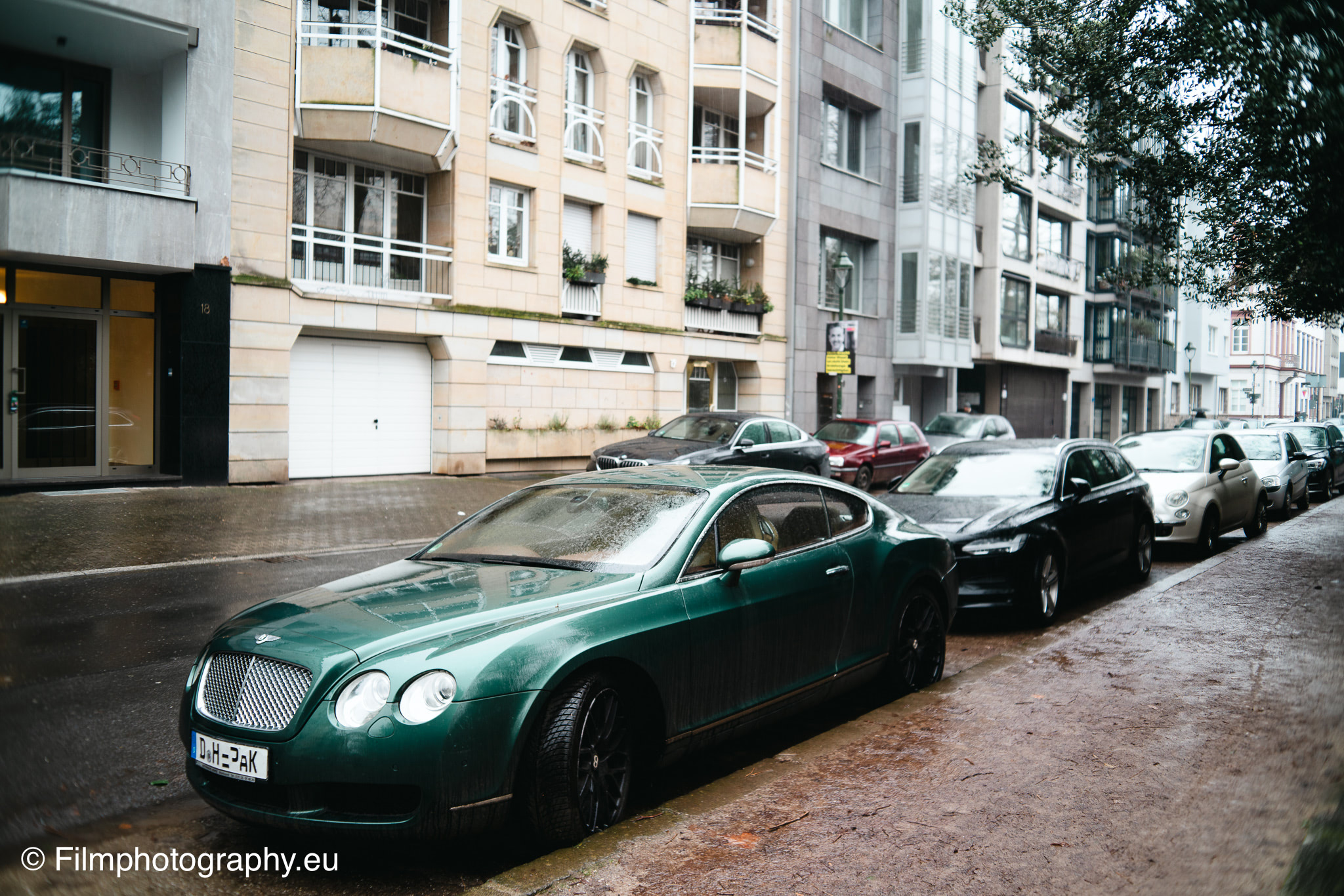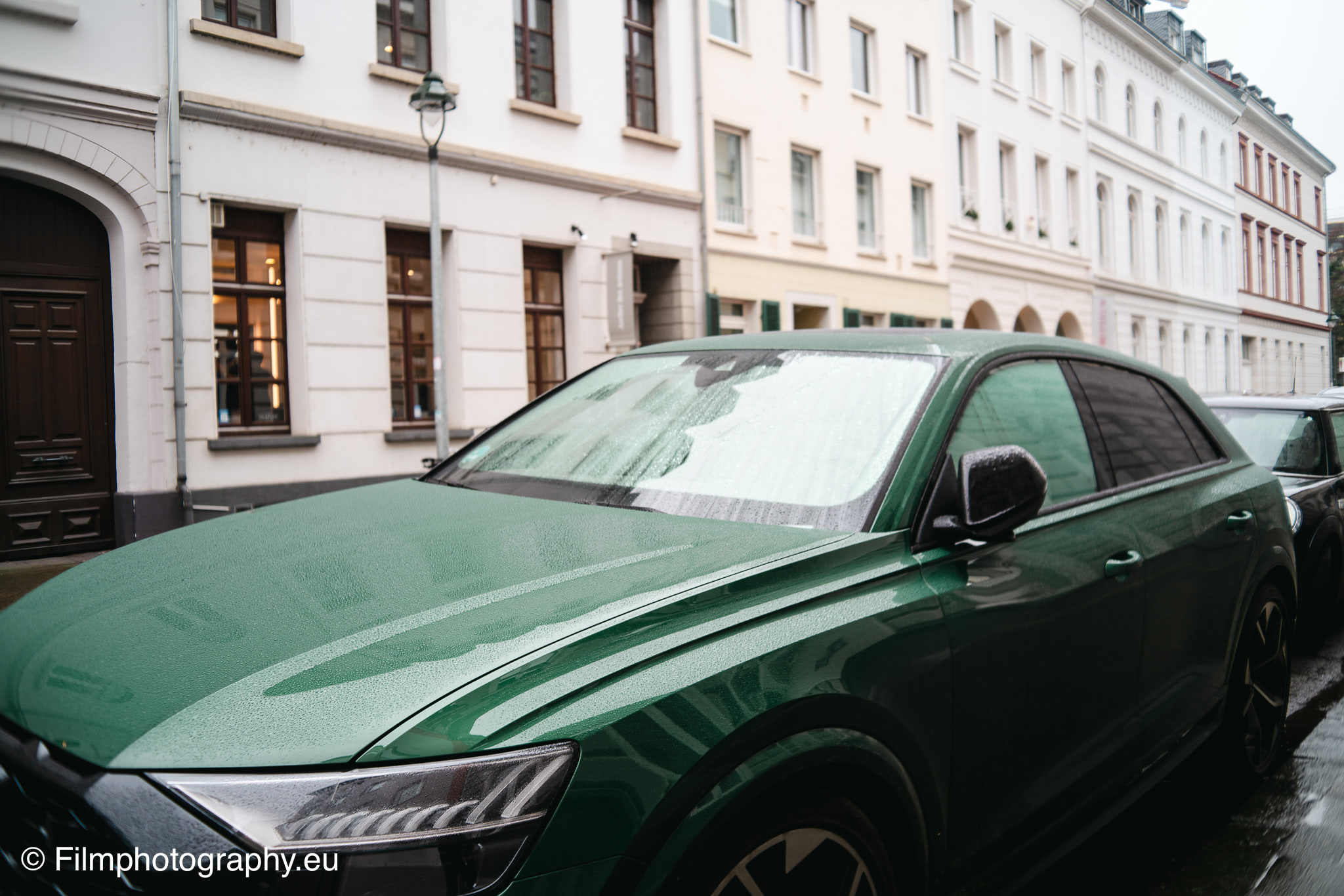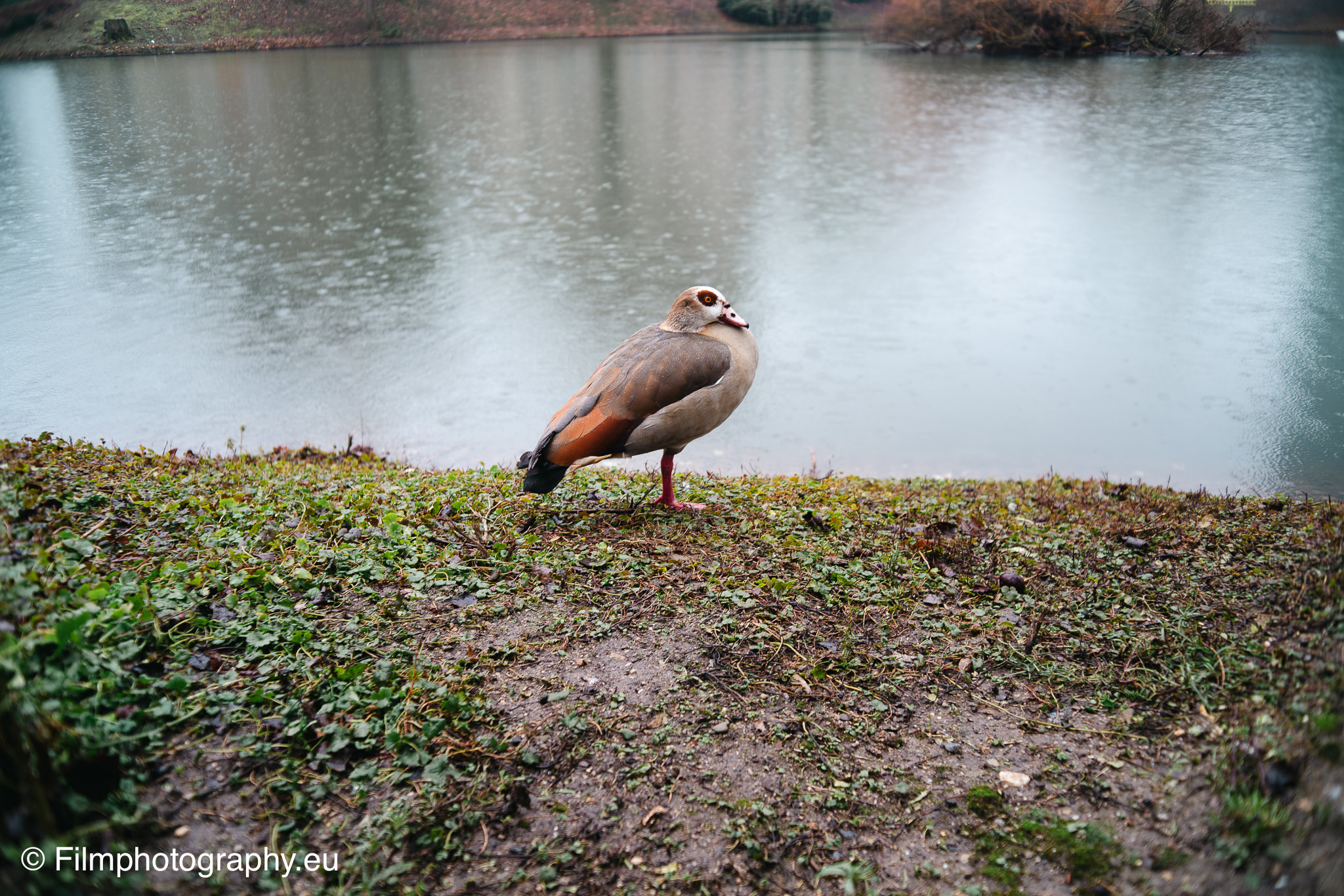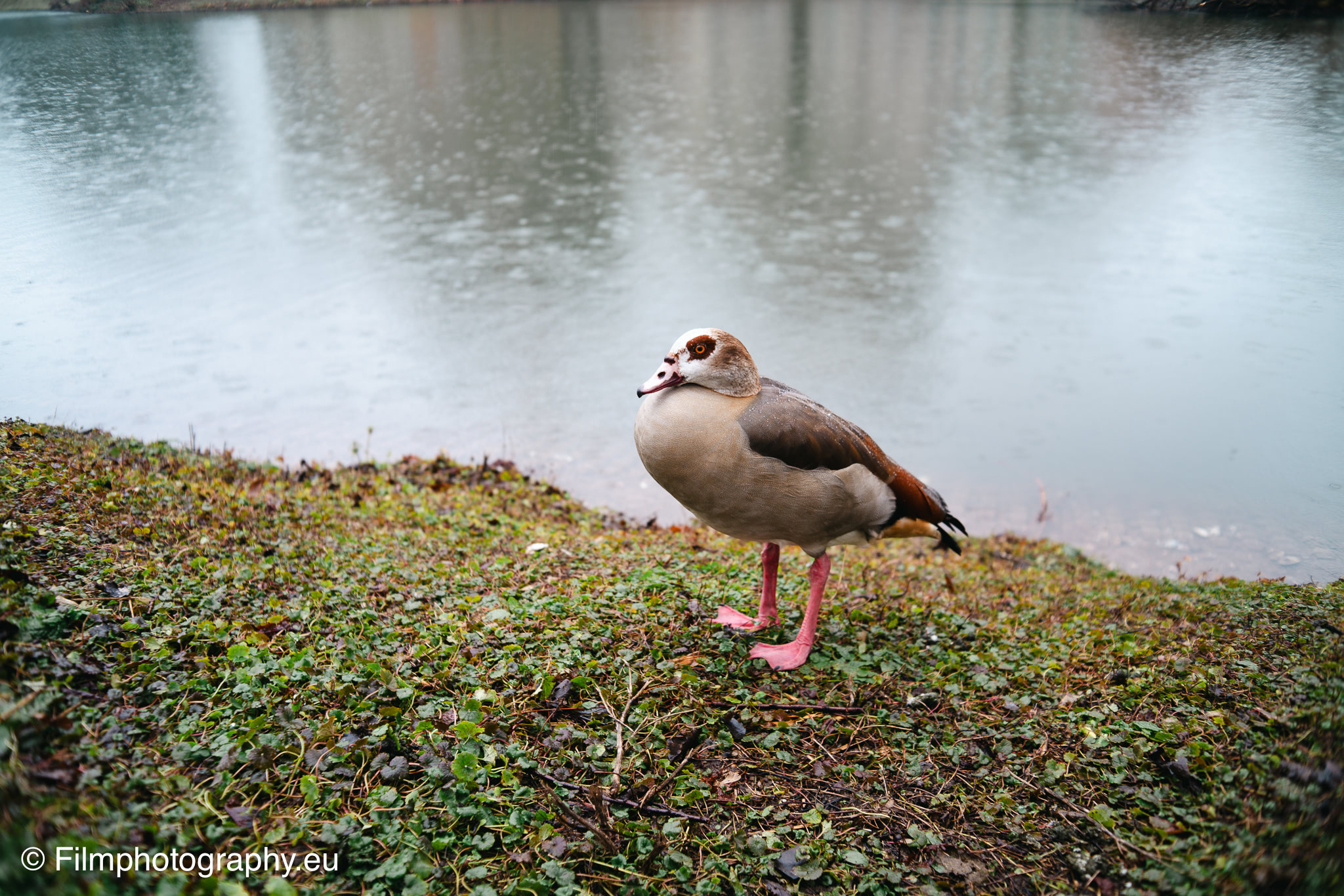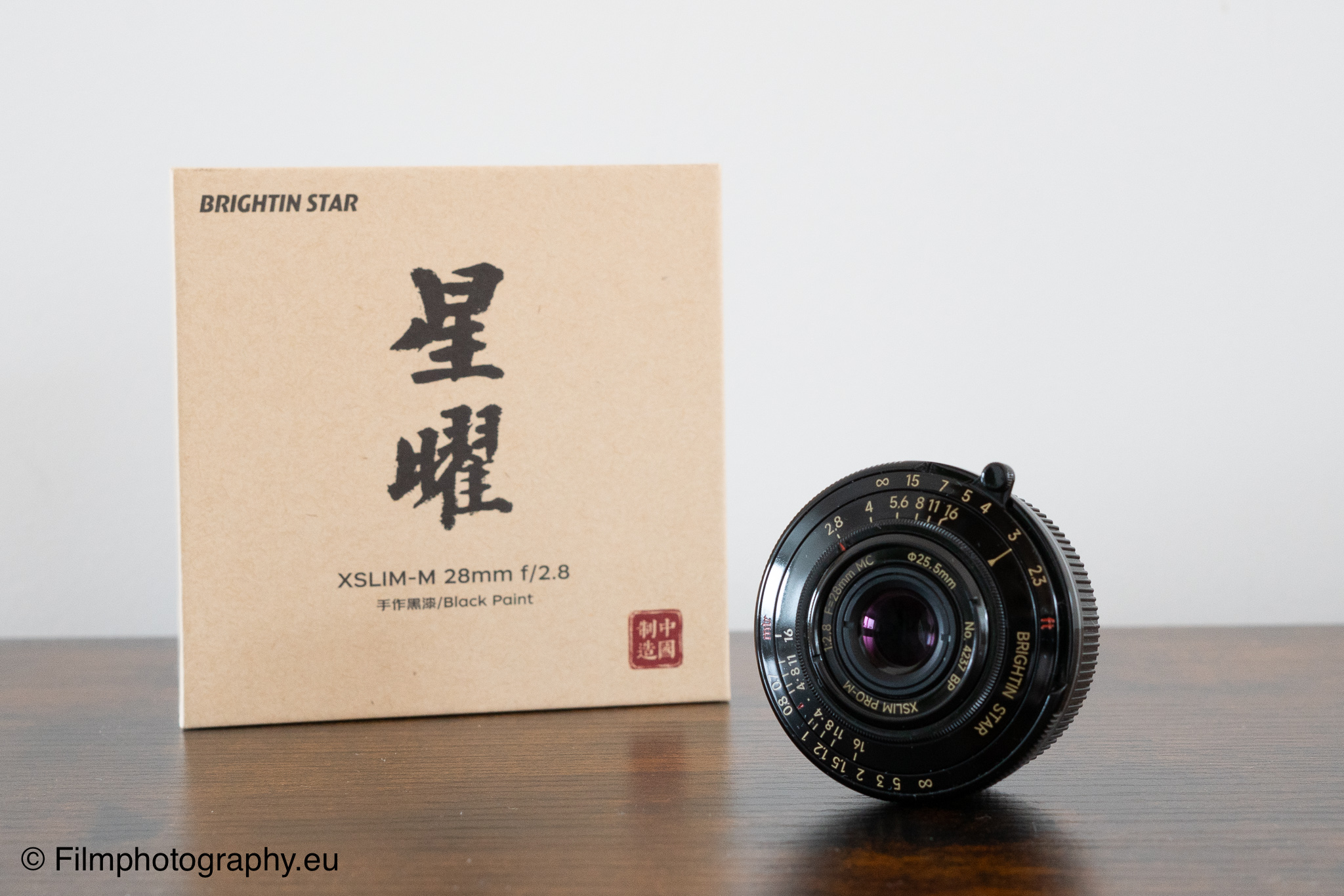
The Brightin Star 28mm f/2.8 is a lens that immediately attracts attention due to its extreme compactness. It pushes the boundaries of what is commonly understood as a pancake lens and establishes a new category: the micro-pancake.
With its unusually small dimensions of 51.4mm in diameter and a total length of only 21.5mm, of which a mere 9.9mm protrude beyond the bayonet mount, it is a fascinating piece of engineering and a potential companion for photographers who value minimal size and weight.
In this review, we take a closer look at this lens from China.
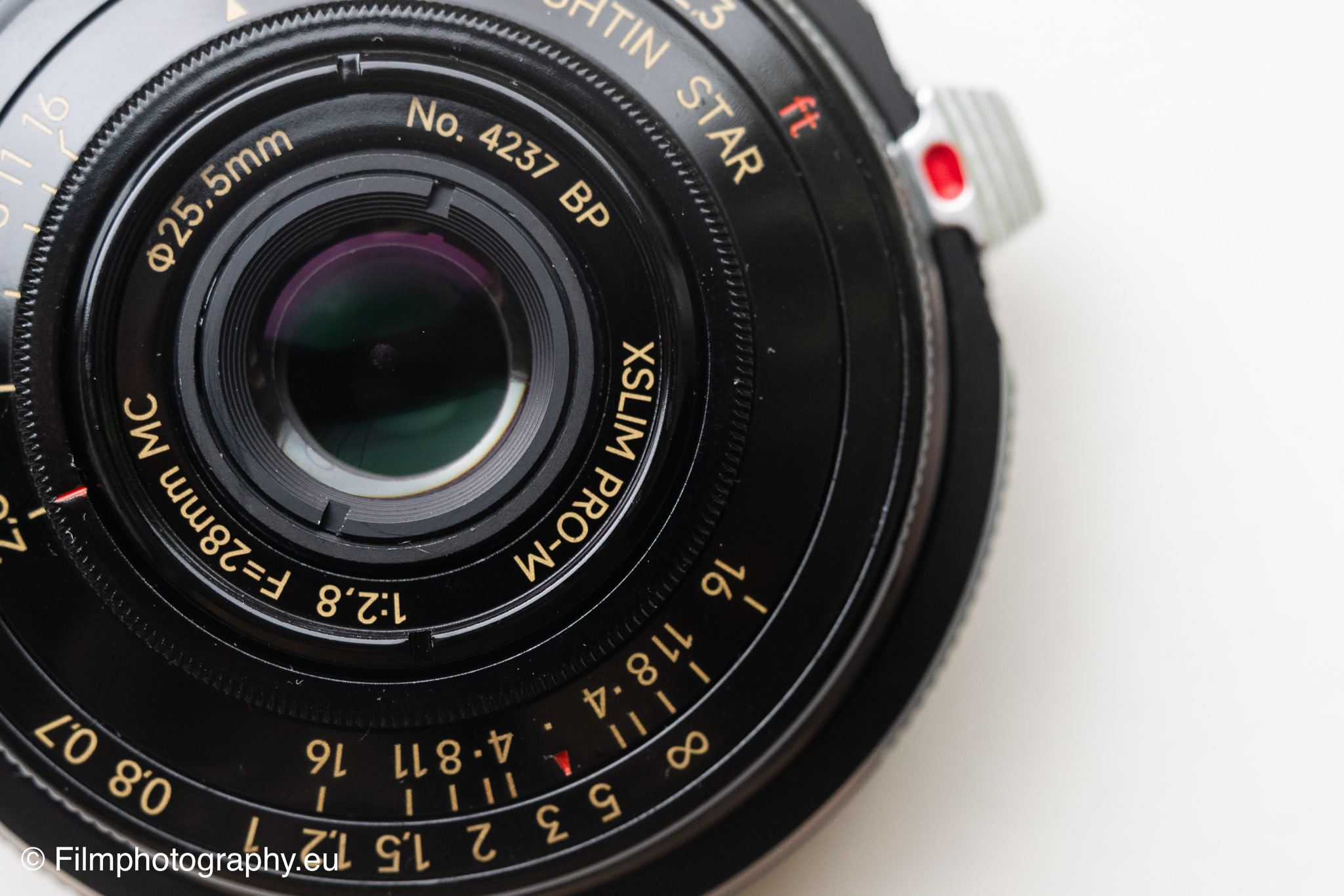

Handling and Build Quality
The Brightin Star 28mm f/2.8 is equipped with a Leica M-mount. It can be used with digital and analog Leicas. With adapters, it can also be used on other digital cameras. It consists of 6 elements in 5 groups and has a 9-bladed aperture.
The build quality of the Brightin Star 28mm f/2.8 is surprising considering its price (around 300 US dollars) and small size. The brass housing gives it a substantial weight of 125 grams and a robust feel. The black finish underlines the elegant impression.
However, the purely manual operation requires practice. The focusing mechanism, consisting of a small lever located on the front of the lens, allows for precise focusing, but can be challenging, especially in dynamic situations or with cold hands. The focus throw of approximately 55° between close focus and infinity requires a good feel and fine motor skills.
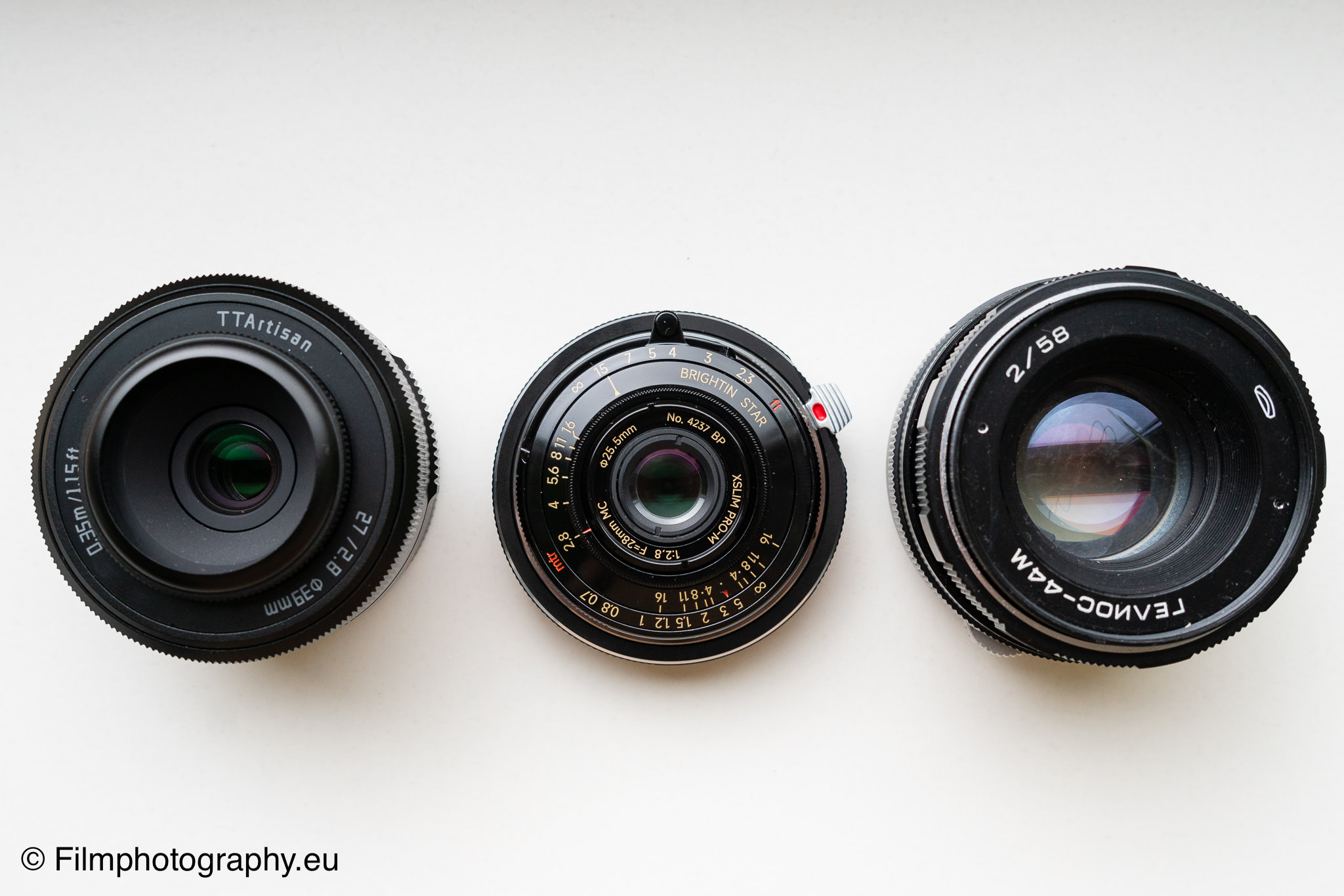
The aperture is set via a very narrow ring, also located on the front. The small width and short rotation make precise selection of the desired aperture without visual control difficult.
In addition, there is no click-stop mechanism between the aperture stops, which means that the set aperture can easily be unintentionally adjusted. The extremely flat design of the lens prevents comfortable control of the aperture while looking through the viewfinder.
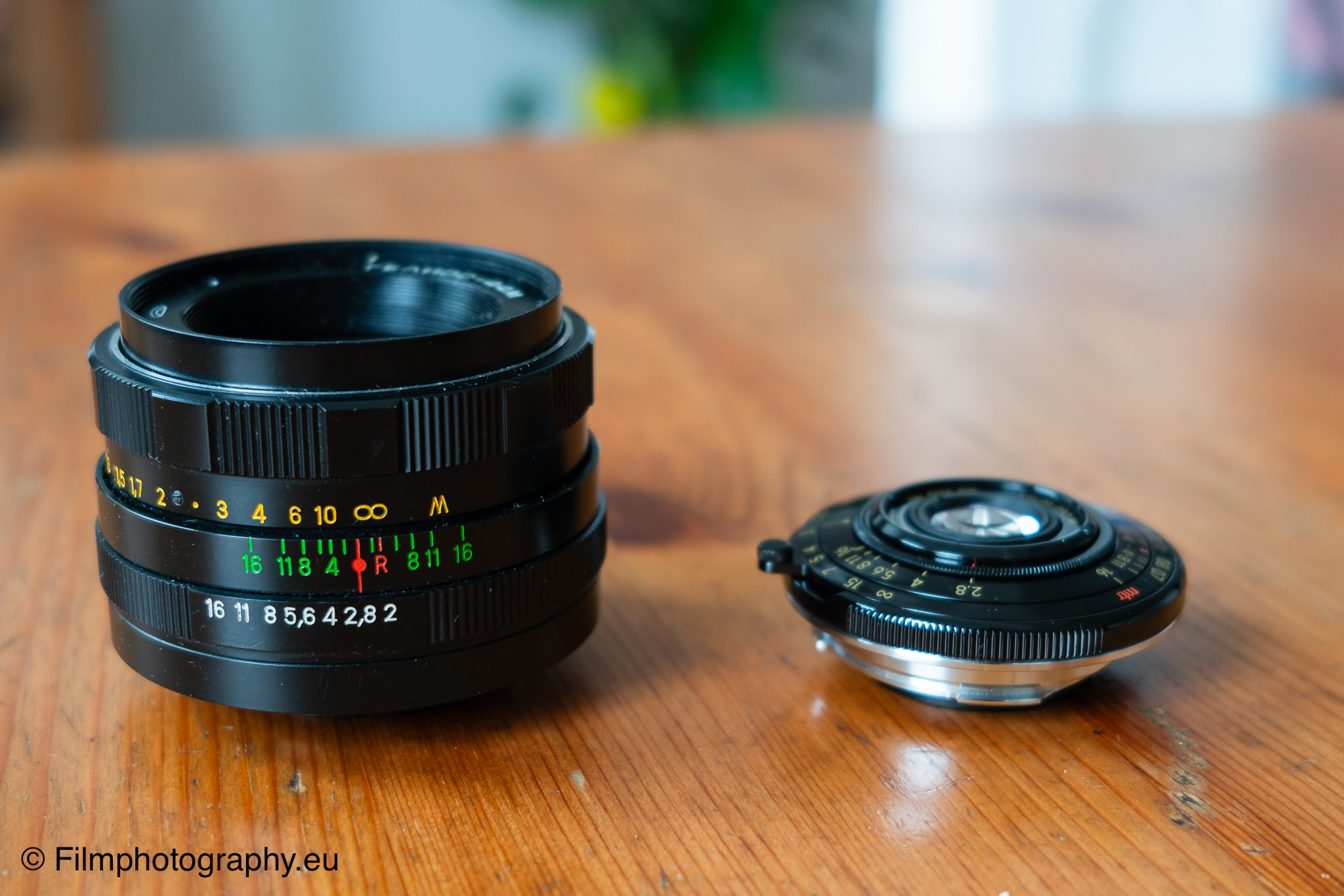
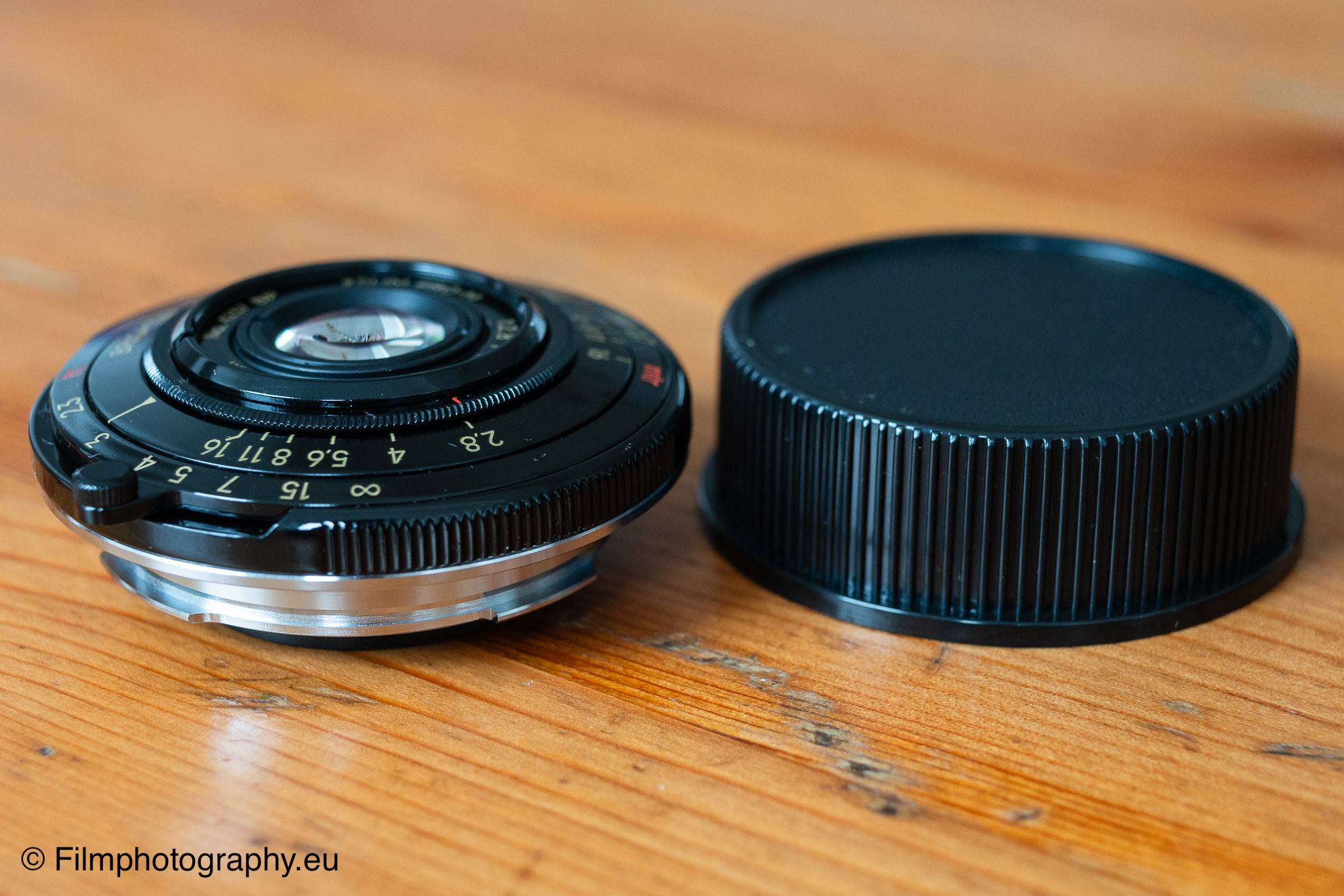
The inscriptions on the lens give it a chic retro look. Some caution should be exercised when changing lenses, as the small size offers little surface area to grip.
Included in the scope of delivery is a similarly small UV filter with a diameter of 25.5mm, which protects the front element from scratches and dust. It can be used instead of the supplied screw-on lens cap and helps to keep the lens even more compact.
Optical Performance
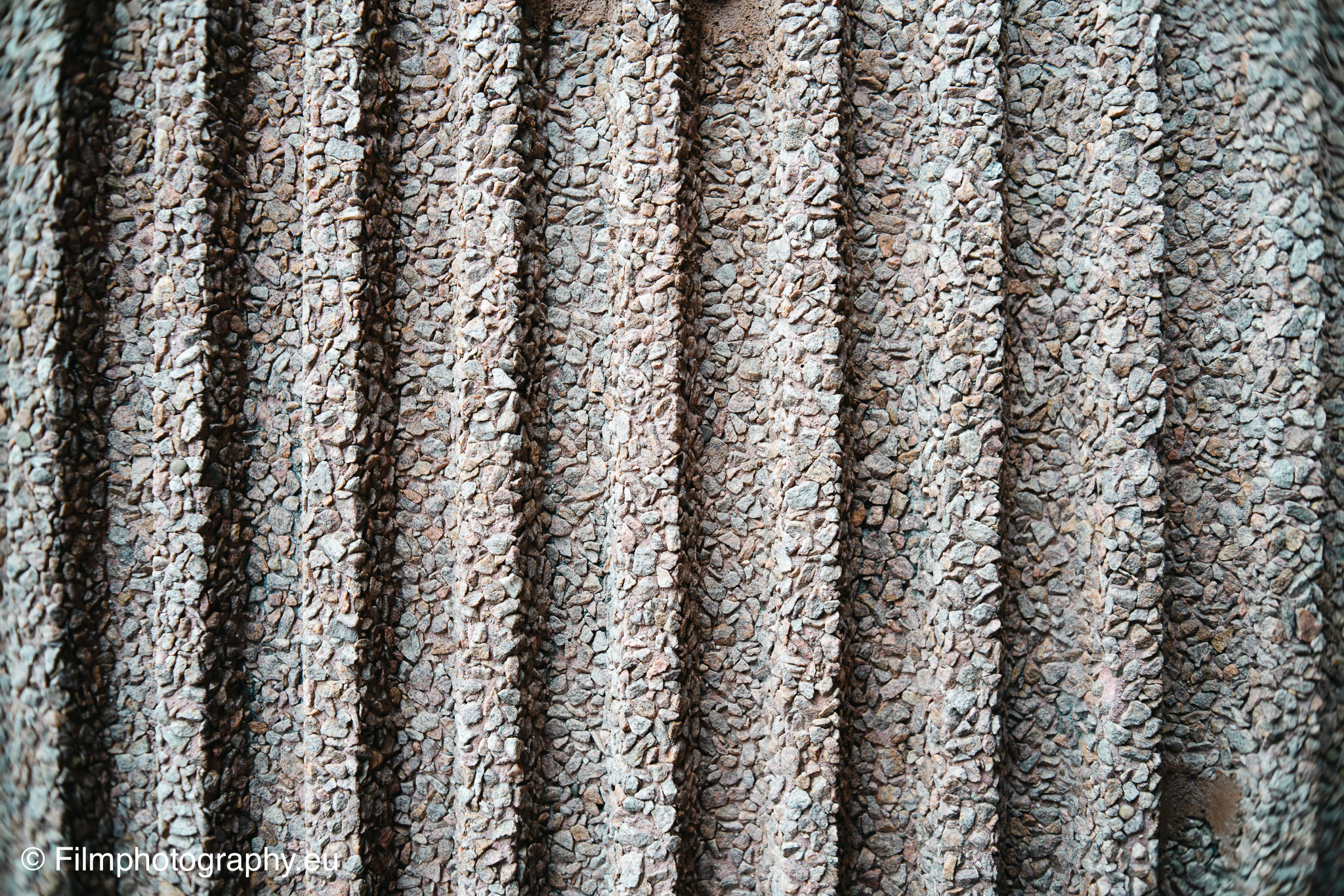
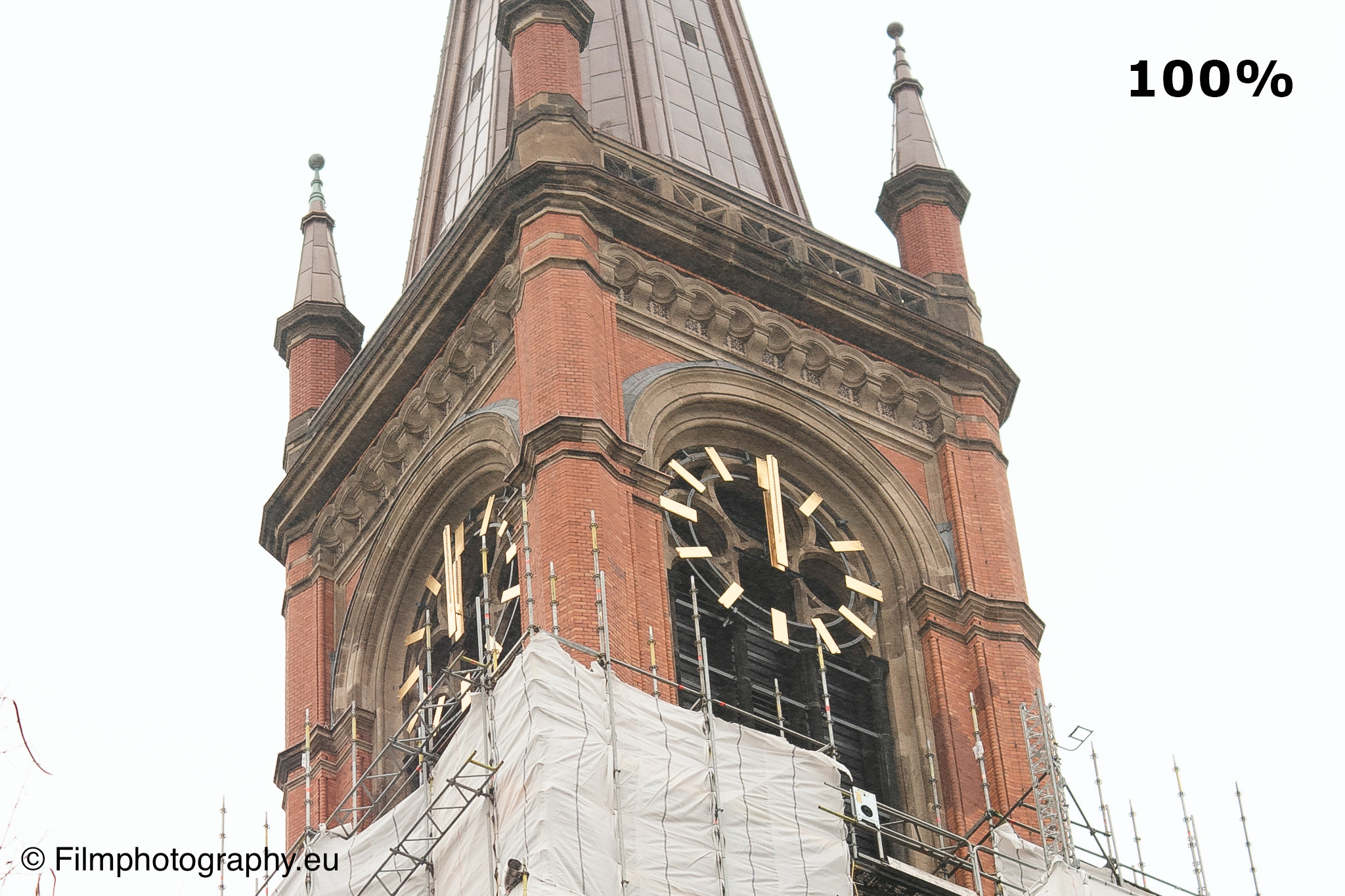
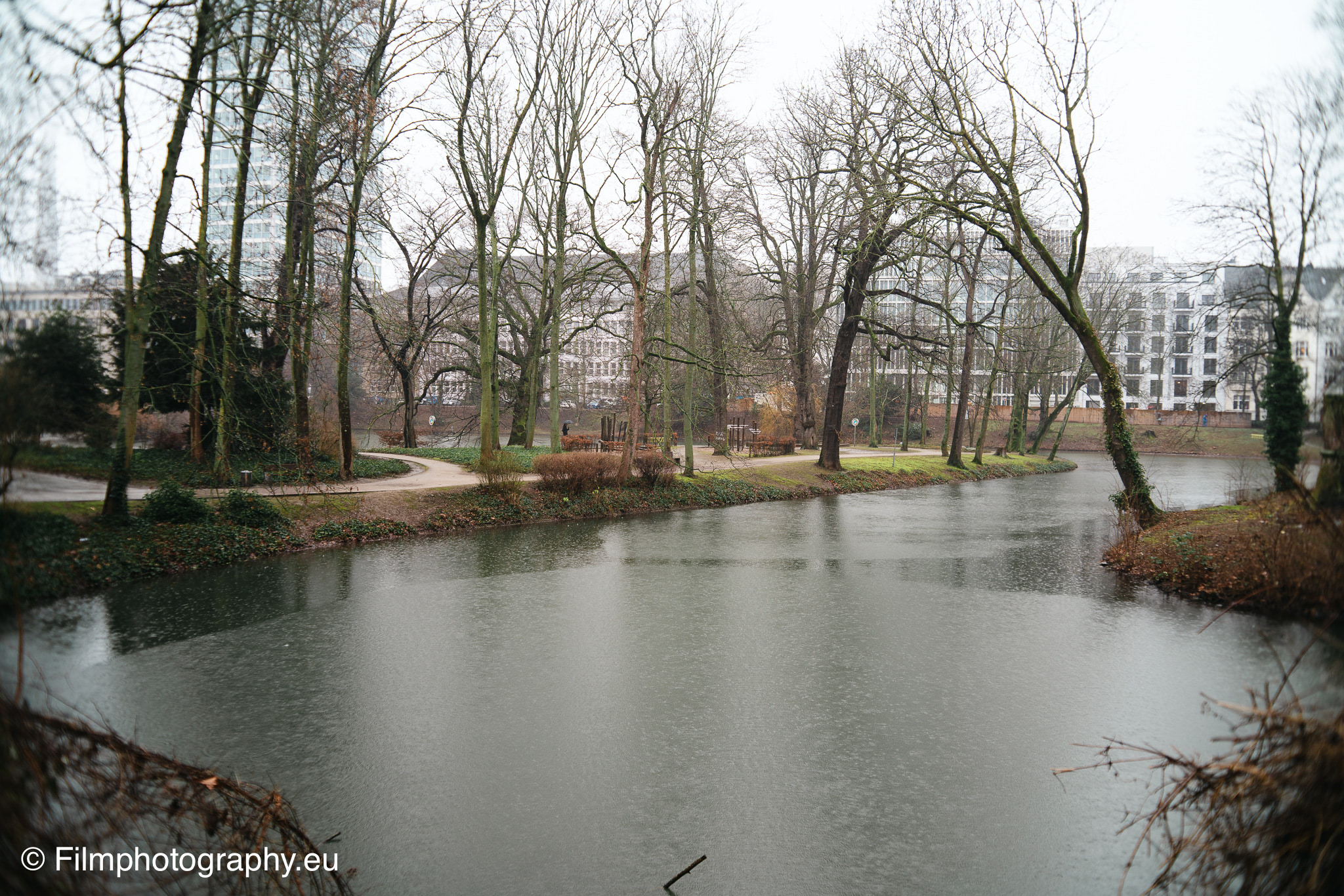
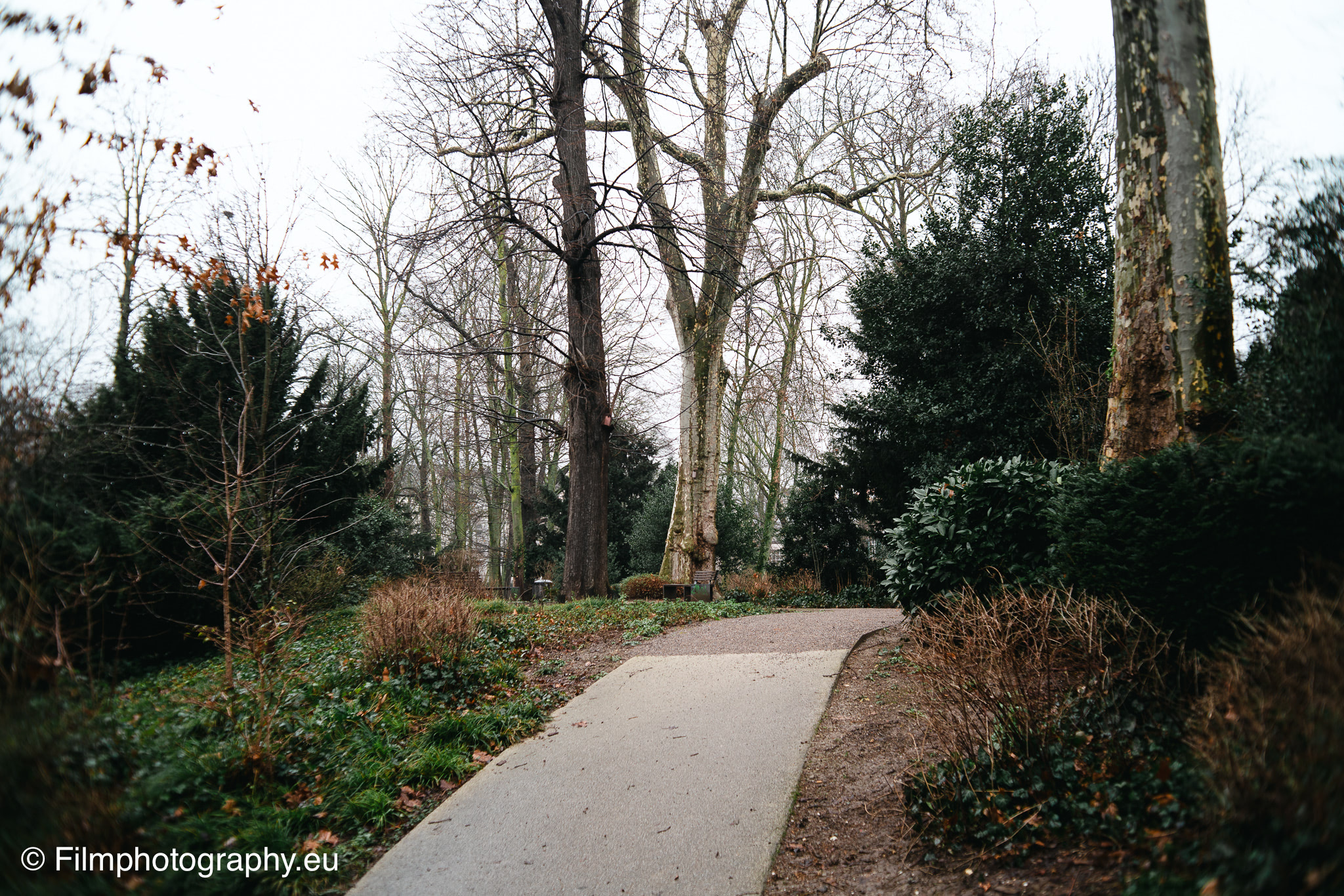
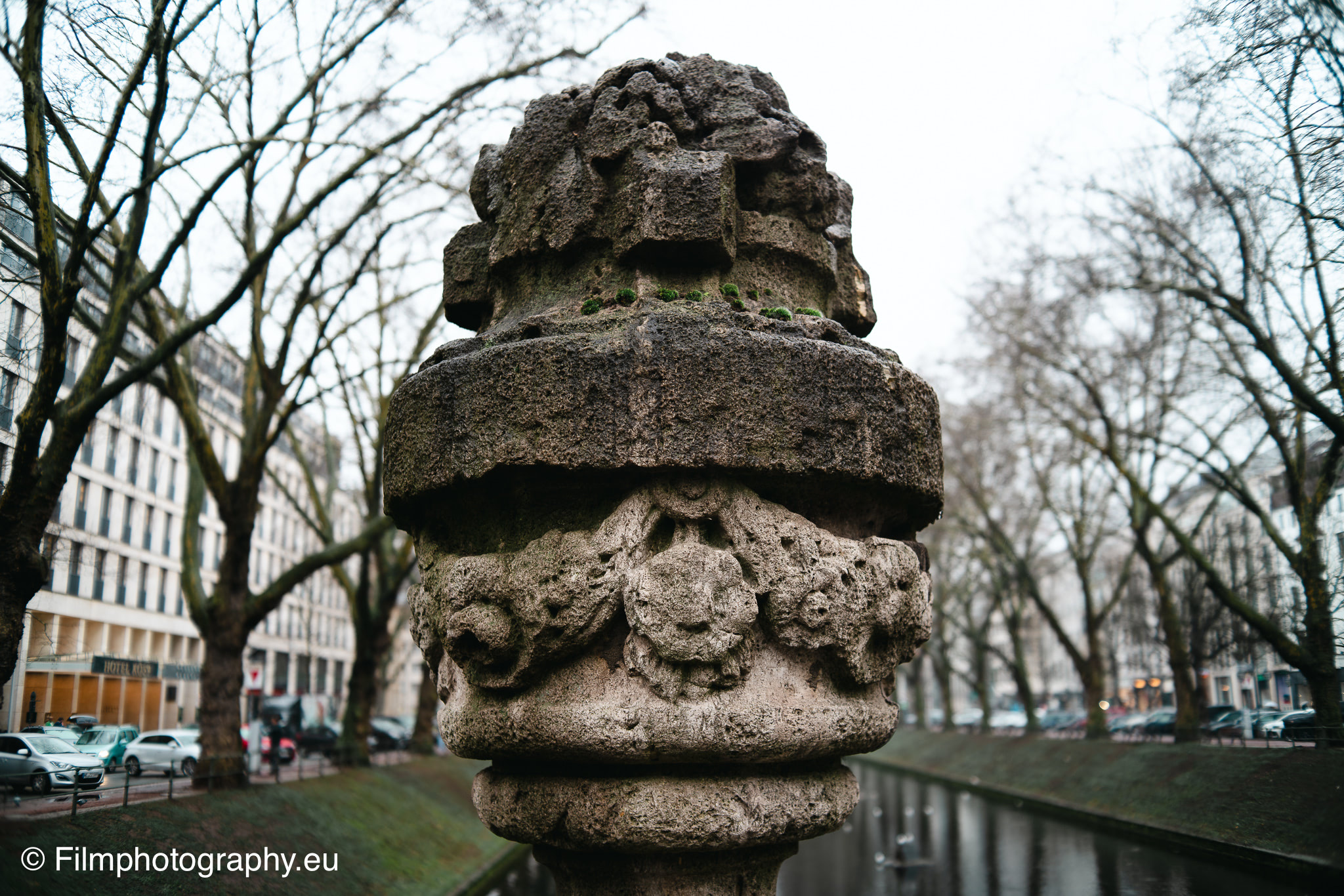
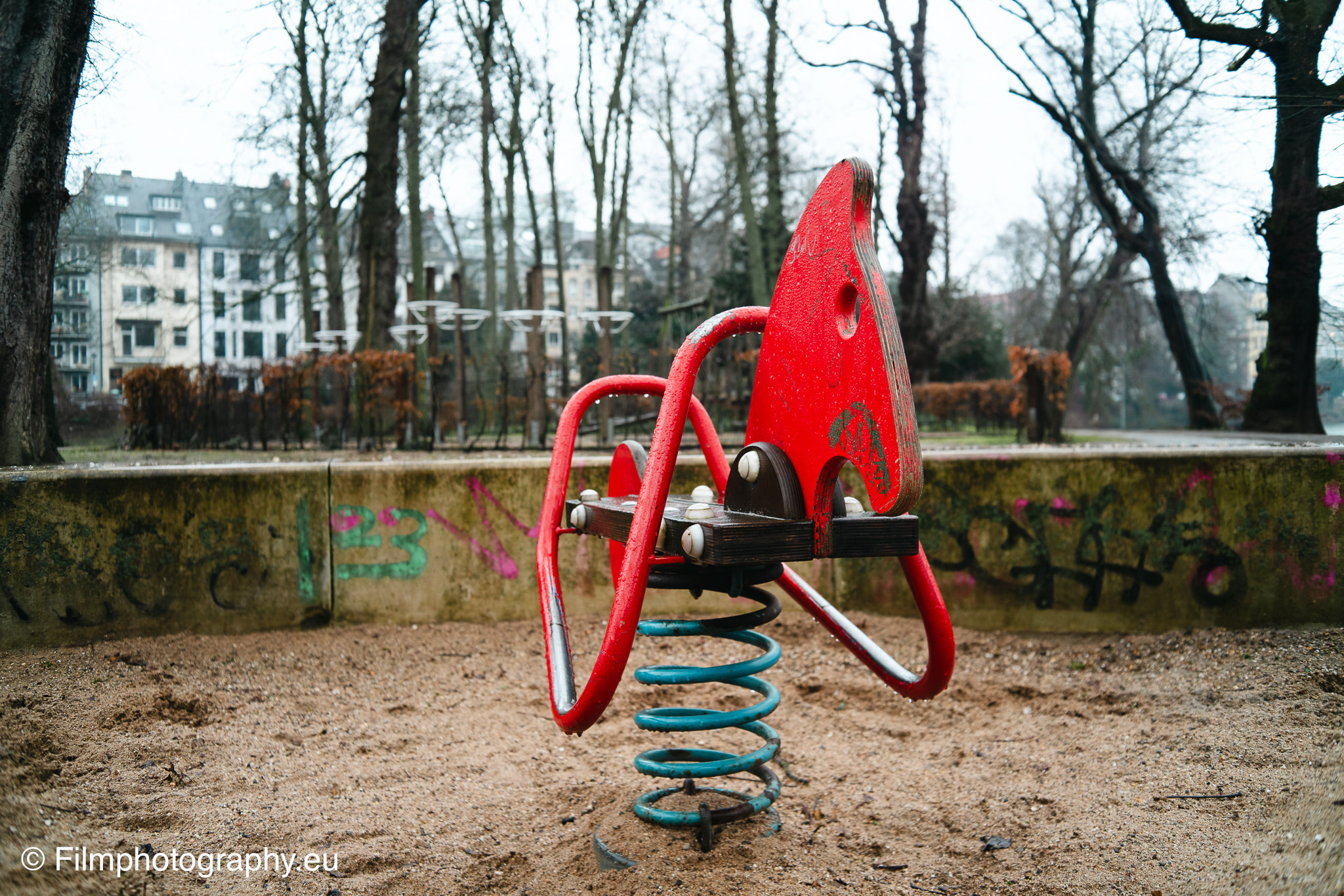
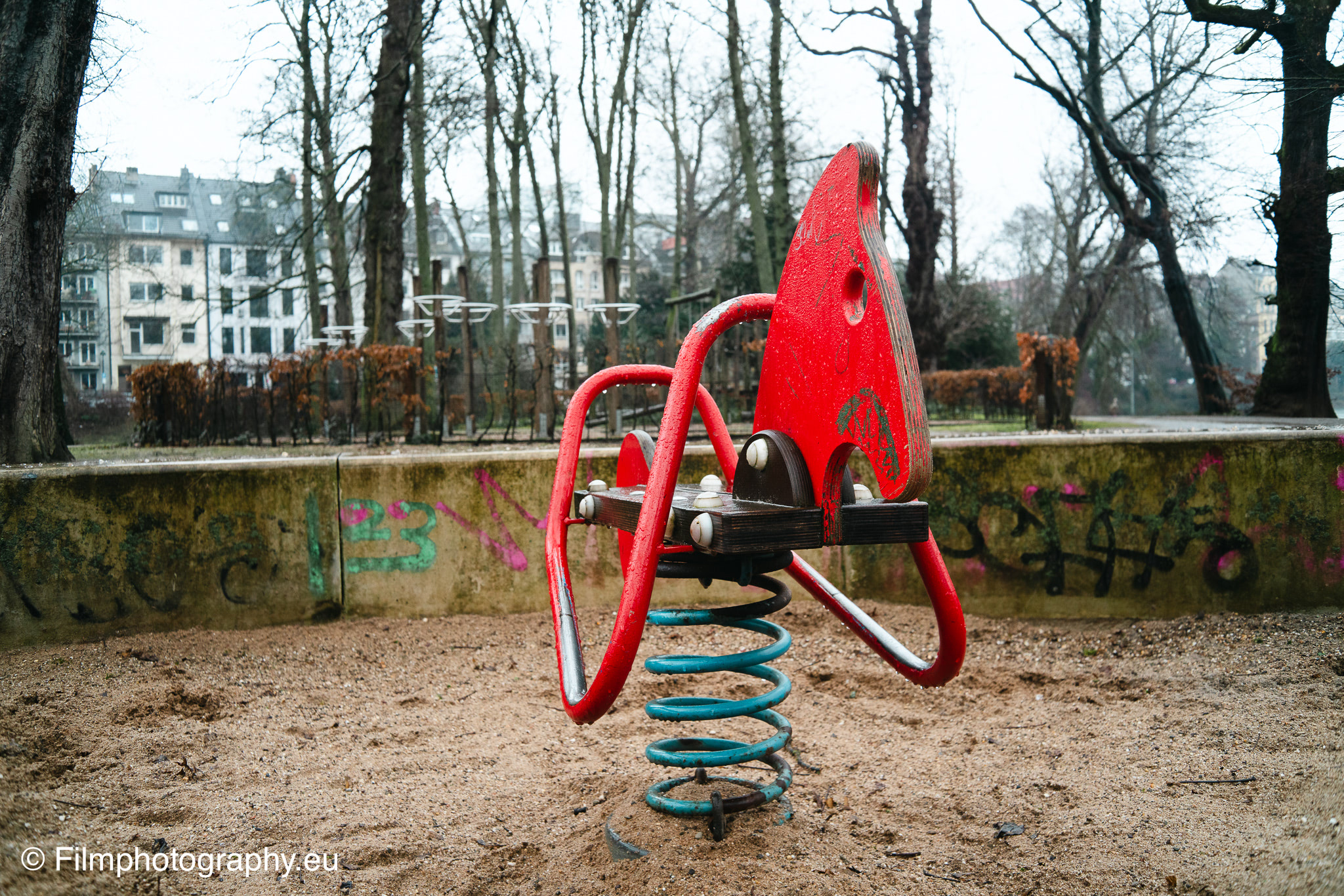
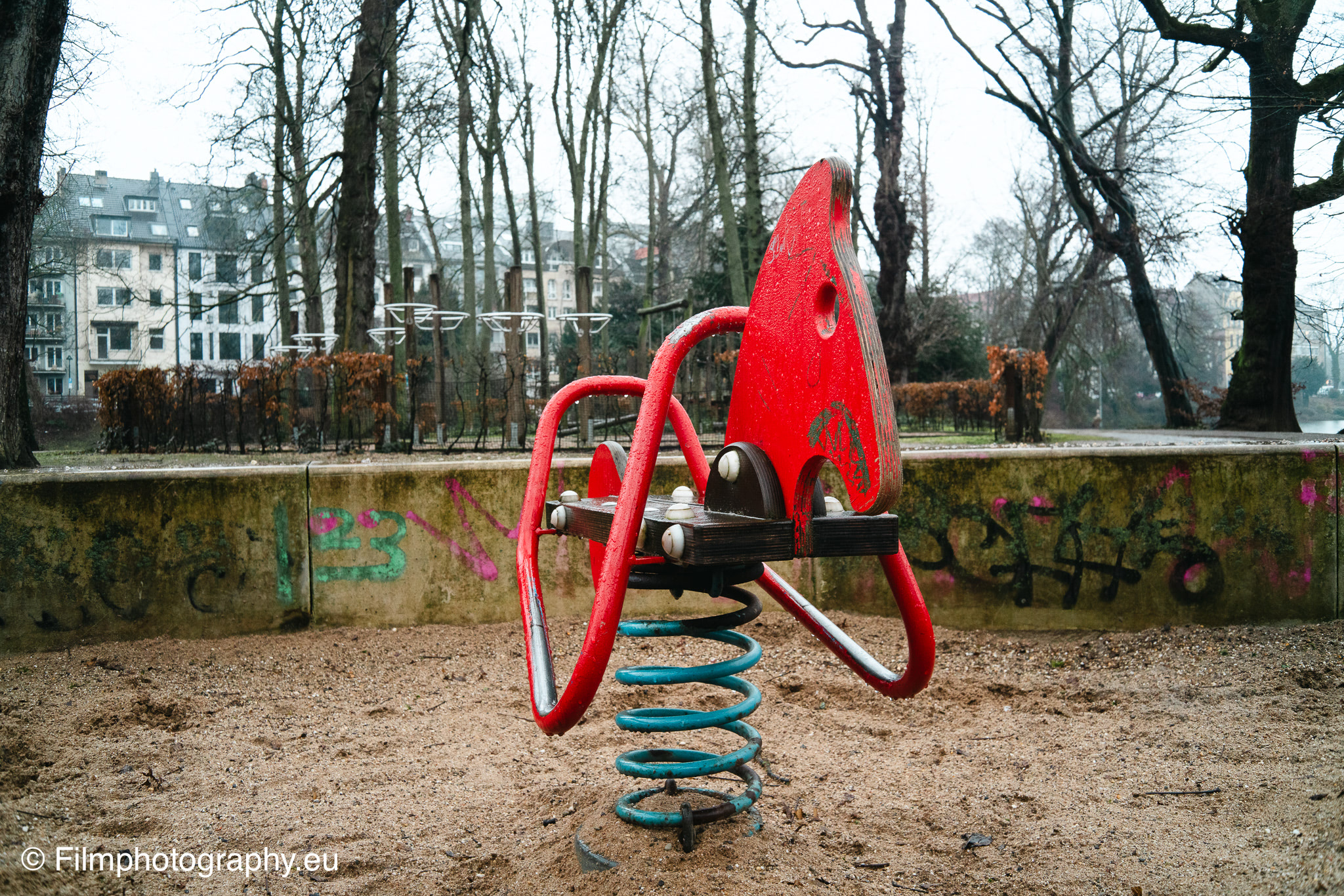
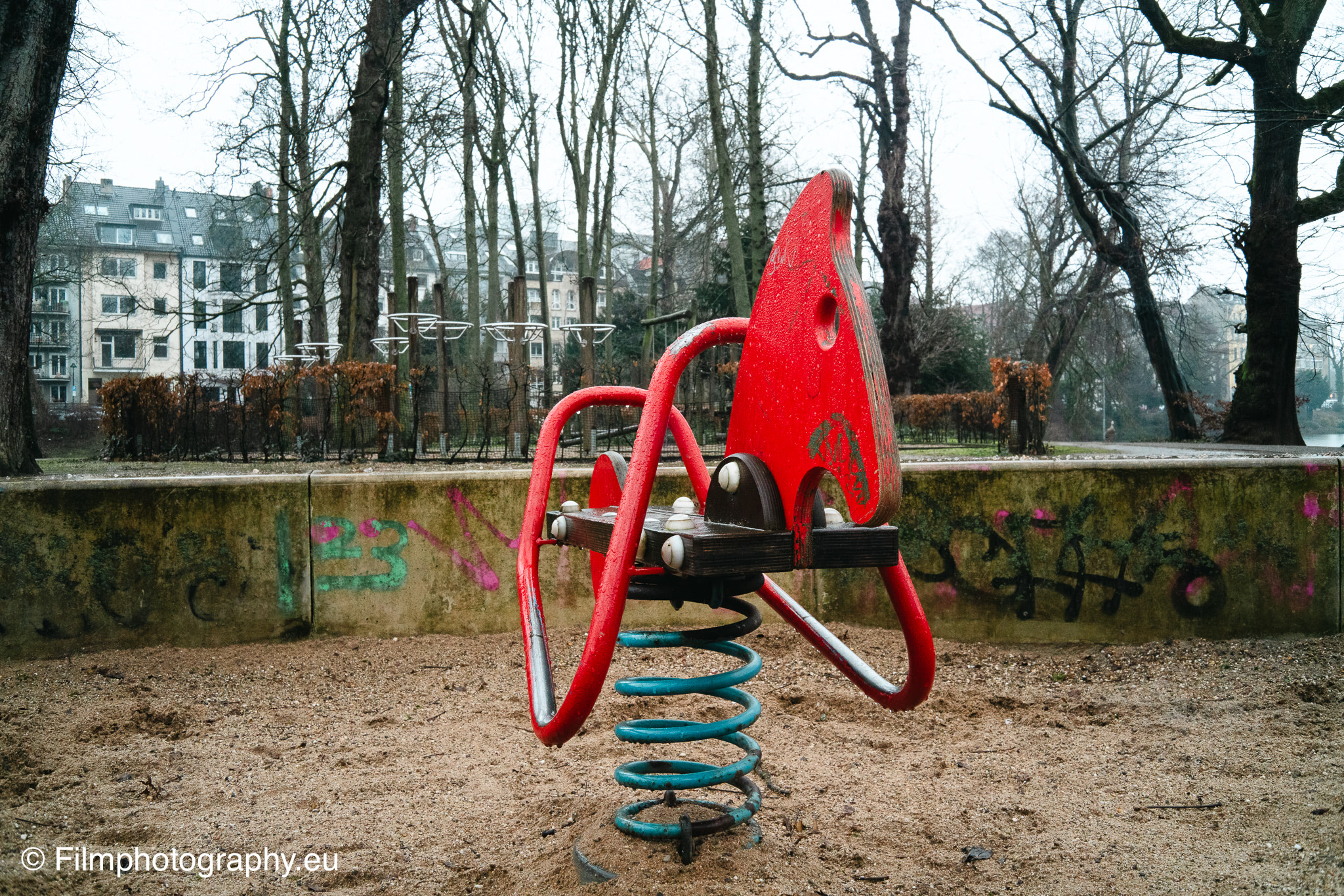
The optical performance of the Brightin Star 28mm f/2.8 is ambivalent. In the center of the image, the lens shows considerable sharpness and detail rendition even at open aperture. The micro-contrast is pronounced, which contributes to a vivid and three-dimensional representation. The color reproduction is natural and tends to be slightly saturated, which gives the images a pleasant look.
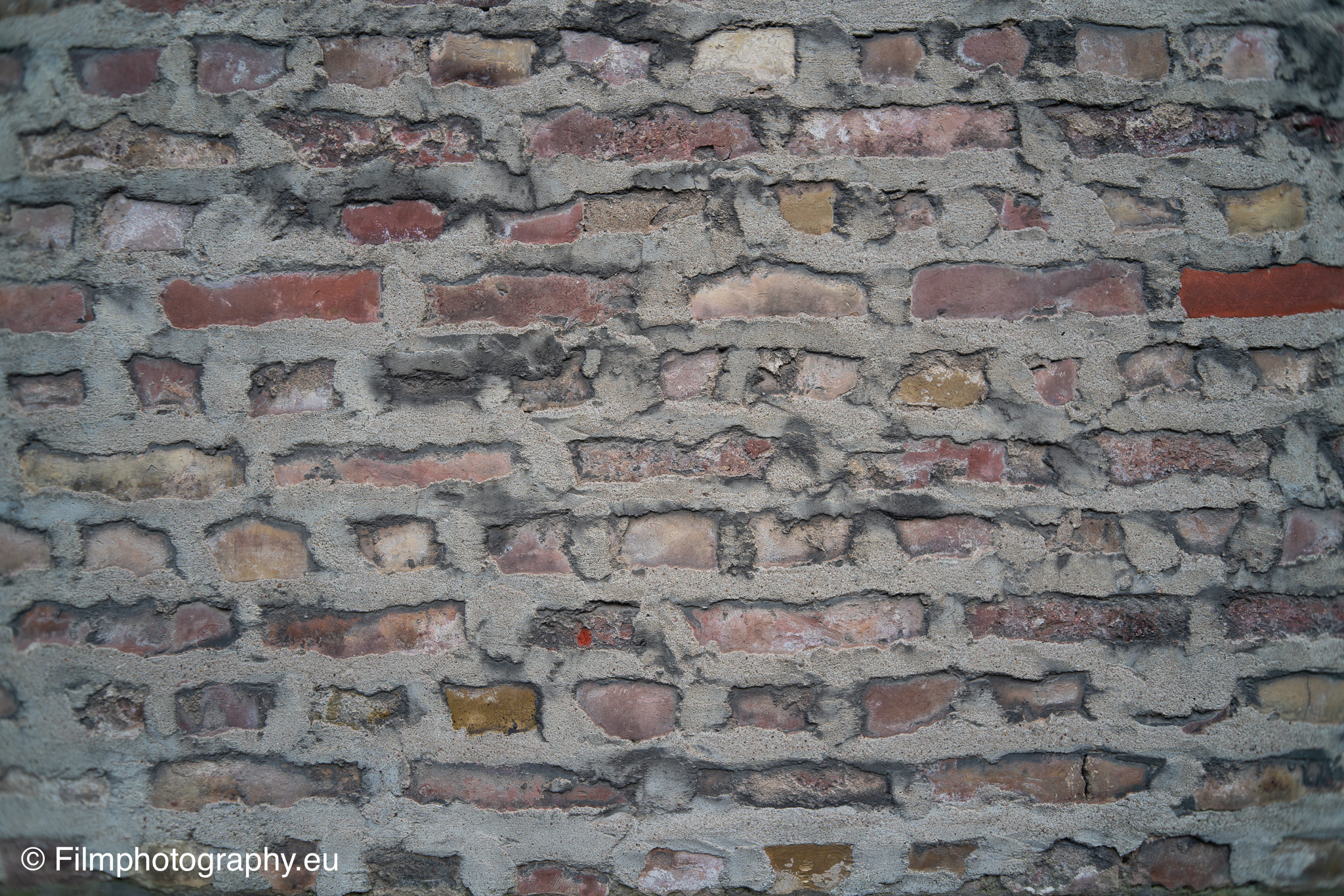
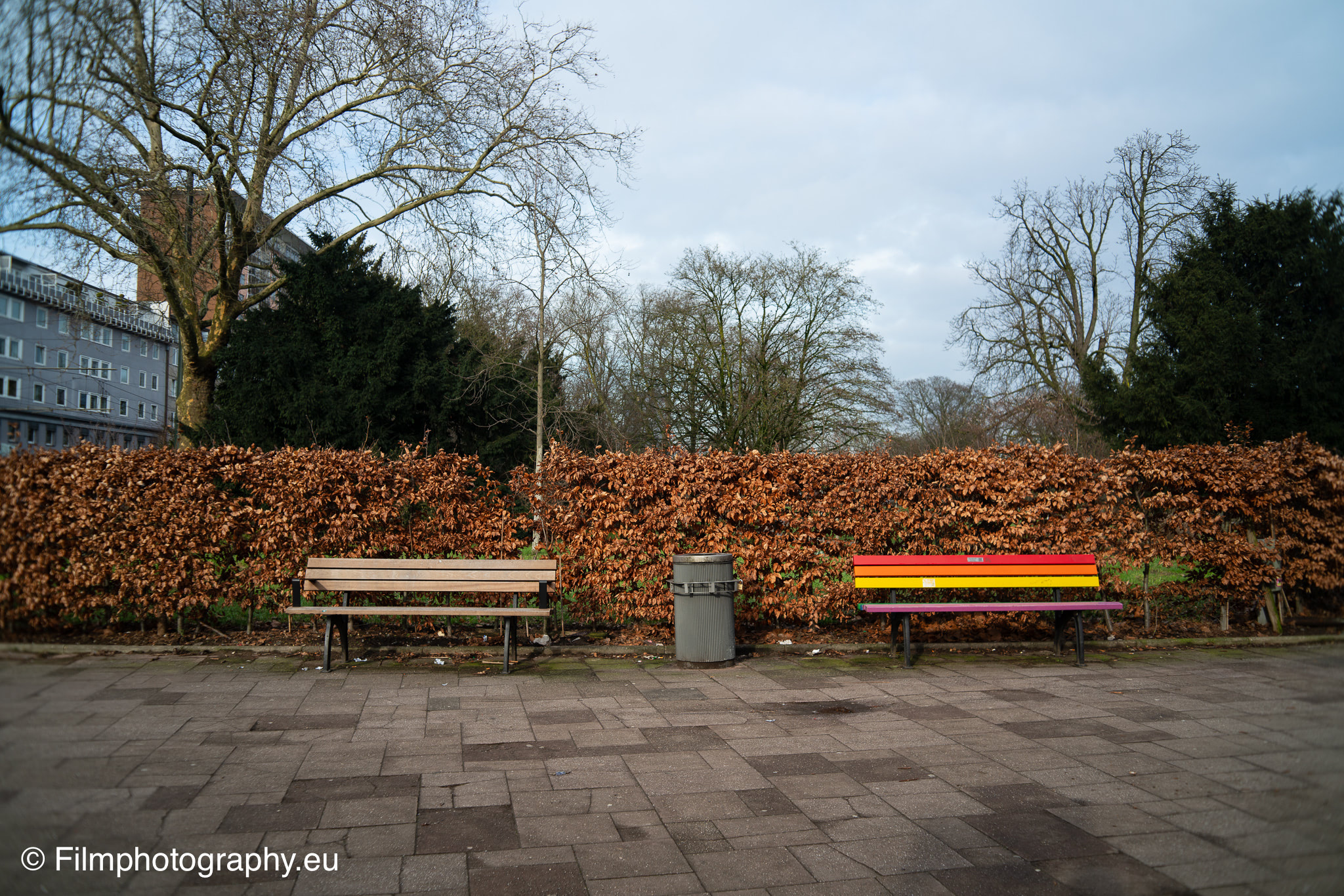

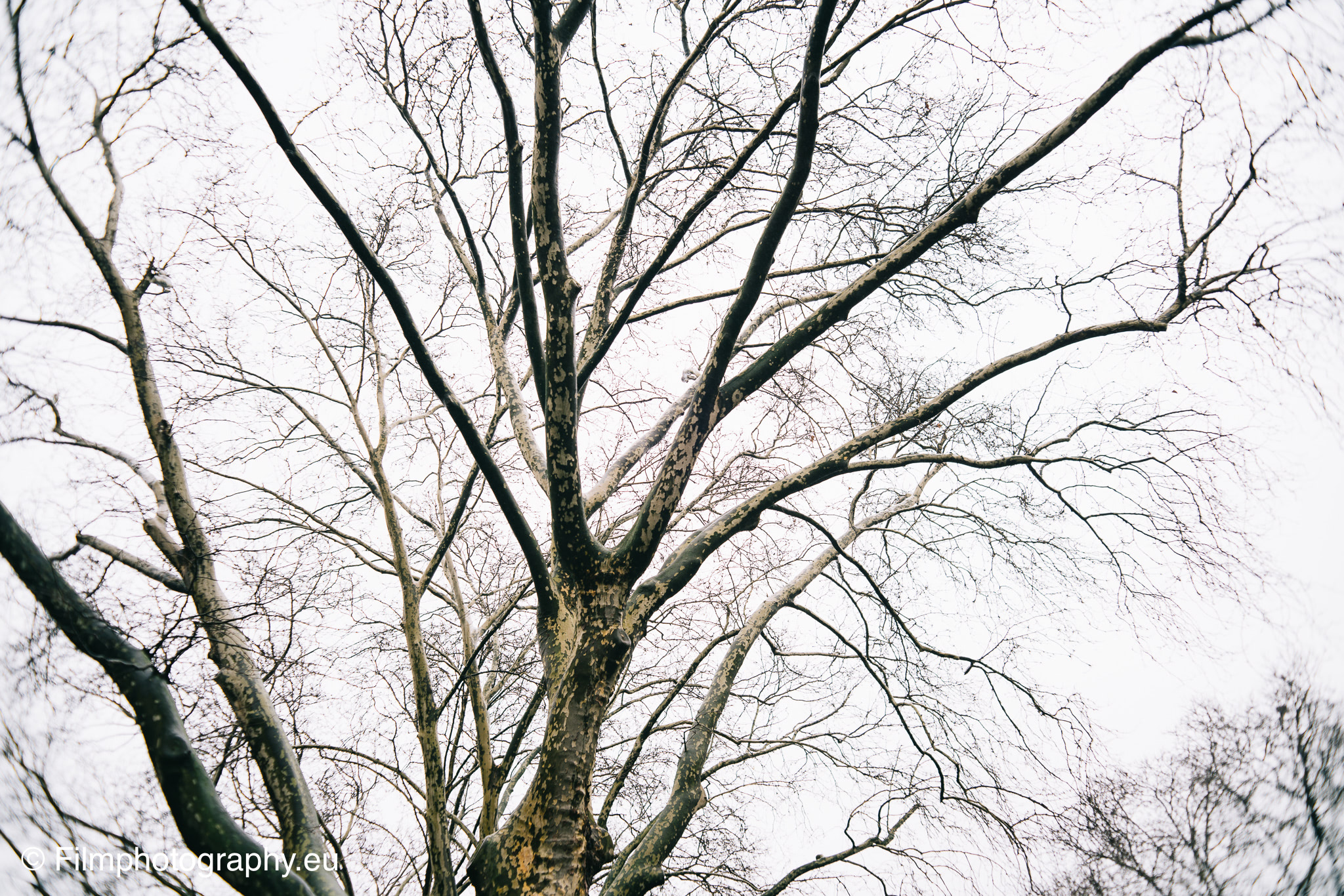
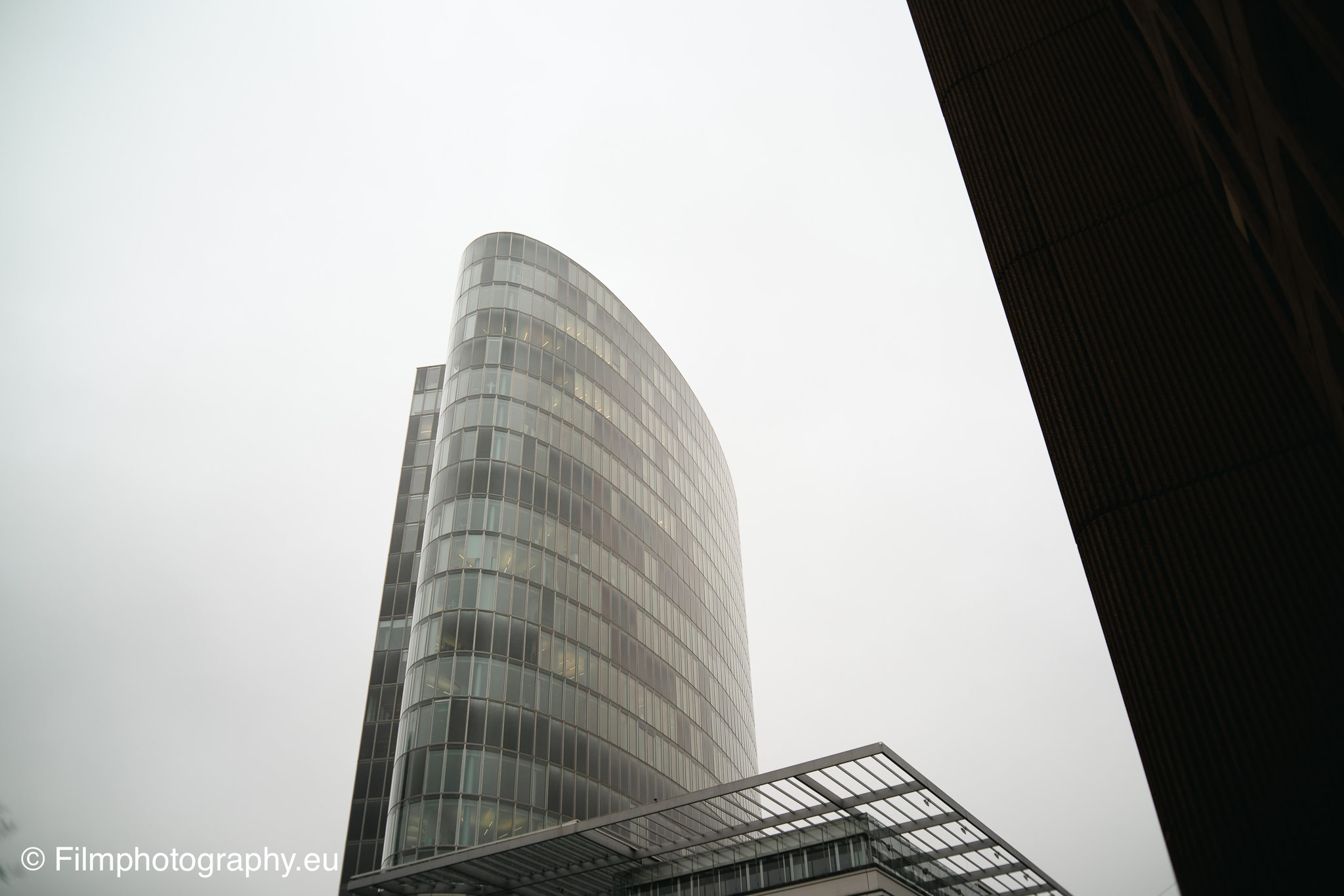
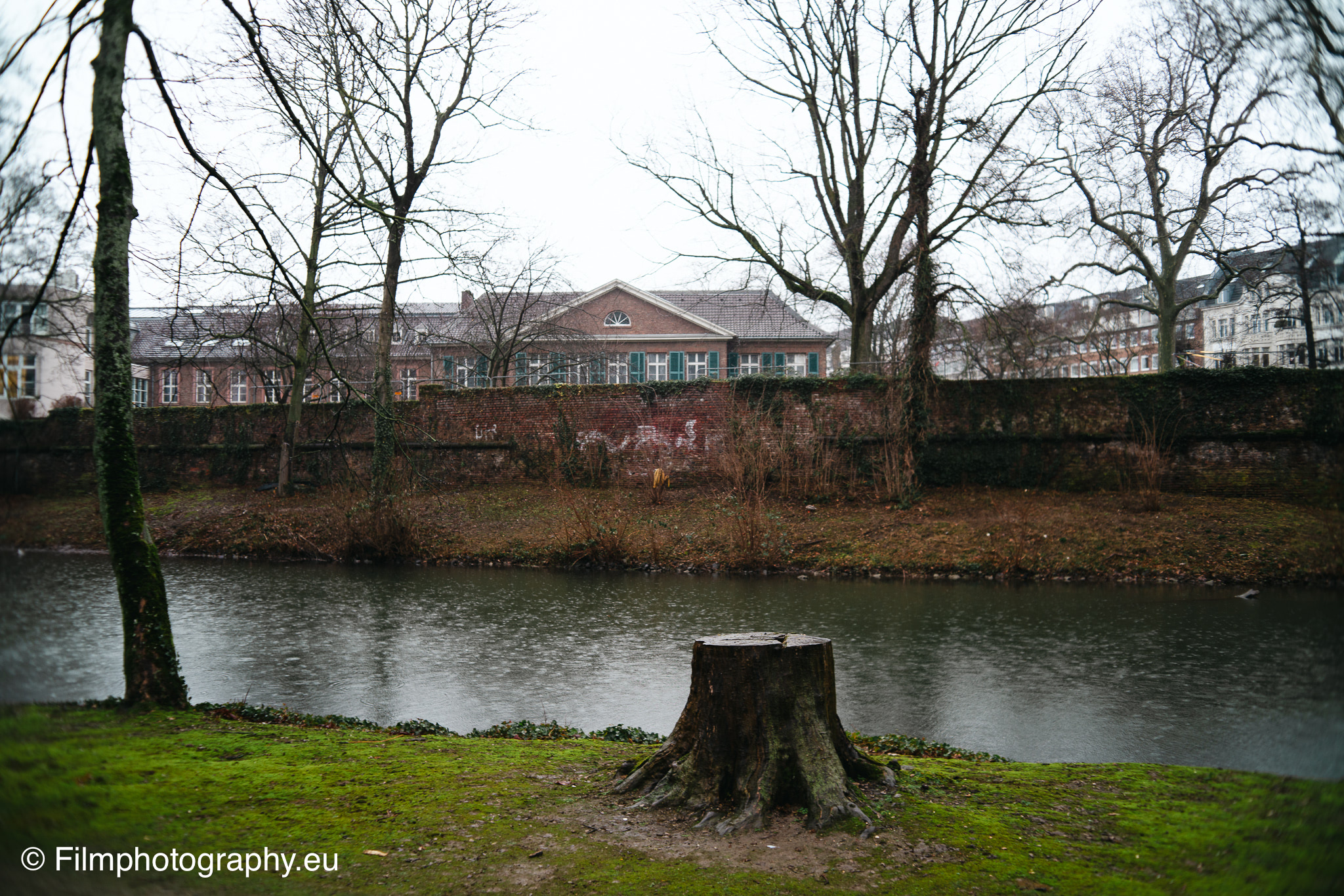
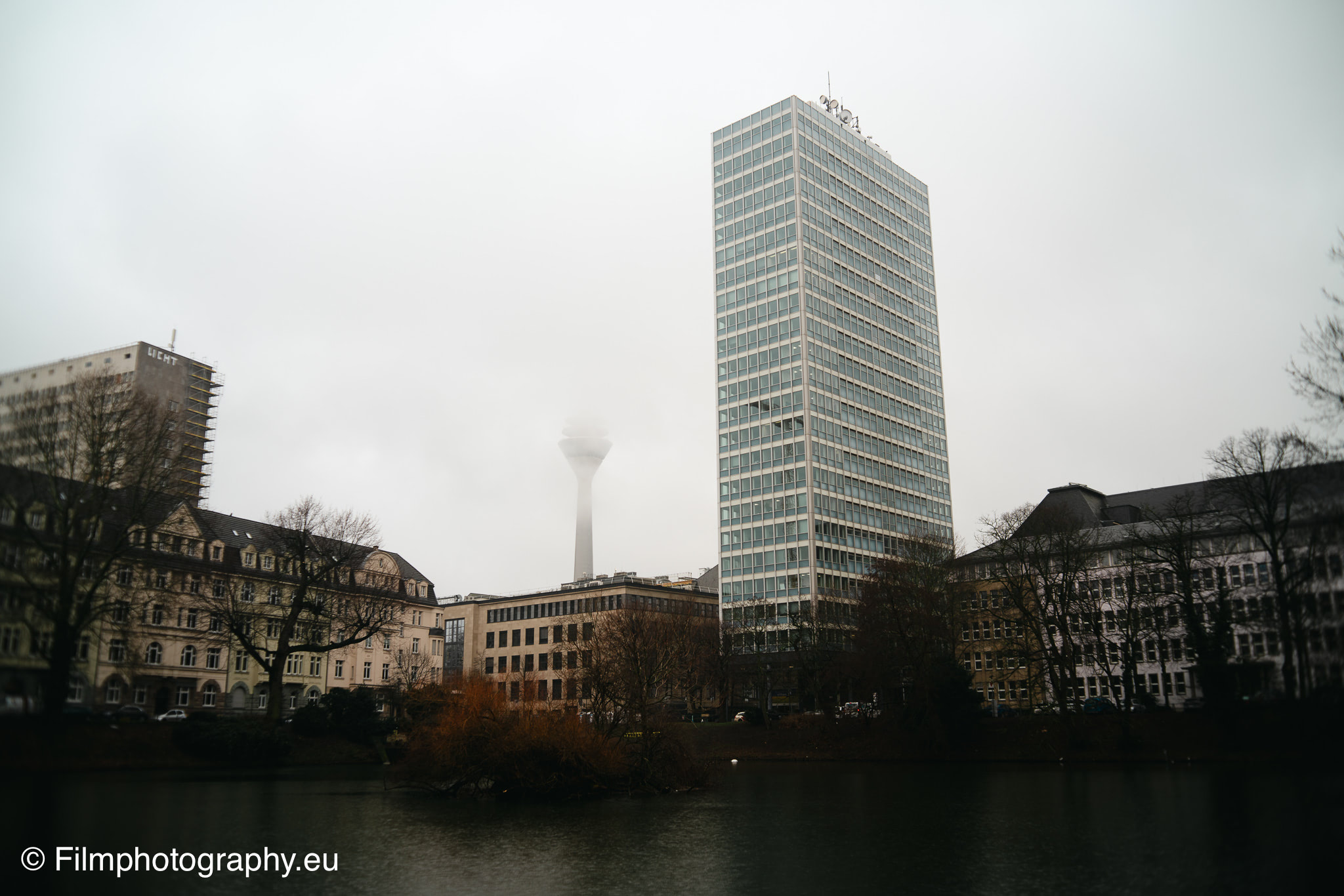
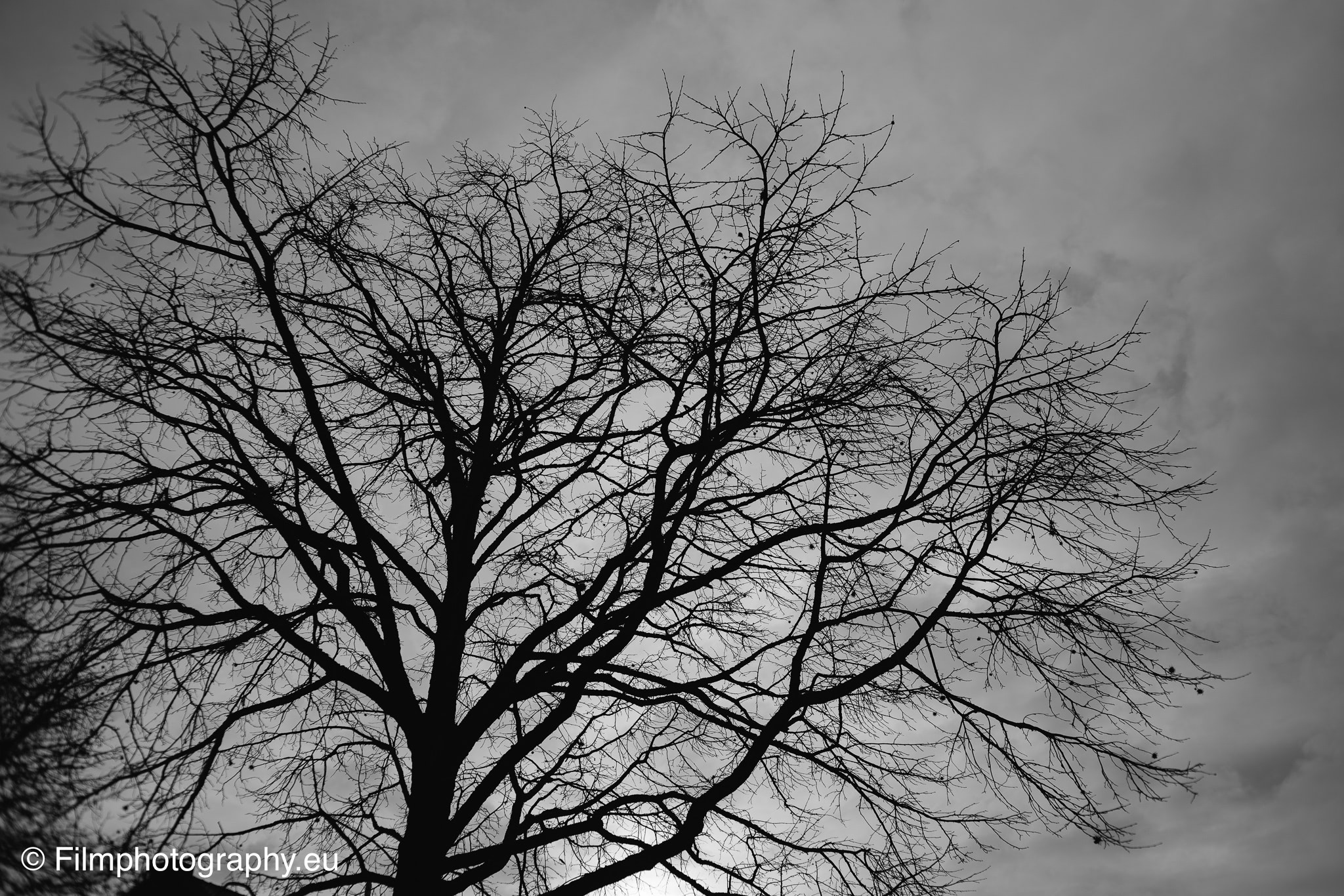
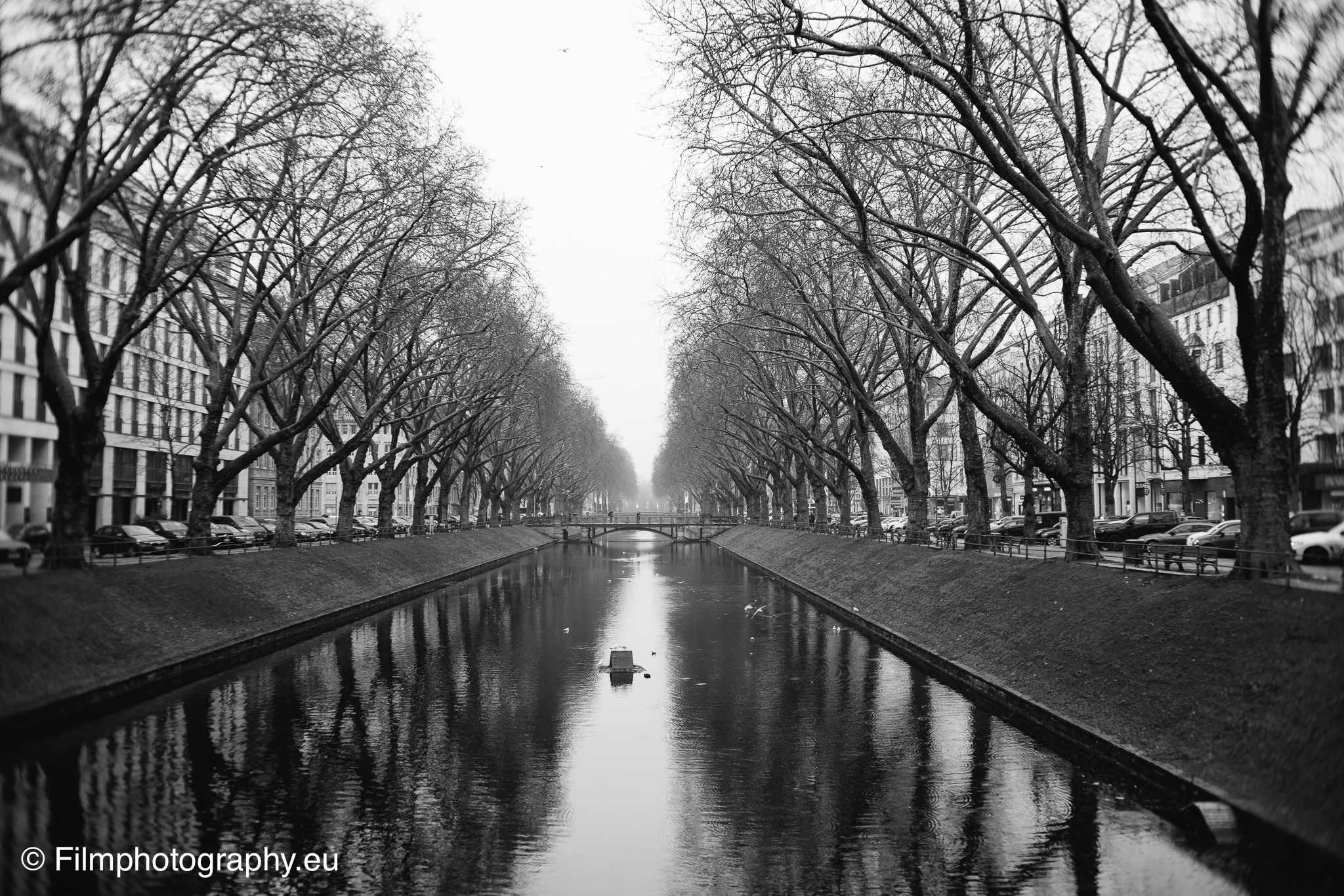
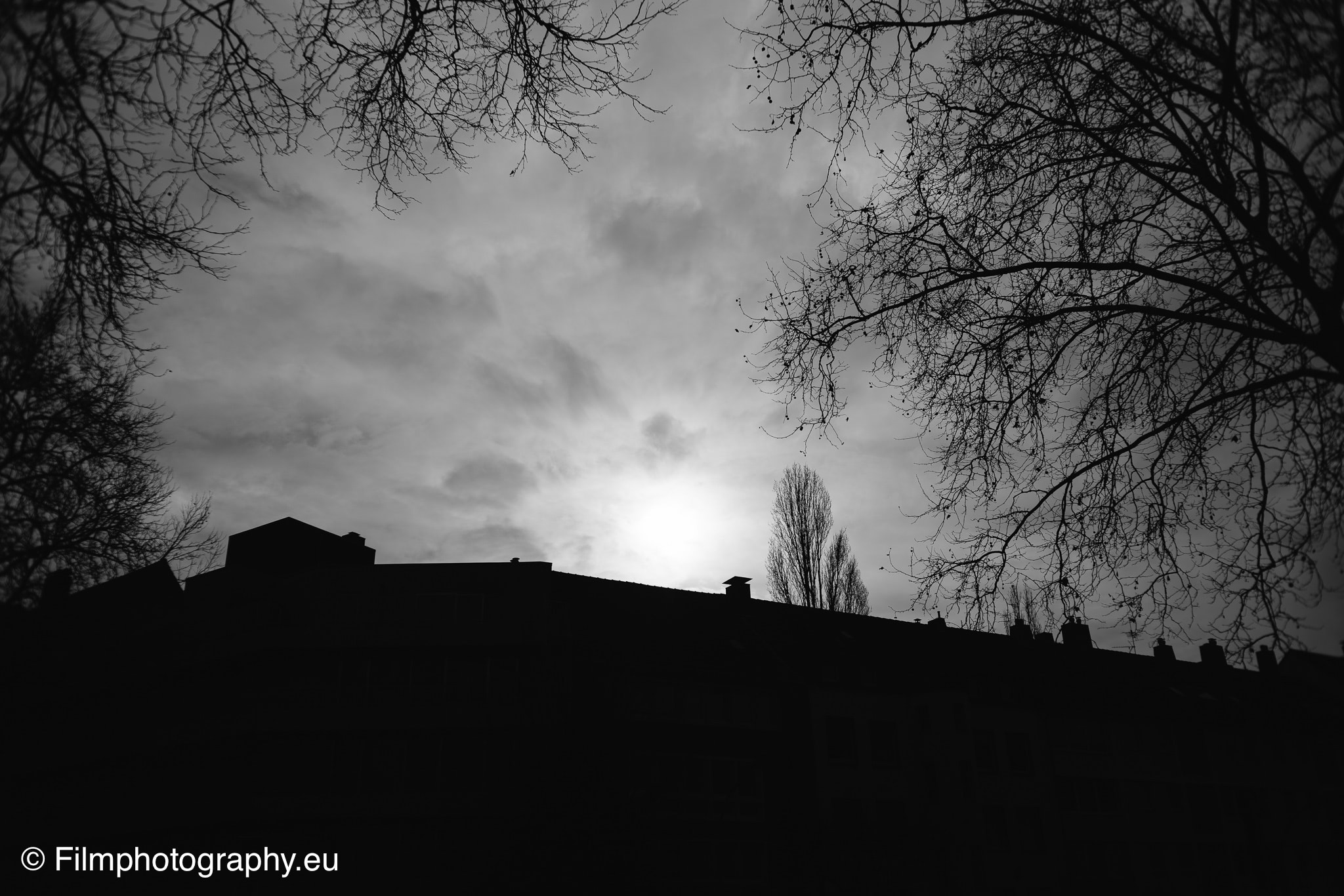
Towards the edges of the image, the sharpness decreases significantly, which is particularly noticeable in landscape or architectural photos. This edge softness (vignetting) is a matter of taste, but can have an interesting effect on the image impact and focus. Similar effects can be found with analog cameras like the Holga.
I couldn’t really detect strong flares with the lens. However, I wasn’t blessed with bright sunshine while testing the Brightin Star 28mm f/2.8.
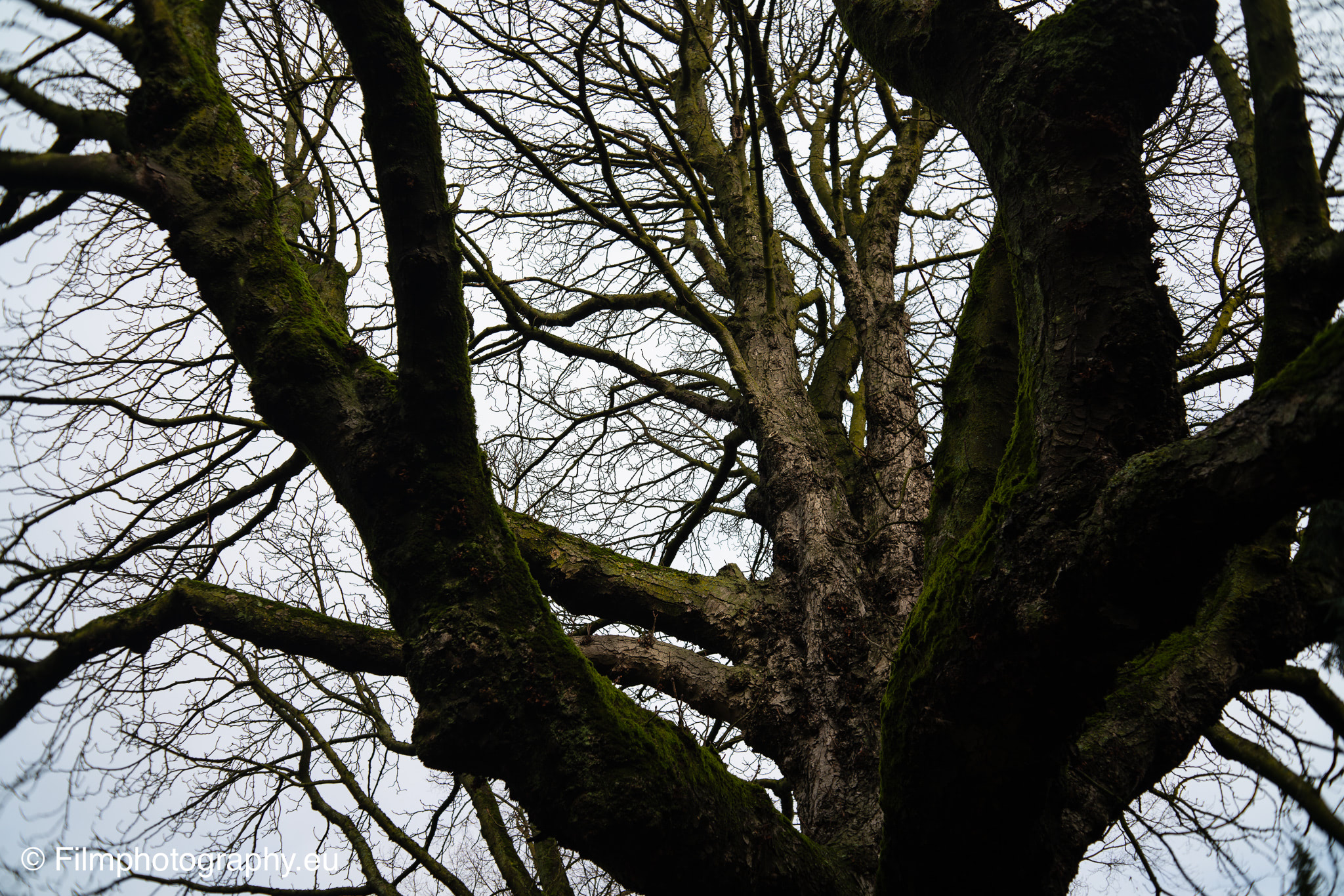
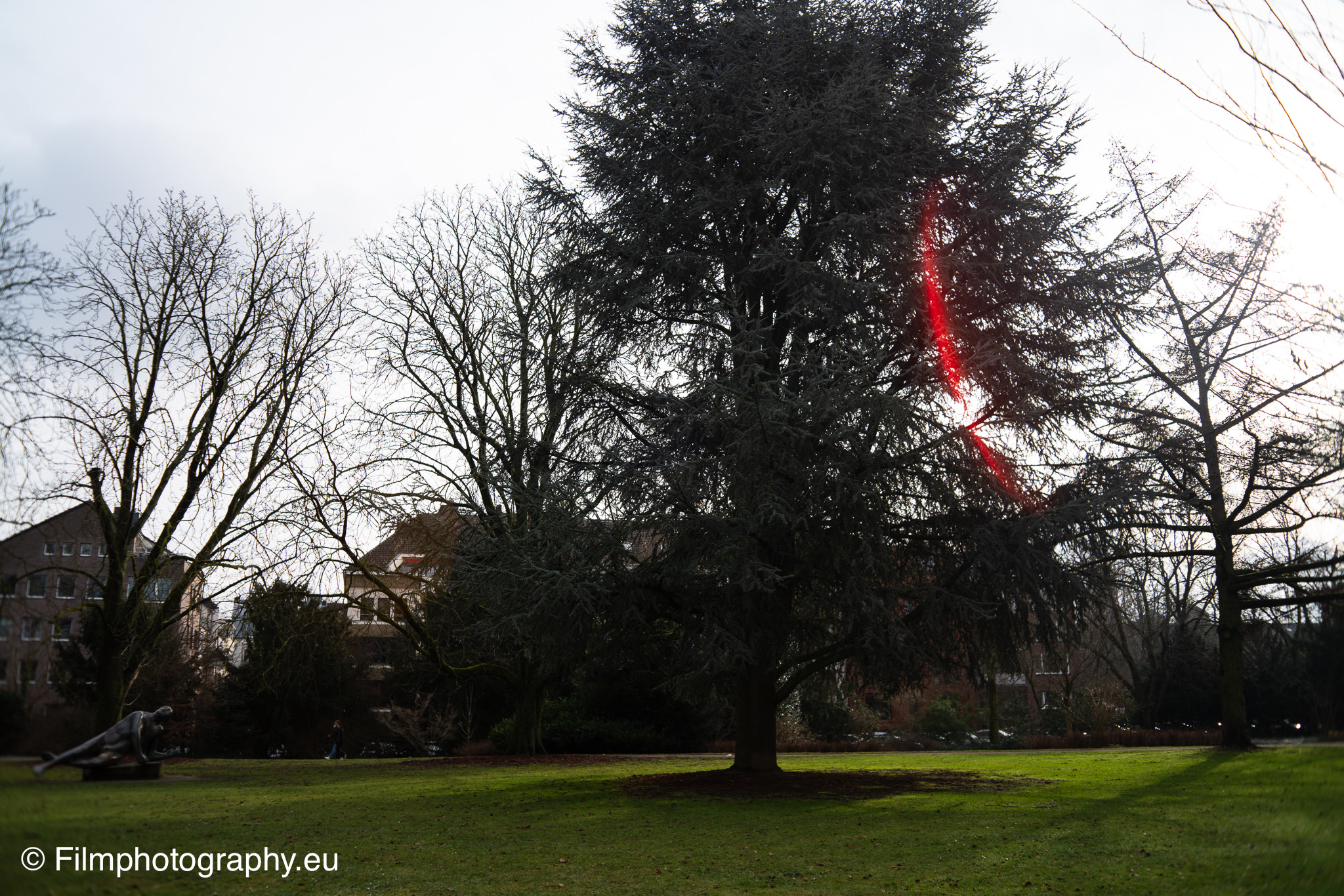
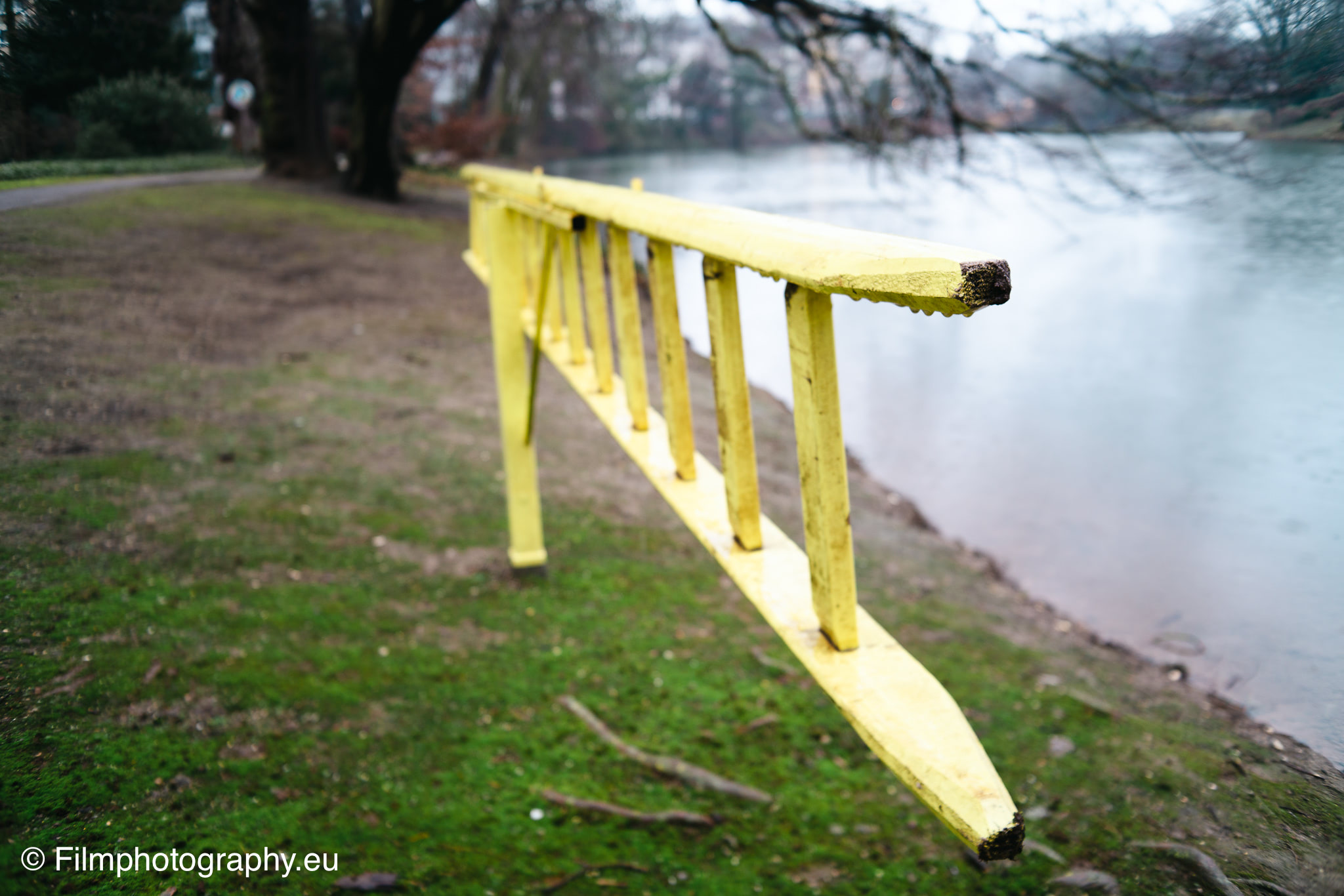
Another noticeable effect is the pronounced field curvature. This means that objects that are in focus in the center of the image can appear blurred at the edge, while at the same time objects in the background, which should actually be outside the focus area, appear sharp in the corners. This effect can lead to unusual images.
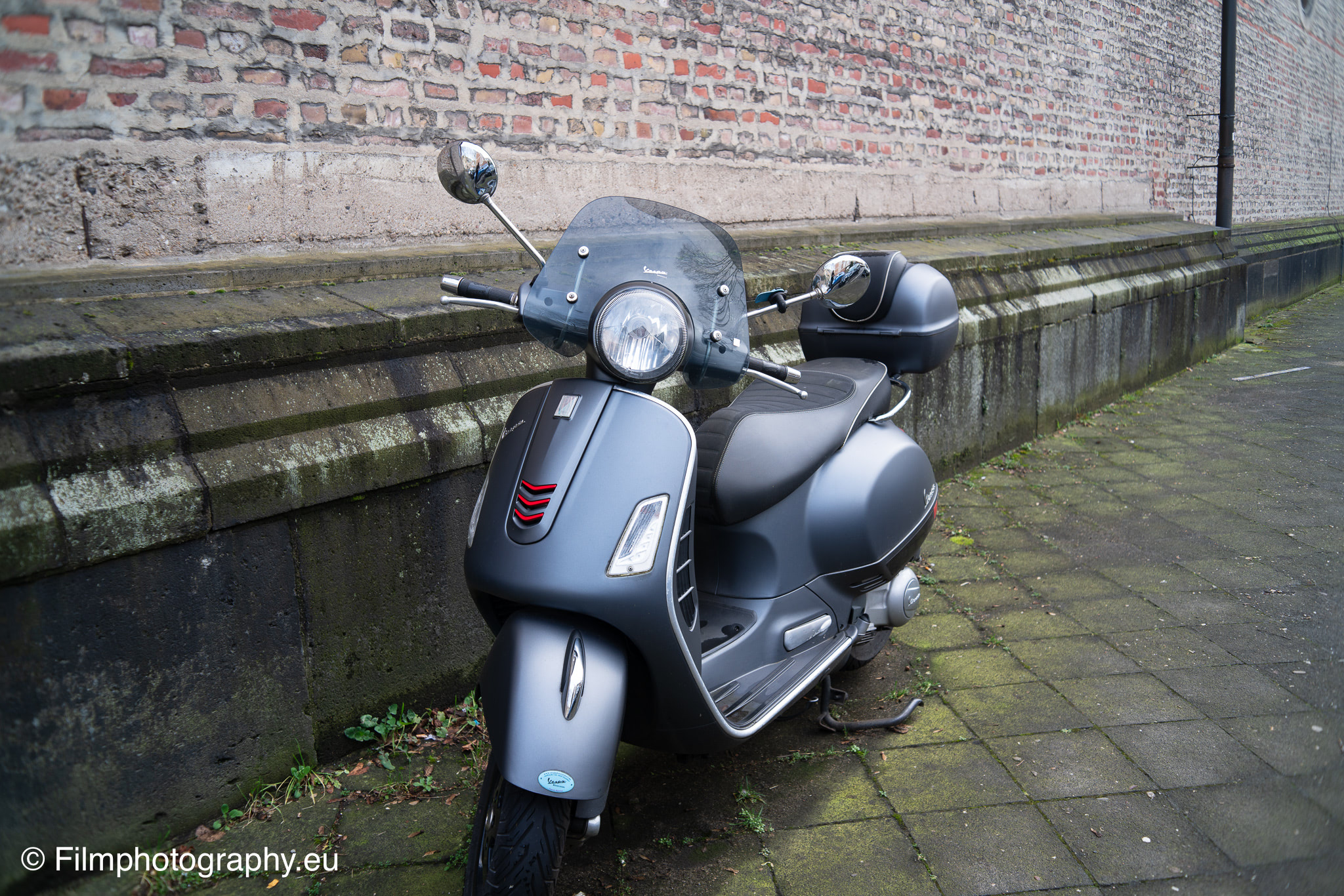
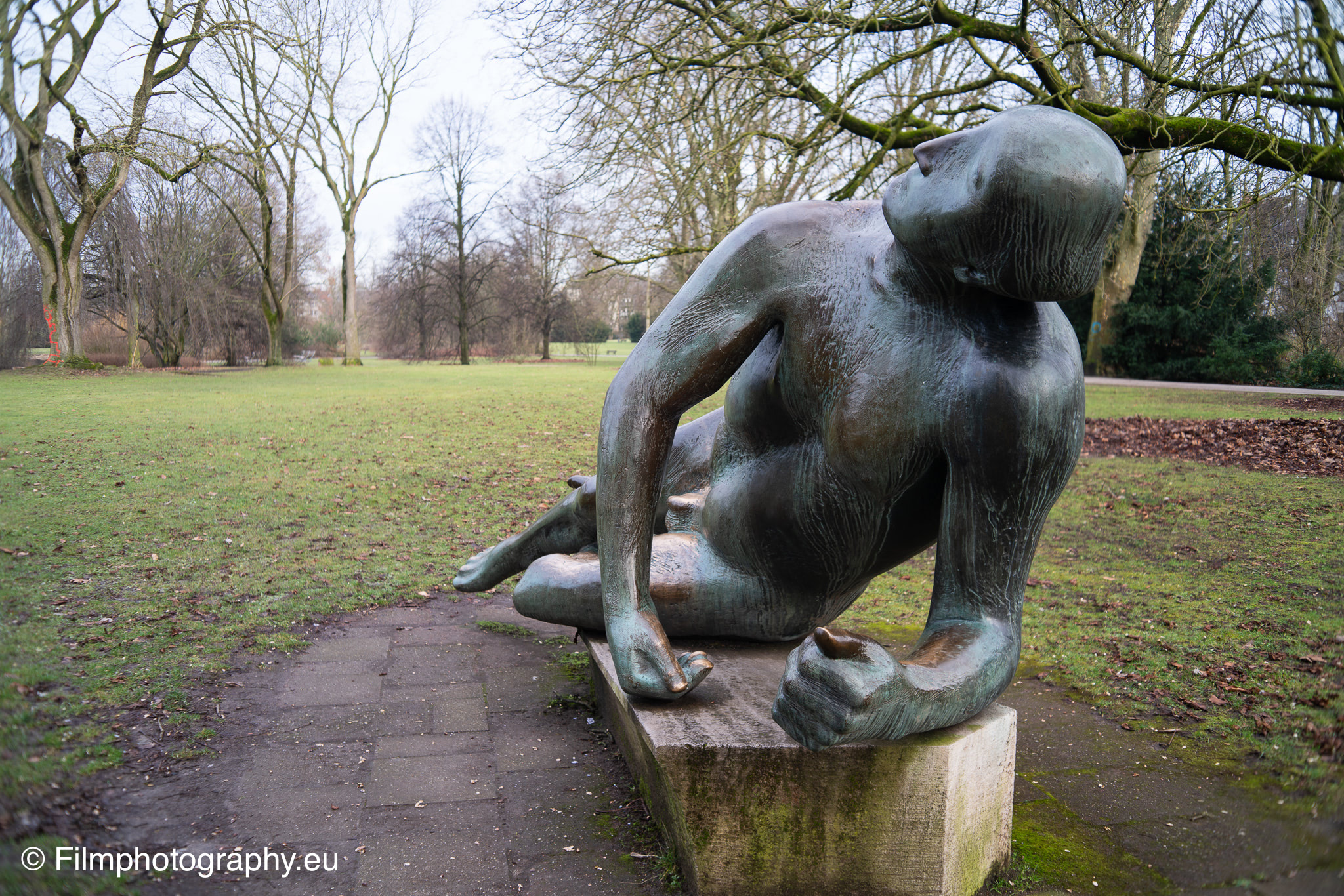
The minimum focusing distance of 70cm to the subject is a bit of a shame. This may not sound like much at first glance, but especially with a wide-angle lens, you sometimes want to get closer to the subject.
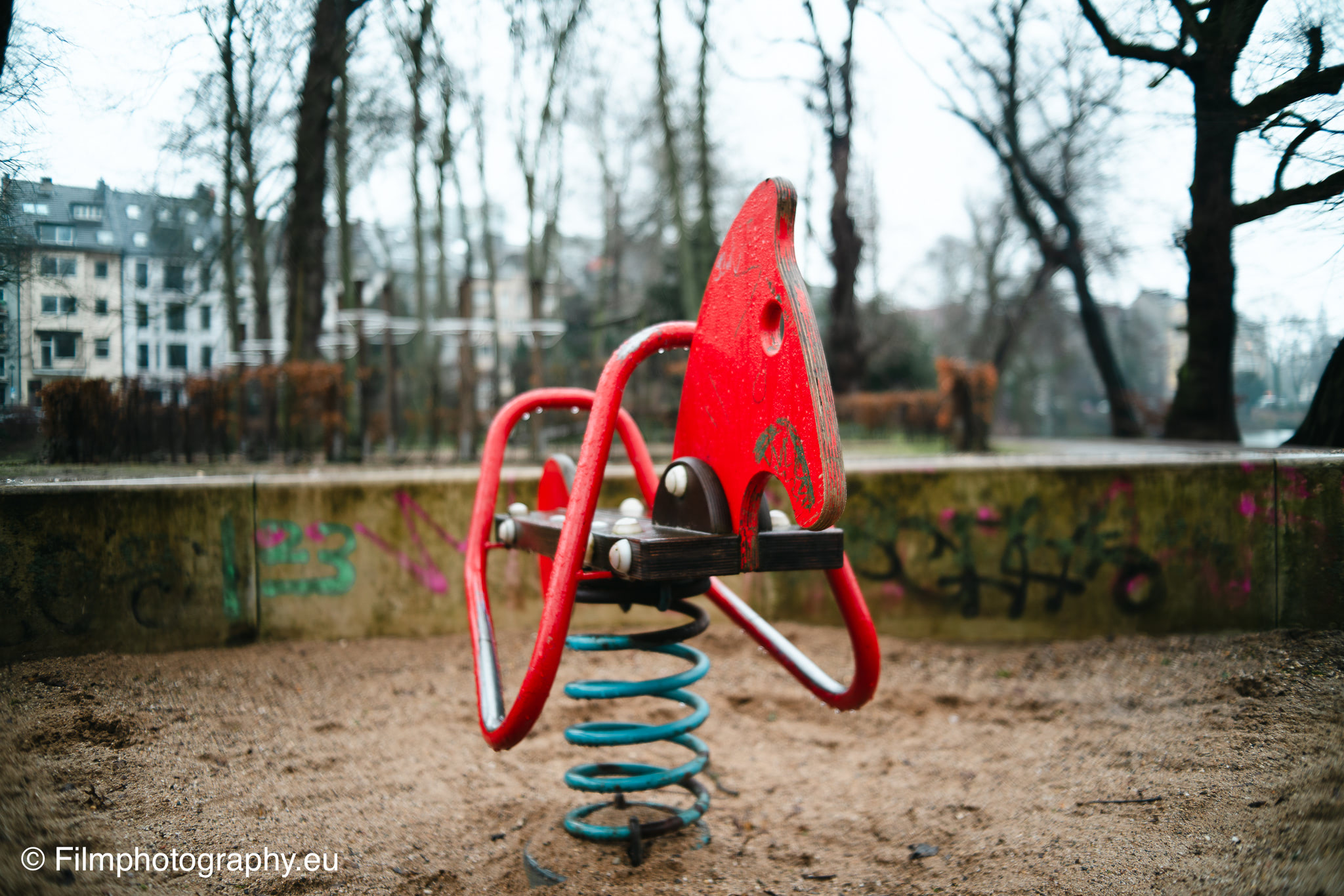
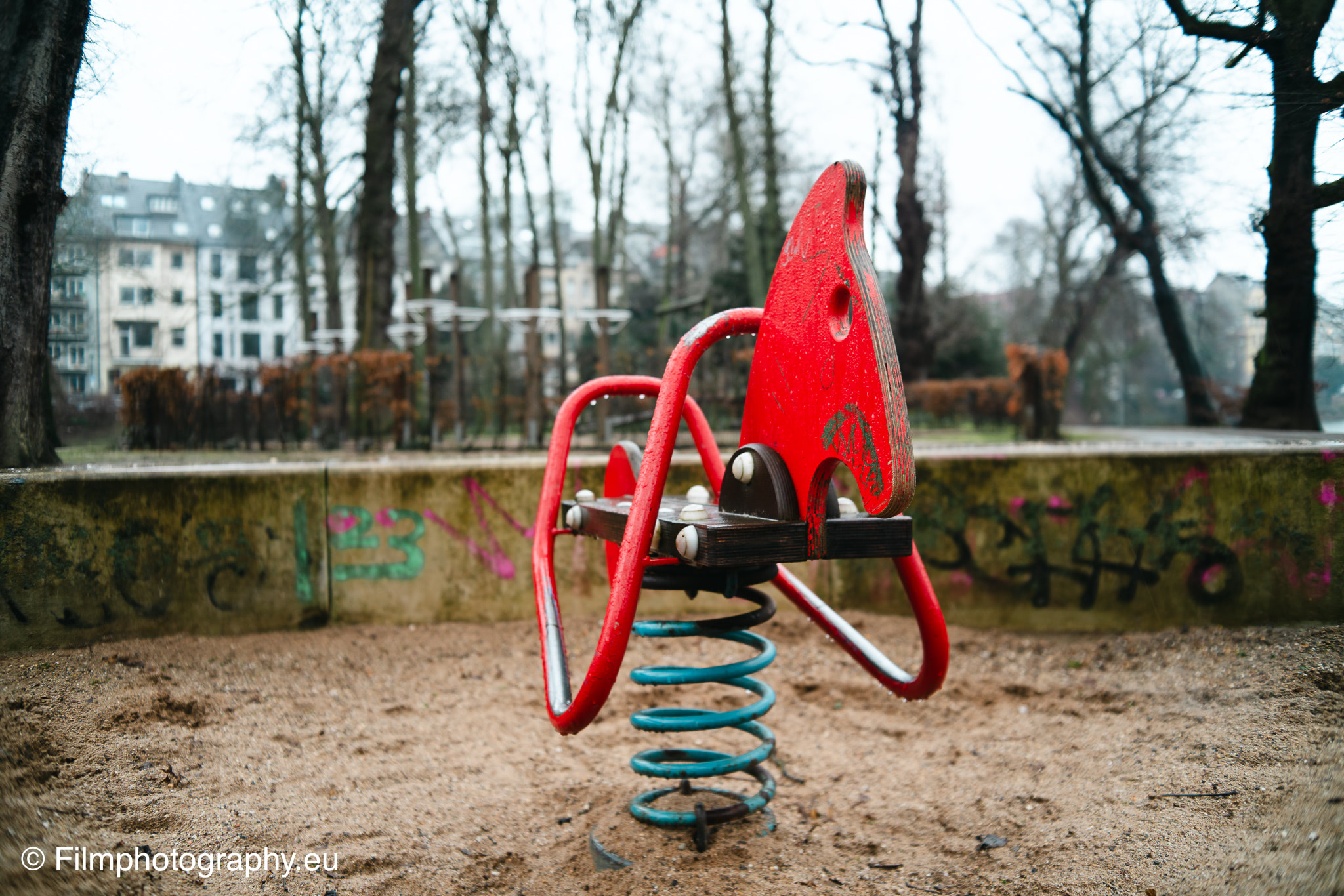
Conclusion on the Brightin Star 28mm f/2.8
The Brightin Star 28mm f/2.8 is a niche lens for photographers who value compactness above all else and are willing to compromise on optical performance, especially at the edges.
The unusual handling requires some practice and getting used to. However, those who take the time to learn the peculiarities of the lens and use its strengths effectively can create interesting and characterful images with it.
It is not a lens for all everyday situations. It works well in combination with a 50mm or 35mm lens, depending on preference. For example, you can easily carry the Brightin Star in your bag when traveling and use it when you want to shoot wider and need a lens with character.
Test Photos with the Lens
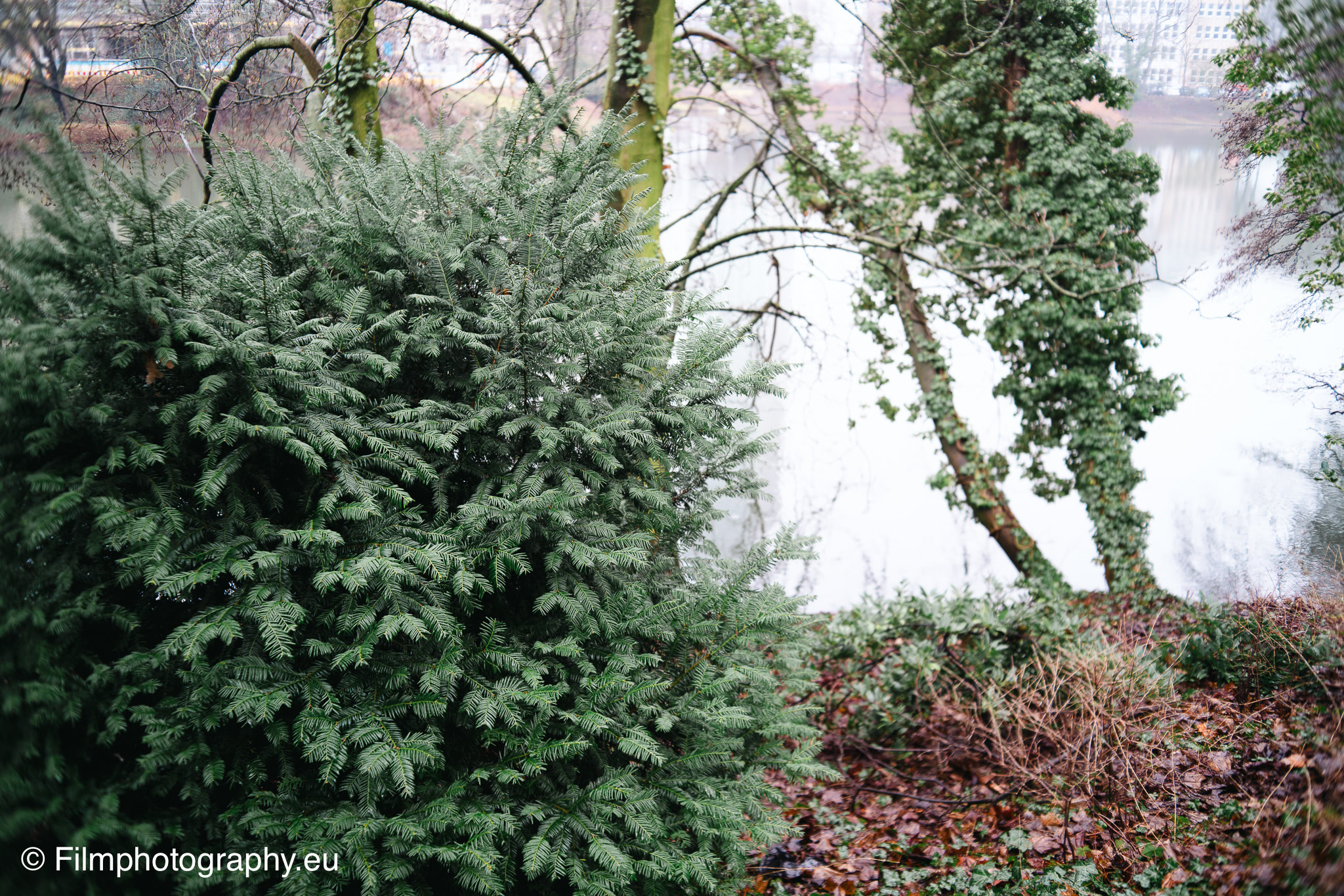
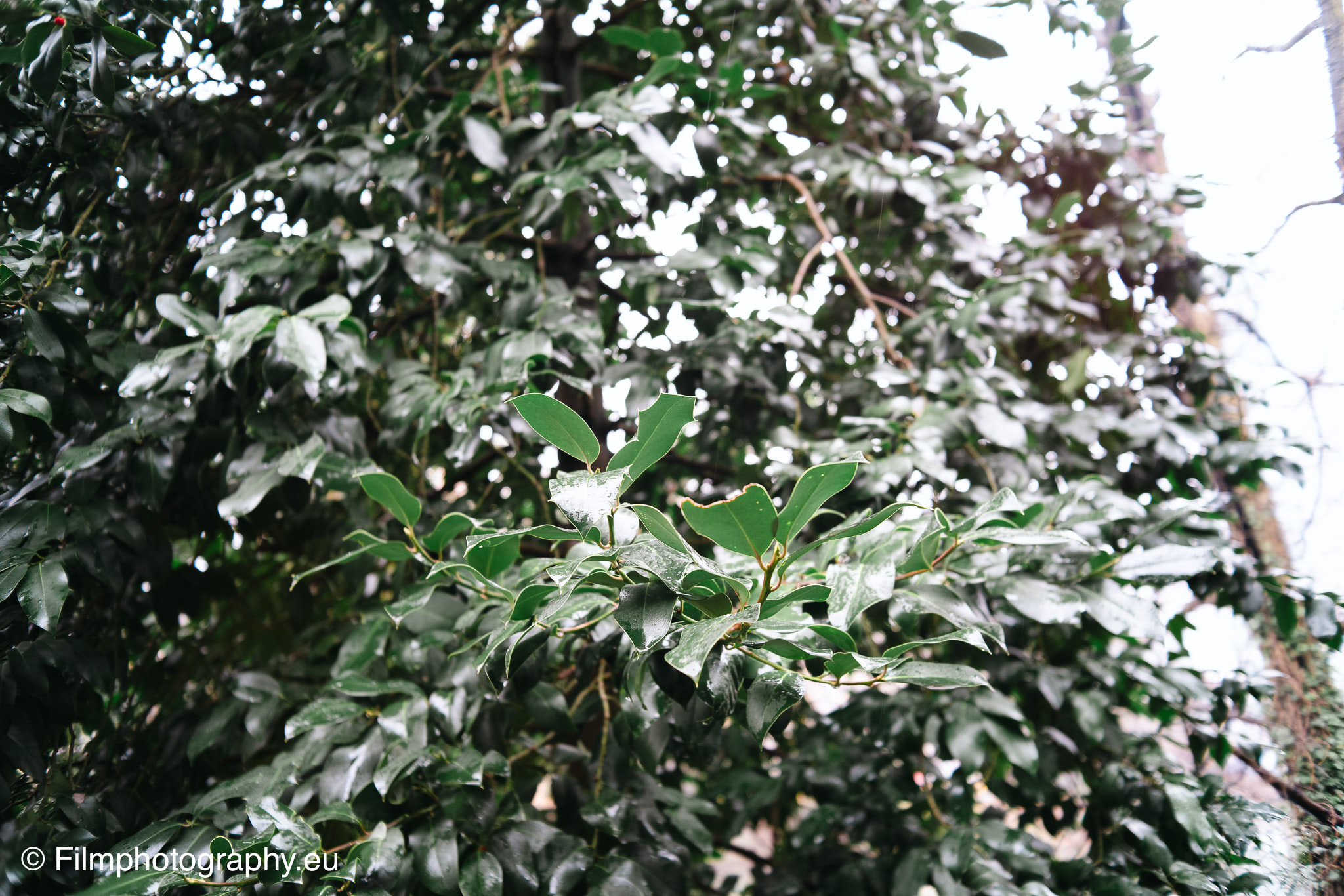
All images up to this point are straight out of camera (except for the aperture series). They were taken with a Sony A7R II and a suitable adapter. The following images were additionally processed with Lightroom.