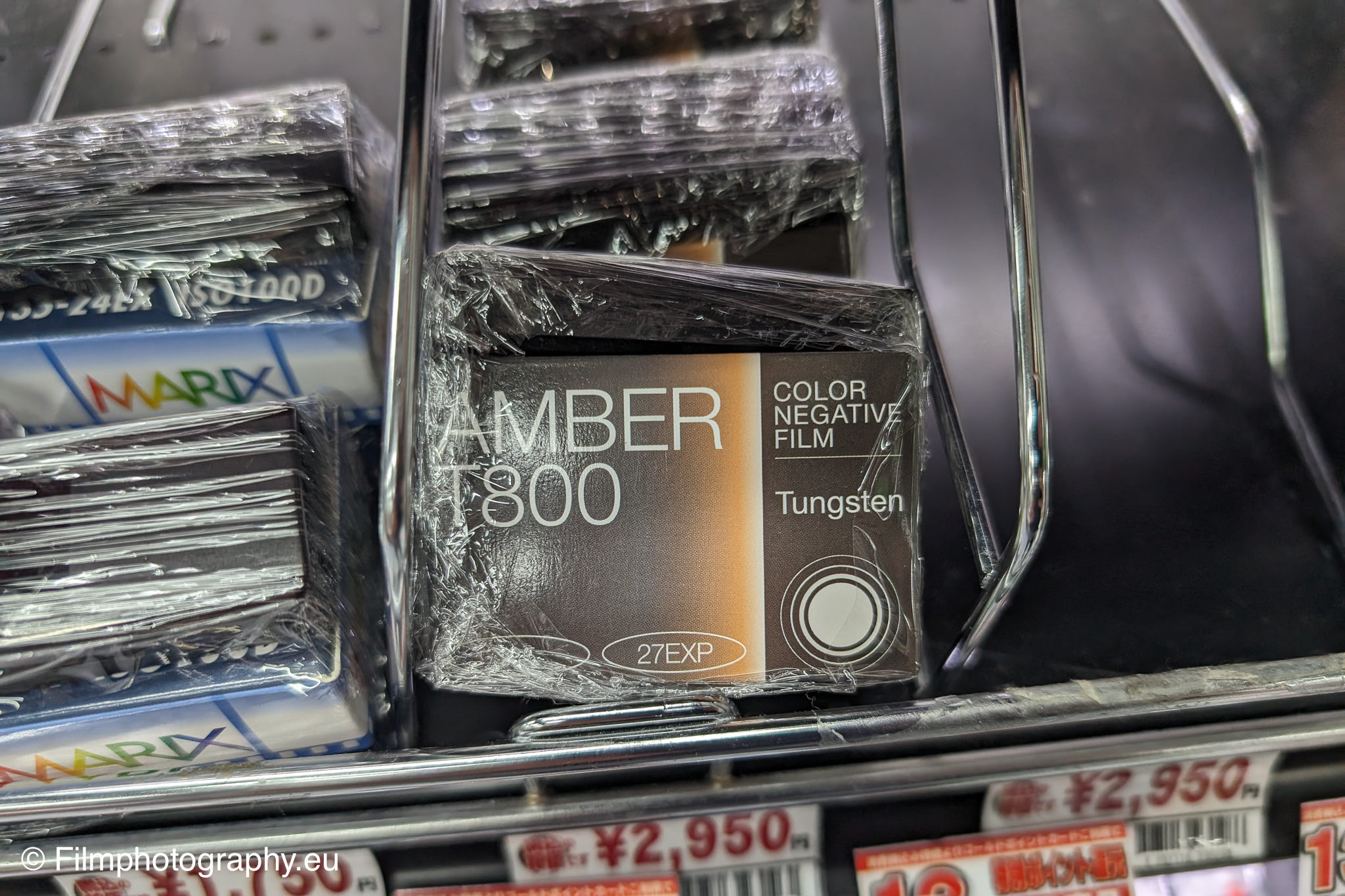
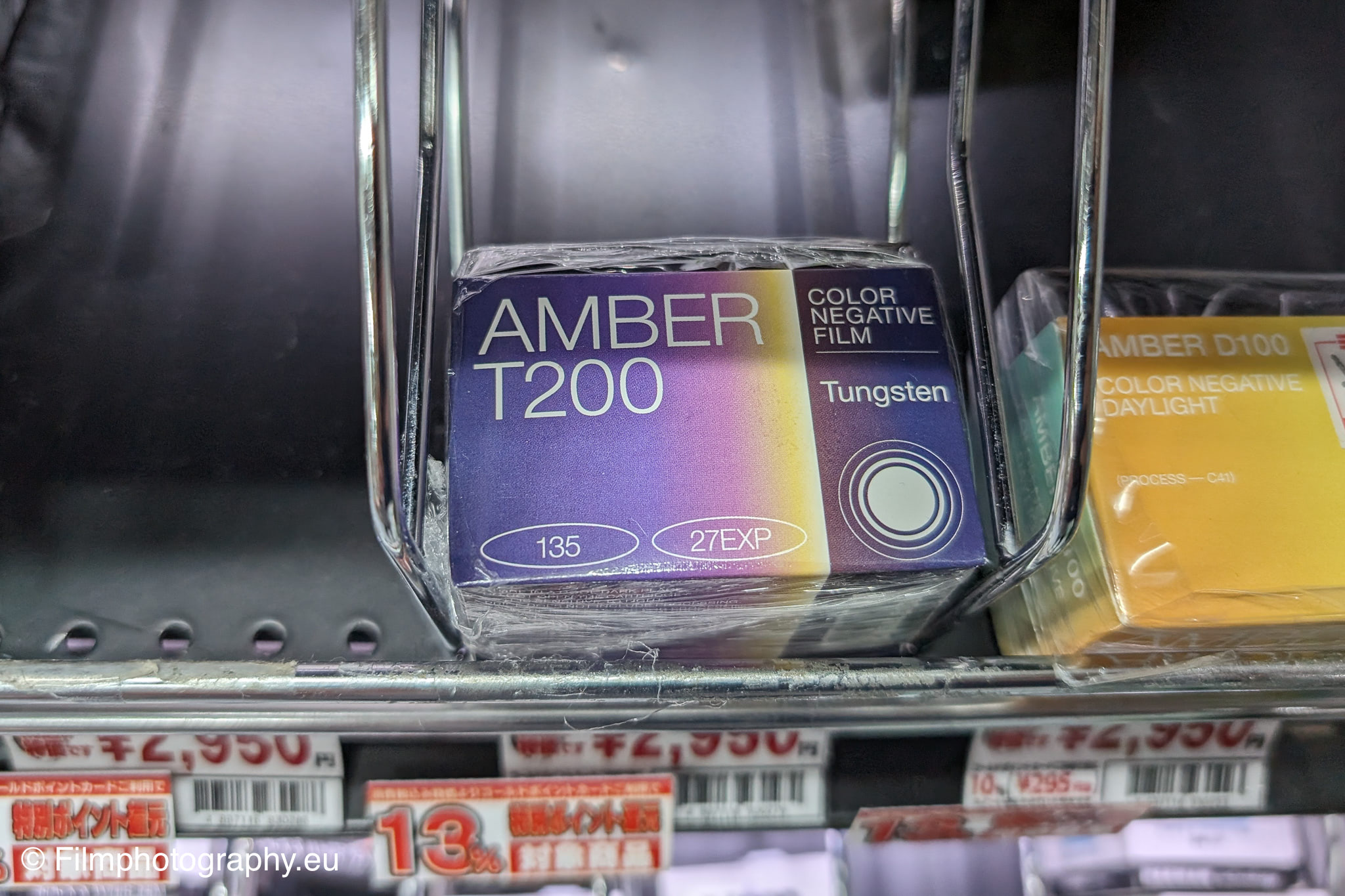
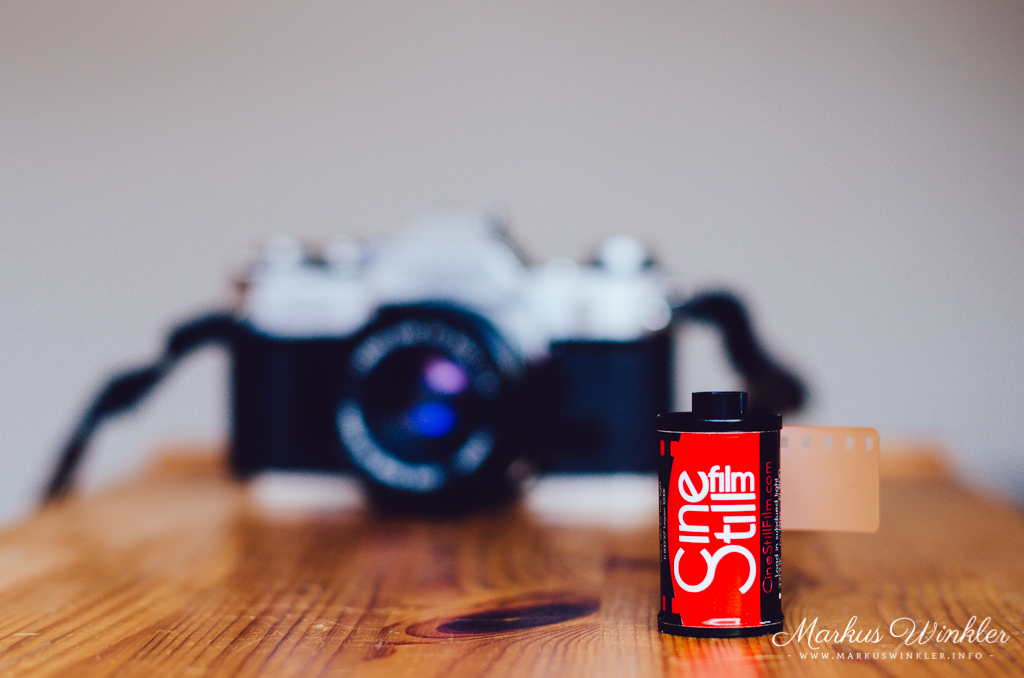
Recently we had the CineStill 800 Tungsten in our news section, now there is already a test of the new film.
Kodak offers a range of color films for motion picture production that also have a lot to offer in terms of quality. Most of them are also available as 35mm film and could be used in regular cameras.
Now one naturally wonders why this isn't simply done. First of all, you can't get the films as ready-made cartridges, and as a private individual, you can't easily and conveniently get motion picture films by the meter.
Another, even more important, reason is that the films have a special coating (Remjet coating). This does not come off during normal development of color negative films in C-41. Therefore, the films must be developed in the ECN-2 process. You can develop Kodak's cine films yourself in the C-41 process and then remove the coating, but that's no fun and not really worth it.
This is where Cinestill comes in. They have developed a process to remove the layer that is troublesome for us photographers, thus enabling normal development in C-41. They started with Kodak Vision 3 5219 (Kodak VISION3 500T), and more films are to follow, perhaps even a black and white film. The CineStill 800Tungsten is only available as 35mm film. Fotoimpex, who distribute the film in Germany and Europe, kindly provided us with some rolls for testing.
The film is designed for shooting under artificial light. This means that it delivers more natural and balanced images under artificial light. Many have surely noticed that with a normal color film designed for daylight, you get warm orange to reddish images under artificial light. With digital cameras, white balance is used to prevent this. In analog photography, you can screw a suitable filter onto the lens to correct this.
Another option is to use a tungsten film/artificial light film. So here we are with the CineStill 800Tungsten.
Cinestill recommends using the film under artificial light, fluorescent light, a mix of these two, or candlelight. Shots under artificial light plus some daylight are also possible.
If shooting in daylight, you should use 85 or 81 filters to get more accurate results. But if you only shoot in daylight, you should rather use a daylight film.
Before you start shooting, you should definitely familiarize yourself with the film and its characteristics. Fortunately, there is a fairly comprehensive FAQ.
CineStill 800Tungsten has a wide exposure latitude. You can use it between ISO 100 and even ISO 3200. Above ISO 1600, the manufacturer recommends pushing.
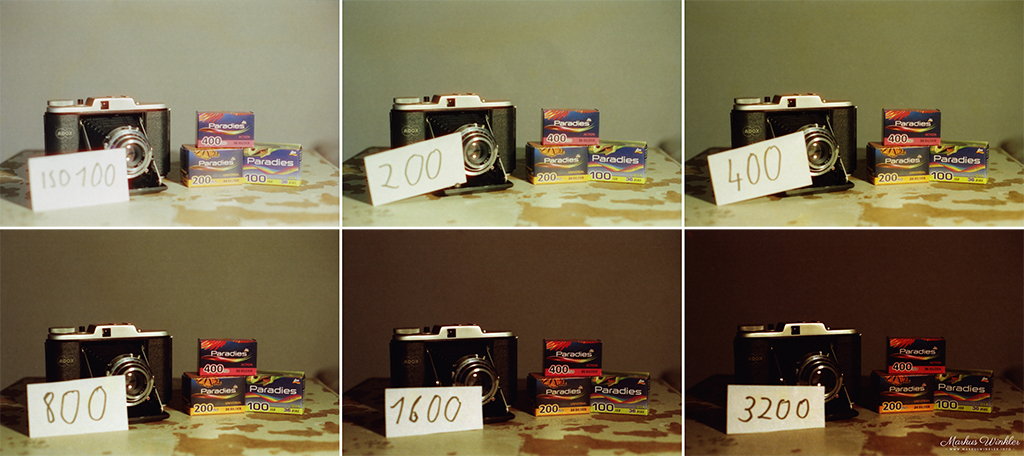
I decided to first do a bracketing series from ISO 100 to ISO 3200. According to the manufacturer, good results can be achieved in the range between ISO 400 and ISO 800. I can confirm that in this range you get the best results under artificial light; ISO 100 and 200 are too much in my opinion, and at ISO 3200 it gets quite dark. In a pinch, ISO 1600 is still quite good, I think.
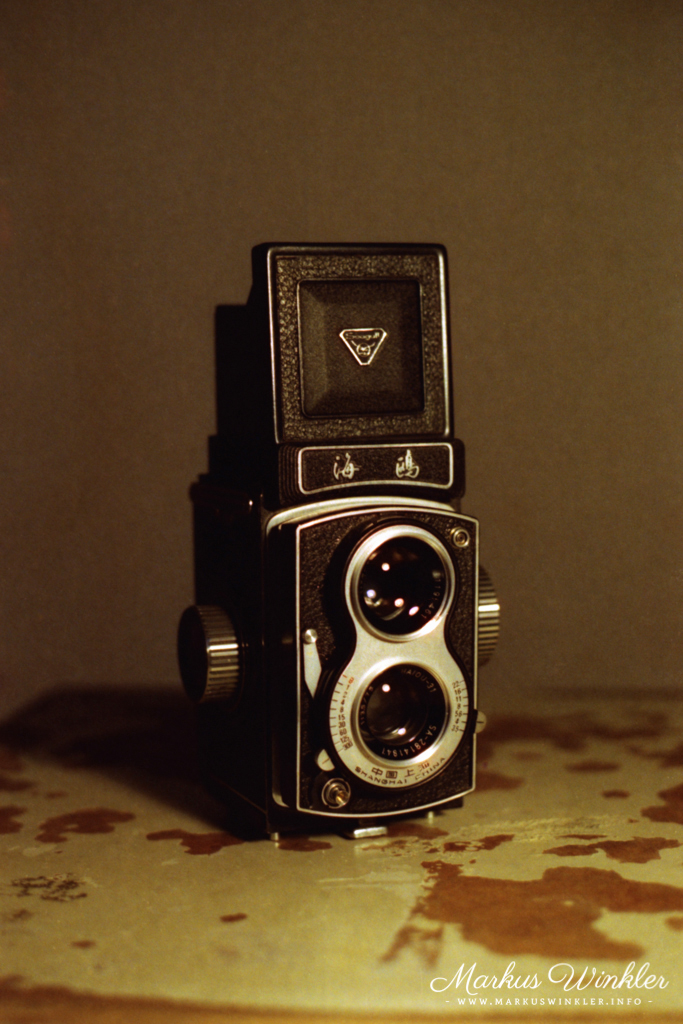
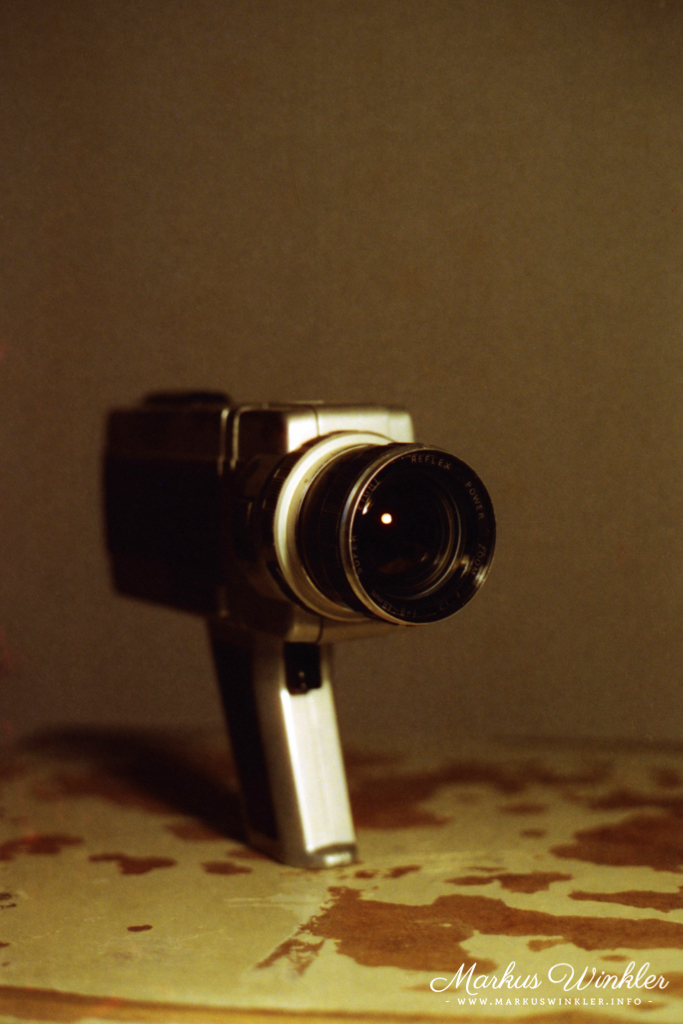
When shooting under artificial light, you get clear, natural colors. This is especially advantageous for portraits, where natural skin tones are highly desirable.
Under normal daylight, I noticed a cool color cast with a slightly washed-out moody look. I personally quite like it, but it may not be for everyone; also, there are subjects to which it suits more than others. I exposed it at ISO 200 and did not use a filter.

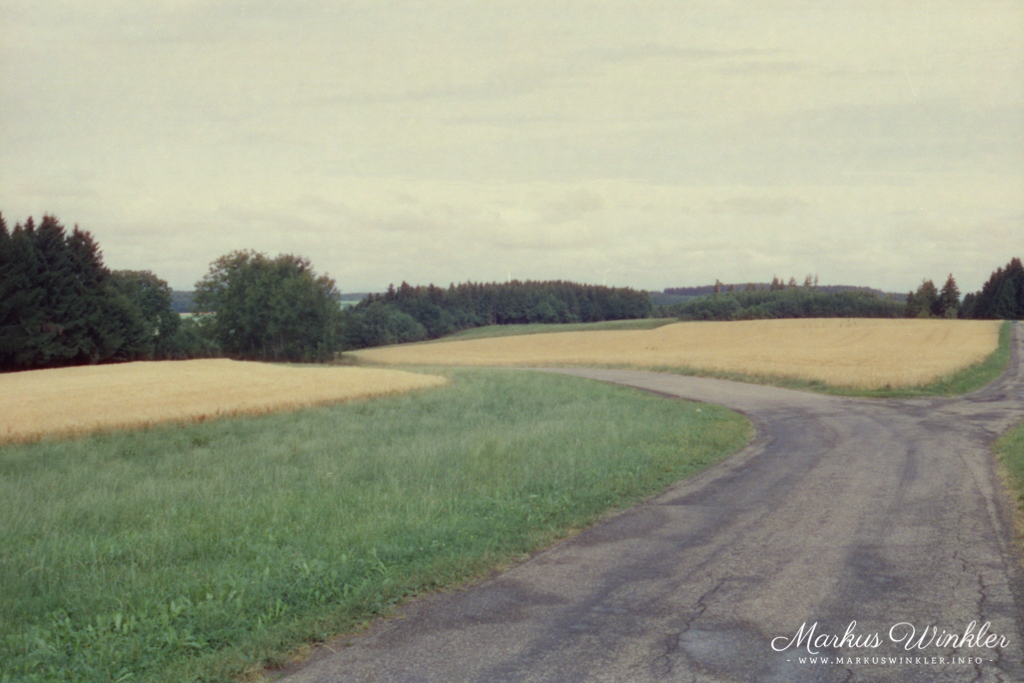
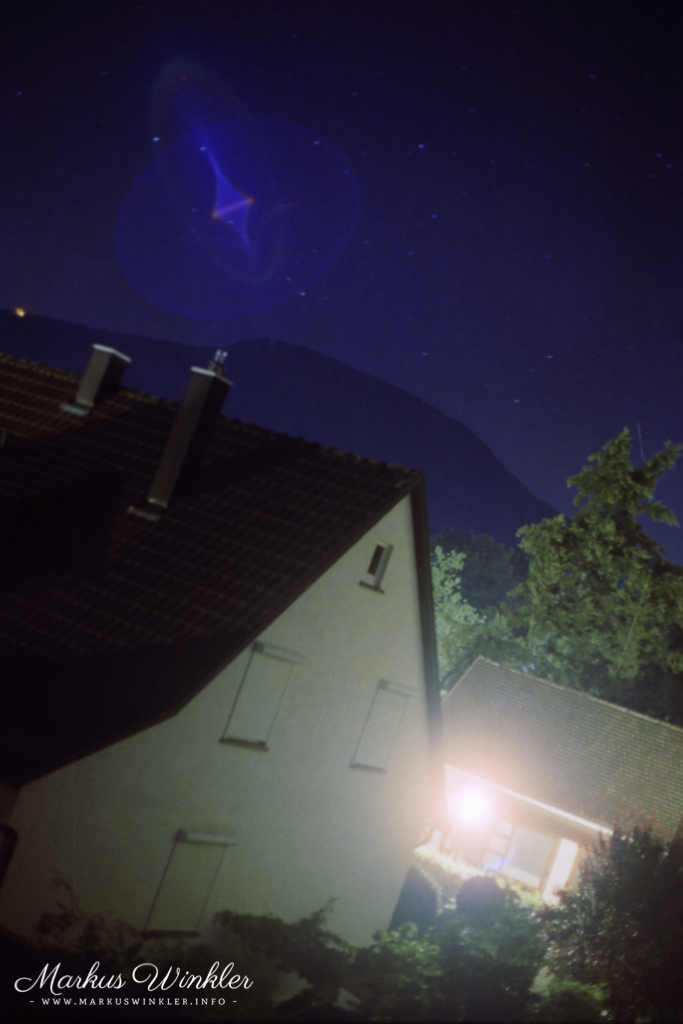
The film does not have edge numbering in the form of numbers under the negatives.
A note on storing unexposed films. Cinestill writes that they should be stored in the refrigerator if you plan to use them within the next 6 months. Otherwise, they should go in the freezer, where they last longer. Exposed films should be stored in a cool, dark place and developed sooner rather than later.
Conclusion
The CineStill 800Tungsten is certainly not for everyone. I would not recommend this film to Uncle Otto or Aunt Trude. It is also not suitable for every application and is not an all-round film for everyday use.
For whom and what is the film from Cinestill then? I would recommend it if you shoot a lot under artificial light, who would have thought. This could be concerts, weddings, or similar events, especially if you want to photograph people under artificial light.