There are days when you as a photographer are simply looking for the perfect shot, technically flawless and cleanly composed. And then there are days when you want the unpredictable, when chance takes the lead and reality should be viewed through a colorful filter. The films from gabble.film are made precisely for these moments.
I grabbed four different types of this exotic brand and tested them on two trips in completely different environments to find out if they are more than just a fleeting visual gimmick.
What are Effect Films?
Before we delve into the specific results, a brief excursion into the niche of so-called effect films is worthwhile. In analog photography, we usually refer to 35mm films that have been manipulated by the photographer even before exposure. This process usually takes place in the lab or in the manufacturing facility.
The technology behind it is as simple as it is ingenious. The film is exposed once, but not with a subject from the real world, but with graphics, colors, lights, or symbols. When I then load the film into my camera and take a photo, I am essentially exposing the second layer on top. The result is a double exposure, where my subject blends with the predefined effects of the manufacturer.
This type of photography consciously breaks with the rules of classical image composition. You give up a part of the control. You never know exactly where in the image the effect will appear or how strong it will be compared to your own subject. That’s the appeal. It’s a game with colors and shapes that has many followers, especially in the Lomography scene.
While some photographers bathe their films in acid or add light leaks themselves, brands like gabble.film offer this creative unpredictability “out of the box.” It’s a bit like an analog Instagram filter, but it’s chemically and physically embedded on the negative and not added digitally. This gives the images an authenticity that digital filters often lack.
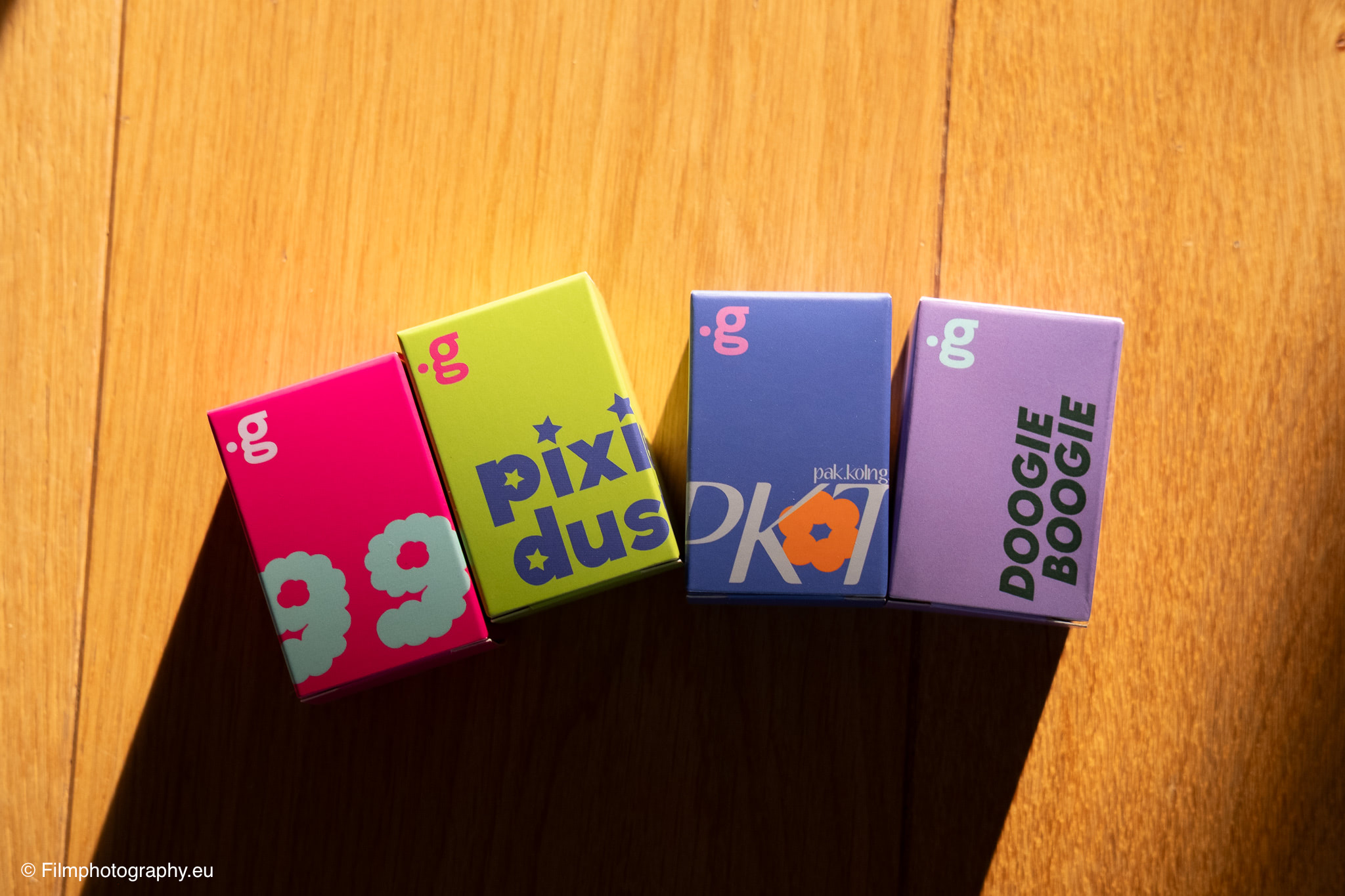
gabble.film
The brand gabble.film is still a real insider tip in this country and hardly found on the shelves of local photo dealers. This is because it is a small manufactory from Thailand. The films are produced there with great attention to detail and obviously by hand. You immediately feel that enthusiasts are at work here, having fun with what they do.
The basis for these creative experiments is solid color film from Kodak and Fujifilm. This is an important point because it guarantees that the chemical development is easily possible everywhere in the standard C-41 process and that the base colors have a certain quality. So you’re not buying an expired mystery bag with questionable emulsion, but fresh material that has been professionally modified.
The branding and packaging immediately caught my eye positively. Even when unpacking, you notice that gabble.film places great value on individual and colorful design. The canisters are brightly stickered and immediately make you want to load them into your camera and go out.
It’s this kind of product that also makes an excellent gift for photographer friends because it’s not the standard film you just buy at the drugstore.
Unfortunately, the films are very difficult to obtain outside of Asia. Anyone not planning a trip to Bangkok, where you can buy them directly on site, has to rely on online retail or contacts.
For those interested, it’s definitely worth checking out their Instagram account to stay up to date and perhaps snag a purchasing opportunity. The exclusivity naturally makes them all the more appealing to those who like to try things that not everyone has.
gabble.film Doogie Boogie
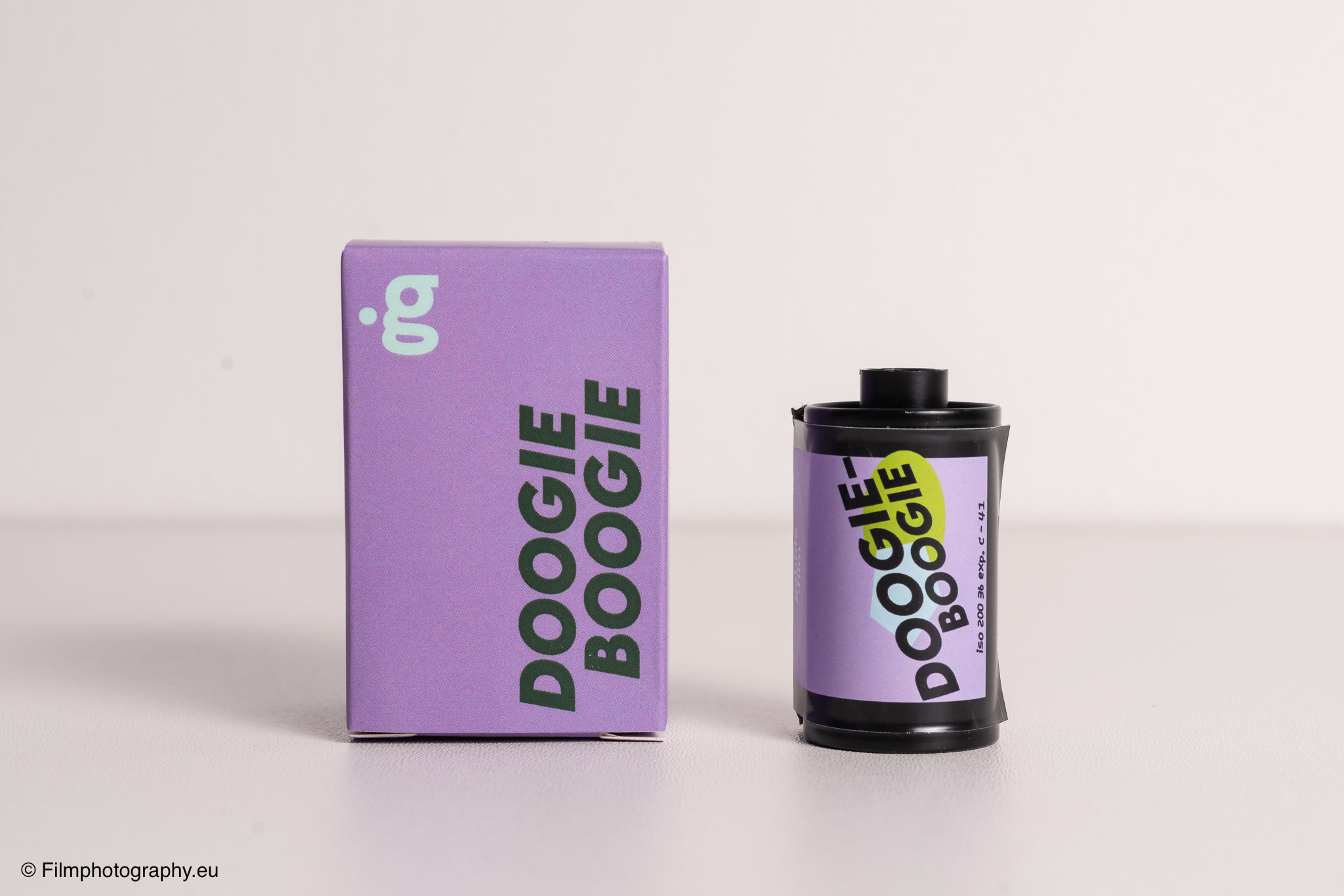
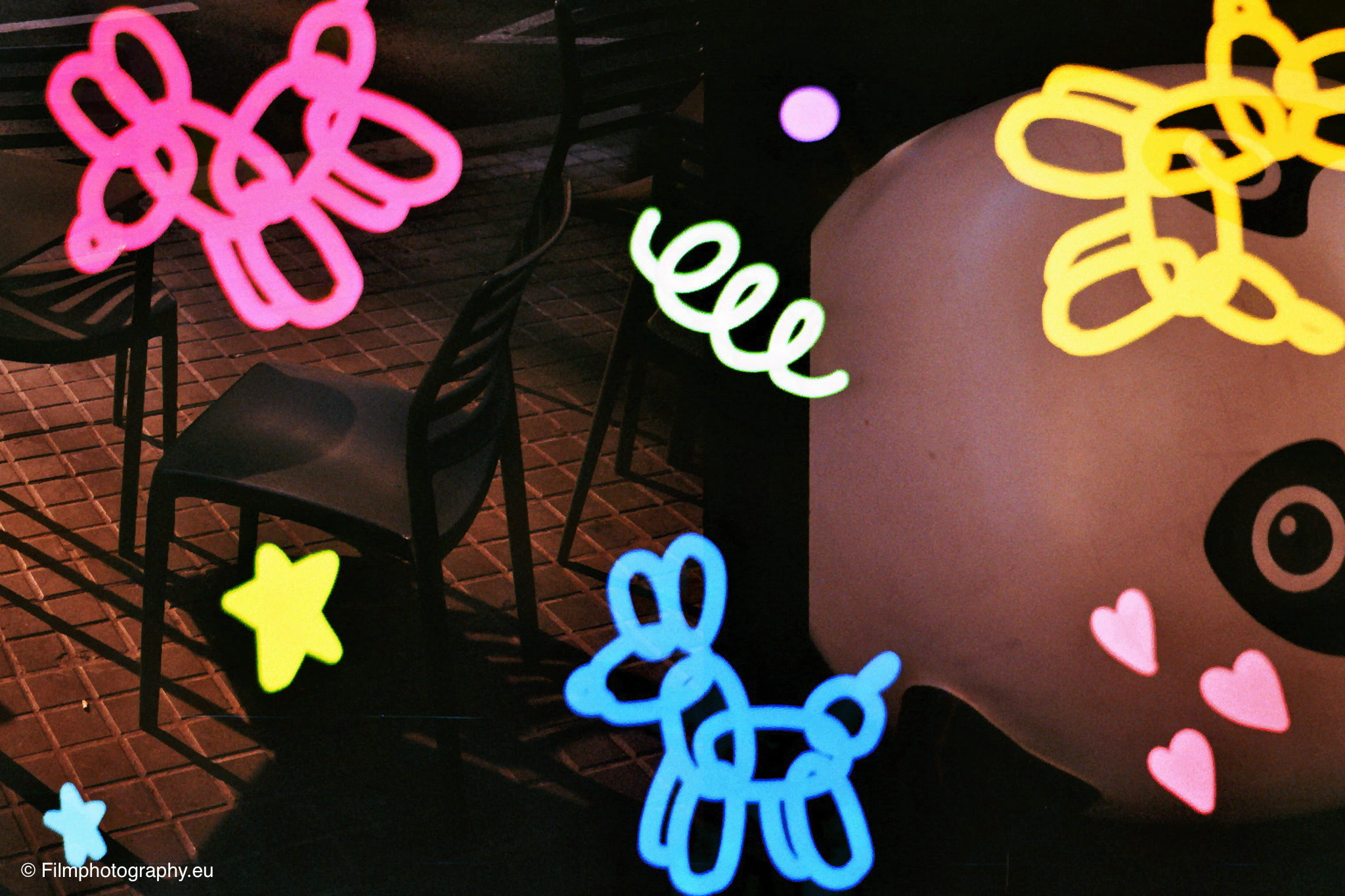
My first test candidate was the gabble.film Doogie Boogie. I decided to load this film into my Revue 35FC and expose it on a trip to Barcelona.
The Revue 35FC is a small, compact rangefinder camera that I value for its unobtrusiveness. The Doogie Boogie comes with a sensitivity of ISO 200. This is actually ideal for sunny climes like Spain, but can be borderline in narrow alleys when the shadows get long.
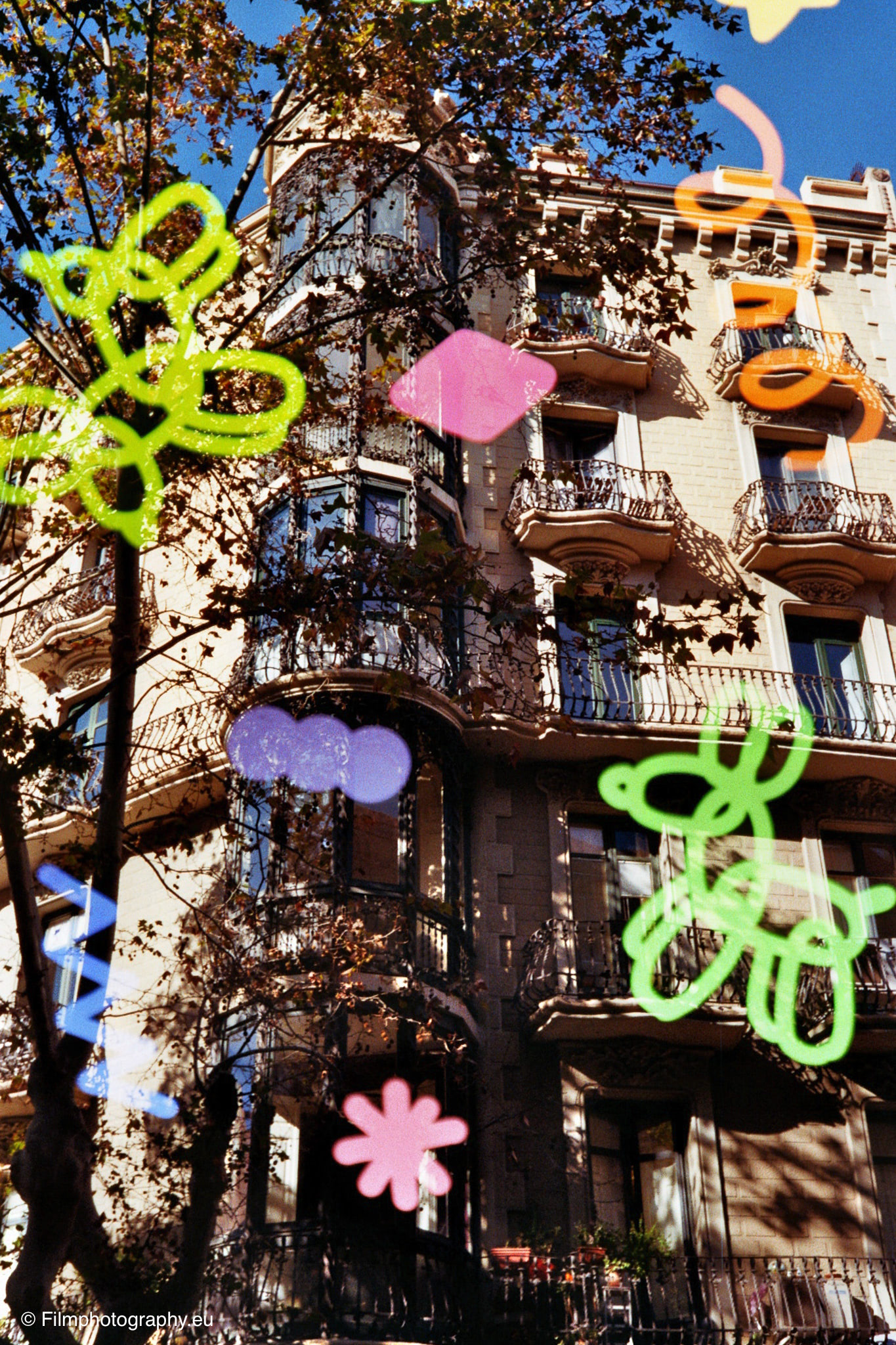
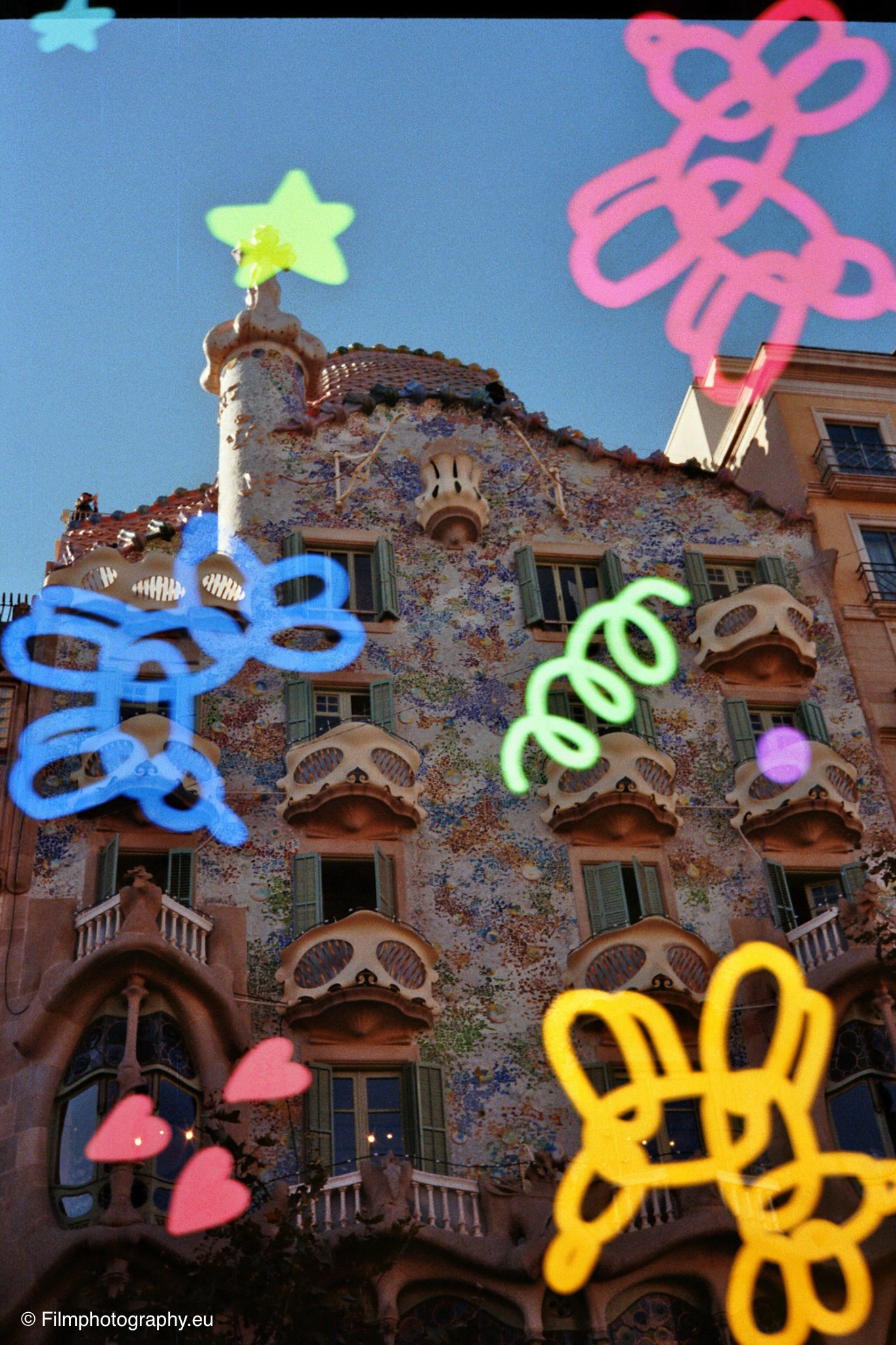
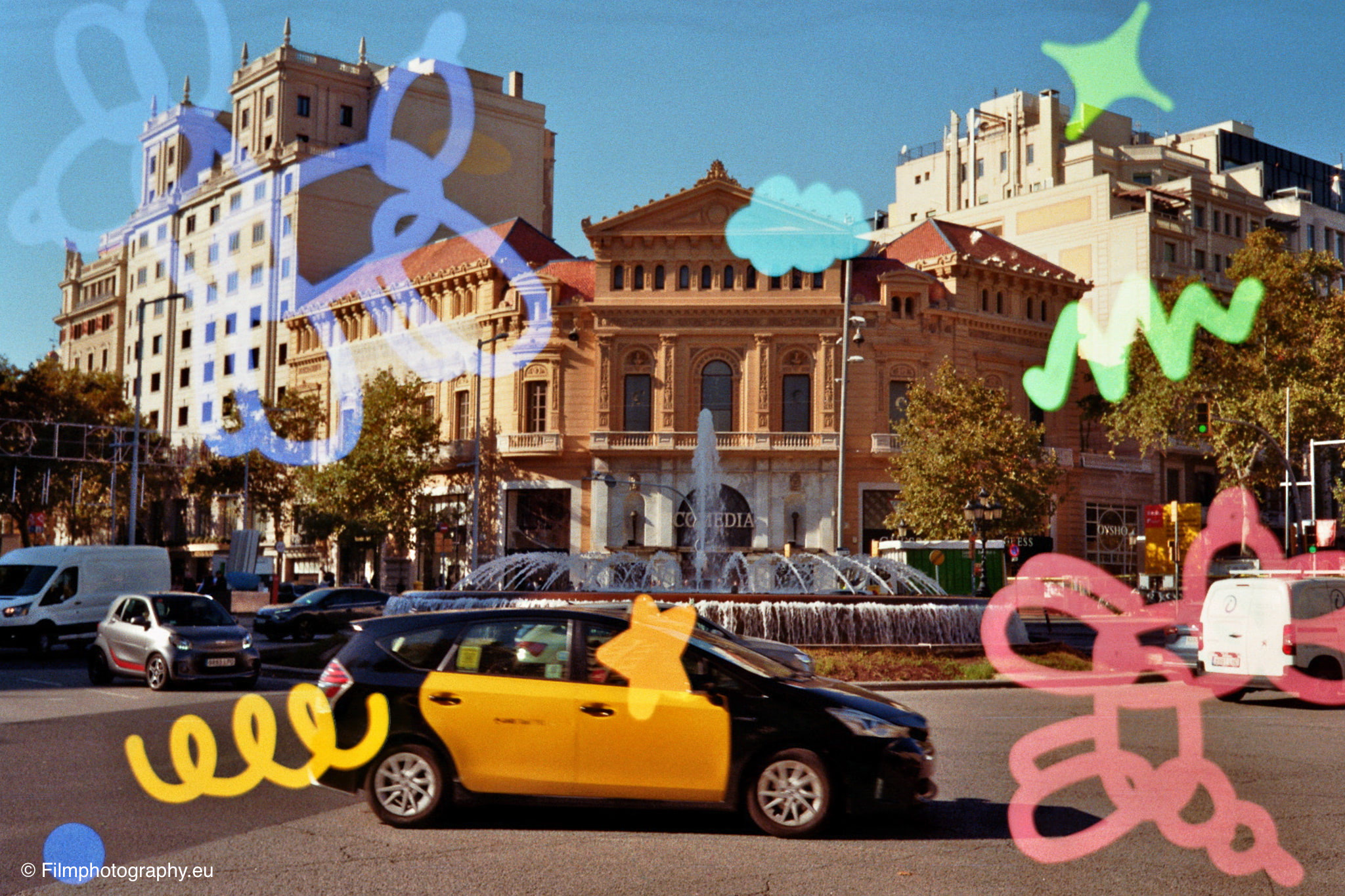
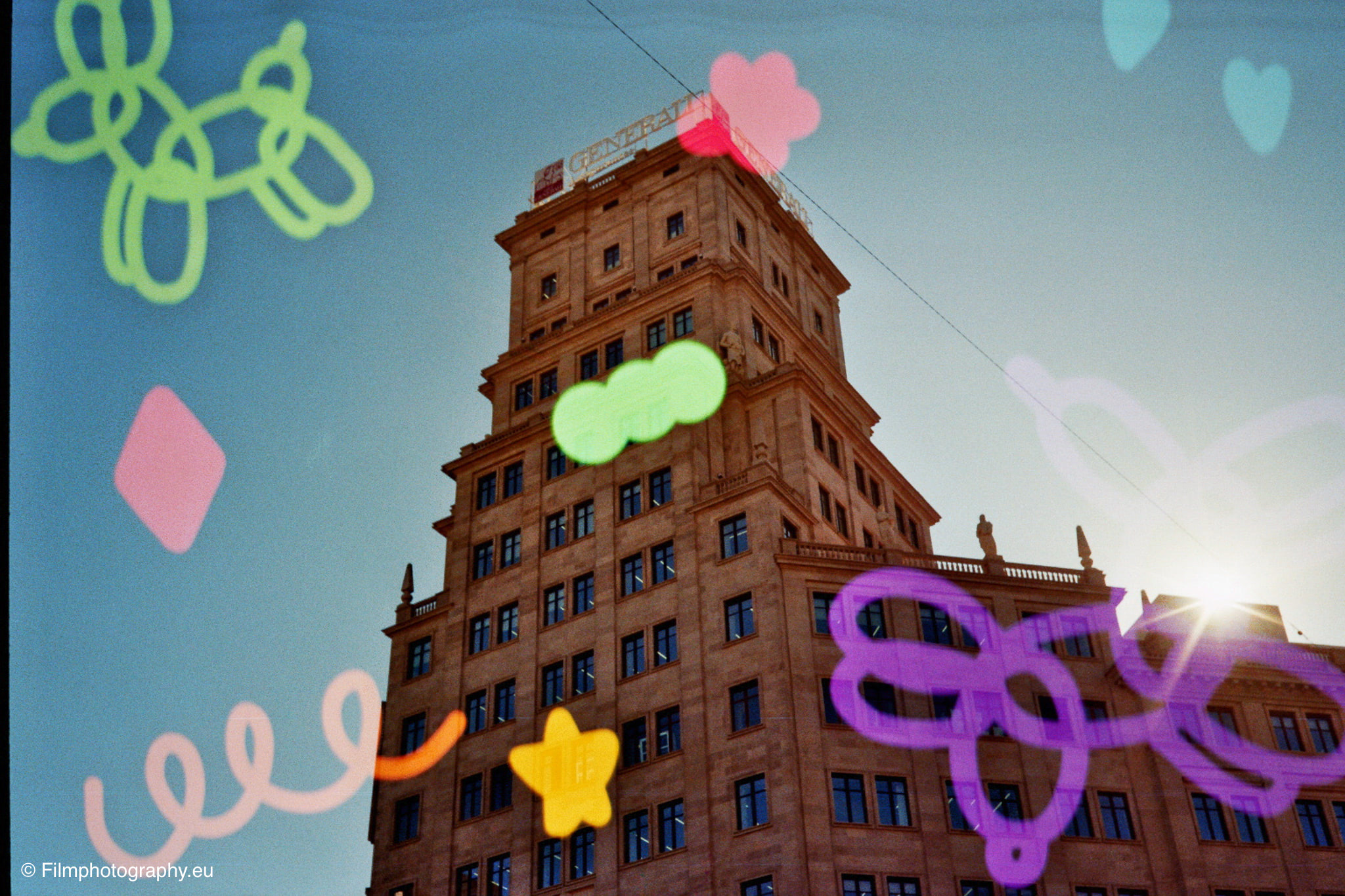
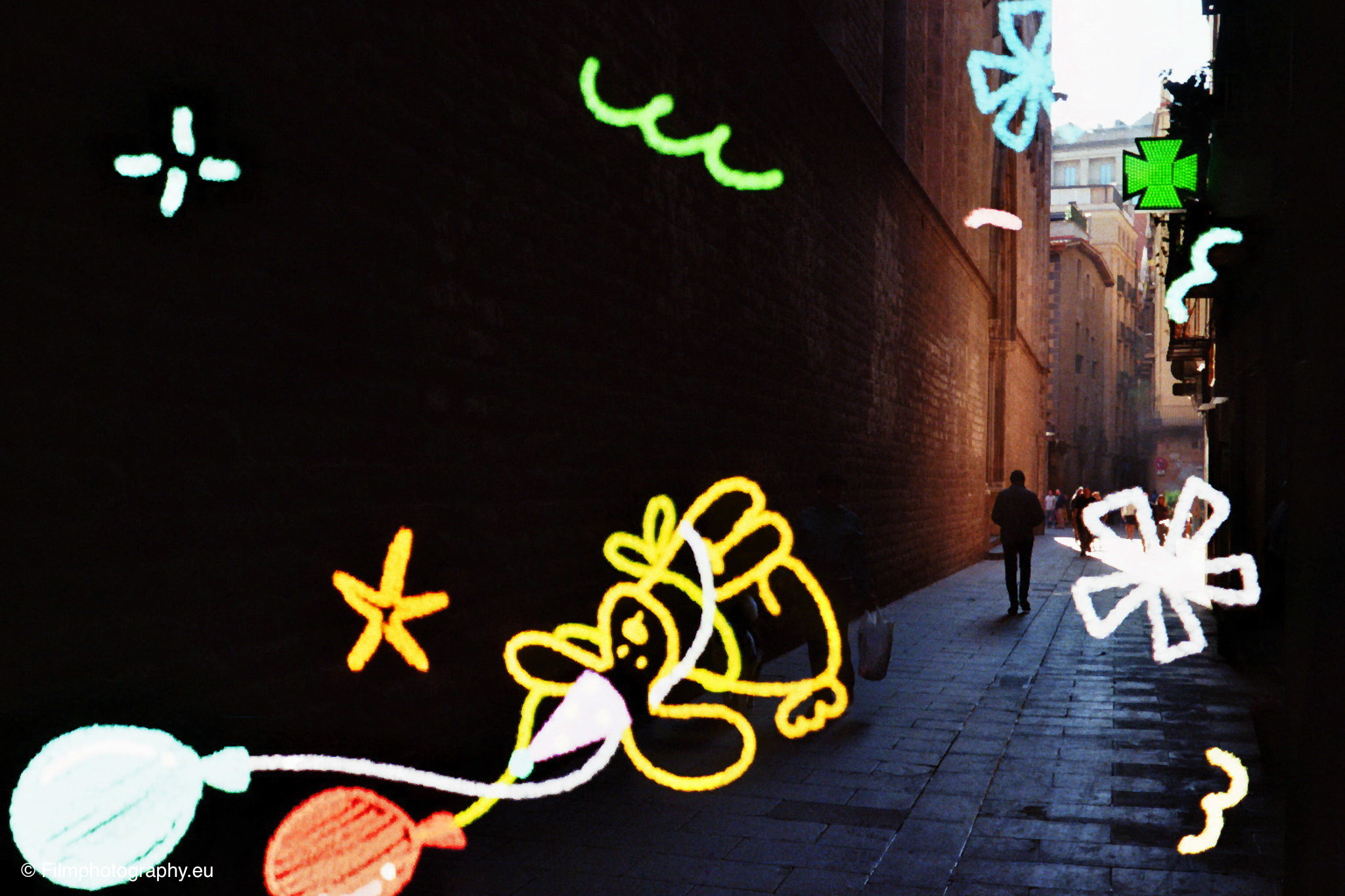
The name suggests it. This film is all about dogs. The pre-exposed effects consist of various dog motifs and symbols that playfully overlay your own shots. In the sun-drenched streets of Barcelona, this worked surprisingly well. The bright facades of the buildings and the blue sky provided a wonderful canvas for the graphics. I tried to photograph street scenes and architecture in such a way that enough negative space remained in the image for the effects to work.
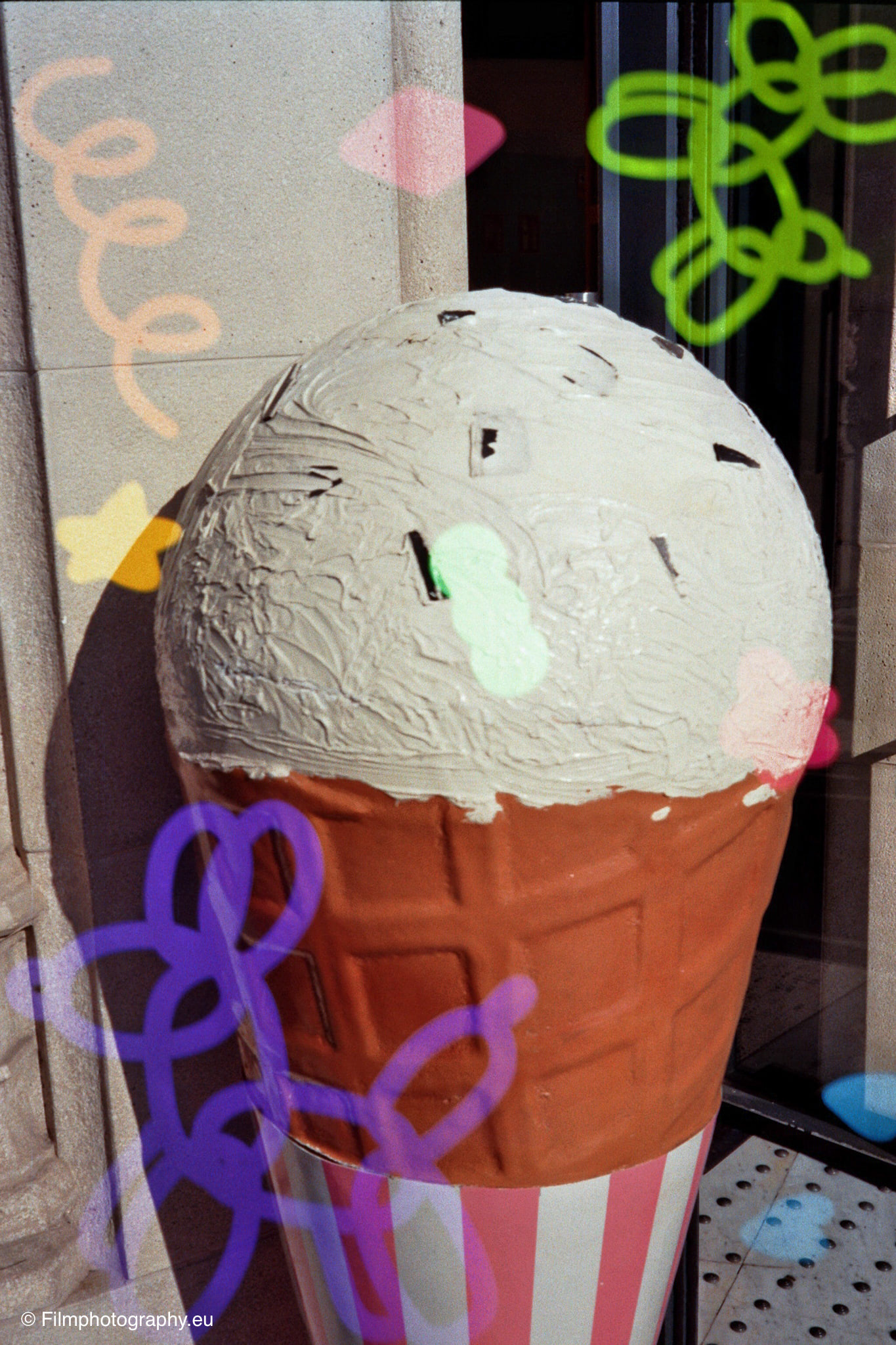
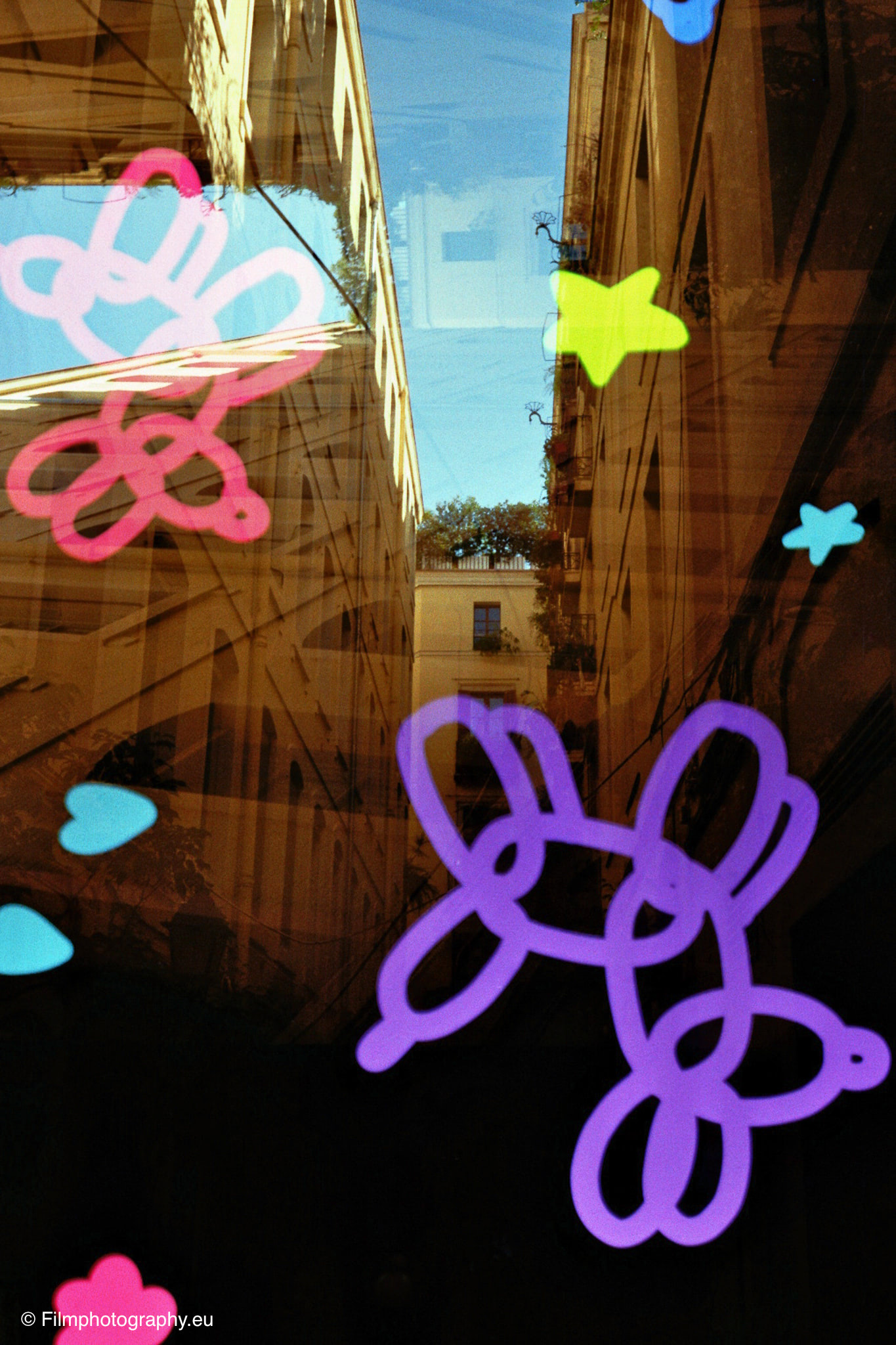
A technical detail on the side made this test run particularly interesting. My Revue 35FC had slight problems with film transport during the trip. The lever didn’t always engage cleanly, which meant I didn’t always advance the film completely.
Normally, you would be annoyed by something like that, but with an effect film like the Doogie Boogie, it fit the concept perfectly. Thus, in addition to the factory effects, some random double exposures on my part were created. The result was a wonderfully chaotic mix of Spanish architecture, passing pedestrians, and the film’s fun dog graphics. It was pure experimental joy.
The pictures are certainly not masterpieces of classical composition, but they convey the feeling of fun and lightheartedness that I had on that sunny day. The colors of the base material came across as warm and vibrant under the Spanish sun, which harmonized well with the playful character of the film.
gabble.film 199x
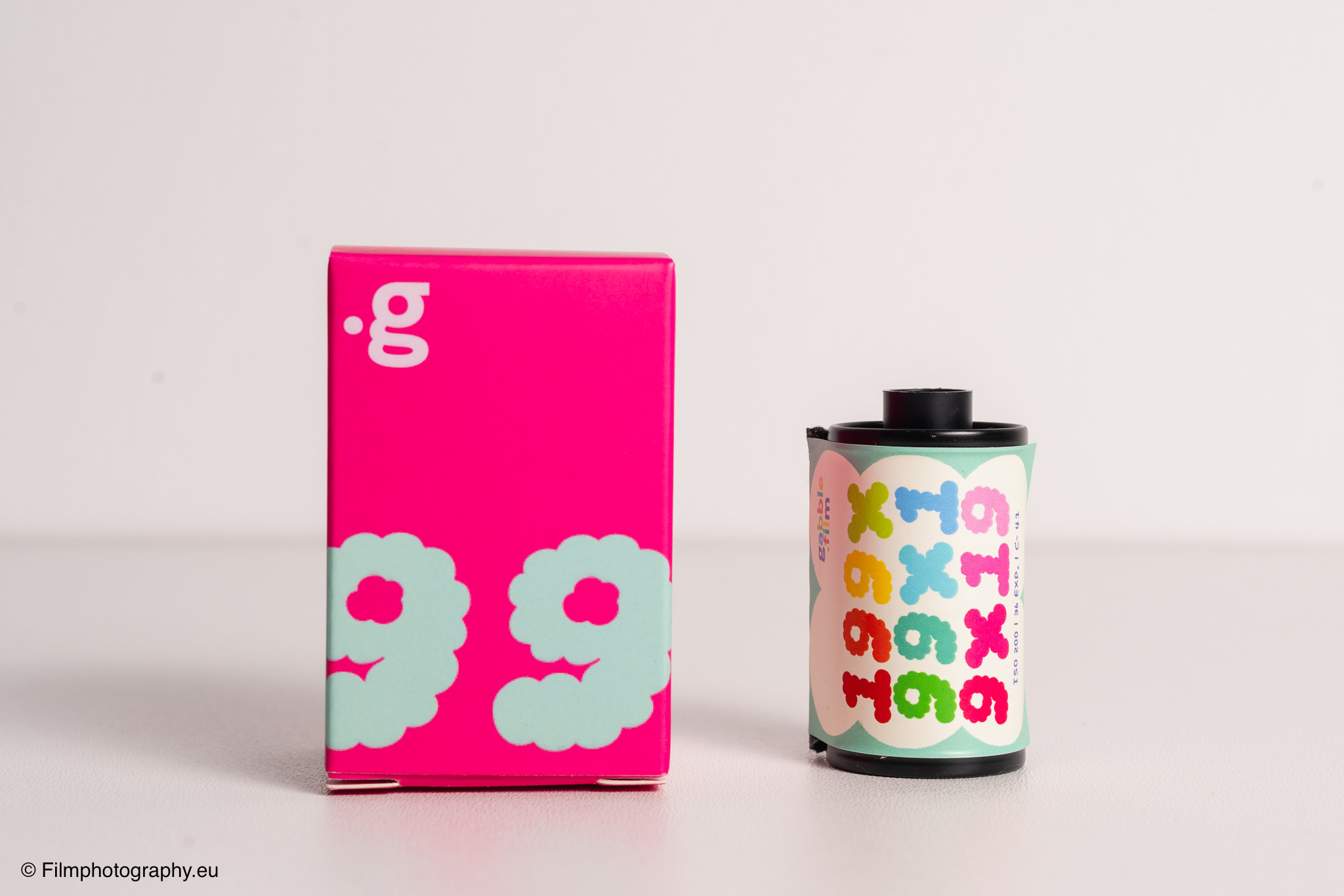
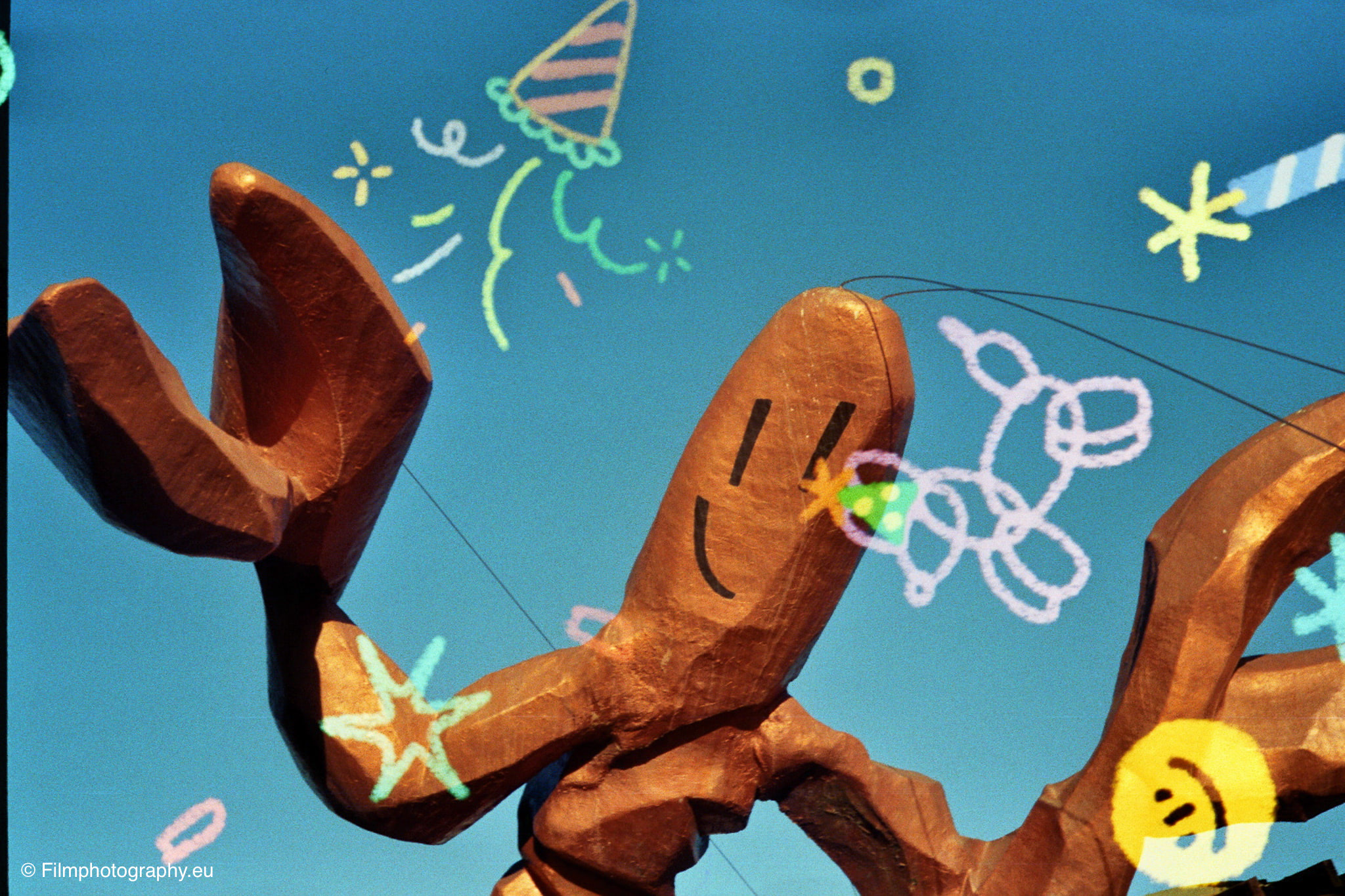
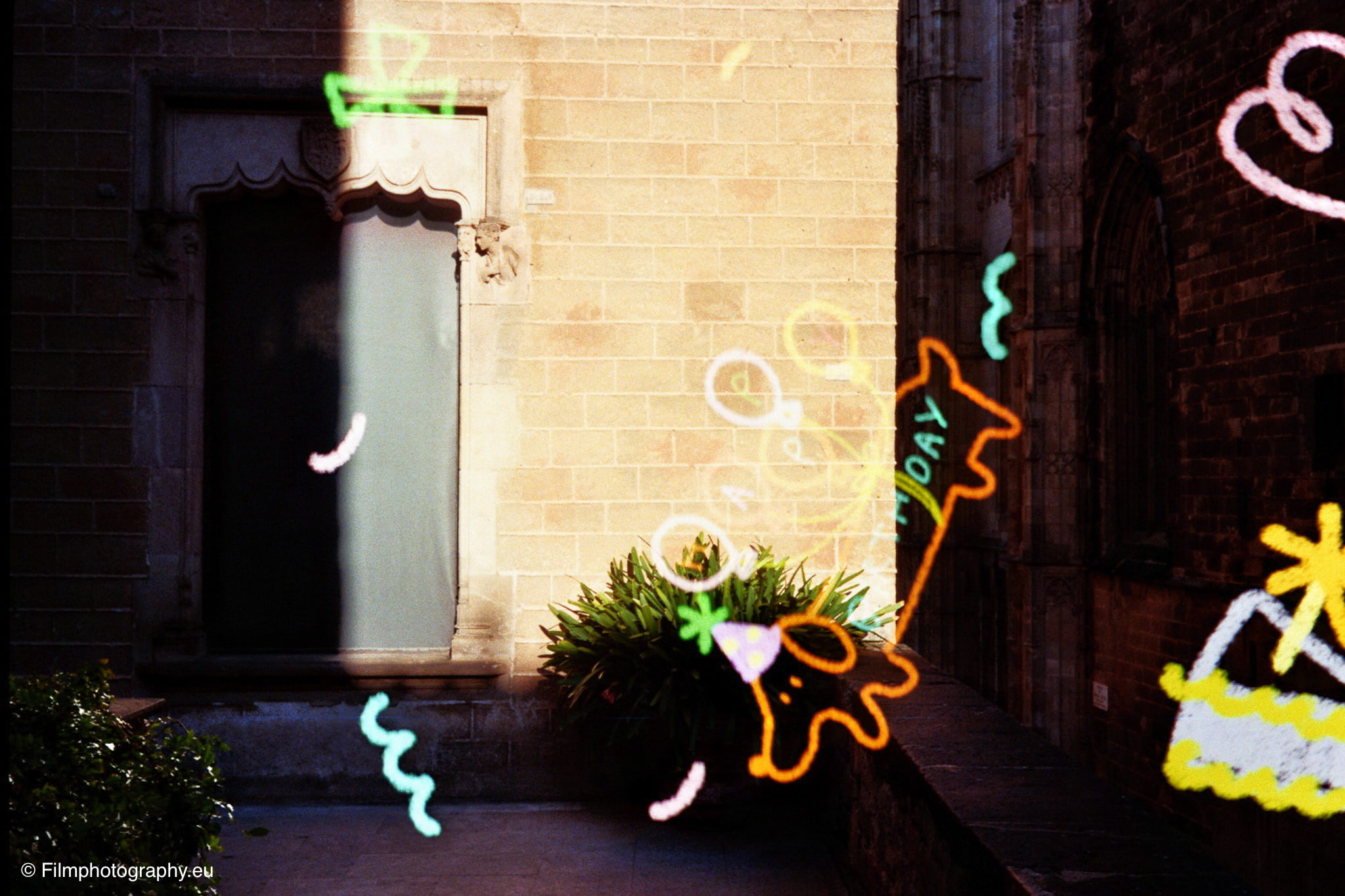
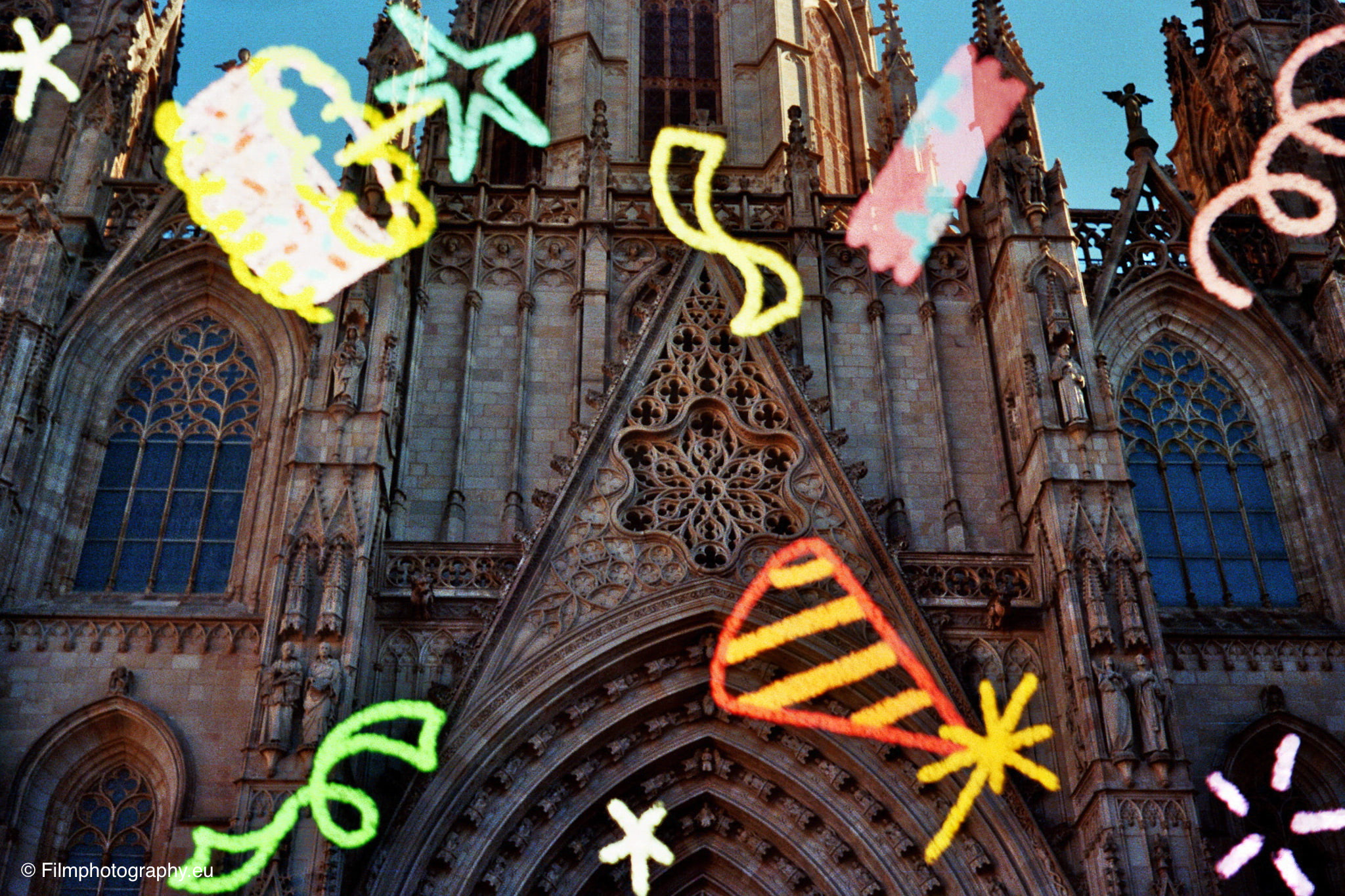
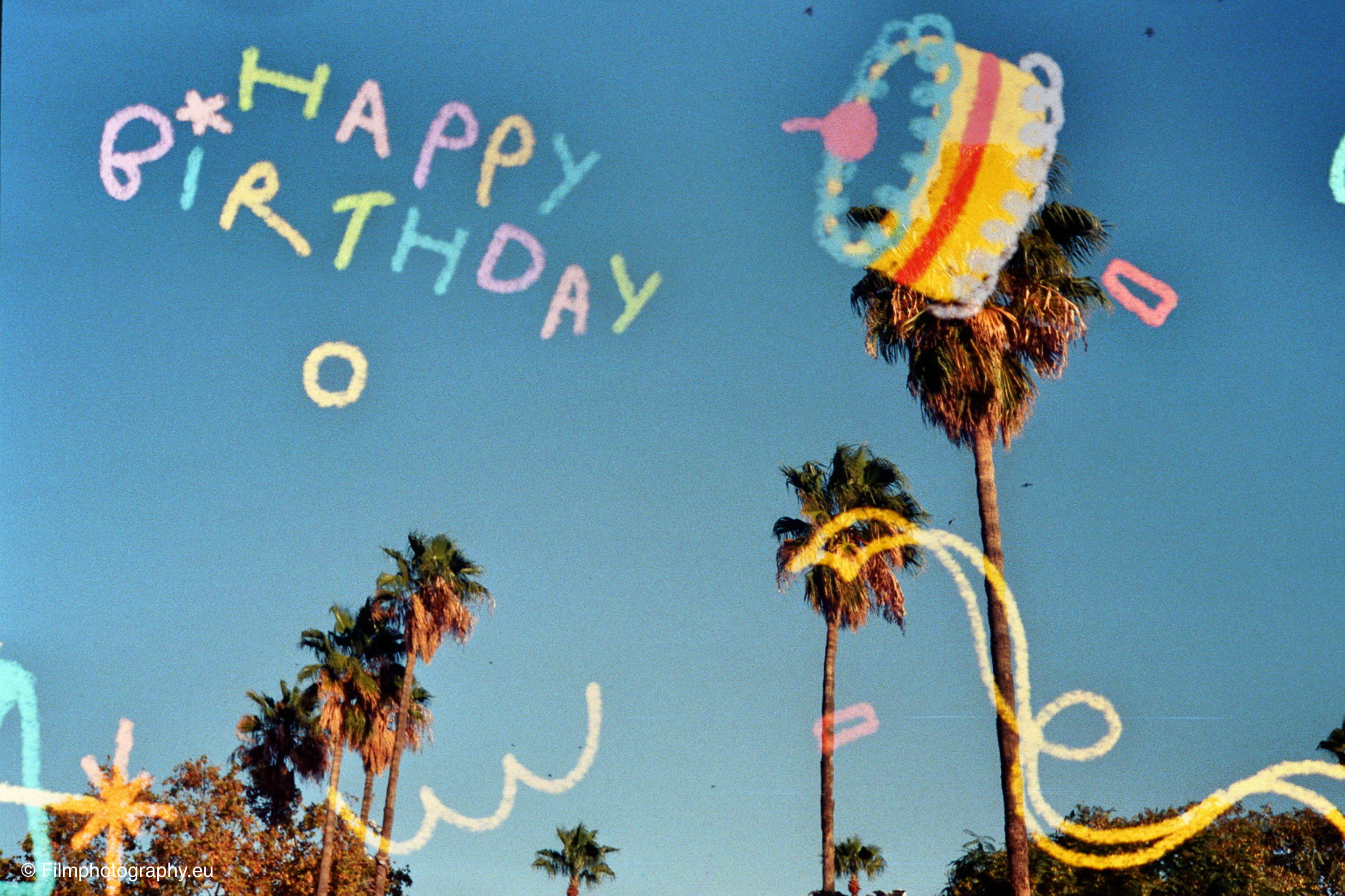
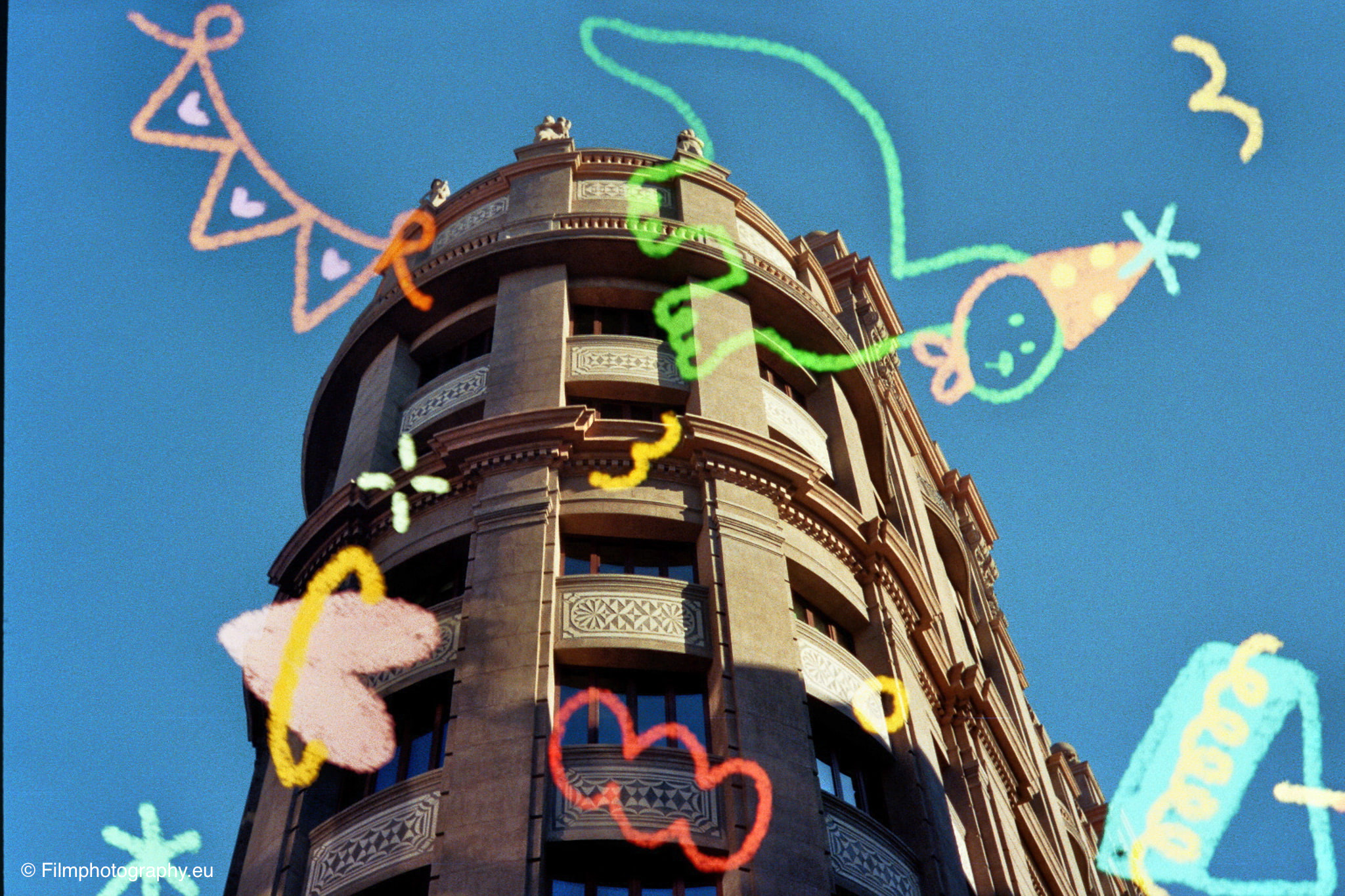
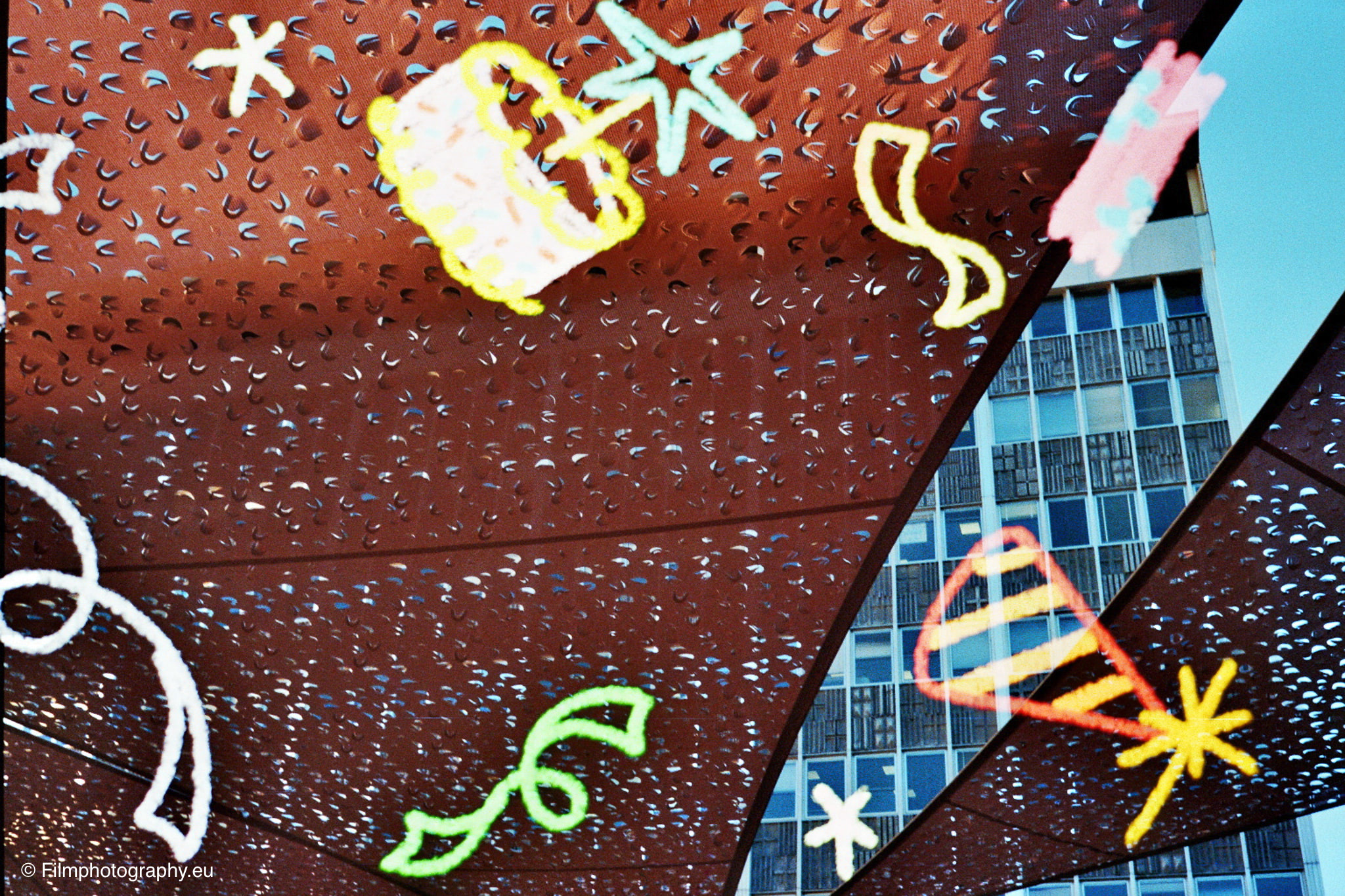
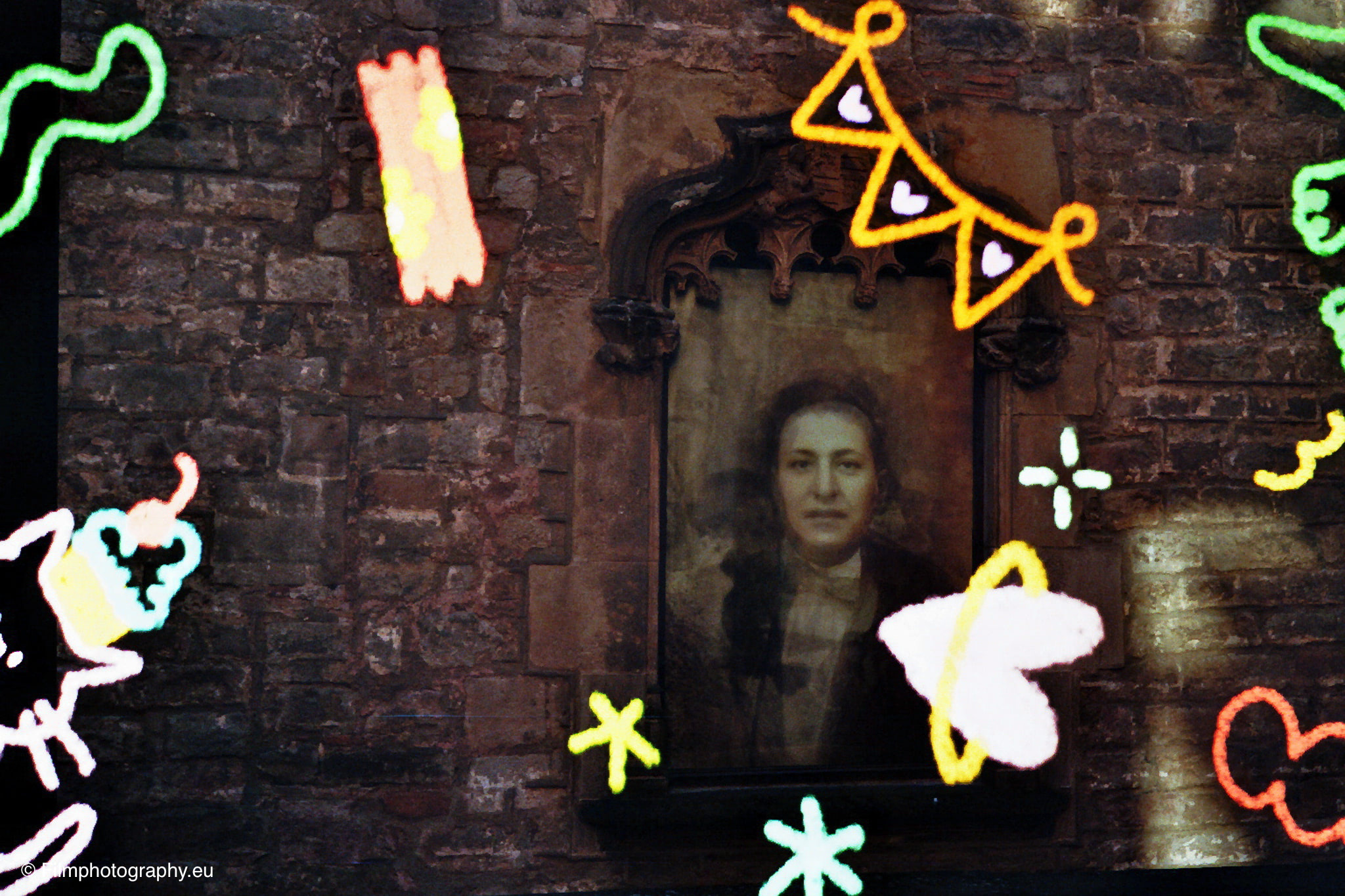
Also in Barcelona and also with the Revue 35FC, I tested the gabble.film 199x. This film differs significantly from the others, as it is often specified with a higher sensitivity of ISO 400, making it slightly more flexible for changing light conditions. The name “199x” is a clear nod to the aesthetics of the 90s. We all remember the analog images from that era, often characterized by a date stamp in the corner or a slightly rougher, grainier look. The goal of this film is to reproduce exactly this nostalgic vibe.
The effects of this film are more graphical here and have the theme of birthday. Naturally, it would look even better at a birthday party.
gabble.film Pixie Dust
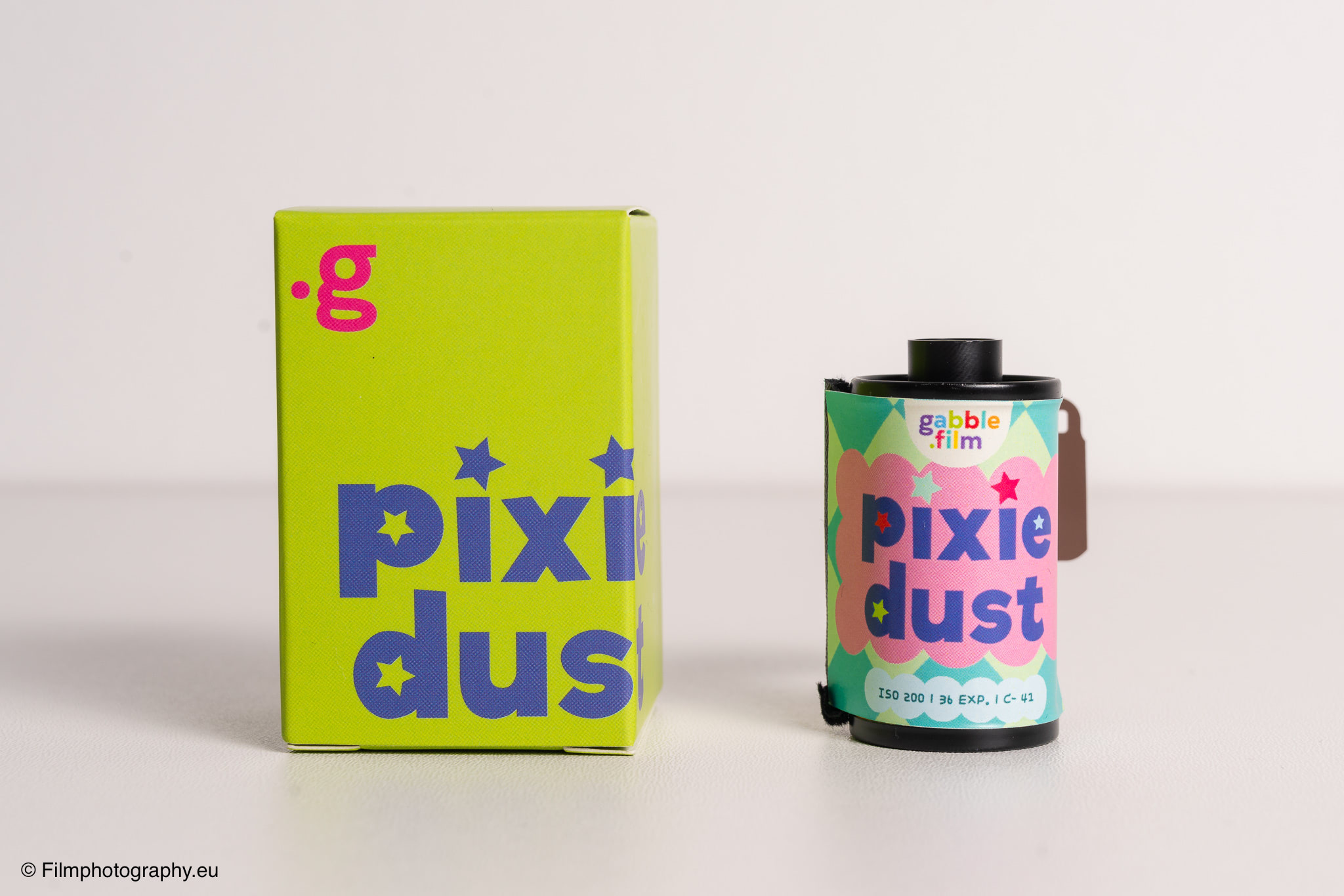
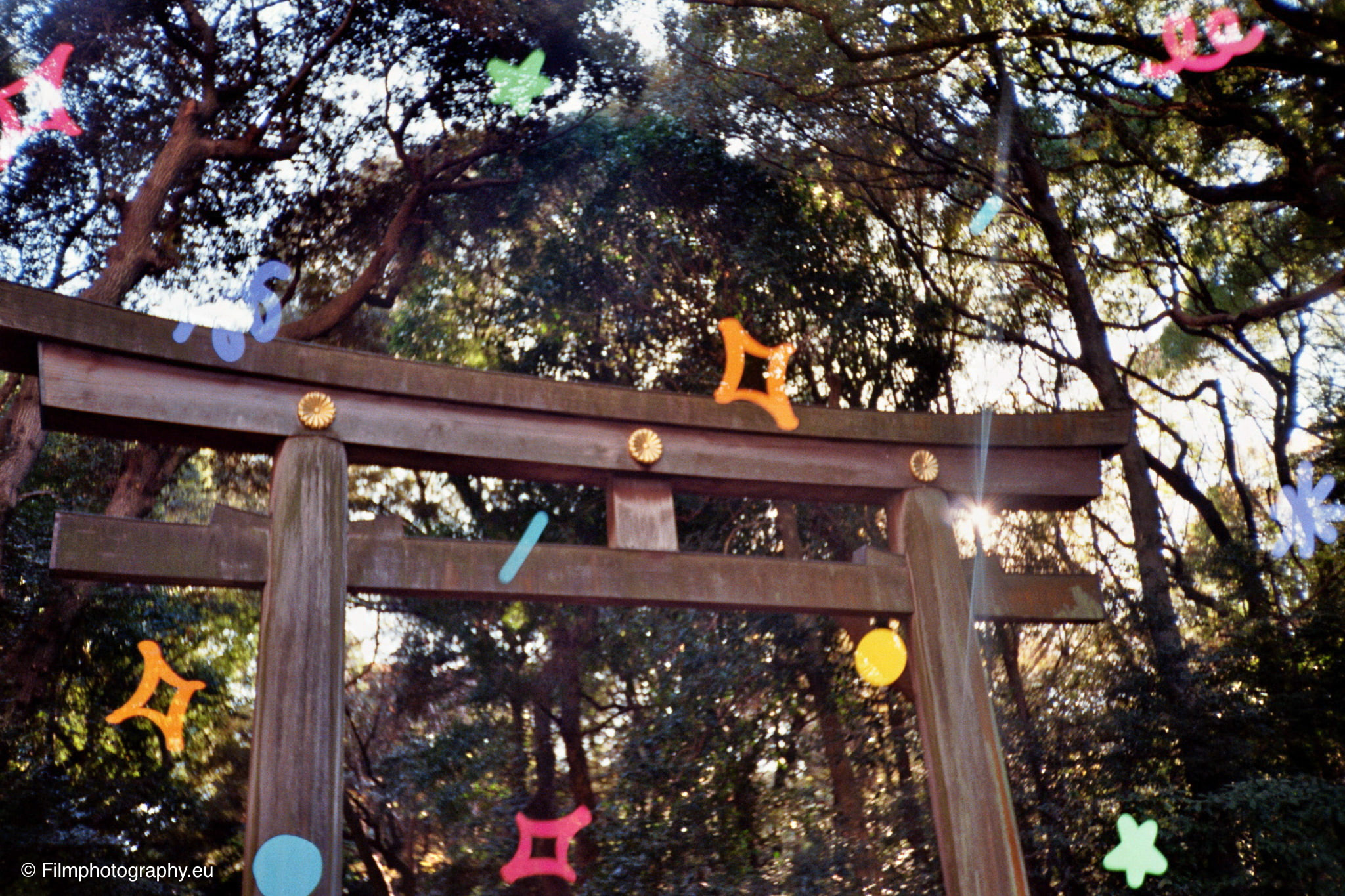
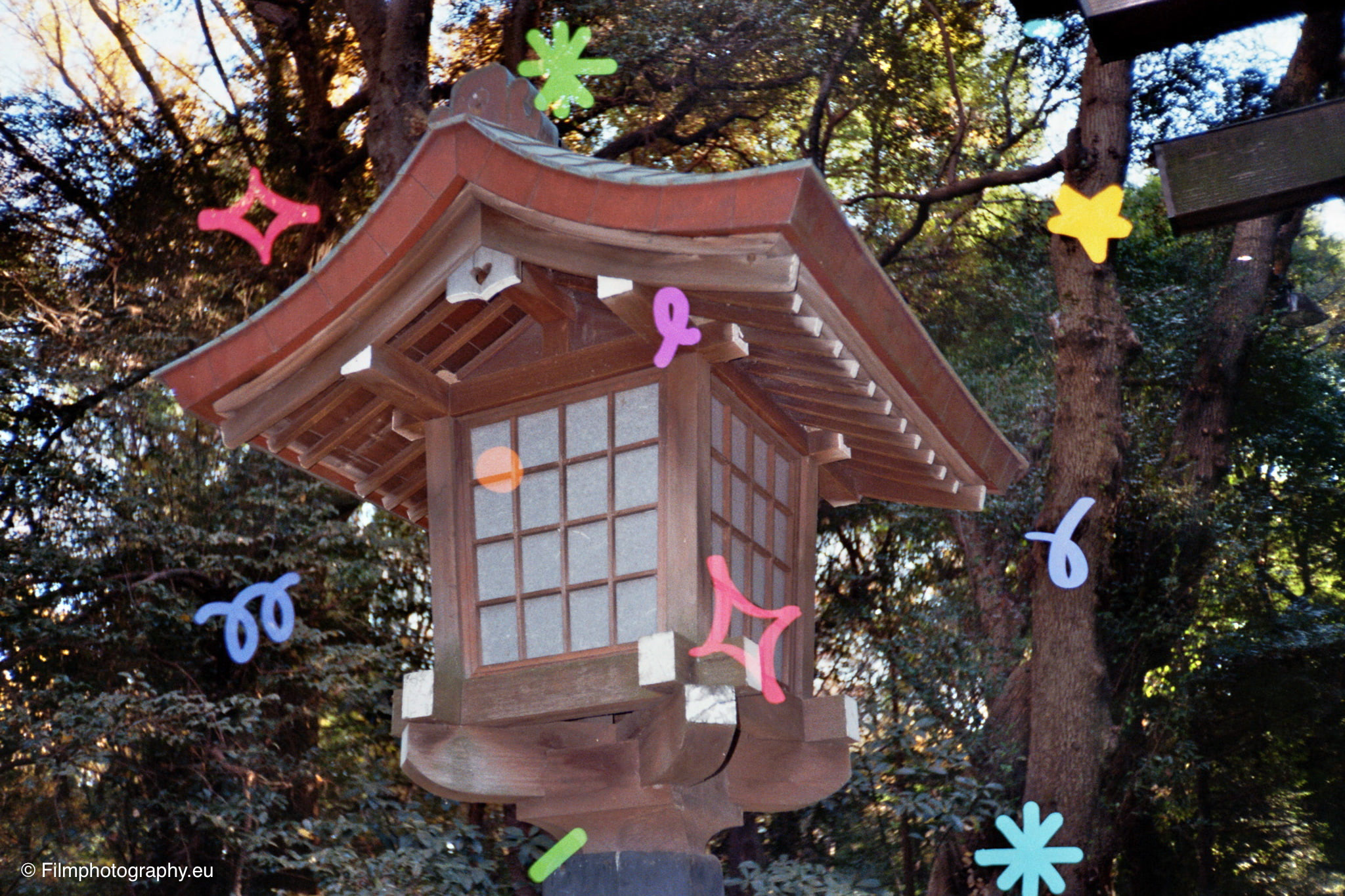
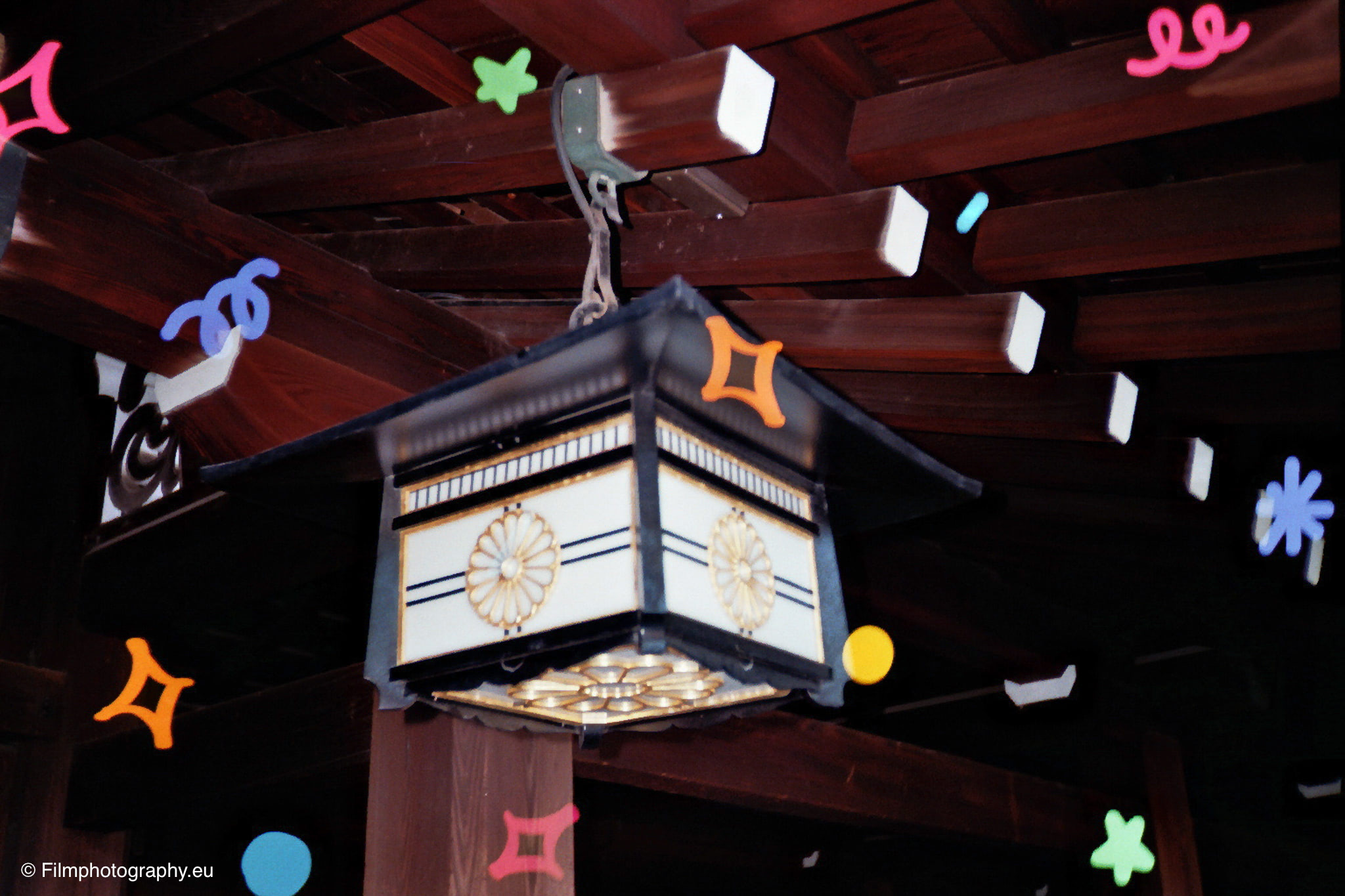
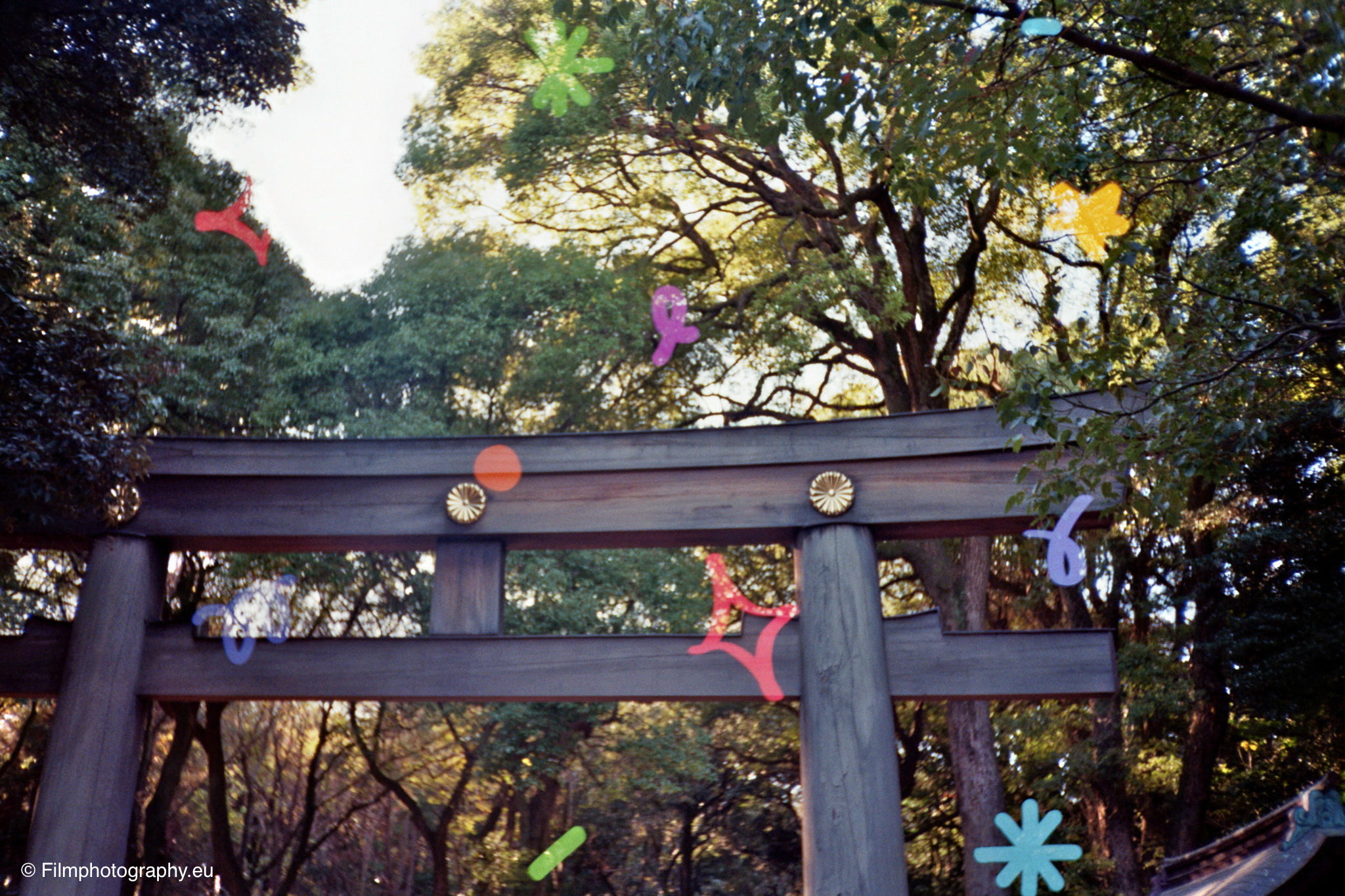
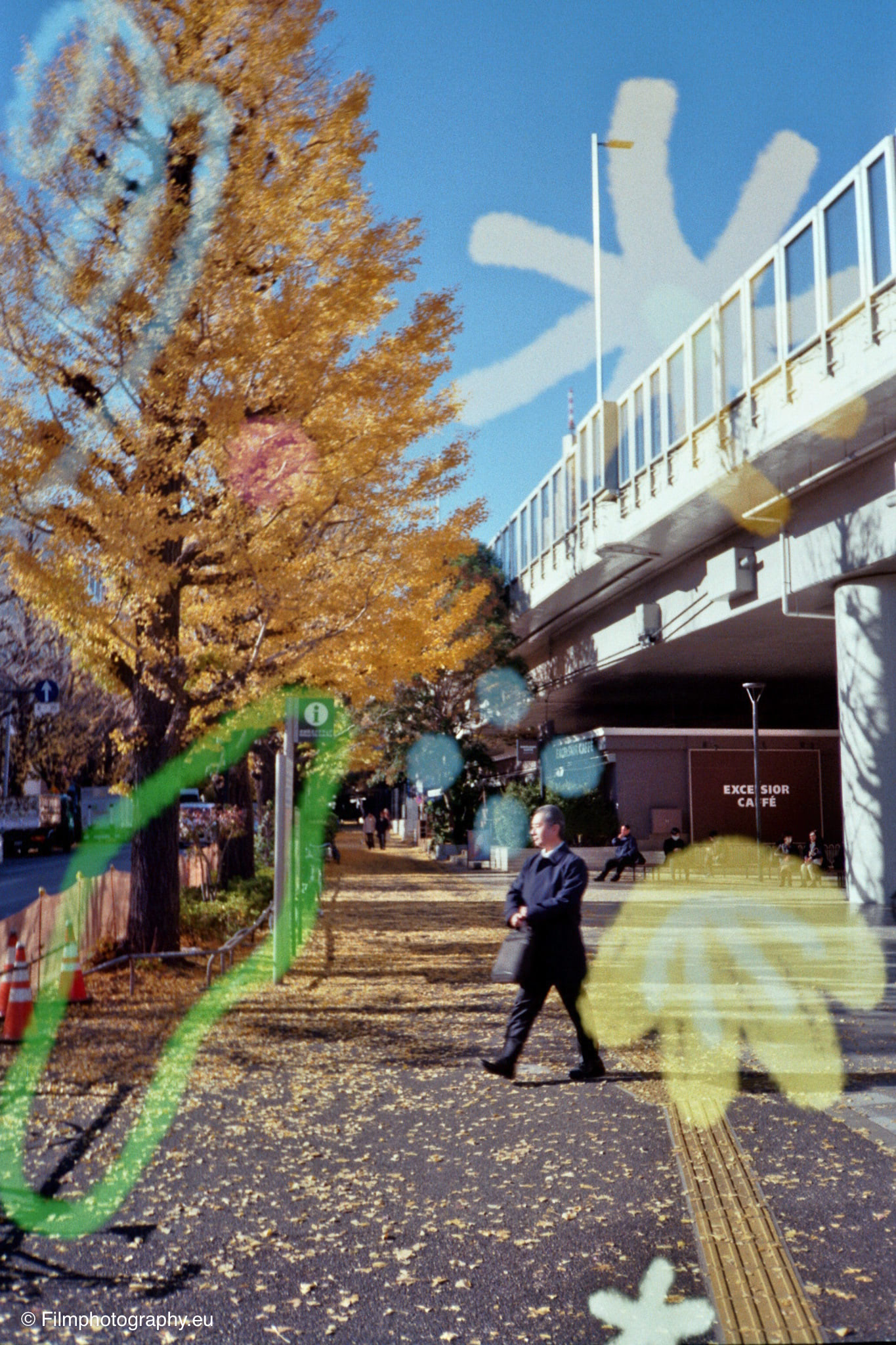
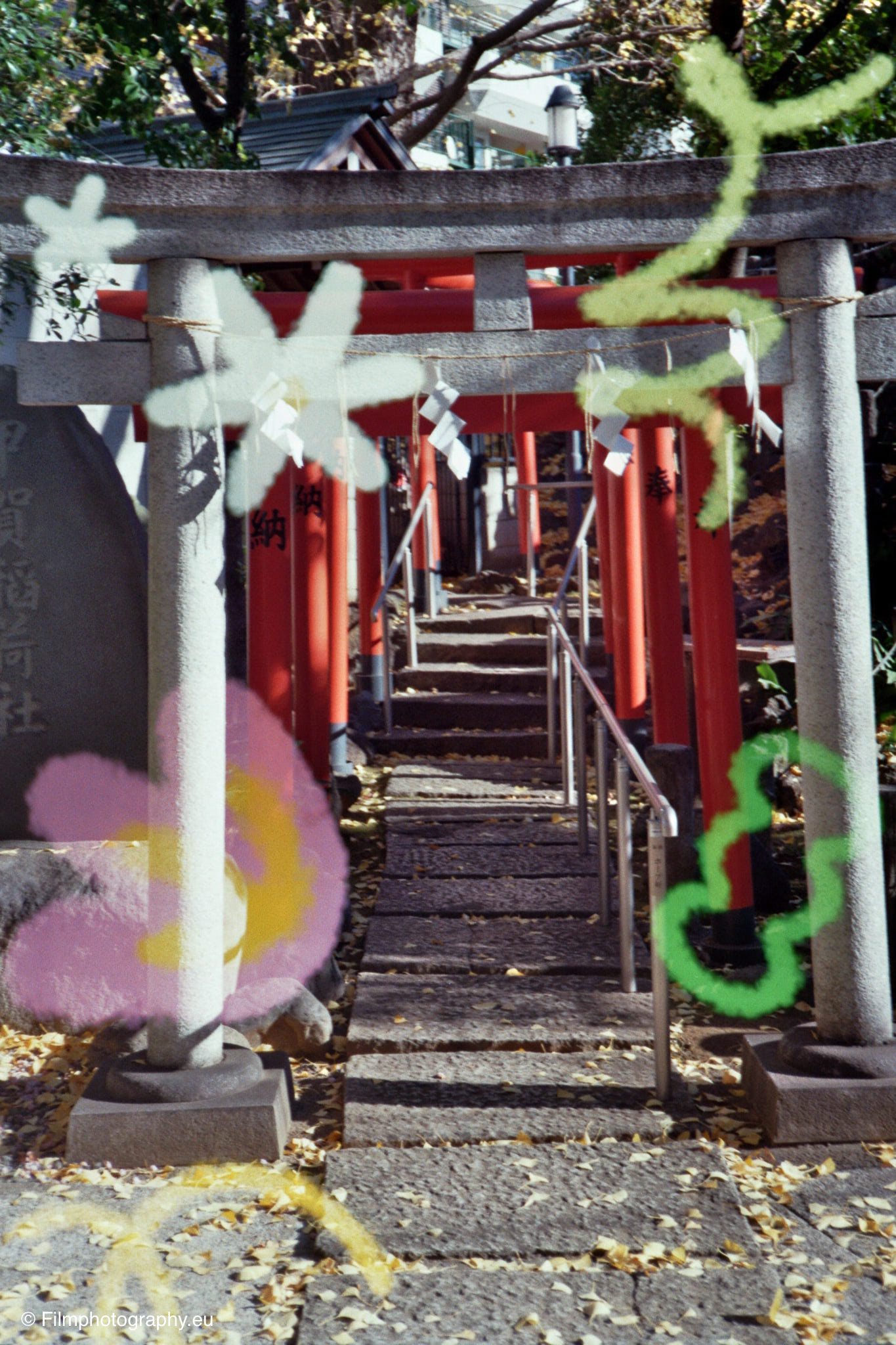
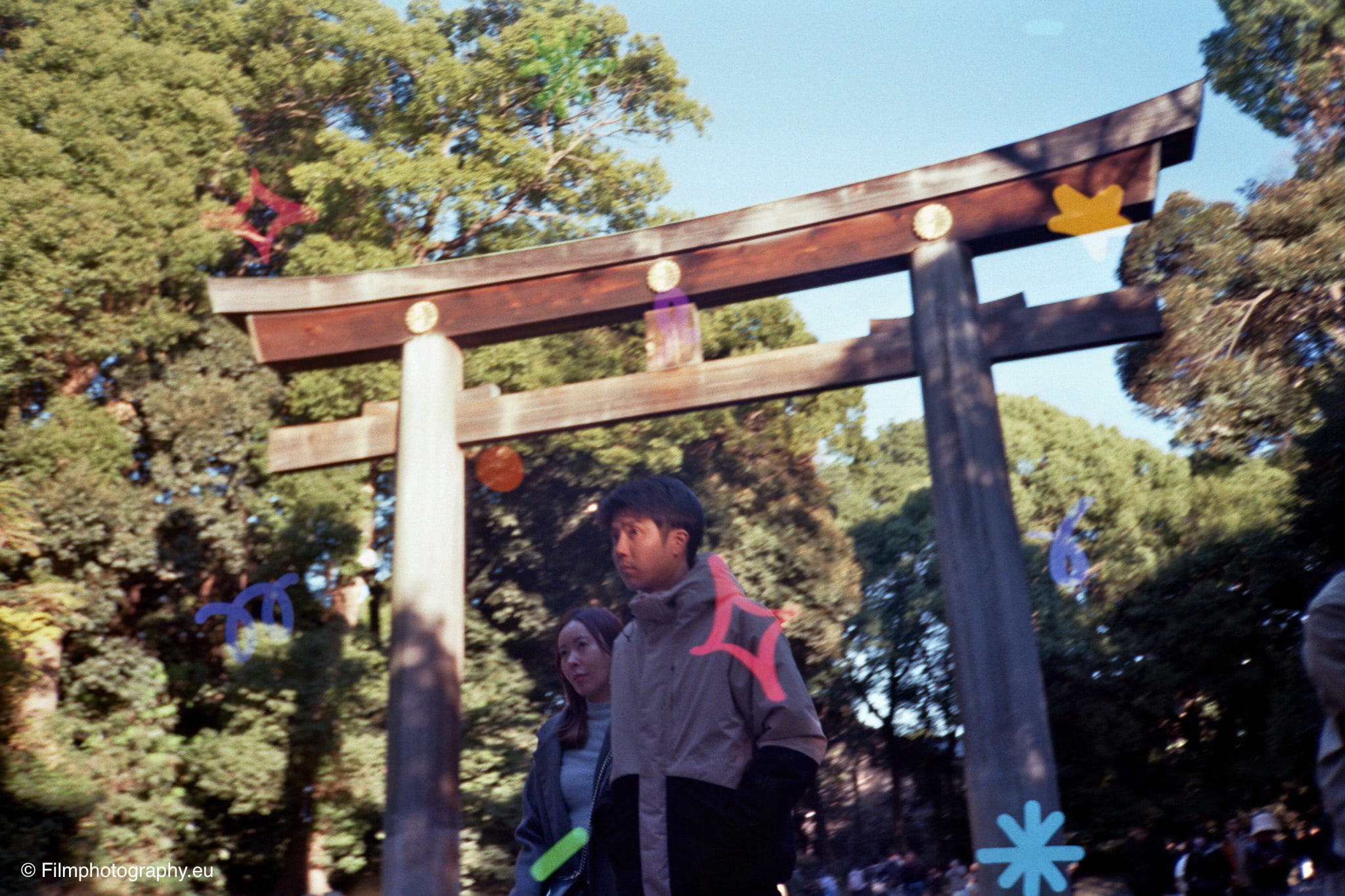
For the next part of my test, I changed both the location and the camera. I went to Tokyo, and for my companion, I chose the Minolta Weathermatic 35 DL. This camera is a robust, waterproof brick from the 80s, originally made for the beach, but it also works excellently as a weatherproof point-and-shoot for the city. I loaded it with the gabble.film Pixie Dust, which again has a sensitivity of ISO 200.
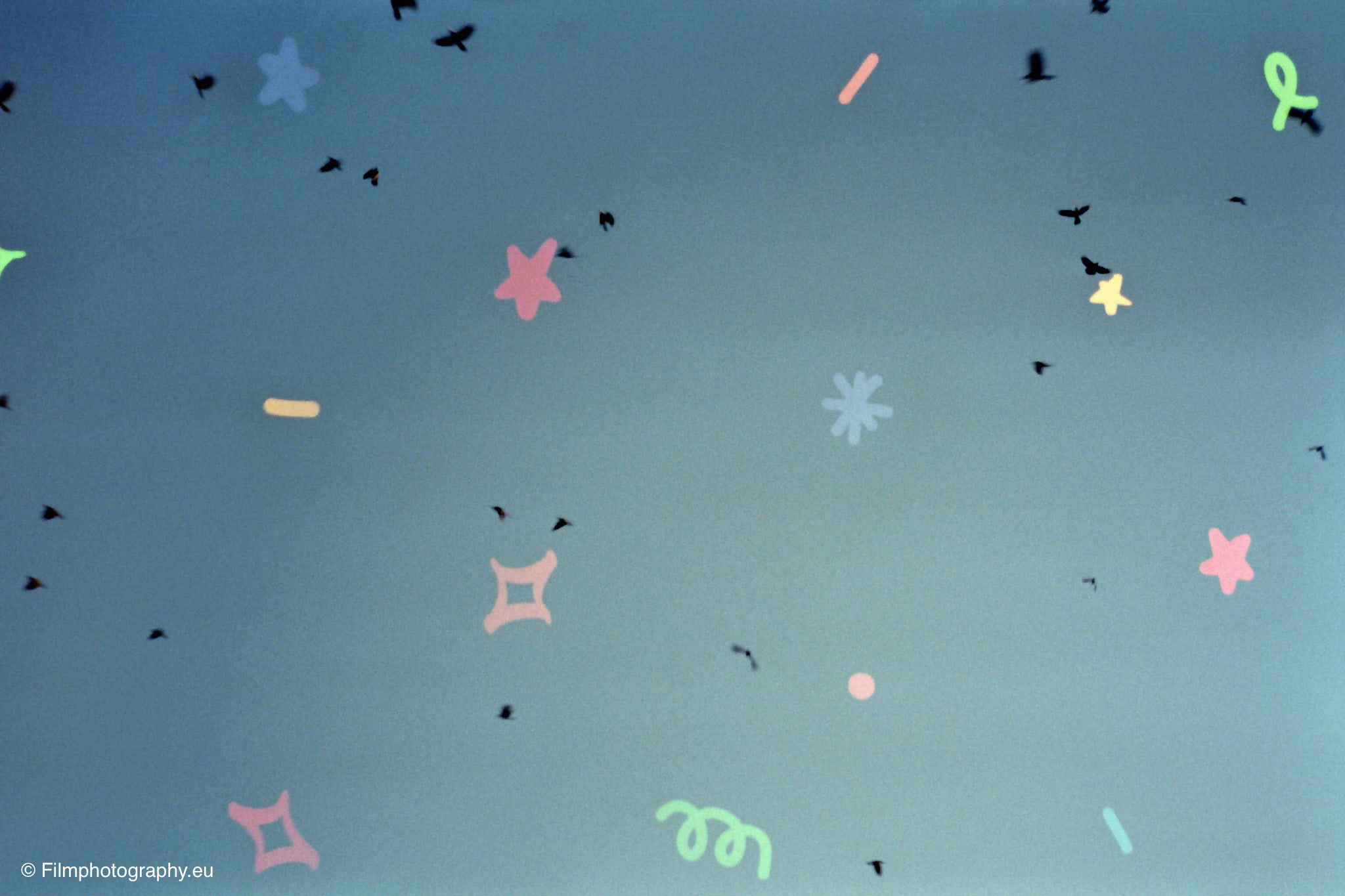
The embedded exposures are clear and bright. Small graphic elements placed at different positions on the film roll.
gabble.film PKTL
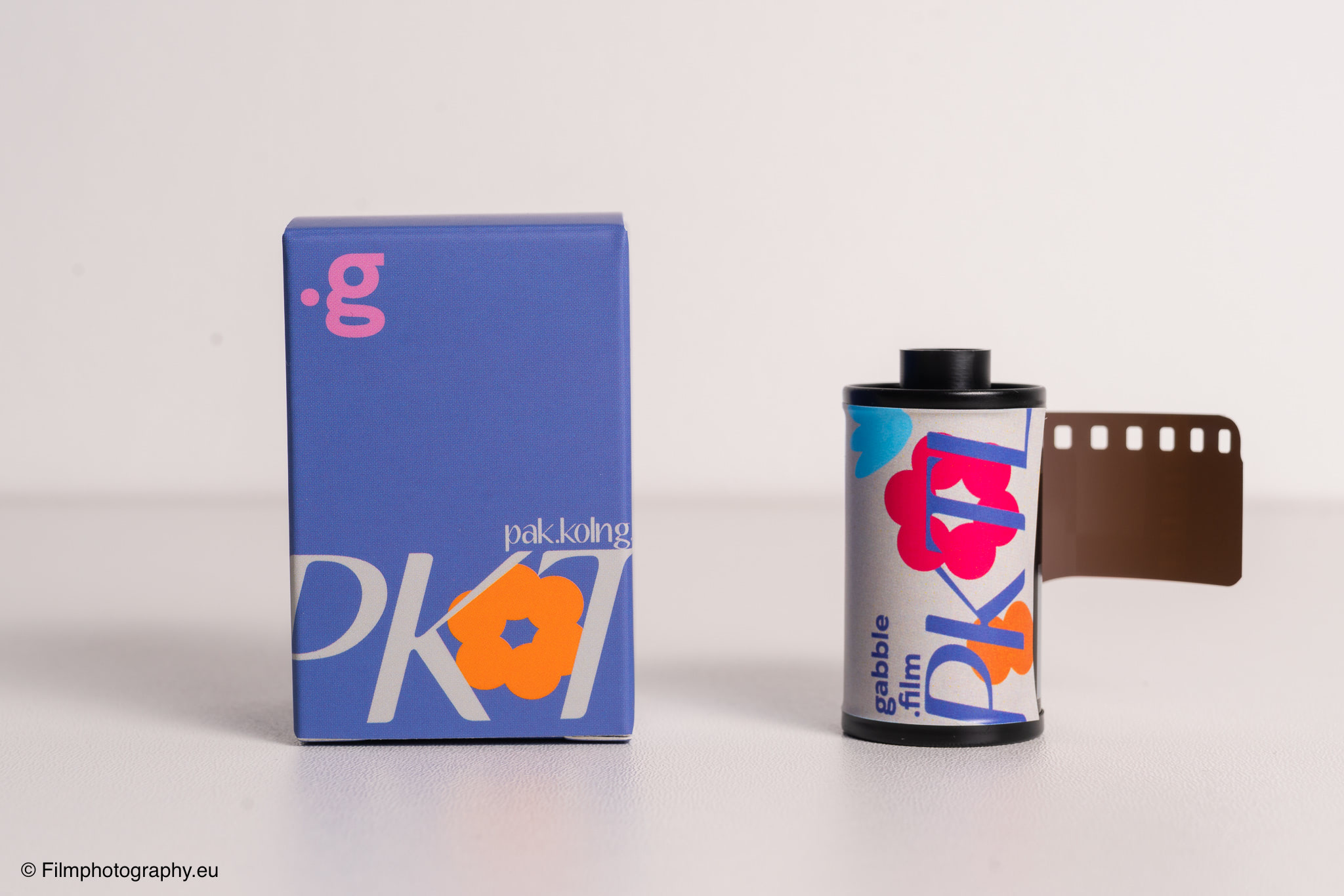
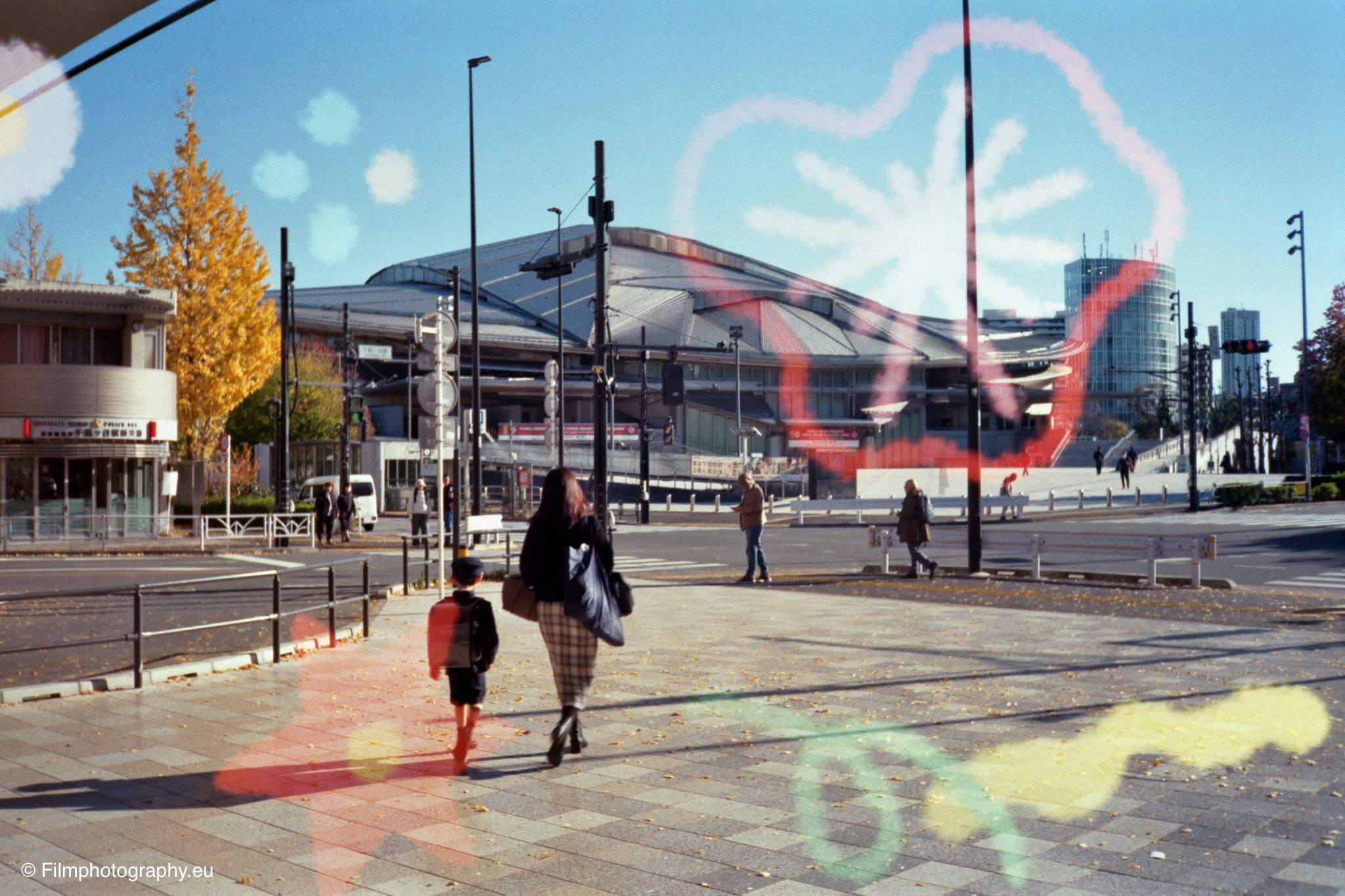
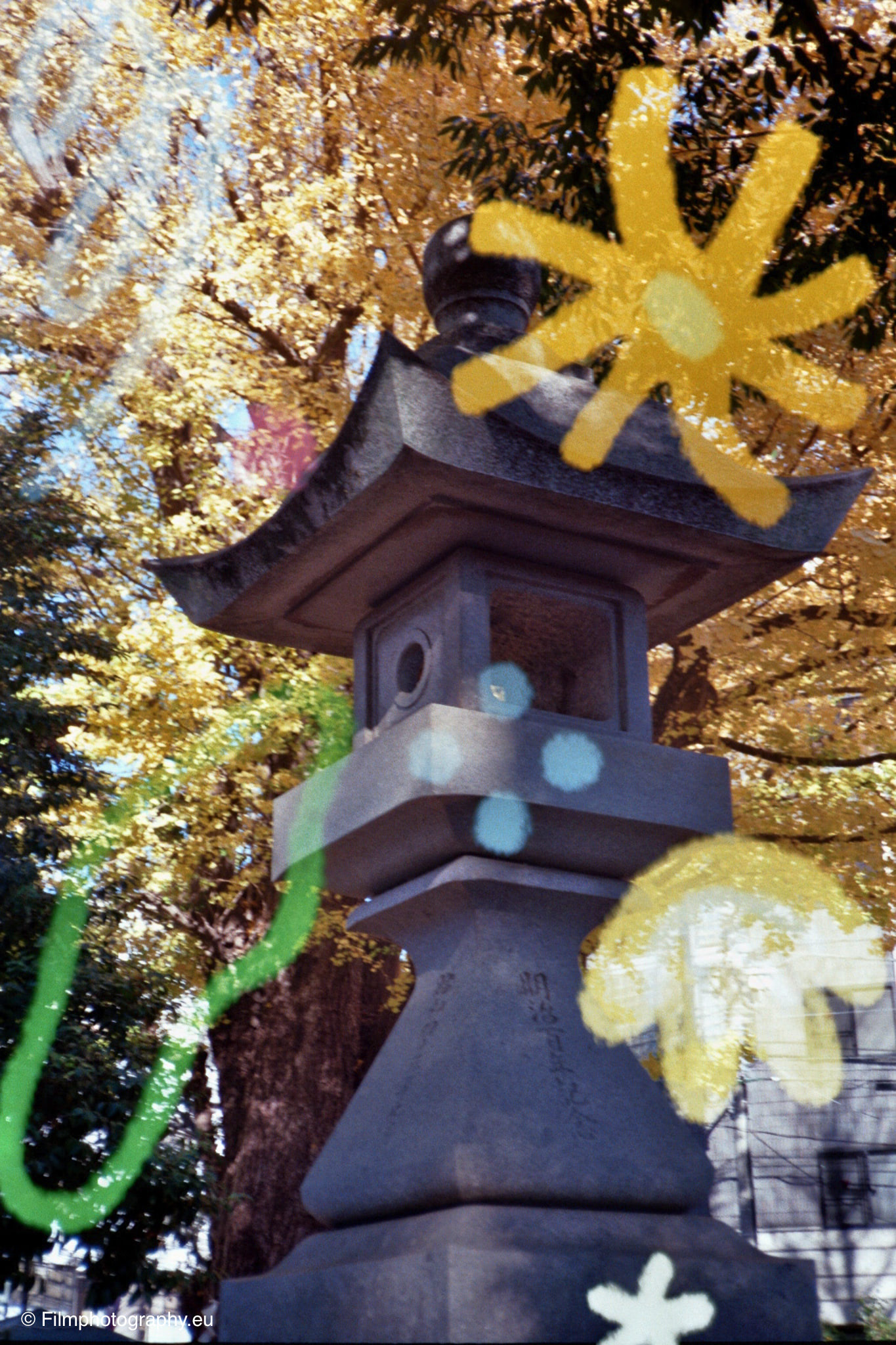
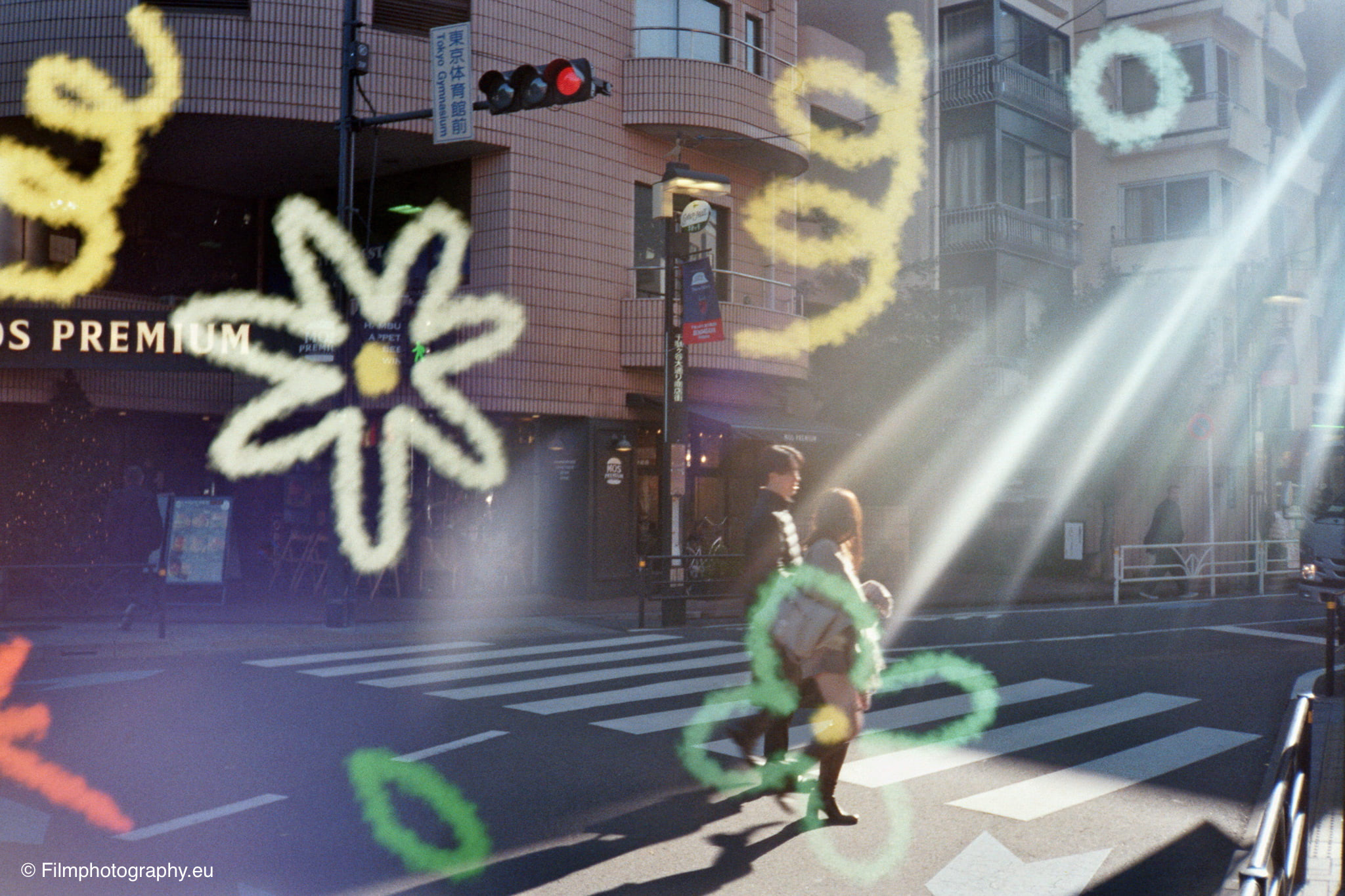
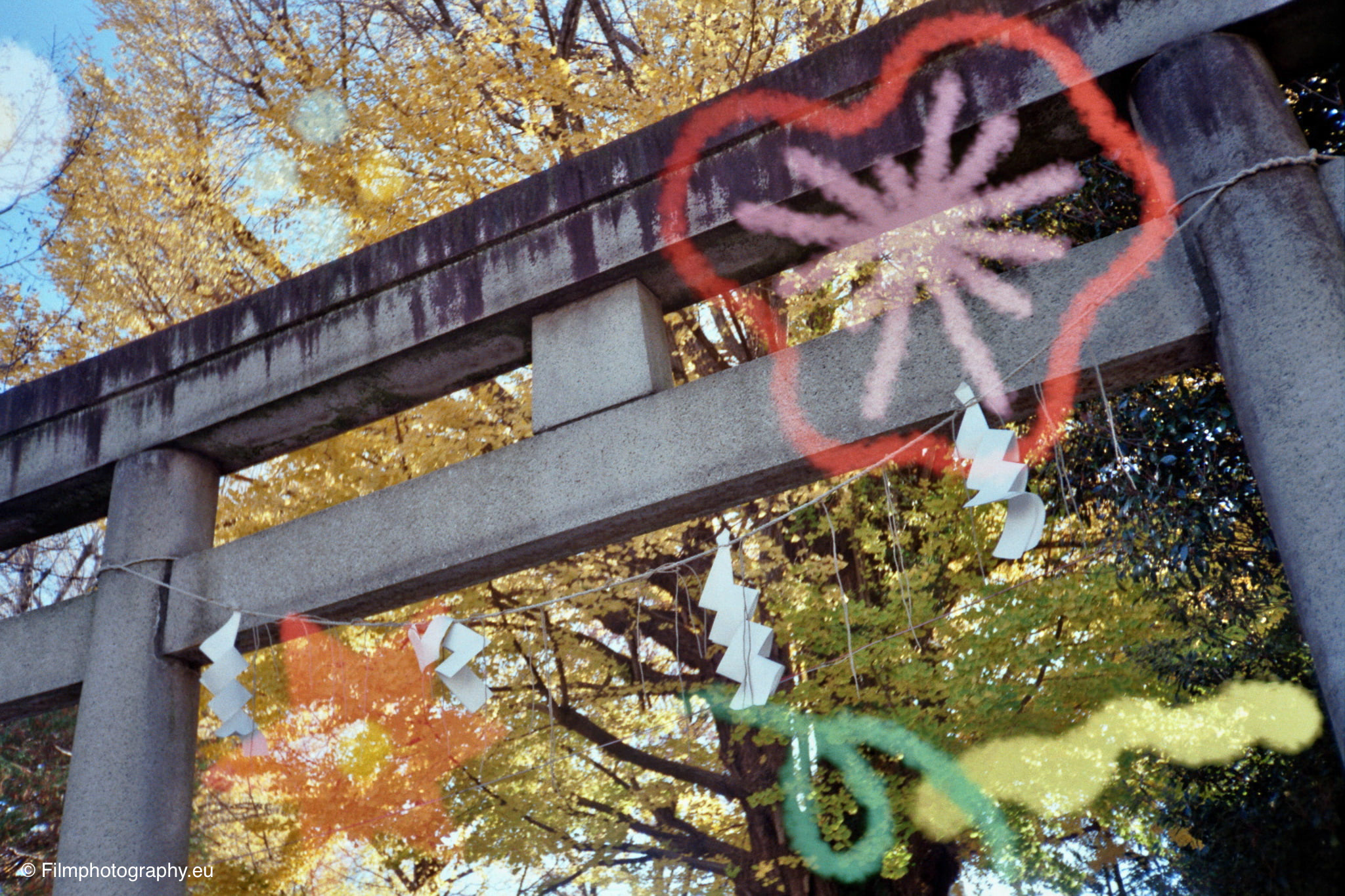
The last film in the bundle was the gabble.film PKTL, which I also shot in Tokyo with the Minolta Weathermatic 35 DL. PKTL, as I researched, likely relates to Pak Khlong Talat, the famous flower market in Bangkok. Accordingly, one expects floral patterns and an explosion of colors here. This film also has a nominal sensitivity of ISO 200.
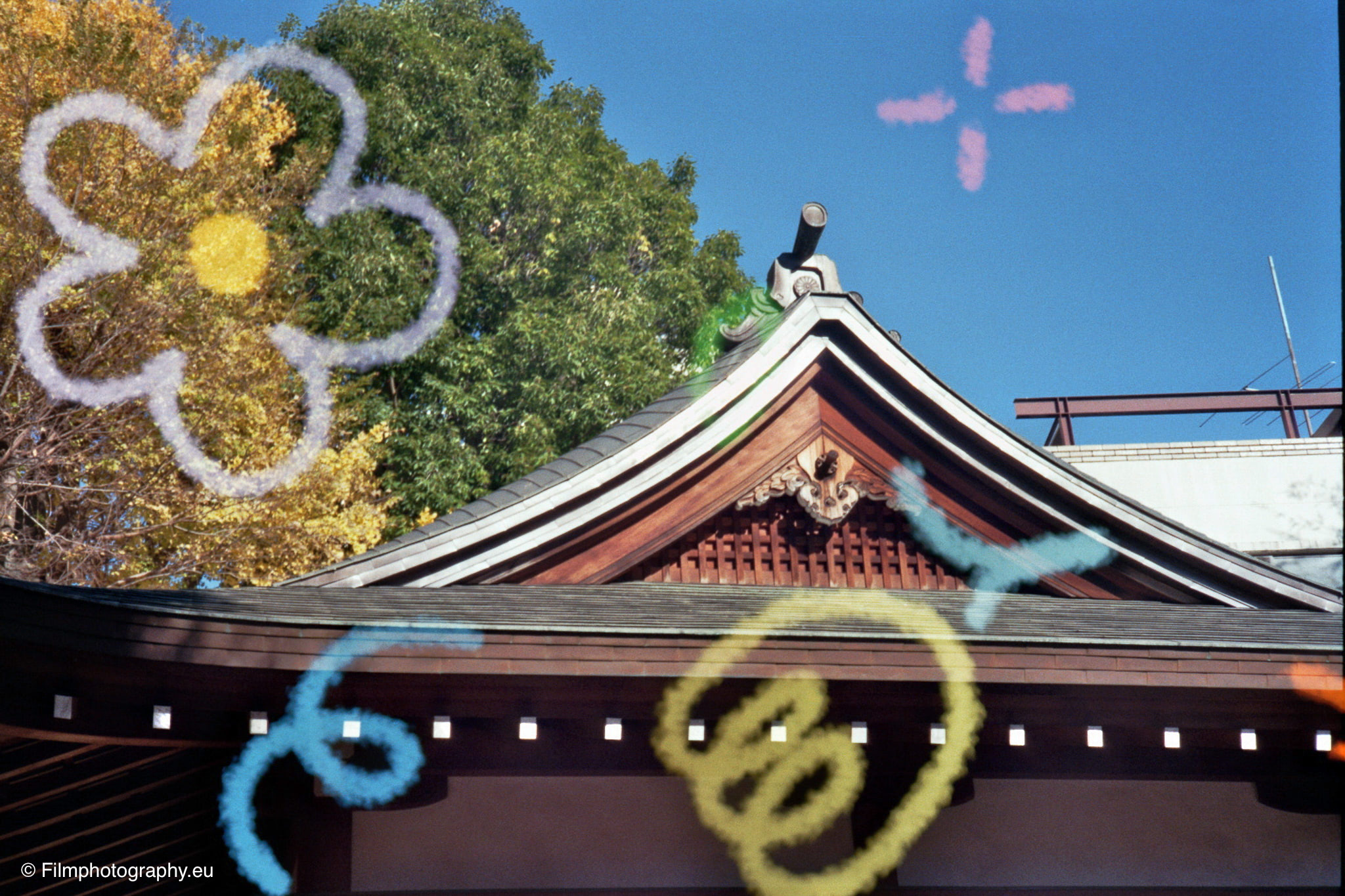
Conclusion
After testing four different films from gabble.film in two of the most exciting cities in the world, I can form an opinion. The films are based on solid color material from Kodak and Fujifilm, which ensures a basic technical quality you can rely on. This is important because, with all the experimental joy, you still want the development in the lab to go smoothly.
These are definitely not films you use every day. Anyone planning serious documentation or who values absolute control over the image should stay away from them. These films are meant to bring variety and surprise into everyday photographic life. They break the routine. You have to be willing to accept chance as a creative partner. It’s great if you like a bit of surprise in your pictures. Every image is a small unique piece, and the moment you receive the scans from the lab is like Christmas. You never know exactly what you’re going to get.
A technical aspect that should not be neglected is the sensitivity. ISO 200 can be a bit too insensitive in some cases, especially if you use a camera with a small aperture. Especially in the shadows, both the Minolta Weathermatic and the Revue 35FC were a bit too light-hungry. Anyone using these films should therefore pay attention to good light or use a faster camera to exploit their full potential.
The gabble.film rolls are also a great gift idea. The branding and packaging are top-notch and bring joy, making you want to try them out immediately. They are colorful and individually designed, far from the sterile look of major manufacturers.
Unfortunately, they are hard to get outside of Asia, which increases the procurement effort. However, if you happen to be in Bangkok, you can buy them directly there. For everyone else, the way via Instagram or specialized import dealers remains.
In summary, gabble.film is a wonderful addition to the analog community. They remind us that photography doesn’t always have to be serious and perfect. Sometimes it’s just about the fun of pressing the shutter and the joy of colorful images. Those who embrace it will be rewarded with unique pictures that no digital filter could ever reproduce.
If you like this vibe but struggle to find these specific rolls from Thailand, you should definitely check out Revolog or Dubblefilm. They do similar pre-exposed effects and are usually a bit easier to find in Western shops. Still, nothing beats that handmade feel you described here. Thanks for sharing the Tokyo shots, they look incredible!
Never heard about it before
This is such a cool find! I’ve been getting a bit bored with my standard Portra 400 shots lately and these gabble films look like exactly the kind of creative spark I need.
It’s really fascinating to see how the analog community is thriving lately. There’s something about the wait and the physical surprise of developing a roll that digital just can’t replicate. It seems like more and more people are moving away from the ‘perfect’ look and just want something that feels real and tangible.