Orthopanchromatic black and white films represent a special category within analog photography. They are characterized by their specific sensitivity to the light spectrum and offer photographers unique opportunities for creative design.
What does “orthopanchromatic” mean?
Unlike panchromatic films, which are sensitive to all visible colors, orthopanchromatic films are less sensitive to red light. This means that reds appear darker on the film. This property gives orthopanchromatic black and white images a distinctive look with high contrast and a special emphasis on textures.
Historical significance
Orthopanchromatic films have a long history in photography. They were developed in the early 20th century and were used in various areas. In portrait photography they enabled a softer rendering of skin tones, while in landscape photography they created dramatic effects by darkening foliage and vegetation. Orthopanchromatic films were also used in reportage and documentary photography to create certain moods.
Modern applications
Although panchromatic films are the more common choice today, orthopanchromatic films are experiencing a renaissance. Many photographers appreciate their unique look and use them specifically for artistic projects. Orthopanchromatic films are used particularly in architectural photography to depict buildings and structures with clear lines and strong contrasts. They are also used in experimental photography to create unusual and abstract images.
Creative possibilities
Orthopanchromatic black and white films open up a variety of creative possibilities for photographers. By using filters, certain colors can be specifically emphasized or weakened. For example, a yellow filter brightens reds, while a red filter makes them appear even darker. Experiments with different filters and exposure times lead to surprising results and enable an individual visual language.

Adox CHS 100 II
The Adox CHS 100 II is a black-and-white film.

Adox CMS 20
The Adox CMS 20 is a black-and-white film.
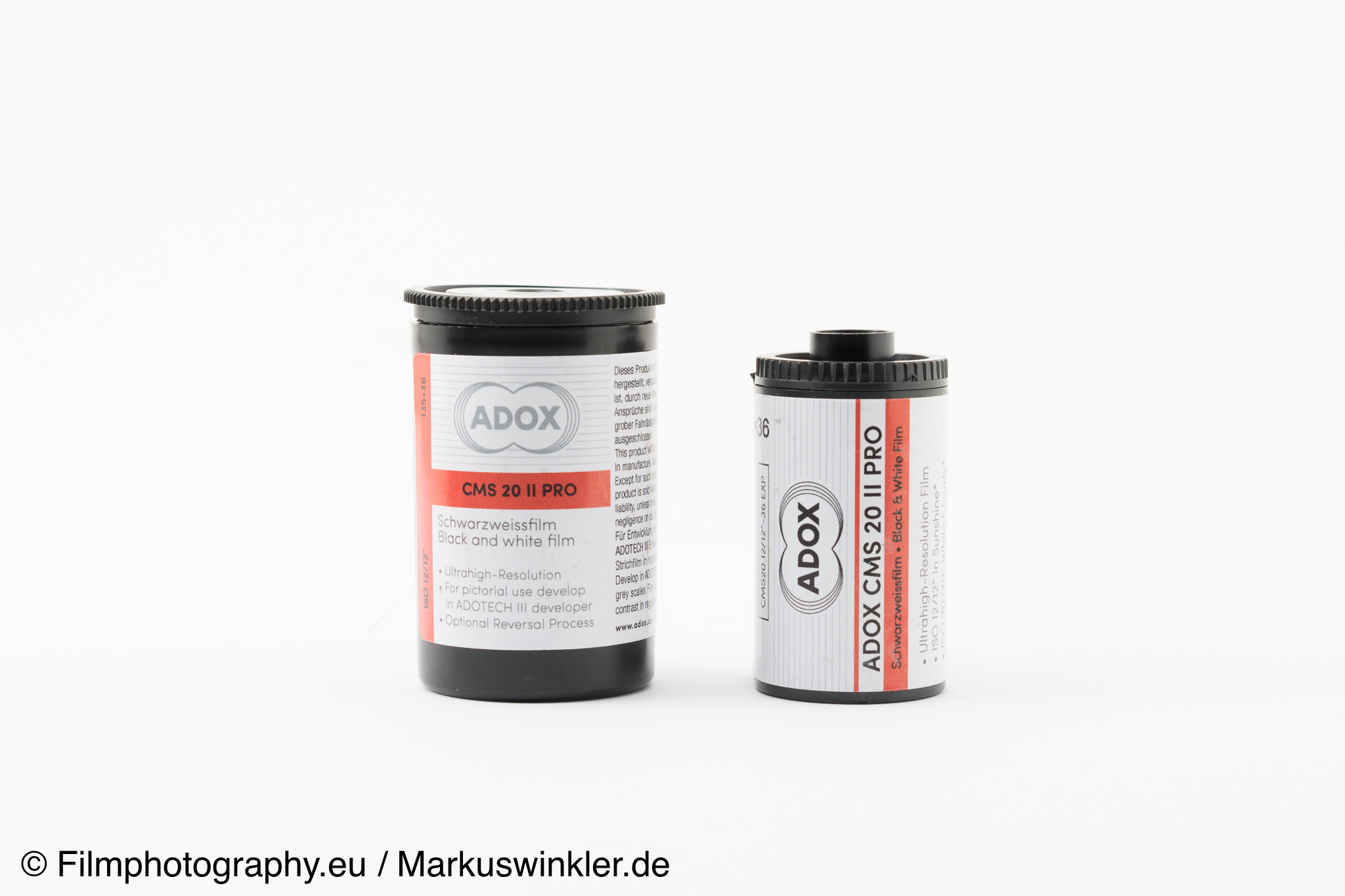
Adox CMS 20 II
The Adox CMS 20 II is a black-and-white film.

Fujifilm Neopan 100 Acros
The Fujifilm Neopan 100 Acros is a black-and-white film.
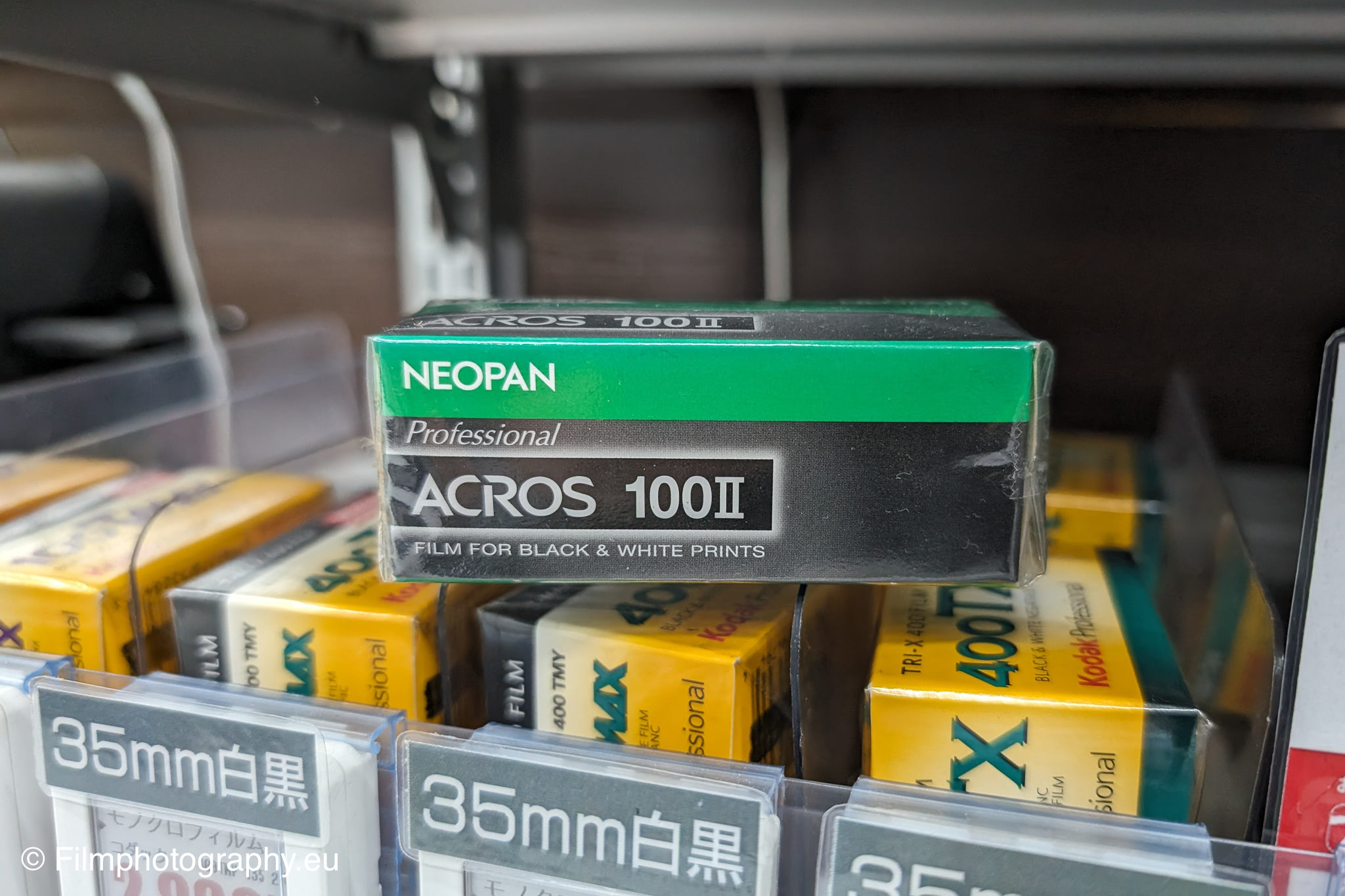
Fujifilm Neopan 100 Acros II
The Fujifilm Neopan 100 Acros II is a black and white film.
Fujifilm Neopan SS 100
The Fujifilm Neopan SS 100 is a black-and-white film.
Maco Po 100c
The Maco Po 100c is a black and white film.

Rollei Retro 100 Tonal
The Rollei Retro 100 Tonal is a black-and-white film.
SPUR DSX
The SPUR DSX is a black and white film.

SPUR Ultra R 800
The SPUR Ultra R 800 is a black and white film.