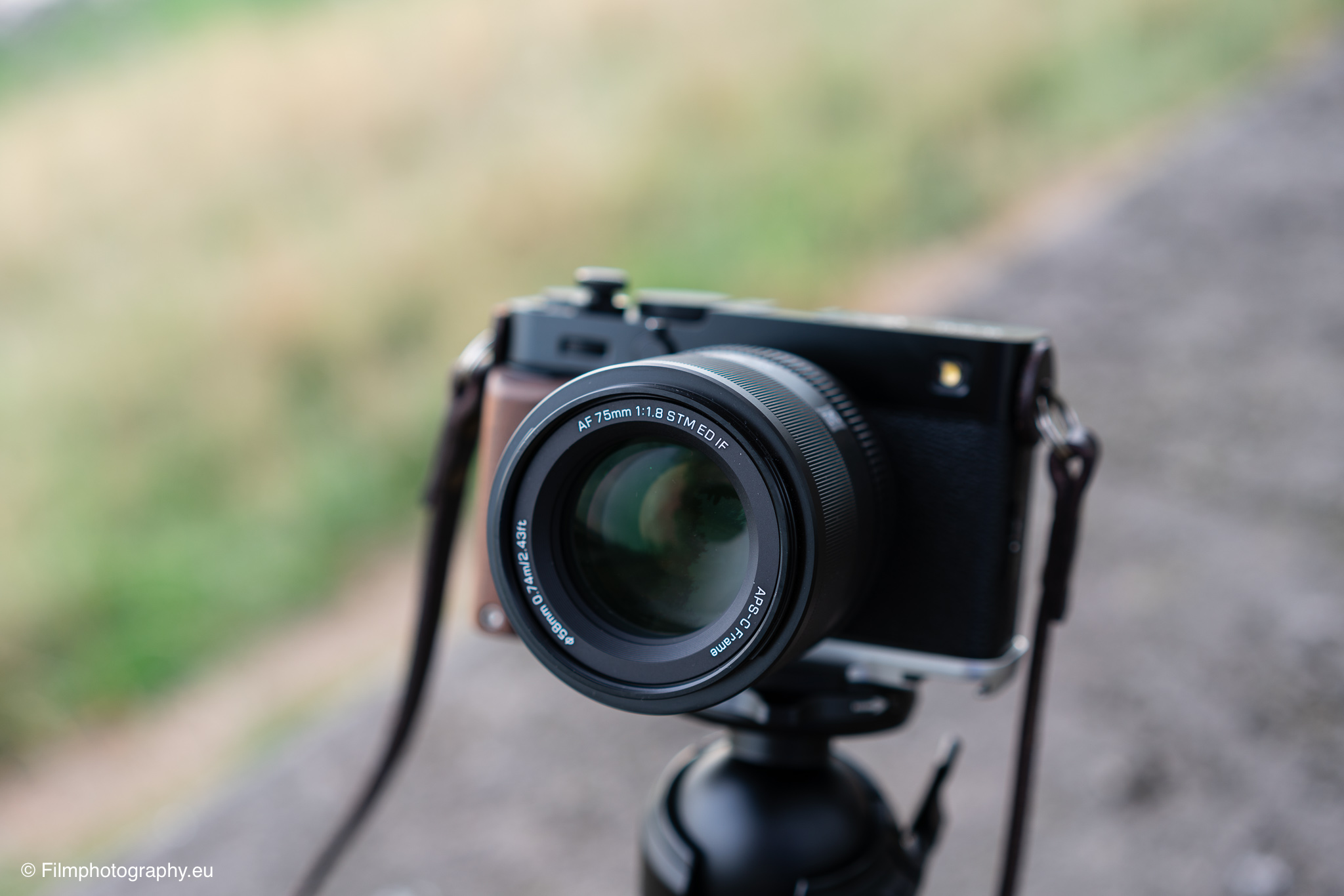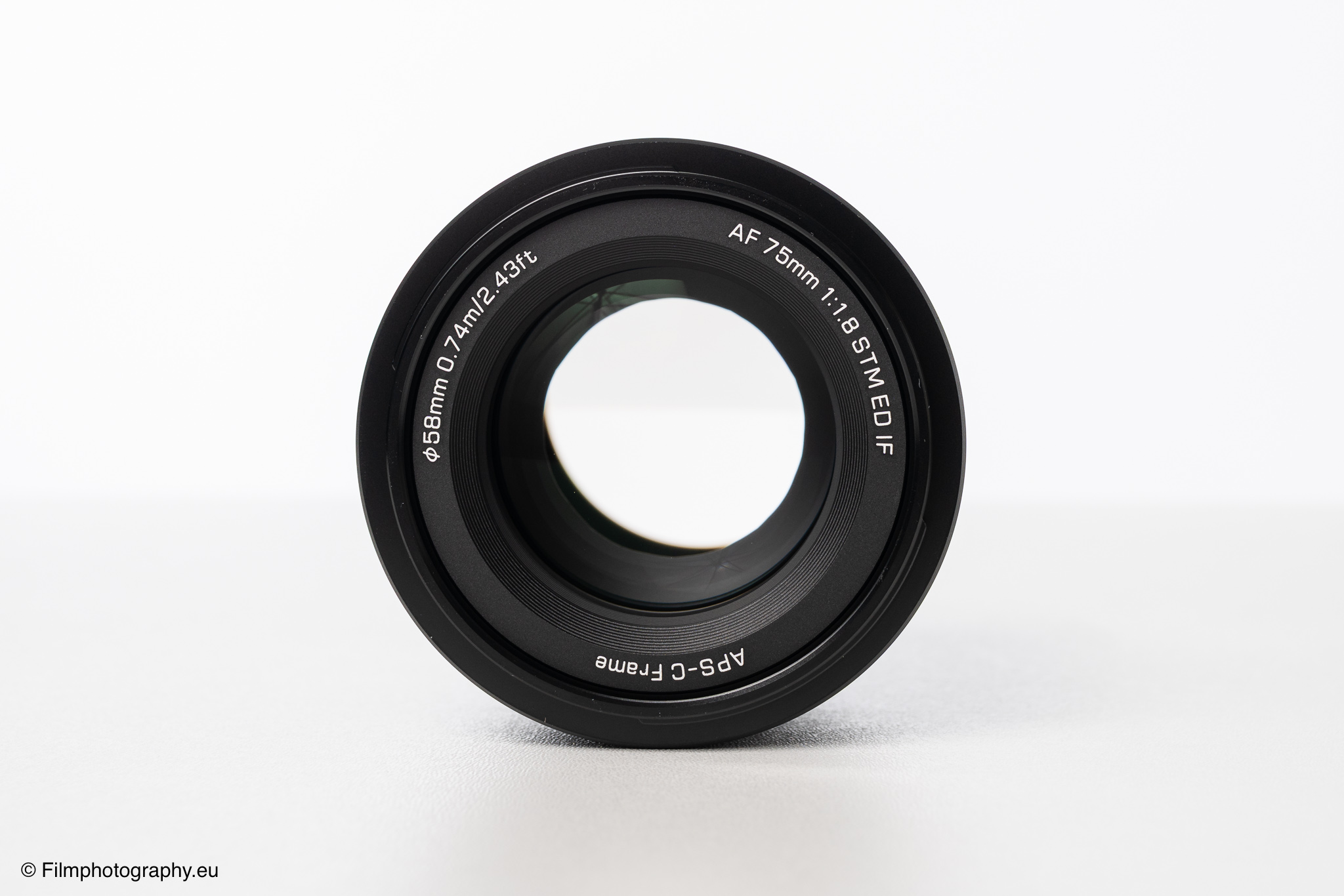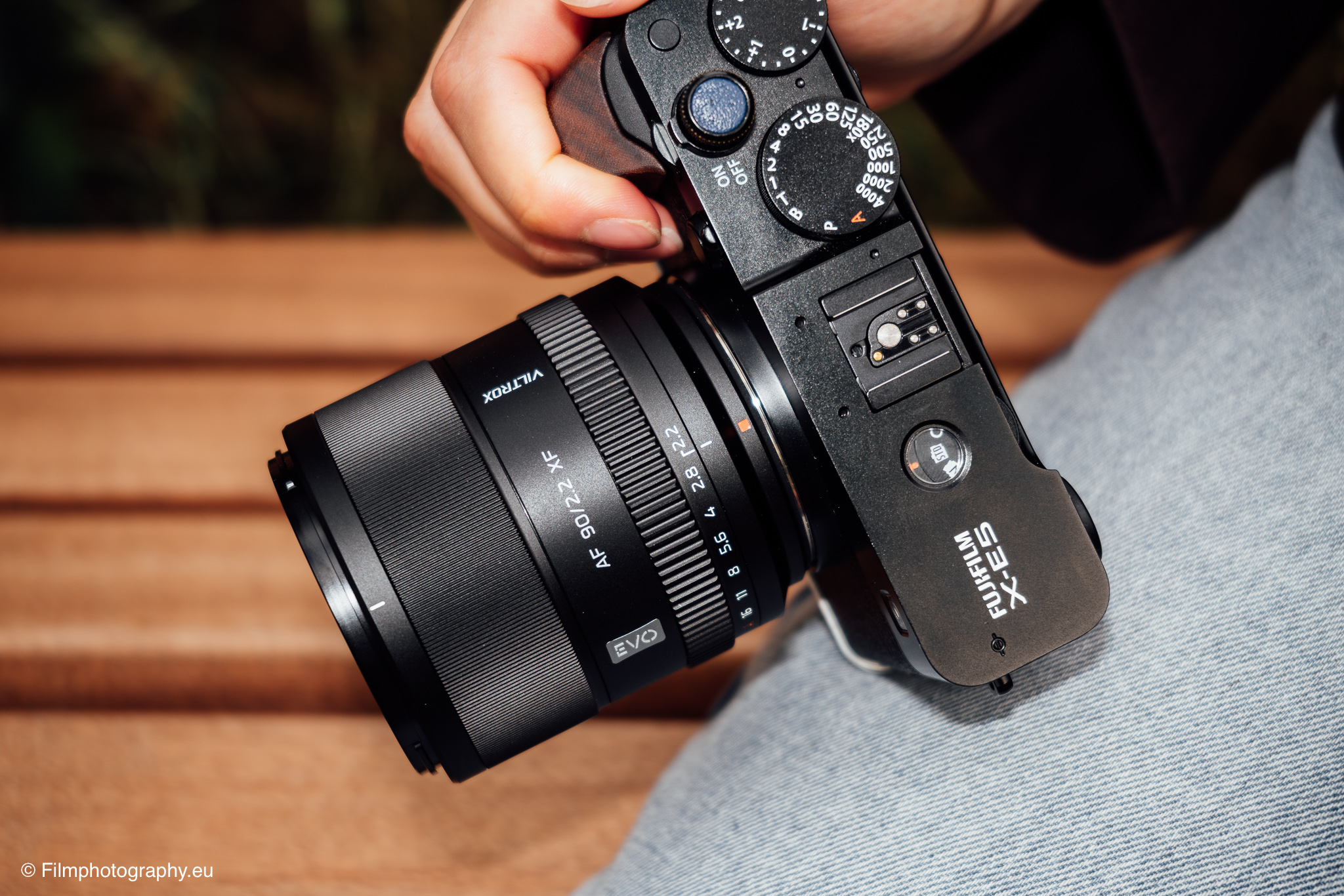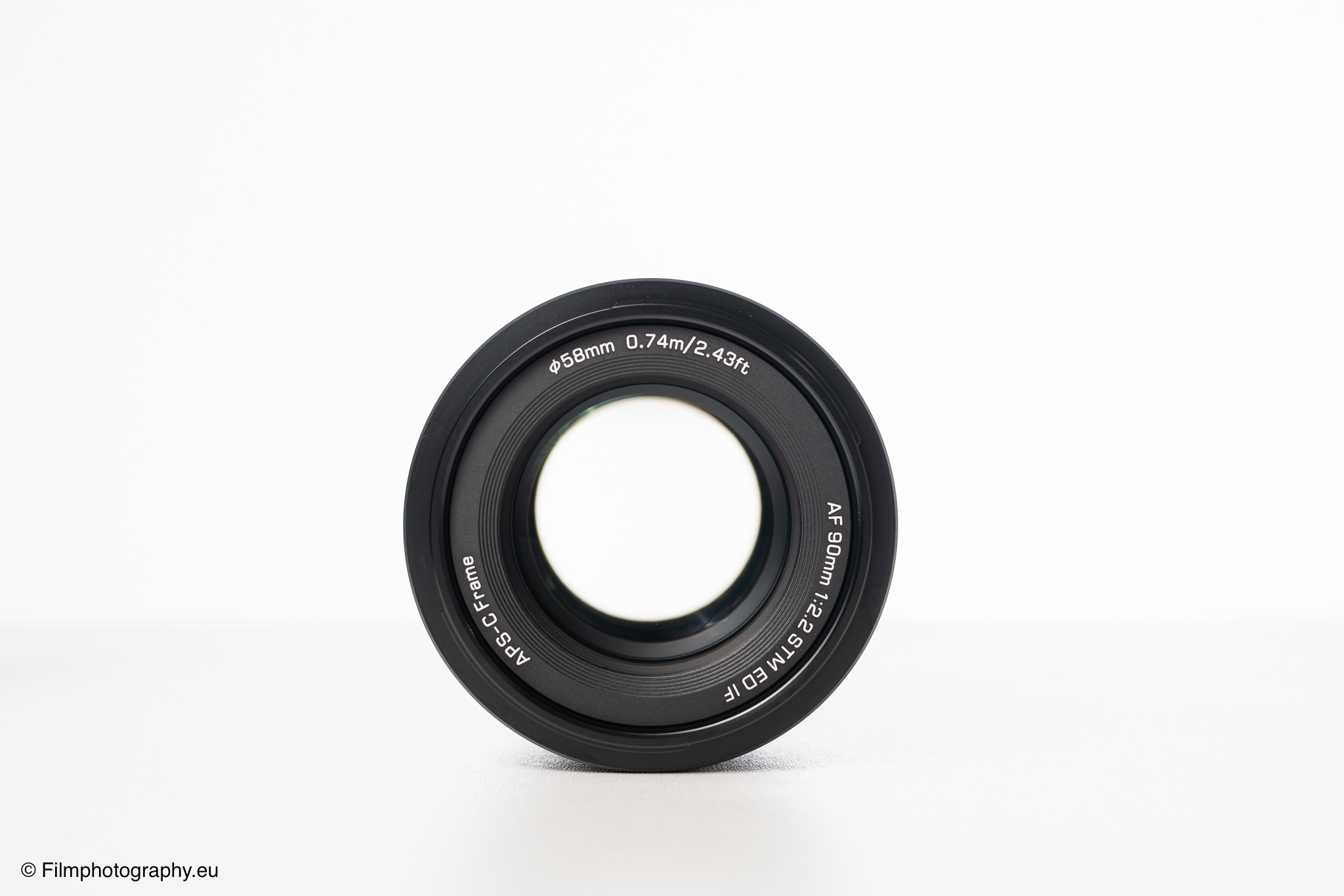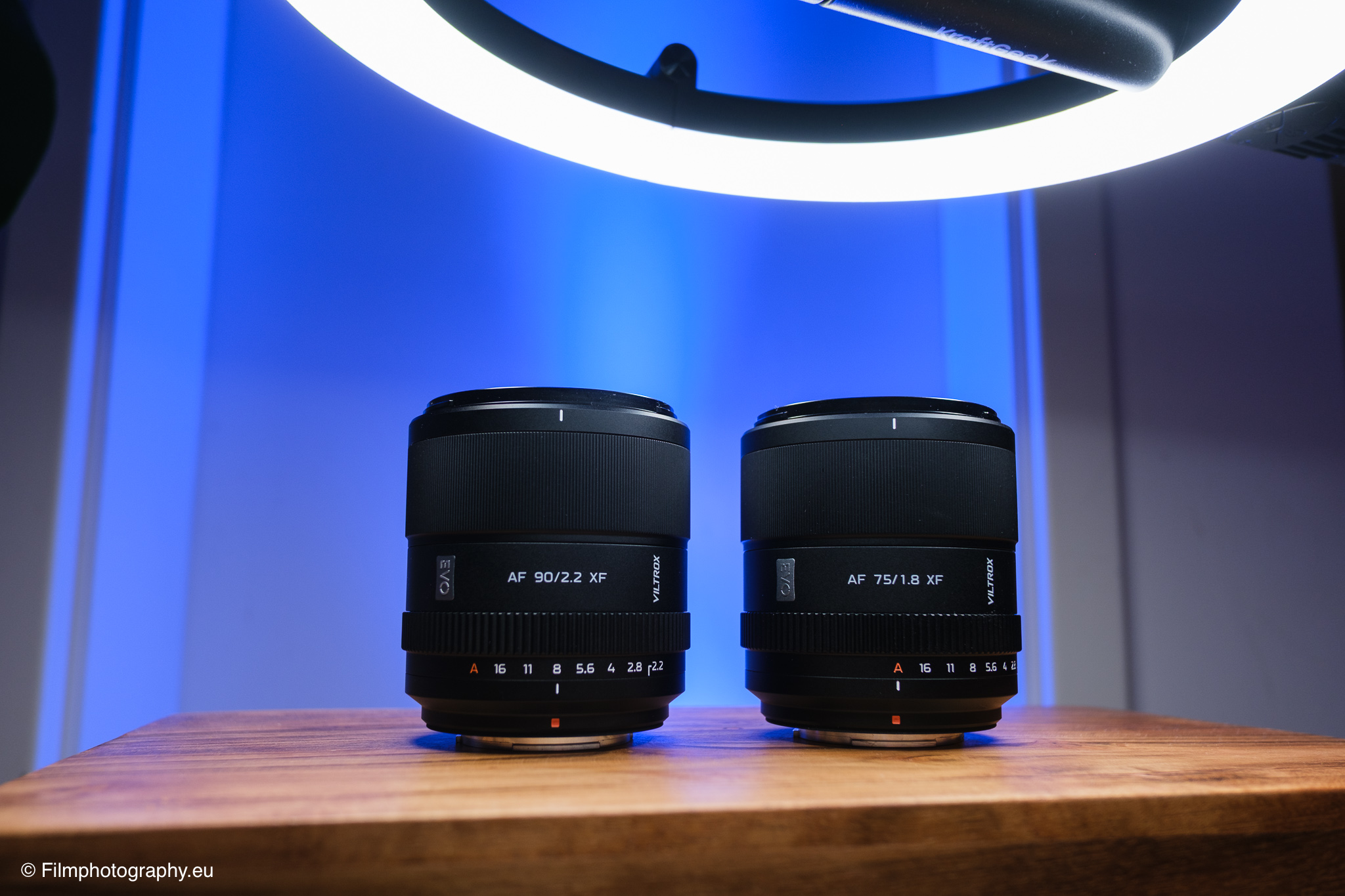
After extensively testing the Viltrox AF 75mm f/1.8 EVO and the AF 90mm f/2.2 EVO in practice, it's only natural to compare the two lenses directly.
Viltrox takes a refreshingly down-to-earth approach with its EVO series. Instead of building heavy special glass with extreme apertures like f/1.2 or f/1.4, the manufacturer deliberately focuses on compact dimensions, moderate weight, and practical brightness. Anyone looking for a lightweight prime lens in the moderate telephoto range for their camera system now faces a real luxury decision. Both optics serve very similar requirements and vie for the same spot in your gear bag.
Similarities in Body, Features, and Feel
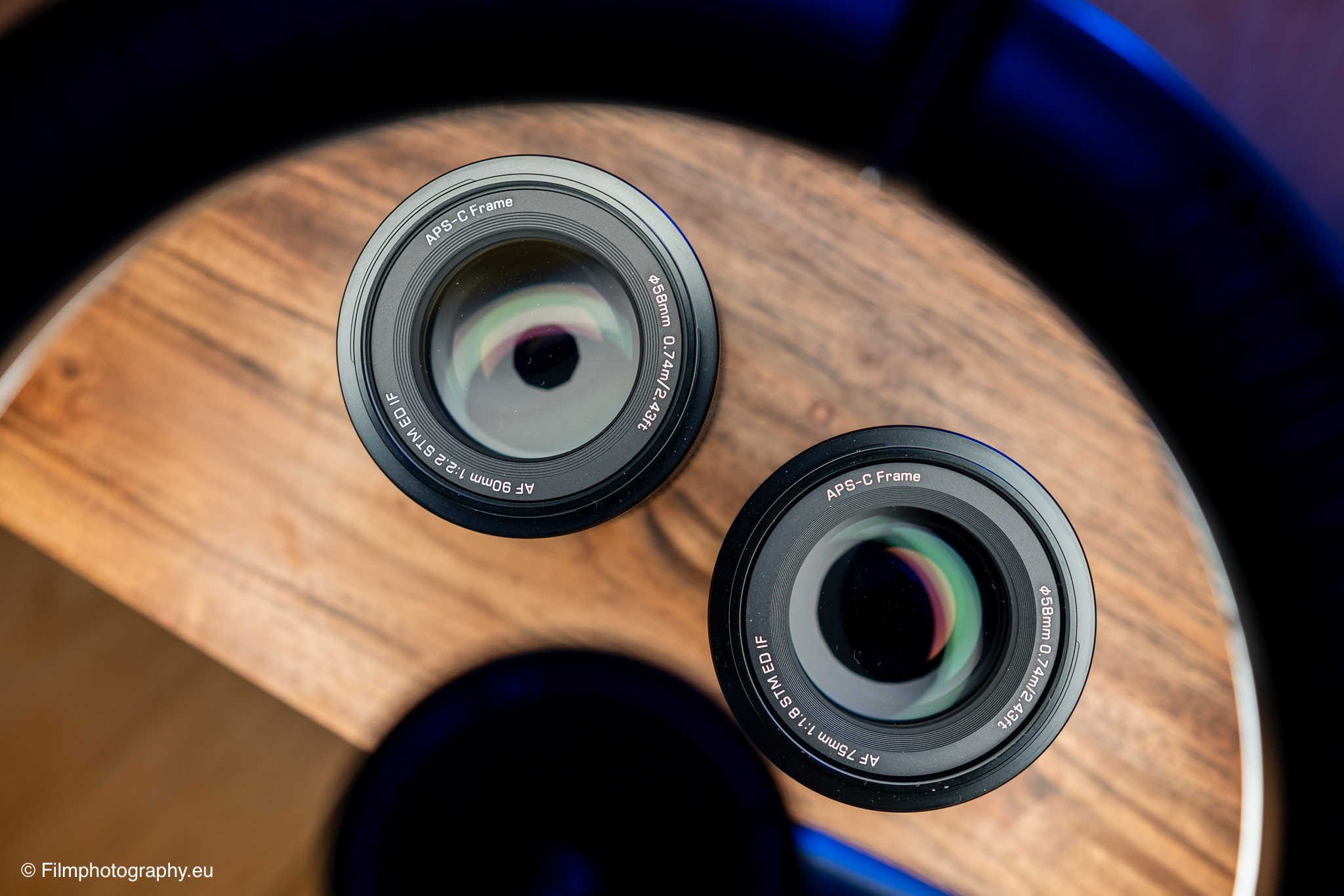
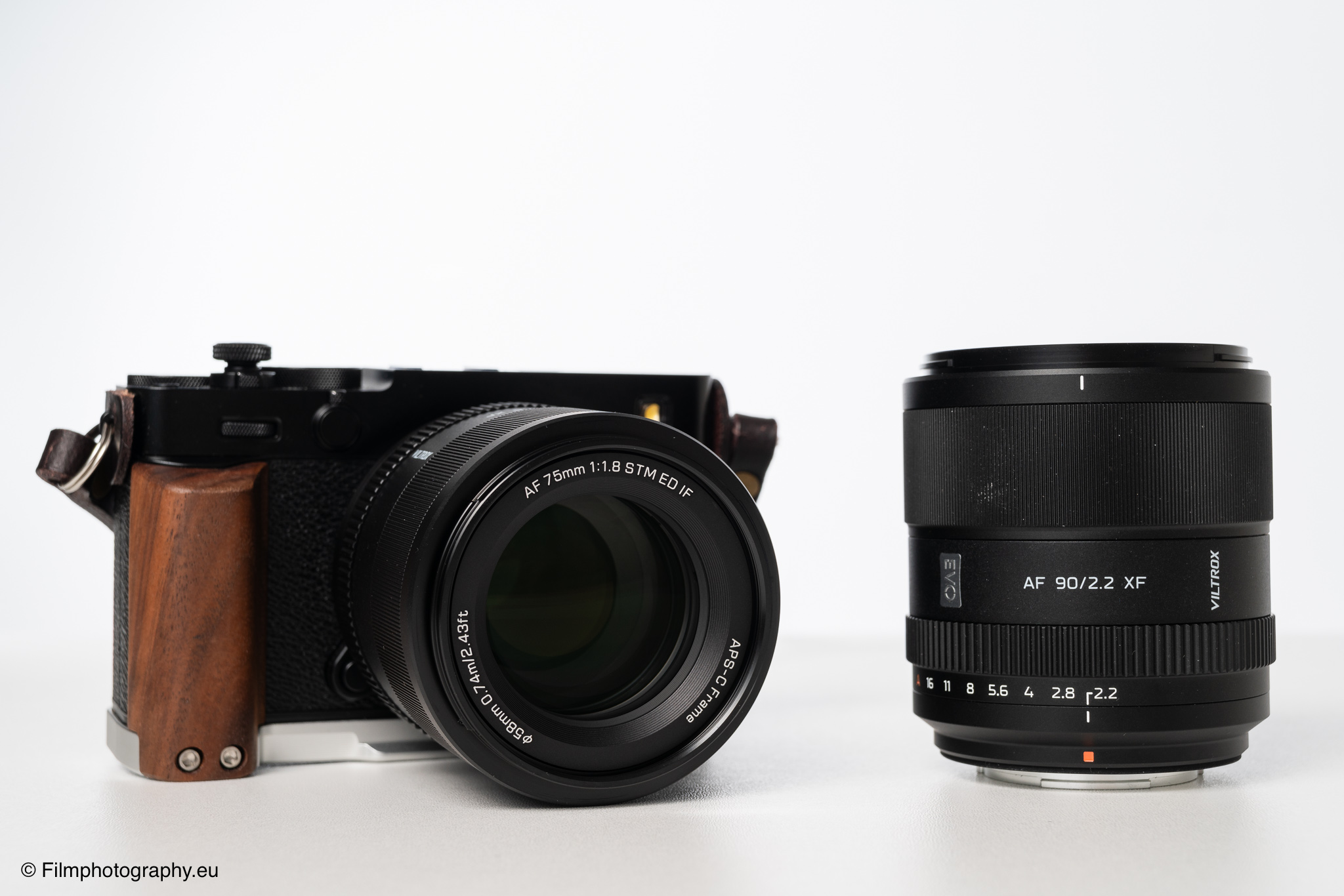
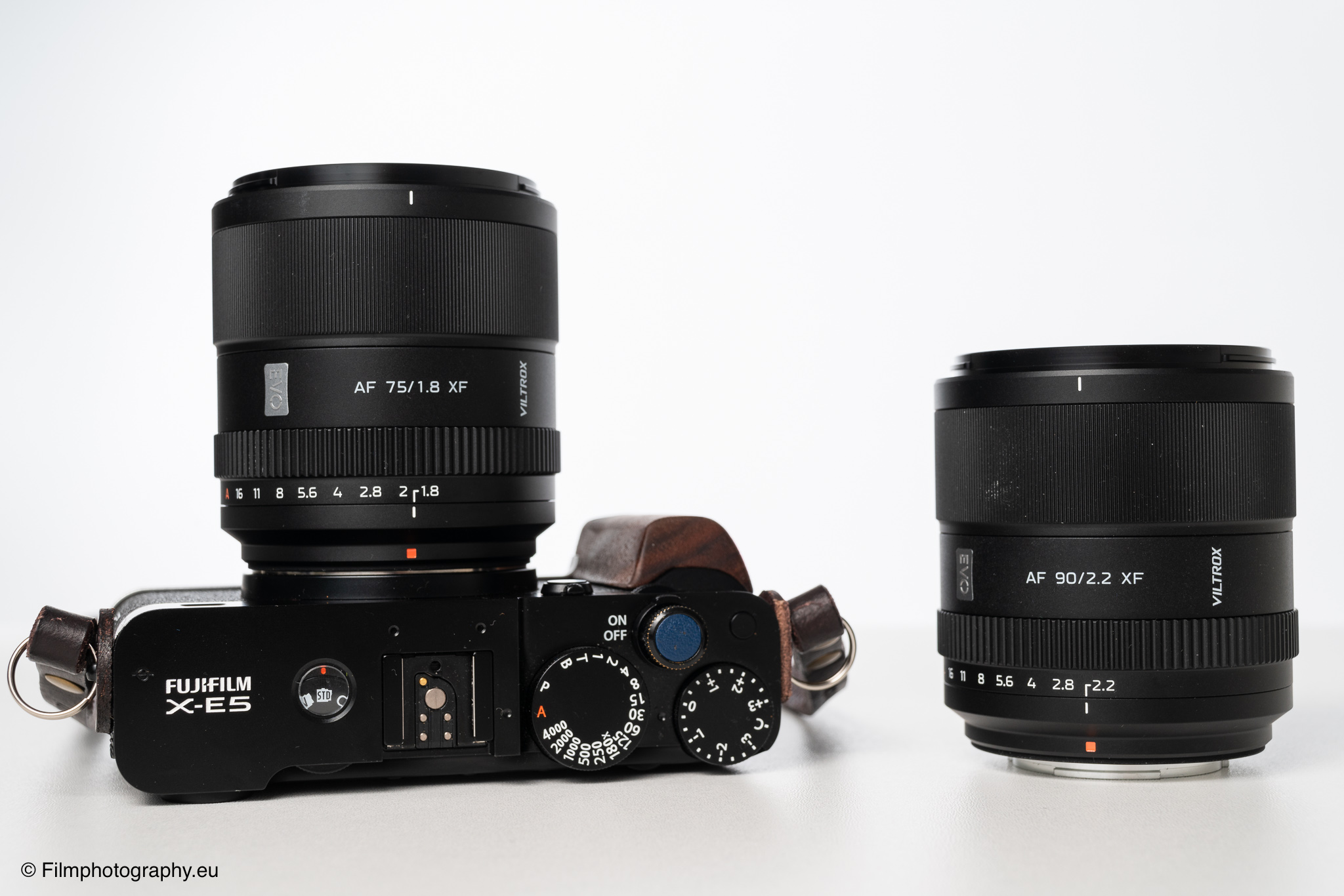
Looking at the two lenses side by side, the numerous similarities immediately stand out. Viltrox doesn't make it easy for interested buyers here, as the constructions are identical or extremely close in many respects.
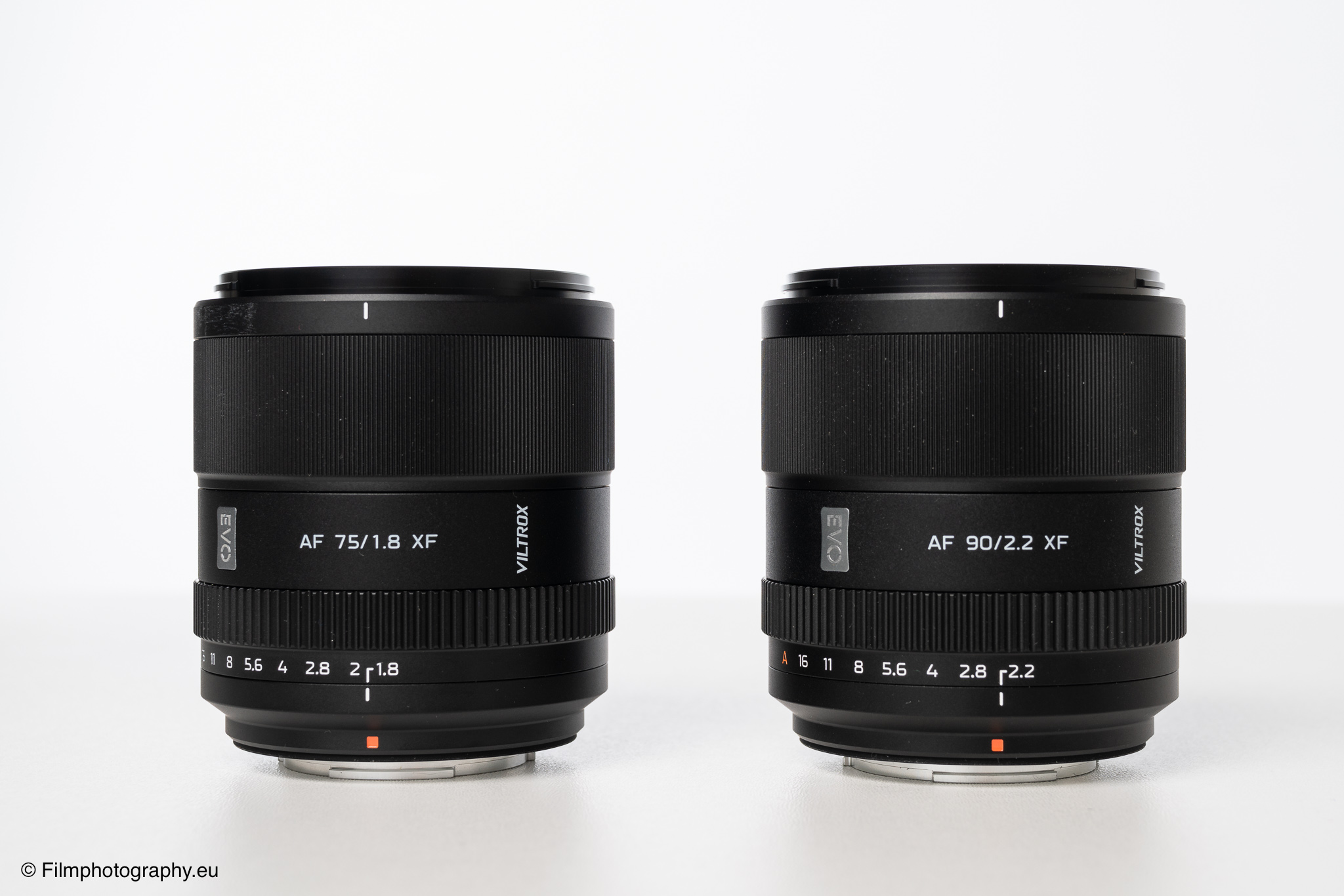
Both lenses feature a cleanly machined metal body with a matte finish that feels pleasantly premium without weighing you down. At around 325 grams each, both models are among the pleasantly lightweight representatives of their focal length class and harmonize excellently with slim camera bodies. The filter thread diameter is also identical at 58 millimeters on both models, making the use of filters noticeably easier without additional adapter rings.
A highlight of both versions is the mechanical aperture ring. If you prefer mechanical controls, you'll benefit immensely from this in everyday use. You can preselect the aperture blindly before the camera is even switched on. Additionally, you always keep the combination of aperture value and shutter speed directly in view without having to glance at the display.
At the mount, both lenses feature a fine rubber lip that protects the camera body from dirt and moisture ingress. Future firmware updates can be conveniently installed via an integrated USB-C port. Even the minimum focusing distance of around 74 centimeters is largely identical.
How Do They Differ?
The differences between the two prime lenses lie primarily in the fine nuances of the technical specifications. Regarding the maximum aperture, the 75mm with f/1.8 offers a slightly larger opening on paper than the 90mm with its f/2.2 brightness.
In everyday practice, however, this half-stop difference hardly matters. In difficult lighting conditions, you only need to raise the ISO sensitivity slightly or expose a touch longer with the 90mm.
As for subject isolation, the longer focal length of the 90mm almost completely compensates for the slightly smaller aperture. The depth of field and the appearance of the out-of-focus areas look very similar on both models, with the nine aperture blades in both variants ensuring soft and calm backgrounds.






In terms of sharpness and overall optical performance, the contenders are also extremely close. Both lenses deliver impressive sharpness and high contrast in the image center even at open aperture. Towards the edges, resolution drops slightly at open aperture but reliably recovers on both optics from f/2.8 and reaches a homogeneous level by f/4.0.
Chromatic aberrations are well controlled on both lenses and only appear to a small extent on very hard contrast edges. Due to the identical minimum focusing distance of 74 centimeters, the 90mm offers a slightly larger reproduction ratio purely optically, so small image details appear slightly larger than with the 75mm.
90mm or 75mm: Which Focal Length Suits Whom?
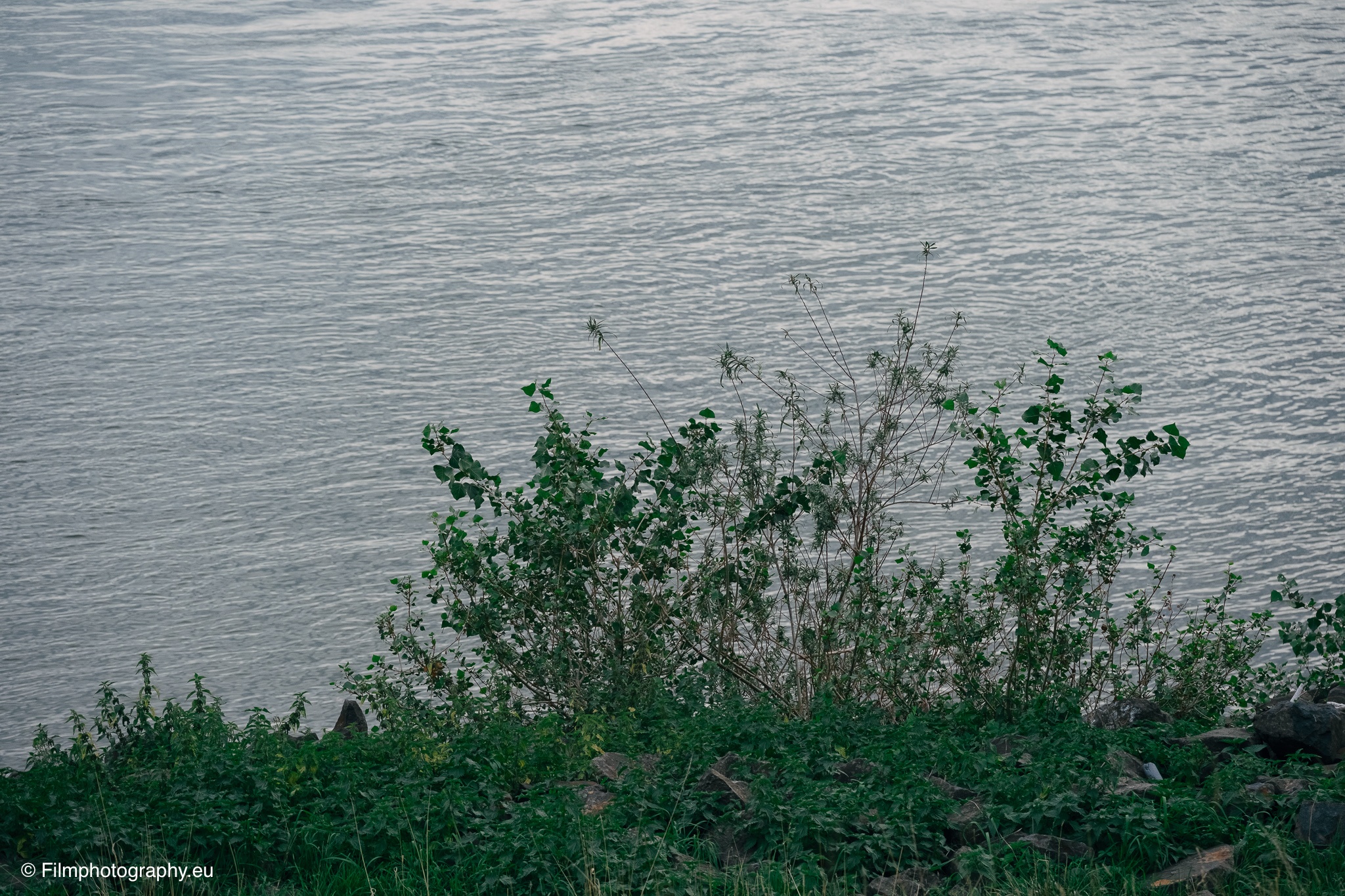
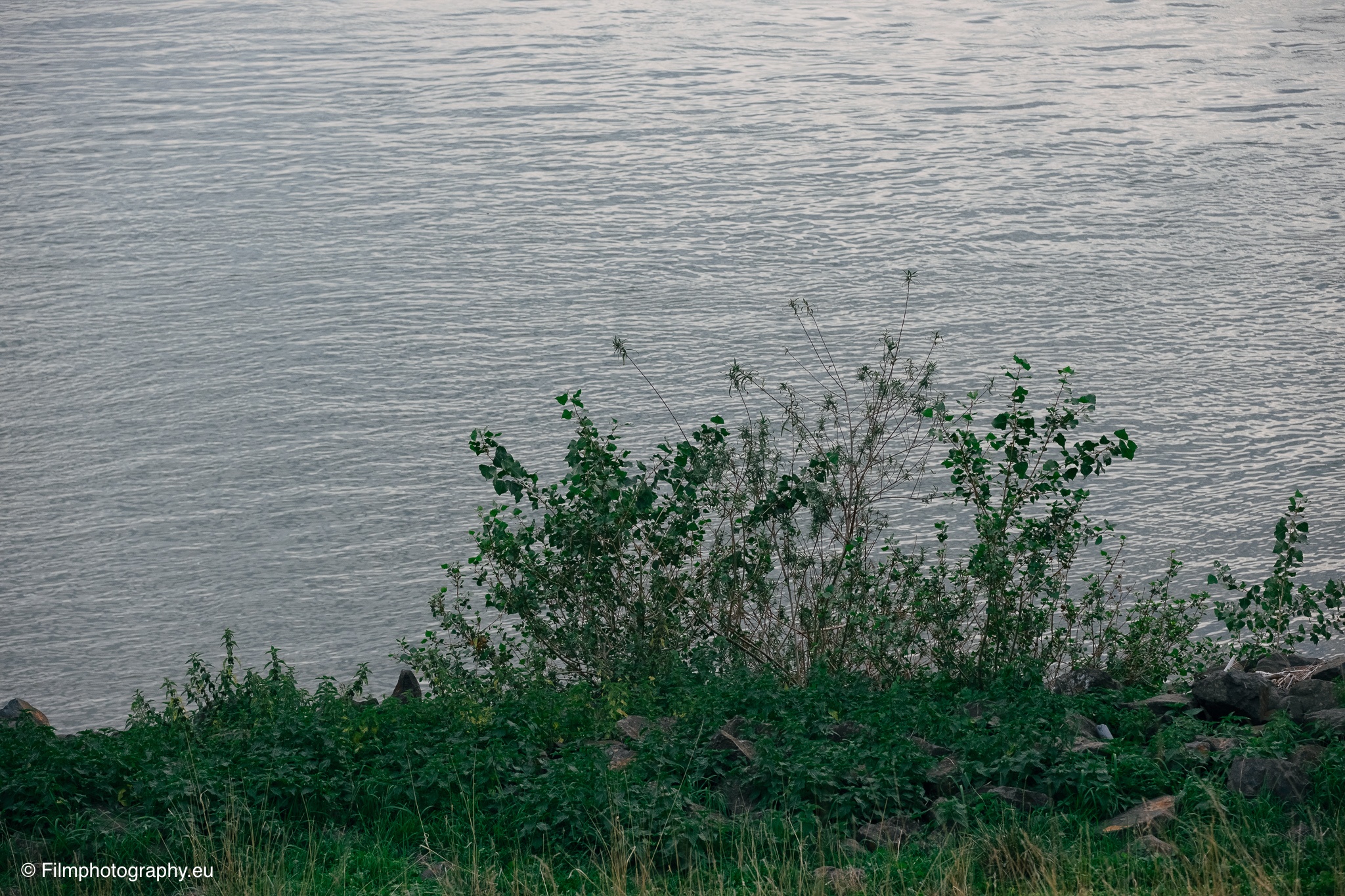
The decisive factor in the choice is ultimately the focal length. On an APS-C sensor, the 75mm corresponds to a full-frame equivalent focal length of around 112 millimeters, while the 90mm represents a field of view of 135 millimeters. Here too, it must be noted that this difference is not enormous in practice. Many subjects can be captured equally well with both prime lenses.
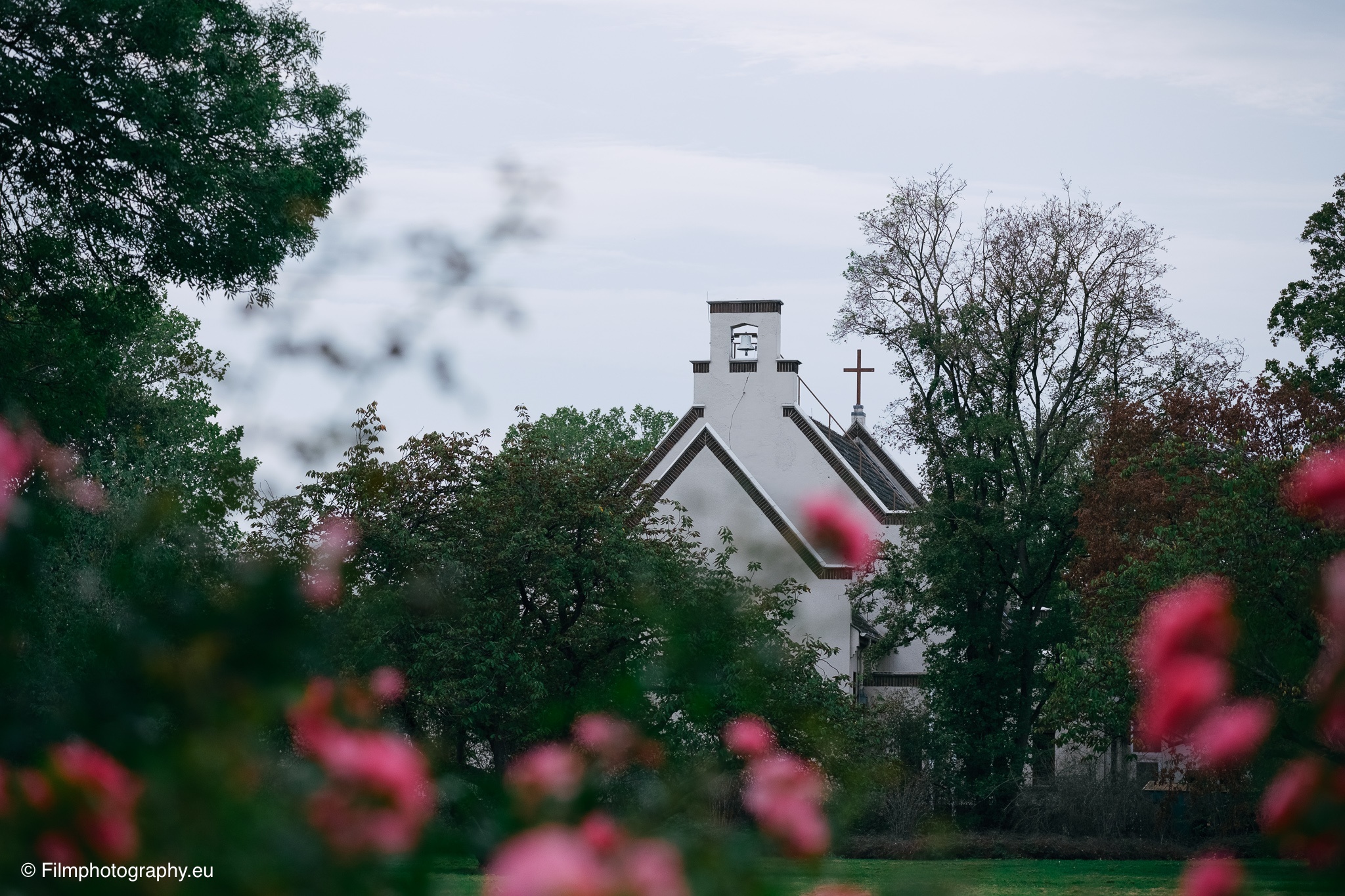
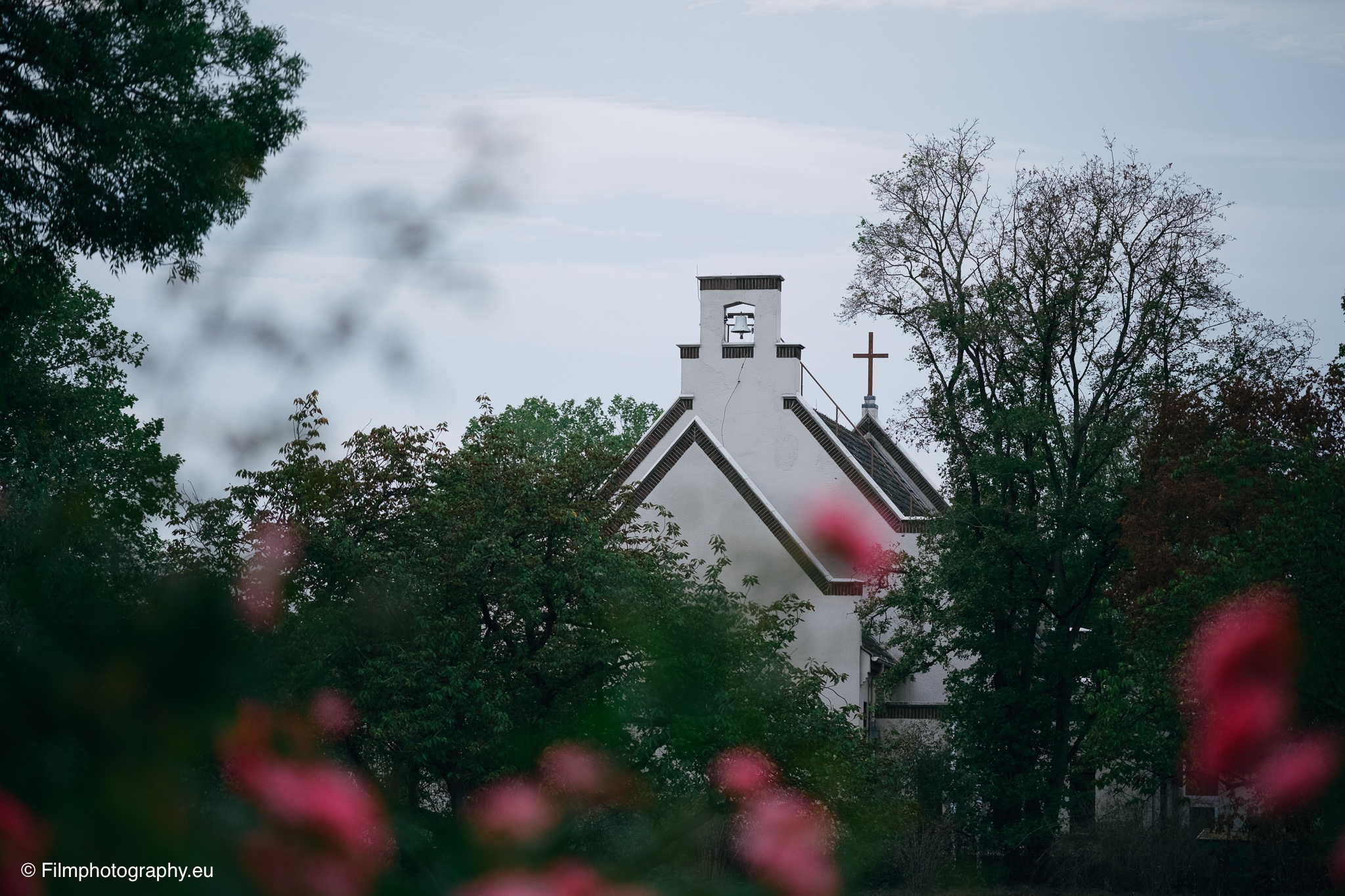
To achieve an almost identical field of view, it's usually enough to take a step closer to the action or step back. Nevertheless, the distance to the subject also determines the perspective and the optical compression of the background.
The purchase decision should therefore be based primarily on your own setup and personal plans. The key factor is which focal lengths you already own. For example, if you already have a lens in the 50 to 60 millimeter range on APS-C, the step to 75mm is relatively small. In this case, the 90mm offers noticeably more added value and a more sensible step up.
On the other hand, if you mainly work with lenses in the 23 to 26 millimeter range, the 75mm often bridges the gap to the telephoto range much more harmoniously, without creating too large a gap in the middle range.






Personal Verdict and Recommendation
If I had to personally choose between the two models, I would go for the 75mm. For me, this focal length is a very good complement to a 35mm lens, which corresponds to the classic 50mm field of view on full frame.
The 75mm isolates the subject very cleanly and still offers a bit more room for composition, which can sometimes become tight with the 90mm. Especially indoors, the 90 millimeters can sometimes be a bit too close, because you simply can't step back far enough to fully capture a subject.
If you do need a tighter crop, you can always crop in with modern, high-resolution sensors. This subsequent cropping is, of course, not ideal in every respect, but it's still better than not being able to capture a subject completely in the first place.
I therefore cannot give a final and universally valid answer, as both lenses make a convincing case. Both lenses score with clean mechanical construction, low transport weight, and very solid image quality at a fair price. In any case, you can say that you can't go wrong with either lens. And if you ultimately can't decide, just get both.


More Sample Images
You can find more sample images for both lenses in the test reports for the 75mm and the 90mm.
Buy Lenses
Both prime lenses are available directly through the manufacturer's official online shop as well as through mail-order retailers. The Viltrox AF 75mm f/1.8 EVO can be ordered directly from Viltrox and via Amazon. If you're interested in the slightly longer model, you'll find the Viltrox AF 90mm f/2.2 EVO in the Viltrox webshop or directly at Amazon.