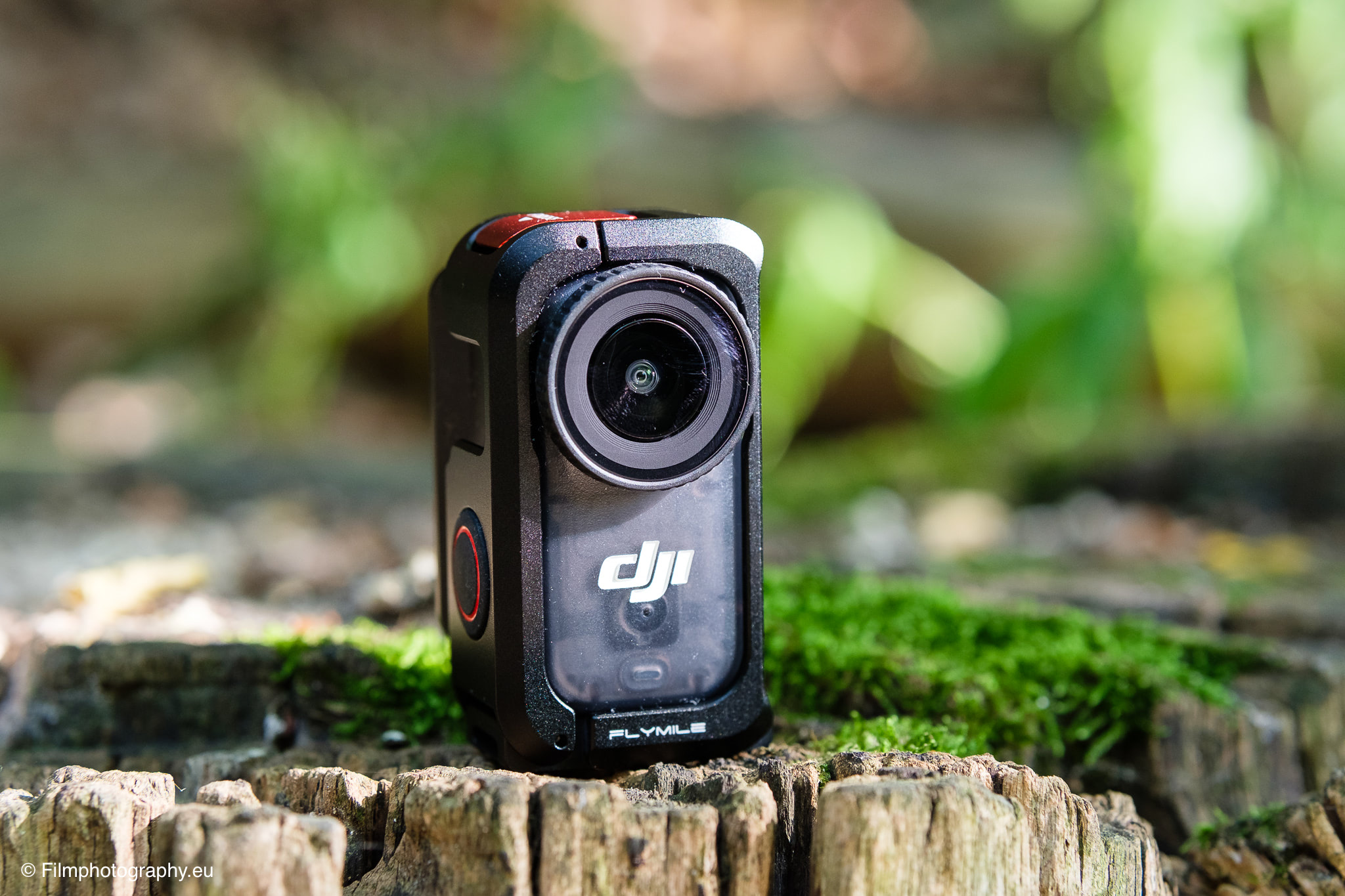
In modern photography and videography, there has been a trend towards ever smaller and more mobile recording devices for years. While classic DSLRs and mirrorless system cameras still have their place due to their optical quality and manual control options, many creatives are looking for ways to reduce their gear.
This category includes the DJI Osmo Nano, which is designed as an ultra-compact camera. It promises to deliver high image quality despite its small size and to integrate seamlessly into everyday life. This review covers how the camera performs in practice, its technical features, and whether it can meet the demands of discerning users.
The History of DJI Cameras
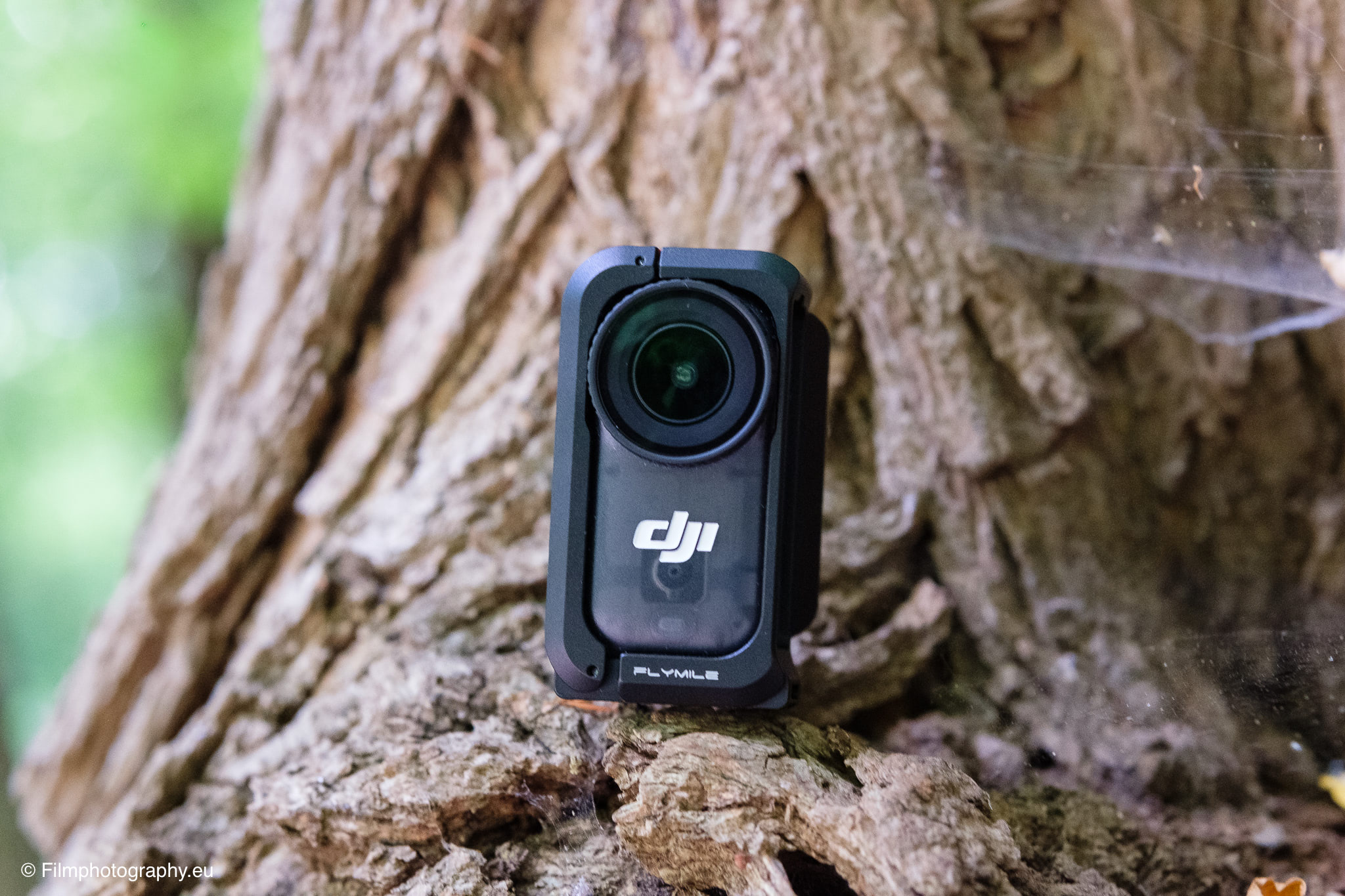
To understand the creation of the DJI Osmo Nano, it's worth looking at the manufacturer's product history. DJI has made a name for itself in stabilization technology over many years, starting with advanced drone gimbals and later with handheld stabilizers for smartphones and system cameras.
An important milestone towards modularity was the introduction of the DJI Action 2, which broke new ground with a magnetic concept and a square body design. Although subsequent models of the Action series returned to a traditional, robust body design, interest in an extremely light and portable camera remained.
The DJI Osmo Nano is the result of this ongoing development. It combines insights from the modular design of earlier models with modern sensors and optimized algorithms to offer an alternative to existing miniature cameras on the market. Thus, the model targets an audience seeking unobtrusive documentation of everyday life or sports activities.
Technical Specifications of the Osmo Nano
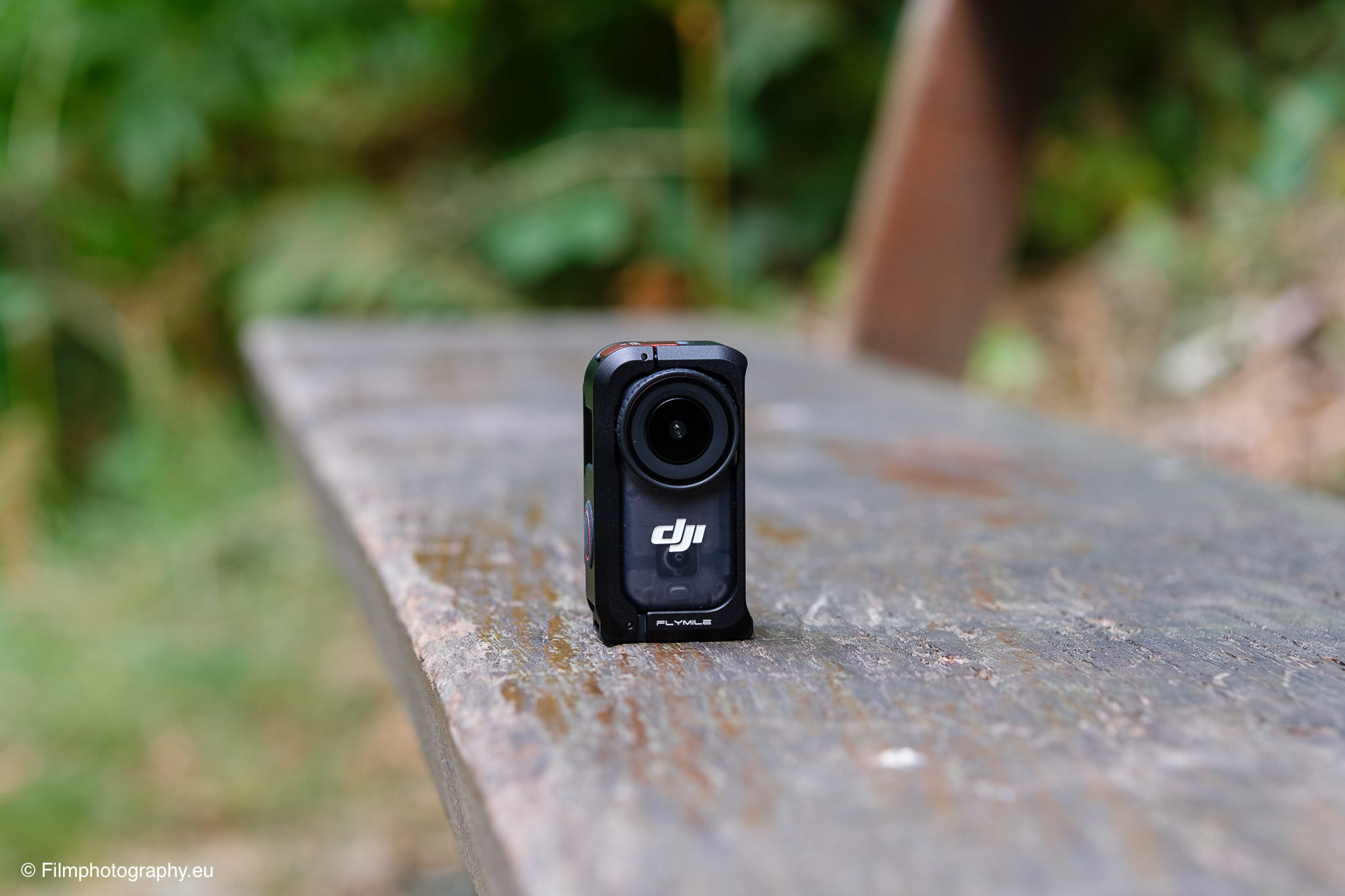
The internal values of the DJI Osmo Nano show that despite the minimal body volume, few compromises were made on core components. The heart of the camera is a CMOS sensor with a physical size of 1/1.3 inches. This sensor size, otherwise known from larger action cameras or advanced smartphones, offers a dynamic range of up to 13.5 stops.
The built-in wide-angle lens has an aperture of f/2.8 and offers a very wide field of view of 143 degrees, providing immersive perspectives.
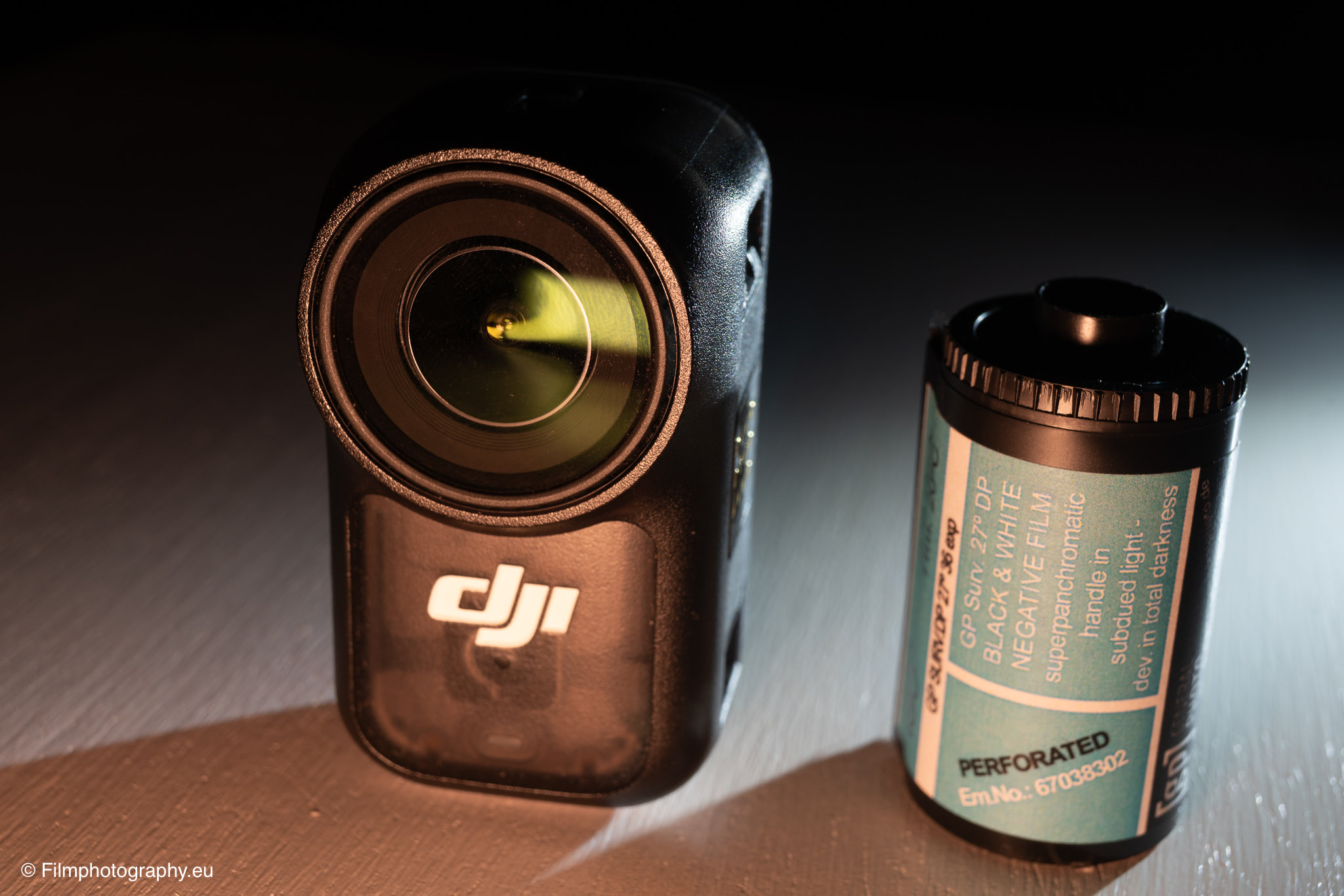
In terms of resolution, the camera delivers photos with a maximum resolution of 35.5 megapixels, corresponding to an image size of 6880 by 5160 pixels. Video recording is possible in true 4K at up to 60 frames per second.
Those who prefer a cinematic look in slow motion can create recordings at up to 120 frames per second in 4K resolution in slow motion mode. For even greater slowdown, a mode with 240 frames per second at 1080p resolution is available. The maximum video bitrate is a solid 120 megabits per second, with files saved in HEVC format.
Particularly important for post-processing is the support of 10-bit color depth in the D-Log M color profile, as this profile allows greater flexibility in color correction. Stabilization is provided by the digital systems RockSteady 3.0 and HorizonBalancing, the latter automatically correcting horizontal tilts of up to 30 degrees.
The camera itself has internal storage of either 64 GB or 128 GB. Although there is no direct memory card slot on the camera unit, storage can be expanded via the included Vision Dock, which supports microSD cards with a capacity of up to one terabyte.
The weight of the actual camera is only 52 grams with dimensions of 57 by 29 by 28 millimeters, while the associated Vision Dock weighs 72 grams. The camera unit is also waterproof to a depth of 10 meters.
What's in the Box
When unboxing the standard combo of the DJI Osmo Nano, it quickly becomes clear that the manufacturer has put together a well-thought-out ecosystem for immediate use. In addition to the camera itself, the multifunctional Vision Dock is in the box, serving as the central interface. This dock not only protects and charges the camera but also houses a small display and additional controls.
For attachment to clothing or the body, DJI includes a magnetic clip for caps and a magnetic lanyard. These accessories use the magnetic back of the camera to enable quick and easy mounting at chest height or on a head covering.
Other items in the box include a carrying case, a high-quality USB-C to USB-C cable for data transfer and charging, and a magnetic mount with a flexible ball head that allows adjustment in two directions.
A quick start guide and a sticker complete the package, so no additional purchases are strictly necessary for first use.
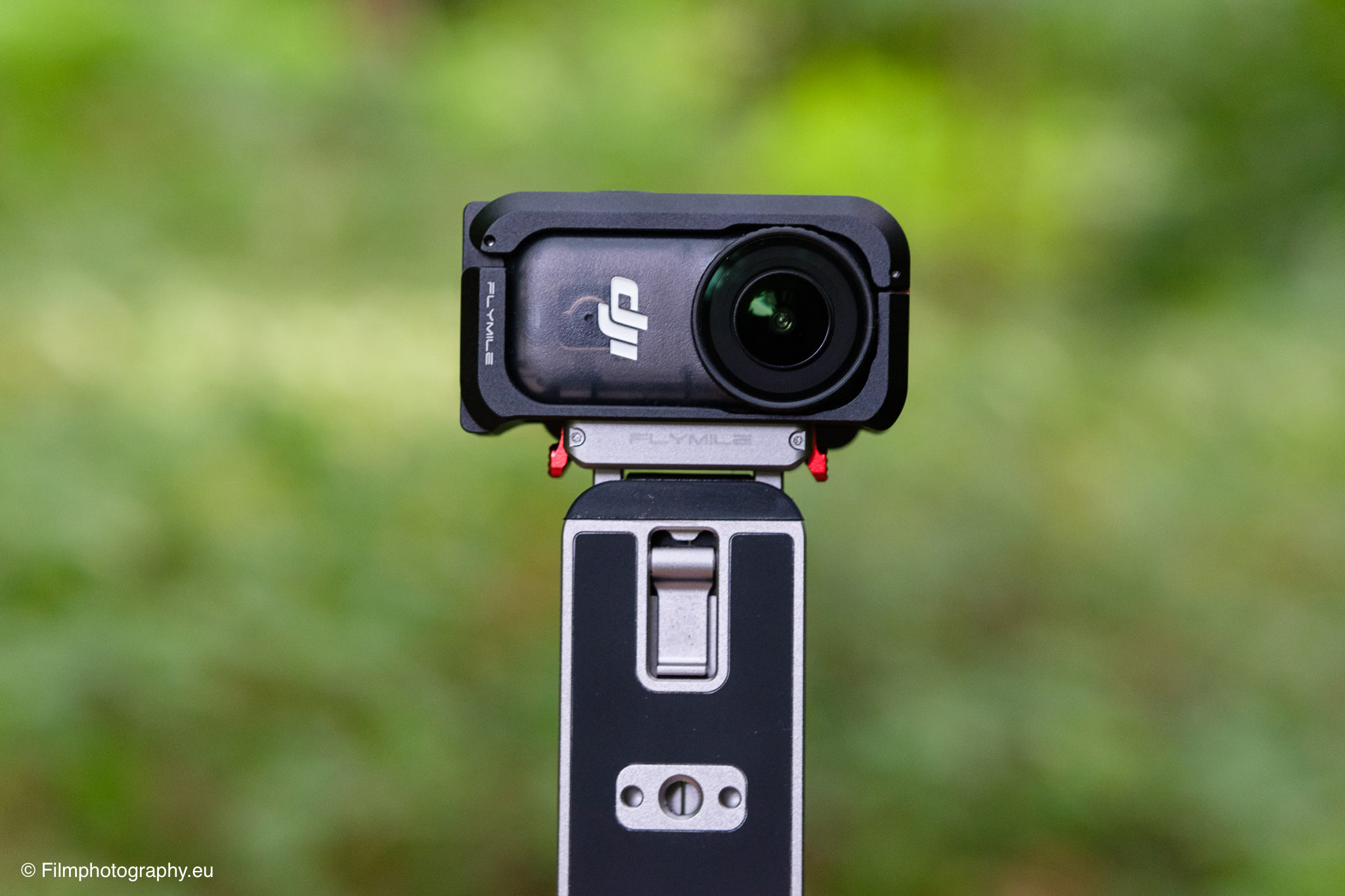
The DJI Osmo Nano in Everyday Practical Test
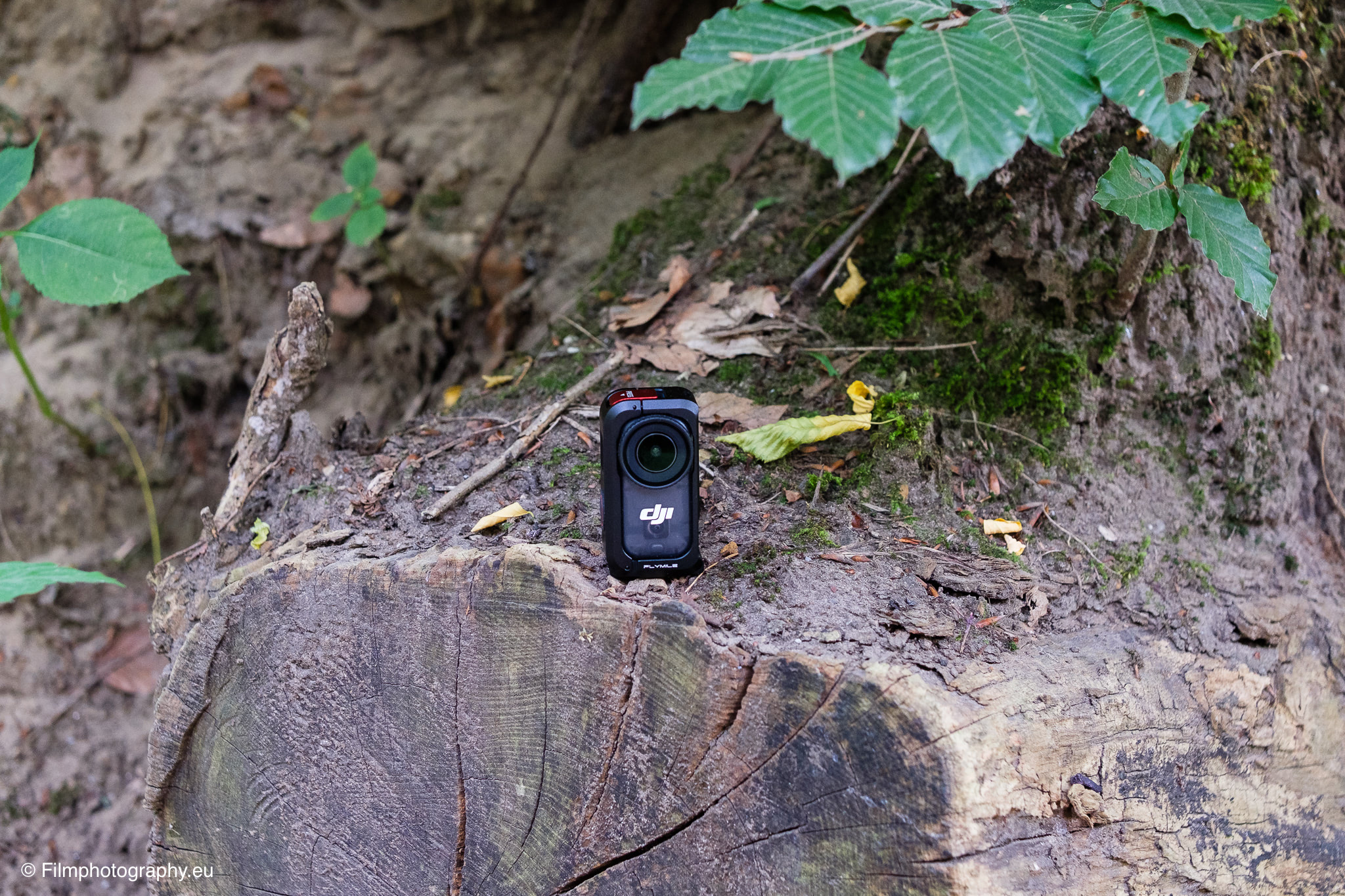
In practical use, the strength of the ultra-compact concept is mainly evident in the unobtrusiveness of the system. Weighing only 52 grams, the camera can be easily worn under a T-shirt or jacket using the magnetic lanyard.
When walking or during light sports activities, the device stays stable in its position without the need for annoying straps or holders. The magnetic connection proves extremely reliable in everyday use and holds the camera securely in place.
The interaction between the camera and the Vision Dock is functionally solved. The dock has a touchscreen with a diagonal of 1.96 inches, displaying the live image from the camera. This is especially helpful for precisely checking the composition before recording.
When the camera is detached from the dock, the connection remains via a wireless protocol, allowing the dock to be used as a remote control and monitoring screen. This function offers high flexibility when choosing unusual camera perspectives, such as close to the ground or in tight spaces.
The battery life of the camera itself is around 90 minutes when recording at a moderate resolution of 1080p. With demanding 4K recordings, this time decreases accordingly. However, once the camera is placed back into the Vision Dock, it is charged by the dock's built-in battery. Together with the dock, a total runtime of up to 200 minutes can be achieved, which is absolutely sufficient for most day trips.
A critical point in everyday use is data export. Since recordings are initially stored on the internal memory, they must be transferred to a microSD card in the dock or to a smartphone via the DJI Mimo App when the memory is full. This process takes some time but can be managed well thanks to the fast USB-C interface.



Photography with an Ultra-Compact Camera
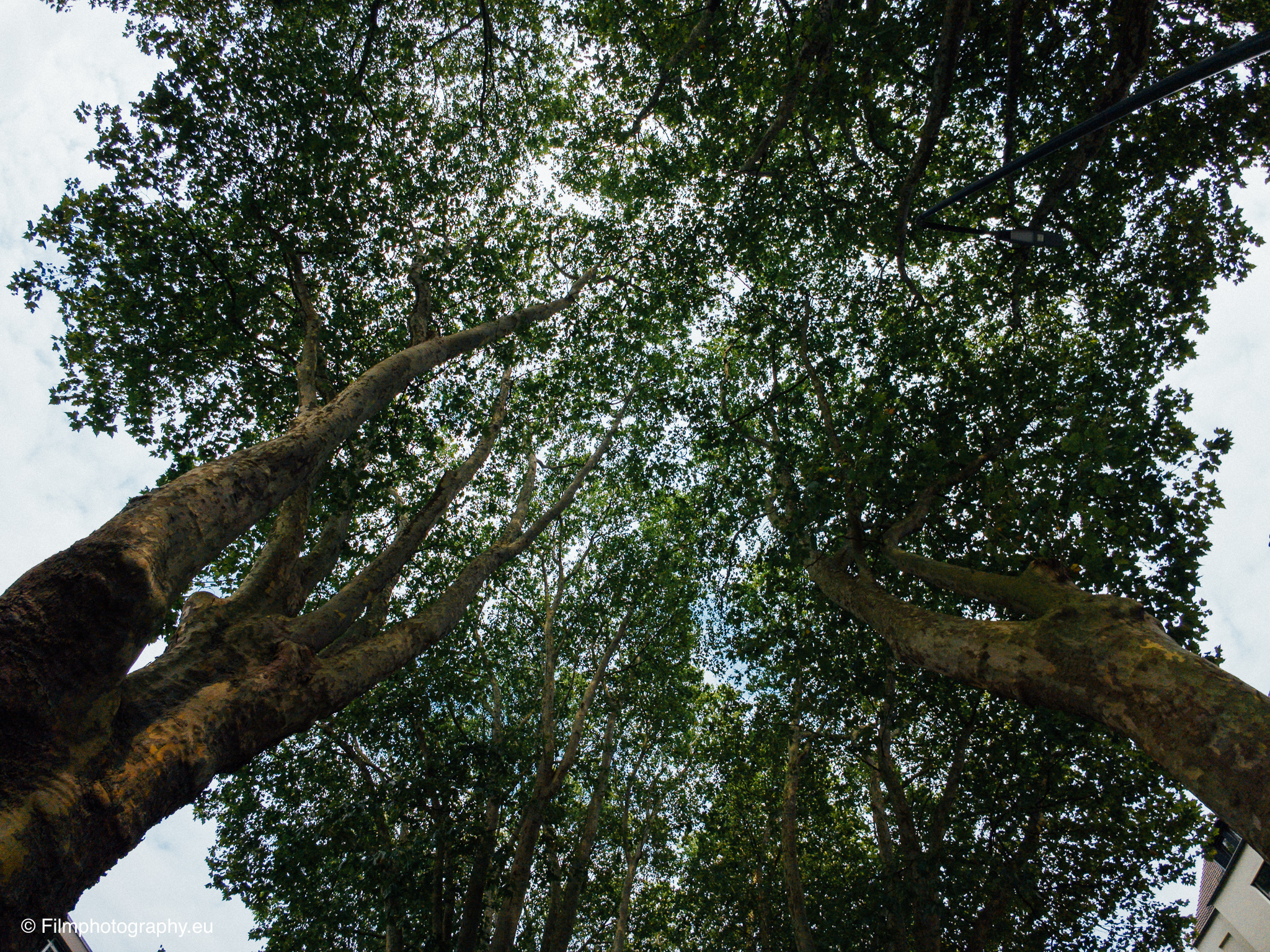
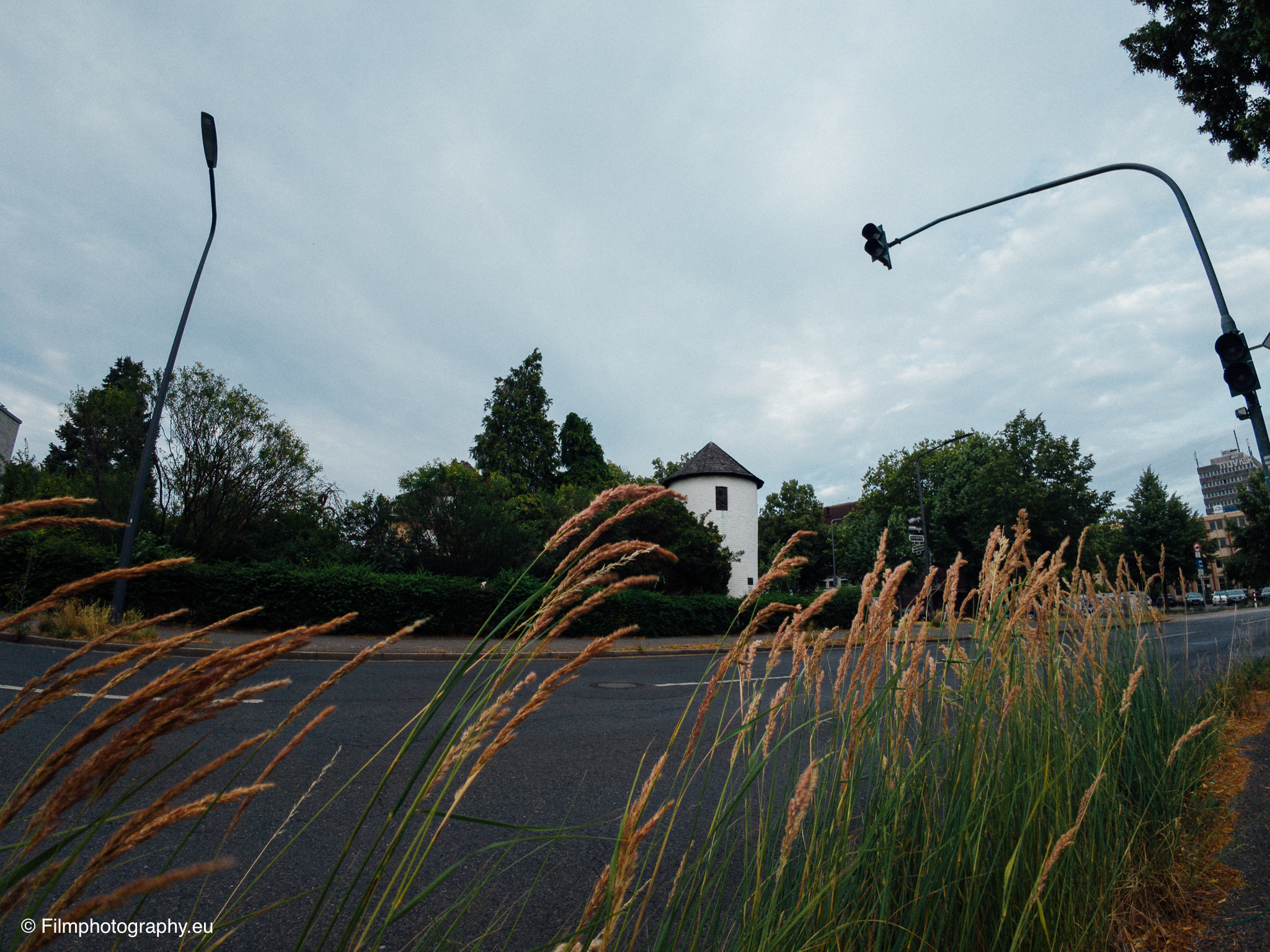
Although the DJI Osmo Nano was primarily developed for video recording, using it as a pure photo camera offers interesting creative possibilities. From the perspective of a classic photographer accustomed to fixed focal lengths and manual exposure settings, the camera requires a rethink.
The fixed aperture of f/2.8 and the extremely wide field of view of 143 degrees result in pronounced perspective distortion. Objects in the foreground are emphasized, while the background quickly recedes into the distance. This is excellent for landscape shots or close-up reportage but only conditionally suitable for classic portraits.



The image resolution of 35.5 megapixels ensures detailed rendering in good daylight. Structures of buildings, leaves, or textiles are captured precisely. Very advantageous is the ability to save photos in RAW format as DNG files. This preserves all sensor information, allowing nuanced processing of highlights and shadows in image editing.
The dynamic range of the 1/1.3-inch sensor reaches its limits faster in extreme contrast situations than that of a full-frame camera, but it delivers surprisingly balanced results as long as exposure is adjusted to the bright areas of the image. In low light, noise becomes noticeable, so a stable stand or use of the integrated night mode is advisable at dusk.





High-Quality Accessories for Expanded Use
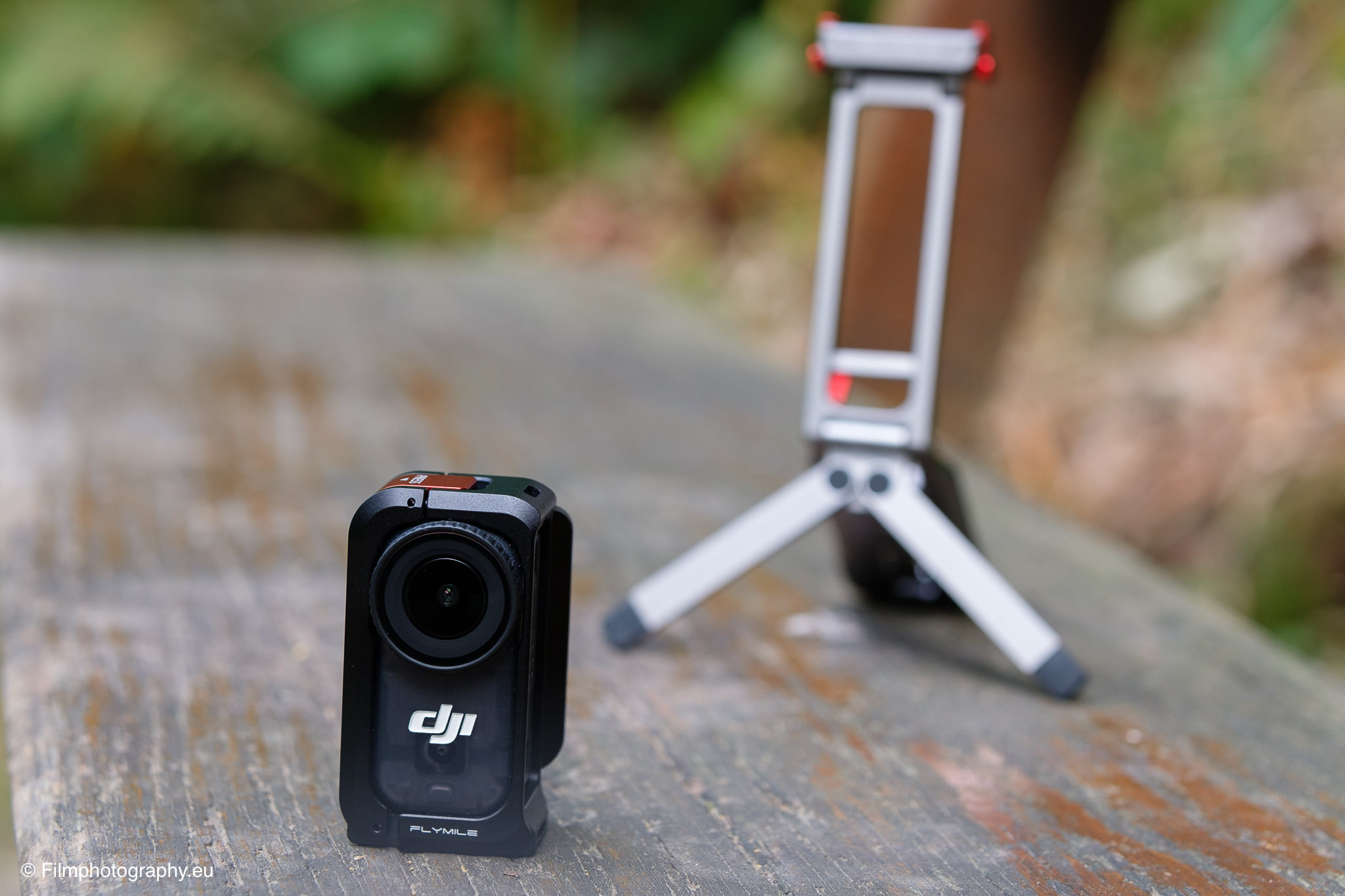
To fully exploit the potential of the DJI Osmo Nano, the market offers various accessories. The brand Flymile specializes in manufacturing robust and functional metal accessories specifically tailored to the mechanical requirements of this camera.
Below, three essential accessories are presented that improve stability and versatility in everyday use.
Flymile Metal Quick Release Mount
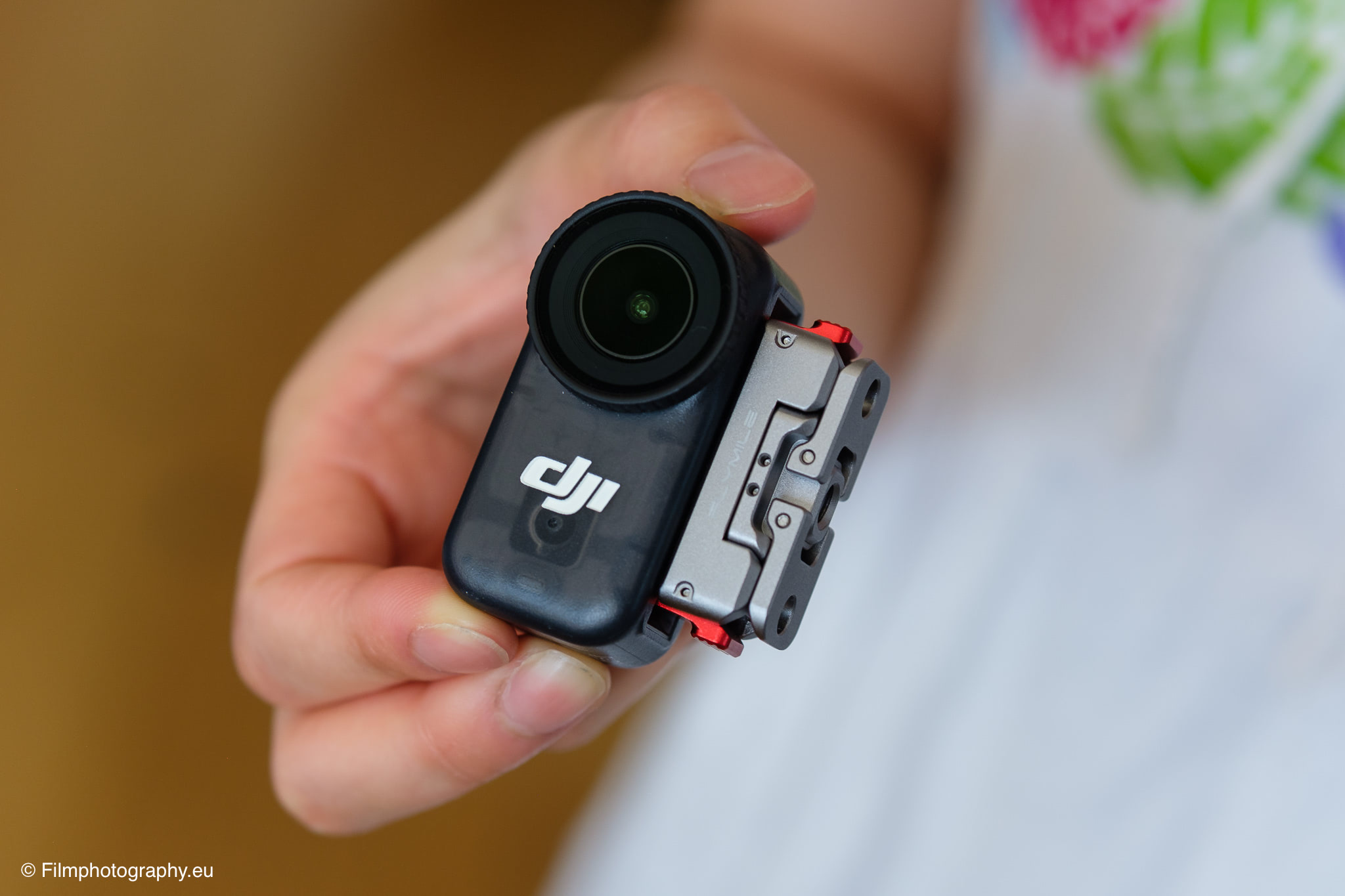
The standard mounting bracket of the camera is functional but reaches its limits when quickly switching between different attachment systems. The Flymile Metal Quick Release Mount solves this problem with a construction made of durable aluminum alloy. This mount is finished in a subtle gray tone and visually blends harmoniously with the camera's design.
The special feature of this accessory is the dual interface on the bottom. It features both a classic 1/4-inch thread and the widely used two-prong interface compatible with most action camera mounts.
Thanks to the magnetic quick-release mechanism, the camera can be secured or removed with a simple motion. The mechanical fit is precise, ensuring no play between the camera and mount. Additionally, the rotatable design allows flexible camera orientation without having to loosen the entire mount.
This is especially advantageous when the camera is mounted on a bicycle handlebar, tripod, or car mount and the perspective needs to be adjusted quickly.
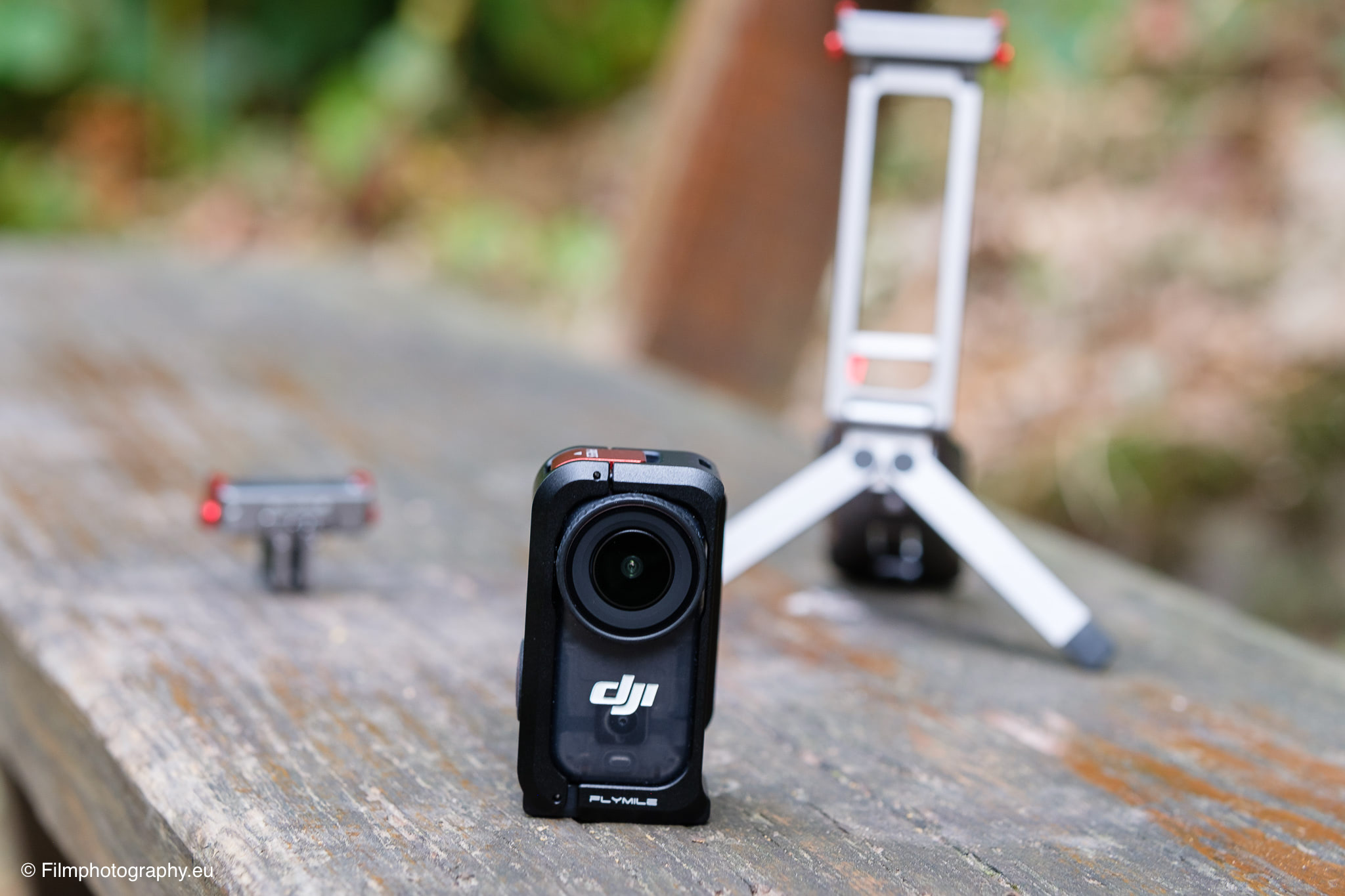
Flymile Metal Magnetic Folding Tripod
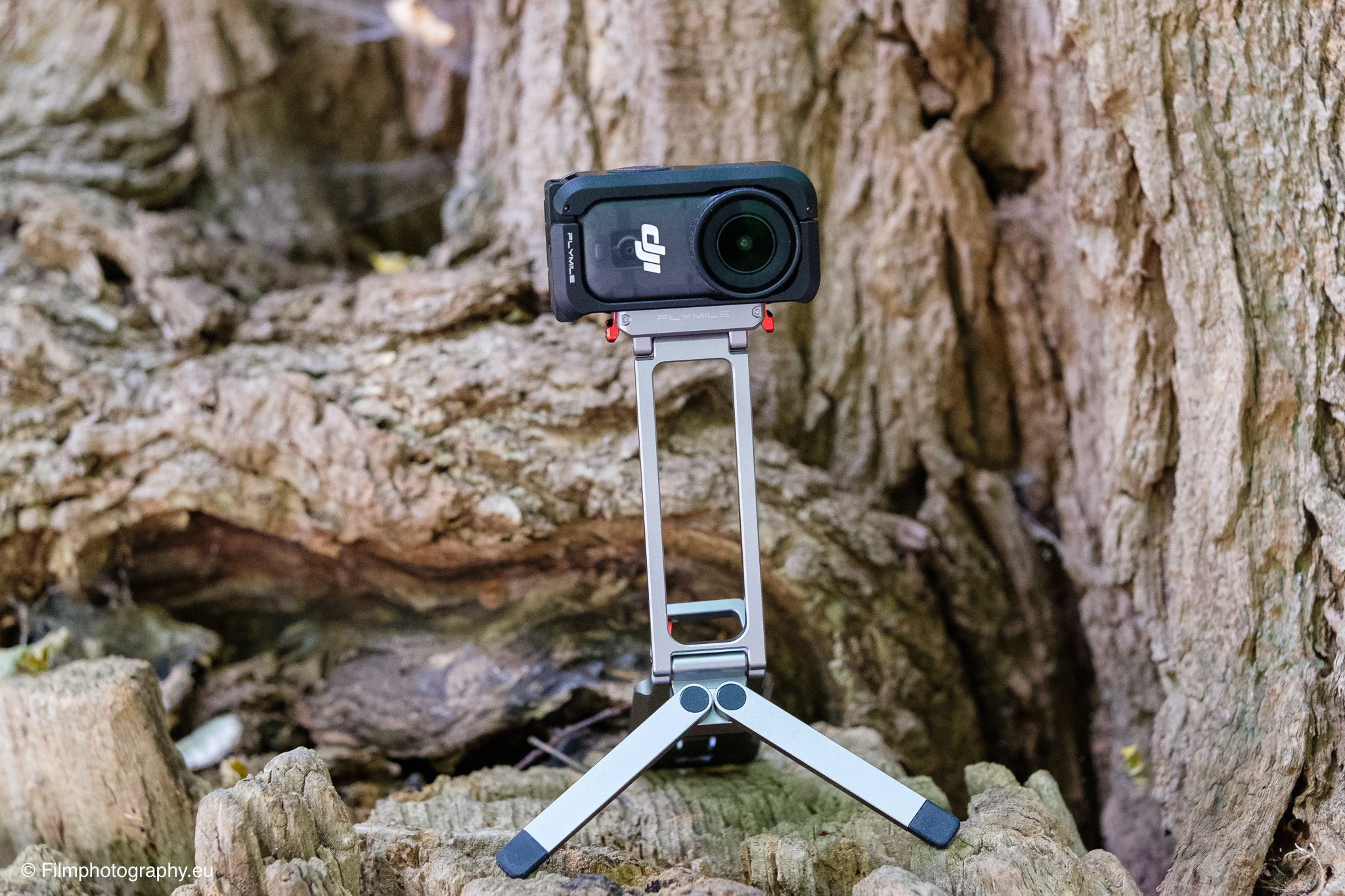
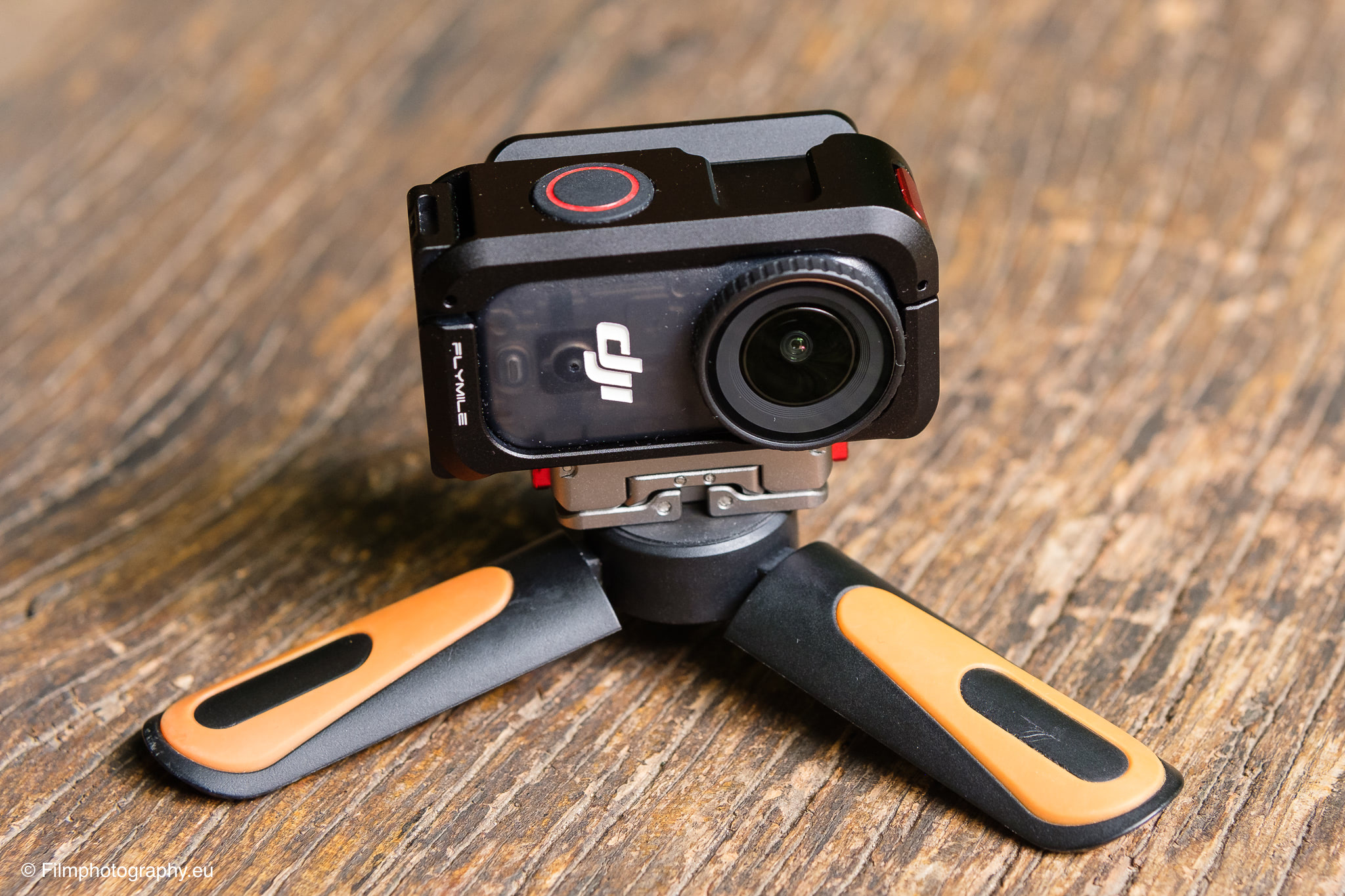
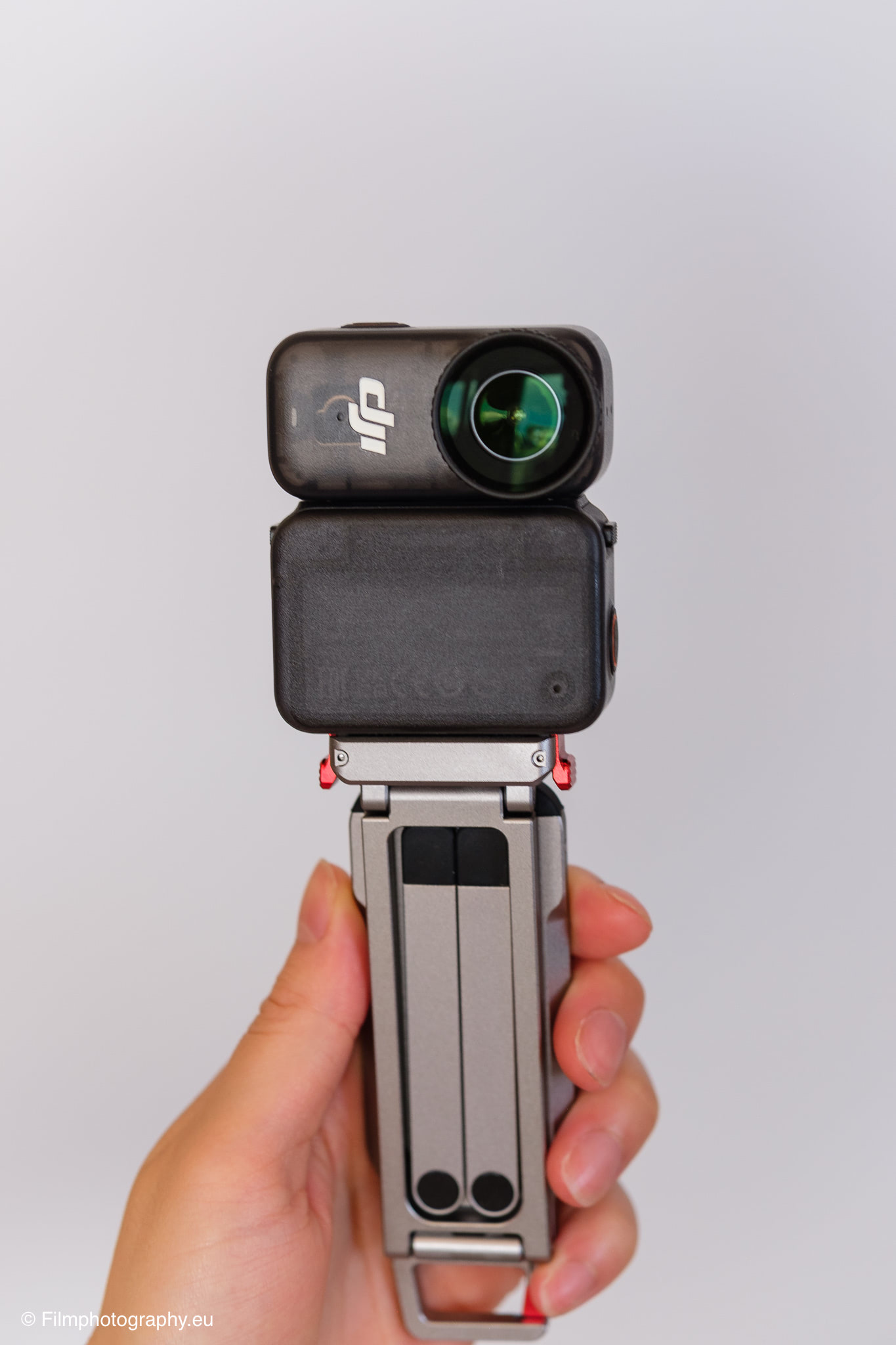
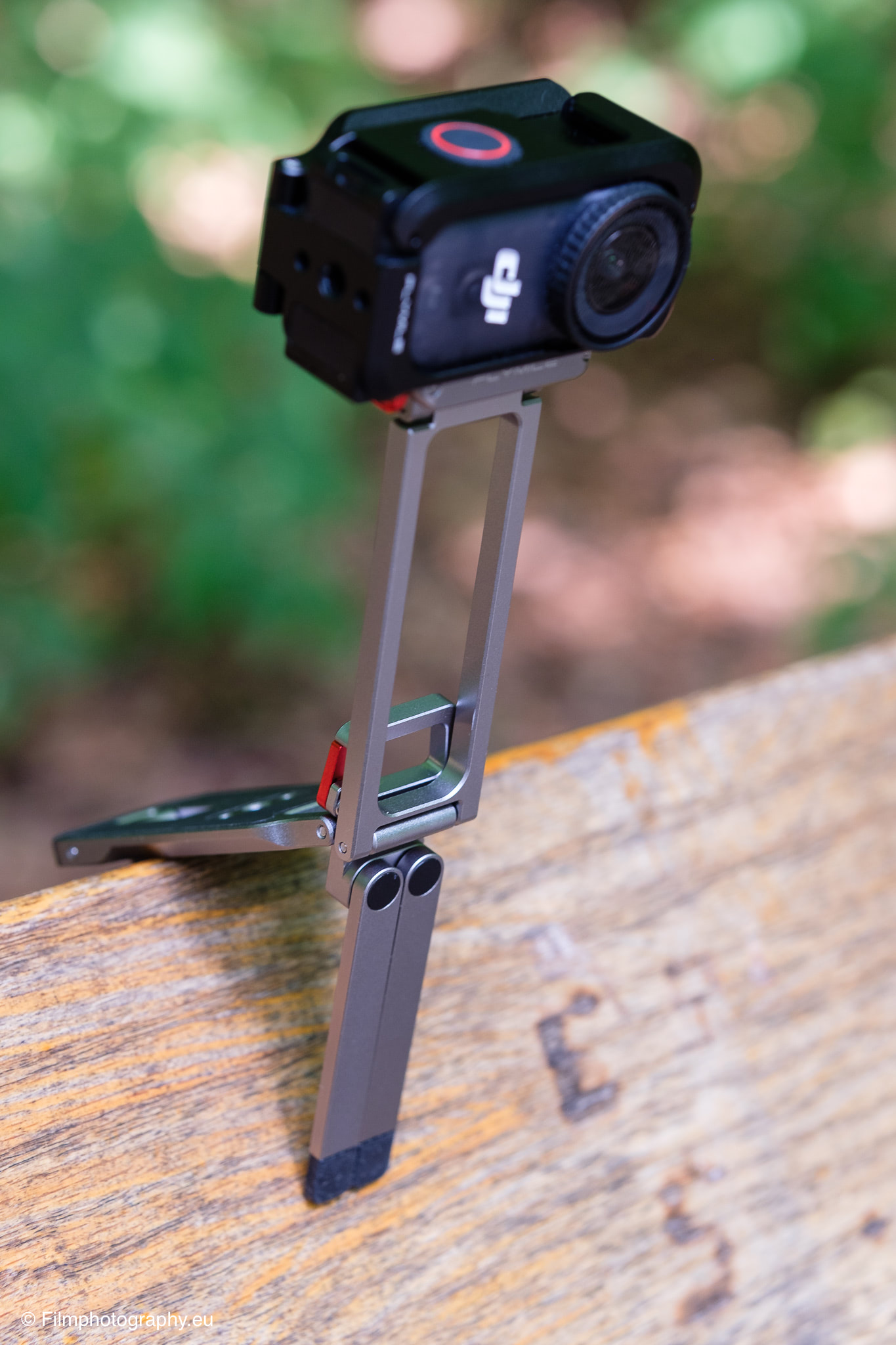
For stationary shots, time-lapses, or self-portraits, a stable tripod is essential. The Flymile Metal Magnetic Folding Tripod is a compact tripod made entirely of metal, offering high stability.
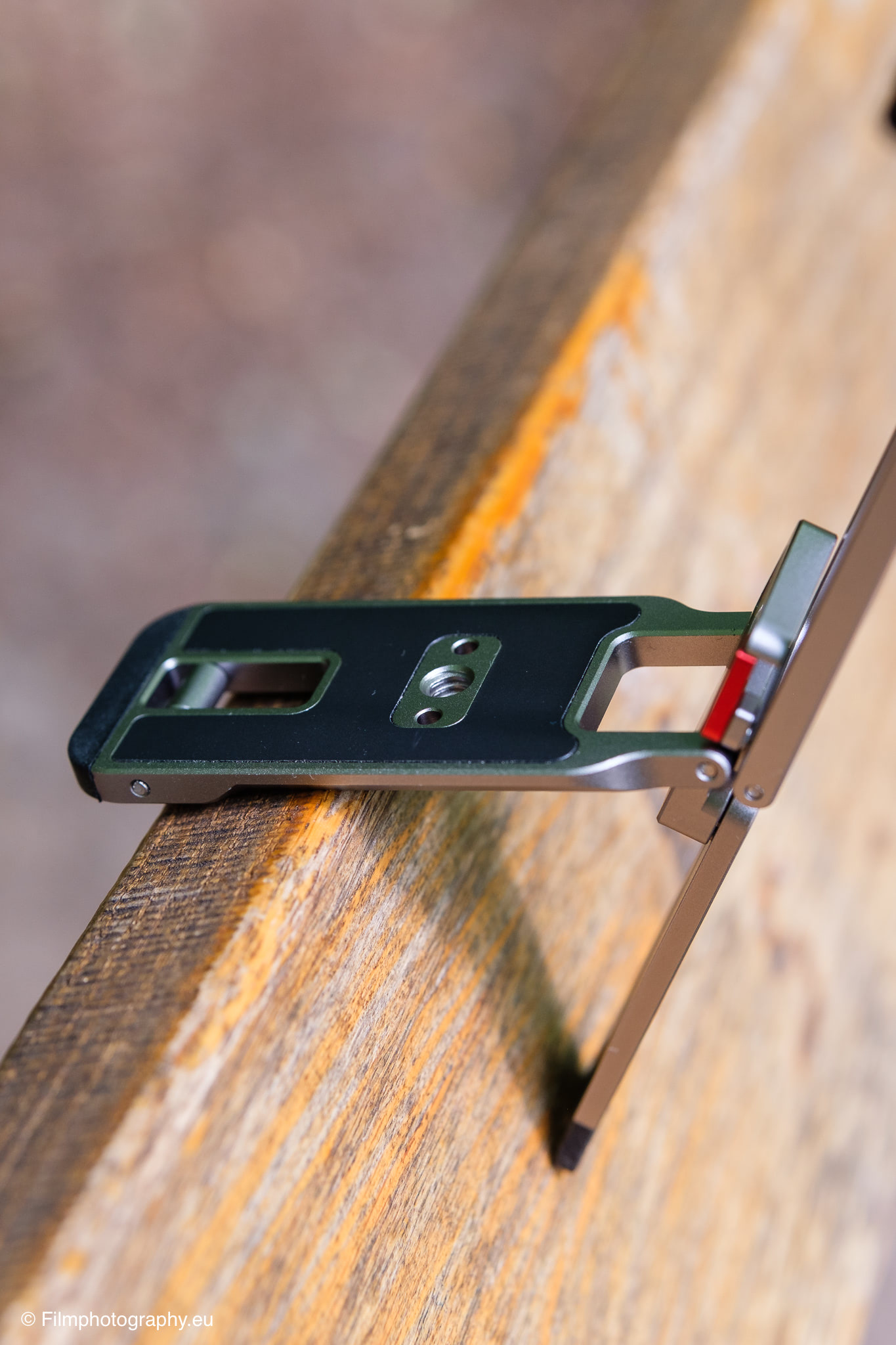
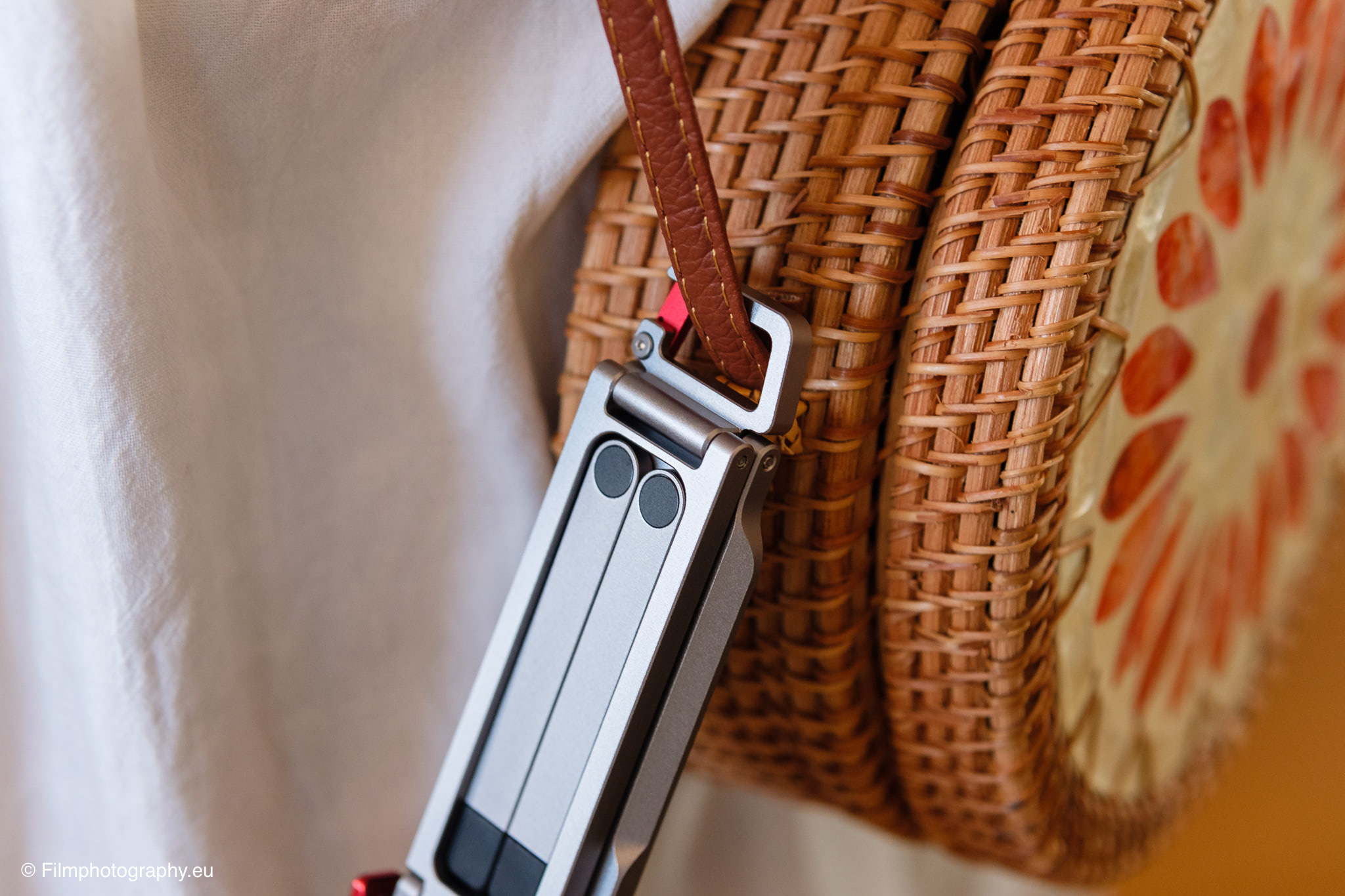
It also uses the magnetic quick-release system for a fast connection with the camera. An interesting feature is the versatile design, which, in addition to the foldable tripod legs, includes an integrated carabiner and a mantis hook. These elements allow the tripod to be hung on fences, branches, or thin pipes when no flat surface is available.
The three-axis adjustability ensures that the camera can be precisely leveled even on uneven ground. The tripod has a 1/4-inch thread and is also compatible with the Arca-Swiss standard. This allows it to be easily mounted on larger tripod heads commonly used in professional photography.
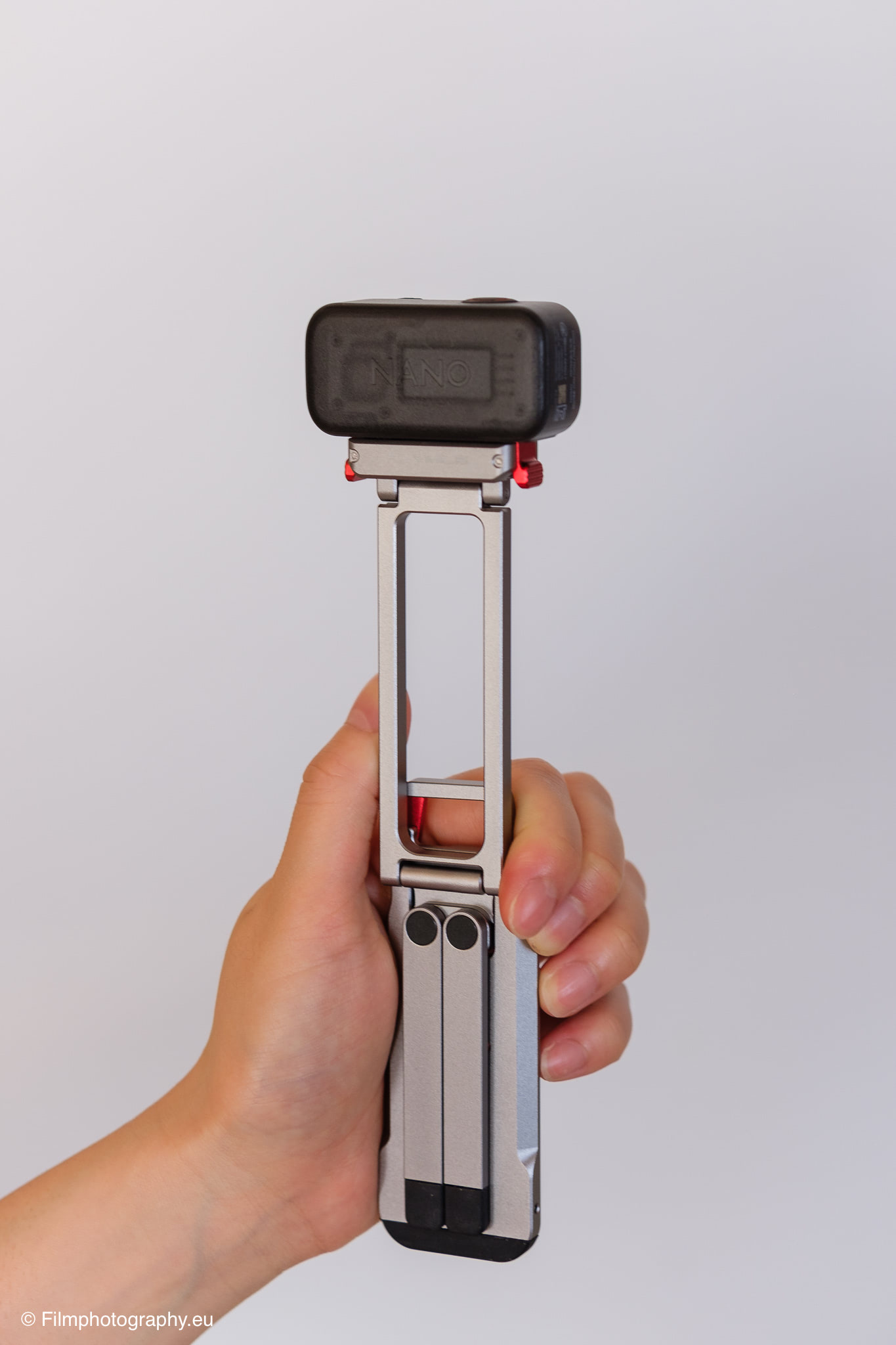
When folded, the tripod is flat and can be easily carried in a pants pocket. Additionally, there is a carabiner on the top to attach the tripod (and camera) to a strap when the camera is not in use.
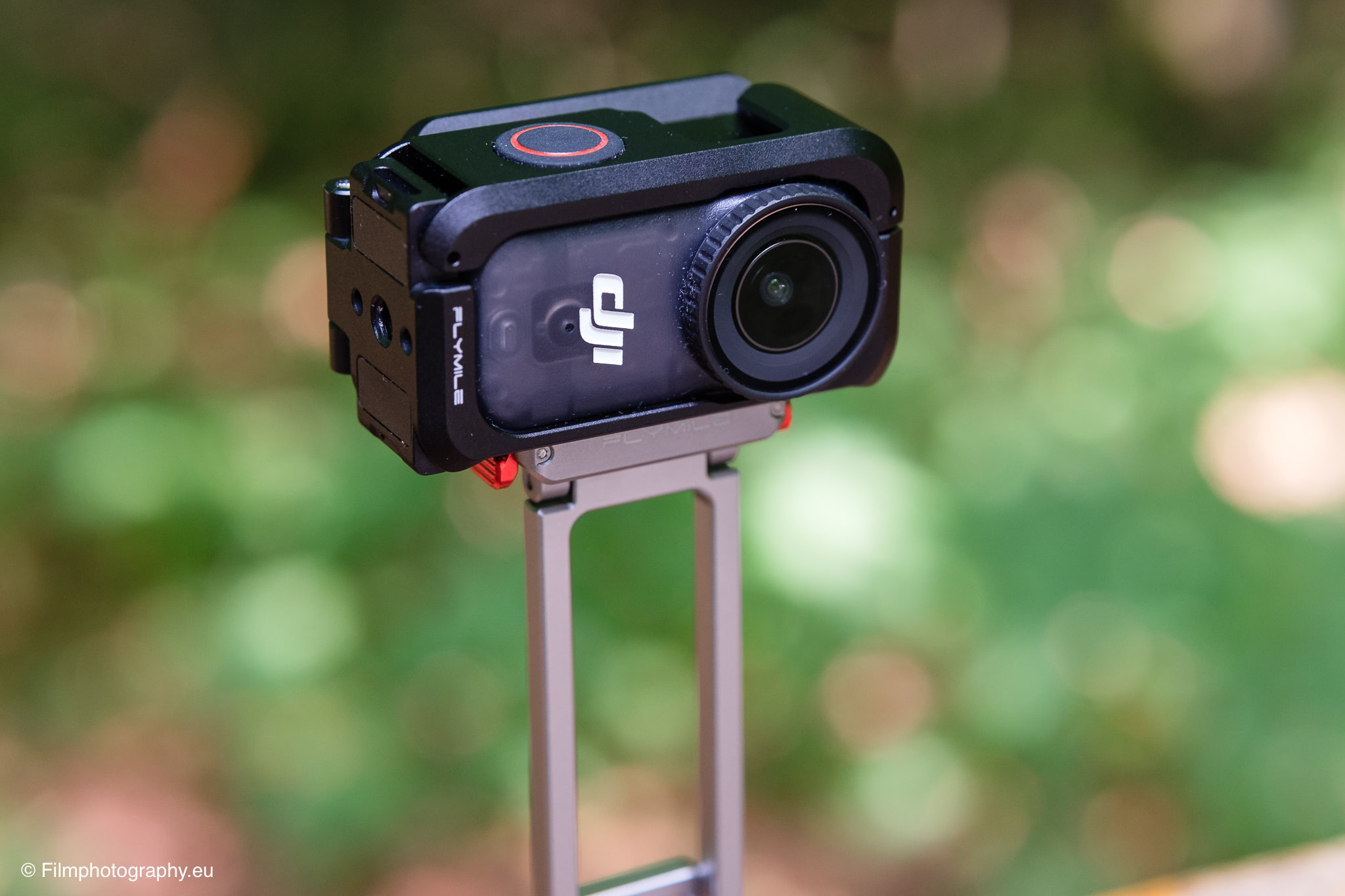
Flymile Metal Cage
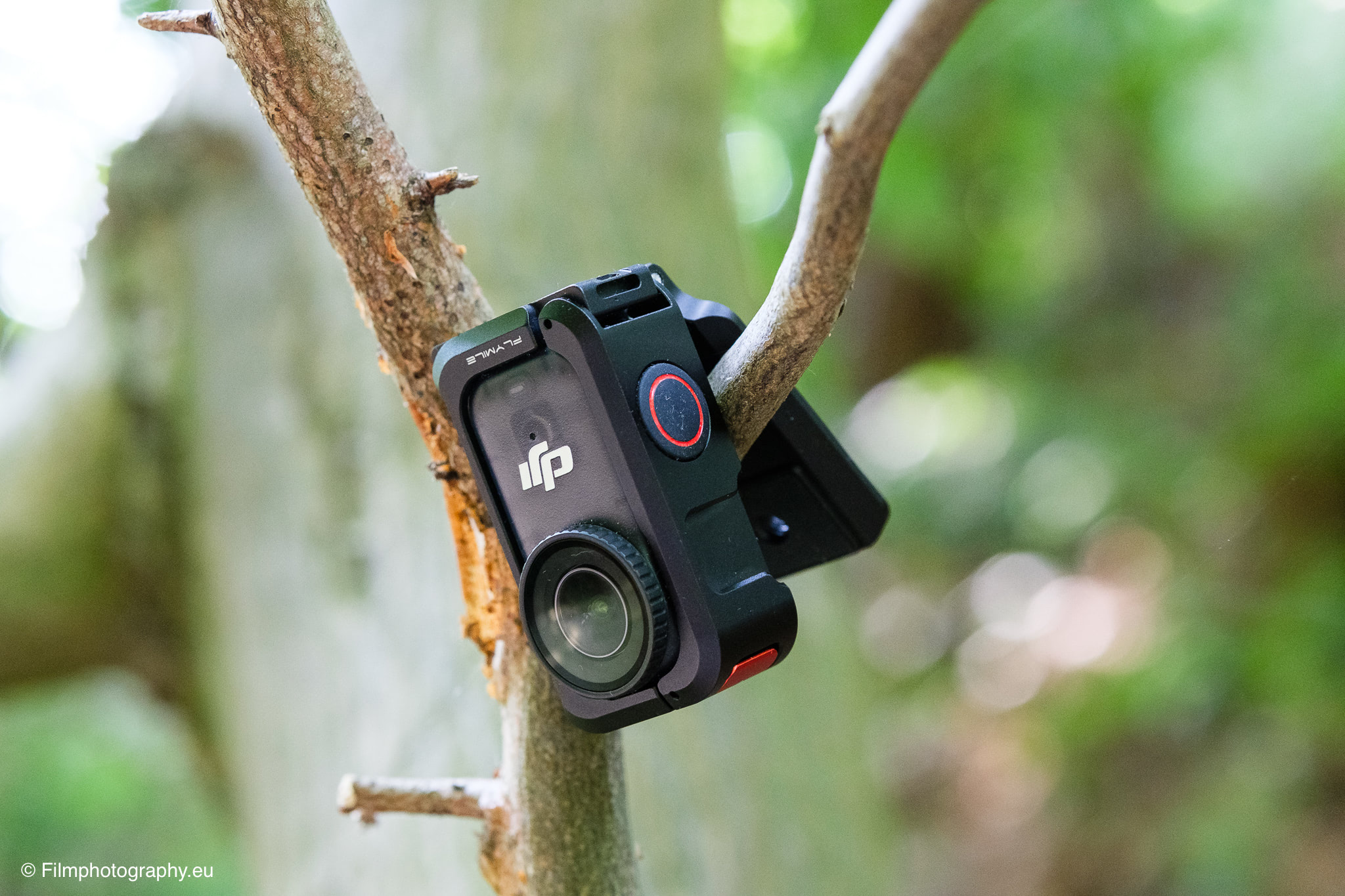
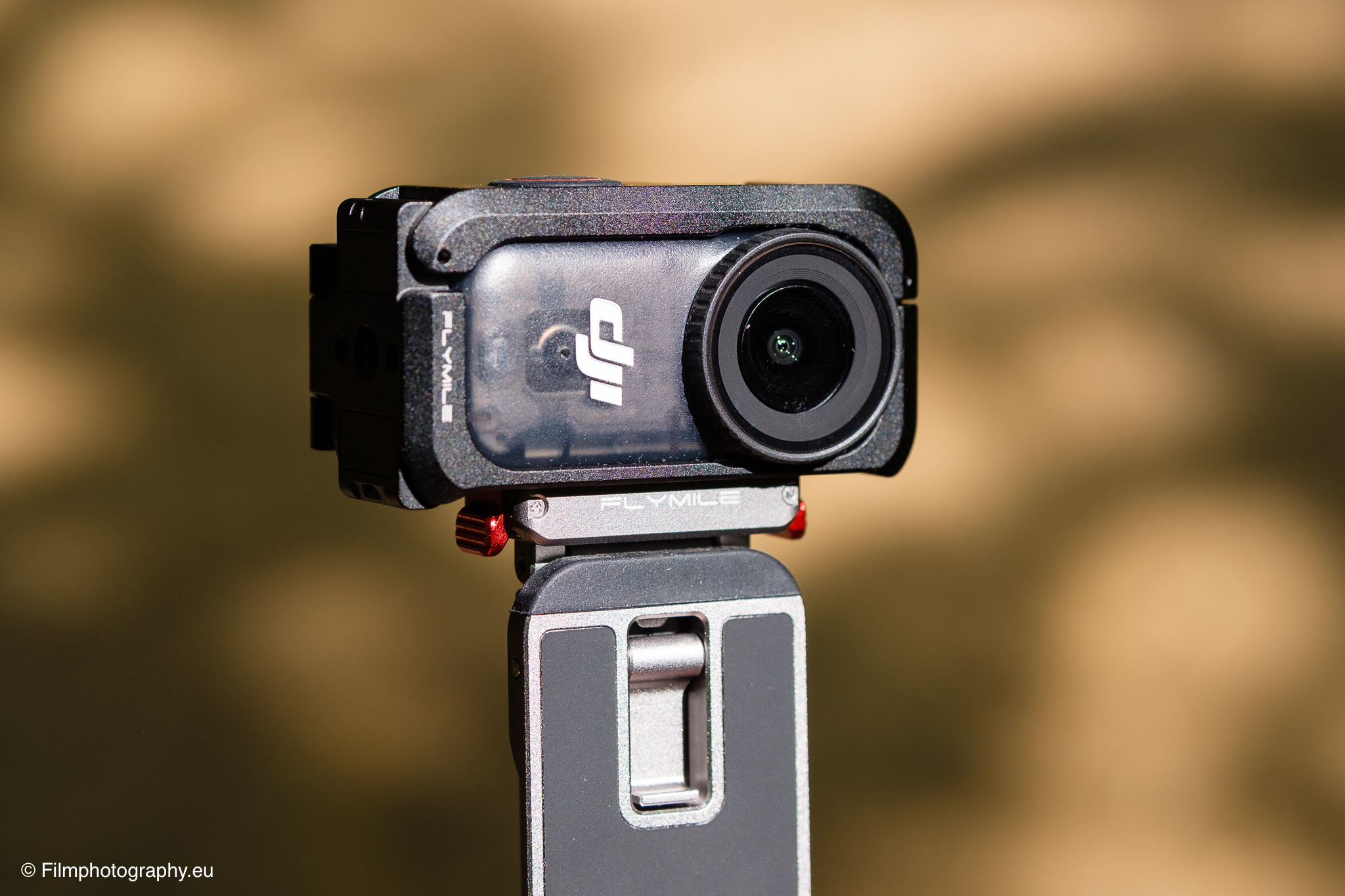
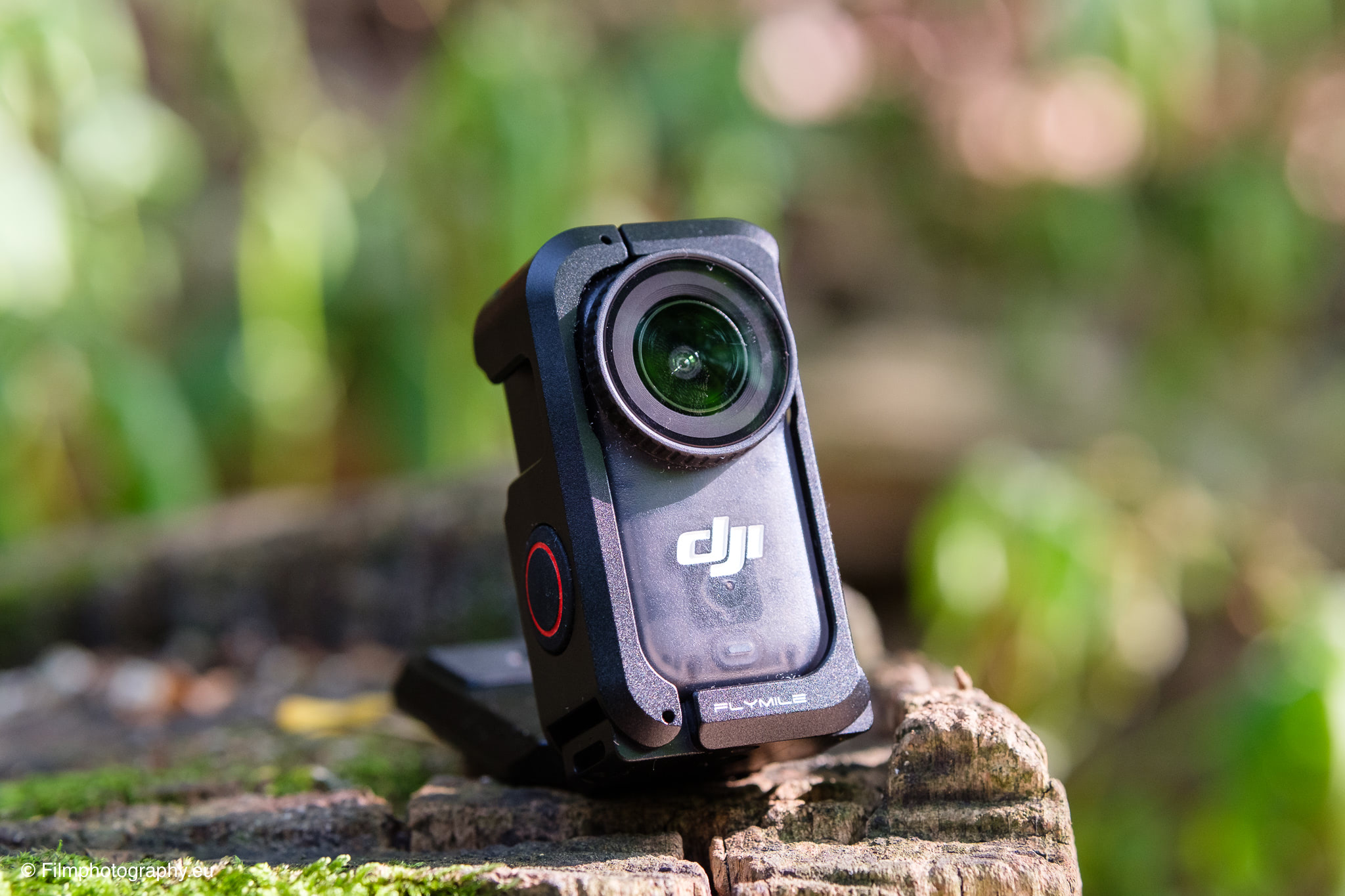
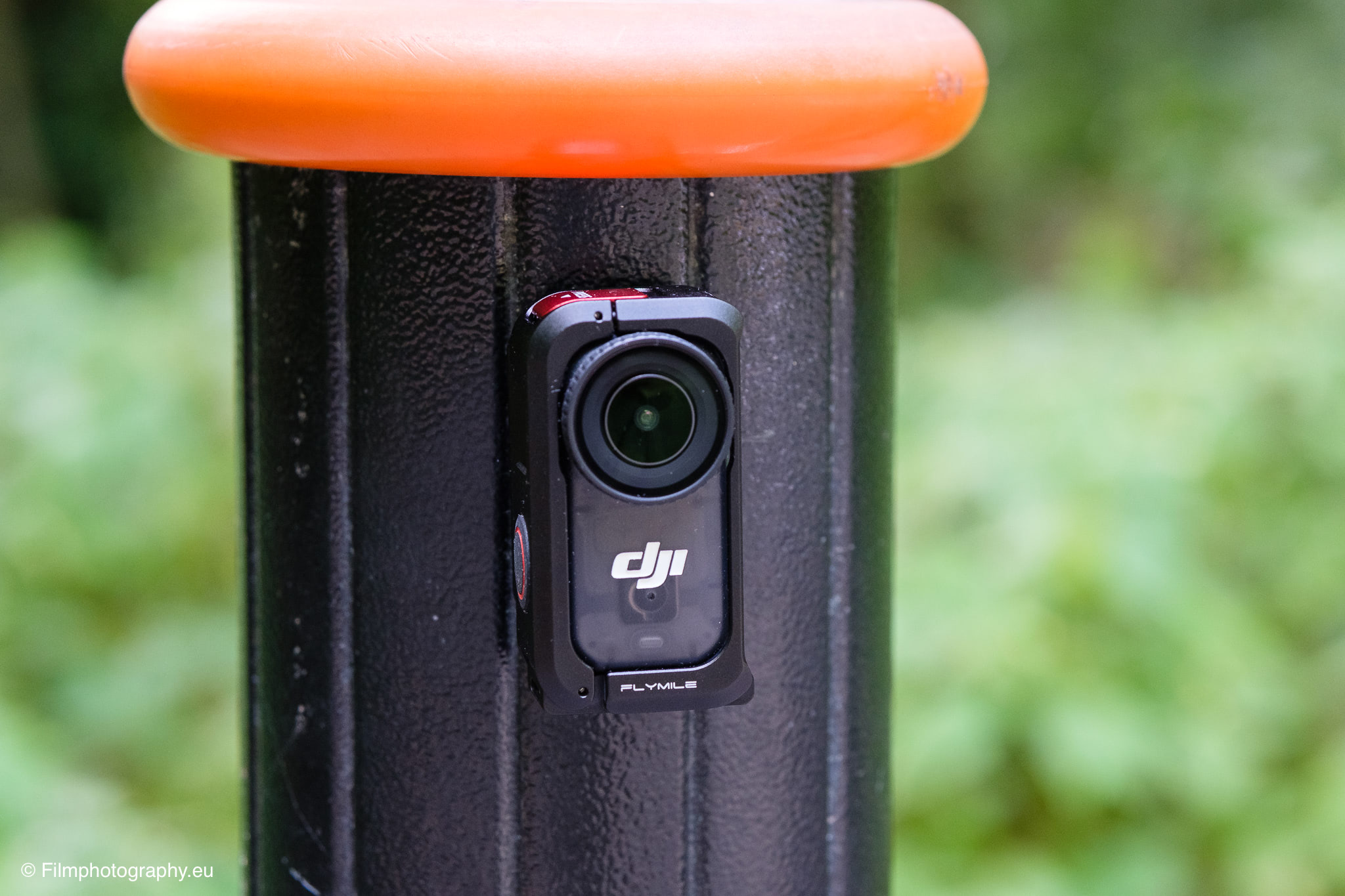
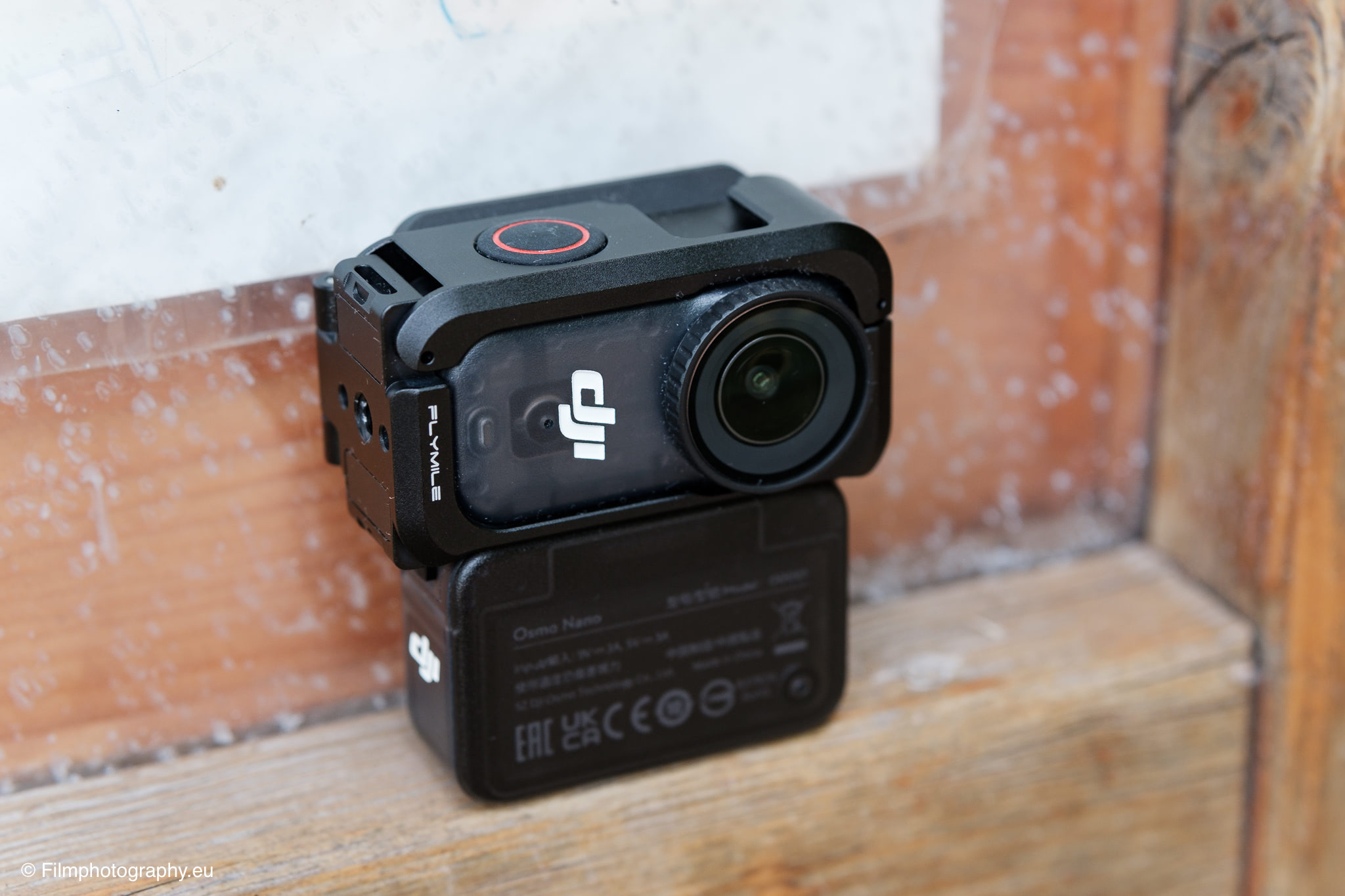
For use in harsh conditions or during sports activities, the Flymile Metal Cage provides optimal protection. It is a precisely fitting protective frame made of CNC-milled aluminum that encloses the camera and protects it from mechanical damage due to drops or impacts. The cage does not impede access to ports or the function of the microphones.
Inside the frame, silicone pads are attached at the top and bottom. These prevent scratches on the camera body and also help dampen high-frequency vibrations, benefiting image stabilization.
On the outside of the cage, there are several 1/4-inch threads with anti-rotation features, supporting both horizontal and vertical mounting. Additionally, there is also a GoPro mount and magnetic parts. An integrated accessory shoe on the top allows mounting of external microphones or compact LED lights, making the cage the base for a mobile recording system. The package also includes a lens cap for additional protection.
Conclusion on the DJI Osmo Nano
The DJI Osmo Nano represents a well-thought-out concept for users seeking an extremely compact yet powerful camera. The combination of a relatively large 1/1.3-inch sensor and advanced stabilization algorithms enables recordings that are hardly distinguishable in quality from larger systems.
The low weight and magnetic attachment system make the camera a constant companion in everyday life, ready for use at the decisive moment.
Limitations include the dependence on the Vision Dock for administrative tasks such as data export to a memory card. Also, the battery life of the camera unit without the dock requires some planning for longer shoots. Additionally, it heats up relatively quickly, and the built-in battery can be a major downside for some.
However, those who embrace the modular concept and combine the camera with high-quality accessories like the metal components from Flymile will get a tool that opens up new creative perspectives. The DJI Osmo Nano is thus a functional addition for photographers and videographers who value mobility and unobtrusiveness.
Purchase Options for the Camera and Accessories
The DJI Osmo Nano is available in the official DJI Store as well as at well-stocked photo specialty retailers and on common online platforms like Amazon. It is recommended to buy the standard combo, as it already contains all important accessories for getting started.
The high-quality metal accessories from Flymile can be purchased directly from the manufacturer's website. The precisely crafted quick-release mount can be found at the address for the Flymile Metal Quick Release Mount. Those looking for a stable and flexible tripod can find it on the product page for the Flymile Metal Magnetic Folding Tripod. For optimal mechanical protection of the camera in demanding use, the robust protective frame is available on the page for the Flymile Metal Cage.