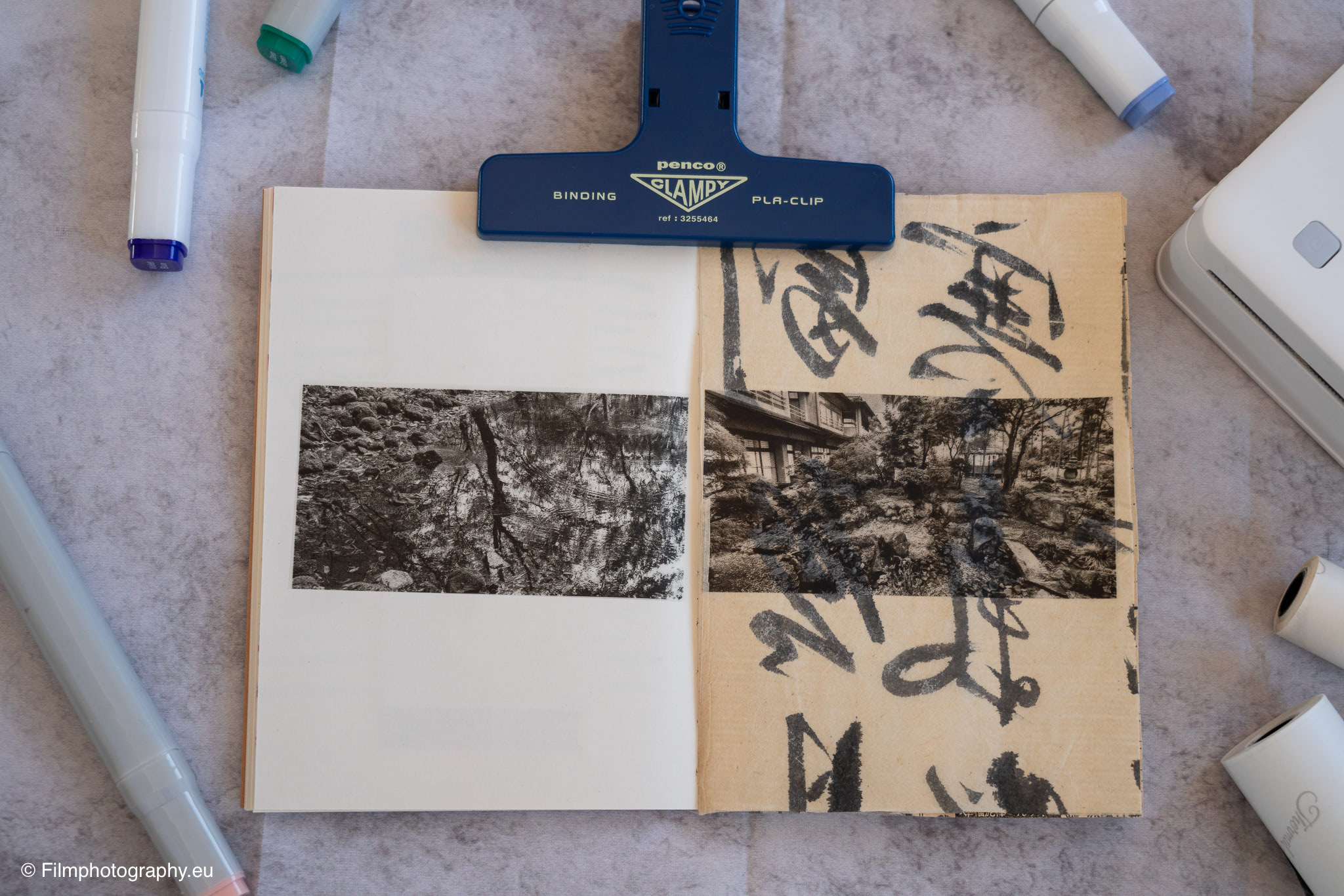
In the world of photography, there’s a quiet joy found in creating something tangible. In an era where our images often exist as fleeting data on hard drives or in the cloud, the desire to give these digital collections a physical form is growing. It’s about forging a personal connection with the moments we’ve captured.
Over the years, I’ve experimented with numerous methods for archiving my photographs, from professionally printed photo books to carefully curated online galleries. However, these solutions are often either costly or lack the immediate, personal touch I seek. This led me to a simpler, more accessible method: creating photo journals in plain notebooks.
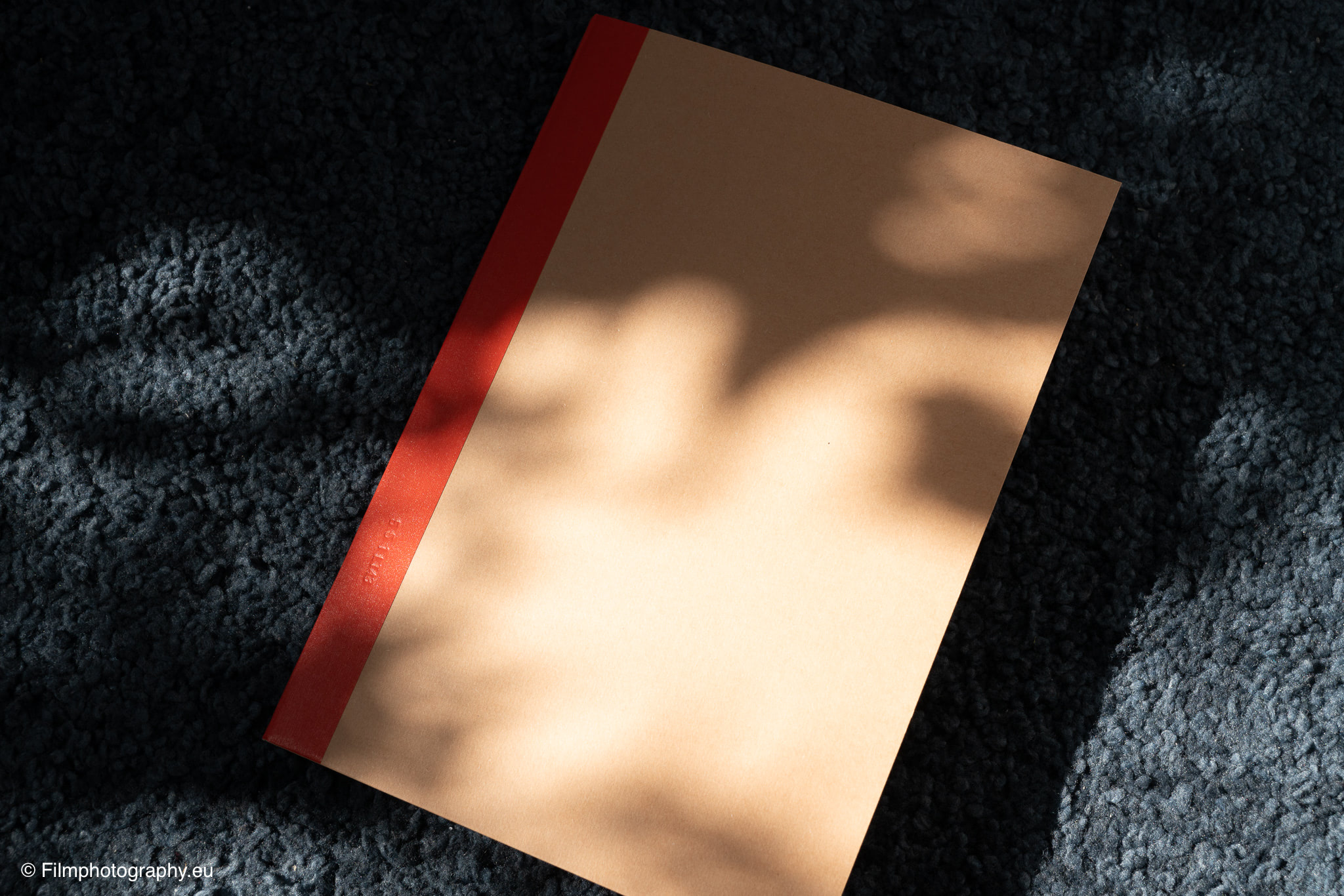
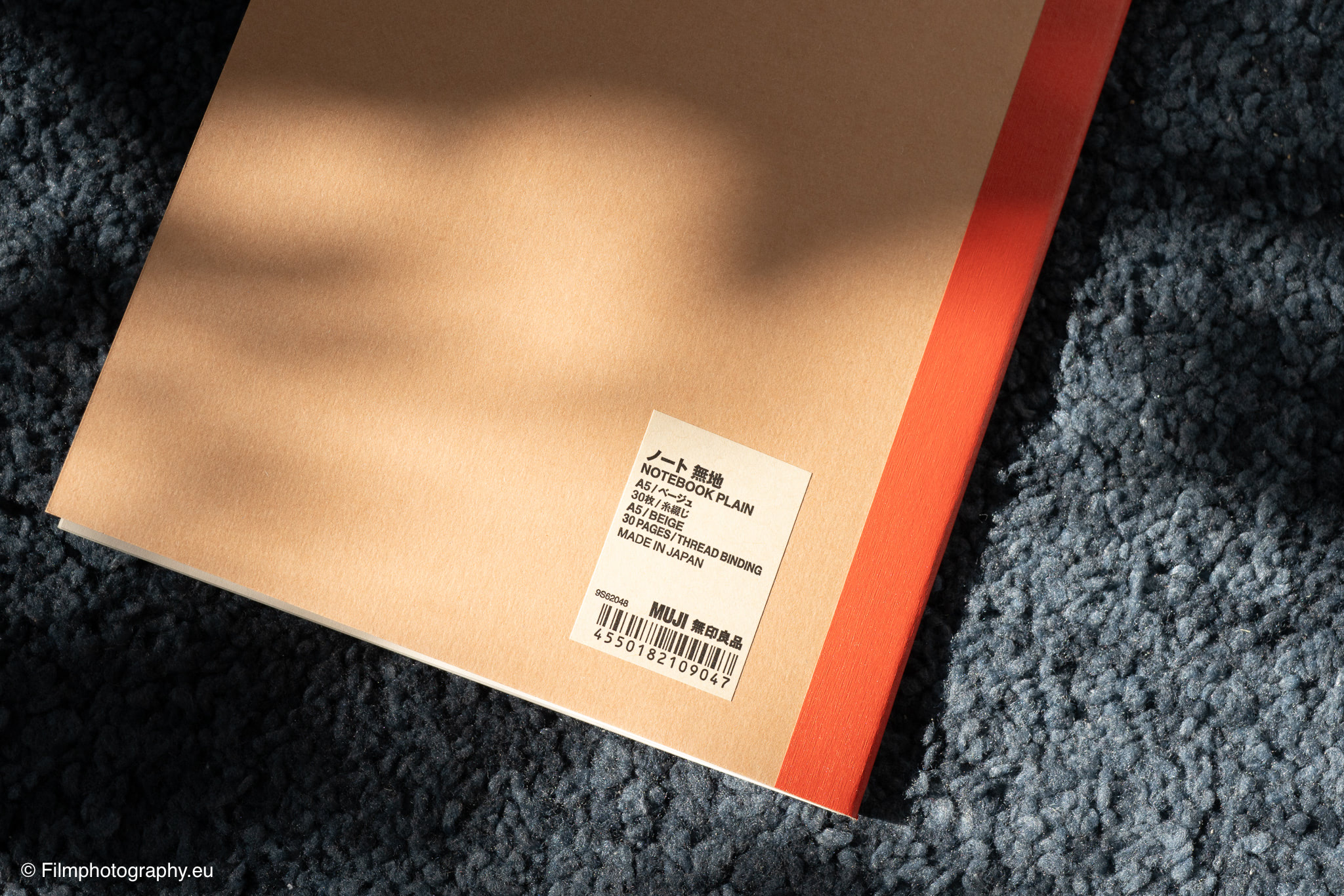
For this endeavor, I chose Muji’s blank notebooks in A6 and A5 sizes. Their appeal lies in their consistent simplicity. There’s no branding, no unnecessary embellishments, just a plain cover and high-quality paper. This minimalist aesthetic provides a blank canvas, inviting you to fill it with your own content and memories.
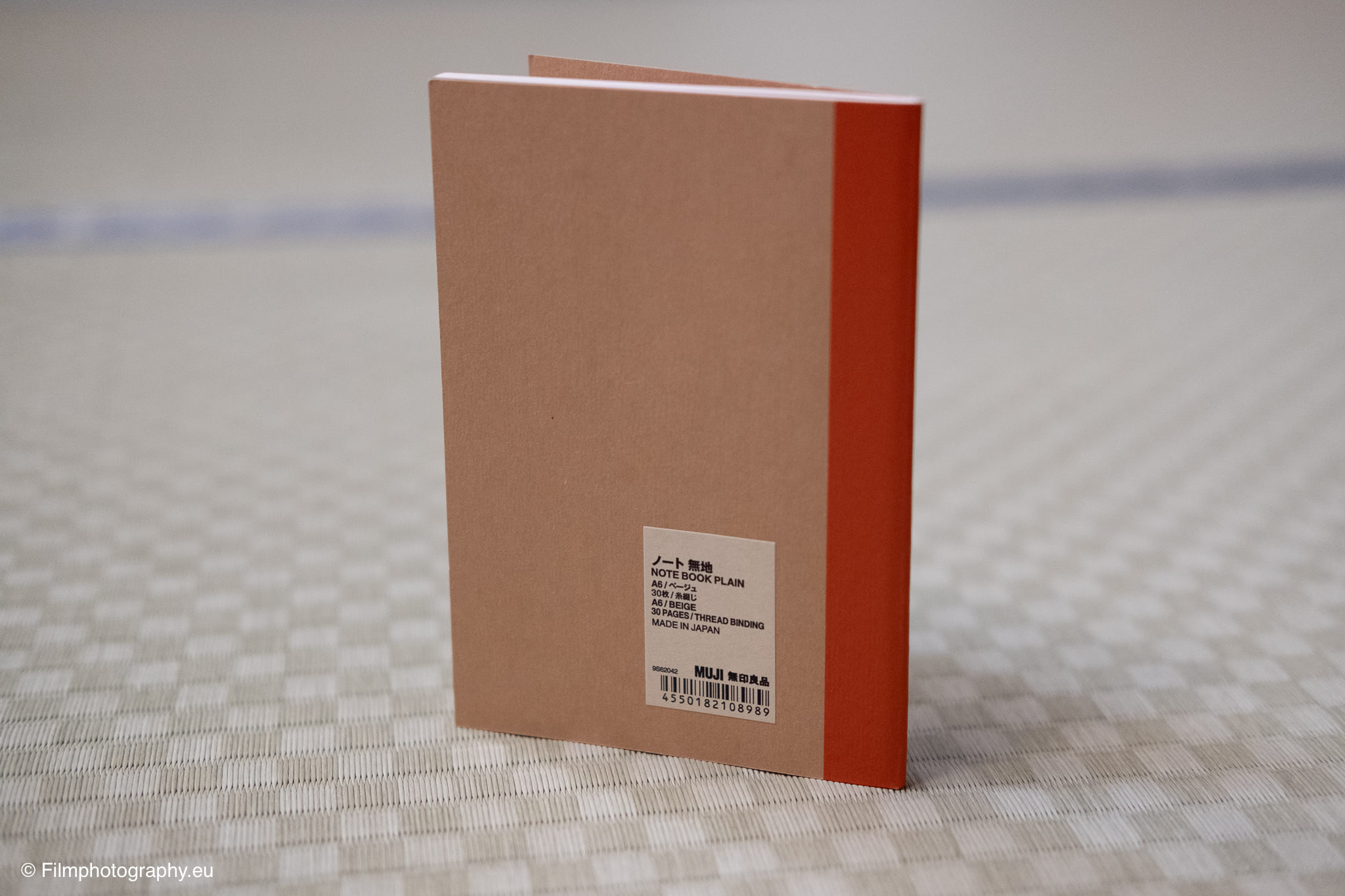
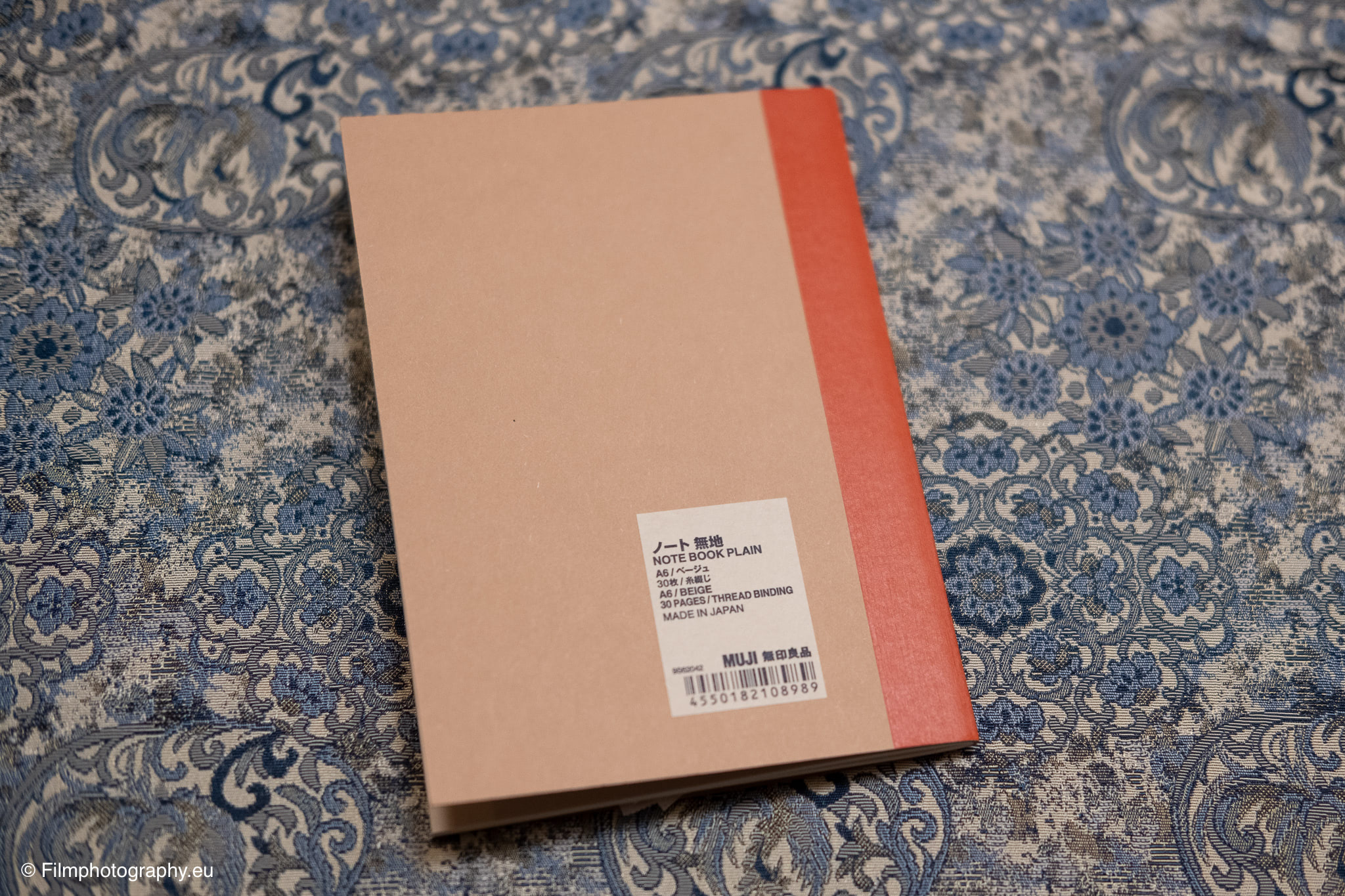
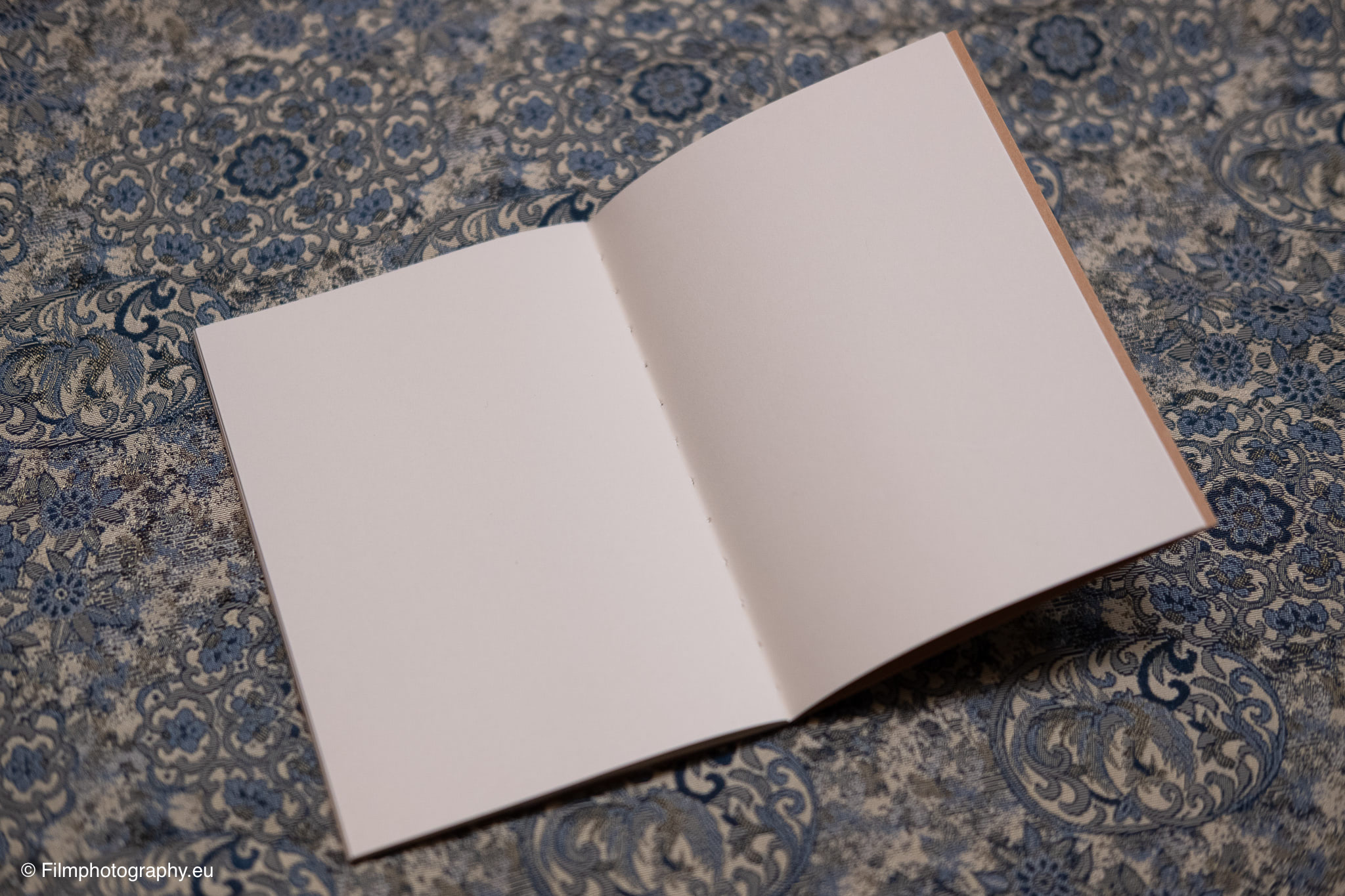
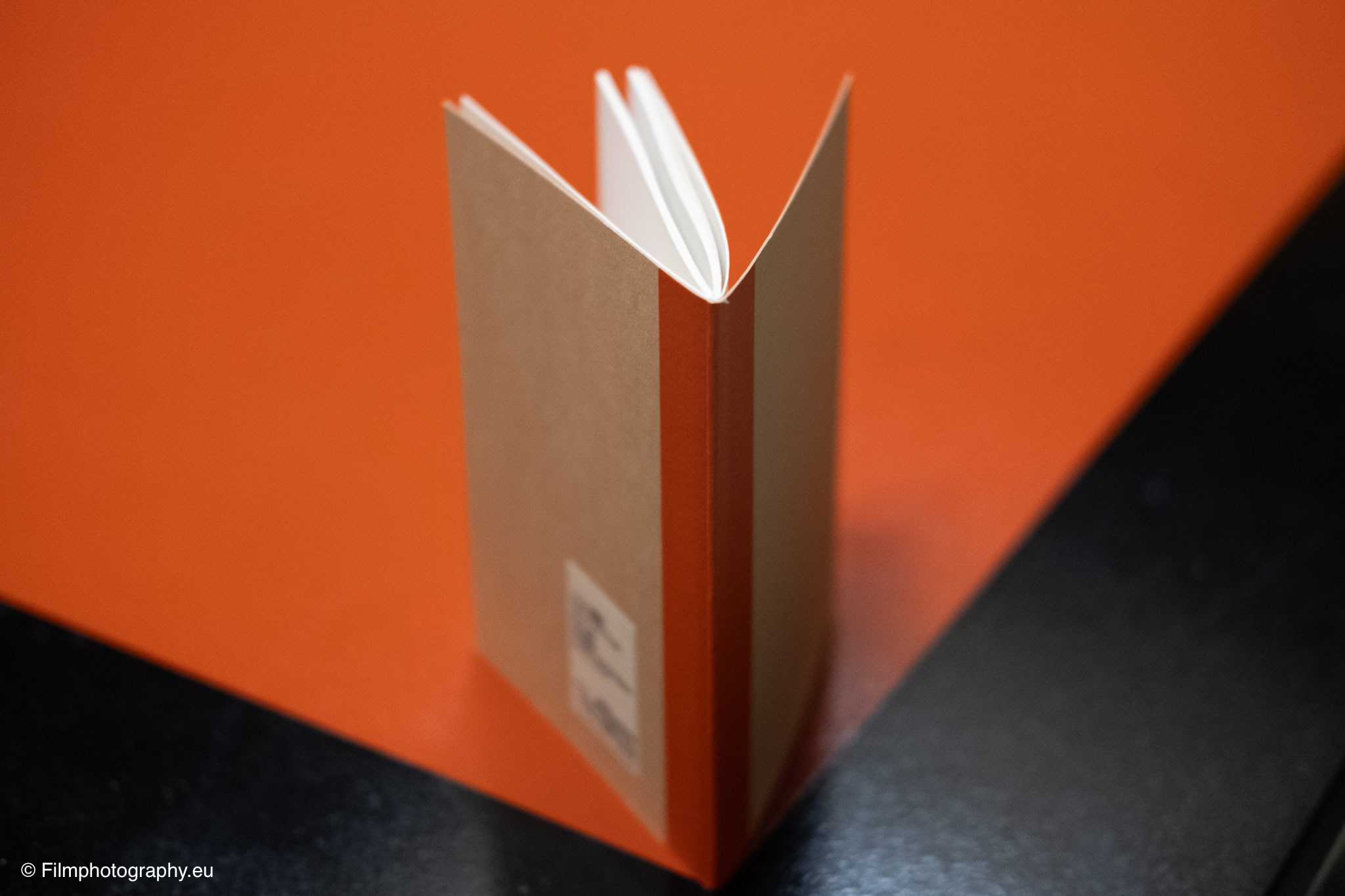
Manufactured in Japan, these notebooks convey a sense of quality that you feel the moment you touch them. The paper is smooth and possesses a pleasant weight, absorbing ink well without significant bleed-through, which is important for writing notes alongside photos. Thanks to their thread-binding, Muji notebooks lie relatively flat, making writing and pasting easier.
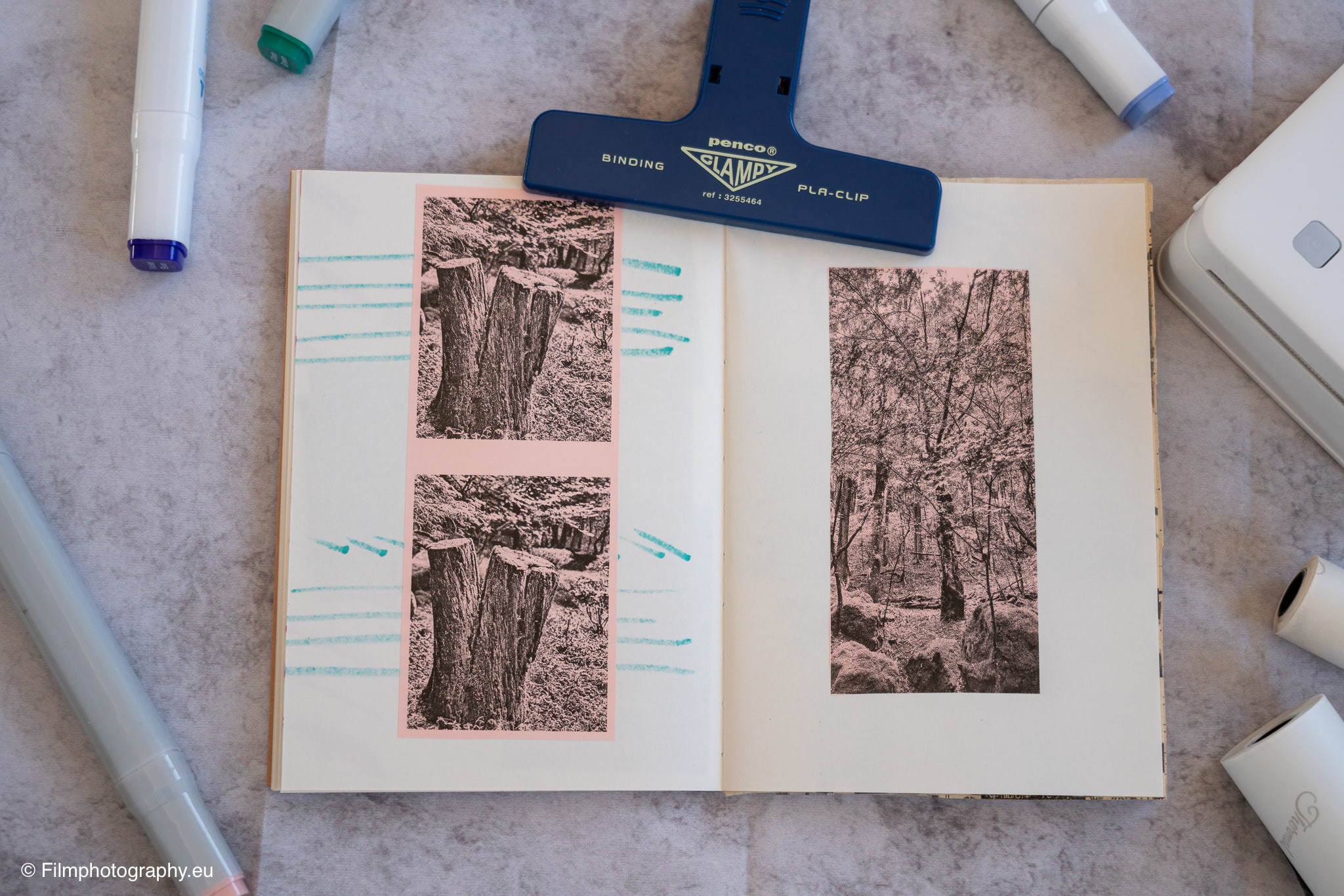
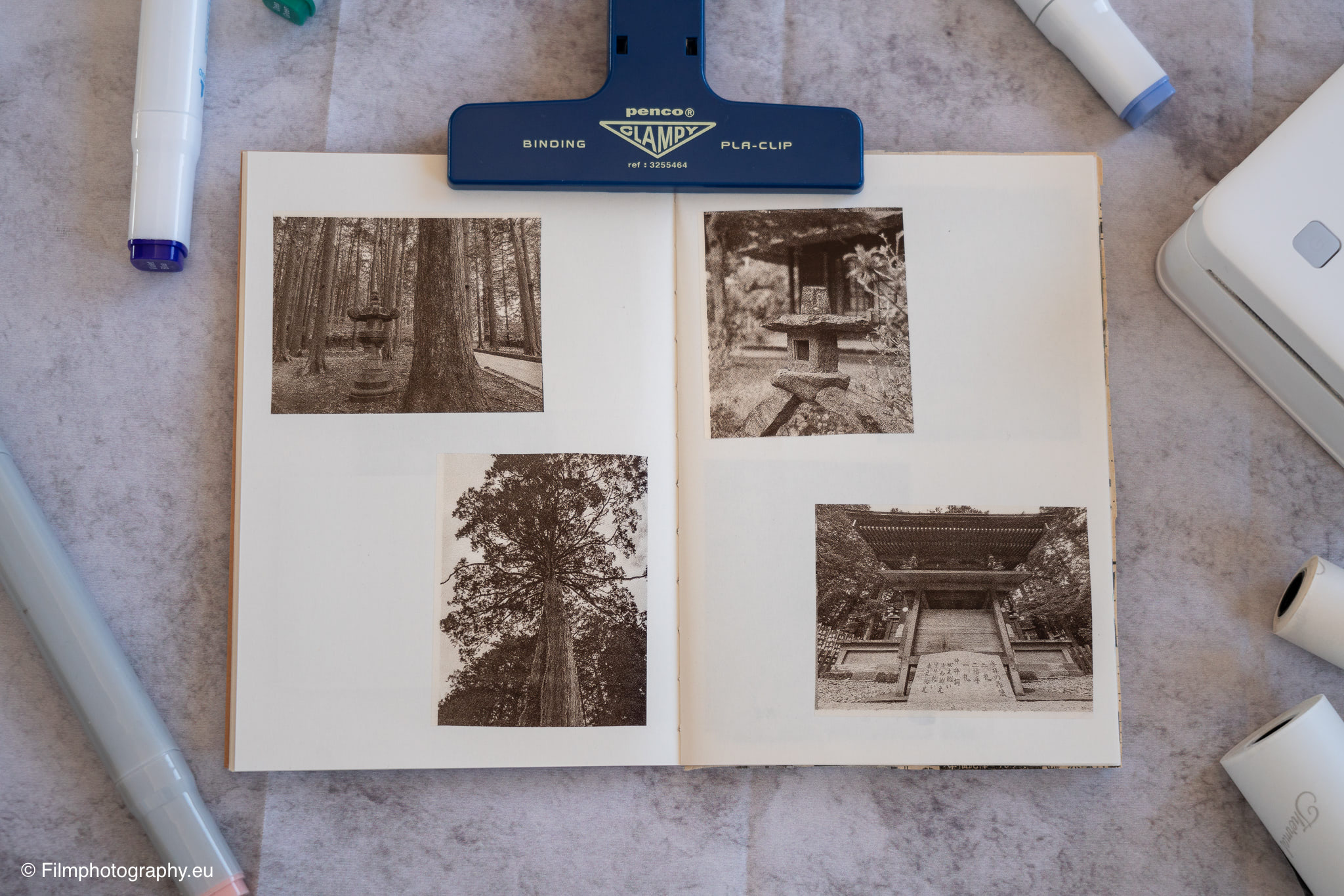
The process of creating such a photo journal is intentionally simple and meditative. It begins with selecting the images. Instead of printing entire series, I choose individual photographs that represent a specific trip, event, or simply an everyday moment that is important to me.
The A6 size is well-suited for a compact, daily journal. It fits in almost any bag and offers space on each page for a single photo and a few handwritten notes.
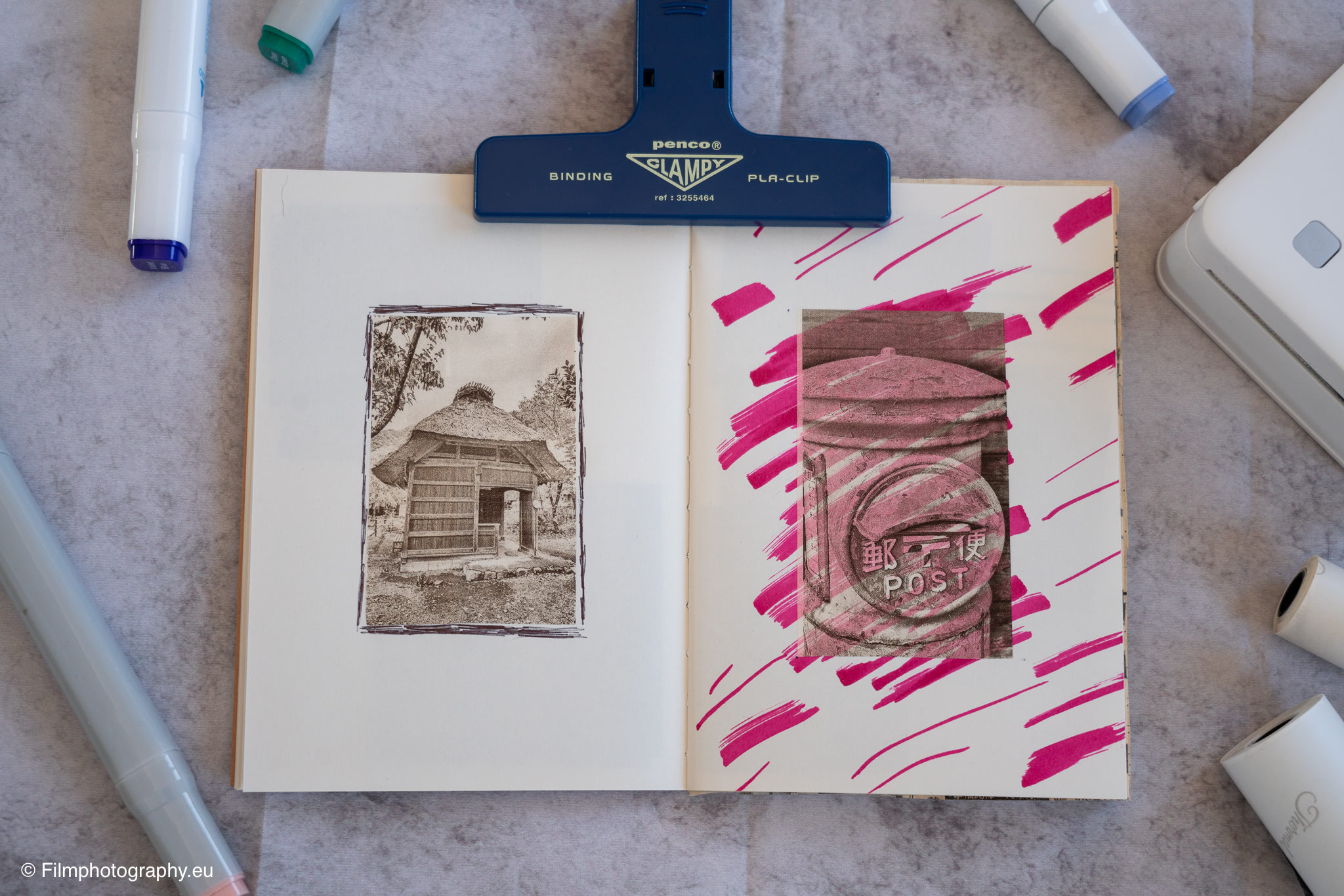
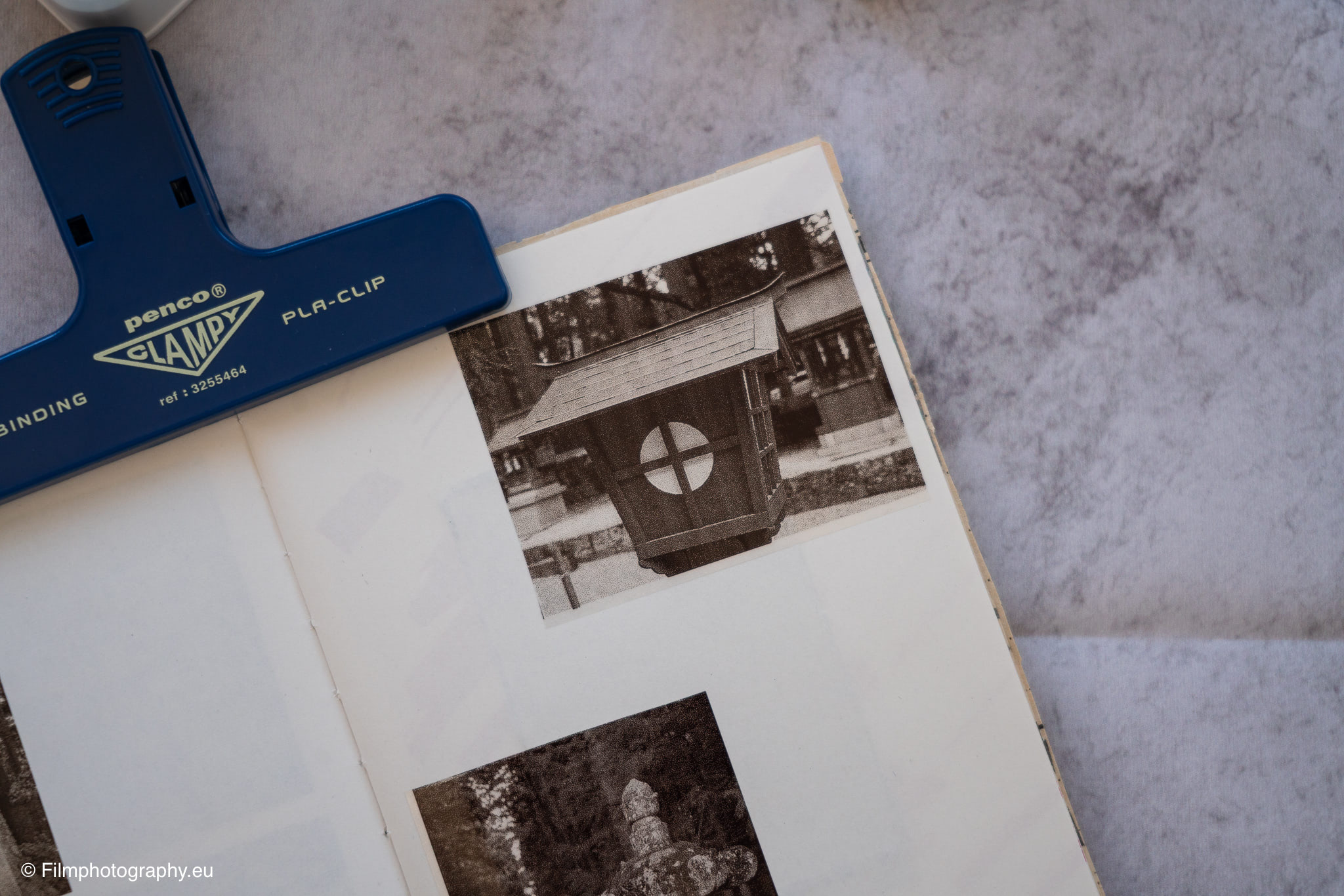
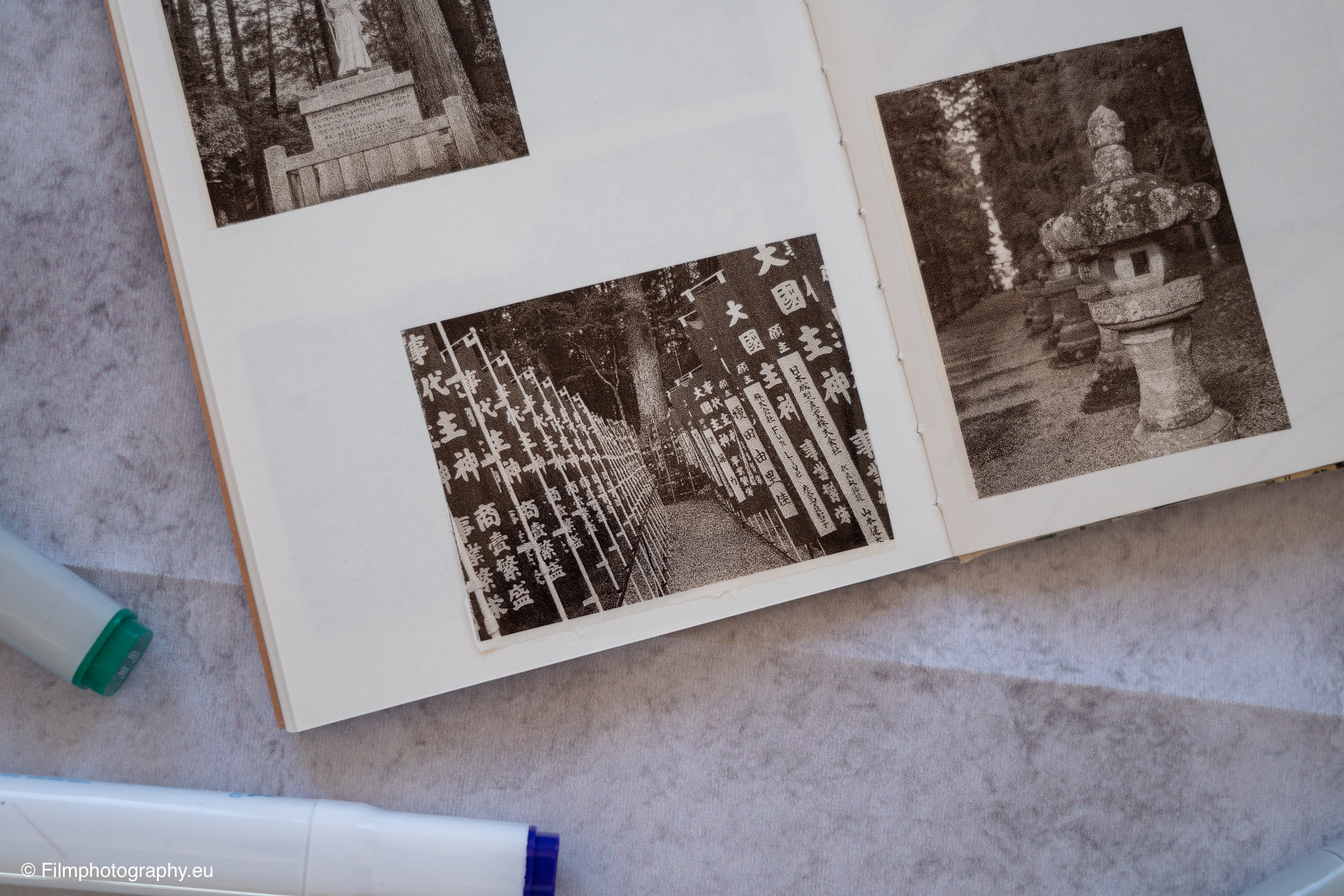
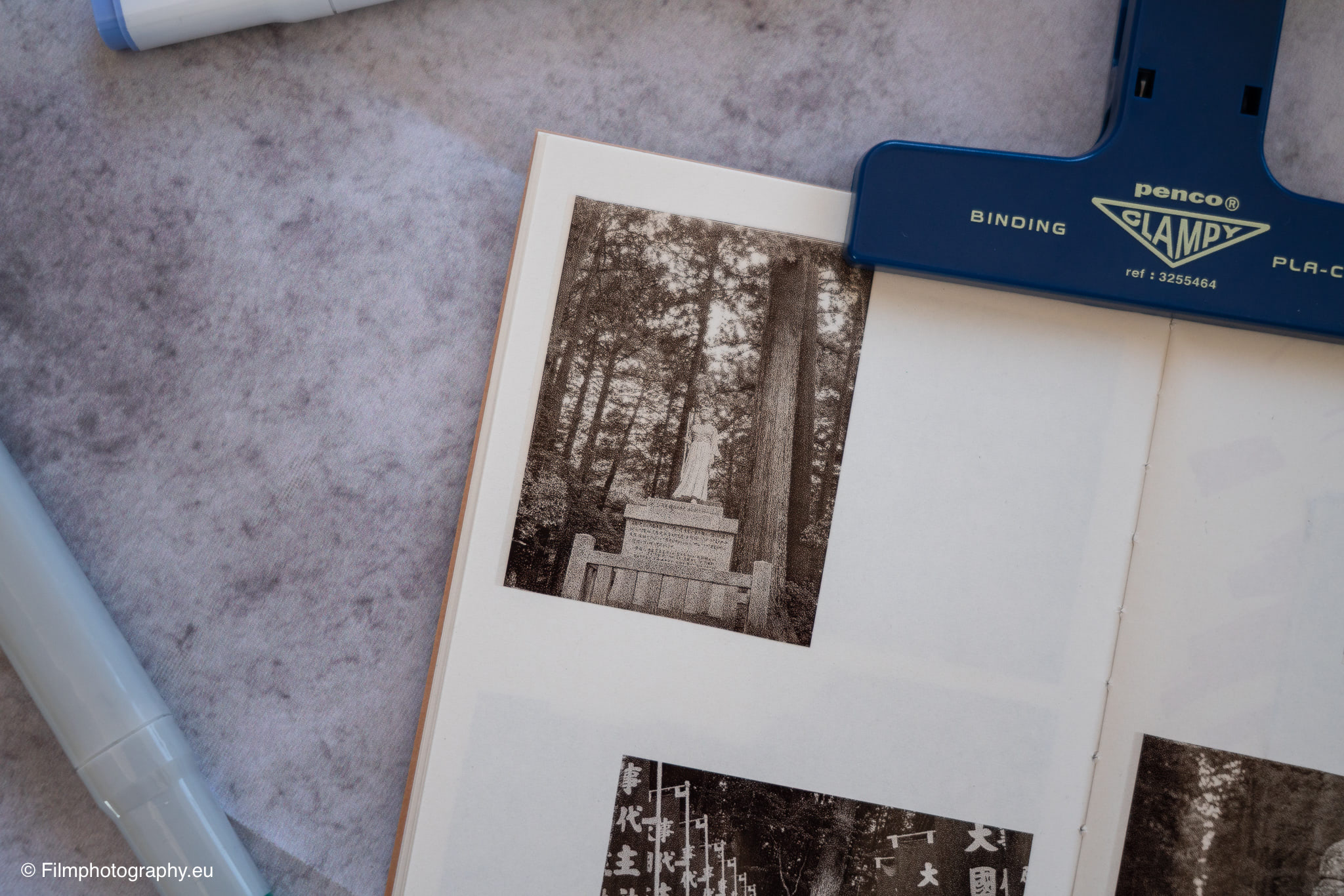
How you place the images is, of course, a matter of personal taste. You can place them on both sides or just on the right side, using the blank left page to provide context. Here, you can note the date, location, and a few sentences about the circumstances of the shot or the feelings associated with it.
The larger A5 format offers more creative freedom. Here, I can arrange multiple images on a double-page spread to tell a small visual story. Freely position the photos, create collages, or add more text. There are no limits to creativity.
Over time, this results in a collection of small, handmade books. Each one is unique, a personal archive that contains far more than just pictures. It preserves the stories behind the photos.
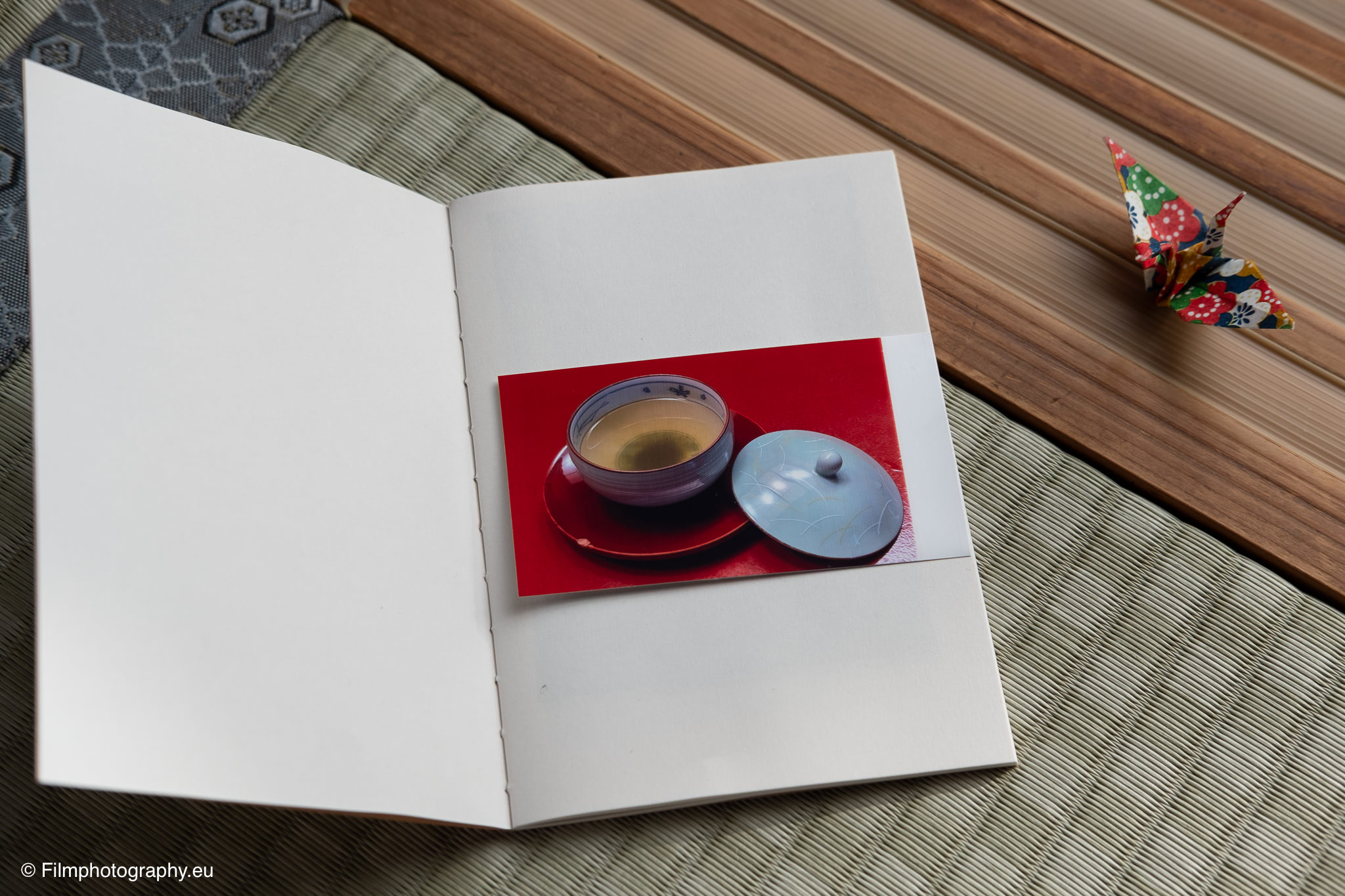
Flipping through these journals is a different experience than scrolling through a digital folder. It’s a tactile experience that brings memories to life in a deeper way. The weight of the paper, the texture of the pasted-in photos, and your own handwriting create a connection to the past that a screen cannot replicate.
This method is a return to the analog in an increasingly digital discipline. It slows down the process and forces you to engage with each individual image. You make a conscious decision about which photo is worth printing and including in your collection.
The Muji notebooks, with their understated and functional nature, provide the perfect frame for this. They put the content—the photographs and personal stories—front and center without imposing themselves. In this way, simple notebooks become valuable, personal artifacts.