Photography is a wonderful medium and an indispensable tool for memory. A single image can instantly transport us to a faraway place or bring back the face of a loved one. We use photos as visual anchors for travel experiences or simply document the culinary discoveries of an evening.
Nevertheless, photography has its limits. Thoughts and complex feelings are difficult to capture through the lens alone. A picture might show a person’s smile or the golden light over a landscape. However, it often conceals the inner monologues or the worries and hopes that moved us at that very second.
This is where the domain of the written word begins. Taking down impressions is not just for future archiving. It is rather an active process in the here and now.
The act of writing is fundamentally different from typing on a digital keyboard. When we move a pen across paper, we slow down our thinking. We structure the chaos in our minds. Often, it is this haptic process that leads to the solution of a problem that has been occupying us.
Furthermore, there are situations where the camera must remain silent. Whether in museums with strict photo bans or in intimate moments where the shutter sound or the mere sight of a lens would destroy the atmosphere. In such moments, the notebook becomes the silent observer and the vault for memories that no sensor in the world could capture.
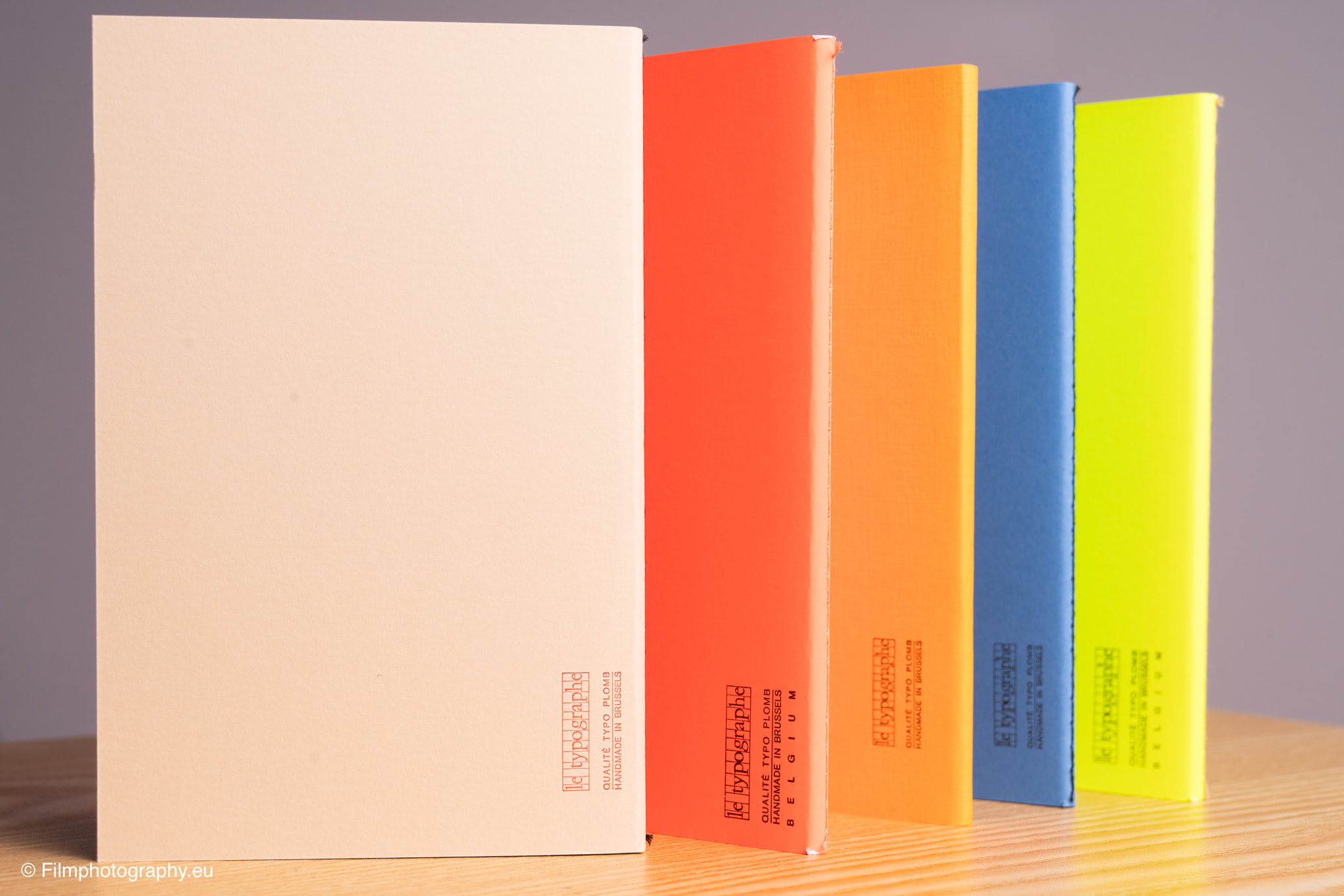
For this reason, for many photographers, a notebook is just as much a part of their equipment as a lens cloth or an exposure meter. In this report, we examine the notebooks from the Belgian manufactory Le Typographe and check whether they meet the high demands of aesthetics and functionality in a photographer’s everyday life.
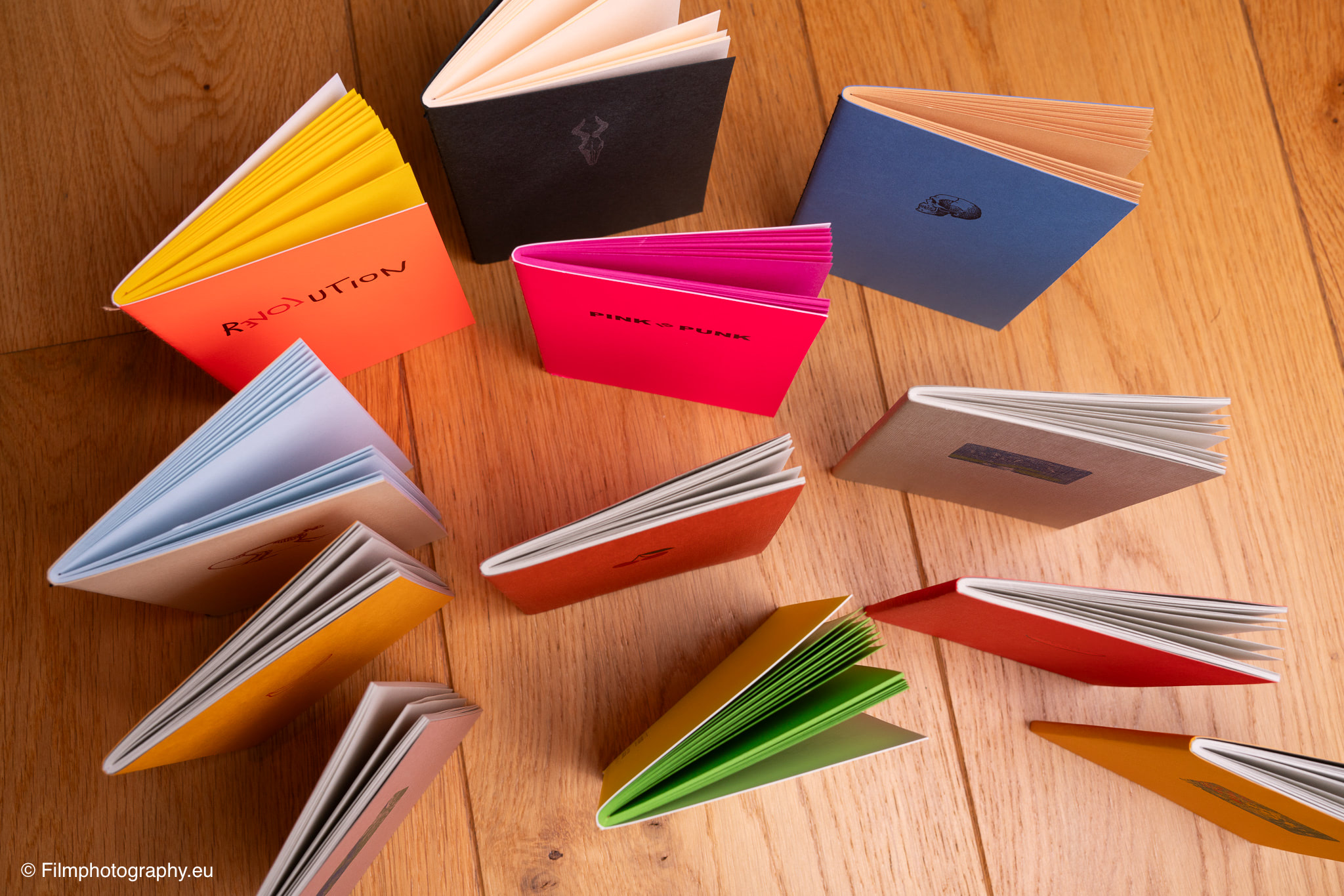
The Le Typographe brand is based in Brussels and stands for a tradition that seems almost anachronistic in our fast-paced digital world. The company was founded by Cédric Chauvelot and is located in the Ixelles district.
Anyone who delves into the company’s history quickly recognizes a deep connection to classic craftsmanship. The name says it all. They rely on traditional letterpress printing with movable lead and wooden type. In an era dominated by offset and digital printing for mass production, the decision to use these old techniques appears as a deliberate statement for deceleration and quality.
This philosophy of craftsmanship and attention to detail immediately resonates with a photographer who may still develop analog films or enlarge prints in a darkroom. It’s about appreciating the material and the process of creation.
Le Typographe’s products are not mere consumables from the supermarket shelf. They are objects that tell a story and bear the signature of their creators. Over the years, the brand has earned a reputation that extends far beyond Belgium’s borders without losing its manufactory charm.
Their products are often found in select stationery shops or design stores, but rarely in large chains. This alone suggests that they are targeting an audience willing to pay a premium for haptic quality and design excellence.
The product range is diverse, but for this report, we will focus on the softcover notebooks, often offered in thematic sets, as well as the smaller leather-bound variants.
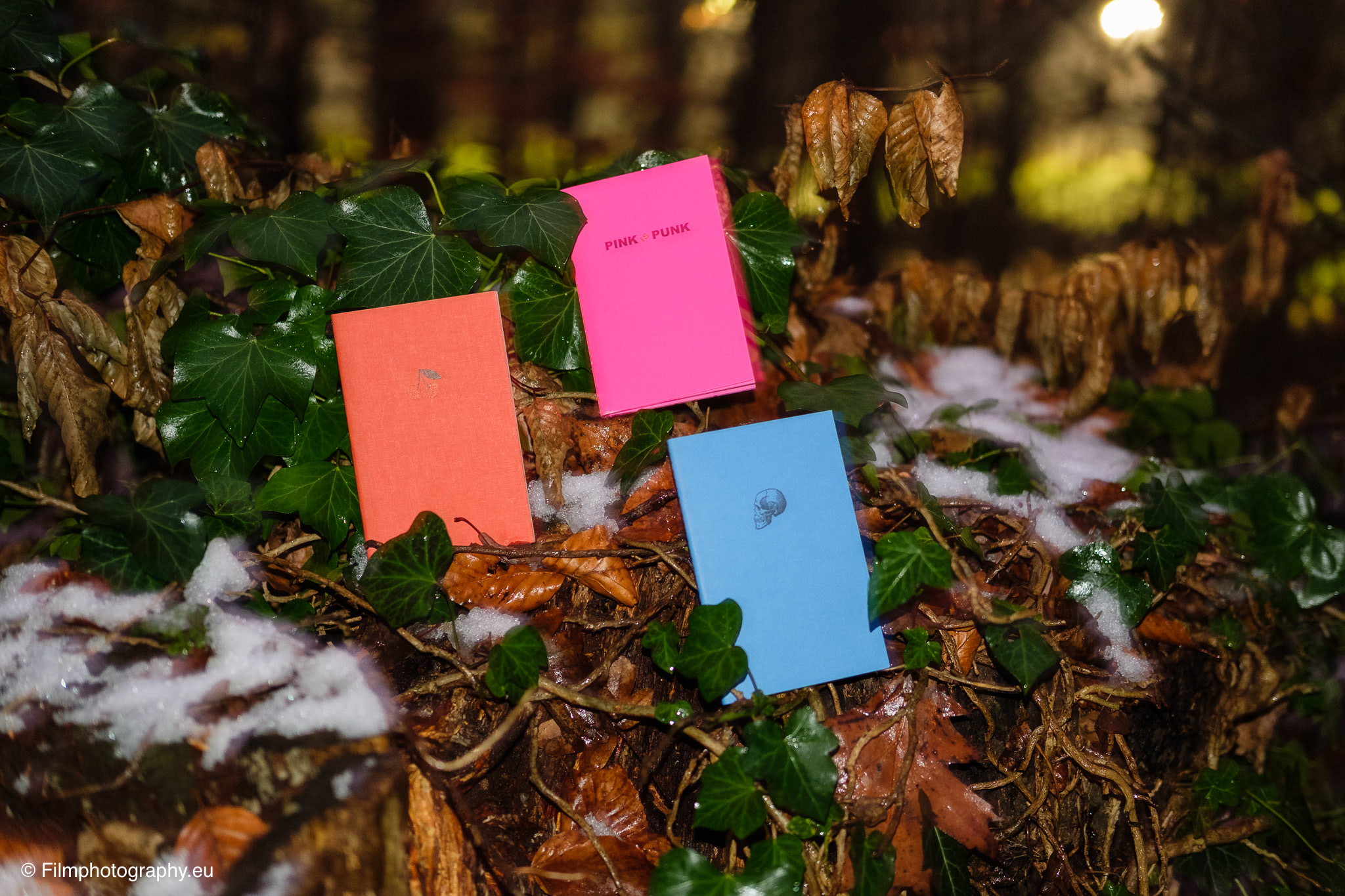
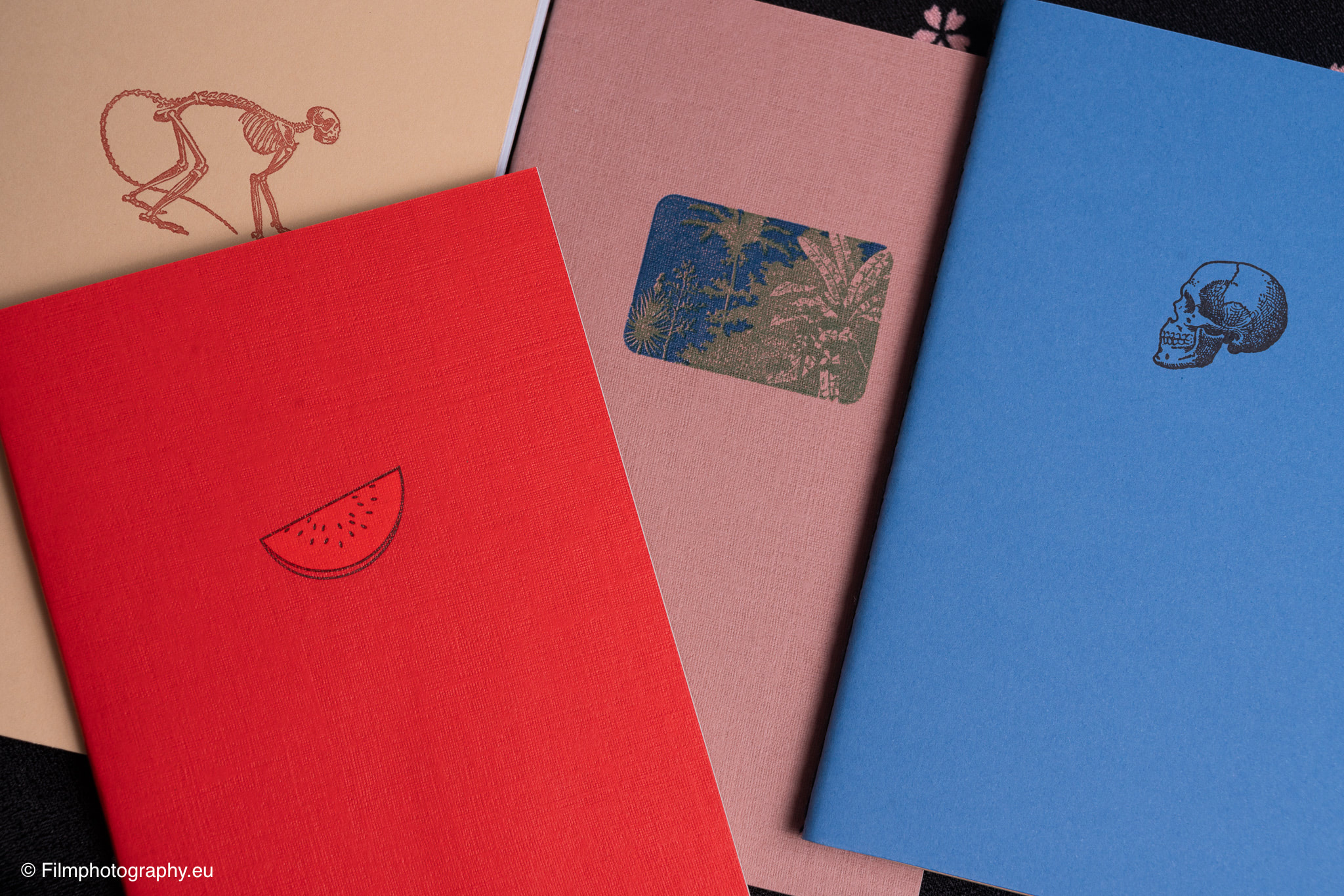
A look at the specifications of the softcover sets like “Skeletons,” “Landscapes,” or the vibrant “Fluo” series reveals a preference for handy formats. The sizes vary slightly but are often based on dimensions that fit well into a jacket pocket or the outer pocket of a camera bag.
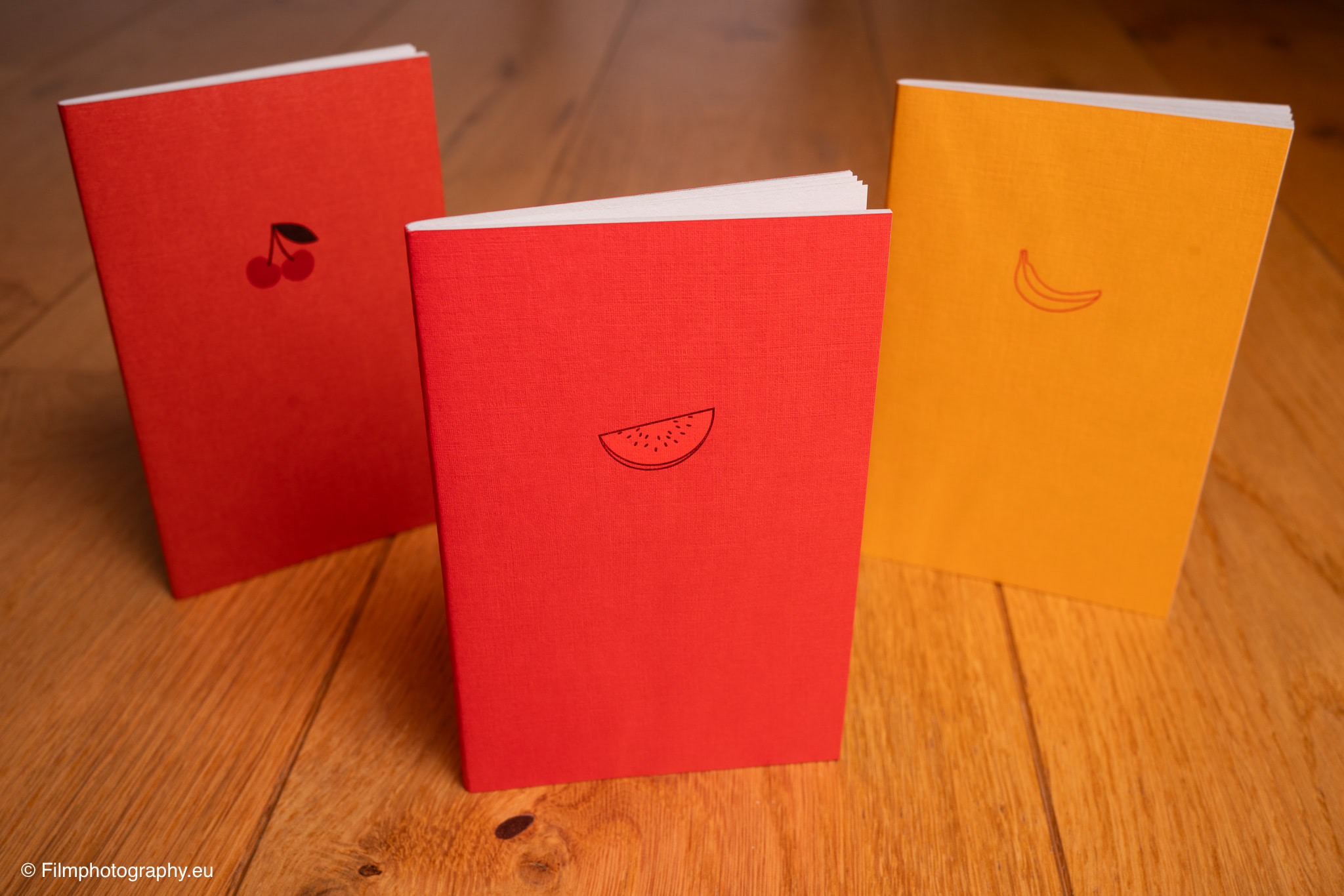
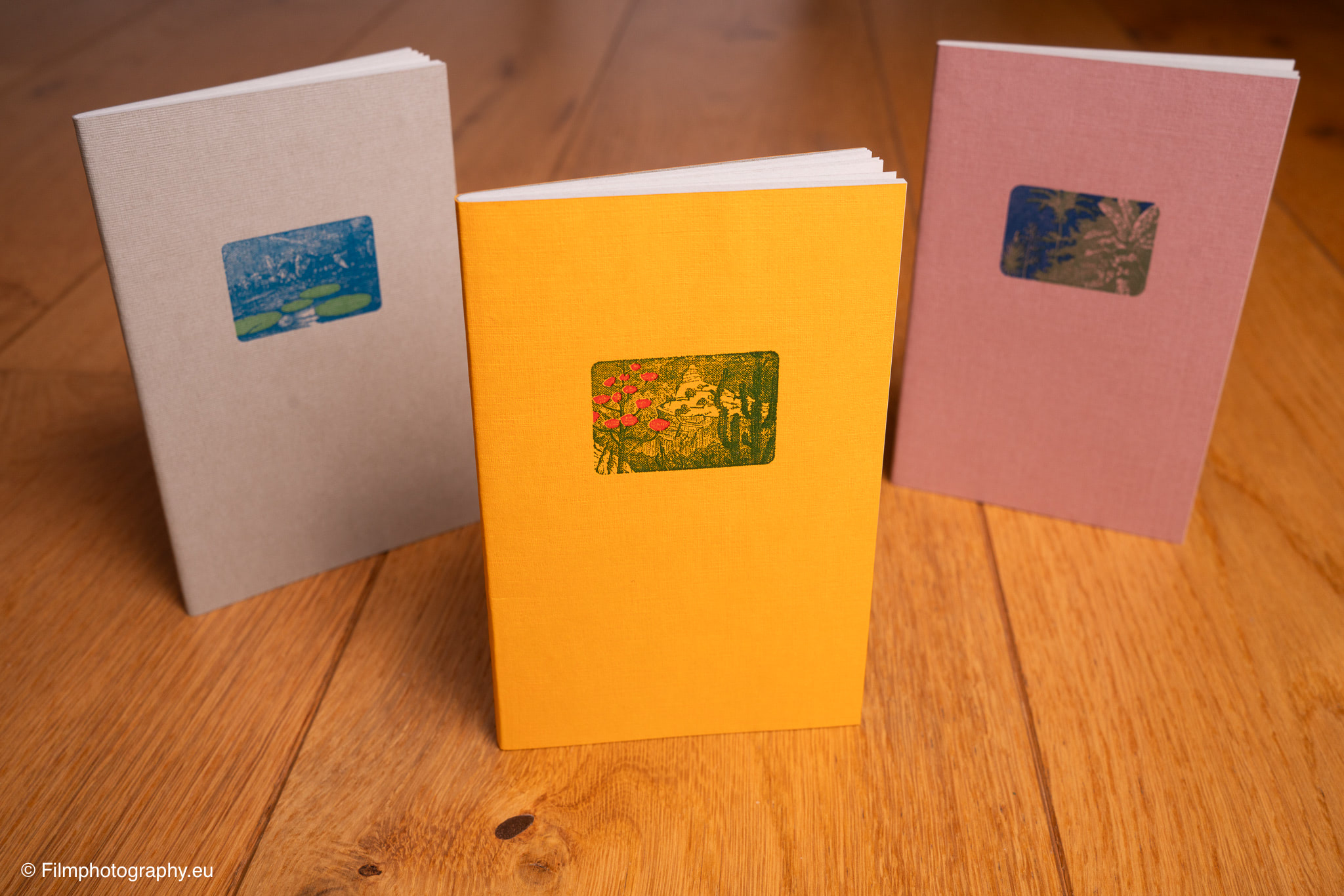
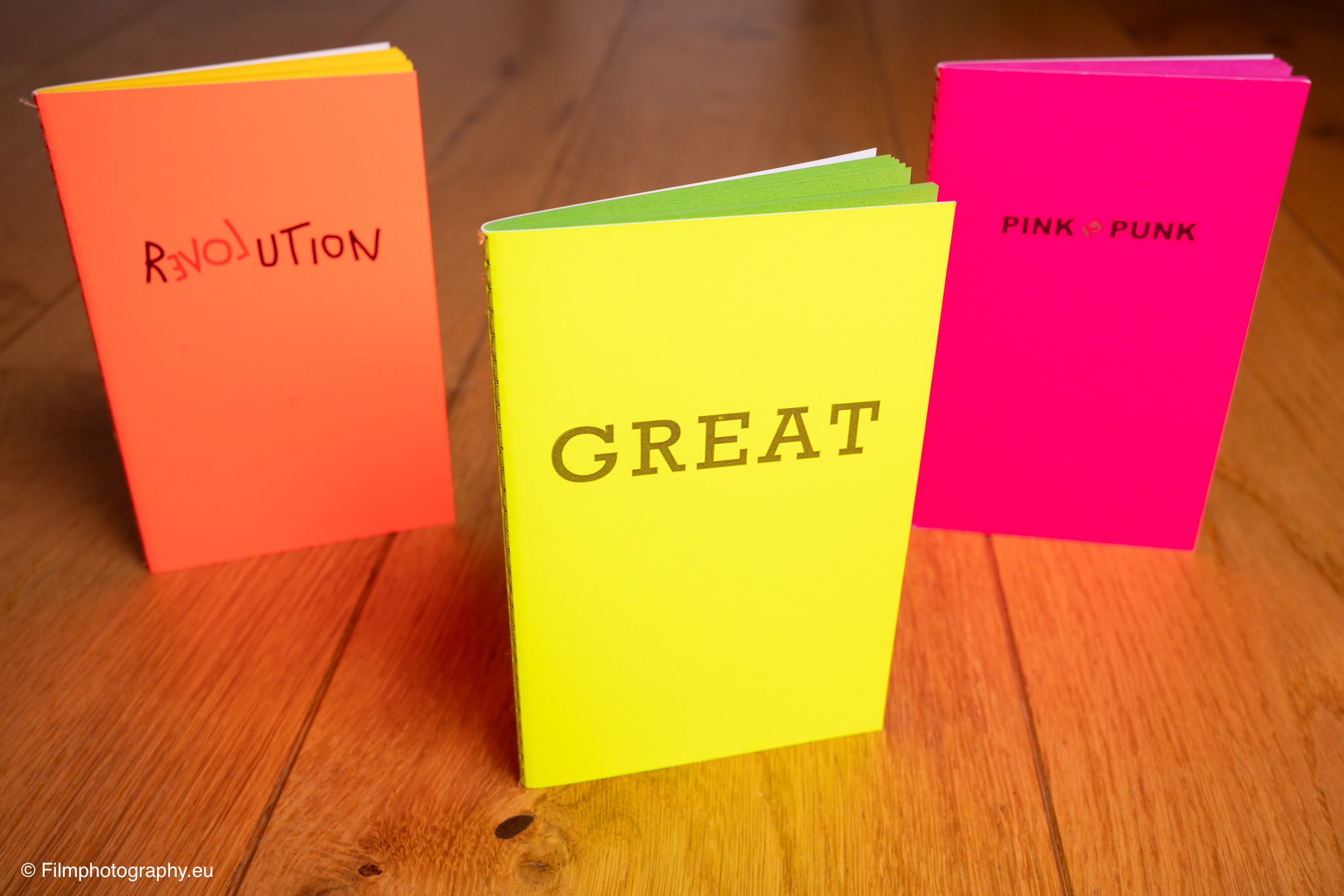
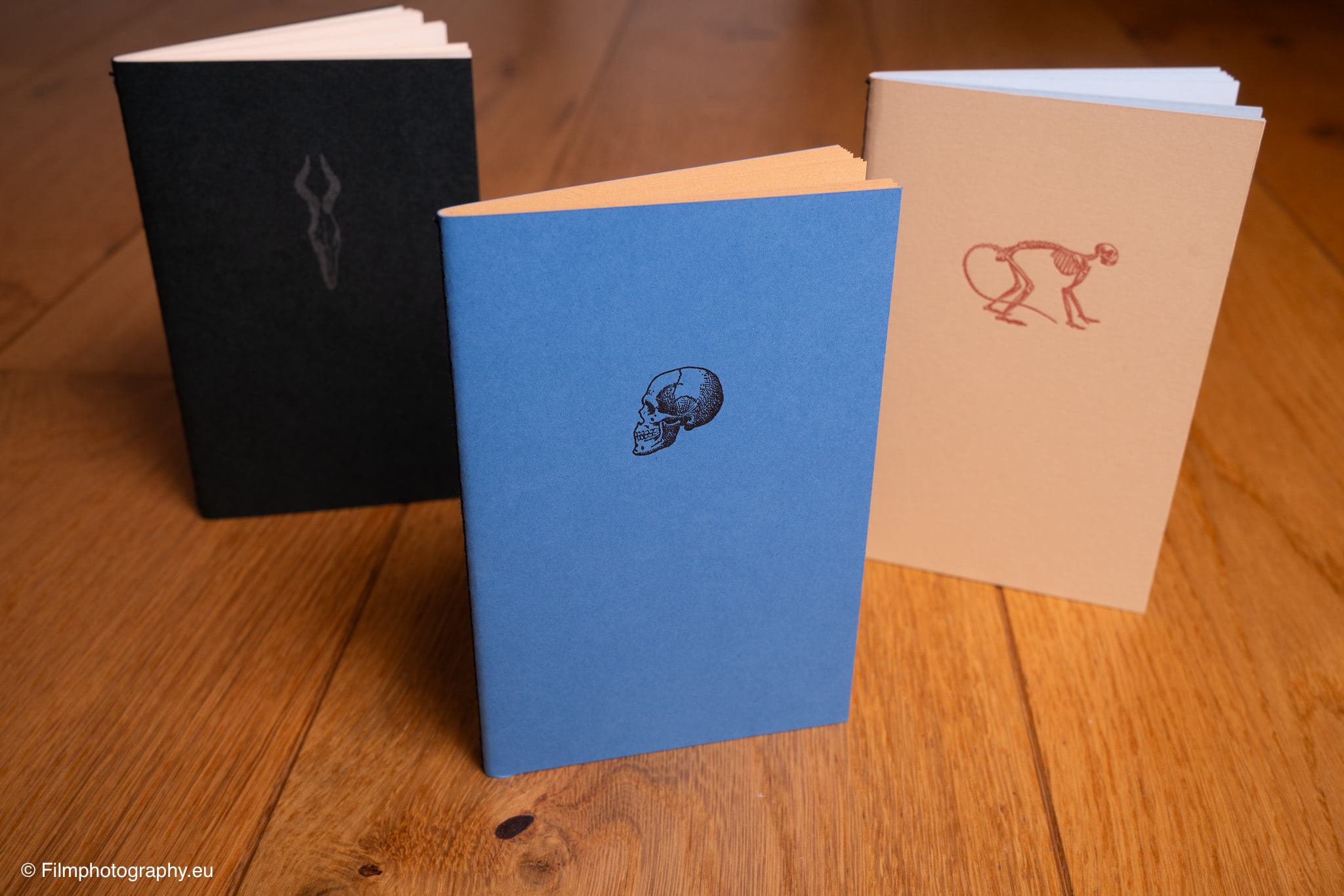
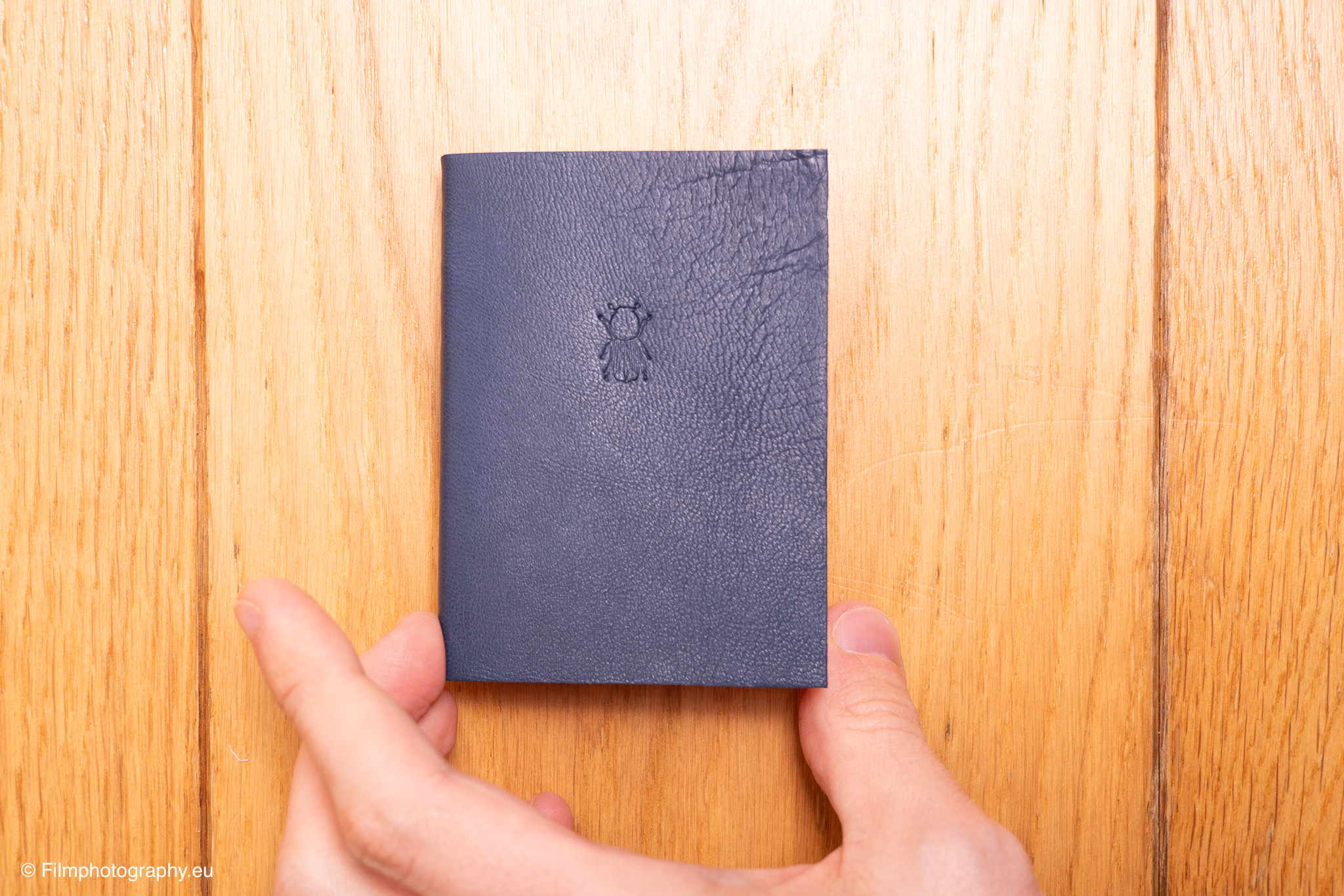
The small leather book mentioned here, measuring 7 by 9.5 centimeters, is extremely compact and serves more as a constant companion for the pocket. The softcover versions are slightly larger and offer more space for sketches or longer text entries. The page count in these notebooks is 48, which keeps the weight down and prevents them from becoming bulky bricks.
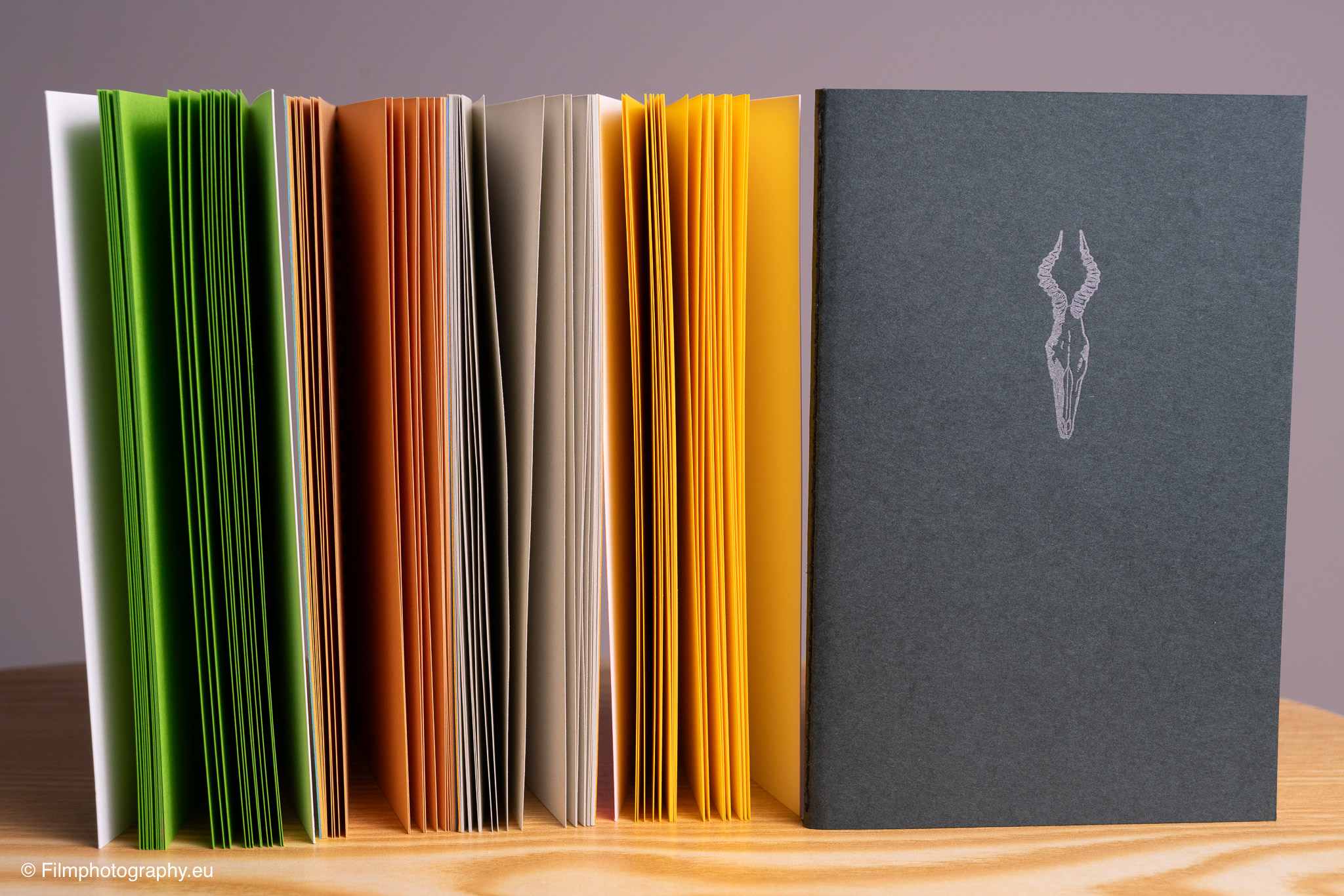
The paper itself is the heart of any notebook. Le Typographe uses paper with a pleasant grammage that feels high-quality and is not too thin. Depending on the edition, the paper colors differ.
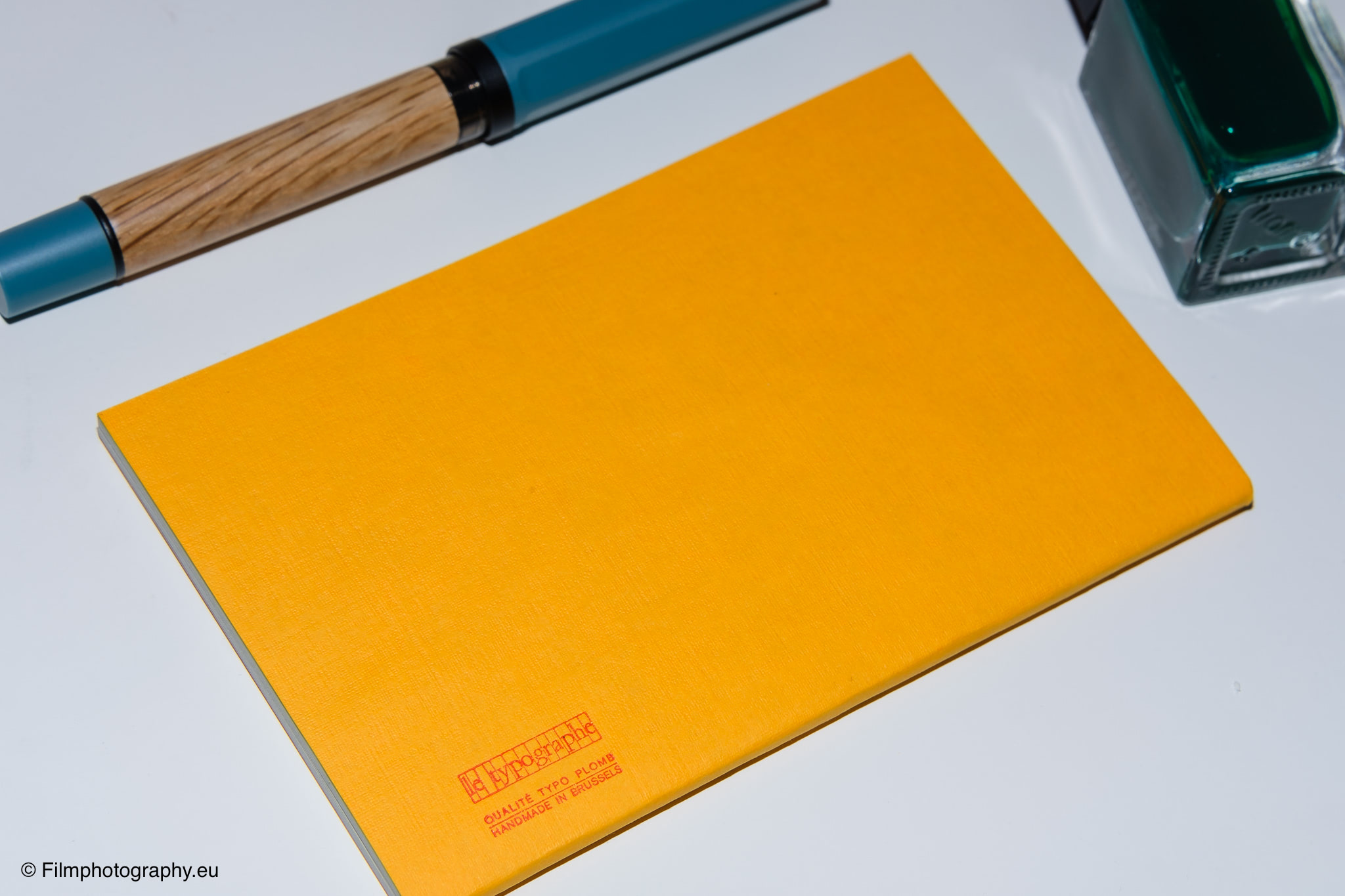
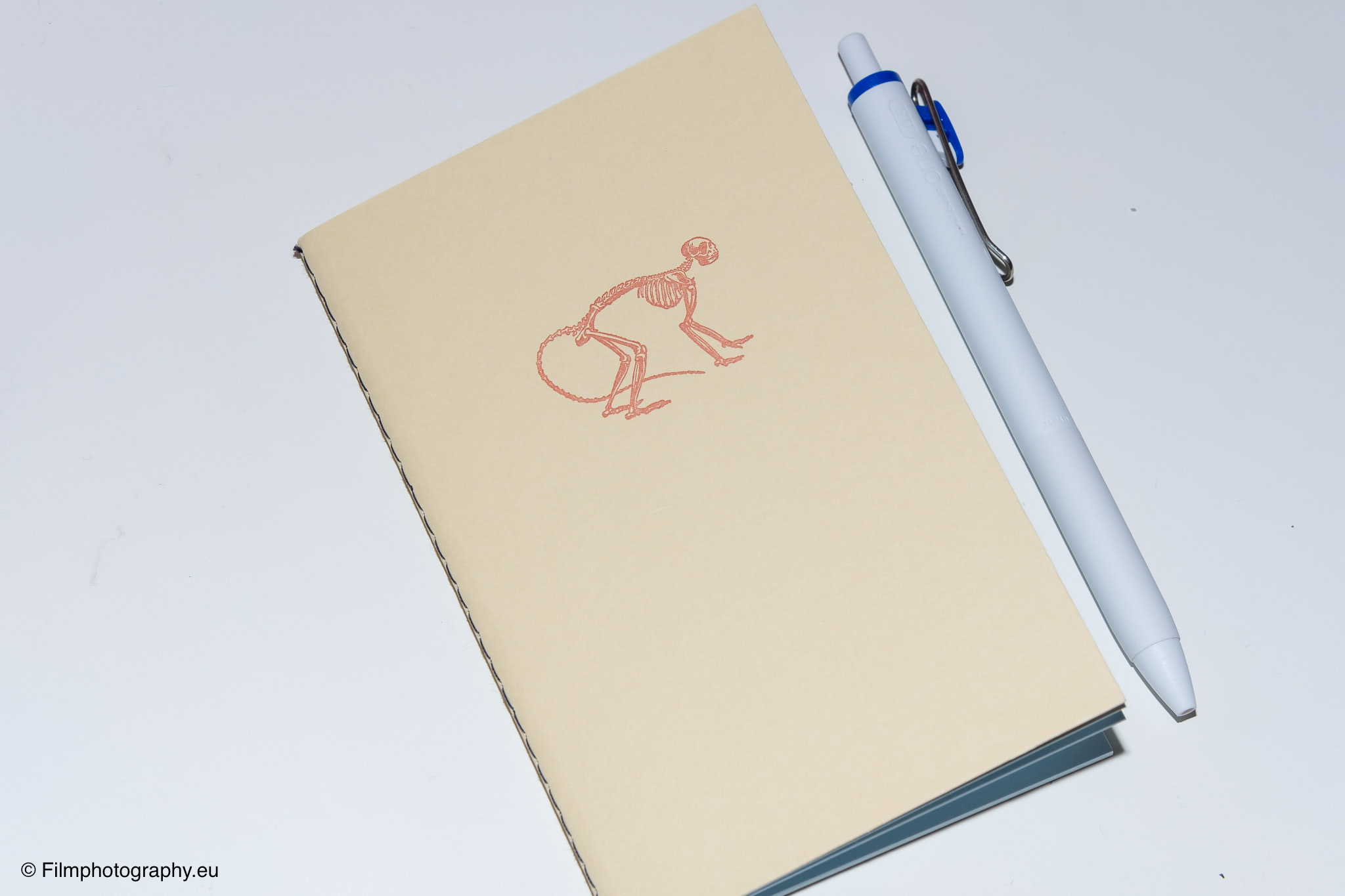
The cover of the softcover versions is usually made of cardboard printed using the letterpress method. This means you can not only see the text or motifs but also feel them. The print leaves a physical impression on the material. The motifs of series like “Skeletons” with their anatomical illustrations or “Landscapes” with stylized landscapes show a graphic ambition that oscillates between scientific drawing and artistic abstraction. The “Tutti Frutti” series or the neon-colored editions, on the other hand, focus on visual loudness and modern accents.
In the daily practice of a photographer, the true quality of a tool only reveals itself after some time of use. The first impression upon unpacking a delivery from Le Typographe is remarkable. It is immediately noticeable that there is a genuine love for paper in this house.
This doesn’t start with the product itself. Even the delivery note that accompanies the shipment is printed on paper whose texture and feel far exceed the standard one expects from ordinary online orders. You hold this document in your hand and feel that paper is understood here not just as a means to an end, but as a cultural asset.
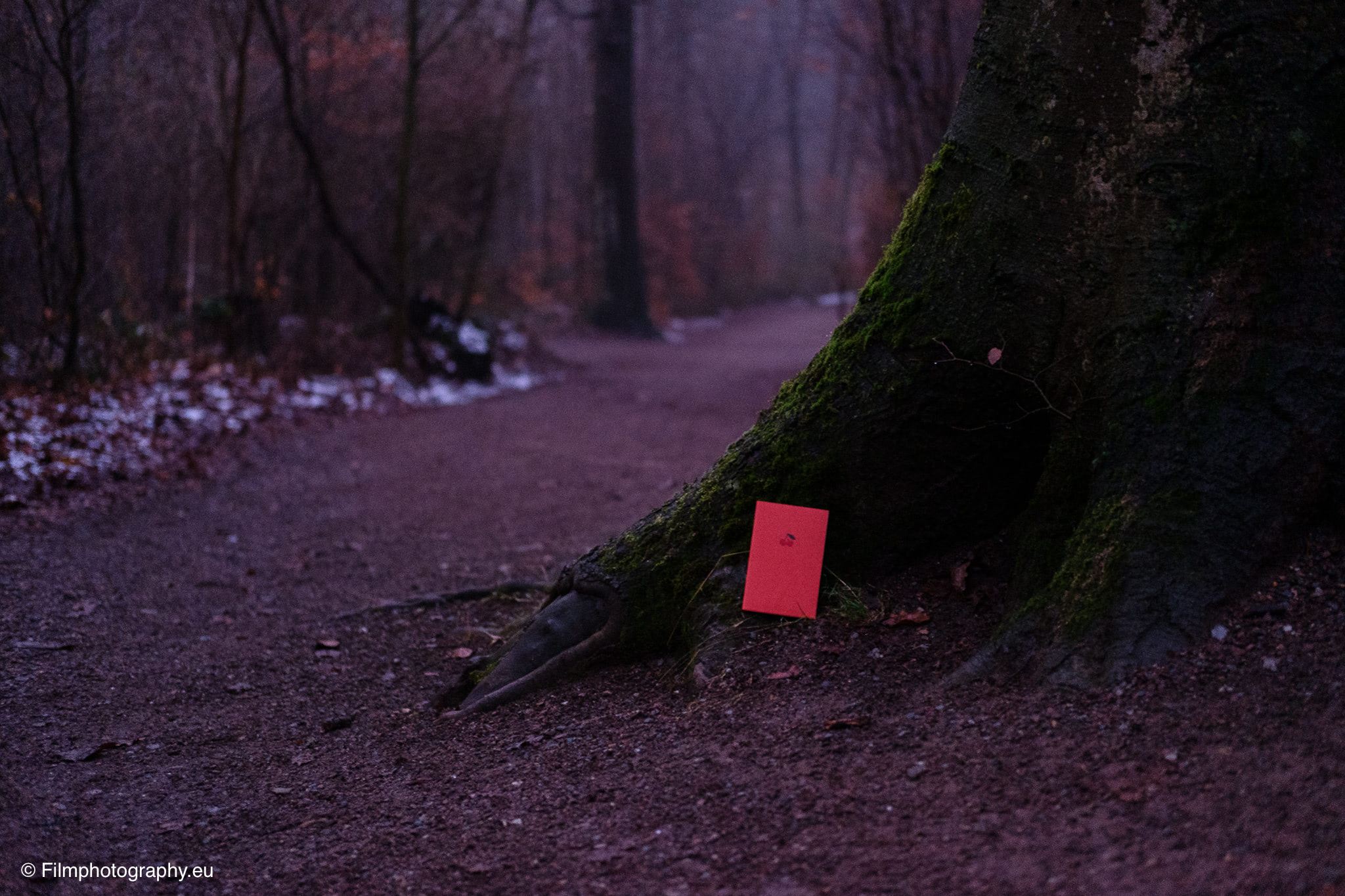
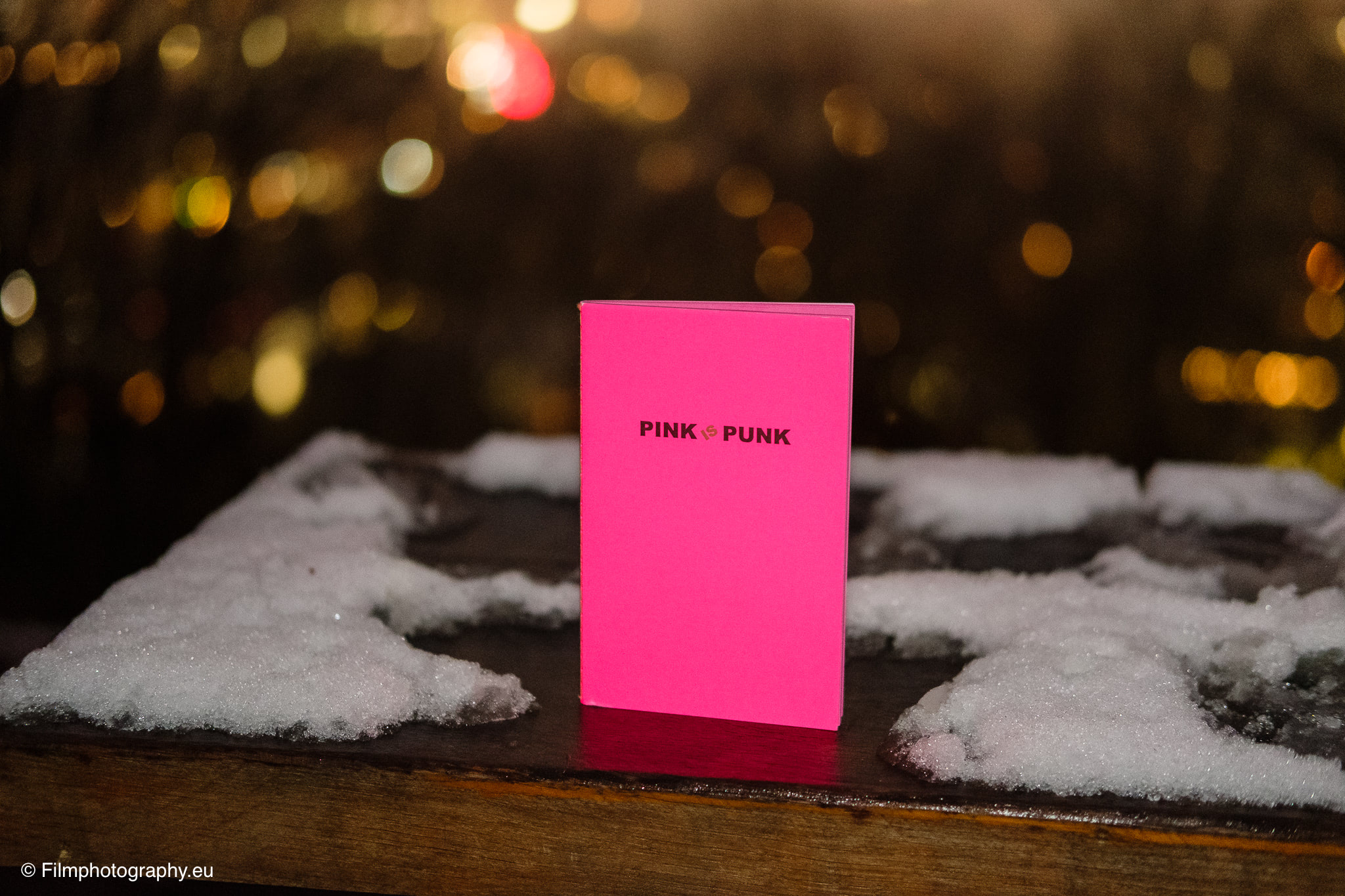
This attention to detail continues with the notebooks. When you pick up one of the notebooks with colorful covers, the colors catch your eye. Especially with the neon or rich tone variants, the quality of the print is evident. The colors are bright and rich. They don’t appear flat, as is often the case with simple digital printing, but possess a depth and intensity that delights the eye. For a photographer who deals with color composition and lighting moods daily, this is an aesthetic pleasure.
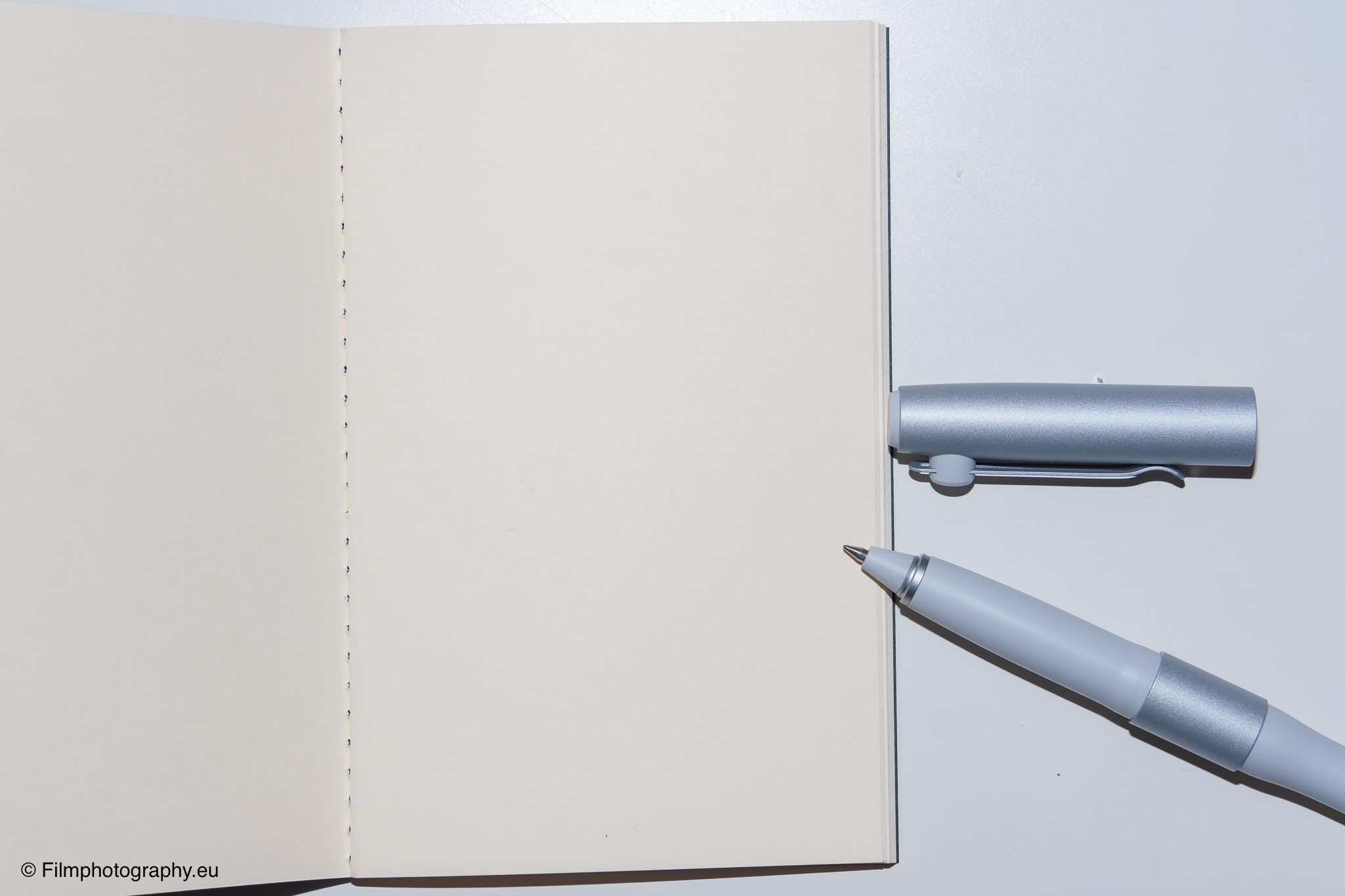
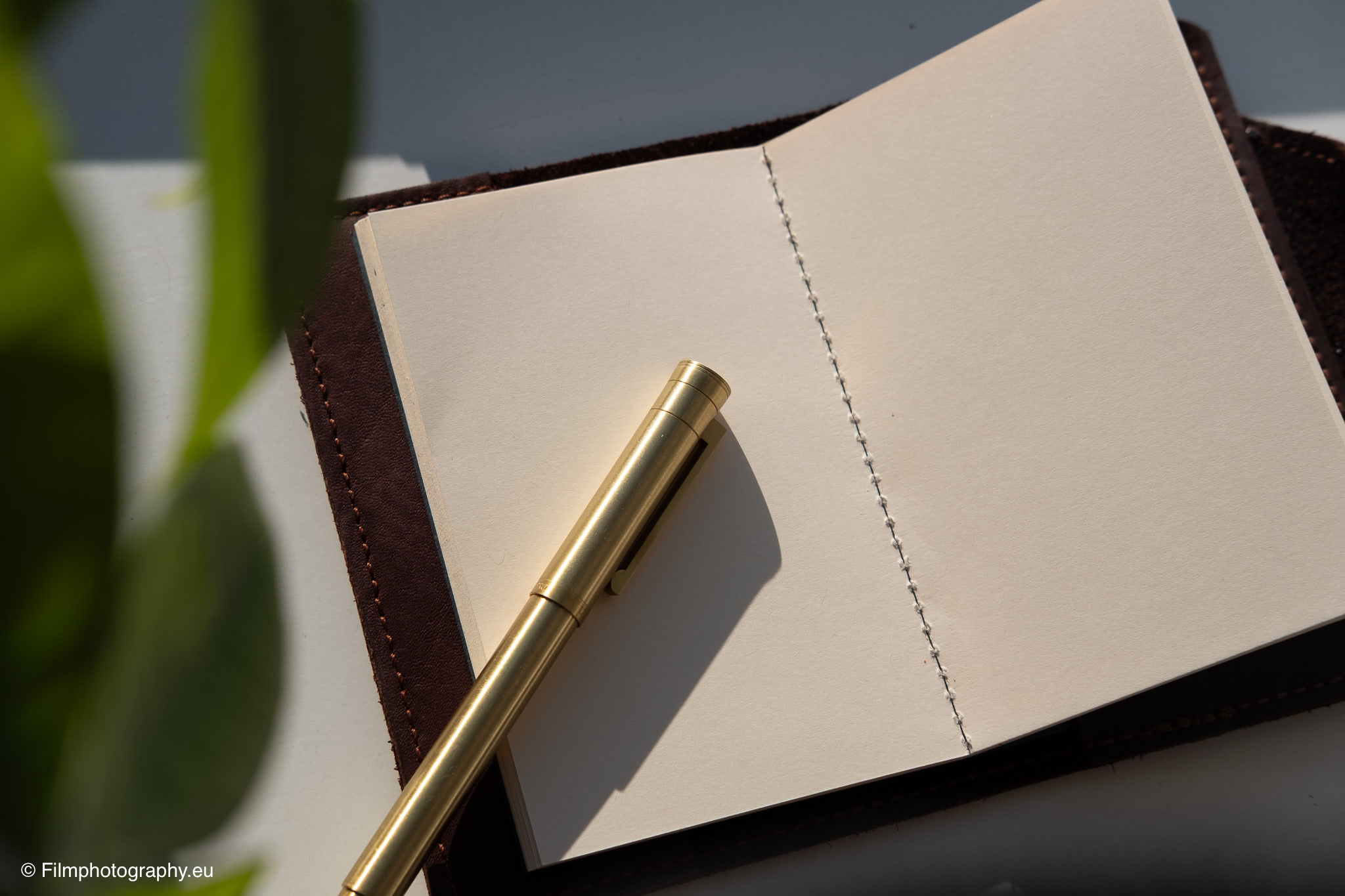
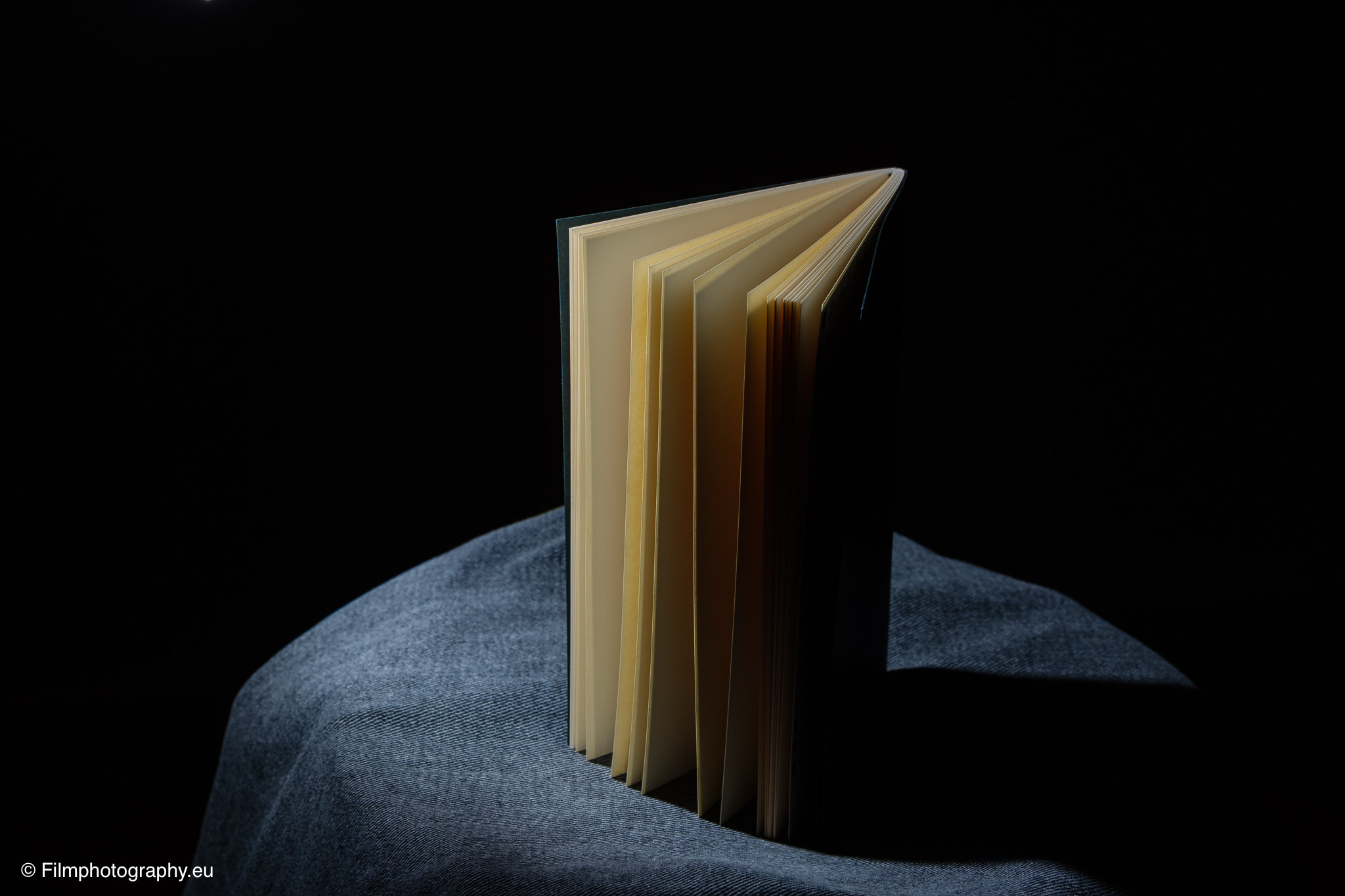
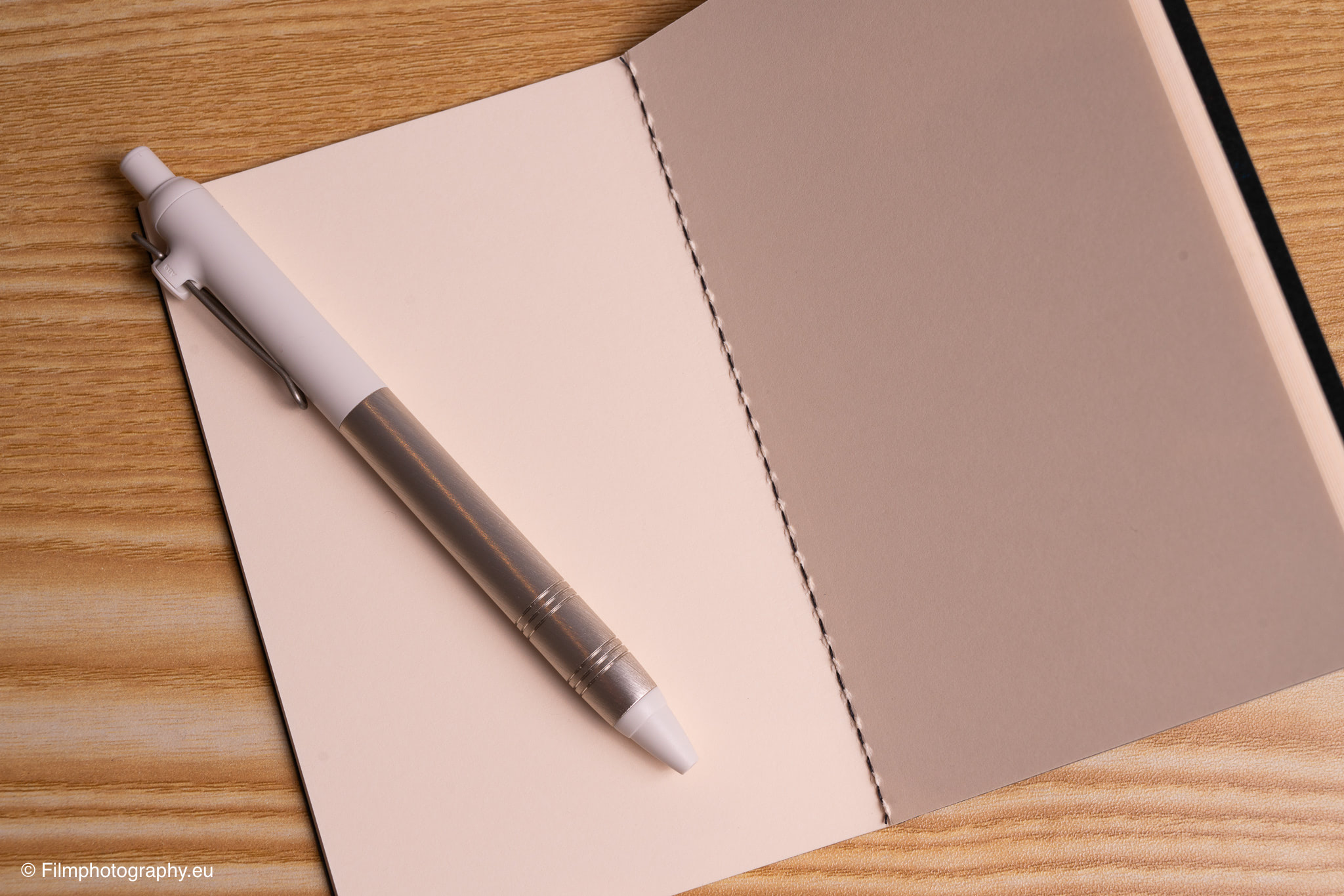
A crucial factor for the usability of a notebook is its behavior when opened. Nothing is more annoying than a book that constantly snaps shut on its own or having to fight the curvature of the pages with your hand. Le Typographe’s notebooks, especially the softcover versions with their special thread binding, exhibit excellent properties here.
The pages lie very flat on the table. This allows for relaxed writing. Your hand can rest flat, and you can guide the pen deep into the fold without the writing flow being interrupted by an unnatural curvature. This is particularly important when you are on the go and may not have a stable surface, balancing the book on your knee or a wall. The binding is flexible enough to allow this, yet strong enough to hold the pages securely.
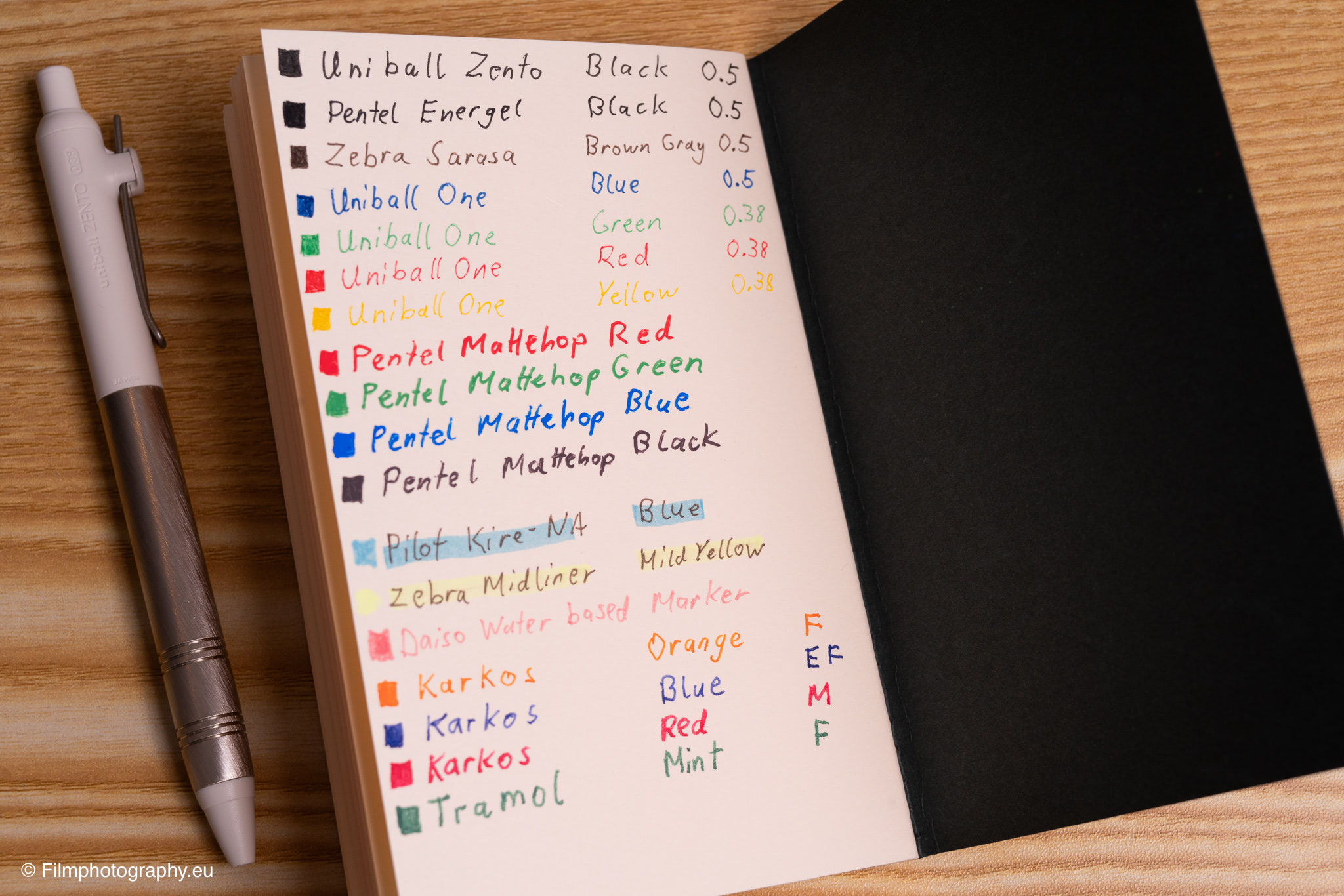
For the writing test, we used various pens, including ballpoints, gel pens, and especially fountain pens with different inks. For fountain pen enthusiasts, the paper quality is the decisive criterion. Here, Le Typographe’s paper shows its strengths. The surface is smooth enough to allow the fountain pen to glide gently, but at the same time offers enough resistance so that the nib doesn’t slip uncontrollably.
I could not detect any bleed-through. The ink does not penetrate the fibers to the other side. This allows you to use every page of the notebook without the writing on the front affecting the legibility of the back. Ghosting, the show-through of writing on the reverse side, is also minimal. Holding the page against a strong light source, you might glimpse a shadow, but when the book lies flat on the table, this is not noticeable on a double-sided page. The handwriting remains clear and undisturbed. This attests to the high opacity of the paper used and the careful selection of raw materials.
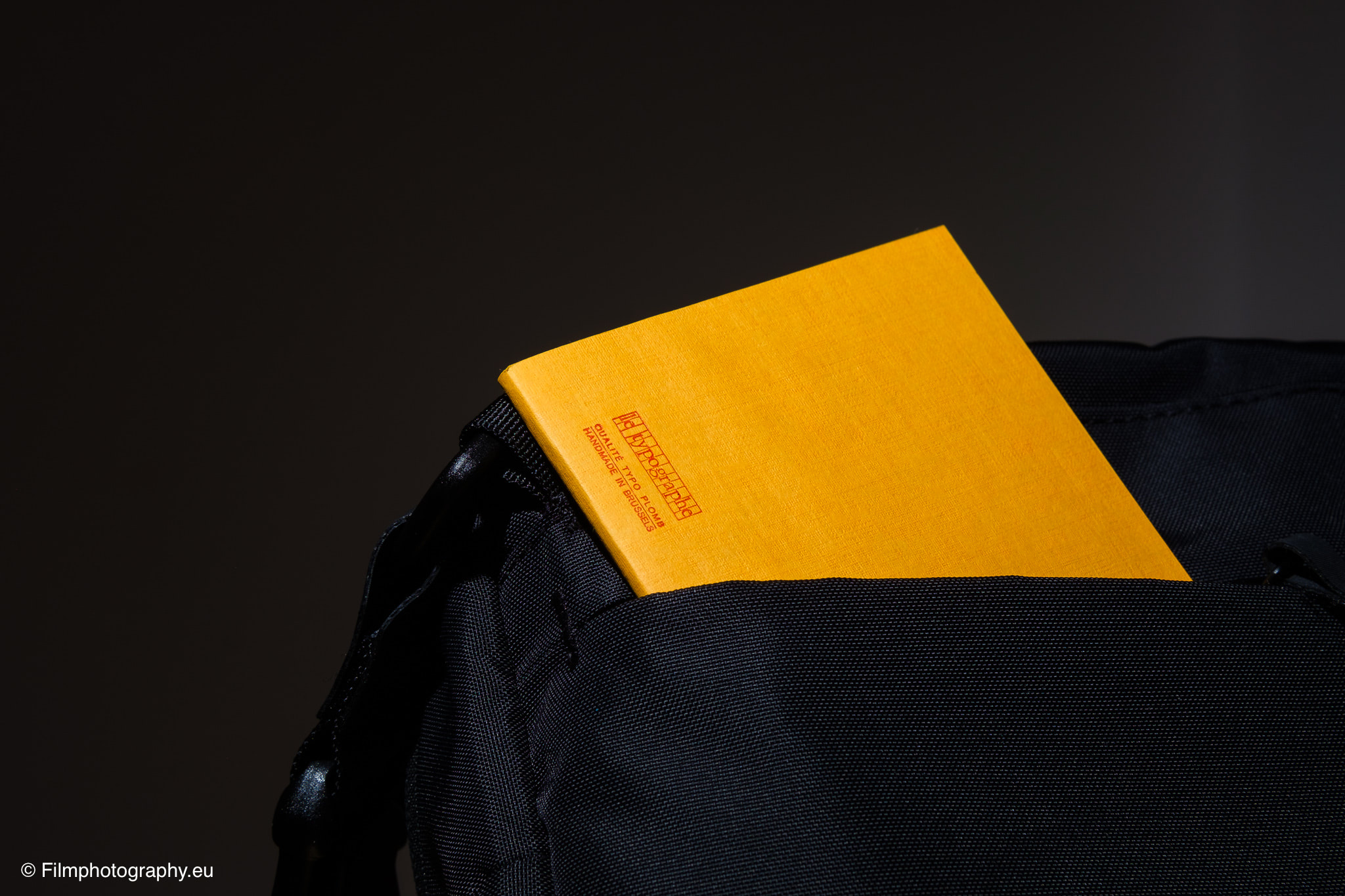
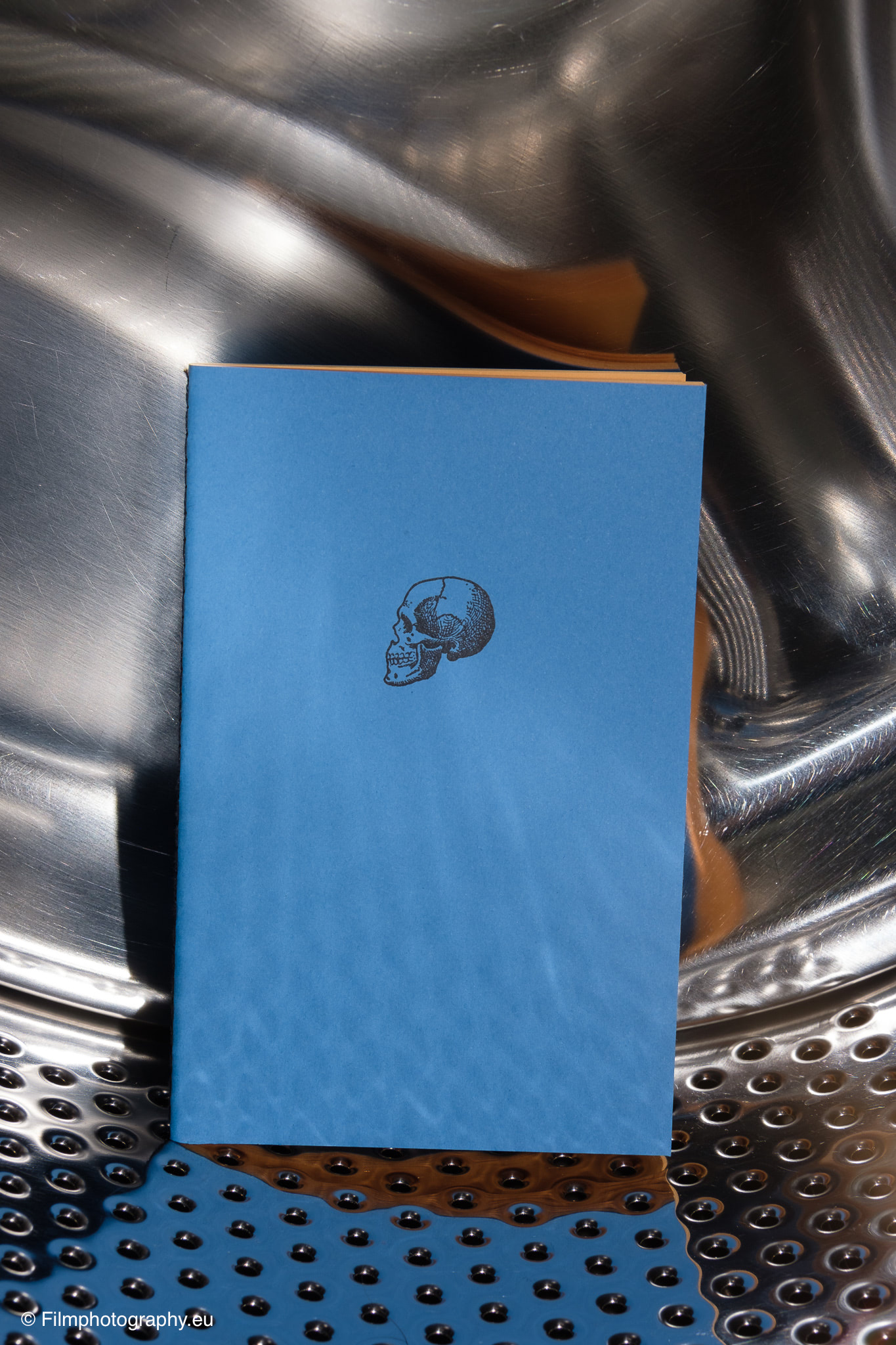
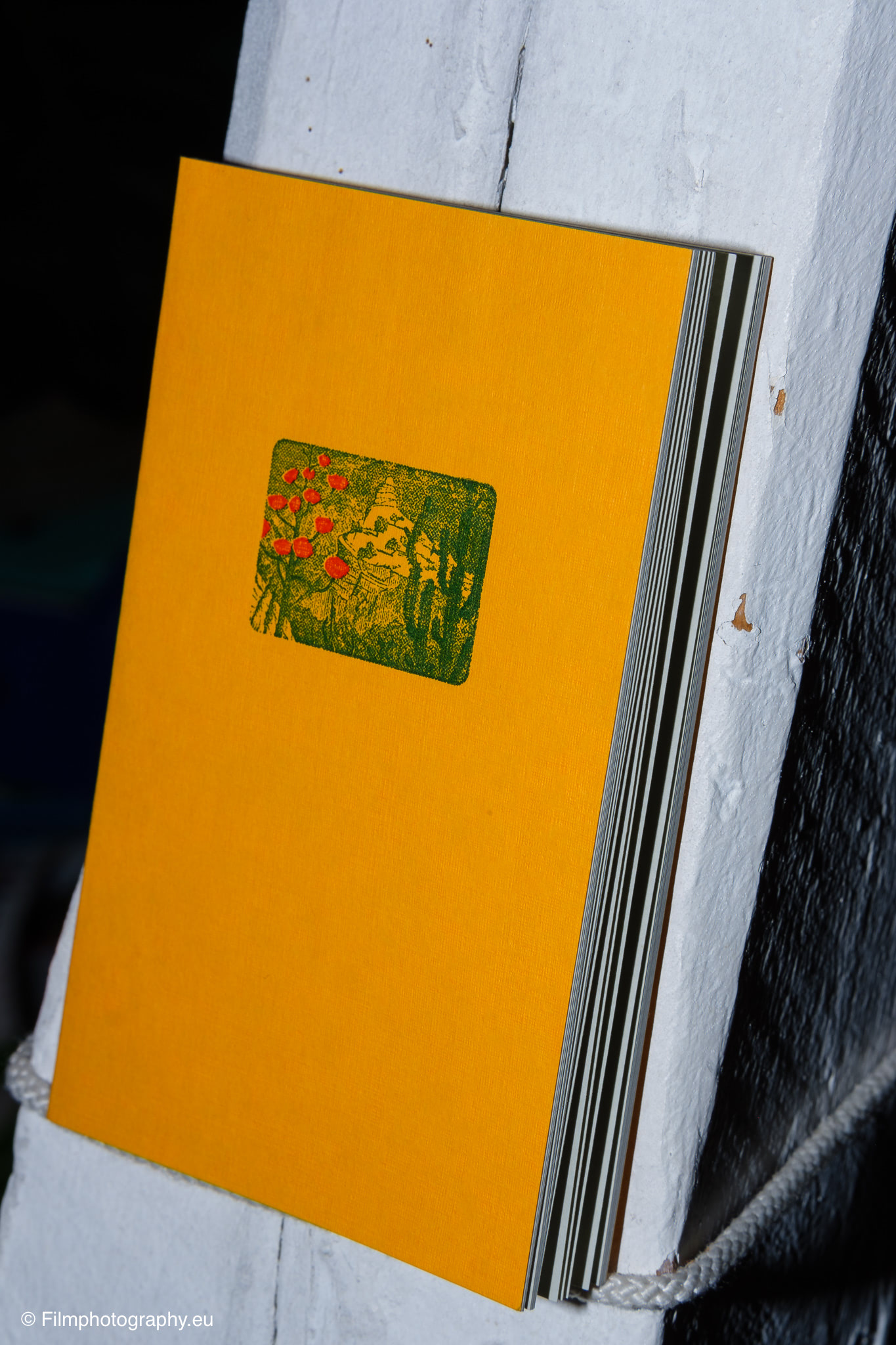
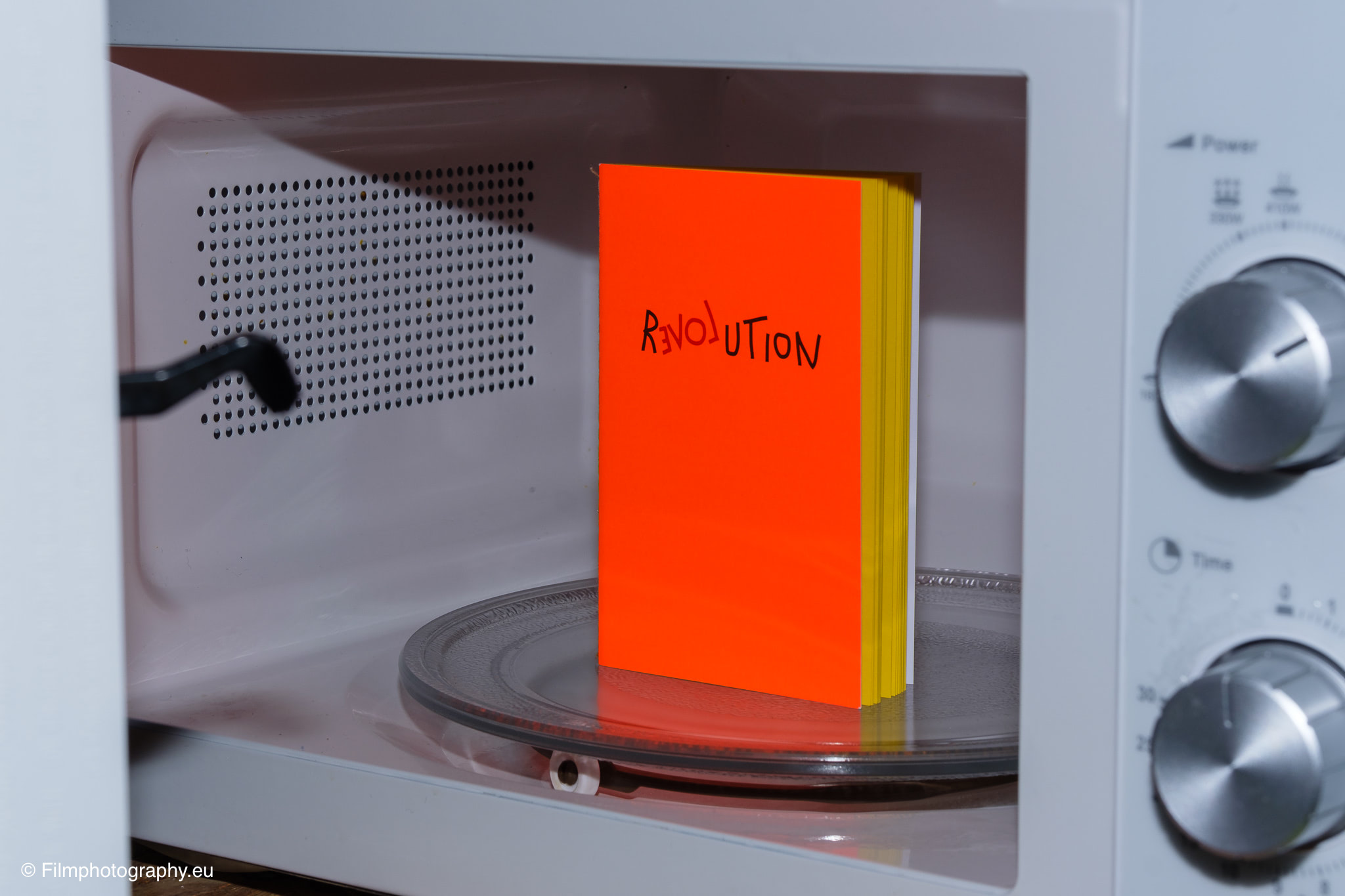
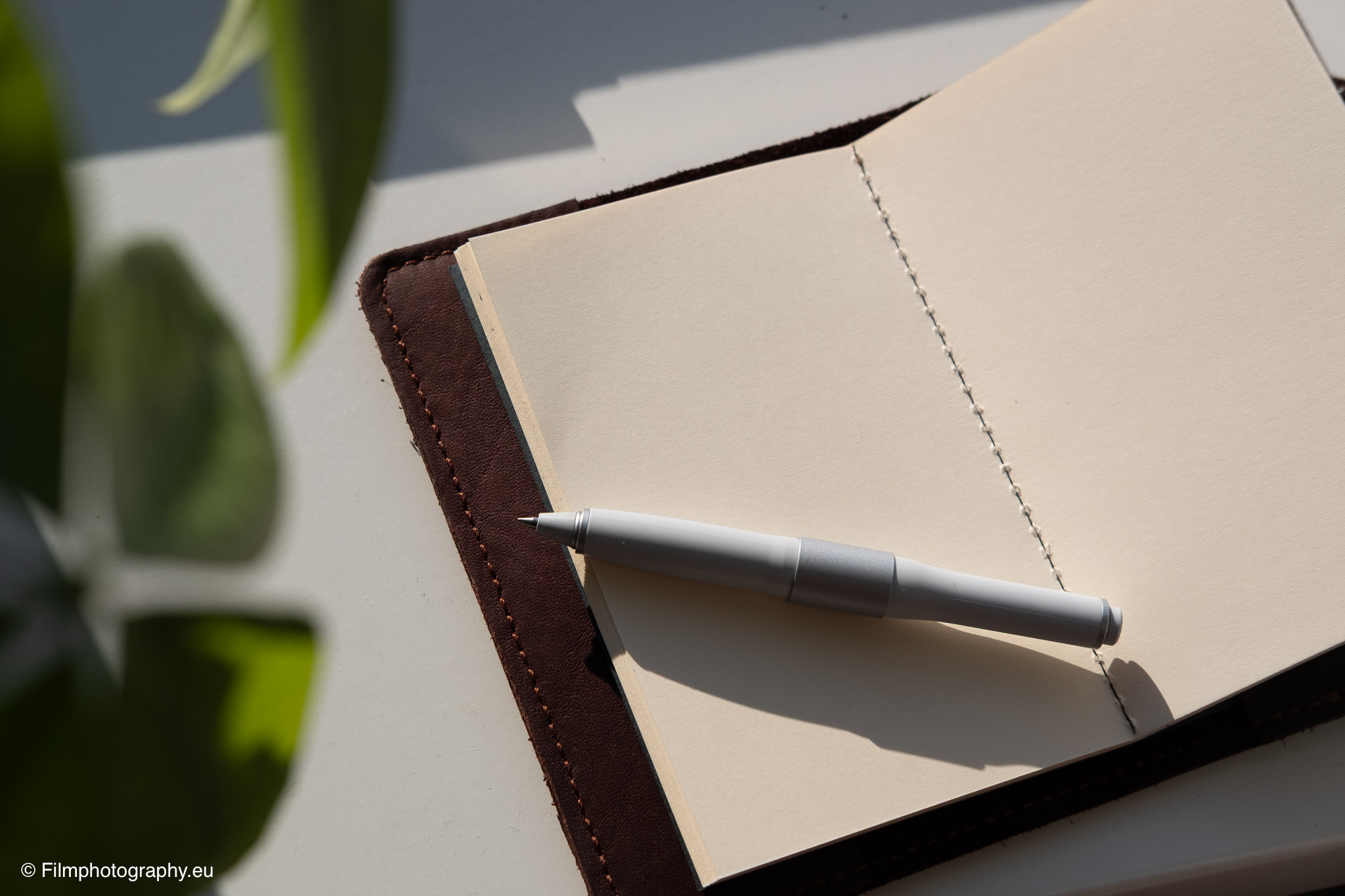
The format of the tested books proved to be extremely practical in everyday photographic use. The small “Mini Leather Notebooks” disappear unobtrusively into any pocket and are ideal for quick notes such as exposure data for an analog photo or the address of a location. However, the small leather book is also suitable for important information or simply quotes and sentences that you like to carry with you.
The paper is also noteworthy here. The pages alternate between lined, grid, and blank. The paper is natural white and has inserts of natural paper fibers. A combination that is very rarely found. It is encased in lambskin from France.
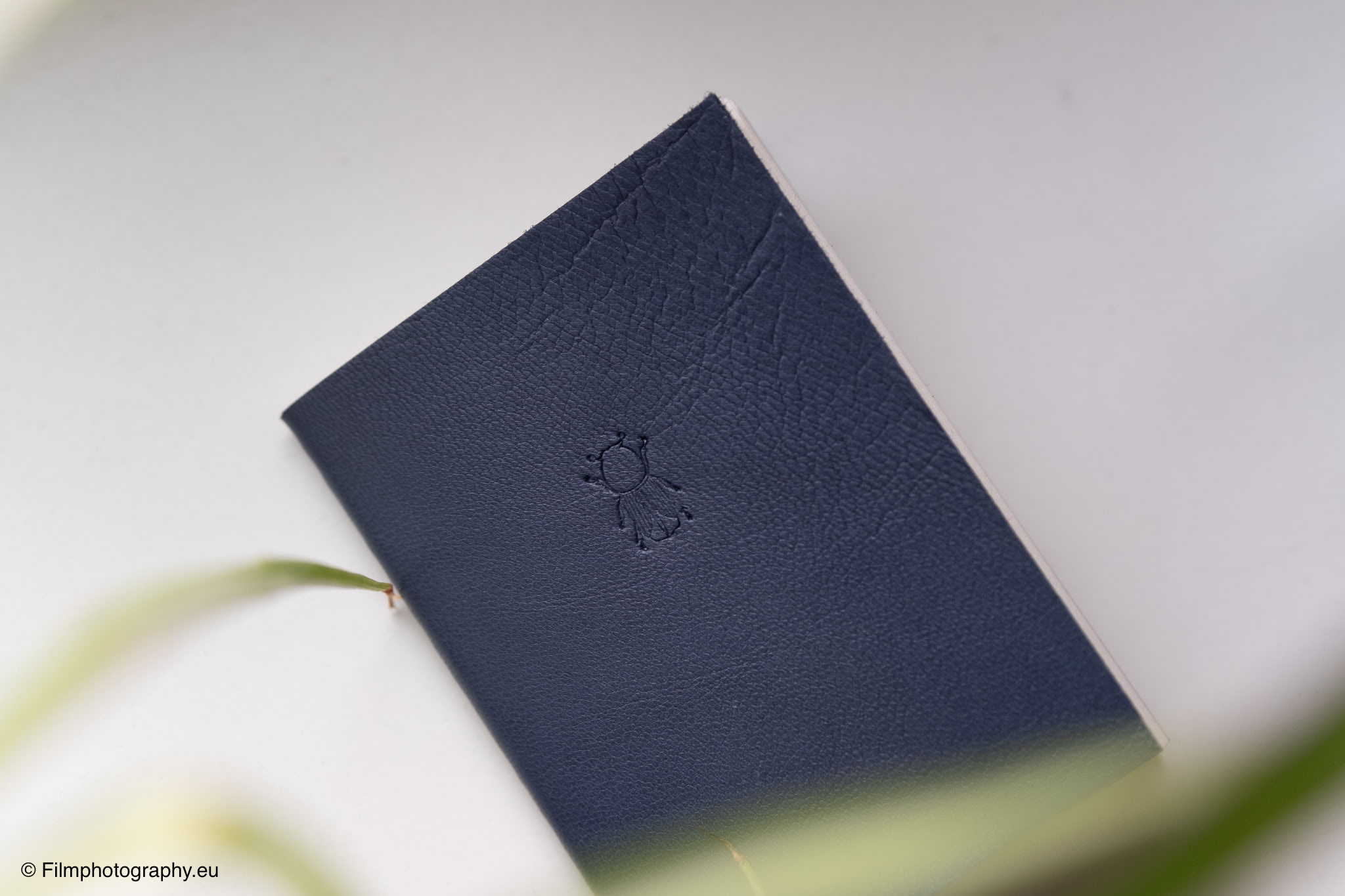
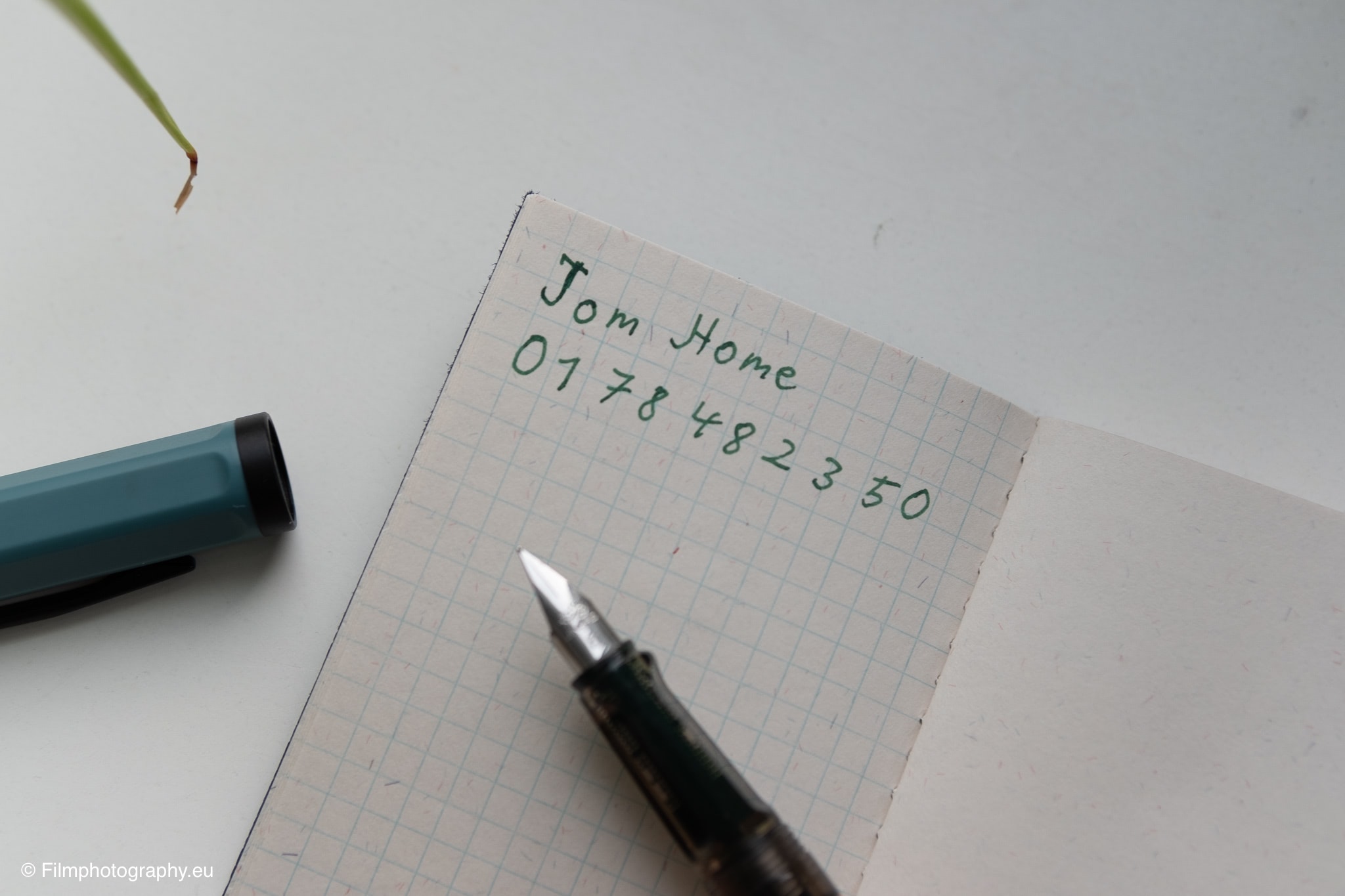
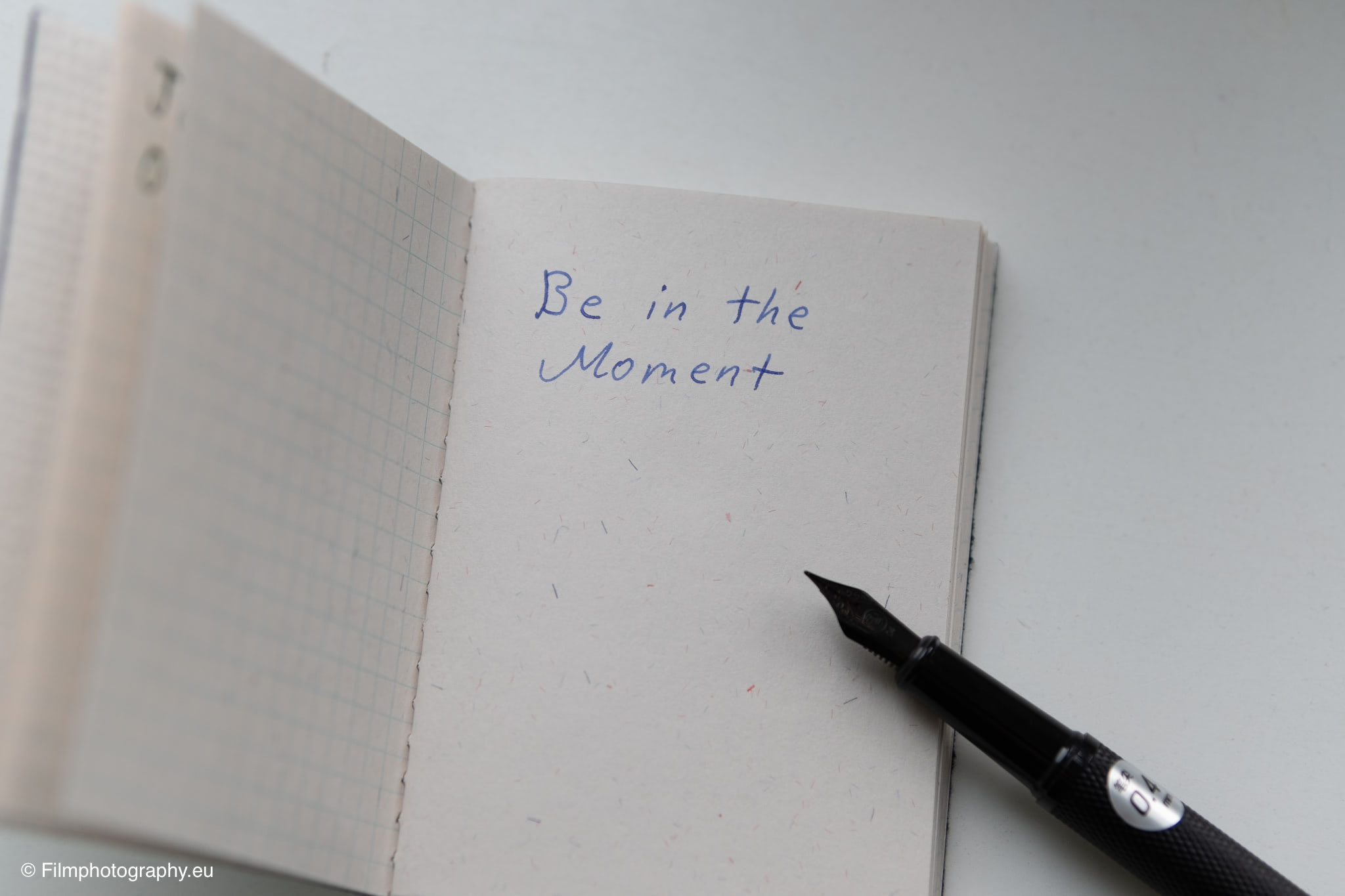
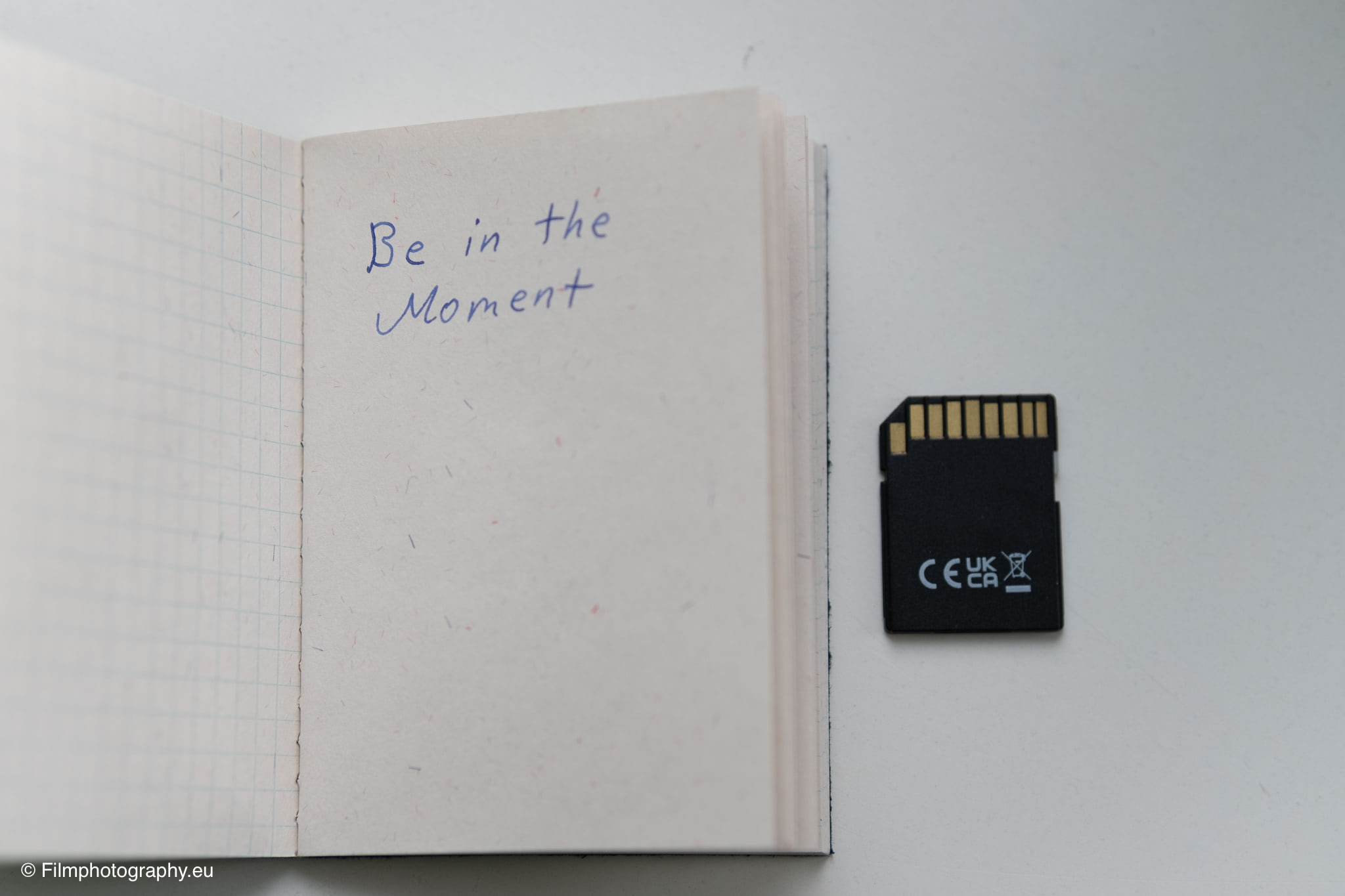
The slightly larger softcover notebooks offer enough space to sketch thoughts on a project or even make a small drawing of the lighting setup. The covers are robust enough to withstand transport in a backpack, even if they will develop a patina over time. But it is precisely these traces of use that make a notebook a personal item.
A flawless notebook is like a camera that has never been used, a dead object. Only through dog-ears, small stains, and the wealth of entries does it come alive. The cover motifs, whether the morbid aesthetic of the skeletons or the fresh colors of the fruits, also offer visual appeal that can stimulate creativity. It’s simply a joy to hold these notebooks.
In summary, Le Typographe’s notebooks are far more than just bound paper. They are a commitment to the analog and to quality. They perfectly match the mindset of a photographer who works consciously and values durability.
Anyone who decides to buy these notebooks is investing in a piece of craftsmanship. The products are available, of course, through the manufactory’s own webshop, which also offers international shipping. In addition, well-stocked specialty stores for stationery and upscale papeteries carry this brand.
The price is in the upper segment, which, however, seems justified given the manufacturing methods and the origin from a Brussels workshop. You pay not only for the material but also for the preservation of a printing tradition and for a product manufactured with care and expertise.
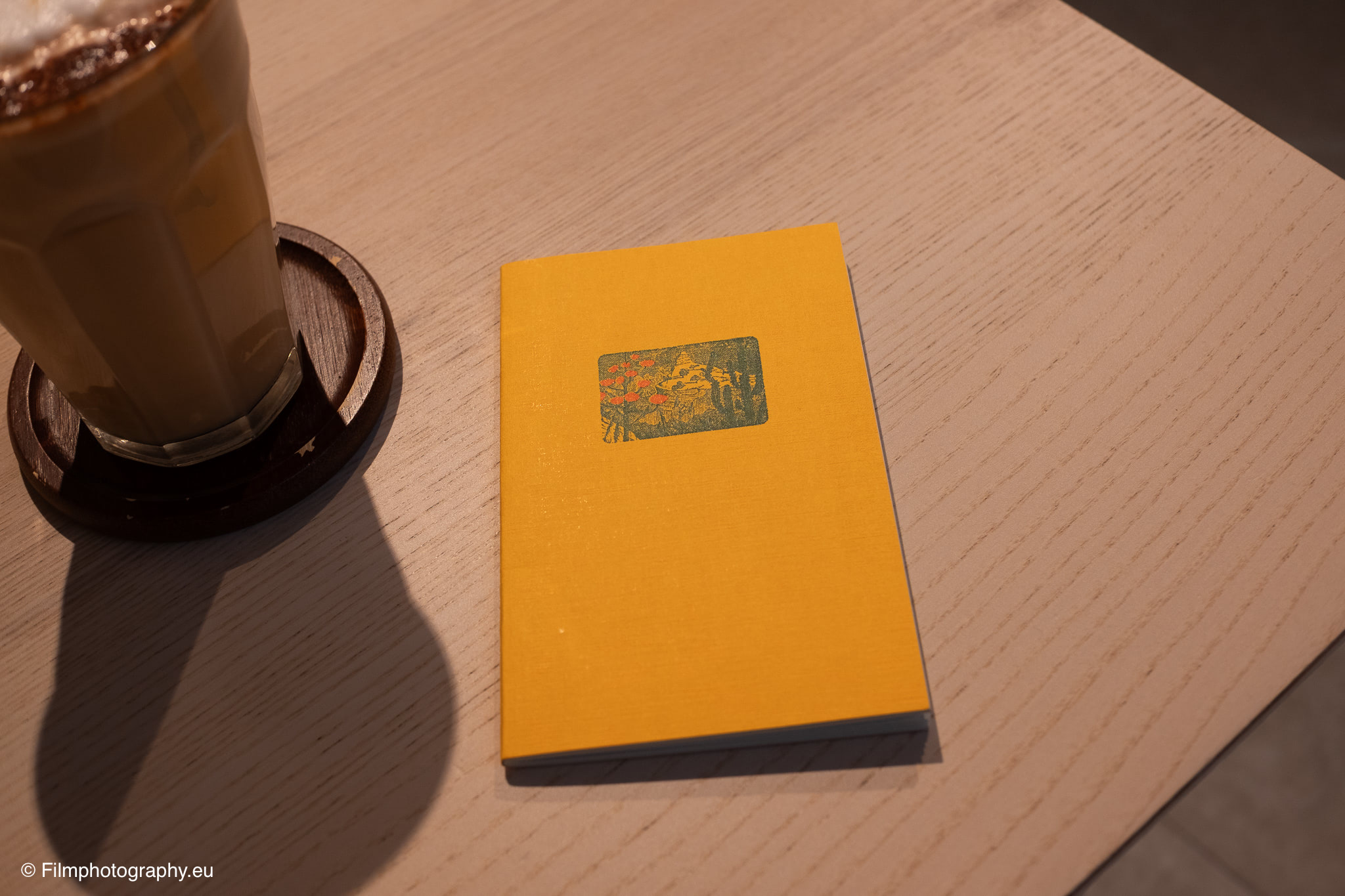
Anyone looking for a notebook that offers technically flawless paper while being aesthetically unique and full of character will find it at Le Typographe. It is a tool that invites you to capture fleeting thoughts before they disappear forever like an unmade photograph.