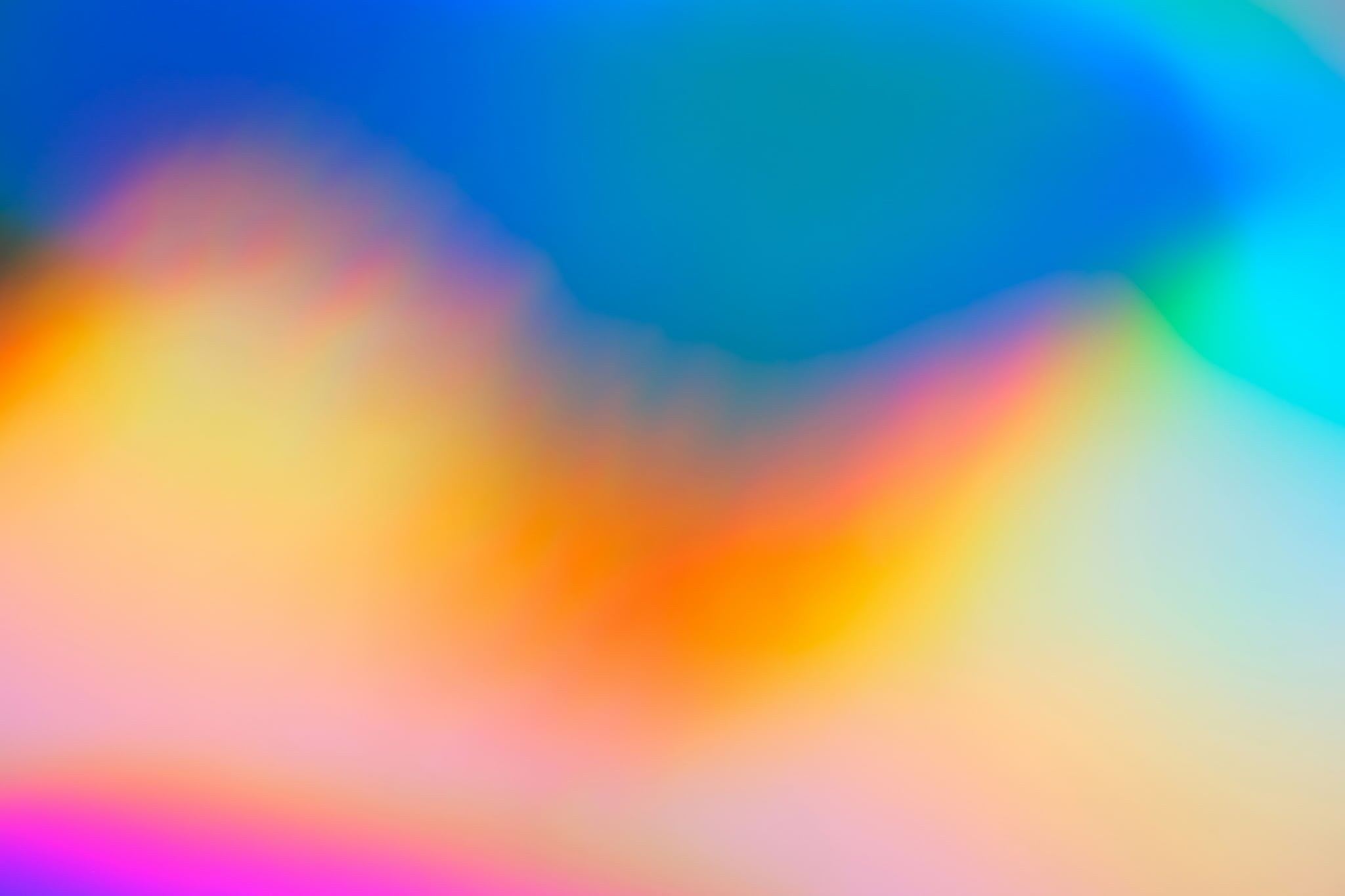
In the world of analog photography, the variety of creative expression possibilities is almost unlimited. In addition to the choice of cameras and lenses, the film itself can be used as a creative medium to achieve unique effects. One exciting way to achieve this is with so-called effect films.
These are films that have been treated, manipulated or pre-treated with certain techniques before exposure to achieve extraordinary visual results. These effects range from surreal color shifts to abstracted textures and light effects. In this text I explain how effect films work, what methods there are and how you can make them yourself.
What are effect films?
Effect films are analog films that have been altered by either physical, chemical or optical interventions before they are exposed in the camera. These changes affect how the light affects the film and what the developed image looks like. The effects can be subtle or dramatic and chance is often a decisive factor, which is what makes this technique so creatively appealing.
Methods for making effect films
Chemical treatment (film soaking)
One of the most popular methods is film soaking, where the film is soaked in chemical substances before use. Soaking creates unpredictable color shifts, patterns or textures. Possible substances include:
– Salt water: Gives the image grainy structures and can create pastel tones.
– Vinegar: Provides intense color shifts, often to reddish or yellowish tones.
– Tea or coffee: Gives the images a sepia-like look.
– Lemon juice: Leads to sharp contrasts and subtle color shifts.
– Alcohol: Often creates bright, psychedelic effects.
DIY film soaking instructions:
1. Choose an unexposed color or black and white film.
2. Prepare the solution (e.g. a glass of water with a dash of vinegar).
3. Immerse the film in the solution for about 30 minutes to several hours.
4. Dry the film completely before loading it into the camera. (Important: moisture can damage the camera!)
5. Expose and develop the film as usual.
Pre-exposure (pre-exposure or pre-flashing)
Pre-exposure is the process of exposing the film to a small amount of light before it is used in the camera. This can cause color shifts or overlays.
– Light sources: Colored flashlights or lights shone through transparent materials (e.g. gelatin sheets) can create specific effects.
– Prisms or glass objects: These create light refractions and rainbow-like patterns.
– Textures: Pre-exposing with translucent materials such as fabrics or leaves can create interesting patterns on the film.
DIY instructions for pre-flashing:
1. Choose a uniform light source, e.g. A desk lamp or natural light is a good way to get the film out of the way, such as a desk lamp or natural light.
2. Hold the film (perhaps in a camera with the shutter open) close to the light source. The exposure should be very low (about 1/100 to 1/10 of the normal amount of light).
3. Use color filters or textures to add additional effects.
4. Close the camera and expose the film normally.
Physical Manipulation
Physical manipulation of the film itself can also produce impressive results.
– Scratching: Using a needle or fine sandpaper, patterns can be scratched into the film surface, which later appear as bright lines.
– Scraping: Removing the film layer with a knife or similar tool can create dramatic textures.
– Bending and rolling: Gently bending the film creates broken lines of light.
DIY instructions for physical manipulation:
1. Take a used or new film.
2. Use sterile tools to carefully manipulate the surface of the film.
3. Be careful not to damage the back, otherwise the film will become unusable.
4. Develop the film to make the effects visible.
Colored foils and filters
Another simple method is to use colored foils or transparencies. These are either placed directly on the film or held in front of the camera lens.
– Colored cellophane foils: create color shifts.
– Crystals or pieces of glass: create light refractions.
– Multiple layers: complex effects can be created by combining different materials.
Tips and precautions
Test runs: Since results are often unpredictable, it is recommended to experiment with older or expired films.
Protect the camera: Make sure that no moisture or harsh chemicals get into the camera.
Documentation: Make a note of the methods and substances used in order to be able to reproduce successful results later.
Laboratory notes: Inform your photo lab about chemically treated films, as they may require special precautions.
Why special effects films?
Special effects films offer a way to push the boundaries of traditional photography and create unique, artistic images. Whether surrealistic colors, abstract textures or unexpected plays of light – the combination of deliberate manipulation and chance makes the creative process exciting.
For many photographers, this is an opportunity to give their work a personal, experimental touch and to distance themselves from digital image processing.
With a little willingness to experiment and patience, even beginners in analog photography can produce effect films. The results are always individual and tell a story that is shaped by the creative process.