
Overview over medium format cameras with a waist-level viewfinder.
What is a waist-level finder?
A waist-level finder, also known as a waist-level viewfinder, is a type of viewfinder found on many medium format cameras and some SLR (Single Lens Reflex) cameras. As the name implies, it is typically used at waist level. The waist-level finder does not use prisms or mirrors to reverse the image, so the image in the finder is laterally reversed, or mirror-image.
The waist-level finder typically comes in the form of a box on the top of the camera, with a viewing screen at the bottom. When the camera is held at waist level, the photographer looks down into this box to frame and focus the image. The finder's cover often has a magnifying lens that can be swung into place to aid in focusing, or it can be closed to protect the screen when not in use.
What are the advantages of a waist-level finder?
Waist-level finders come with several advantages that make them a popular choice among certain photographers:
Perspective: Since the camera is often held at waist level, it provides a different perspective than eye-level viewfinders. This perspective can add a unique element to the composition of the photographs.
Discreetness: When shooting, photographers look down into the camera rather than directly at the subject. This can make photography less intrusive and more discreet, which is advantageous for street photography or any situation where the photographer wants to remain unnoticed.
Reduced Camera Shake: Since the camera is typically held closer to the body when using a waist-level finder, it can help to reduce camera shake as compared to holding the camera up to the eye.
What are the disadvantages of a camera with a waist-level finder?
Despite the advantages, cameras with waist-level finders also come with several drawbacks:
Mirror Image: The image in a waist-level finder is laterally reversed (mirrored), which can be confusing for some photographers, especially when trying to track movement or compose intricate scenes.
Difficulty in Bright Light: In bright light situations, it can be difficult to see the image in the waist-level finder as it is not shielded from ambient light.
Uncomfortable for Low or High Shots: Waist-level finders are ideal when shooting from waist level. However, for high-angle or low-angle shots, they can be quite inconvenient, as the photographer has to crouch or reach high to view the image correctly.
Medium format cameras with waist-level finder
Hanimex Praktica 66
The Hanimex Praktica 66 is medium format camera with a East German origin. It was built by the VEB Pentacon Dresden in the GDR and sold on the Australian market.
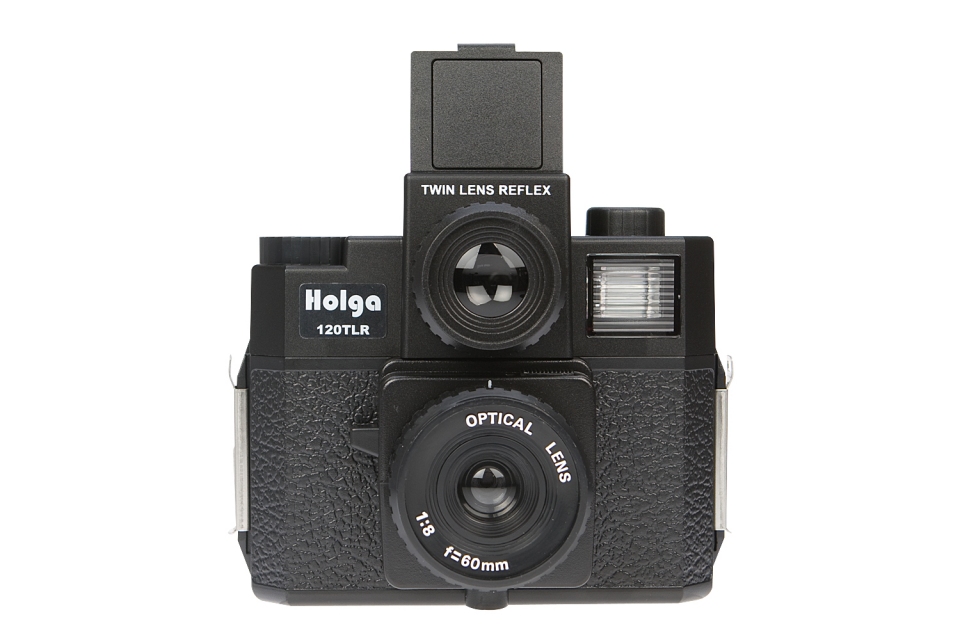
Holga 120 TLR
The Holga medium format camera with shaft viewfinder.

Kiev 88
The Kiev 88 is a single lens reflex camera. It was introduced by Arsenal in the 80s.
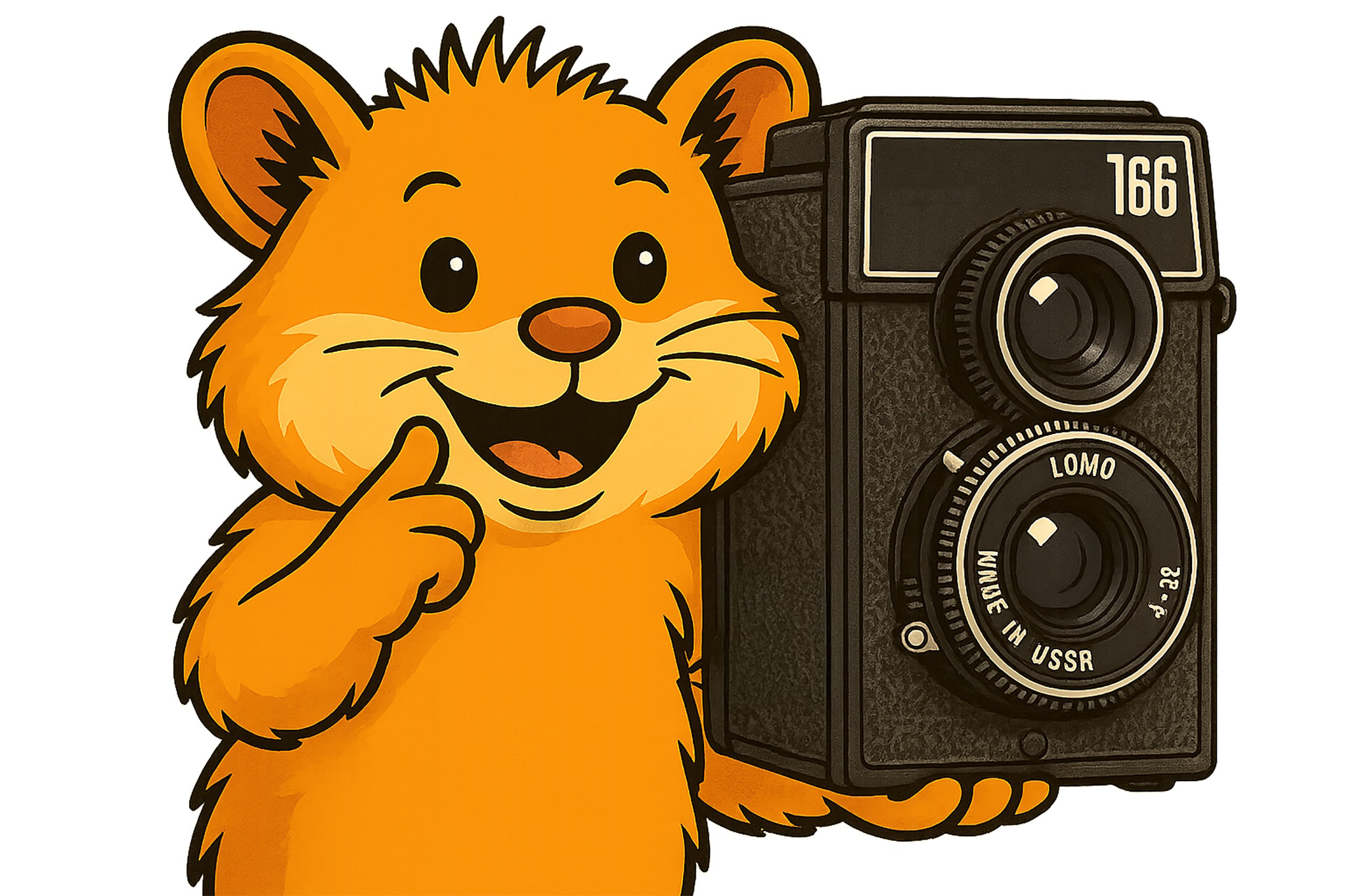
Lubitel 166
The Lubitel 166 is a Twin Lens Reflex camera for medium format film and the successor of the Lubitel 2.

Lubitel 166B
The Lubitel 166B is a medium format camera from Lomo.
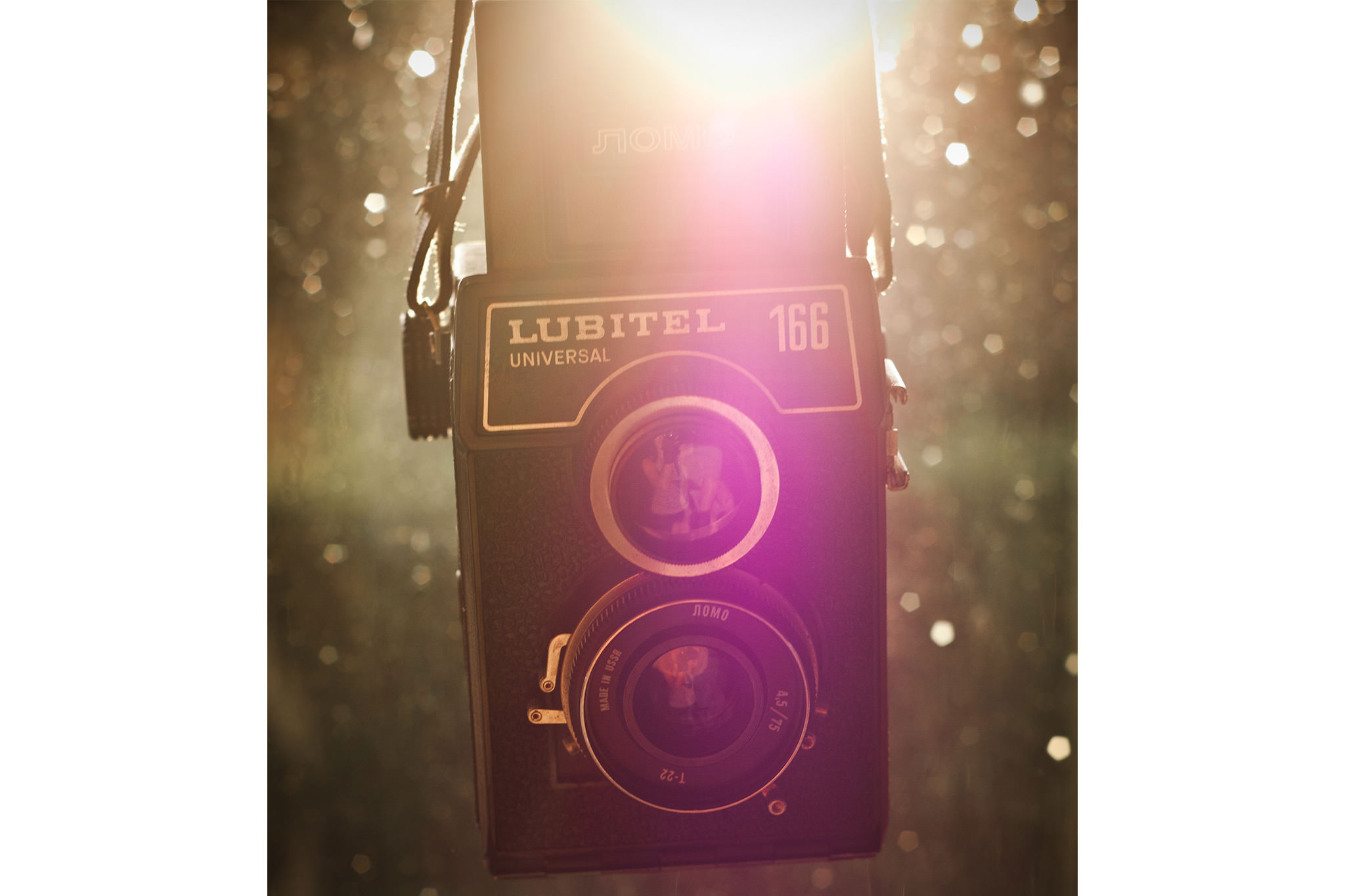
Lubitel 166U
The Lubitel 166U is a Twin Lens Reflex camera and the last model of the Lubitel family.
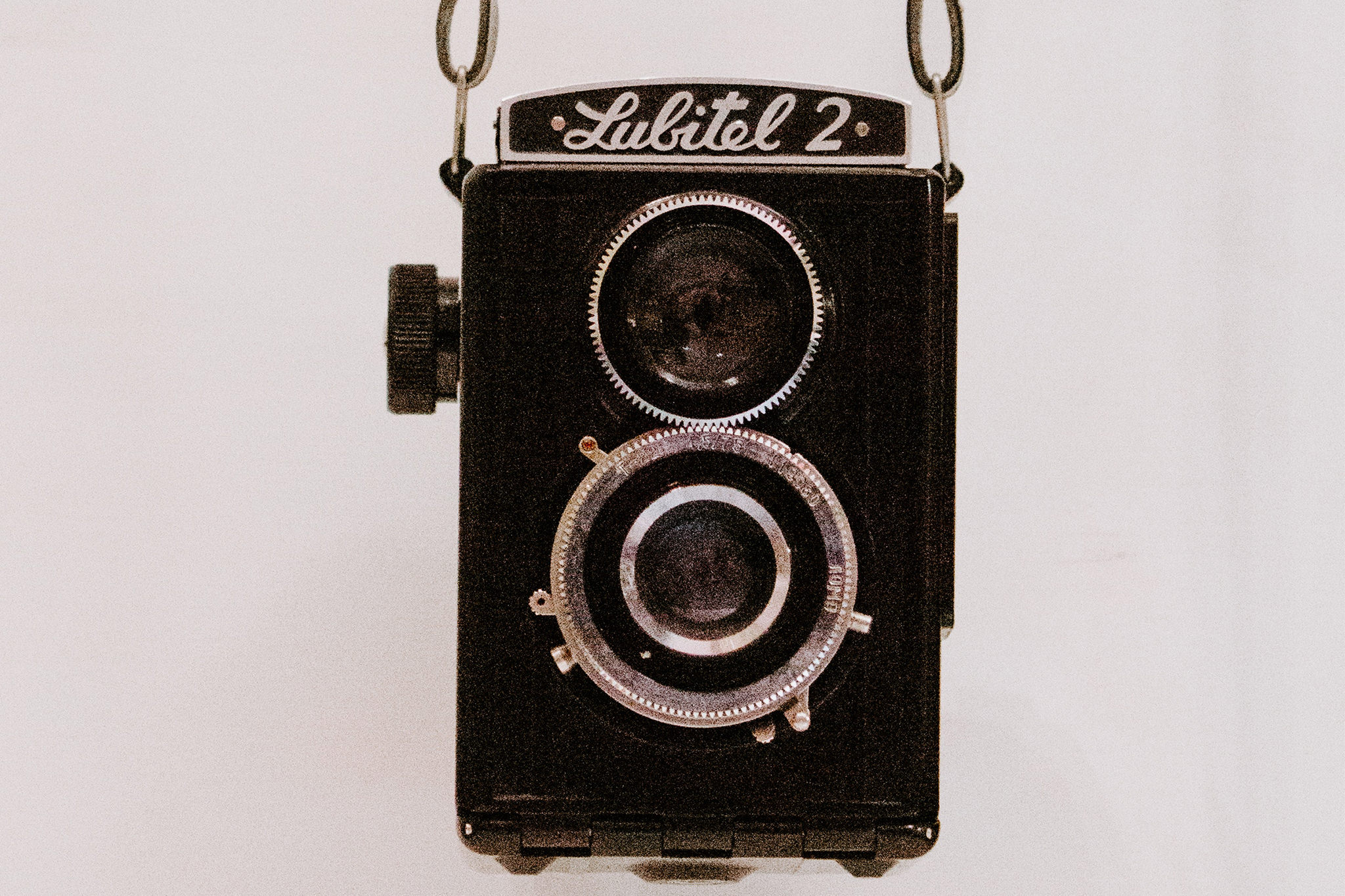
Lubitel 2
The Lubitel 2 is a Twin Lens Reflex camera for medium format film built in the Soviet Union. The camera is the predecessor of the

Mamiya C33
A TLR for medium format film with interchangeable lenses.
Pentacon Six
The Pentacon Six is an East German single lens reflex camera for medium format film and is the predecessor of the Pentacon Six TL and the successor of the Praktisix.
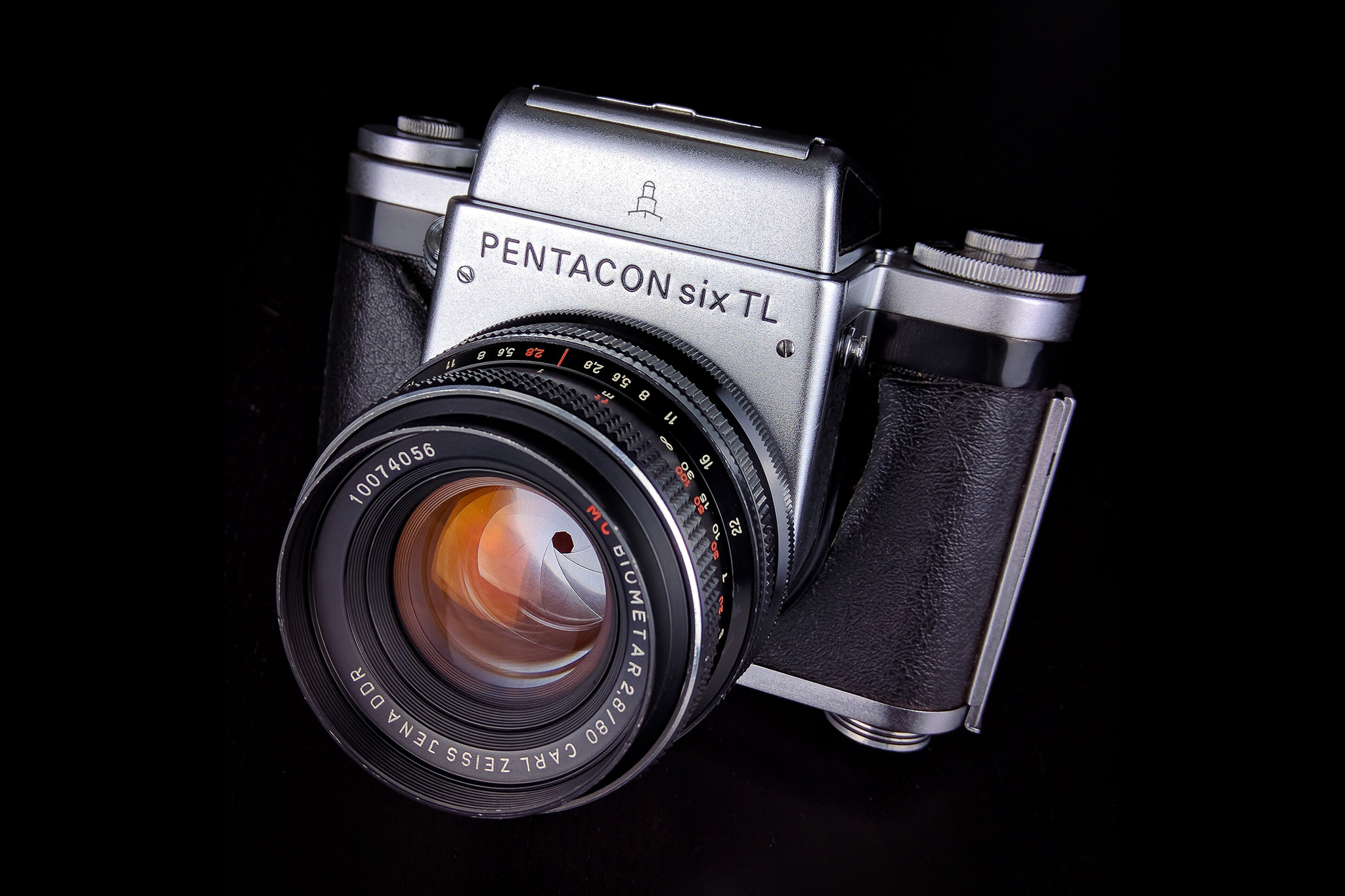
Pentacon Six TL
The Pentacon Six TL is a single lens reflex camera for medium format film by the VEB Pentacon Dresden.
Praktisix
The Praktisix is a single lens reflex camera for medium format film from East Germany. It is the predecessor of the Pentacon Six.
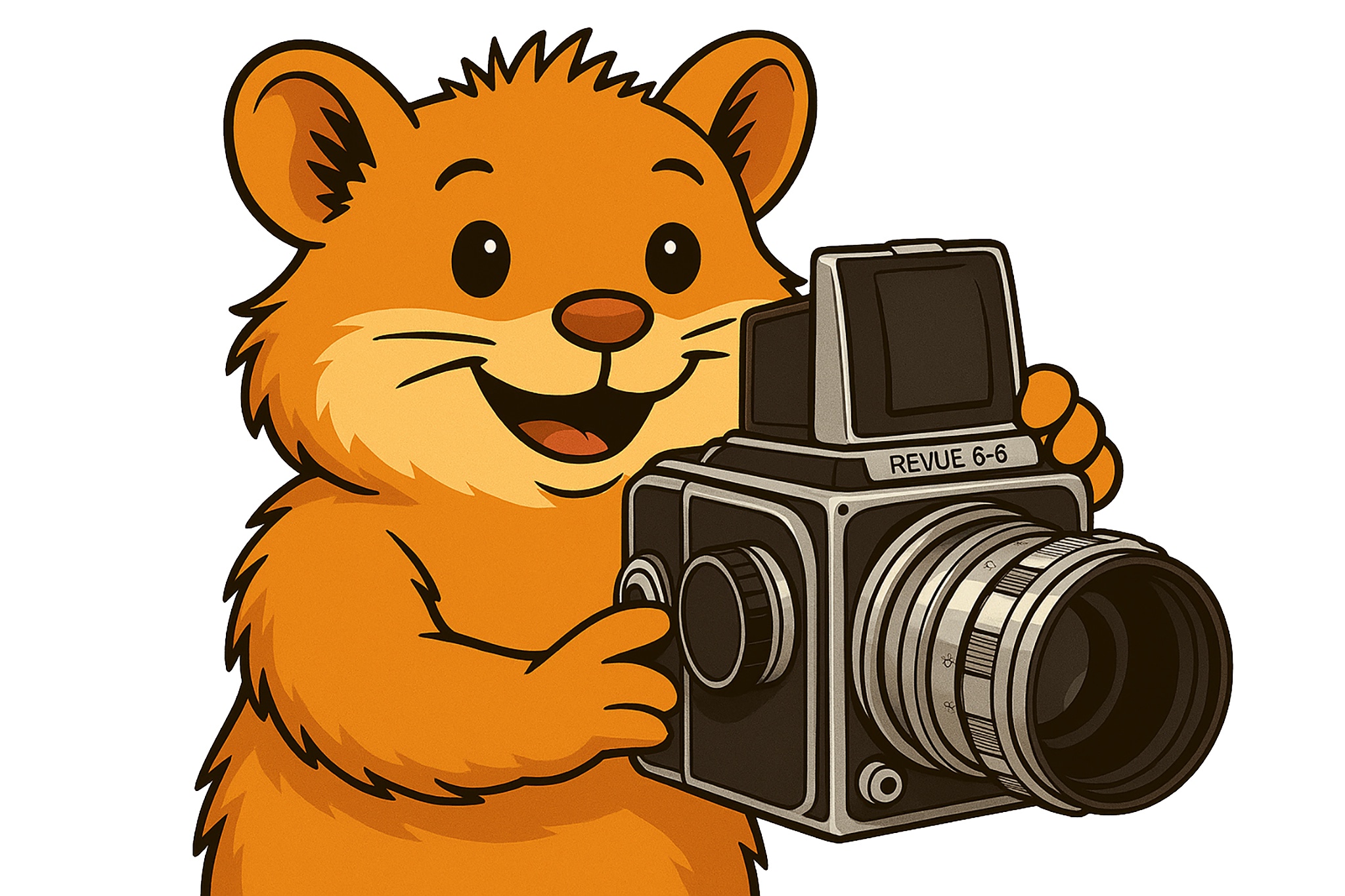
Revue 6x6
The Revue 6x6 is a camera from Revue. It was produced by Arsenal in Ukraine and is based on the Salyut. The Salyut is one of the predecessors of the Kiev 80.
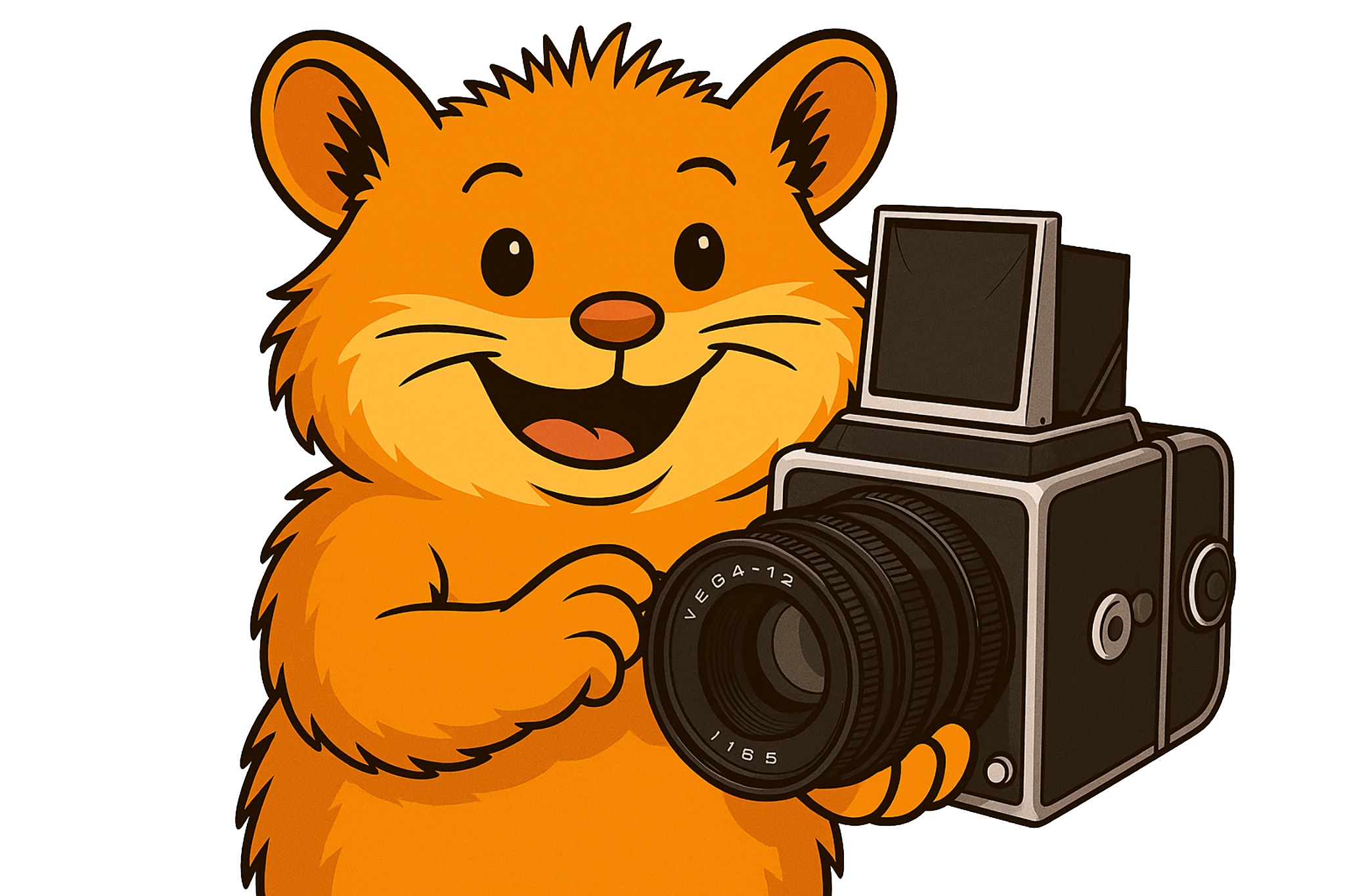
Salyut-C
The Salyut-C is a single reflex camera for medium format film. It was produced from 1972 to 1980 and is the predecessor of the Kiev 88.
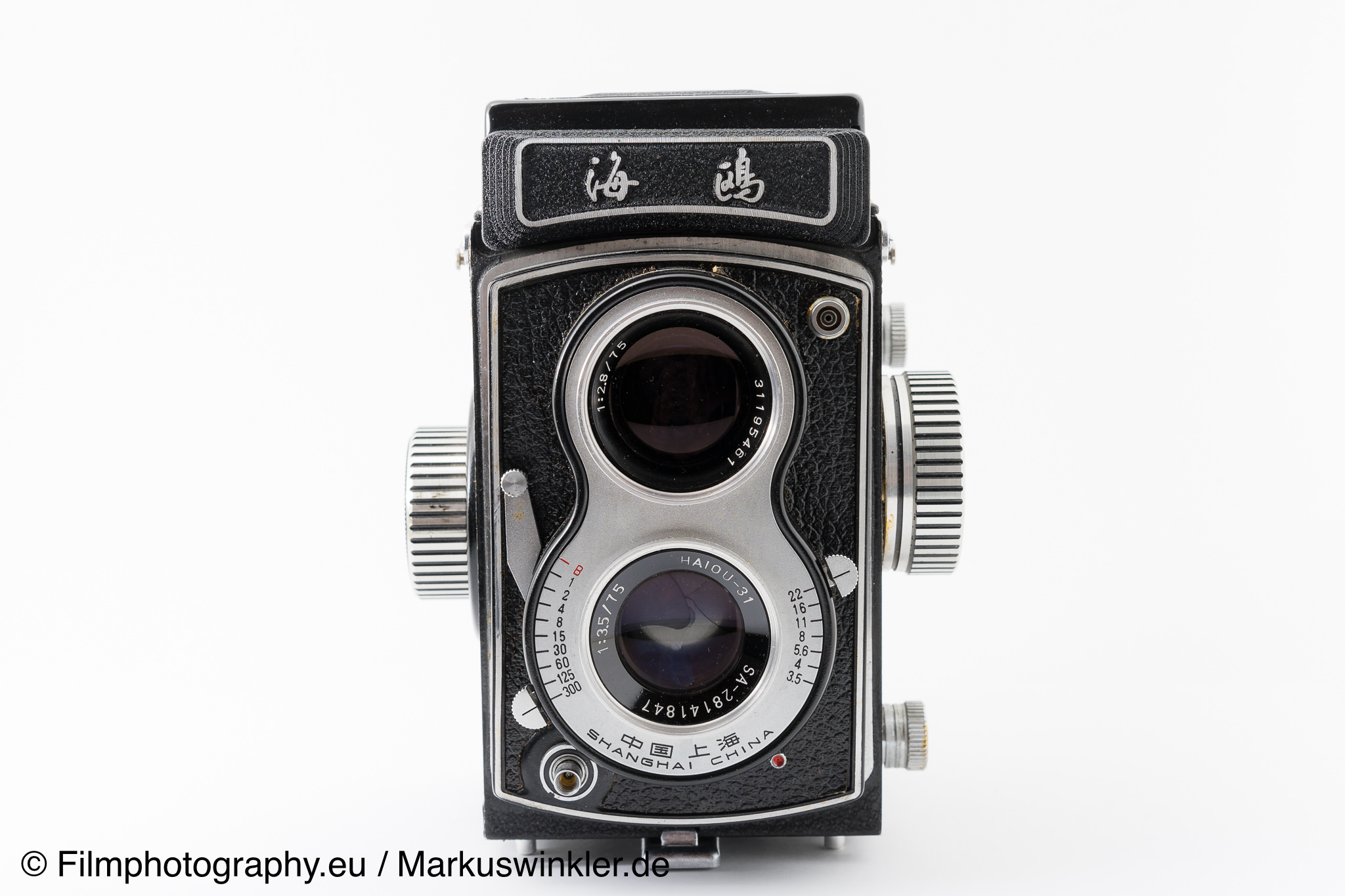
Seagull 4
A TLR from Chinese production.
Seagull 4A
A medium format from Shanghai with two lenses.
Seagull 4B
A cheap two-lens reflex camera from the Far East.
Seagull 4C
A TLR for medium format and 35mm film by Seagull.
Sputnik
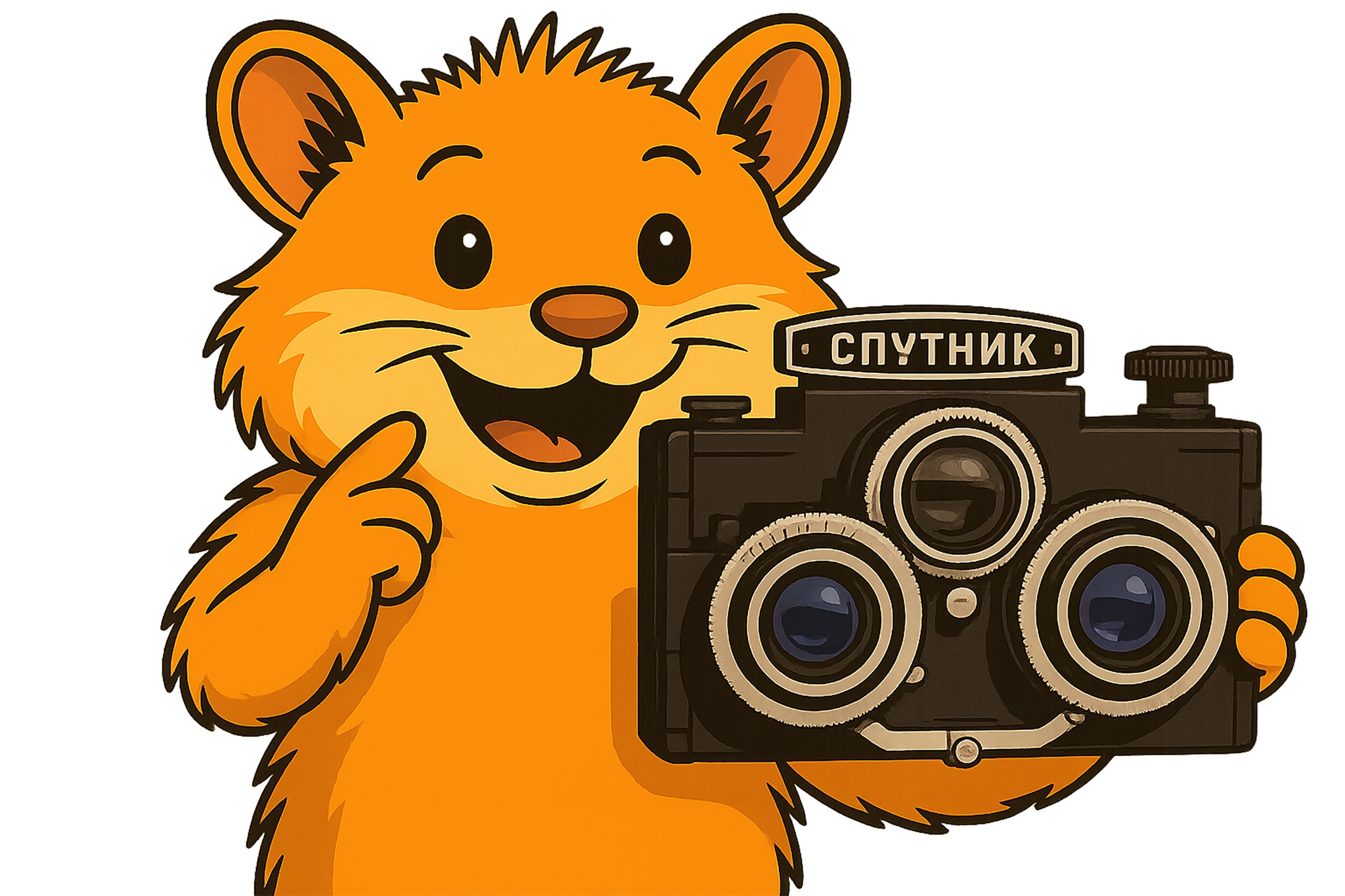
The Sputnik is a stereo camera for medium format film built by LOMO / GOMZ in Leningrad.
Yashica-635
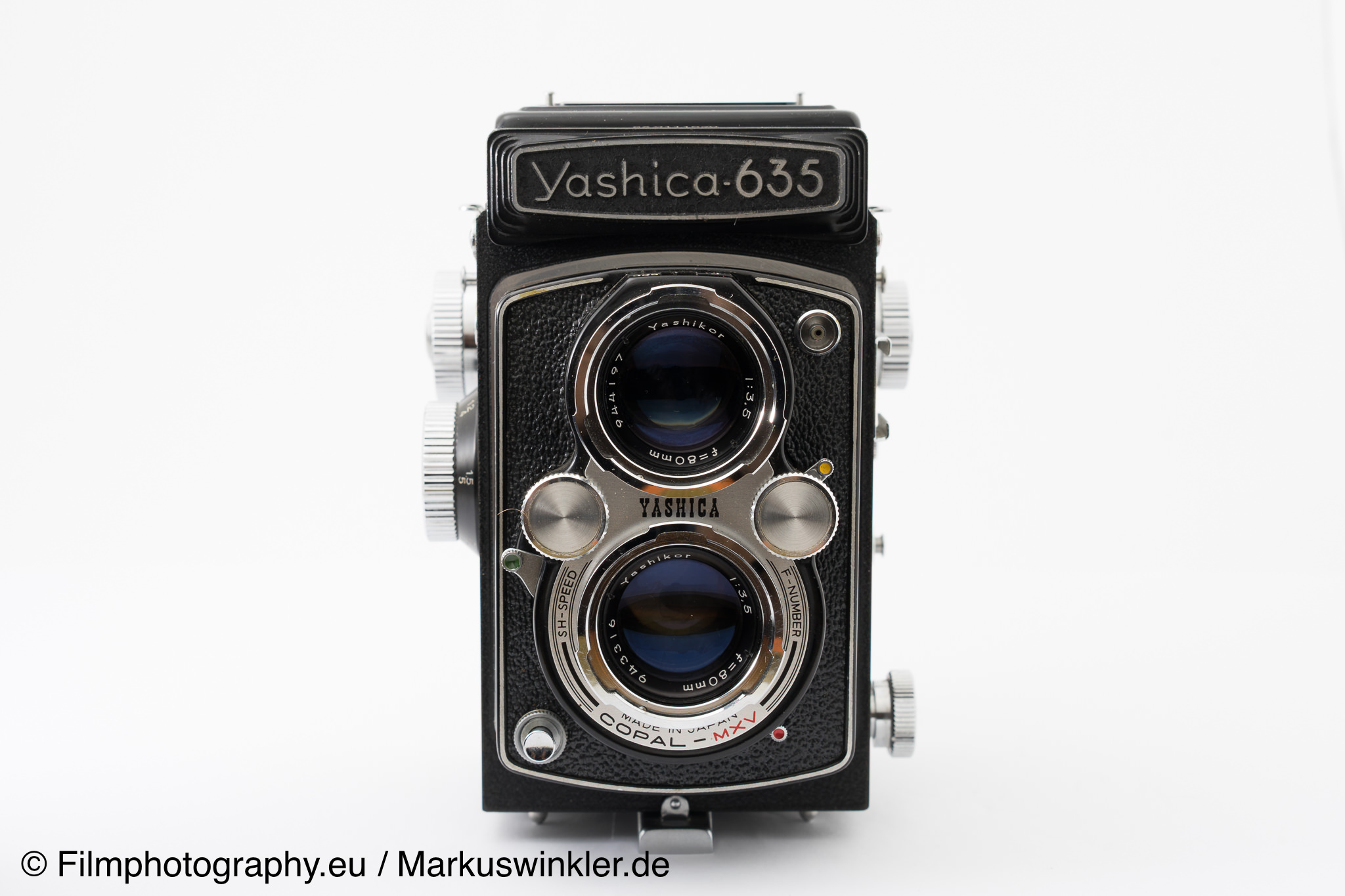
The Yashica-635 is a two-lens reflex camera with the ability to expose 35mm film.
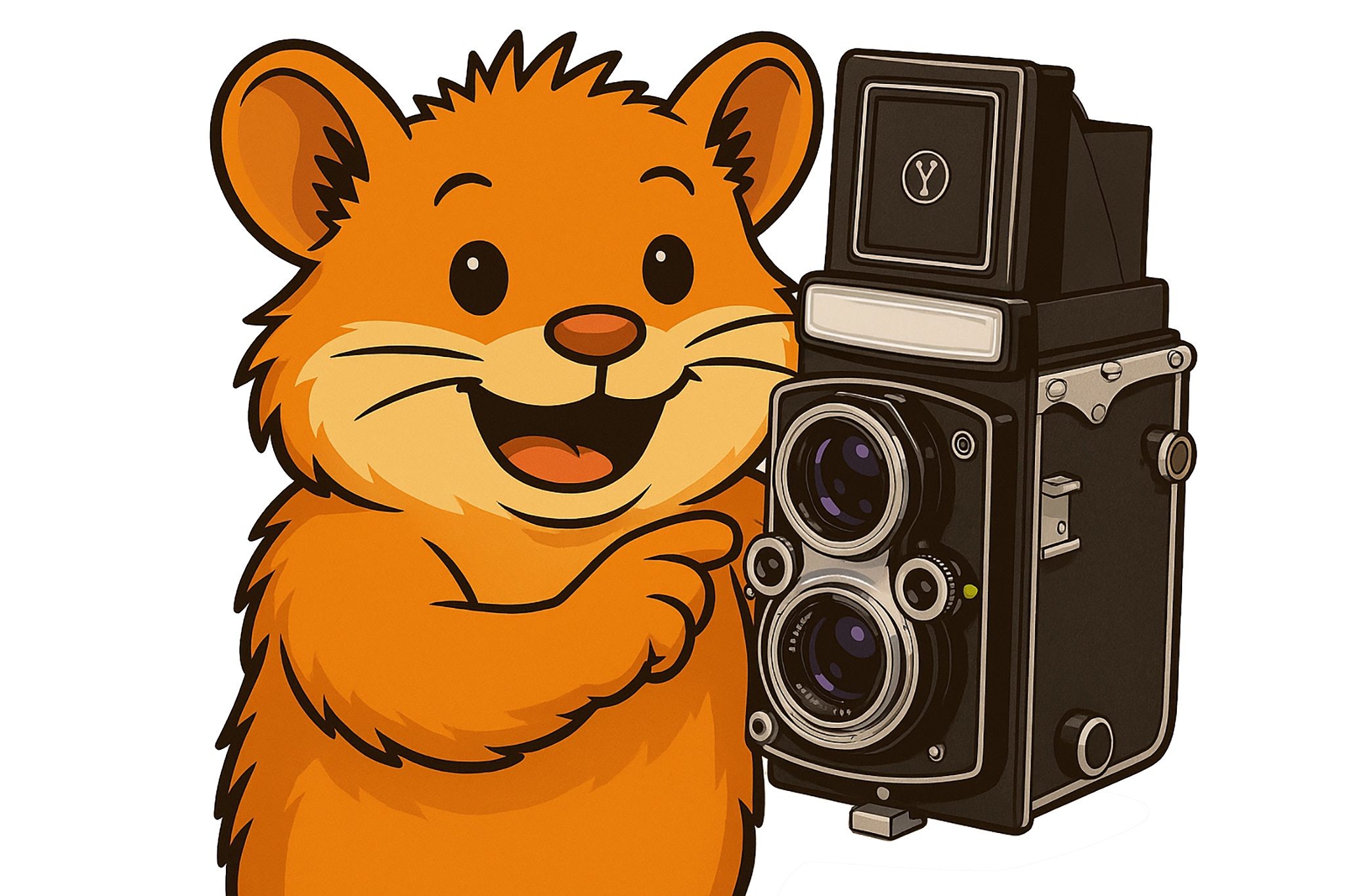
Yashica-D
The Yashica-D is a Japanese medium format camera with two lenses.
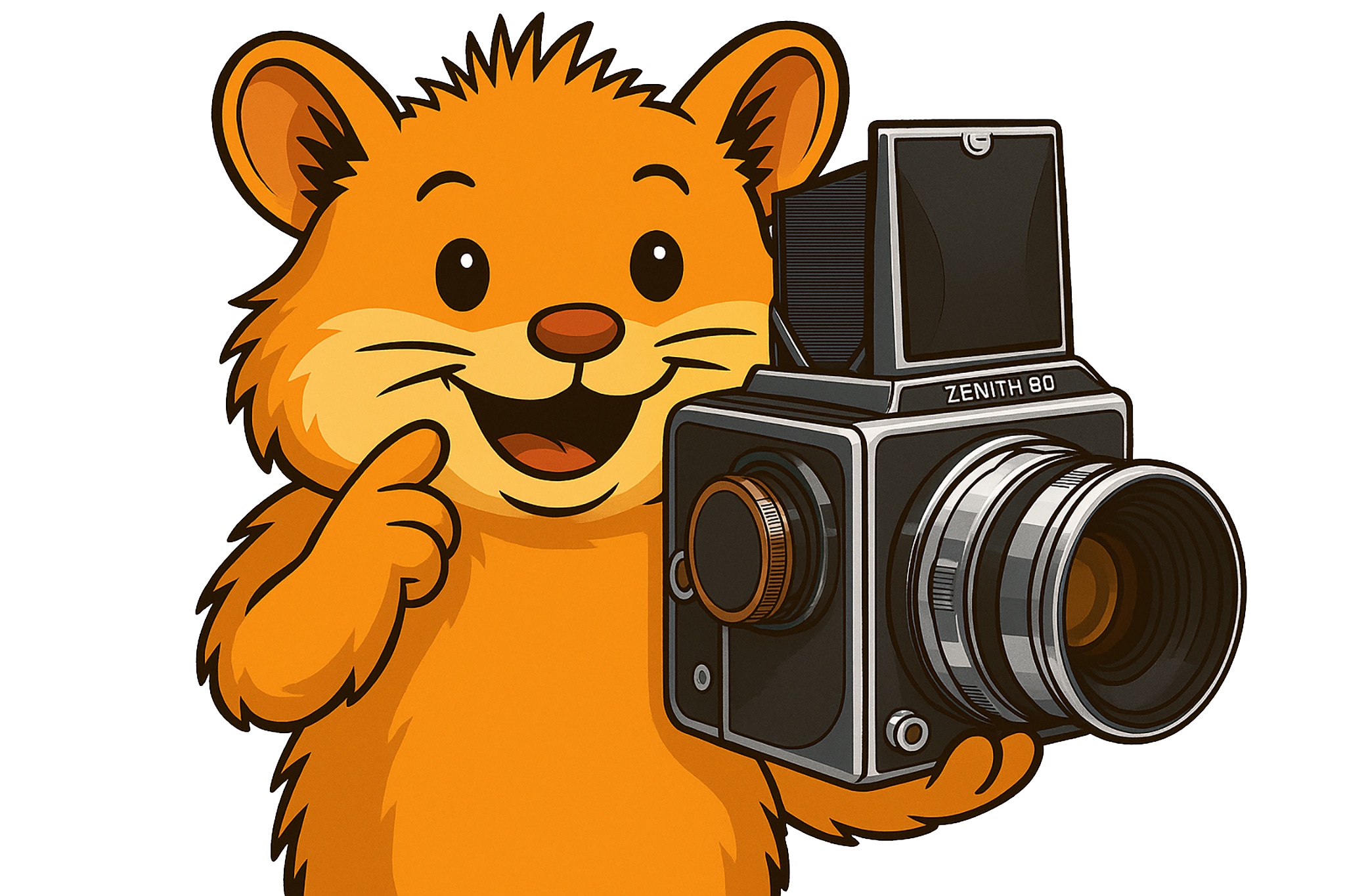
Zenith 80
The Zenith 80 is an export version of the Salyut. The camera was built in the USSR and sold in the Western World.