Analog photography demands a high level of attention and patience from the photographer. While digital cameras automatically save every exposure setting, focal length, date, and time in the image file’s EXIF data, this convenience is entirely absent in the world of film. Anyone who later wants to understand in the darkroom or on the light table why a shot is underexposed or which aperture was chosen for a specific depth of field relies on their own notes.
The notebook is therefore not just an accessory, but an essential tool for the analog photographer willing to learn. It serves as an external memory and helps to analyze mistakes and reproduce successes.
Over the years, the Field Notes brand from the USA has established itself as a synonym for this type of pocket notebook. The format is handy and the construction is robust. Nevertheless, availability in Europe is fluctuating, and the pricing is not always suitable for every user.
Furthermore, different photographers have different needs regarding paper quality, ruling, or format. It is therefore worthwhile to broaden one’s view and consider alternatives that can serve the same purpose and perhaps even offer features that are more beneficial to the individual workflow. The market for stationery is diverse and offers an adequate solution for almost every requirement, far beyond the familiar standard.
Word. Notebook
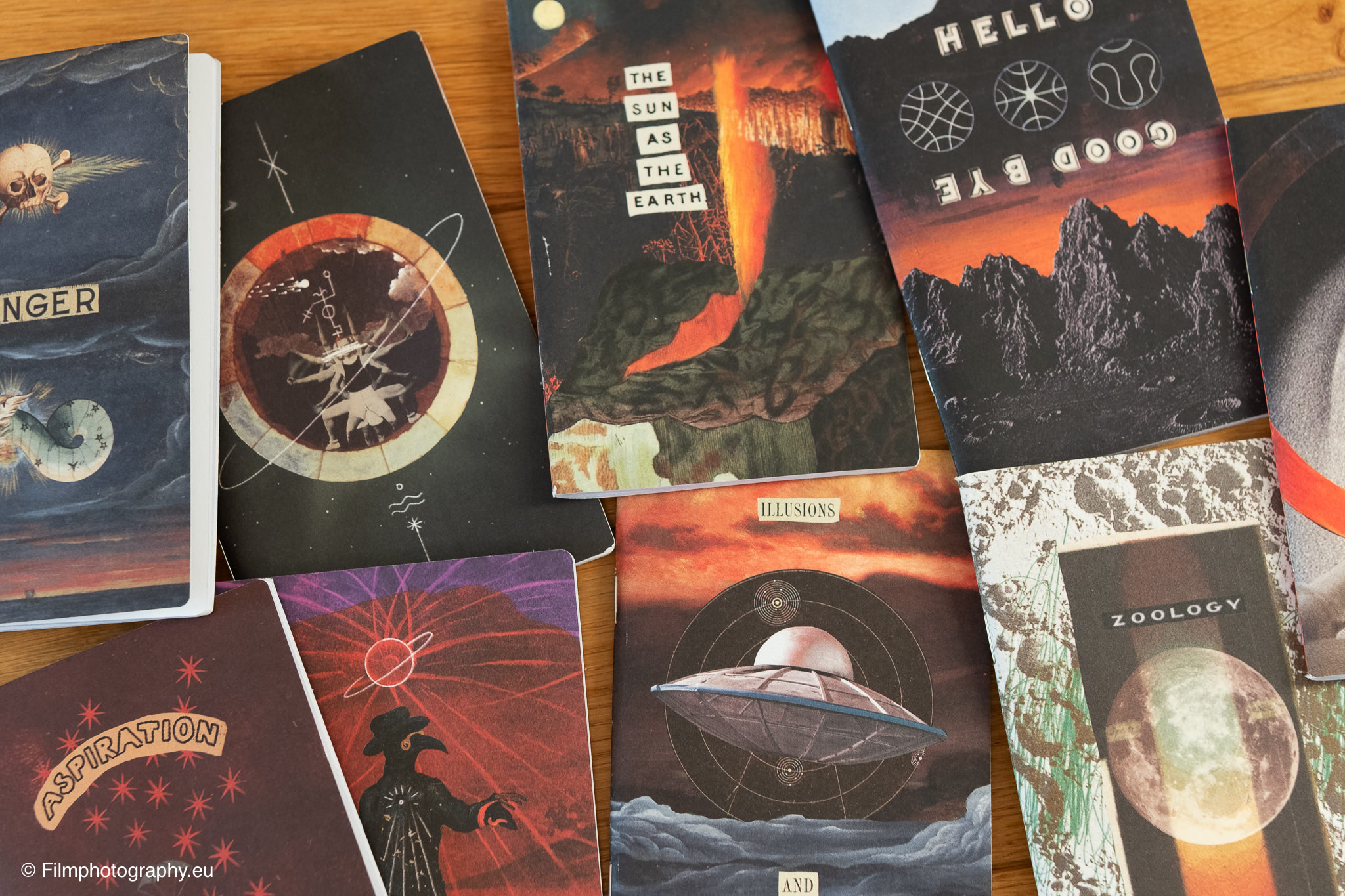
An interesting option from the American market is the Word. brand of notebooks. At first glance, they strongly resemble the well-known model in size and appearance. They have a format that easily fits into the back pocket of jeans or the breast pocket of a shirt.
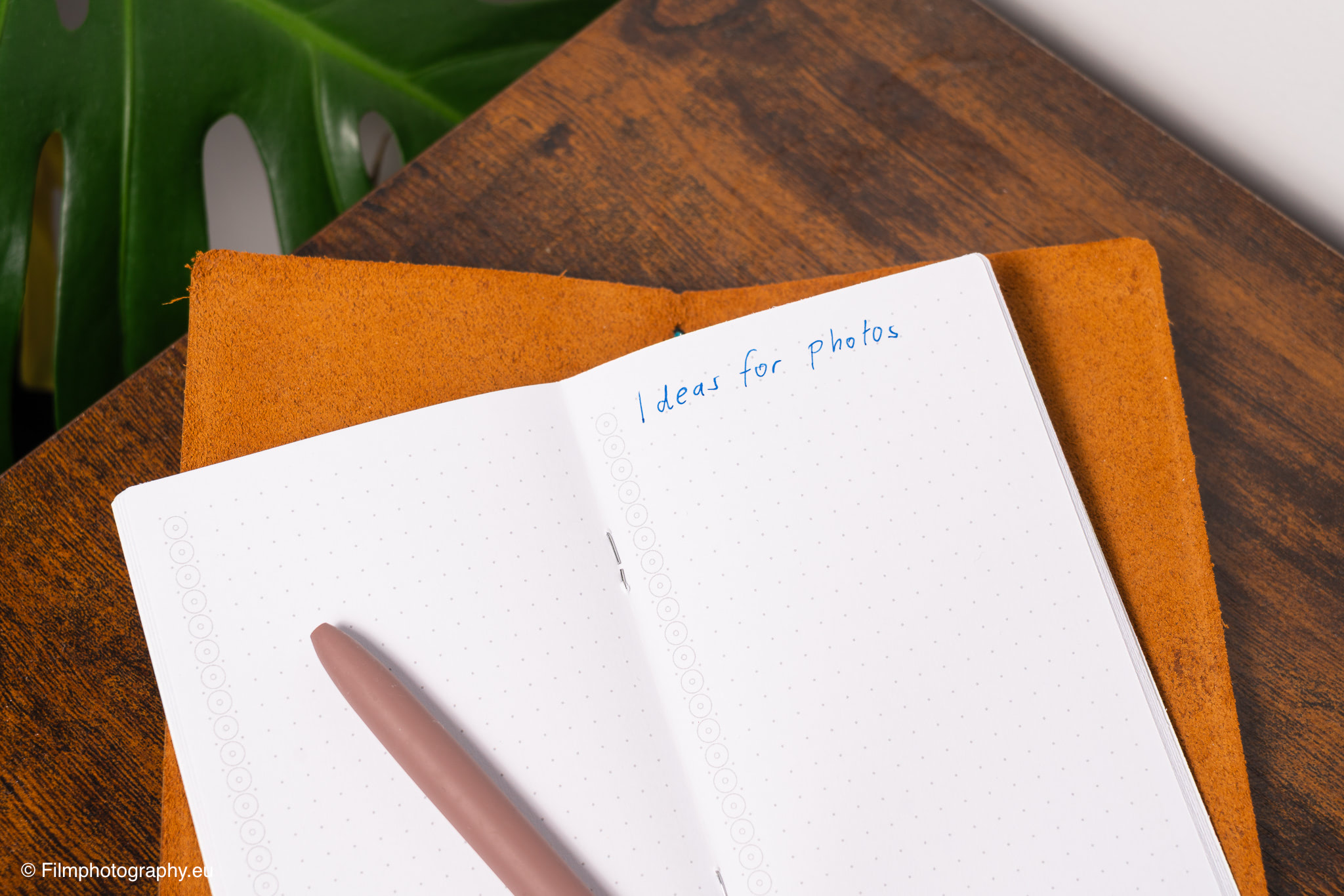
The crucial difference, however, lies within the pages themselves. While conventional notebooks usually have simple lines, grids, or dots, the Word. Notebook comes with its own system for structuring notes. On the left edge of each line, there is a printed circle with a dot inside. This system was originally developed for to-do lists but can be excellently adapted for photographic practice.
Dialog Notebook
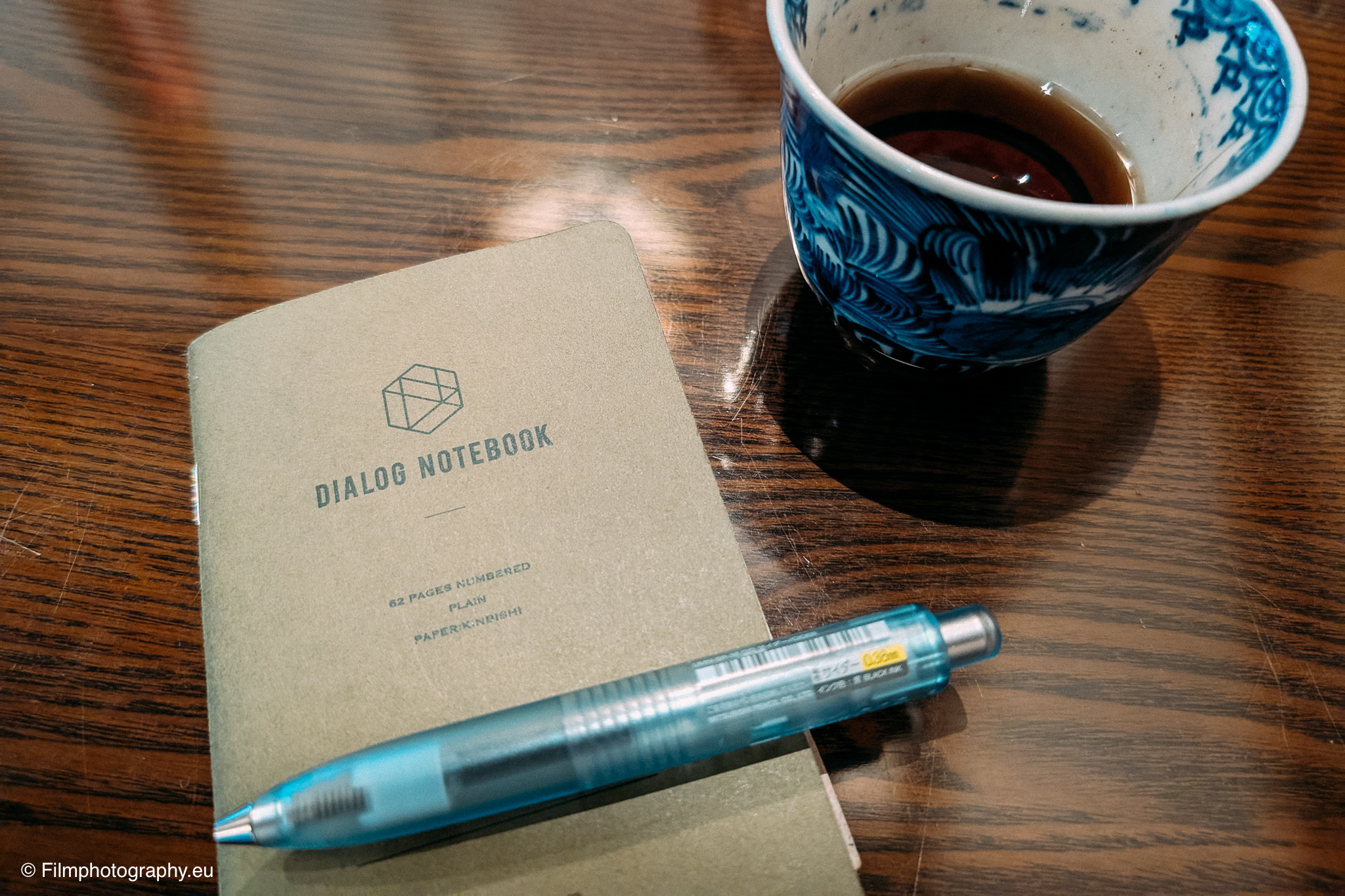
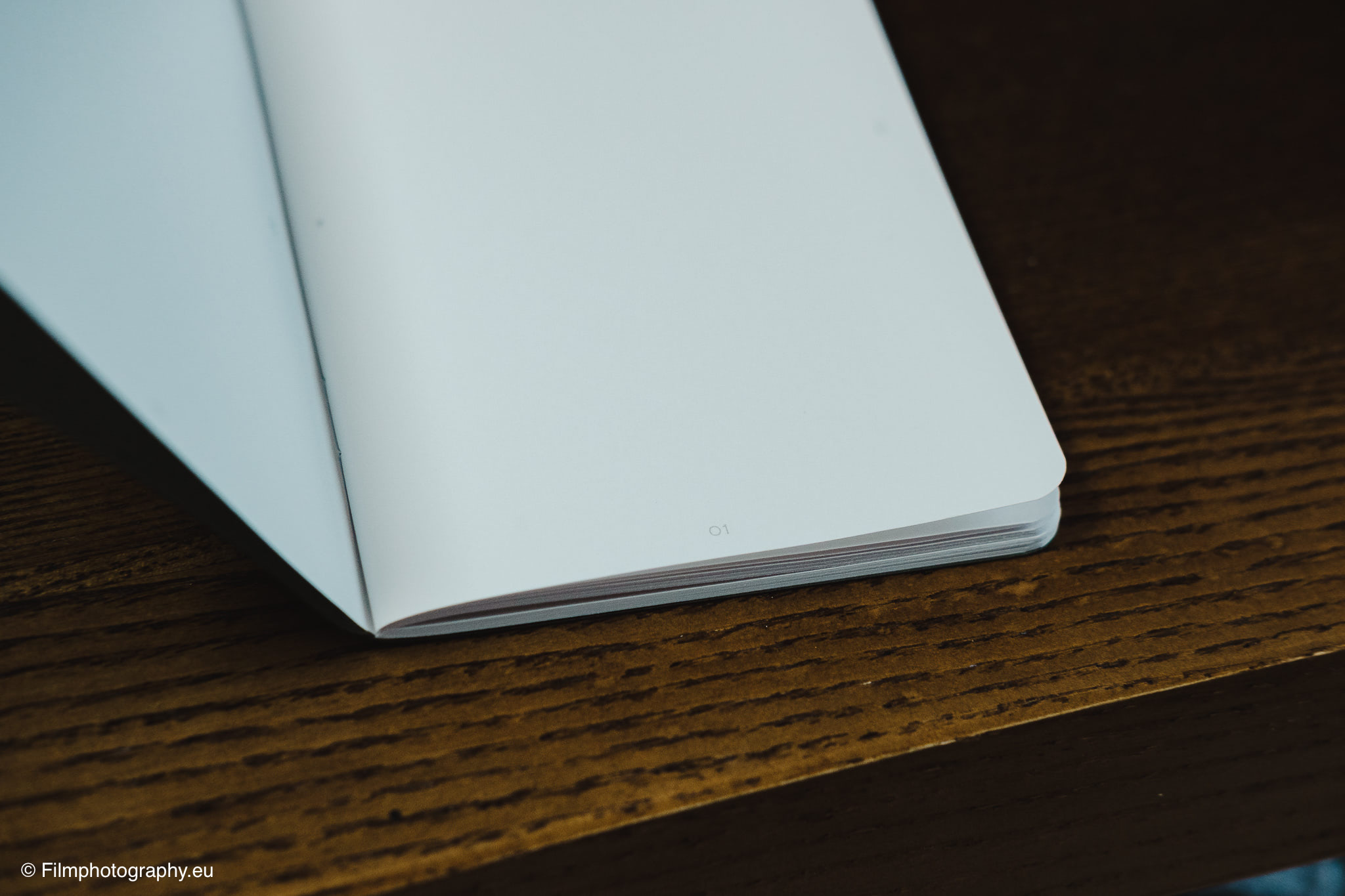
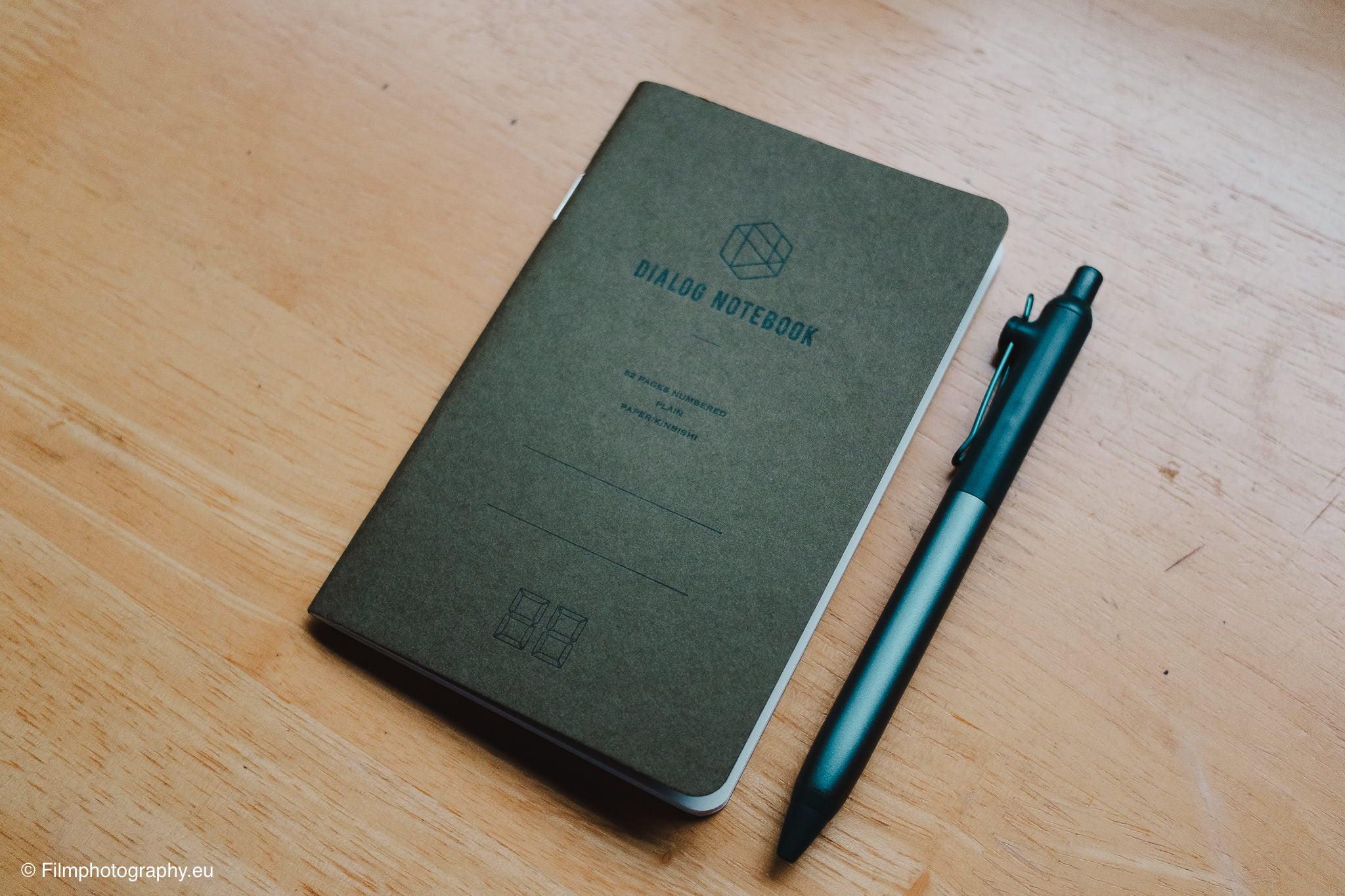
An alternative from Japan is the Dialog Notebook. They are identical in size. Inside, there is high-quality paper, also from Japan. Blank notebooks are offered, as well as versions with ruled or dotted pages.
Ro-Biki Note
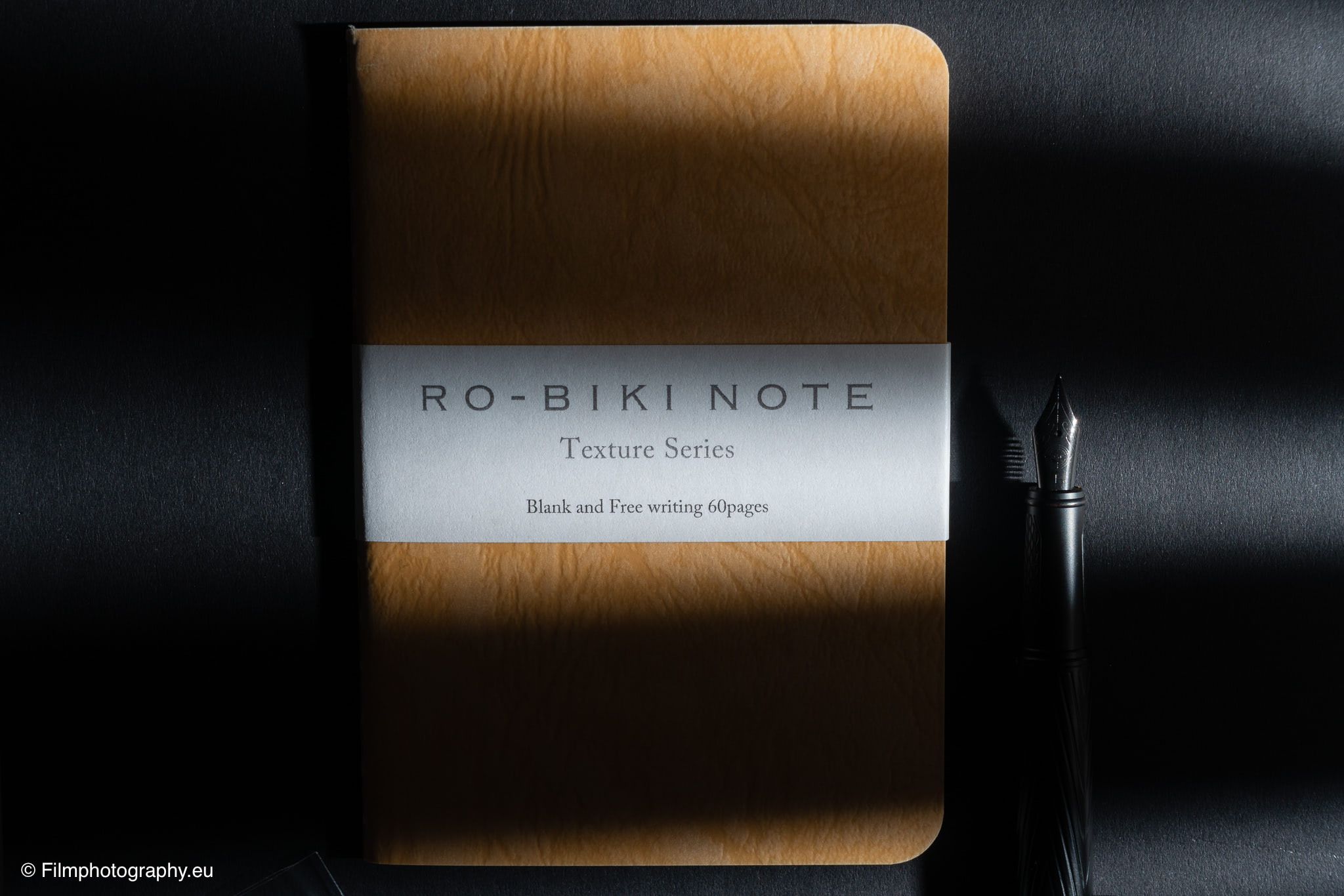
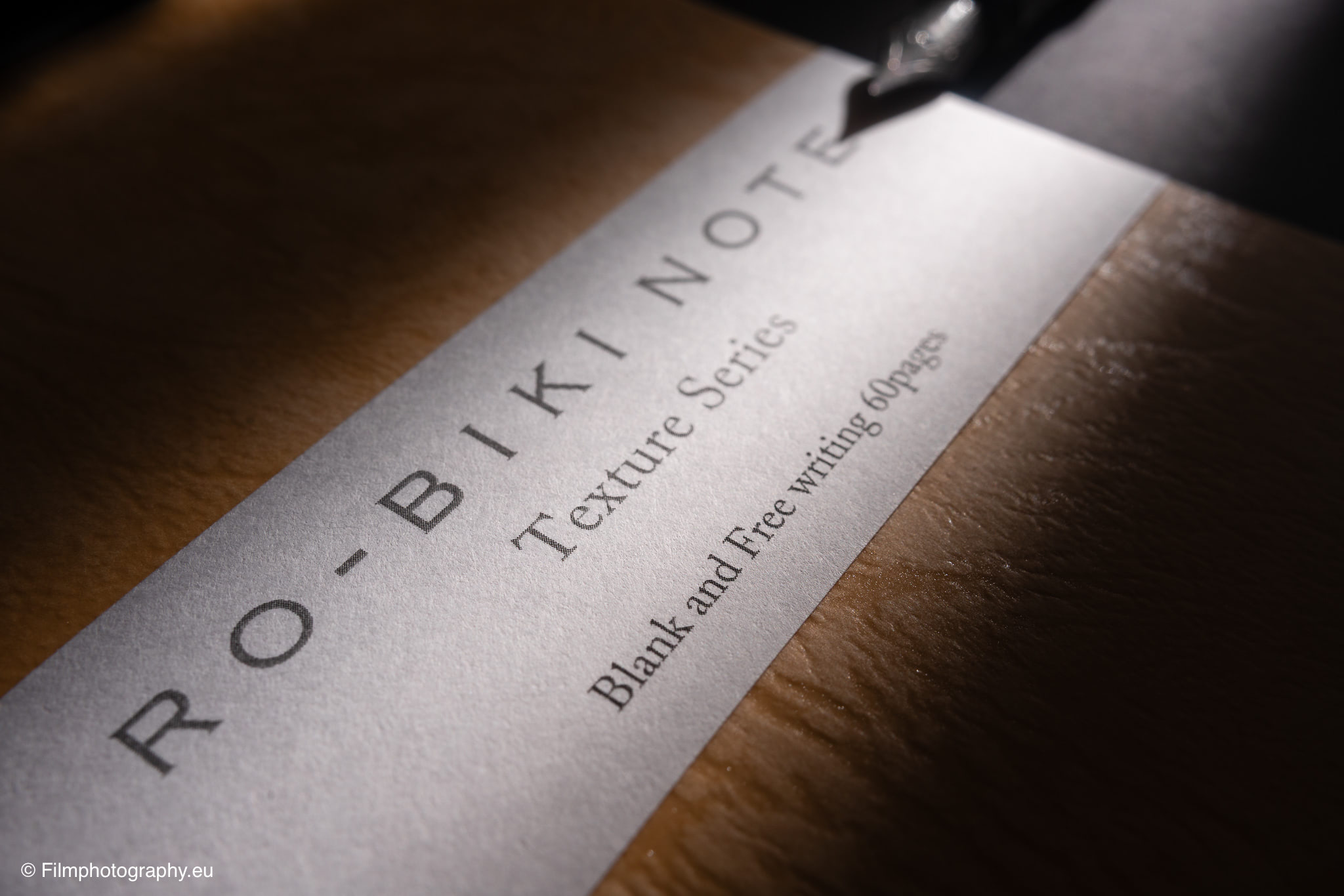
A smaller option is the Ro-Biki Note from Yamamoto Paper. This notebook comes from Japan and has its own unique aesthetic and feel, which clearly distinguishes it from Western counterparts.
The most striking feature is the cover made of waxed paper. This material has the characteristic of developing a pronounced patina over time and with use. Every crease and every scratch leaves a mark in the wax, making the notebook look more individual over time and tell the story of its use. This so-called “Crinkle Effect” is appreciated by many enthusiasts, as it gives the object a character reminiscent of old maps or worn leather goods.
The format of the Ro-Biki Note is also remarkable. It is narrower and slightly taller than the classic DIN A6 or Field Notes format. This slim shape makes it particularly easy to store in jacket or shirt breast pockets without adding bulk. It fits well in the hand and is ideal for quick notes while standing. Inside, you’ll find Yamamoto’s high-quality paper, which enjoys an excellent reputation in the stationery world.
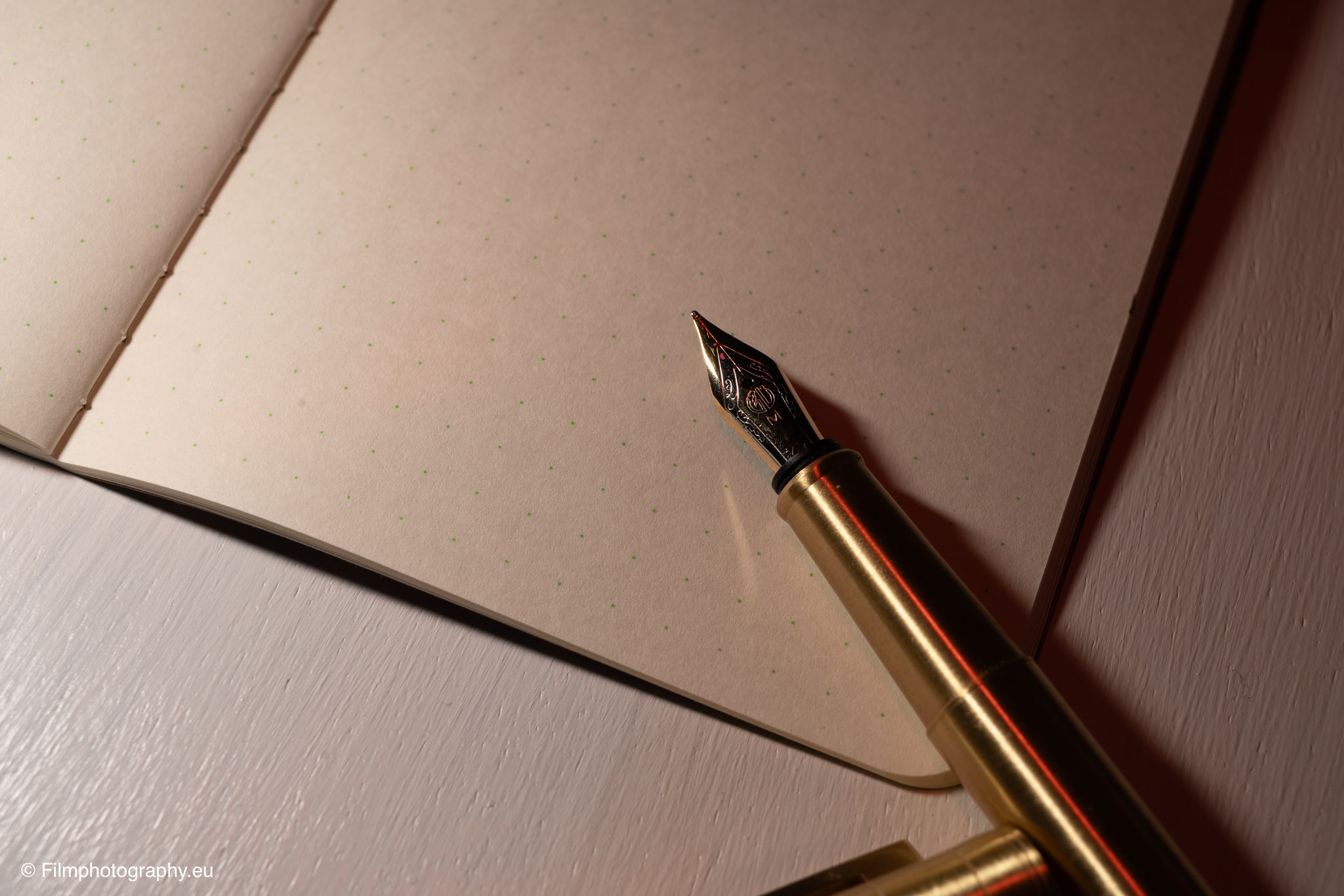
Muji A6 Slim
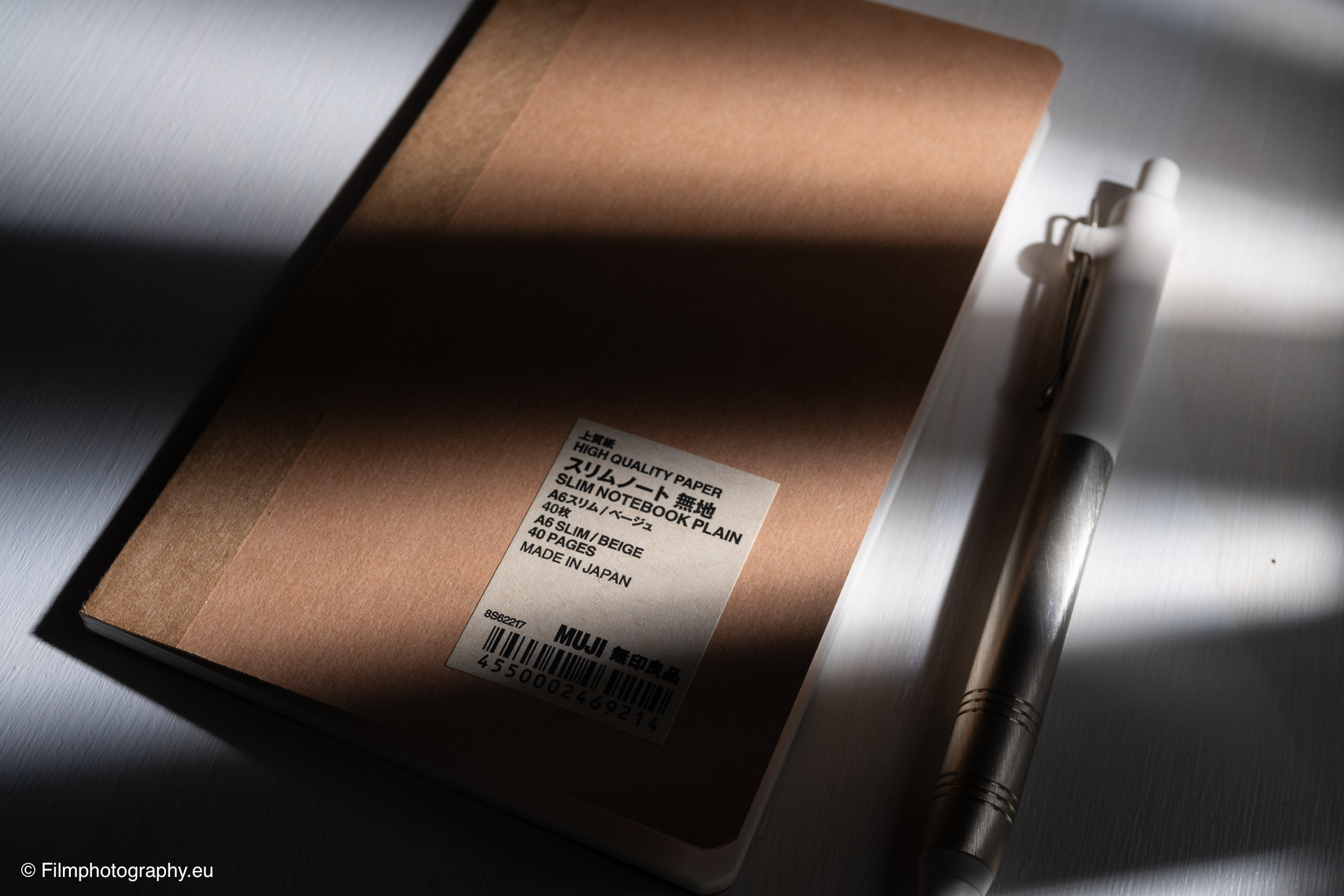
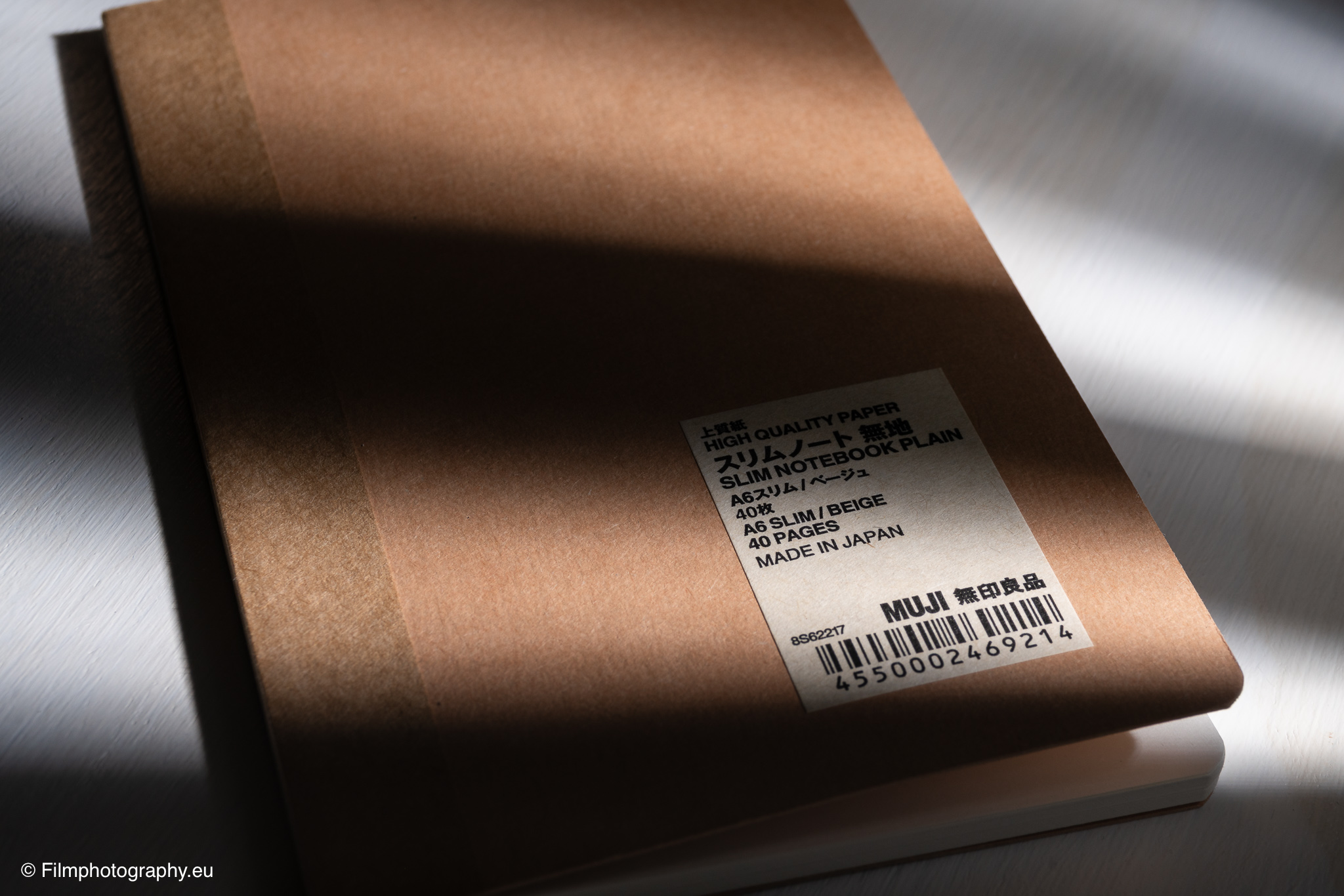
If you want something a bit larger, this notebook from Muji would be an option. Muji is known for its minimalist approach and the absence of visible branding. The A6 Slim notebooks embody this philosophy in its purest form. They offer a pragmatic and inexpensive alternative for photographers who write a lot and use a high volume of notebooks.
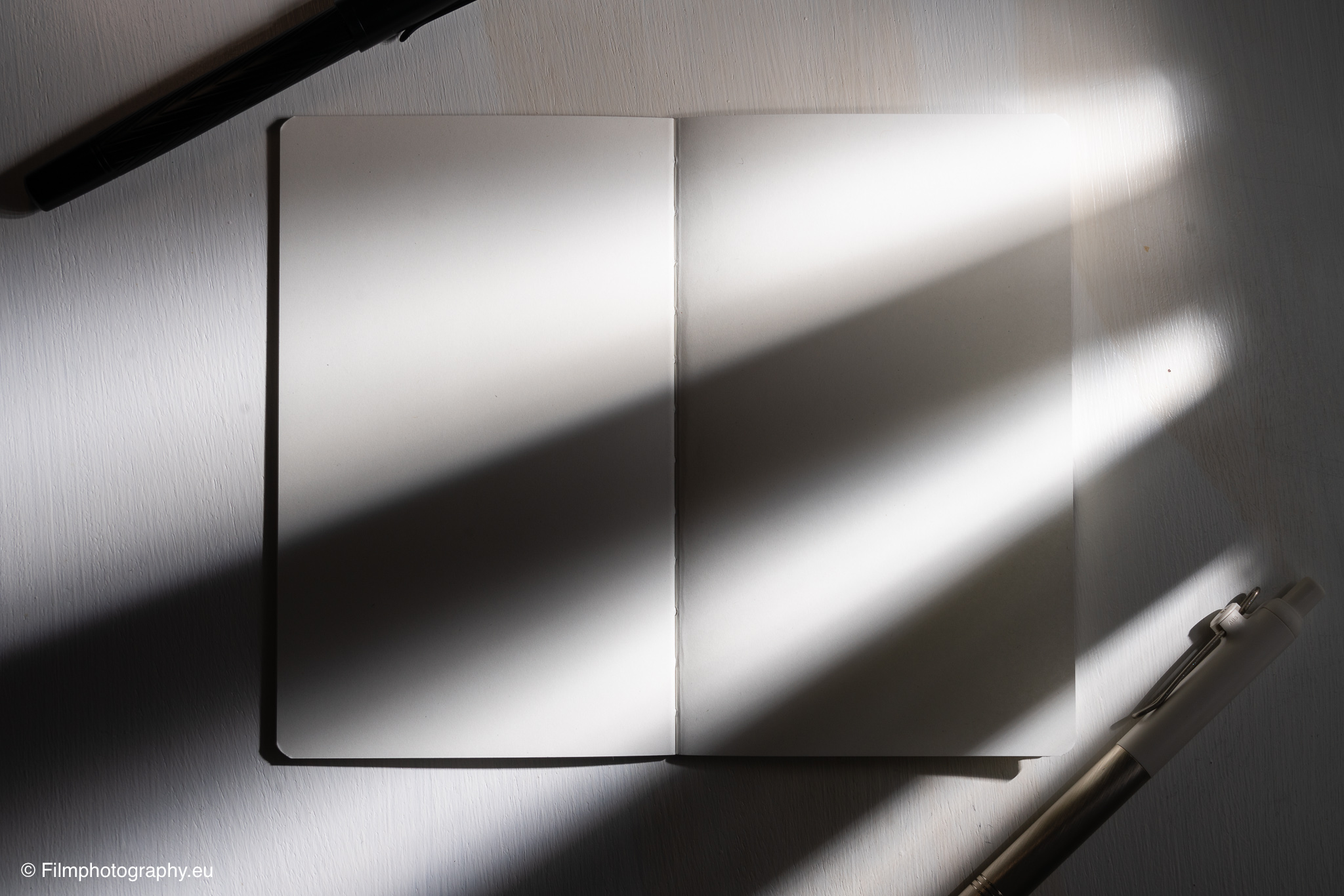
The paper in Muji notebooks is slightly off-white, which makes reading in bright sunlight more comfortable than pure white paper, as it is less glaring. The surface is smooth enough for a pleasant writing experience, but also offers enough resistance for pencils to create clean lines.
One advantage is availability and price. While imported specialty notebooks often come with high shipping costs, these notebooks are often easier to obtain. The simple exterior invites you to customize or label the notebook according to your own ideas.
Suitable Covers for a Notebook
On the one hand, a cover offers protection against damage, but it also provides privacy. Pocket notebooks, in particular, don’t close properly after some use when you press them flat to write, and then they flip open on their own. Thus, a page can easily open, and you probably don’t necessarily want that.
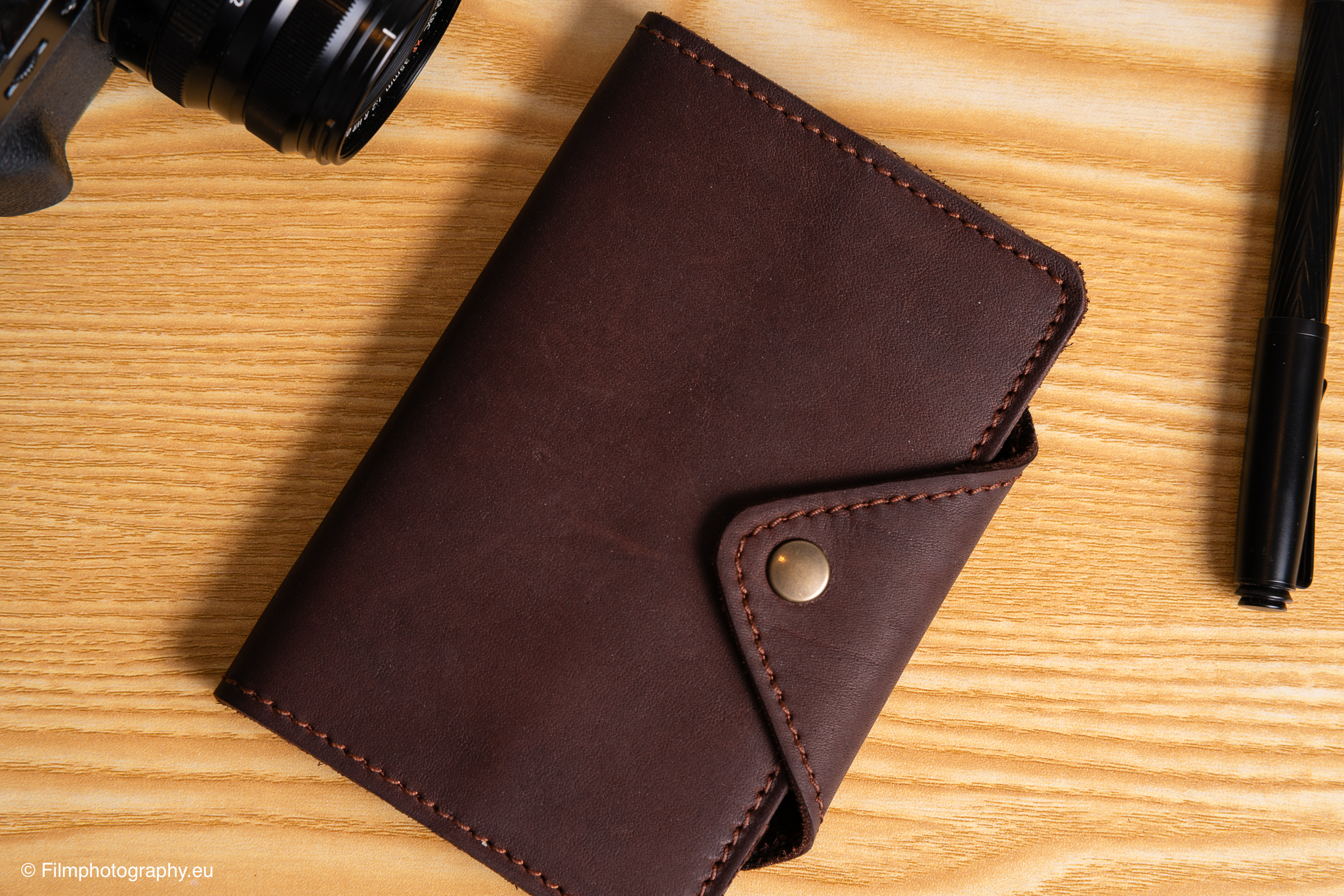
A cover also acts as an additional barrier against curious people who might be around you. An open notebook on a café table can quickly attract attention, and not every photographer wants to share their locations or technical notes with the public immediately.
Furthermore, a cover protects the notebook from the elements. Photographers are often out and about, and moisture, dirt, or abrasion in a bag can quickly damage a paper notebook. A robust cover made of leather or waxed canvas forms a barrier against these influences and significantly extends the lifespan of the recordings.
Leather also has the advantage of aging beautifully and developing a patina that complements the aesthetics of old cameras. Many covers also offer additional storage space. Small compartments for business cards, gray cards, or even spare film can be integrated. A pen loop is also a common and very useful feature, as it keeps the writing instrument always readily available with the notebook and saves you from searching in your bag for a long time.
For the Field Notes format, there is a good selection of covers. Different sizes, colors, materials, and functionalities. From inexpensive to expensive. The market ranges from industrially produced nylon covers to hand-sewn leather goods from small manufacturers.
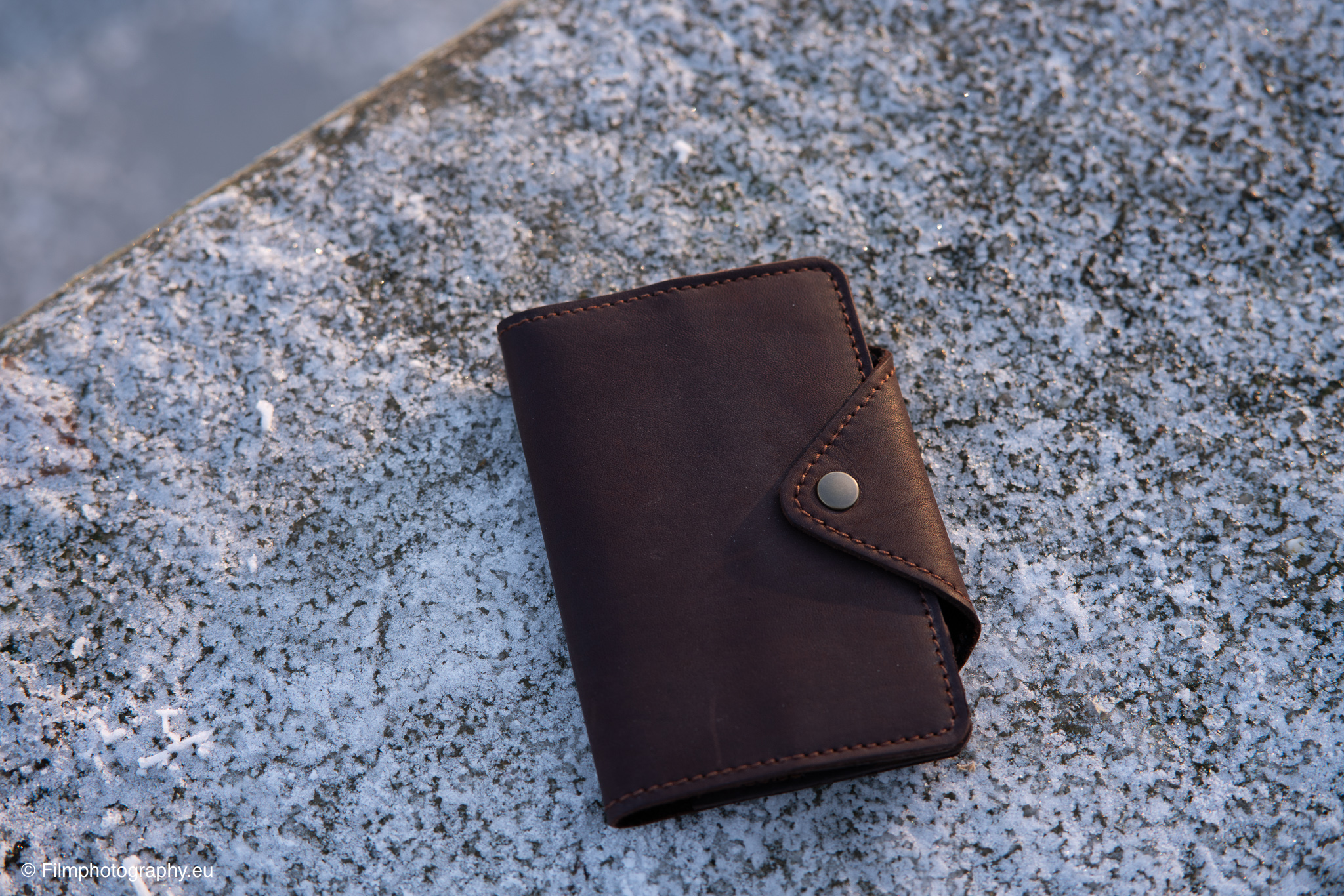
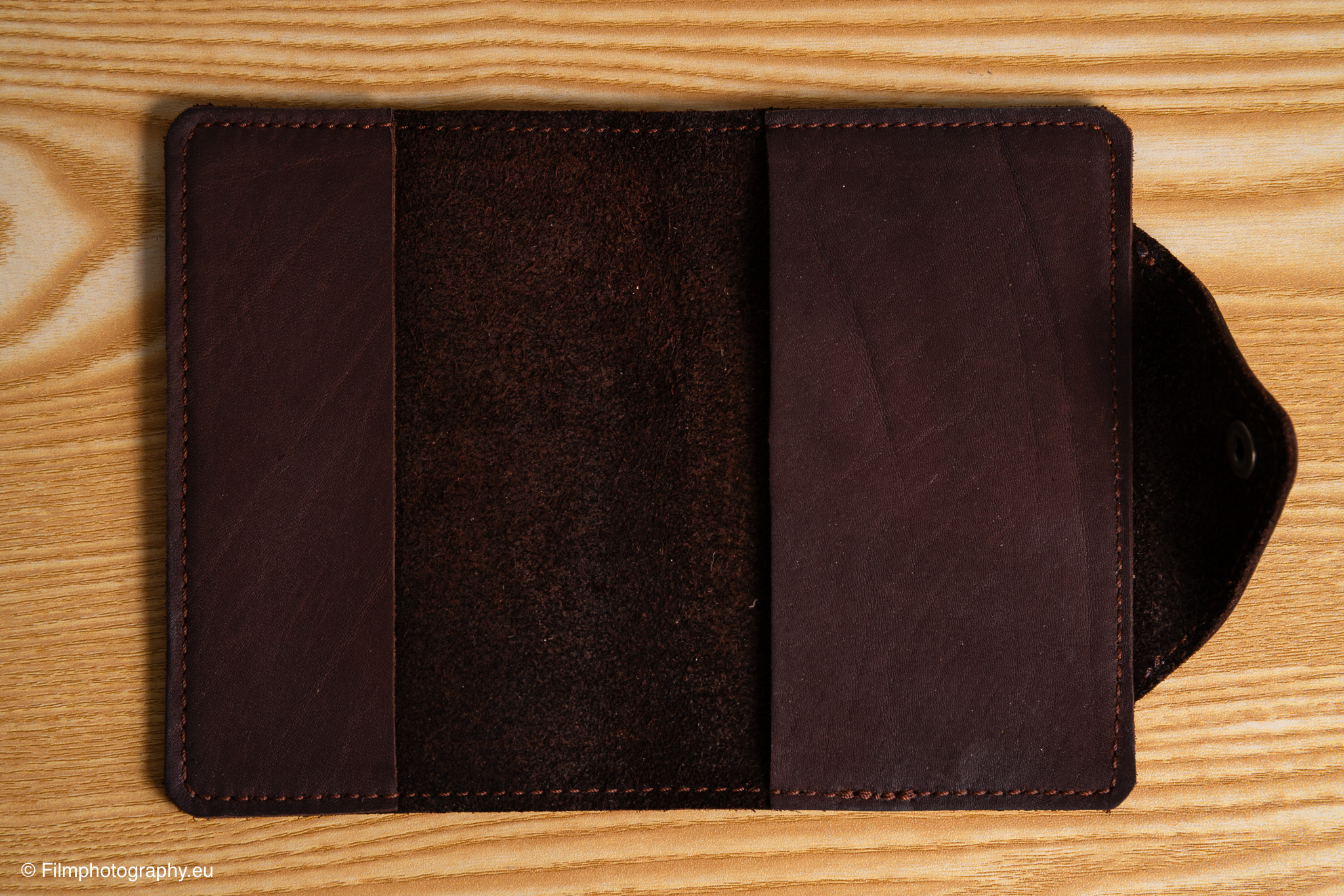
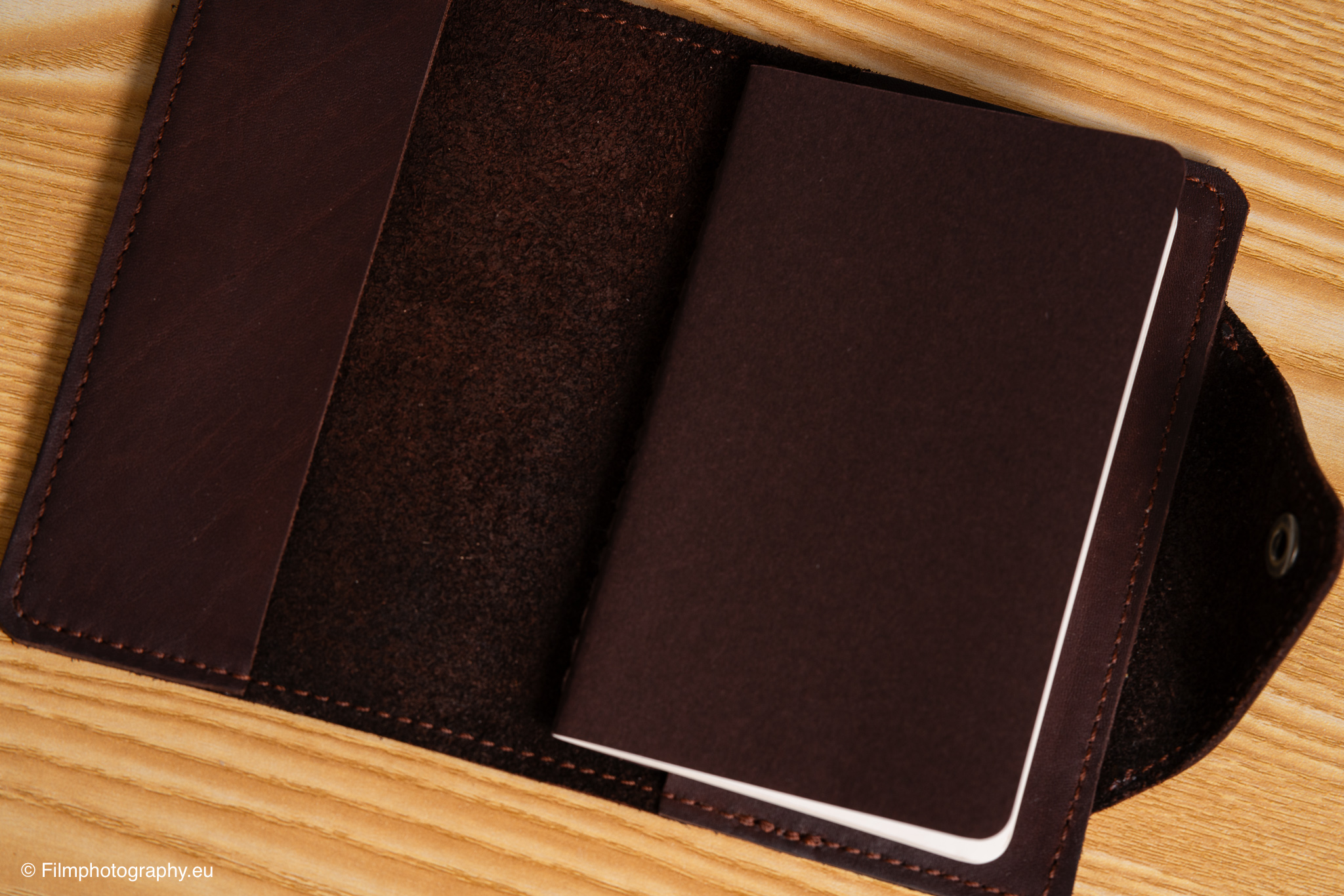
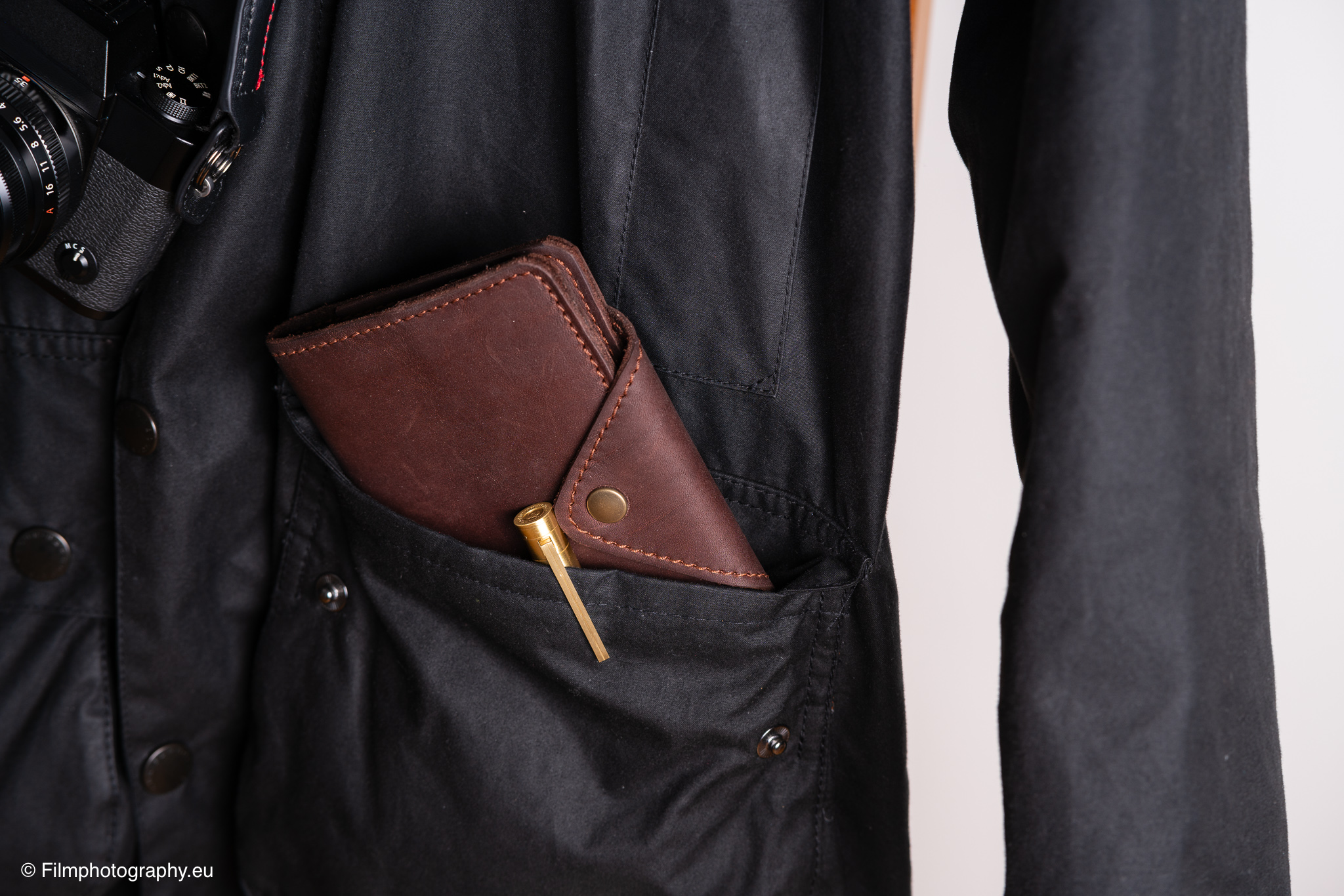
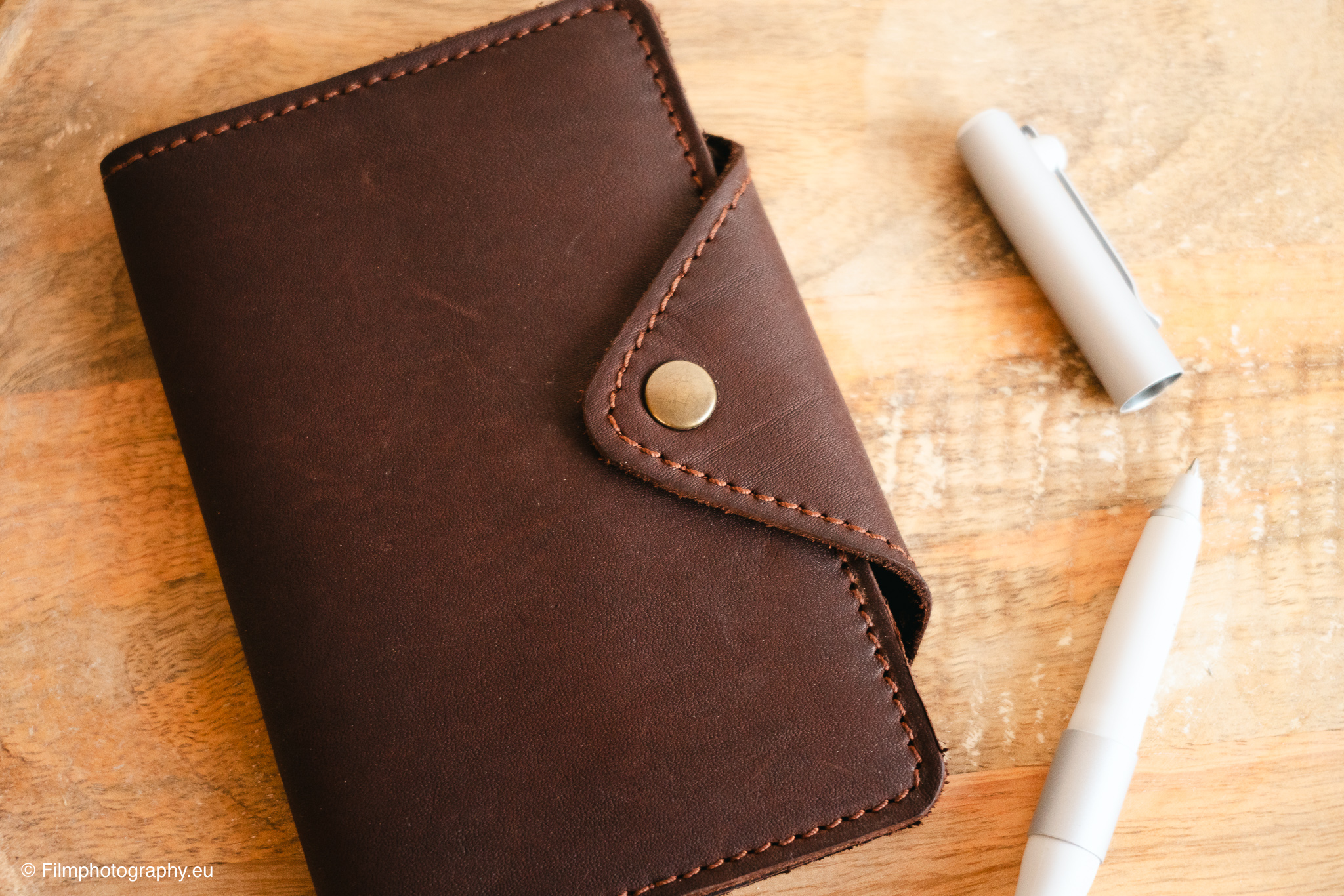
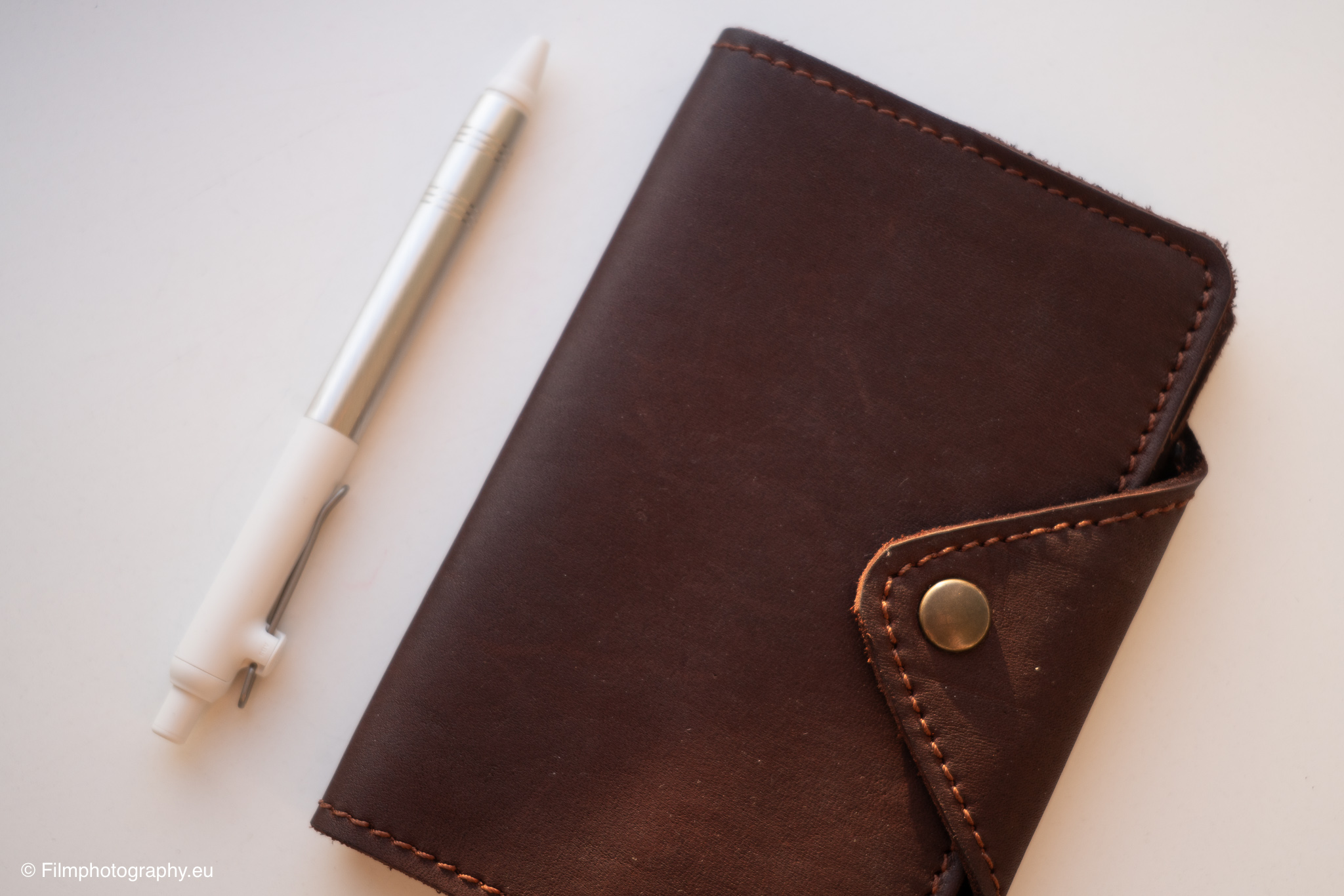
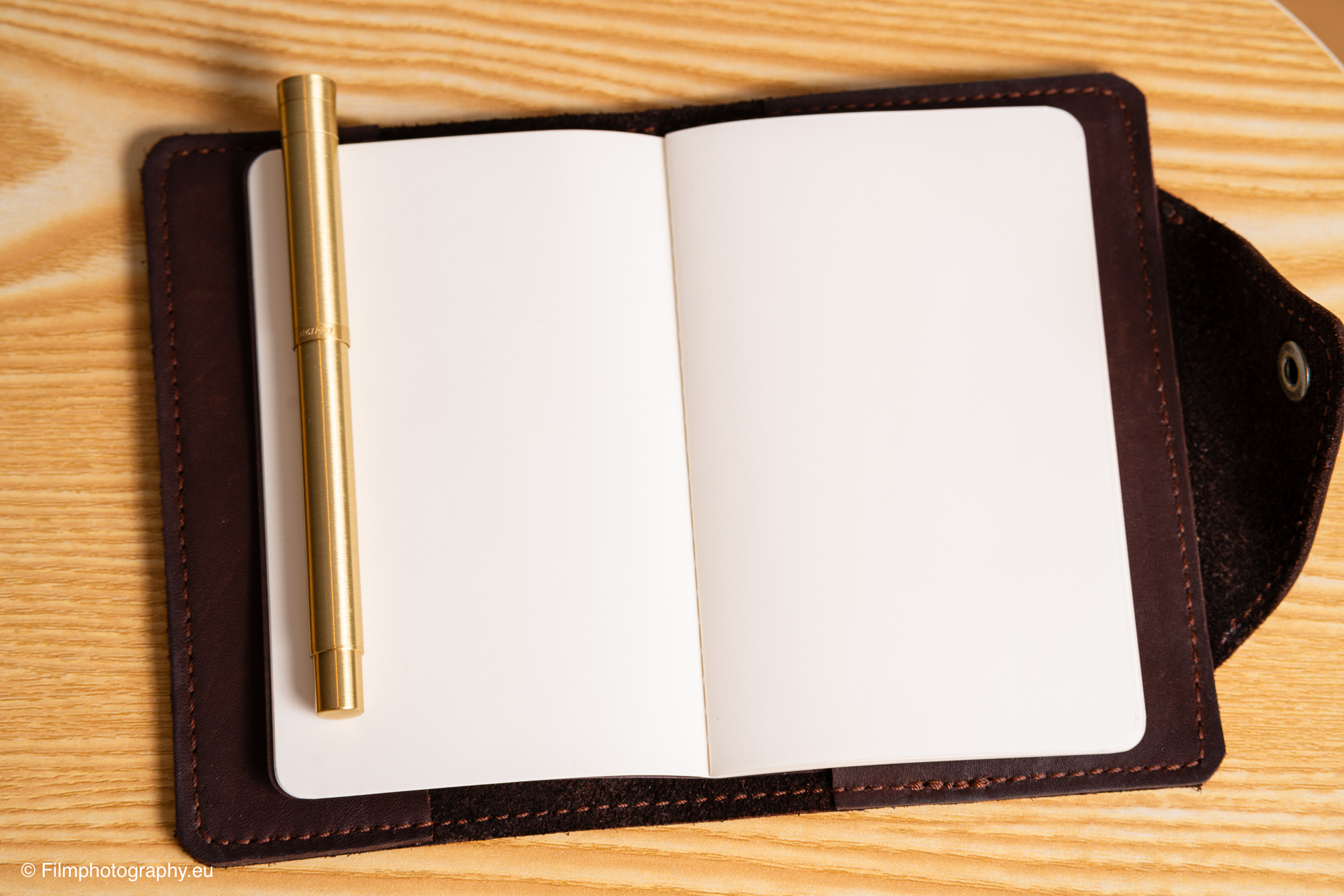
An example is this cover from VercorsNative. This particular item is a leather cover. Handmade in France.
This has the great advantage of modularity. For example, you can use one notebook for technical data, one for creative ideas, and one as a calendar in parallel. When a notebook is full, it is simply replaced, while the cover continues to be used.
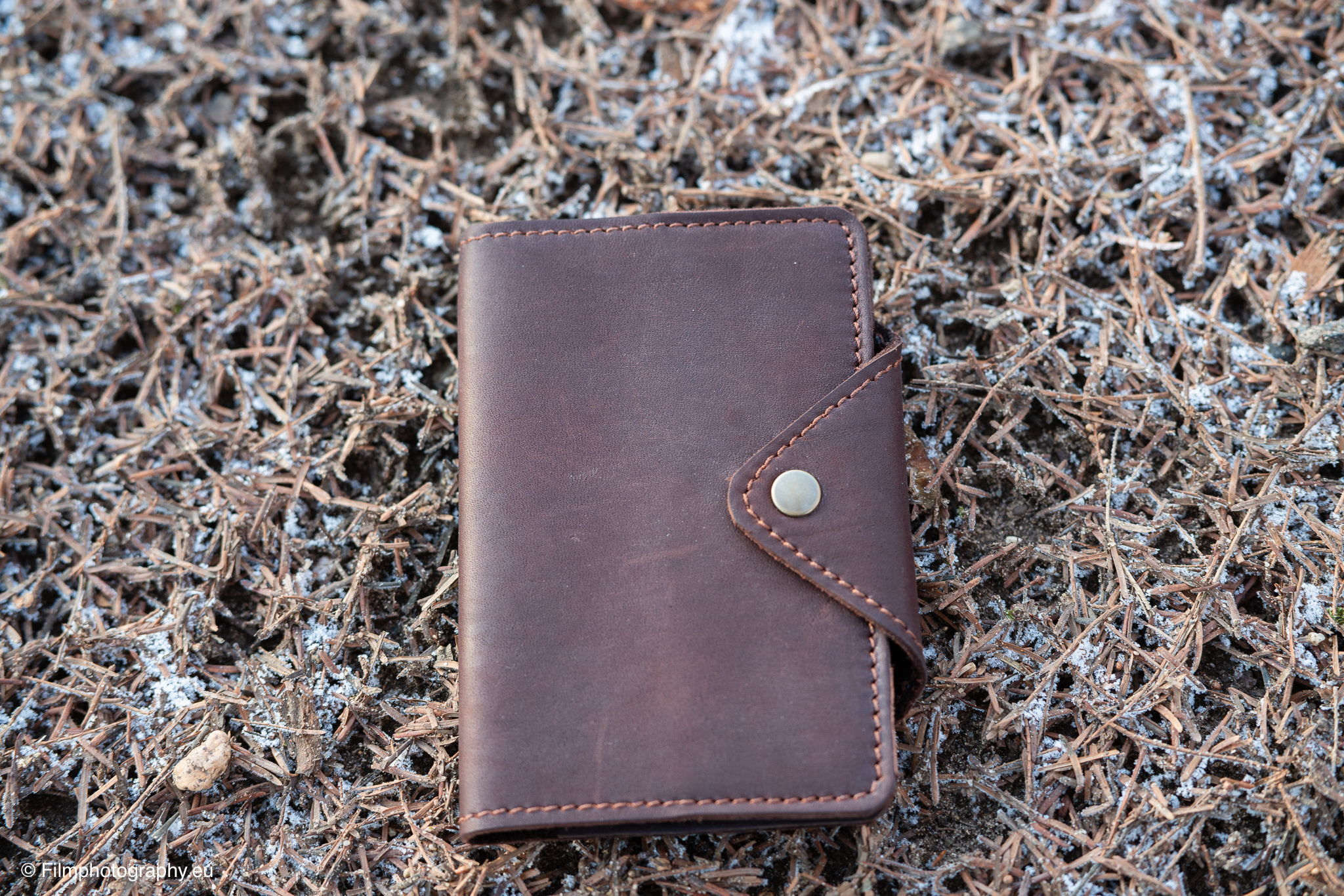
The leather offers a pleasant feel and adapts over time to the shape of the notebooks and the way it is carried. It is not just a protective item, but a companion that gains personal value over the years.
The investment in such a cover is worthwhile for anyone who considers the notebook a constant companion and wants to store their recordings safely and stylishly. The combination of a suitable notebook and a high-quality cover creates a system that meaningfully complements analog photography and supports the process of conscious work.