As a photographer, I am used to looking at the world through a lens, capturing moments, and telling stories without words. However, on my last trip through the dense, vibrant streets of Japan, I encountered a barrier that my camera couldn’t overcome: the language barrier.
In the narrow alleys, far from the tourist paths, English doesn’t get you far. While translation apps exist on smartphones, the thought of handing over my digital heart – filled with all my private data, photos, and contacts – to a stranger never felt right.
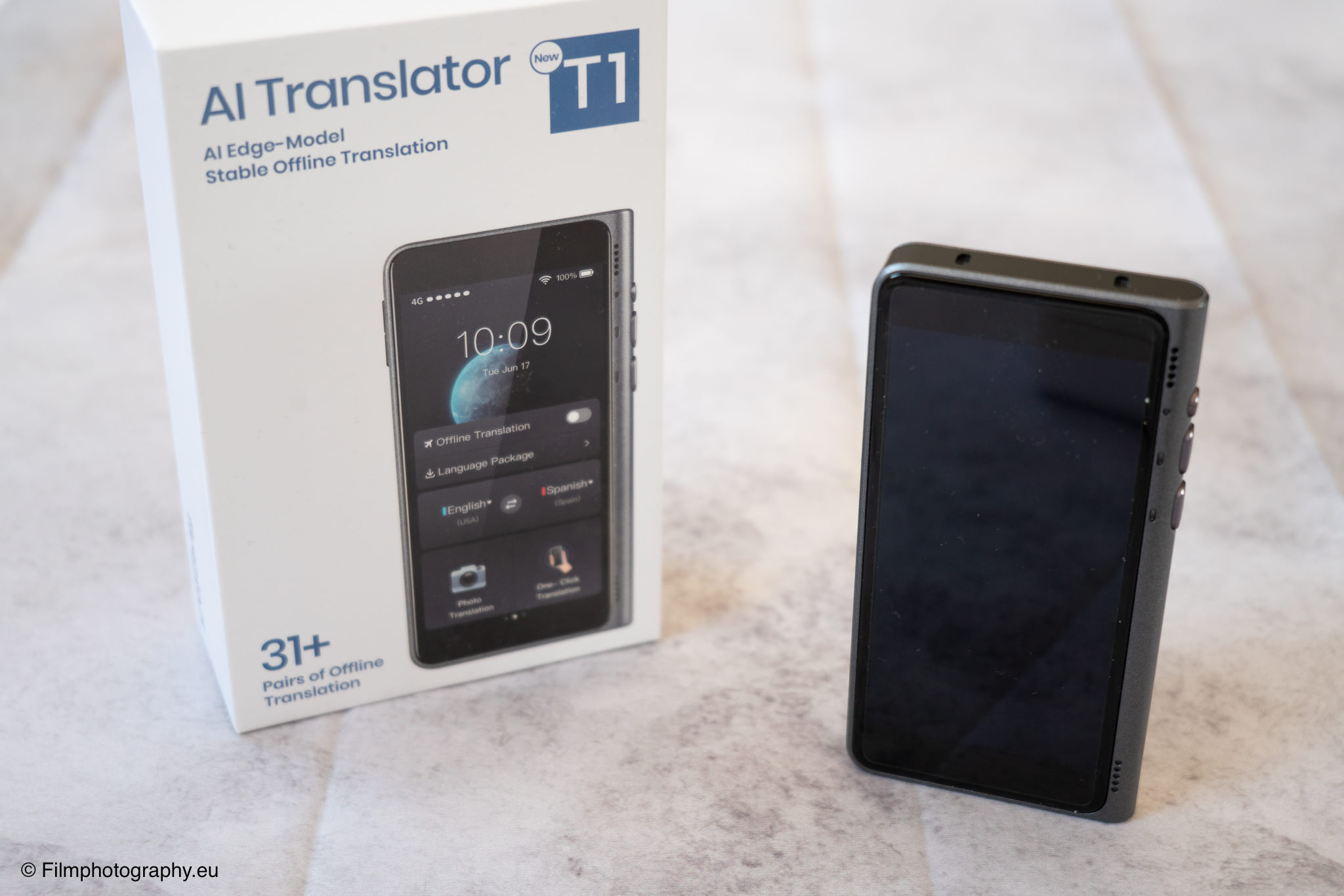
It was precisely for this trip that I had acquired a specialized device, the Timekettle T1 AI Translator. I was curious if such a dedicated language computer could fill the gap left by my smartphone, allowing me to bring home not just pictures, but genuine human connections.
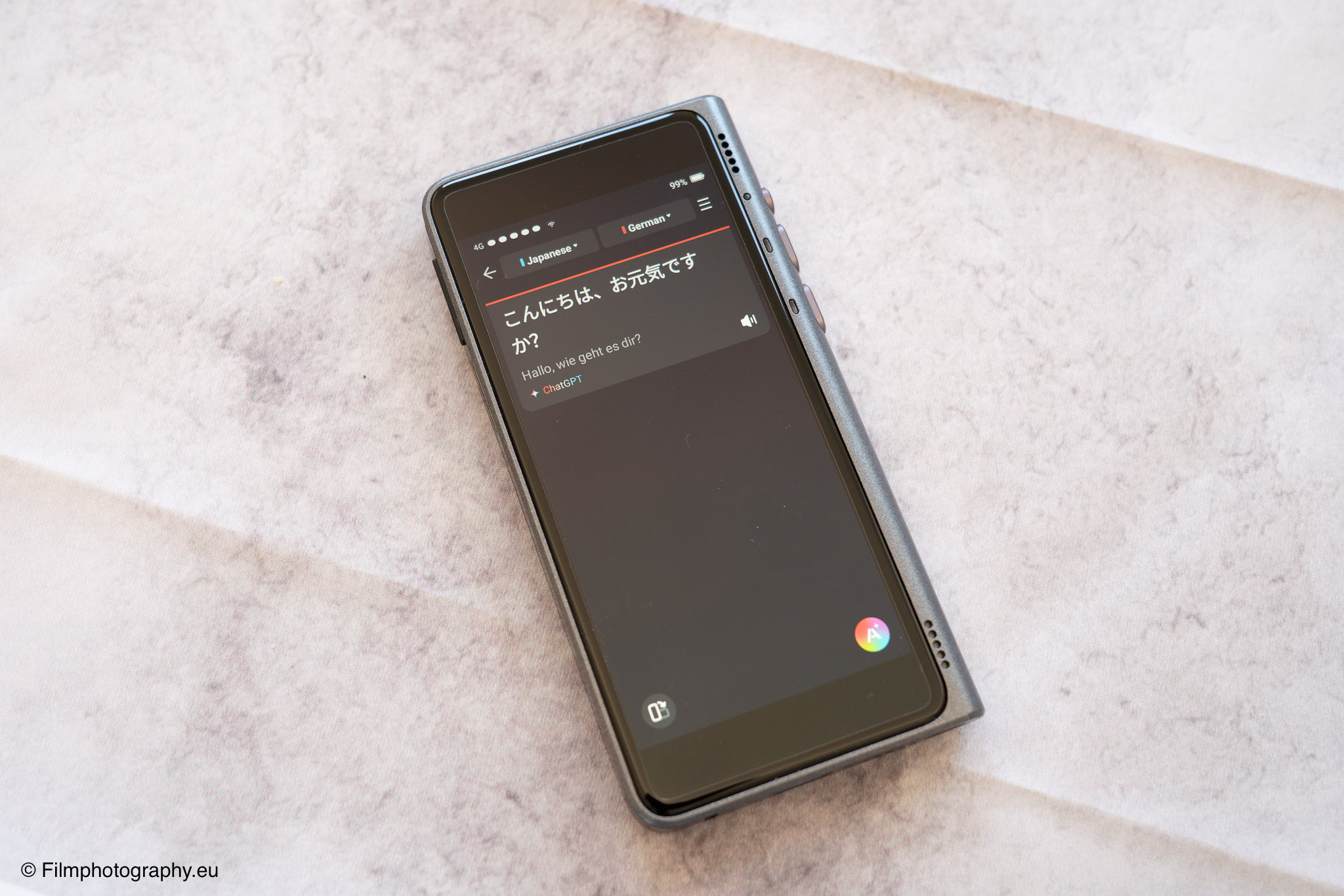
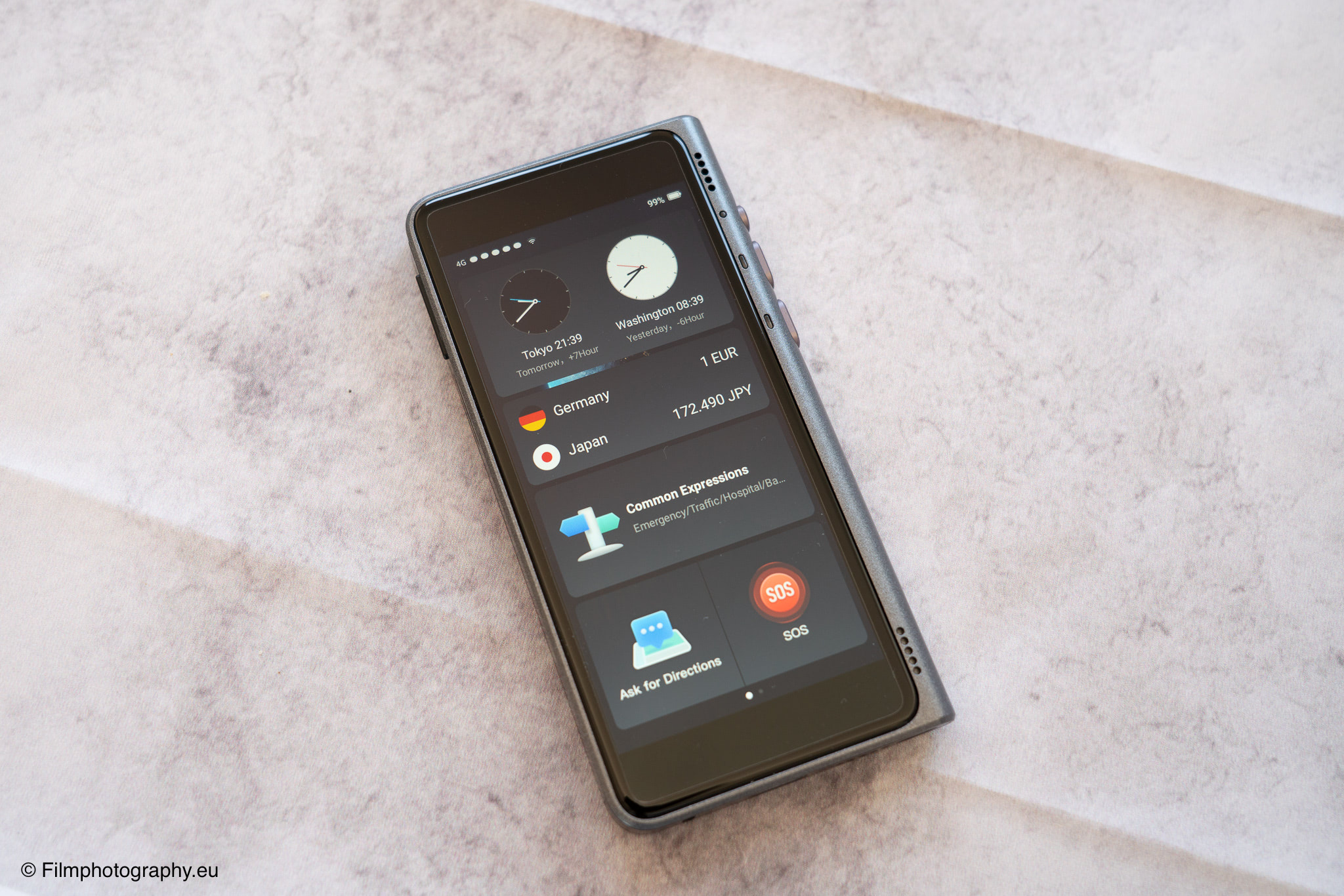
The first thing you notice about the Timekettle T1 is its thoughtful design as a travel companion. Weighing only 115 grams and with a size barely larger than a credit card, it disappears effortlessly into any jacket or camera bag without becoming a burden.
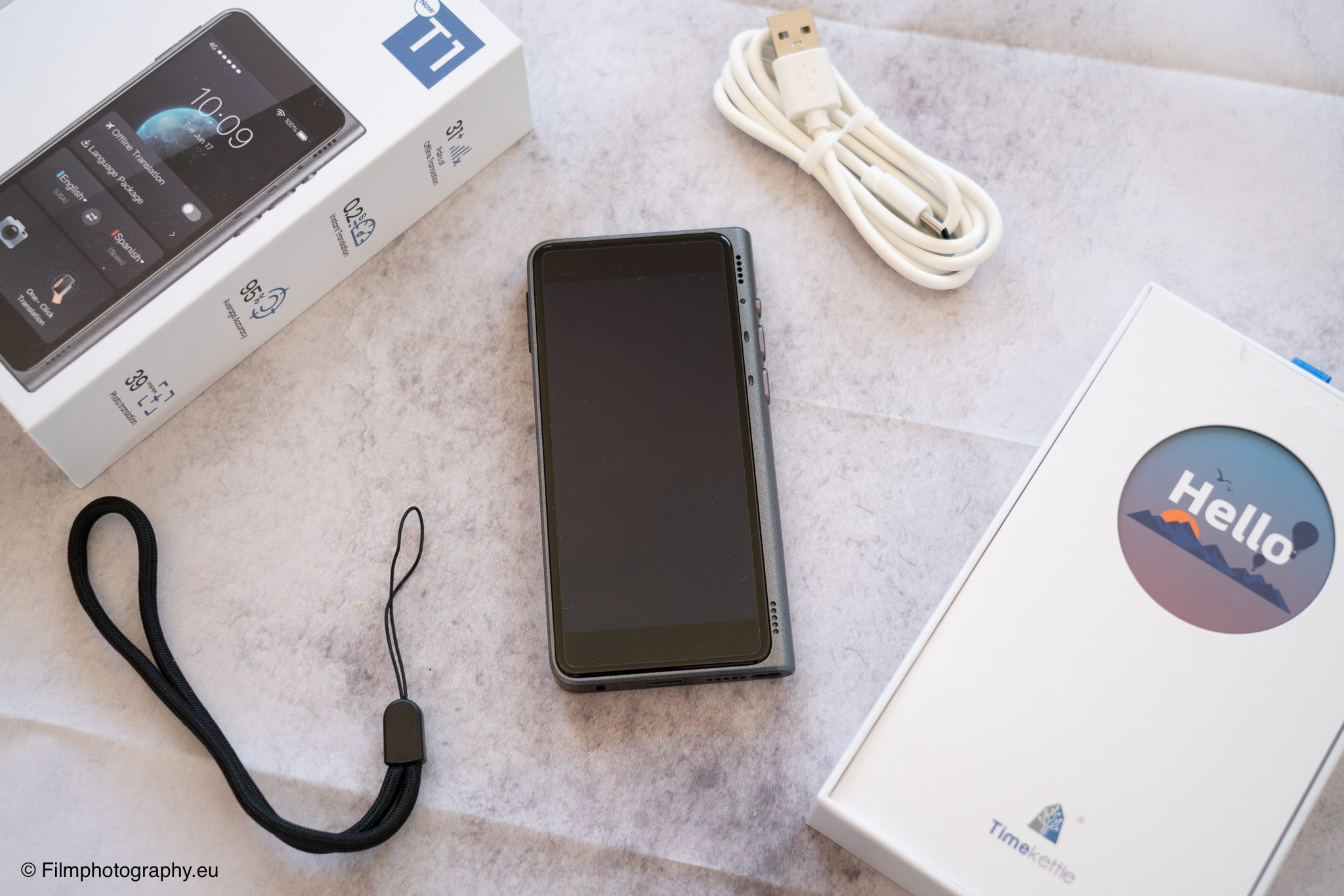
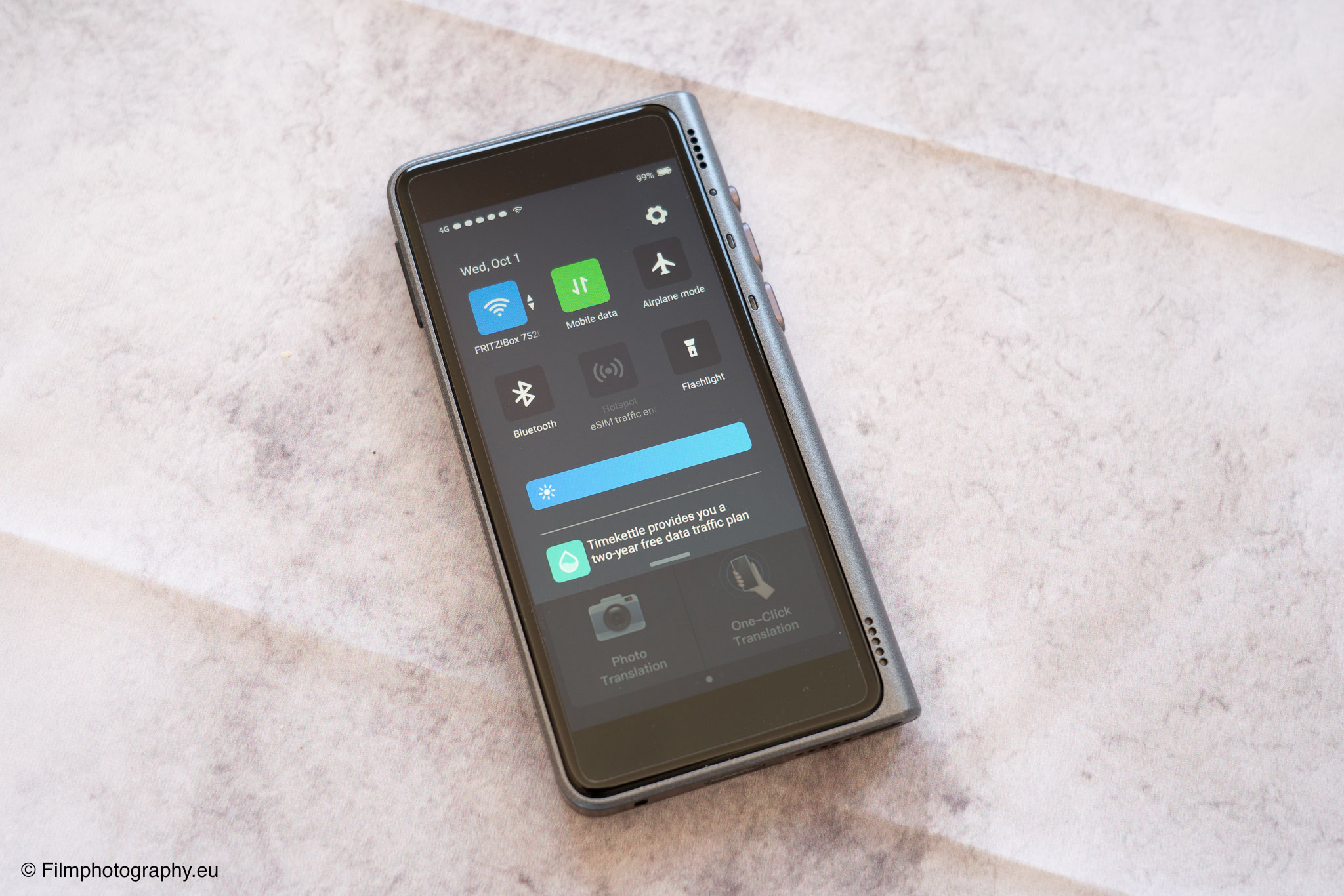
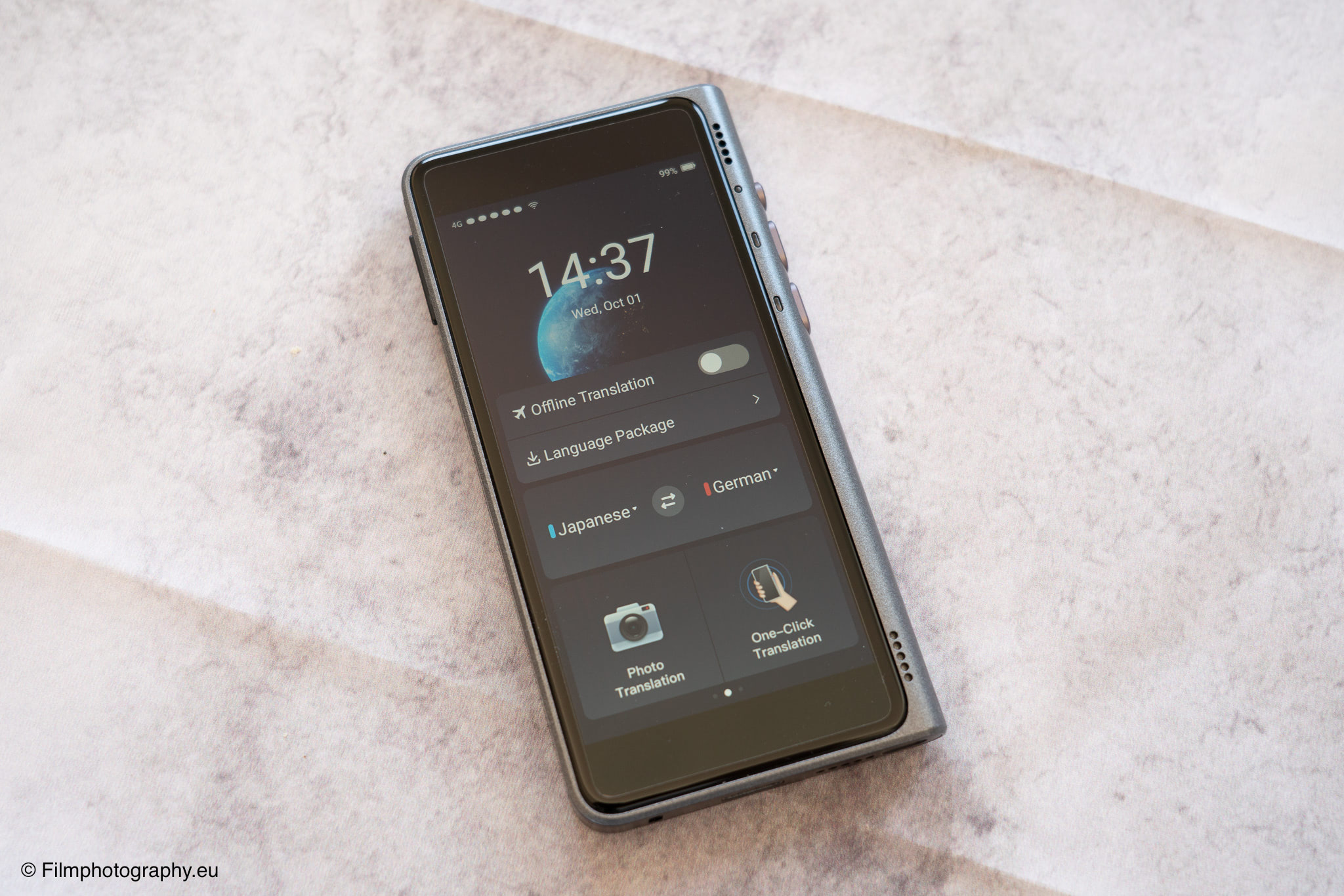
The polycarbonate casing feels pleasantly light. The four-inch display is clear and, with a resolution of 540 by 1080 pixels, sharp enough to be reasonably readable even in sunlight.
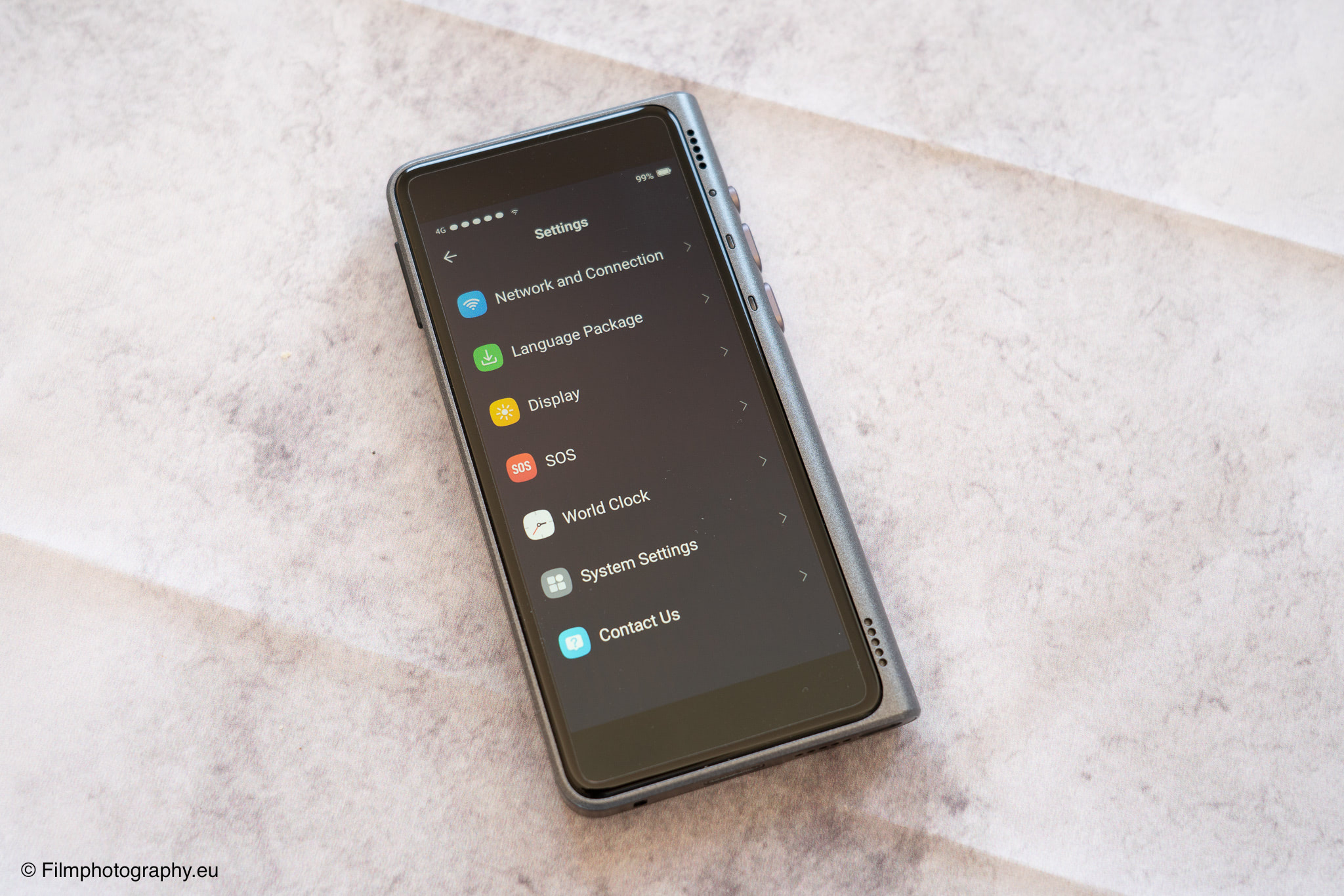
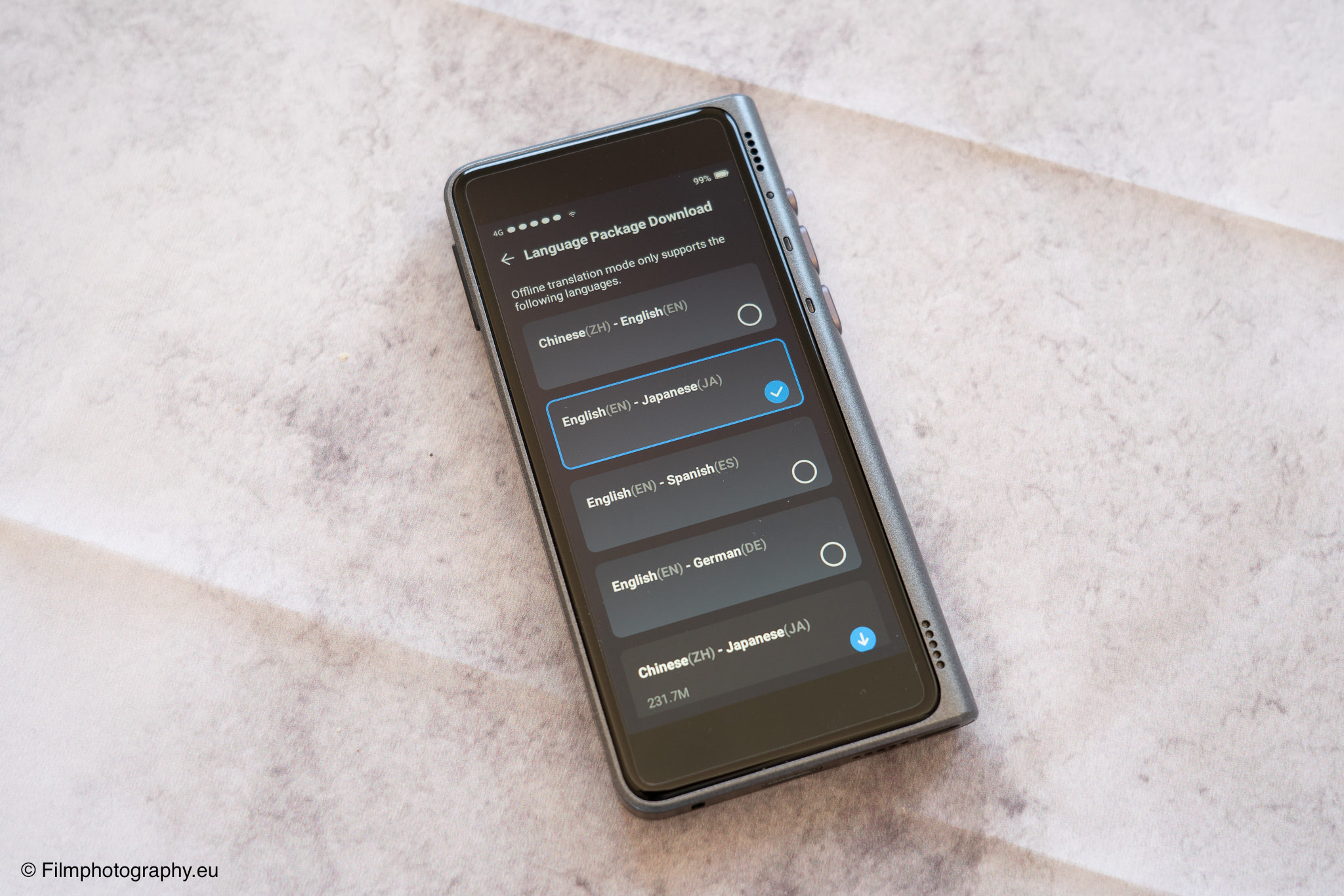
Inside, a Quad Core processor works, supported by sufficient memory to handle translation tasks smoothly. The technical features are complemented by a built-in eSIM, which offers two years of worldwide data access in many countries. This independence from smartphones or unreliable Wi-Fi hotspots is a significant advantage when traveling. You’re connected and ready to go immediately upon arrival. Should the connection drop, the device falls back on its offline capabilities, which support a considerable number of language pairs.
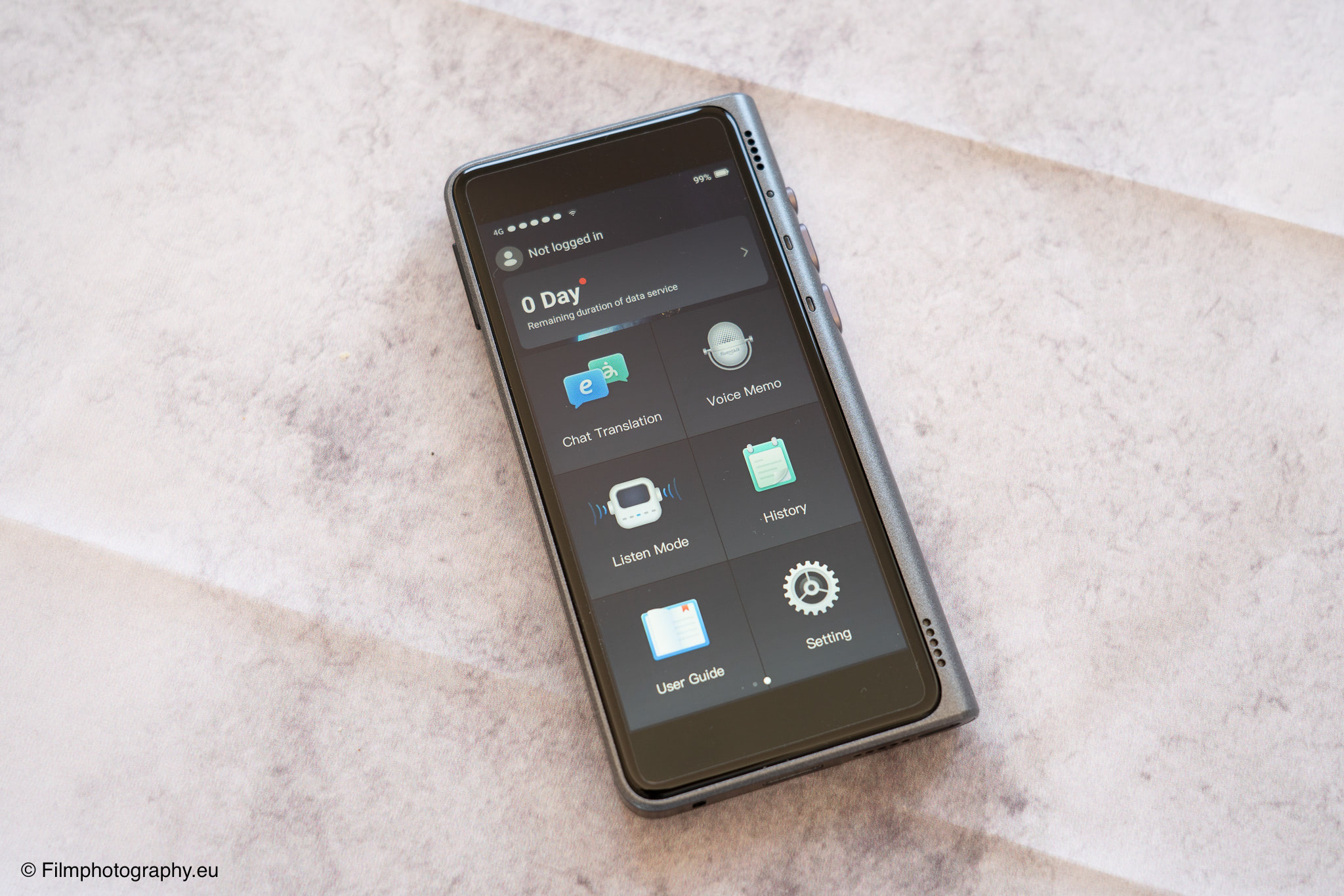
The real strength of the Timekettle T1 lies in its various modes, optimized for different conversational situations. Arguably the most frequently used mode is One-Click Translation.
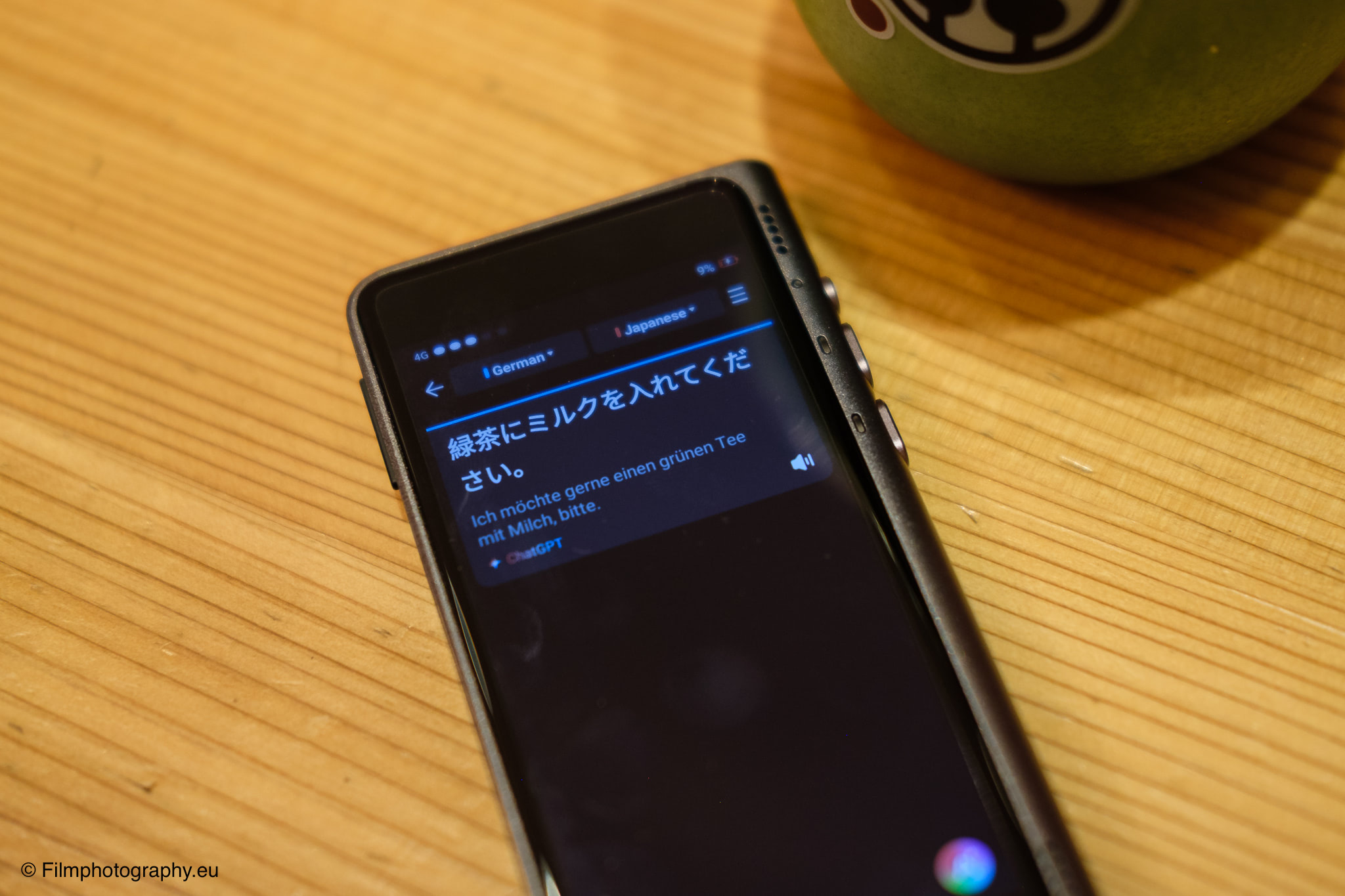
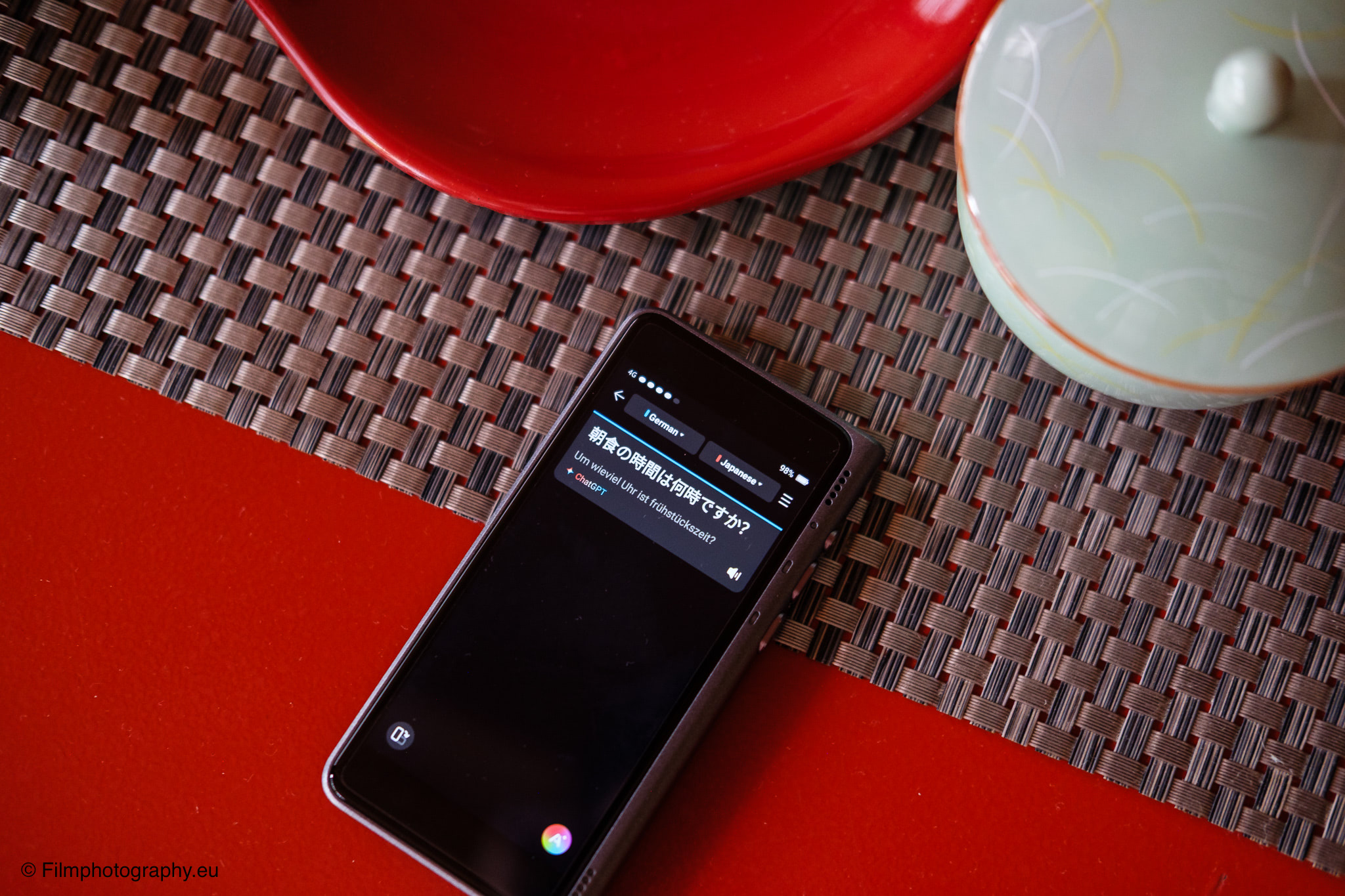
You select the source and target language, press a button, speak your sentence, and the device translates it in seconds. The translation is displayed on the screen and also spoken through the speaker.
I found this mode ideal for quick interactions, whether buying a train ticket, asking for directions, or ordering at a restaurant. The speed is remarkable. The response often comes in less than a second, giving conversations a natural flow.
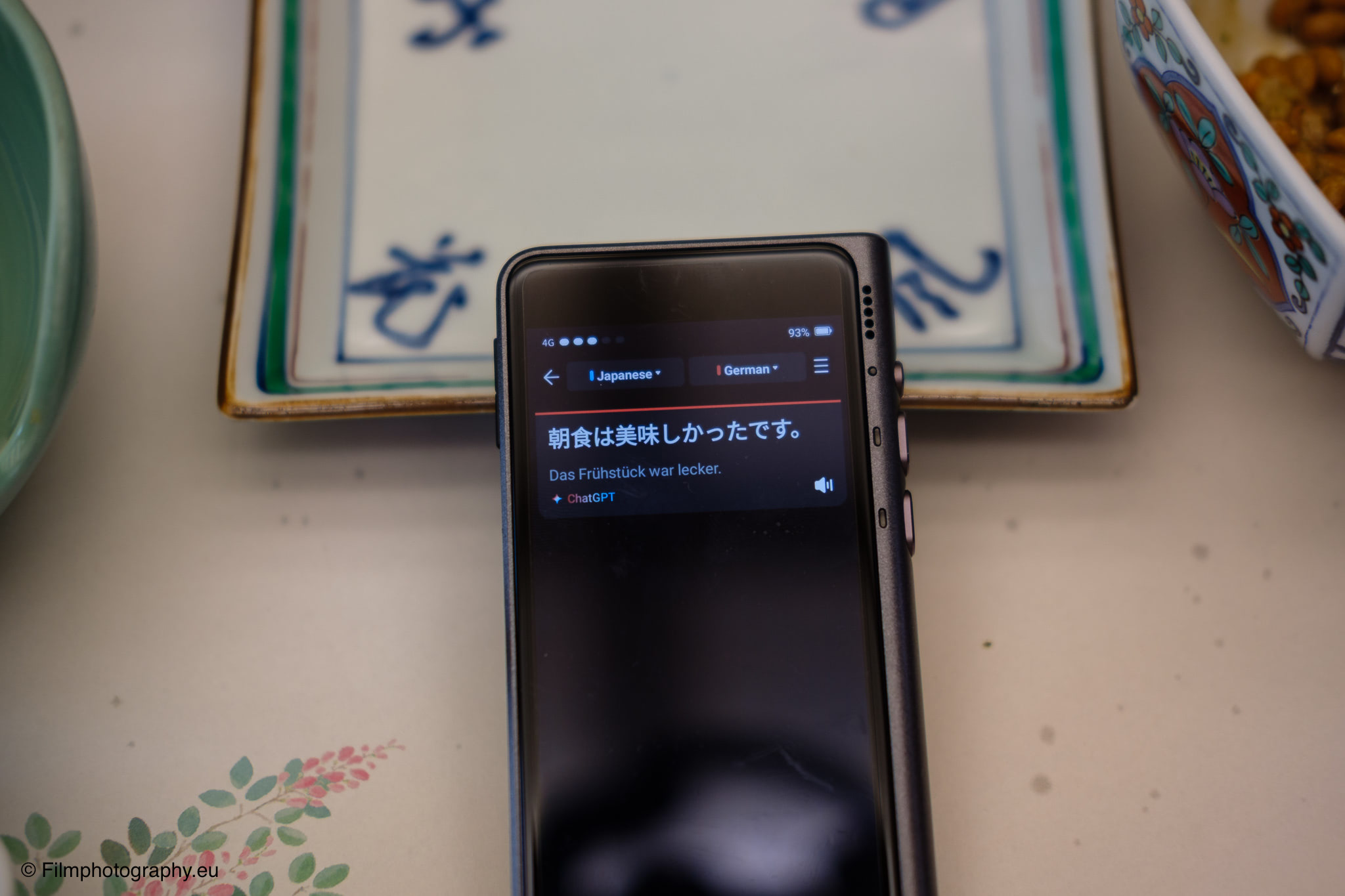
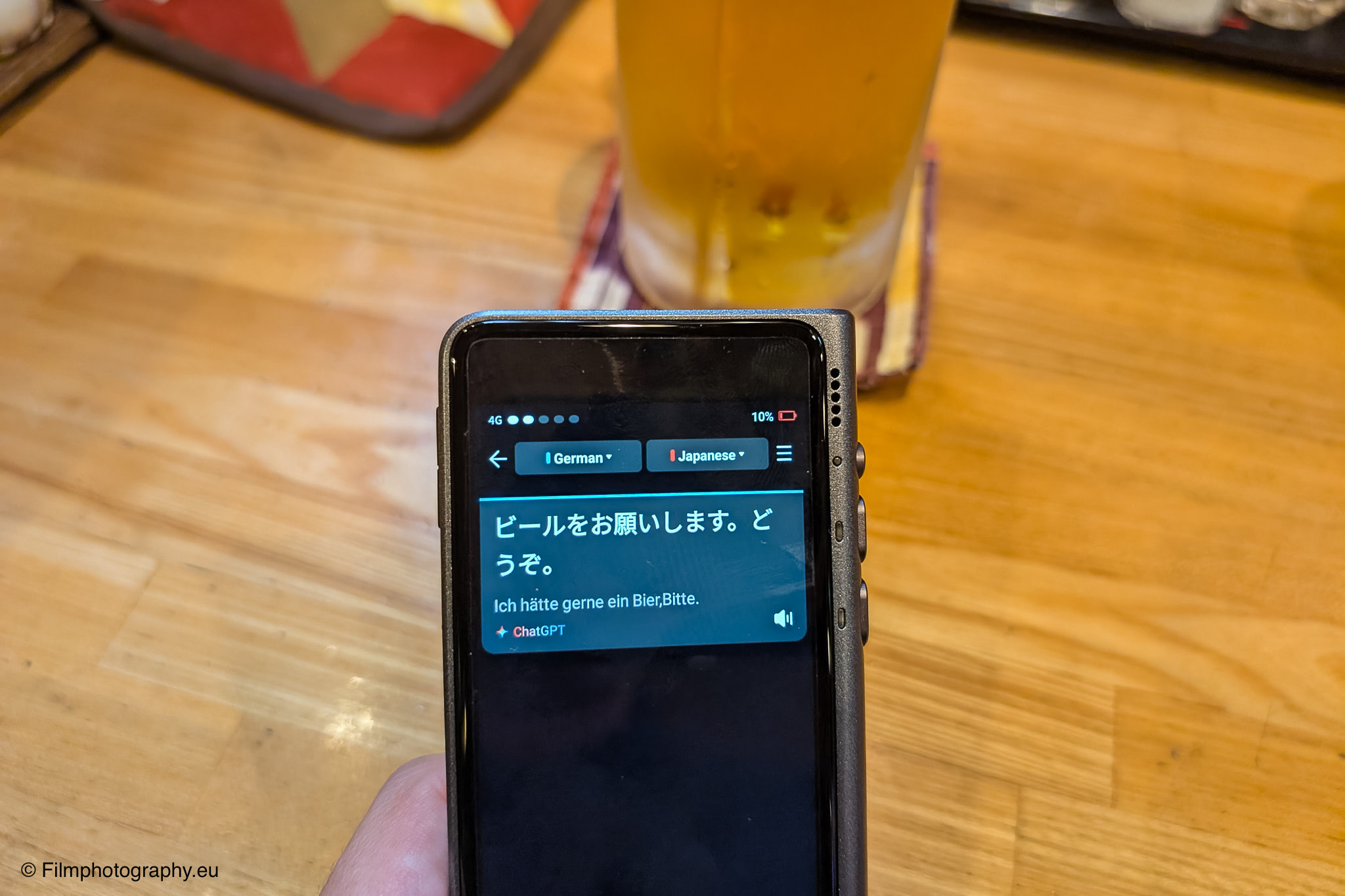
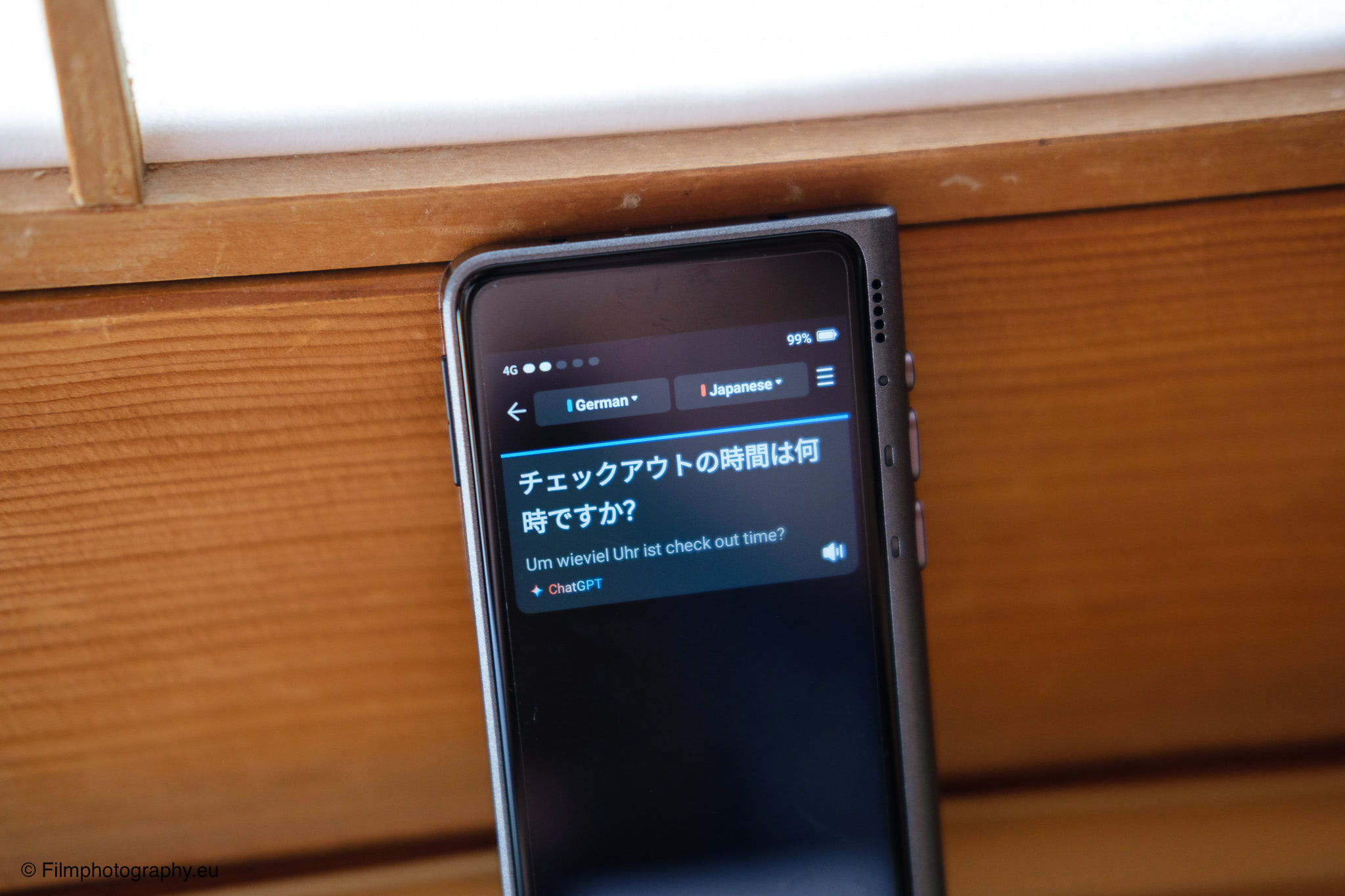
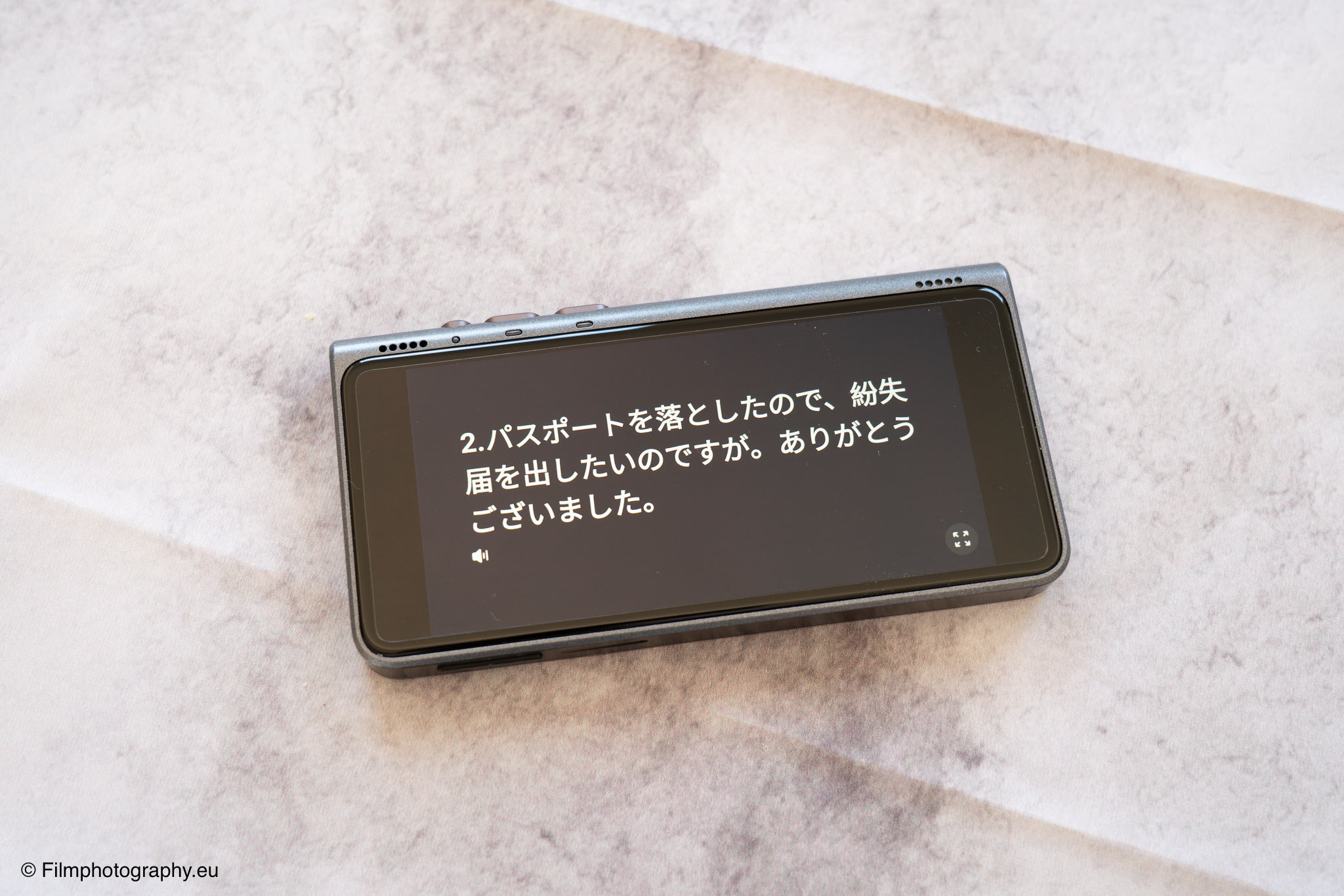
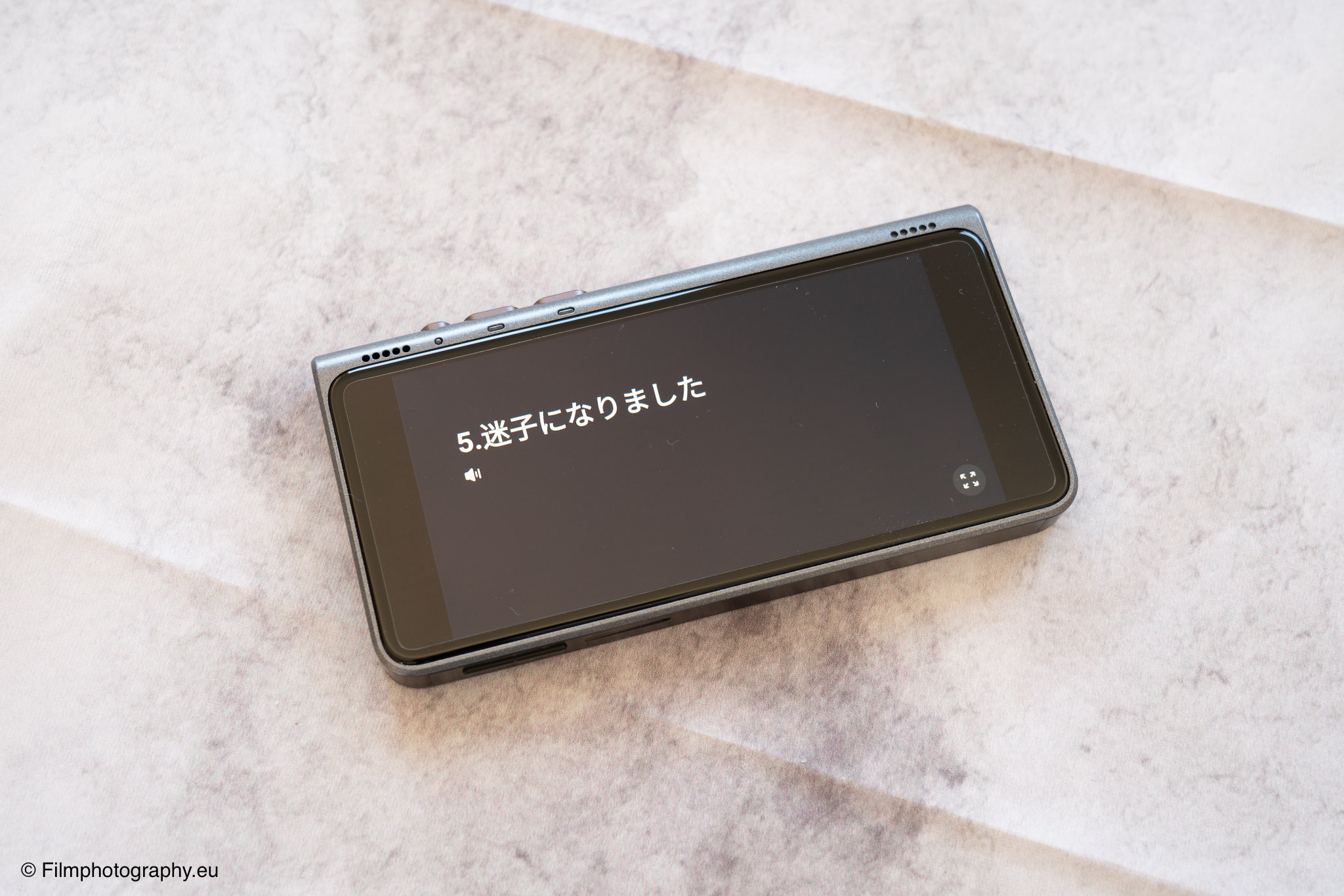
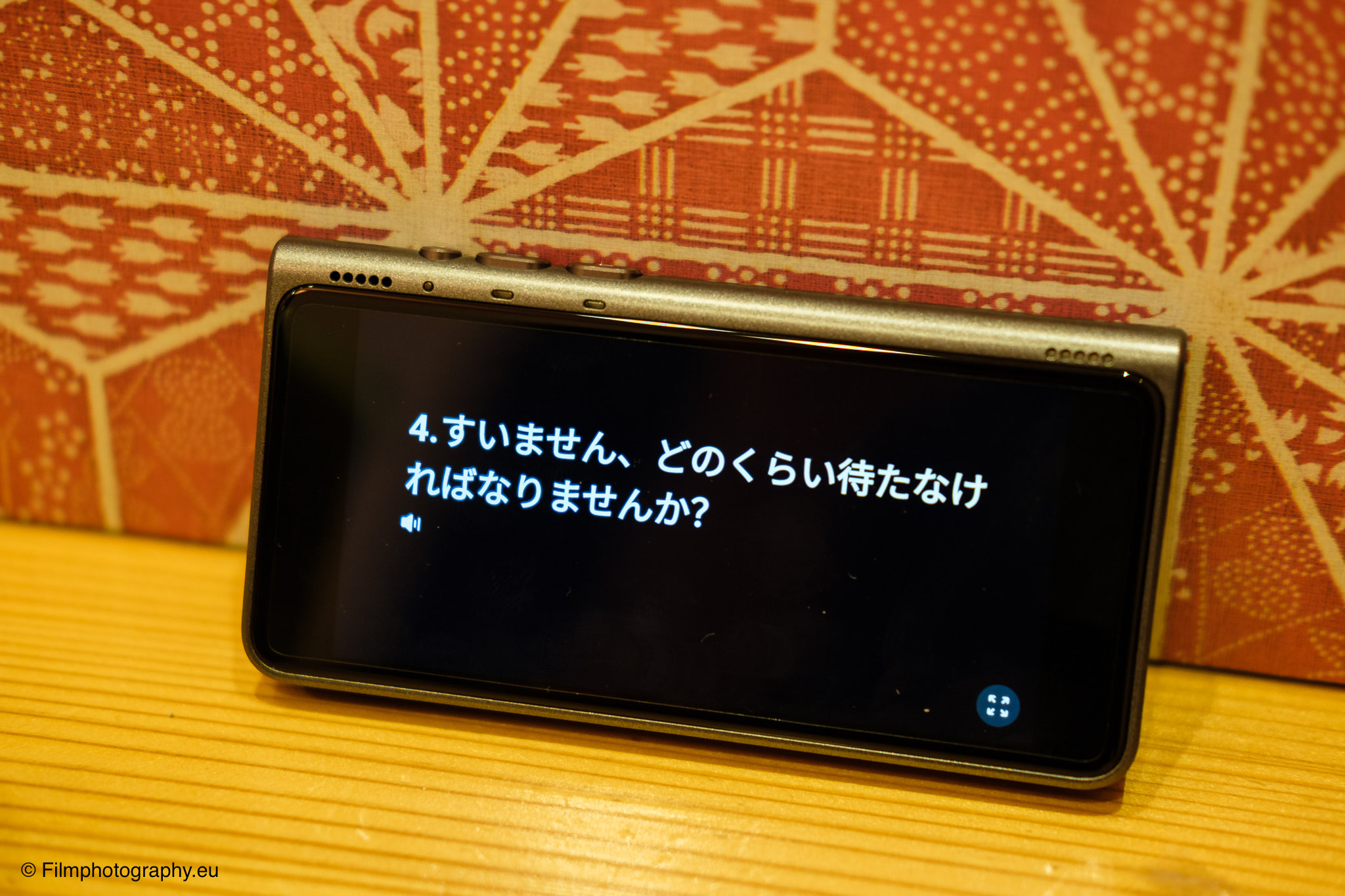
For deeper and longer conversations, the Chat Translation mode proves particularly useful. Here, the screen is split, and the device can be placed on the table between two conversation partners.
The T1 automatically detects who is speaking and translates what is said into the other language. This feature allowed me to have a conversation with an elderly shopkeeper in a small village that went far beyond a simple transaction. We were able to discuss his craftsmanship, and I could understand his stories.
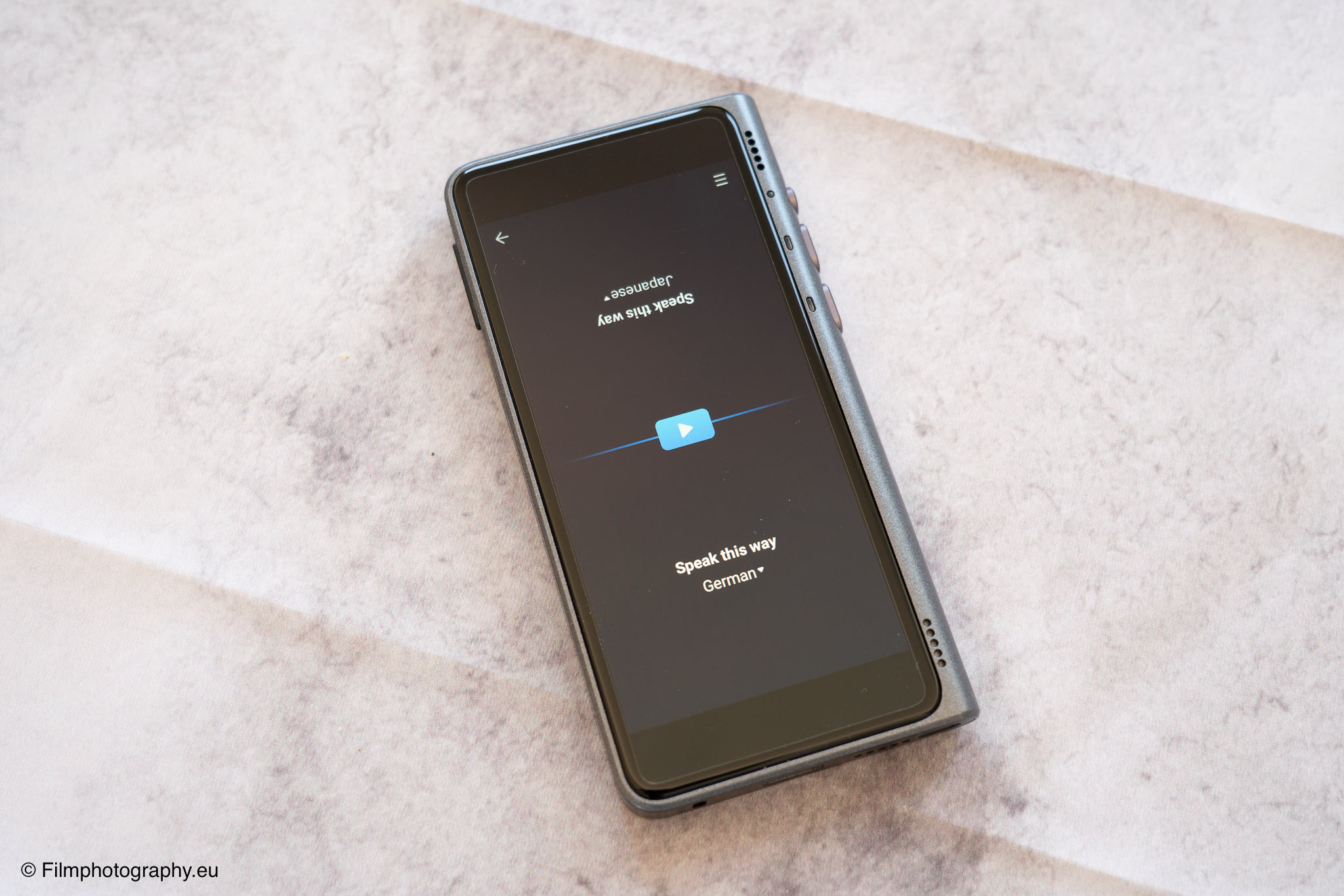
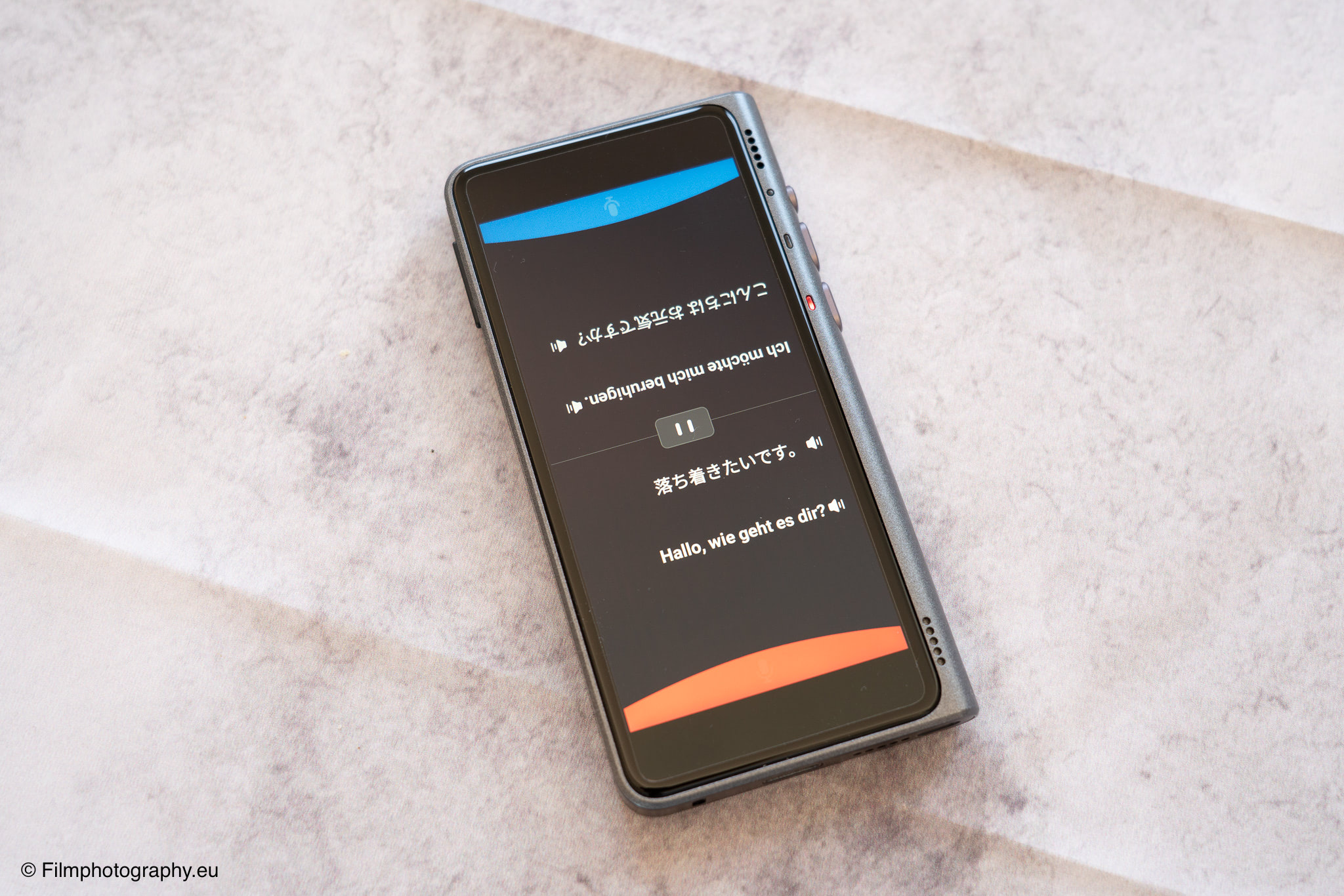
While the AI-based translations don’t reach the nuances and cultural finesse of a human interpreter, the accuracy is astonishingly high. In most cases, I was understood without problems, and my counterparts’ responses were also processed intelligibly for me. In some instances, the translations even seemed more precise and natural than those I was used to from common smartphone apps.
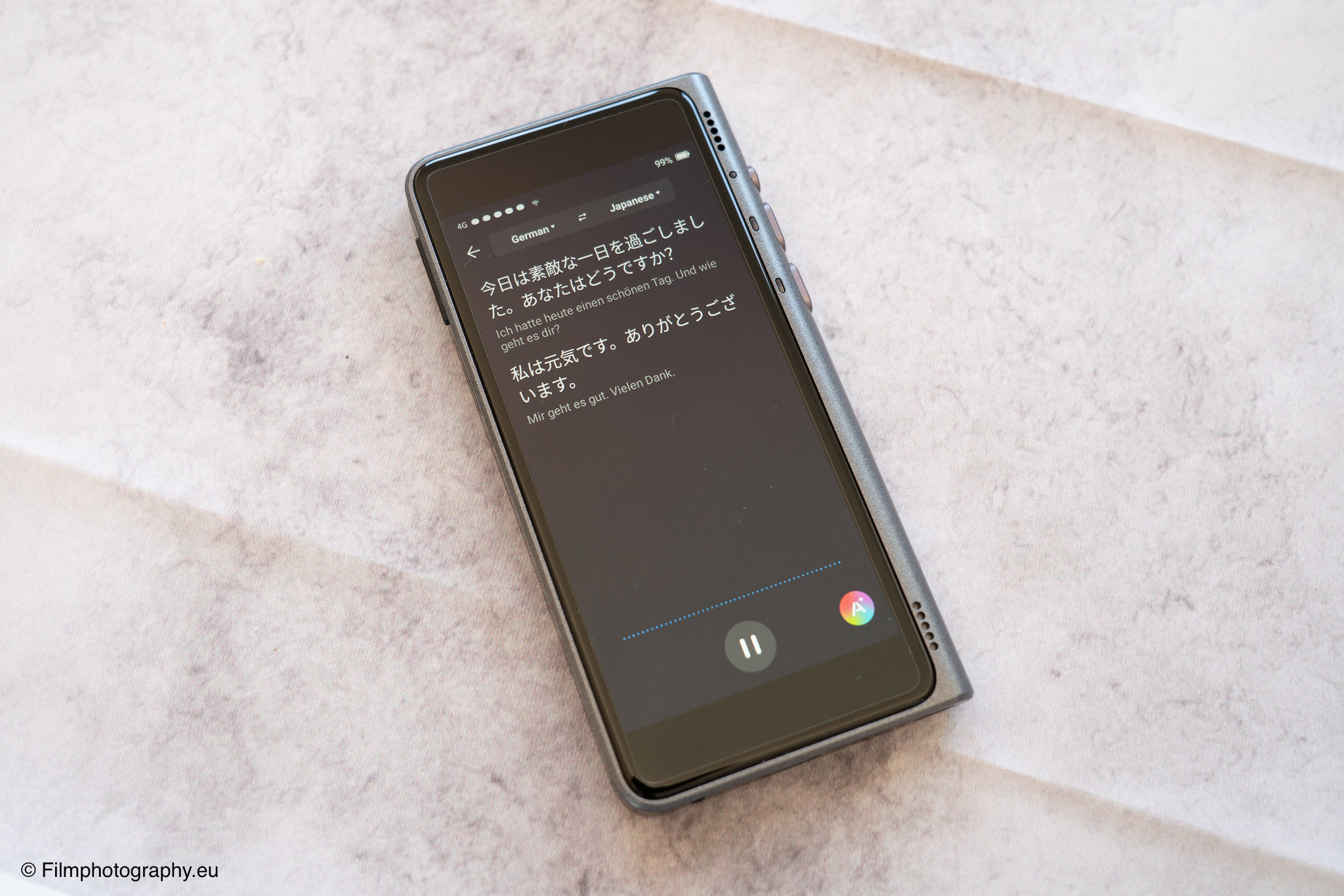
Another mode that proved very practical is the Listen Mode. When activated, the device continuously records ambient sounds and translates spoken language live on the screen. This is ideal for lectures or announcements at the train station. The multi-microphone array, combined with noise cancellation, ensures that human voices are well captured even in noisy environments.
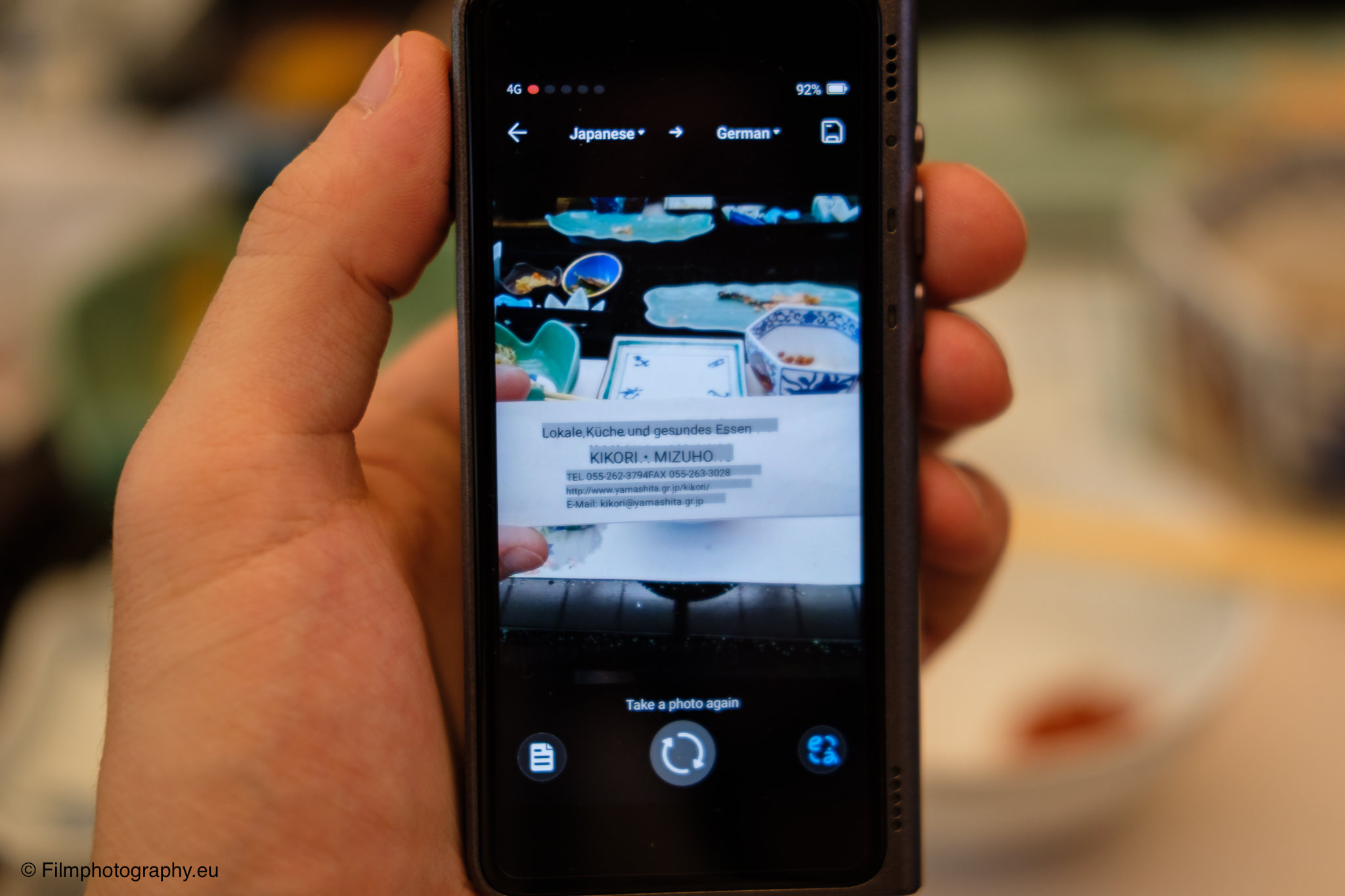
As a photographer, I was particularly keen on the Photo Translation function. With the integrated eight-megapixel camera, texts like menus, street signs, or information boards can be photographed and translated. This worked well in practice and saved me the tedious manual typing of foreign characters.
However, a slight limitation became apparent with very large restaurant menus. The camera’s lens could be slightly wider-angled. So, I sometimes had to take multiple photos to capture an entire page and piece the individual parts together in my head. Nevertheless, it was an enormous help and prevented quite a few surprises when choosing food.
The conclusion from my experience with the Timekettle T1 is nuanced. It is undoubtedly a powerful tool. The build quality, speed, and accuracy of the translations are convincing.
However, the biggest advantage over using a smartphone lies not just in the technology, but in the feeling of security and freedom from worry. Handing a dedicated translation device to a helpful passerby on the street to clarify a complicated question feels much better than handing over your own smartphone.
The device is designed for a single purpose and excels at it. It’s not an all-rounder, nor does it want to be.
Whether it’s useful for every traveler depends heavily on individual needs. For someone who mainly stays in tourist centers and has only superficial conversations, an app might suffice.
But for a traveler like me, who likes to go off the beaten path, seeks deeper insights, and values direct contact with local people, the Timekettle T1 offers real added value.
It builds bridges where words fail and enables a level of interaction that would otherwise remain inaccessible. It’s not a substitute for learning a language, but a remarkable support on the way there.
The device is easiest to buy online via the manufacturer’s website.