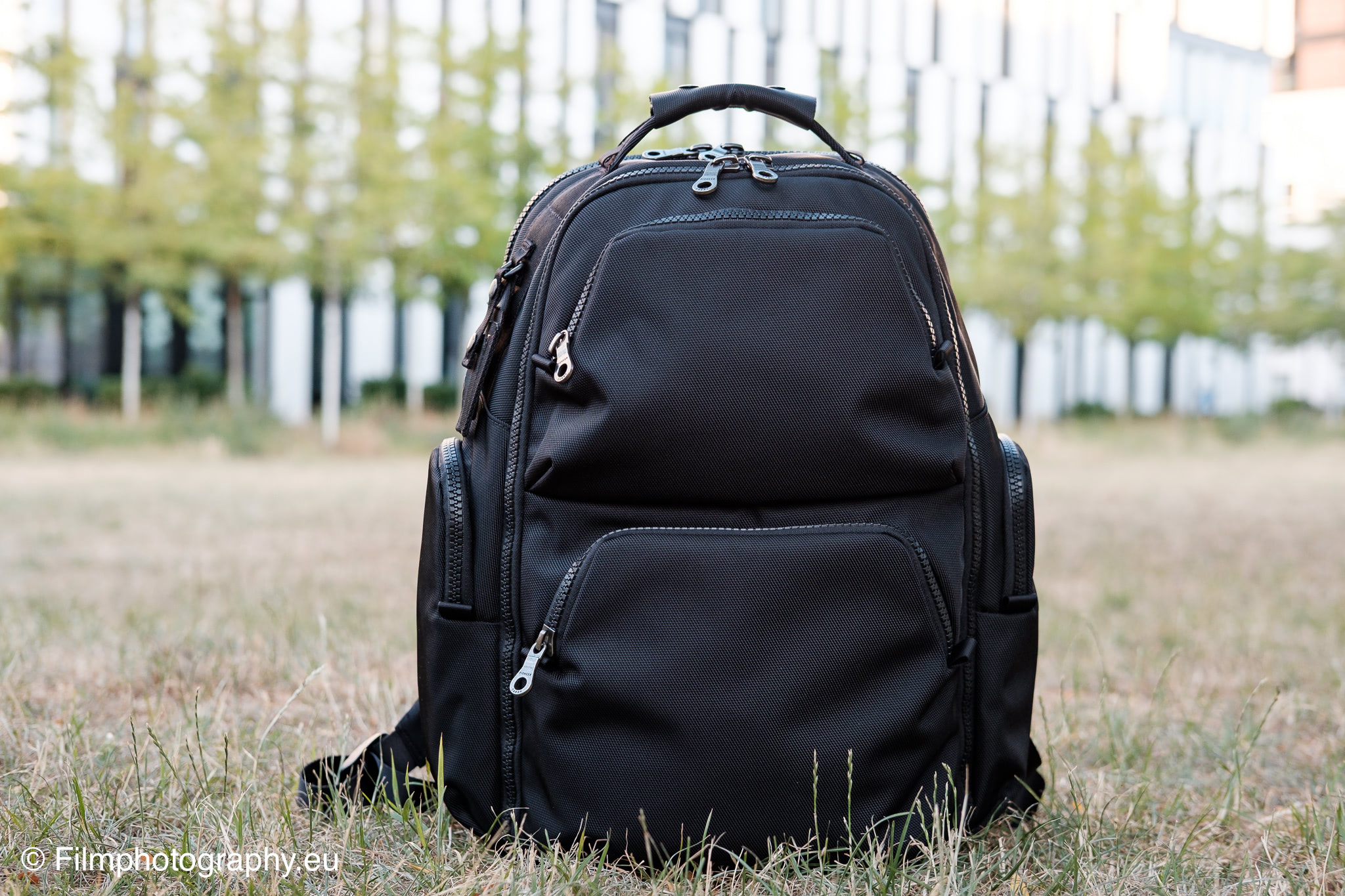
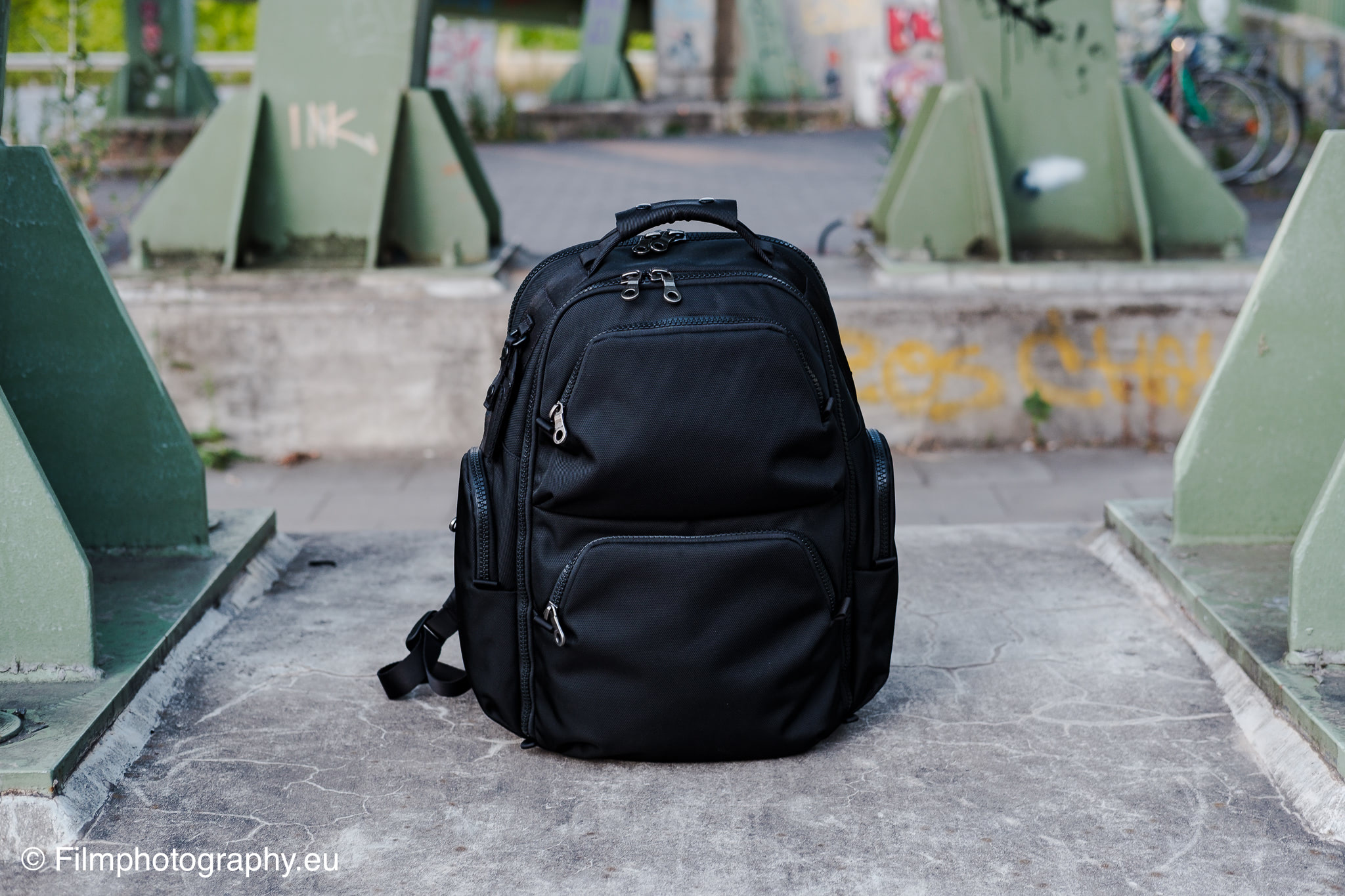
In the world of backpacks, there is a wealth of options, ranging from ultralight, technical daypacks to classic leather and canvas models. The Pioneer Panda Pack positions itself in an interesting segment in between. It tries to bridge the gap between technical functionality and an aesthetic that cuts a good figure in urban environments as well as when traveling.
This test report highlights the second, revised version of the Pioneer Panda Pack backpack, its materials, features, and practical applications, especially for carrying analog photo equipment.
Background of the Pioneer Brand
Pioneer Carry, the brand behind the Panda Pack, has its roots in the development of technical wallets and small accessories. The founder, Henry Lefens, began his career as an industrial designer at a large outdoor company. There, he developed a fascination for advanced textiles and manufacturing processes and wanted to transfer the precision and technology of hard goods like carabiners and ice axes to soft goods.
The company’s philosophy focuses on using specially developed, state-of-the-art materials and precise manufacturing methods to create durable and functional products. This approach, which began with small items, has now been extended to a line of bags and backpacks, including the Panda Pack.
The brand emphasizes a long development time, often up to two years for a new product, to ensure functionality through intensive testing in the lab and in the field.
Material, Size, Weight, and Workmanship
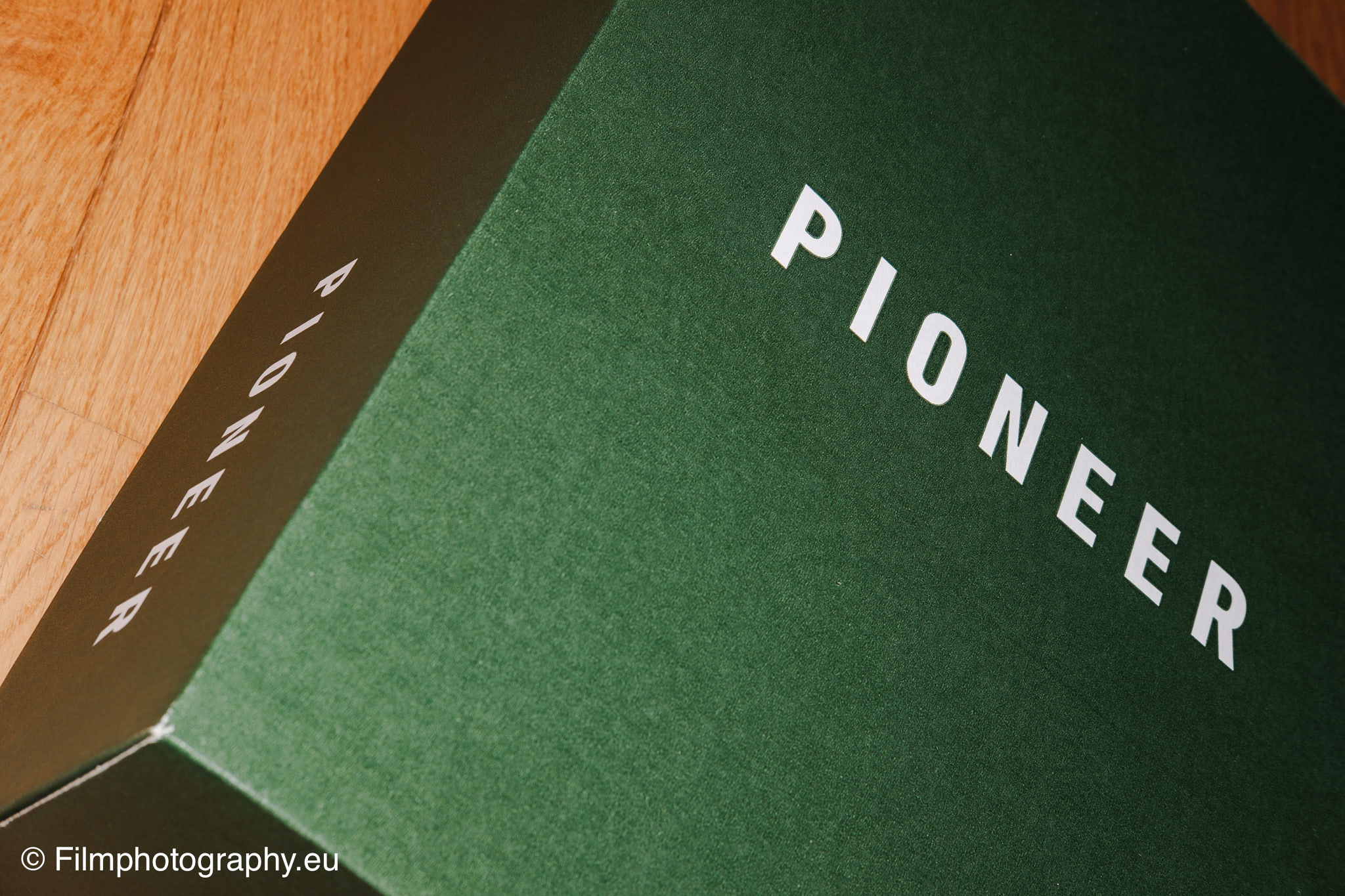
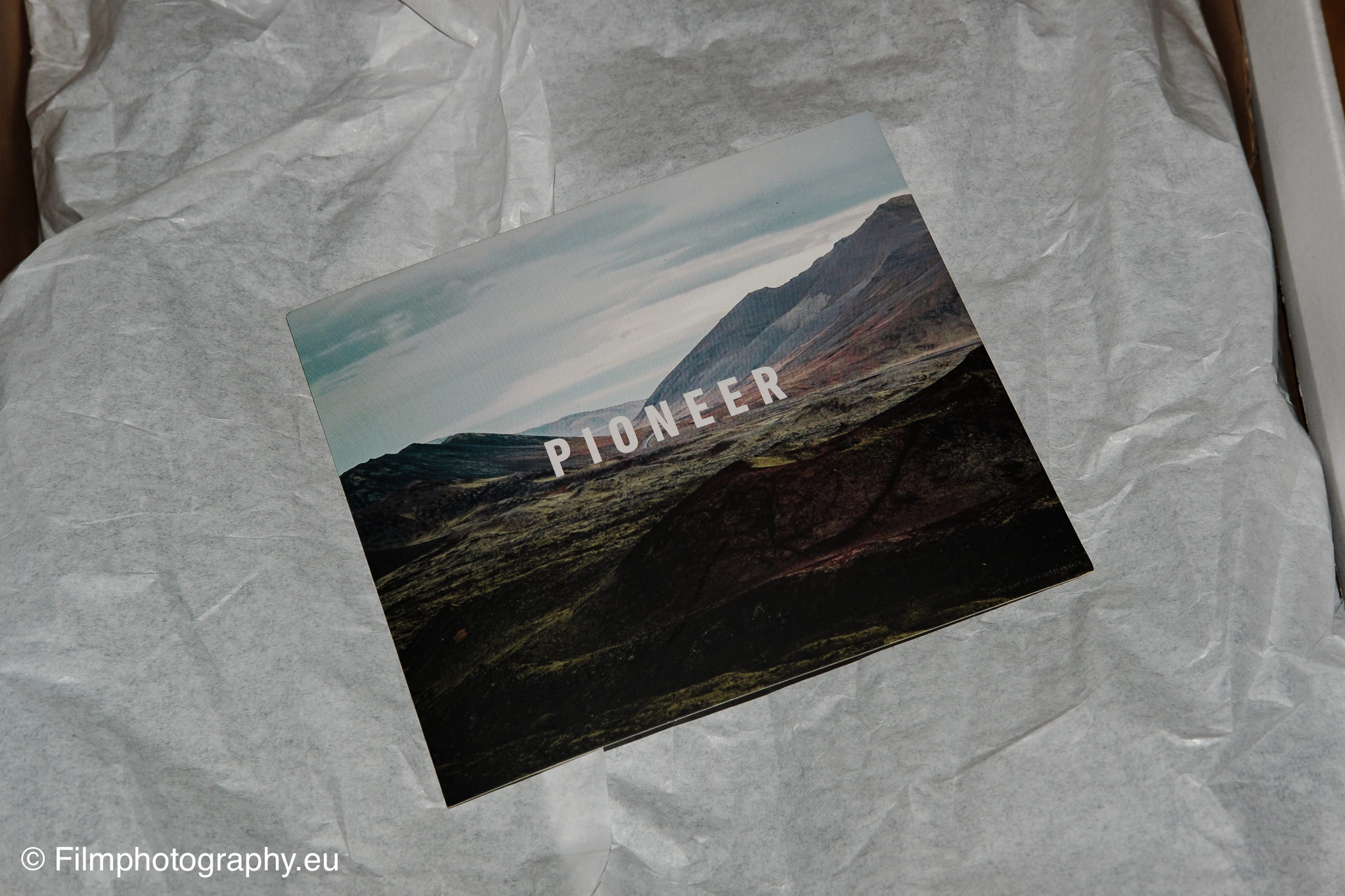
Even upon delivery of the Panda Pack, you get a premium feel. It arrives in a sturdy cardboard box, which stands out from the usual plastic bag packaging, accompanied by a small card.
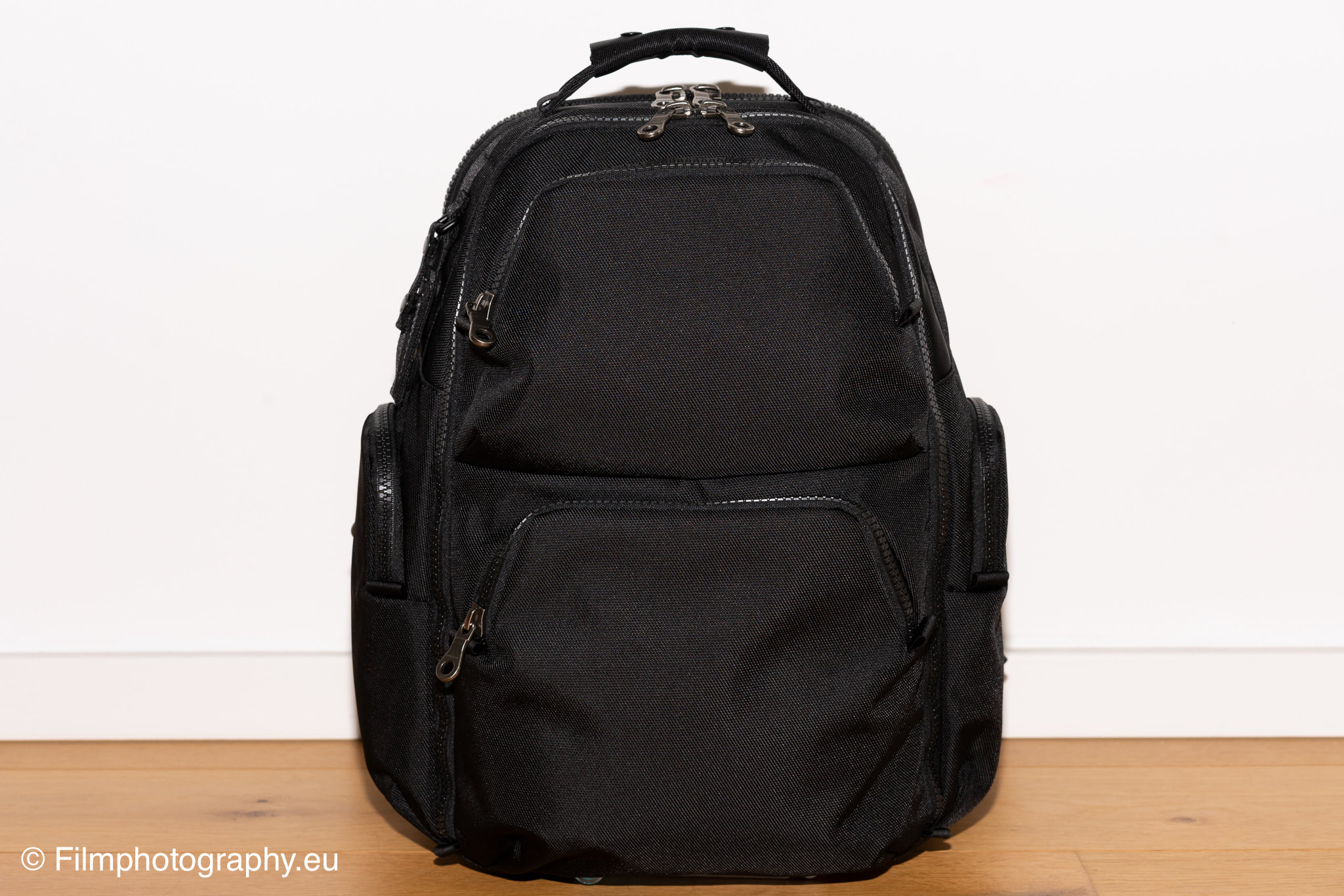
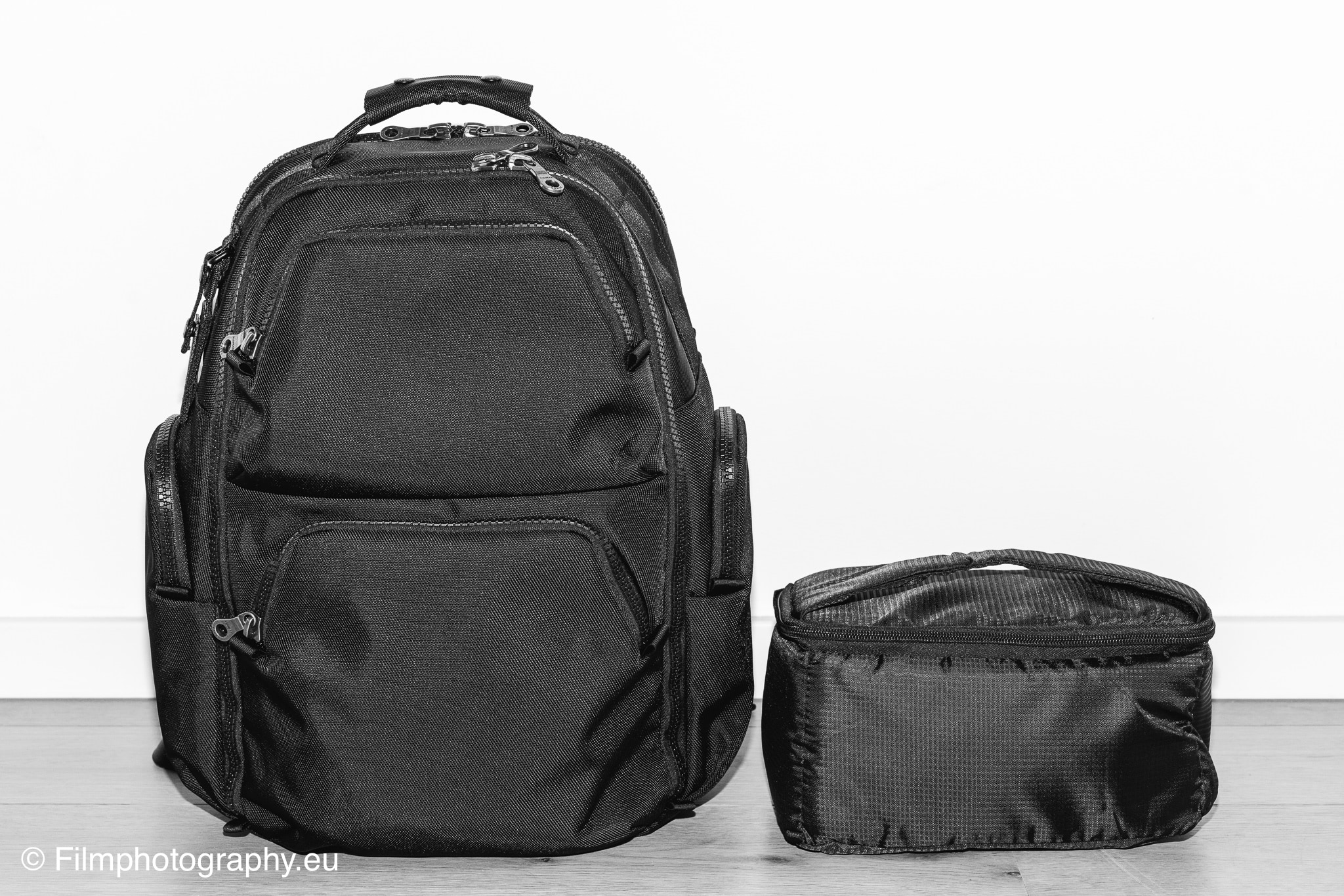
When you first hold the backpack, the first word that comes to mind is “solid.” You immediately feel the weight and density of the materials used. The workmanship is at a high level; all seams are clean and precisely executed.
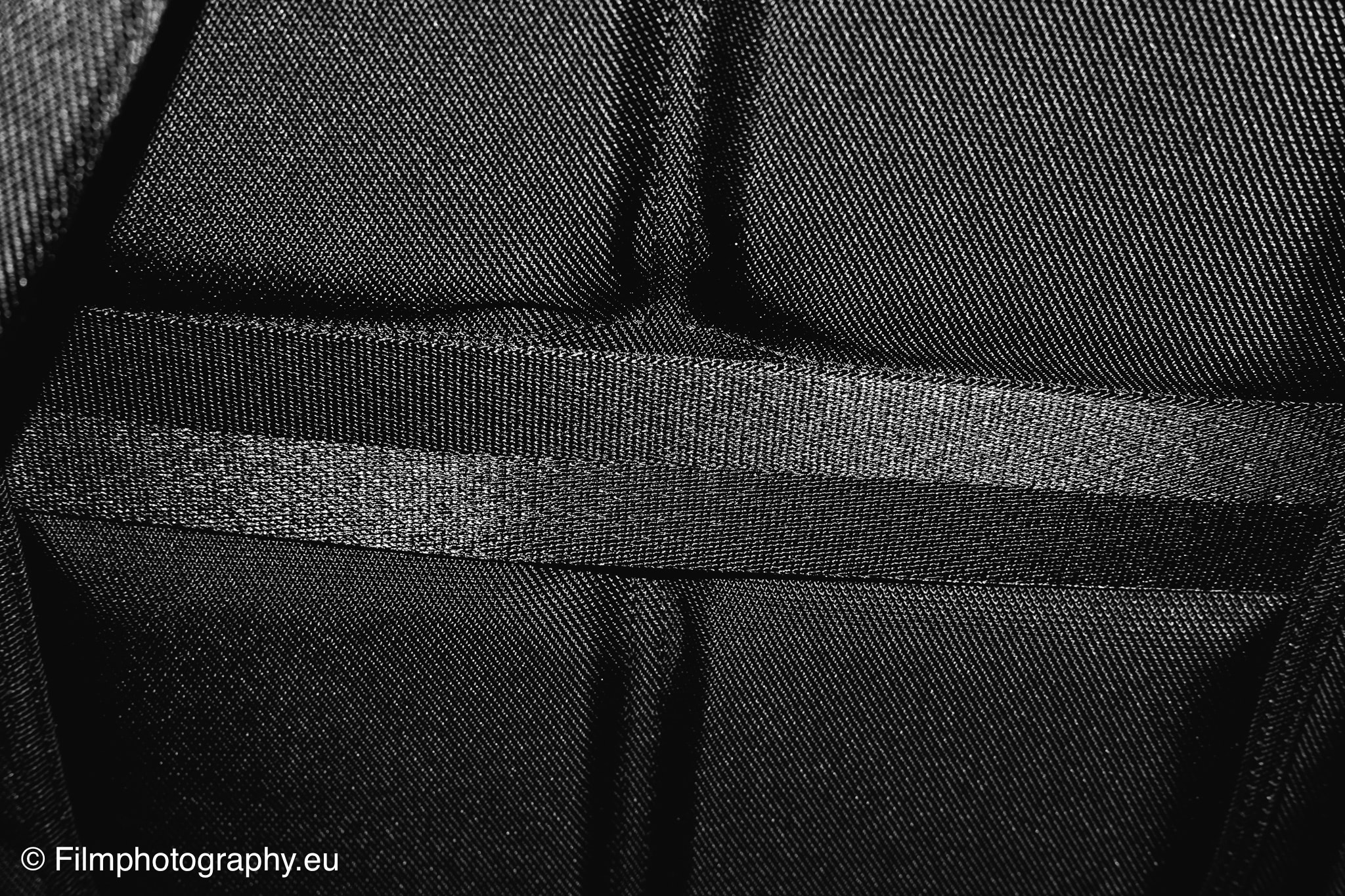
The main material of the backpack is a fabric called MANDARIN 840. This is a high-strength Ballistic Nylon with 840 Denier, specially developed by Pioneer. The material is characterized by a special dobby weave process with twisted yarns, resulting in a denser and stronger structure.
The material promises excellent abrasion resistance and a DWR (Durable Water Repellency) coating on the outside, as well as a waterproof membrane on the inside. Pioneer emphasizes that the entire backpack is made of 100 percent nylon and consciously avoids polyester or stretch materials that could stretch out over time. This contributes to the backpack’s robust and dimensionally stable character.
The backpack is currently offered in black, a black camouflage pattern, and dark green. An expansion of the color palette to include a dark blue or lighter tones like beige would certainly be exciting.
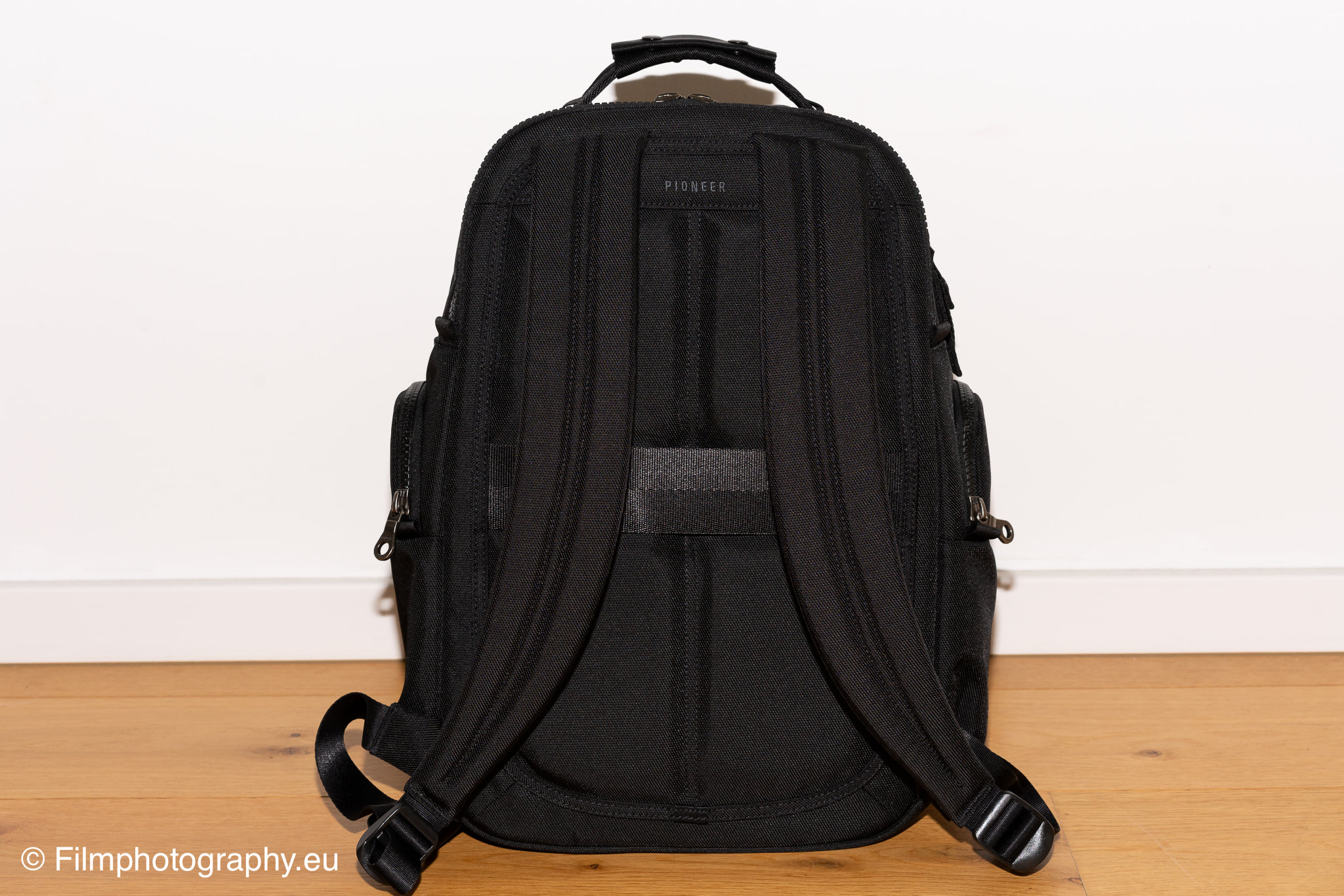
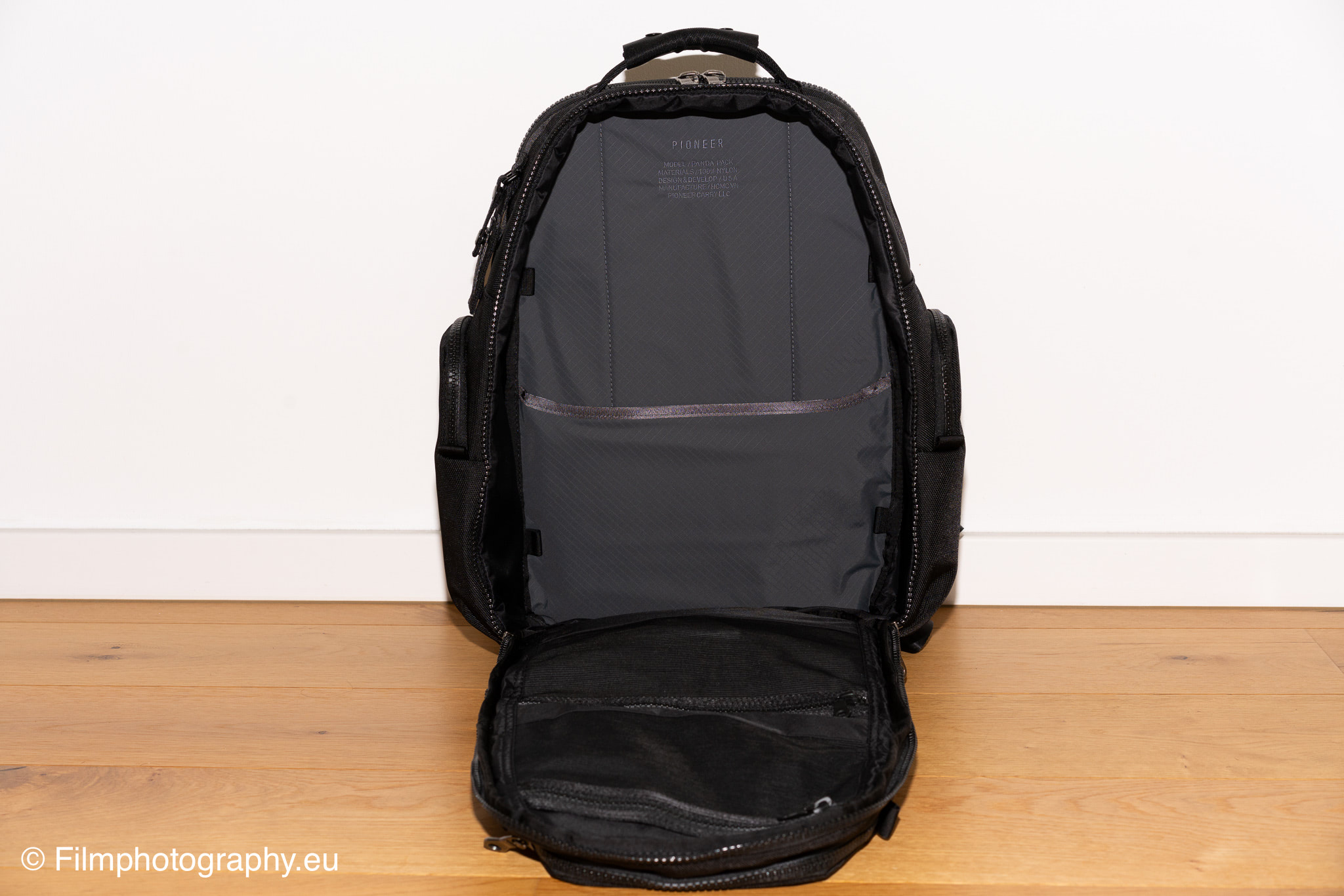
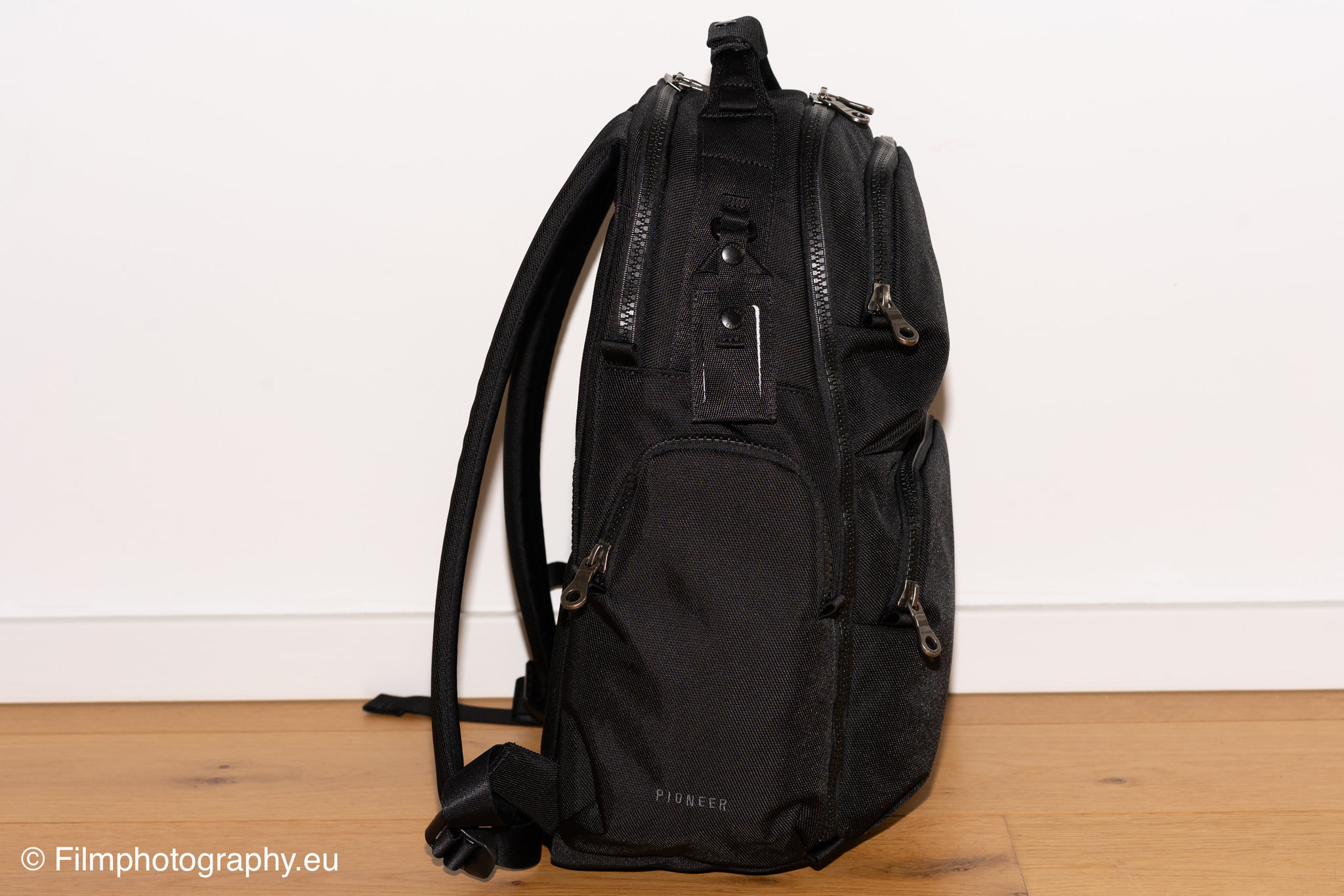
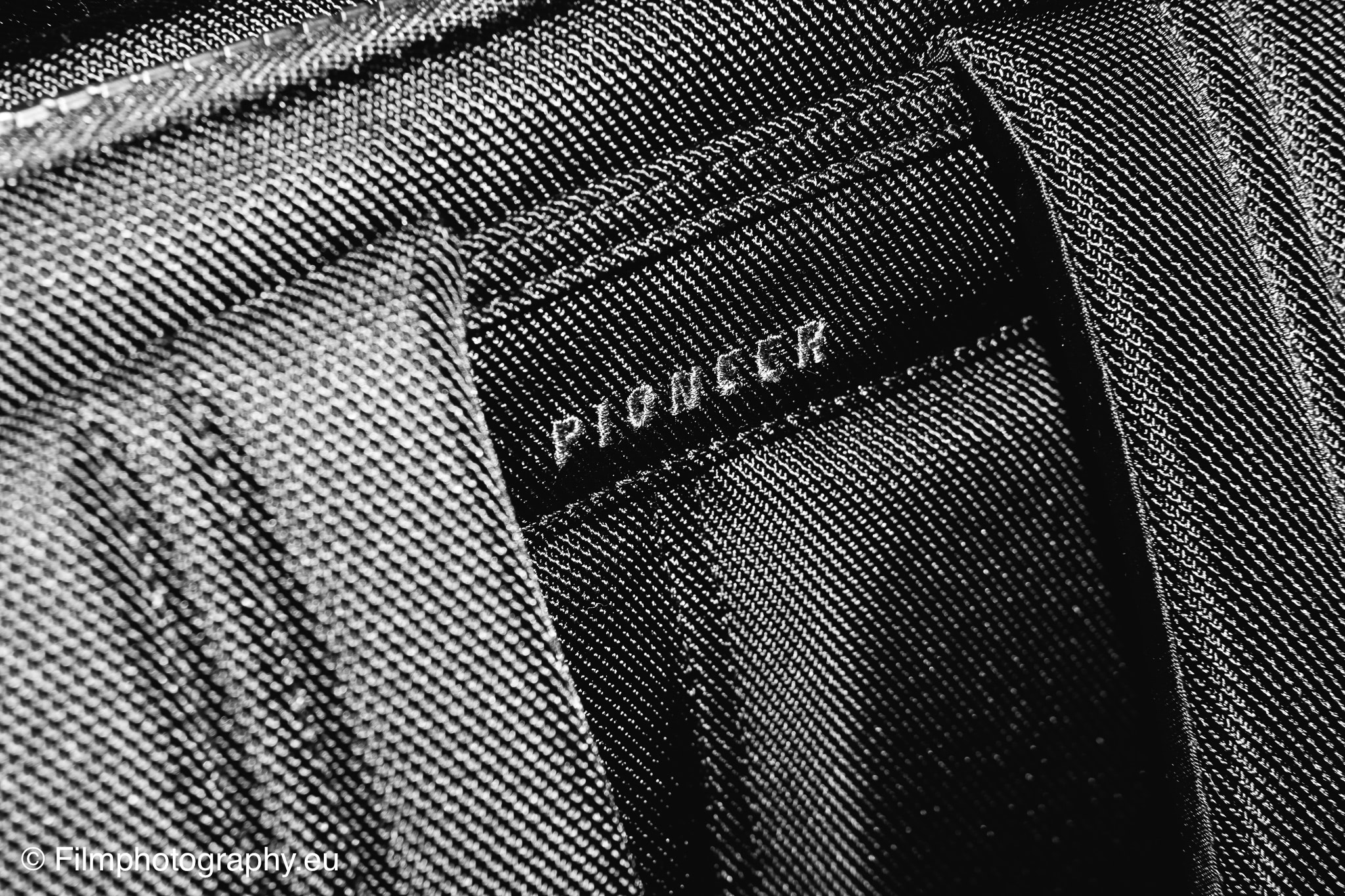
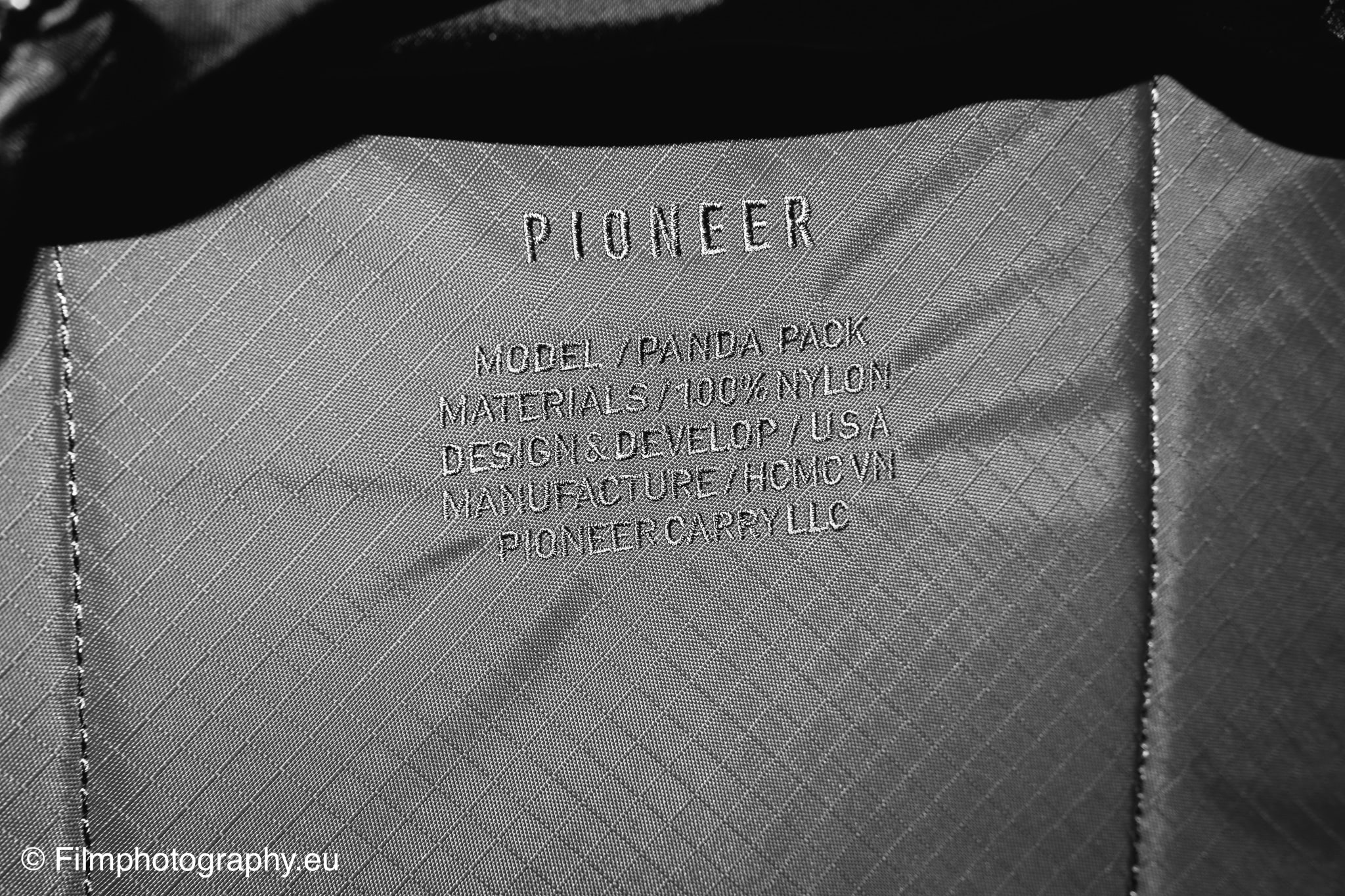
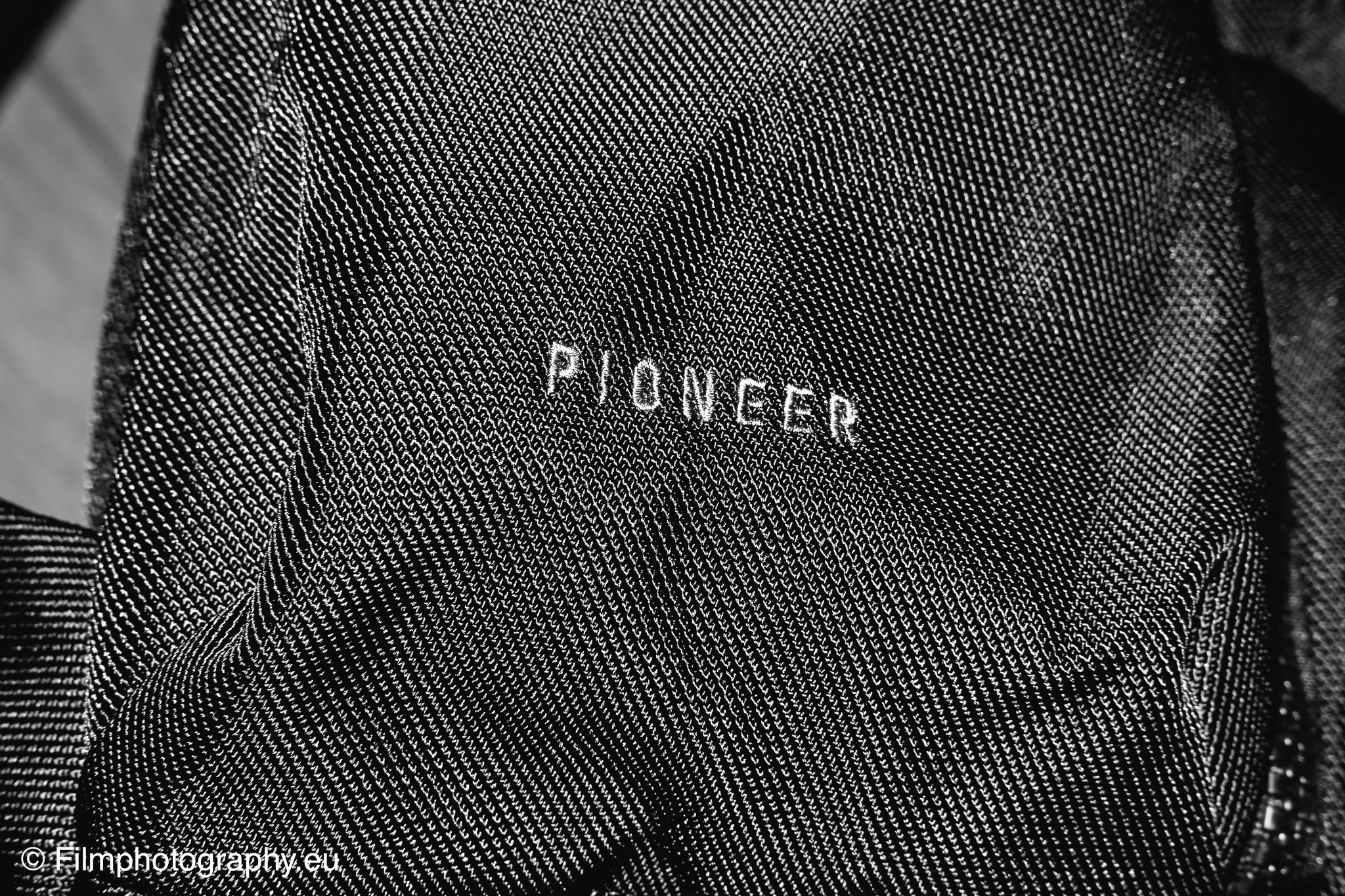
The branding is refreshingly understated. A discreetly sewn-in logo is found only on the side and above the back panel. The brand name “Pioneer” is also subtly embossed on the metal zipper pulls. Inside, another sewn-in label provides information about the model and its manufacturing. The backpack is made in Vietnam.
With dimensions of approximately 45 x 29 x 20 centimeters (official specifications: 17.5″ x 11.5″ x 8″) and a volume of 25 liters, it falls into a common carry-on size for most major airlines.
However, for carriage as a smaller, free “Personal Item” on some low-cost airlines, it might exceed the maximum permissible dimensions. For Ryanair (40 x 30 x 20 cm) and Wizzair (40 x 30 x 20 cm), it is formally too tall. For Eurowings (40 x 30 x 25 cm), the base dimensions fit, but not the height. Only with Easyjet, with dimensions of 45 x 36 x 20 cm, could it pass as a small carry-on item. Checking before the flight is therefore advisable.
Features of the Pioneer Backpack
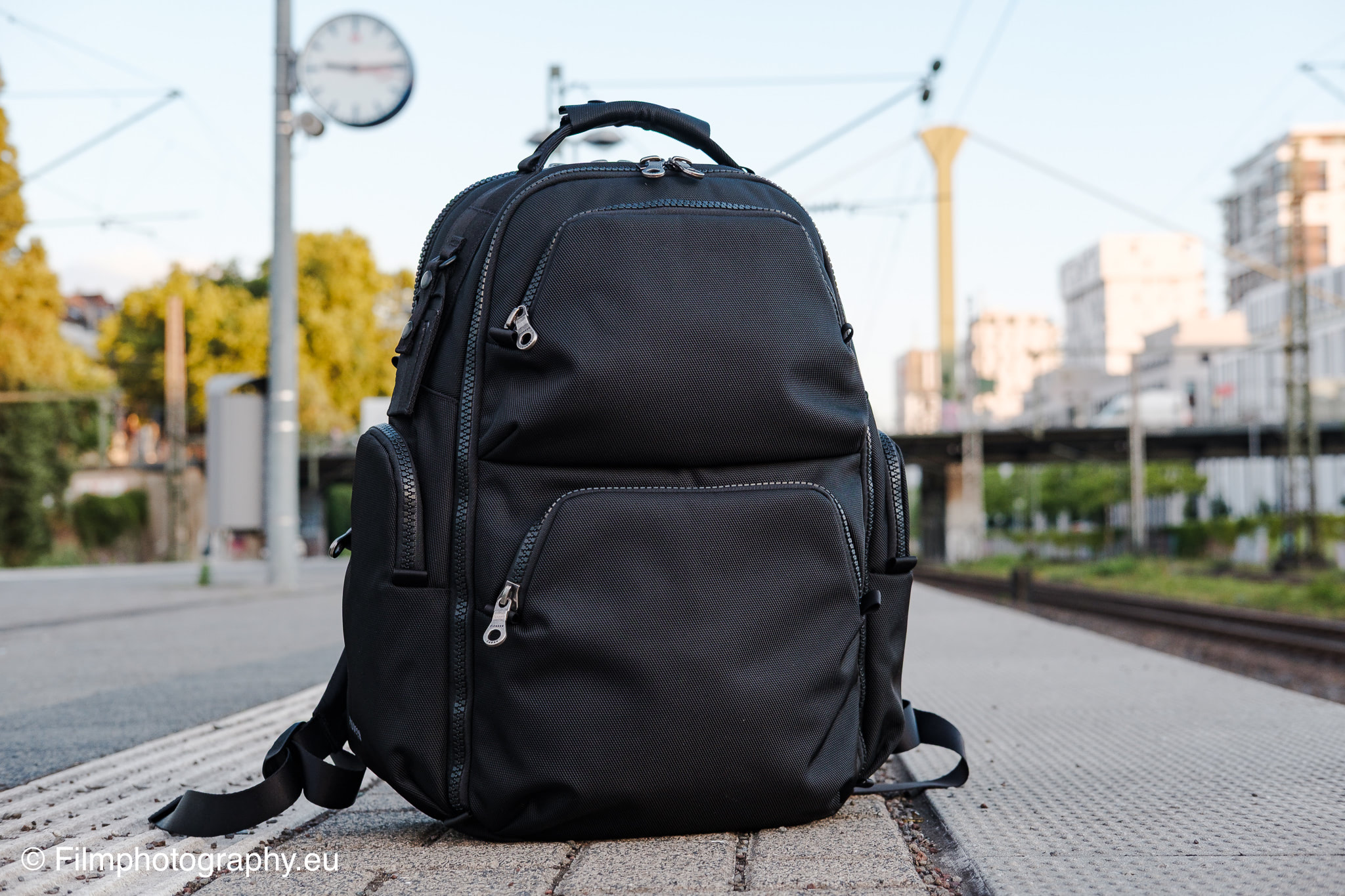
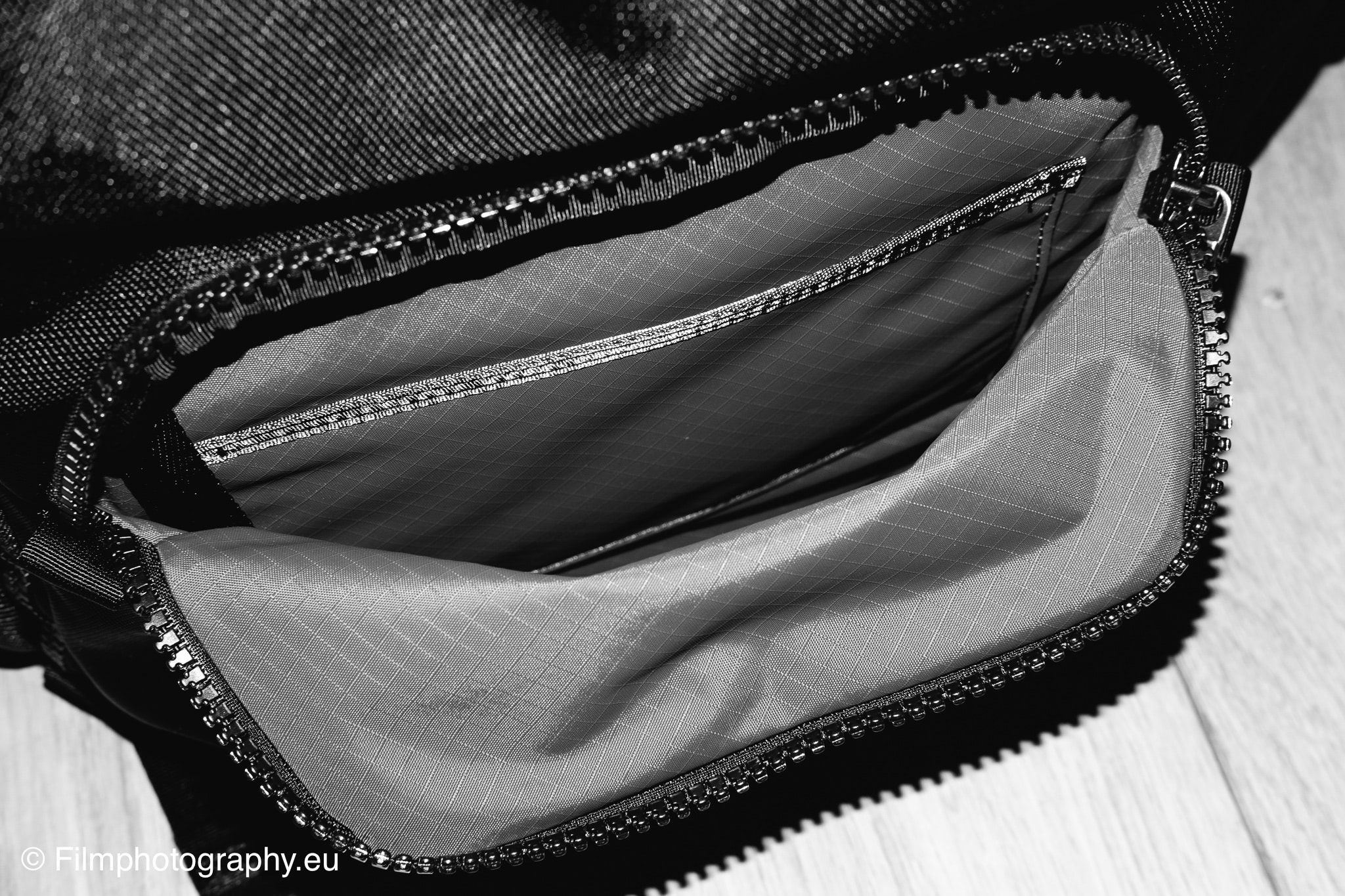
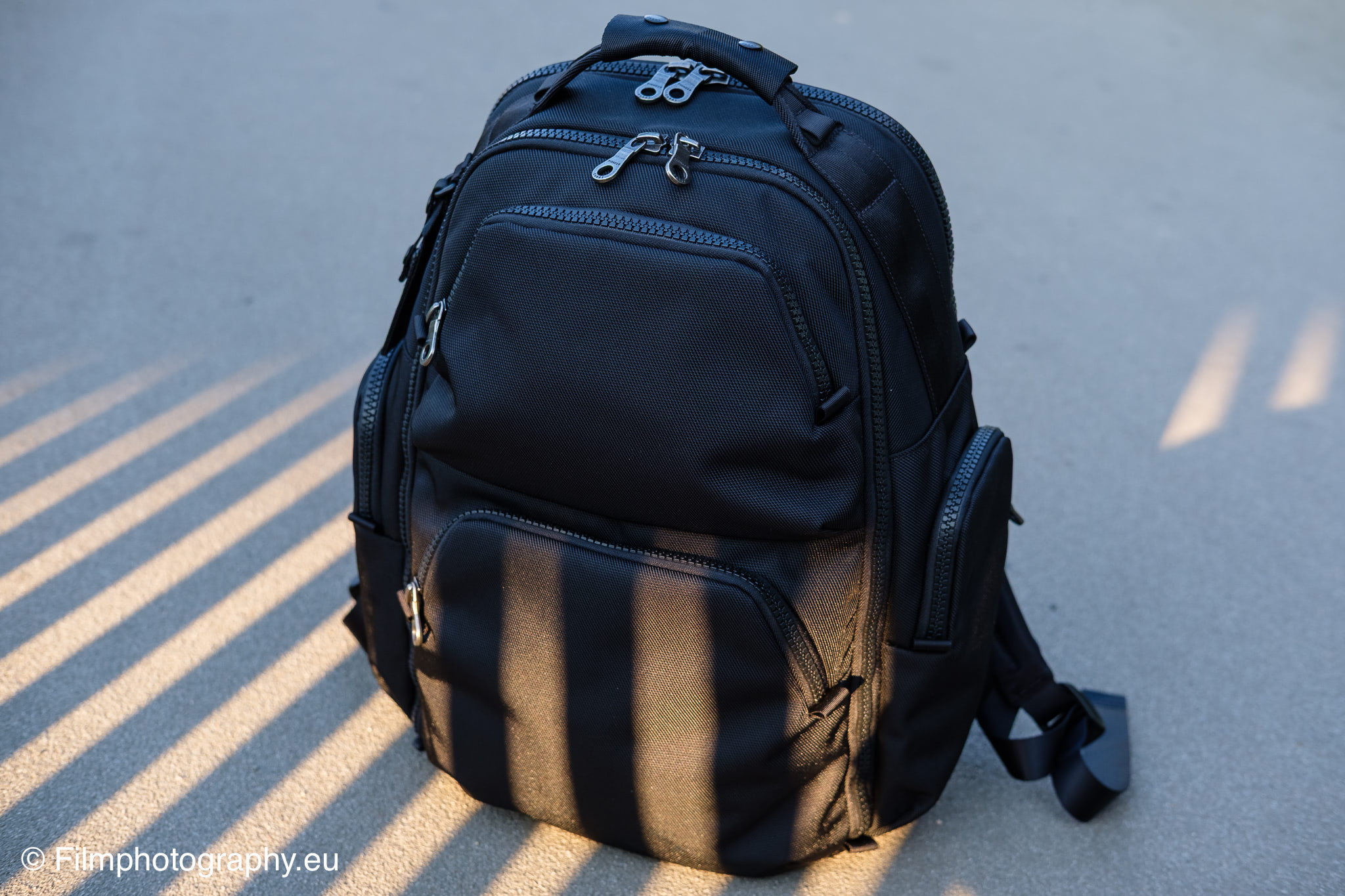
At first glance, the two large, external front pockets catch the eye. These are designed to expand outwards when filled, thus taking up minimal space from the main compartment. When empty, they lie flat.
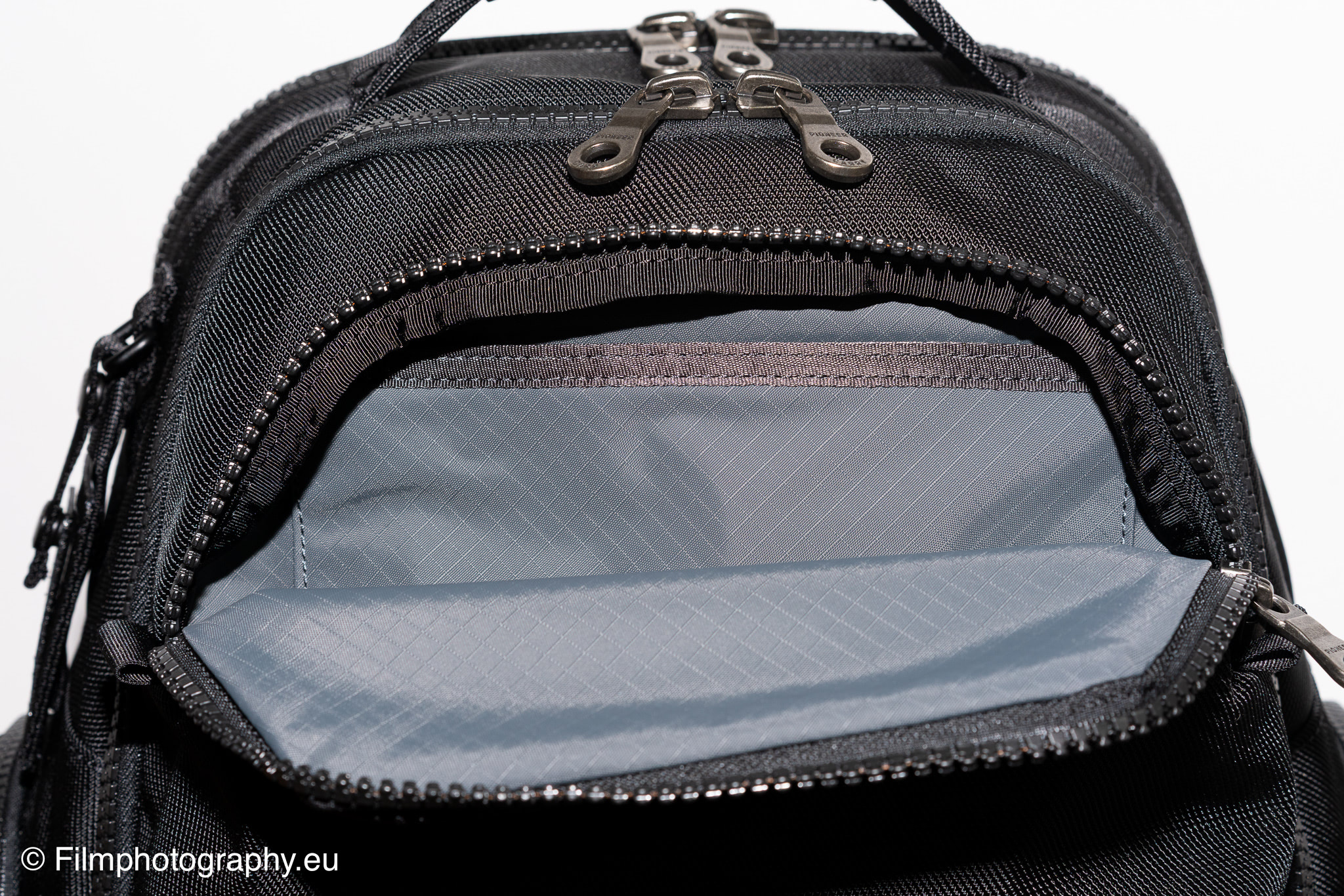
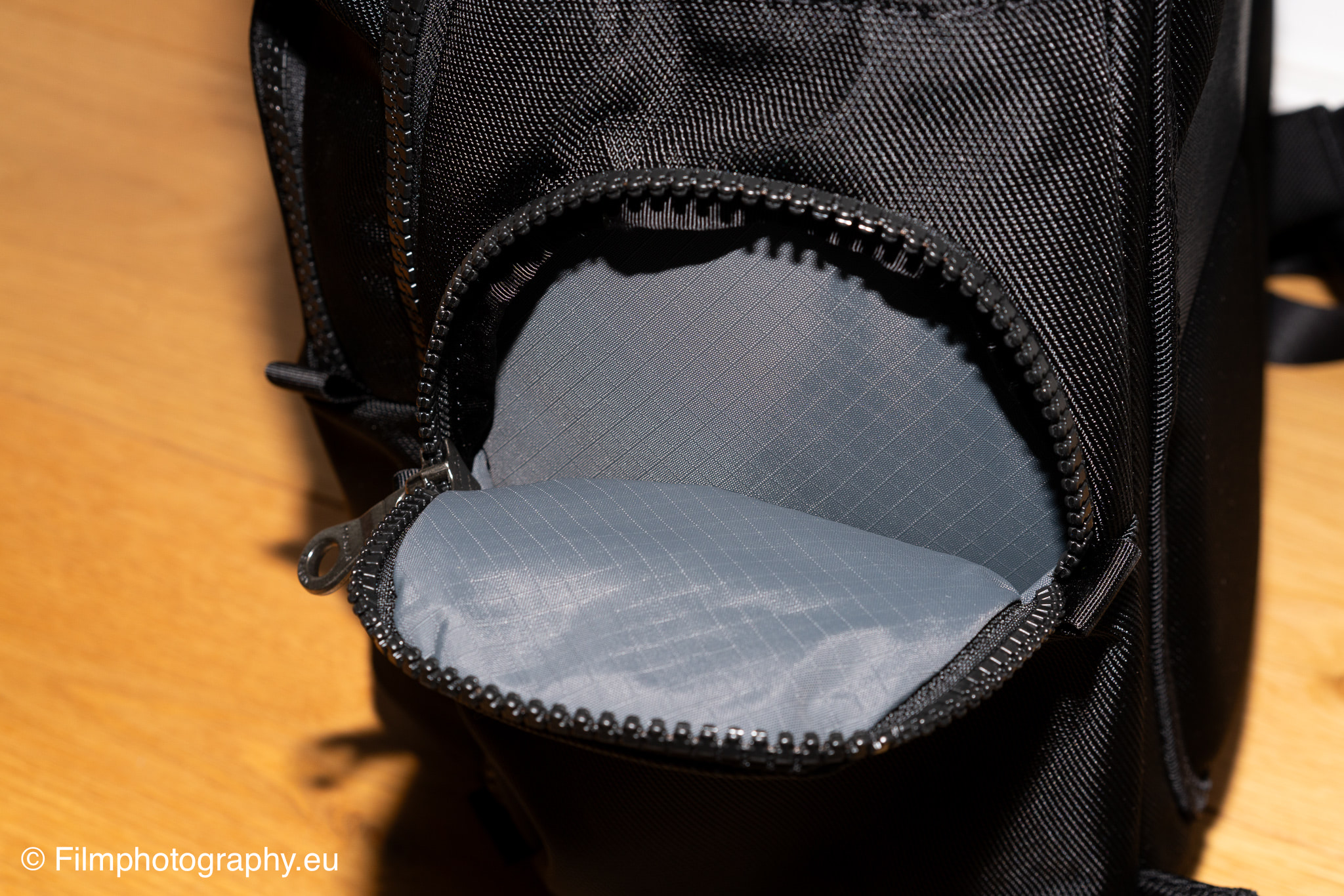
They open wide, providing a good overview of the contents, supported by the light gray interior lining – although a slightly lighter shade could further improve visibility.
The upper of the two compartments is ideal for quick access to items like cables, pens, or a notebook, especially when the backpack is next to you or between your legs, for example, on a bus or plane.
Pioneer consciously refrains from excessive internal organization with many small slip pockets, which increases flexibility and encourages the user to use their own pouches and cases. The size of the compartments is designed to perfectly accommodate the Pioneer Global Pouches.
Both compartments have a divider. Here you can store cables, some pens, or similar items.
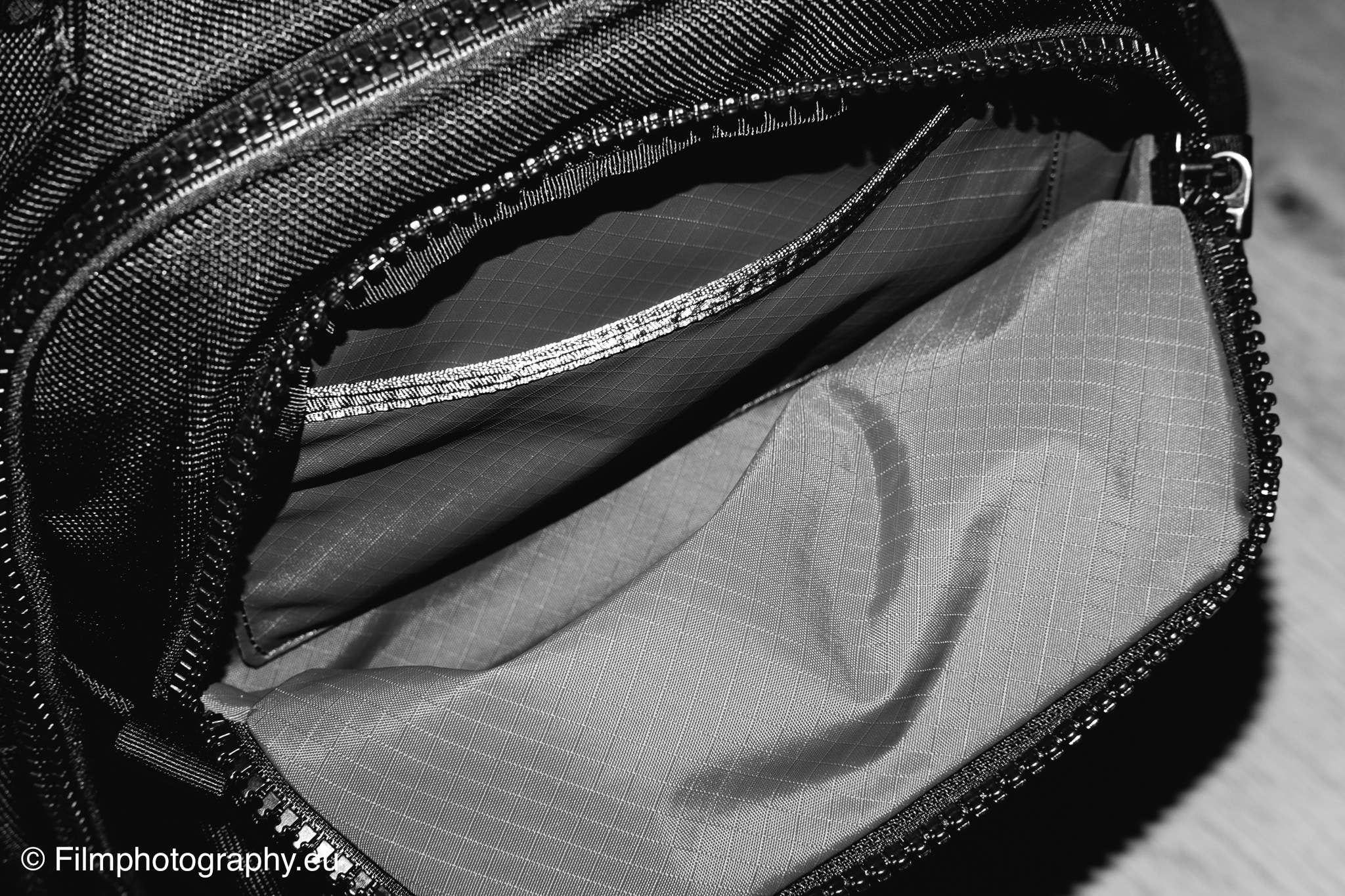
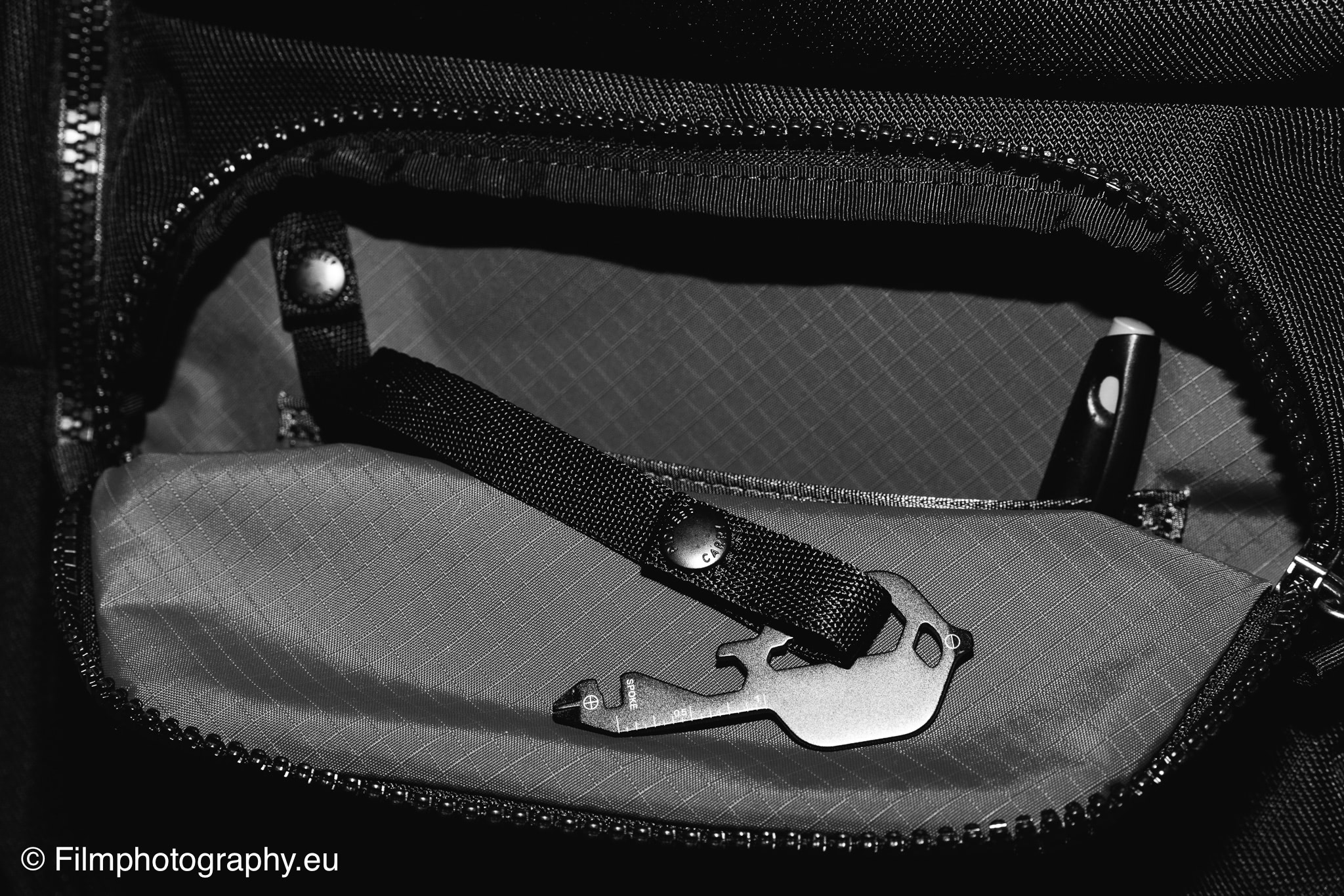
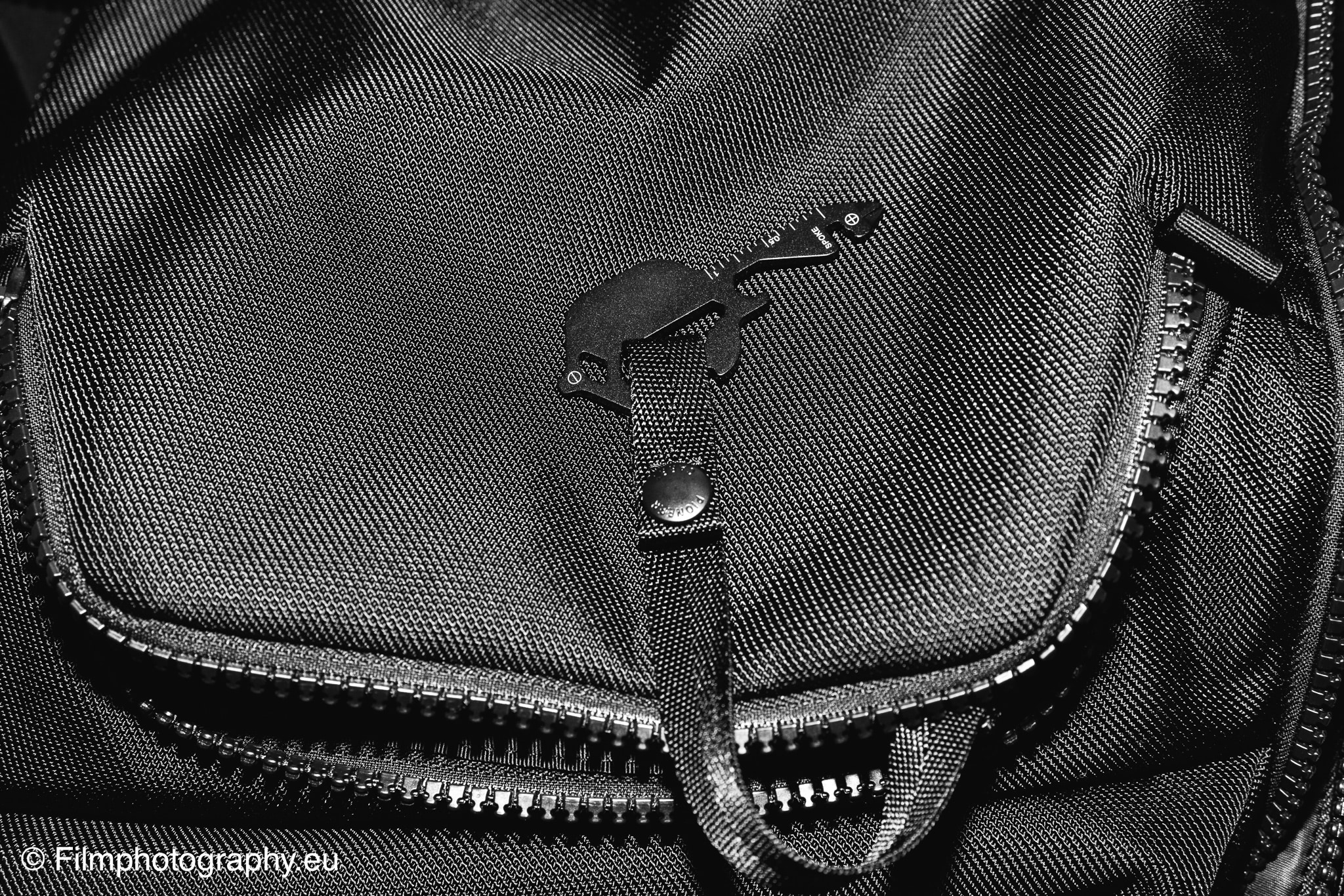
The lower front compartment features a key leash. This is equipped with snap buttons at both ends, allowing a set of keys to be quickly attached and detached with one hand.
The length is sufficient to unlock a door without having to set down the backpack, but could be a bit more generous for some applications. The leash is attached to a simple loop, allowing you to use your own leash if needed or forgo it entirely.
A second attachment option for the leash in the upper compartment or in one of the side pockets would have been desirable. Especially when you have a larger case in the compartment, using a key is a bit cumbersome.
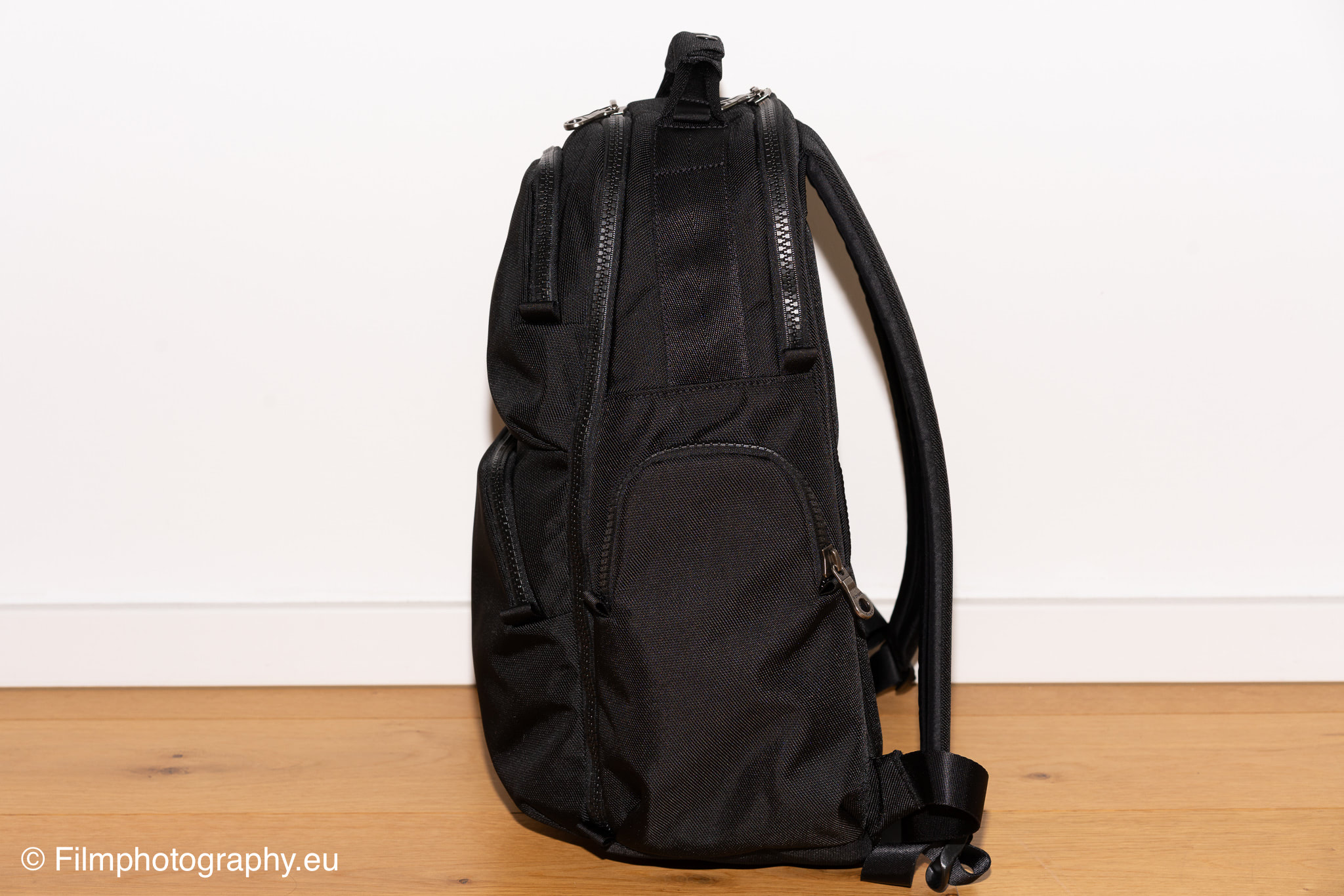
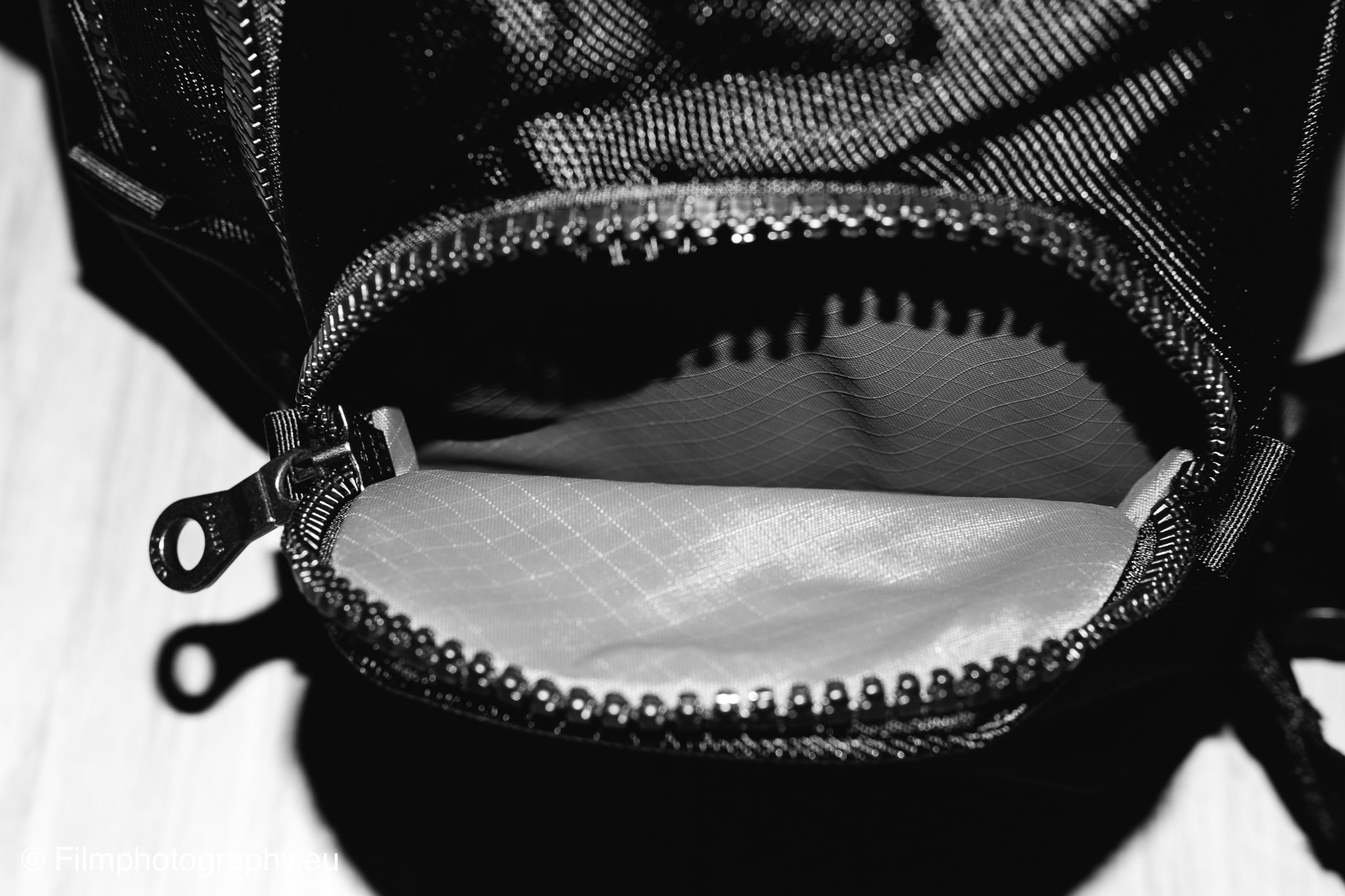
There are zippered pockets on both sides of the backpack. In the second version of the Panda Pack, these have been made taller to hold items more securely. They are well-suited for a light meter, a small travel tripod, or an umbrella. Since the pockets are not padded, you should be careful with sensitive items when setting the backpack down. A simple solution would be to insert a small padding element from a camera bag.
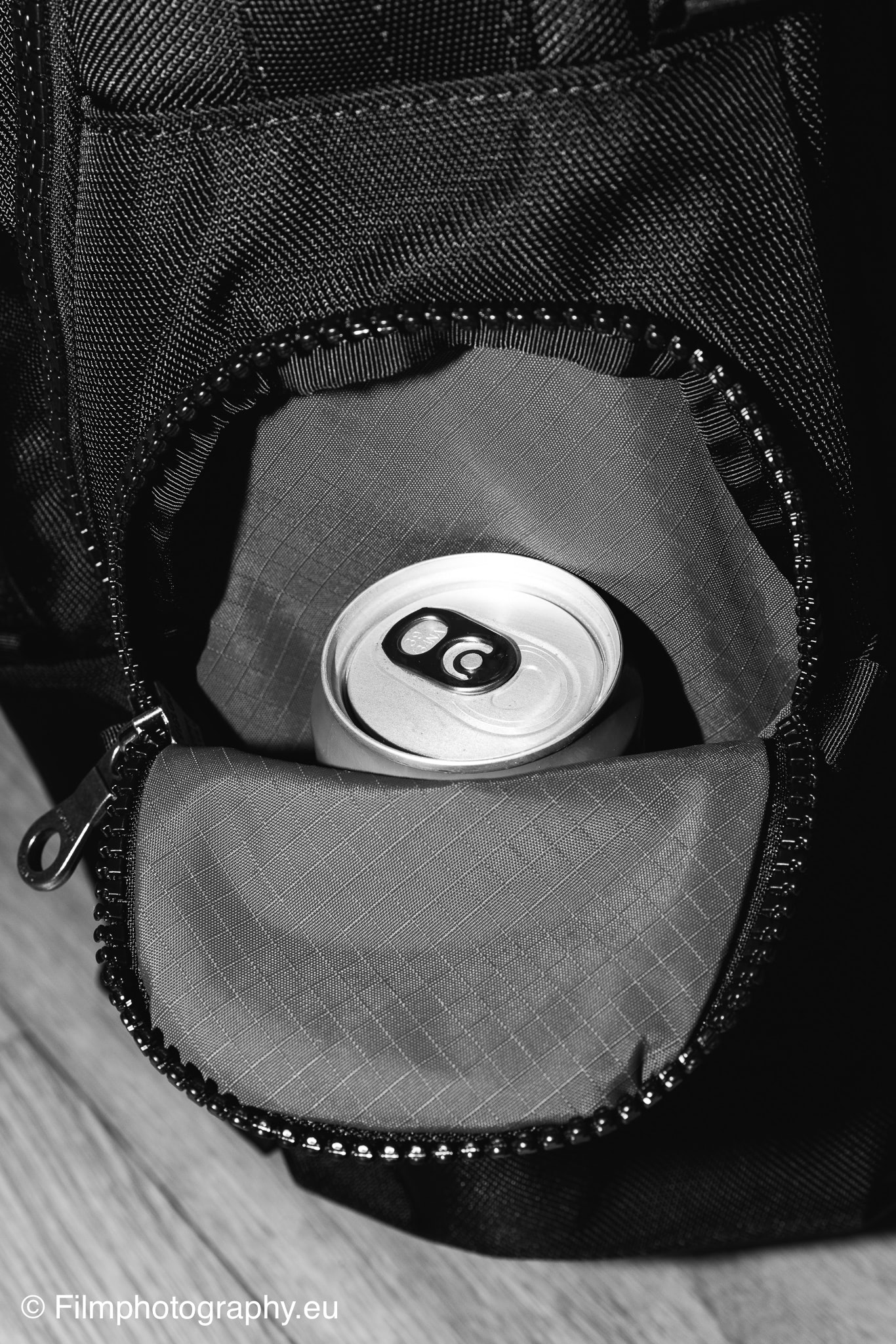
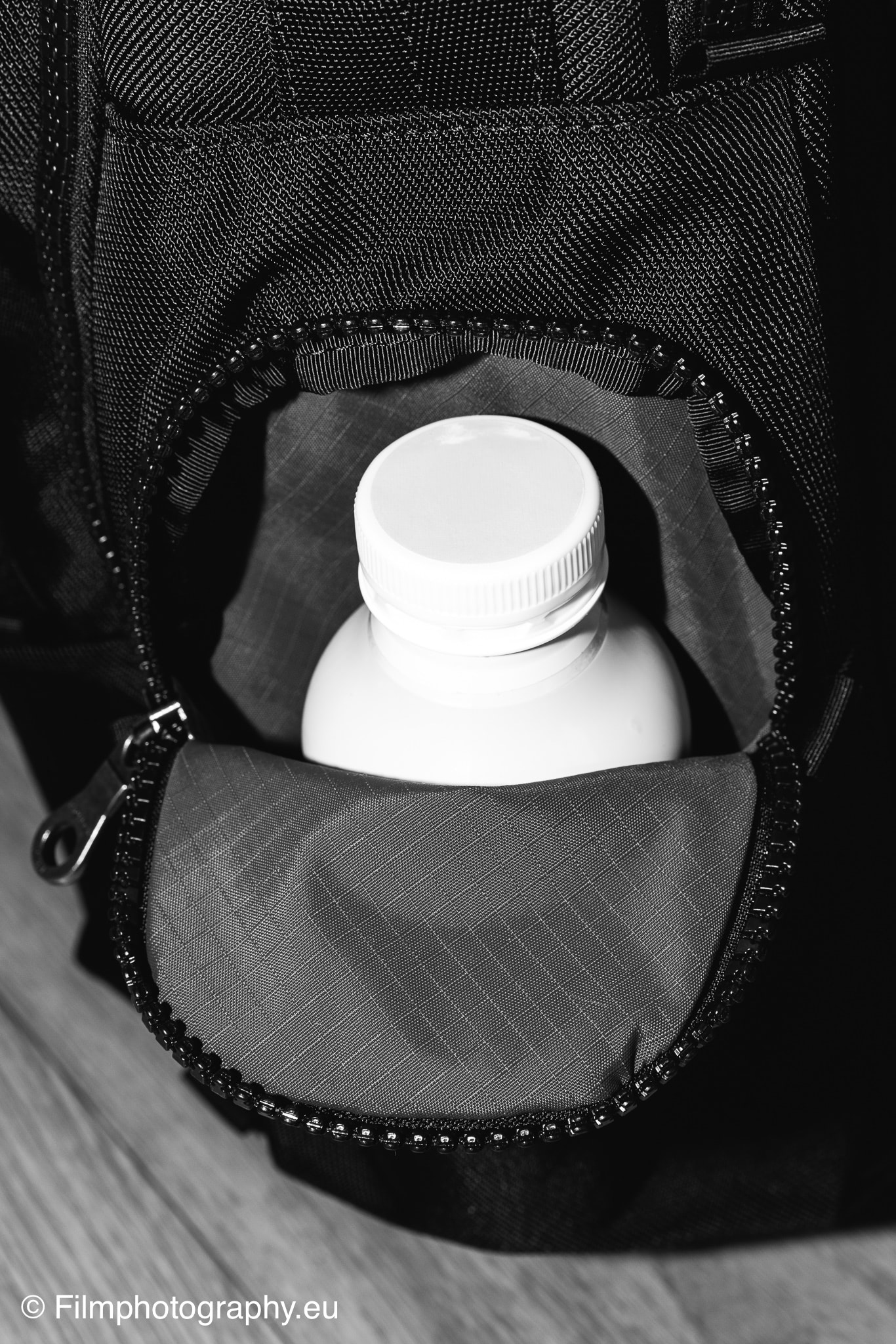
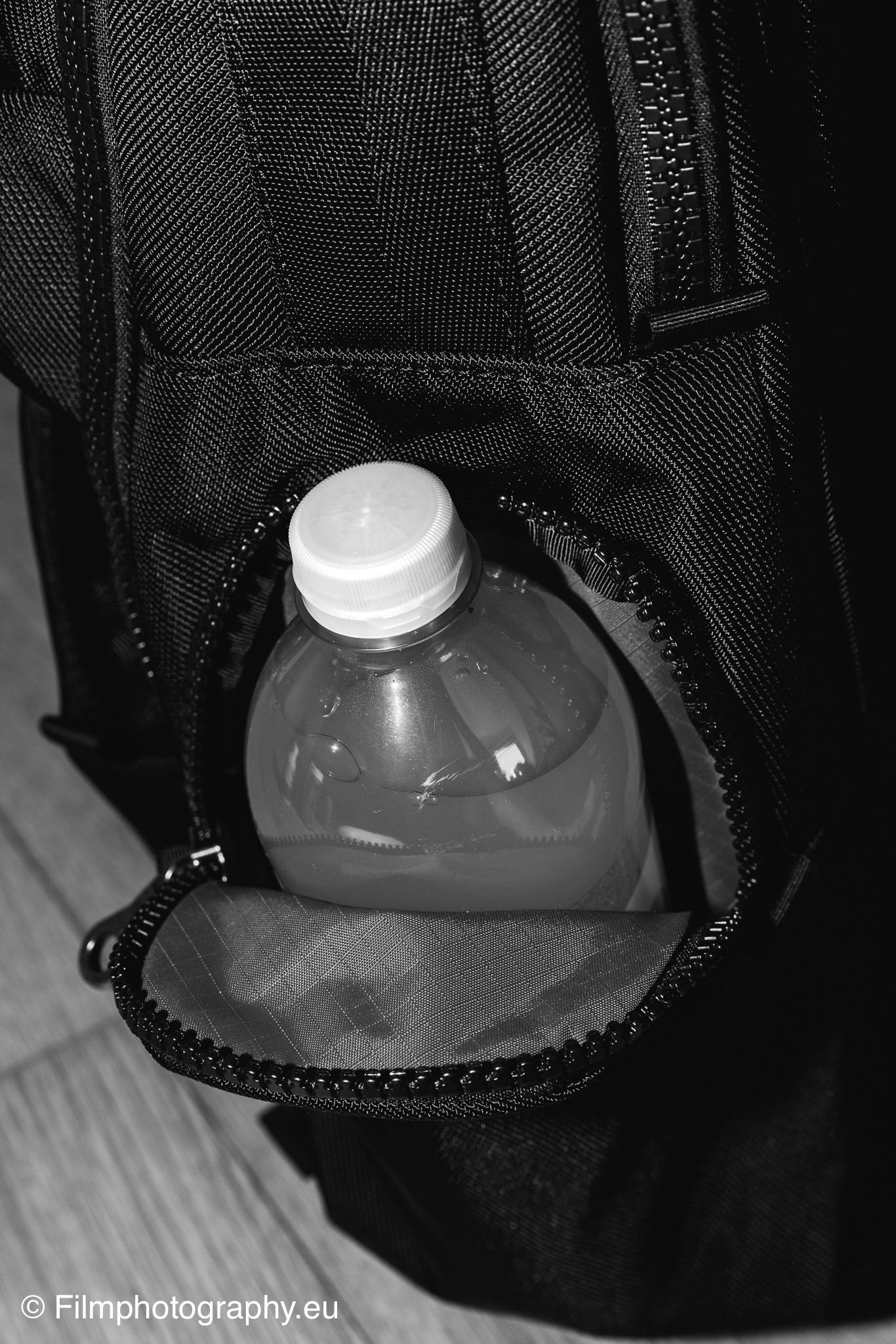
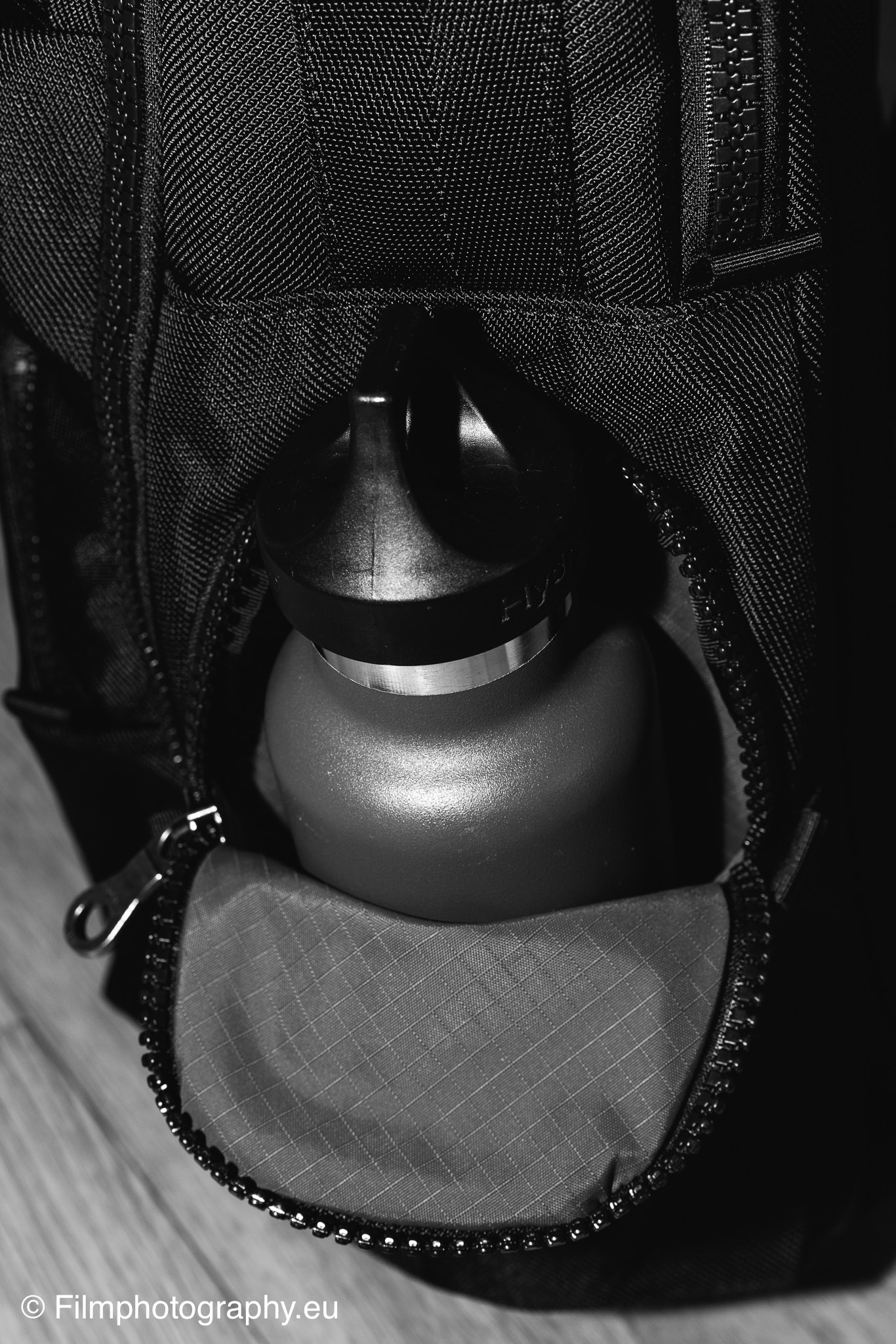
You can also use the pockets to carry a water bottle. For small bottles (0.5-liter PET), sealable coffee cups, or other containers (e.g., 0.5-liter cans), the pocket can be closed again. For taller bottles, you have to leave the zipper open. Due to the depth of the pocket, the bottle sits securely nonetheless. You just have to be a bit careful when storing it in a luggage compartment.
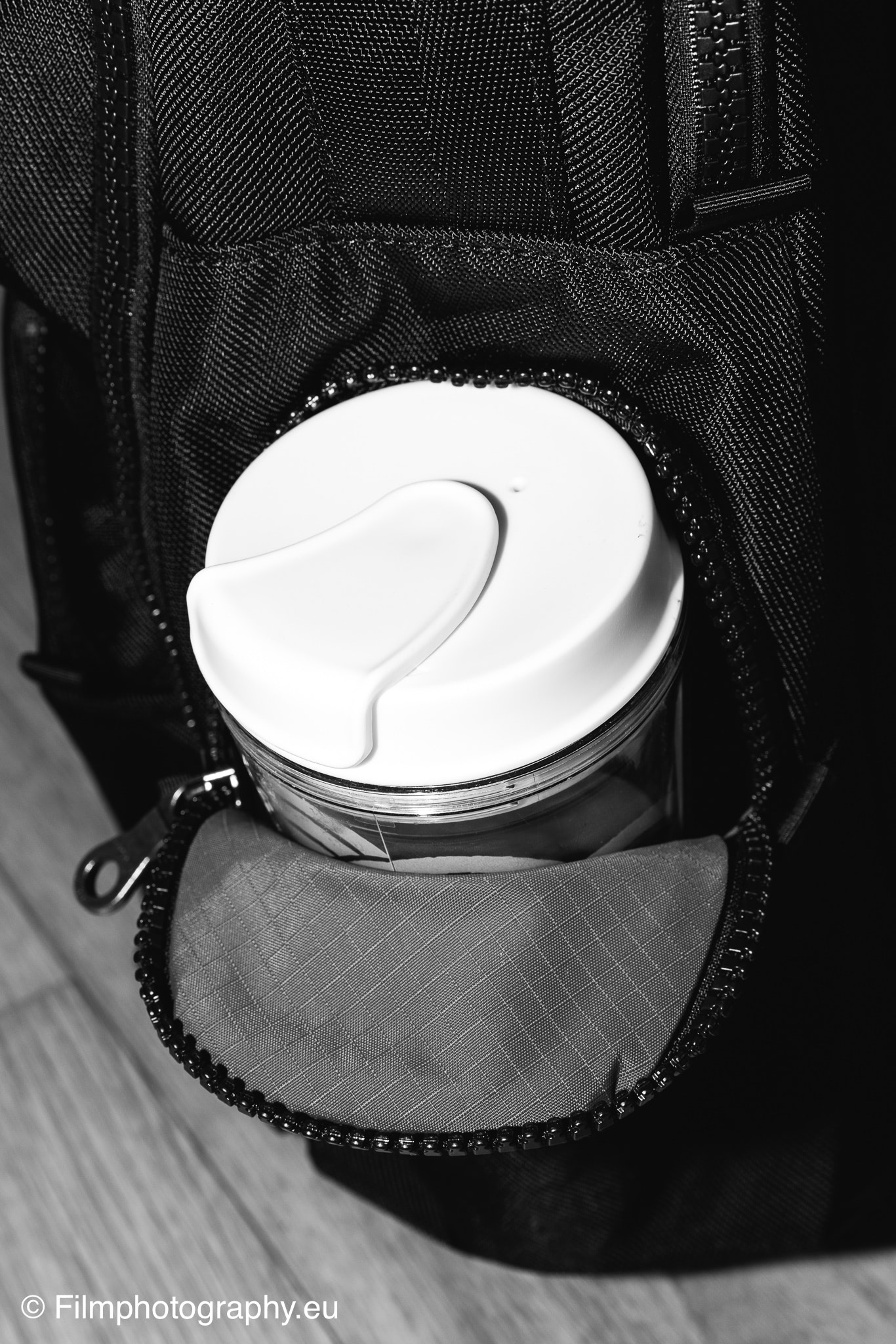
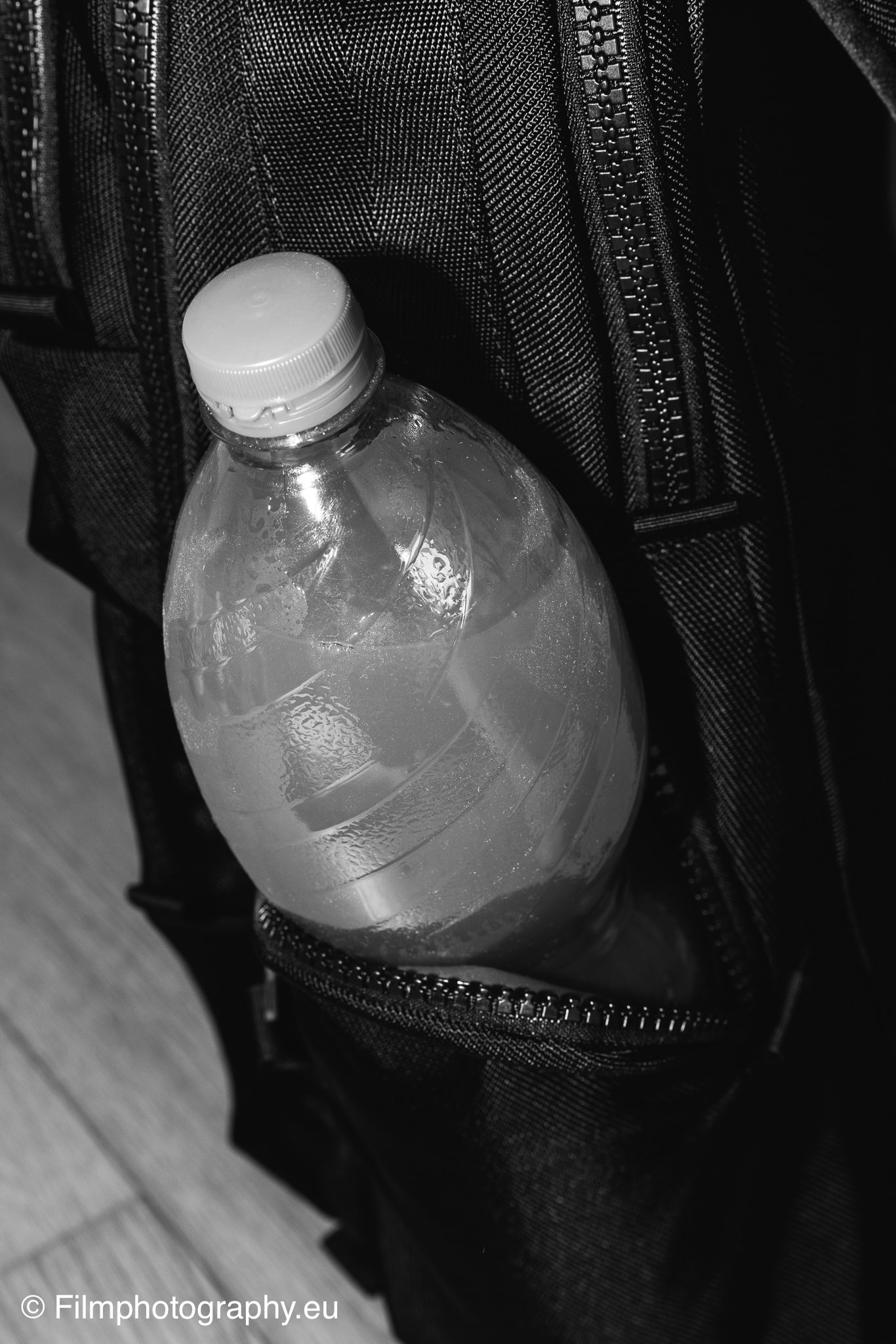
The easy accessibility of all external pockets is convenient but also poses a security risk in crowds or places with a high risk of pickpocketing. Important valuables should therefore be stored in the main compartment.
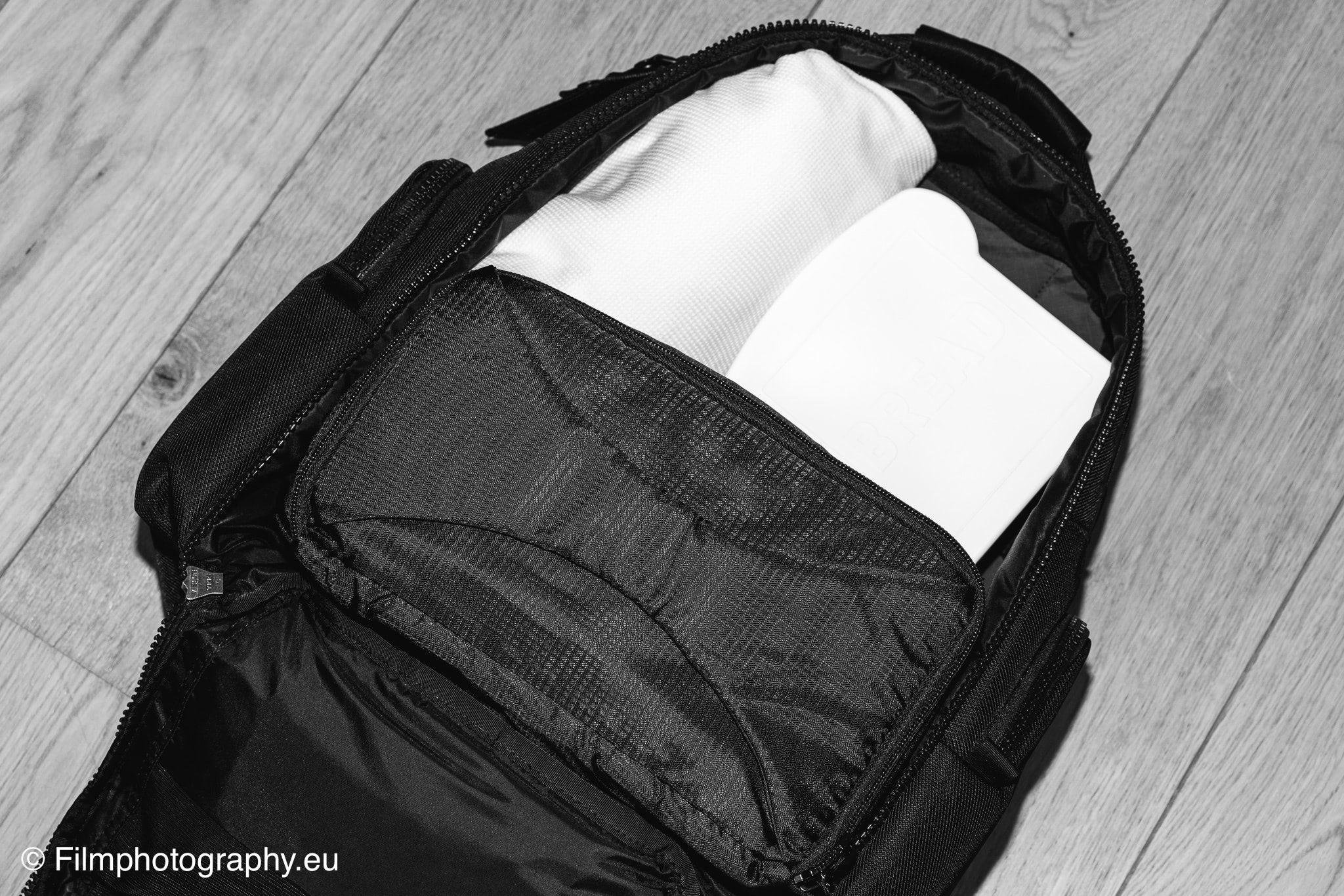
The main compartment opens completely in a clamshell style, similar to a suitcase. This is a significant advantage when packing and allows quick and uncomplicated access to the entire contents, even to items at the very bottom.
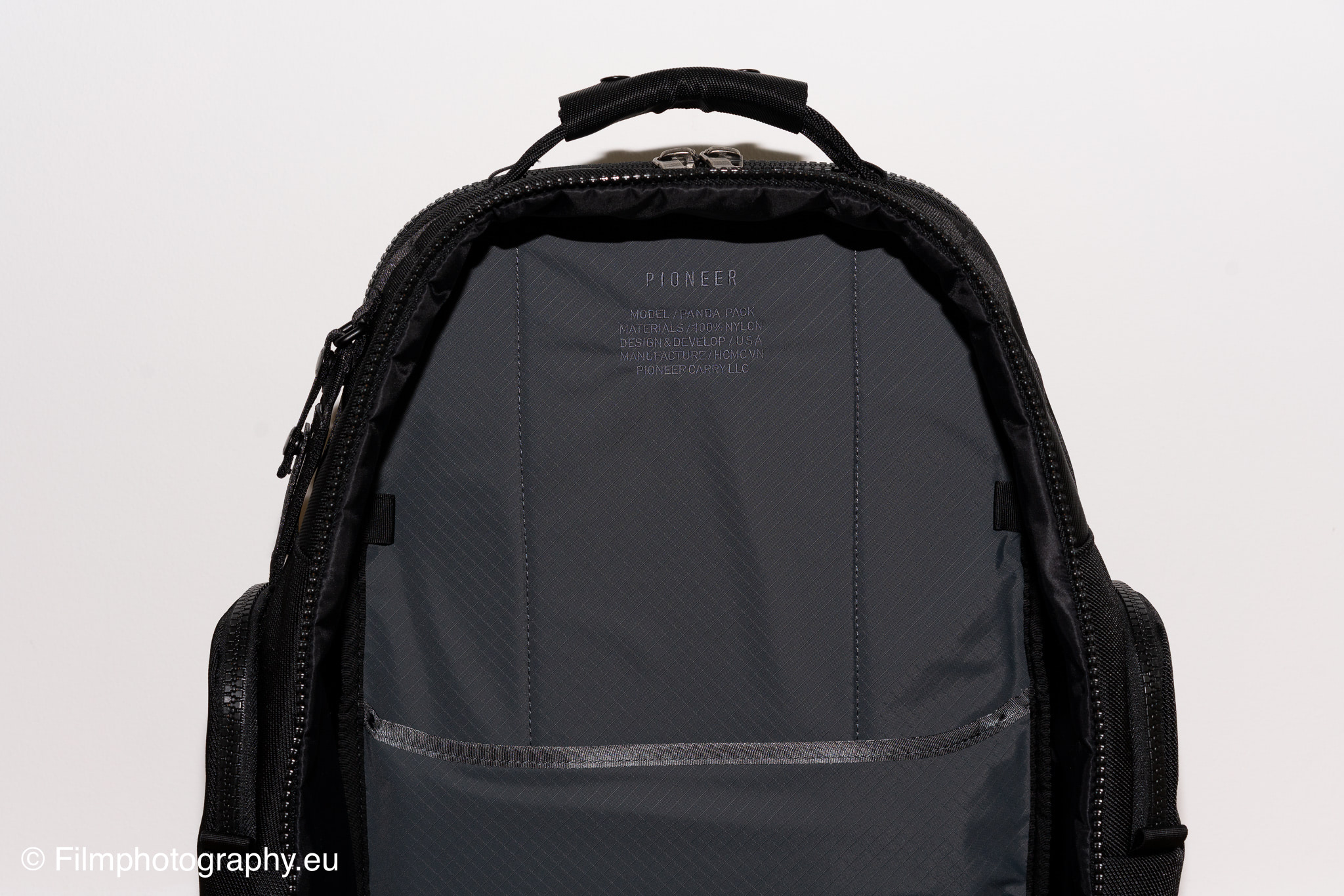
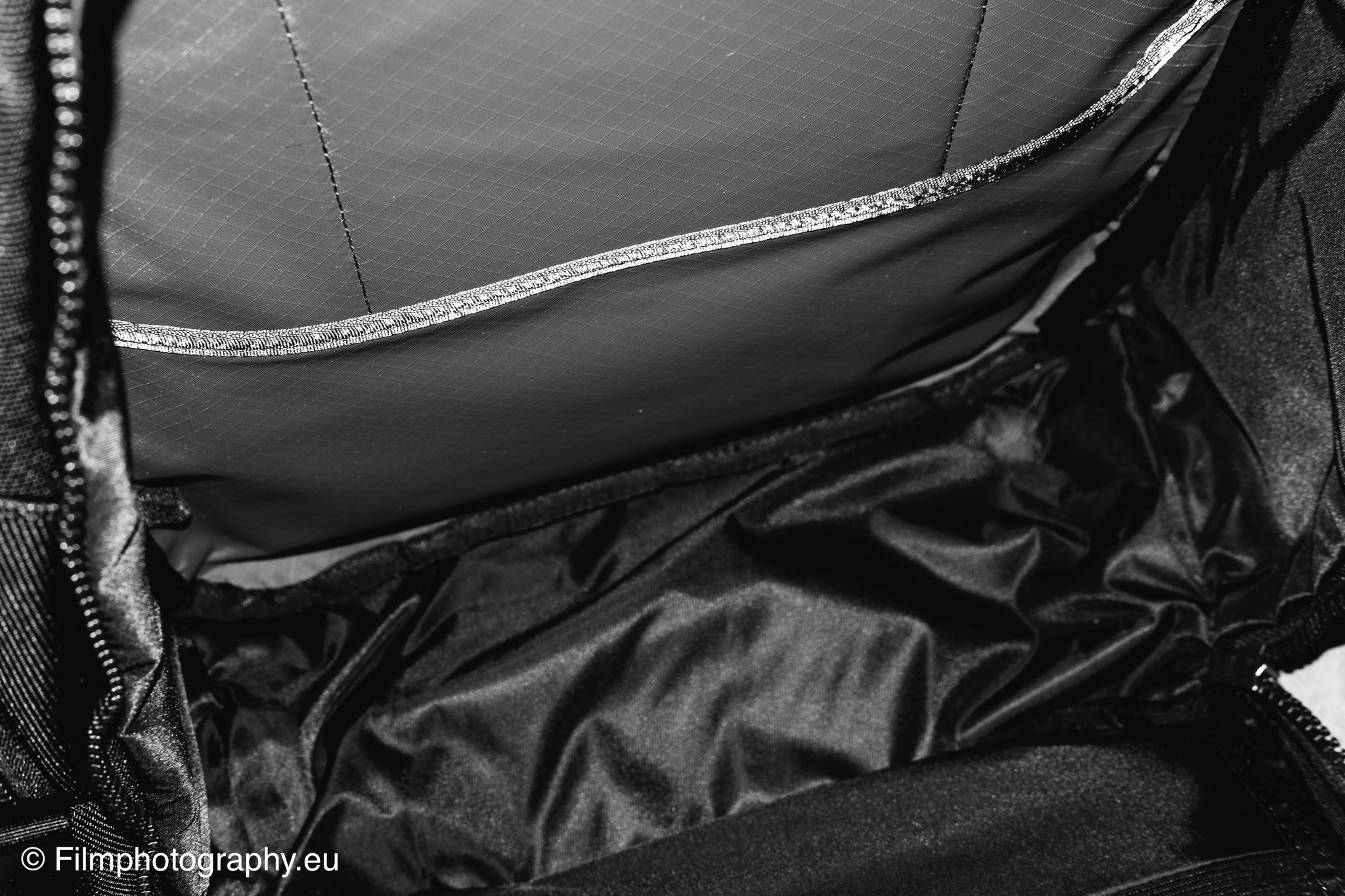
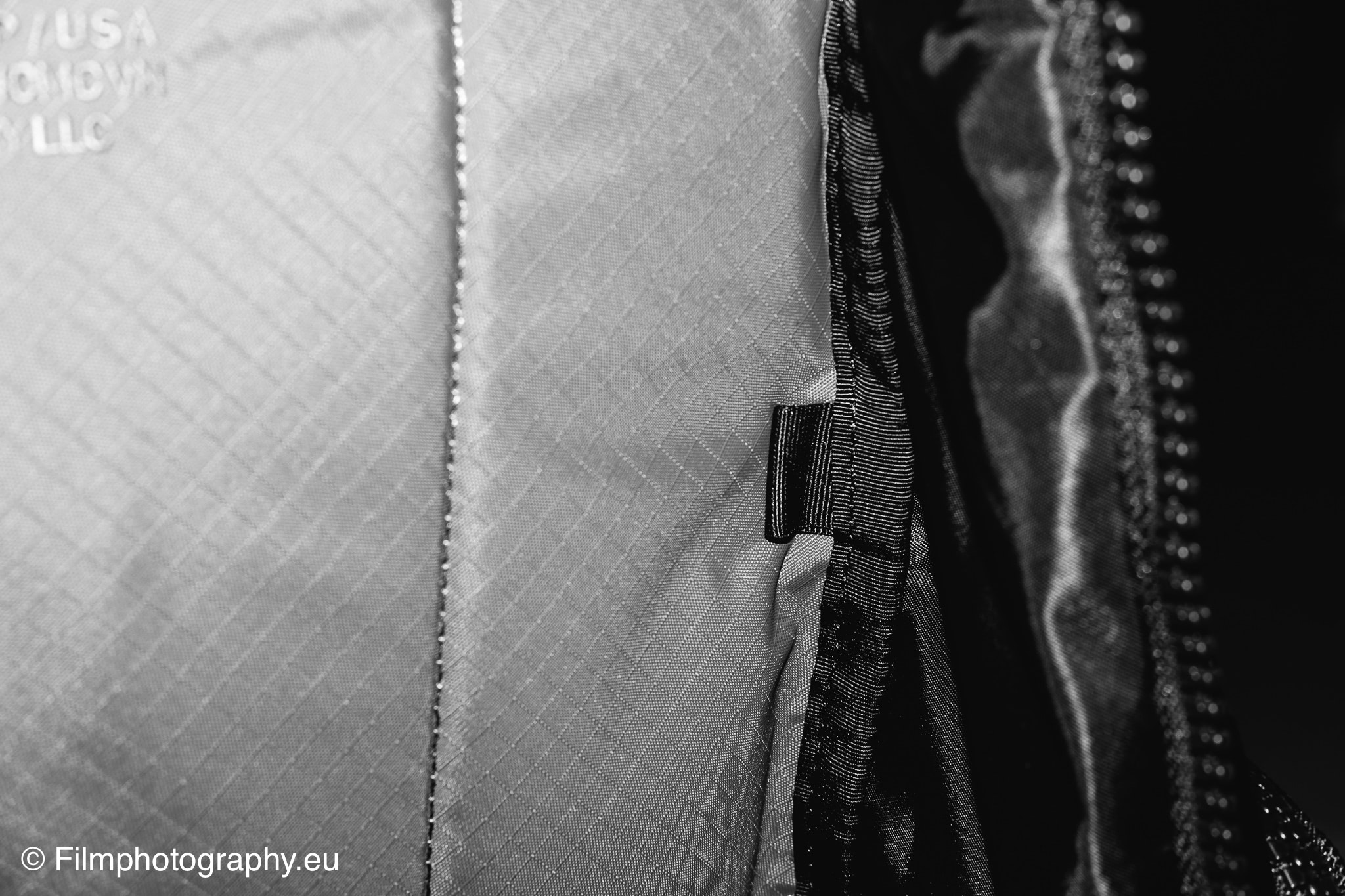
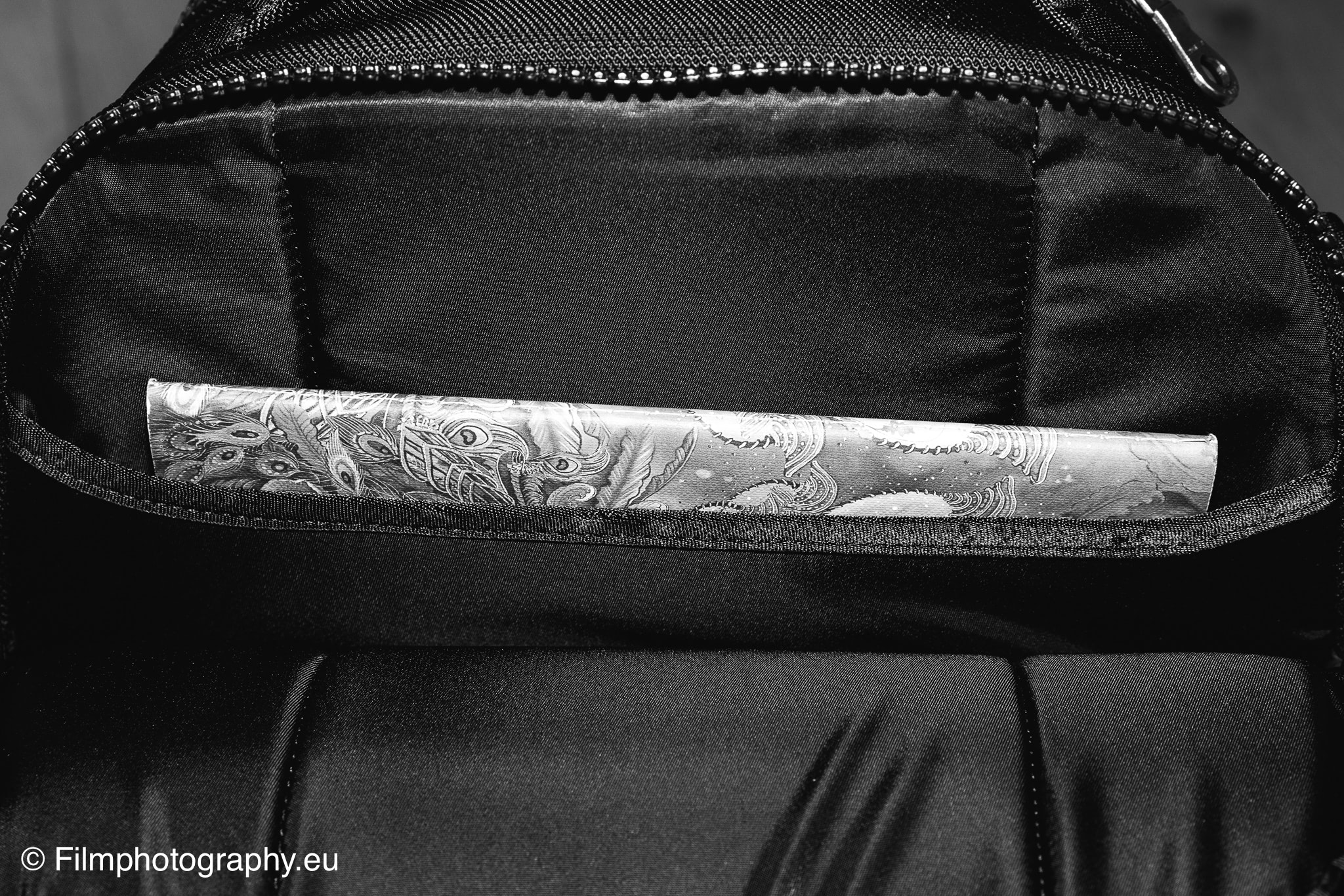
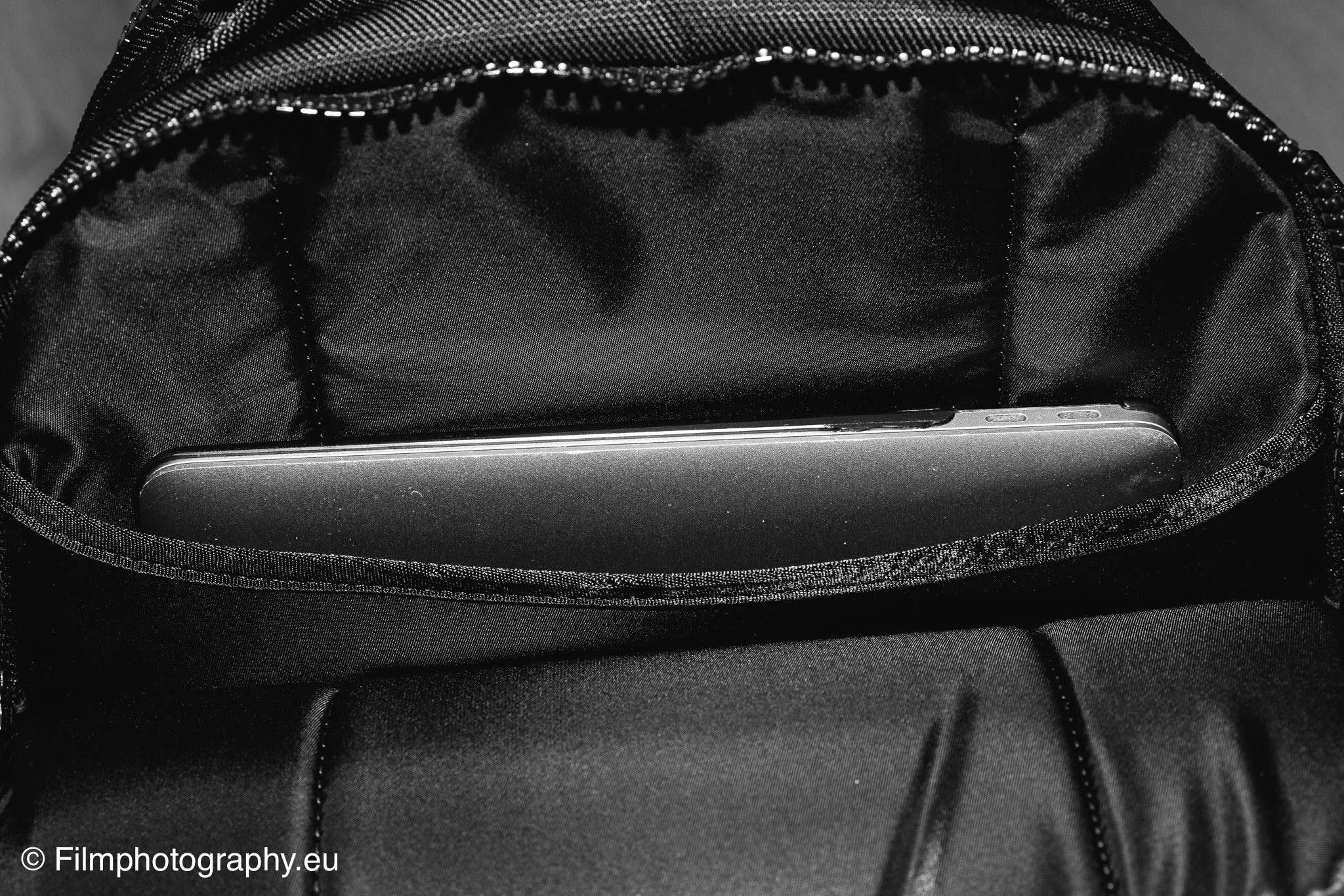
On the inside of the lid, there are two large zippered mesh pockets. Directly behind the upper mesh pocket, another slip pocket, about 13 cm deep, is hidden. Here you can quickly store a wallet, smartphone, or passport without having to fully open the compartment.
In the lower part of the back, there is also a pocket with a depth of about 17 cm; an e-reader could find its place here.
Additionally, there are four eyelets in each corner on this side. A storage net, which Pioneer plans to offer soon, can be attached there. Personally, it would be practical for me if there were two eyelets directly at the top, so you could hang a small bag that you always want easy access to.
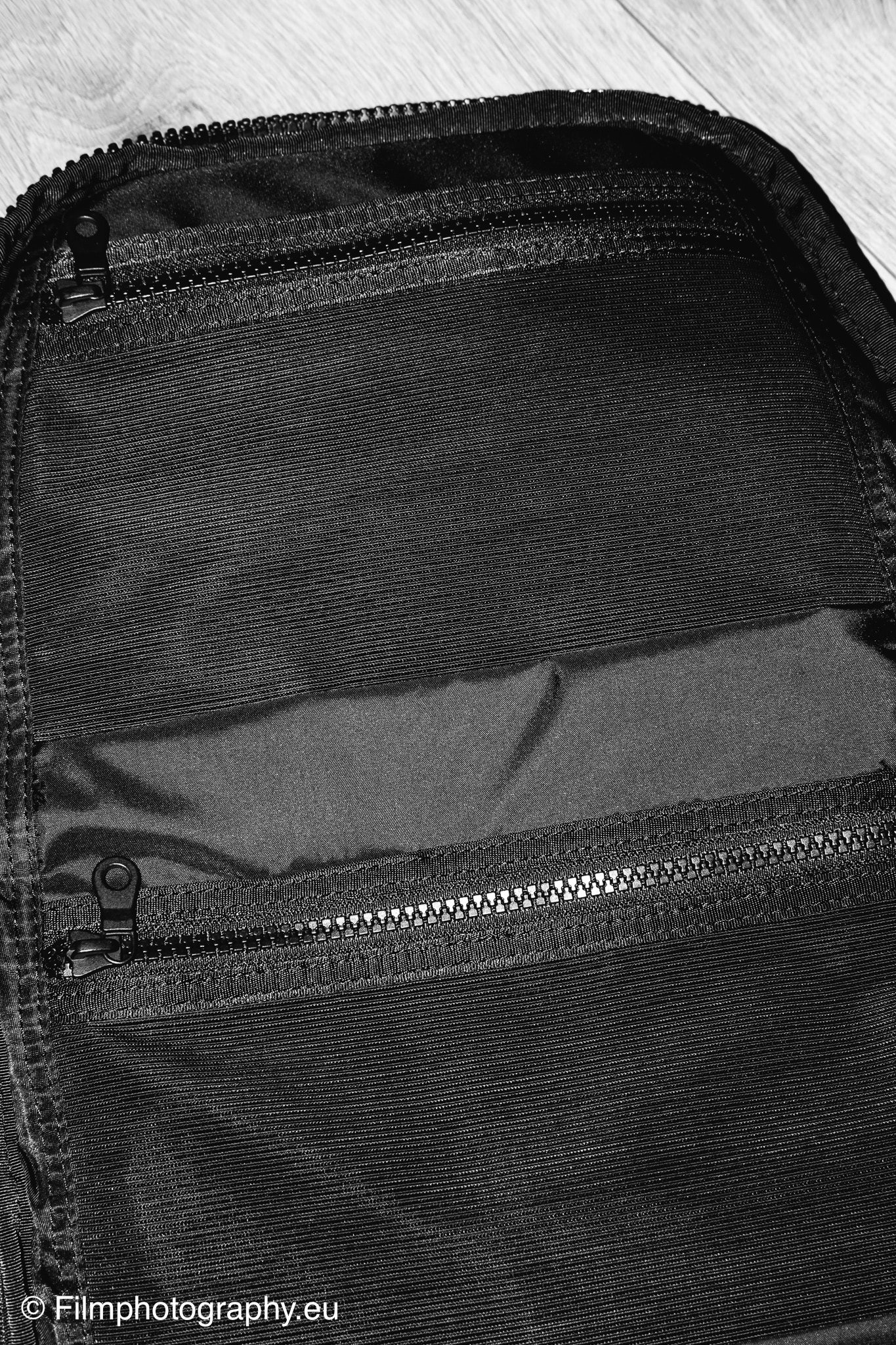
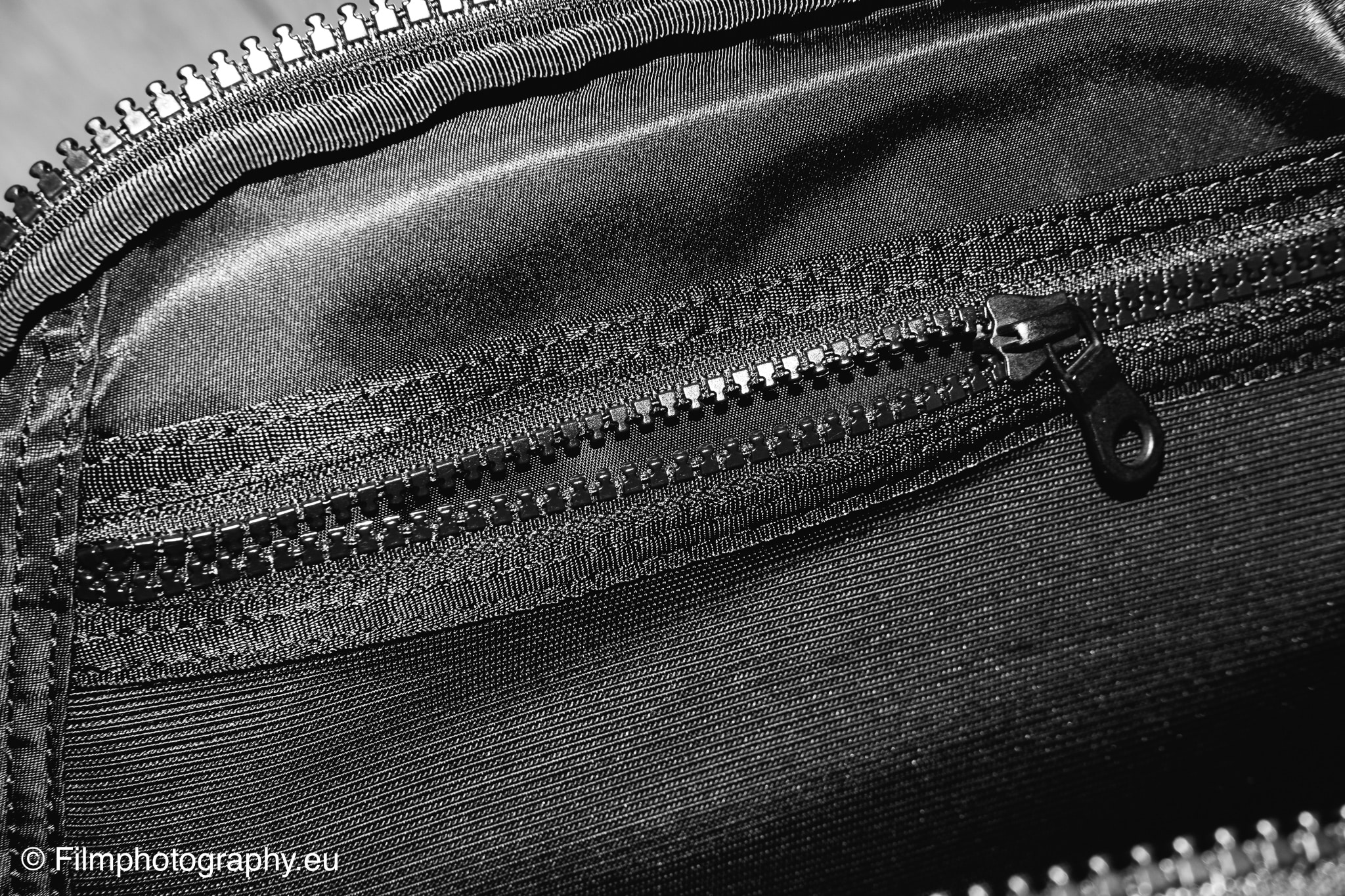
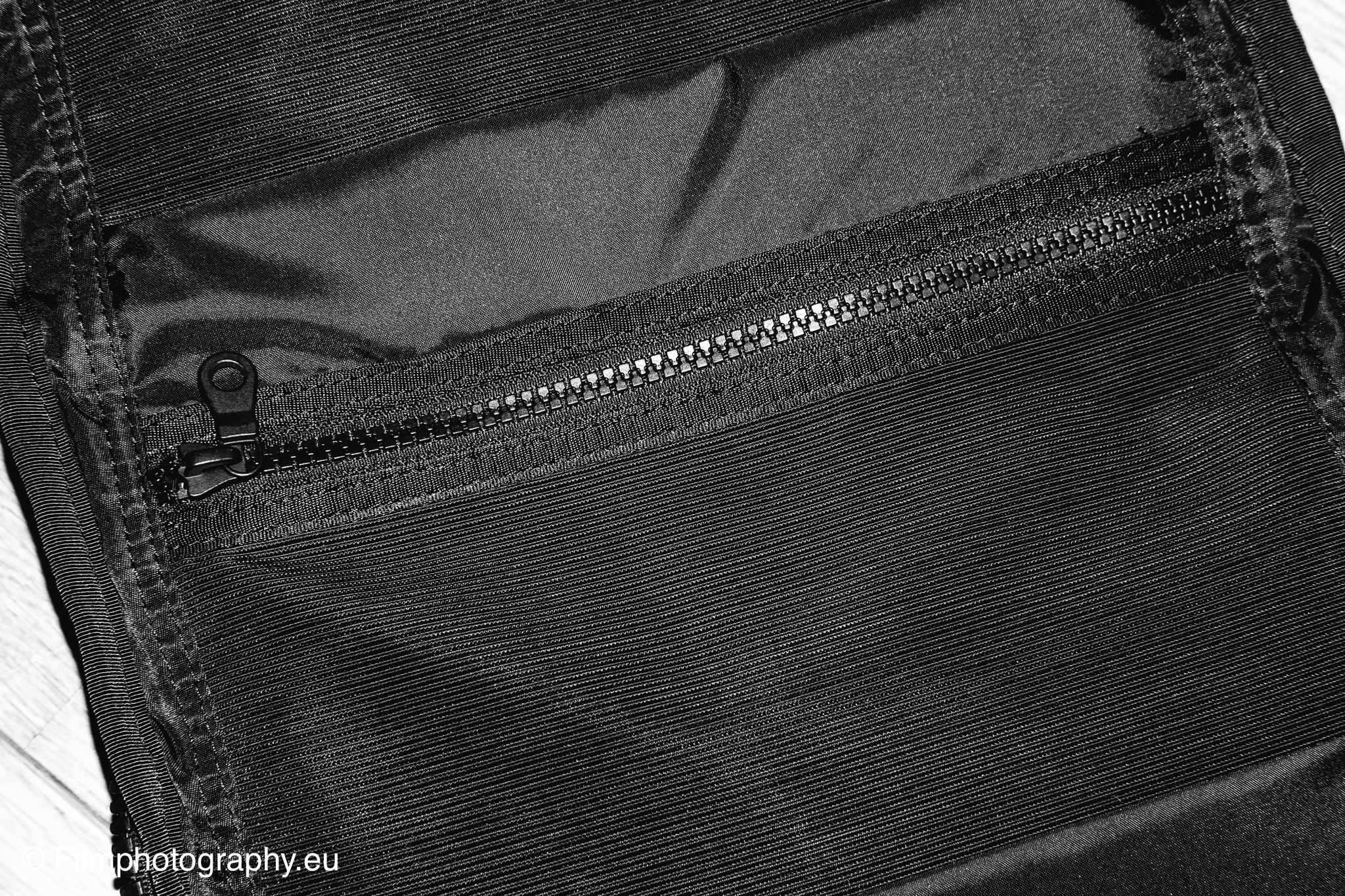
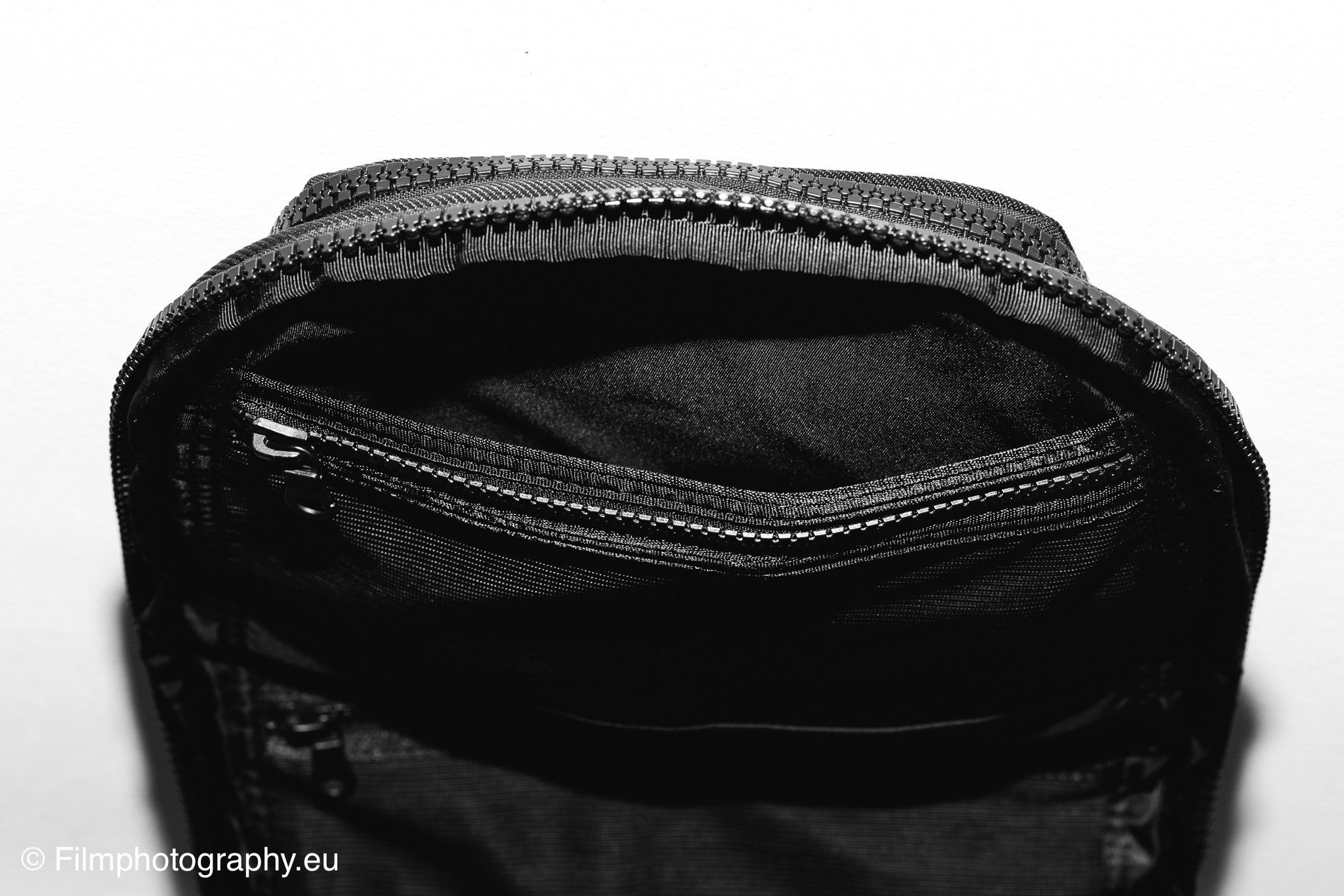
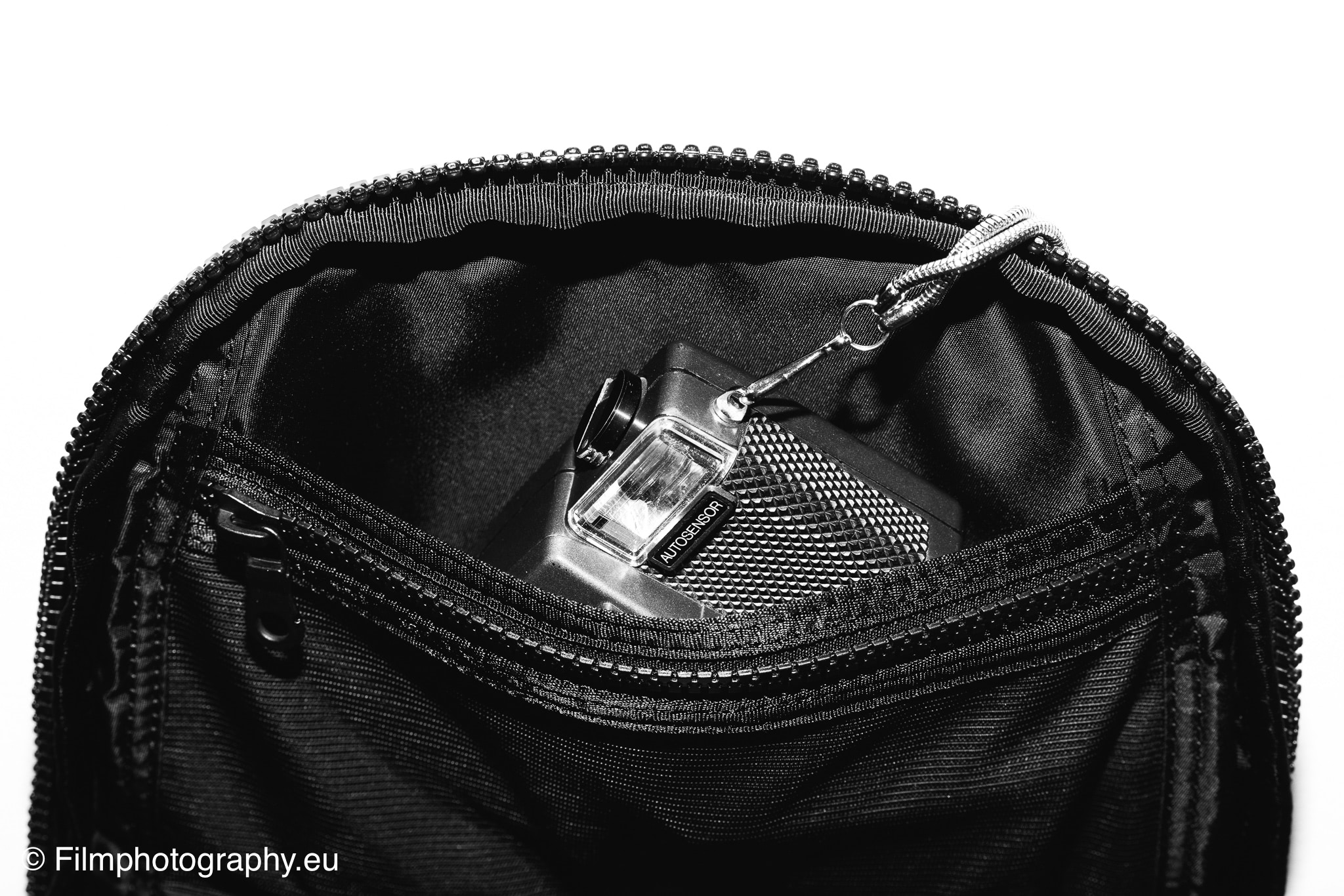
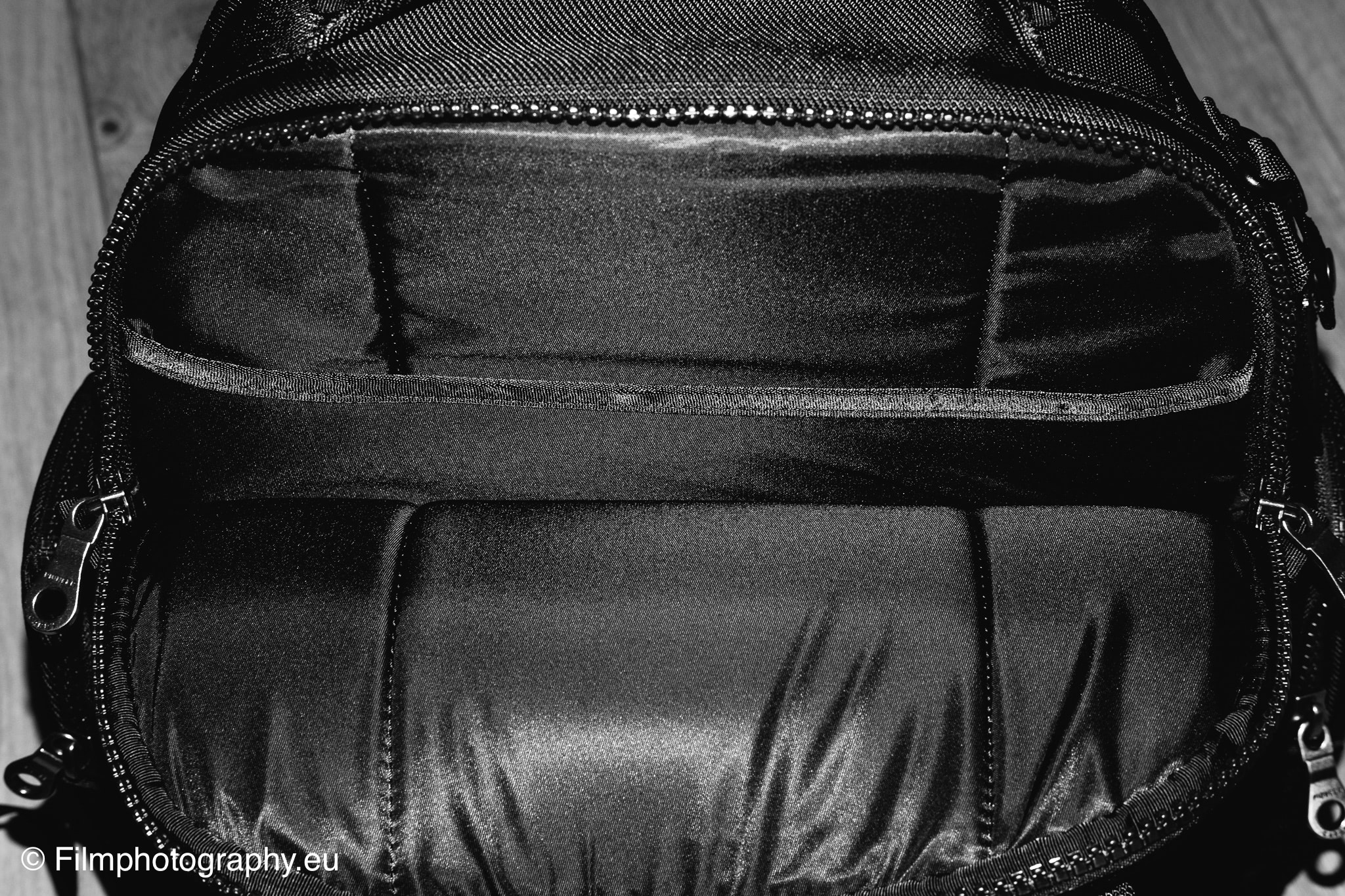
A key feature of the Panda Pack is the separate laptop compartment located directly on the back. This allows for quick access during airport security checks.
Inside, there are two compartments. One of them is constructed as a “suspended sleeve,” meaning the laptop does not sit directly on the floor and is thus better protected from impact. The compartment is sufficiently padded and accommodates laptops up to 17 inches in size.
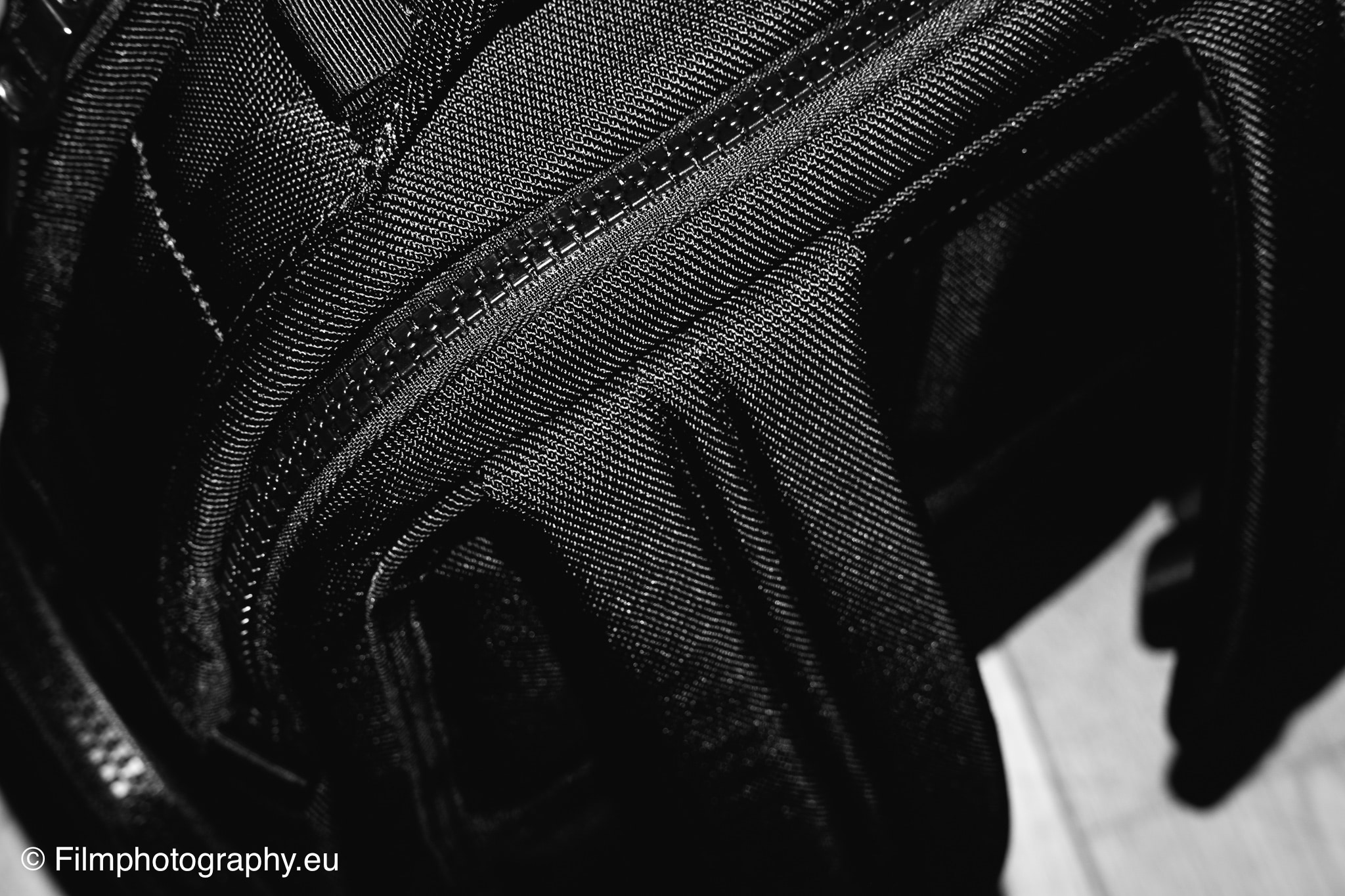
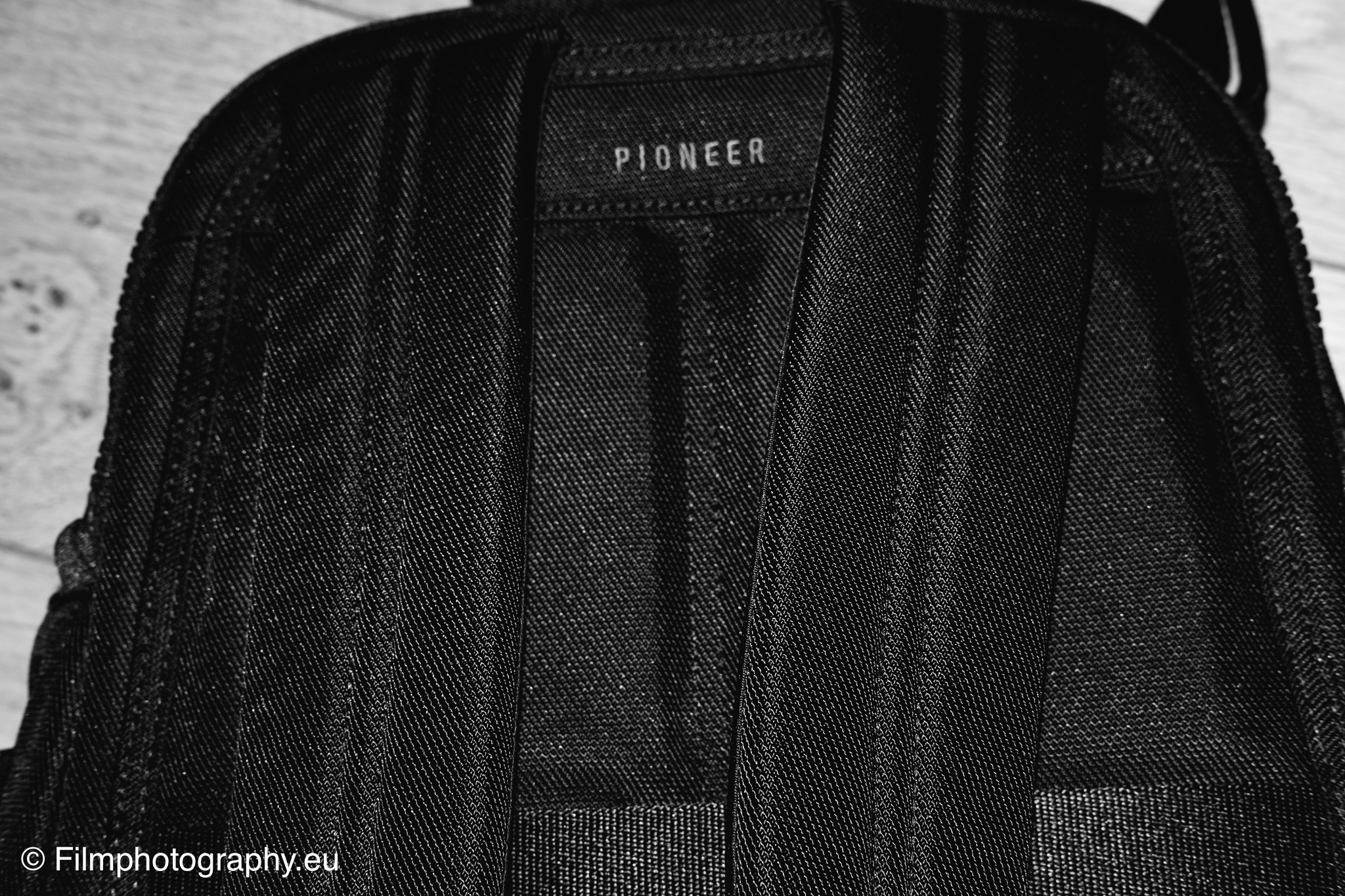
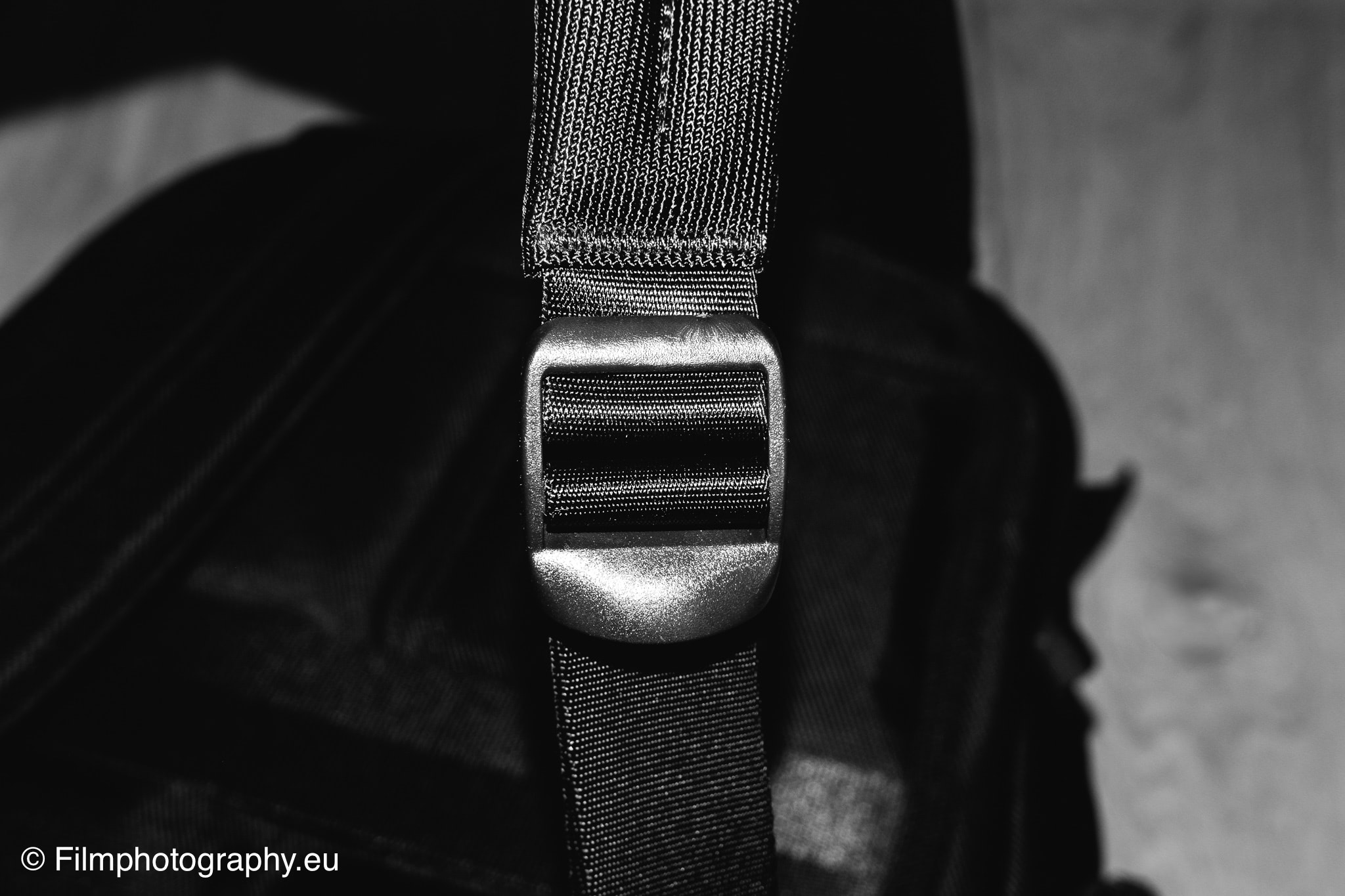
The shoulder straps are padded with 10 mm thick foam, have a comfortable width, and are slightly ergonomically shaped, ensuring good carrying comfort. The back panel is also comfortable, but of course not comparable to a hiking backpack or similar.
The backpack lacks a sternum strap, which, with a volume of 25 liters, is a matter of personal preference. For most everyday situations and moderate loads, this is not a significant disadvantage.
The question of comfortable use with a camera strap can be answered positively. Since the backpack does not have excessively wide shoulder straps, it generally does not interfere with the use of a camera strap.
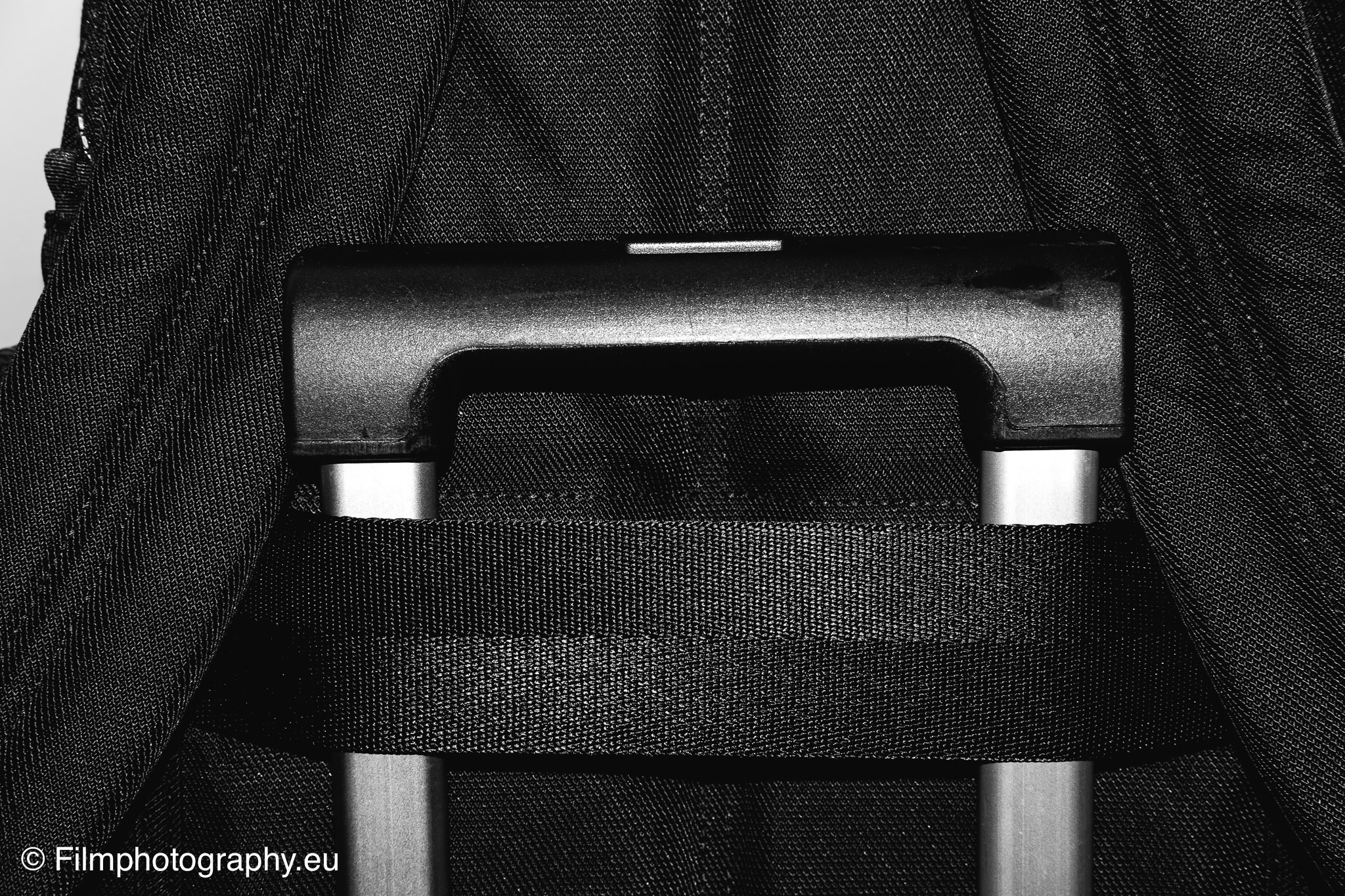
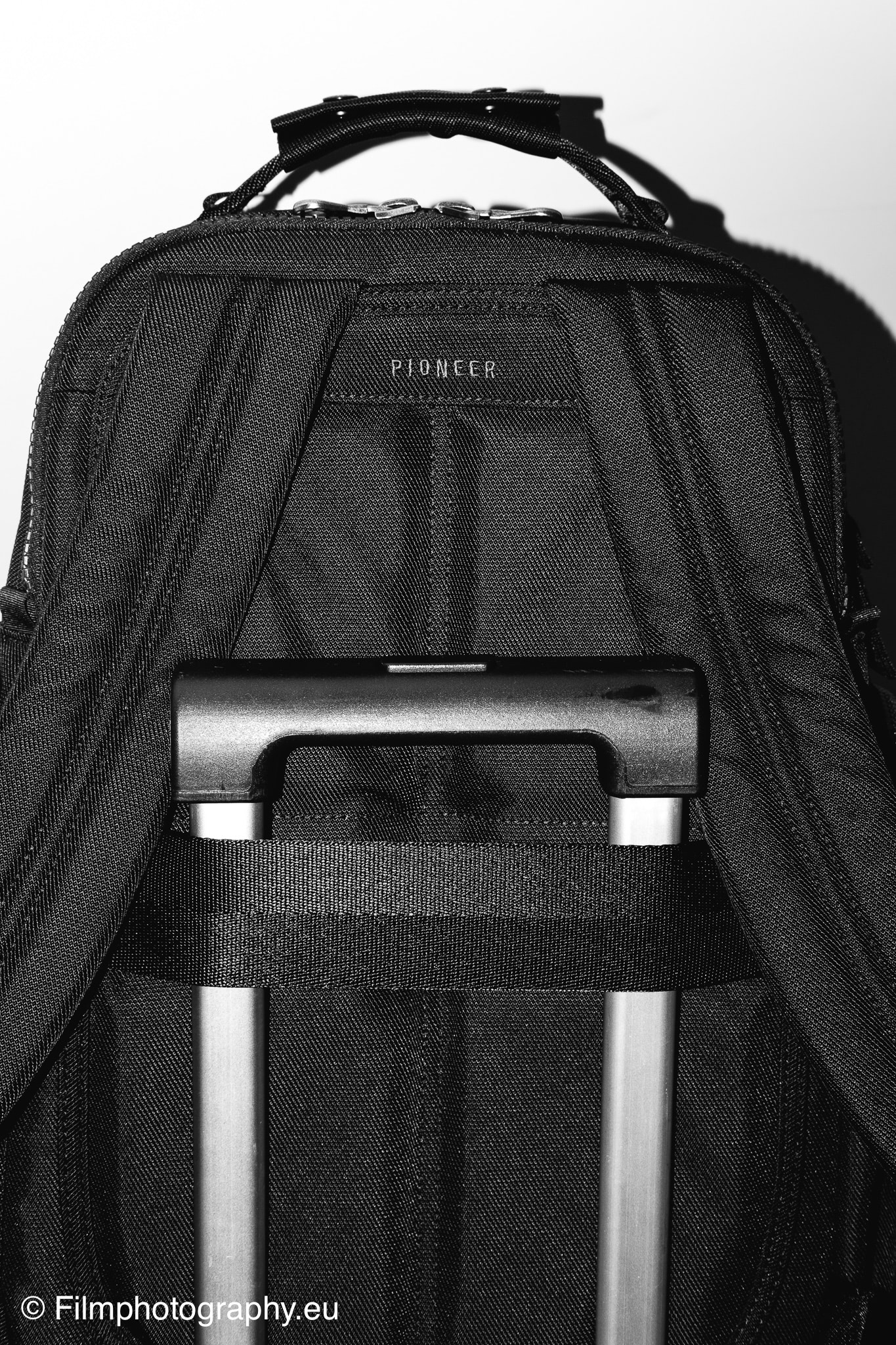
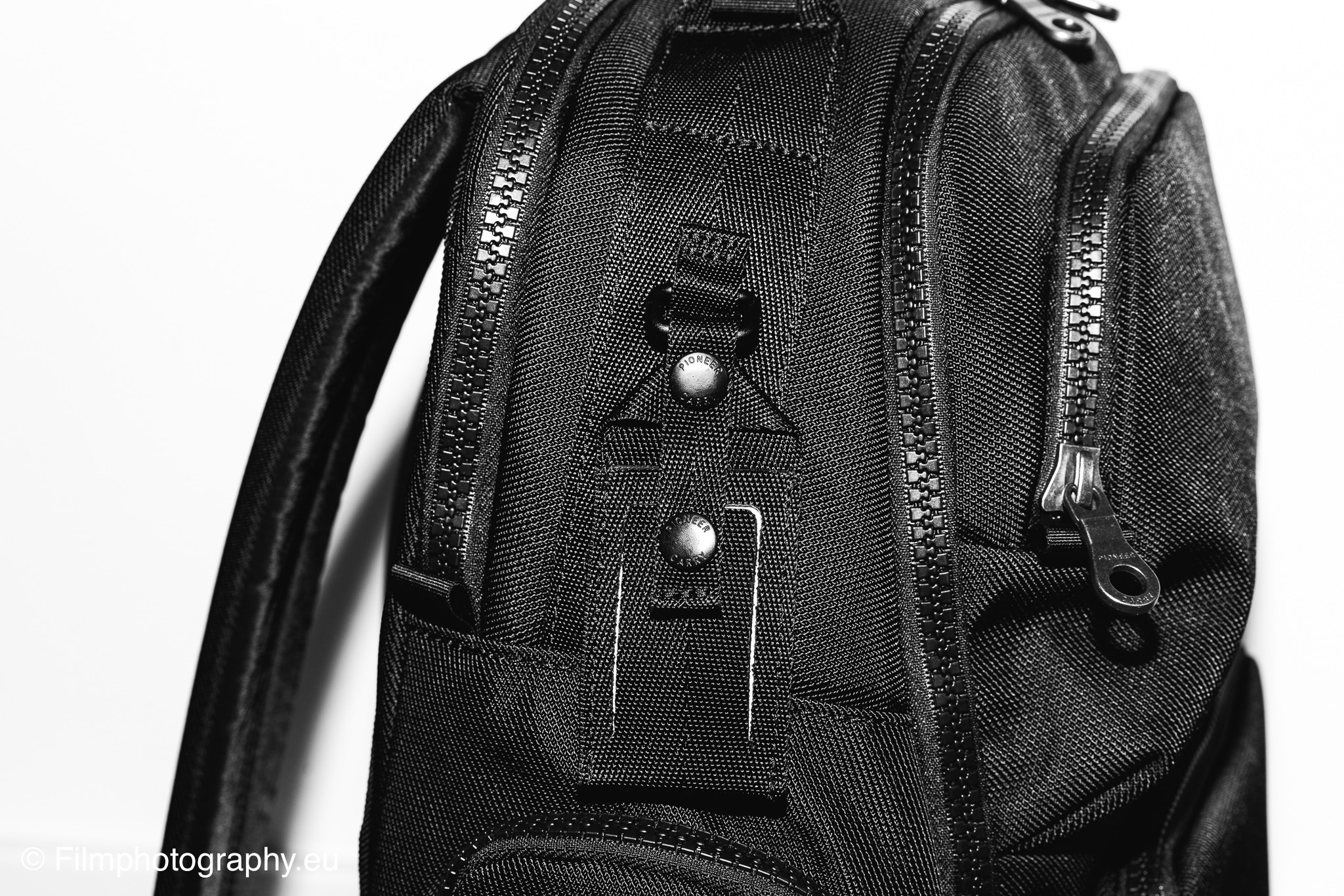
On the back, there is a wide, horizontally oriented strap that securely attaches the backpack to the frame of a rolling suitcase. The upright positioning ensures easy access to the compartments even when attached.
The top carry handle is also well-padded and comfortable to hold, and the backpack is well-balanced when lifted. This allows you to carry the Panda Pack for longer periods, for example, in a queue or on a train, without your hands hurting.
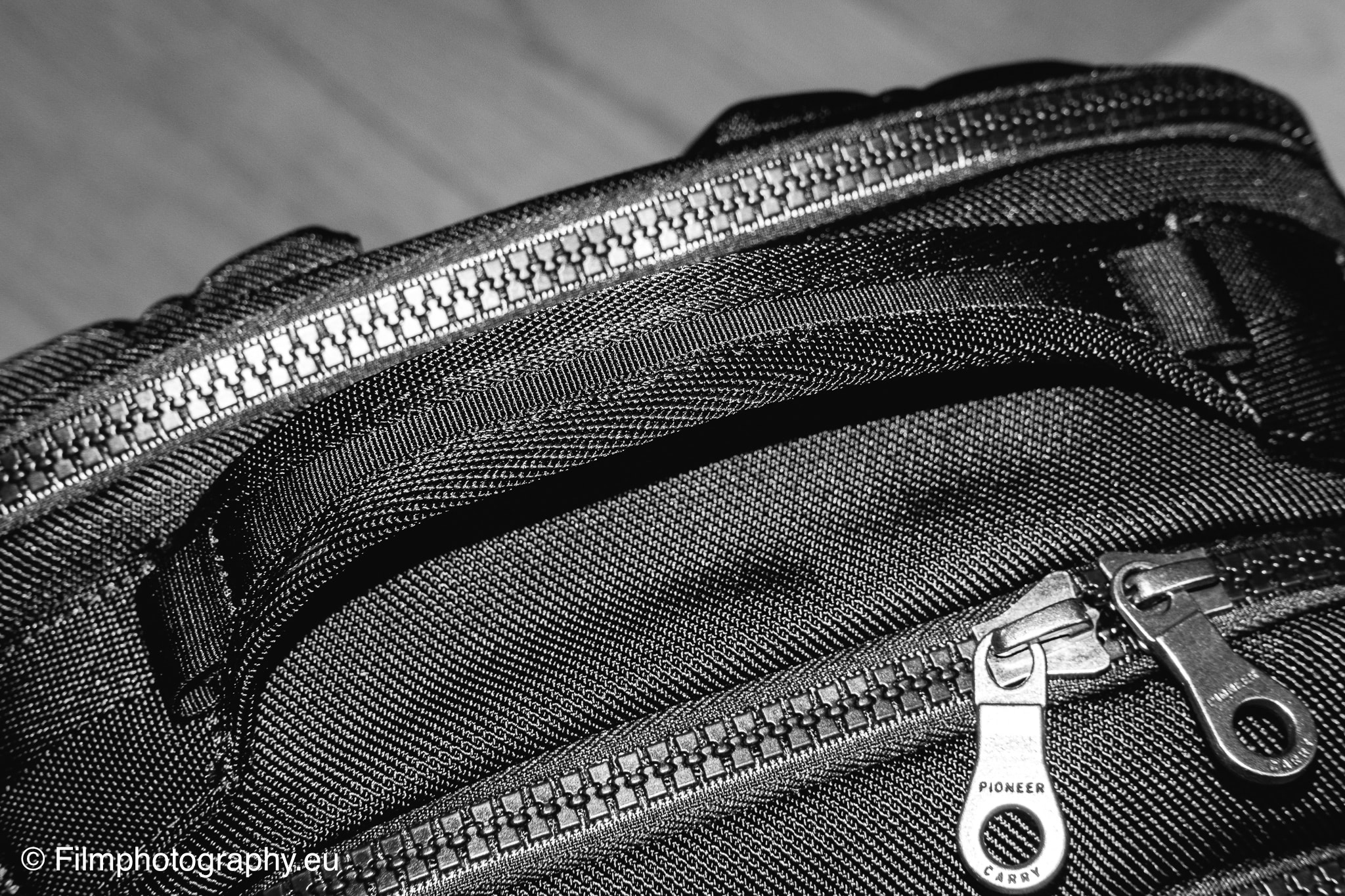
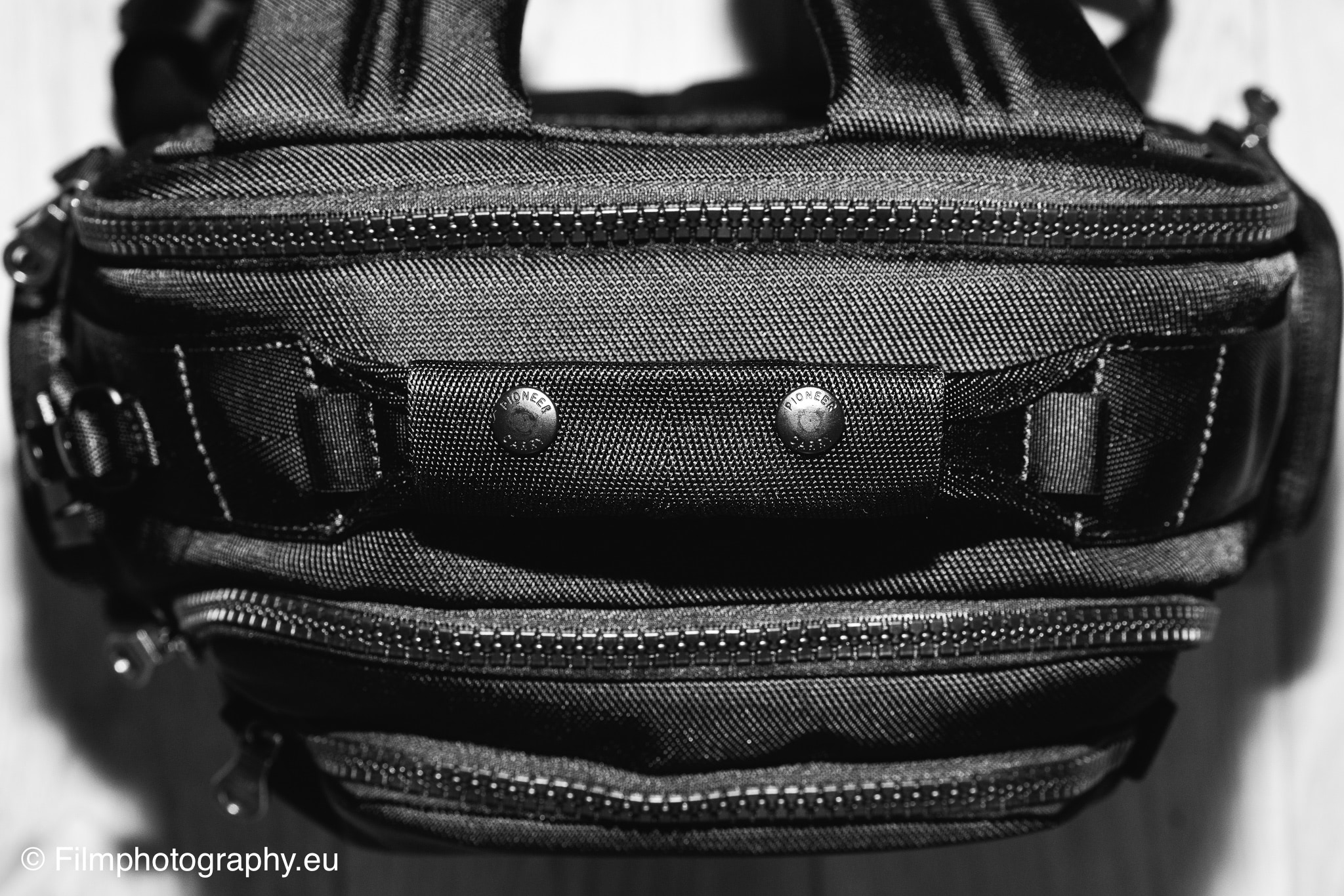
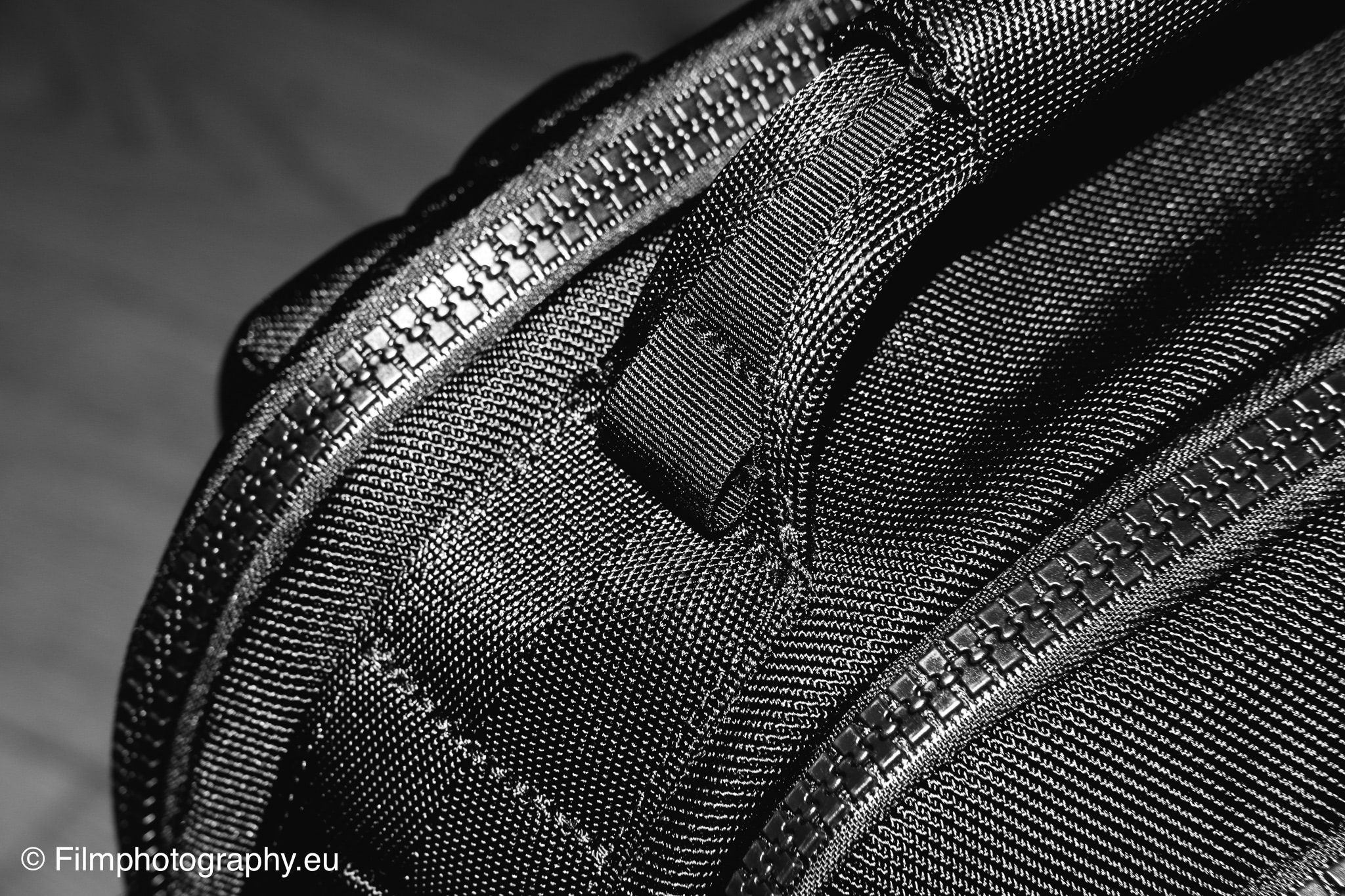
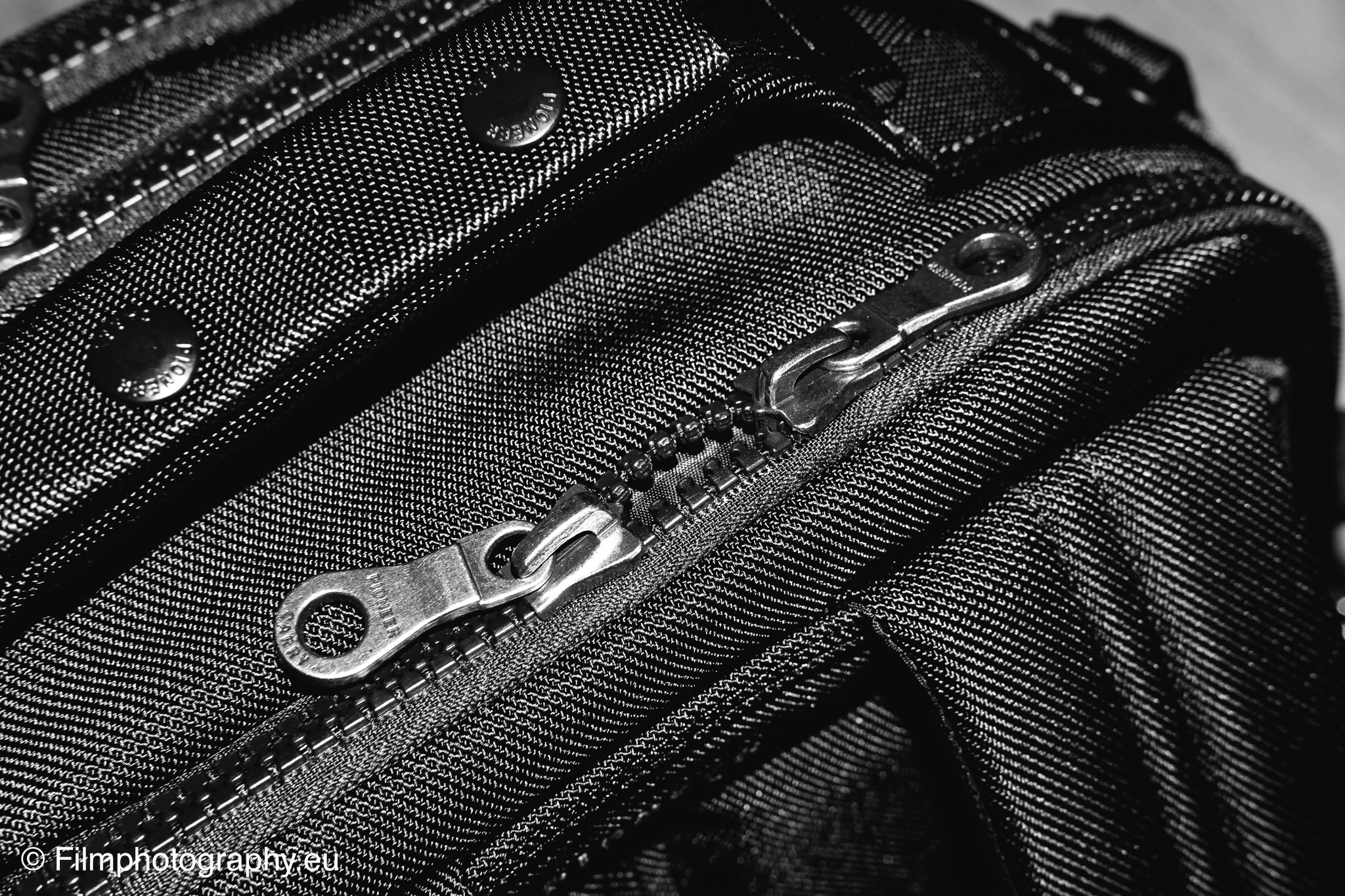
Pioneer uses large and robust YKK Vislon zippers throughout the backpack. These run very smoothly, even around corners, producing a characteristic, rich sound. The metal zipper pulls are specially shaped and fit well in the hand.
The combination of large zippers and metal pull tabs makes the Panda Pack an acoustically present backpack. In very quiet environments such as meetings or during photo shoots in silent locations, this could be perceived as disturbing.
The zippers are intentionally not designed as waterproof Aquaguard versions. Such zippers are often stiffer, less durable, and might not have fit the overall aesthetic of the backpack.
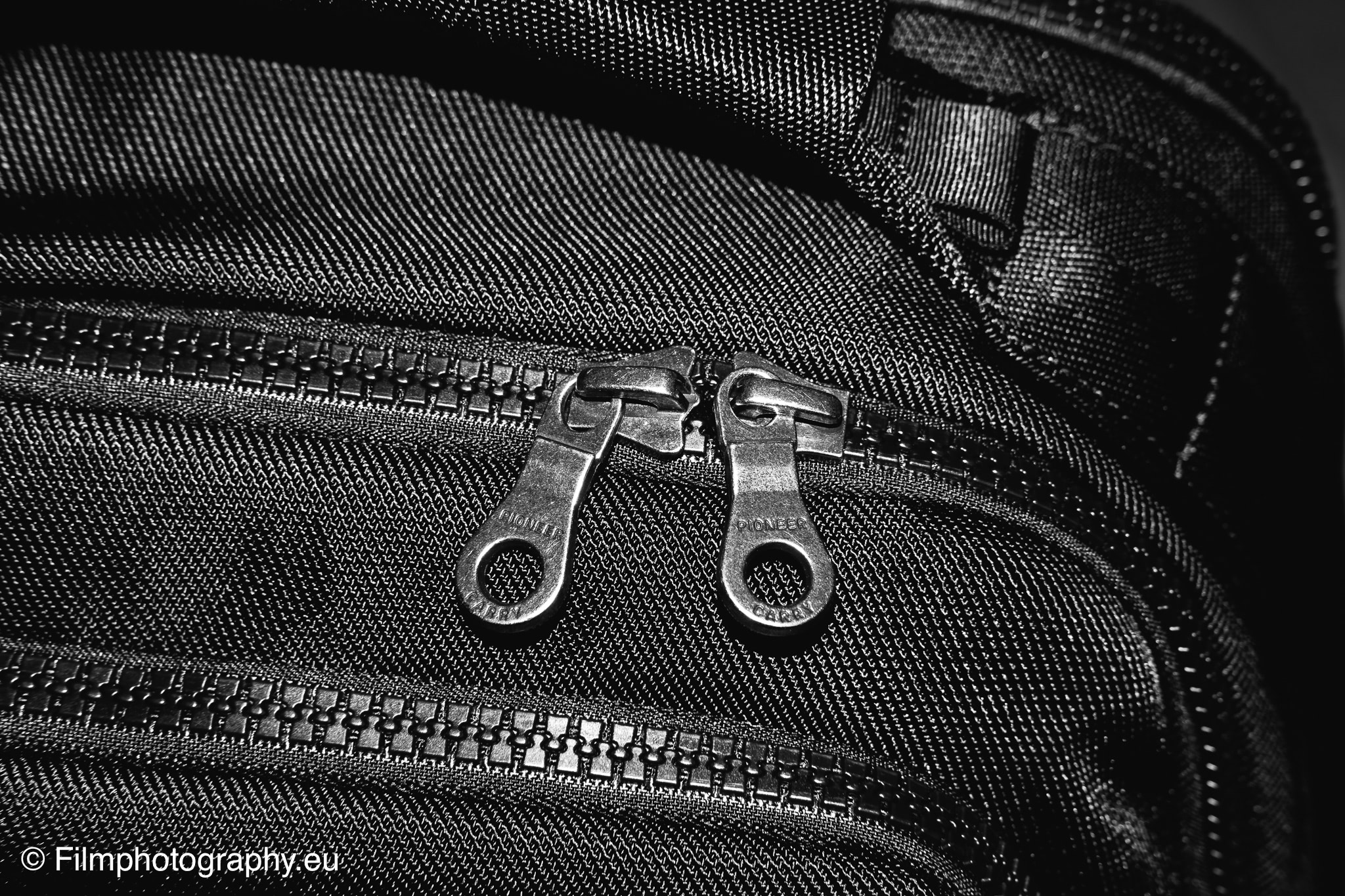
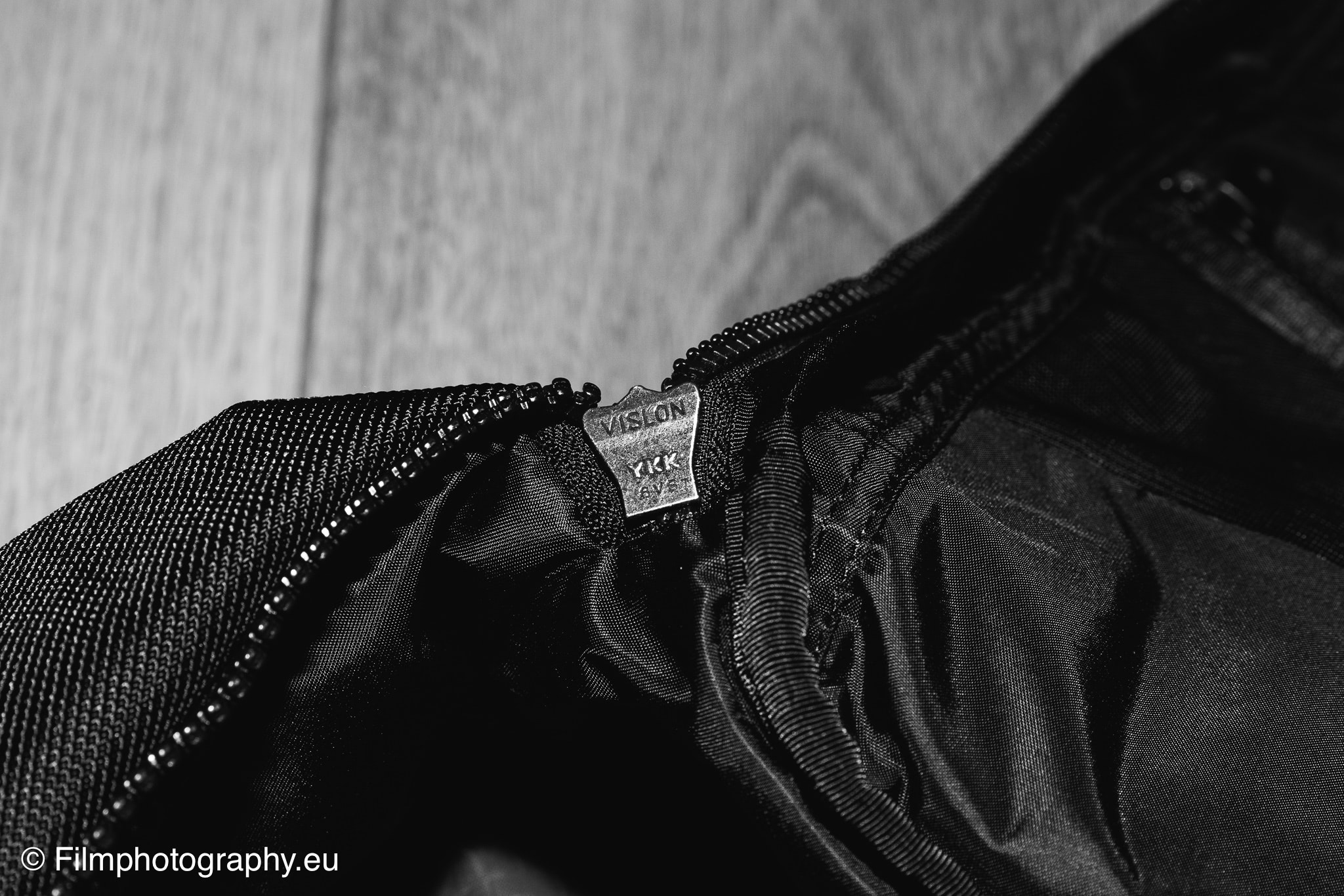
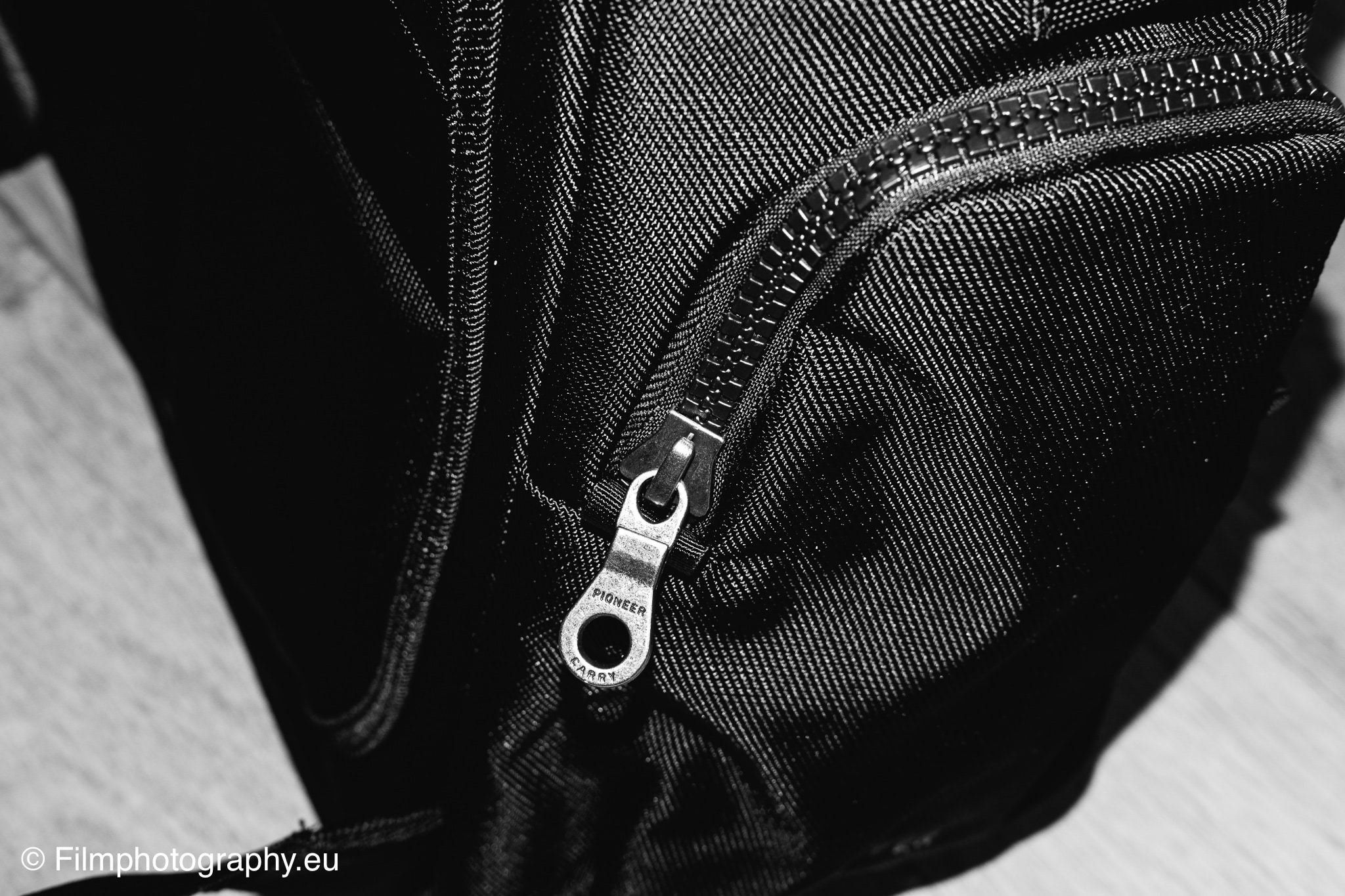
Although the main material is weather-resistant, the zippers represent a potential weak point in heavy rain. For absolute protection, a separate rain cover can be used.
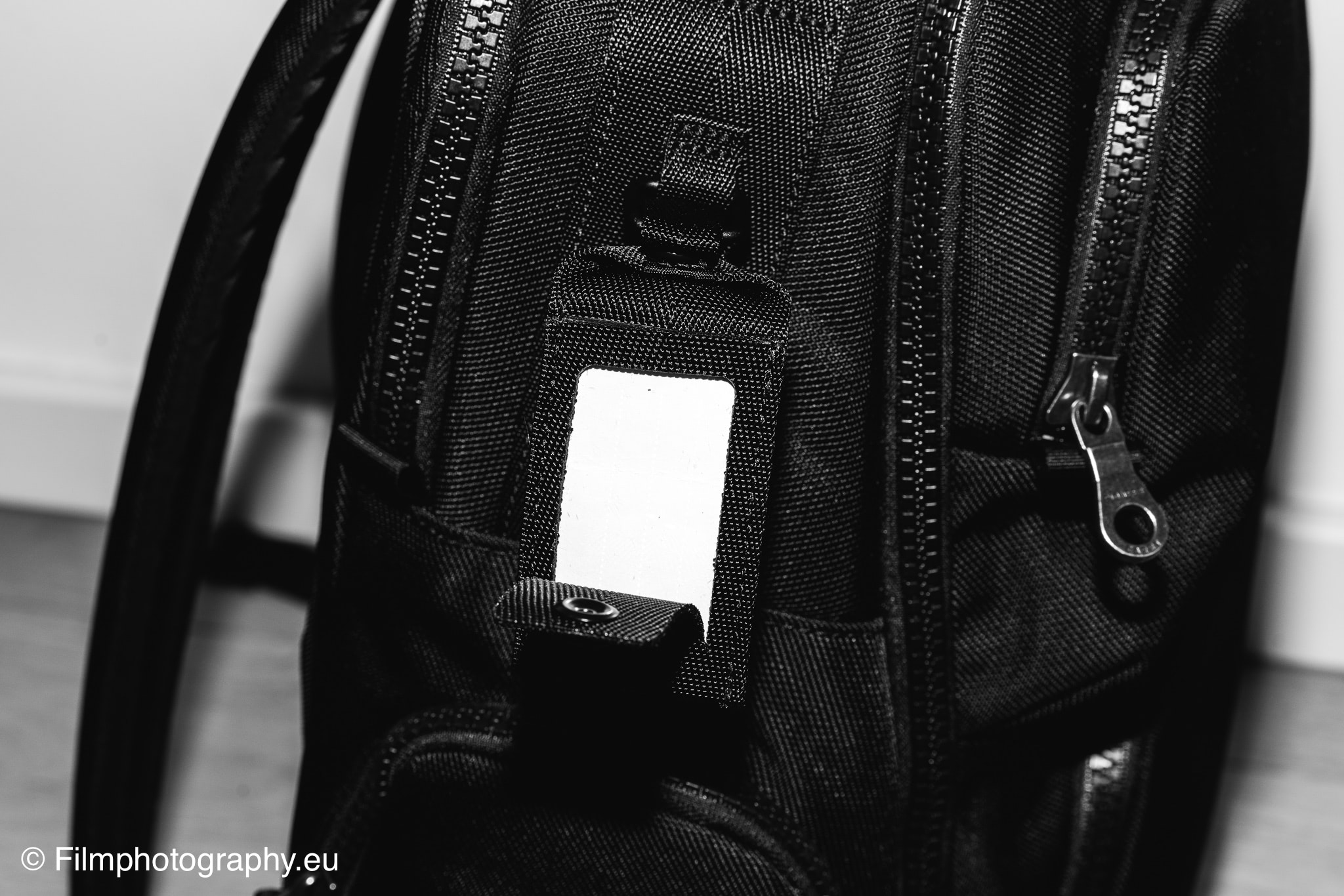
A detachable luggage tag made from the same material as the backpack completes the design; it can also be used to attach an employee ID or similar if needed.
Transporting Analog Cameras
For a photographer on the go with analog equipment, the backpack offers an interesting mix of style and function. The aesthetic of the backpack – a mix of modern and past – fits well with analog photography.
One can imagine the photographer roaming through villages with their medium format camera, storing their equipment in this backpack, which, through its robustness, seems as if it has been family-owned for generations. At the same time, the technical material and clean lines give it a timeless, almost luxurious character that does not look out of place in a modern urban environment.
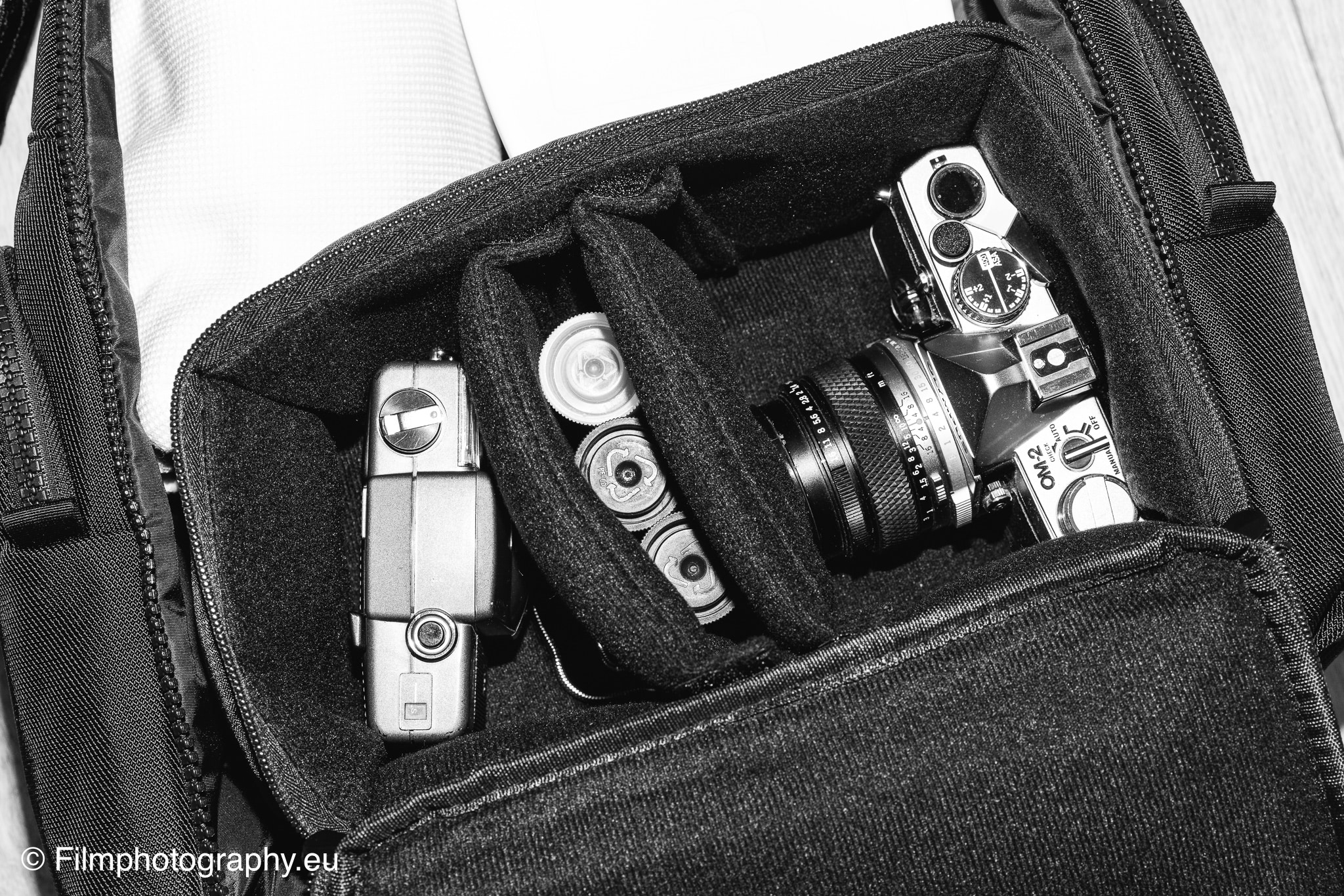
The Panda Pack is not a dedicated camera backpack but can be very well adapted for this purpose. Its strength here lies in its flexibility. Instead of committing to a fixed system, the user can customize the backpack to their exact needs with third-party camera inserts. The fully opening main compartment is a major advantage here, as it provides a perfect overview and access to all equipment, similar to a professional camera case.
The external pockets are ideal for accessories: film rolls, an external light meter, notebook and pen for notes, cable release, and filters. The side pockets can accommodate a compact travel tripod.
A compact 35mm camera or pocket film camera also fits perfectly into a side pocket. You can access it without having to take off the backpack.
Conclusion on the Pioneer Panda Pack
The Pioneer Panda Pack is a well-thought-out and high-quality product. You can tell that the developers have put thought into many details, from the choice of materials and the arrangement of pockets to the feel of the zippers. The result is a harmonious overall concept that you will enjoy for a long time.
The backpack impresses with its robust construction from 100% nylon and its flexible usability, while still allowing for good organization. I personally find it pleasant that you are not forced into a pre-made corset.
Minor details, such as it standing upright, the carry handle being well-balanced, the separate laptop compartment, and the main compartment opening almost completely. Small details that, once you have them, you don’t want to miss anymore.
Waterproof zippers would certainly be desirable so you don’t have to worry too much in a rain shower. But it is also understandable why they decided against it. In return, you get these satisfactorily large zippers.
It is a good choice as a versatile everyday backpack for commuters but also cuts an excellent figure on trips. Its true strength lies in its ability to adapt to different needs, whether as an office companion, a carry-on for a weekend trip, or as a discreet and stylish camera bag for the analog photographer.
The Panda Pack succeeds in bridging the gap between a durable, almost traditional appearance and modern, technical materials, giving it a distinct character. It is not a loud, flashy backpack, but a solid and reliable companion for the discerning user.
Why the Name Panda Pack?
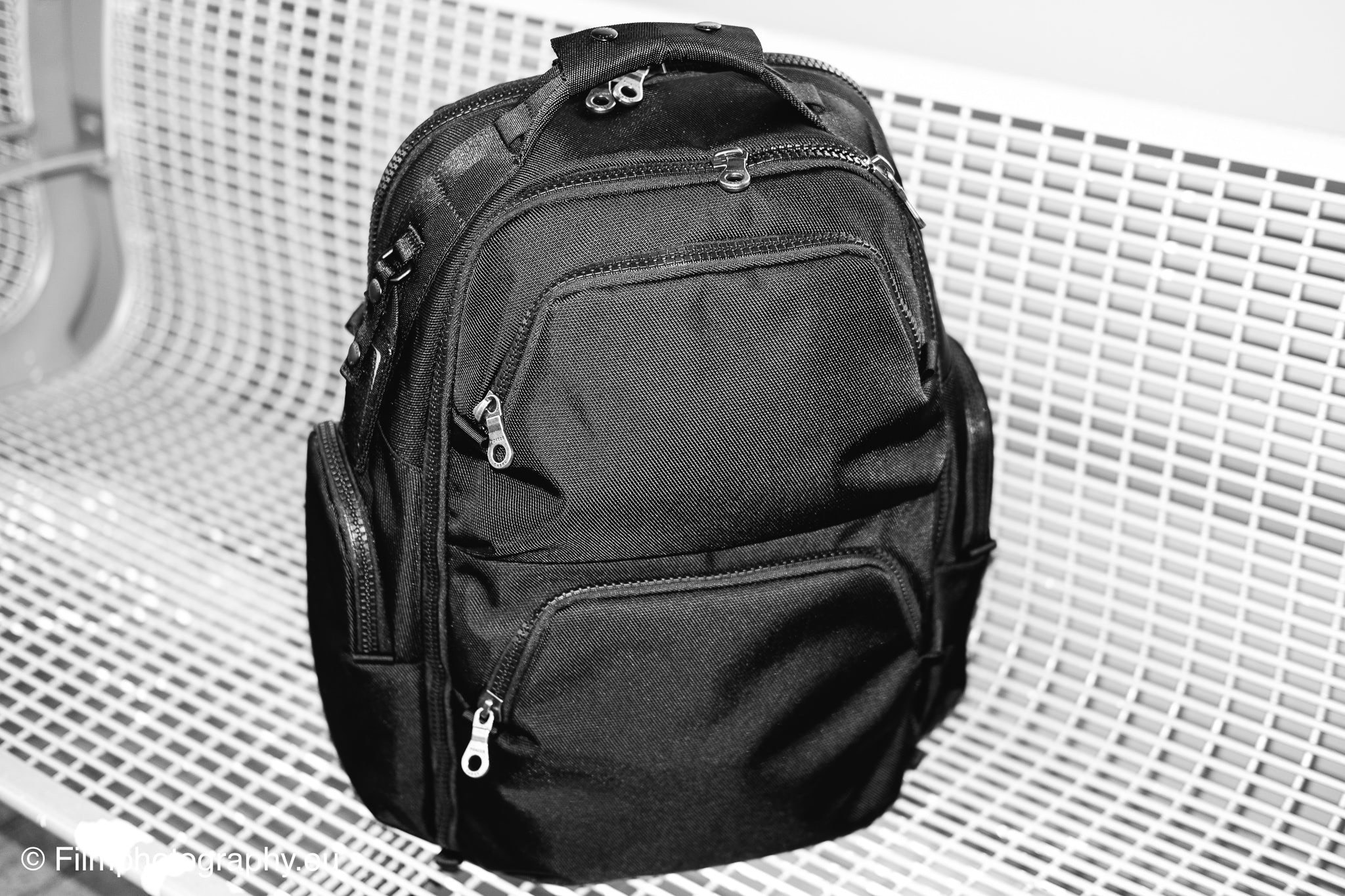
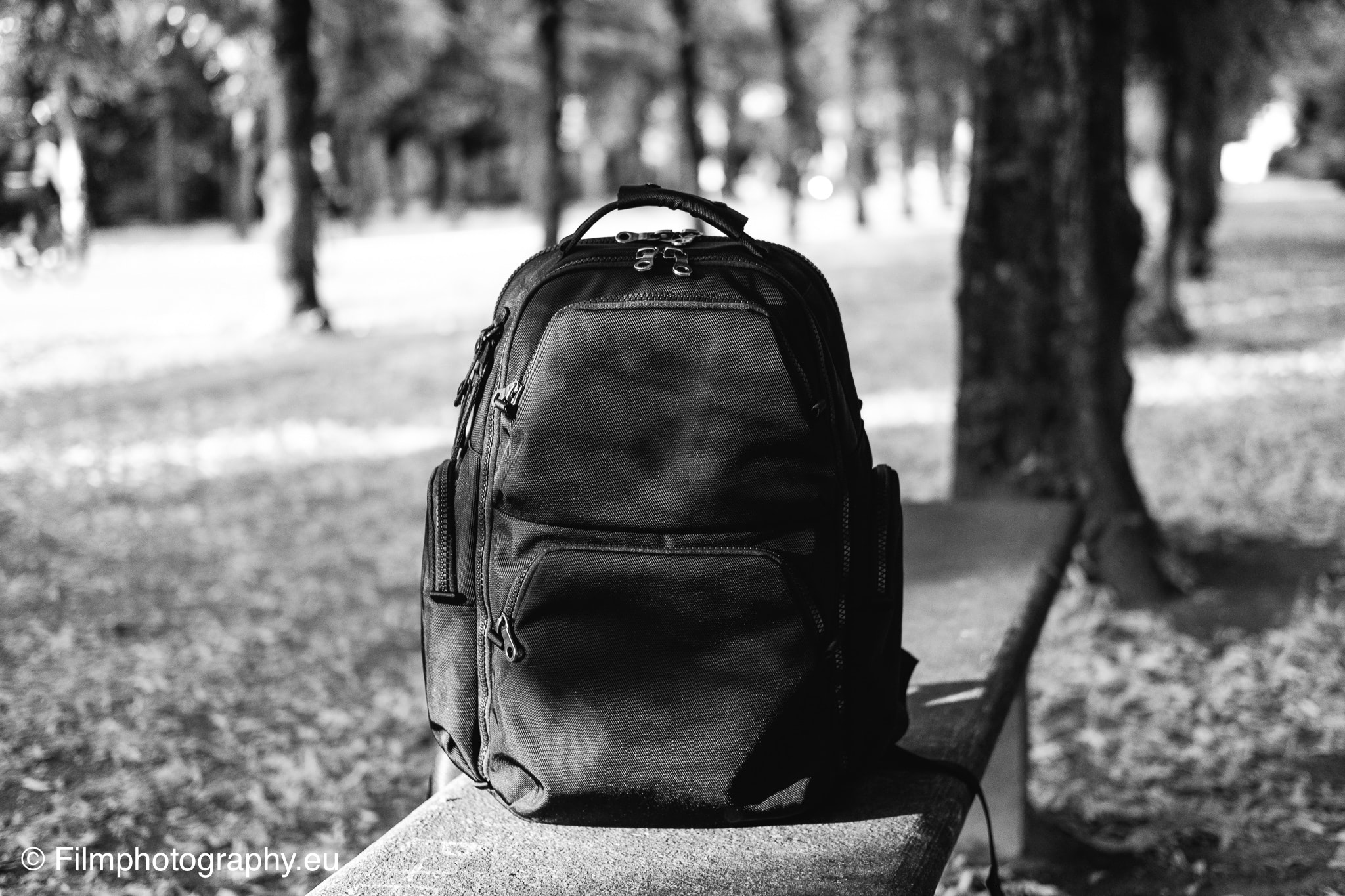
When the backpack’s design was created, it resembled a round, chubby panda bear, which gave it its name. The team wanted a name that would be memorable.
Buy Pioneer Panda Pack
The Panda Pack can be most easily purchased through Pioneer’s online shop. An international shipping option is offered.
I love that the branding is so understated! It’s refreshing to see a premium product that doesn’t scream its name everywhere. The subtle embossed zippers are a nice touch. It shows confidence in the product quality rather than relying on overt logos.
Great review! It’s really encouraging to see companies investing in durable materials and thoughtful design that stands the test of time, rather than just focusing on trends. A well-built backpack like the Panda Pack is an investment that pays off in comfort and reliability over many years.
As an analog photographer, I’m really drawn to the idea of this being a versatile camera bag. The ability to customize with third-party inserts is brilliant, and the external pockets for film rolls and light meters sound perfect. I might have to invest in one of these and pair it with a good padded cube for my medium format gear!
This backpack looks fantastic for urban use and travel, especially with the clamshell opening.
This sounds like the ultimate everyday carry! Thanks for the review.
I’m tempted to buy one.
I own it and looove it!
How do you find the comfort on longer wear, say, a full day of sightseeing, without a sternum strap?
No problem for me personally
Seems perfect for me but out of my budget