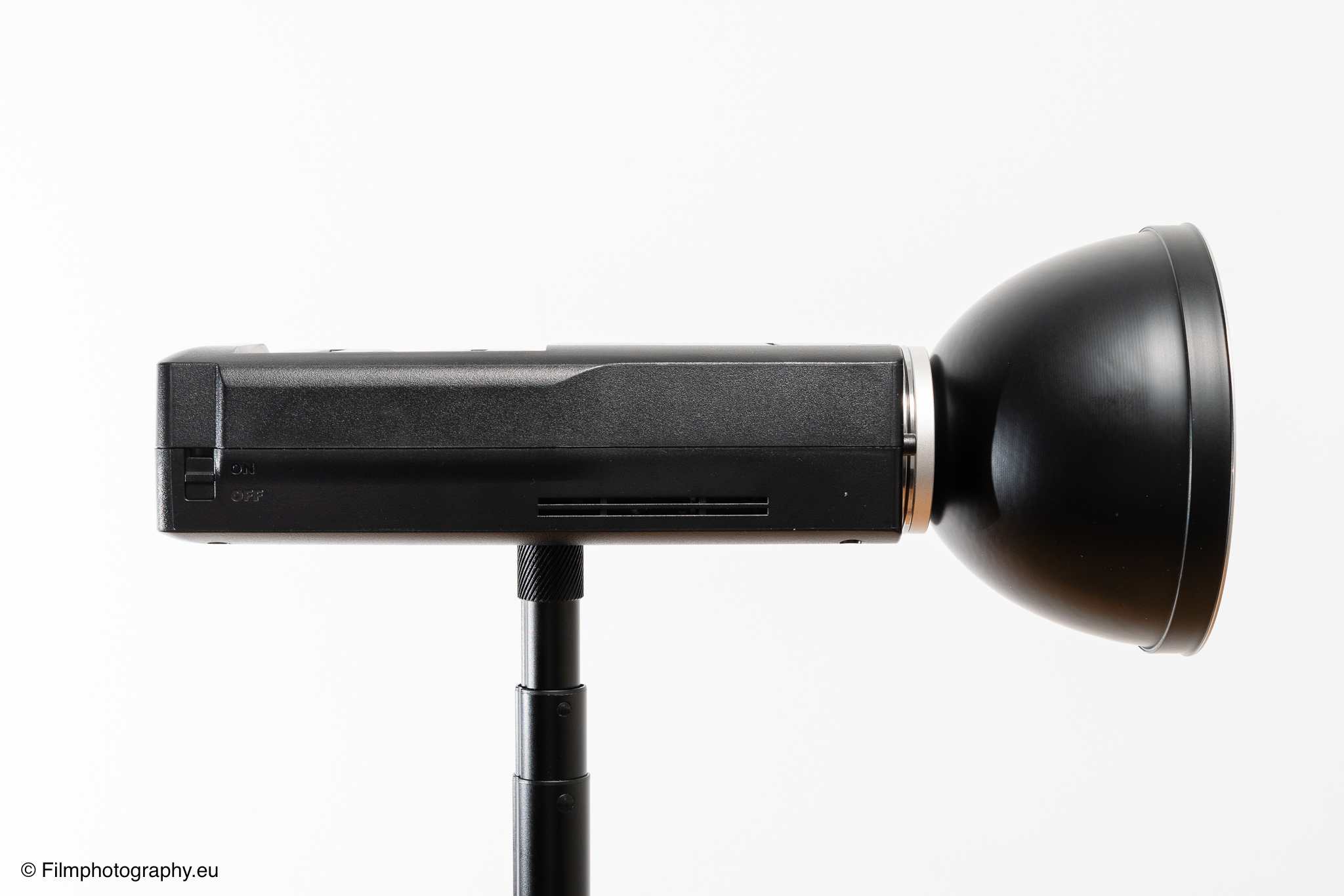
Compact flash units with exposed flash tubes have made mobile lighting much more flexible in recent years. With the YN200 II, Yongnuo brings a revised version of its handy flash to the market, which now, thankfully, uses widely available NP-F series batteries.
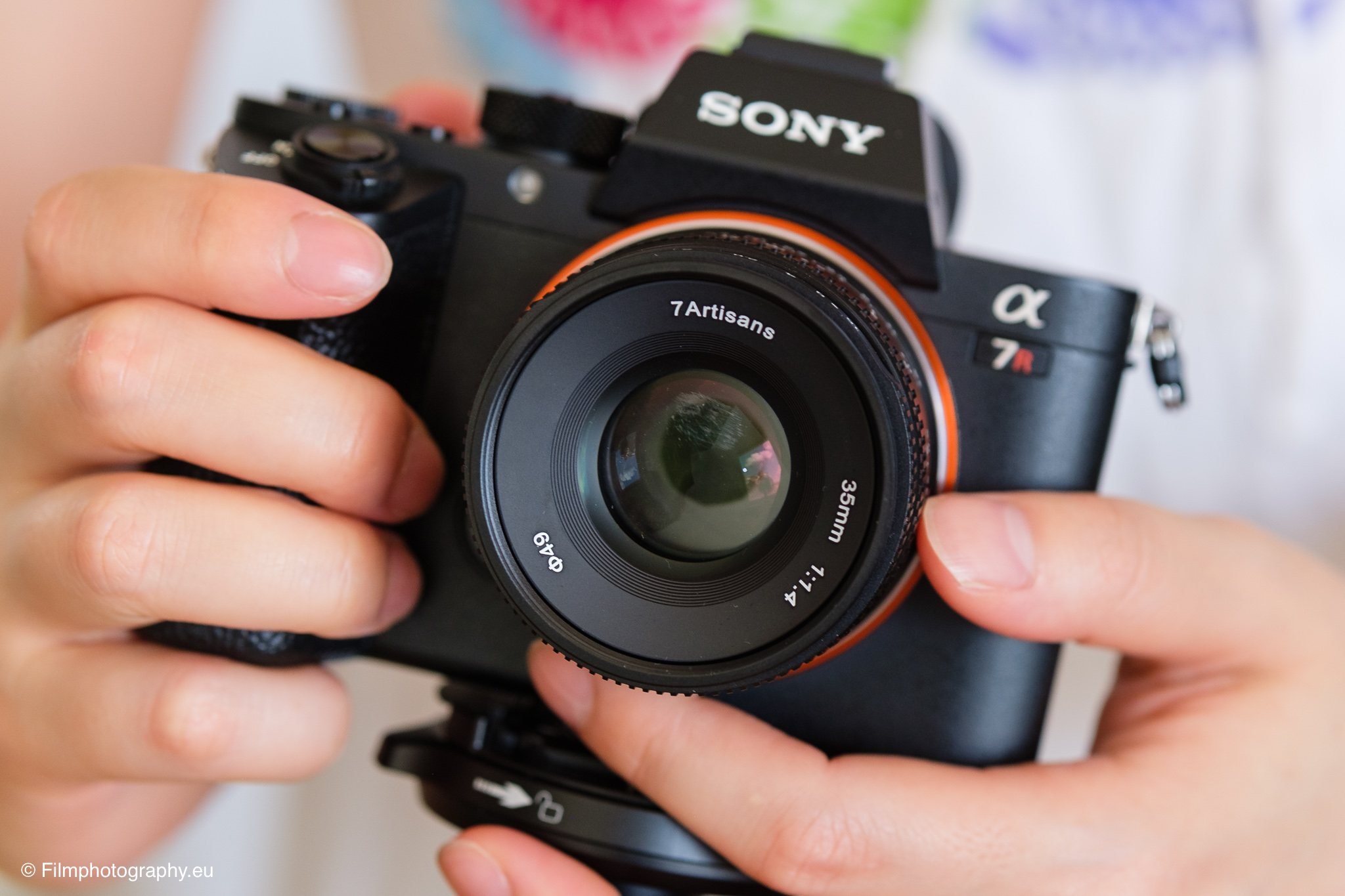
We took a close look at the system together with the matching wireless trigger YN560-TX Pro on a Sony camera.

Technical Specifications - Yongnuo YN200 II
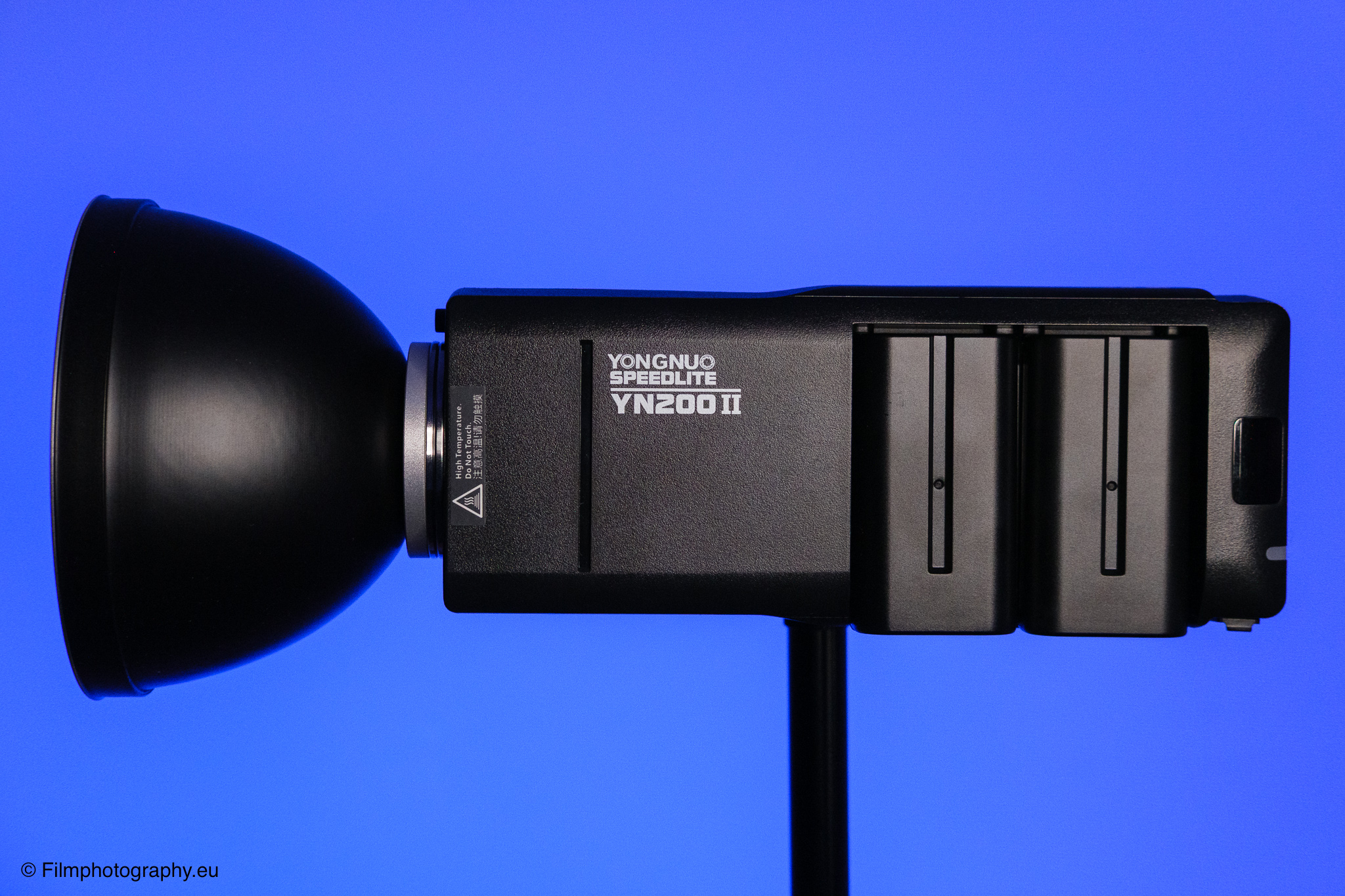
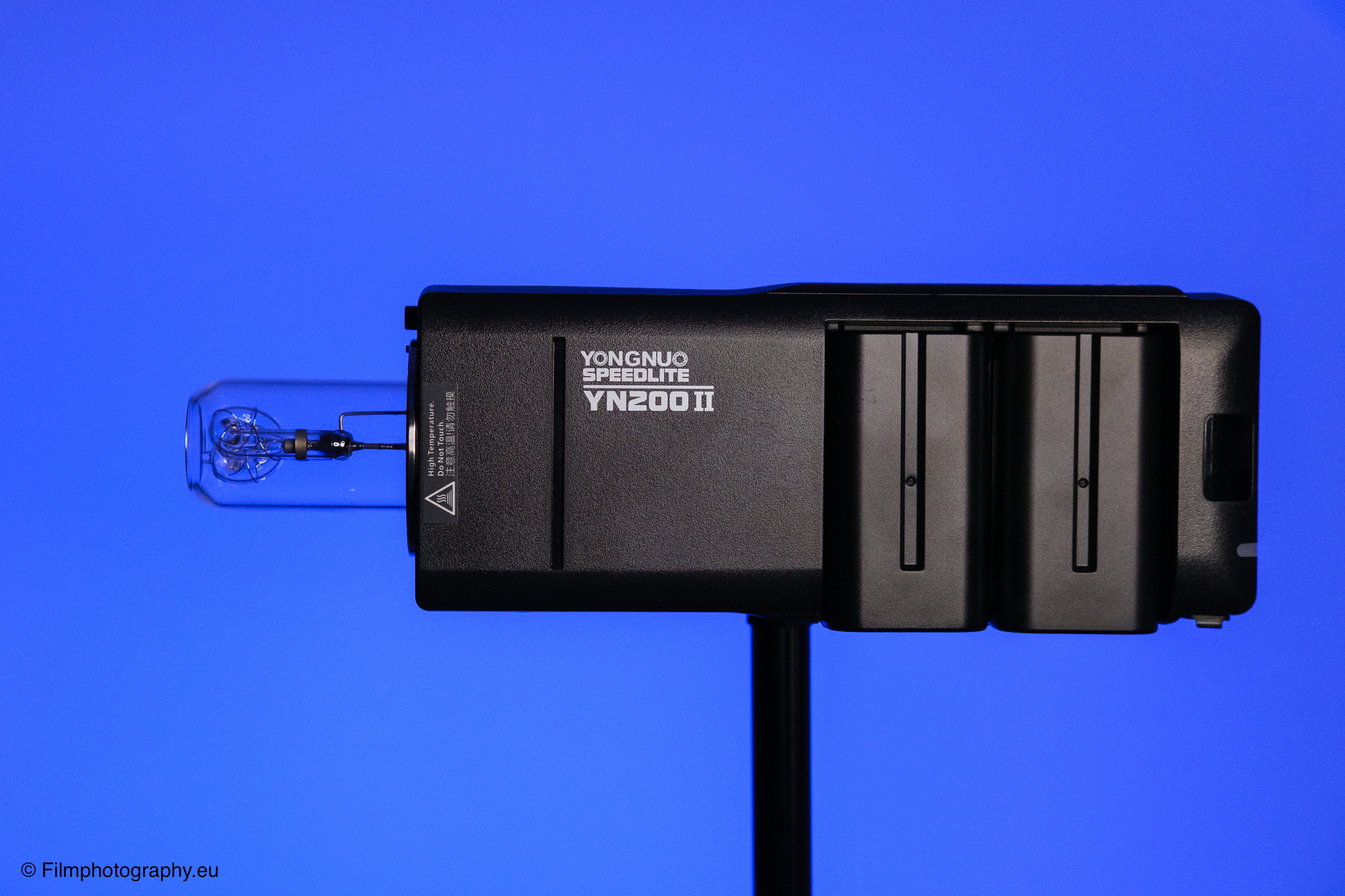
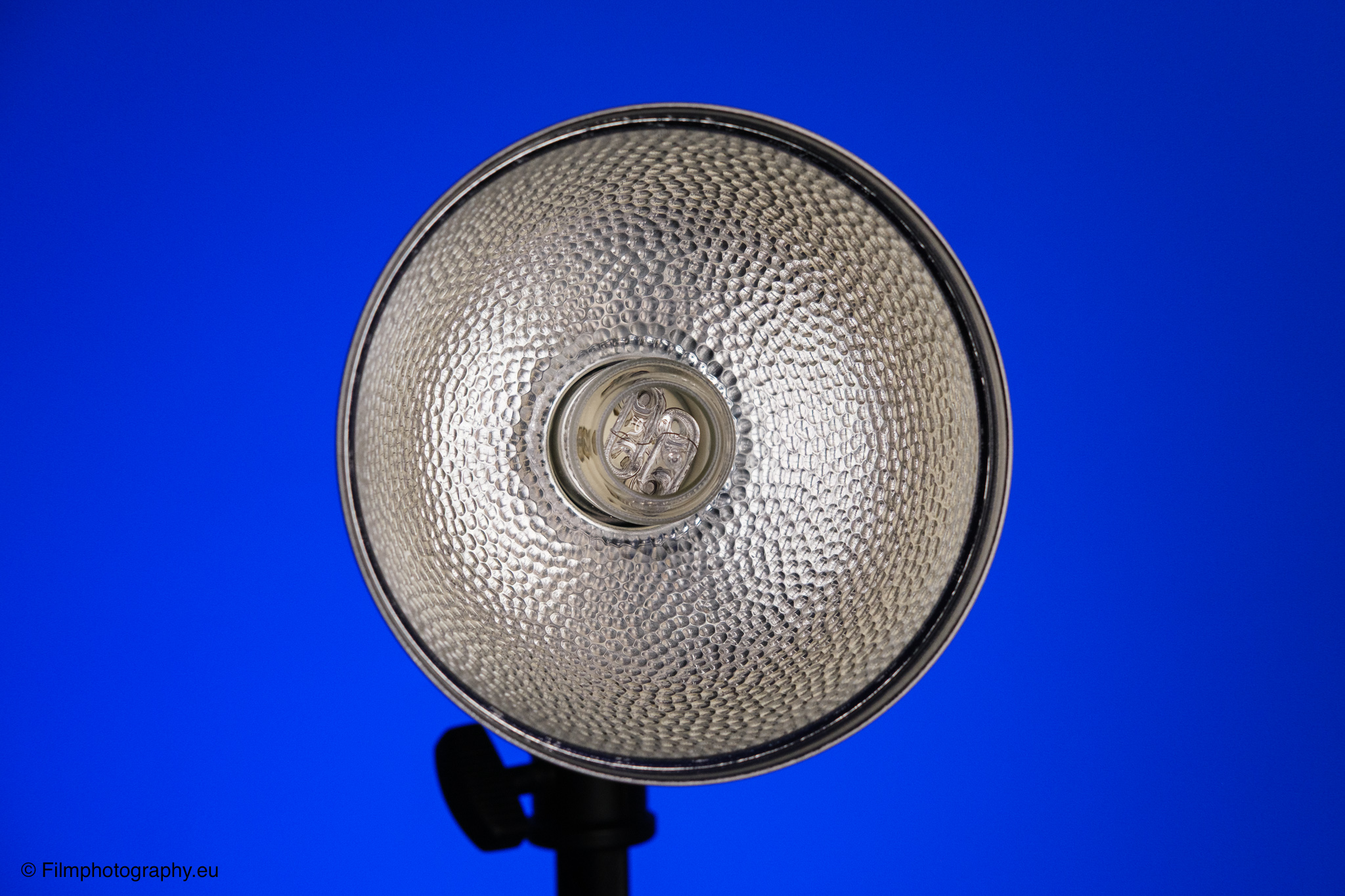
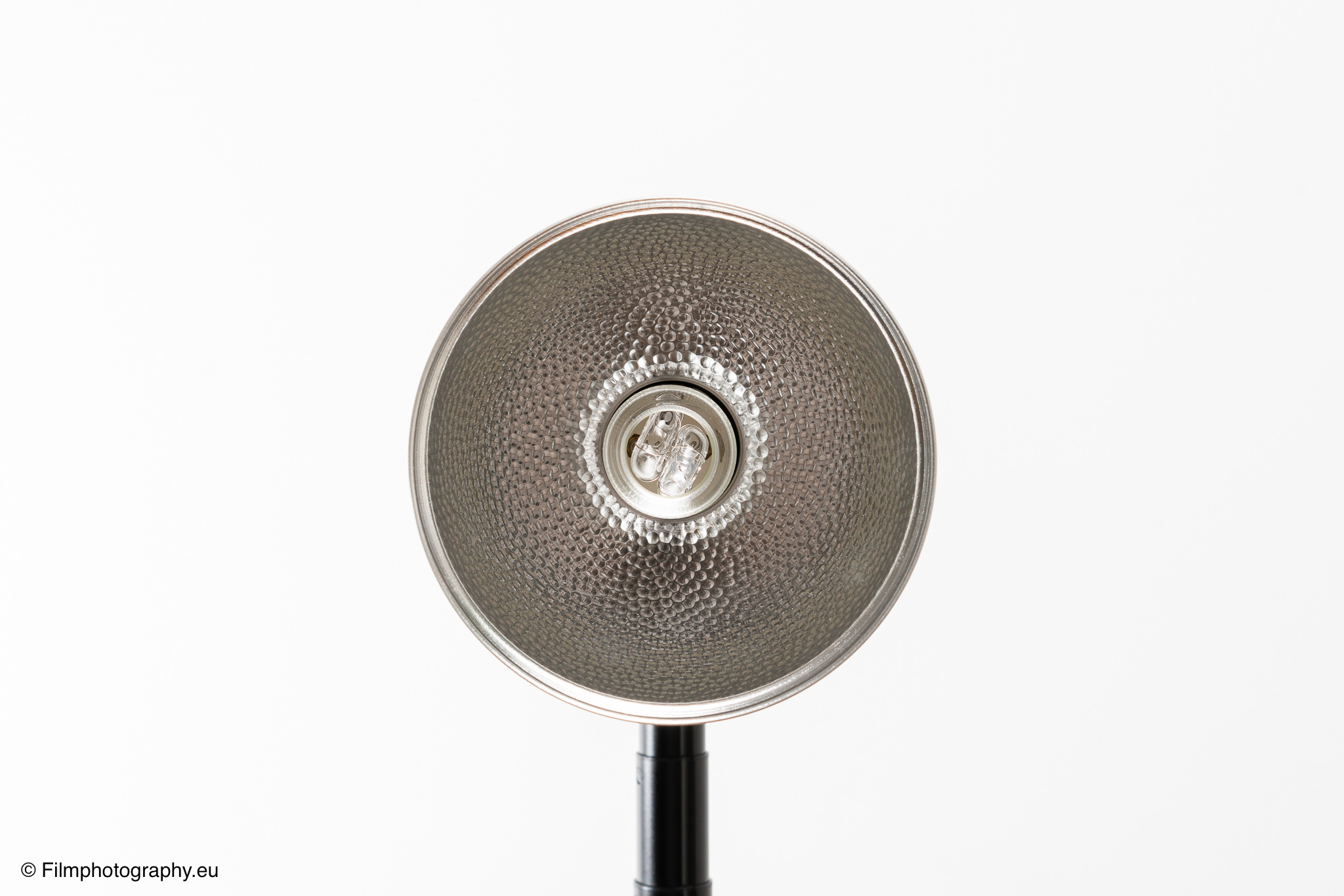
The Yongnuo YN200 II delivers a flash energy of 200 watt-seconds and, with the included reflector, achieves a guide number of 60 at ISO 100. The exposed flash tube ensures even light distribution, which is particularly advantageous when used in softboxes or shoot-through umbrellas. For power control, a wide range from full power down to 1/64 is available in precise third-stop increments.
In addition to manual mode, the device also supports automatic TTL metering and a stroboscopic mode for multiple exposures. For fast shutter speeds on the camera, high-speed sync up to 1/8000 second is fully supported.
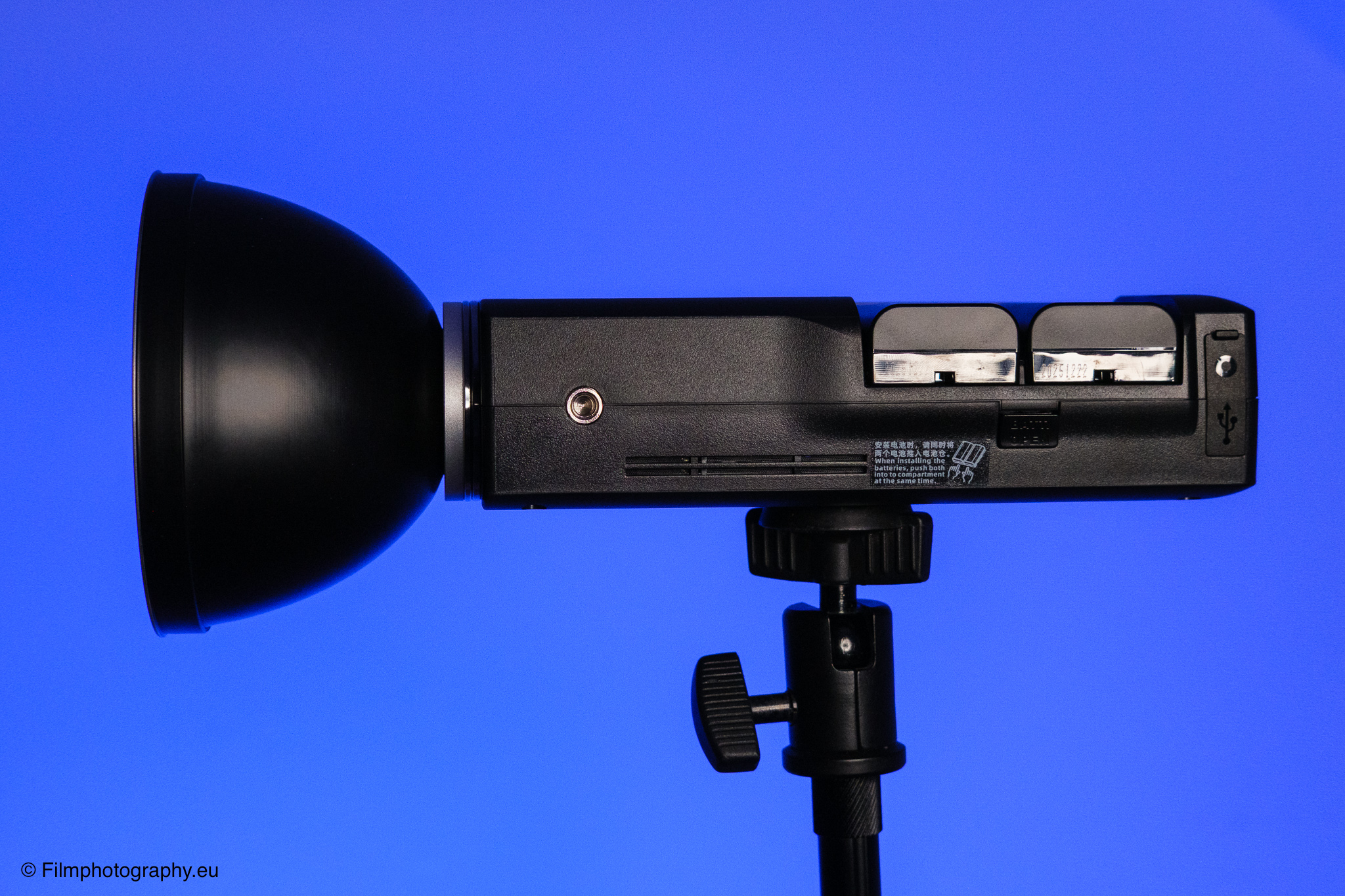
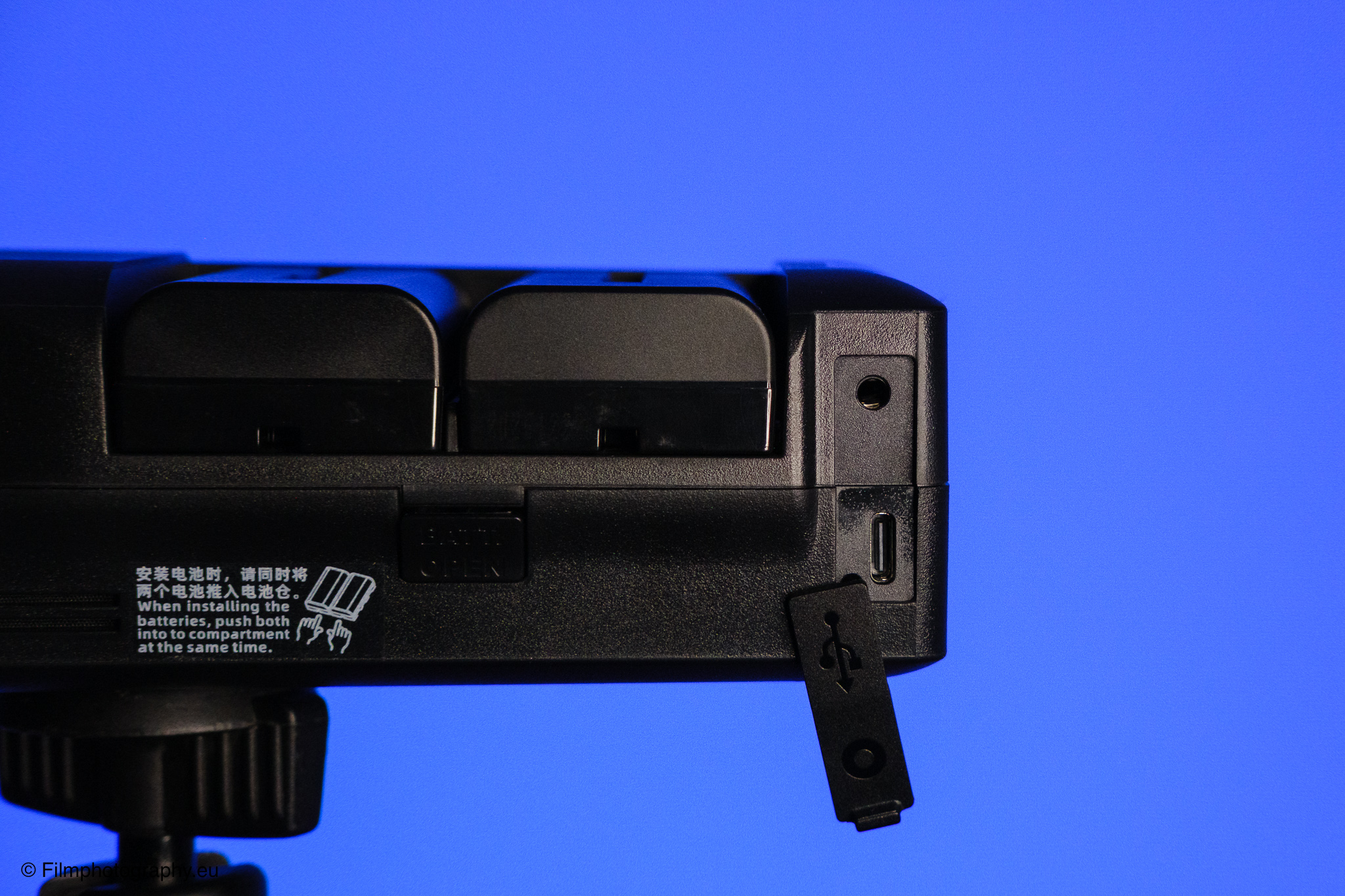
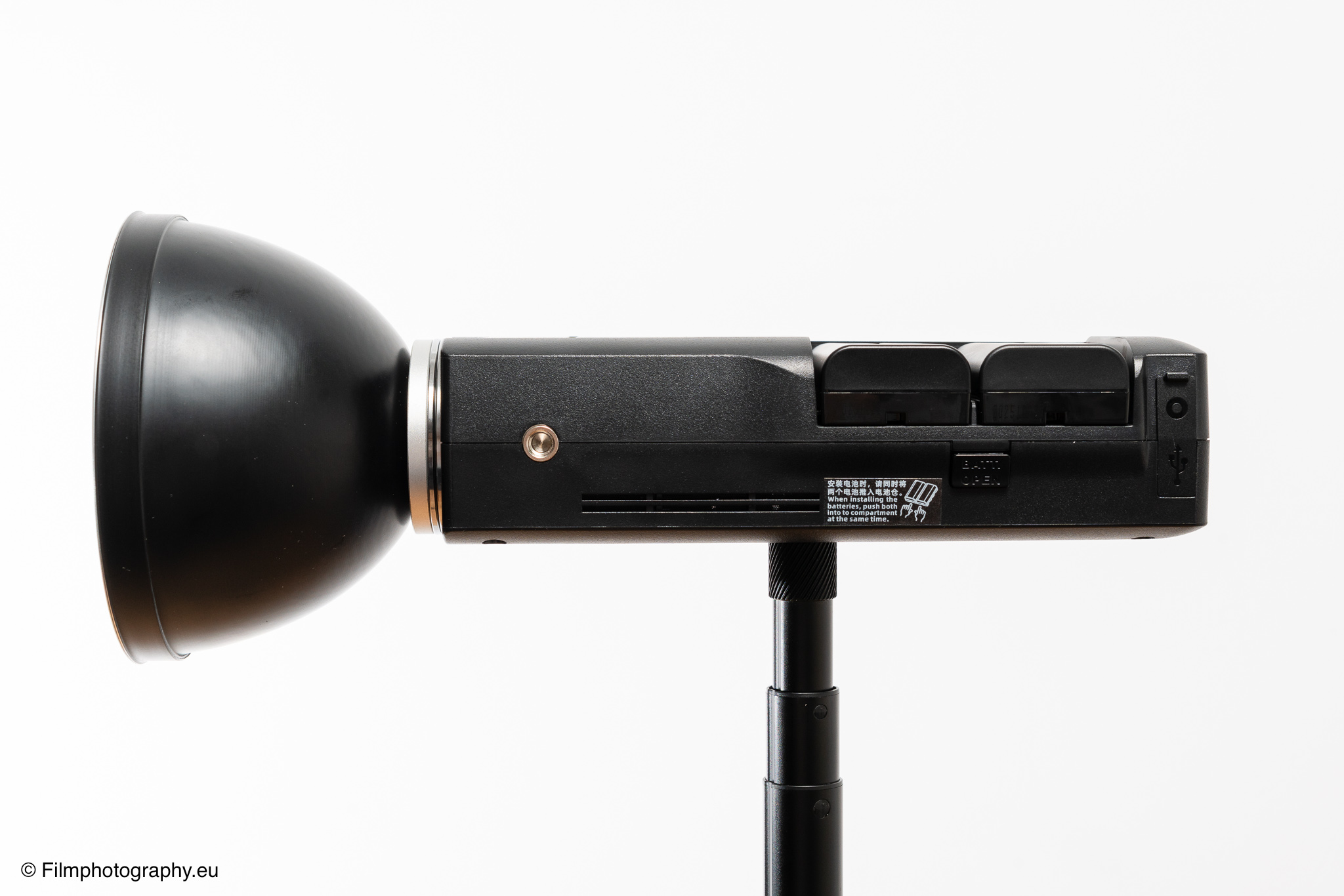
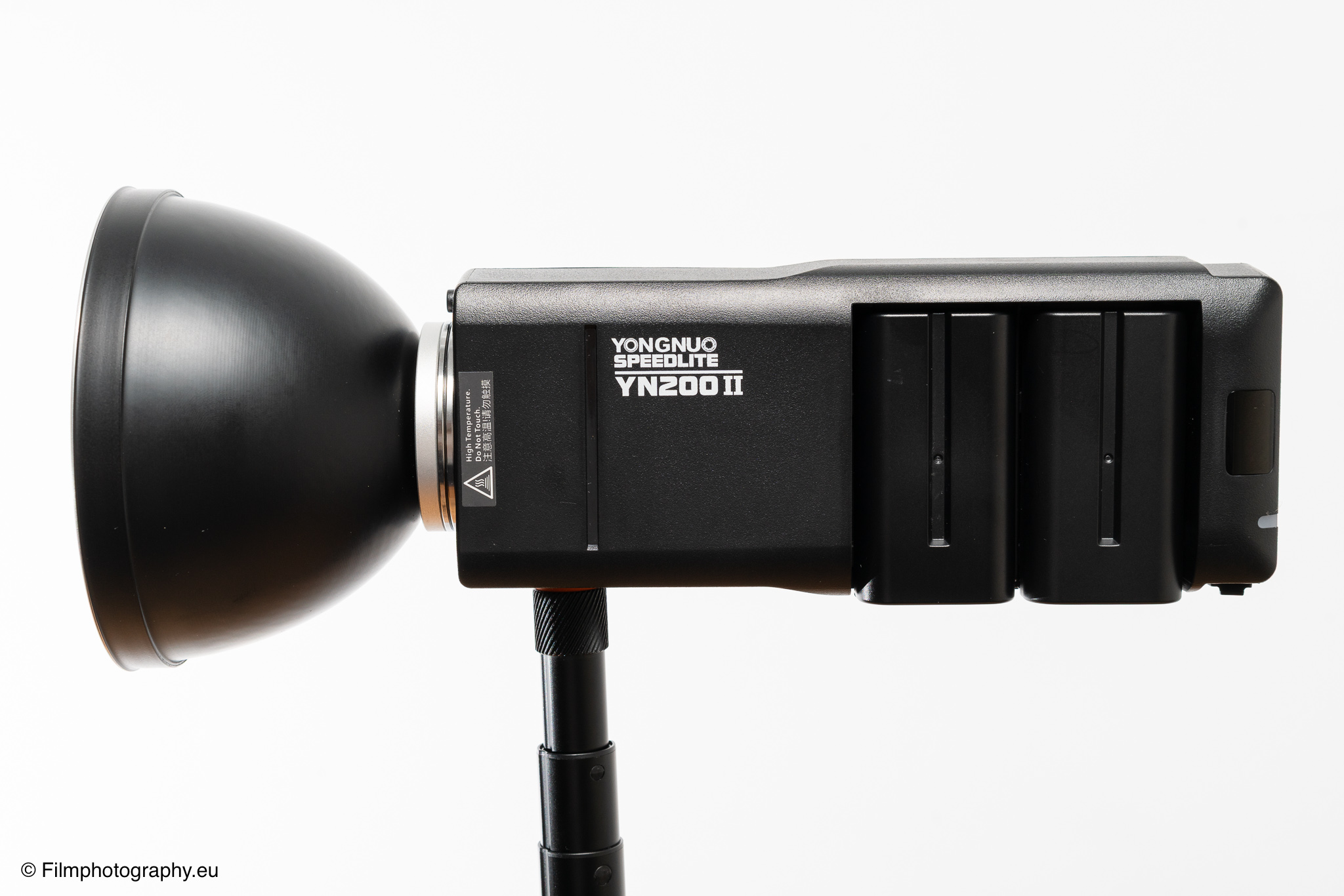
A key innovation of the second generation concerns the power supply. Instead of a proprietary battery, the flash now uses NP-F type lithium-ion batteries, as used in many video lights or monitors.
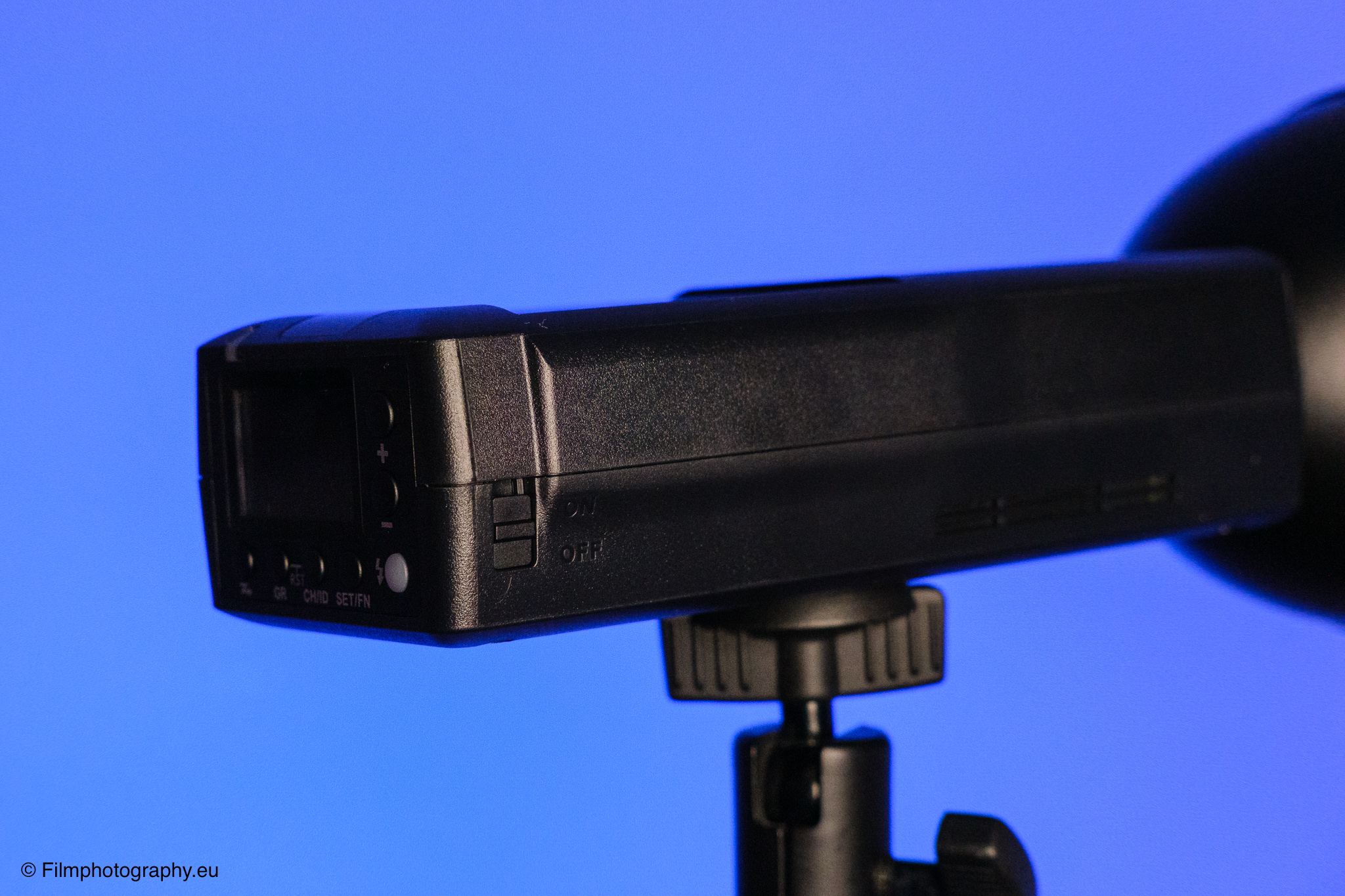
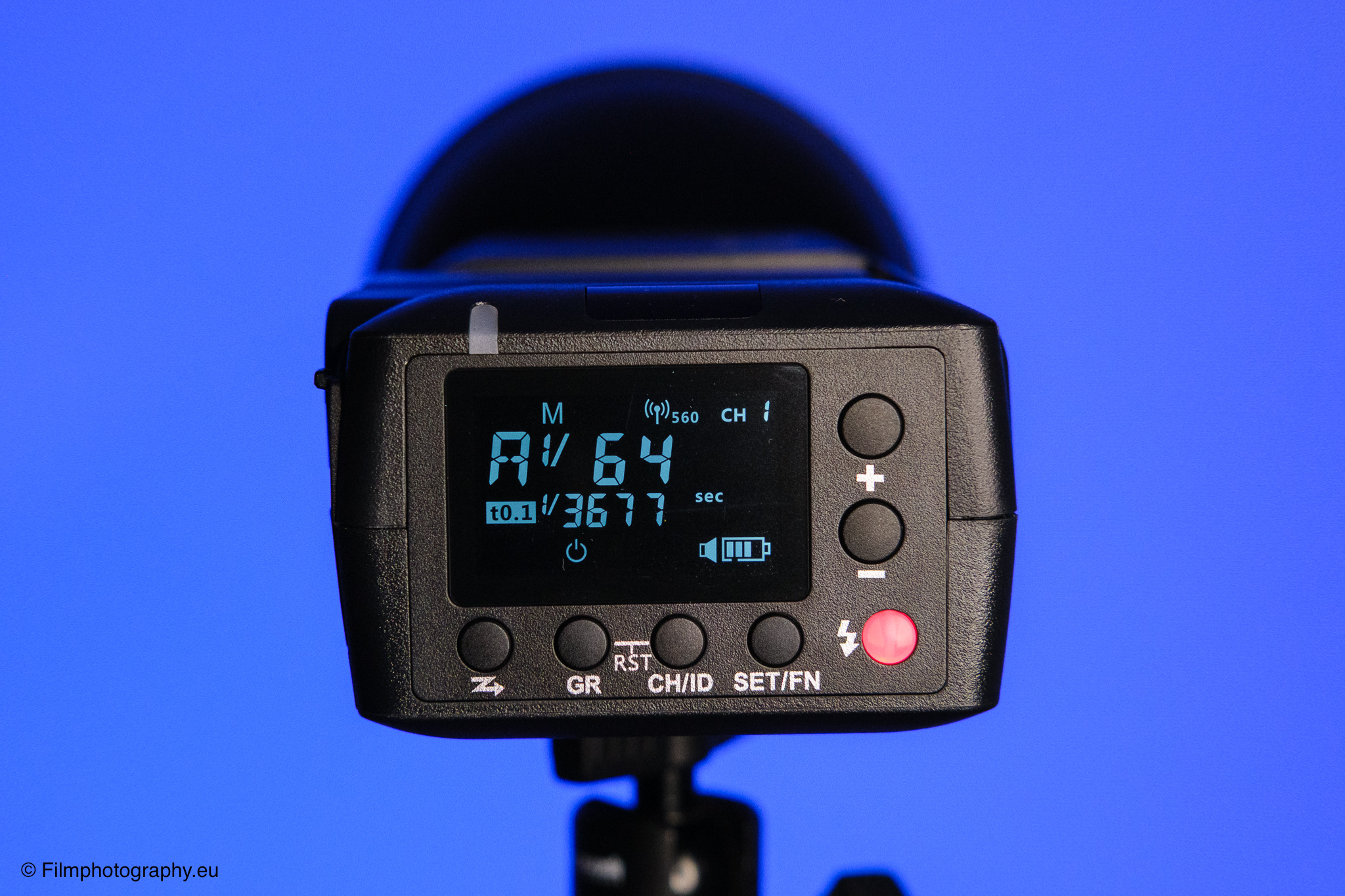
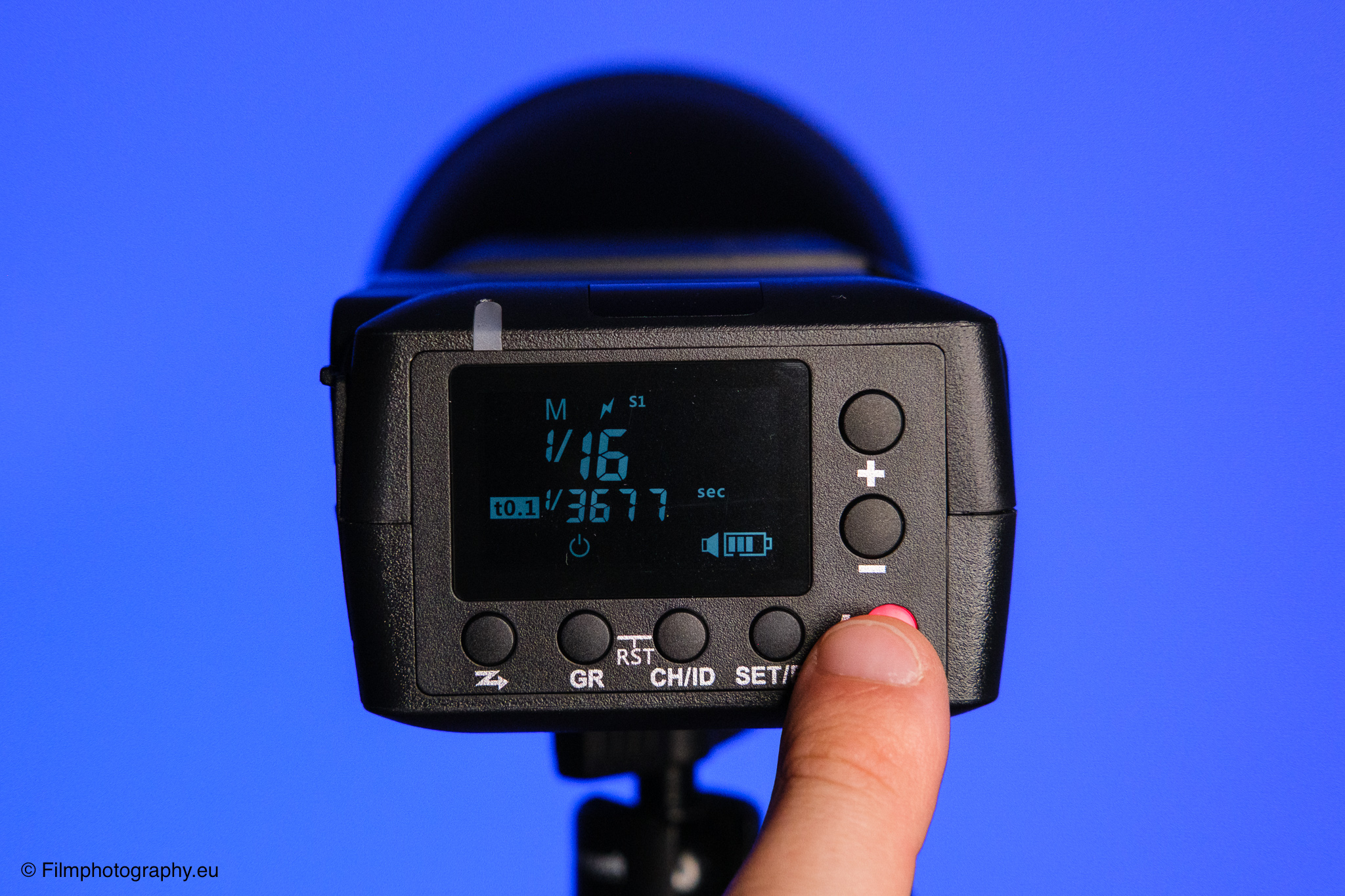
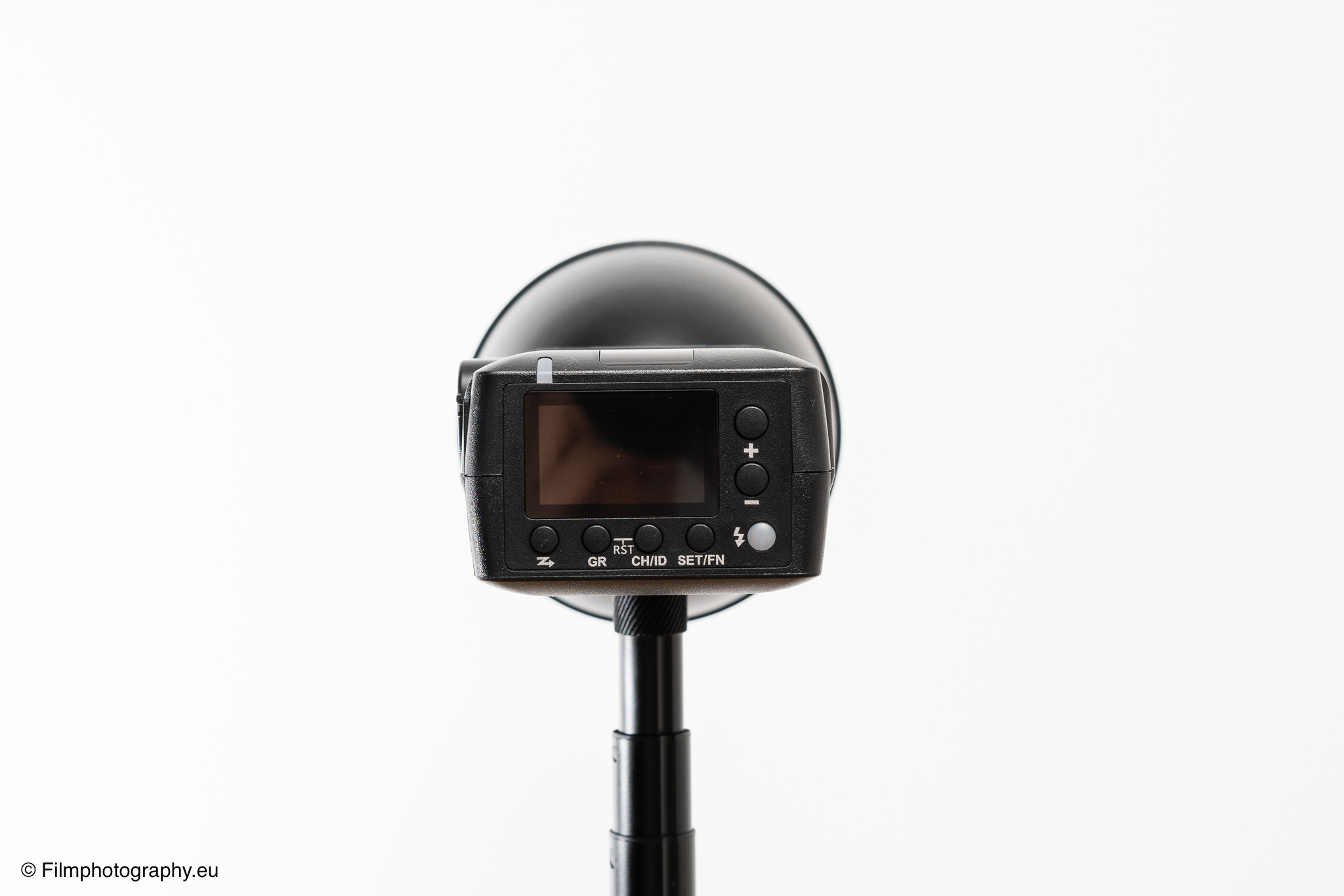
The recycle time between two flash firings ranges from about 0.01 to two seconds, depending on the power setting. The integrated radio module receives signals on the 2.4 GHz band and can be integrated into sixteen channels and multiple groups. On the back, there is an illuminated LC display that, together with the buttons, allows direct control on the device.
Technical Specifications - Yongnuo YN560-TX Pro
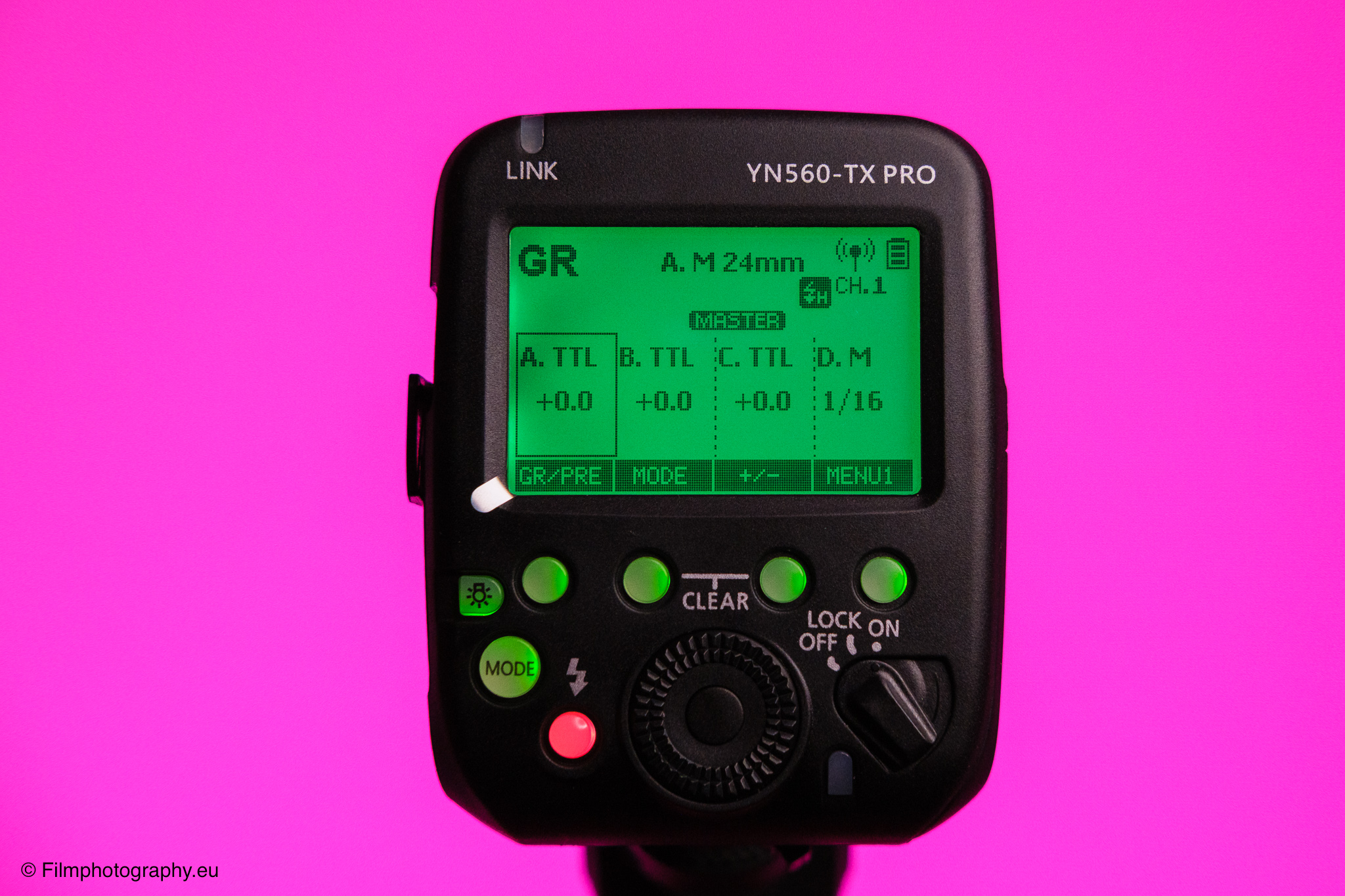
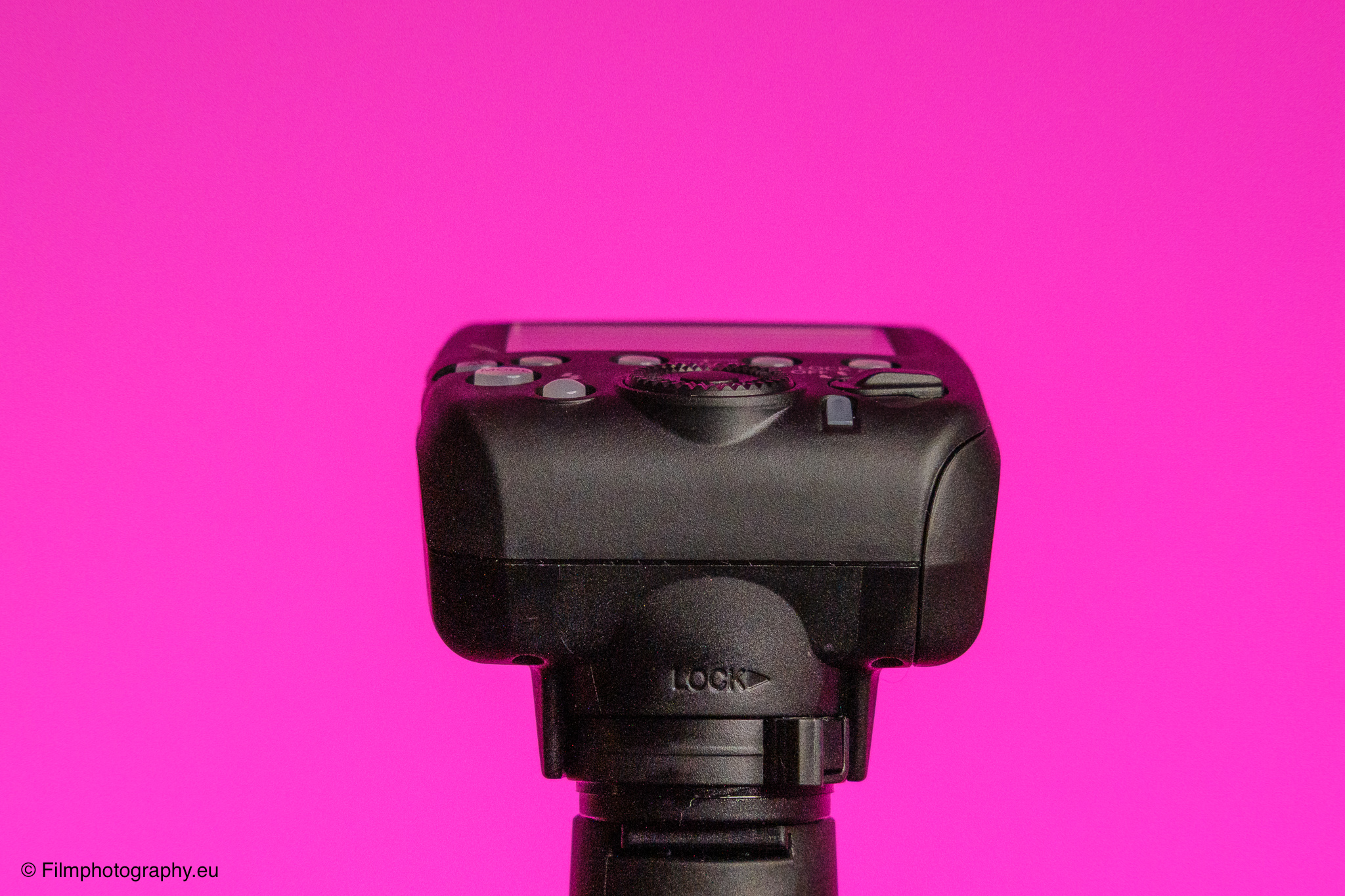
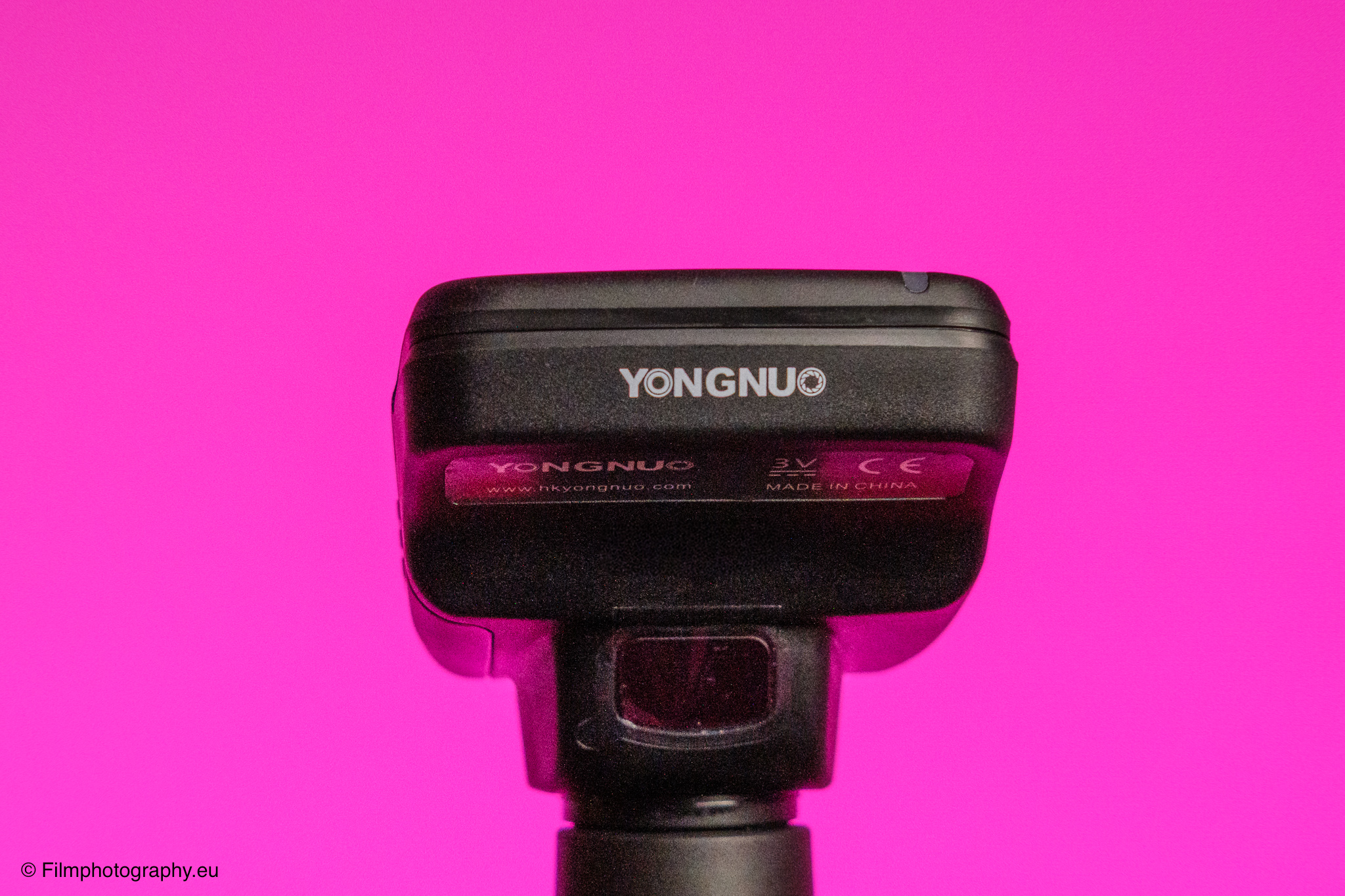
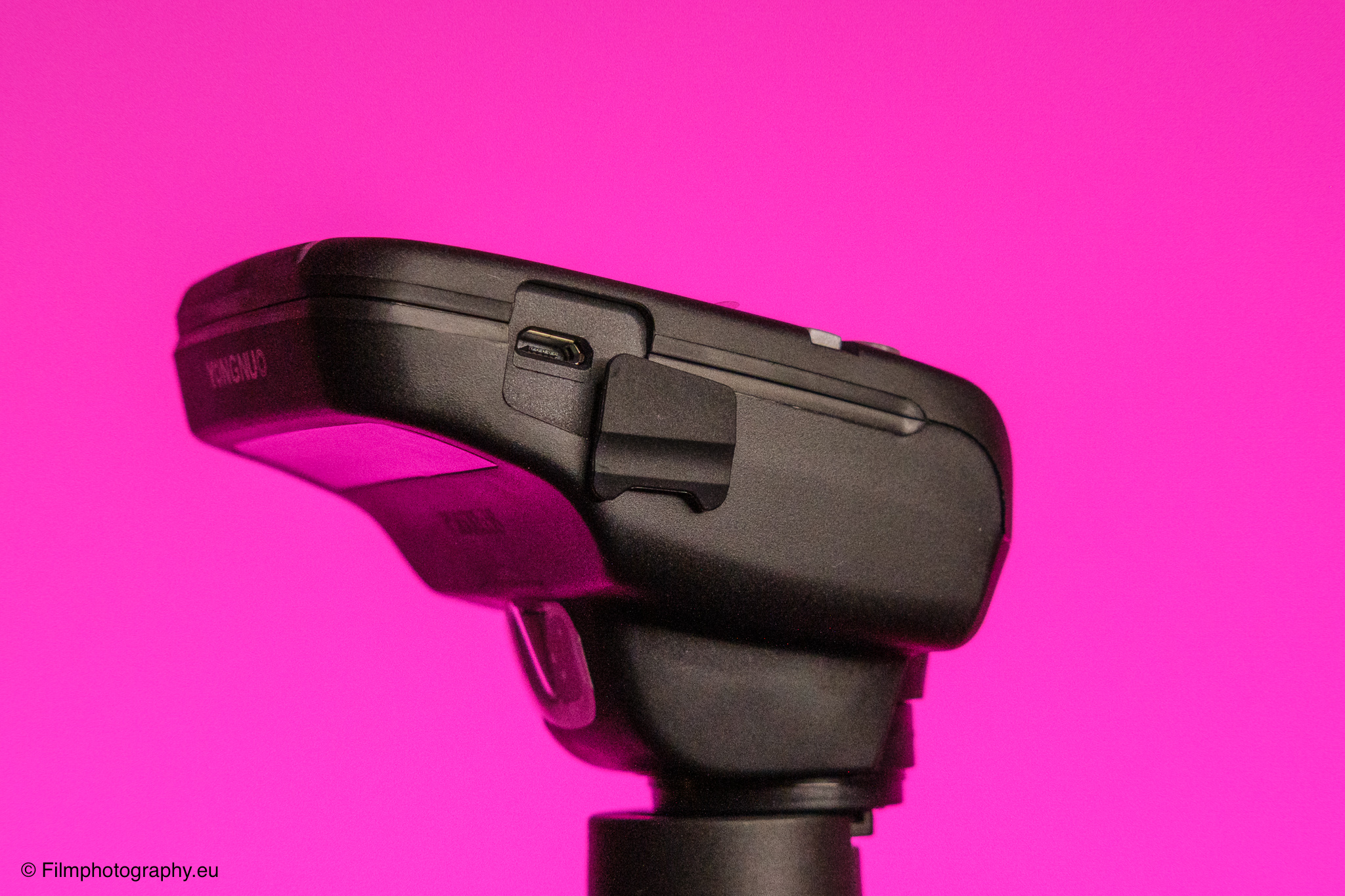
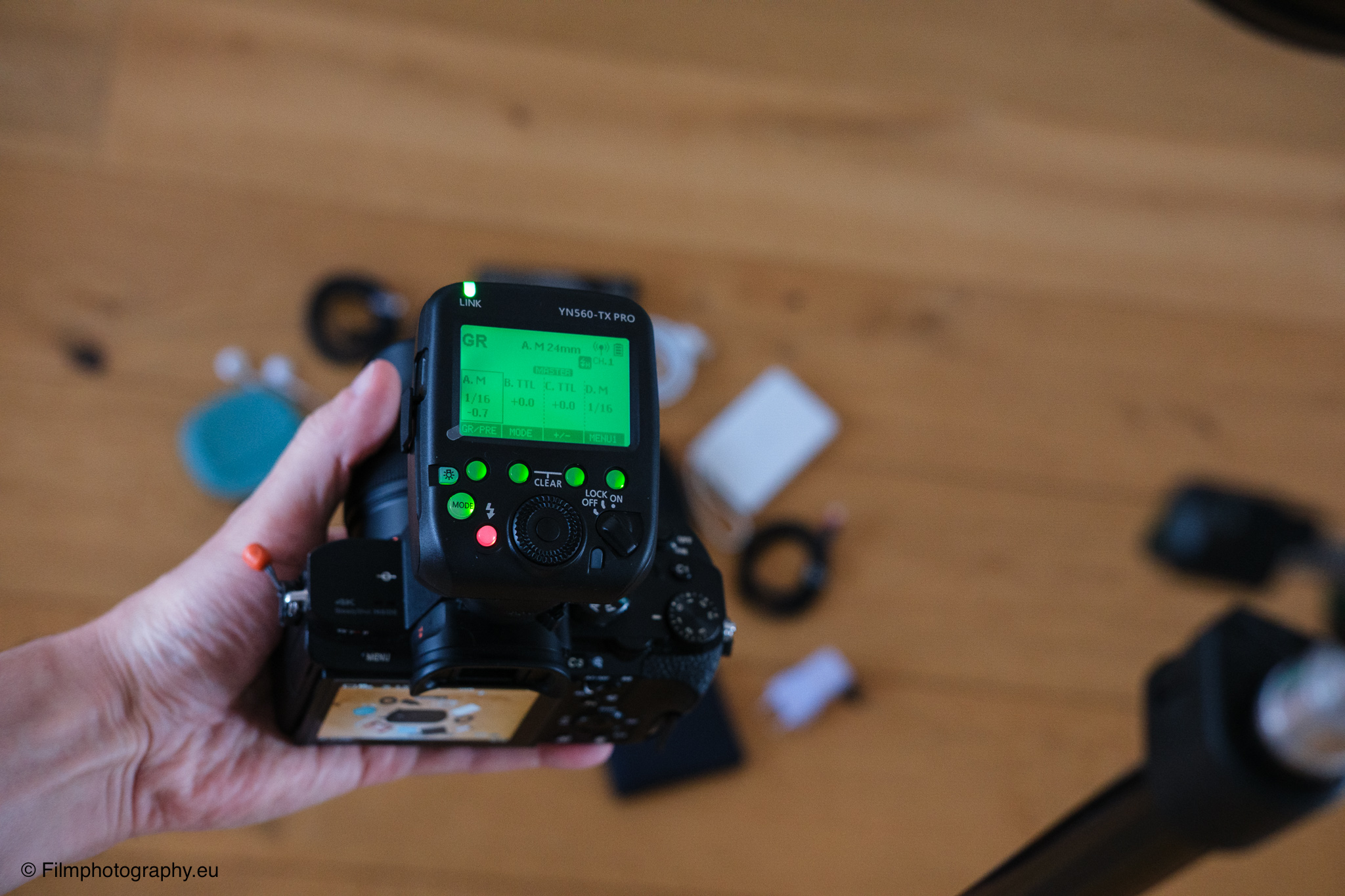
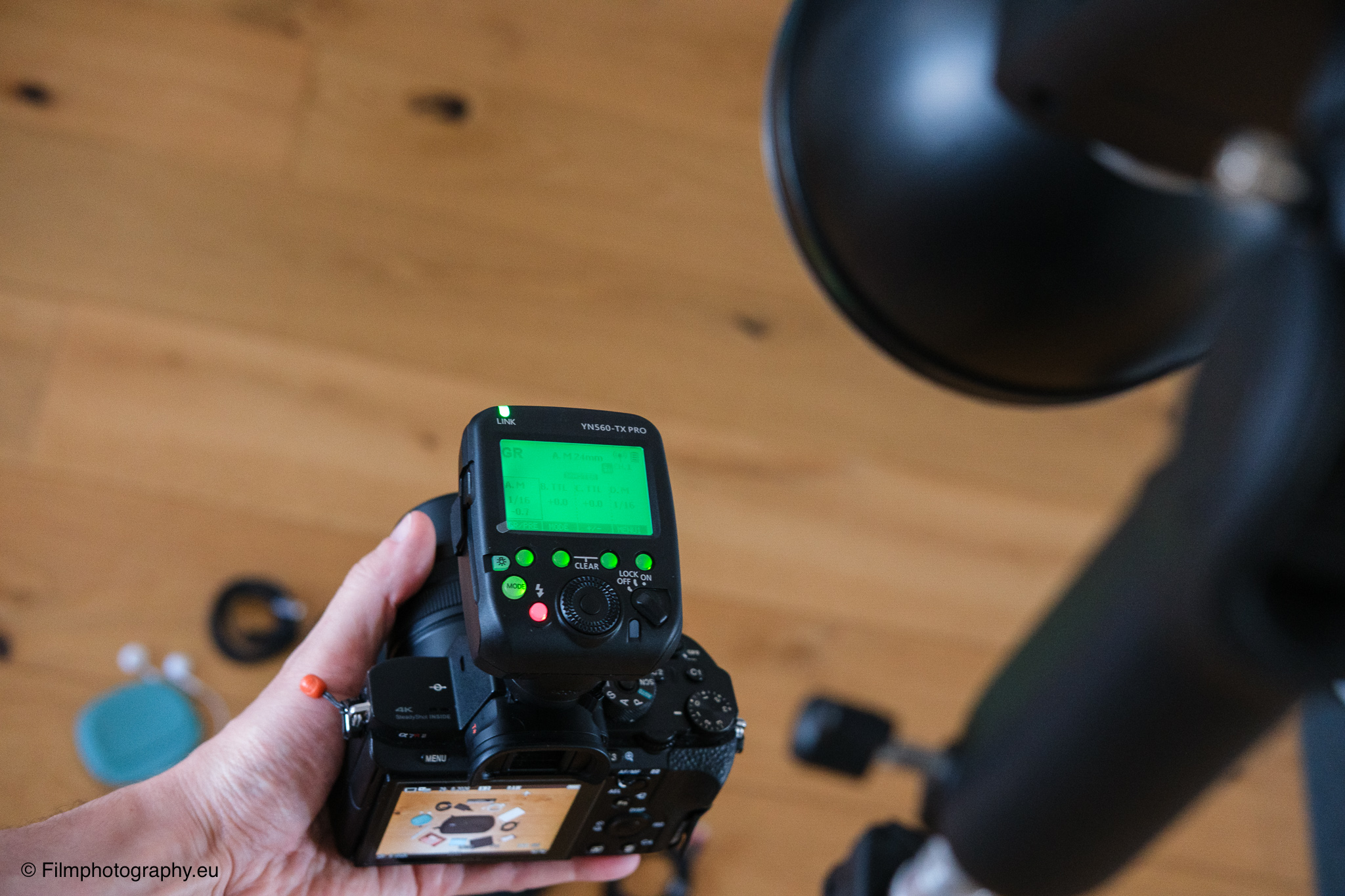
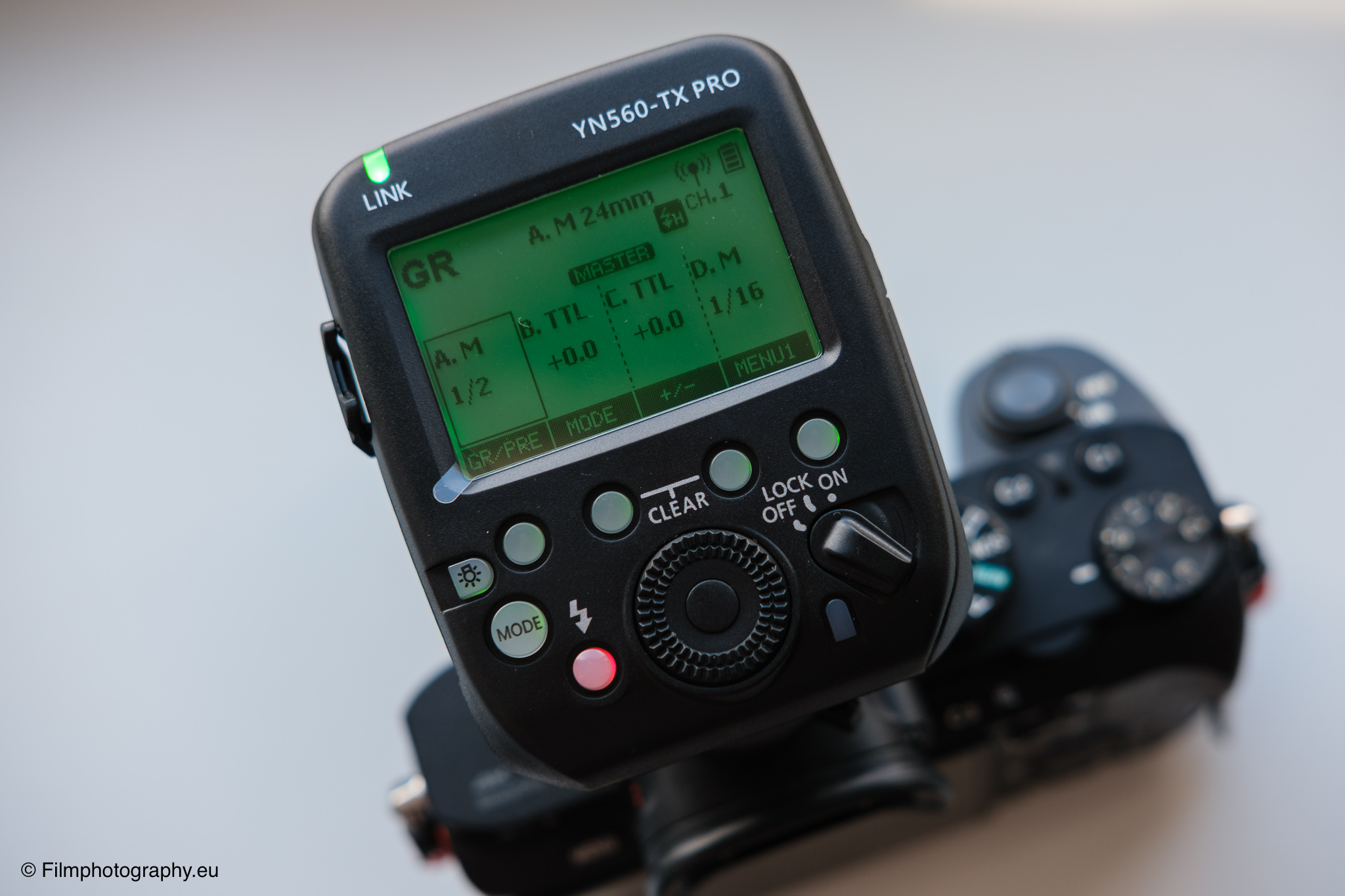
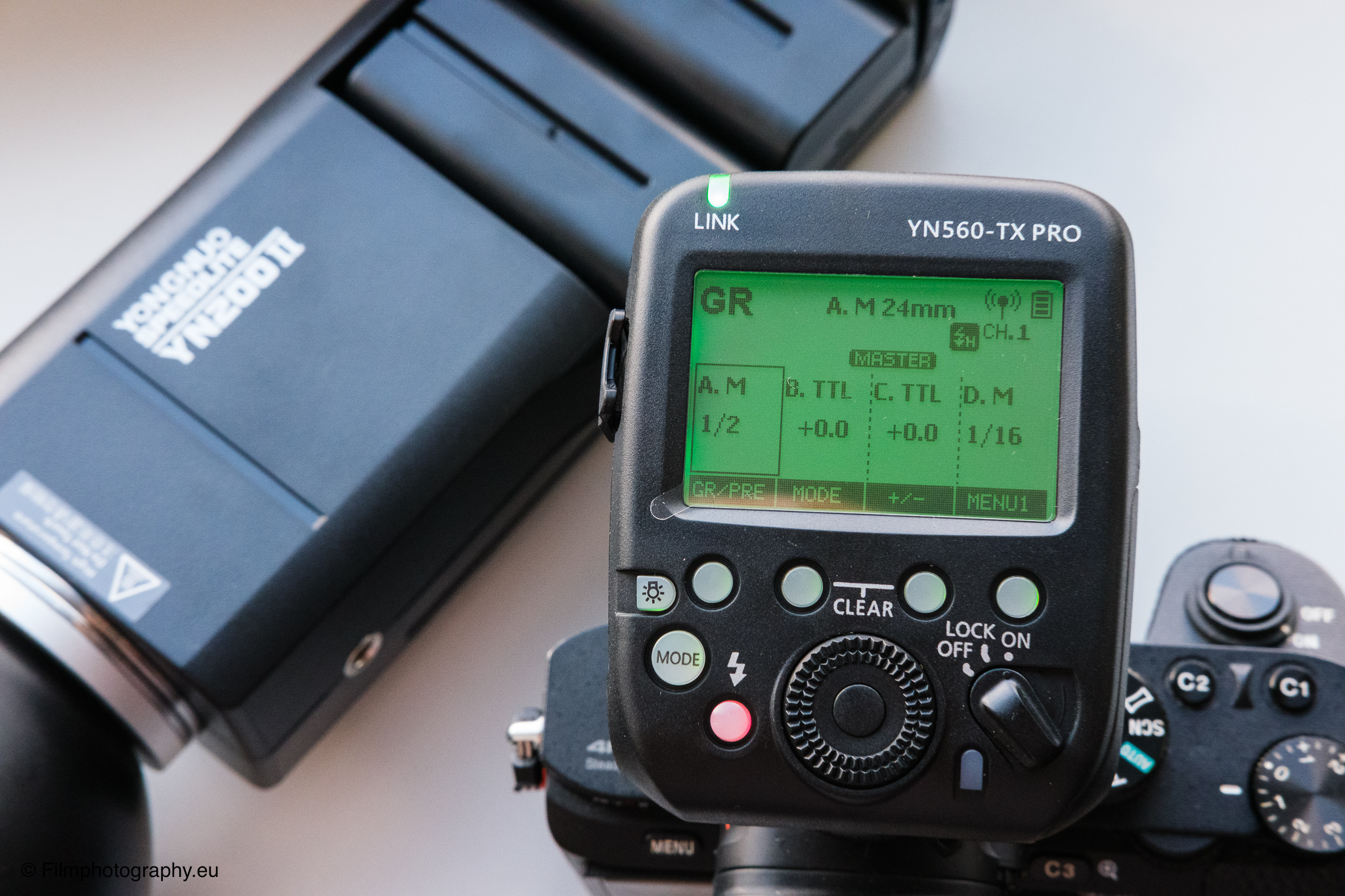
Serving as the control center on the Sony camera body is the YN560-TX Pro wireless trigger for Sony. The transmitter also operates on the 2.4 GHz frequency and offers a stable wireless range of up to one hundred meters in open space. It supports Sony's TTL auto flash, manual power settings, and group control, where up to five groups can be configured independently.
Synchronization can be set to either the first or second curtain, as well as in HSS mode for extremely short exposure times.
A clear, illuminated dot-matrix display keeps all group values and channels in view at all times.
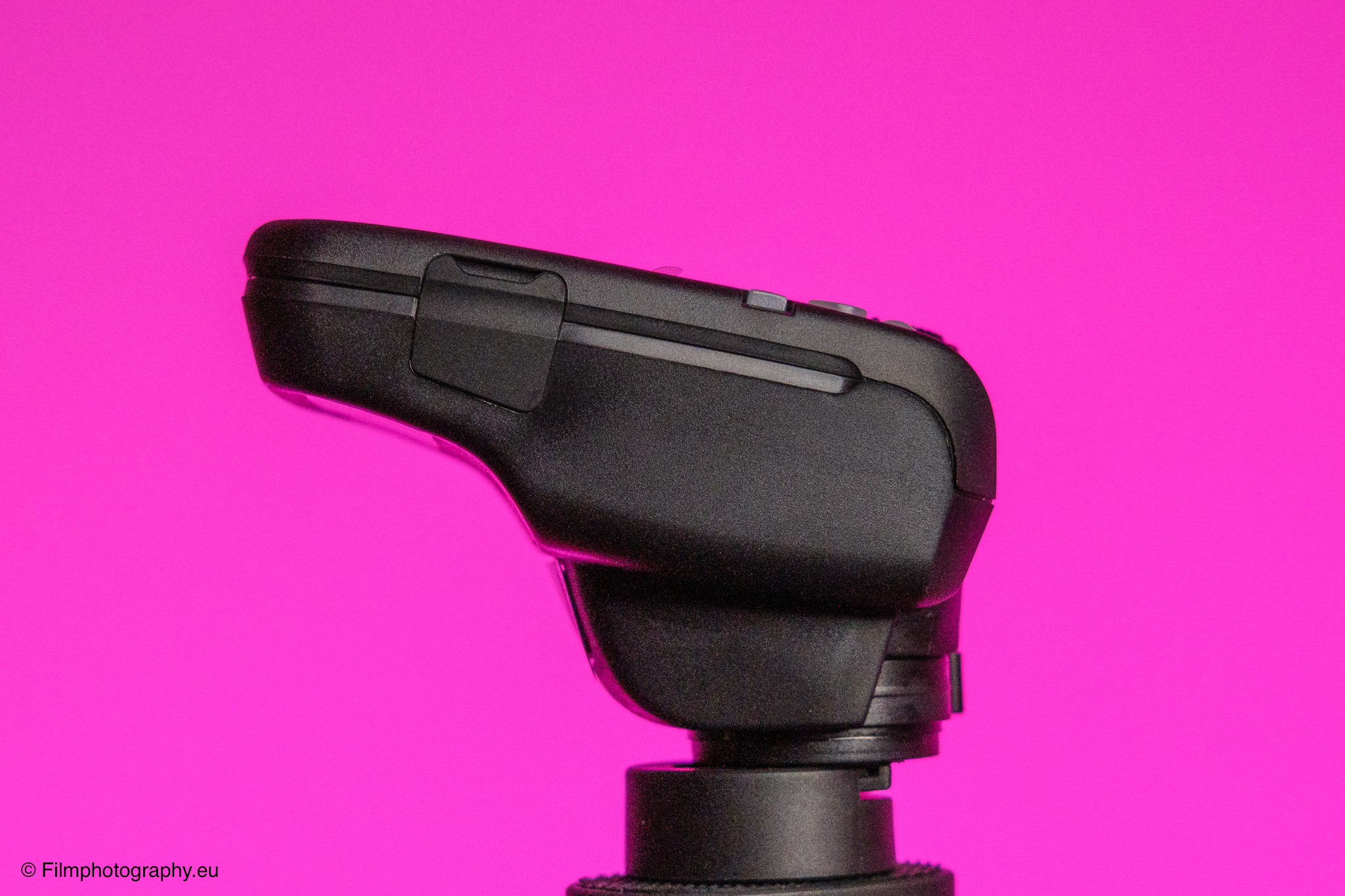
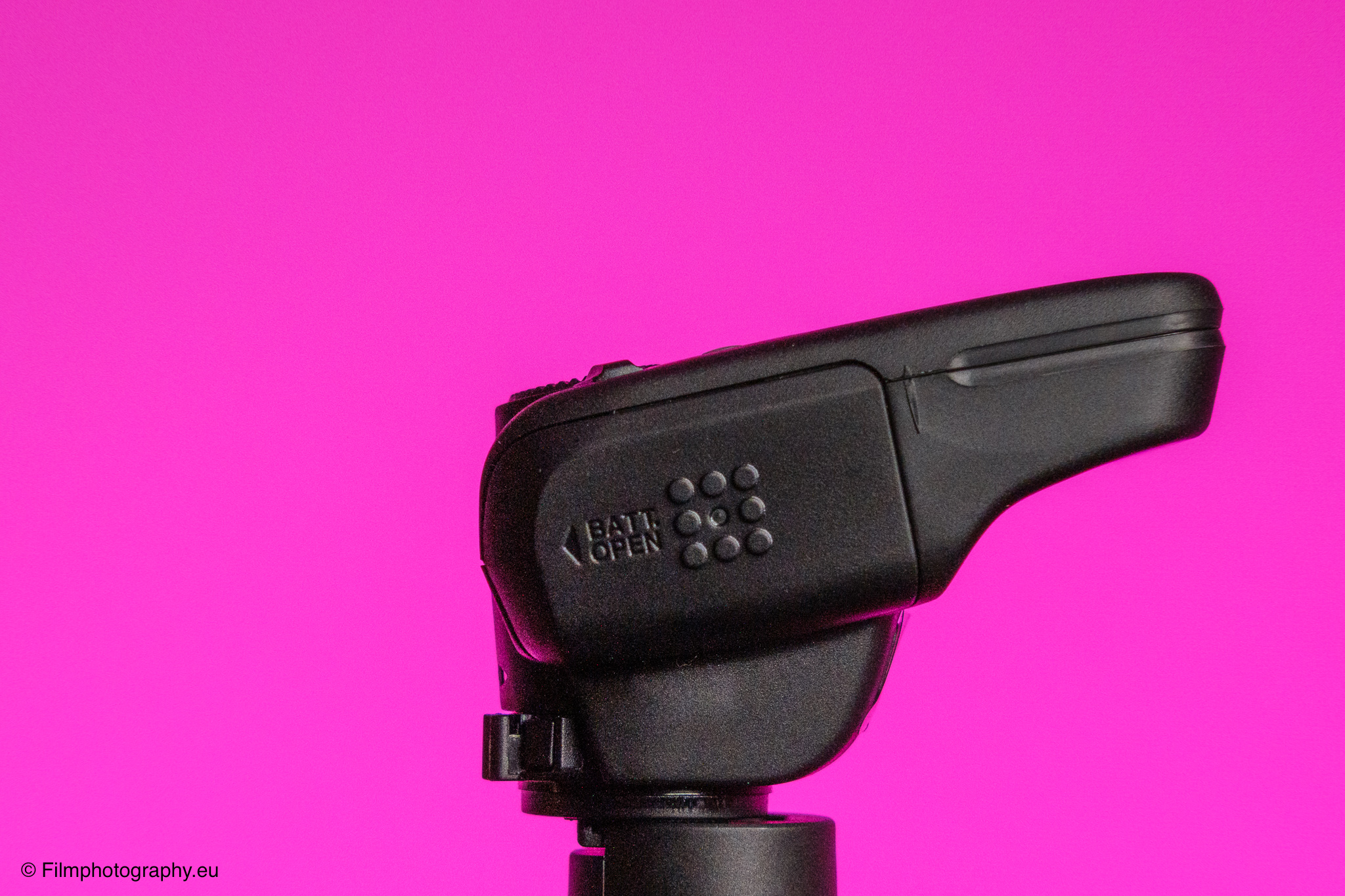
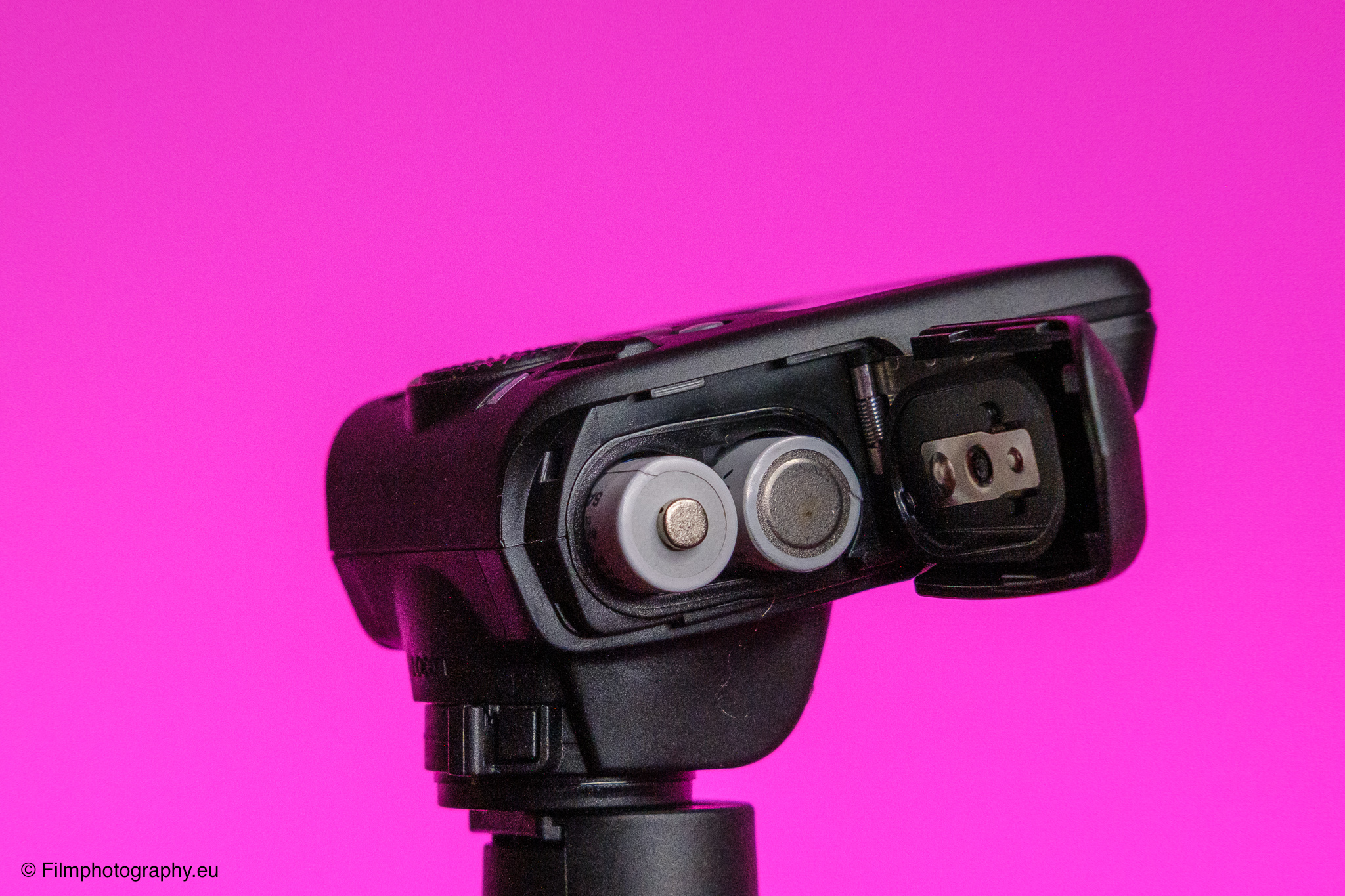
For power, Yongnuo uses two conventional AA batteries here (eBay / Amazon*), which makes replacement easy when needed. A practical quick-release lock secures the transmitter firmly on the Sony Multi-Interface shoe, while an integrated AF-assist light supports focusing in low ambient light.
The Flash in Practice
In practical studio use, it quickly becomes clear how pleasant it is to work with such a compact flash. The interaction between the Sony camera, the wireless trigger, and the YN200 II works smoothly after initially setting the channel and radio group. The menu navigation on the transmitter is logically structured, allowing quick adjustments to flash power without having to leave your position at the camera.
Especially in product photography, the included reflector proves its worth. In combination with the flash tube, it provides directional yet evenly distributed light on the subject. When fine contours need to be highlighted or targeted highlights set on surfaces, the reflector produces clean edges and a clear light characteristic.




The decision to use NP-F batteries proves to be a real win in daily workflow. If you already work with video lights, you likely have the appropriate power sources in multiple versions in your camera bag anyway. You save yourself the hassle of carrying separate special chargers, and changing batteries is quick. At medium power settings, endurance is sufficient for many hundreds of flashes, so even longer shooting sequences can be completed without interruption.
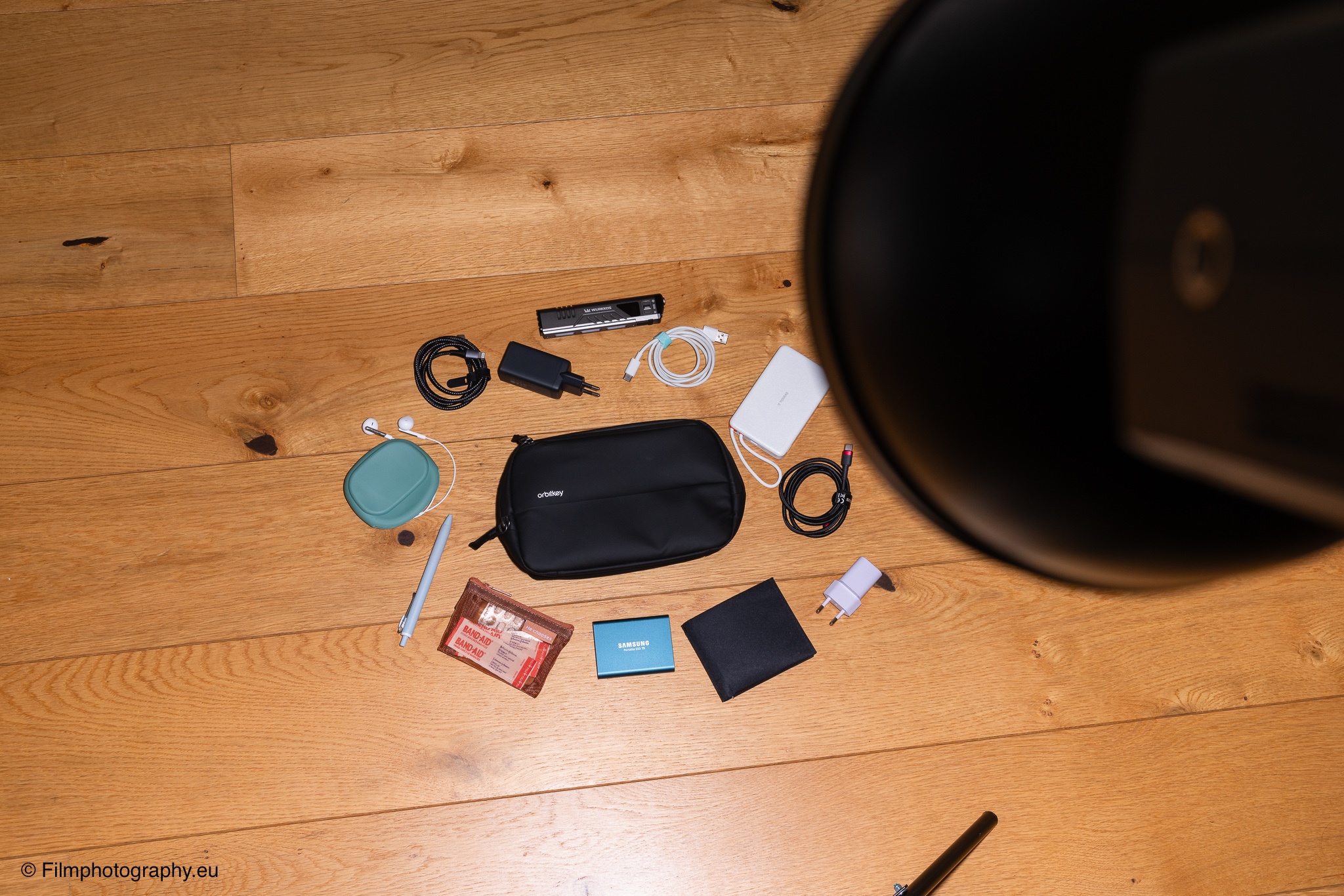
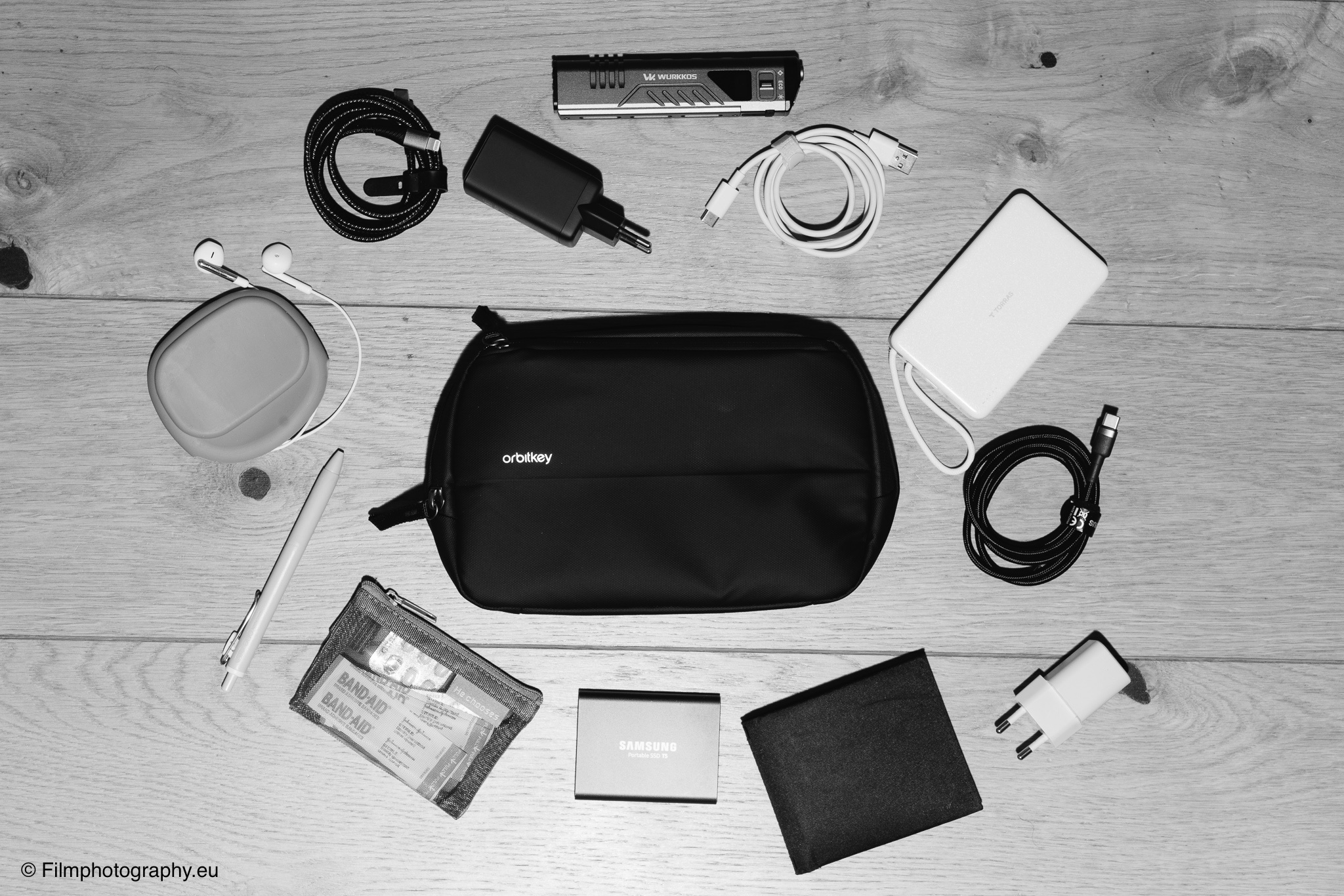
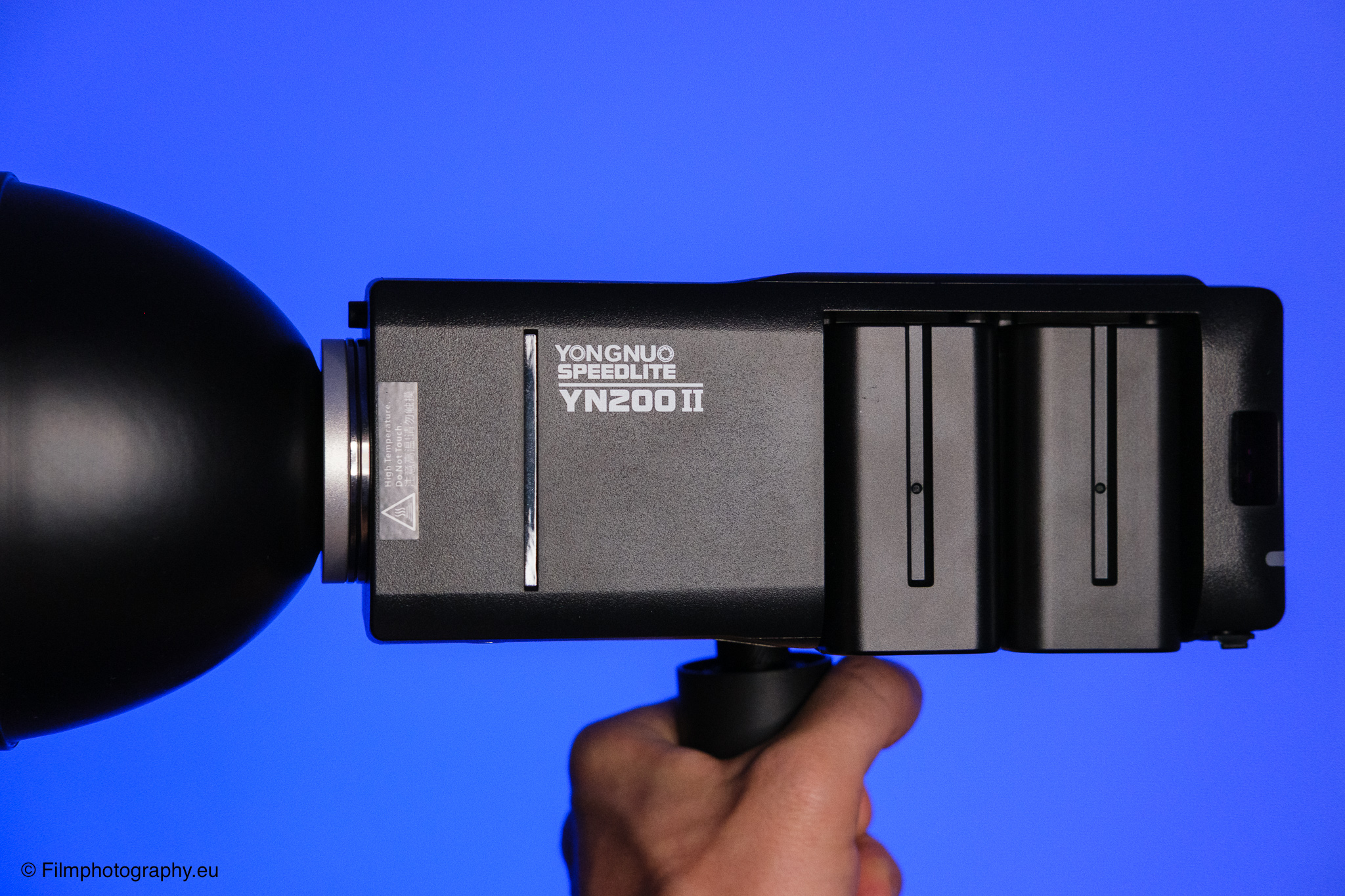
At the same time, there are aspects where compromises are made. The housing is mostly made of plastic, which is solidly built but doesn't match the feel of massive studio units. The advantage, of course, is the lower weight. This allows you to use the flash with one hand, for example.
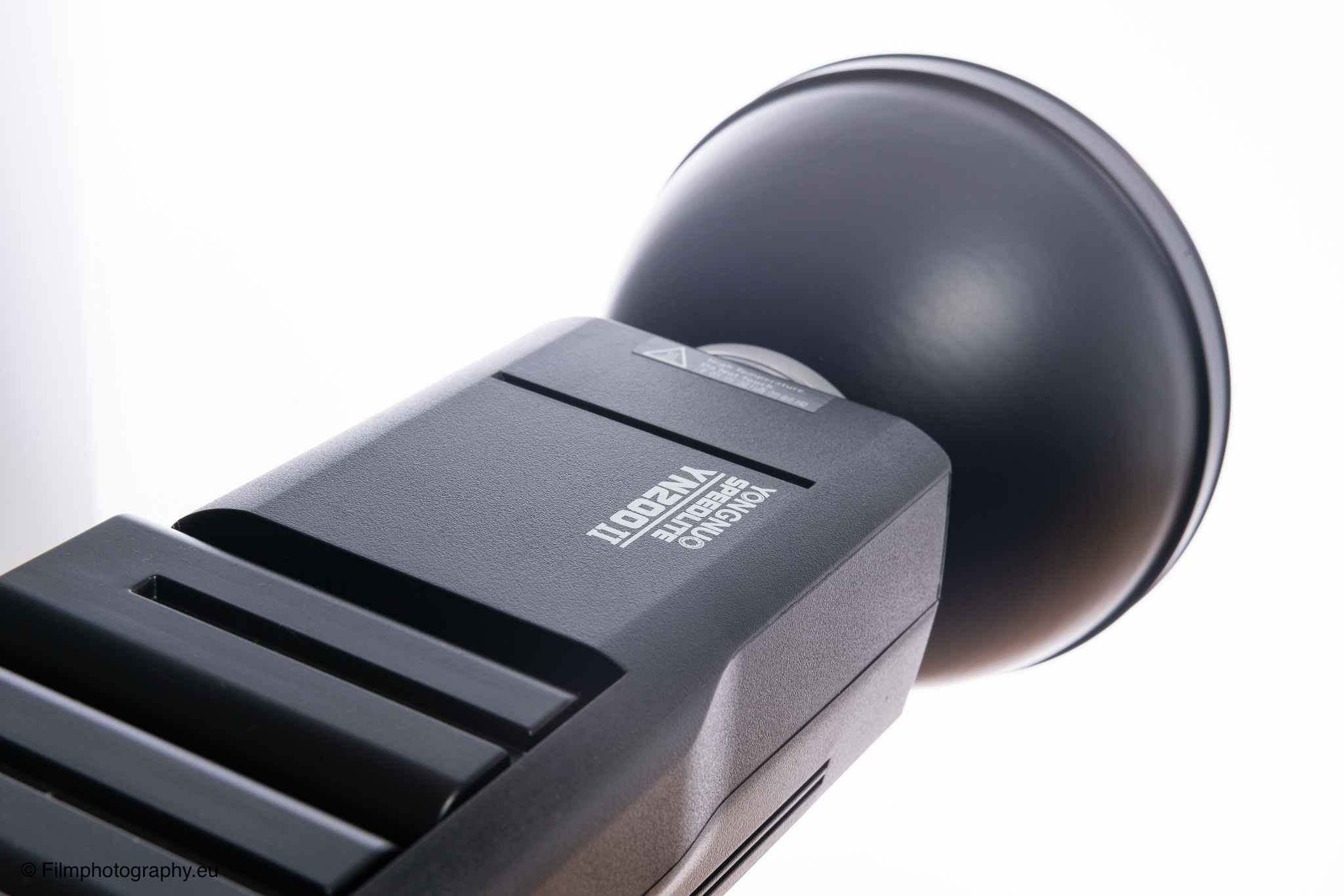
The compact accessory mount on the front holds small reflectors reliably. If desired, additional light modifiers can be attached here. For instance, a classic shoot-through umbrella can produce softer light.
Additionally, the recycle time at maximum power requires some patience. The device is not primarily designed for rapid sequences at full flash energy, but at moderate power output, the ready indicator works quickly and reliably.
The TTL exposure on the Sony camera also works accurately in most situations. In changing light conditions, the automation saves time, although for absolutely reproducible results in product photography, you will switch to manual mode as usual. Color temperature remains pleasantly stable over a series of shots, keeping post-processing effort within limits.
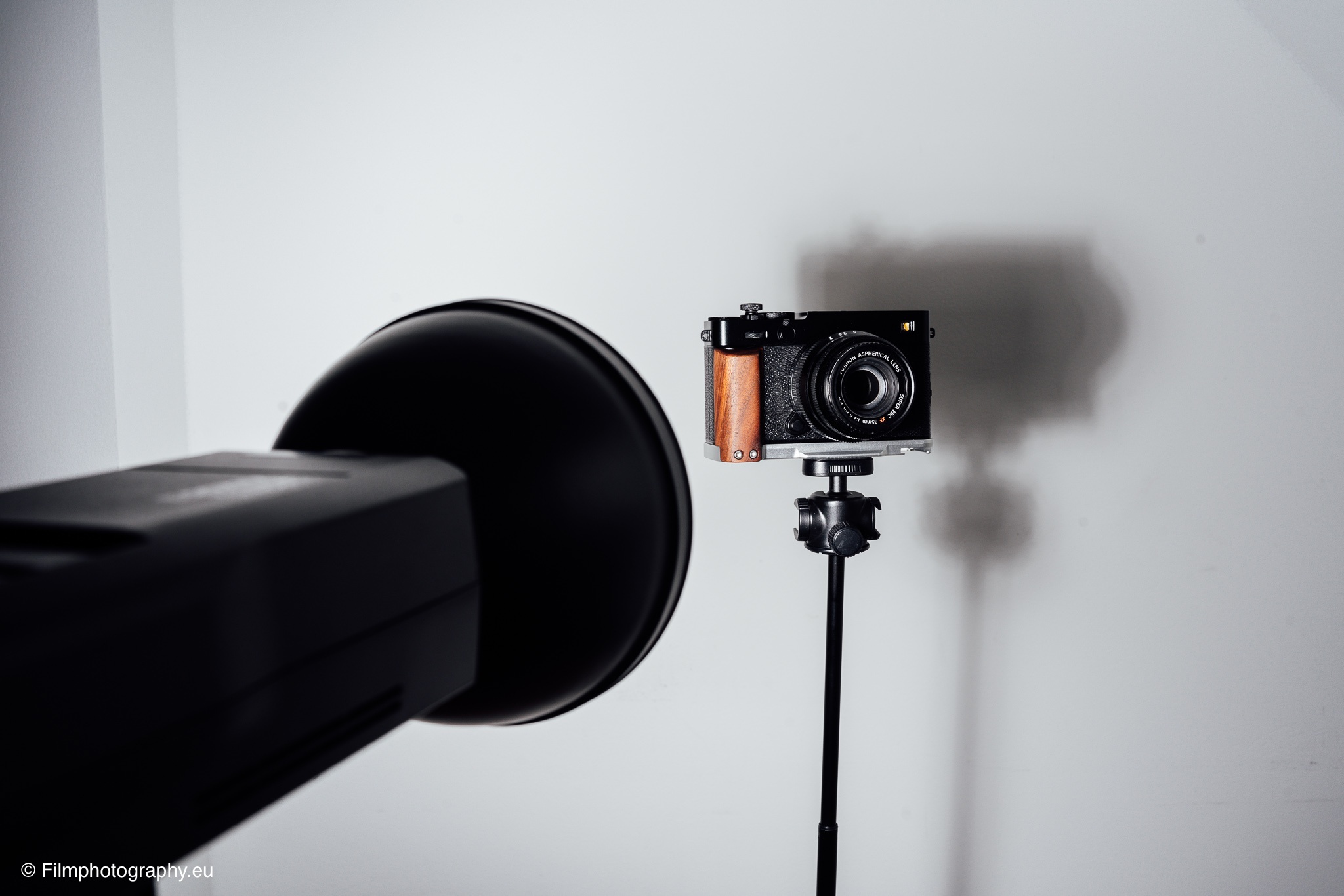
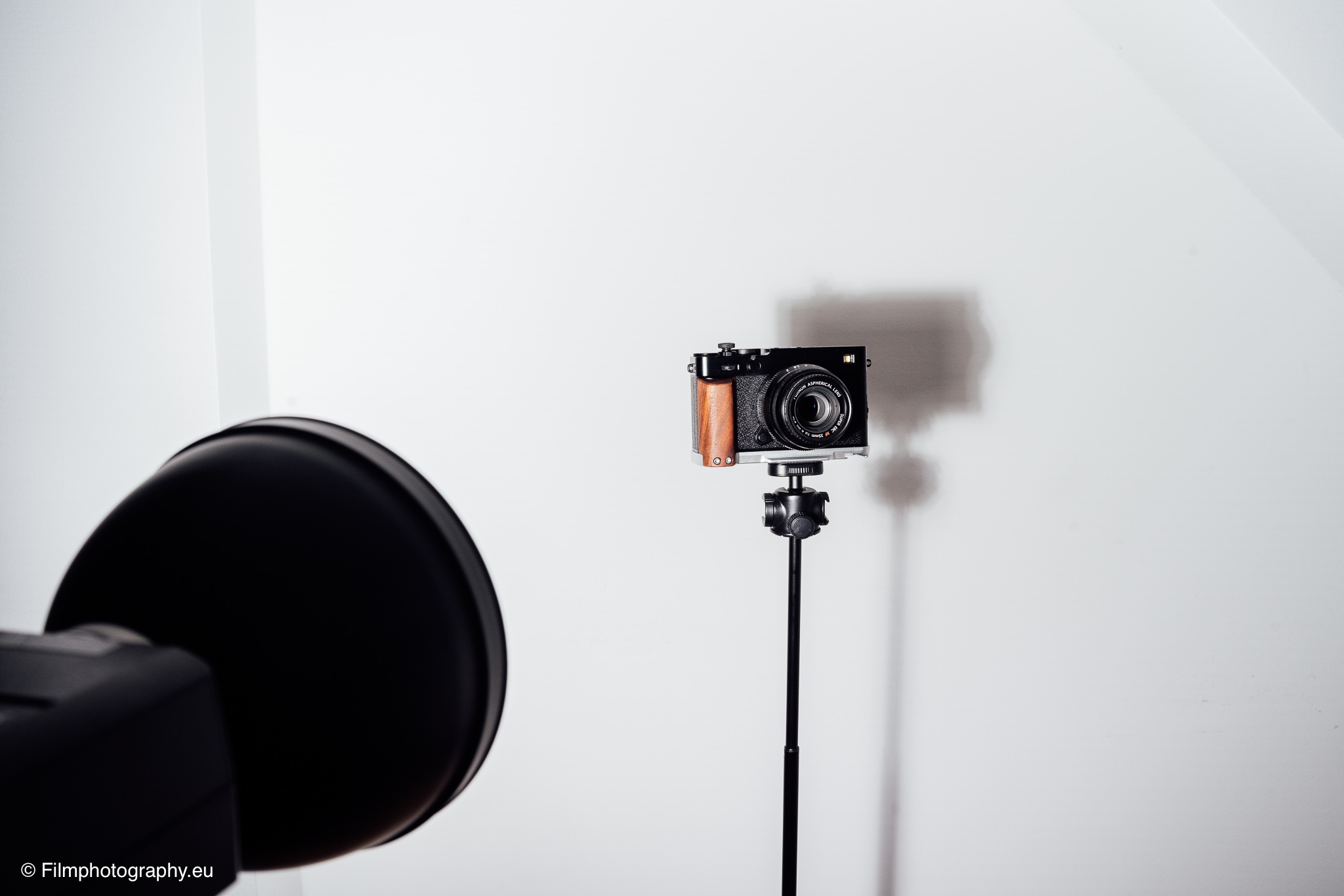


A useful tool for image composition is the support of high-speed sync. If you like to work with a wide-open aperture to separate the subject from the background through targeted blur, you quickly hit limits with the camera's standard sync speed.







With HSS activated, shutter speeds of up to 1/8000 second are easily achieved on the Sony, reliably controlling brightness in the subject even with an open aperture. That the flash consumes noticeably more energy in HSS mode and loses range is inherent to this technology, but for the creative leeway in depth of field, this physical compromise is gladly accepted.




Conclusion
The Yongnuo YN200 II positions itself as a versatile tool for photographers seeking a portable flash with decent power and a modern battery system. The switch to NP-F batteries eliminates one of the biggest criticisms of many compact flash systems and makes daily use significantly more flexible.
Together with the YN560-TX Pro on Sony cameras, you get a reliable light source that proves itself both in the studio and outdoors. If you can live with the simple plastic housing and the limitations in rapid sequences under full load, you'll find fair value for your equipment here.
Buy Yongnuo Products
You can purchase the flash and remote trigger directly from Yongnuo's online store. Amazon also offers the flash and the wireless trigger.
More Images of the Flash
More Sample Images