In the world of analog photography there exists a deep and lasting appreciation for craftsmanship that goes far beyond the mere creation of an image. It is a conscious decision for processes that take time, for materials that have an aesthetic of their own, and for tools that are more than just a means to an end, enriching the creative process itself.
We choose our cameras, lenses and films with a care that may often seem exaggerated to outsiders. We debate the merits of different emulsions, the feel of a manual focus ring or the sound of a mechanical shutter.
Yet every part of the photographic process is carefully considered and contributes to the final image. This way of thinking, which puts the tactile and the enduring first, almost inevitably carries over for many of us into other areas of our creative everyday life. One such area is our choice of stationery.
Just as the decision for a highly sensitive black-and-white film decisively shapes the mood of a picture through its grain, the choice of the right notebook can change the way we record our thoughts, exposure data or sketches.
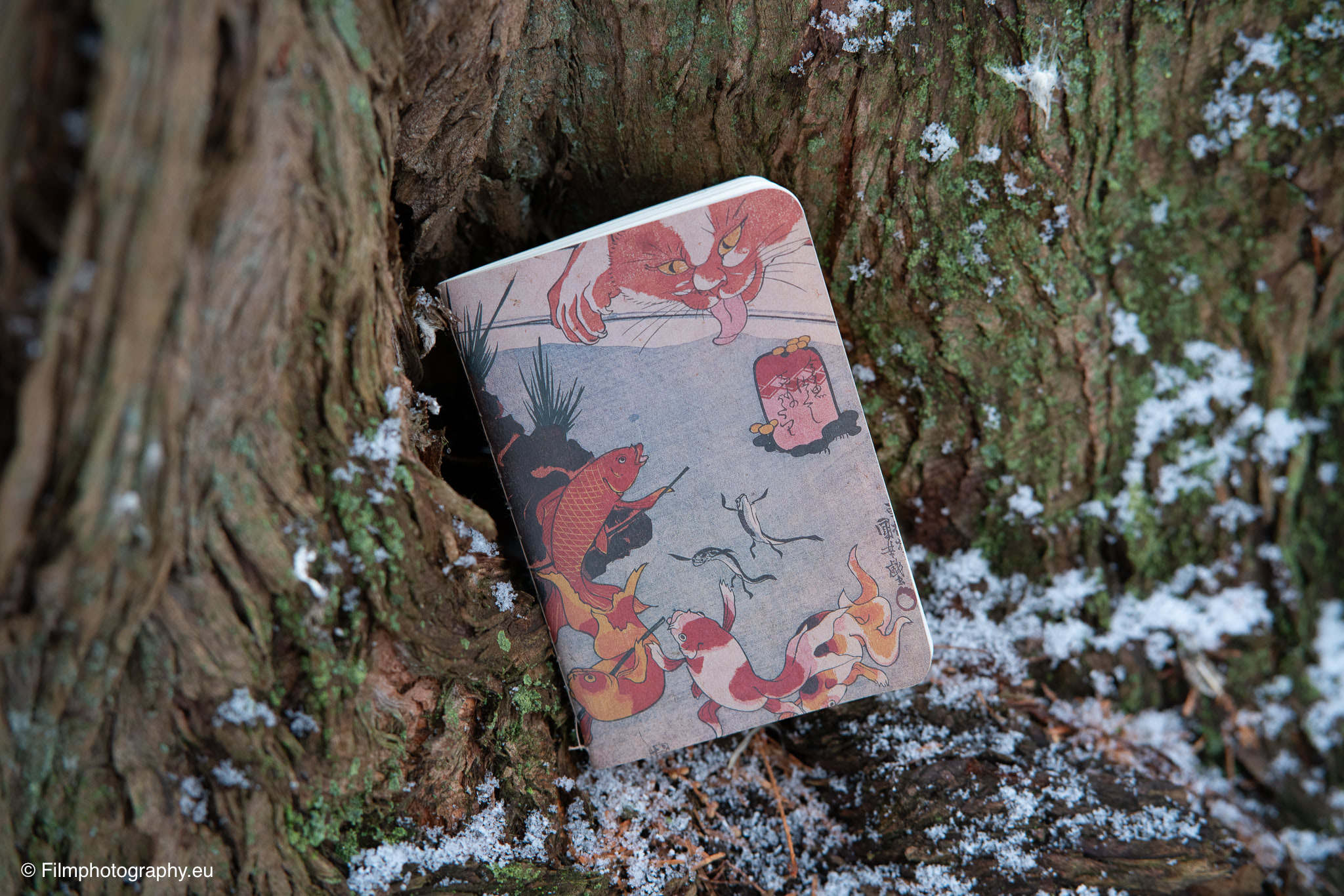
Analog Memory
The practice of fixing thoughts and observations on paper by hand has a long tradition that goes far beyond simply archiving information. It is a cognitive process that gives the fleeting moment more weight and attention. Writing by hand acts as an anchor that keeps us in the present and forces us to structure what we have seen or thought before it leaves the pen.
In an age where digital metadata is automatically and invisibly stored in the Exif files of modern cameras, physically writing down aperture, shutter speed and location has an almost meditative quality. It mirrors the rhythm of analog photography.
When we expose a film, we get no immediate feedback. We have to rely on our experience and our records. The notebook thus becomes the external hard drive of our photographic memory, but one that we have to actively write to.
As a photographer, I am used to scanning my surroundings closely. I analyze lighting situations, observe movement and often wait a long time for the decisive moment. A notebook becomes an indispensable companion during these phases. It serves not only to document technical parameters that may later be relevant during development in the darkroom or when scanning. It also acts as storage for fleeting ideas, light sketches and inspirations that I encounter during long waiting periods or while traveling.
The Ro-Biki notebook in its compact Passport size fits seamlessly into this way of working and offers a physical space for these thoughts.
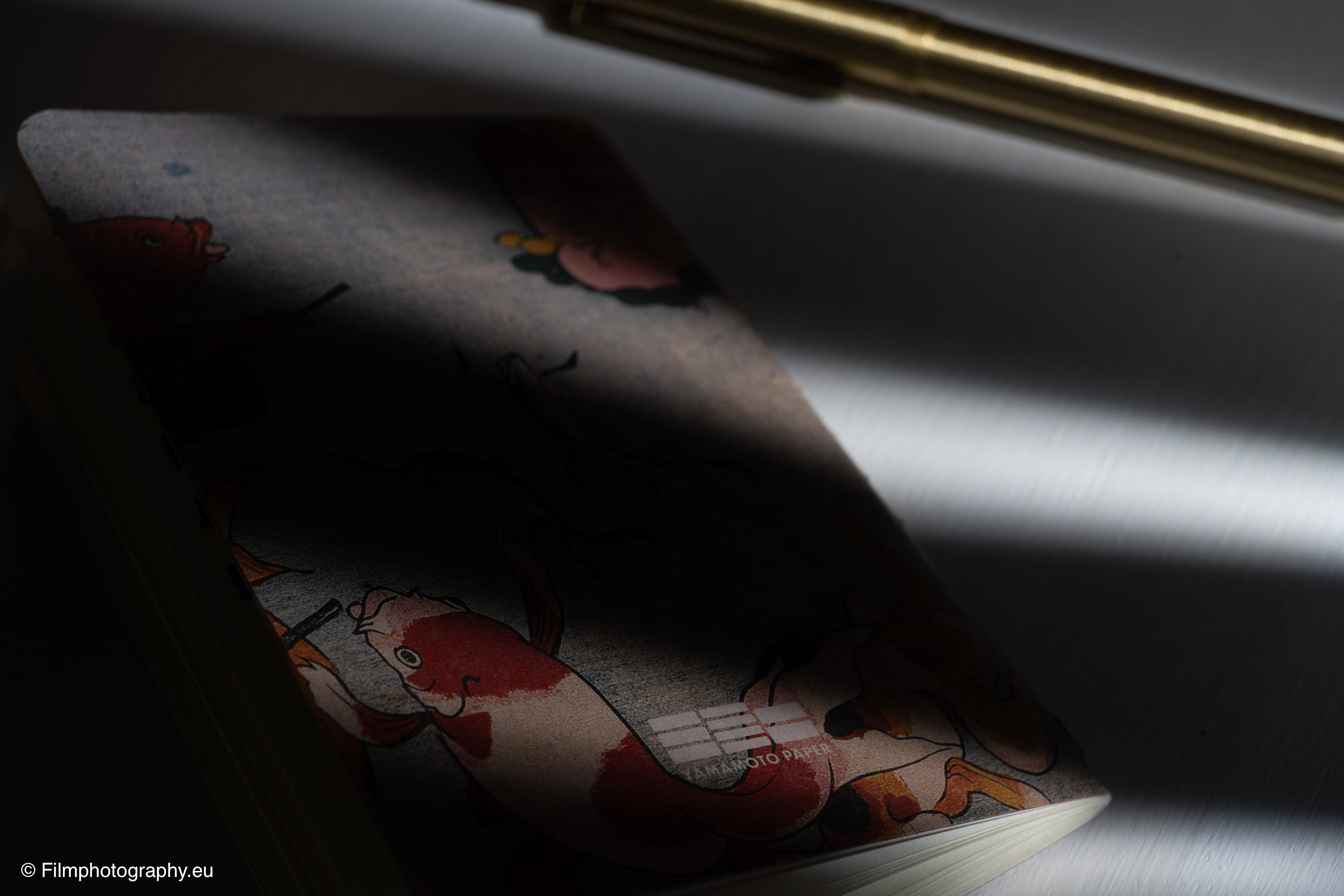
A Format for the Waistcoat Pocket
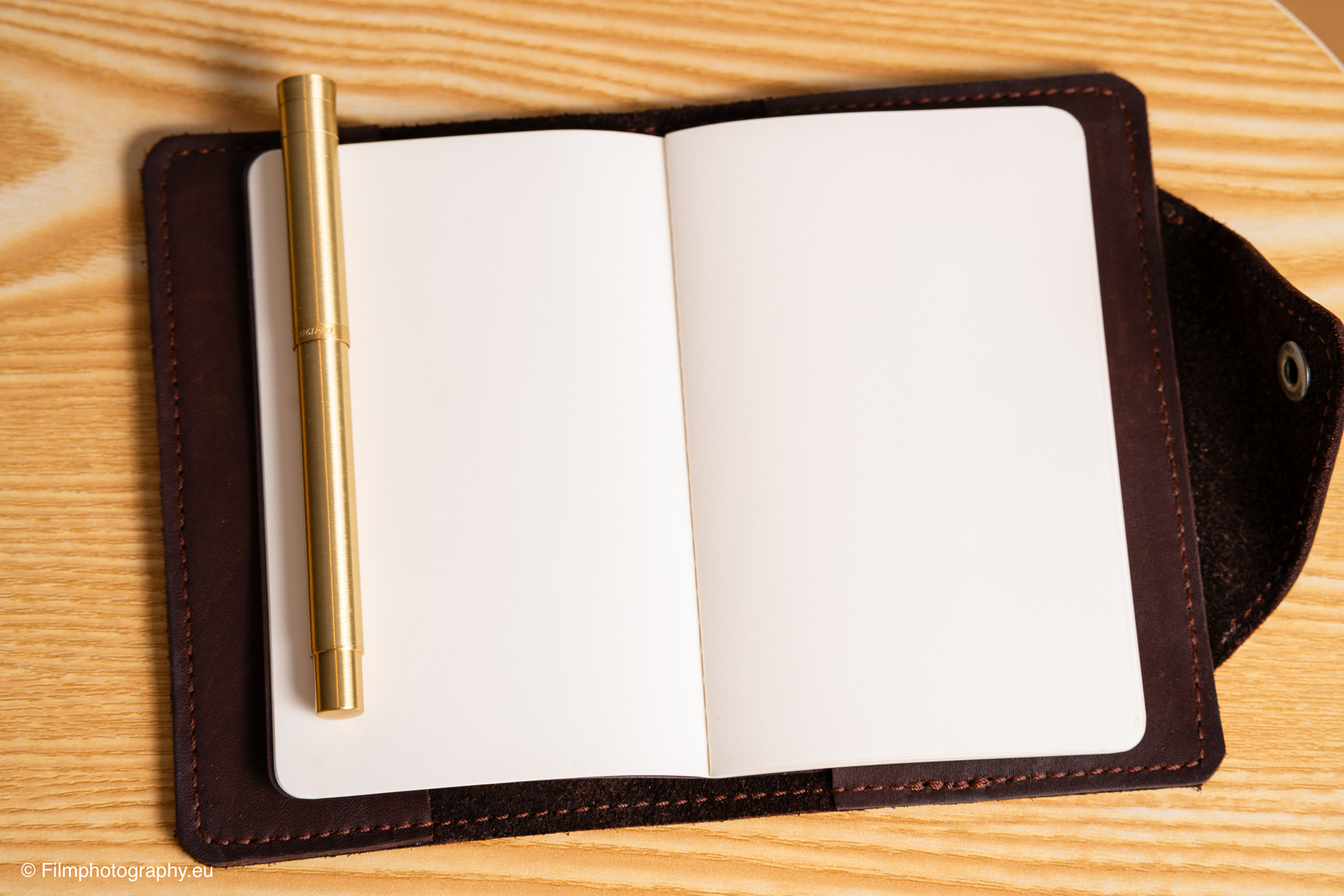
With its dimensions of roughly nine by twelve centimeters, the small version of the Ro-Biki Note is deliberately kept compact. It is small enough to disappear into a breast pocket, the side pocket of a camera bag or simply a trouser pocket without getting in the way.
The Ro-Biki does not impose itself. It is present when you need it, but invisible when you are concentrating on photographing. Nevertheless, the format is large enough to hold more than just a few words. A double-page spread offers sufficient space for a rough sketch of the image composition or a detailed list of exposure times from a zone system measurement. The balance between portability and usability is well struck here, which makes it a constant companion.
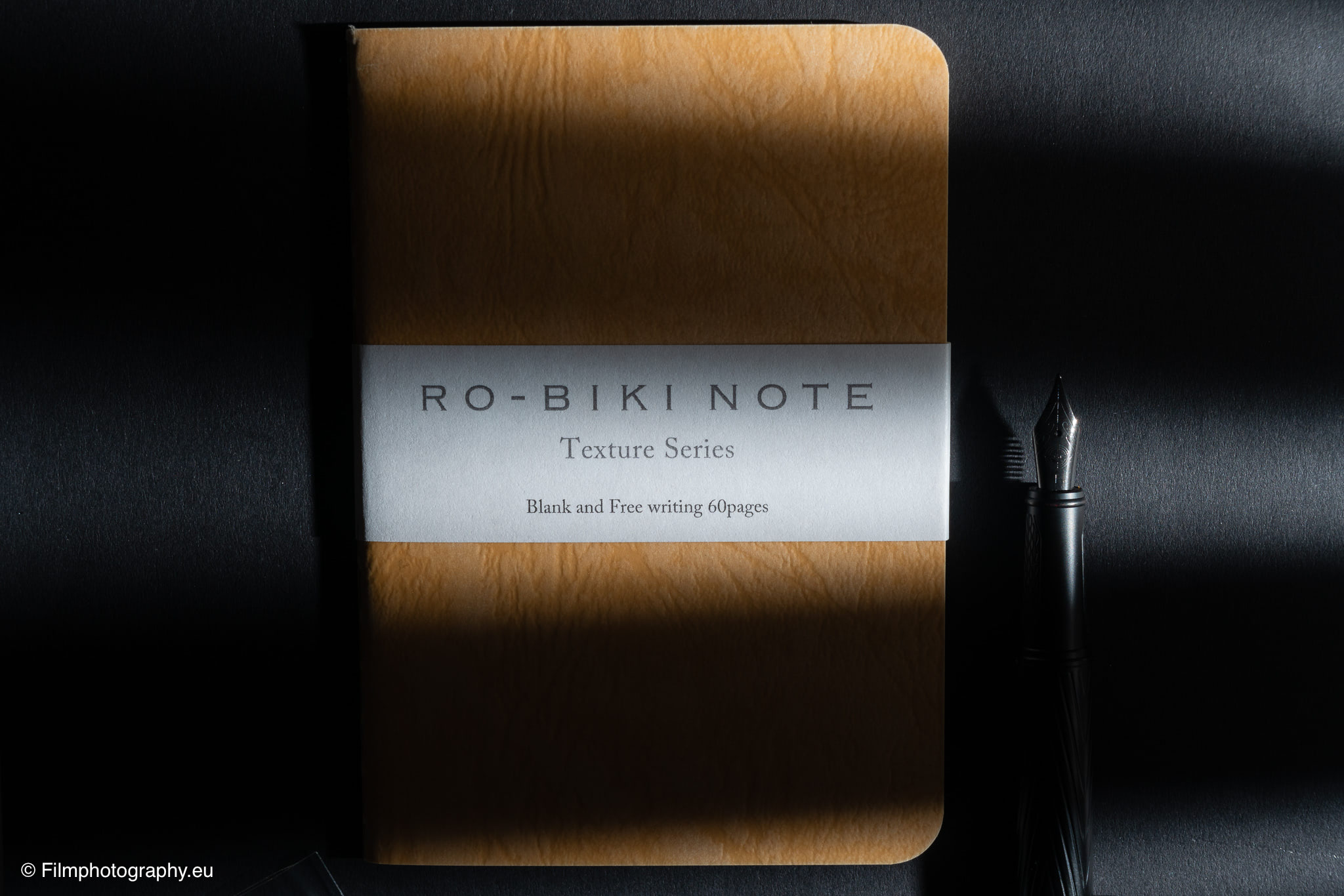
The Aesthetics of Waxed Paper
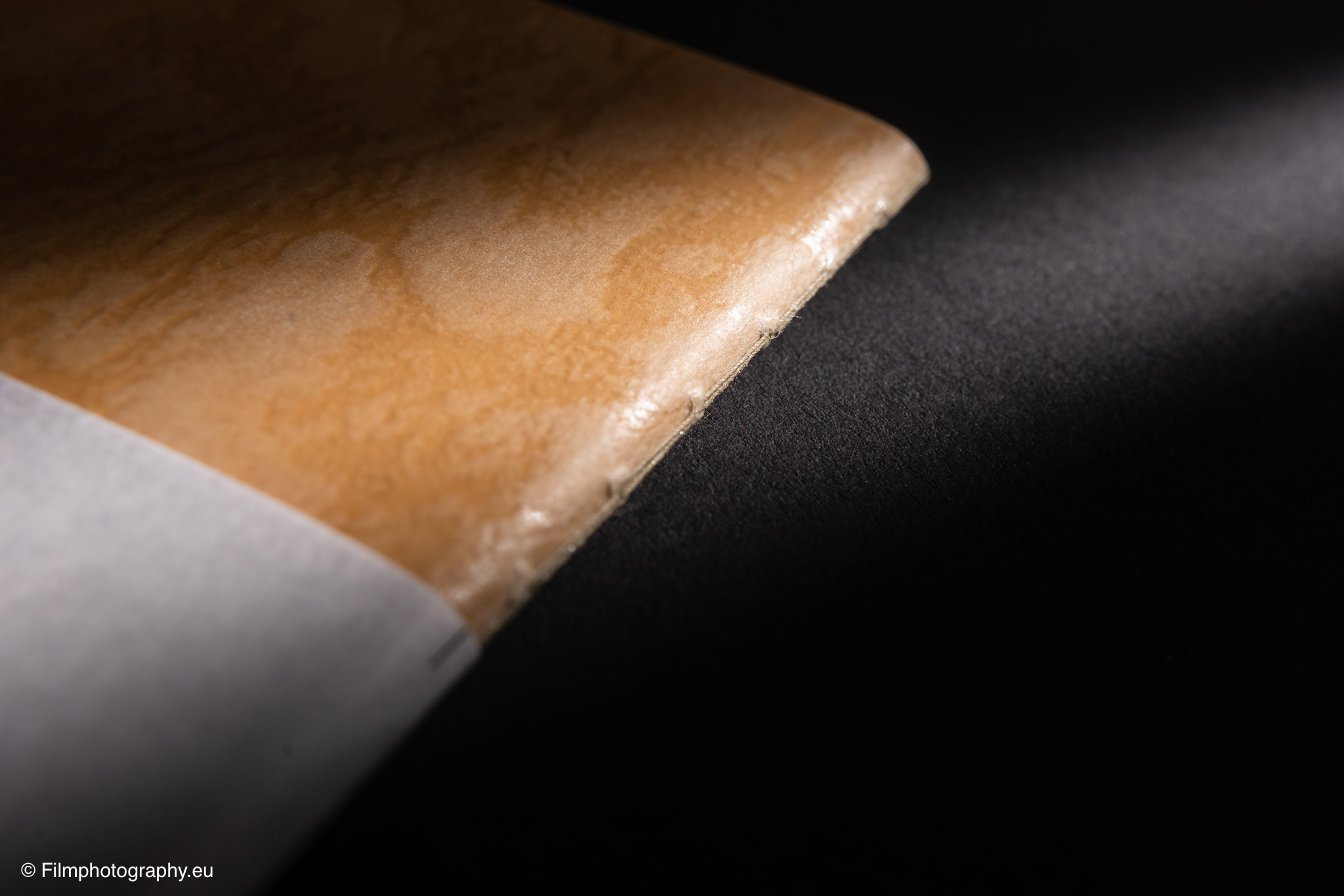
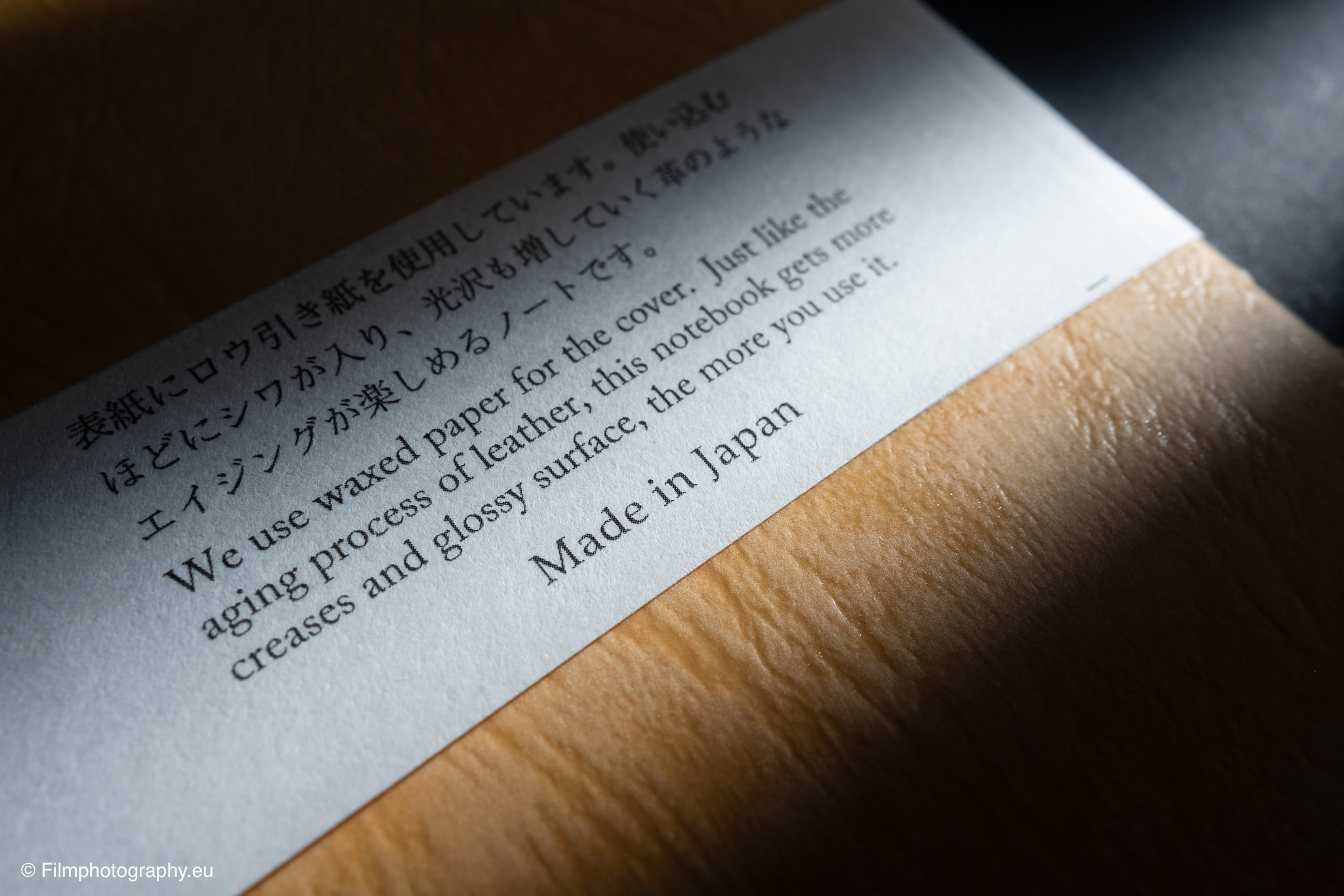
It is above all the feel of the cover that immediately stands out and sets this notebook apart from standard products. The name "Ro-Biki" refers to the material of the cover. It is a special kraft paper that has been impregnated with wax in an elaborate process. This process gives the material a unique texture and an almost organic appearance. At first, the material may still seem somewhat stiff and untouched, and the surface feels smooth and cool.
But over time and through use, the material begins to live. Every crease, every scratch in the bag and every friction against other objects leaves traces on the waxed surface. The so-called "crinkle effect" or "crazing" occurs. The wax layer breaks up microscopically fine and forms lighter lines and patterns on the darker paper base. This is not a flaw but a deliberate property of the material.
This process is strongly reminiscent of the patina that develops on high-quality leather, which becomes softer and more characterful over the years. In the world of cameras, we know a similar effect as "brassing". On black-lacquered brass cameras, the paint wears away at the edges over years of intensive use and the golden metal comes to light.
For anyone who appreciates the aesthetic decay and visible history of their tools, this cover holds great appeal. The notebook becomes an individual object. It bears the traces of its owner's travels and assignments. It is not a sterile office product that must remain flawless, but a utilitarian object that gains character through use and tells its own story.
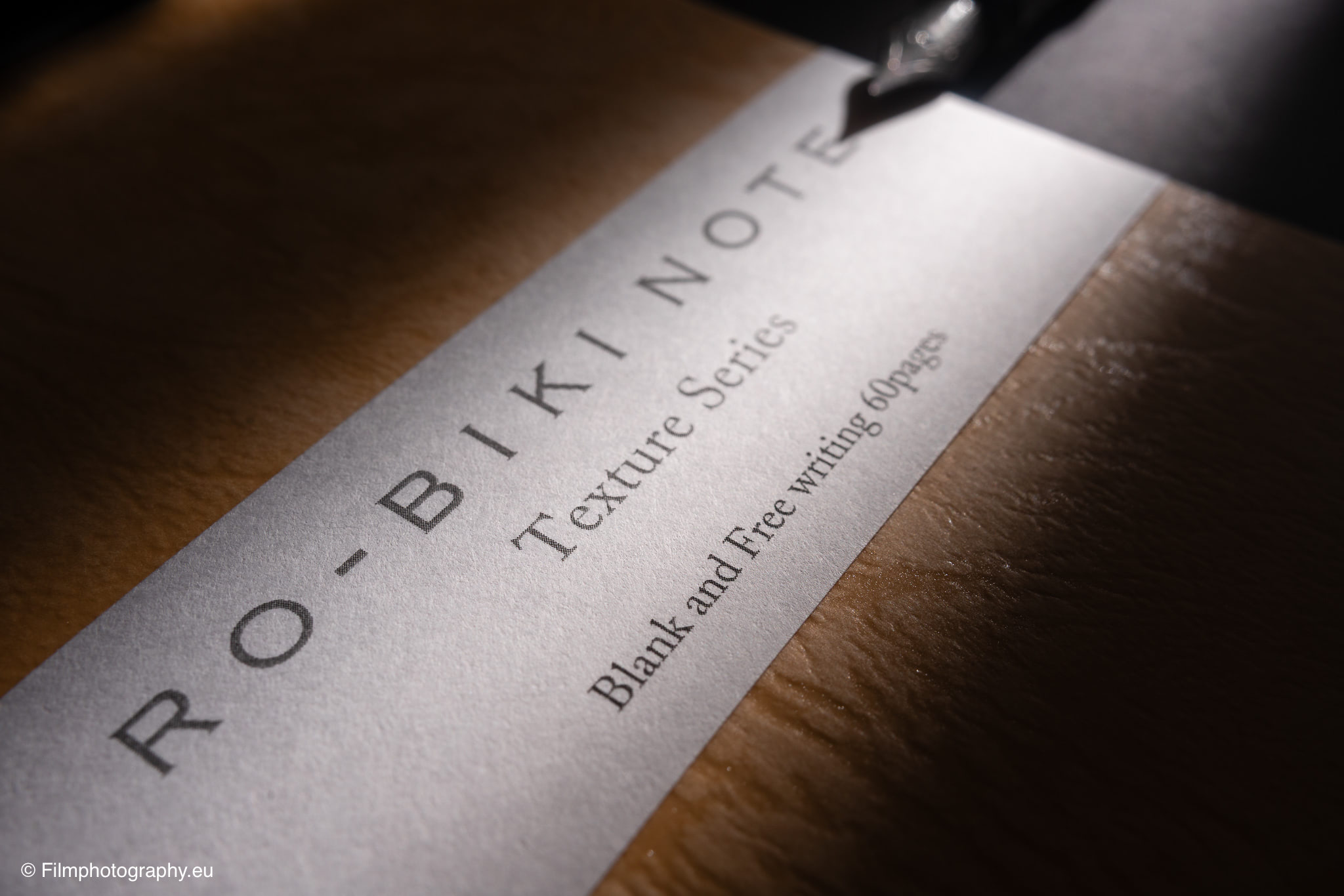
Construction and Functionality in the Field
The construction of the Ro-Biki is designed for longevity and functionality in everyday rough use. The binding is thread sewn. This not only ensures high durability of the pages, so that they do not come loose even with frequent turning, but above all allows the notebook to open flat, the so-called "lay-flat" behavior.
The Paper
The heart of any notebook, however, remains the paper. Yamamoto Paper enjoys a solid reputation in the world of stationery for producing and curating interesting papers. The paper used in the Ro-Biki is no exception. The booklet usually contains 60 pages of ivory-colored paper. It is often fully recycled material, which is an important aspect today. The grammage is in the range of about 75 to 80 grams per square meter.
It is thin enough to keep the booklet slim and light, but substantial enough to prevent show-through under normal use. The color of the paper is pleasant to the eye and pleasantly differs from pure white copy paper. The light cream or ivory offers less contrast to the ink than harsh pure white.
The surface of the paper has a light, perceptible texture. It is not perfectly smooth and satin-finished, as is known from some high-priced Japanese writing papers. Instead, it offers a certain resistance, a "tooth".
You can feel the writing. Sketches of lighting setups or compositions come out with fine nuances, as the pencil grips well and allows for shading. Ballpoint pens and fineliners also glide pleasantly over the surface without skipping.
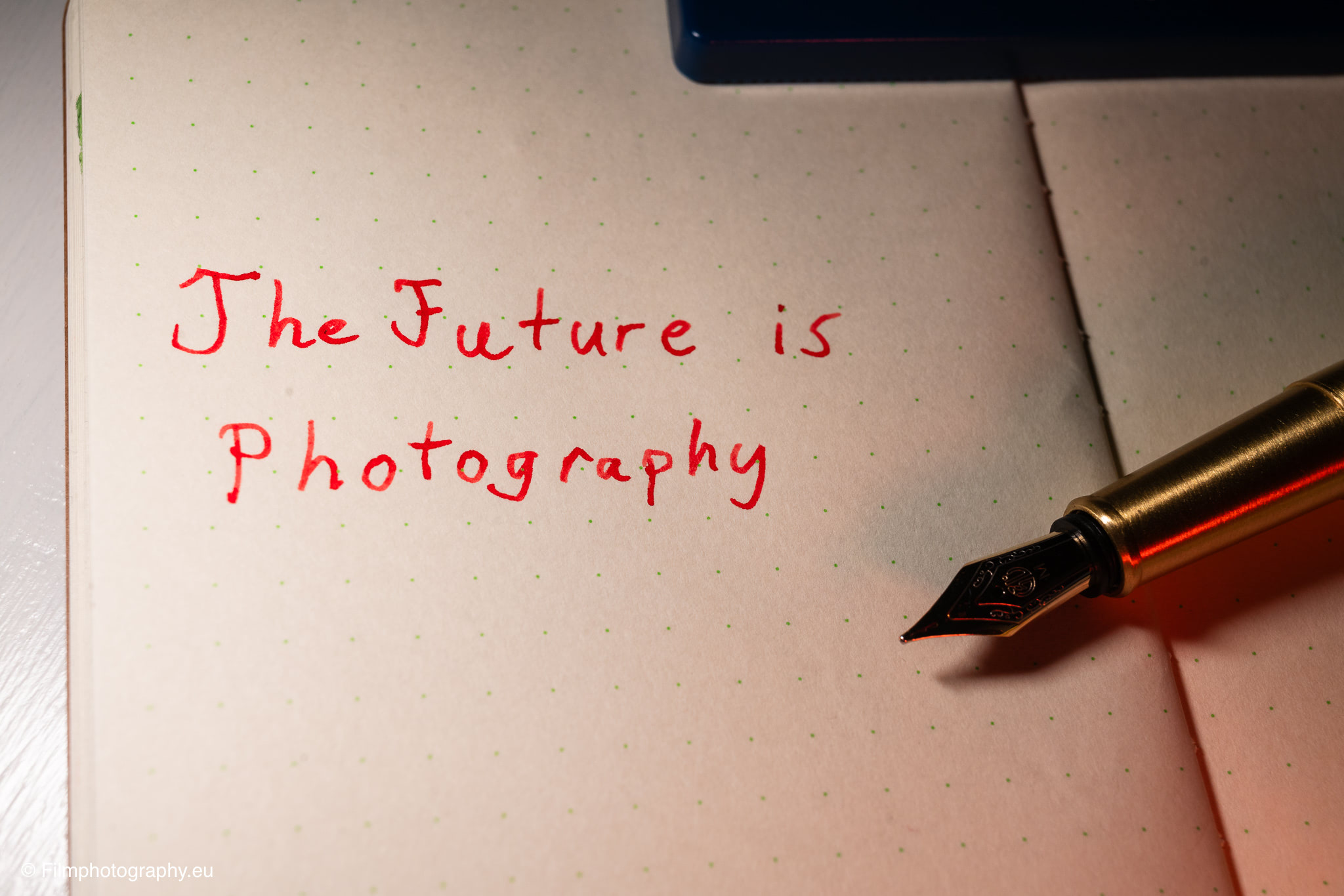
For users of fountain pens, the paper is also well suited, although with certain limitations that one should be aware of. Due to the recycled fibers, the absorbency of the paper is somewhat higher than with coated papers. This leads to fast ink drying times. In mobile use, this is a great advantage, as you can close the book quickly without worrying that the ink will smudge onto the opposite page.
However, with very broad nibs or extremely wet inks, slight feathering of the line edges, the so-called "feathering", can occur. Bleeding through to the reverse side is rare with moderate ink quantities and fine to medium nibs. However, so-called "ghosting" is quite normal. This refers to the slight showing through of the writing on the back of the sheet.
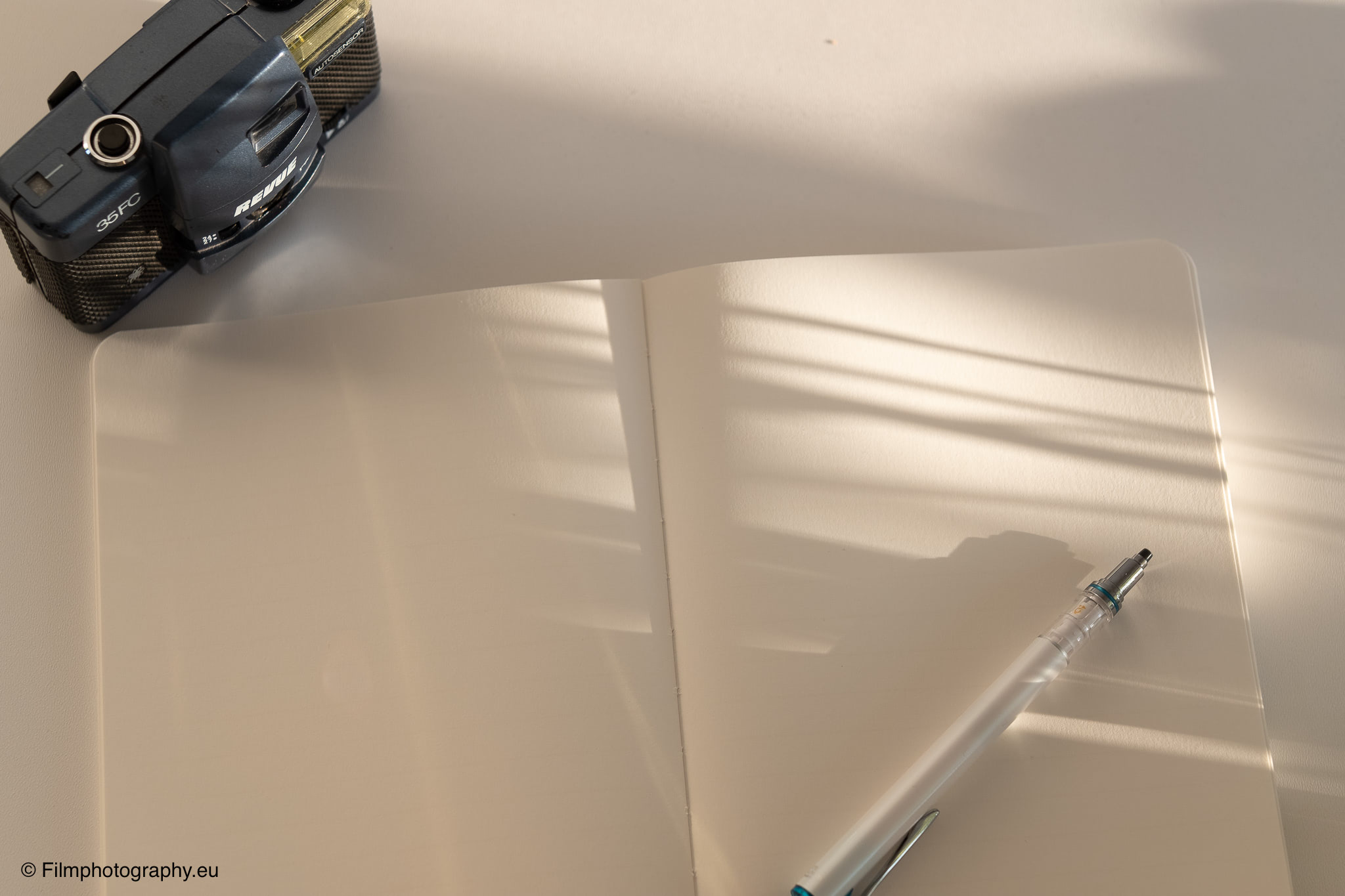
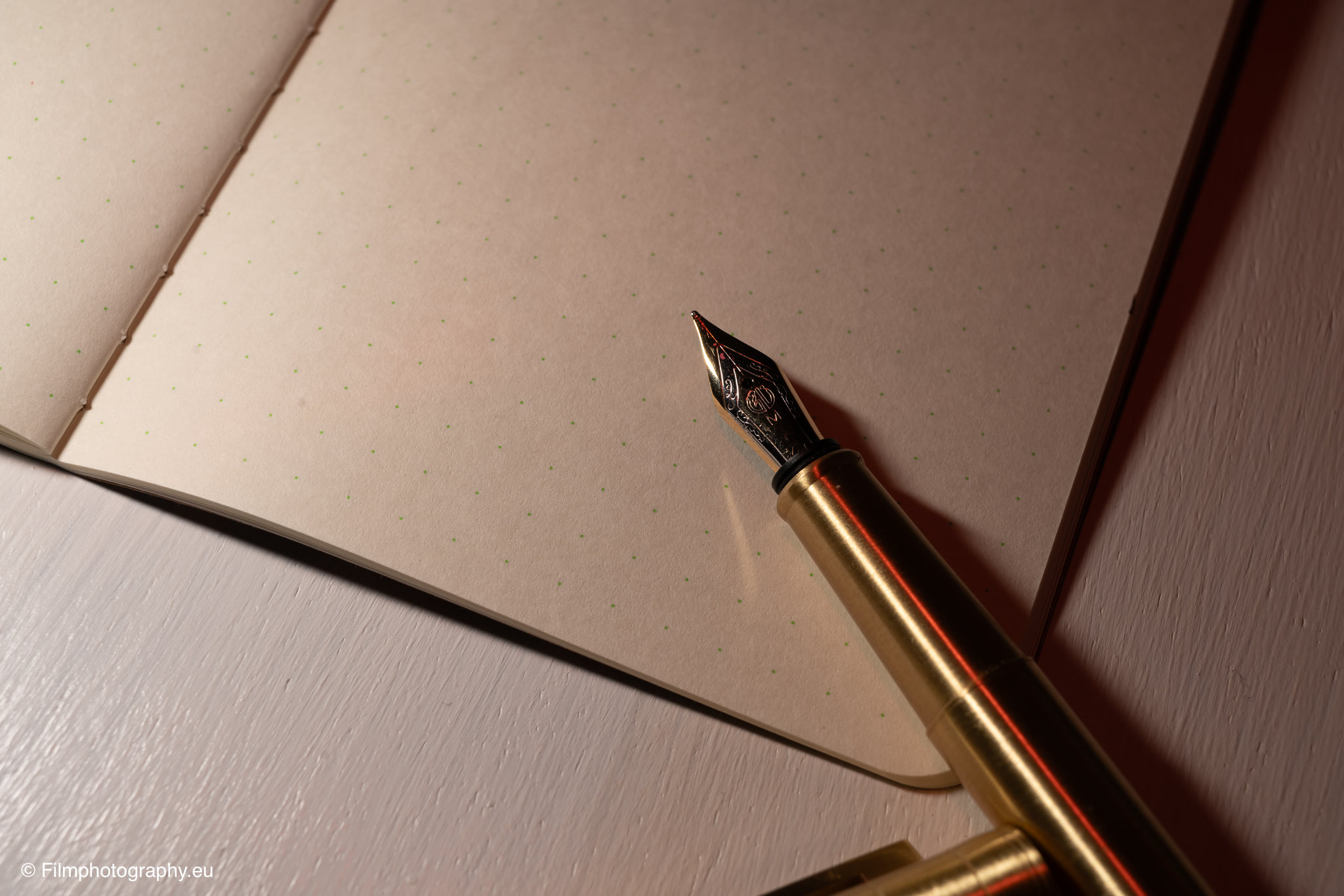
The ruling in these notebooks is often subtle or entirely absent, depending on the chosen variant. Many photographers prefer blank paper. It gives absolute freedom to place both text and drawings without restriction. You are not bound to lines. You can write across the page, insert sketches or draw arrows to link thoughts.
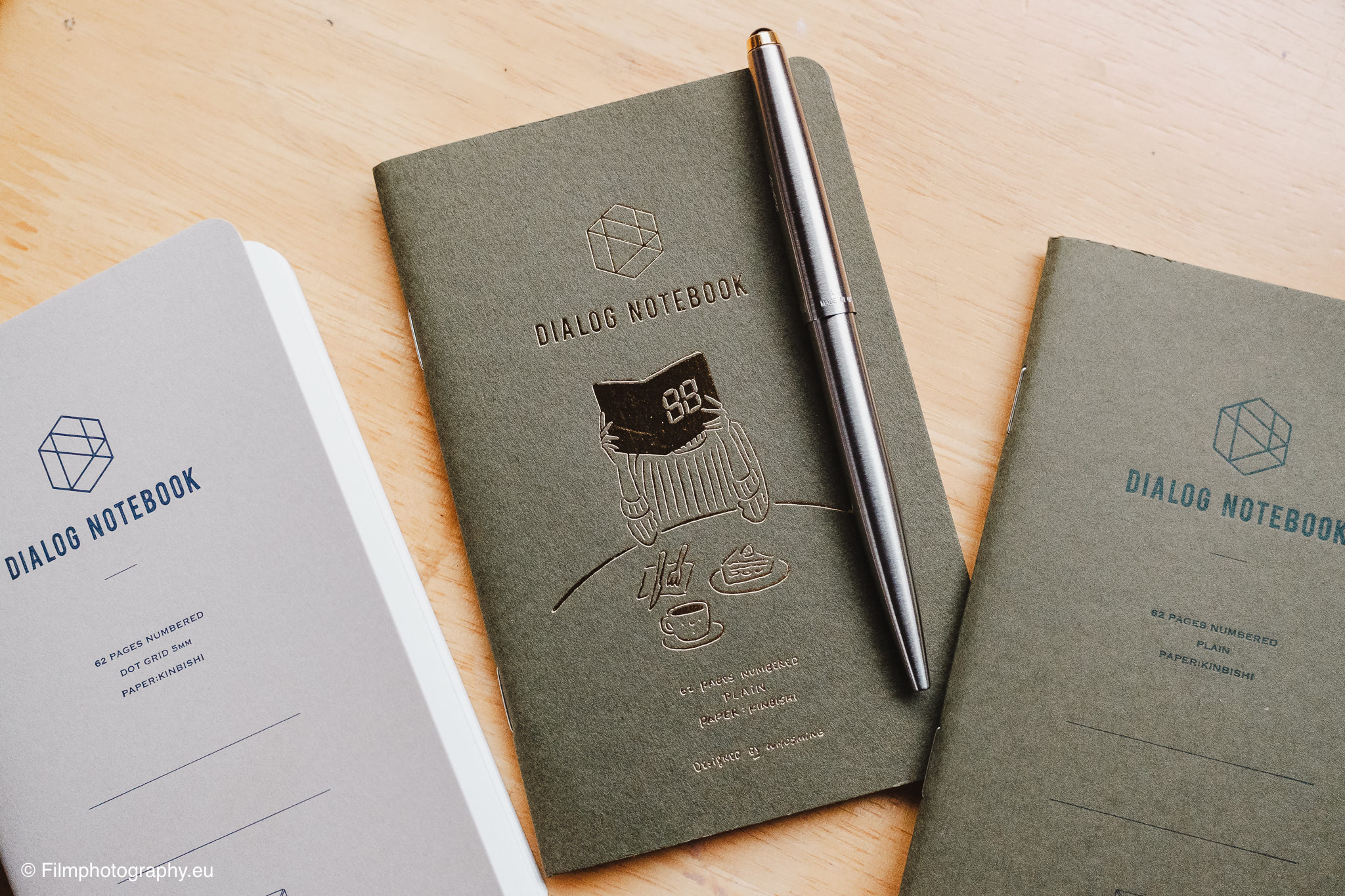
However, there are also variants with a 5 mm grid or dot grid. These provide a structure that appears technical. It is well suited for tabular records of exposure series or for drawing true-to-scale sketches, without appearing as dominant as a classic checkered pattern from school days. The grid is usually printed in a very light grey or violet, so that it recedes into the background when you are not actively using it.
The Psychology of Writing
The act of writing in such a book has a psychological component that should not be underestimated. It forces us to filter and process information. Unlike quickly typing into a note app on a smartphone, where there is a tendency to capture everything unfiltered and verbatim, handwritten note-taking requires a cognitive investment. We have to formulate, compress and structure the thought before we commit it to paper.
Studies suggest that this process improves memory performance. Those who record their picture ideas or the mood of a place by hand often remember it later in more detail than someone who has merely dictated a quick digital memo. The notebook thus becomes an extension of photographic memory and helps us experience the moment more consciously. It slows down the process of observation and forces us to pause.
Independence and Archiving
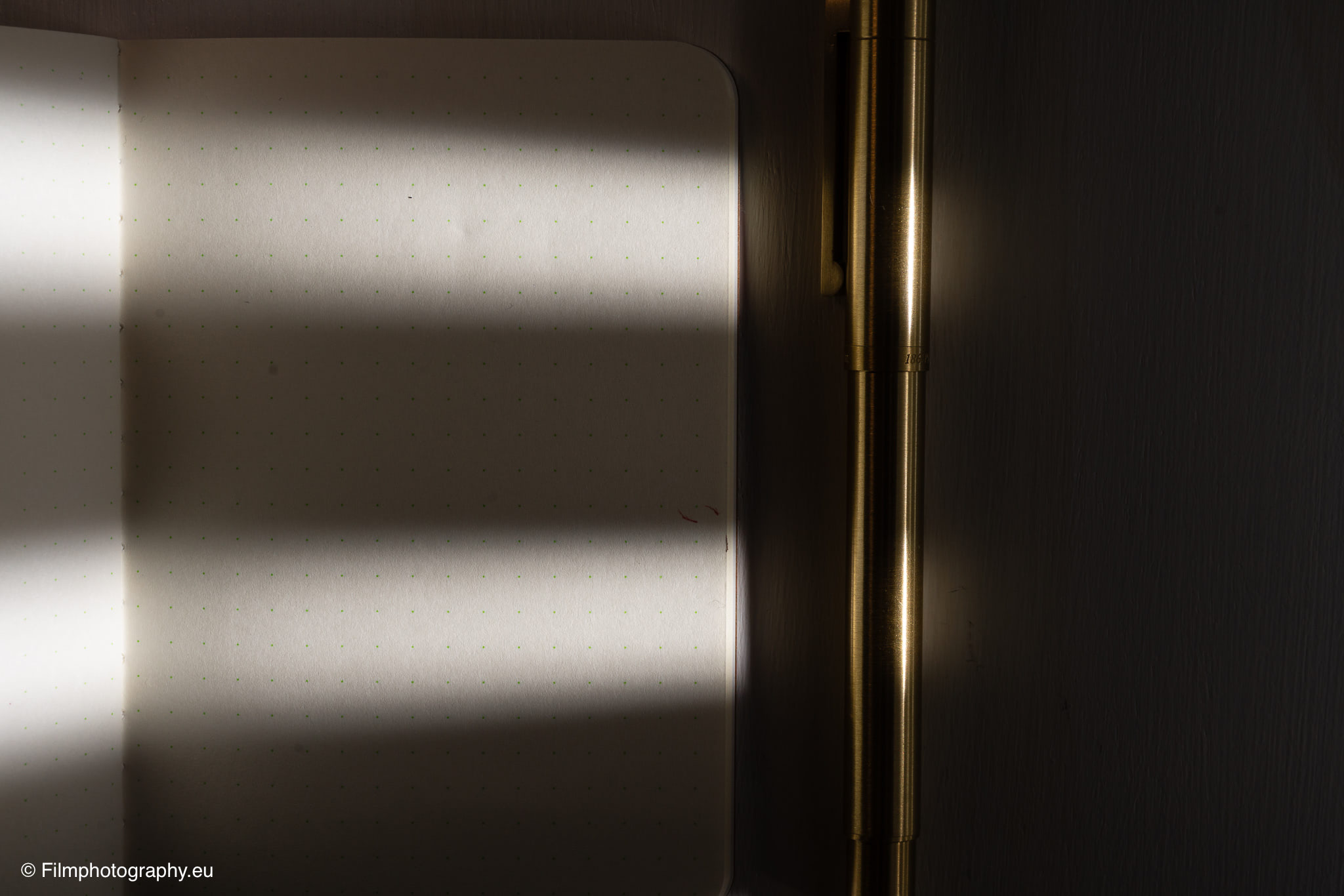
In addition, independence from power sources is an important factor in using analog tools. In analog photography we are indeed often reliant on batteries for light meters or film advance, but many classic cameras work purely mechanically. A notebook like the Ro-Biki continues this principle of self-sufficiency.
It is always ready for use. It needs no update, no reception and no charged battery. It is a silent observer in your pocket, ready to record the data that an analog negative cannot store. It keeps the name of the model, the exact time, the weather conditions or the thoughts that went through your head as you pressed the shutter release.
Another aspect is organization and archiving. Despite the digital possibilities of tagging and searching notes, digital entries often get lost in the mass of data or become outdated through software changes. A physical notebook, filled chronologically, offers linear traceability. When a Ro-Biki is full, it can be archived.
Standing on a shelf, perhaps labeled on the spine or cover, it forms, together with the negative sleeves, a physical archive of your own work. The waxed cover protects the contents from moisture and wear, so that the notes remain legible and intact even years later.
A Tool, Not an Ornament
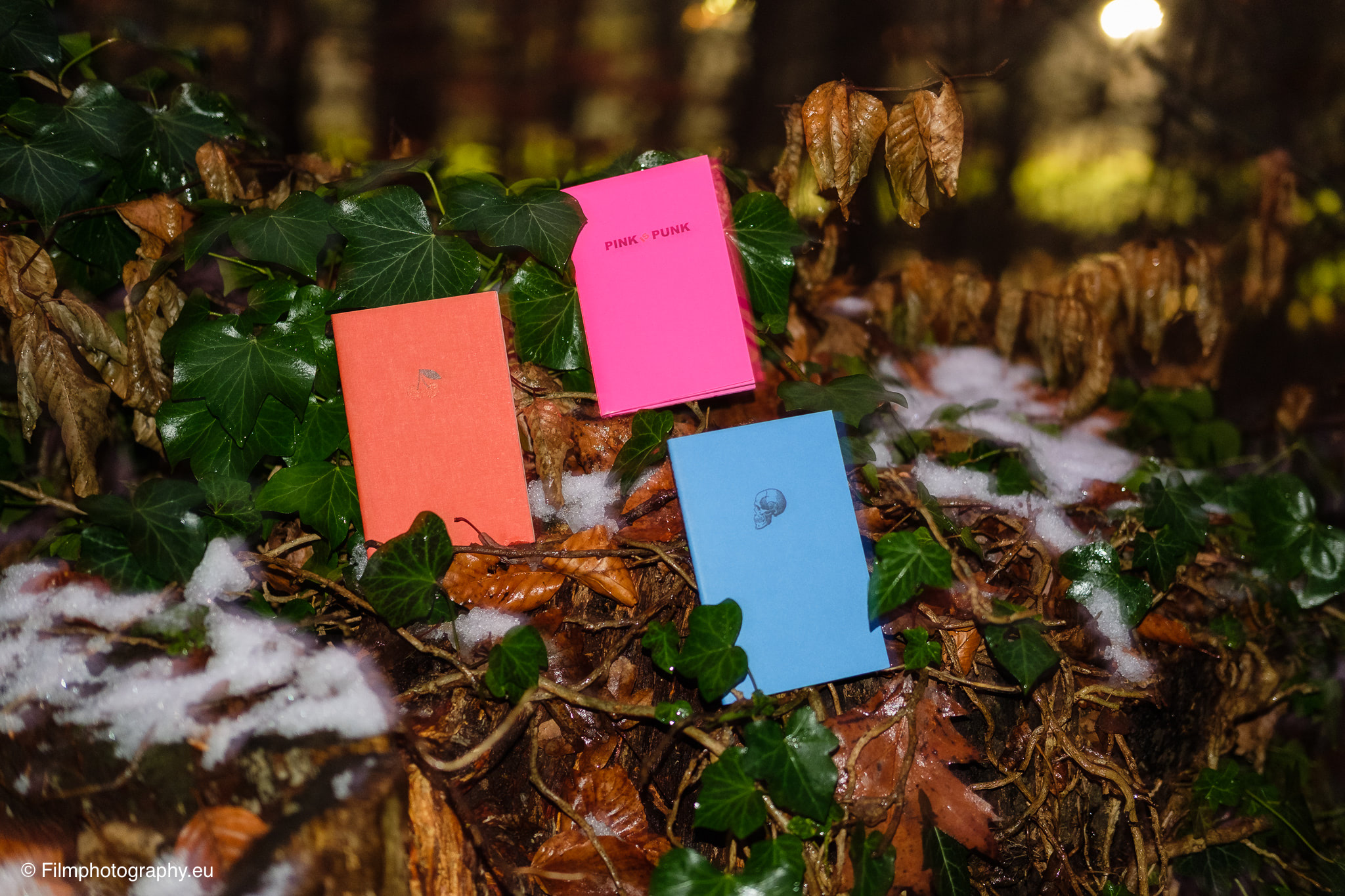
The aesthetics of the Ro-Biki are pleasantly understated. It does not push itself forward. There are no loud logos or colorful designs that would distract from the content. It is a tool that fits into the photographer's arsenal without seeming like a foreign body.
For me personally, the appeal also lies in the limitation. The relatively small page count and the compact format force concentration on what is essential. You do not write novels in a small Ro-Biki, but essences. It is a place for distillates of observations. This reduction fits well with photography on film, where we are likewise limited by the number of frames per roll. This limitation leads us to shape every image and every word more consciously.
The small Ro-Biki Note notebook by Yamamoto Paper is more than just a stack of stapled paper. It is a thoughtfully designed tool for people who value tactility, durability and a conscious approach to their resources. The waxed cover, which develops an individual patina over time, the grippy recycled paper and the robust binding make it a reliable partner for everyday photographic life. It bridges the gap between fleeting perception and lasting record. Whoever is willing to pick up the pen as consciously as the camera will find a worthy ground here for their thoughts.