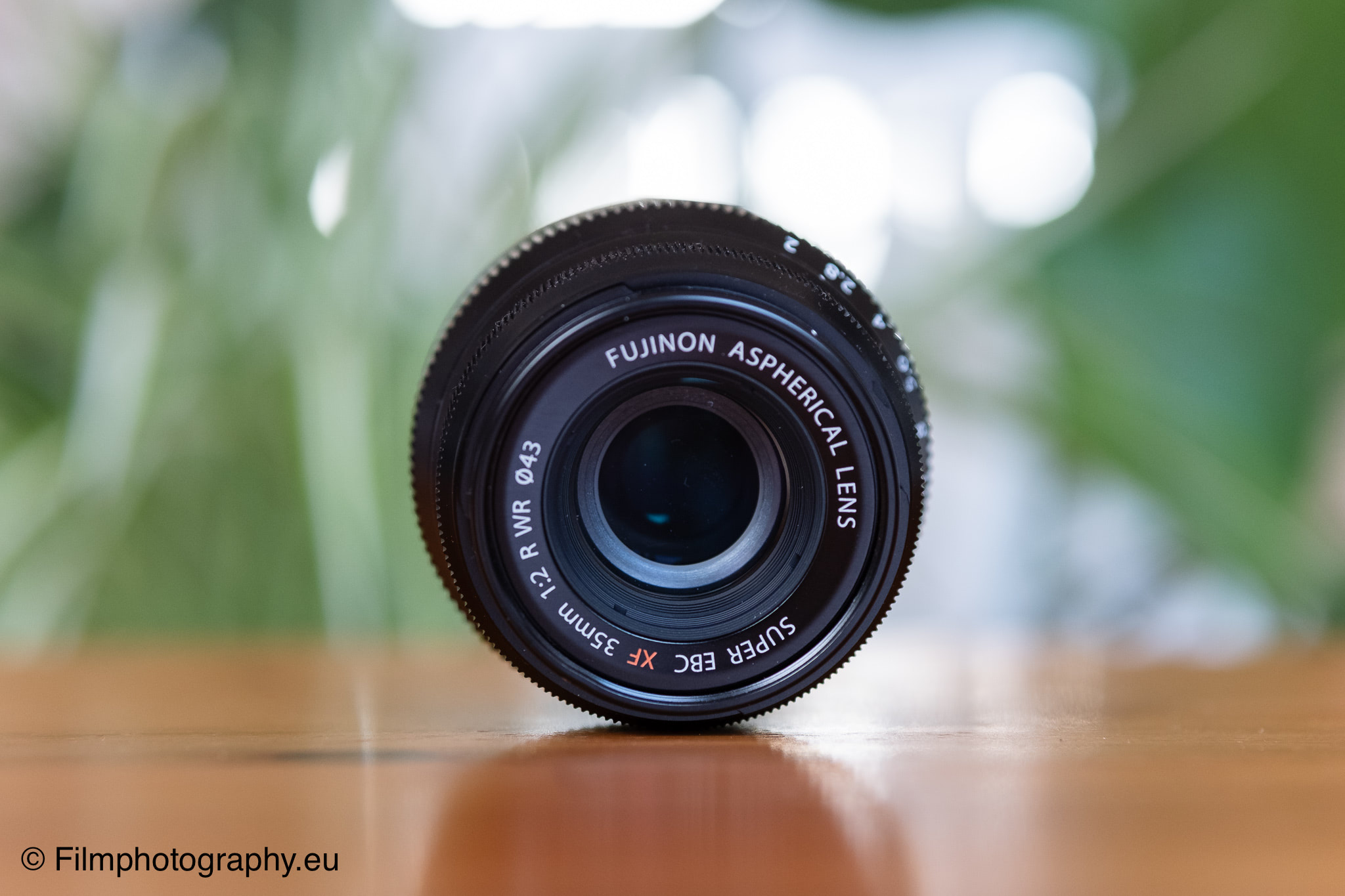
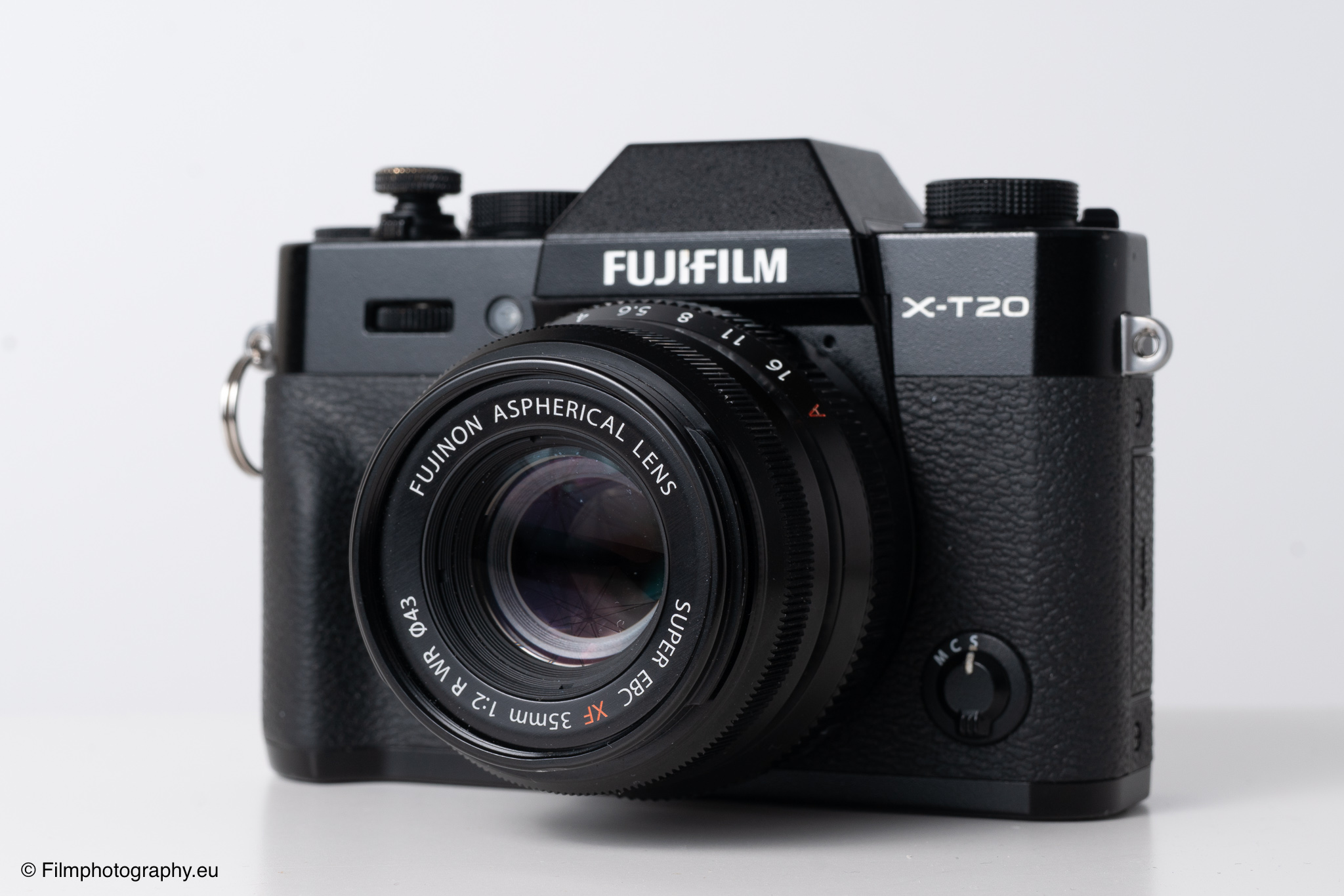
There are certain pieces of equipment in photography that prove themselves over the years and remain in the camera bag permanently despite newer developments. The Fujifilm XF 35mm f/2 R WR belongs to exactly this category of lenses that I have used very regularly and for various purposes for a long time. In the following, it will be examined in detail why this prime lens is still a practical choice for everyday photography.



The History of the Prime Lens
When Fujifilm introduced the mirrorless X system in 2012, the XF 35mm f/1.4 R was among the first three lenses in the new portfolio. That lens quickly gained fame for its characteristic image rendering, but in terms of autofocus and build construction, it was a first-generation product. With the ongoing development of camera sensors and users' desire for more compact, robust alternatives, the manufacturer presented the XF 35mm f/2 R WR in the fall of 2015.
It was the start of a new series of prime lenses with a maximum aperture of f/2, characterized by a slim body design, a fast stepping motor, and comprehensive weather sealing. The lens quickly established itself as a standard tool for reportage, travel, and classic street photography, as it managed the balancing act between unobtrusive handling and solid optical performance. To this day, this model has lost none of its relevance, as it combines a classic focal length with modern mechanical advantages.


Technical Specifications of the Lens
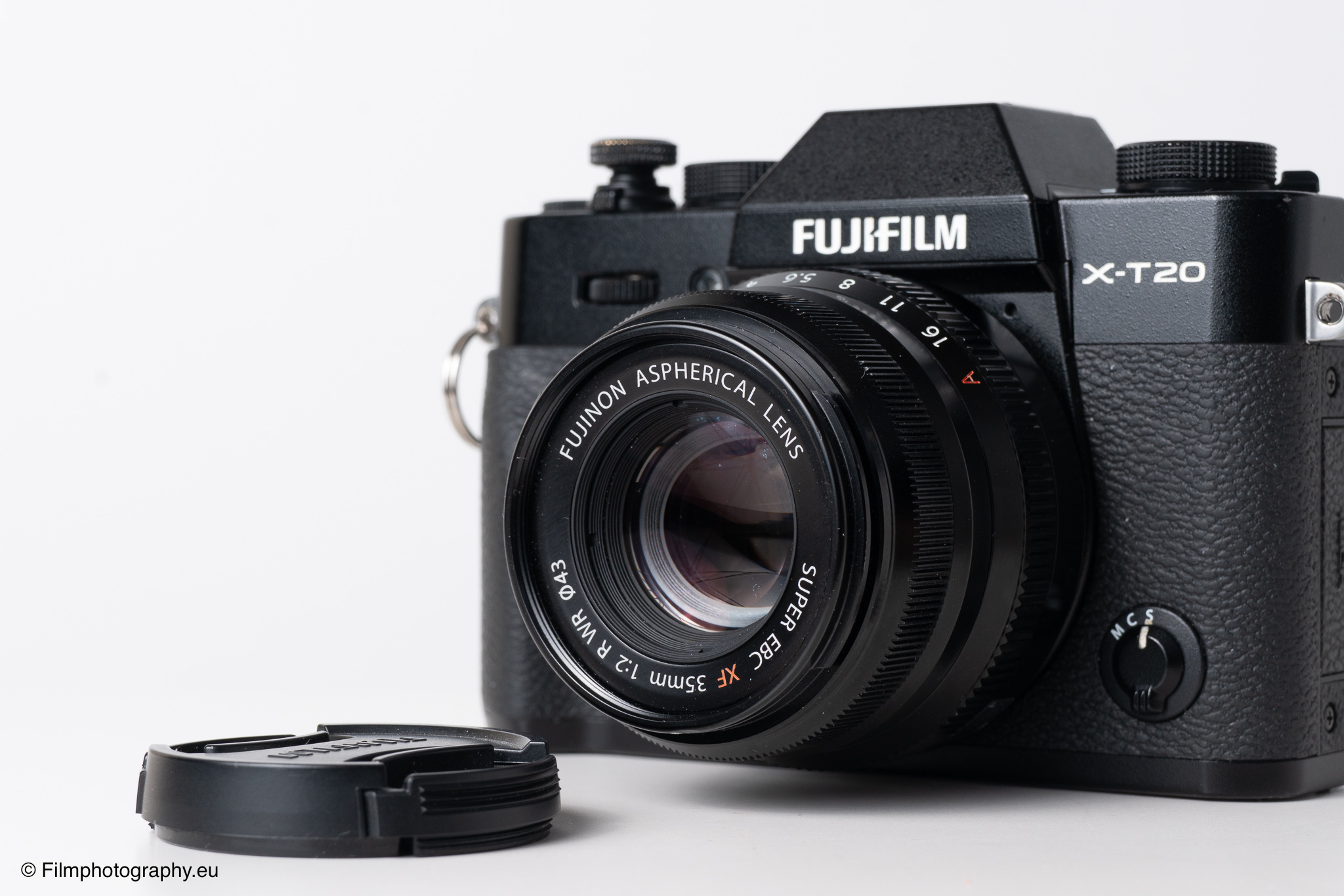
Let's start with a brief overview of the Fujifilm XF 35mm f/2 R WR. The optical system of this prime lens consists of nine lens elements arranged in six groups. Among these elements are two aspherical lenses that help reduce aberrations such as spherical aberration and distortion.
The focal length of 35 millimeters on the APS-C sensor of Fujifilm cameras corresponds to a full-frame equivalent of approximately 53 millimeters. This corresponds almost exactly to the classic normal focal length, which is modeled on the human field of view and offers a very natural perspective without wide-angle or telephoto distortions.


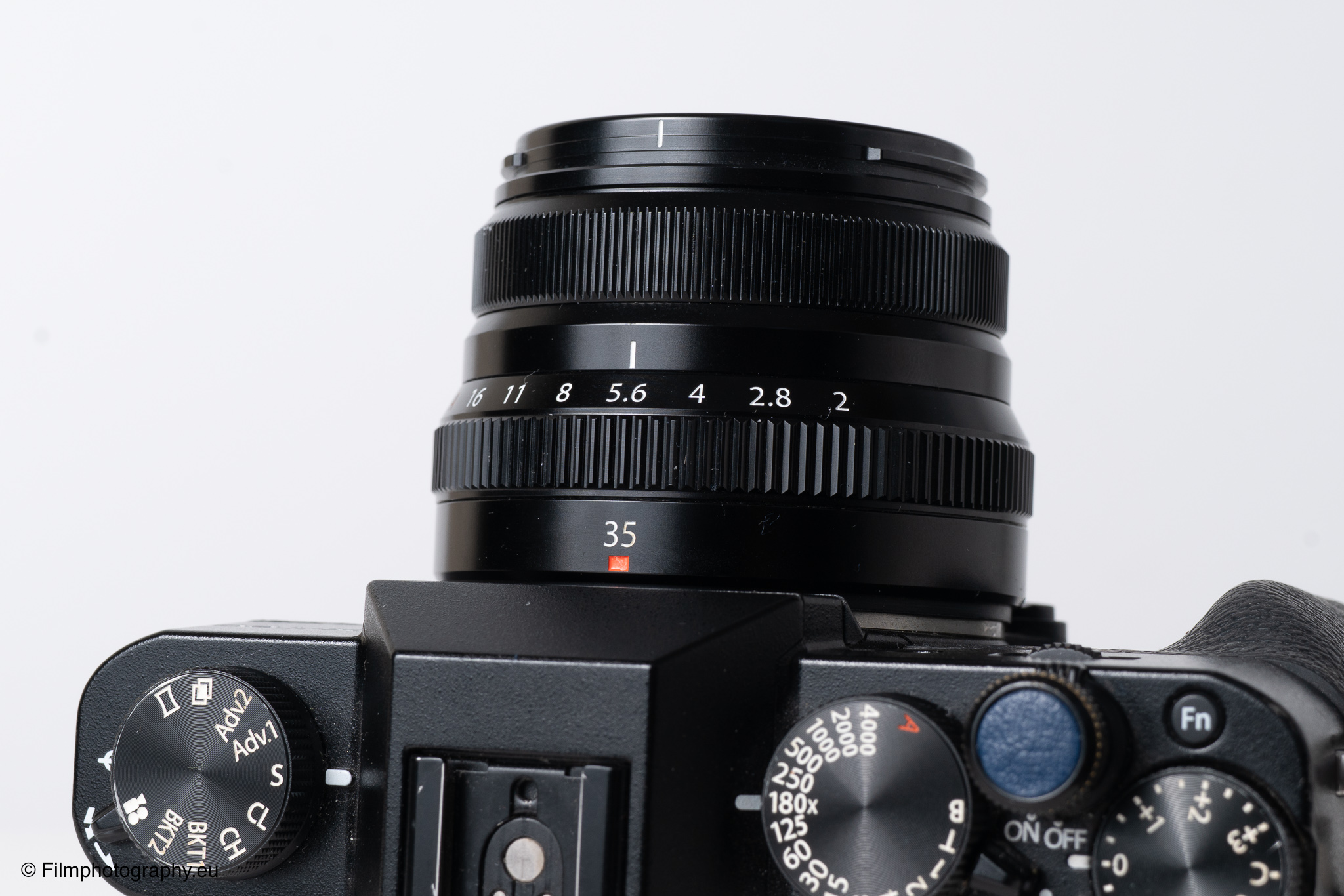
The aperture range extends from a maximum aperture of f/2 to a minimum aperture of f/16. The aperture can be adjusted either via the camera or directly on the lens using the physical aperture ring, which clicks into place in third stops and also has an additional automatic position.
Inside the lens, nine rounded aperture blades ensure a uniform opening, which has a positive effect on the rendering of out-of-focus areas. The minimum focusing distance is 35 centimeters, which is sufficient for most everyday situations and also allows close-up shots in the near range.
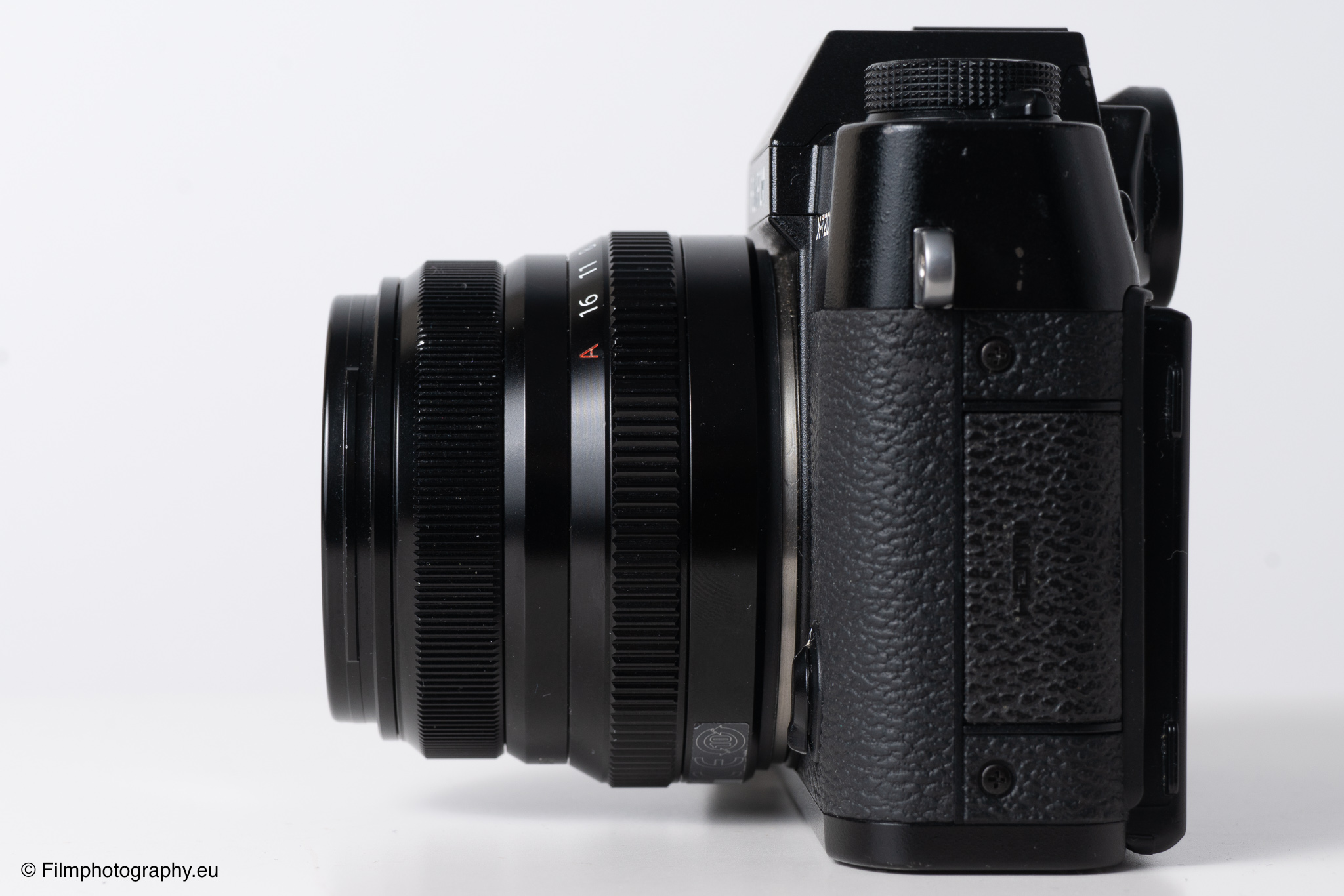
The body is characterized by a very compact design. It has a maximum diameter of 60 millimeters and a total length of just 45.9 millimeters.
The filter thread is comparatively small at 43 millimeters in diameter, which makes purchasing filters easier and keeps the entire construction unobtrusive. The weight is only about 170 grams, so the lens does not become a burden even on long walks.

A key feature, already anchored in the name, is weather resistance. The lens is sealed against dust and splash water at a total of eight points and remains operational even at temperatures down to minus ten degrees Celsius.
The autofocus is based on internal focusing driven by a fast stepping motor, which means the front lens does not rotate during focusing.
Everyday Use
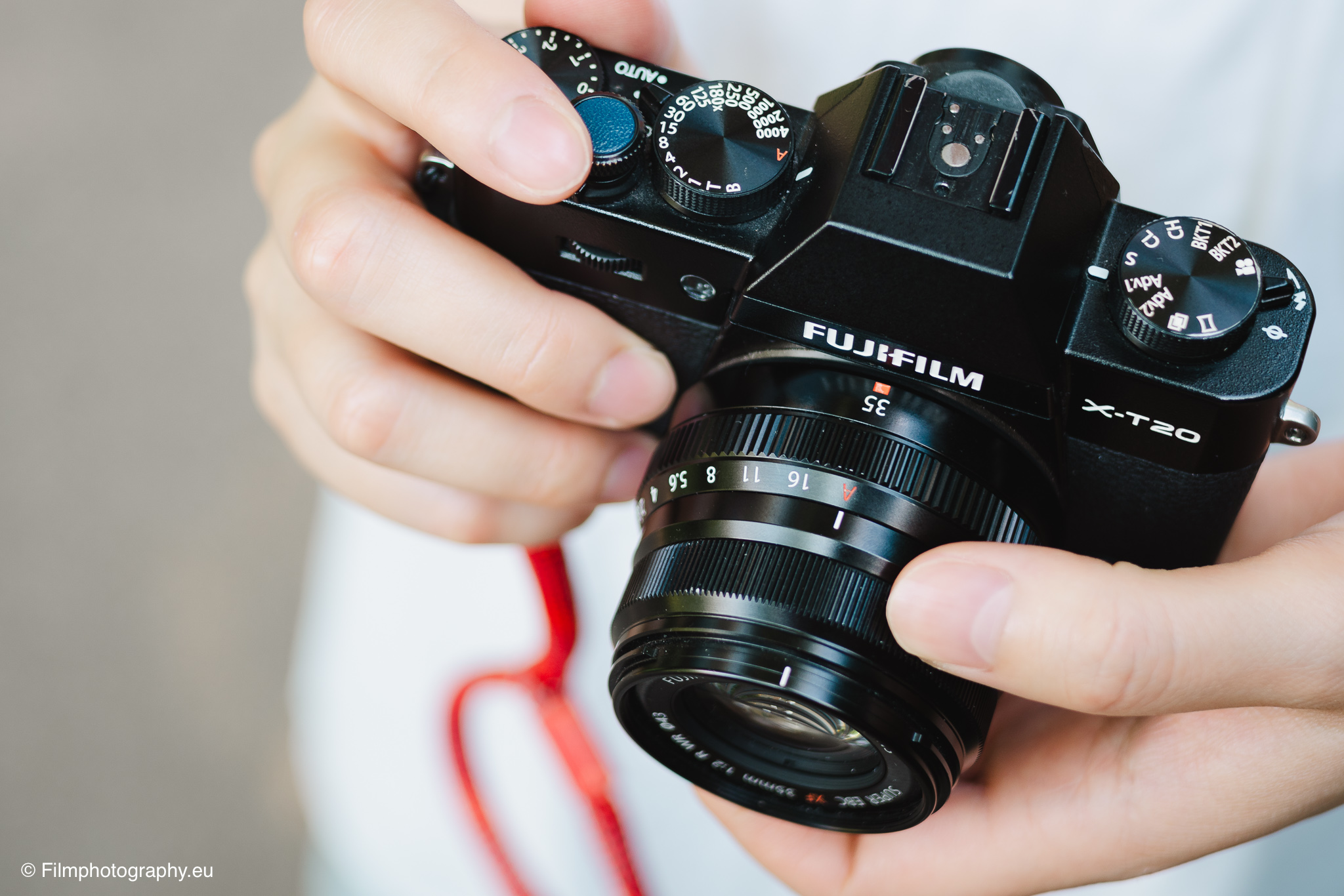
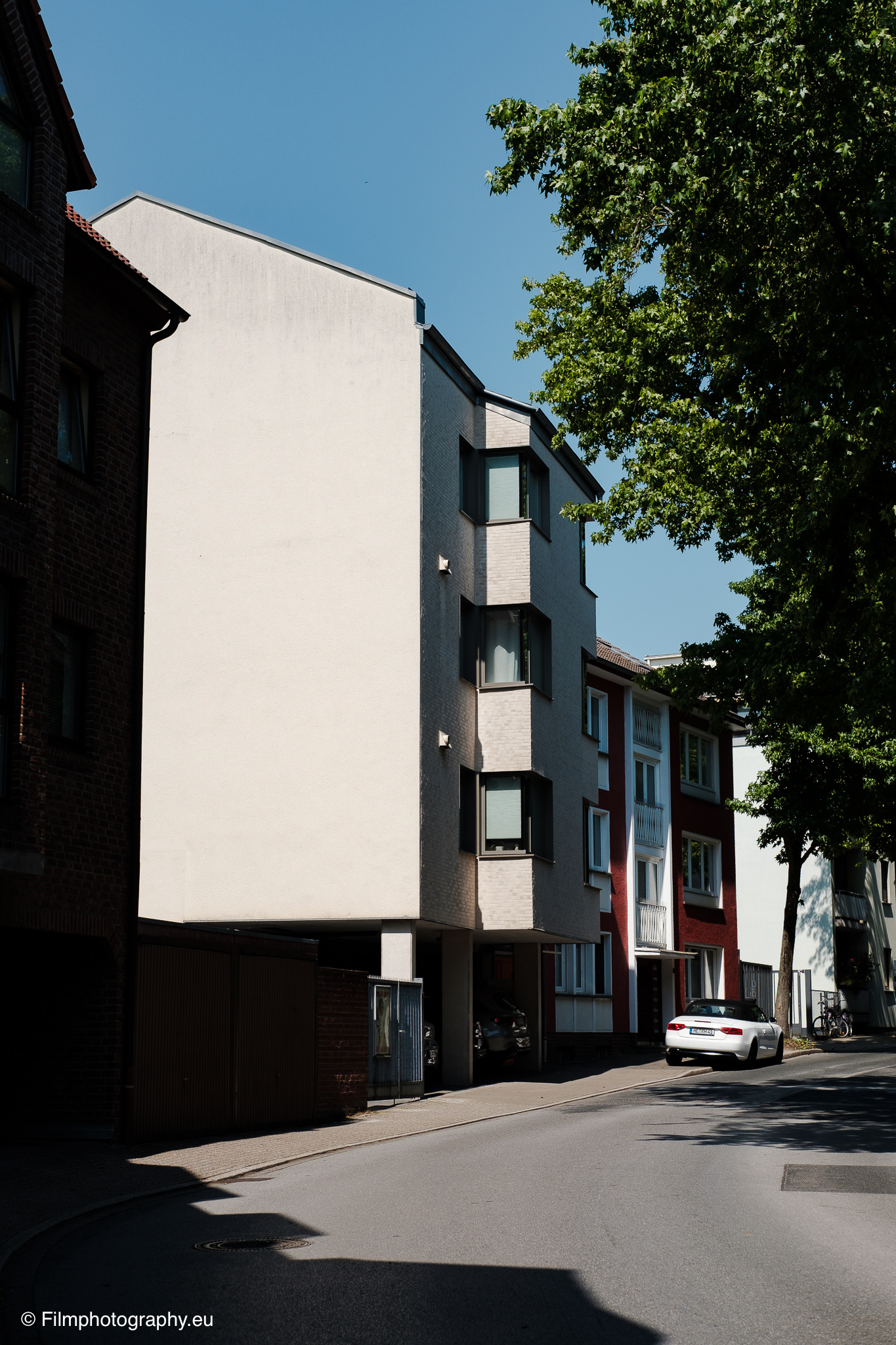
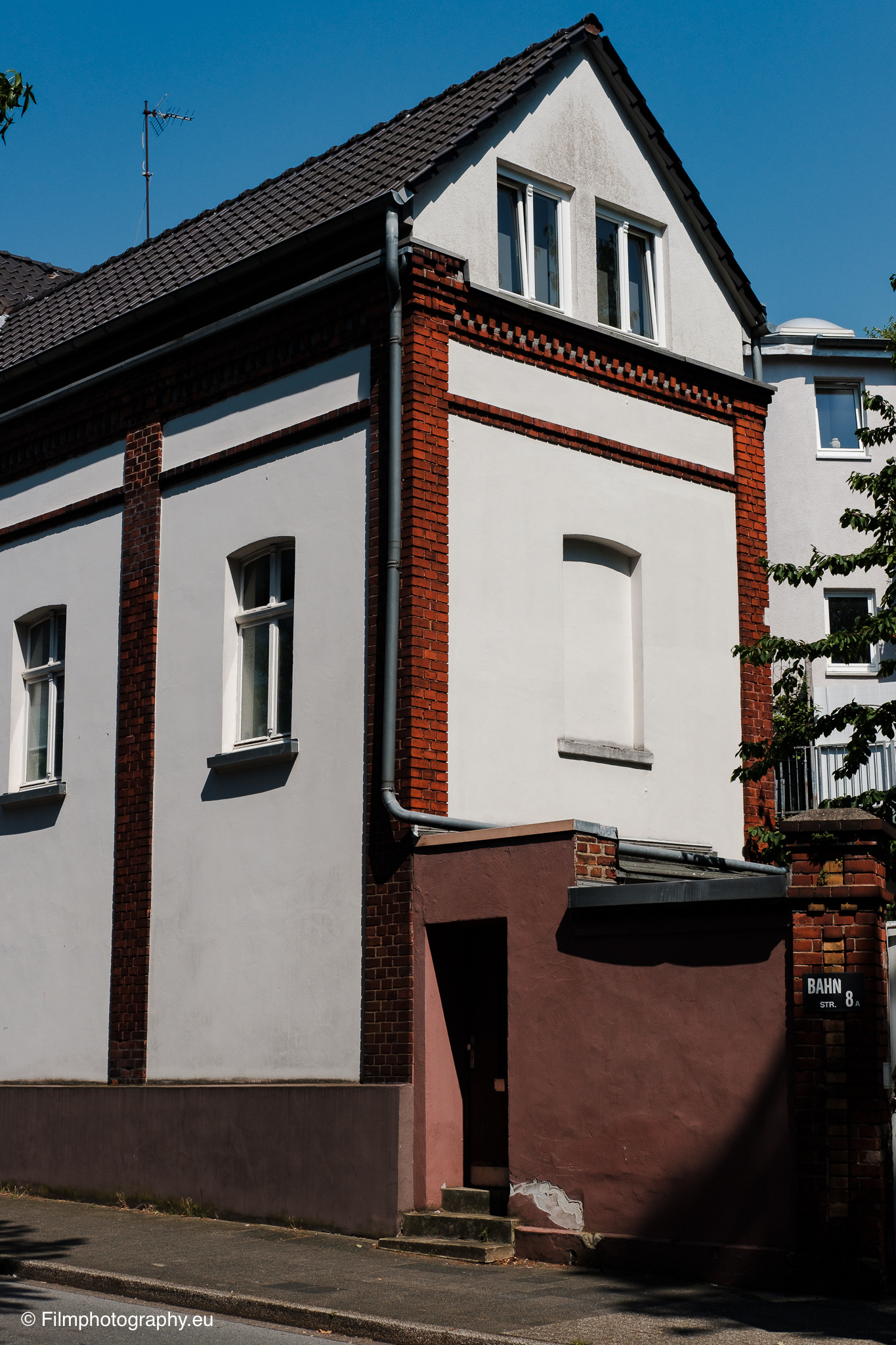
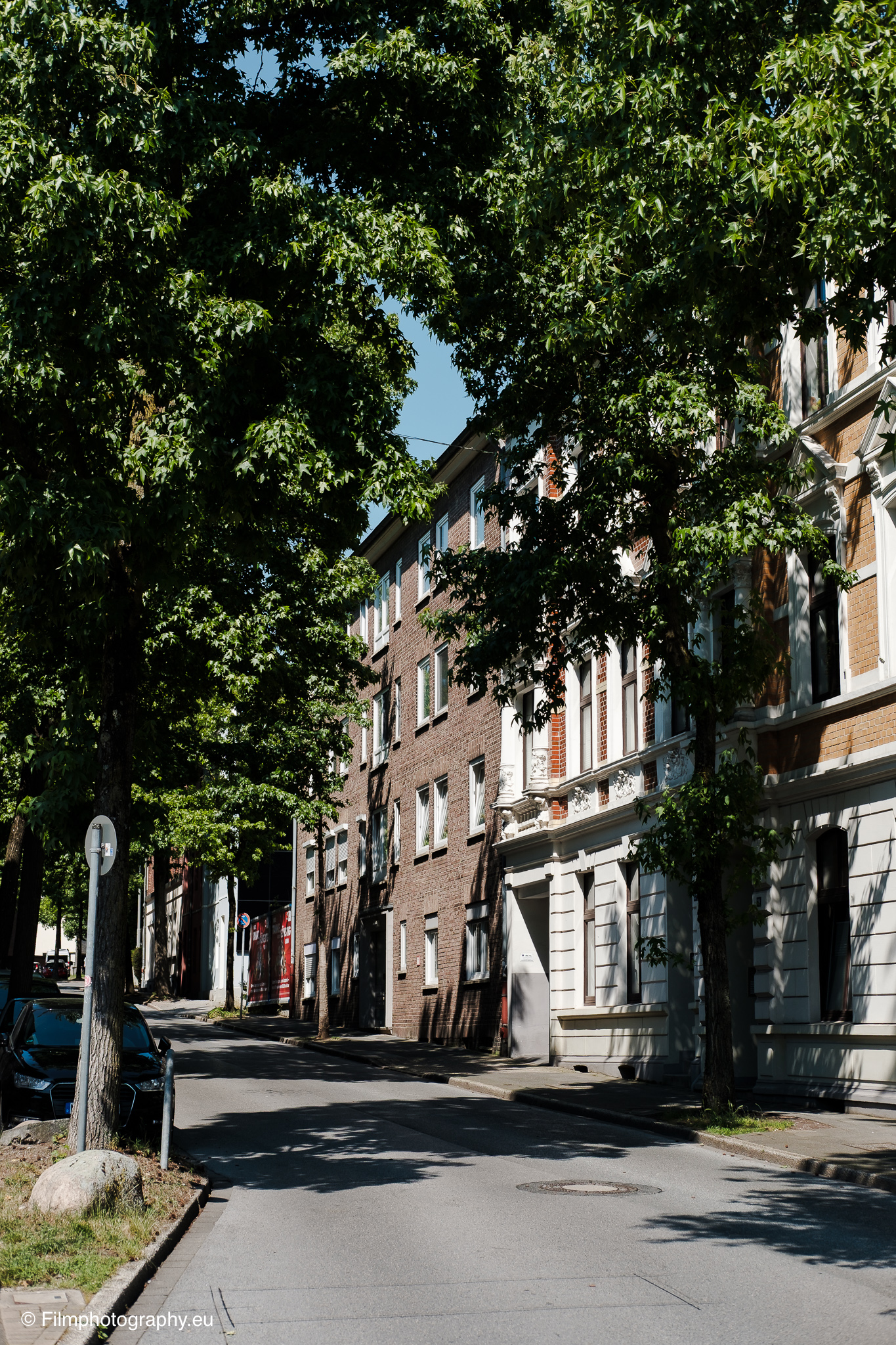
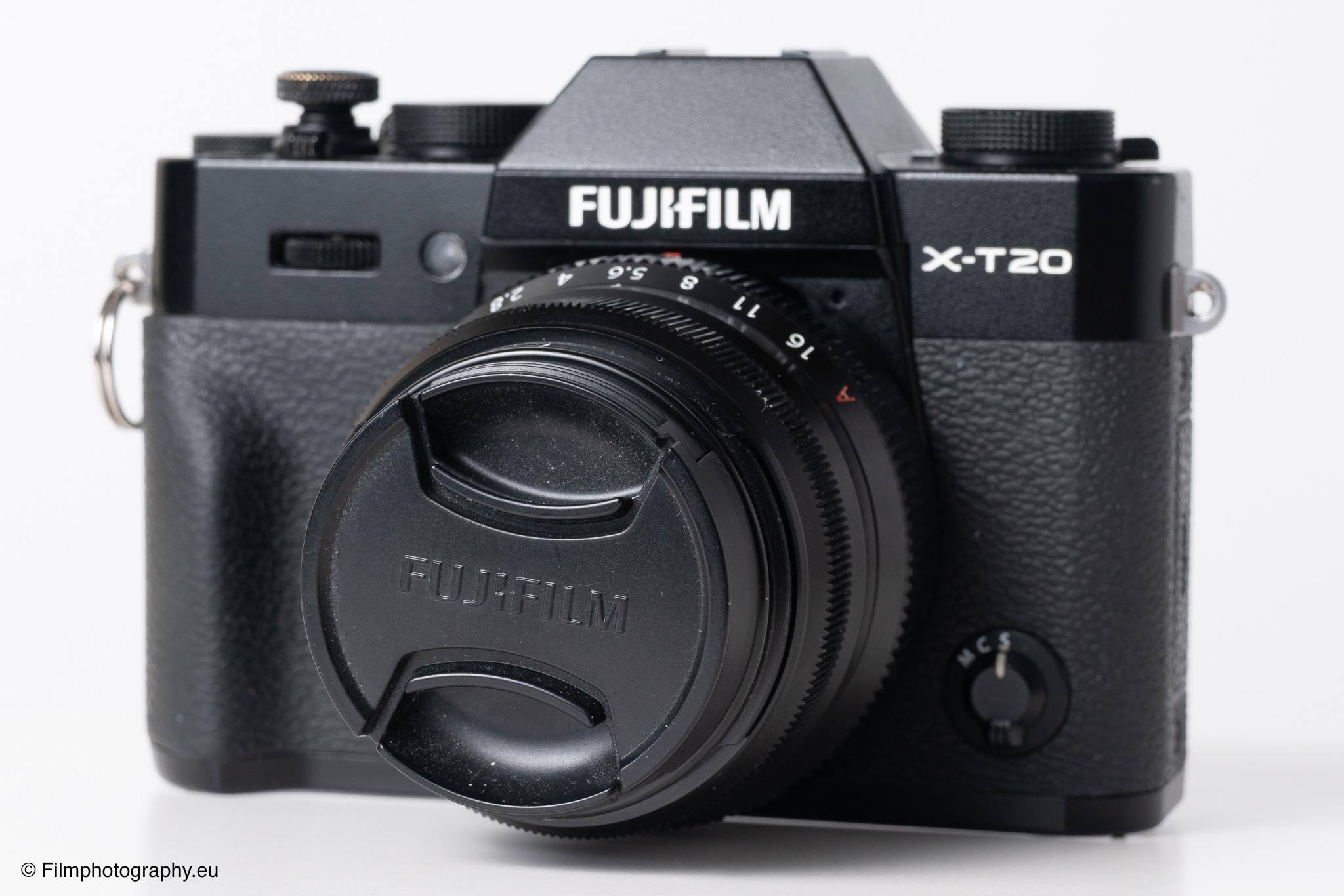
In daily practice, the Fujifilm XF 35mm f/2 R WR shows its true qualities, especially when combined with a compact camera body like the Fujifilm X-T20. The sample images for this report were taken with exactly this setup, and the results illustrate the balanced interaction between sensor and optics.
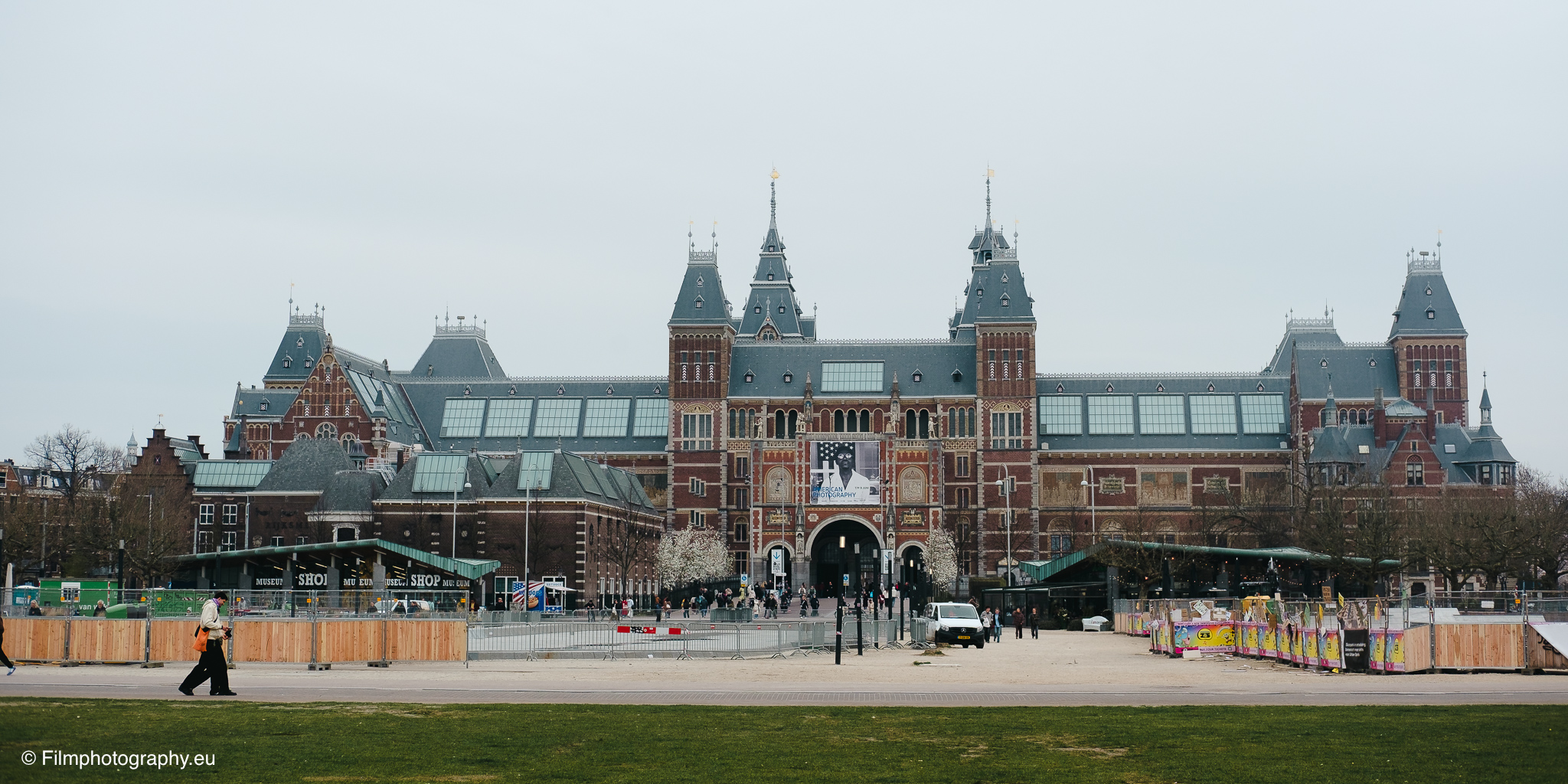
The low weight and discreet dimensions make this combination a tool that you can easily carry all day without feeling fatigued. Especially in busy urban environments, such as those found in Amsterdam or at bustling weekly markets, you appreciate the unobtrusiveness of this lens. Compared to large zoom lenses, it attracts little attention, which is of great benefit for authentic shots.



The autofocus works very quickly and quietly in combination with the X-T20. Compared to the older XF 35mm F1.4, the stepping motor of the f/2 model responds swiftly and precisely. This is particularly advantageous when people or vehicles move through the frame and you need to use a fraction of a second to set the focus point exactly. Even in unfavorable lighting conditions in the evening or in shady alleys, focusing remains reliable and hardly tends to hunt for the focus point.

The sharpness performance of the lens is already very good at the maximum aperture of f/2 in the center of the image. Details on facades, the textures of clothing, or the fine lines on the surfaces of fruits at a market stall are rendered clearly and with detail.
If you stop down the lens to f/2.8 or f/4, sharpness also increases in the corners, making the lens well-suited for landscape or architectural photography. The color rendering is balanced, typical of Fujinon lenses, and harmonizes with the integrated film simulations of Fujifilm cameras. Contrasts are rendered naturally without shadows becoming unnaturally blocked up or highlights blowing out.
An important aspect of a prime lens with a maximum aperture of f/2 is the design of the out-of-focus area, the so-called bokeh. Thanks to the nine rounded aperture blades, out-of-focus light sources in the background are rendered as soft, circular discs.
Although an f/1.4 lens generally allows for even stronger subject separation, the f/2 aperture of the 35mm lens is sufficient in many cases to separate the subject from the background. The bokeh appears calm, organic, and does not distract from the actual main subject. This is particularly evident in close-up shots of plants, autumn leaves, or portraits where the background melts into a pleasant blur.


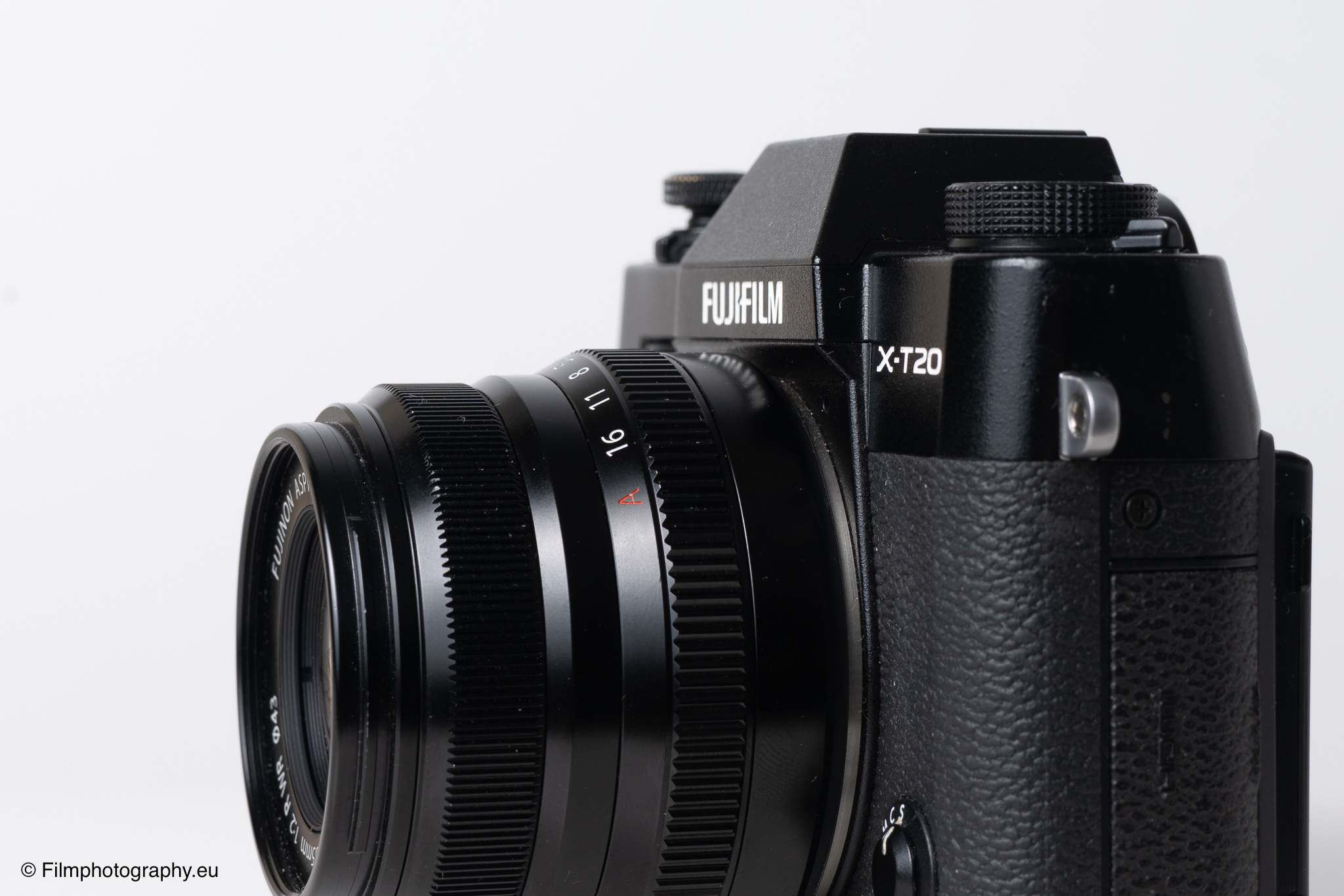
The mechanical construction of the body is at a very solid level. The body is almost entirely made of metal, giving the lens a pleasant feel that reminds one of classic, analog lenses.
The aperture ring clicks into place with a precise click. It is neither too loose, so you would accidentally adjust it, nor too stiff. The focus ring for manual focusing also runs smoothly and offers good resistance.

The Fujifilm XC 35mm f/2 as a Budget Alternative
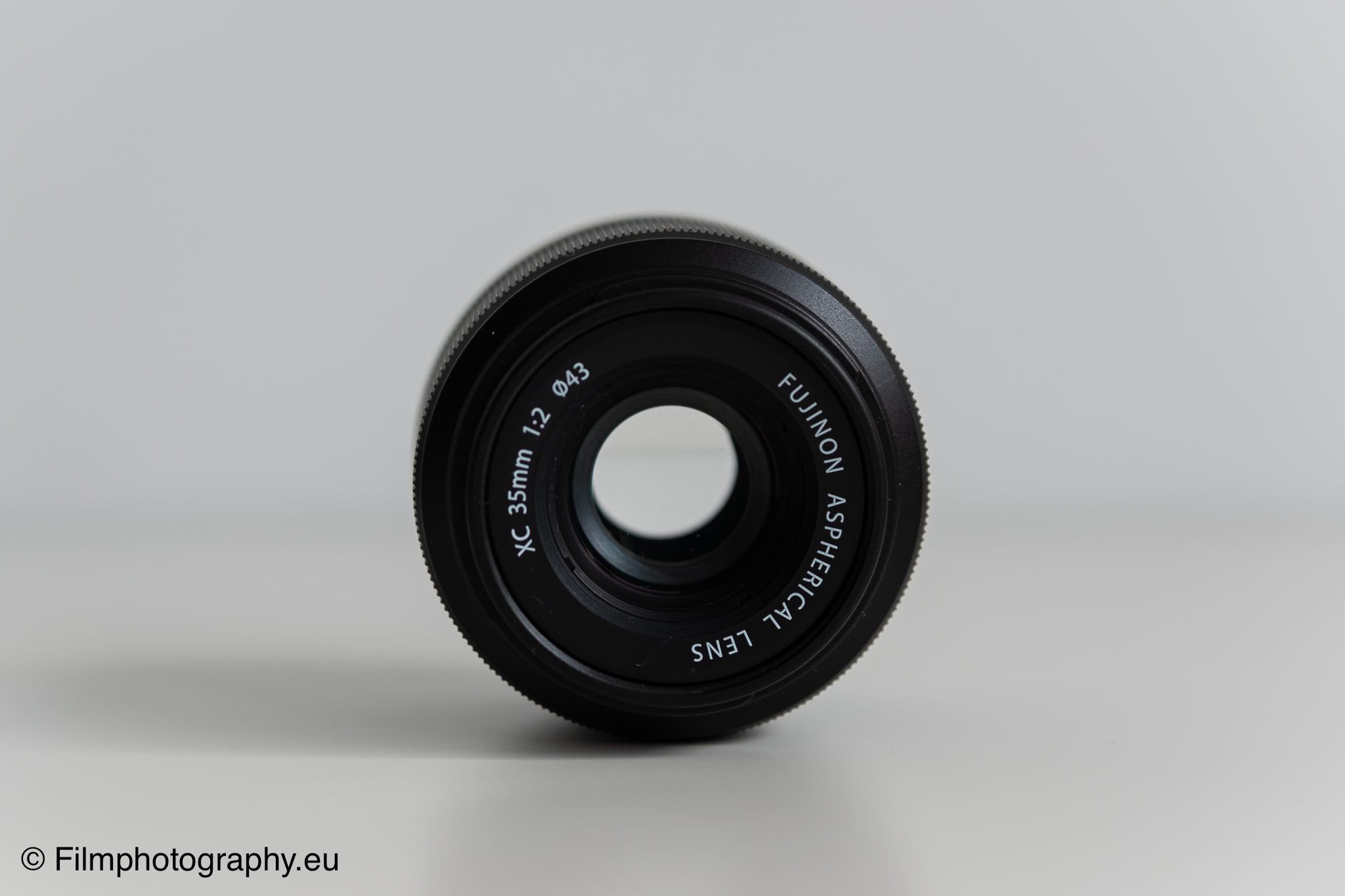
In 2020, Fujifilm expanded its lineup with the XC 35mm f/2, which represents an interesting alternative for many beginners. From an optical perspective, there is no difference between the XF 35mm f/2 R WR and the XC 35mm f/2.
Both lenses use the identical optical construction with nine elements in six groups and two aspherical lenses. This means that the image quality, sharpness, bokeh, and autofocus speed of the two lenses are comparable. The differences lie solely in the external construction and the materials used.
The XC 35mm f/2 does without a metal body and is instead made of plastic. Even the mount, which is made of solid metal on the XF model, is made of plastic on the XC model. This makes the XC lens even lighter at just 130 grams, but it diminishes the tactile experience that one is used to from the XF lenses.
Another difference is the lack of a physical aperture ring on the XC model. Here, the aperture must be adjusted via one of the setting dials on the camera body. For photographers who appreciate Fujifilm's classic control concept with analog dials, this is a cut in the workflow.
Additionally, the XC variant offers no weather sealing and is not sealed against dust and splash water. So if you often shoot in bad weather or are looking for a robust workhorse for everyday use, you will be happier with the XF model.
The advantage of the XC 35mm f/2 lies in the price. It is usually available for a significantly lower amount than the XF variant and thus offers good value for money for those looking for a cheap, light prime lens and can do without the aperture ring and weather sealing.


Final Verdict
The Fujifilm XF 35mm f/2 R WR remains an absolutely recommendable lens in the manufacturer's portfolio even years after its market launch. It does not impress with extreme maximum aperture, but with its balance in all disciplines.
Its compact dimensions, low weight, and fast, quiet autofocus make it a suitable companion for every day. The optical performance convinces with solid sharpness already at maximum aperture and a natural, three-dimensional image rendering.
The combination with a body like the Fujifilm X-T20 shows how much potential lies in this small system. Anyone looking for an unobtrusive, robust, and weather-sealed standard lens that fits seamlessly into Fujifilm's classic control concept will not go far wrong with this prime. It is a classic tool for photographers who appreciate the deliberate use of a fixed focal length and seek a reliable optic for all situations.


Tips for Buying and Acquisition
The Fujifilm XF 35mm f/2 R WR is regularly available new in well-stocked specialist stores and on online platforms like Amazon. The price has settled at a stable level over the years, which can be considered appropriate in relation to the build quality and optical performance offered.
Since it is a widely used lens, it is often worth taking a look at the used market. Many photographers take good care of their equipment, so you can often purchase the lens in good condition at a reduced price on established platforms for used photo equipment.
Unedited Sample Images
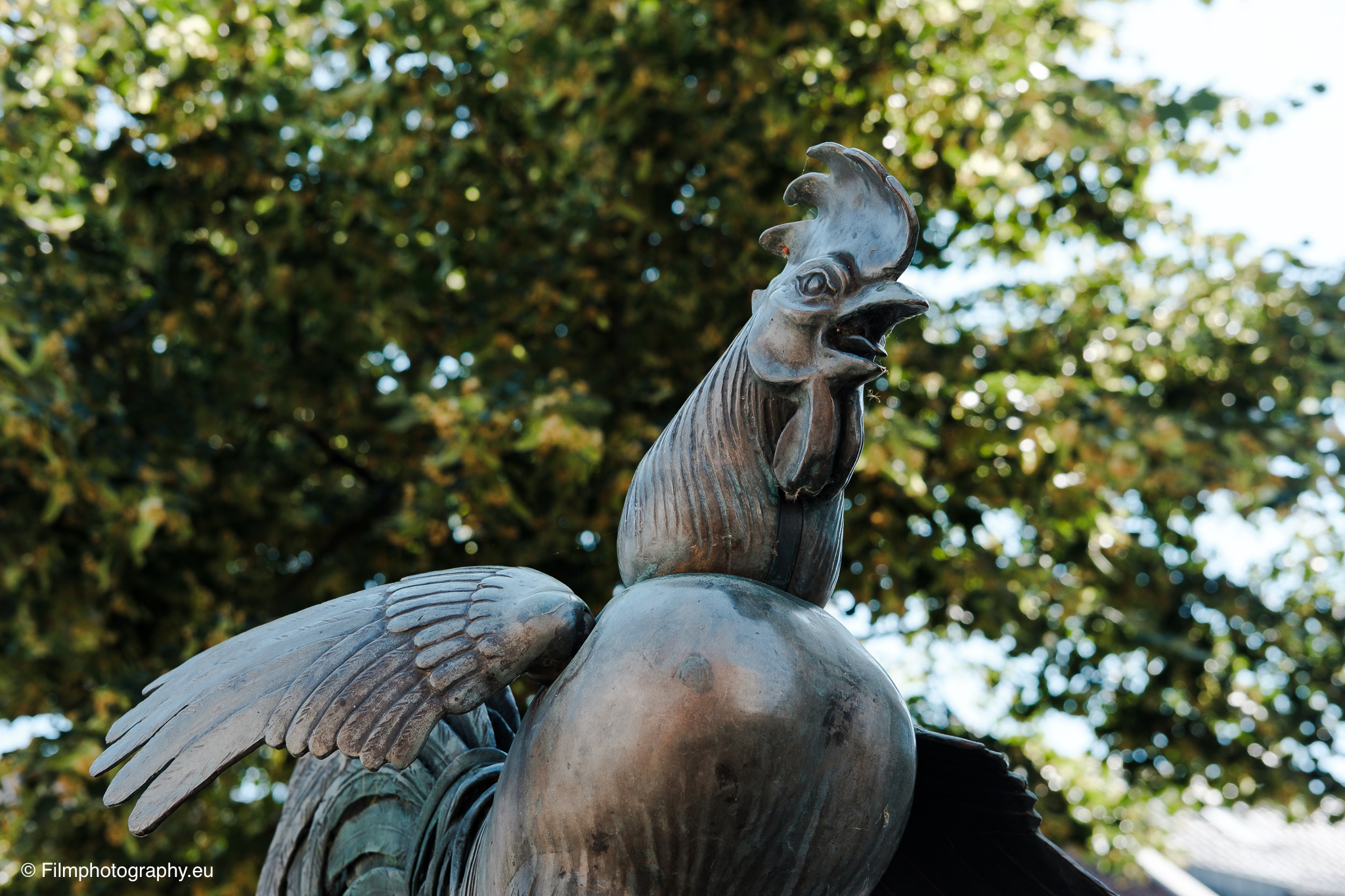
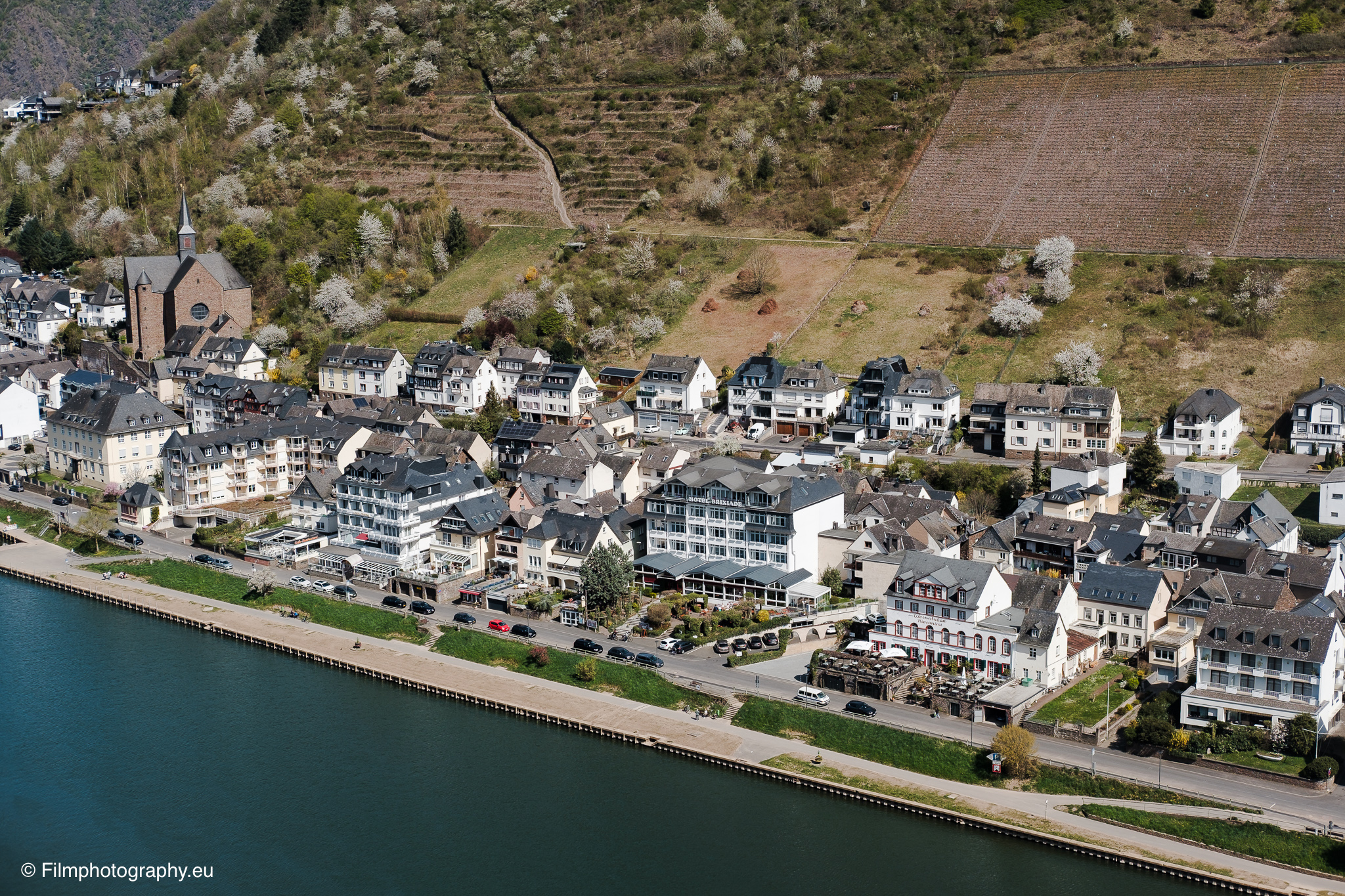
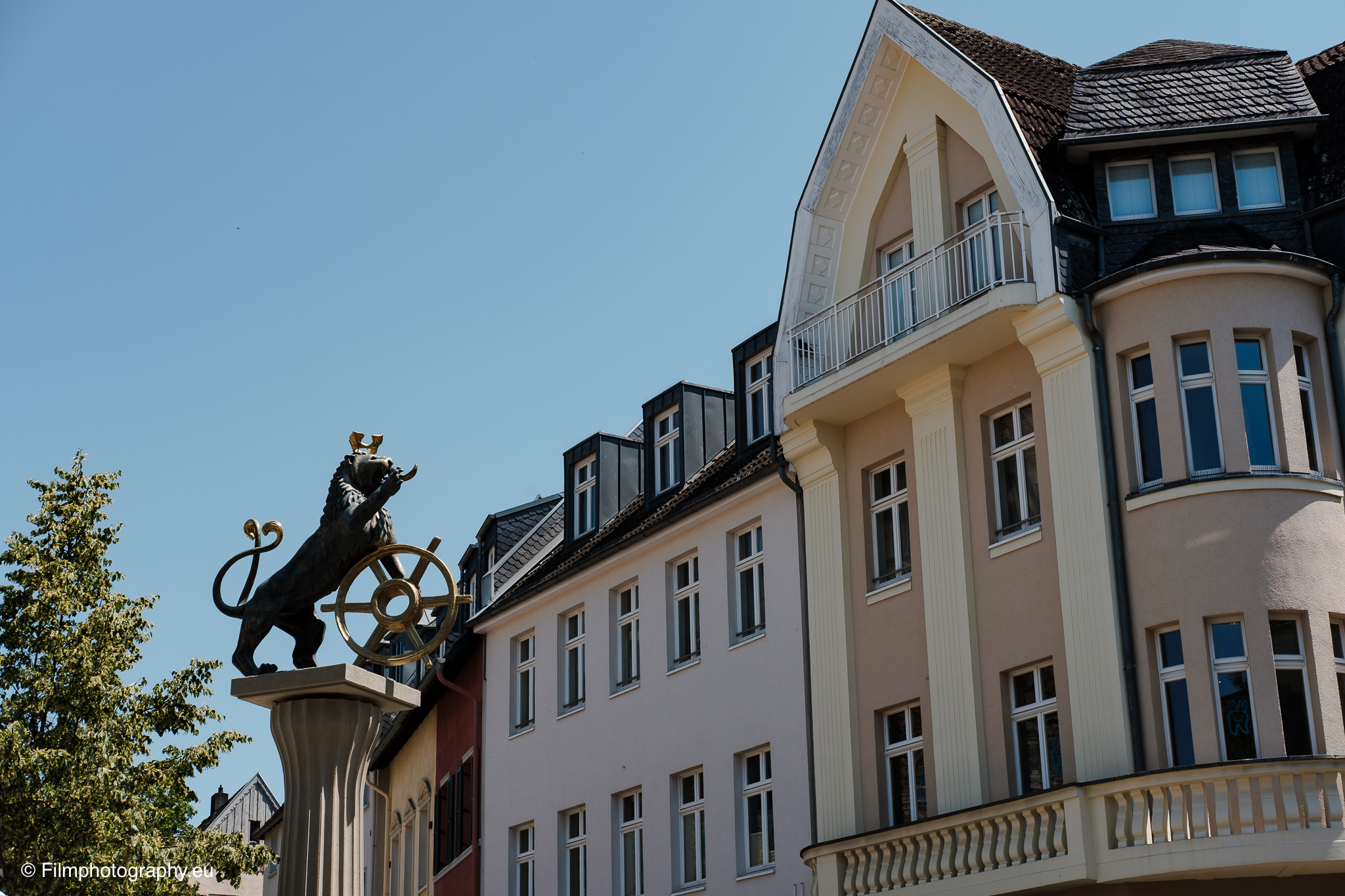
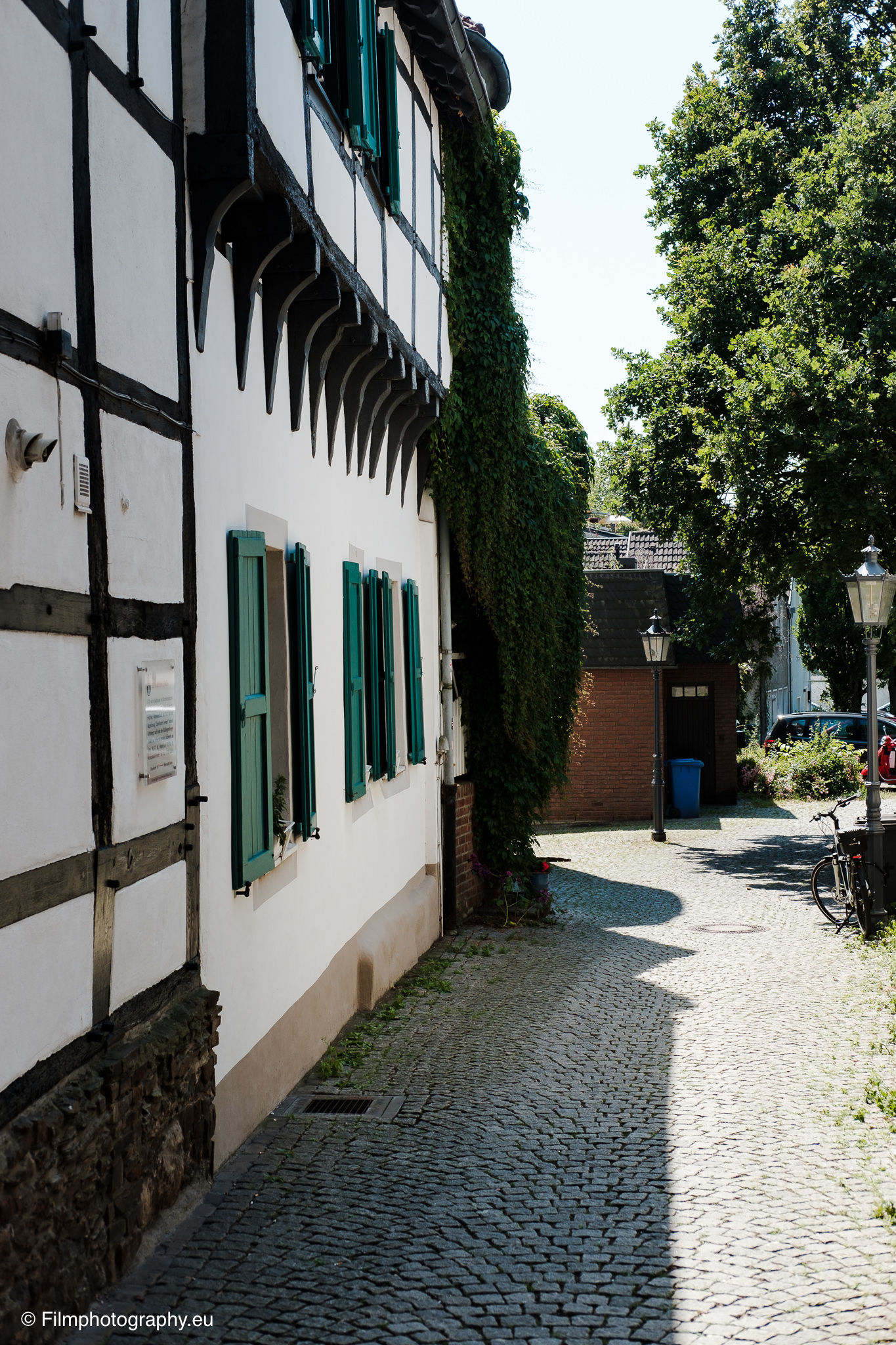
The sample images were also taken with the Fujifilm X-T20 and the XF 35mm. A flash was used during the shoot. They were not edited.