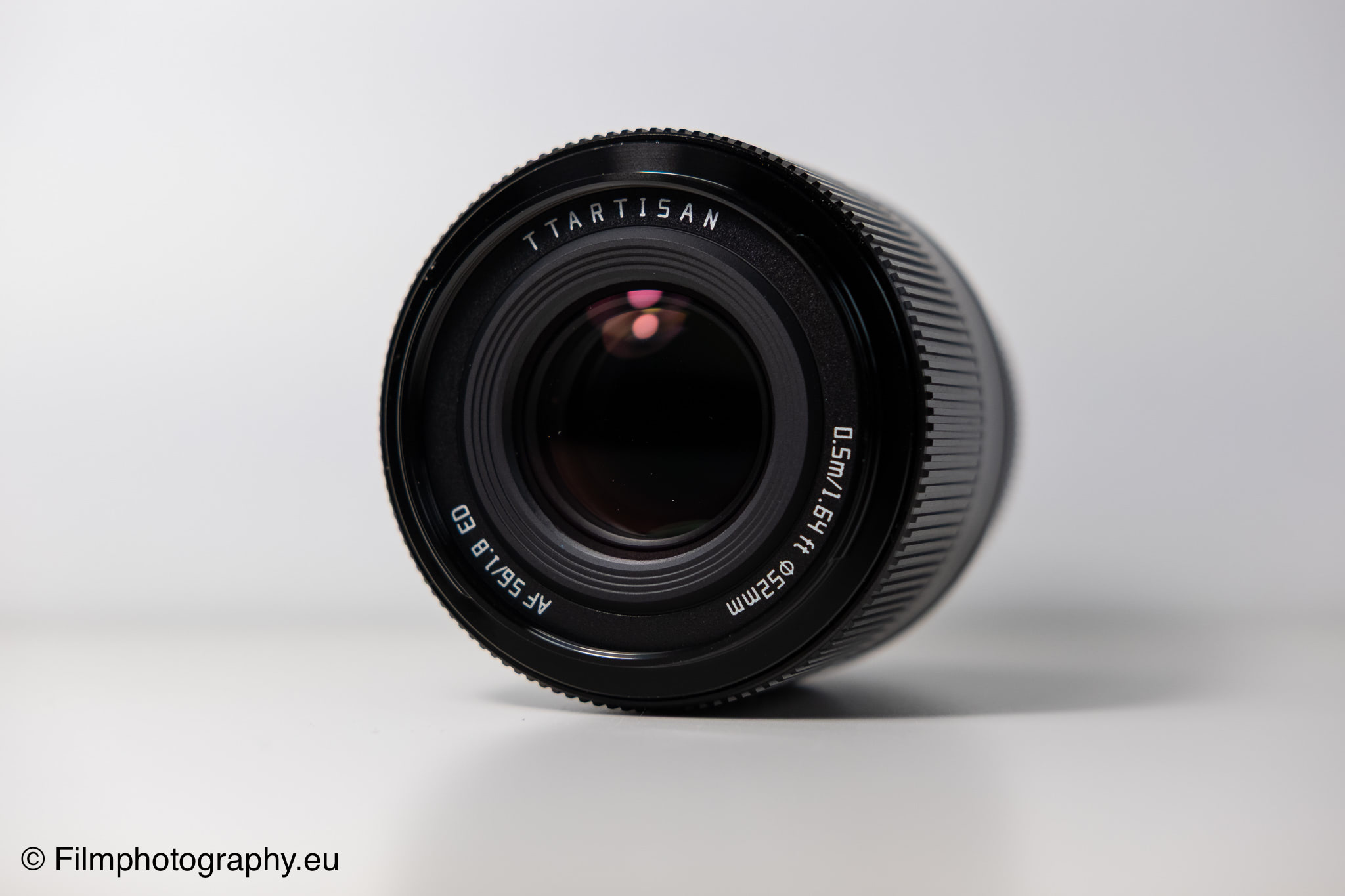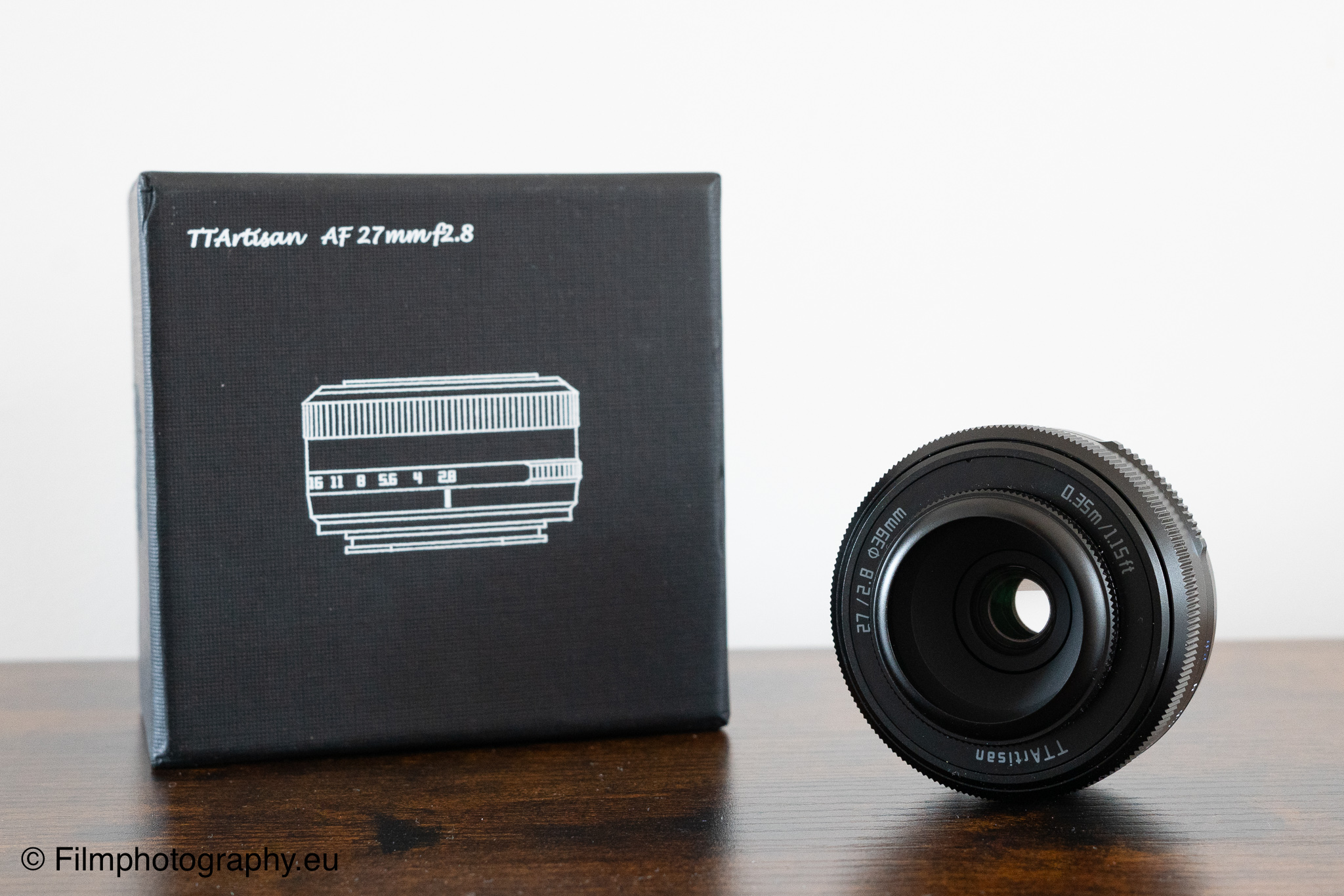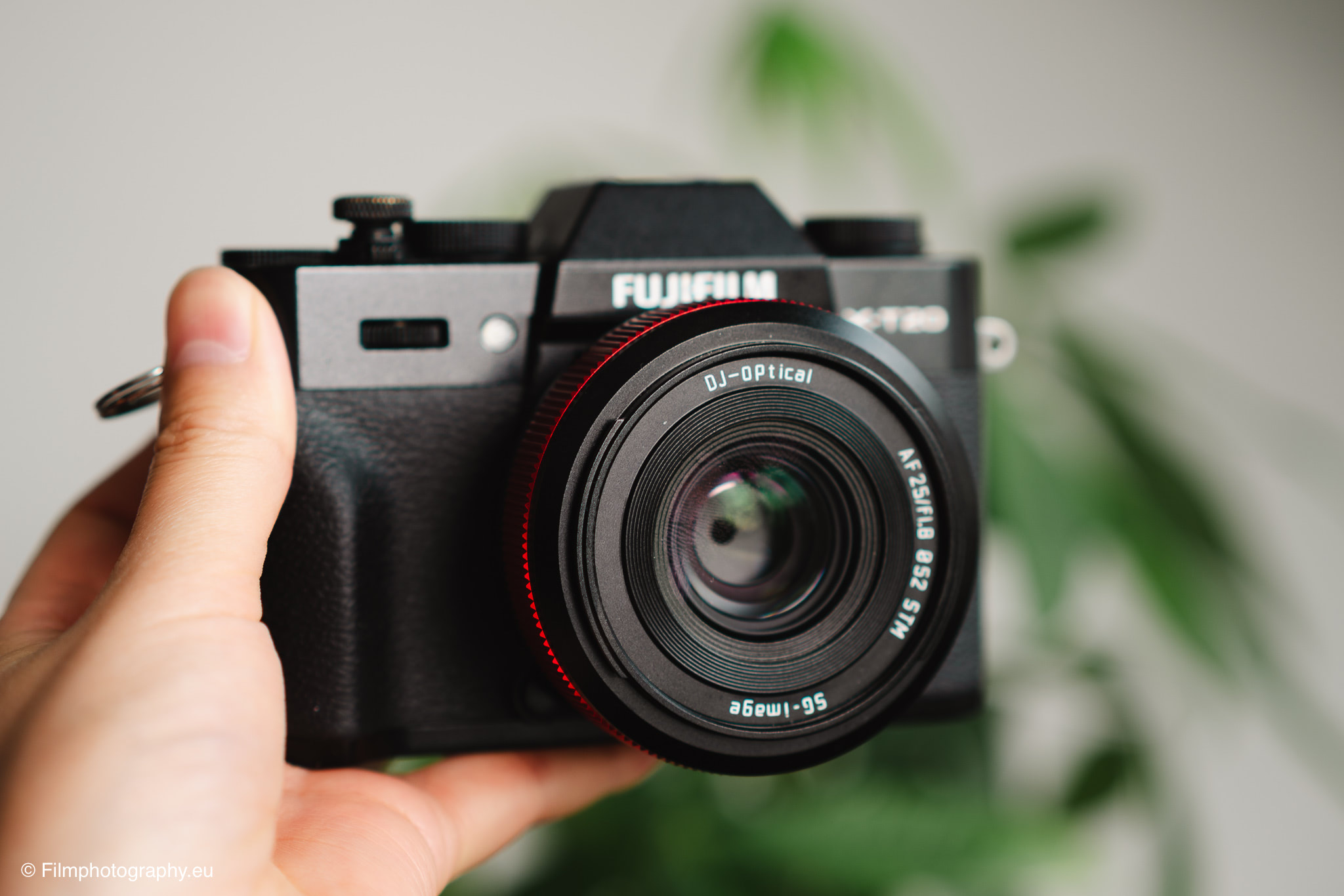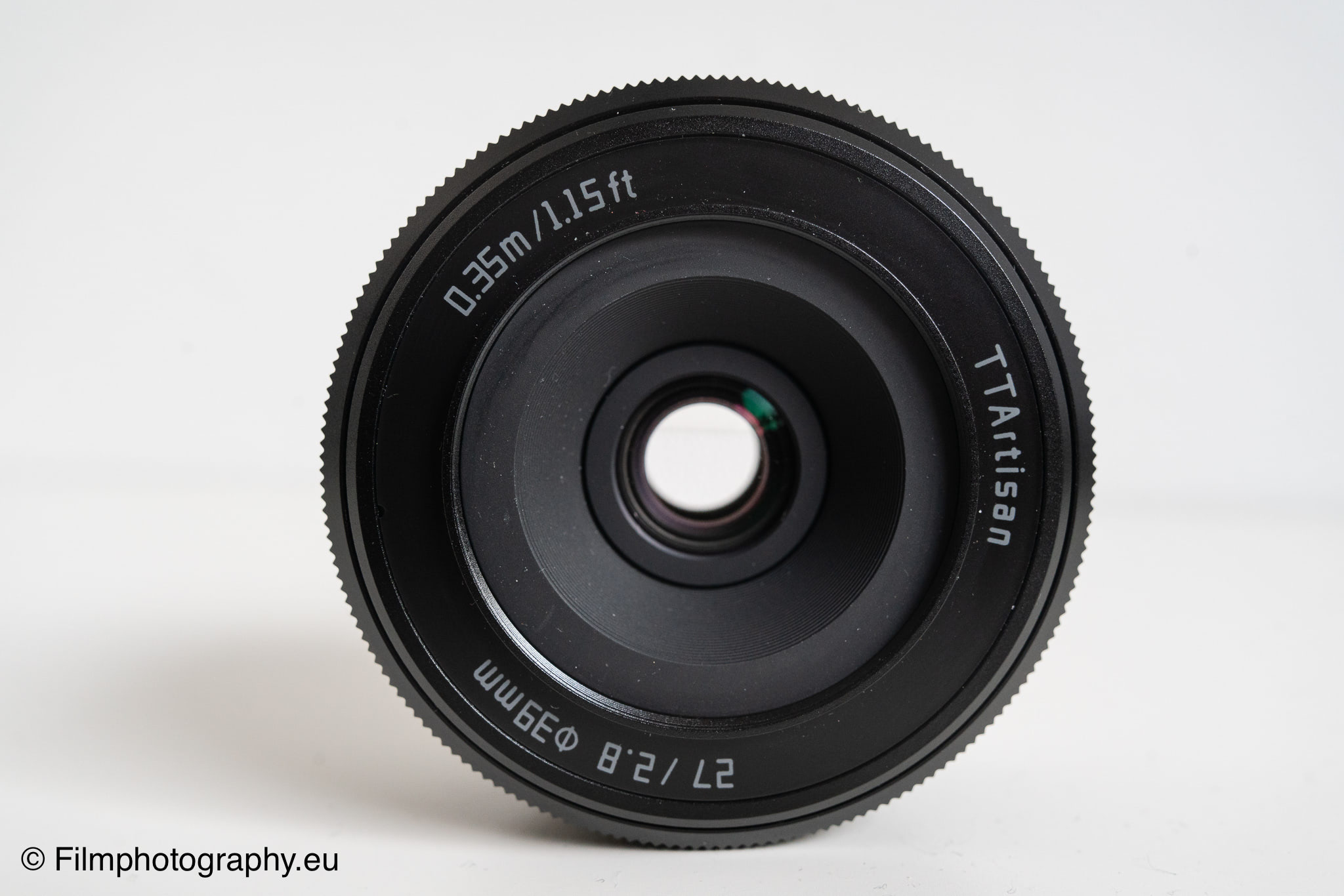
With the TTArtisan AF 56mm f/1.8, the manufacturer from China has introduced another model with automatic focusing. Until now, this brand was mainly known for manually focused optics, but the product range is expanding steadily.
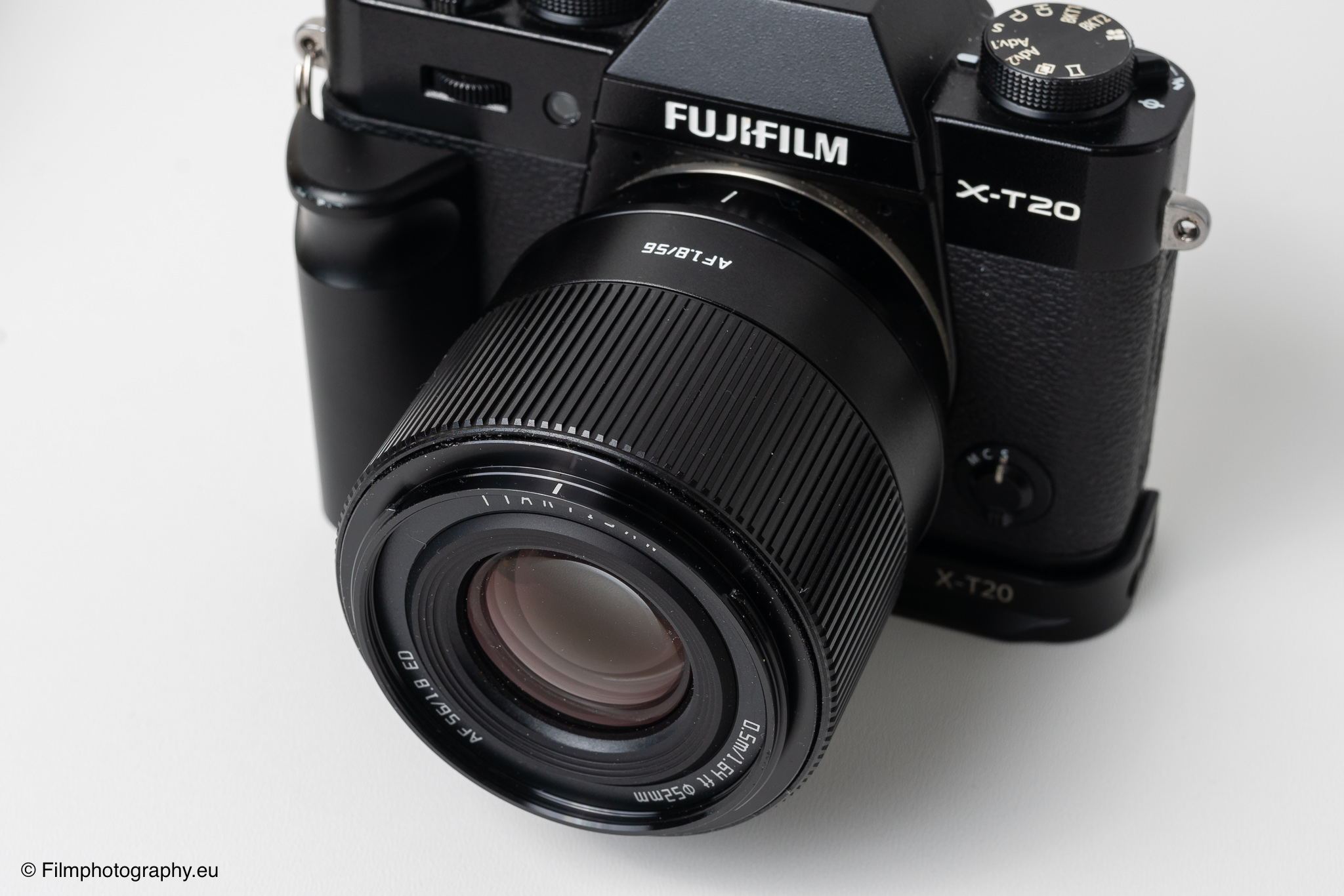
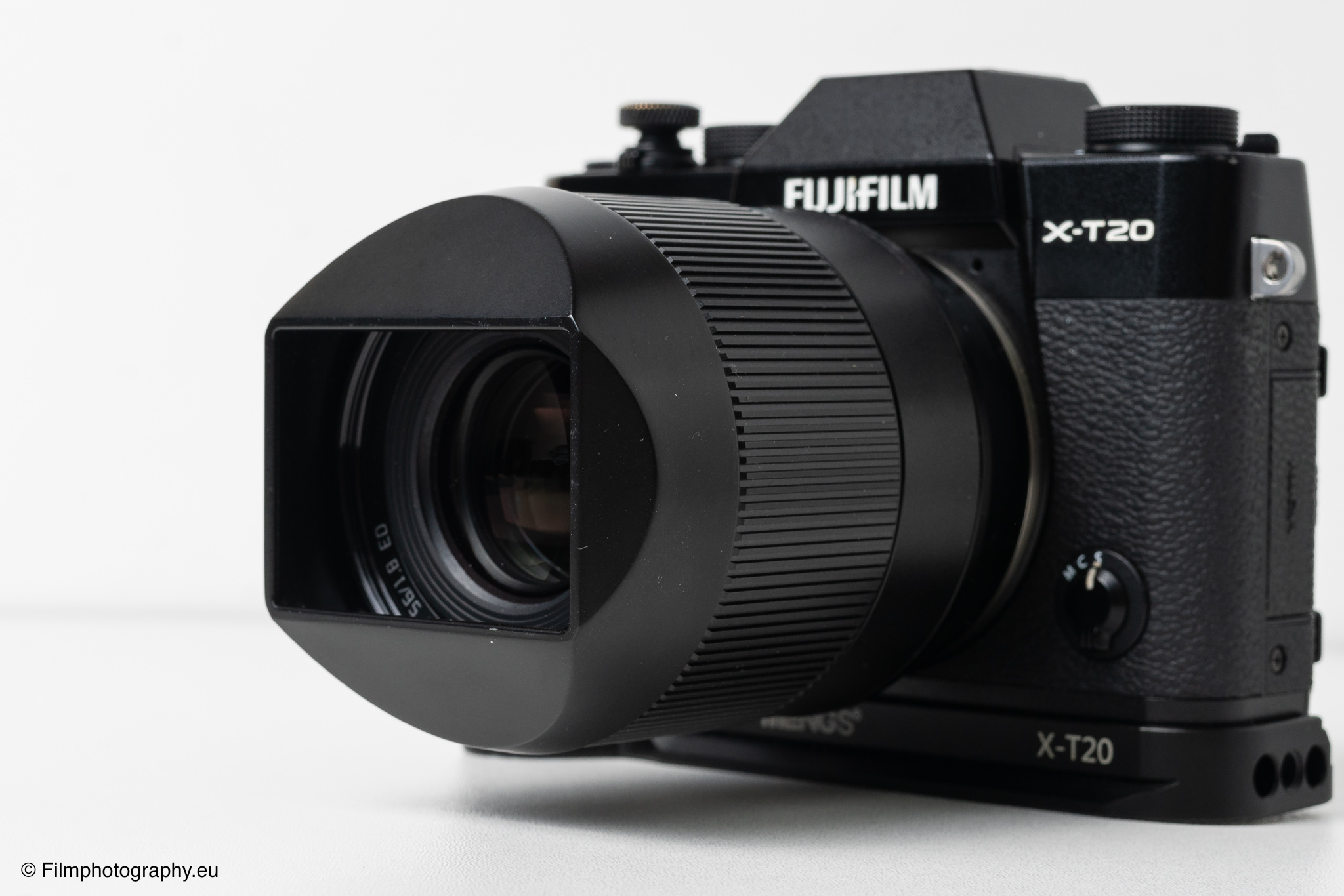
On a camera like the Fujifilm X-T20, the 56mm focal length, due to the APS-C sensor, corresponds to an angle of view of approximately 84mm in full-frame terms. This makes the prime lens a versatile tool for close-up shots, street photography, landscape details, and classic portraits.
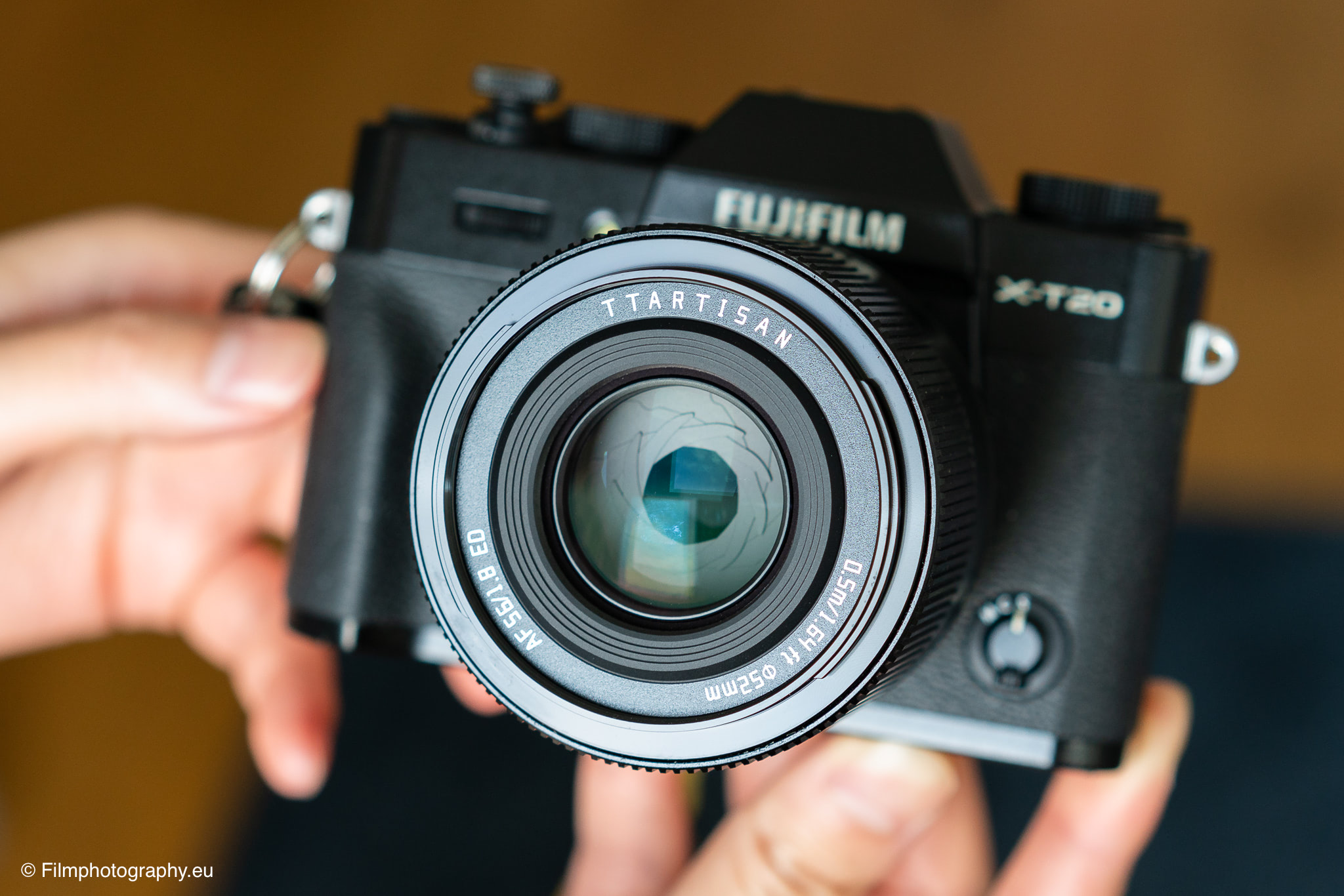
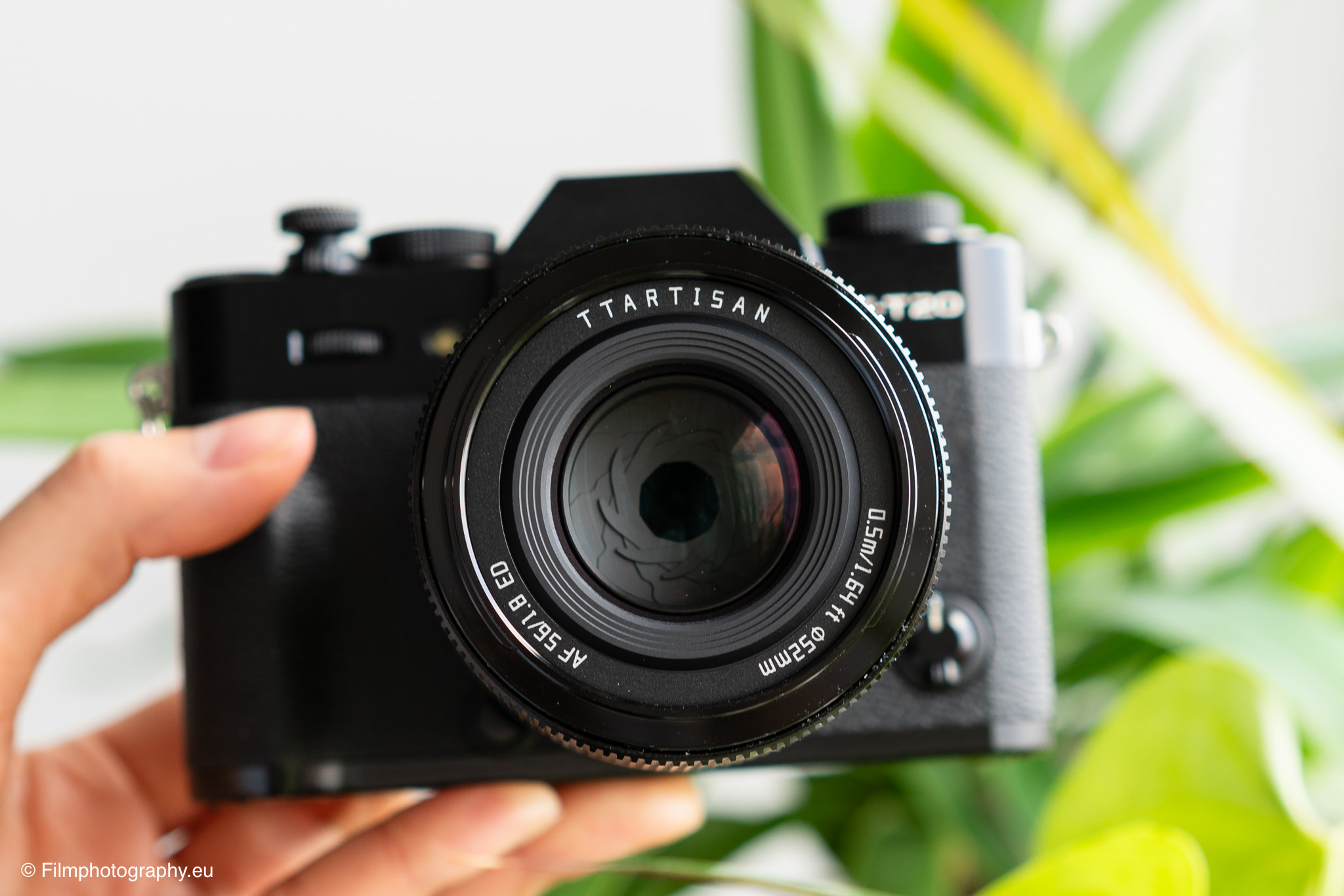
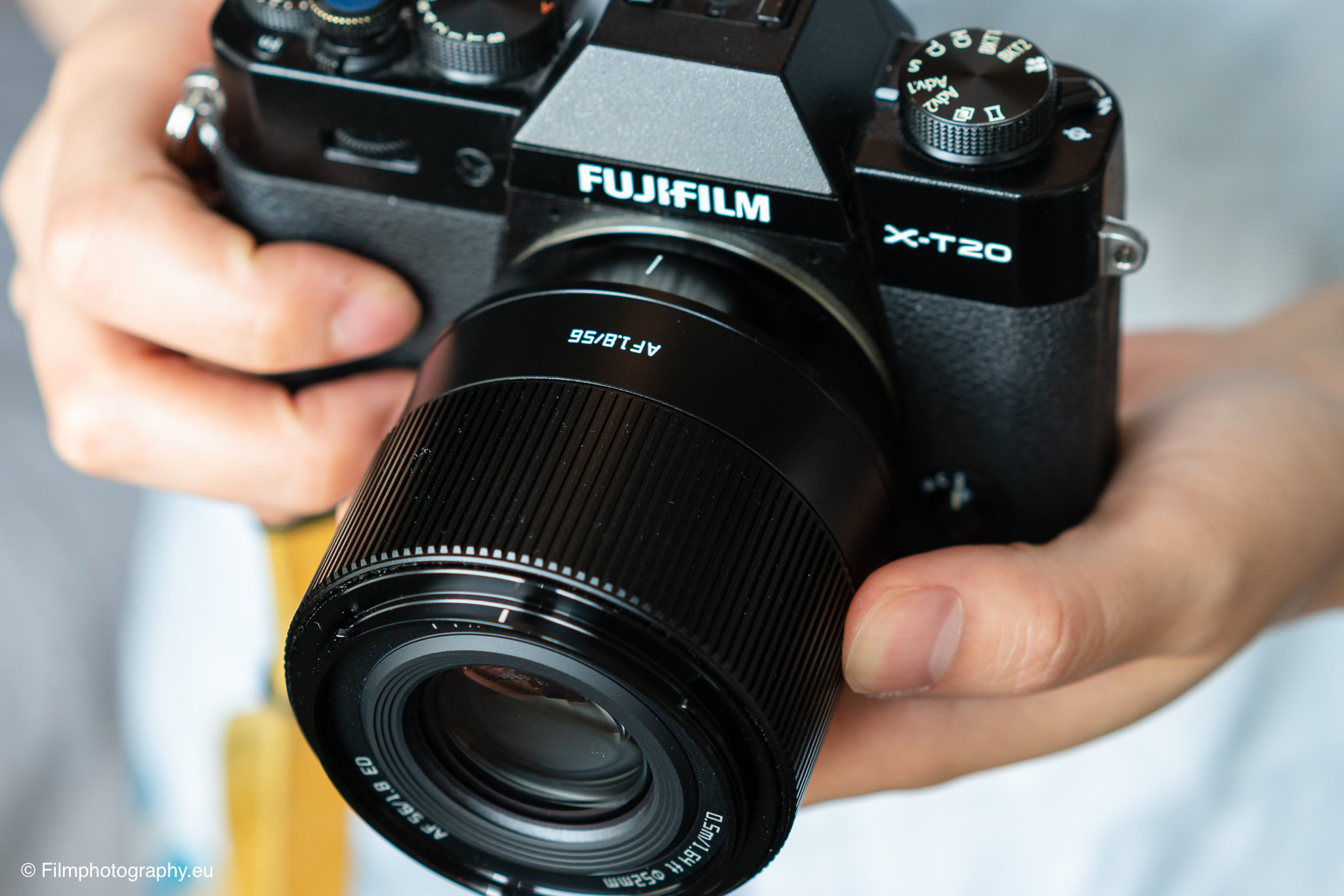
High-Quality Haptics and Compact Design
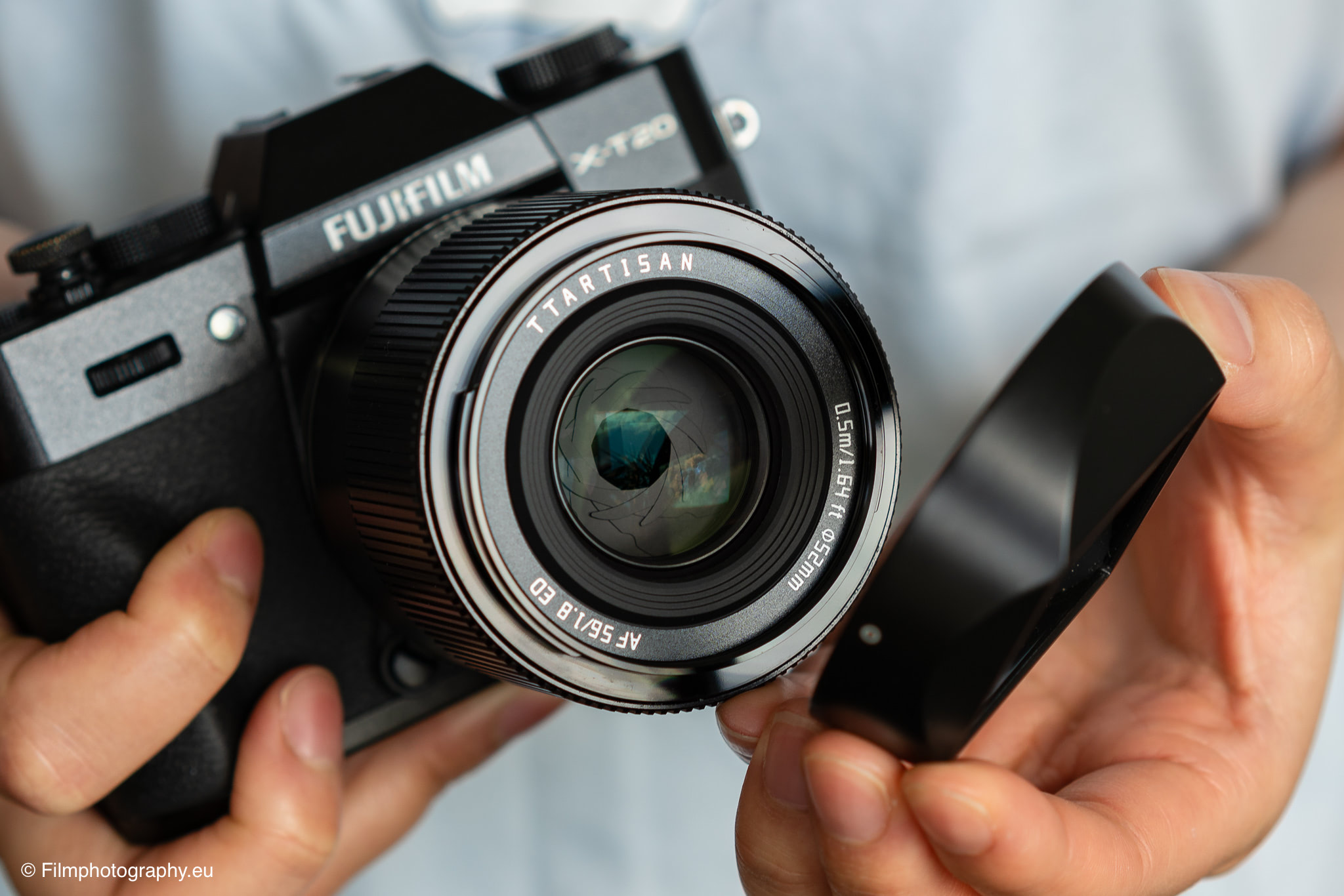
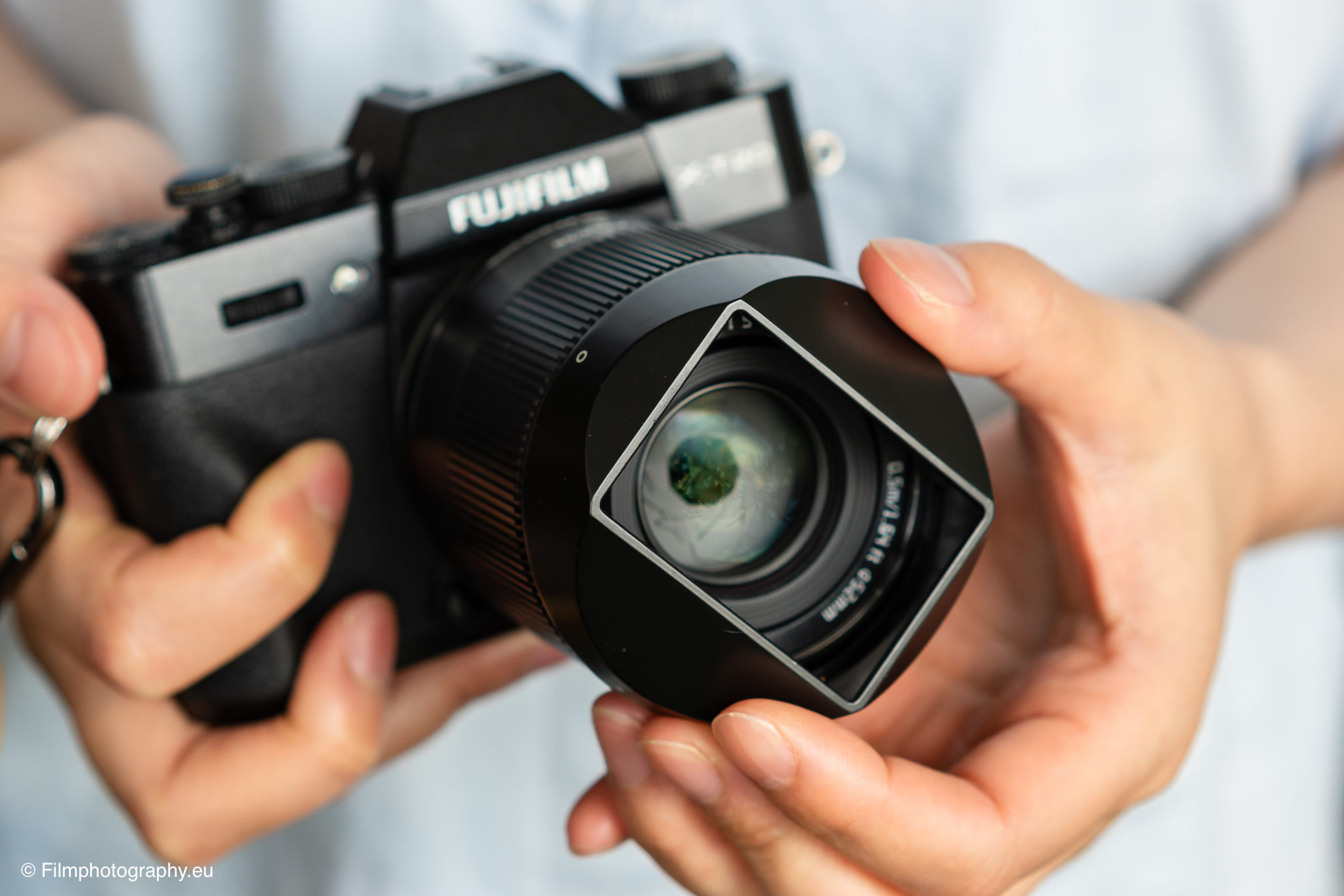
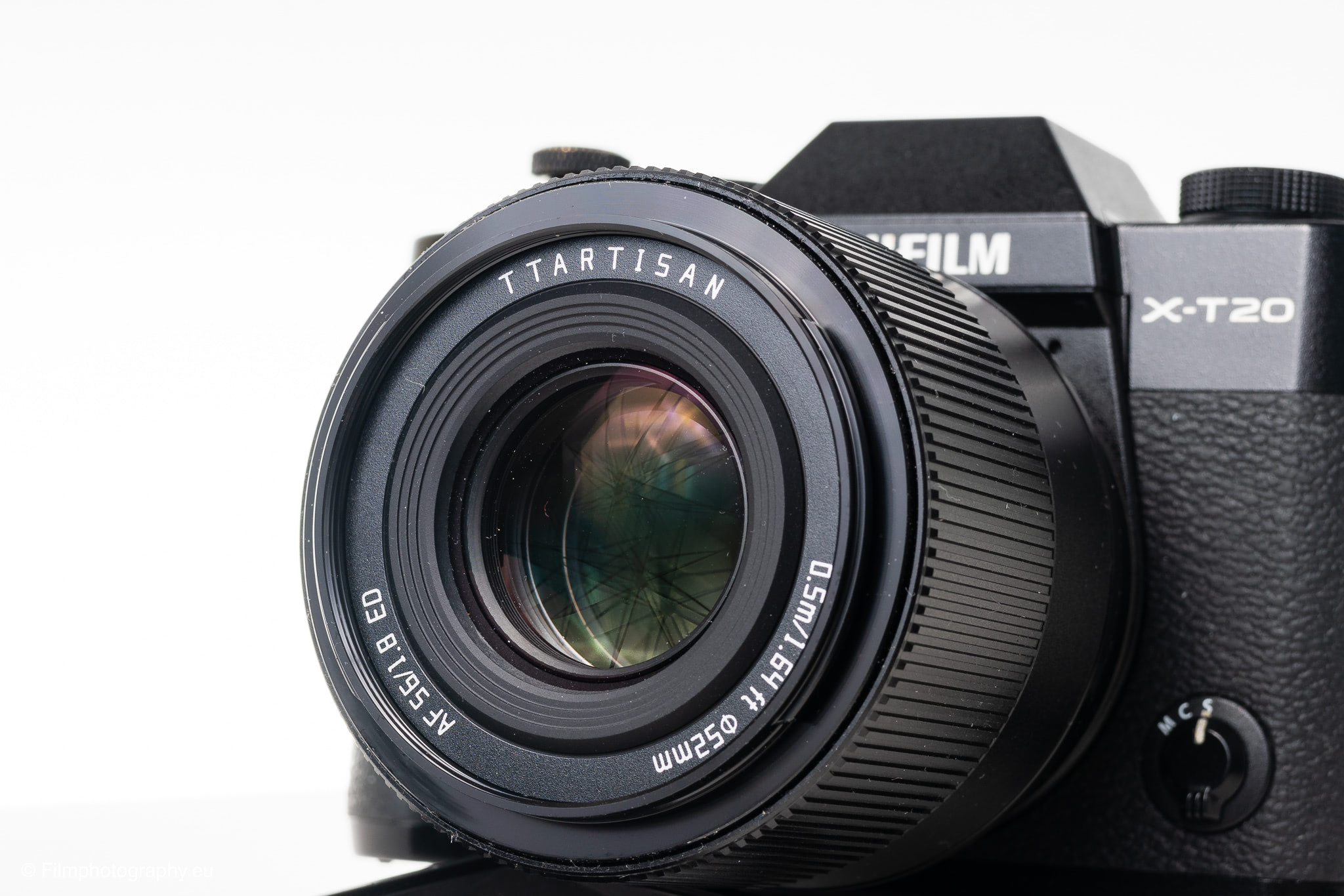
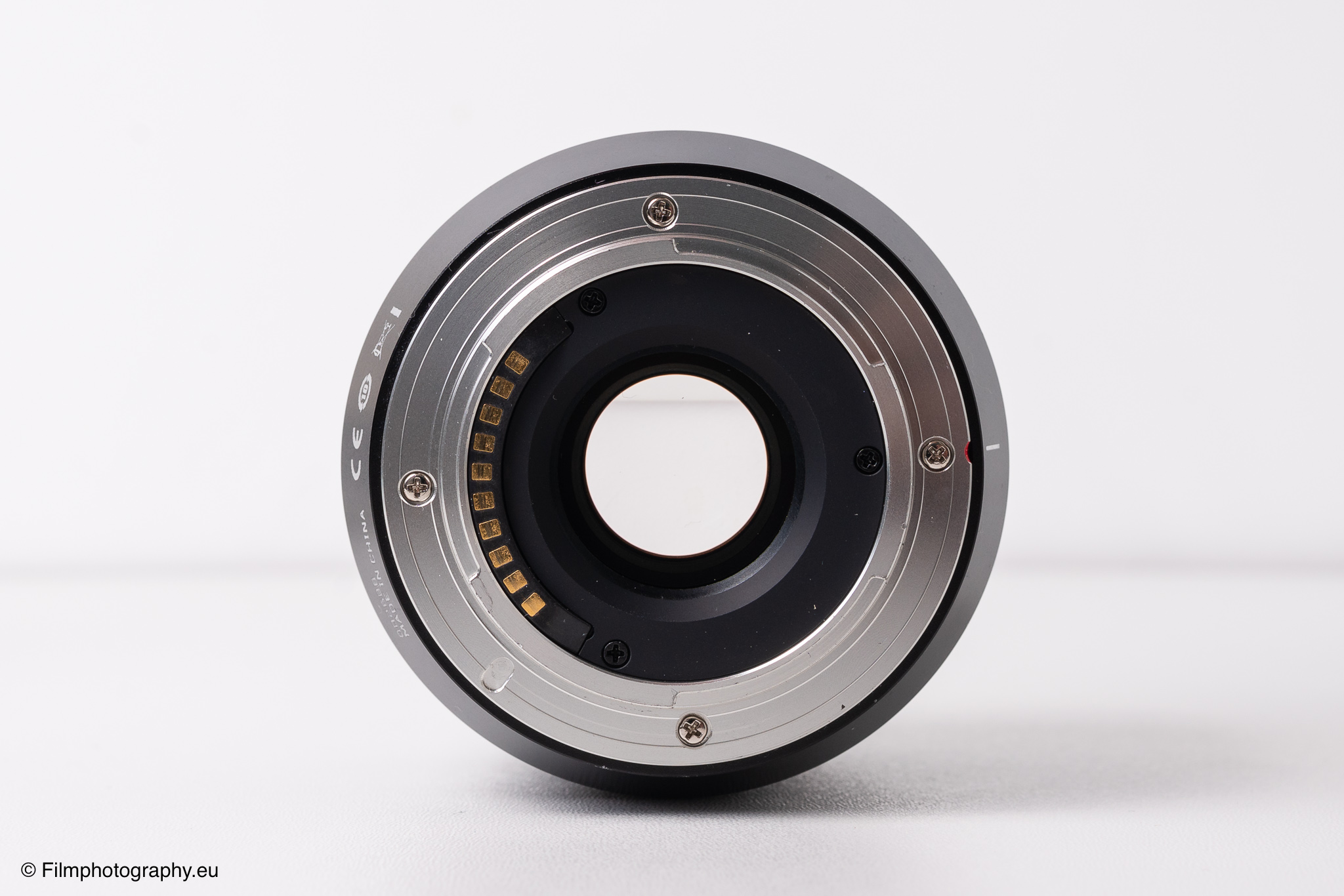
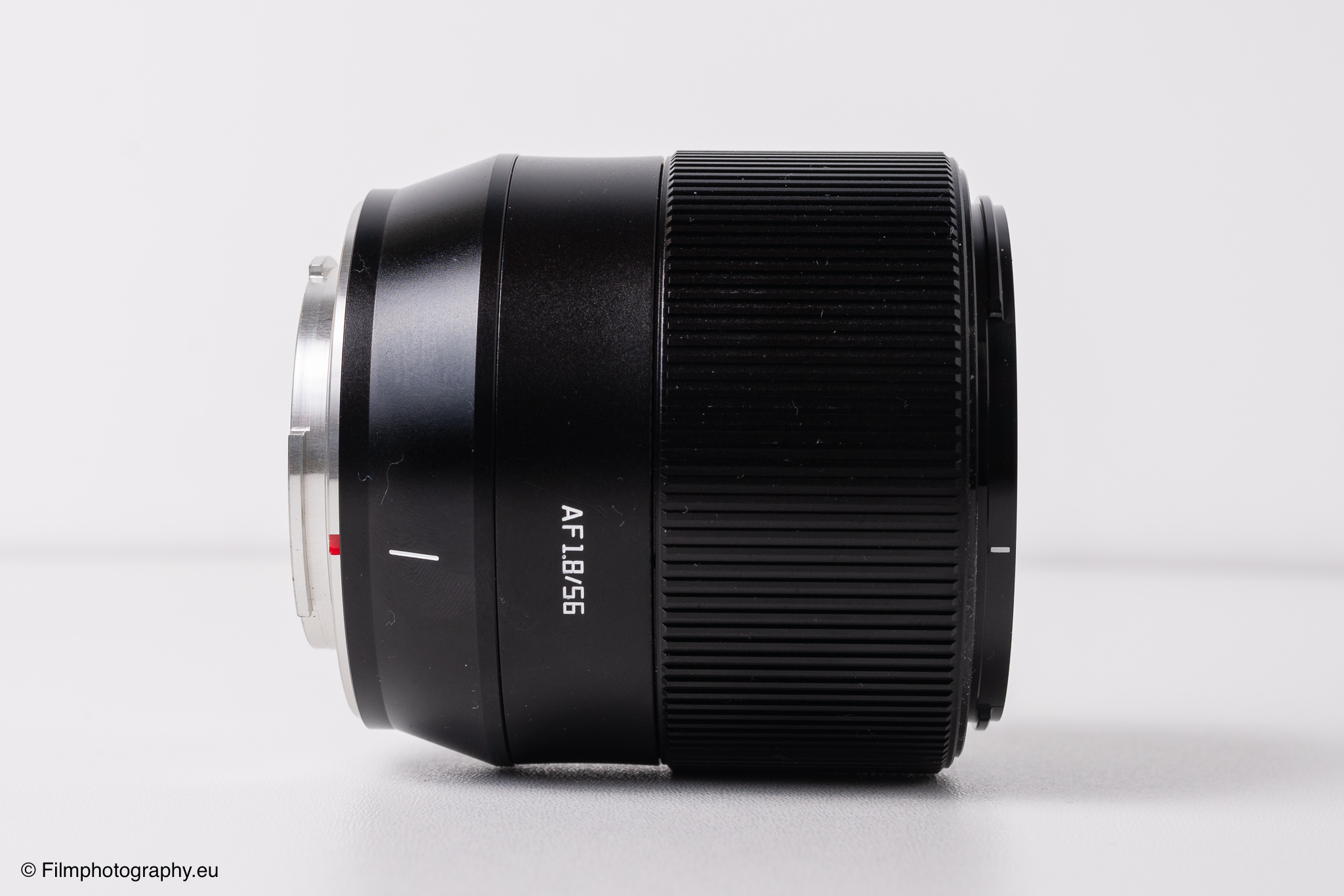
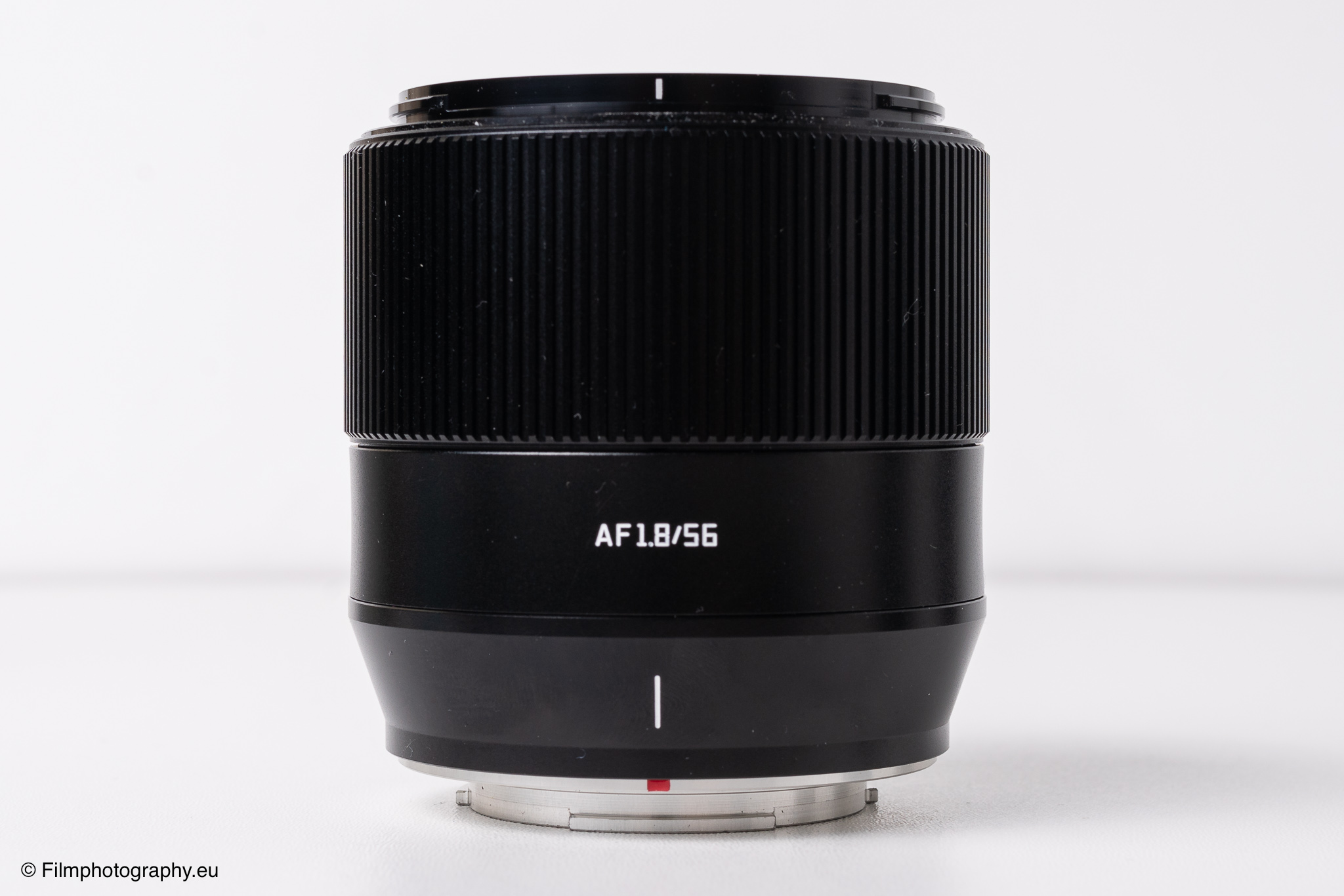
The lens features solid workmanship. The housing and the mount are made of metal, giving the product a pleasant premium feel. Despite this choice of materials, the weight remains quite low at around 245 grams. Combined with the compact body of the Fujifilm X-T20, it forms a well-balanced unit that is well-suited for extended use in various locations.
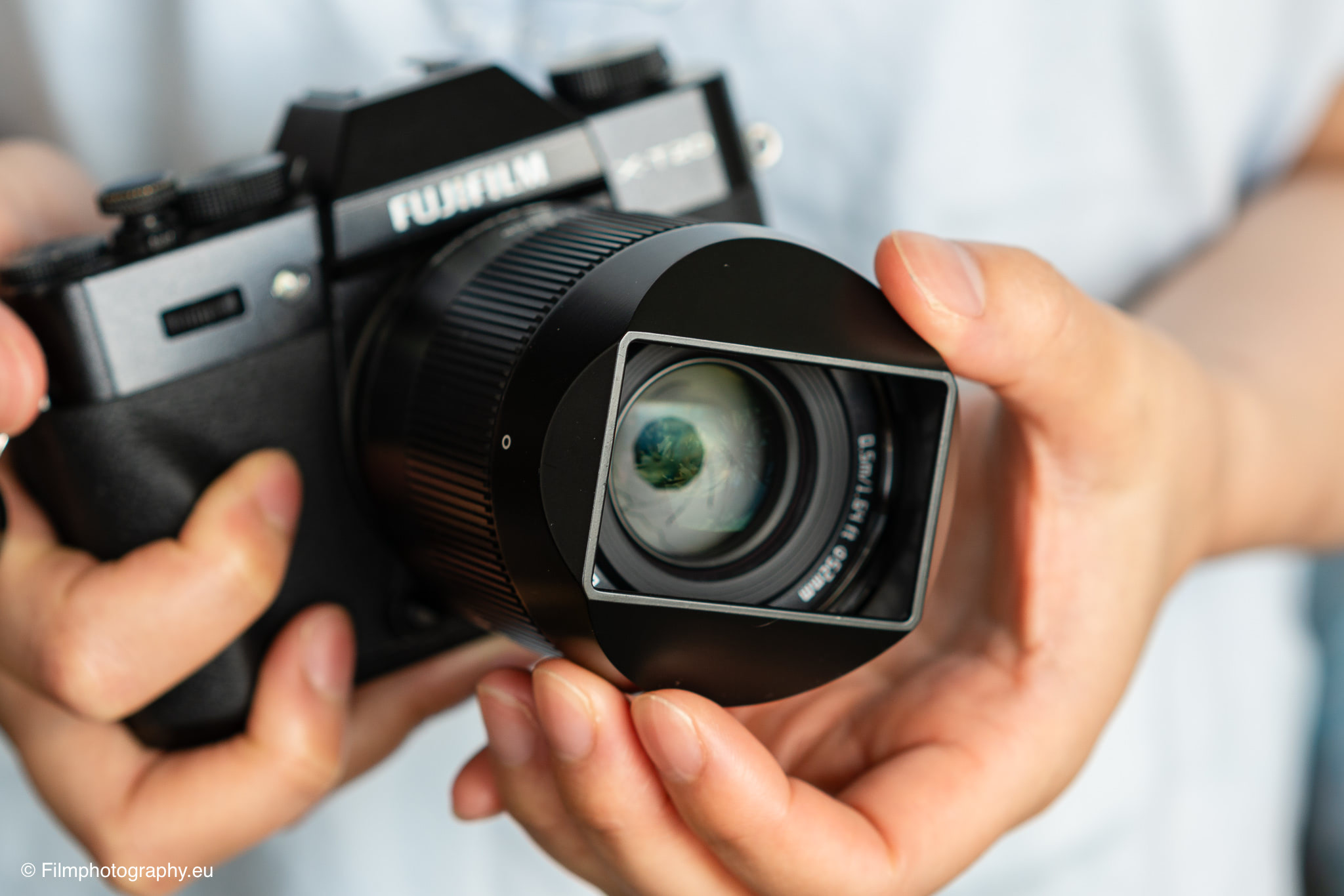
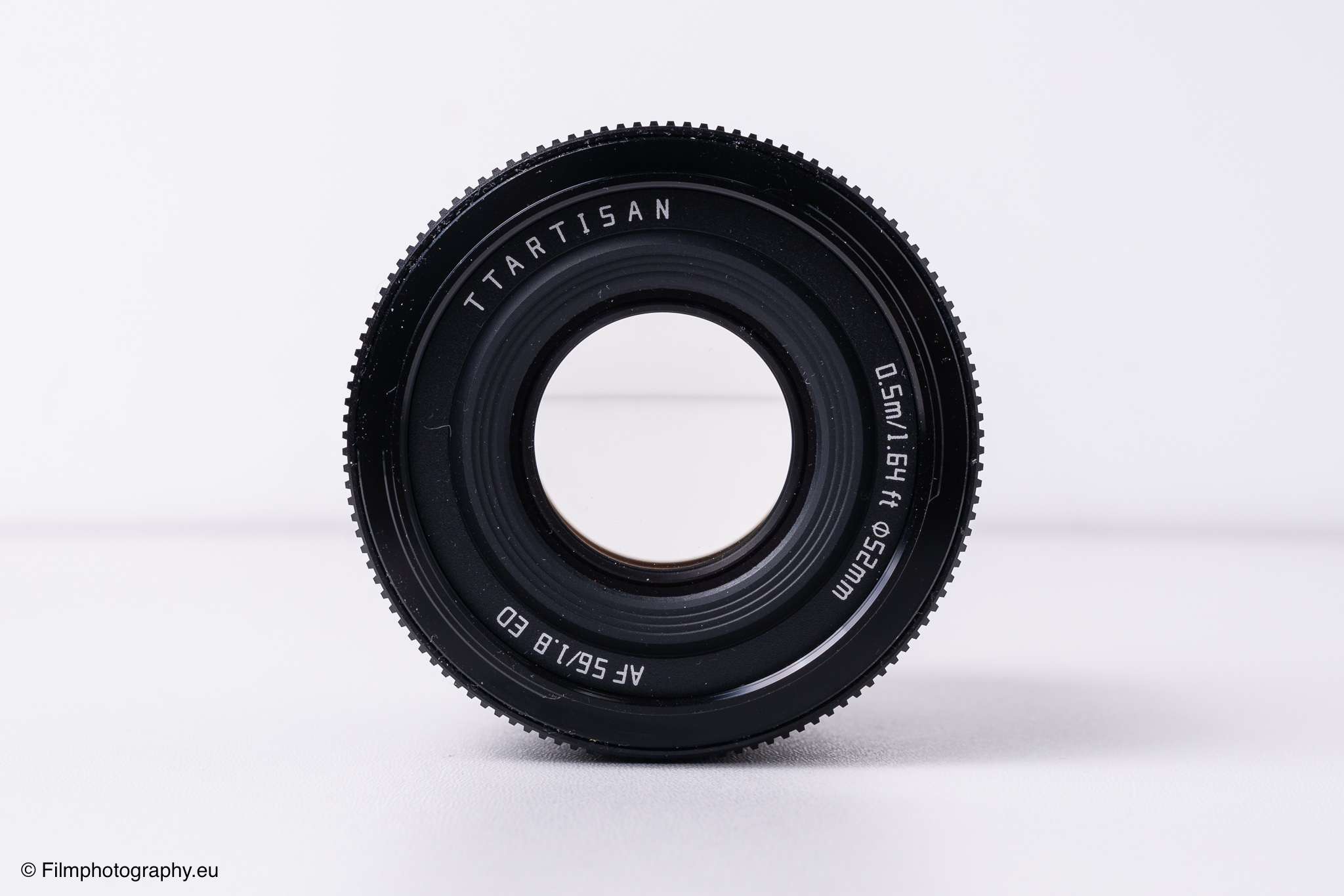
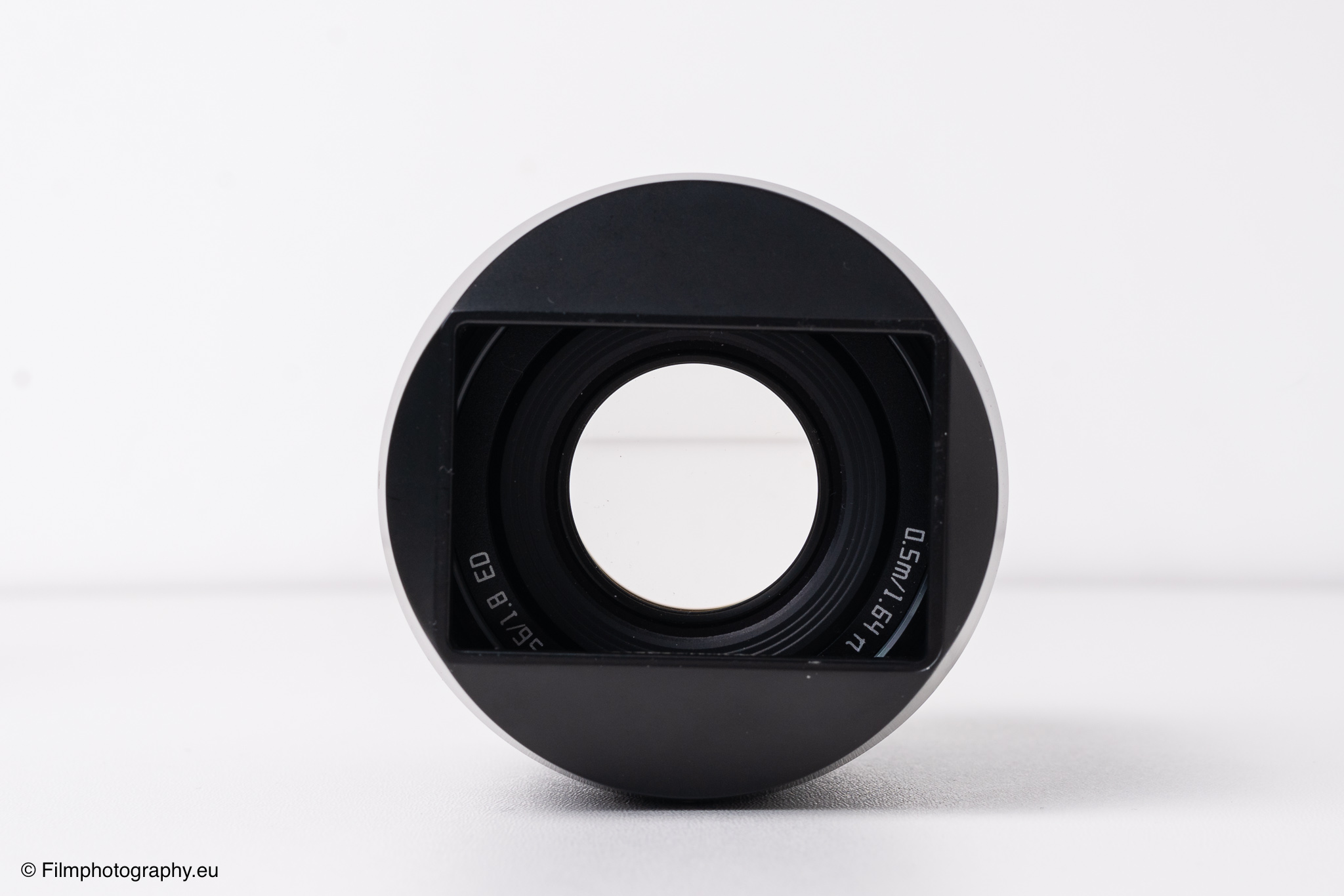
A physical aperture ring is not present on this model. Aperture control is handled via the camera body's dials. The focus ring moves smoothly and offers appropriate resistance for manual focusing. The included lens hood is made of plastic and effectively protects the front element from stray light.
Autofocus Reliability in Everyday Use
The integrated stepper motor handles automatic focusing. In conjunction with the autofocus system of the Fujifilm X-T20, the lens delivers reliable performance. For static subjects and everyday shooting situations, focusing works precisely.
With fast movements or in very dark environments, focusing speed may decrease, which is typical for this price segment. For everyday photography, the performance is more than adequate. The motor operates quietly, allowing for unobtrusive shots in public spaces.
Optical Performance and Sharpness Behavior
The optical construction consists of ten elements in nine groups. An integrated element made of special ED glass serves to reduce chromatic aberrations. At the maximum aperture of f/1.8, sharpness in the center of the image is already usable. Towards the edges, detail resolution decreases slightly at open aperture but improves significantly when stopping down to values like f/4 or f/5.6.
Chromatic aberrations are largely minimized thanks to the special glass used, but they can occasionally appear to a small degree in high-contrast backlit situations. Distortion is minimal and hardly noticeable with typical subjects. Some vignetting is visible at open aperture but can be easily corrected by stopping down or using common image editing software.
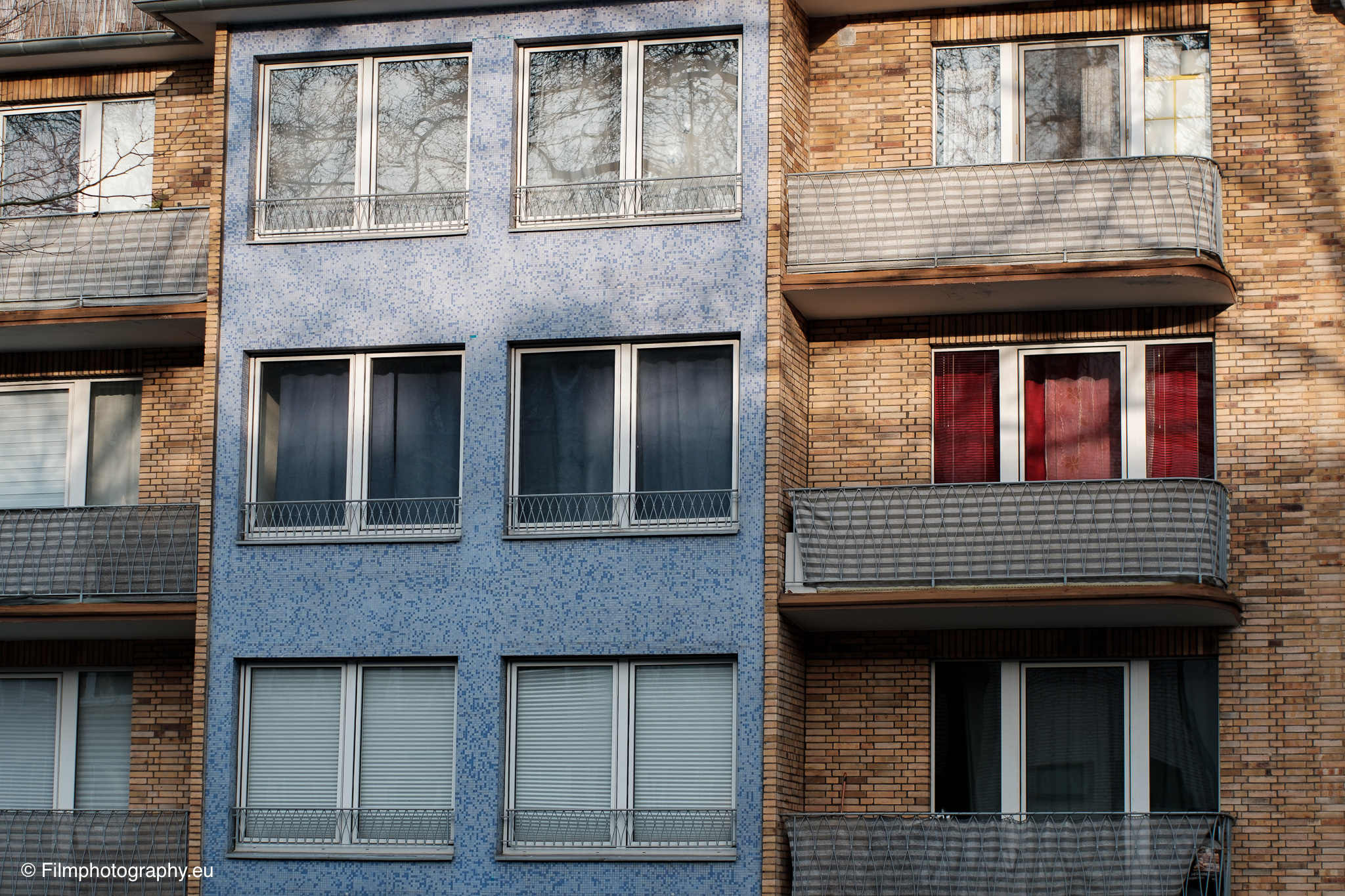
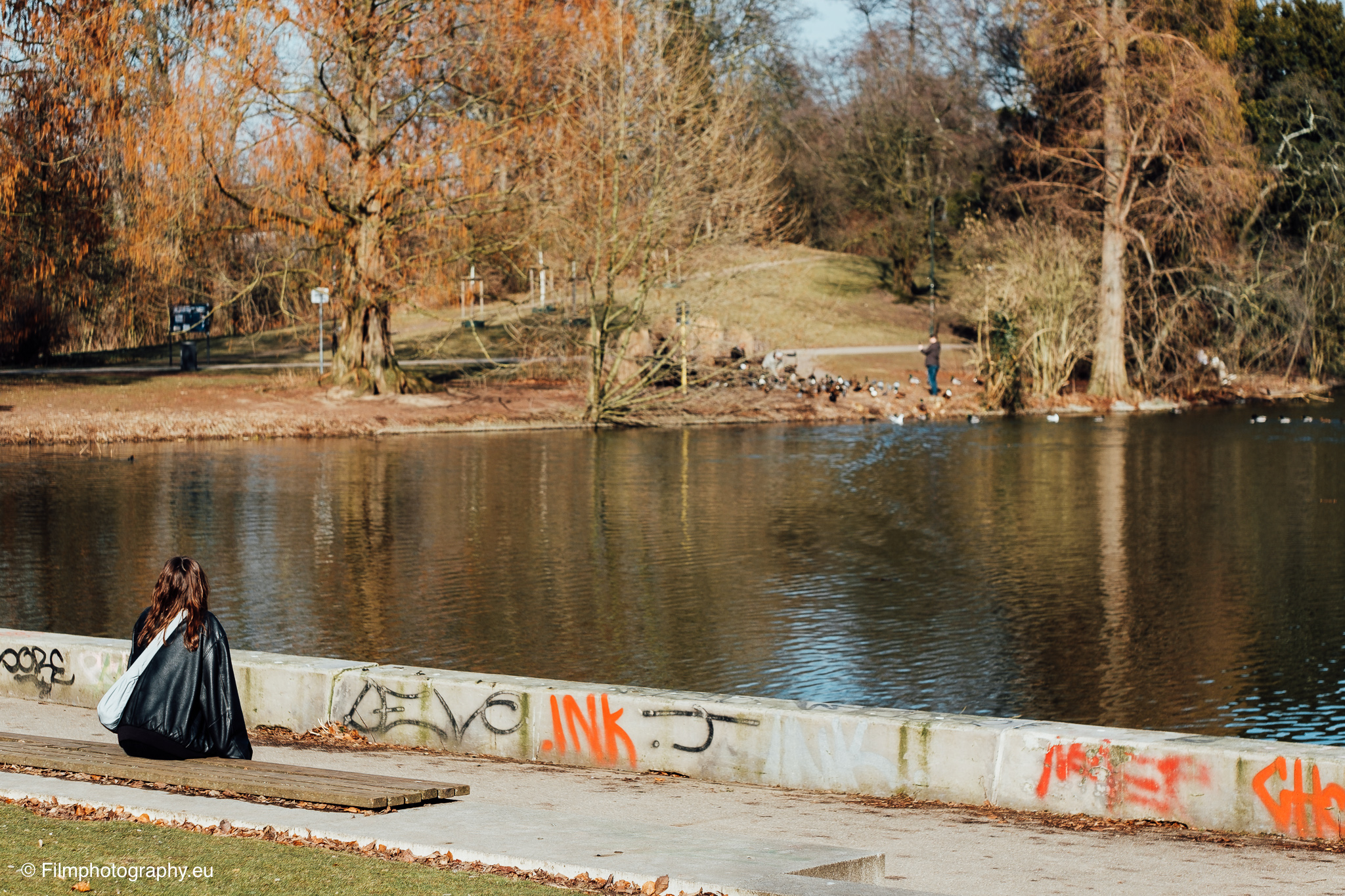

Image Composition with Soft Bokeh
An important factor in this combination of focal length and aperture is the quality of the background blur. With nine aperture blades, the lens produces soft bokeh. Light sources in the background are rendered as round circles. Depending on the background structure, the blur can appear somewhat more lively in certain situations, giving the images their own character.
With a minimum focusing distance of 50 centimeters, main subjects—such as flowers, smaller objects, or textures—can be nicely isolated. This allows for a deliberate visual separation between the sharply rendered subject and the blurred background. It is also very well-suited for product photography.
Versatile Applications and Impressions from Test Images
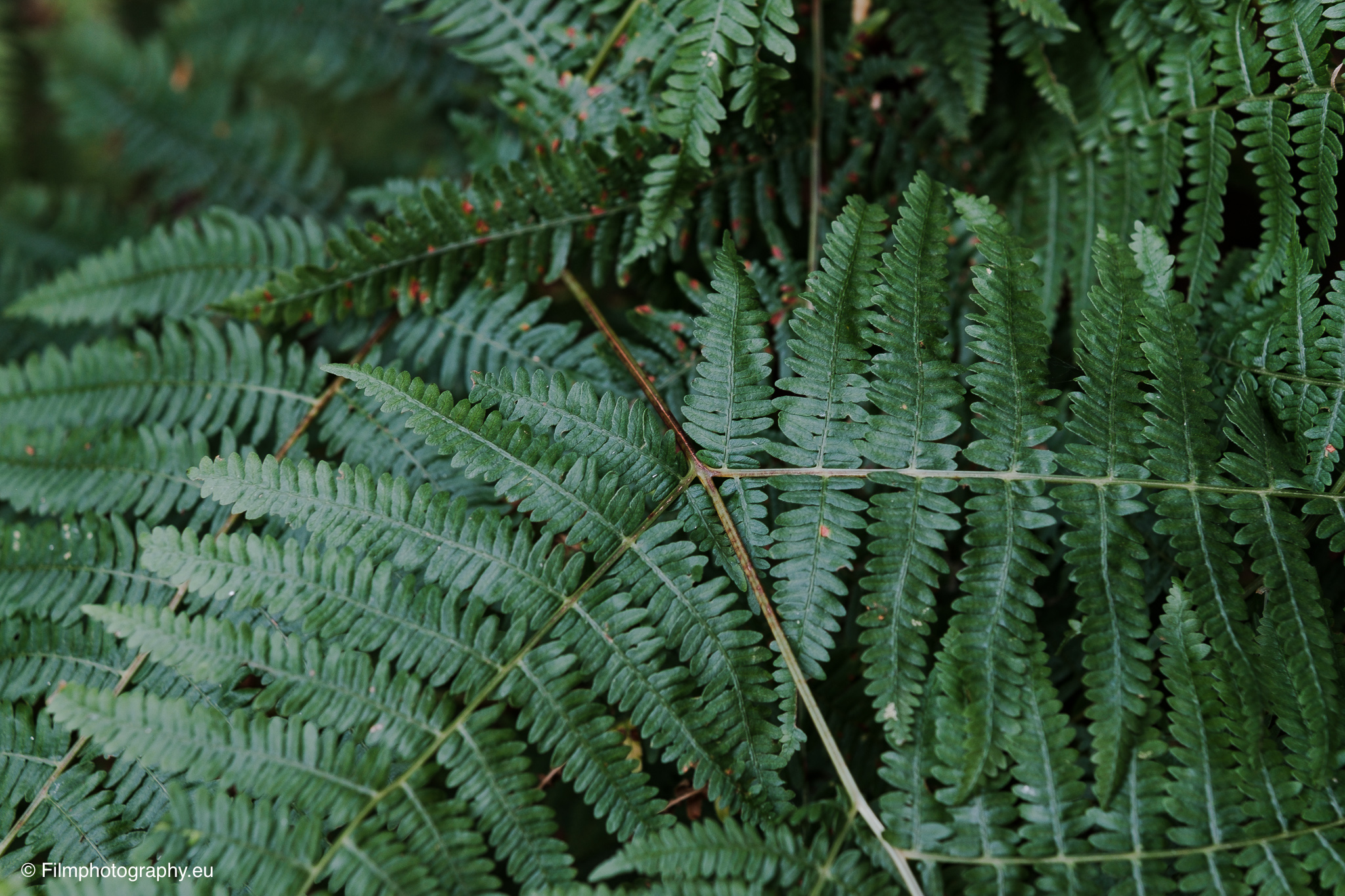
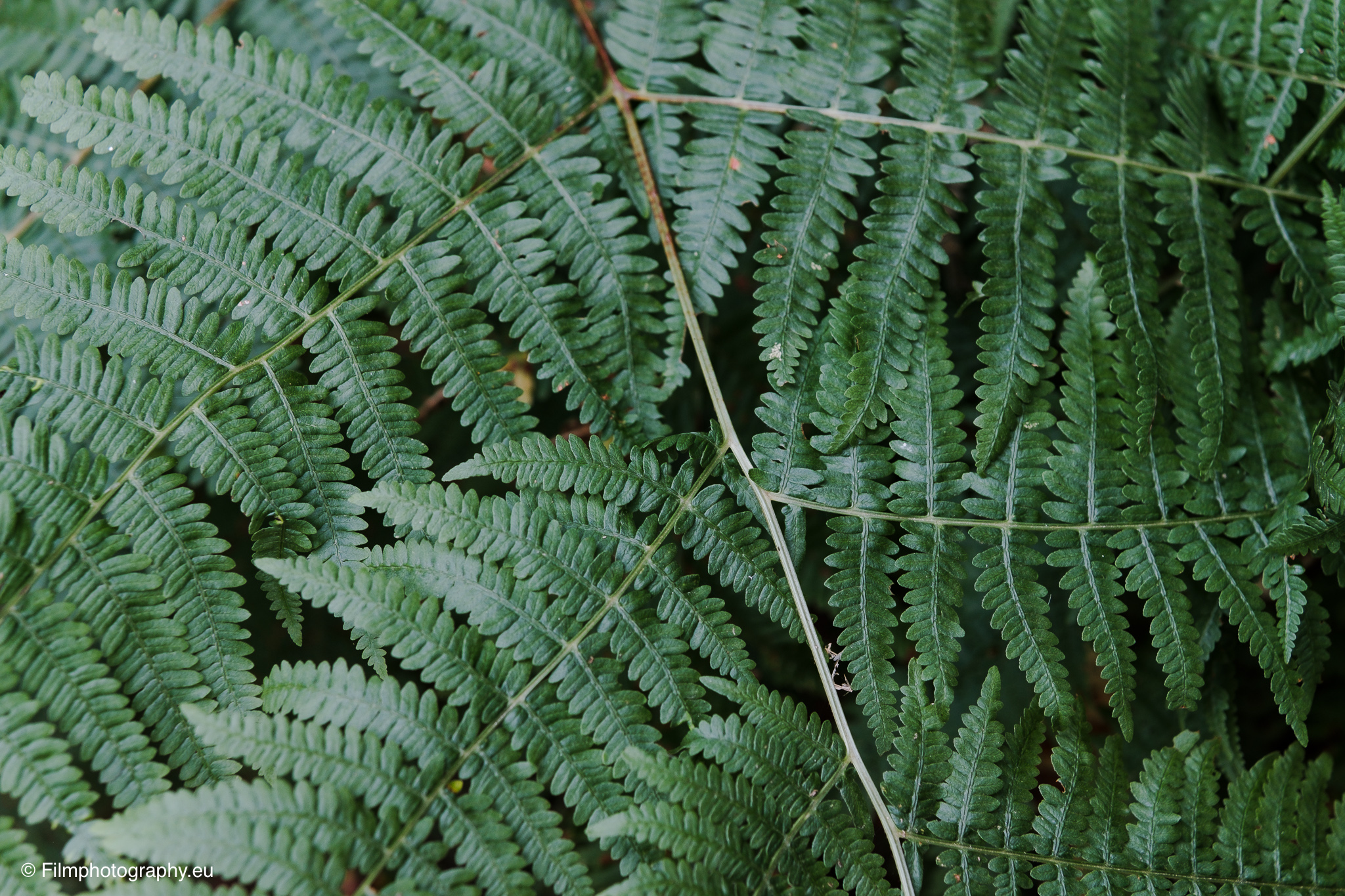
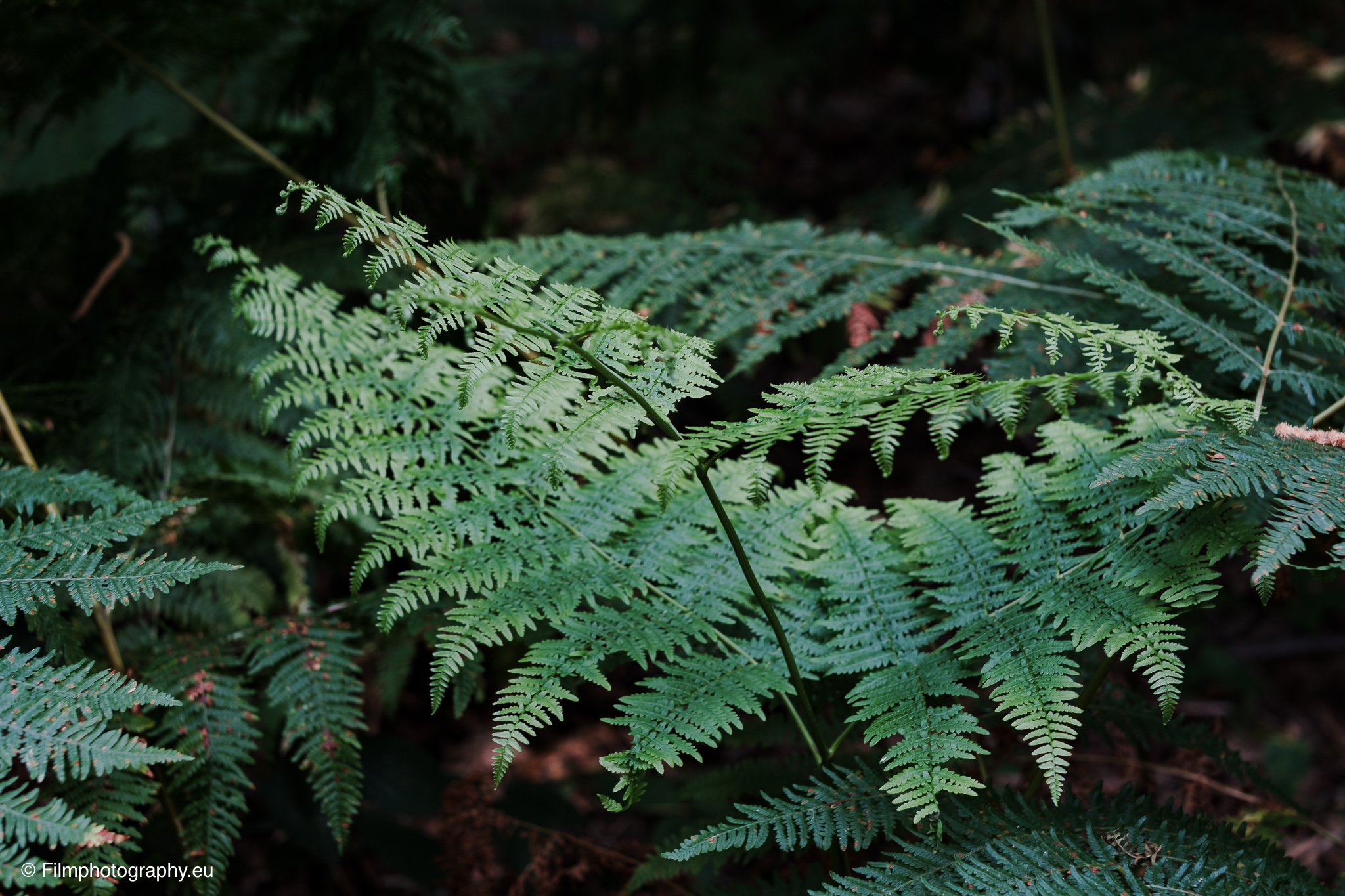
In practice, the lens proves to be a versatile tool for various photographic subjects. The test shots taken reflect this flexibility well. When photographing plant parts or branches, the lens demonstrates its ability to render fine structures sharply while the background harmoniously fades away.
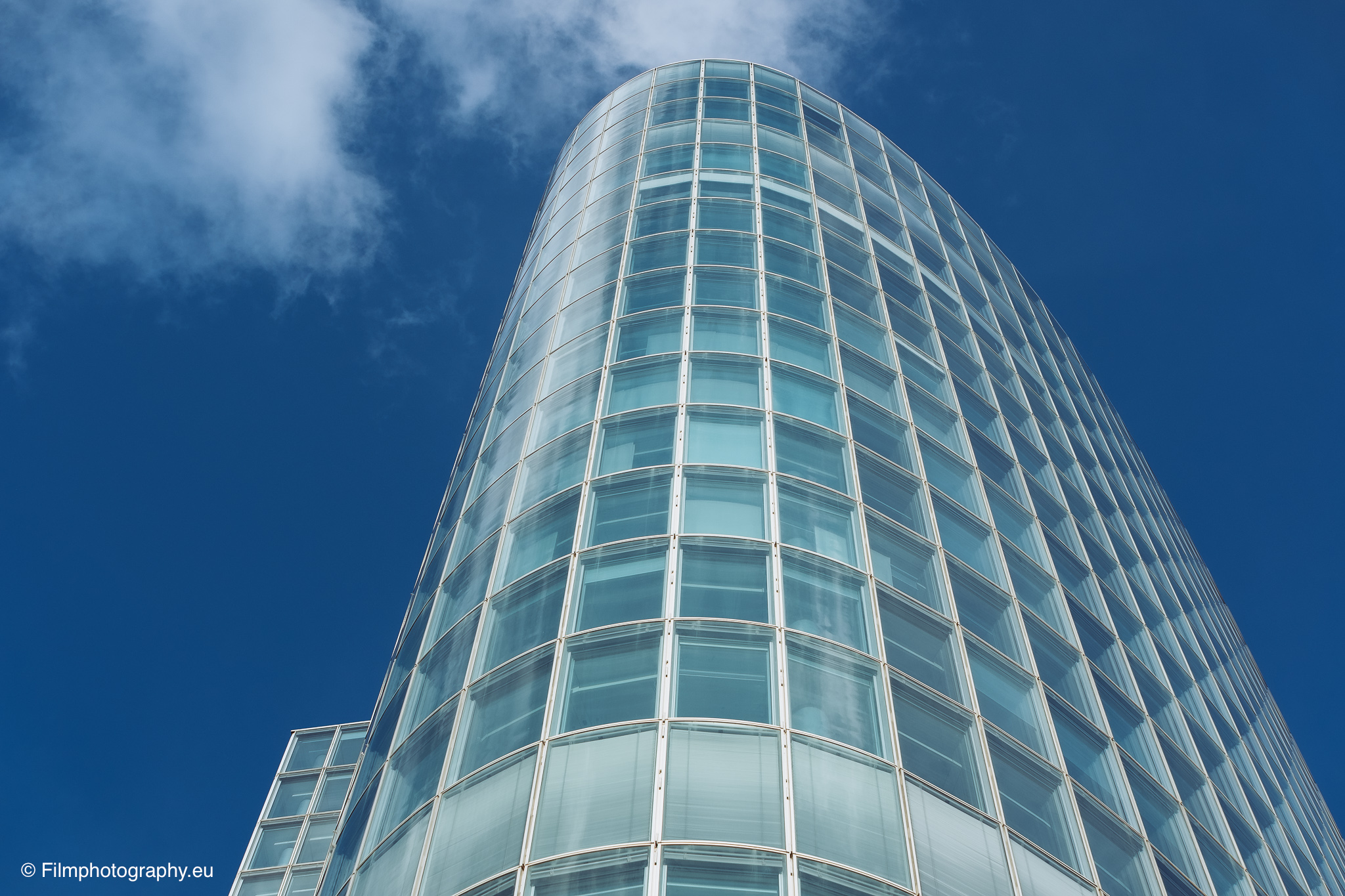
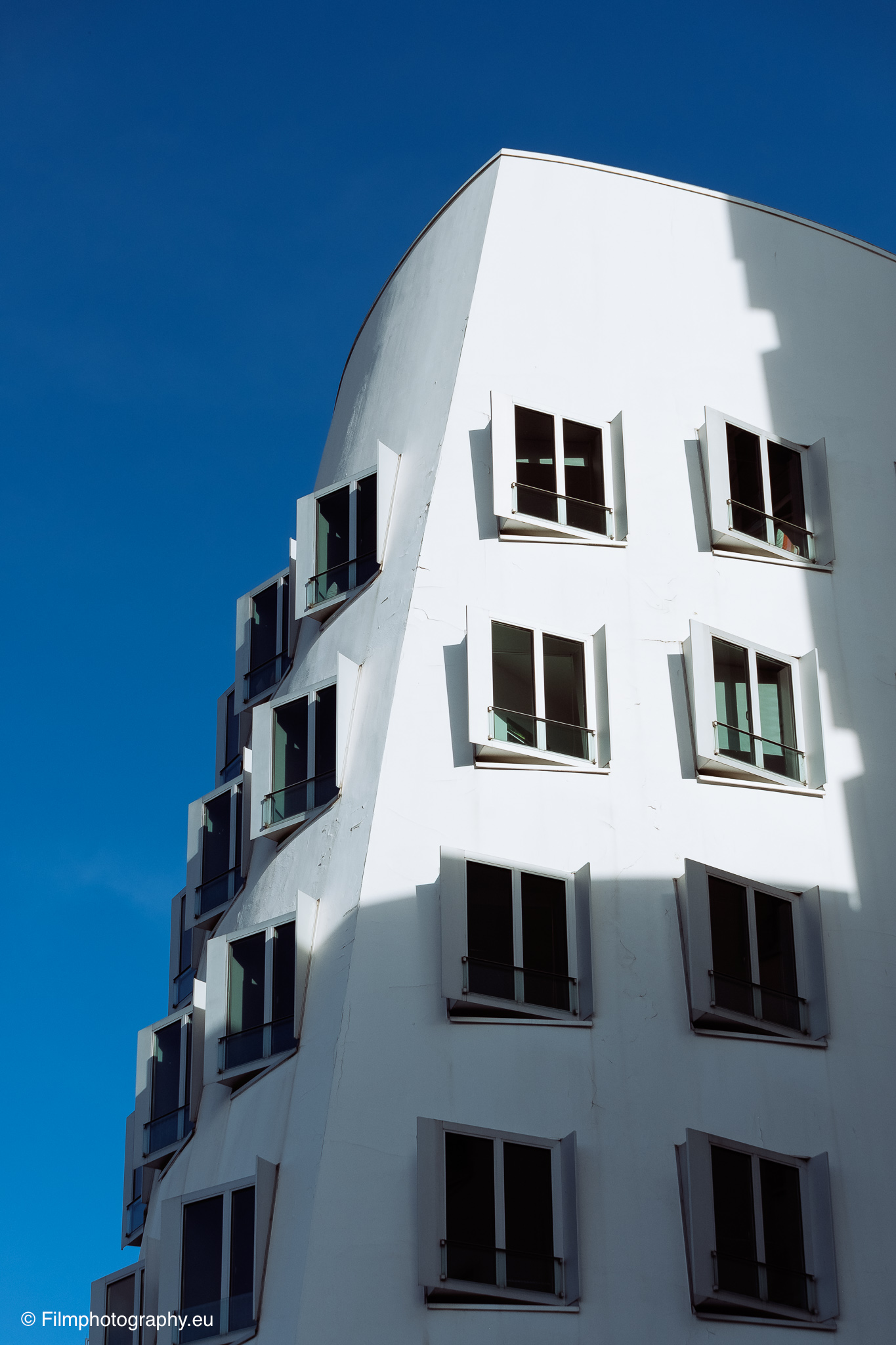
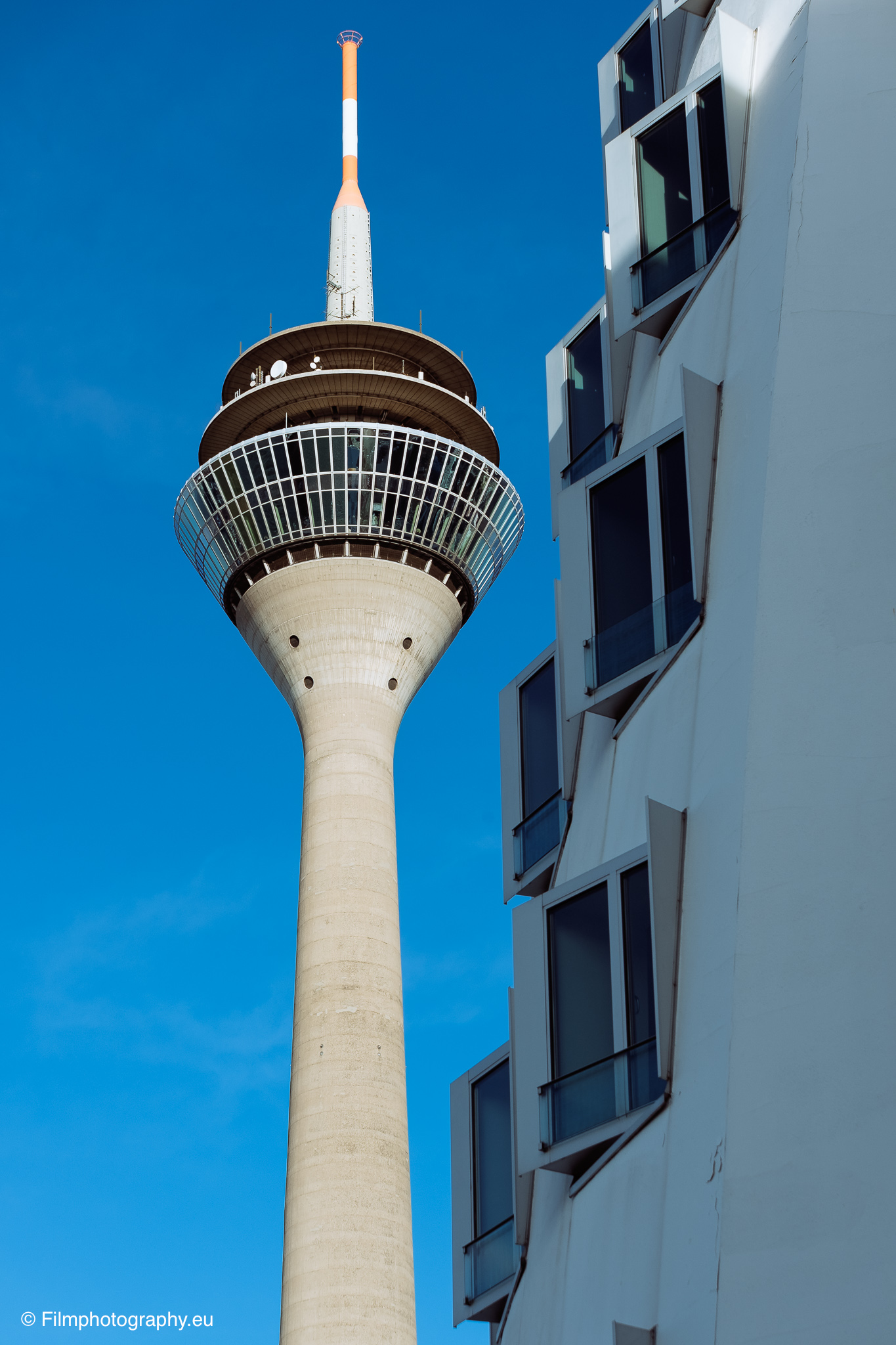
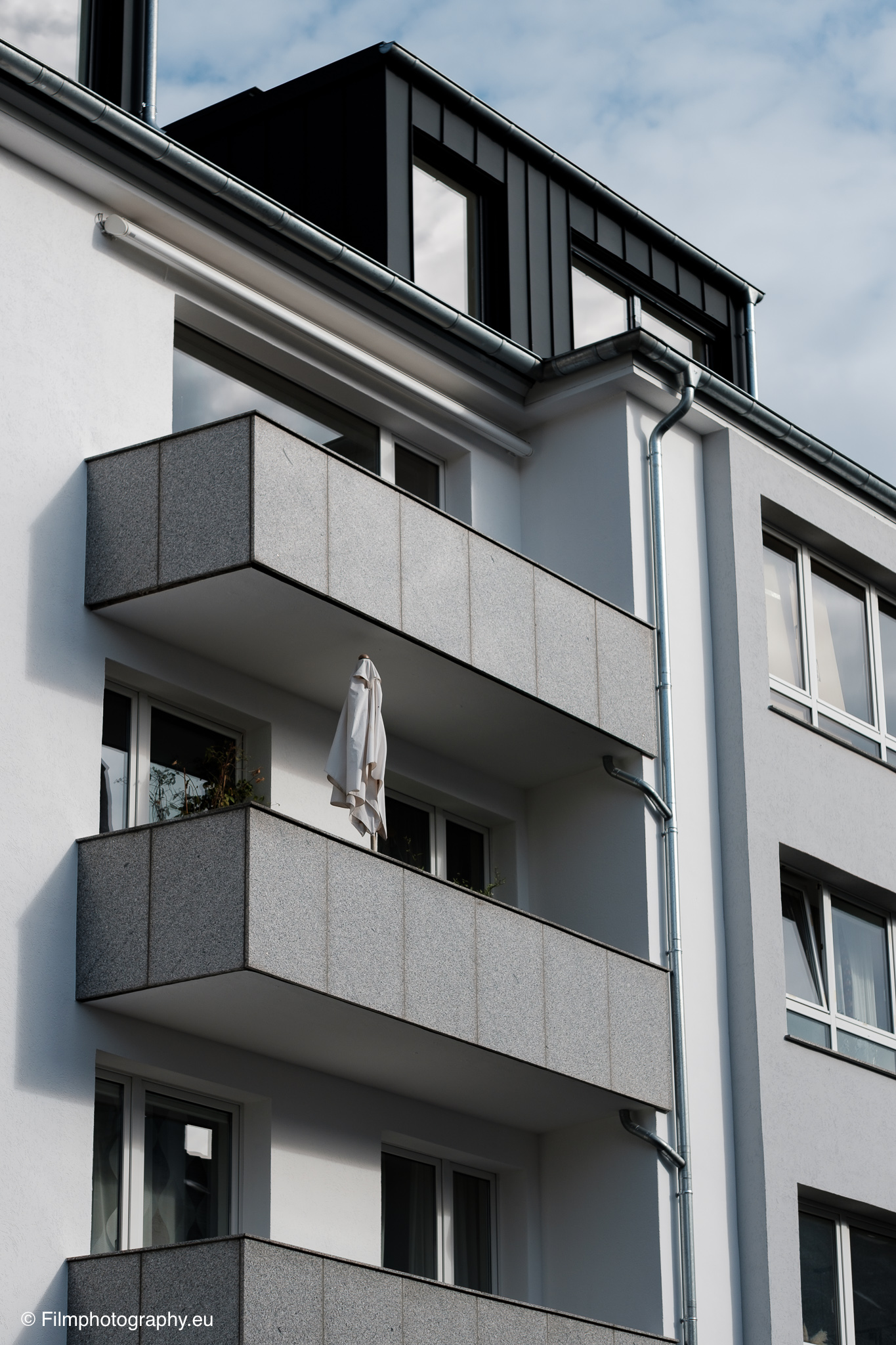
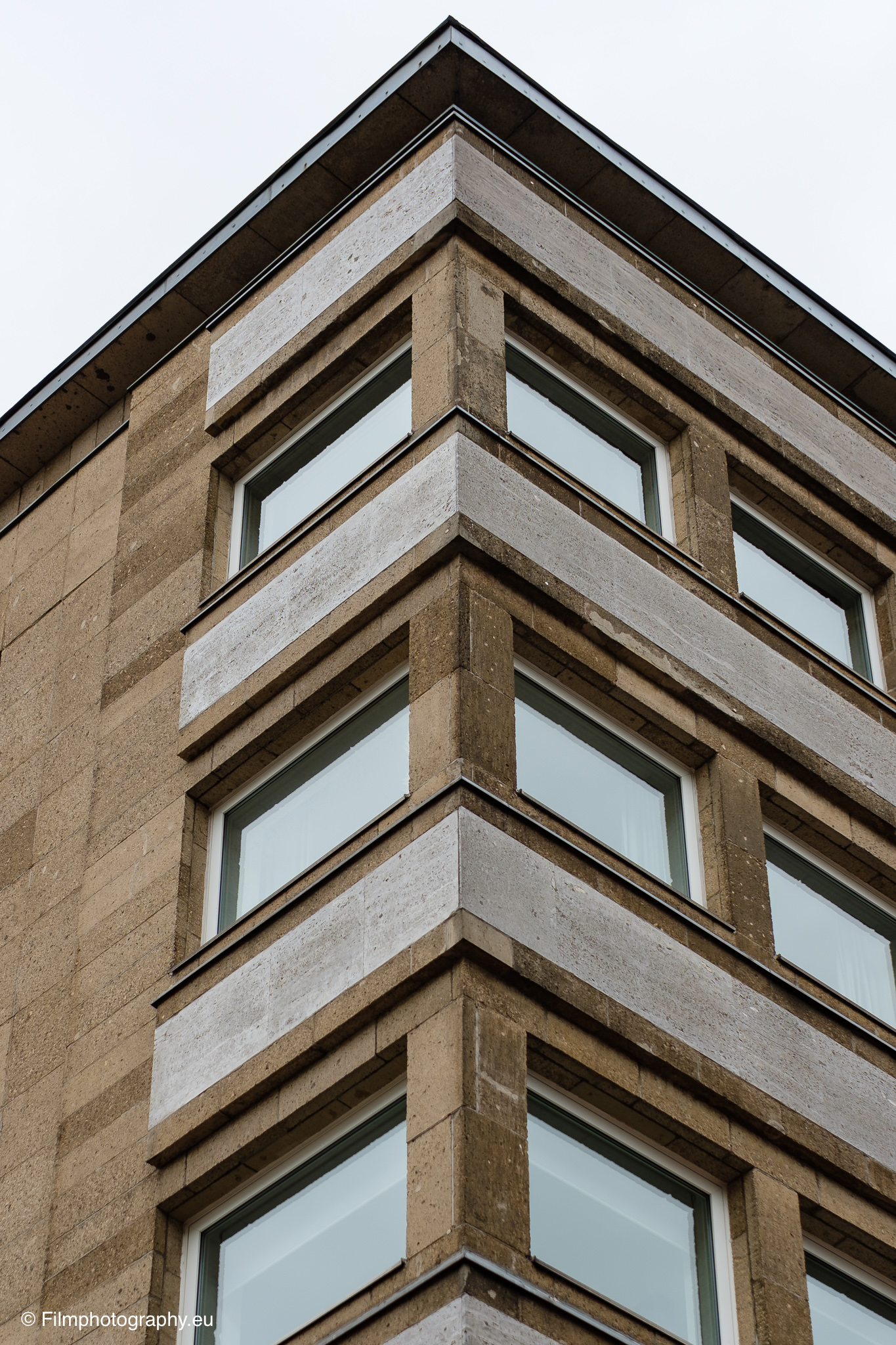
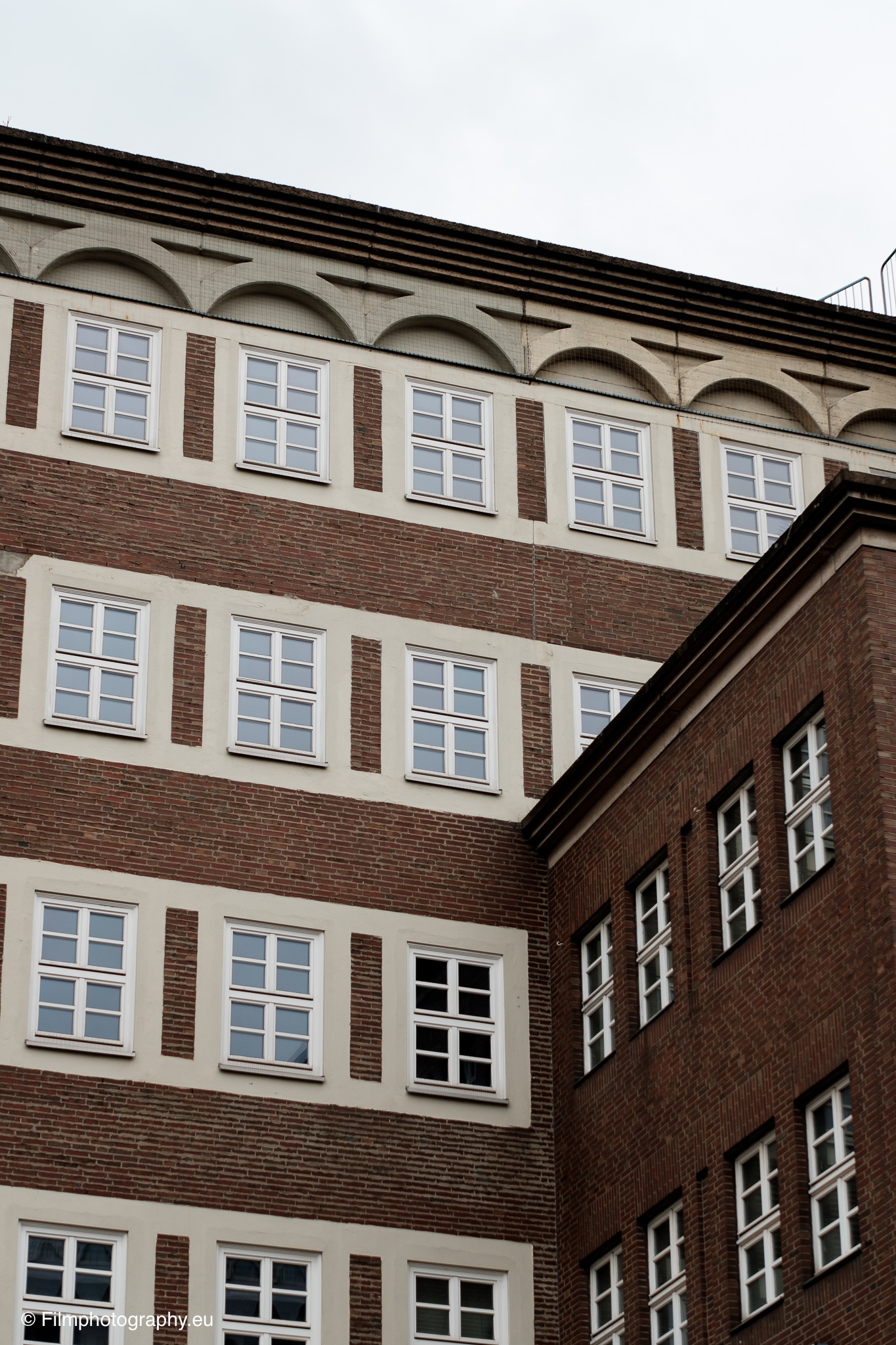
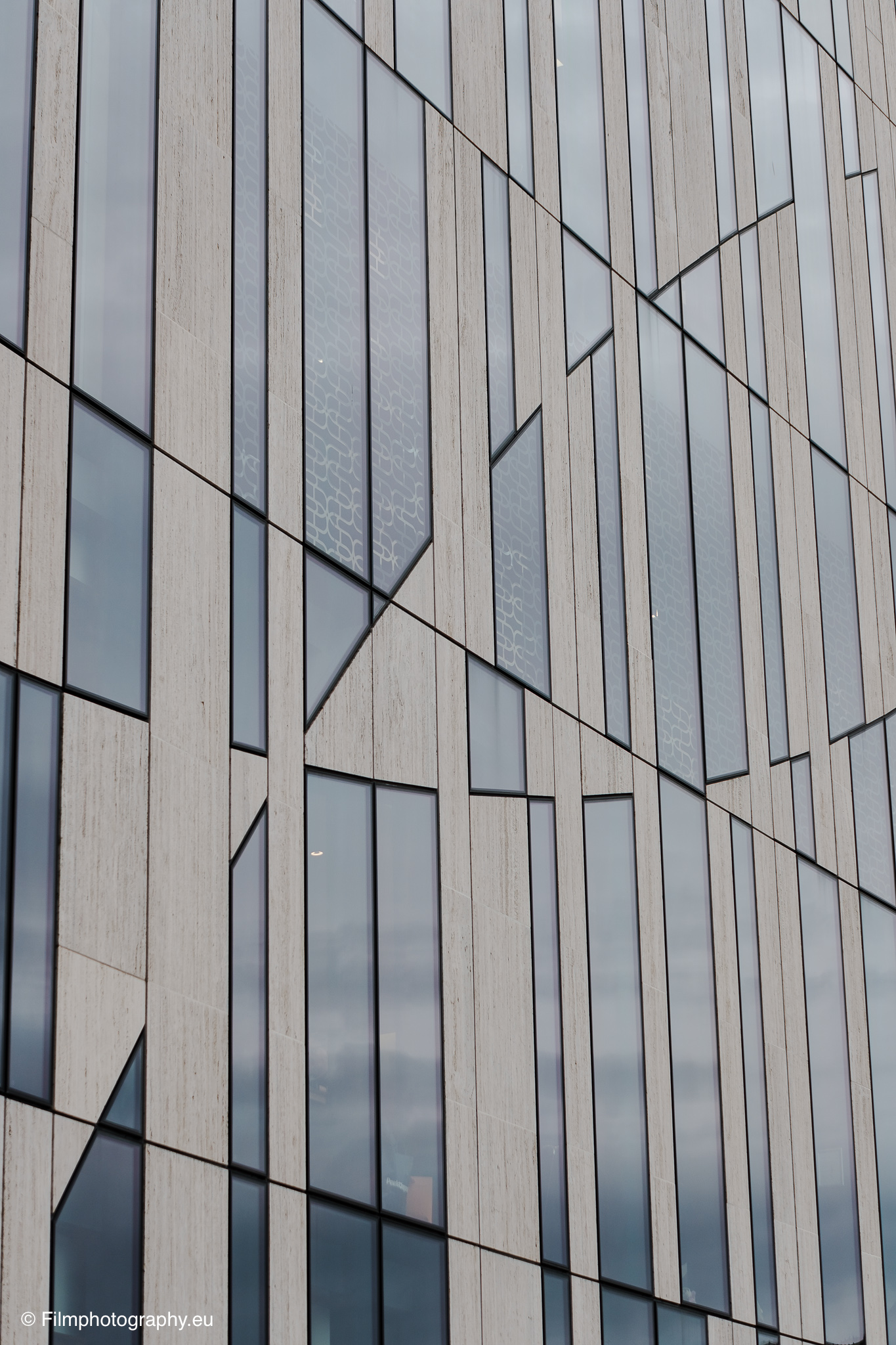
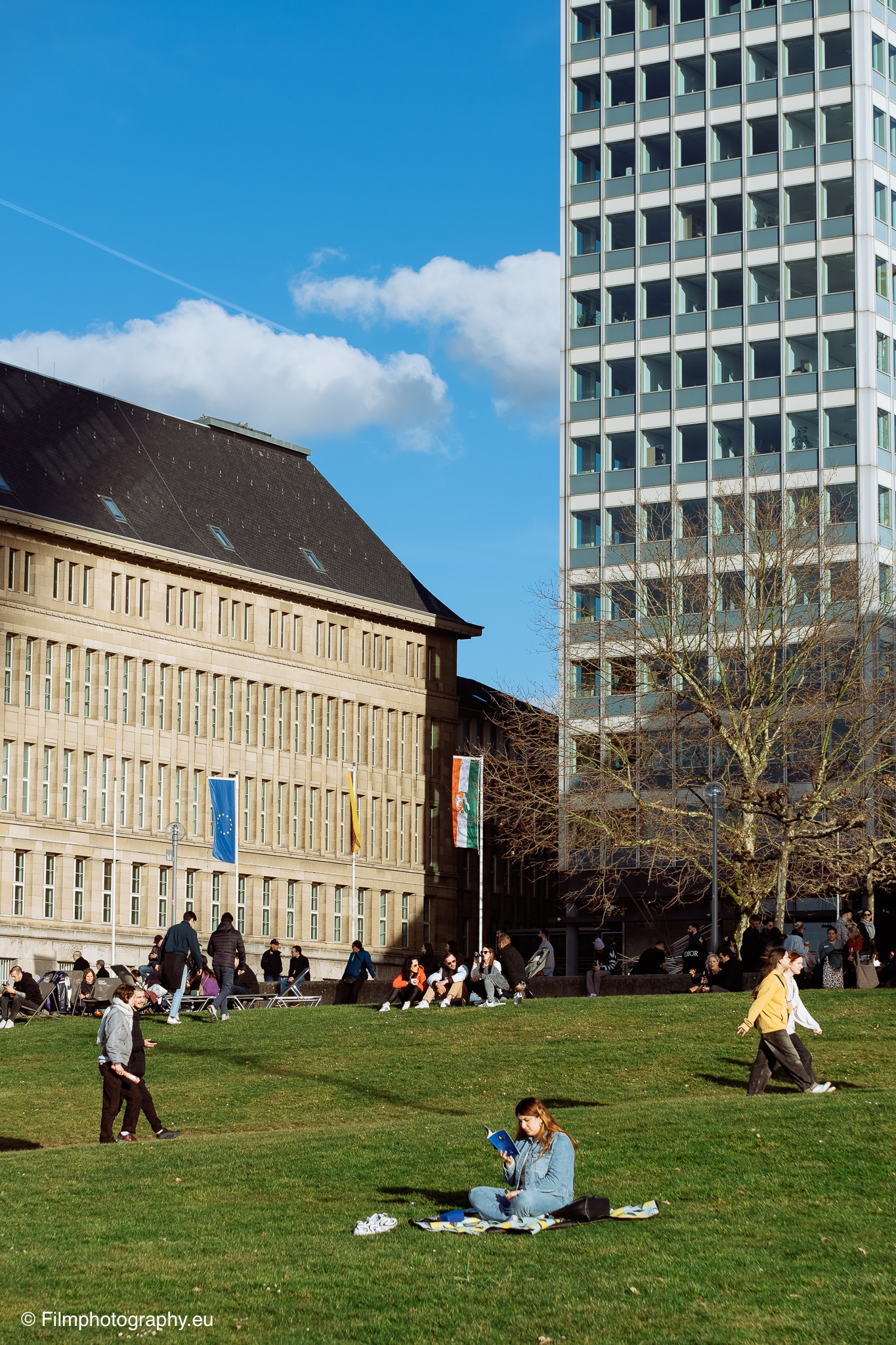
In architectural photography, the lens also performs well. Geometric shapes, window fronts, and facades are rendered straight without disturbing distortions. The contrast reproduction helps to bring out architectural details cleanly.
Even in difficult lighting conditions, such as those found in shady parks or under overcast skies, detail rendition remains intact. The neutral color reproduction also ensures that the typical color characteristics of Fujifilm sensors come through unaltered.


Conclusion
The TTArtisan AF 56mm f/1.8 represents a sensible addition to the range of affordable autofocus lenses for the X system. It offers a robust metal construction, solid imaging performance, and an autofocus suitable for everyday use.
Photographers who do not need an aperture ring and are looking for a compact prime lens for street photography, portraits, close-ups, or landscapes will find a reliable tool here. The optical performance is sufficient for the demands of daily photography and allows for an easy entry into shooting with shallow depth of field.
Buy the TTArtisan AF 56mm f/1.8
The lens can be purchased directly from the TTArtisan online store. There you will also find more information about the lens. Of course, Amazon also offers the lens.
Unedited Sample Images
The sample images were also taken with the Fujifilm X-T20. A flash was used during the shoot. They were not edited.