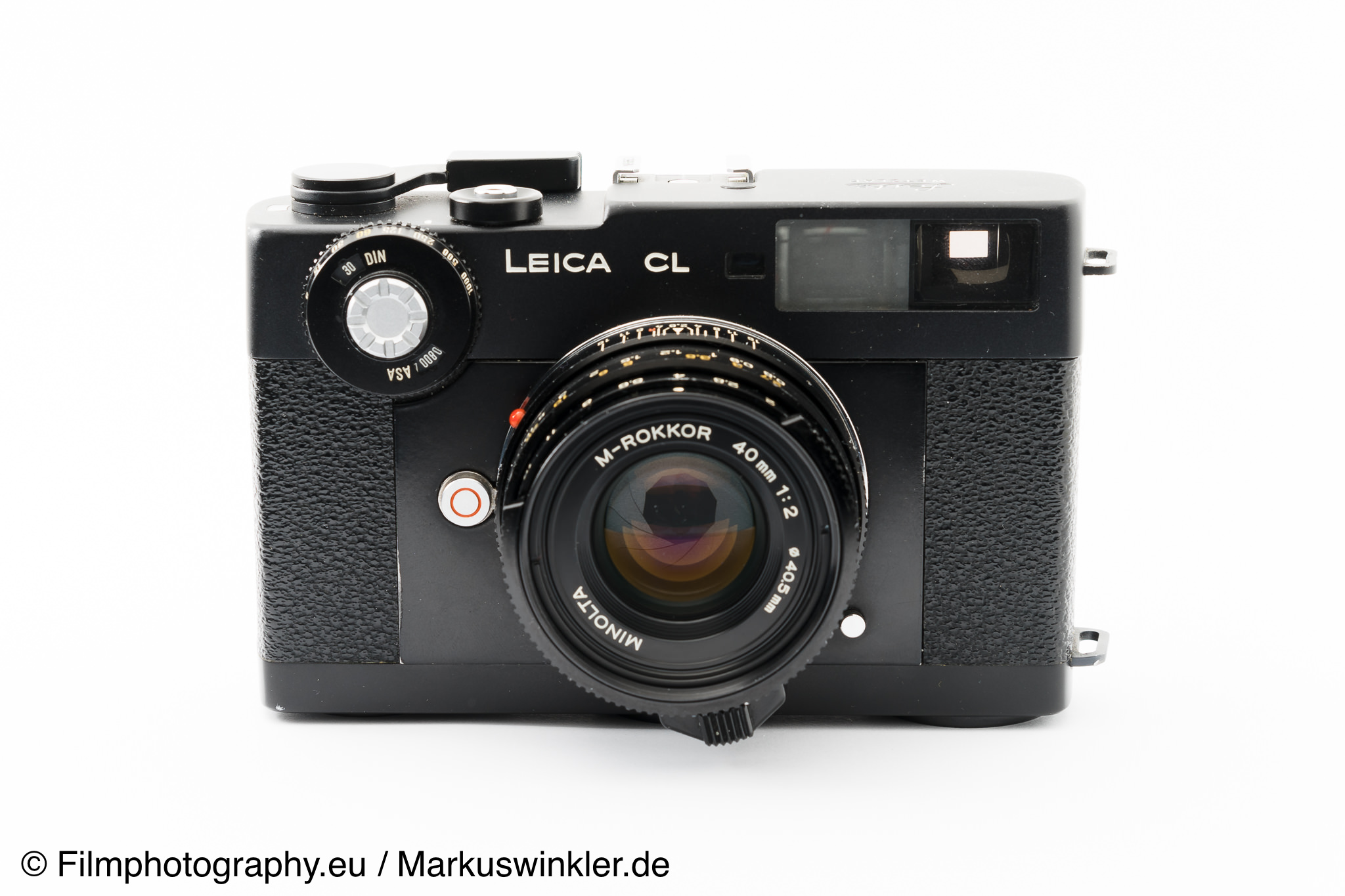
The Rebirth of a Russian Wide-Angle Lens
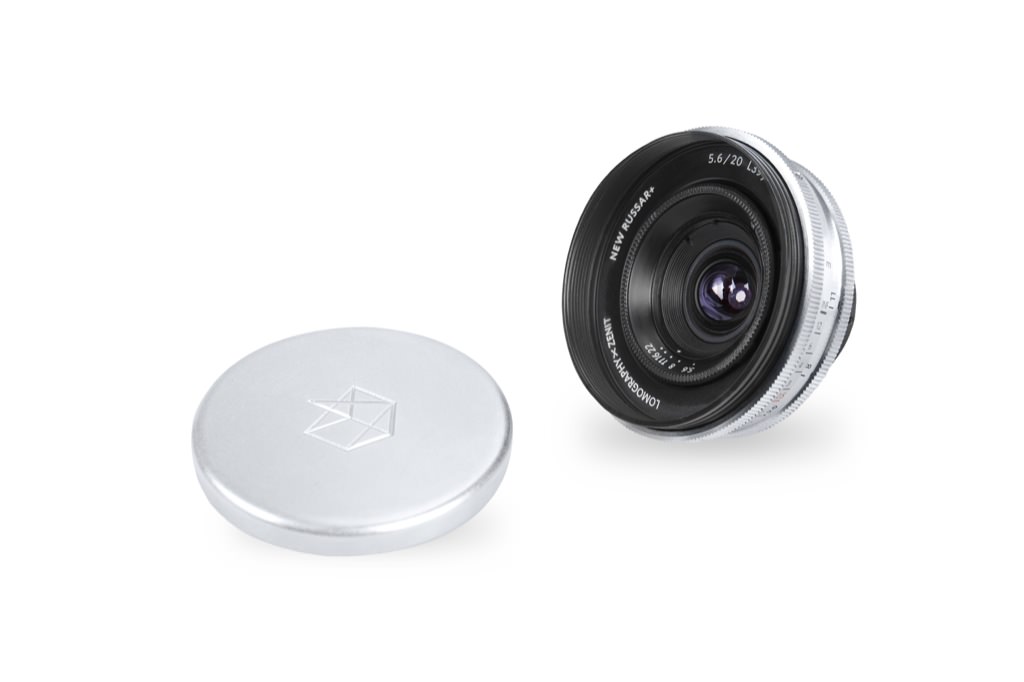
Lomography wants to further establish itself as a producer of lenses, which explains why after the Experimental Lens Kit, Petzval Lens, Diana+ Glass Lens, another lens has now been introduced.
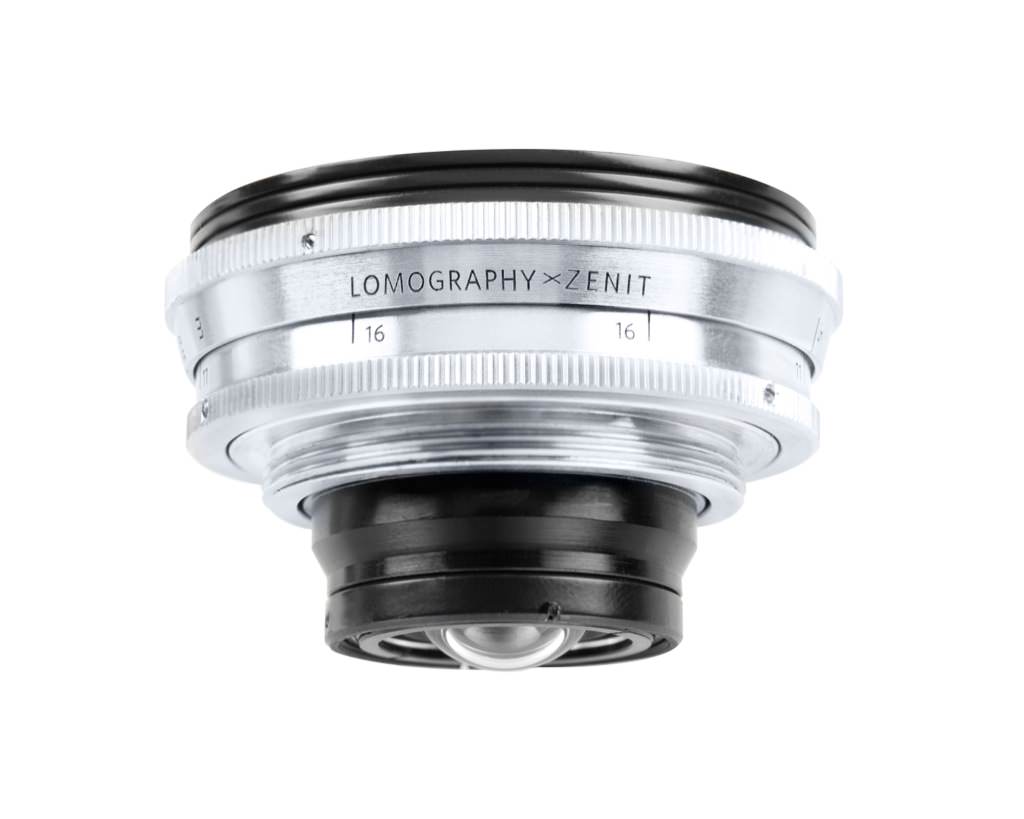
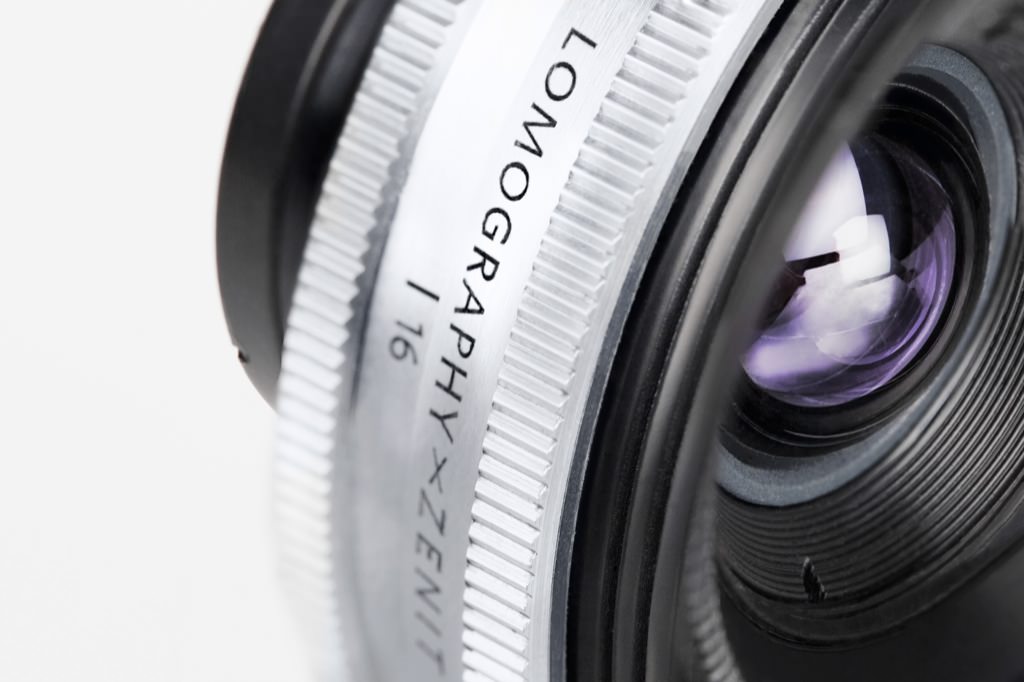
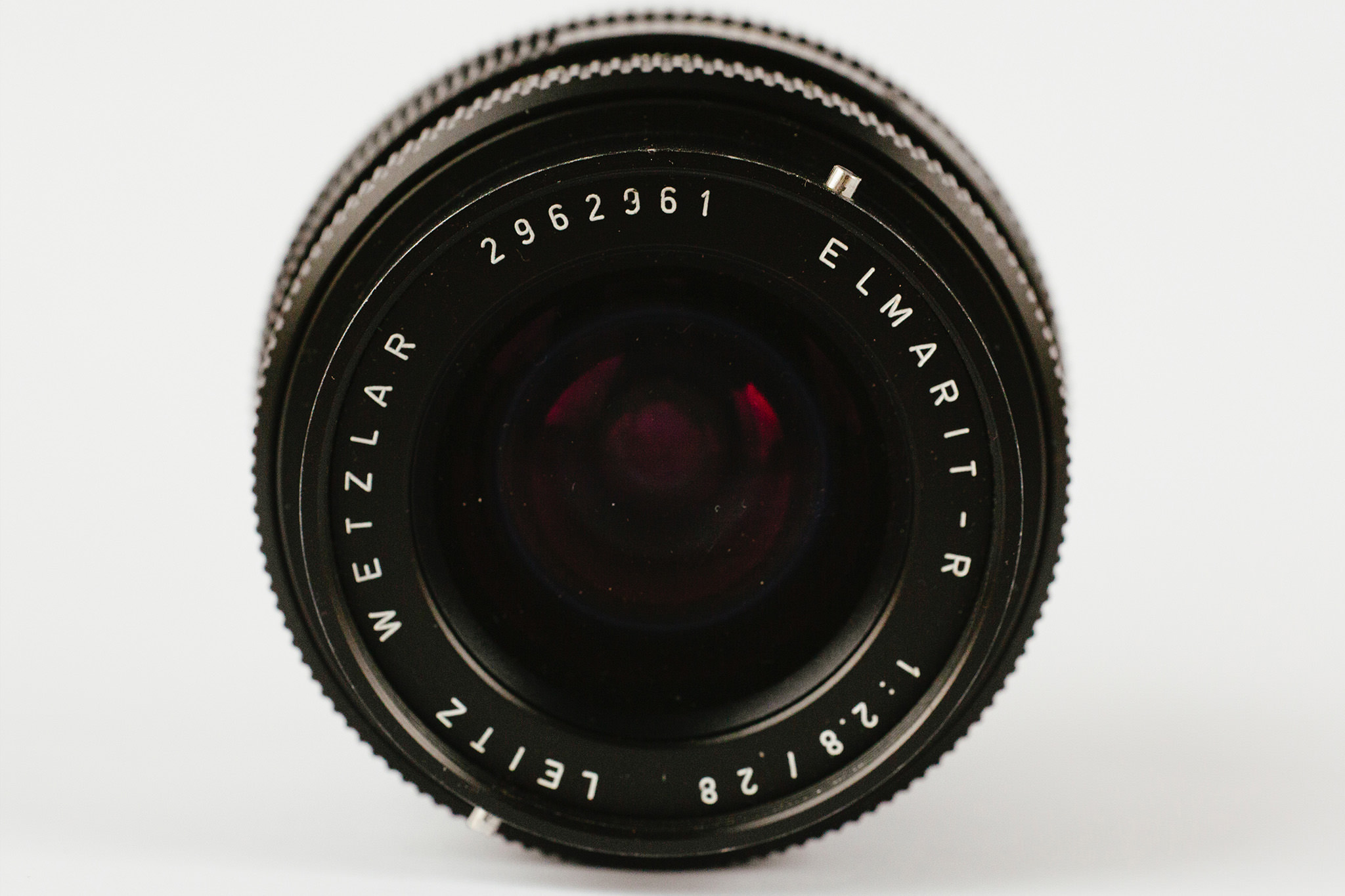
In 1958, the Zenit Russar MR-2 was introduced, a wide-angle lens designed by Mikhail Mikhailovich Rusinov. At that time, he was the deputy chief engineer at Zenit and gave the lens its name (MR = Mikhail Rusinov).
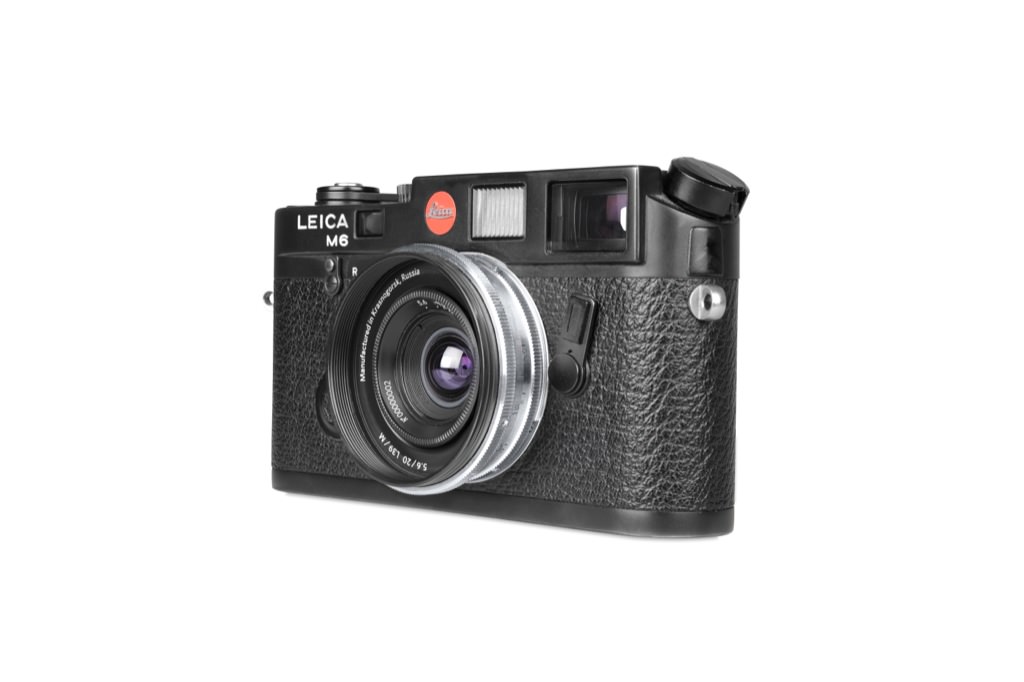
Fast forward to 2014, today Lomography, in collaboration with Zenit, has introduced a reissue of this lens, the Russar+ Art Lens.


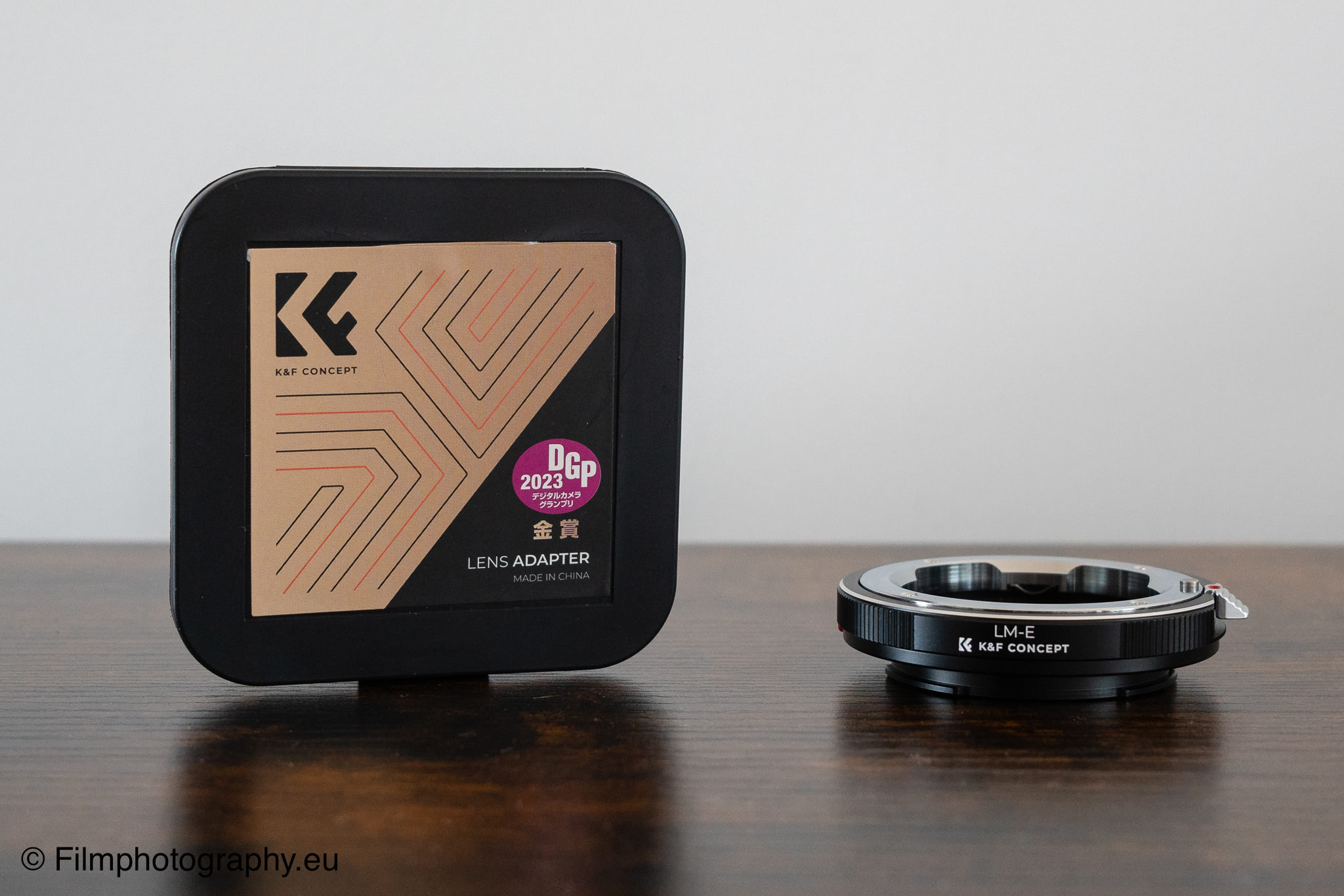
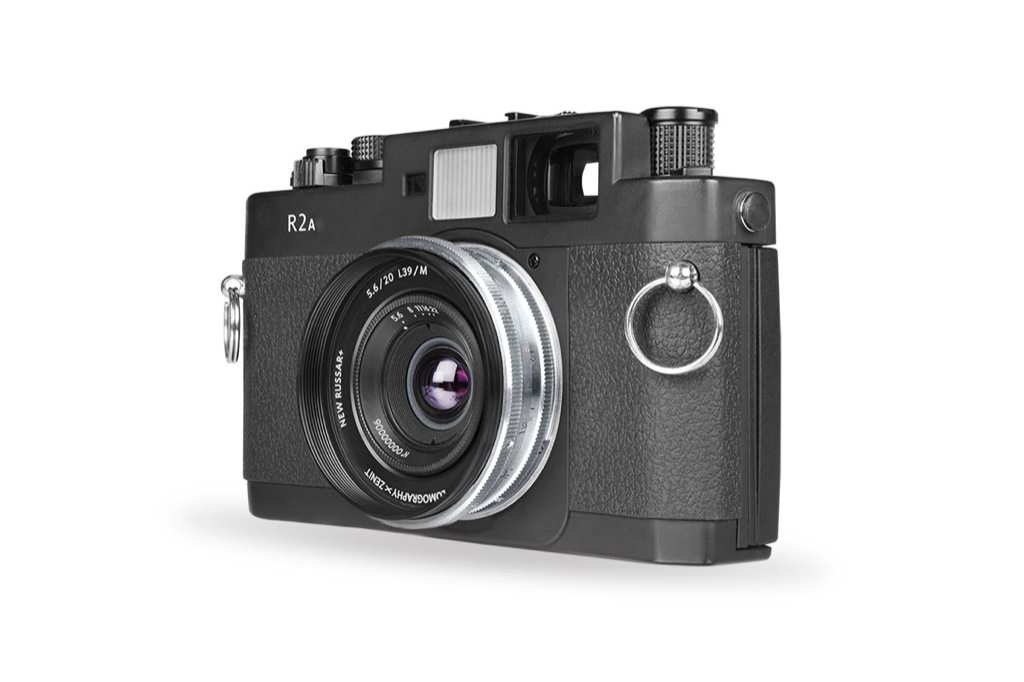
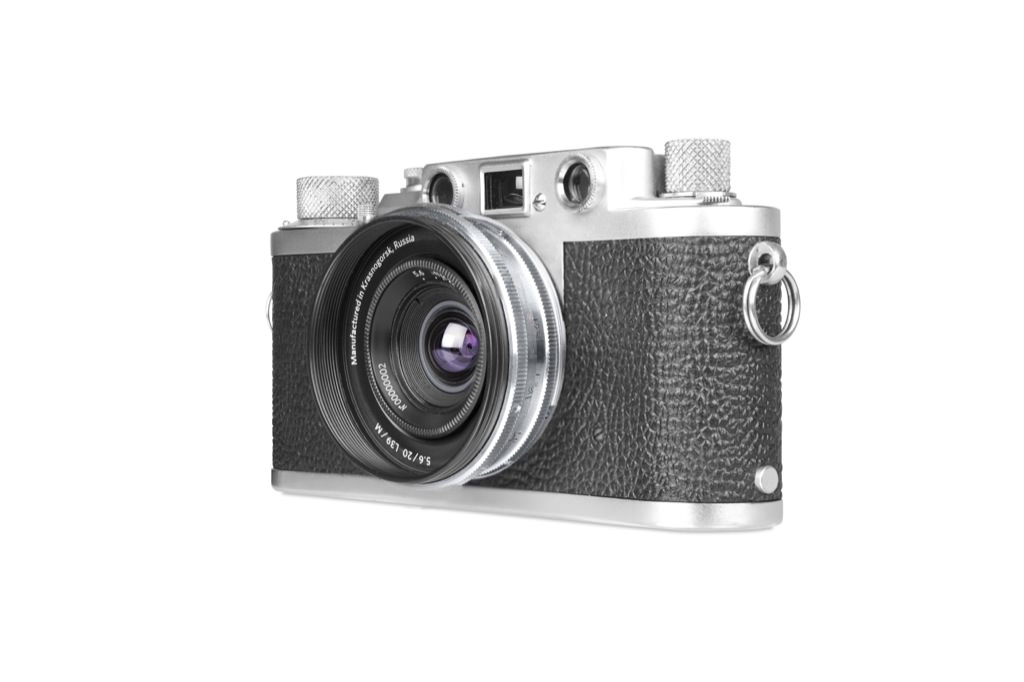
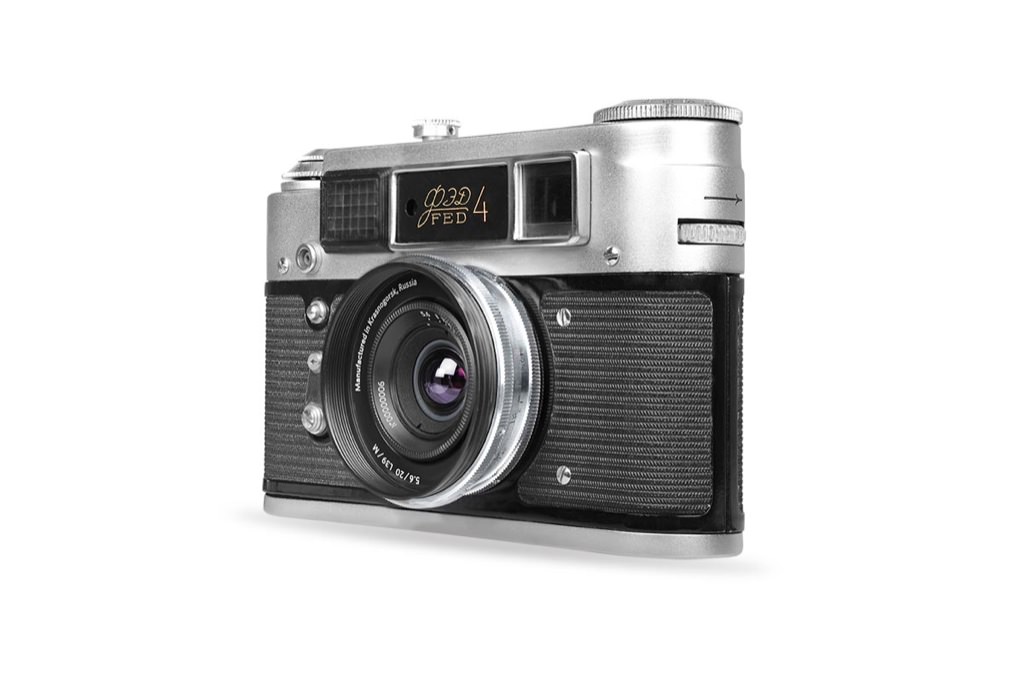
The 20 mm super wide-angle lens has a maximum aperture of f/5.6 and can be stopped down to f/22. It is equipped with an L39 lens thread and comes directly with an adapter for the Leica M Mount. Thus, it can be used directly on analog and digital cameras such as the Leica M1, M6, M9, or also Bessa R2A, FED 4.
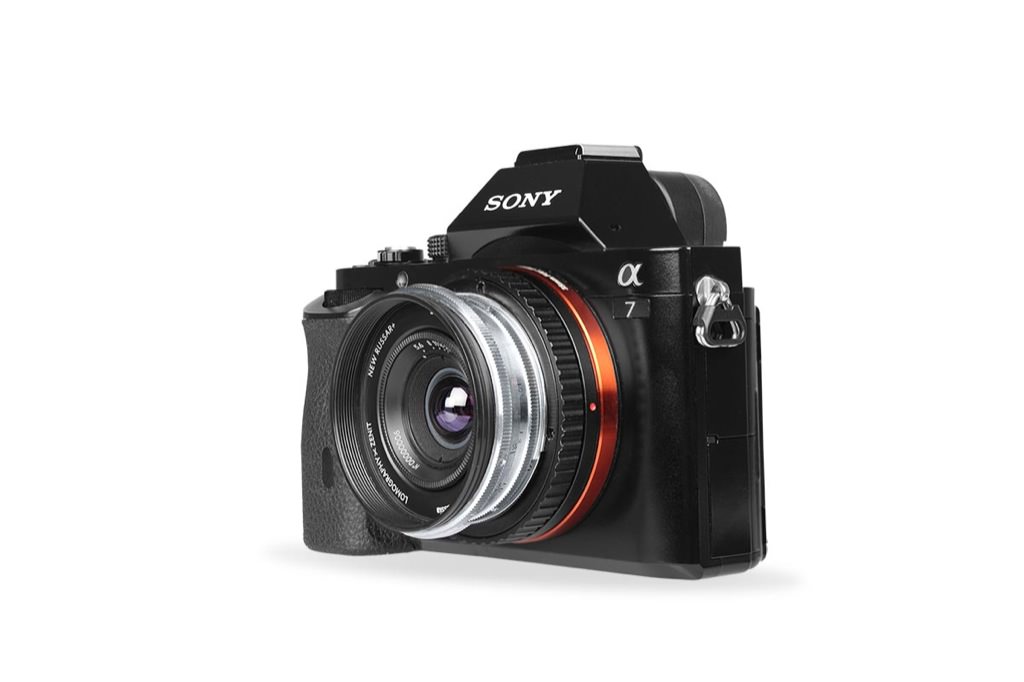
With an additional adapter, it can be used on Micro Four Thirds, Sony NEX, and Sony Alpha cameras. An additional adapter also allows use on Fujifilm digital cameras with the Fujifilm XF mount. On a digital camera with a full-frame sensor, the crop factor naturally comes into play. Use with a DSLR is not possible.
The Russar+ is an uncoupled lens, meaning you cannot use the rangefinder of your Leica, Voigtländer, Zorki, etc. The focus must be estimated; there is of course no autofocus.
In summer 2014, an additional viewfinder is expected to be released, which should help with composing the image and compensate for the parallax effect.
The flange focal distance for the L39 thread is 28.9 mm, for the Leica M Mount it is 27.8 mm. The minimum focus distance is 50 cm. A filter thread is also present (49 mm).
The Russar+ is handcrafted in Russia by Zenit. It is partly made of brass; the six lenses, arranged in four groups, are made of glass.
The technical information can be found again here.


Finally, the video about the lens.