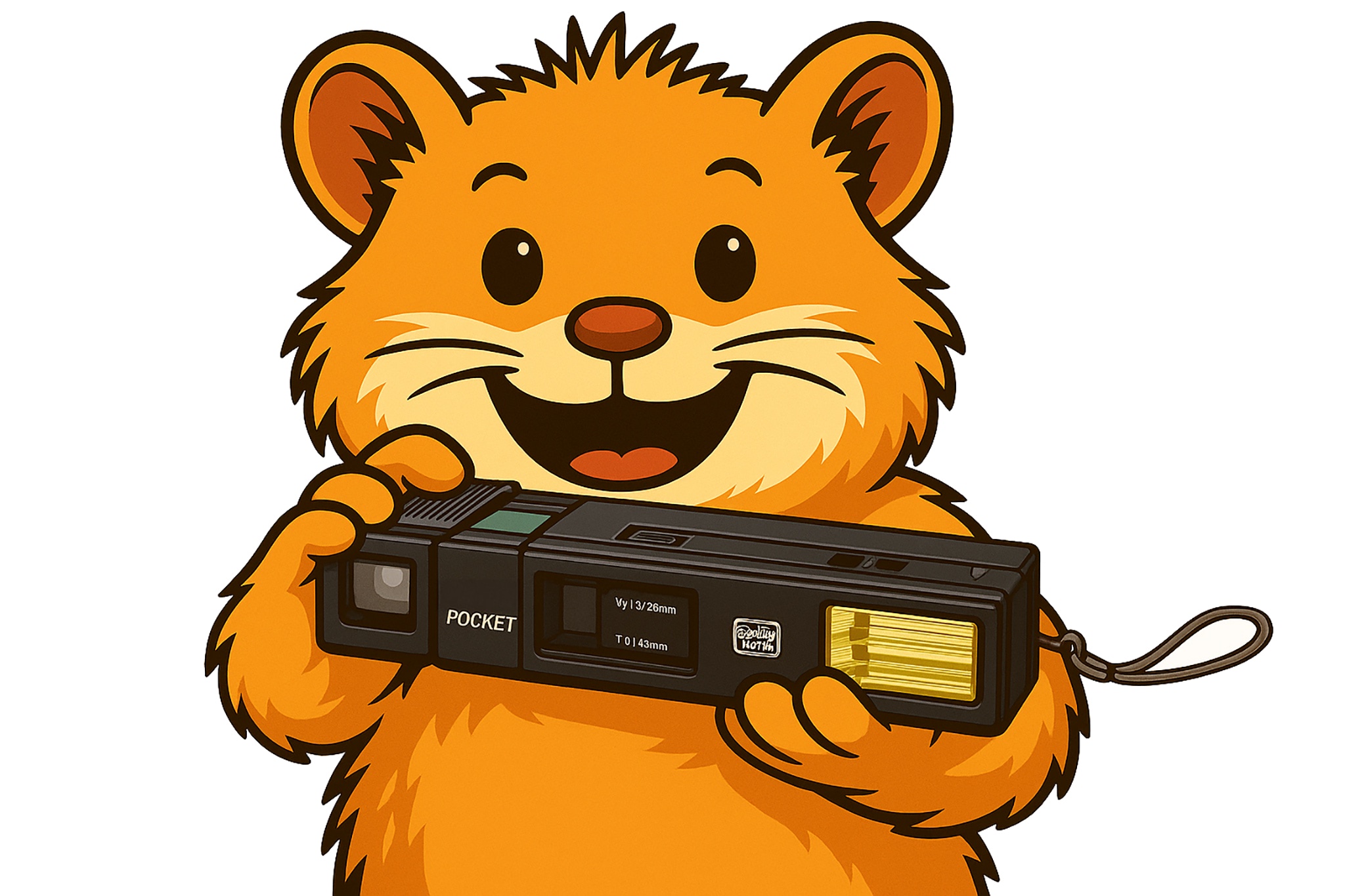
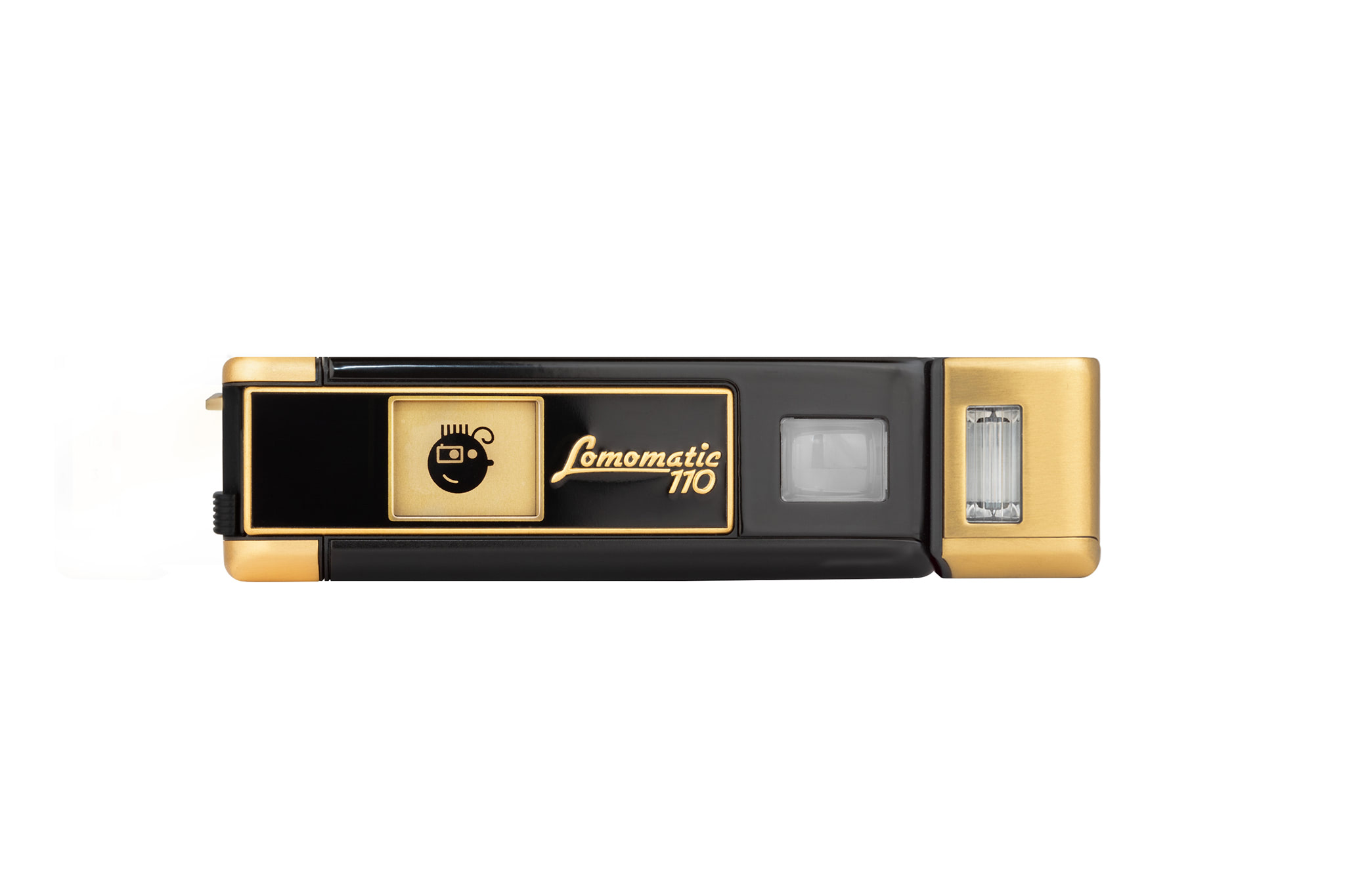
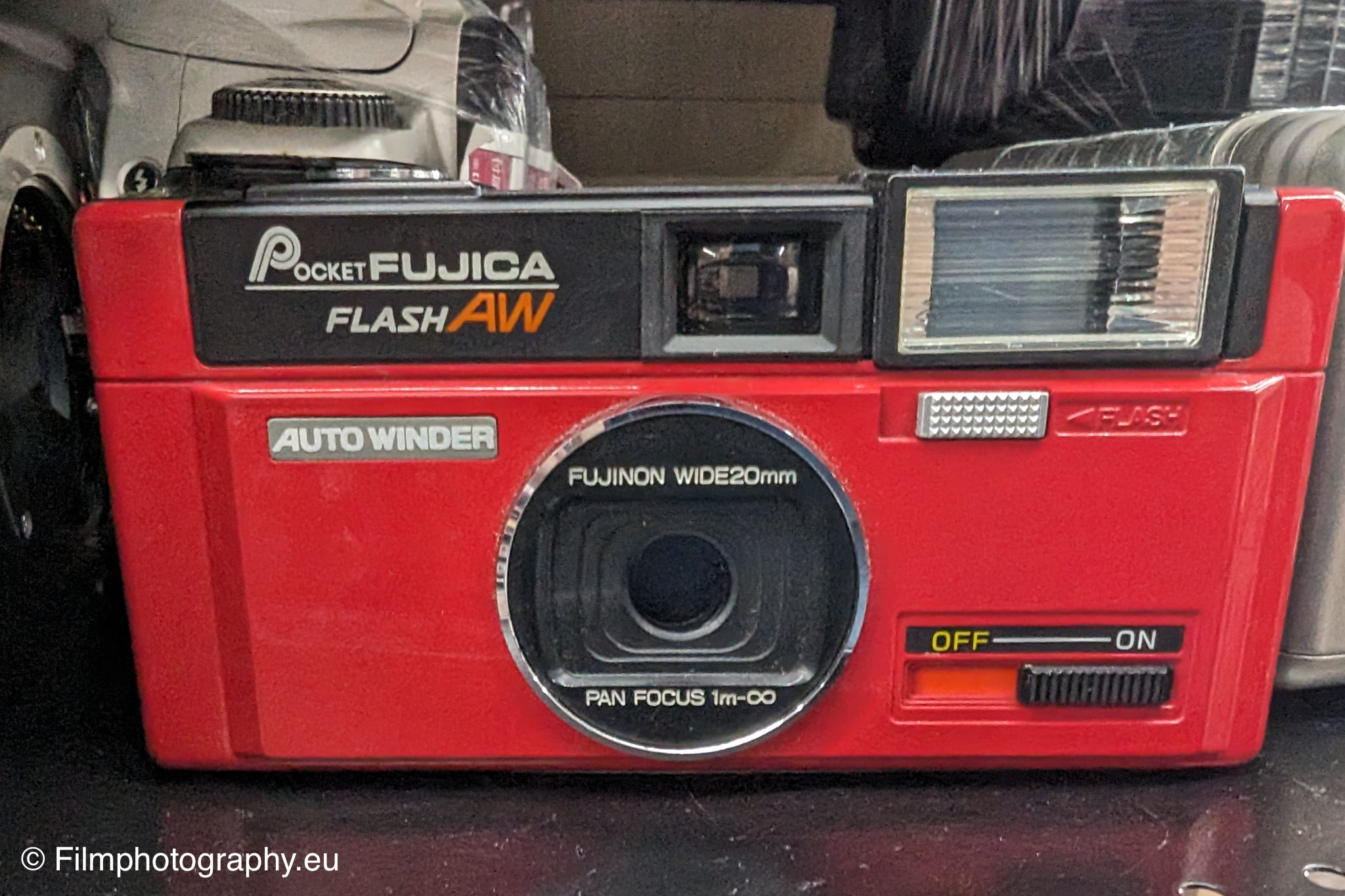
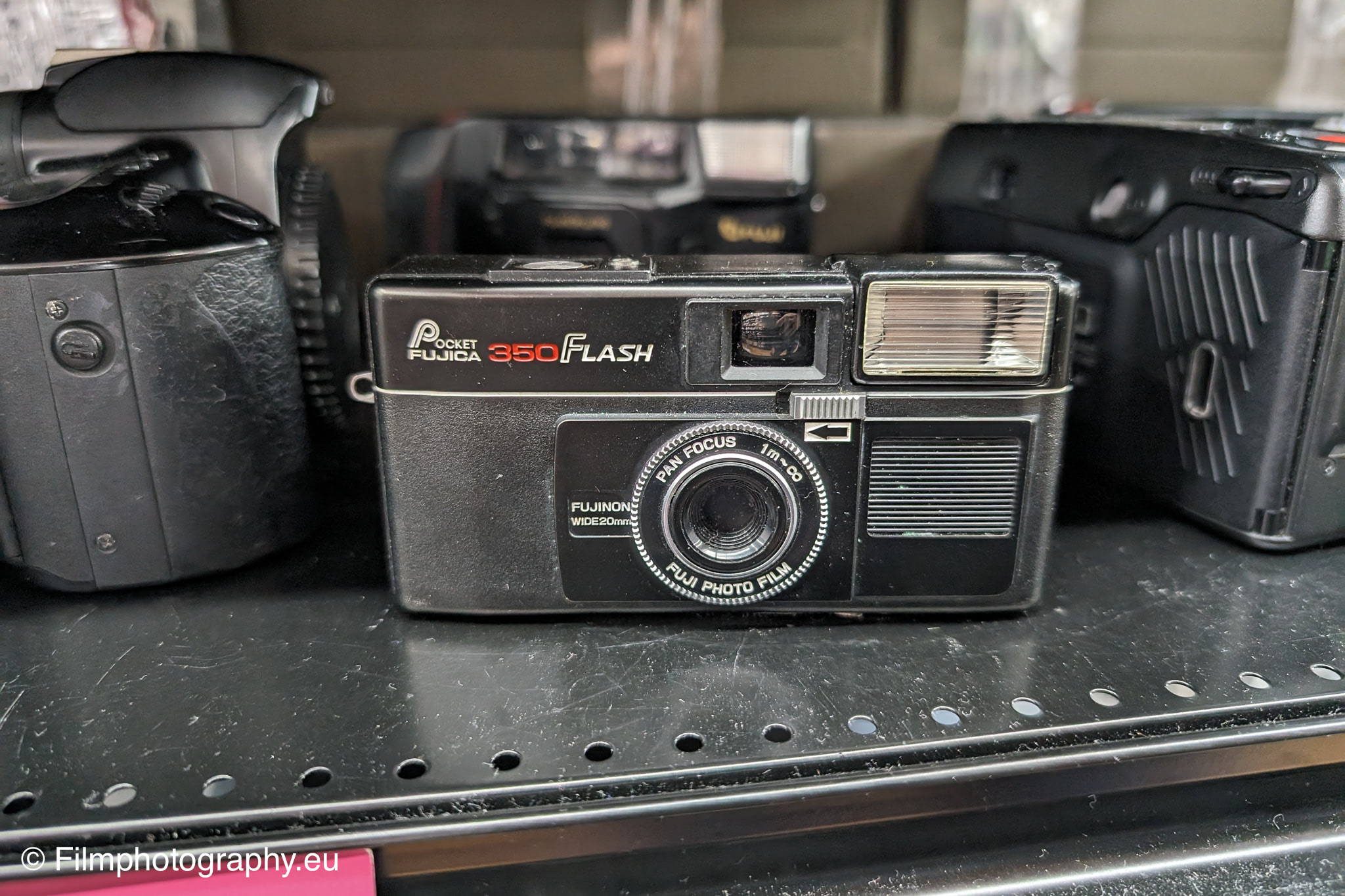
Pocket film cameras is a genre of cameras for the 110 film format.
In 1972, the first model of the Pocket Instamatic series for the newly developed 110 film format was introduced by the US company Kodak. The new film format was a scaled-down version of the 126-cassette film.
The film material is in a plastic cassette, which is particularly easy for the photographer to handle. Via the film cassette, the camera, if designed for it, can determine the film speed and the winding of the film.
One image has a size of 13 mm × 17 mm. Offered were cassettes for 12, 20 or 24 images. Transported the film from one part of the cartridge to another, so you do not need to rewind. There is a continuous backing paper, and the frame number is visible through a window on the back of the cartridge. The film is usually pre-exposed with frame lines and numbers, this should make identifying images easier.
In the first three years, Kodak sold over 25 million units of the camera series. The top model was the Pocket Instamatic 60, which featured a stainless steel body, rangefinder, and automatic exposure.
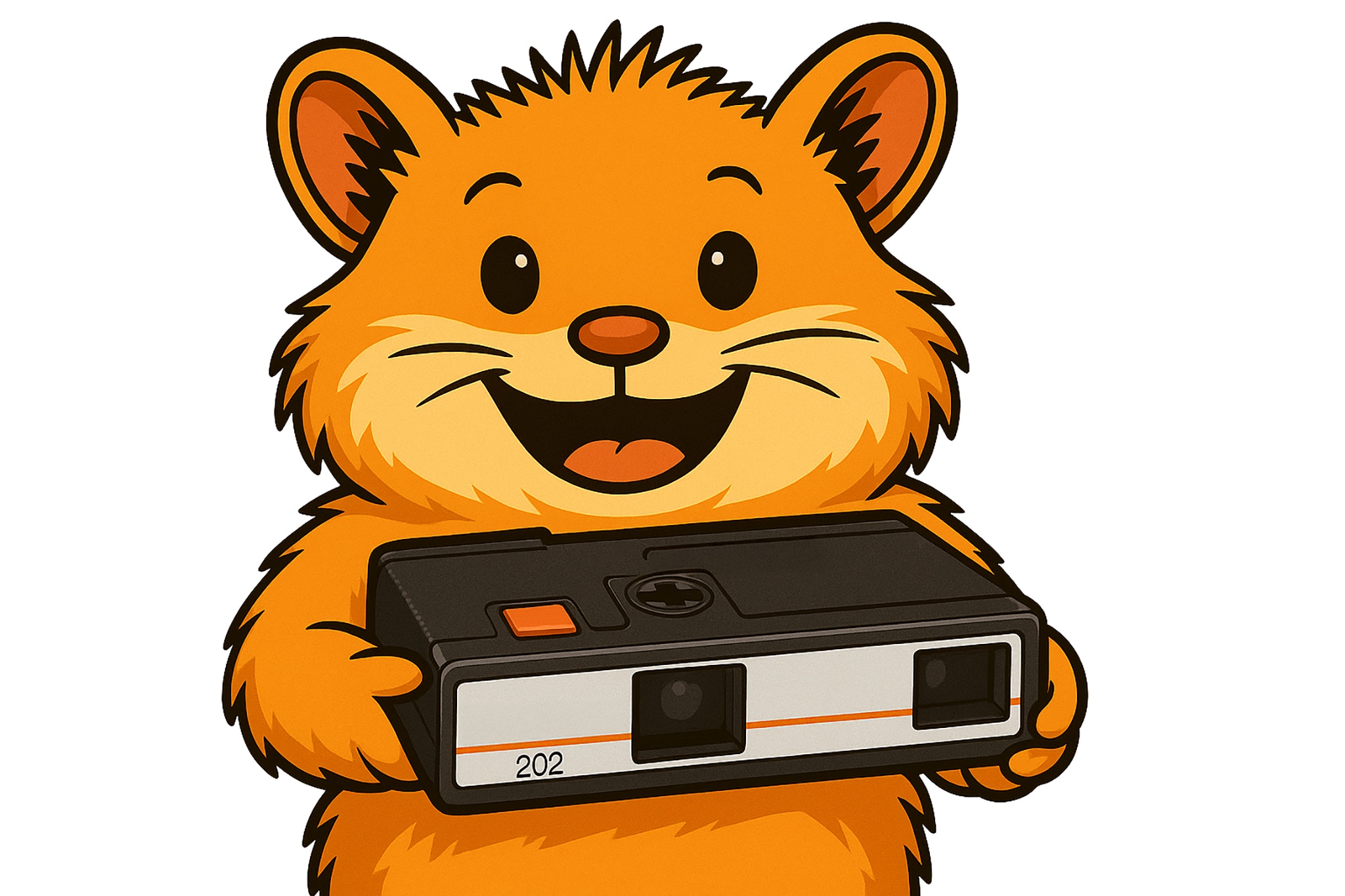
Today, people tend to associate the film format with simple cameras made of plastic. However, very high-quality cameras were also produced. One to mention here would be the Pentax Auto 110, a full-fledged SLR with interchangeable lenses.
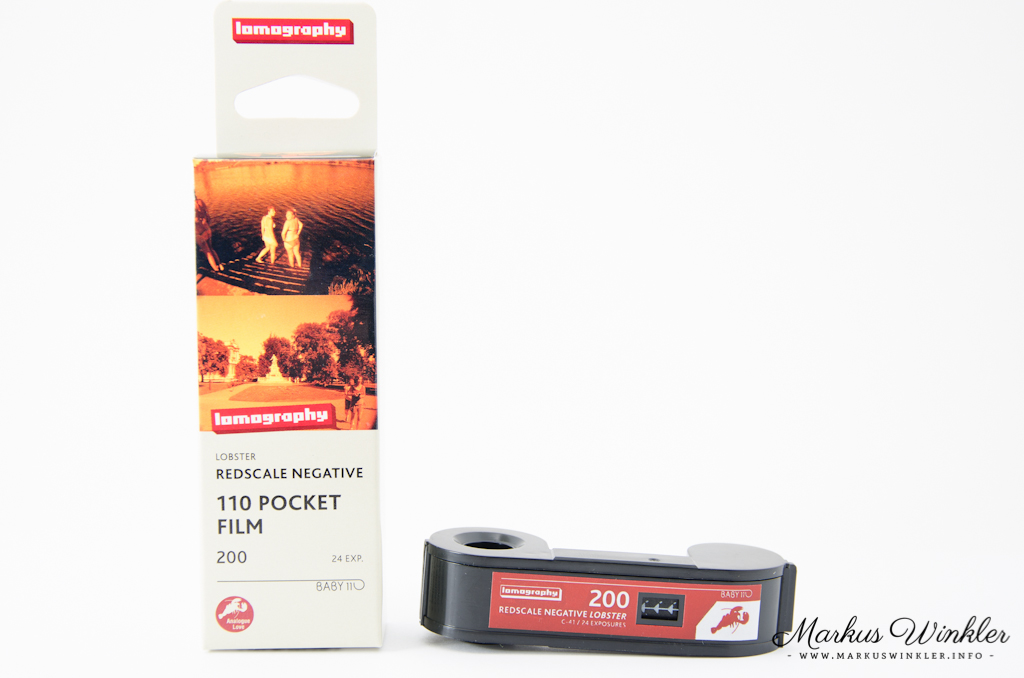
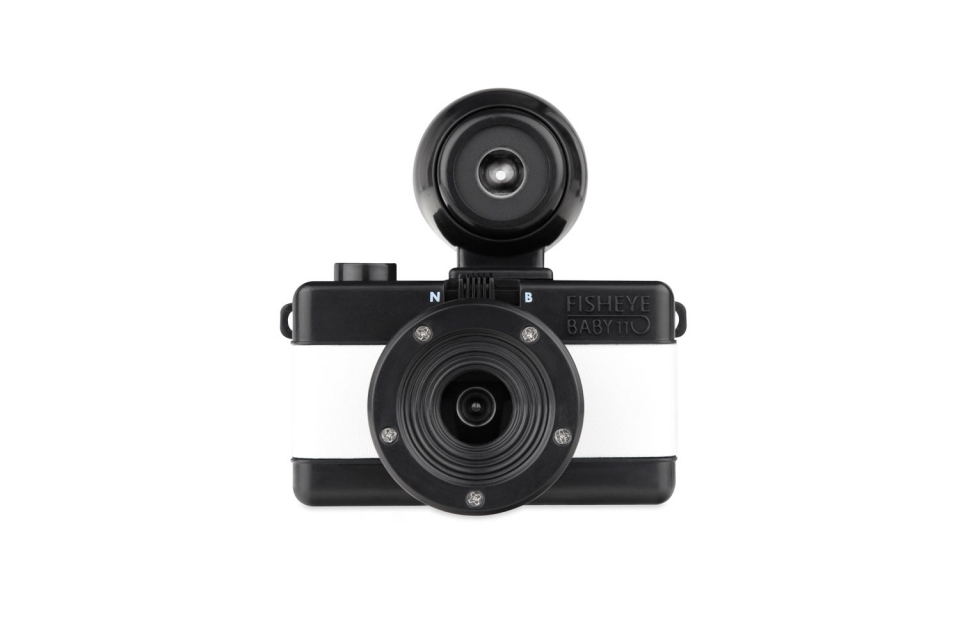
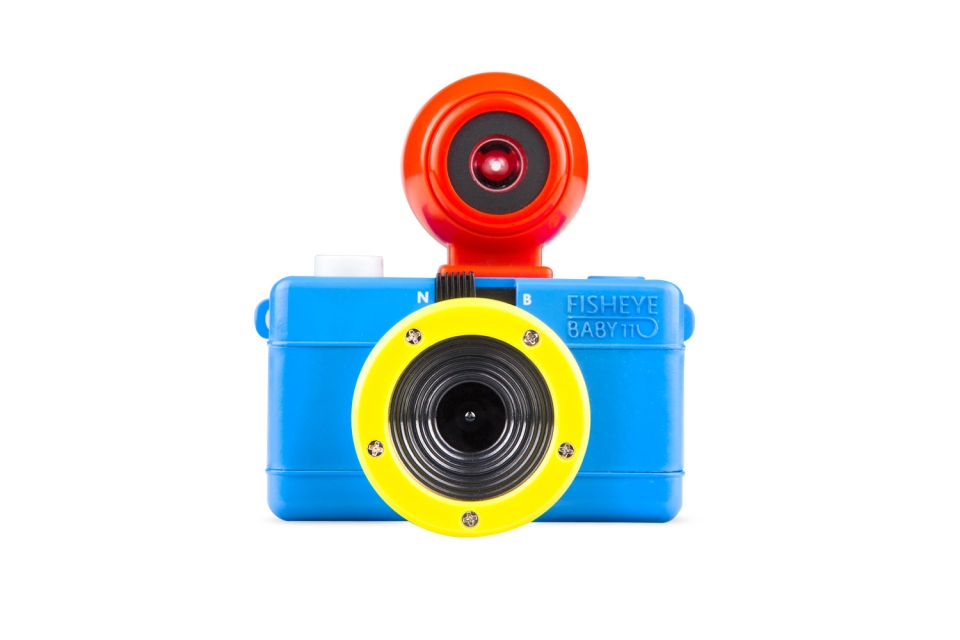
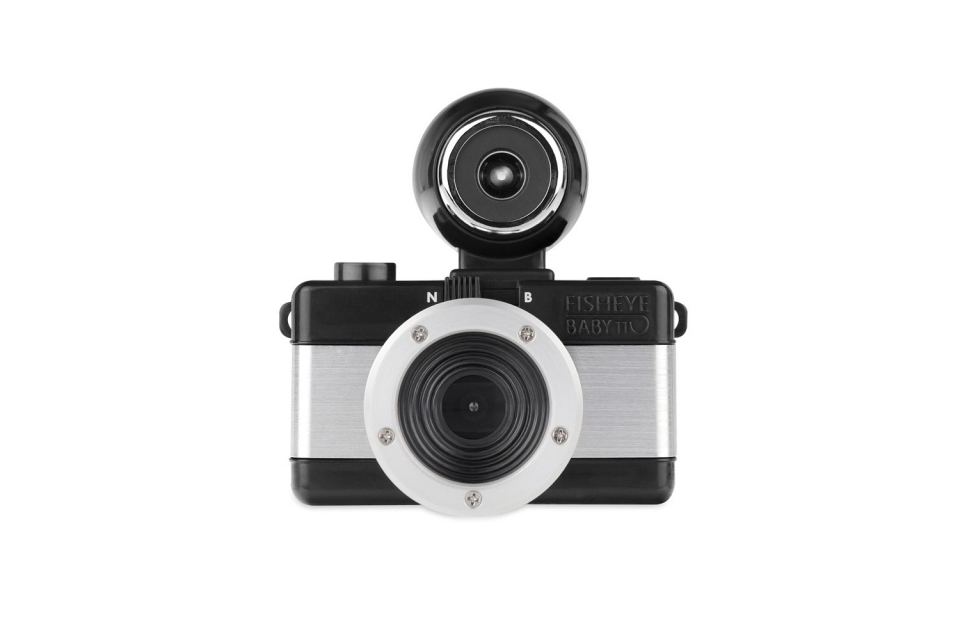
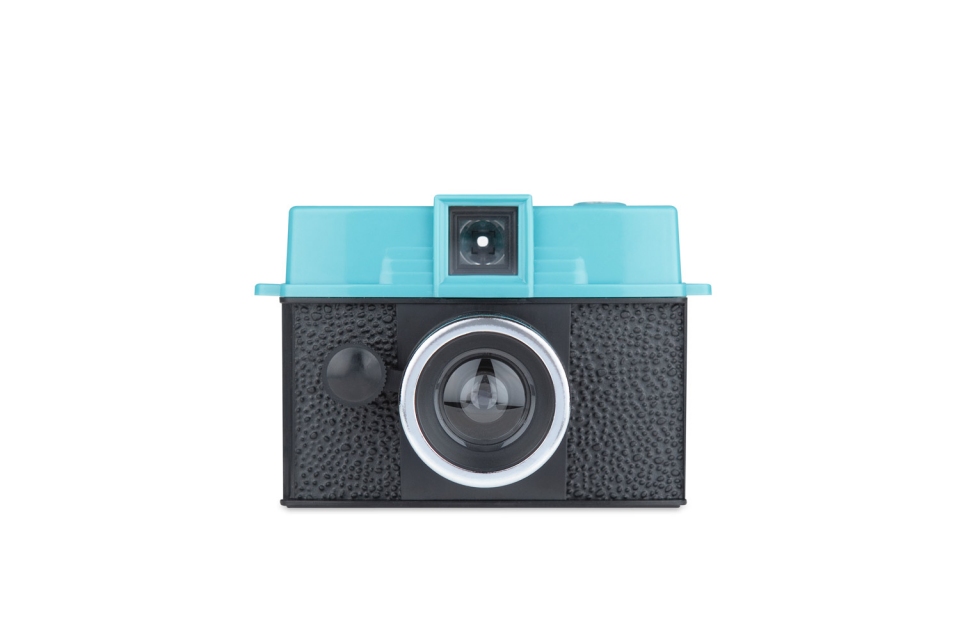
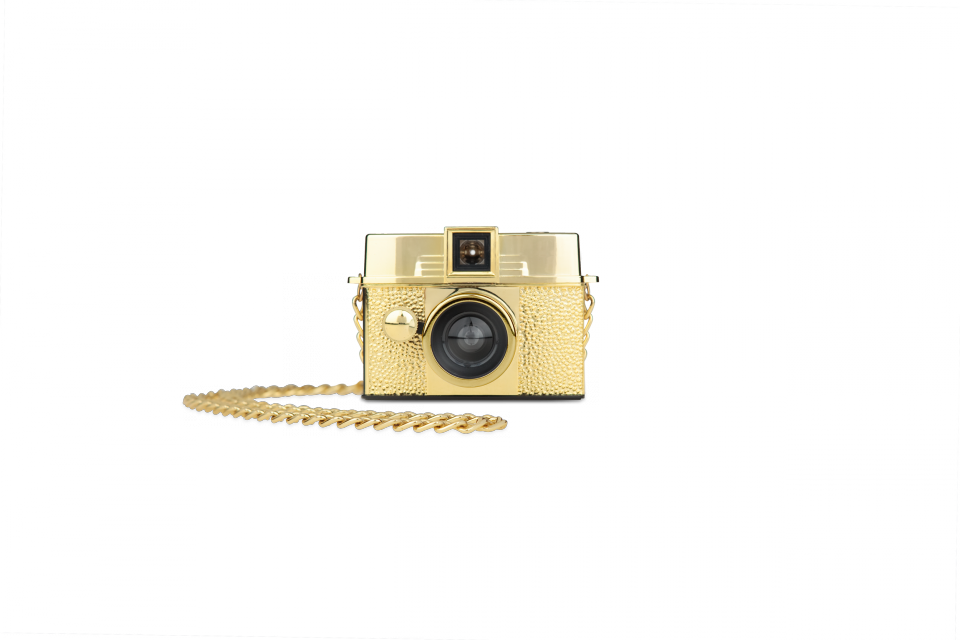
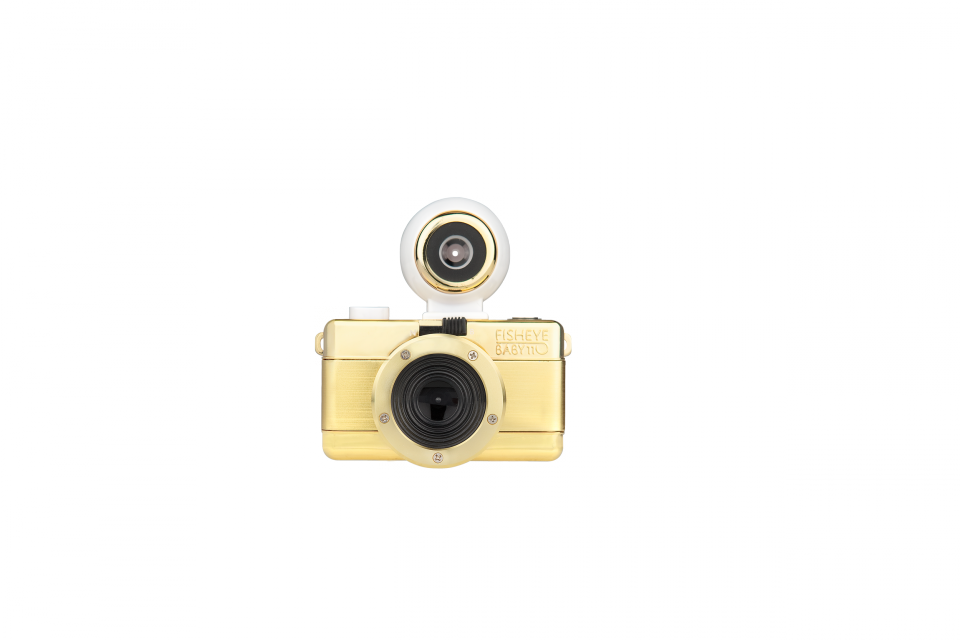
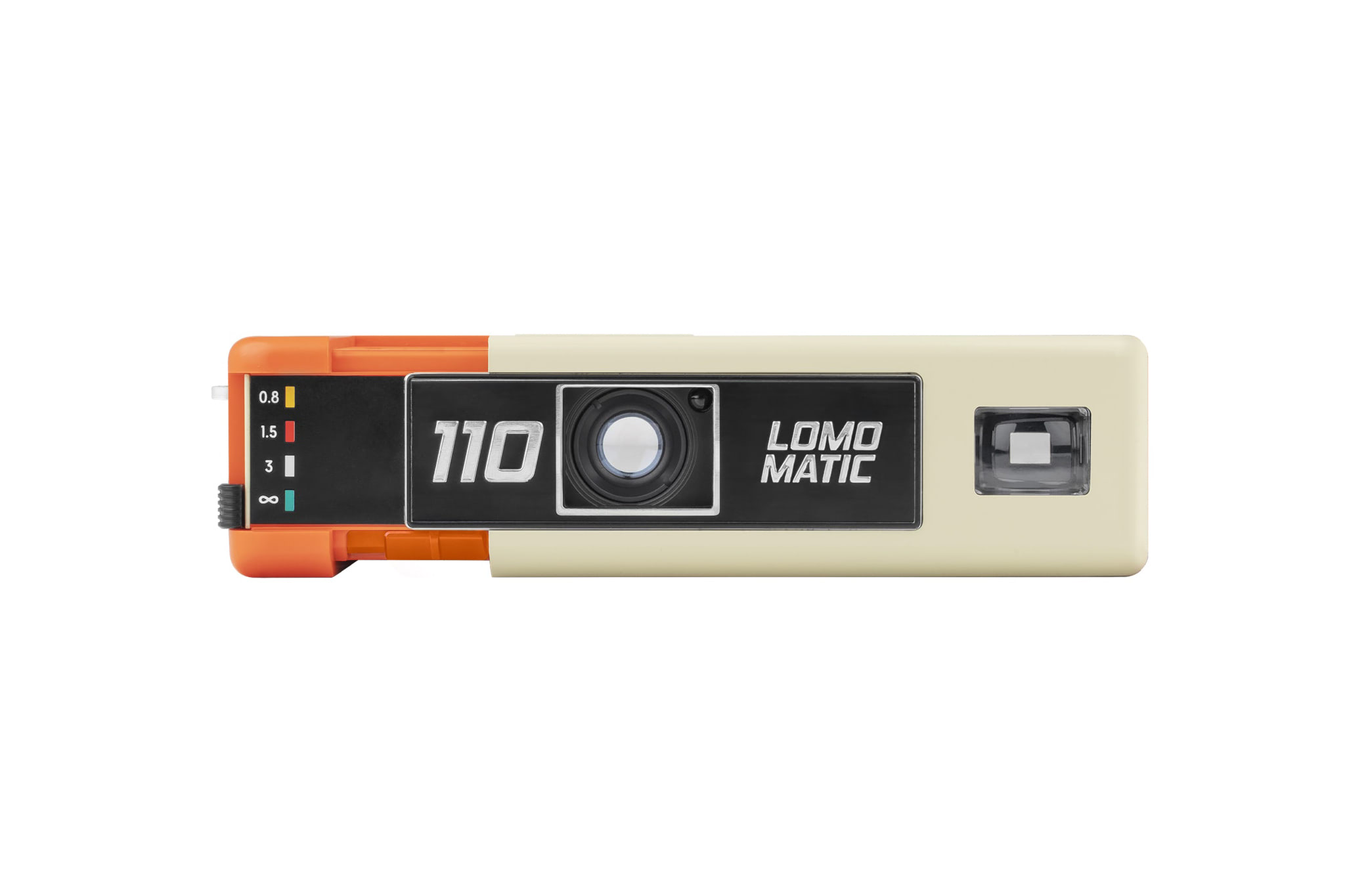
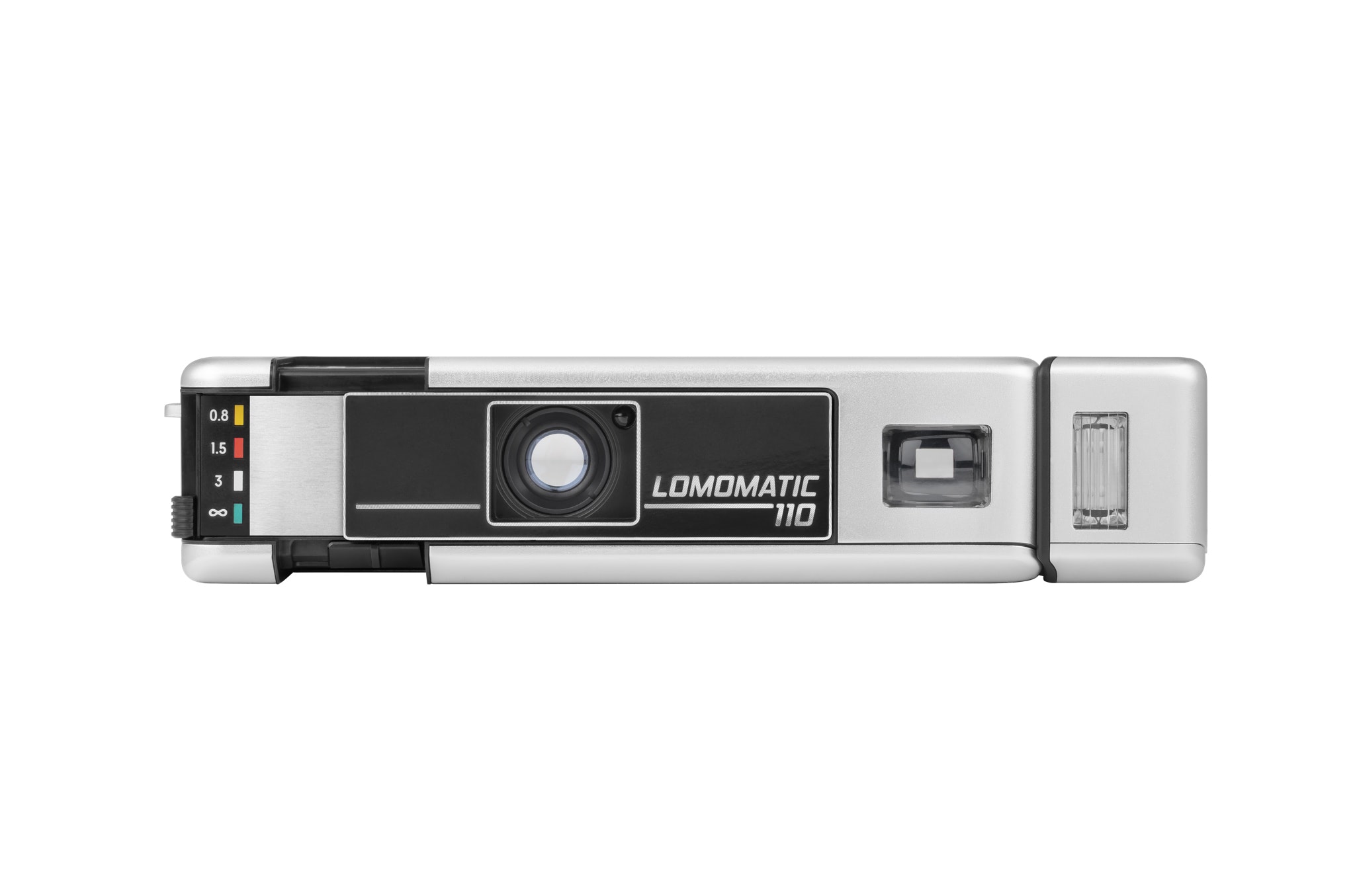
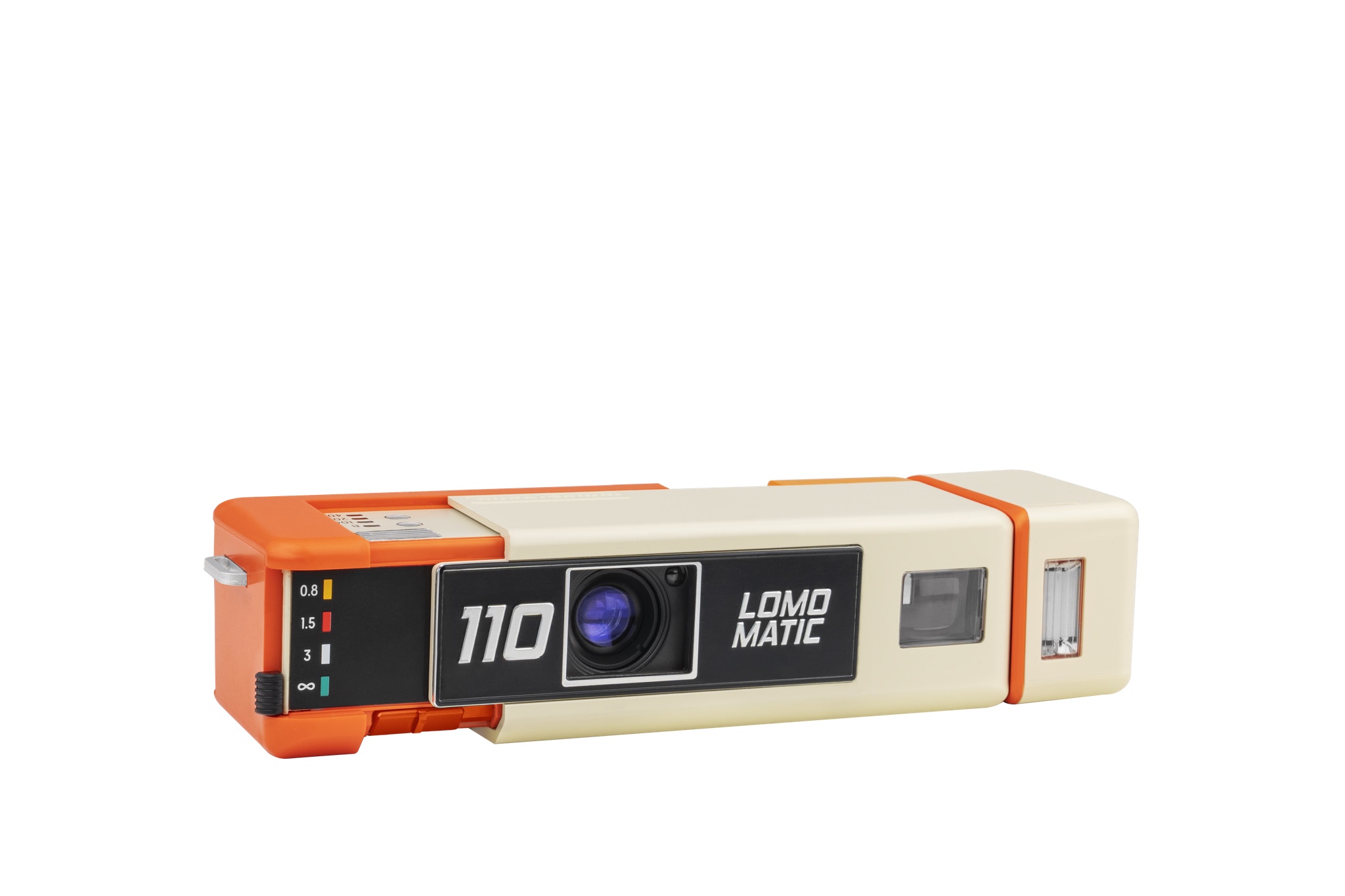
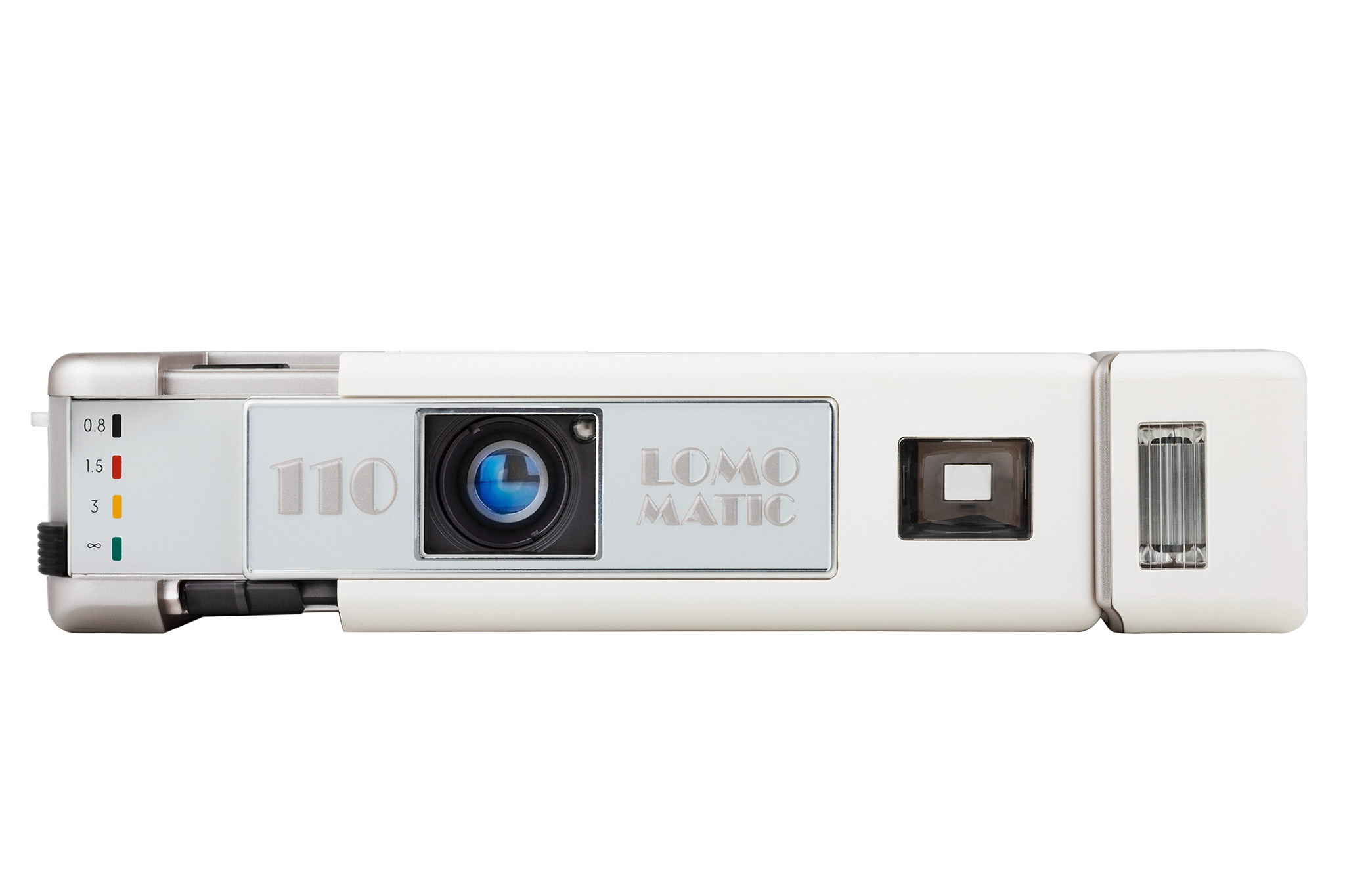
In 2009, Fujifilm was the last manufacturer to stop producing film. Surprisingly, however, Lomography resumed production in 2011 and has since been offering film for the old cameras again. Lomography also offers new camera again with the Baby 110 series.