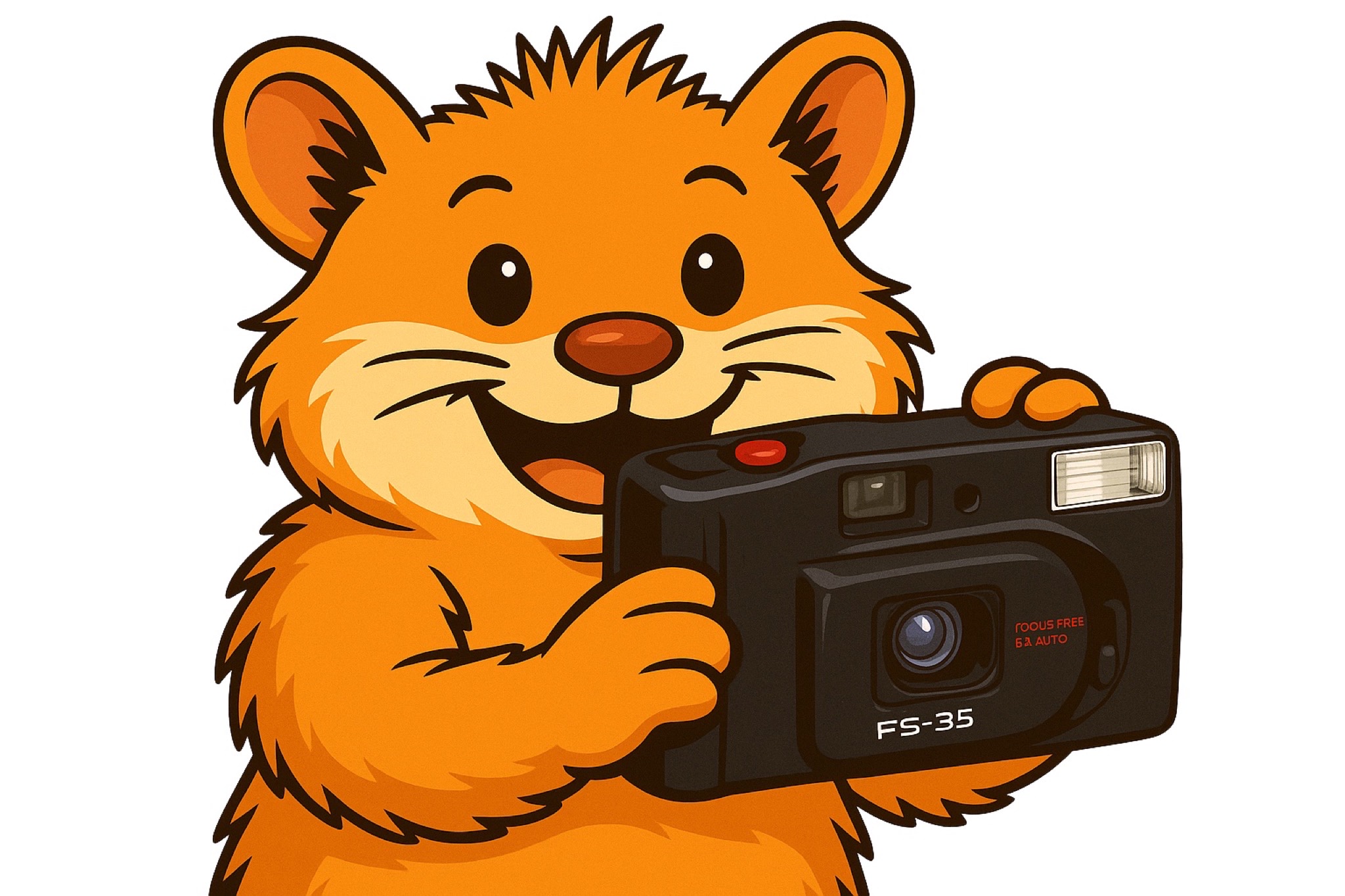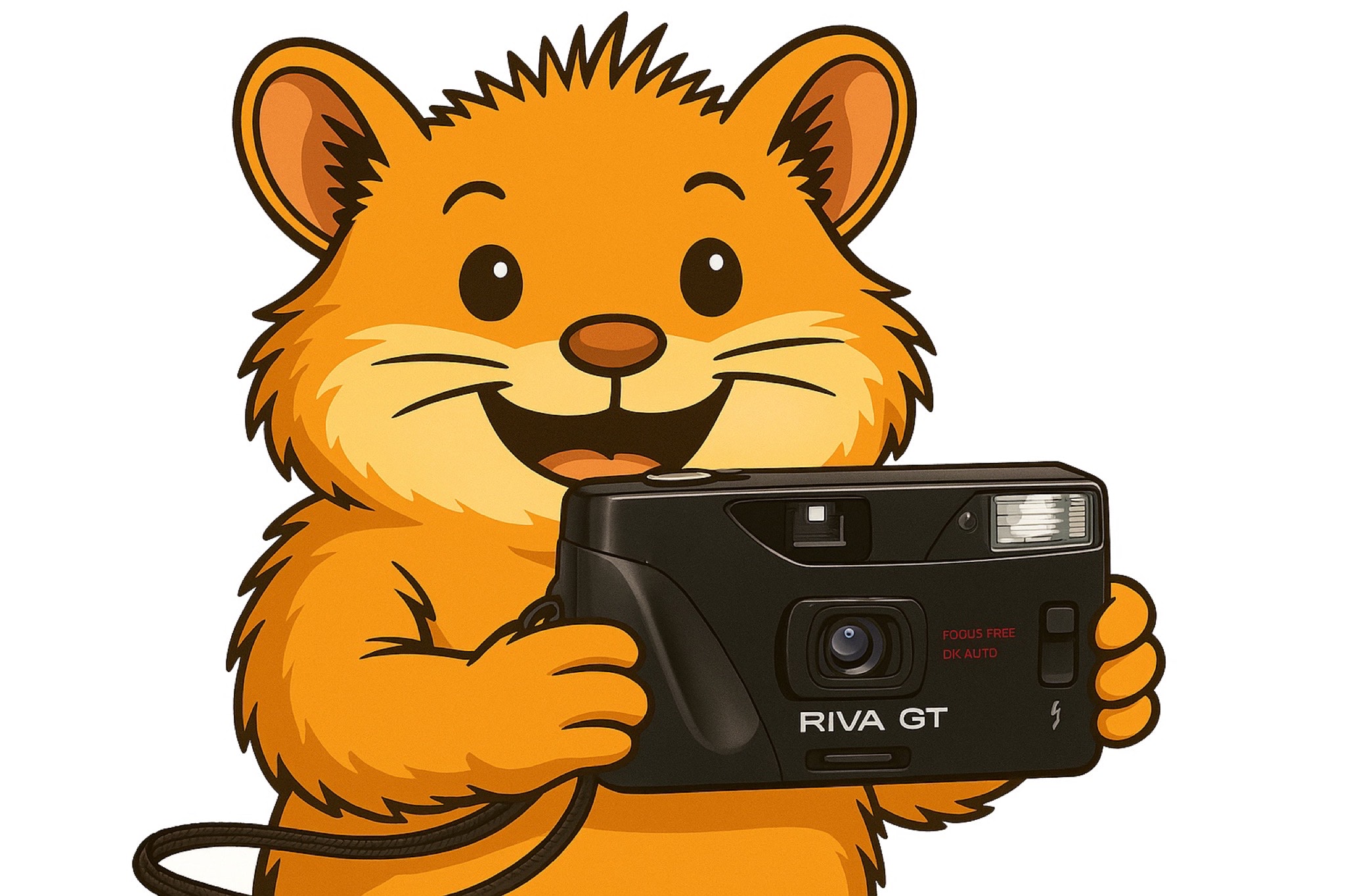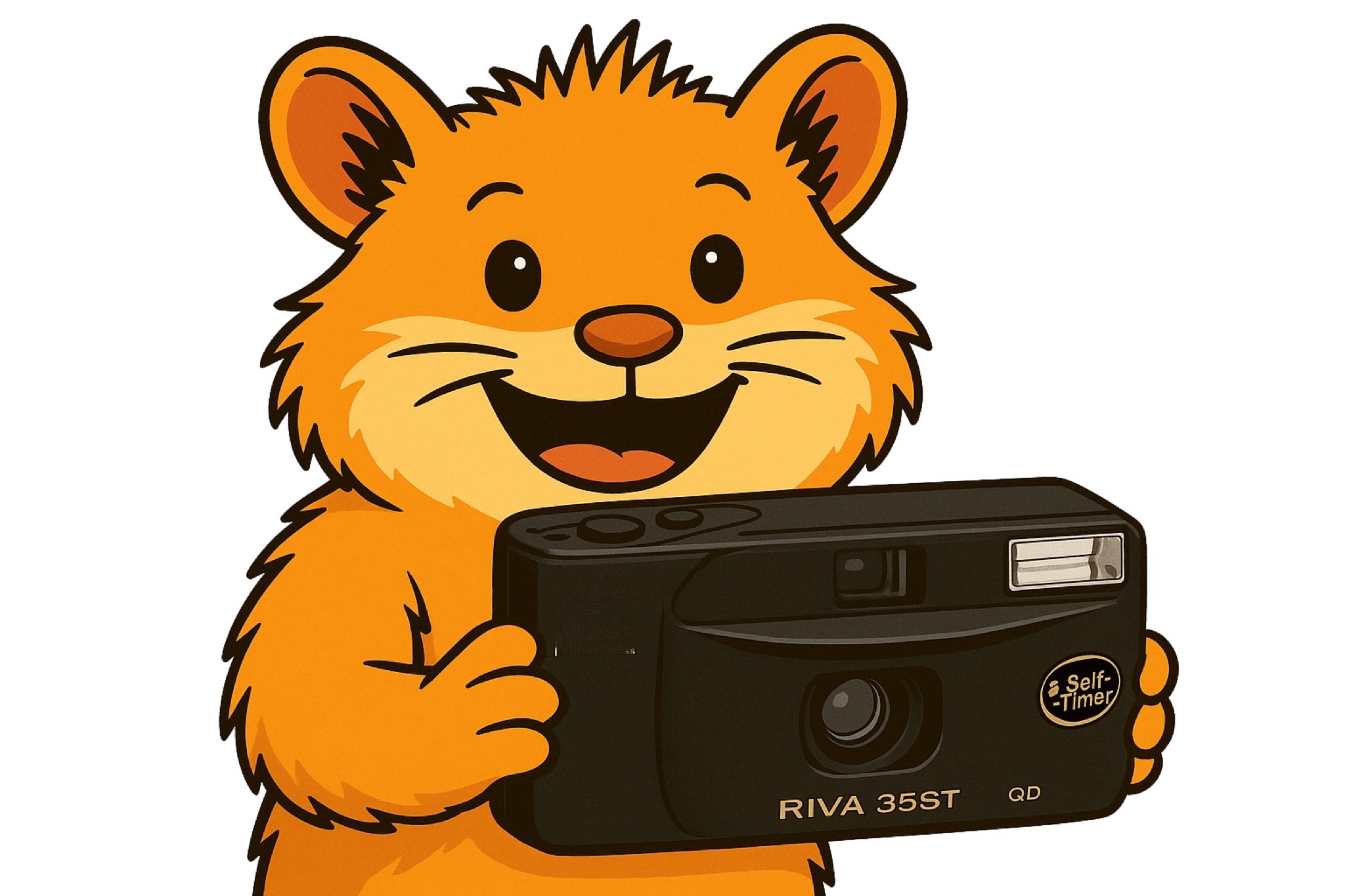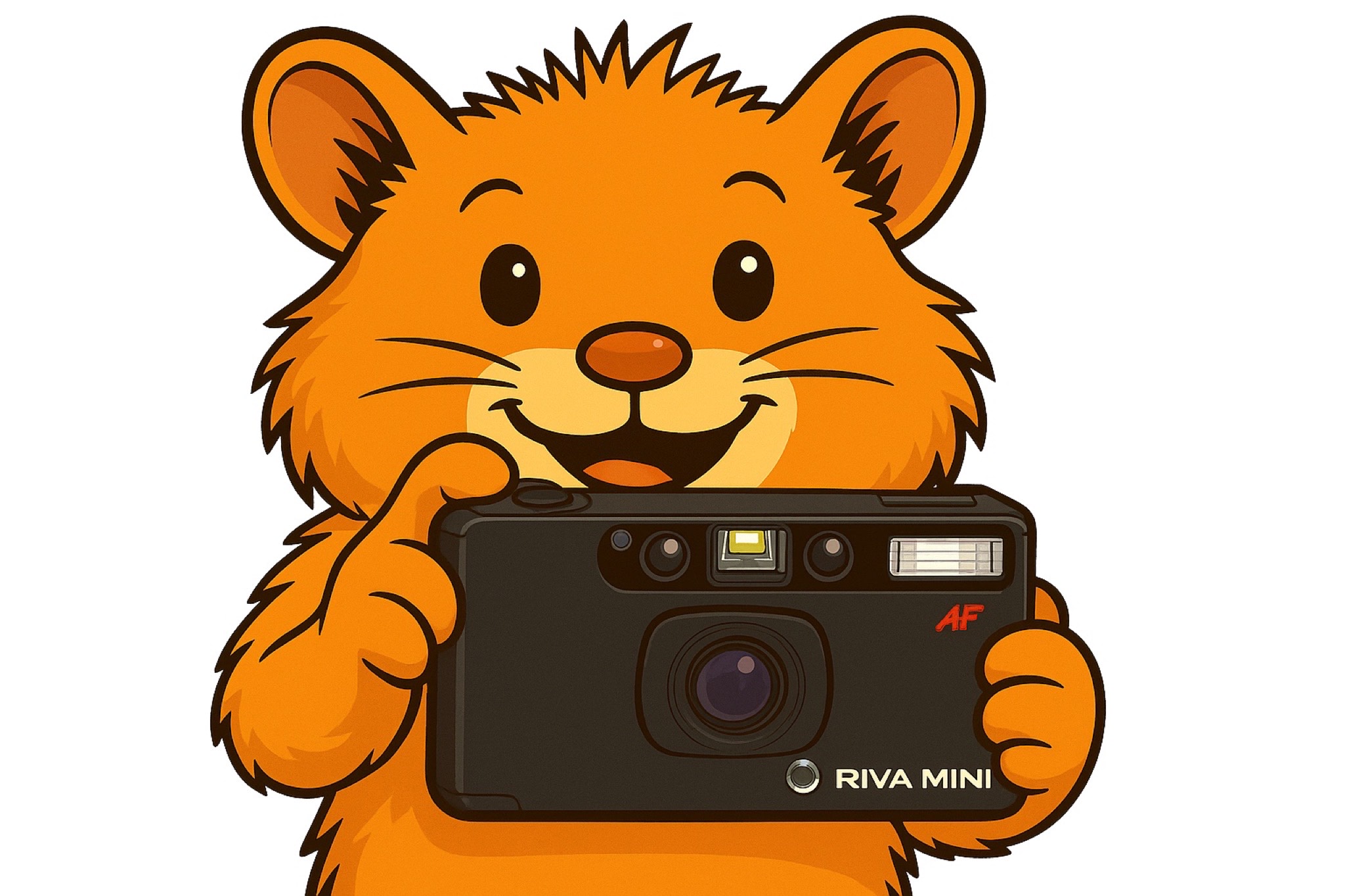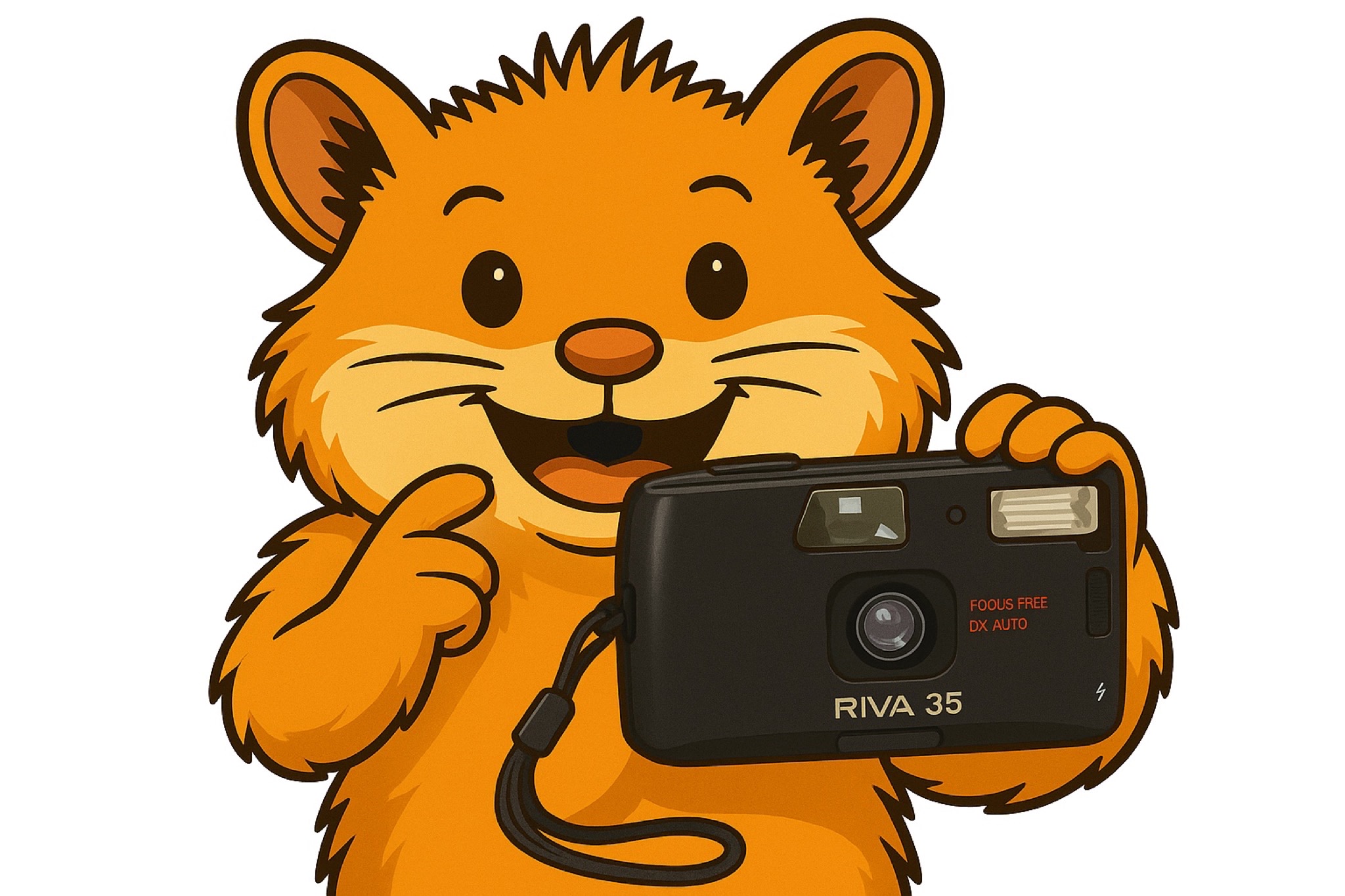
The Minolta Riva 35 is a simple 35mm camera. It was launched in the early 1990s by Minolta Camera Co., Ltd. in Japan and is the successor to the Minolta FS-35. The model is limited to basic functions and was aimed primarily at hobbyists. Under the name "Minolta Freedom 50N", the 35mm photo camera was marketed in other markets worldwide.
The novelty of the time was optical, while the technical specifications remained the same as the FS-35. Later, there was the Minolta Riva GT, which also differed only visually.
The 35 mm photo camera is equipped with a fixed lens. 35 mm is the focal length of the lens. The camera's widest aperture is f/4.5, and there is no autofocus. The lens is fixed to focus from 150 cm to infinity.
The 35mm camera has a built-in light meter. It is designed for films from ISO 100 to ISO 400. The film speed is read via the DX code; if this code is not present on the cartridge, the camera selects ISO 100. The shutter speed is always fixed at 1/125 second. The aperture is f/8.
When shooting with the built-in flash, the camera selects the maximum aperture of f/4.5. The output of the flash depends on the film speed. The range with ISO 100 film is specified as up to 4 meters. The flash does not have different flash modes. However, the flash can be deactivated in return.
According to the manual, the camera weighs 190 grams with its plastic housing. The dimensions are 12.9 x 6.8 x 4.9 cm. The camera requires two AA batteries (eBay / Amazon*). Here, of course, you can resort to rechargeable batteries. They usually last for over 1300 pictures.
A thread for a tripod is missing. The camera also does not have a self-timer.
Films for the Minolta Riva 35
According to the instruction manual, the Minolta Riva 35 is compatible with 35mm films. The camera automatically transports the film to the next frame after each shot. Also at the end, the film is automatically rewound into the cartridge. The number of pictures taken is displayed on the top of the camera.
A recommendation for this camera is the Fujifilm Superia 400* and for black and white shots the Kodak T-Max 100*. Of course, you can also use films from other manufacturers. The only important thing is that the films are in a range from ISO 100 to ISO 400.
Both films are developed with the C-41 process. This process is offered by almost every photo lab. You can submit your films for development in many drugstores in Germany, for example.