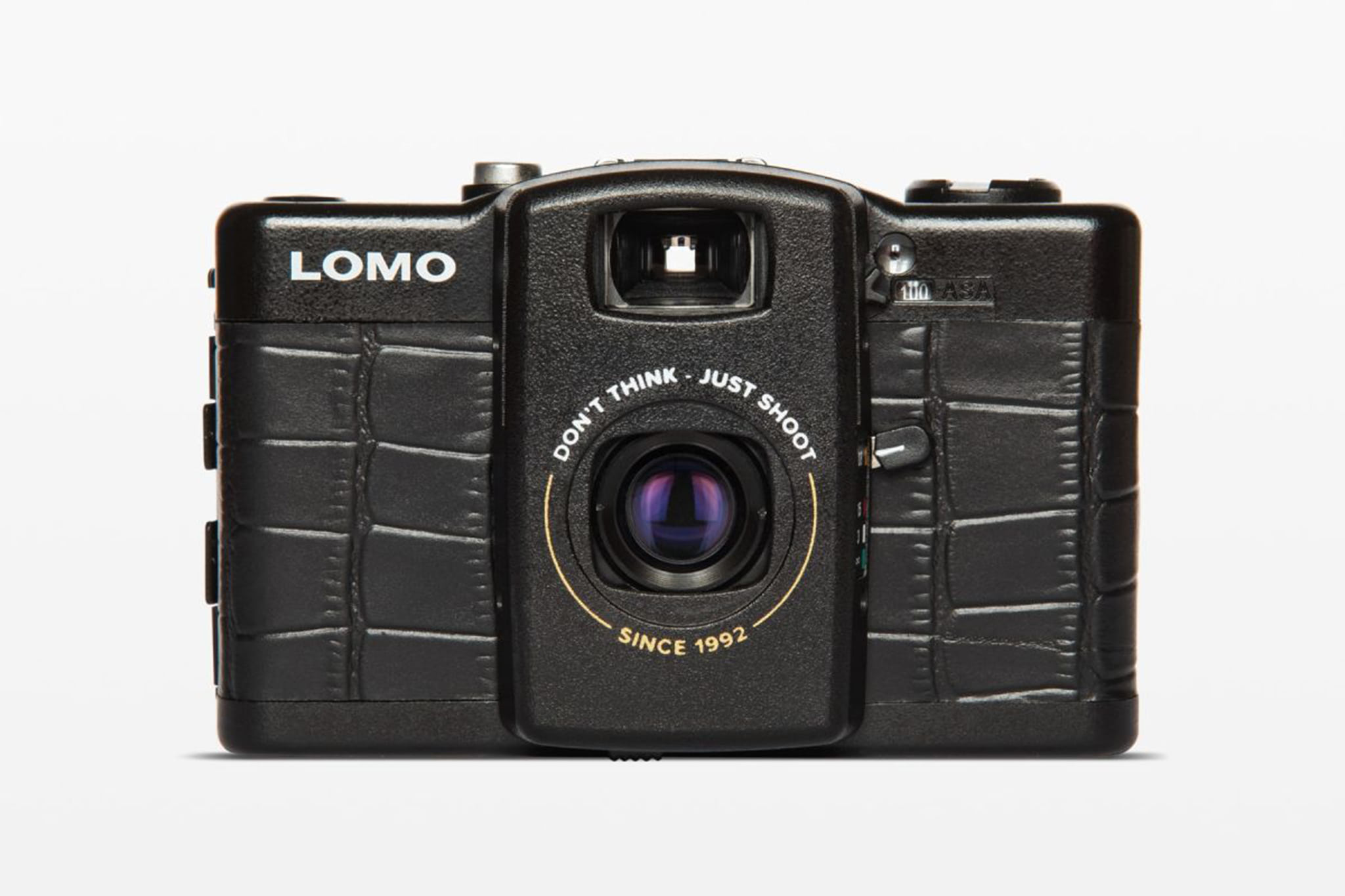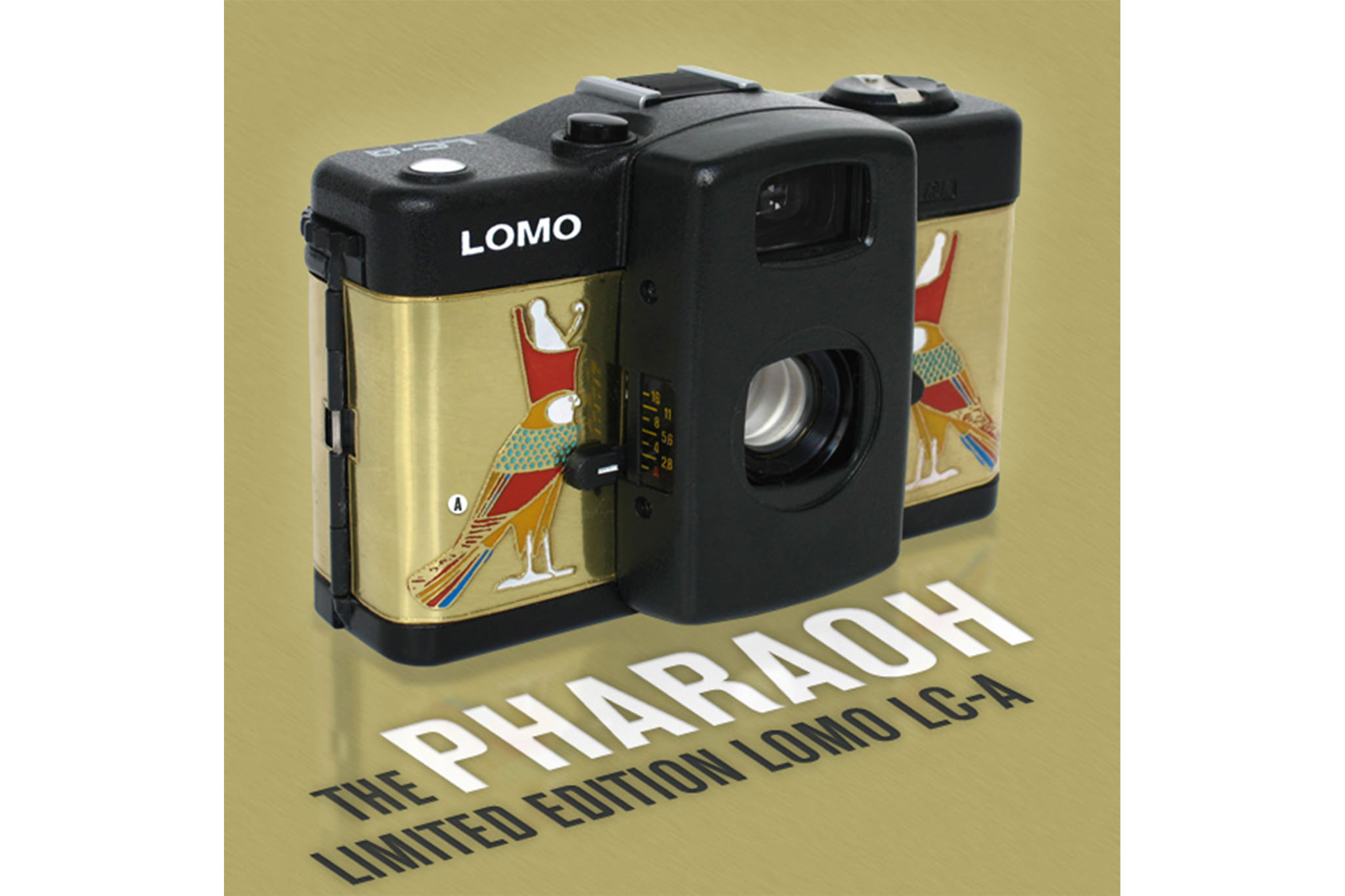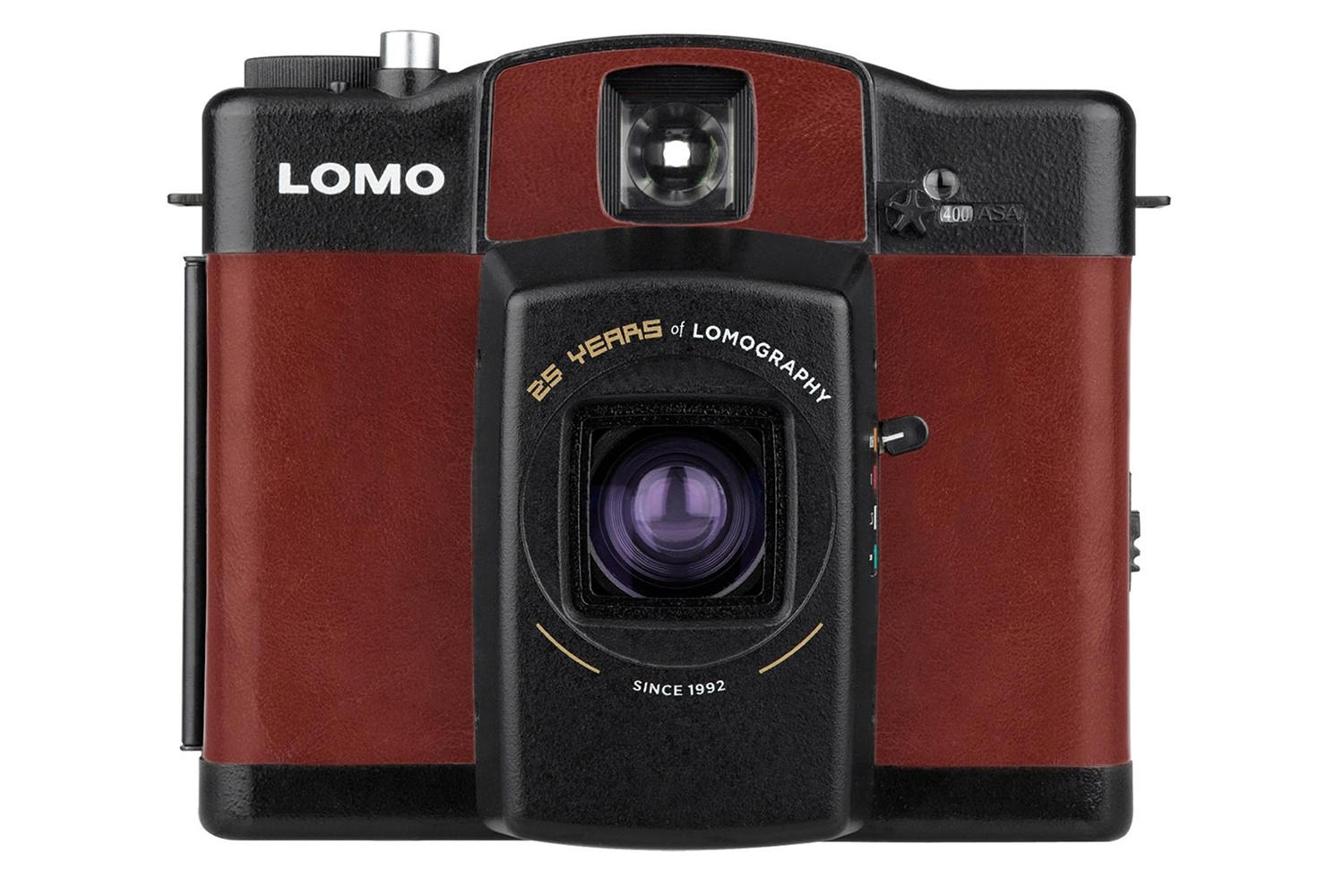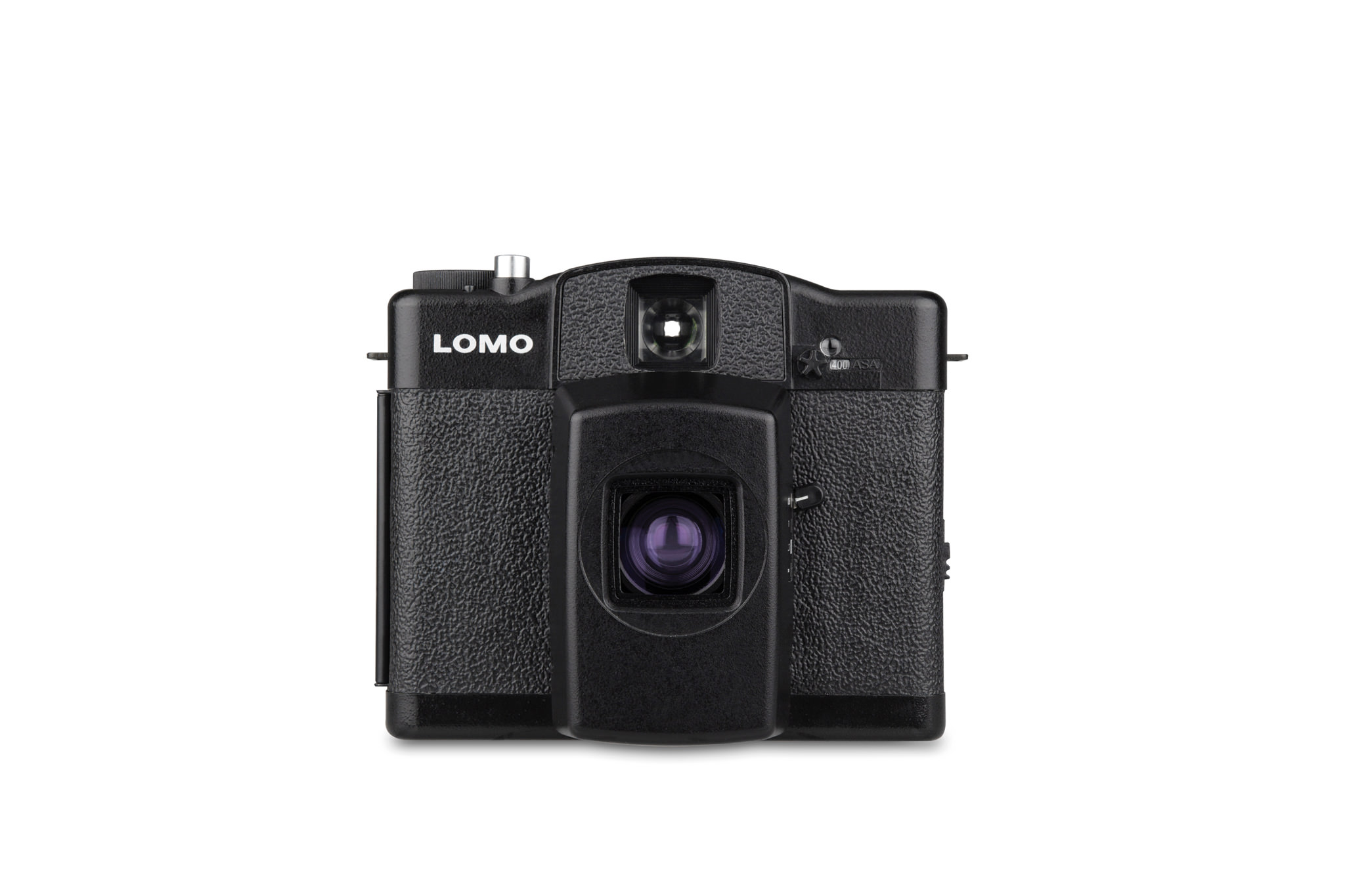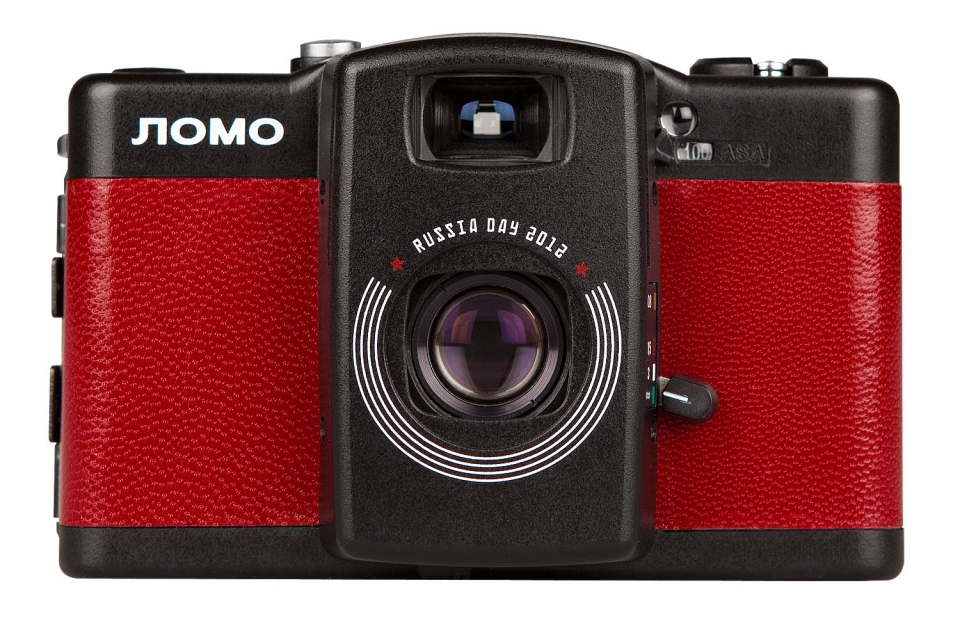
The Lomo LC-A+ Russia Day is a 35mm camera. The Russia Day is a special edition of the Lomo LC-A+. The limited edition version was introduced by Lomography in July 2011. The quantity of the Russia Day was limited to only 2000 cameras.
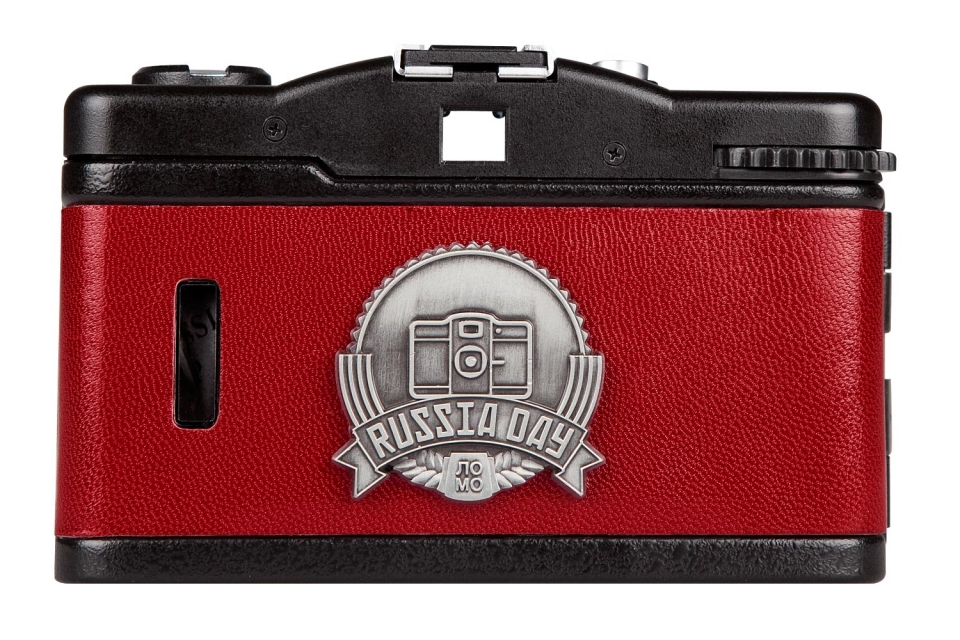
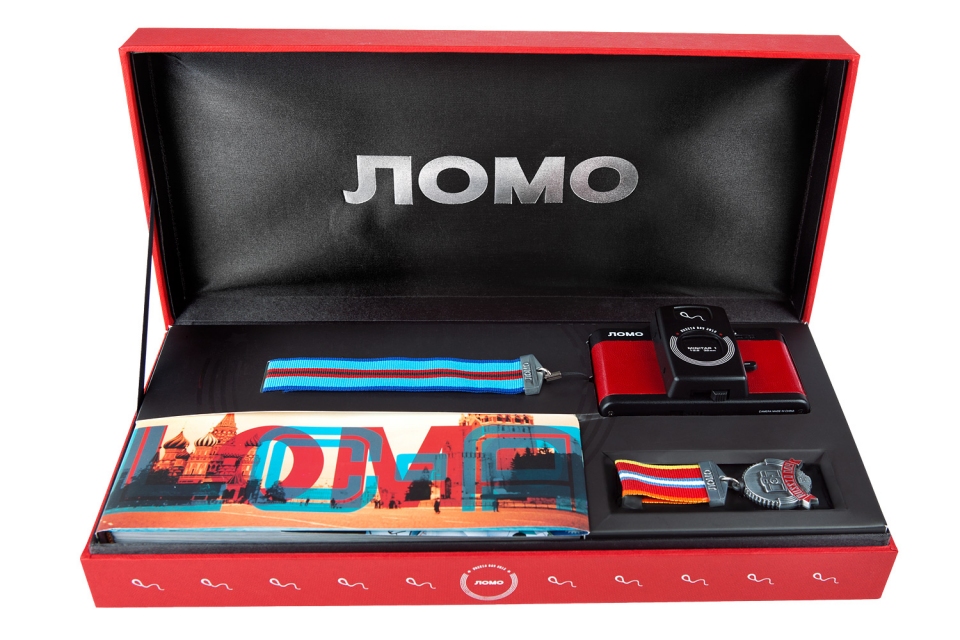
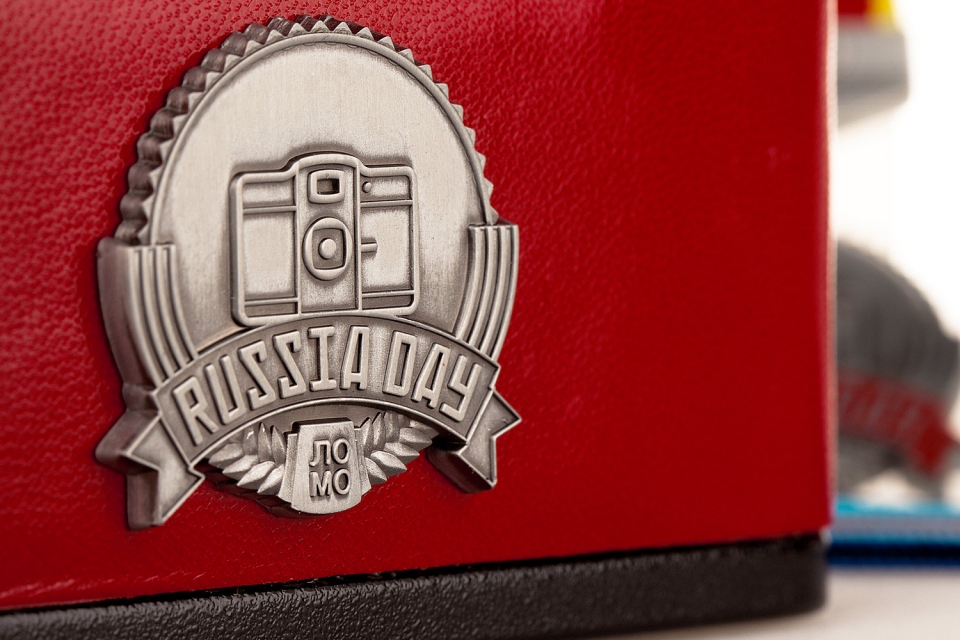
The otherwise black 35mm camera got some color in this version. So is wrapped in red goatskin. It is also adorned with fertility symbols and has a medal on the back.
It is delivered in a velvet-lined box. In addition to the camera, it also contains a special camera strap (1 of 5 different designs), a Russia Day medal on the strap (also one of five different designs) and the normal accessories of the LC-A+, cable release, batteries, instruction manual and so on.
In terms of functionality, it is identical to the normal LC-A+ edition (eBay / Amazon*).
Russia Day is a national holiday in Russia. It has been held every year on July 22 since 1992. The classic Lomo LC-A was produced in Russia.
In 2012 there were some promotions where it was brought under the people for a price of under 200 euros by Lomography.
Films for the camera
The Lomo LC-A+ is a 35mm film camera suitable for the use of 35mm film, which is still in production today and can be easily processed by most photo labs. If you're looking for color film for your shoot, the Kodak Ultramax 400* in 35mm format could be it. If you prefer black and white images instead, we recommend the Kodak T-Max 100* in 35mm format.
In addition to these recommendations, there are of course many other films that can be used with the Lomo LC-A+, including those from Fujifilm, Ilford, Rollei or Lomography.
Color film development is usually done in the C-41 process, while black and white film is processed in a black and white developer. Both development processes are offered by professional photo laboratories and can also be carried out at home. The necessary development chemistry and laboratory accessories can be conveniently purchased online.
However, developing a color film can be a bit more complex than developing a black and white film, which requires fewer steps. In some cases, developing at home can even be cheaper in the long run than using a photo lab.