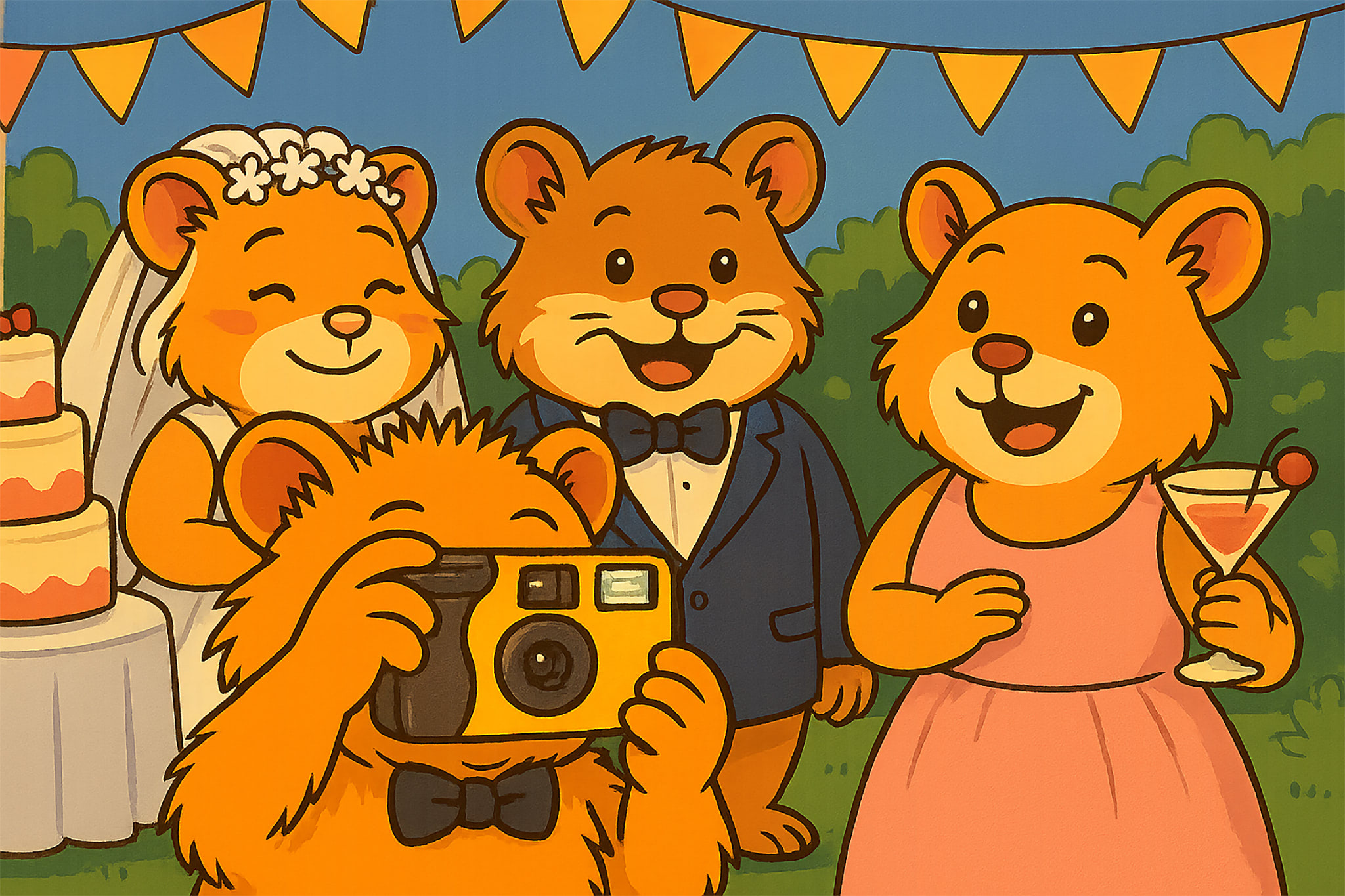
Wedding planning is a kaleidoscope of decisions: from the venue to the catering to the musical accompaniment. One detail that has gained popularity in recent years is the use of disposable cameras. They promise authentic, unfiltered snapshots from the guests' perspective and a touch of nostalgia.
But before hastily deciding on this trend, it's worth examining the various facets – from the potential benefits to the organizational effort and quality expectations. This article aims to provide a neutral guide.
The Appeal of Analog: Why Disposable Cameras?
The fascination with disposable cameras at weddings stems from several sources:
- Nostalgia and Retro Charm: Many couples and guests remember the time before smartphones and digital cameras, when disposable cameras were ubiquitous at parties and outings. Clicking with film, the characteristic sound of film advance, and the excitement of waiting for the developed photos evoke positive associations.
- Guest Interaction and Fun Factor: Placed on tables or at a central location, disposable cameras invite guests to become active themselves. They can be an entertaining icebreaker and encourage guests to interact with each other and seek creative subjects. Every guest becomes a mini-photographer of the evening.
- Unfiltered Perspectives: Professional wedding photographers do excellent work, but disposable cameras often capture moments that the pro might miss – spontaneous laughter, unobserved situations, or images from the direct perspective of the revelers. These shots are often particularly authentic and unposed.
- The Surprise Effect: Having the films developed after the wedding holds an exciting surprise element. What treasures have the guests captured? Not every picture will be a masterpiece, but the imperfection itself can have its own charm.
- A Tangible Memory: In the digital age, where photos often disappear on hard drives, developed prints offer something tactile. You can stick them in albums, distribute them to friends, or keep them as physical mementos.
Practical Considerations and Potential Challenges
Despite the charm, there are some practical aspects and possible drawbacks to consider:
- Image Quality and Handling: Disposable cameras are technically very simple. The image quality is not comparable to modern digital cameras or professional equipment. Often the pictures are slightly blurry, grainy, or have harsh shadows and red eyes due to the built-in flash. They quickly reach their limits, especially in poorly lit indoor spaces or in the dark. Not every guest is familiar with the operation (e.g., manually charging the flash), which can lead to incorrect exposures.
- Cost Factor: Even though individual cameras seem cheap, the costs can add up. You need a sufficient number of cameras (e.g., one per table or a certain number per guest), and the development costs per film come on top. Depending on the number of cameras and the chosen development method, this can amount to a significant sum.
- Logistics and Organization:
- Quantity and Placement: How many cameras are needed? Where should they be placed to be easily accessible but not intrusive?
- Instructions: It can be helpful to give guests short, friendly instructions or suggestions (e.g., "Please use flash!", "Photograph your table neighbors!", "Capture fun moments!").
- Collecting: At the end of the party, the cameras must be collected again. It should be clear who is responsible for this and where the cameras can be returned to avoid them being lost or accidentally taken by guests.
- Development: The exposed films must be taken to a lab or sent in. The waiting time for the pictures to be ready can vary.
- Waste and Expectation Management: You have to expect that not all pictures will turn out well. Blurry shots, fingers in front of the lens, underexposed photos, or pictures of irrelevant subjects (e.g., half-empty plates) are not uncommon. It is important to have realistic expectations of the results.
- Environmental Aspect: Disposable cameras are mostly made of plastic and, as the name suggests, designed for single use. This creates waste. If you value sustainability, you should consider this aspect. There are recycling programs for some components, but the ecological footprint remains.
Tips for Successful Use of Disposable Cameras
If you decide to use disposable cameras, the following tips can help you make the most of them:
- Clear Communication: Small, attractively designed cards with brief instructions and perhaps a few photo ideas ("scavenger hunt" lists for subjects) can motivate guests and improve the quality of the pictures.
- Sufficient Light: Encourage guests to consistently use the flash, especially indoors. Perhaps place the cameras where lighting conditions are more favorable.
- Central Collection Point: Set up a clearly visible and perhaps creatively designed box or basket where guests can deposit the cameras at the end of the evening.
- Not a Replacement, but a Supplement: Do not view disposable cameras as a replacement for a professional wedding photographer, but as a fun addition that creates a different kind of memories.
- Check Development Options: Research labs that develop film and their prices in advance. Sometimes there are volume discounts.
- Patience with Development: It may take a few days or weeks for the pictures to be ready. Plan for this waiting time.
Conclusion: A Matter of Personal Taste and Priorities
Disposable cameras at a wedding can be a wonderful way to capture authentic, spontaneous, and often humorous moments from the guests' perspective. They bring nostalgic charm and an interactive fun factor to the celebration. At the same time, they require some planning, involve costs, and do not deliver the perfection of professional shots.
Ultimately, the decision for or against disposable cameras is very personal. Couples who love the imperfect, analog look, appreciate the fun factor for their guests, and are willing to undertake the organizational and financial effort can create unique mementos. Those who expect flawless images or have a tight budget may find a more suitable alternative in other interactive photo options (such as a photo booth or a wedding hashtag for social media).
It is important to weigh the pros and cons and make a decision that fits the style of the wedding and the wishes of the couple. Either way, it's about capturing the many unforgettable moments of this special day in one way or another.