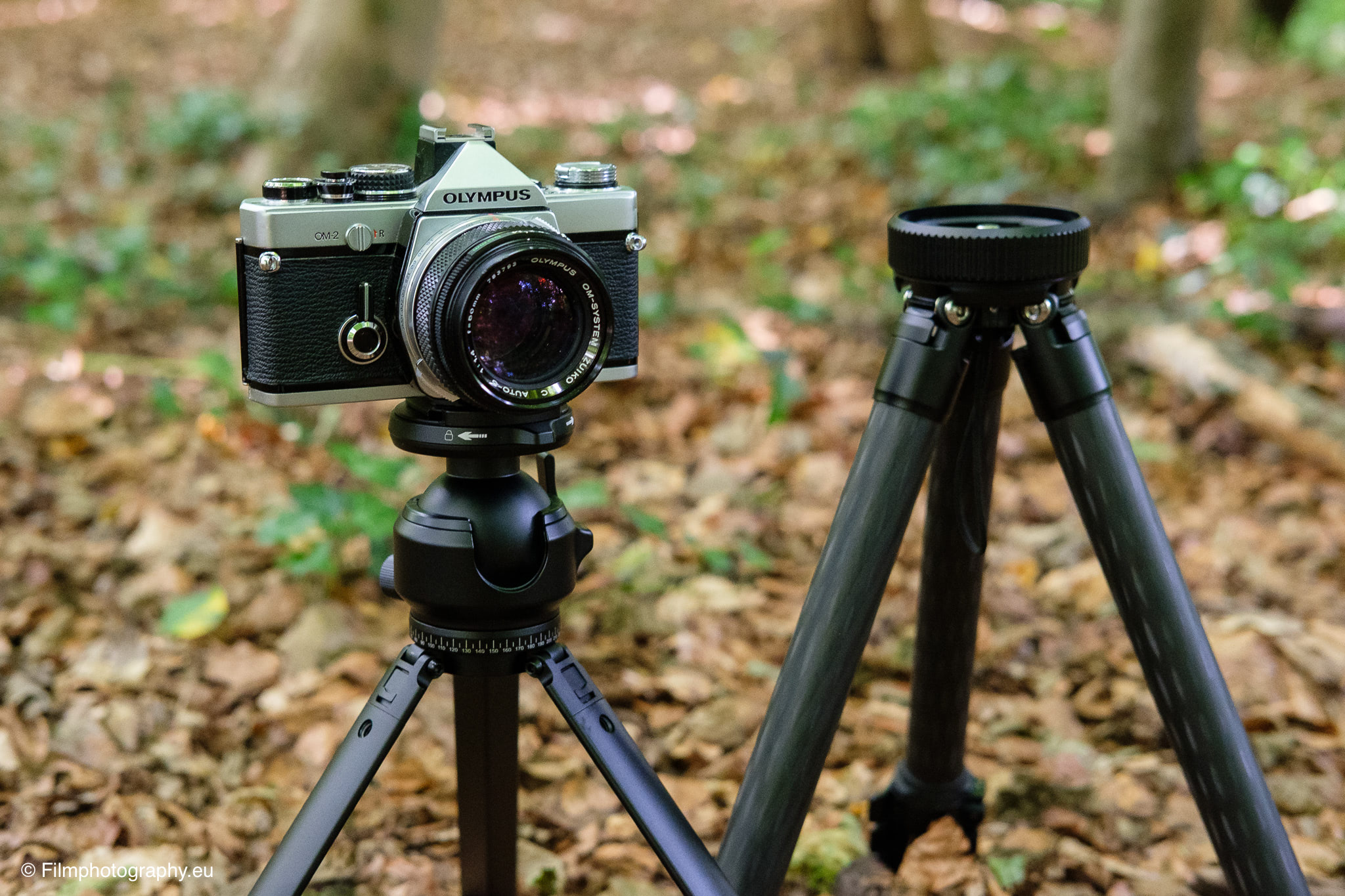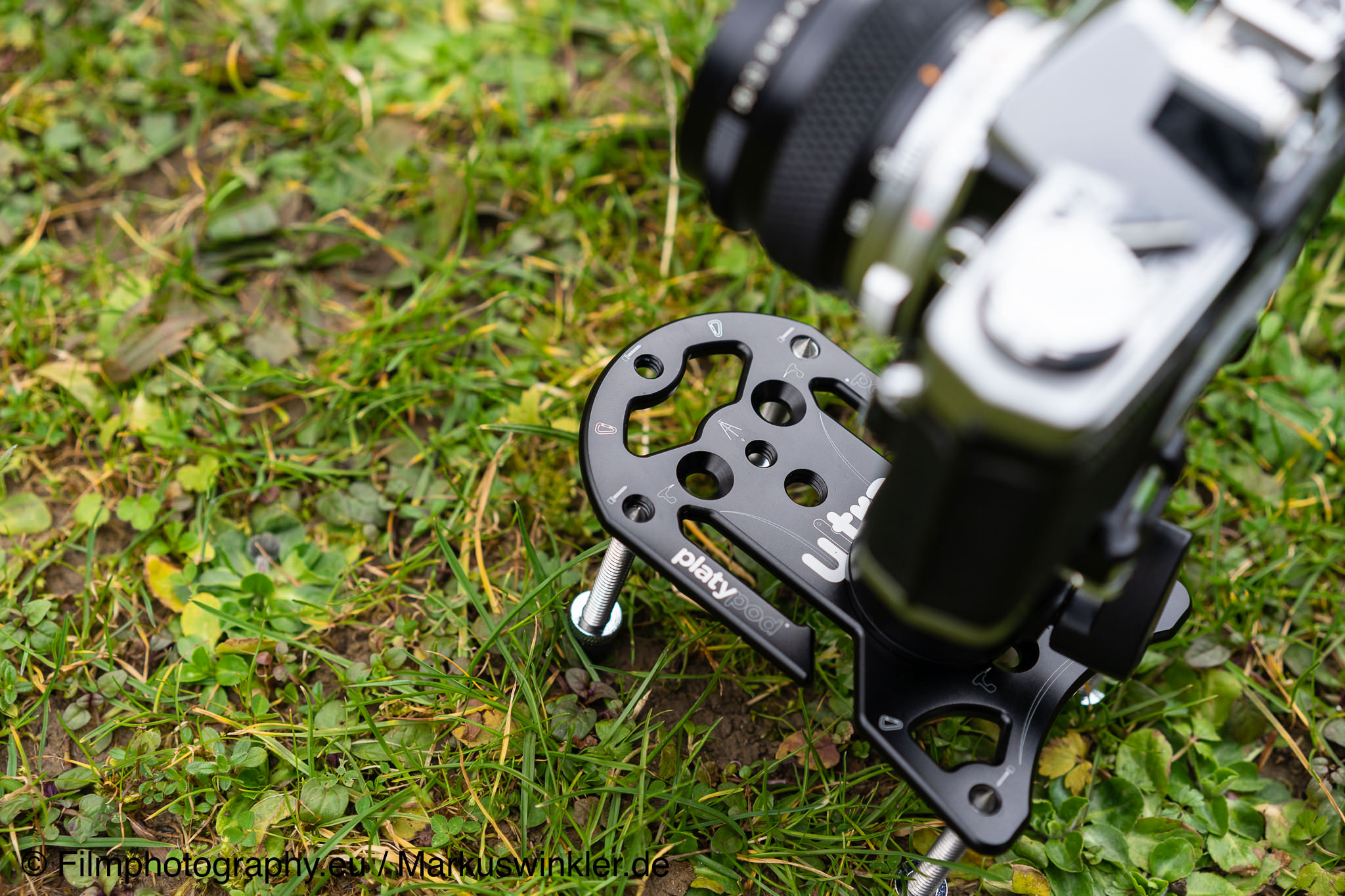
For every fourth camera, there is probably a tripod model. Whether small, large, heavy, light, with three legs or just one leg, for standing, clamping, or with a suction cup, flexible, made of metal, wood, or plastic. There is a mounting option for every application. A tripod that clearly stands out from the crowd are the models from Platypod.
If you don't know that it's a tripod, you'll first wonder what you can do with the accessory. Currently, Platypod offers the Platypod Ultra and the Platypod Max, which are very similar; more on the differences later.
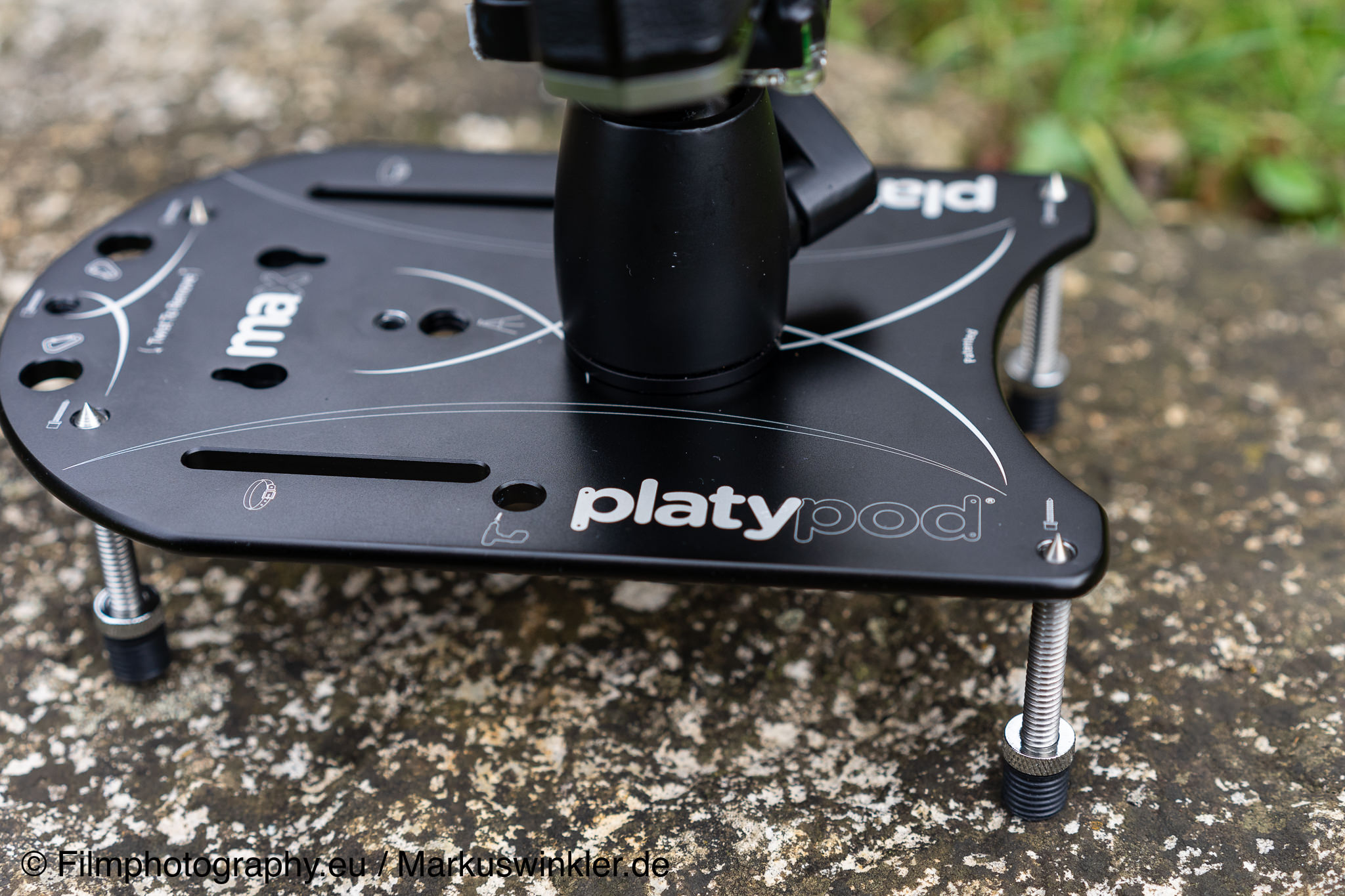
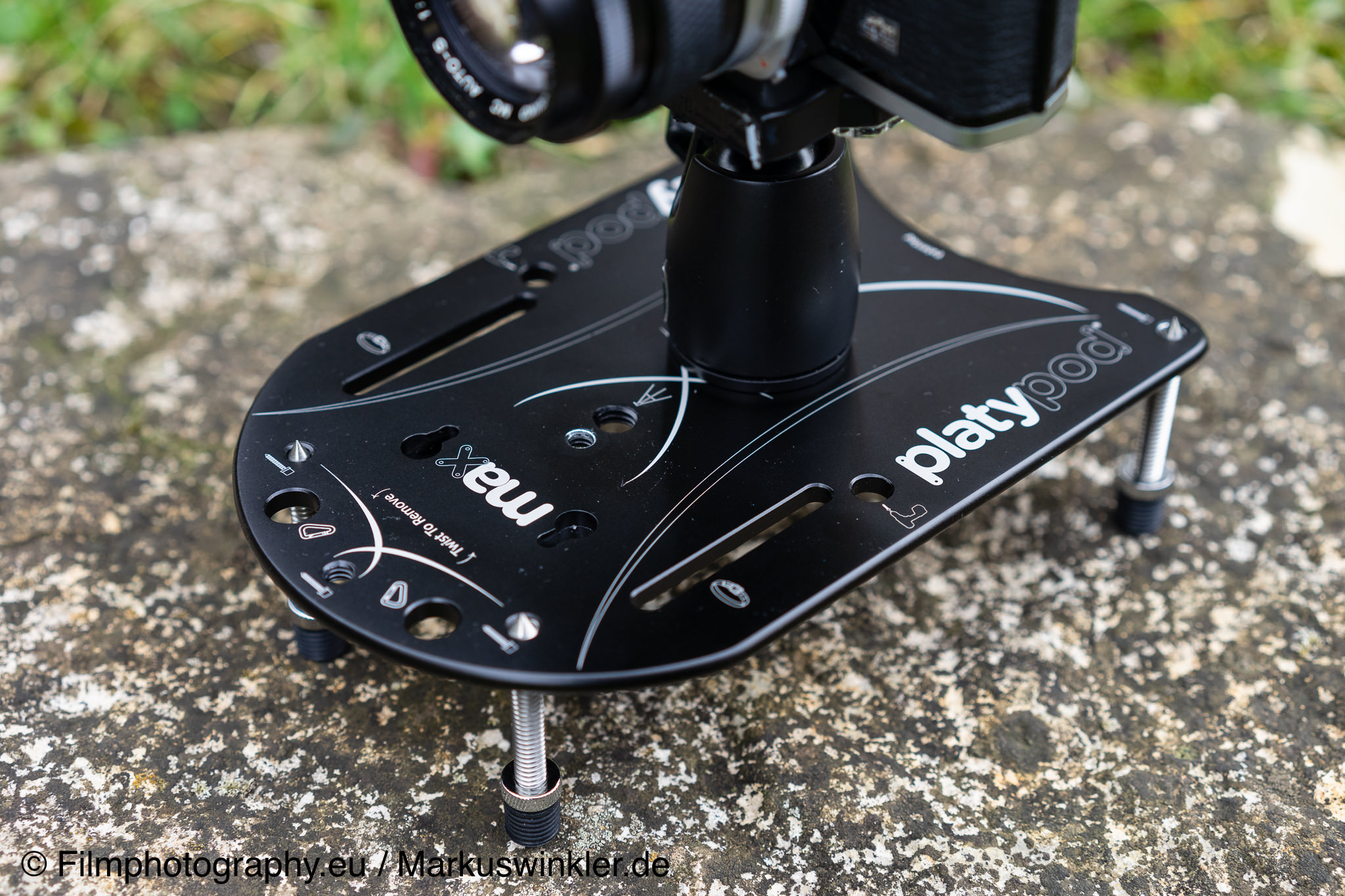
First of all, it is a very robust metal plate, shaped somewhat like a kickboard. The plate has various openings and holes, and a screw in the middle. You screw your tripod head with the camera onto it. This stable base allows you to safely place the camera on any flat surface. Due to the small area the plate occupies, you can place your camera in places where even a compact tripod wouldn't fit.
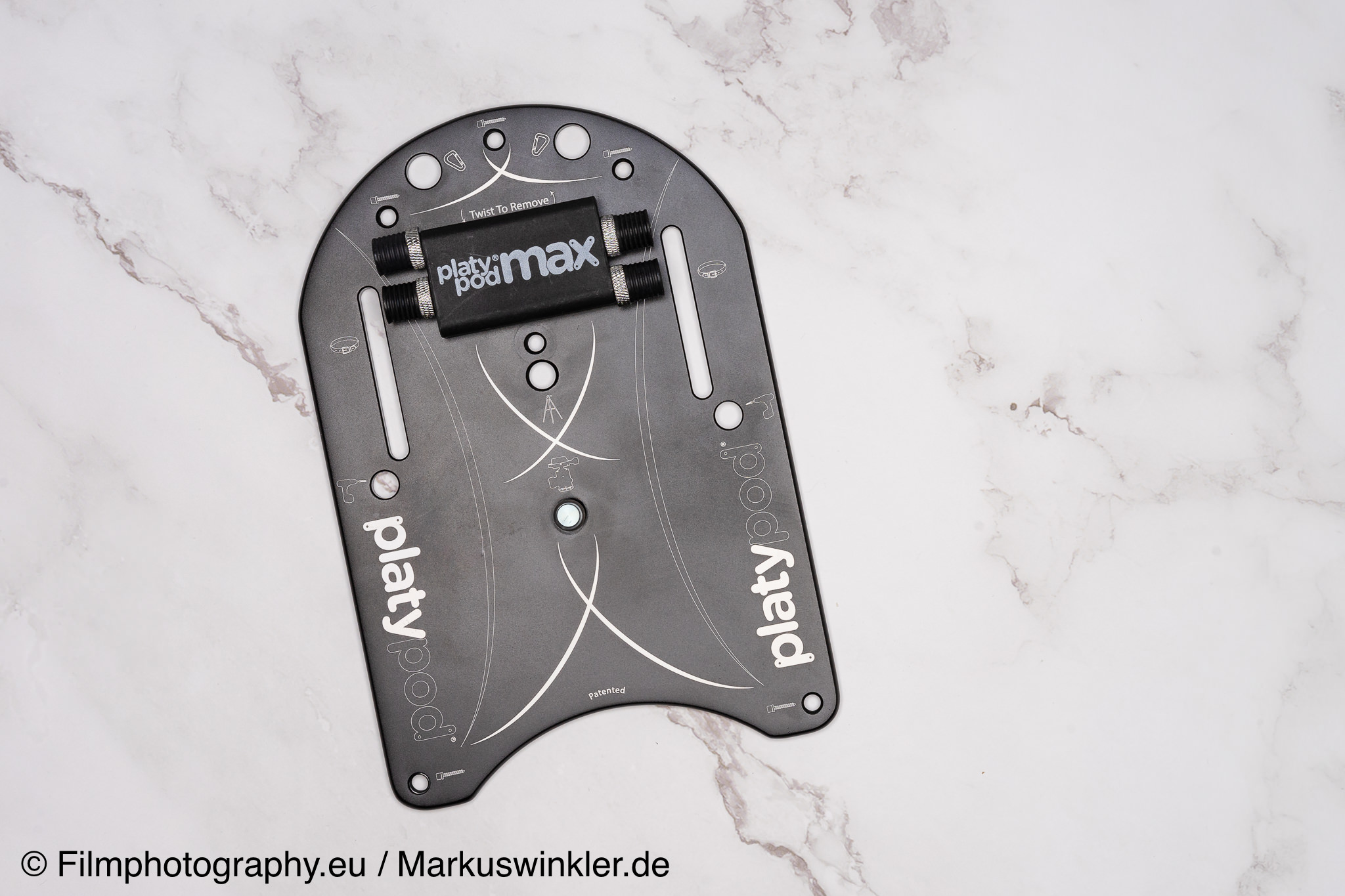
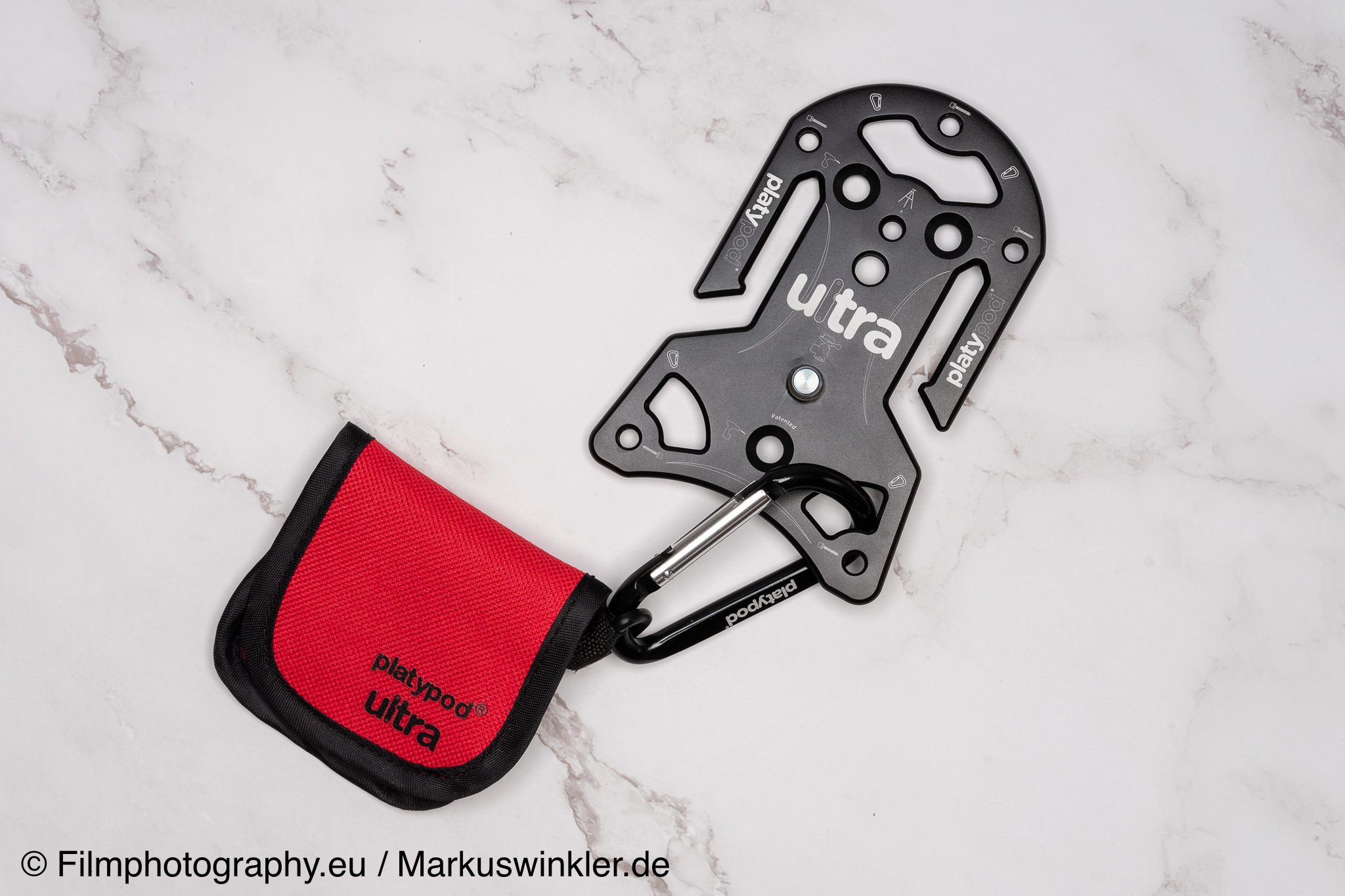
Additionally, four screws are included in the package. They are pointed at one end and have rubber caps at the other end. They are screwed into the four threaded holes at the corners. This allows either leveling on uneven ground or providing even more stability when the screws are driven into the ground (e.g., on a lawn).
Two holes are intended for fastening with regular screws, for example on a wall or a tree. Since the aluminum plate is rust-proof, one could, for instance, mount a pinhole camera outdoors for an extended period; the camera should of course also be weatherproof. There are no limits to creativity.
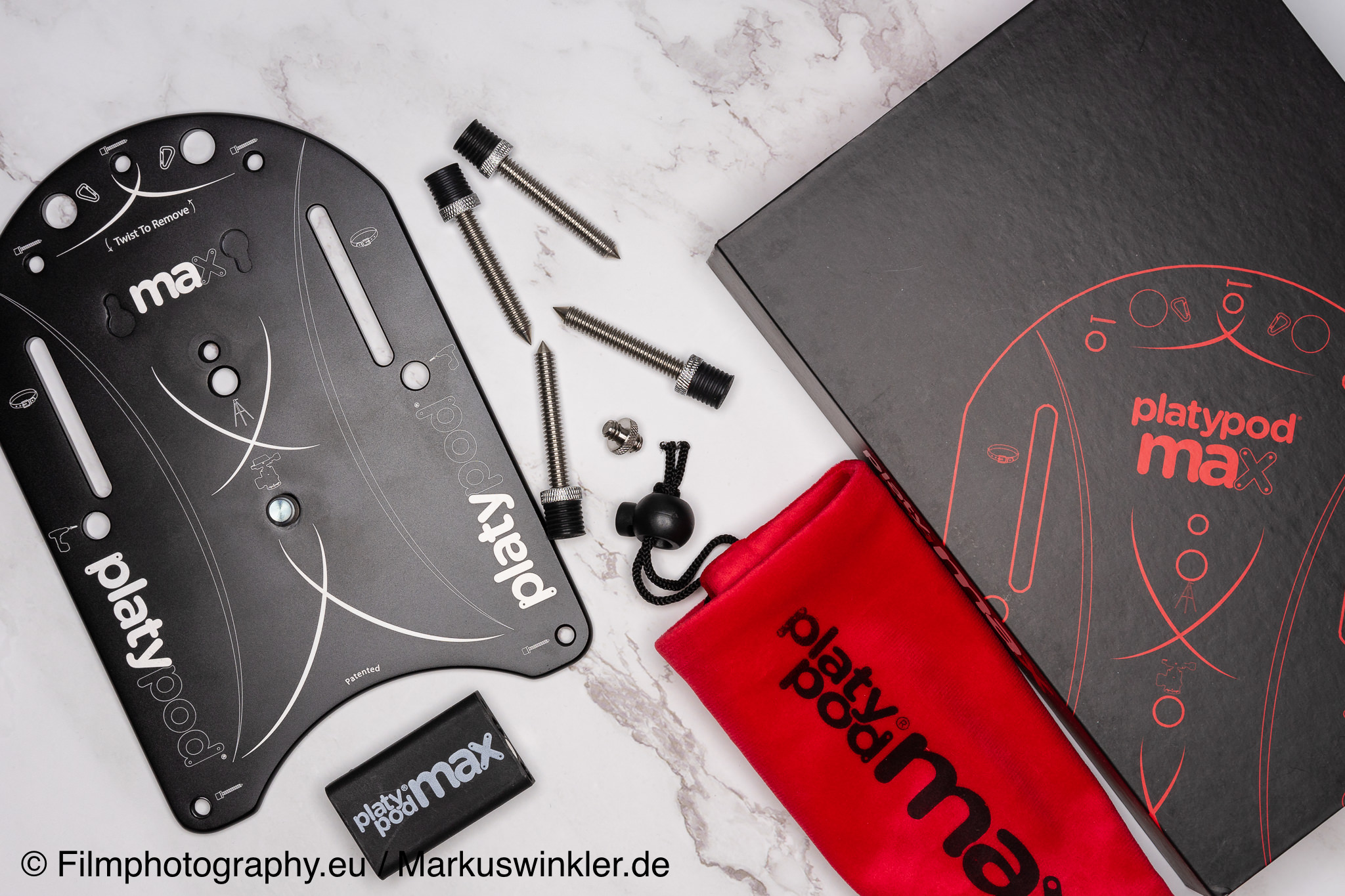
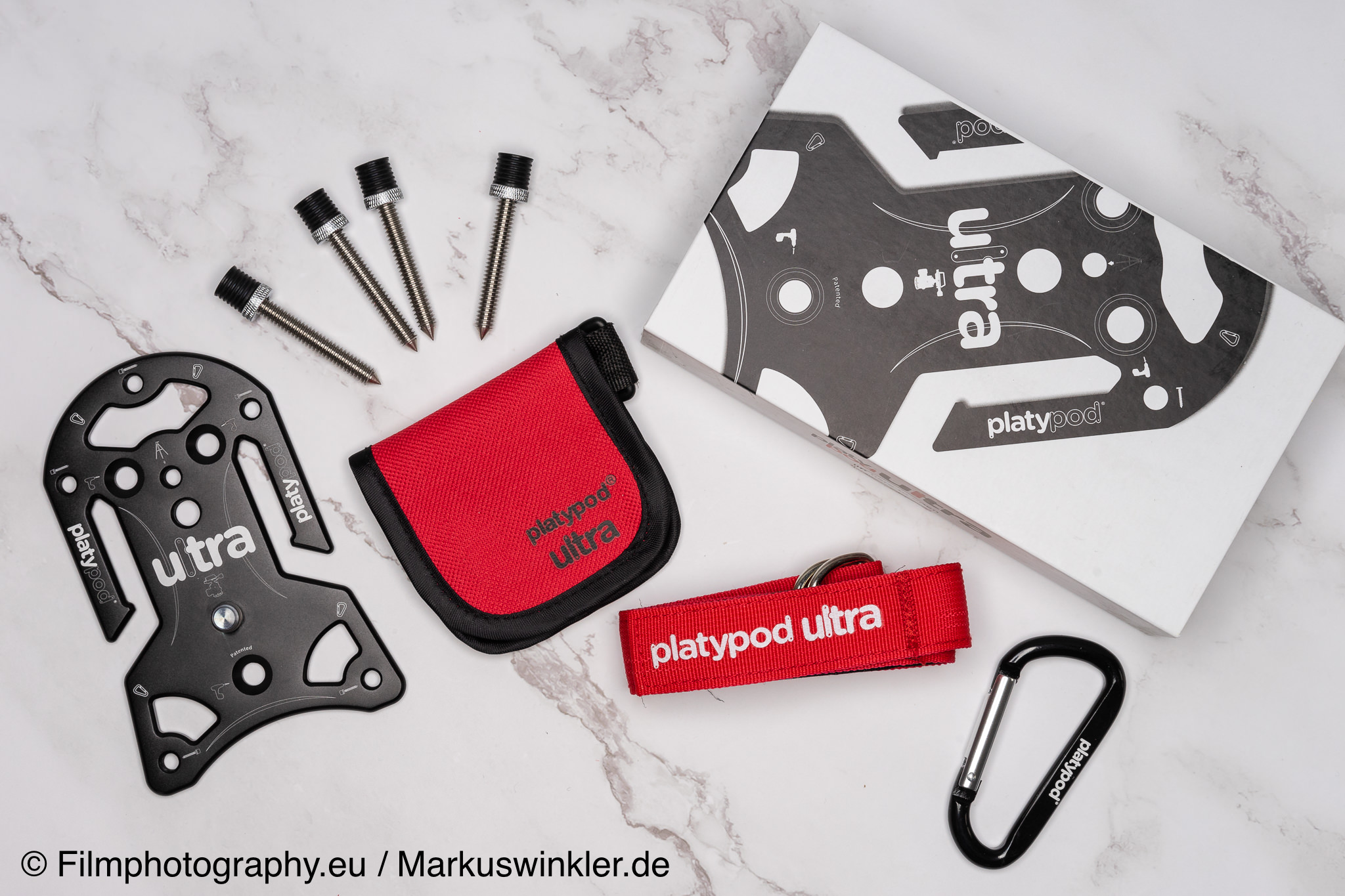
Currently, Platypod offers two models, Max and Ultra. The two models differ primarily in size. The Max measures 133 x 197 x 5 mm, weighs 416 grams, and has a load capacity of up to 135 kg. The Ultra measures 85.3 x 129 x 4.3 mm, weighs 91 grams, and has a load capacity of up to 45 kg. The package contents also differ slightly. The Max comes with four screws, a screw box (which can be attached directly to the plate), a thread adapter with double 1/4-inch external threads, and a bag. The Ultra also comes with four screws, but these come in a case, a carabiner to attach the tripod to the outside of a bag, and a tension strap.
The tension strap allows attachment to, for example, a branch or railing. Both plates have cutouts for this, and the strap can also be purchased separately.
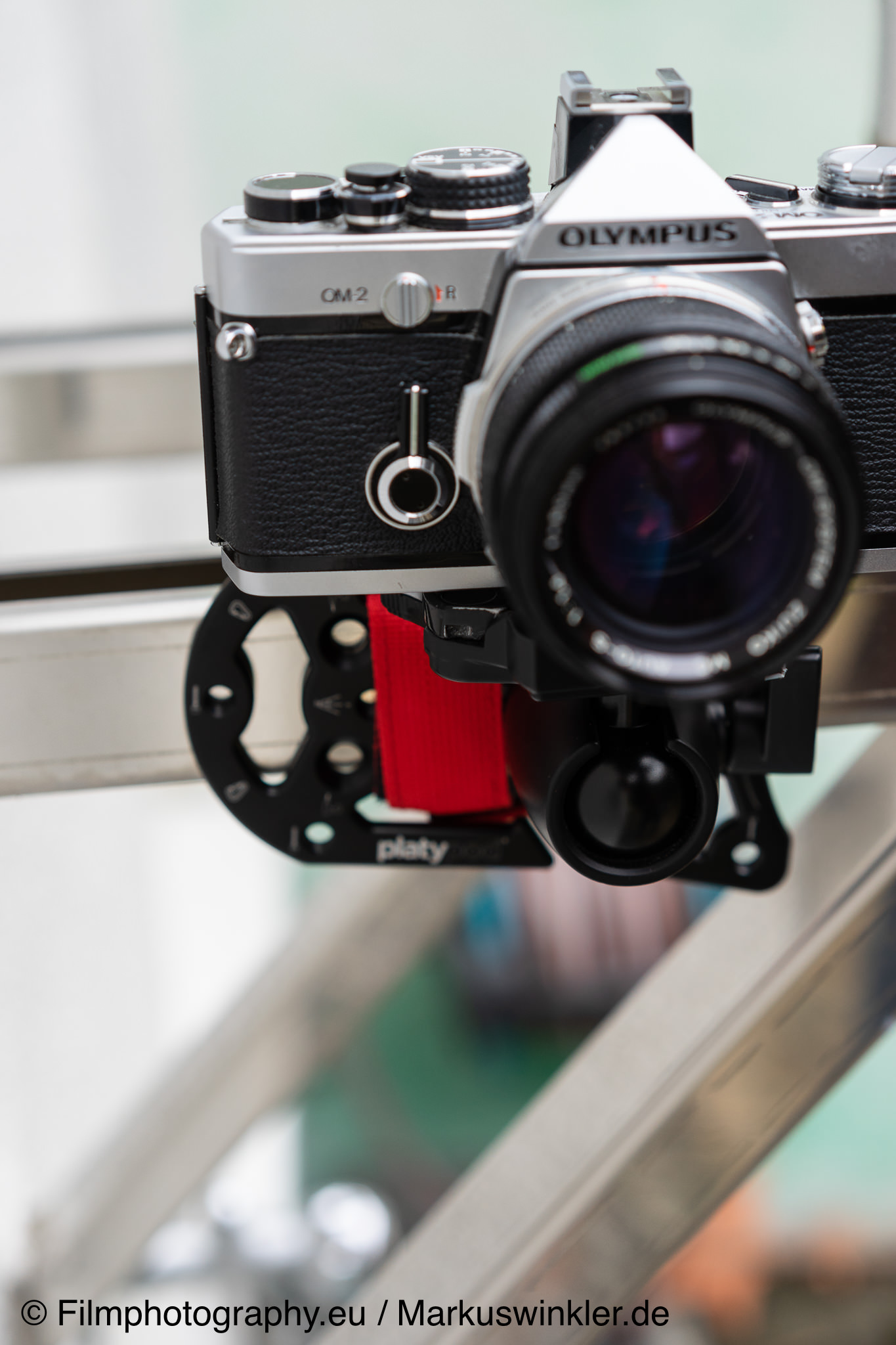
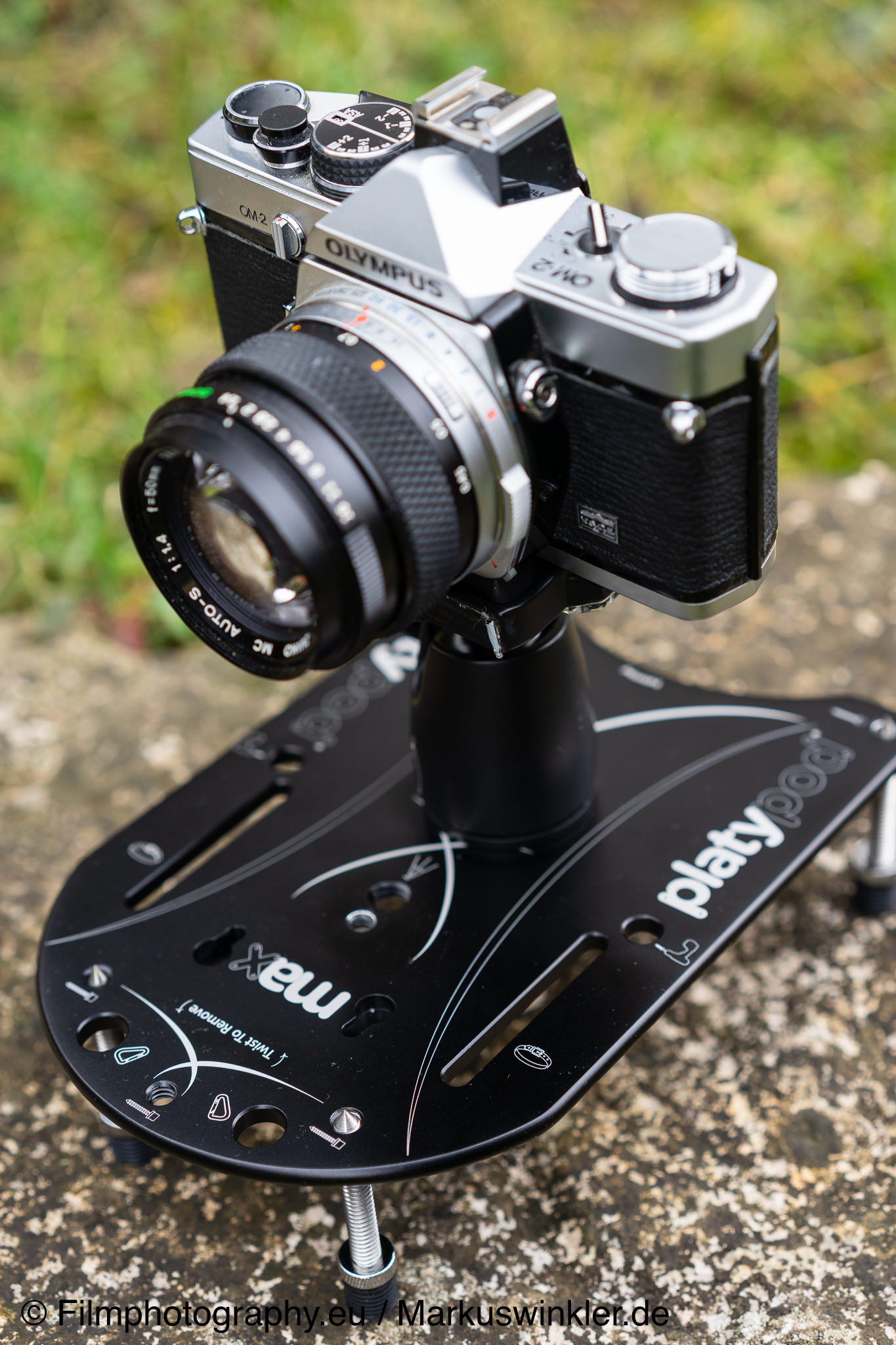
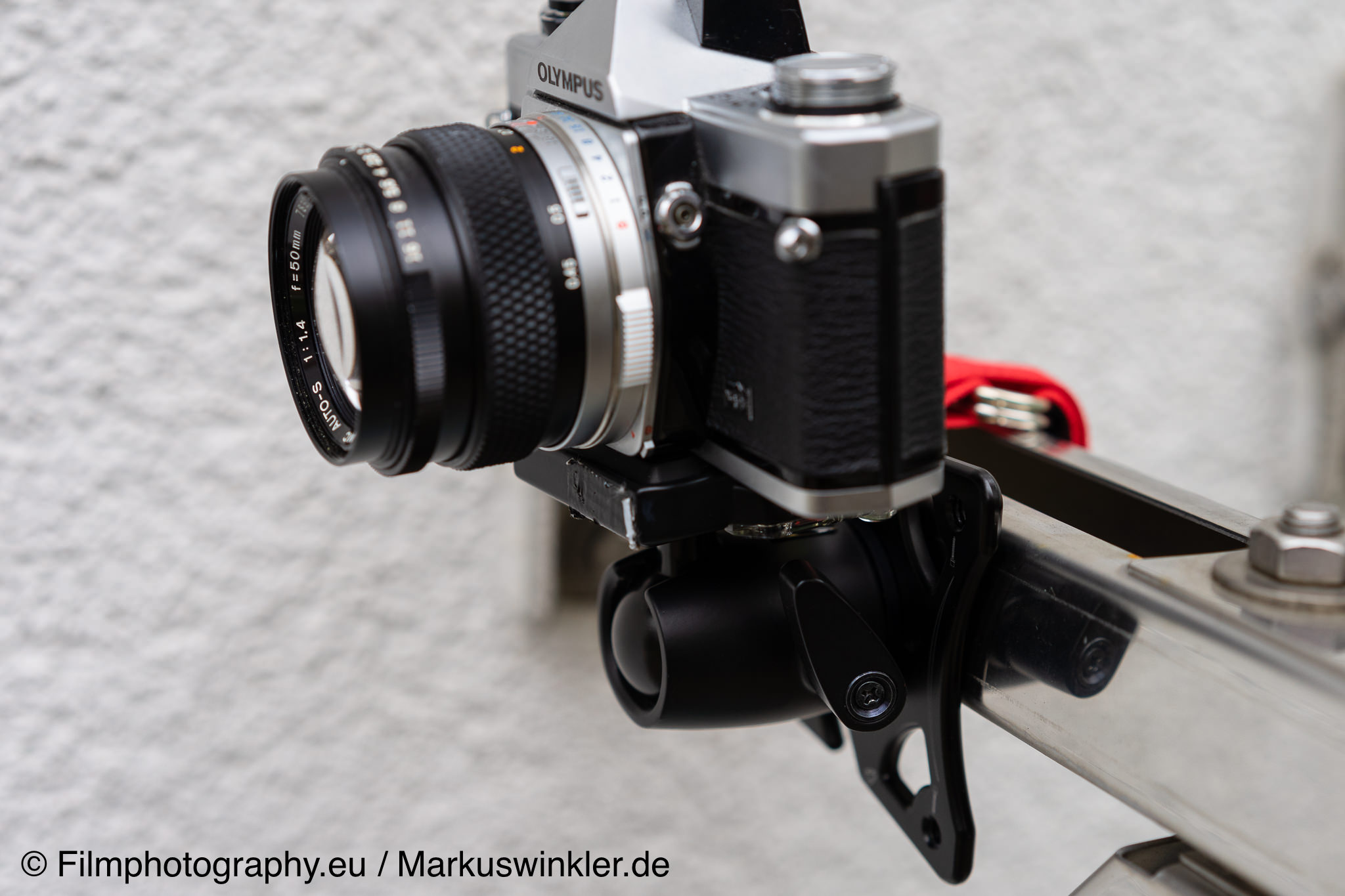
Both Platypods are high-quality and will likely last a lifetime. Which model is right for you depends on the camera you use. A lightweight SLR or compact camera can be easily mounted on the Ultra. You should go for the Max if you want to take pictures with, for example, a Hasselblad or medium format camera.
The storage of the screws is very practical on the Ultra; the additional case on the Ultra is a bit cumbersome. Speaking of screws, I'm not very enthusiastic about them being pointed. While it is occasionally practical, they are very sharp and therefore somewhat dangerous. If you use the screws with the rubber ends and then want to adjust something on the tripod head, you can quickly grab one of the points.
The Platypods naturally do not replace a three-legged tripod, and the makers don't intend them to. The plates make sense for me if you take a lot of photos from unusual perspectives where using a normal tripod is impossible, or when traveling. Especially for the former, there aren't many alternatives. For travel tripods, there is a bit more selection, but finding such a compact mounting option for your camera is somewhat harder. The Ultra in particular will surely find a spot in any bag.
Both products were kindly provided by Enjoy your Camera. The Max and the Ultra are also available there.