Instant photography remains a firm part of analog photo culture even in the age of smartphones. With the Fujifilm Instax Mini 13, the Japanese manufacturer brings the current model of its well-known entry-level series to the market. In this review, we take a look at how the compact instant camera performs and for whom the purchase is worthwhile.
Technical Specifications and How the Instant Camera Works
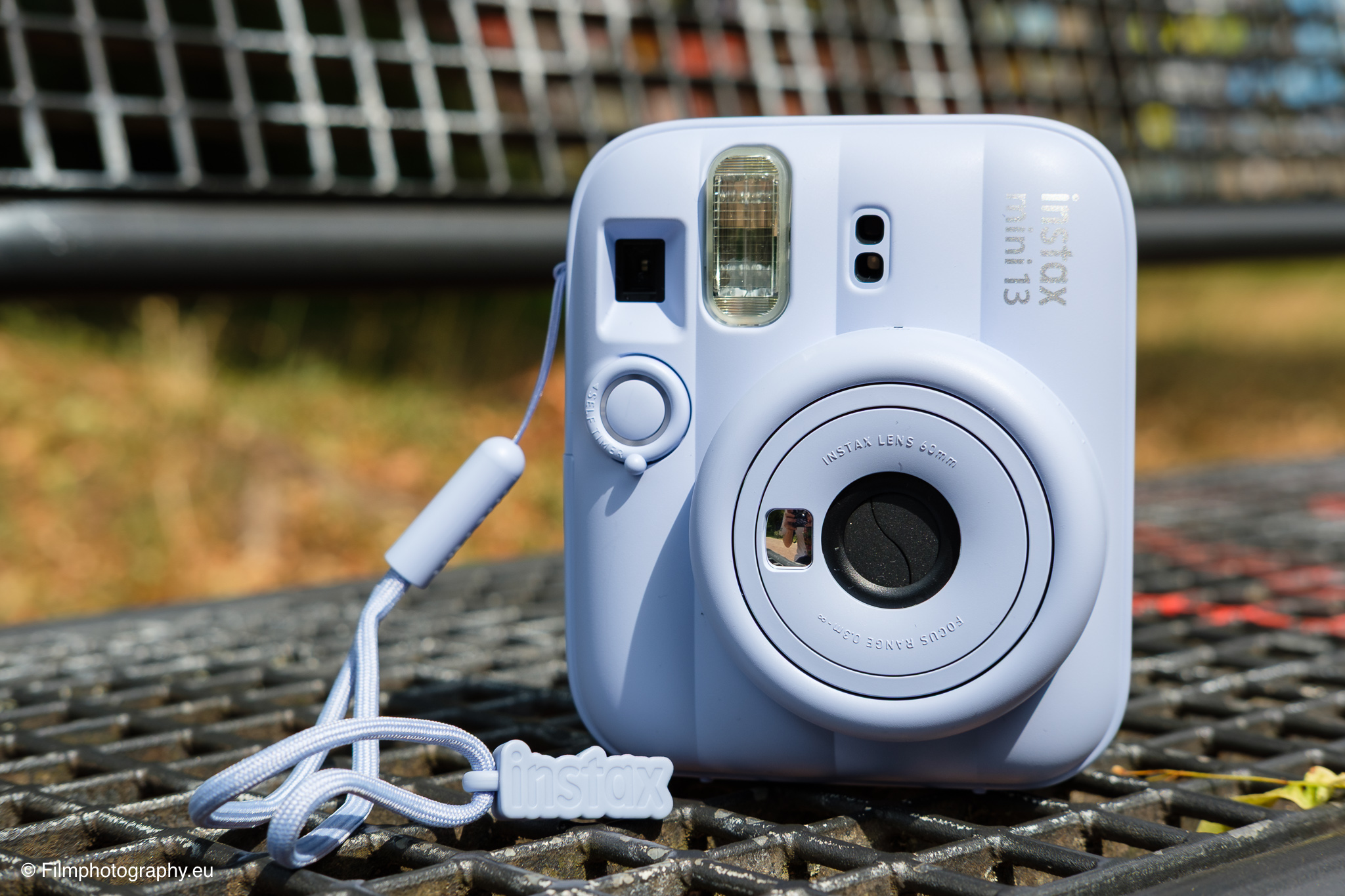
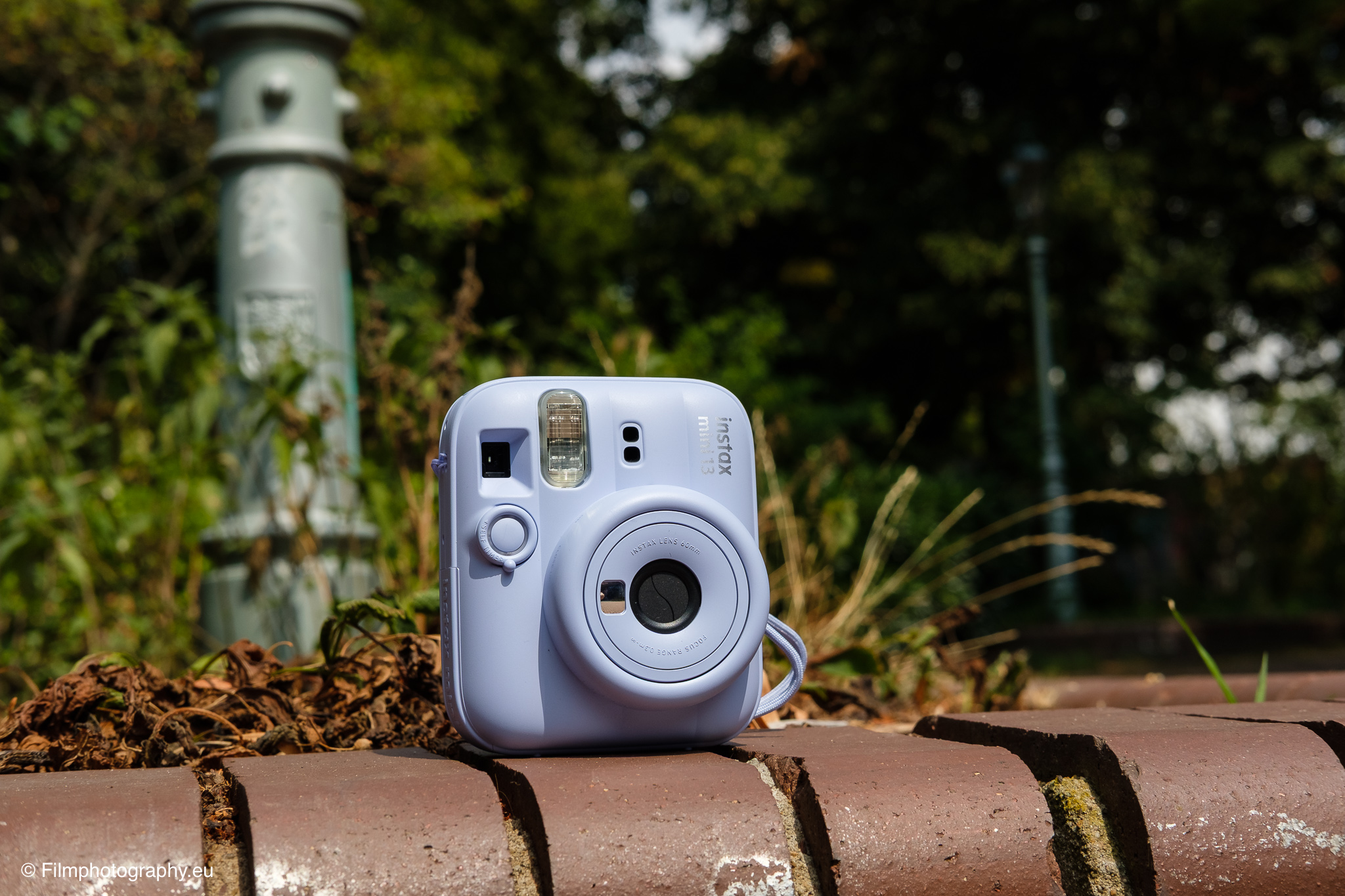
The Fujifilm Instax Mini 13 builds on the established concept of the series and provides familiar functions that are specifically designed for the handy Mini film format.
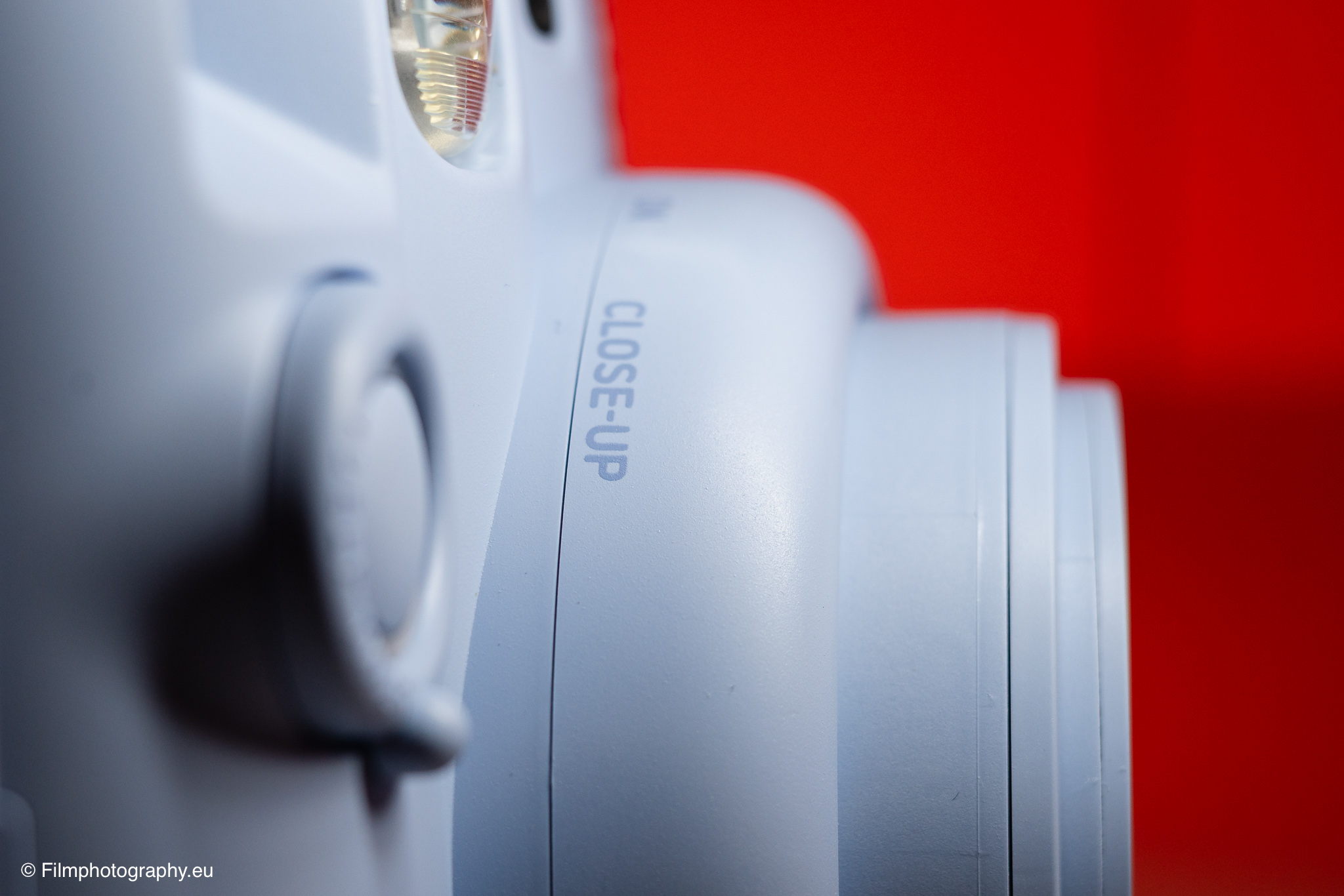
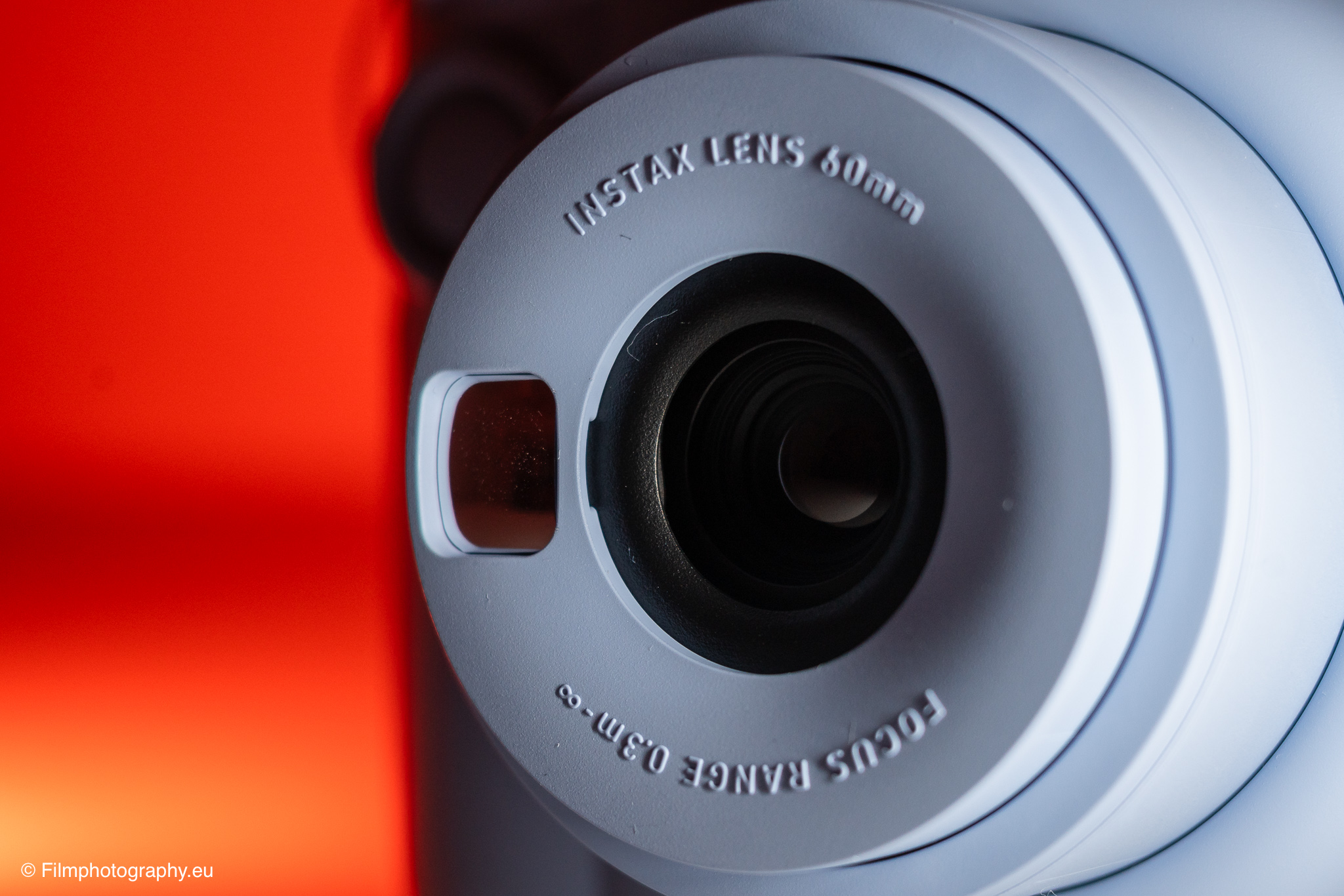
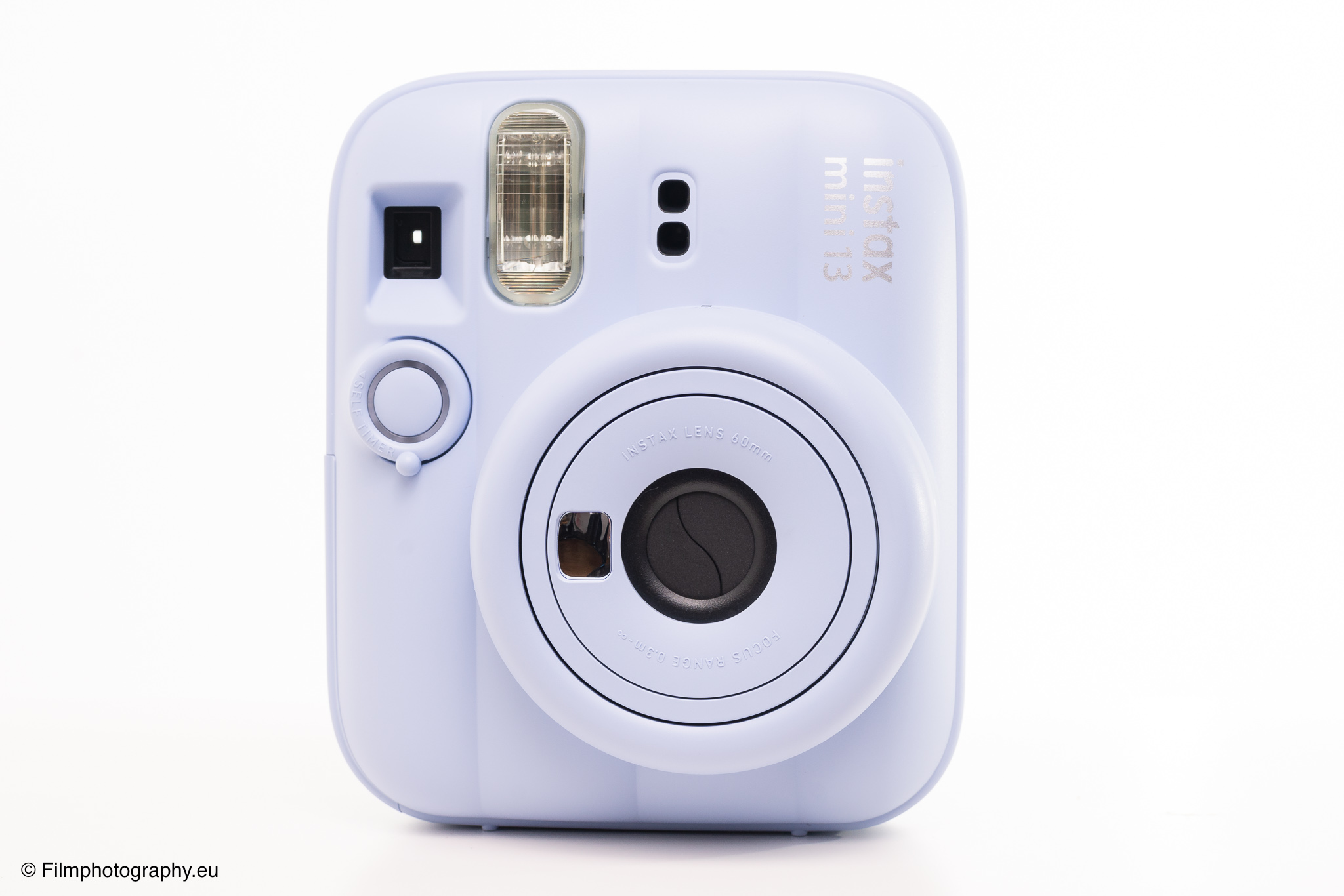
At the center is the lens with a focal length of 60 millimeters, which corresponds to a slightly wide-angle perspective compared to the usual 35mm format. There is no zoom function on this camera.
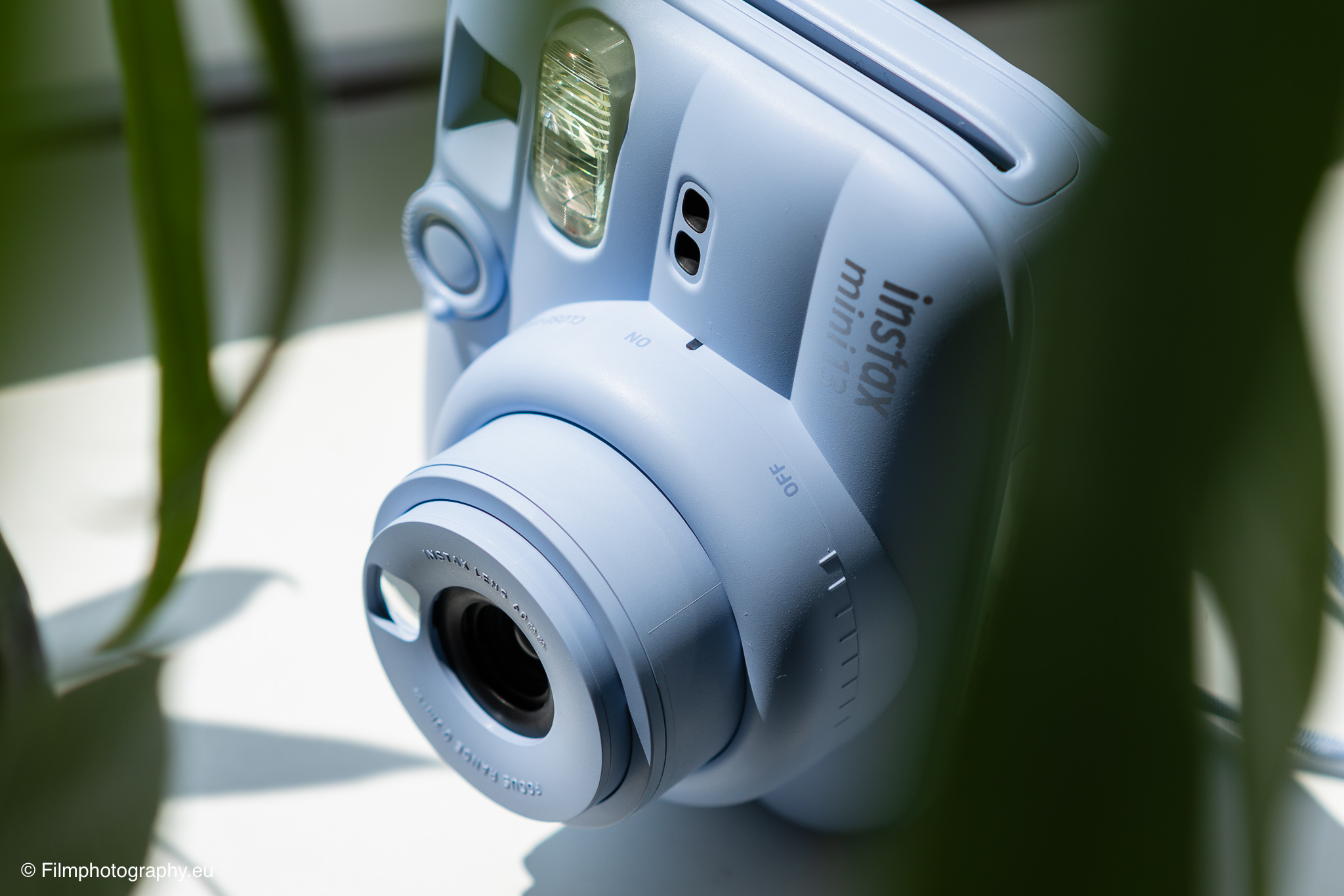
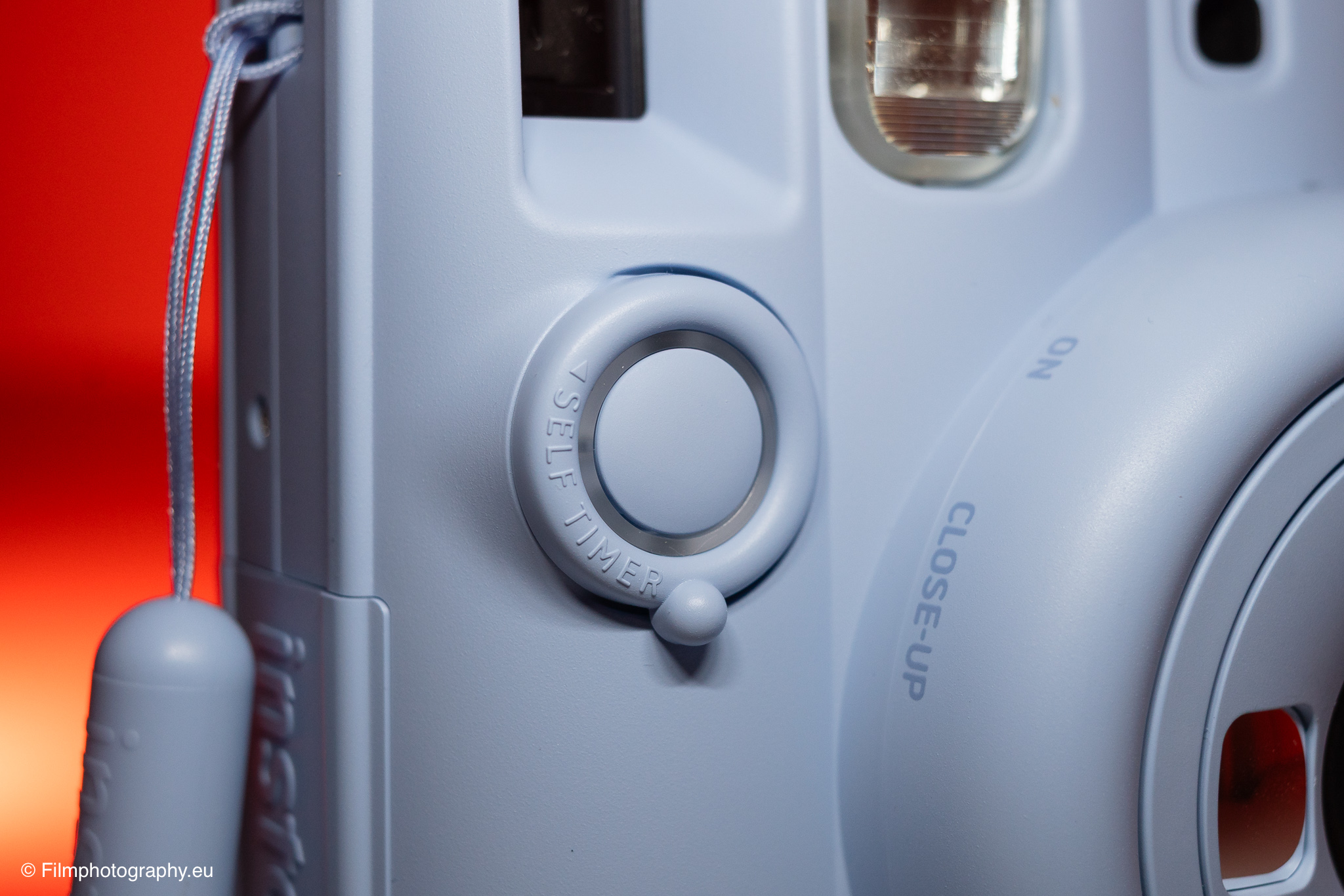
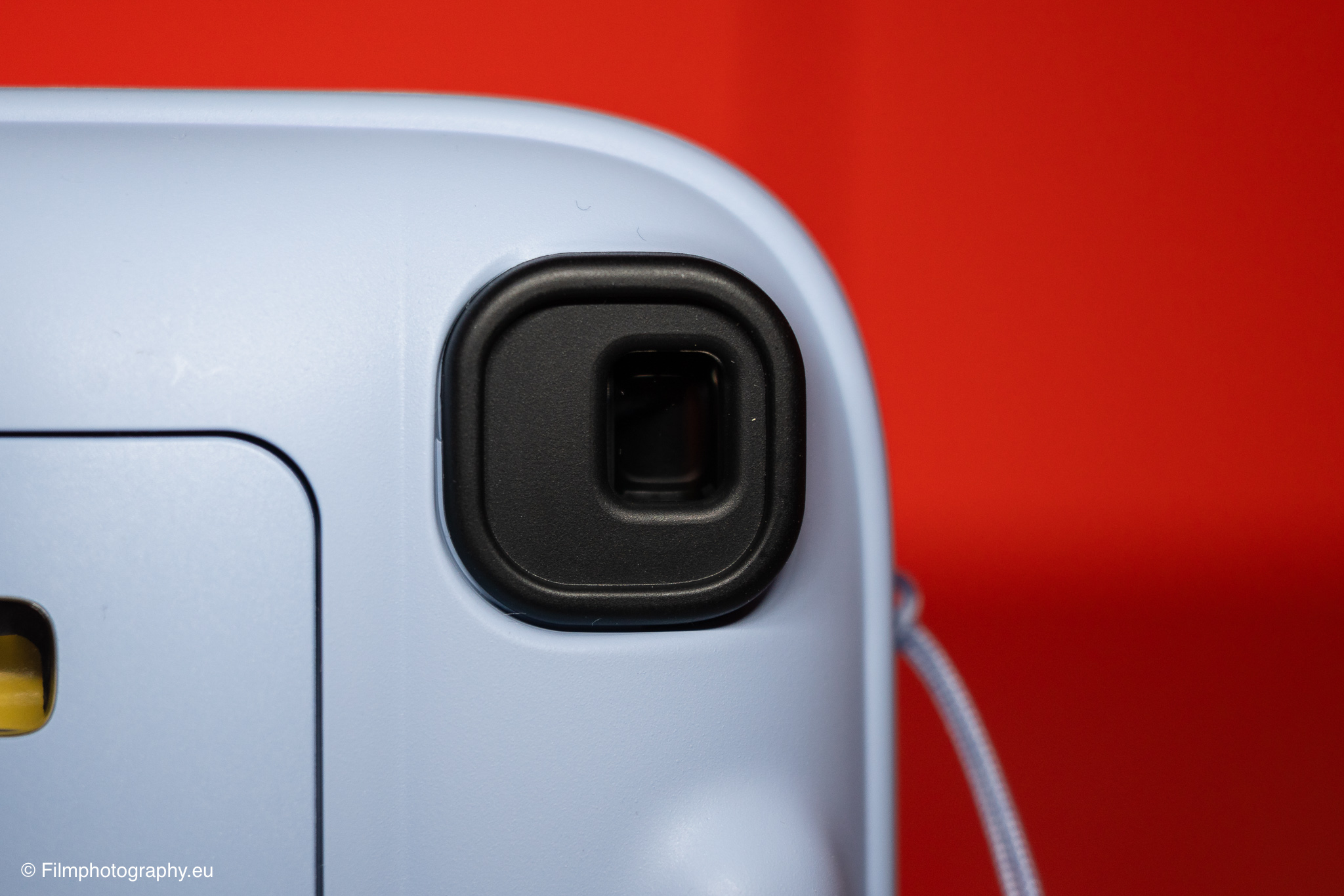
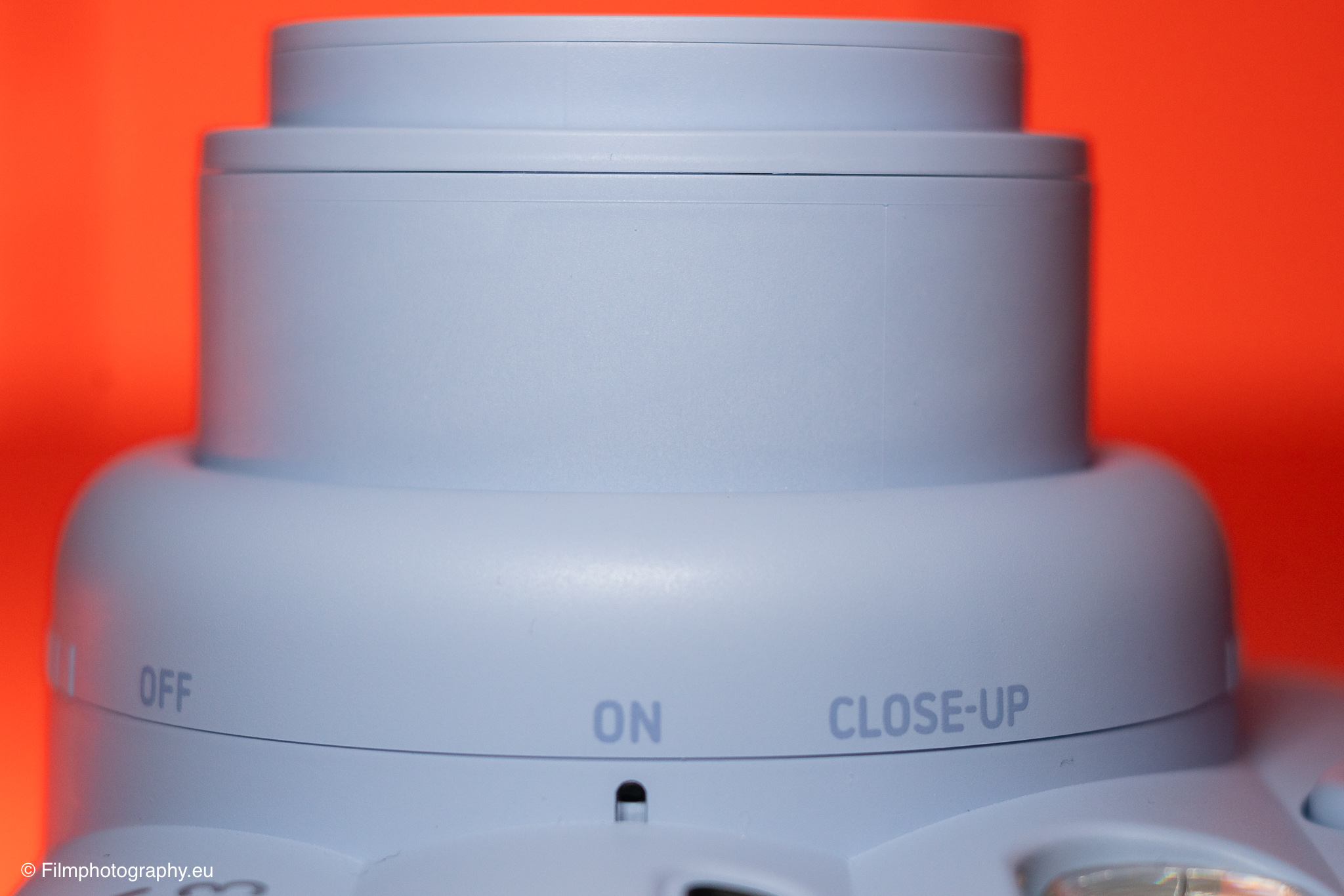
The camera is turned on by simply rotating the lens ring. Another rotation switches directly to close-up mode, which is intended for shots at a distance of thirty to fifty centimeters. In this mode, the display in the optical viewfinder adjusts to compensate for parallax errors and keep the subject exactly in the frame.
Exposure control is fully automatic. A sensor on the front captures the brightness of the surroundings and adjusts the shutter speed and flash intensity automatically.
The built-in flash fires on every shot to ensure sufficient light even in shaded areas or indoors.
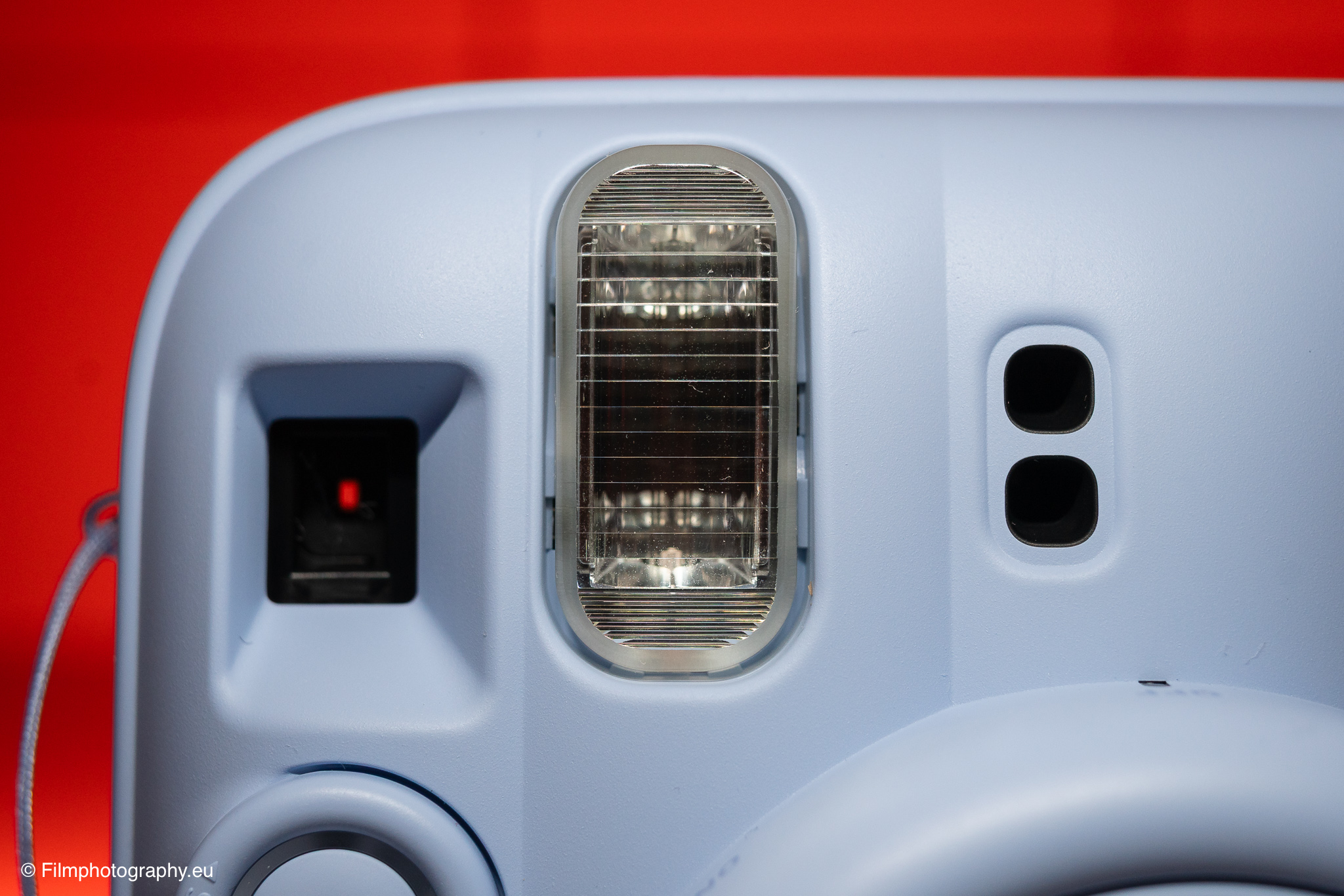
As a practical addition, this model has a built-in self-timer that offers a delay and thus facilitates group photos and self-portraits. On the front, there is also a small mirror that simplifies alignment for selfies.
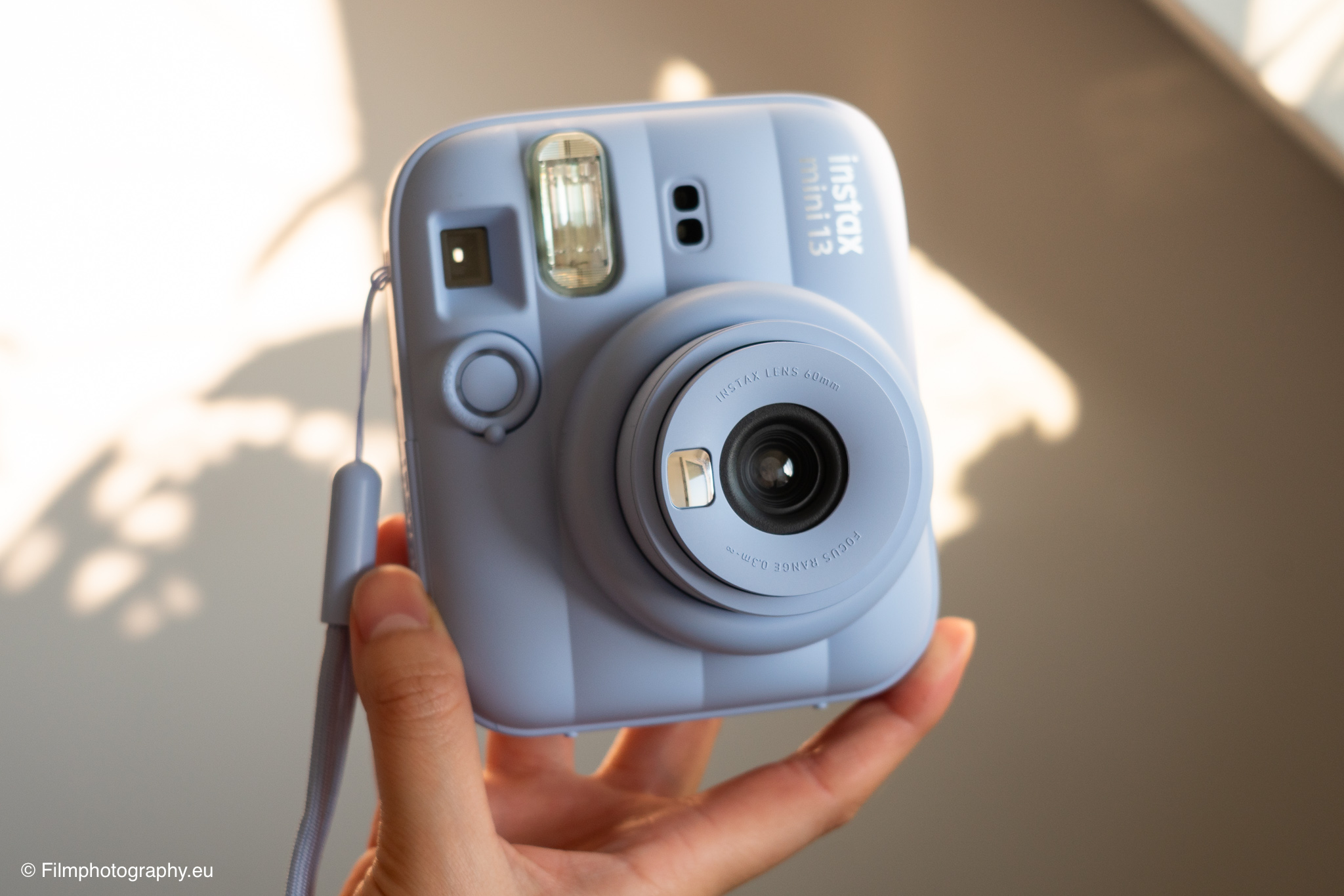
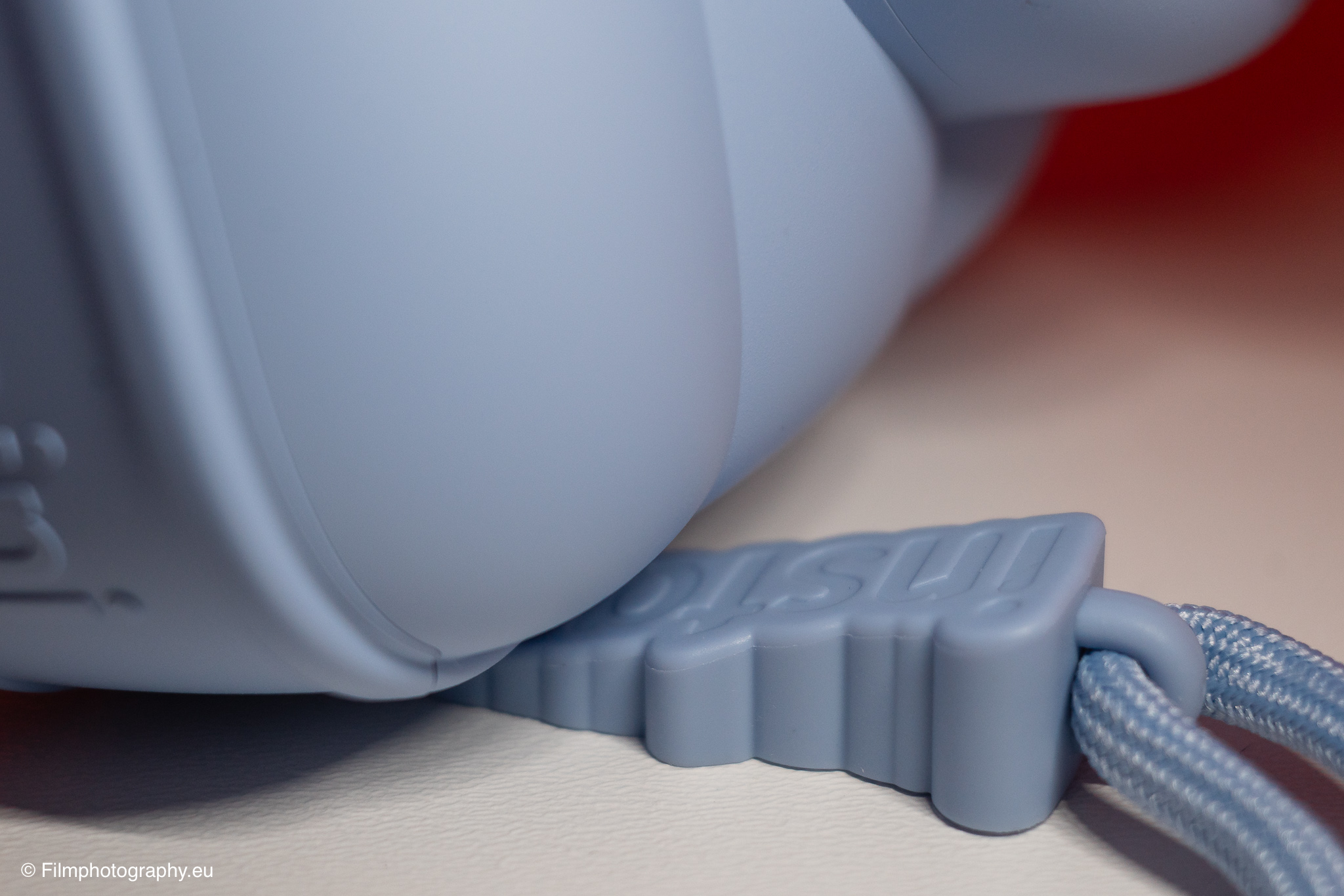
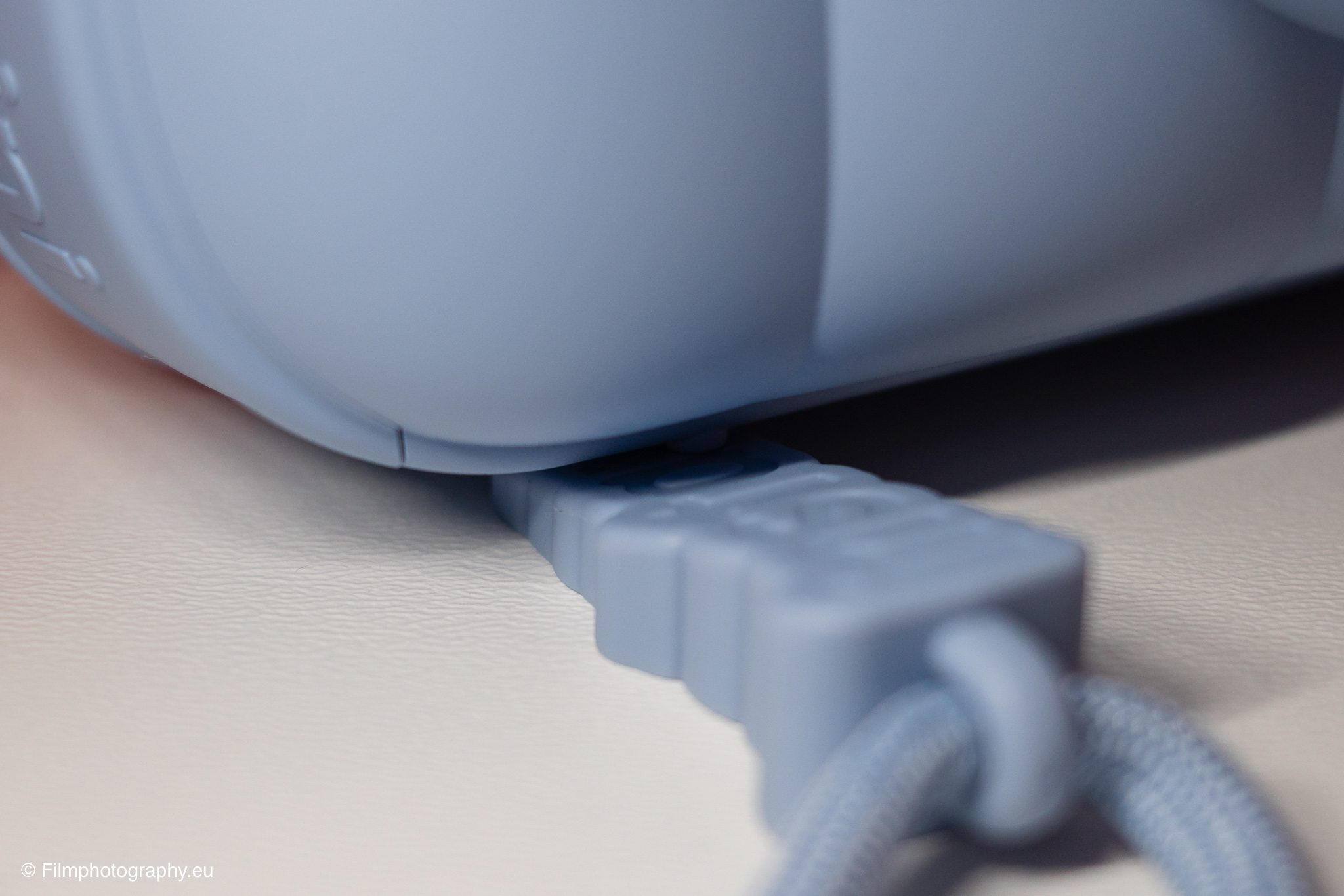
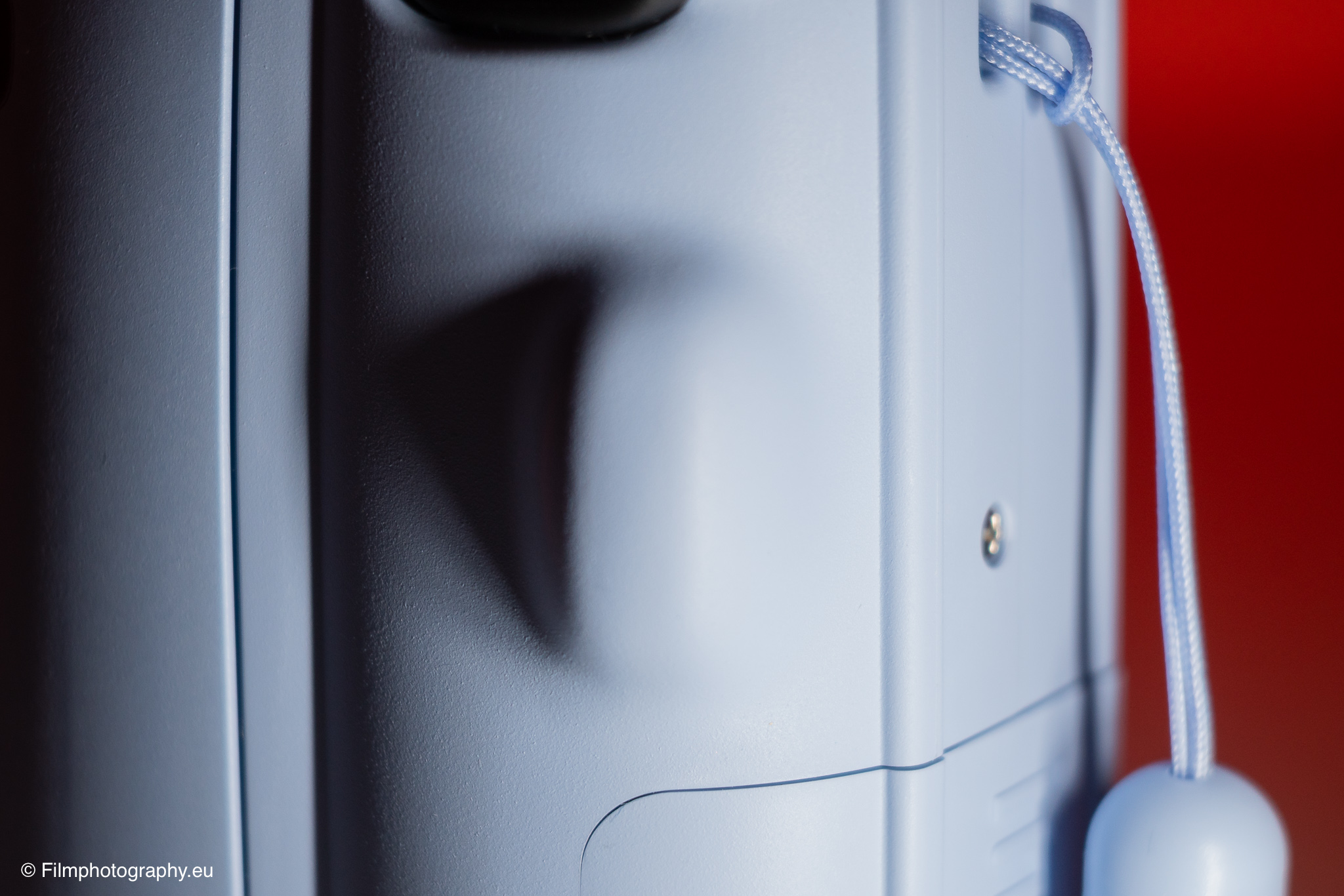
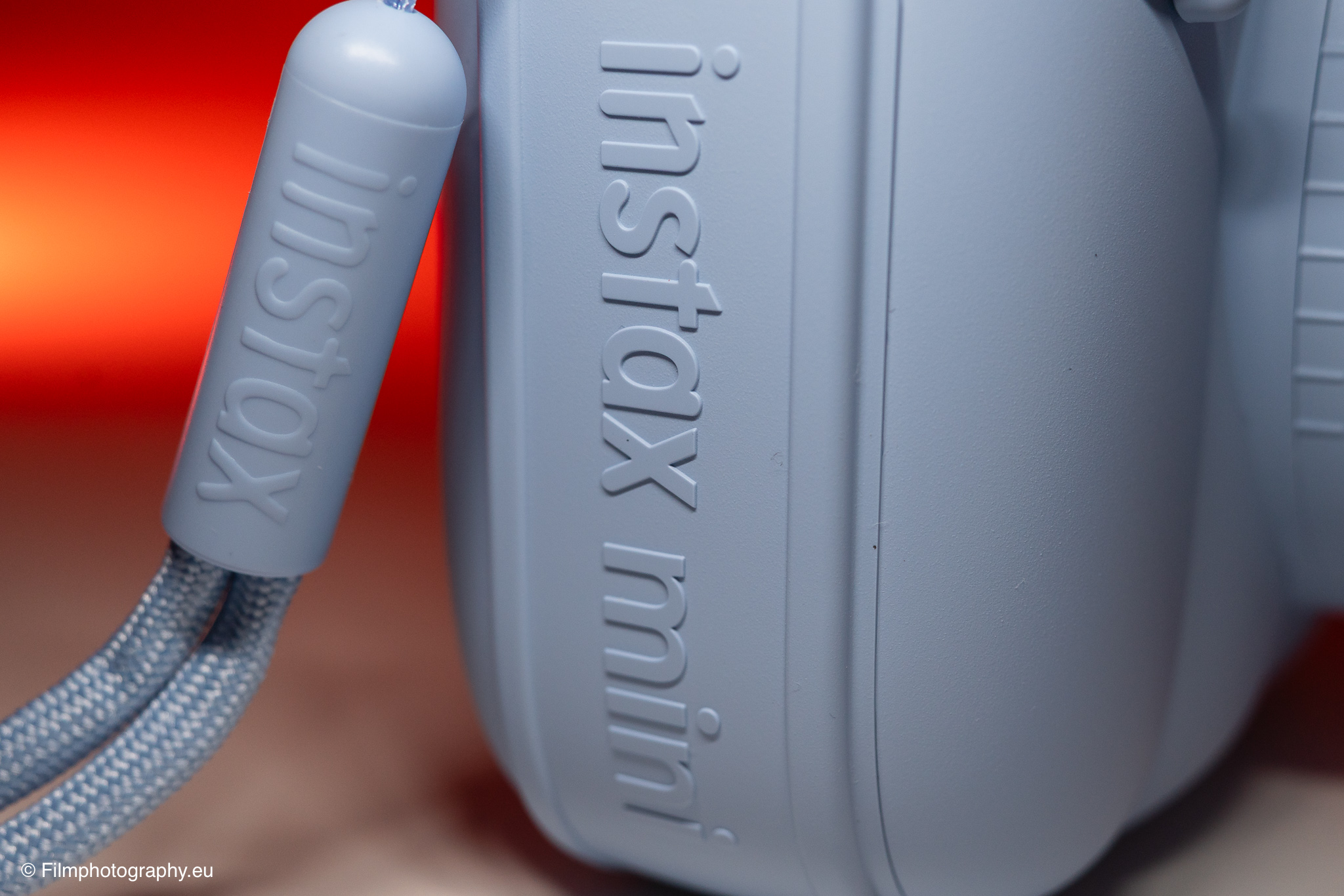
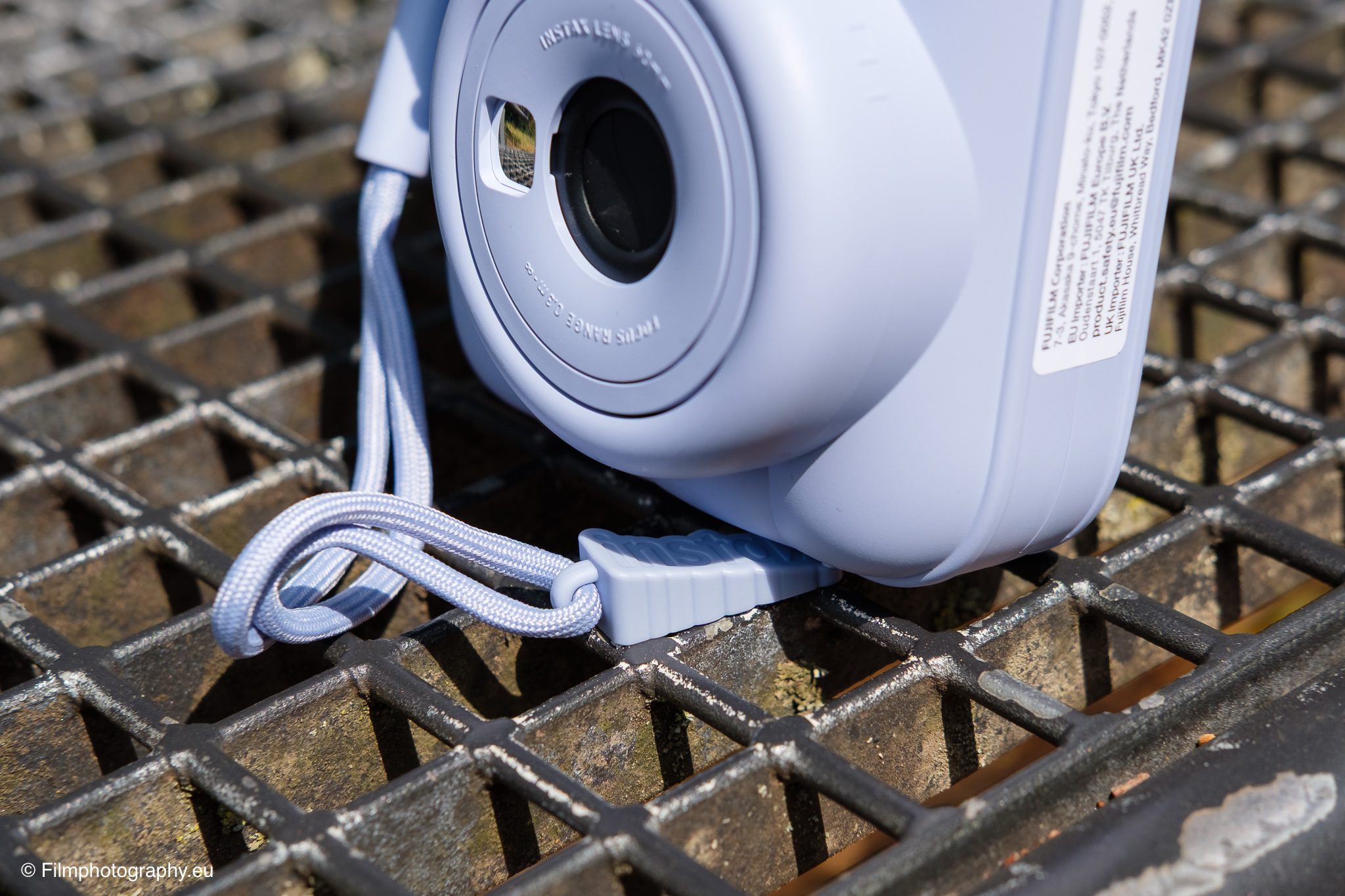
A hand strap is also included in the scope of delivery. It also has a small wedge. This wedge can be pushed under the camera to achieve a different positioning.
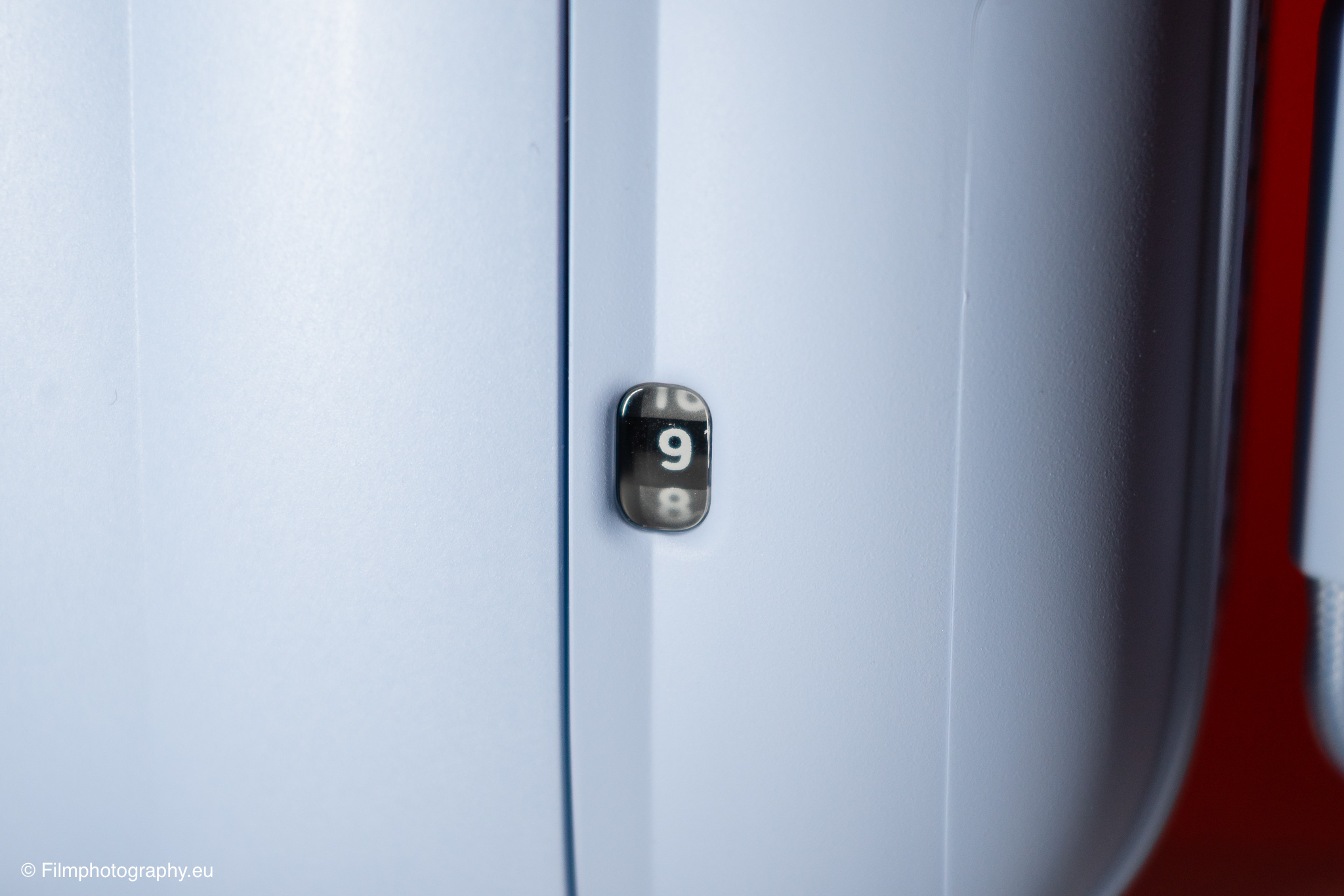
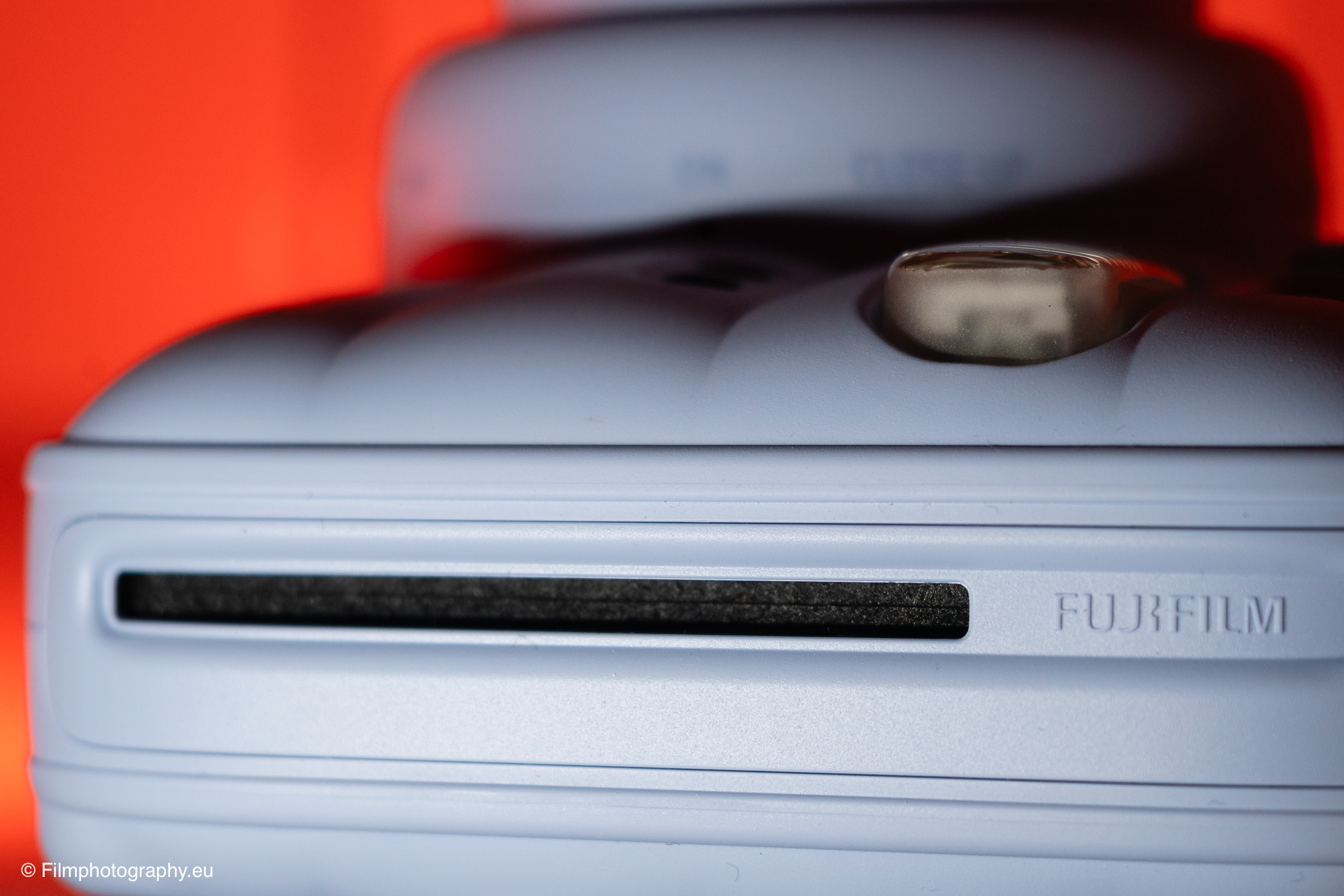
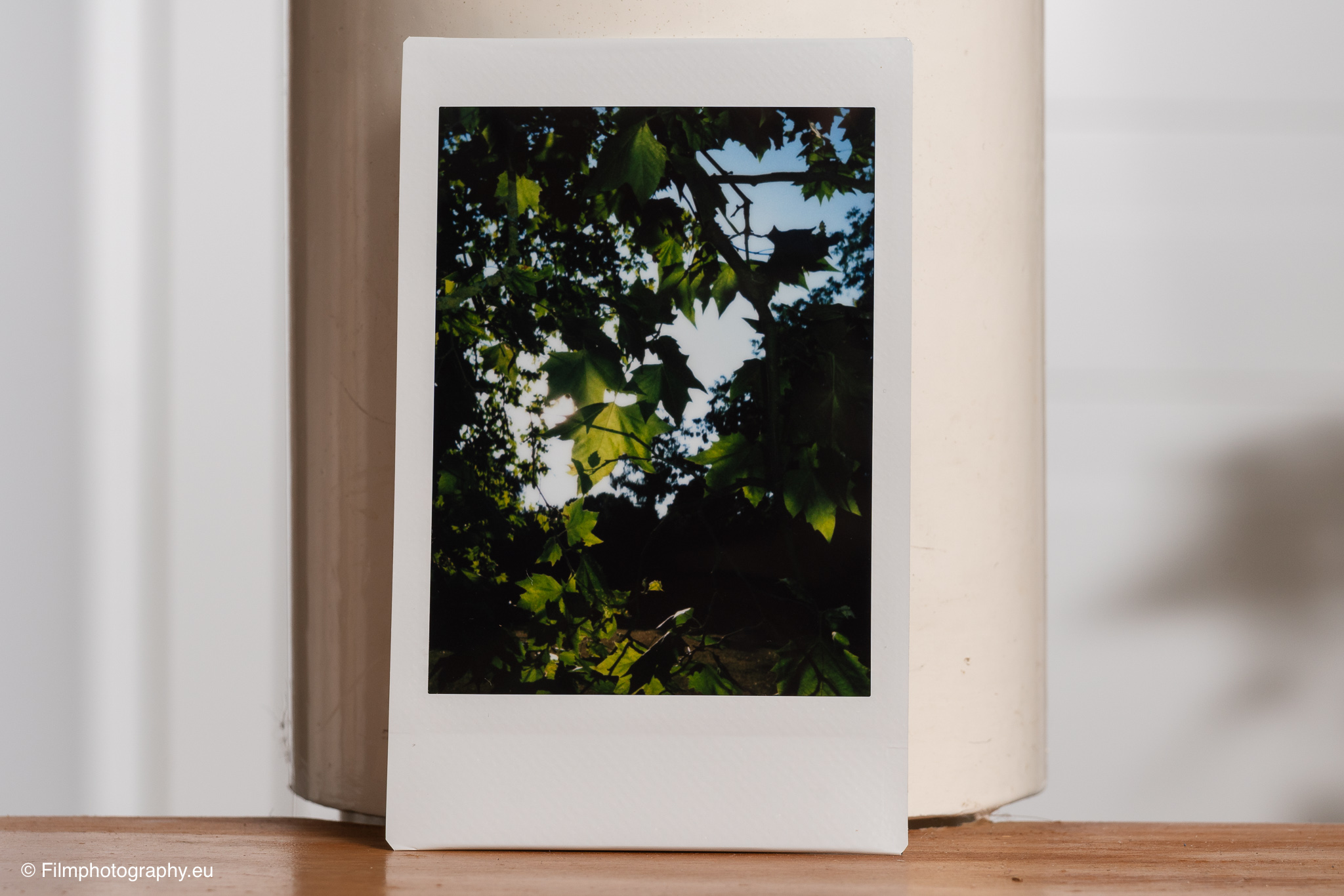
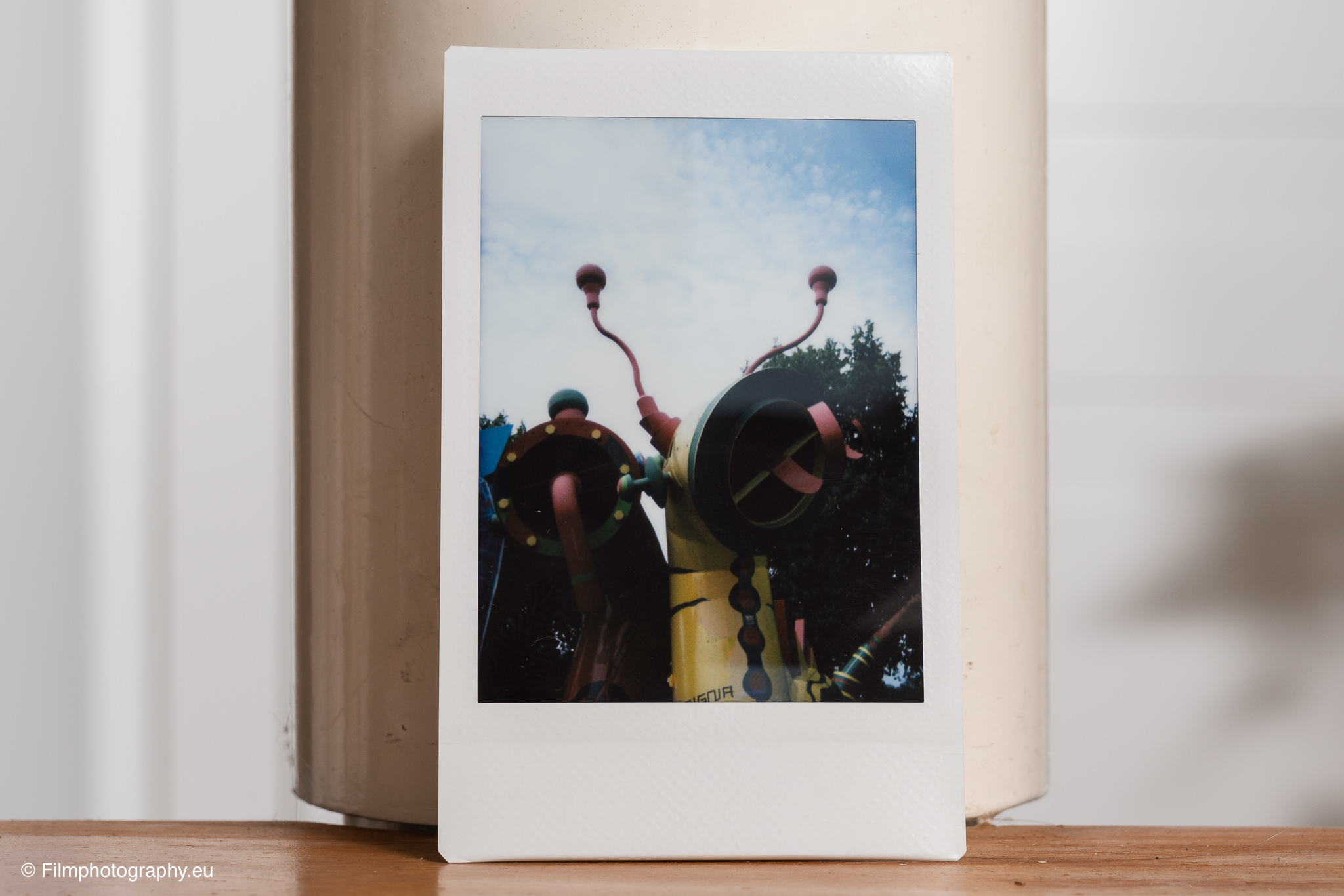
Power is supplied by two ordinary AA batteries (eBay / Amazon*), which are included and provide energy for many film packs. After pressing the shutter button, the image is automatically pushed out of the top of the camera and develops fully within a few minutes.
Shooting with the Camera
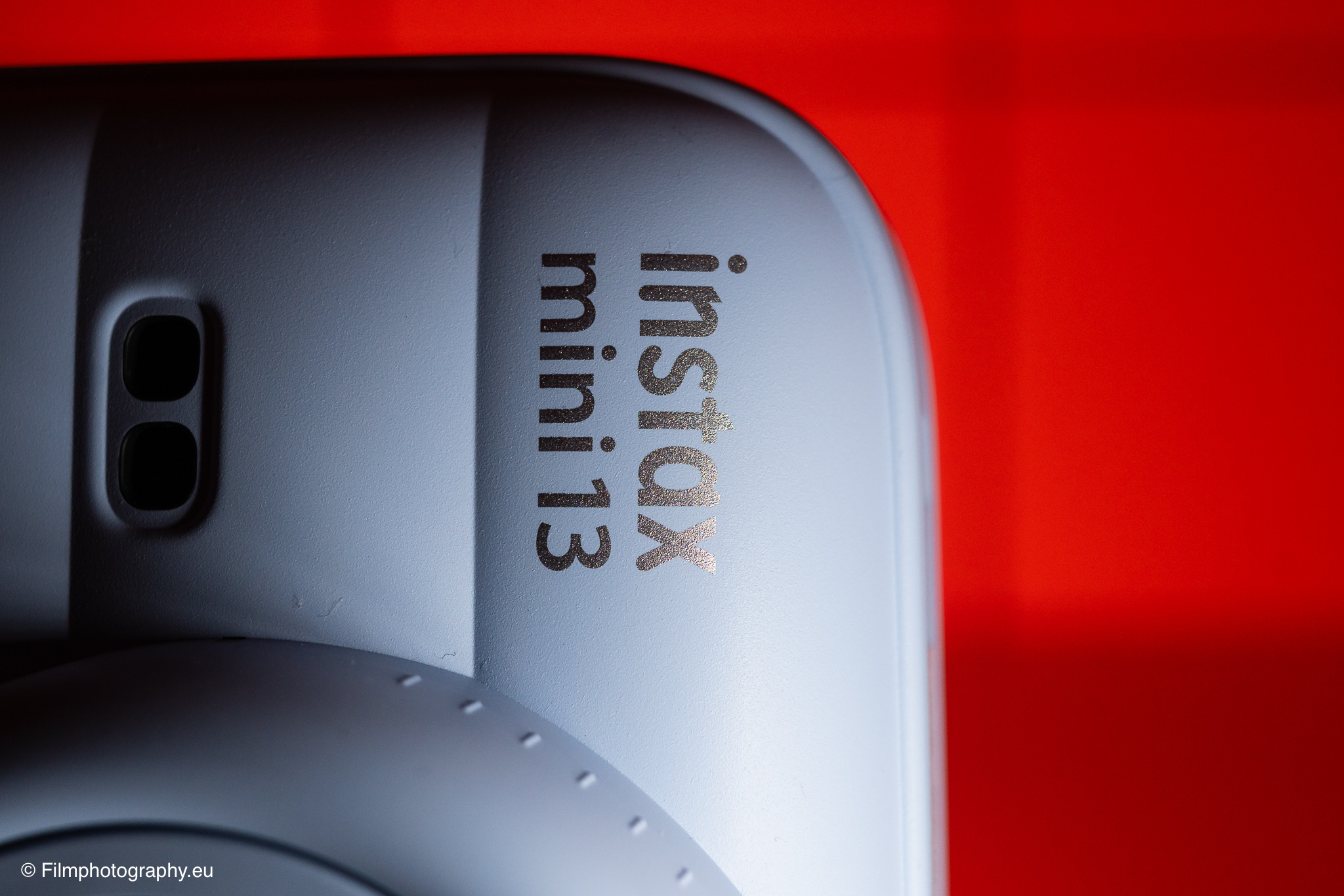
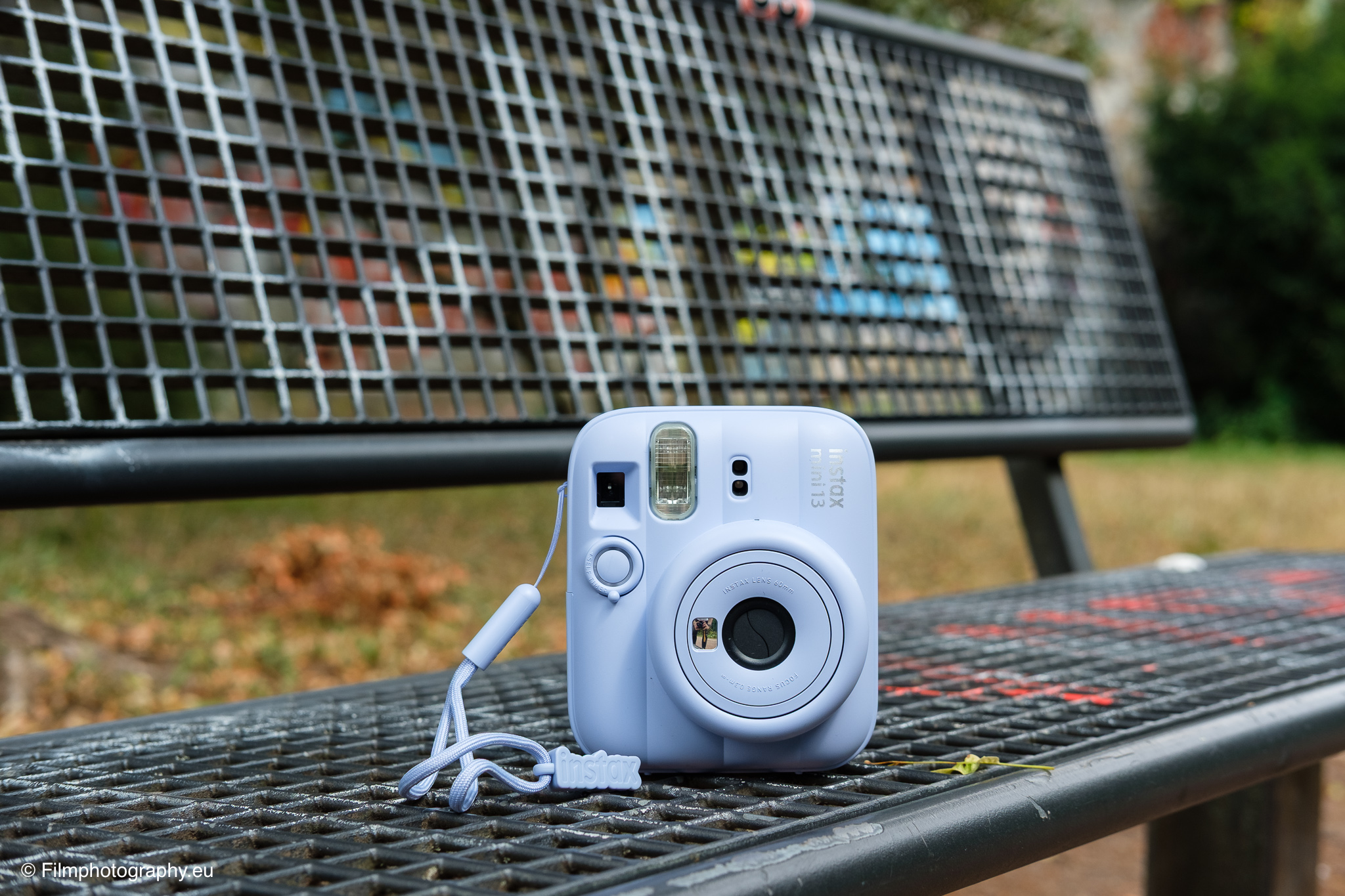
Design is, of course, always a matter of taste. Personally, I find the look quite fresh and modern. Even though the curves remind me a bit of an air mattress or a down jacket, the body shape feels comfortable in the hands, although it is of course not comparable to the comfort of a normal system camera.
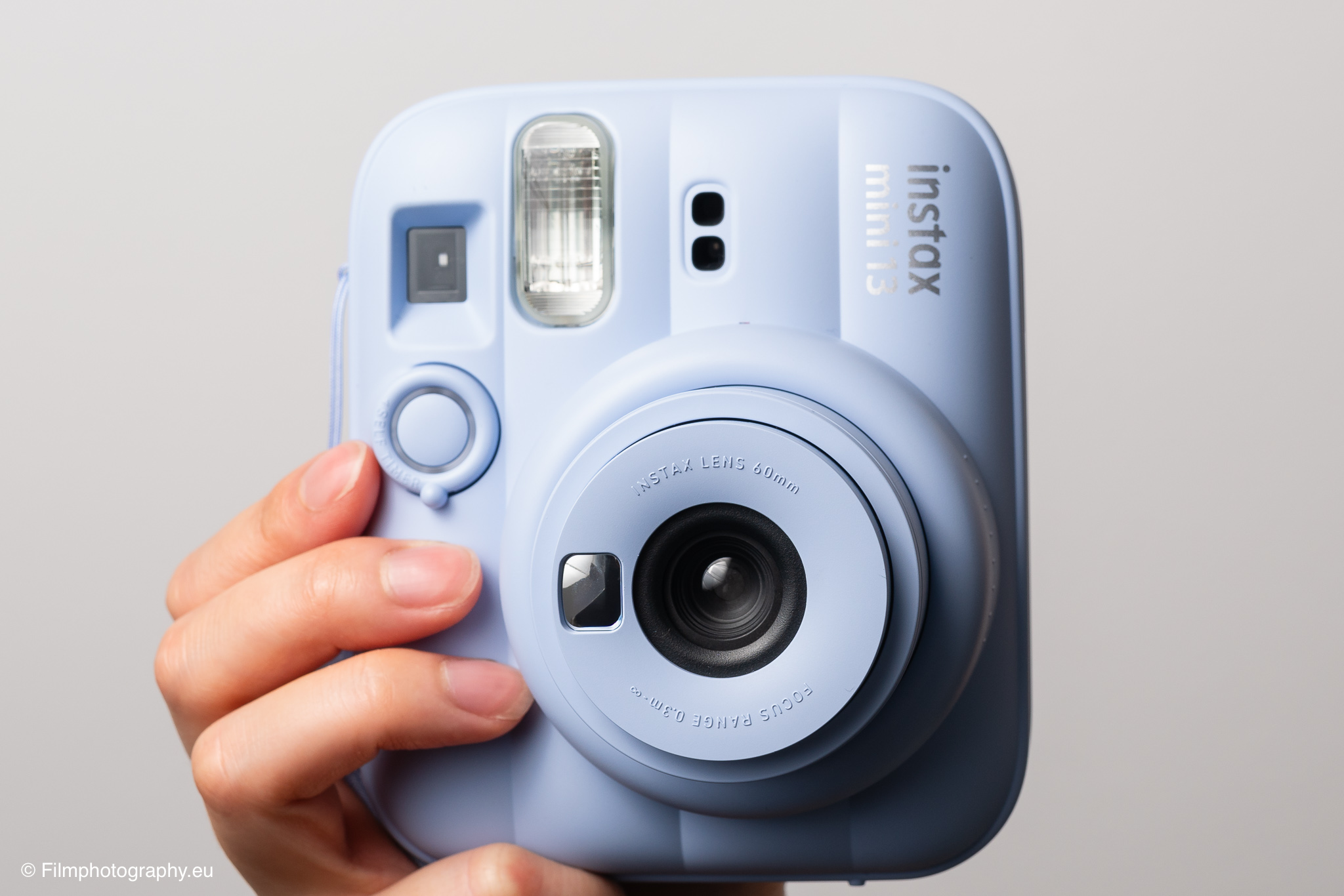
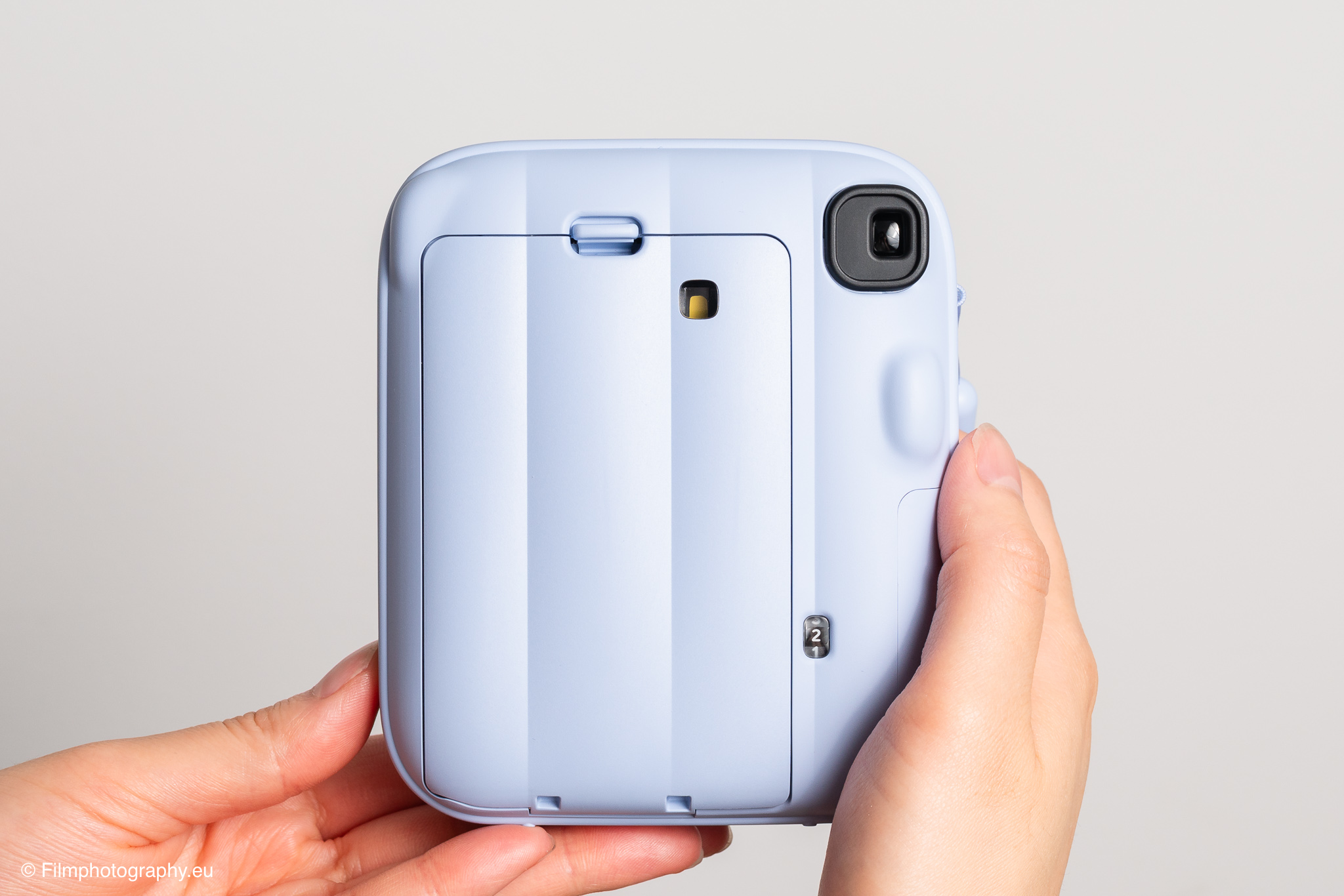
The curved lines look friendly and fit well with the uncomplicated character of an analog instant camera. Fujifilm offers the camera in various soft color variants, so different preferences are addressed.
You can tell that most parts are made of plastic. The surfaces feel smooth and the body is very light. If you want something more premium, you have to go for the higher-priced models of the Instax series.
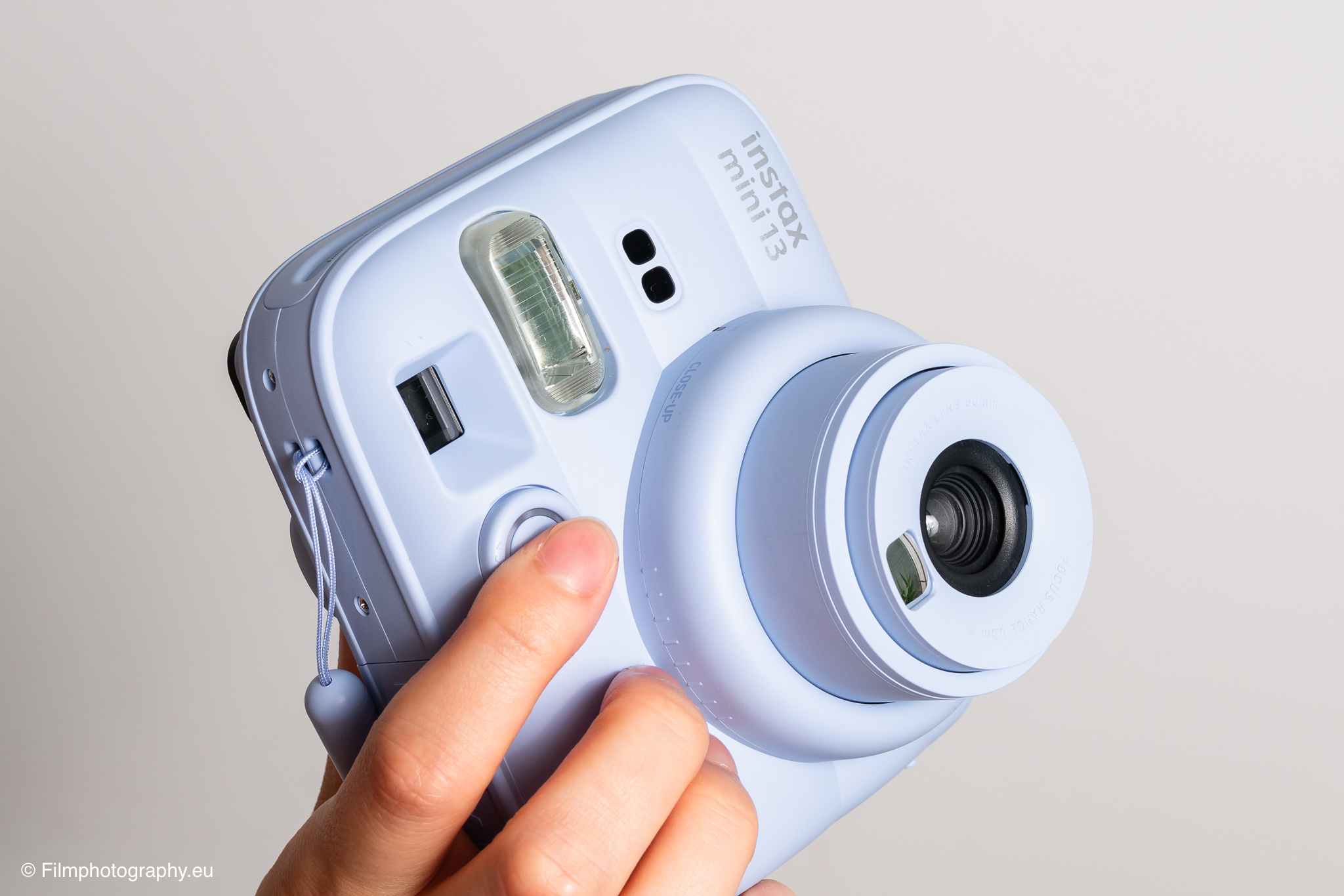
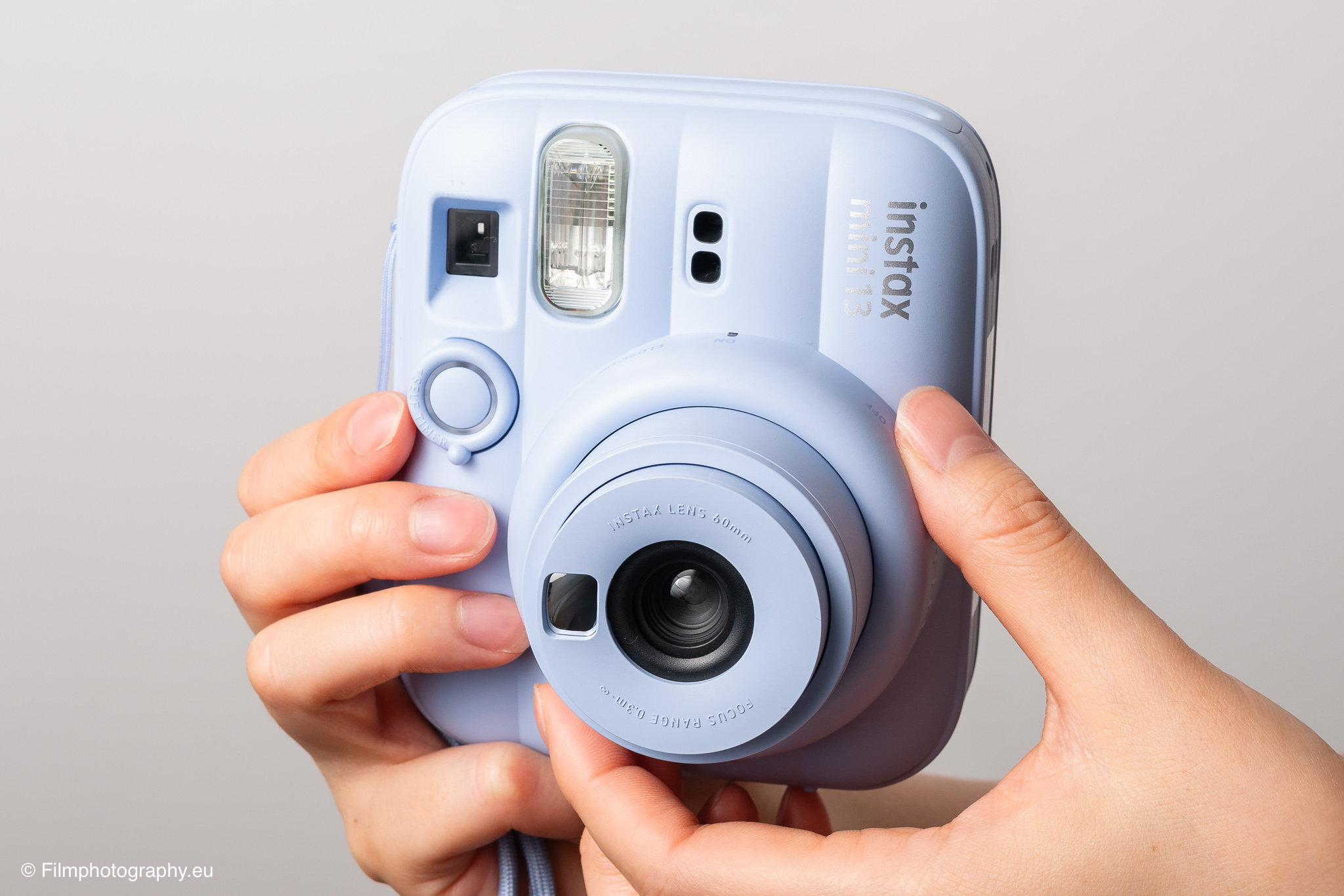
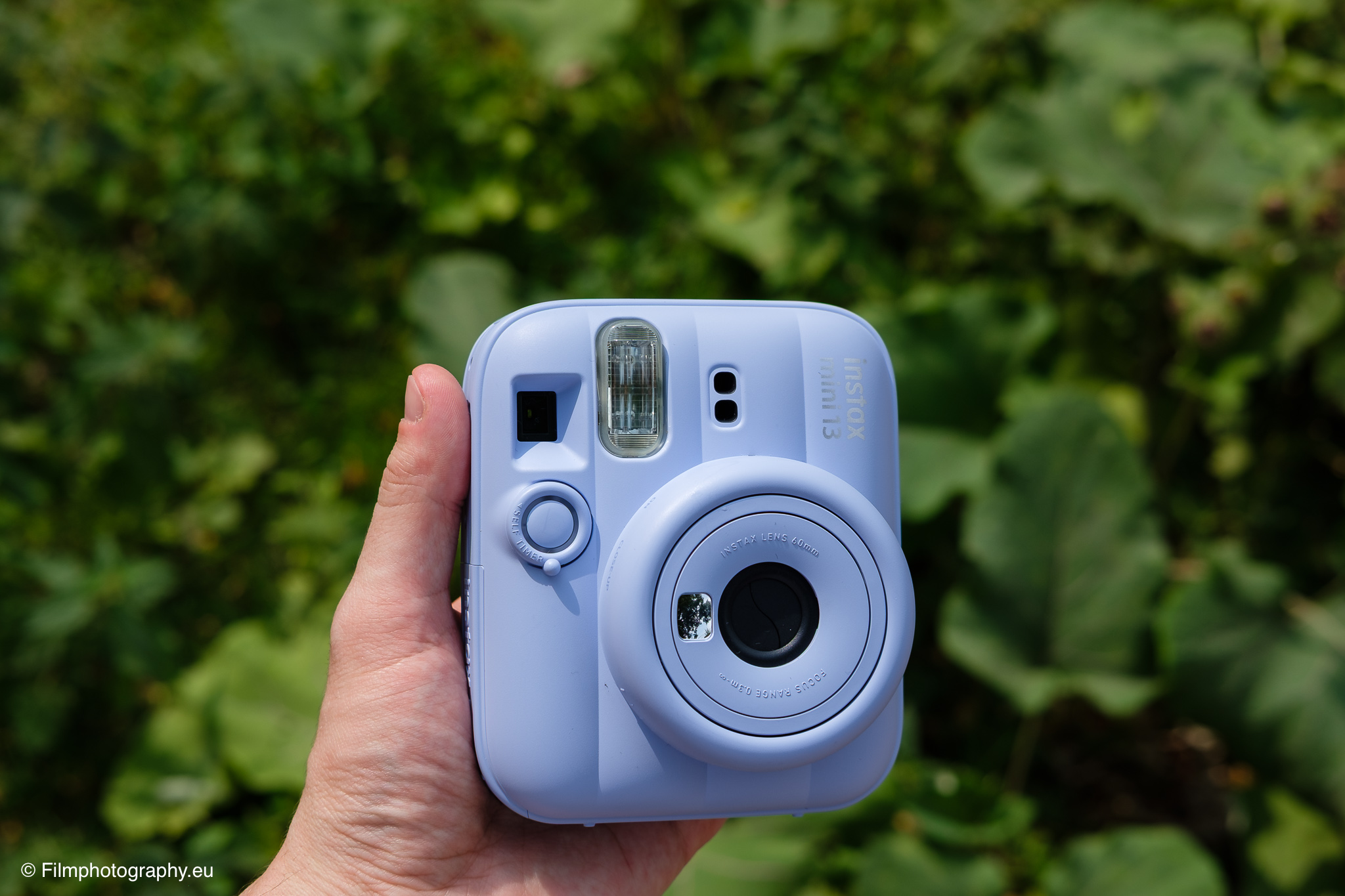
For everyday use as a simple snapshot camera, however, the plastic construction proves practical, as the camera is easy to transport and easily survives small bumps in the backpack.
In practical use, the model's strength lies in its quick readiness. You pick up the camera, twist out the lens, and can take a picture right away. Thanks to automatic exposure, you don't need to make any manual settings. This makes everyday photography extremely uncomplicated. At parties, outings, or meetings with friends, lasting images are created without much effort.
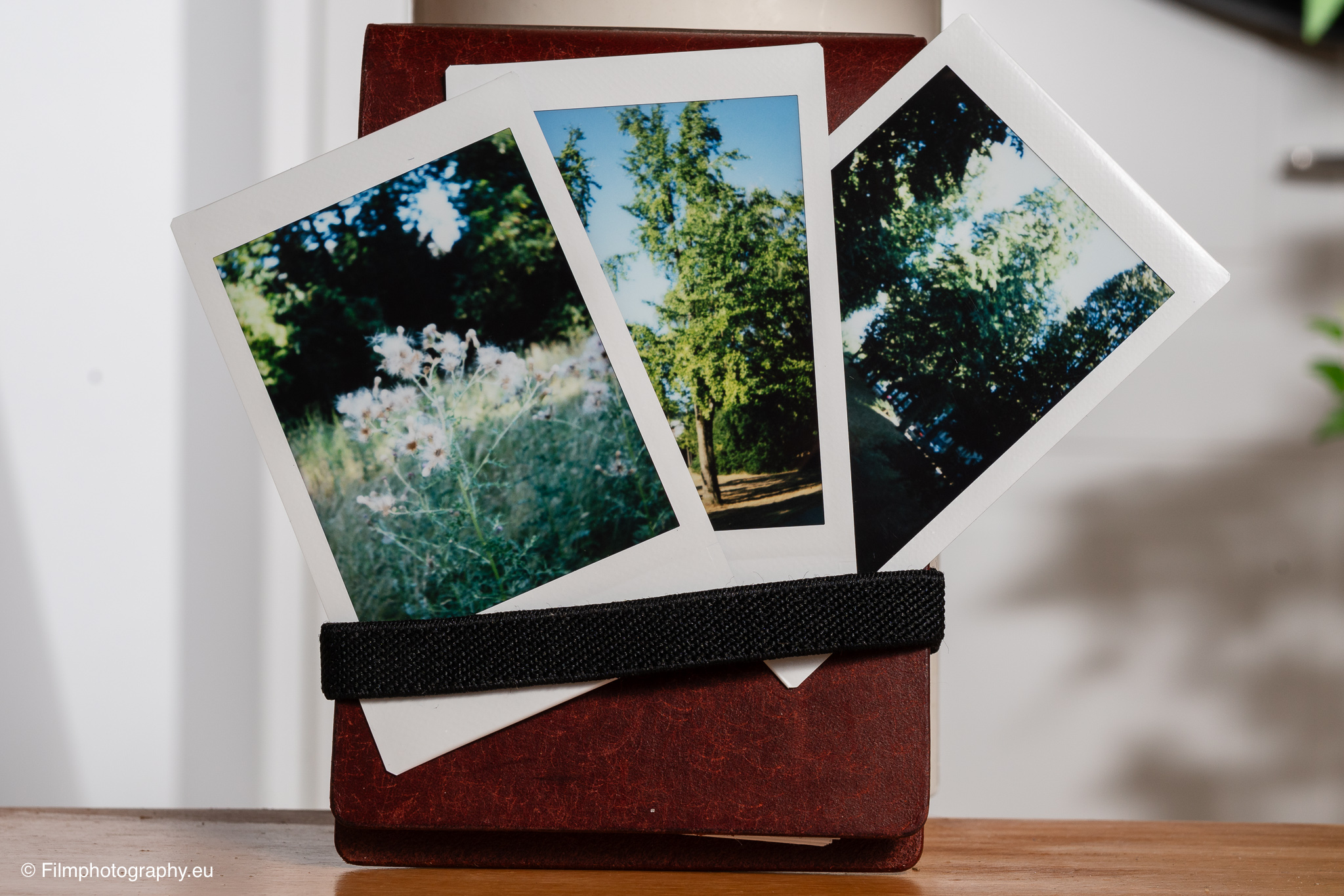
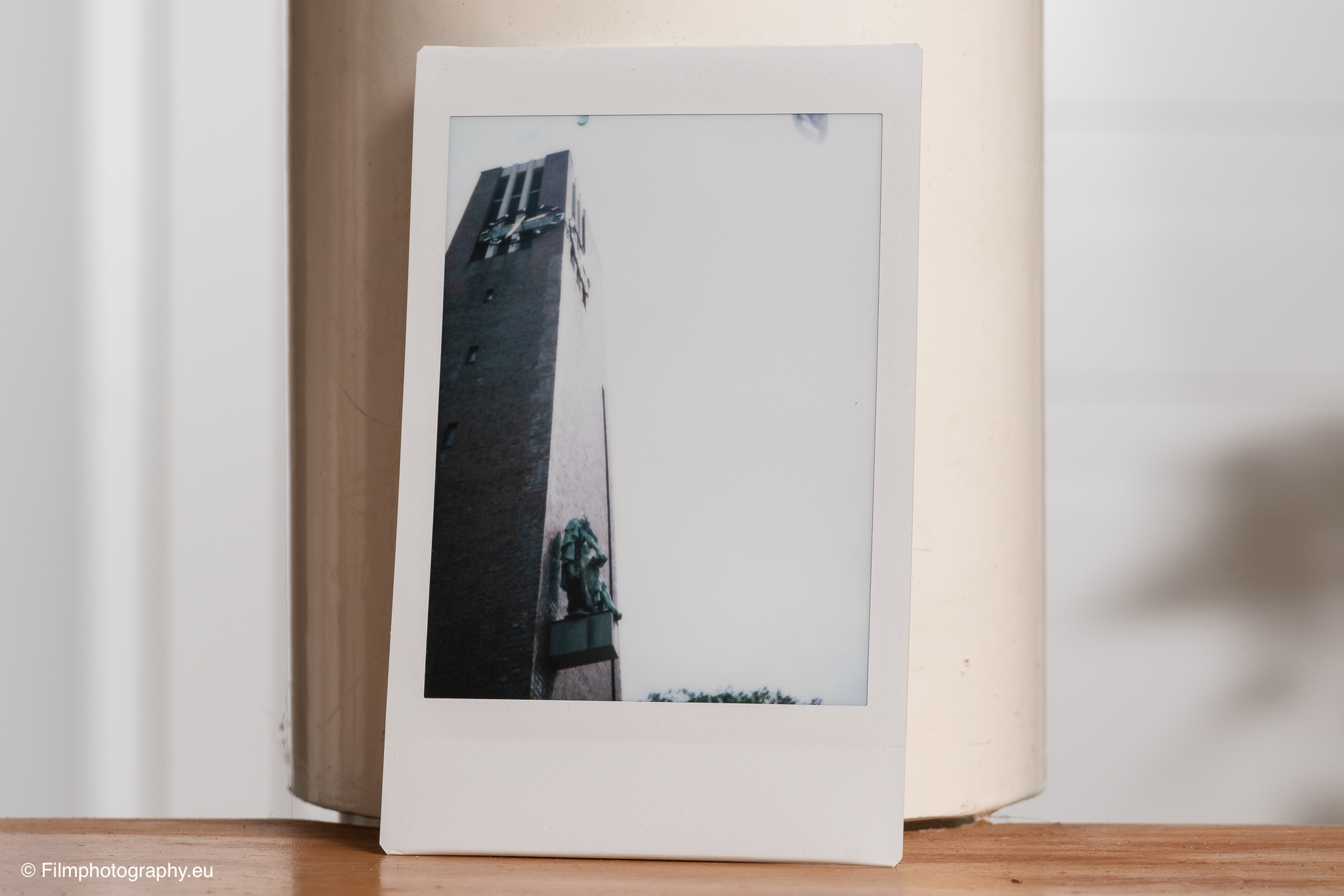
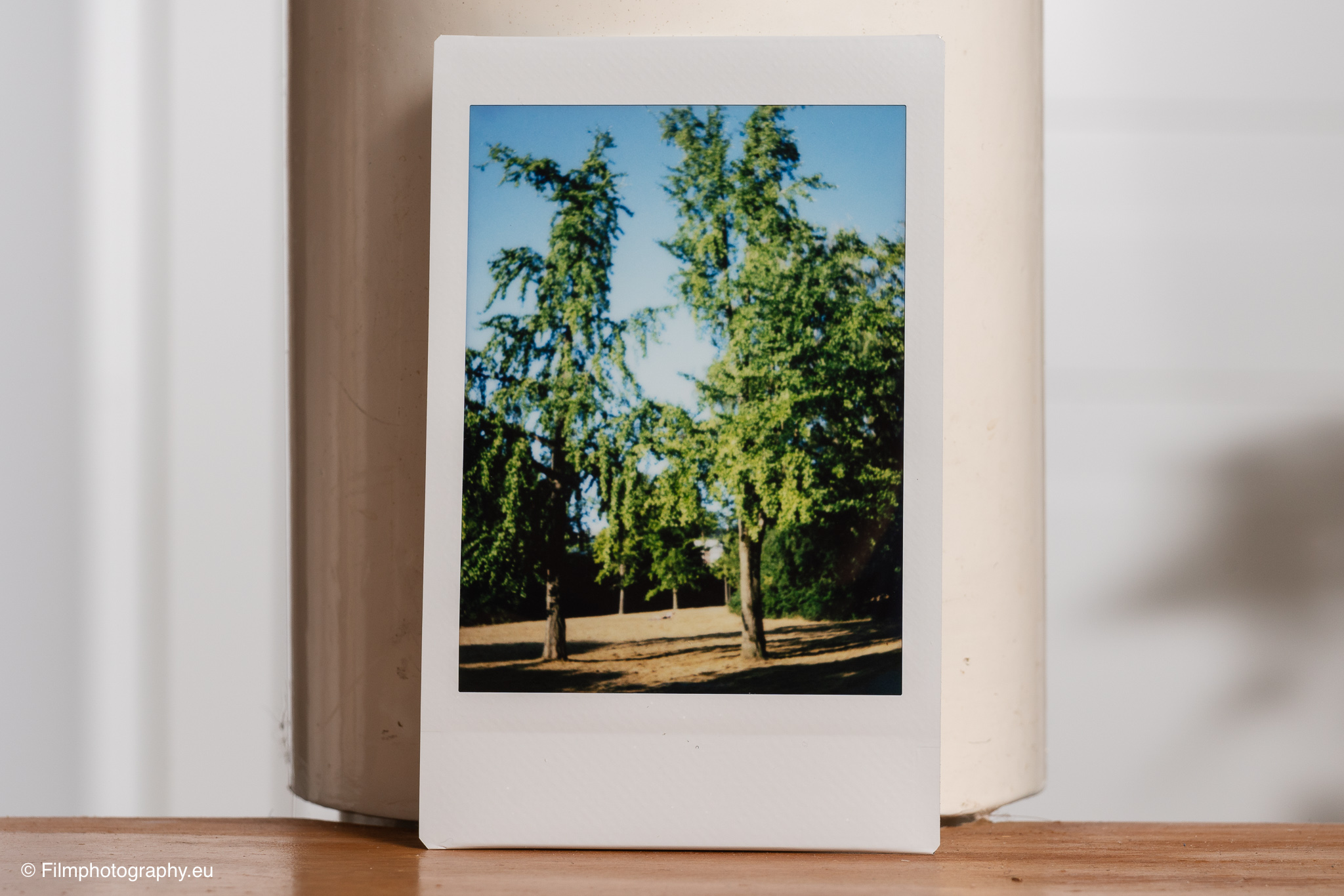
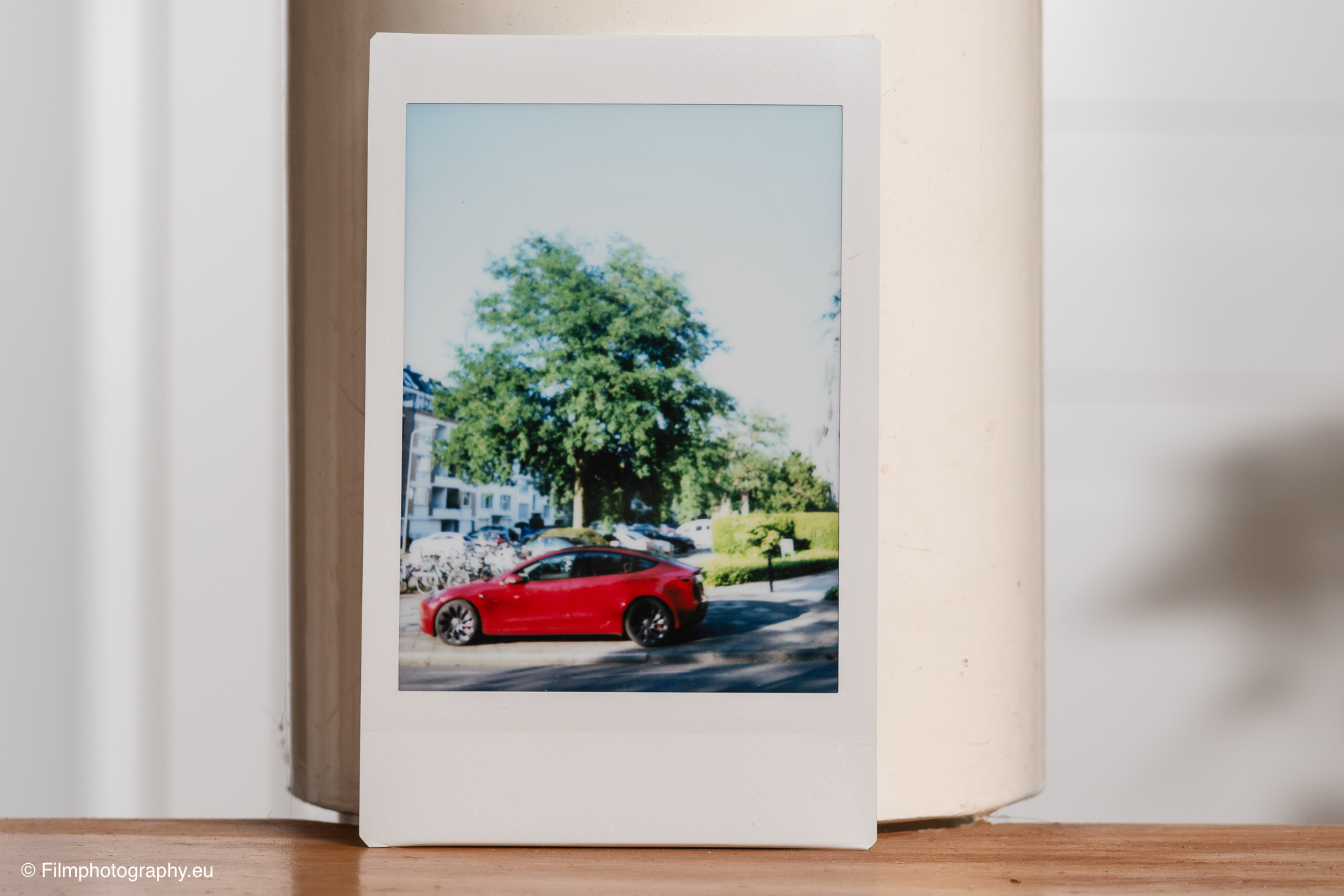
Unfortunately, there is no tripod thread. Especially with the self-timer, this would make sense. If you want to set up the camera for a group photo or a self-portrait, you have to look for a flat surface or an edge. A suitable threaded hole on the bottom would have offered significantly more comfort here.
Conclusion on the Fujifilm Instax Mini 13
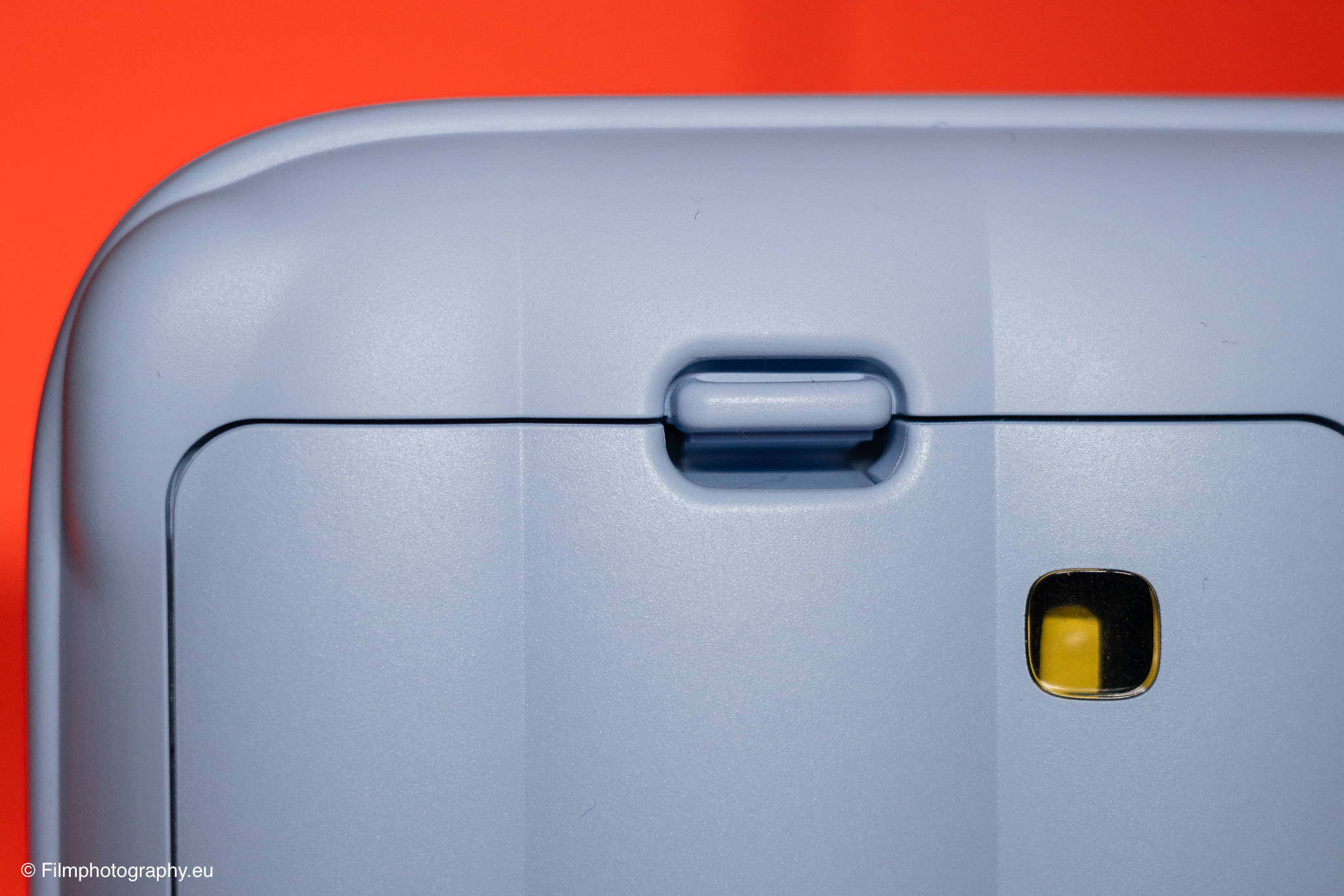
The Instax Mini 13 is a clear entry-level model. Easy to use, where you can hardly go wrong, except perhaps accidentally opening the back or holding your finger in front of the lens. The operation remains manageable, so even people without analog photography knowledge can get along with it immediately.
It is the camera for taking snapshots. If you want more adjustment options and creative options, you are better advised with another Instax Mini model. Other variants in the range offer, for example, manual exposure settings, multiple exposures, or hybrid functions with digital storage.
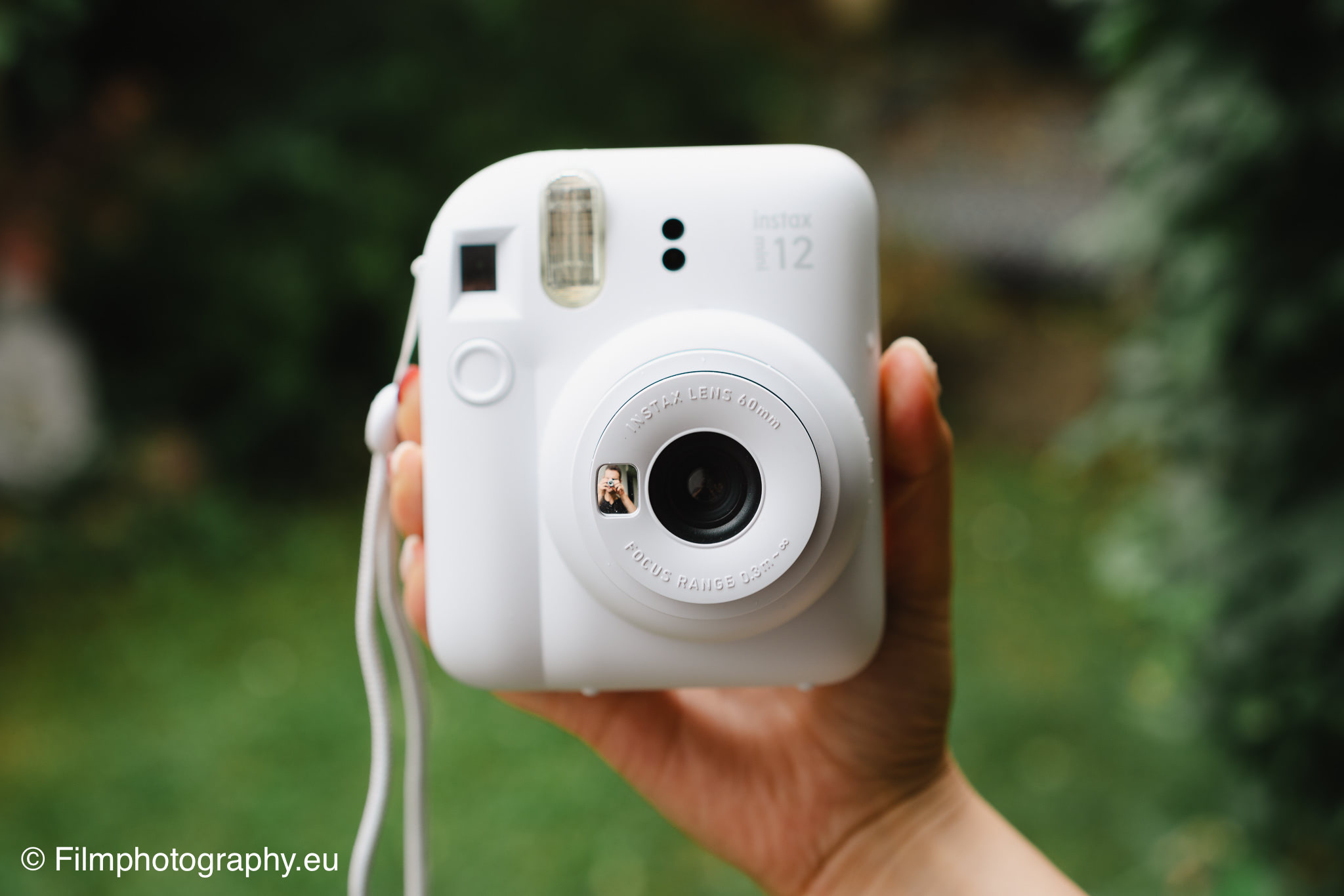
Is an upgrade from the Instax Mini 12 worth it? Only if you need the self-timer, otherwise the models are very similar, almost identical. It is simply Fuji's entry-level model, where not much changes fundamentally between updates. New versions usually only bring fine adjustments.
What I would wish for the Instax 14 would be a tripod thread. Especially with the self-timer, you would have a few more creative options that are also interesting for beginners.
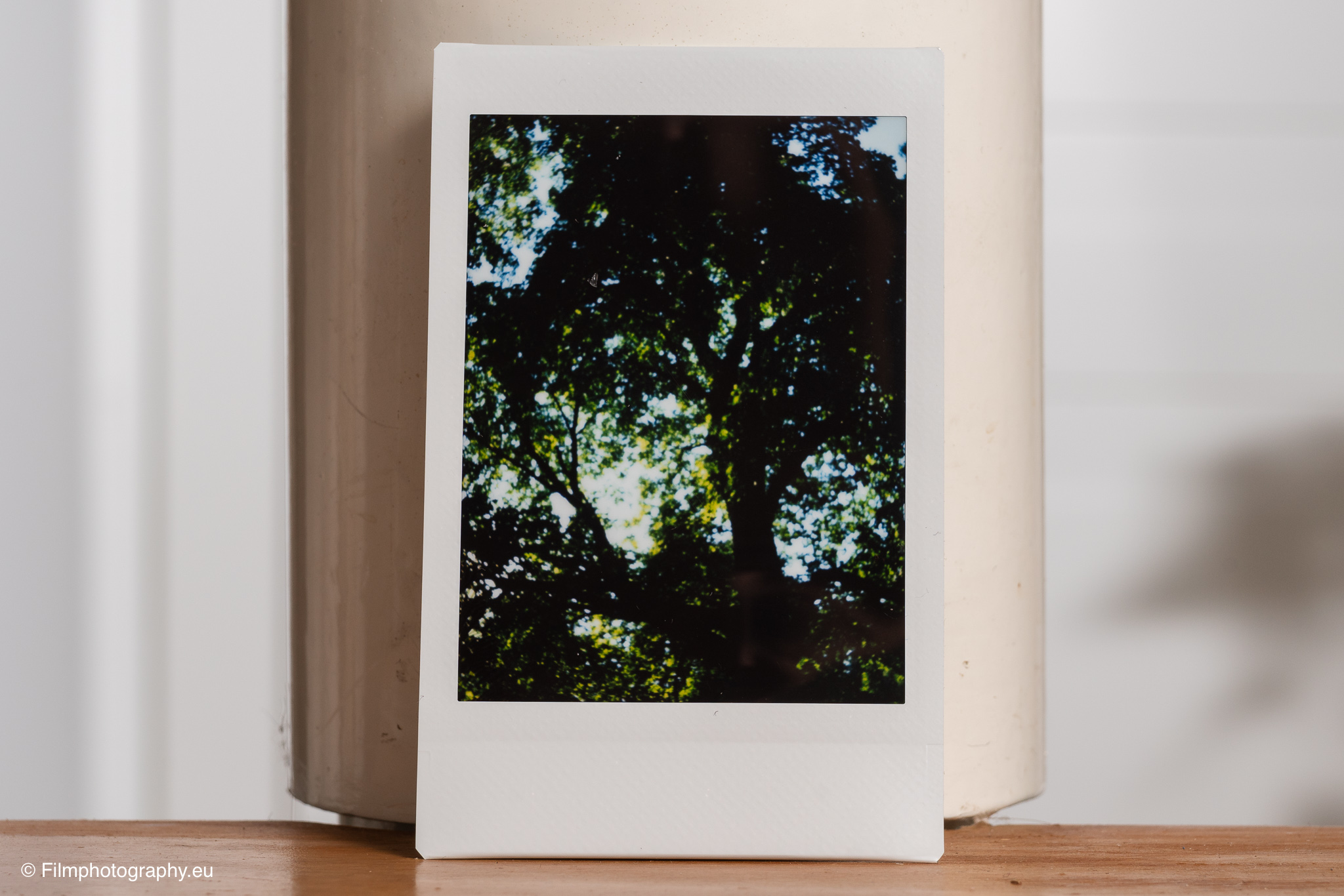
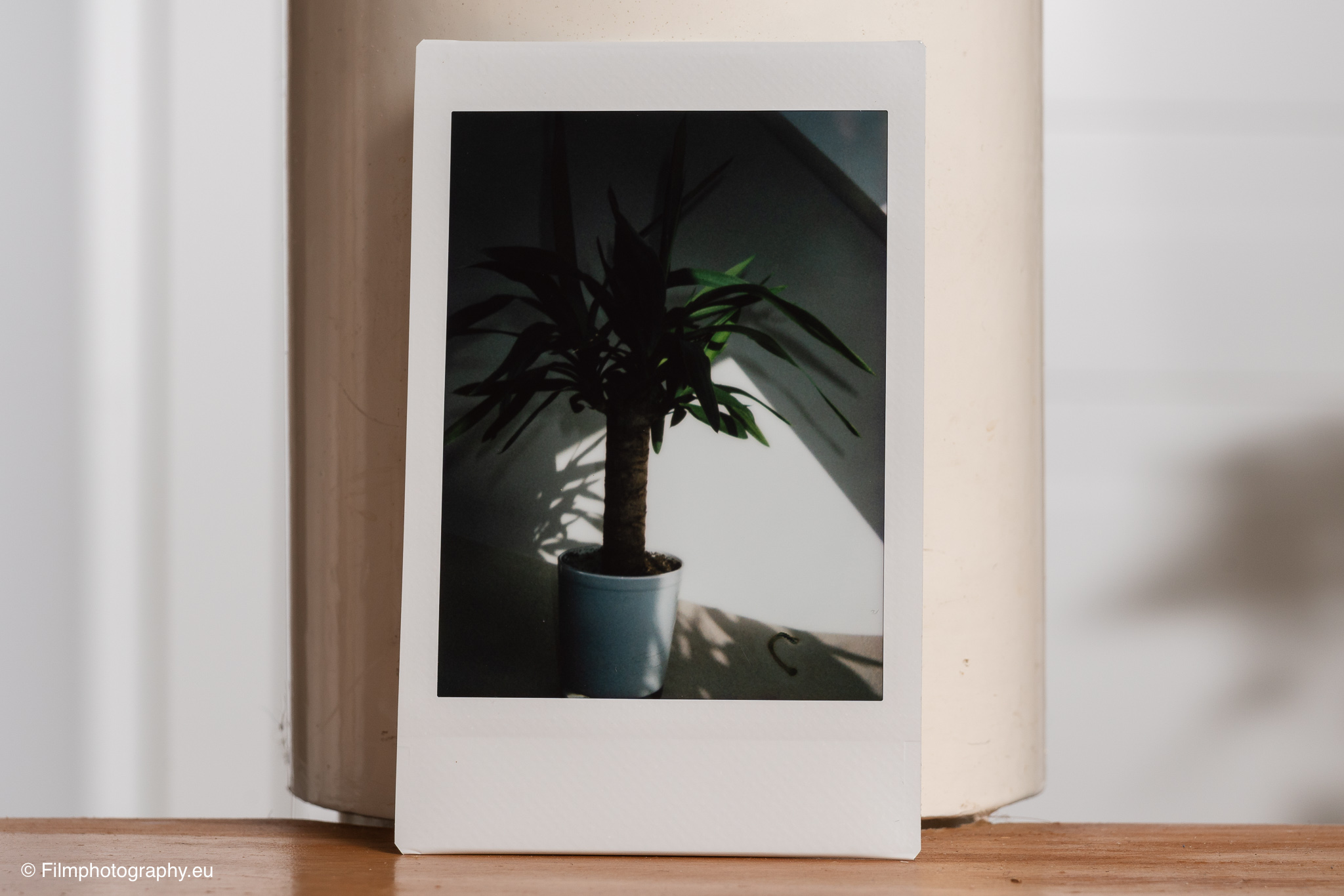
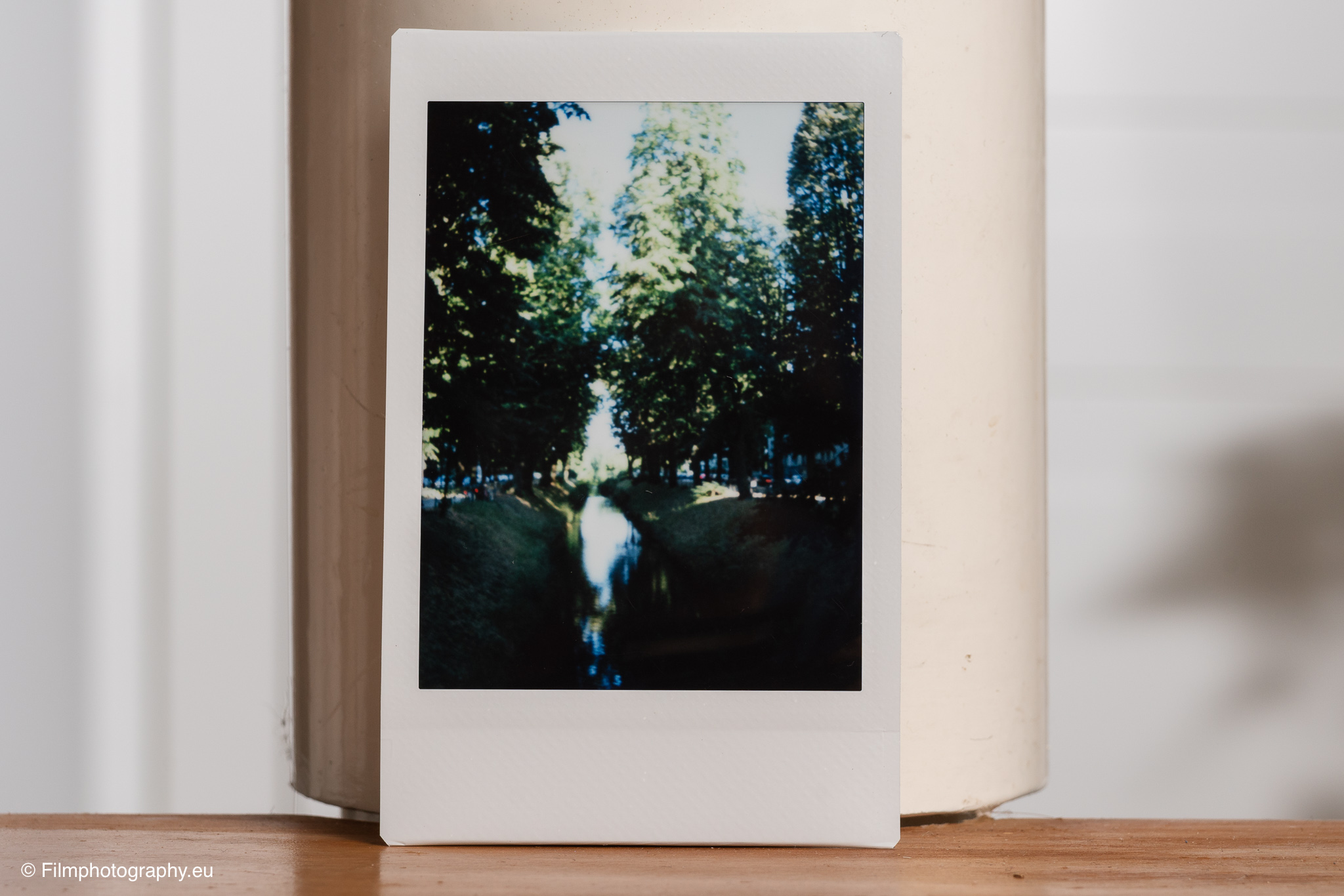

Buying the Instant Camera
If you want to buy the Fujifilm Instax Mini 13, you can find the camera in specialized photo stores as well as at large online retailers such as Amazon.
When purchasing, you should directly consider ordering enough film material, as it is not included in the scope of delivery. Since the Instax Mini film is supplied in cartridges with ten images each, the shots are quickly used up at events.