Who doesn't remember the feeling of walking through the streets with a simple disposable camera, pressing the shutter without much thought, and days later eagerly holding the developed prints in your hands?
The Flashback One35 V2 tries to preserve this very special feeling of life into the digital age, without producing new plastic waste after every outing.
In today's review, we take a close look at this unusual camera that promises the best of both worlds. We'll clarify whether the concept of artificial deceleration in everyday life really works or whether it's just a nice toy for in between.
Specifications
When talking about the technical data of the Flashback One35 V2, you shouldn't make comparisons with modern system cameras, as this wouldn't do justice to the actual concept of this camera.
At the core of the small housing, a sensor with a resolution of 13 megapixels works, delivering images in the classic 4:3 aspect ratio. For storage, internal memory is available, providing space for 27 shots before the virtual film roll is full and needs to be transferred. (The actual memory is slightly larger though)
The lens is a fixed focal length without autofocus, which means the sharpness is fixed from a certain distance and you don't have to worry about focusing. A small LCD screen on the back only shows the remaining number of images; you won't find a color display for image review here.
For dark environments, a real xenon flash is built in, which can be manually activated via a slider on the front.
Connection to the smartphone is made wirelessly via a local network or directly via a connected cable to load the images into the associated application. The built-in battery is charged via a modern USB-C connection.
In Practice
Unboxing and First Impression
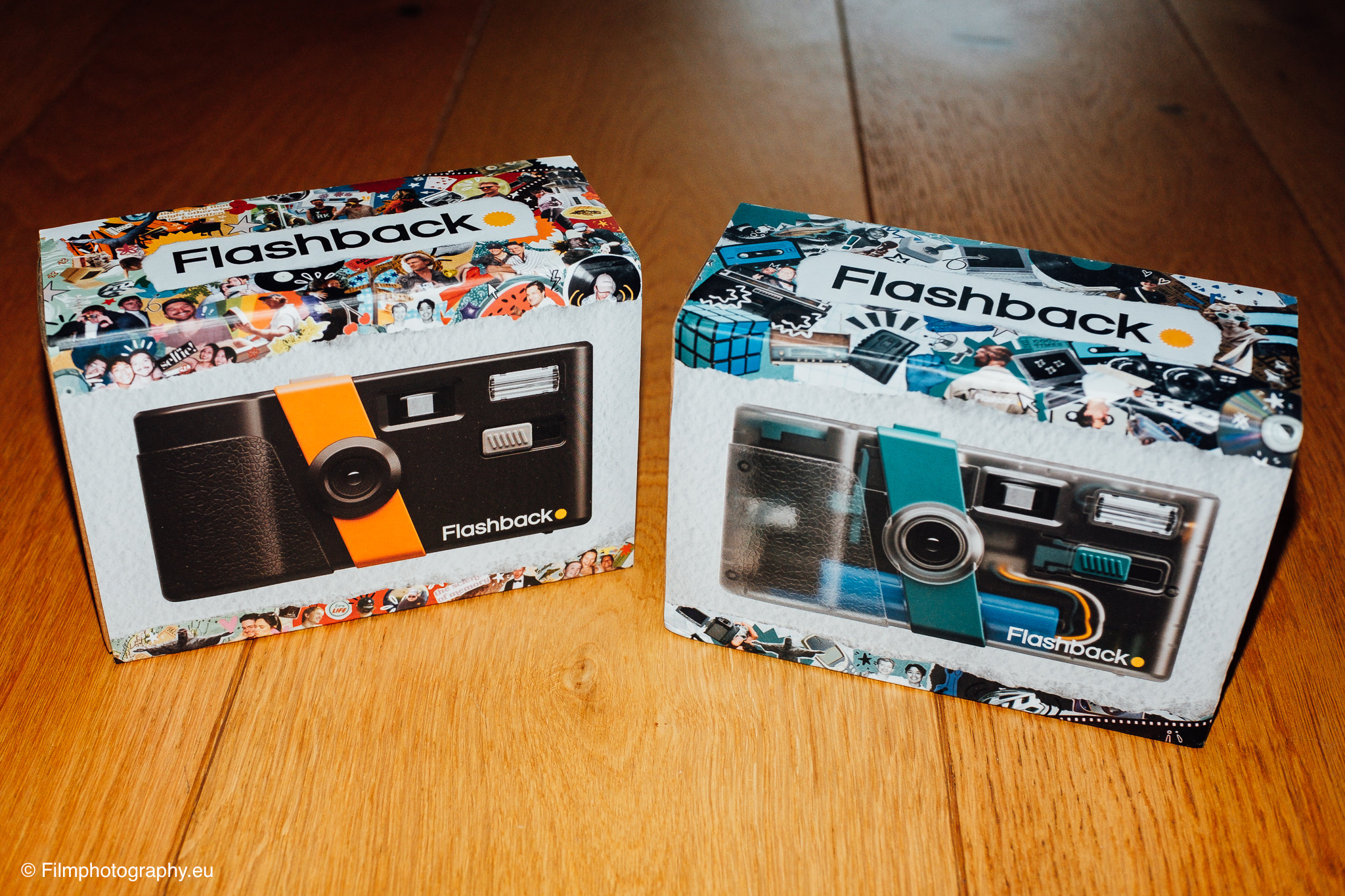
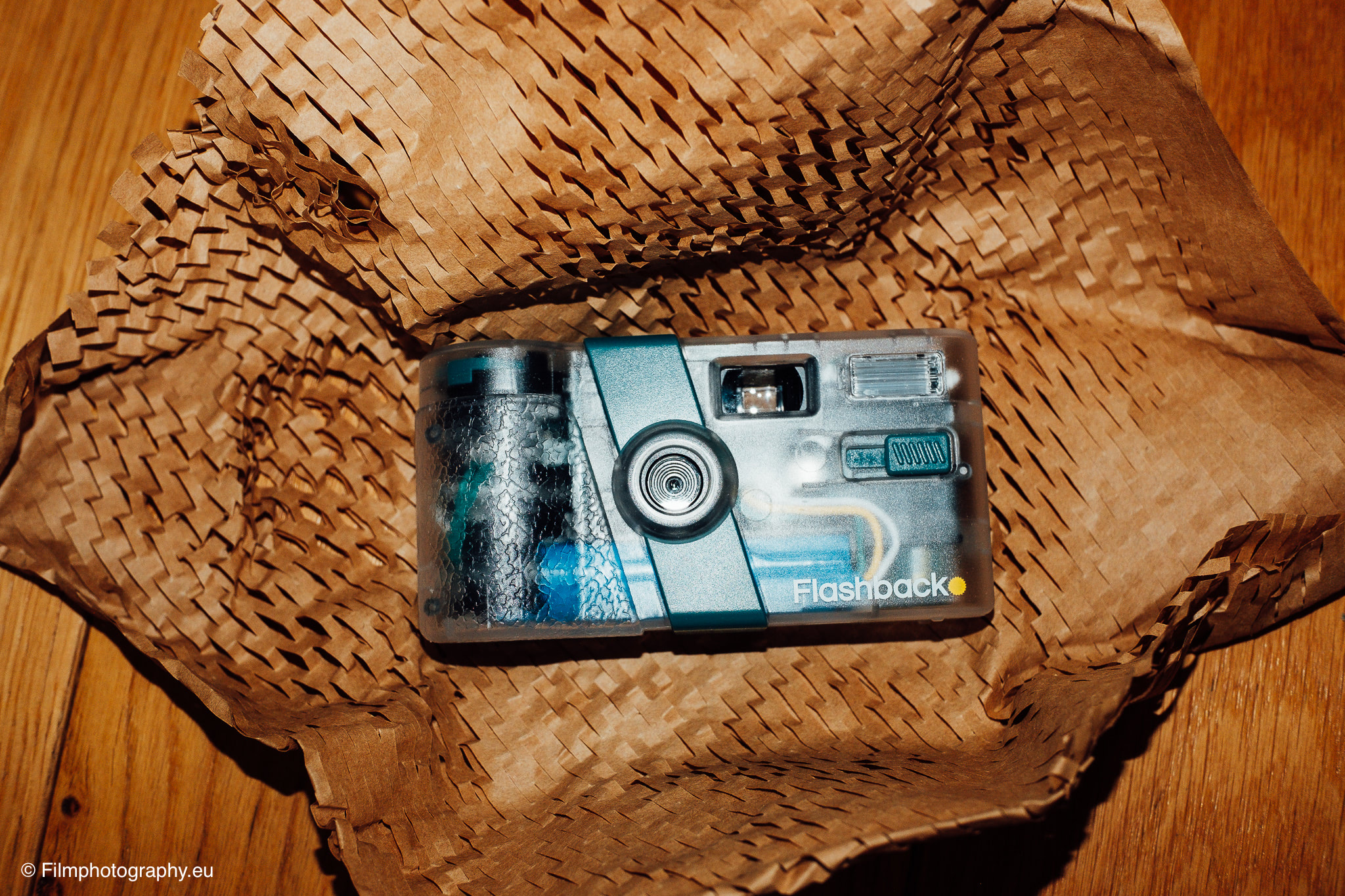
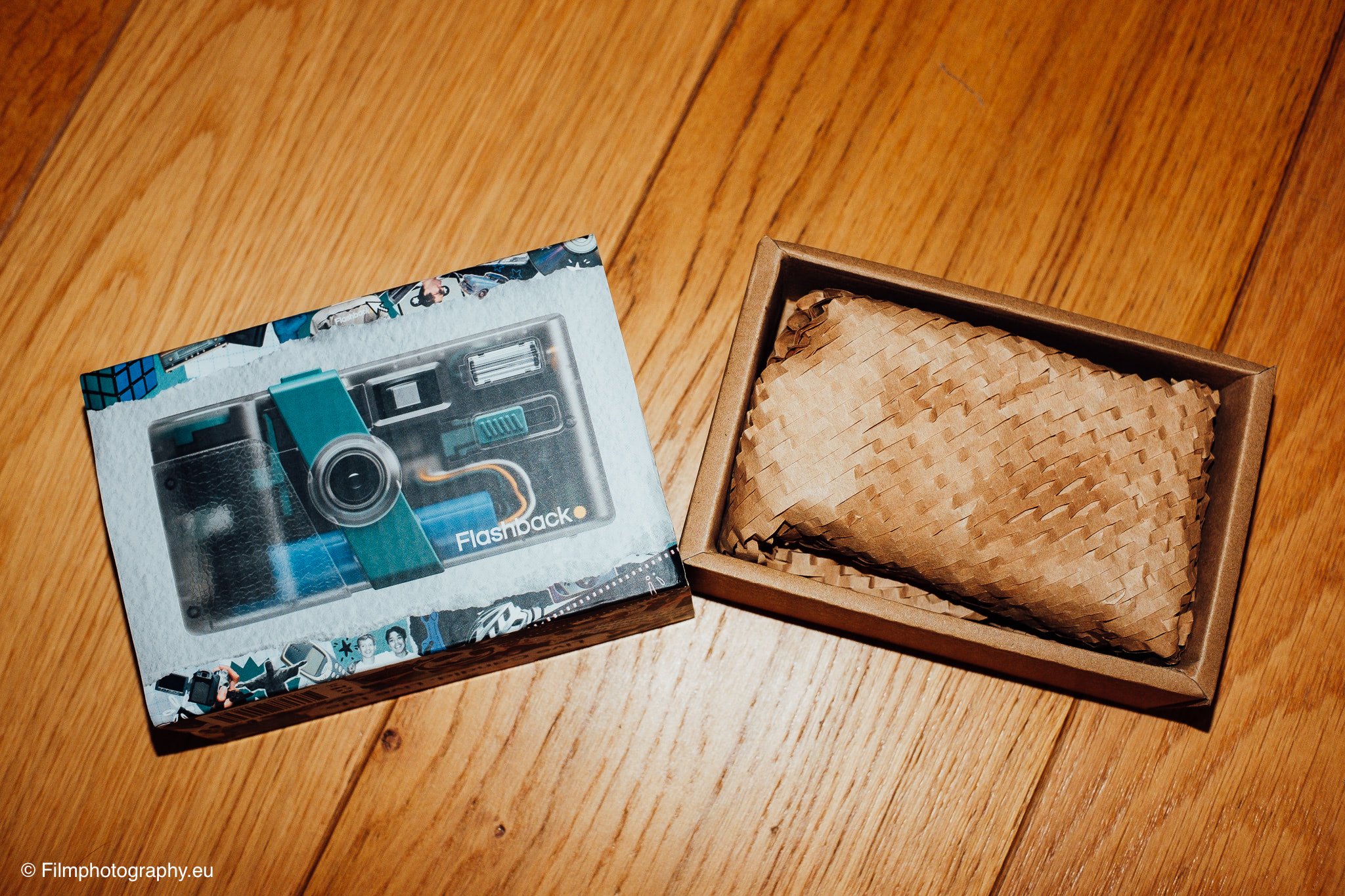
The first contact with the camera begins with unboxing, and here the manufacturer shows a heart for the environment. The entire packaging consistently avoids plastic and foil, which is a very commendable approach these days. The camera rests in a simple cardboard box and is additionally wrapped in paper for protection.
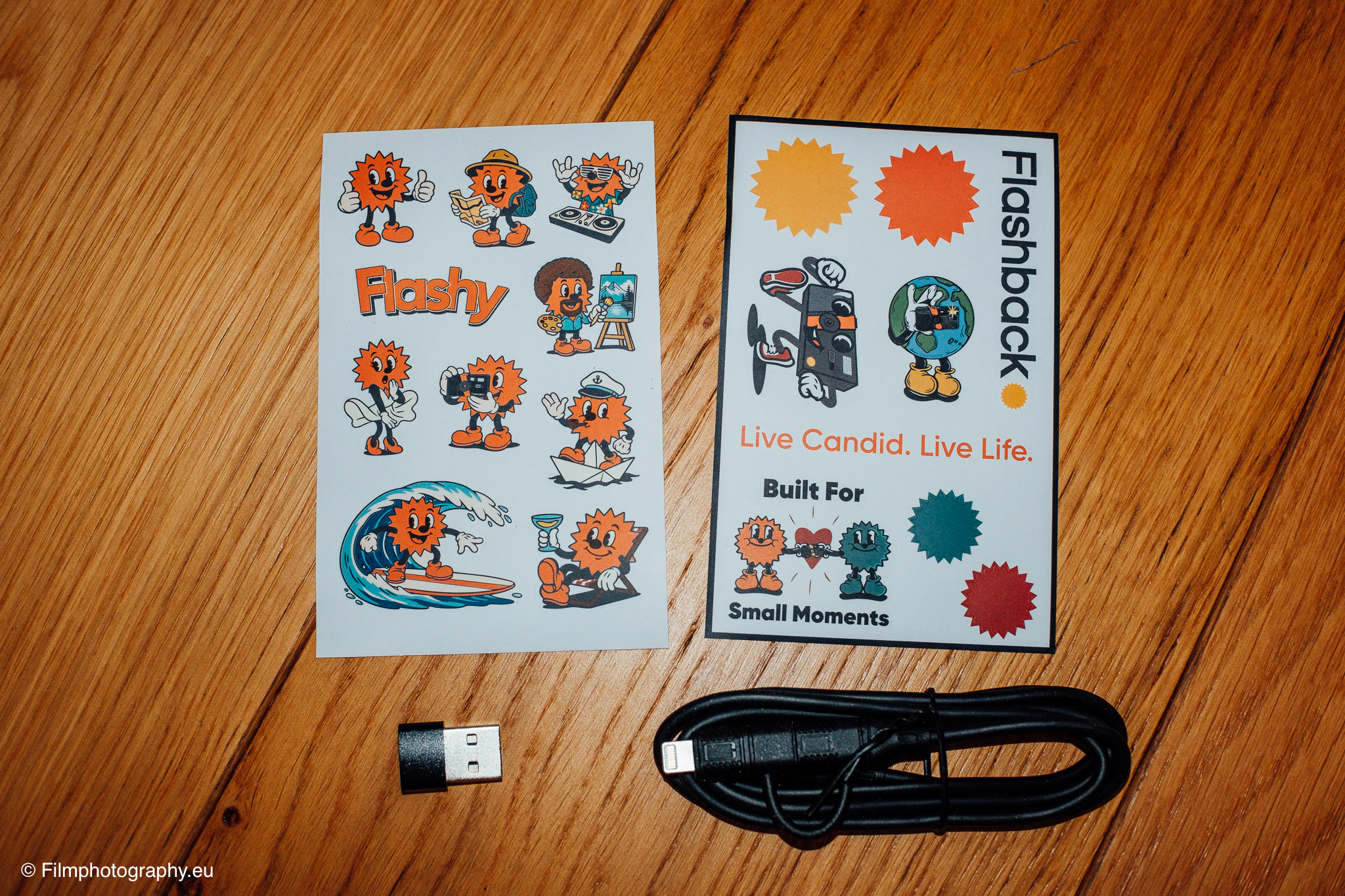
Along with the camera itself, a cable is included that has a USB-C connector on one side and both a USB-C plug and a plug for older Lightning interfaces on the other. An adapter for classic USB-A ports is also included, so you're prepared for all eventualities.
As a small extra, there are two sheets of colorful stickers with which you can individually design the housing or stick them in a photo album, for example. However, a small printed quick guide would have been nice at this point, giving the package a bit more depth. Although the entire functionality is explained in great detail in the smartphone app, a printed booklet with background information would have been a nice detail if you want to give the camera as a gift.
You also miss a simple hand strap in the scope of delivery, because such a safety measure is extremely practical in everyday life to avoid accidentally dropping the device. However, since most photographers probably have a suitable strap lying around in some drawer anyway, this point can be overlooked.



Form Factor and Haptics
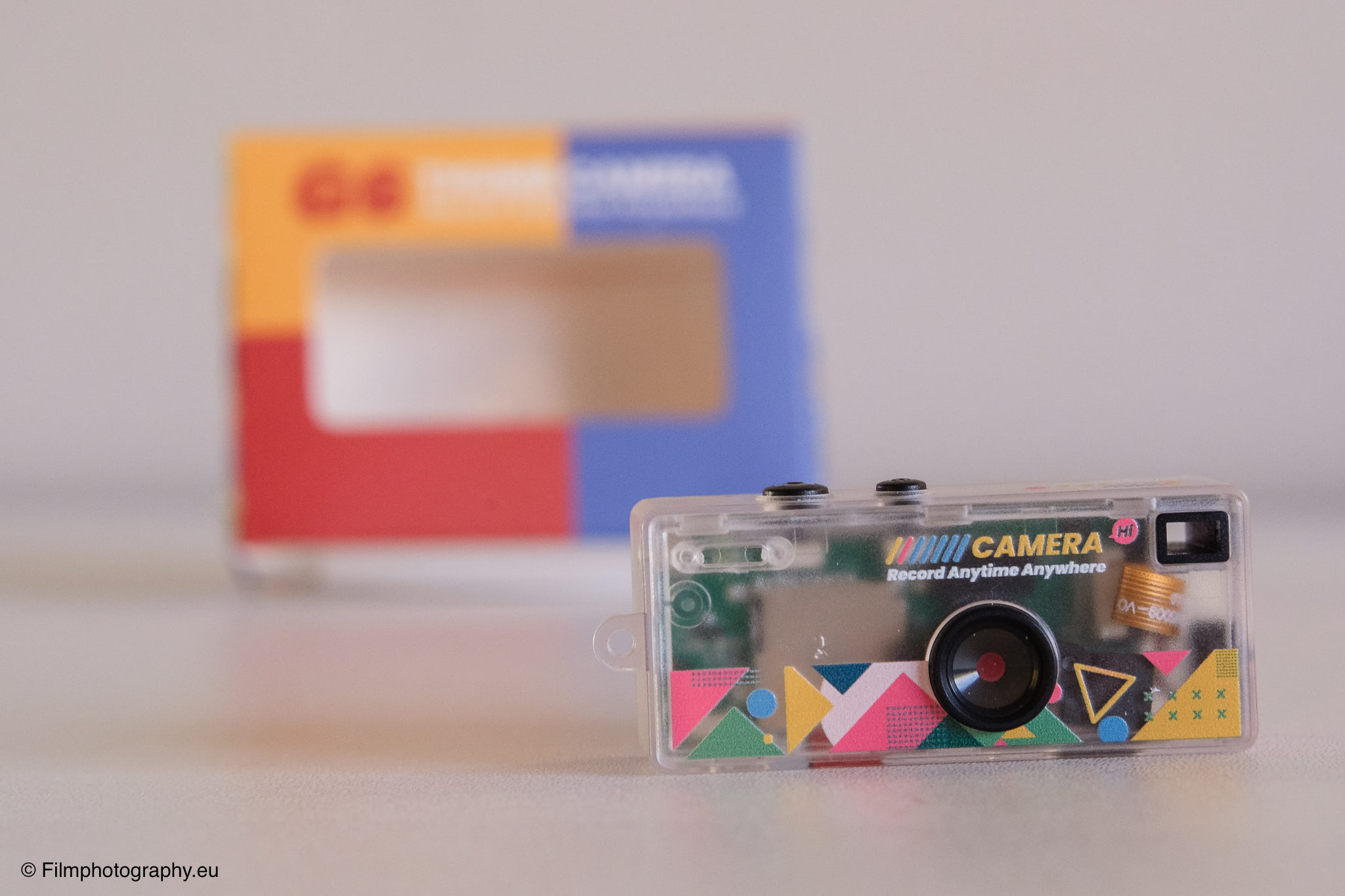
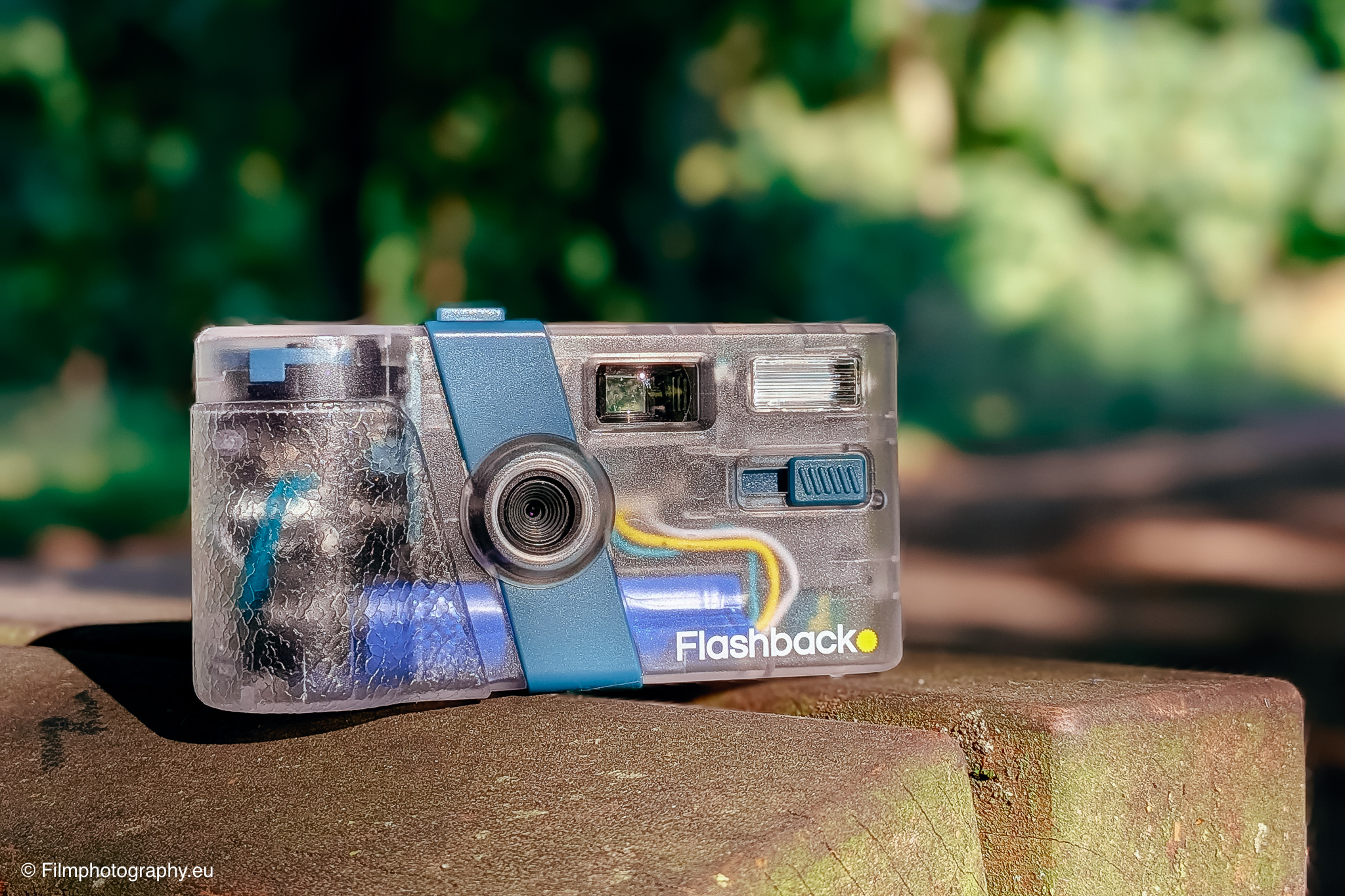
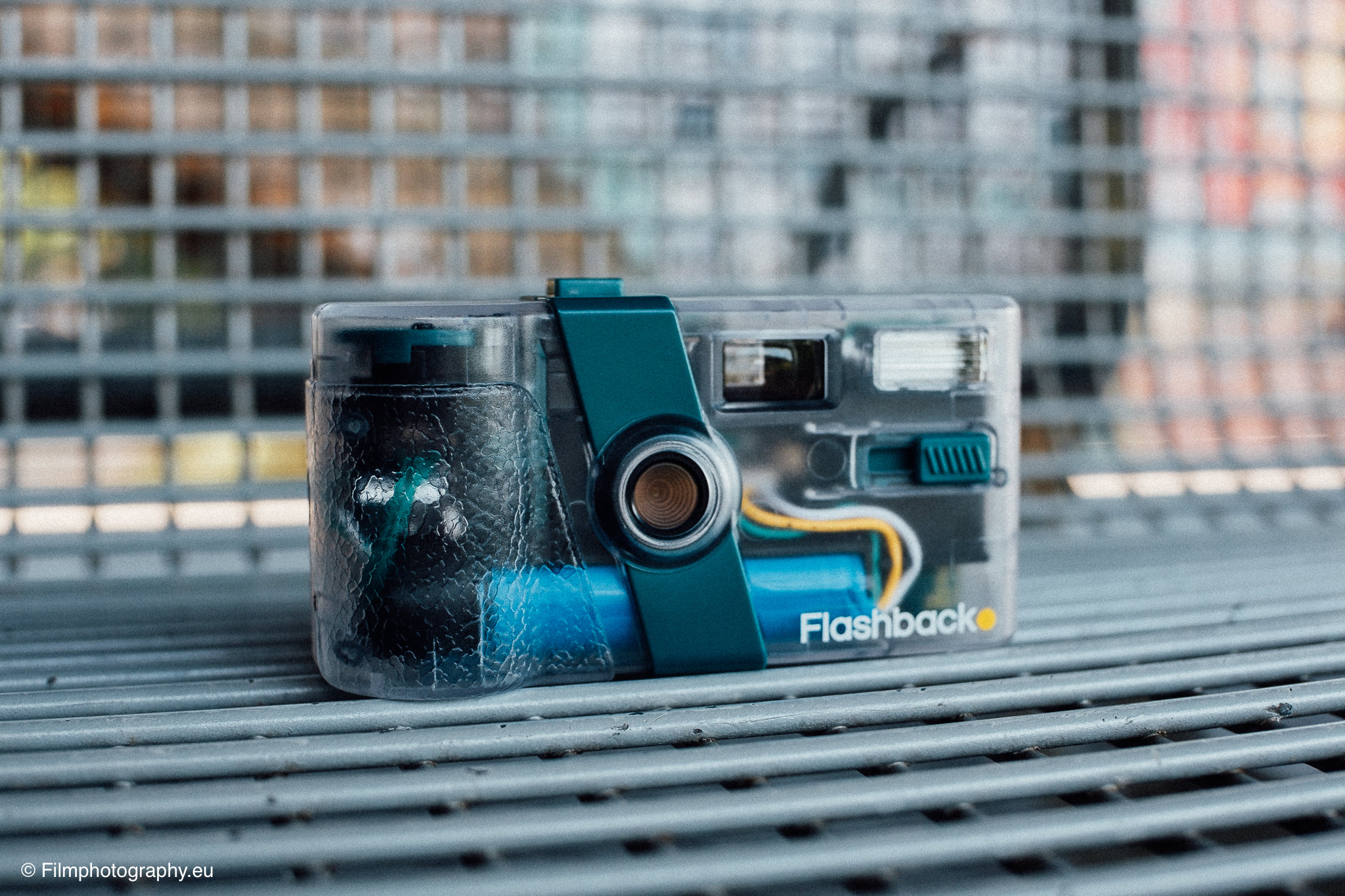
When you first hold it, a certain surprise quickly sets in, as the housing in its dimensions and shape is extremely close to a classic plastic disposable camera. Although the design already looks very similar in product photos, in reality the haptic feeling is a completely different experience. Both the visual impression and the handling immediately evoke memories of the past.
The plastic used feels somewhat firmer and of higher quality than the disposable products of yesteryear. Additionally, the camera feels a bit heavier in the hand, which is probably largely due to the integrated battery and the built-in electronics.
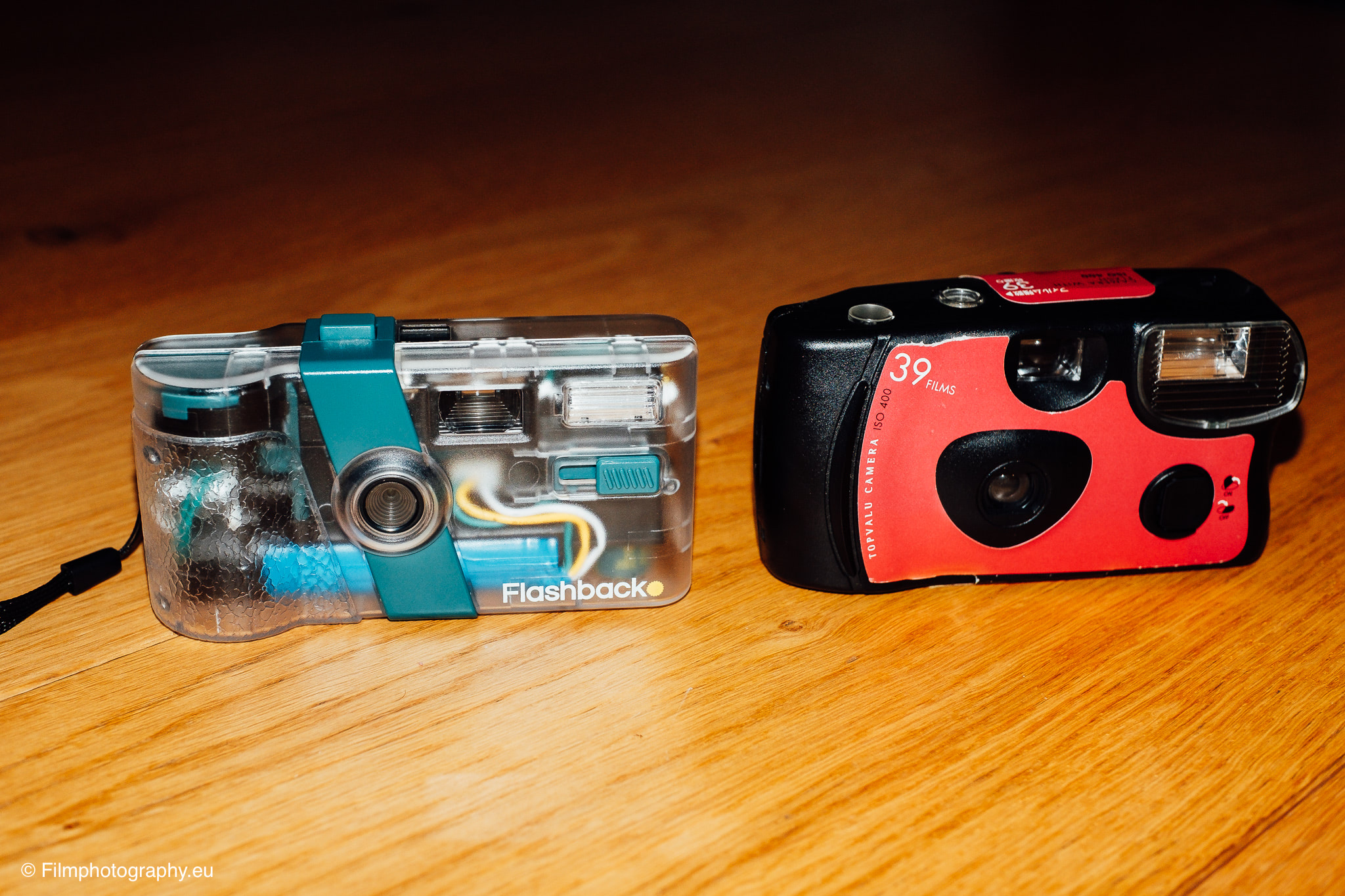
The slightly curved grip on the right side allows the housing to be held well and securely. However, as a photographer, you have to be careful not to reach too far forward with the fingers of your right hand, otherwise you might unintentionally cover the lens and immortalize your own finger in the finished photo. But perhaps this little mishap is part of the authentic charm of this type of photography. The version we tested with the transparent housing is visually very appealing, as it is always fascinating to be able to see the internal technology and structure of a camera directly.
I feel somewhat ambivalent about the shutter button. The pressure point doesn't feel particularly defined and leaves a somewhat unsatisfying feeling when pressing down. In direct contrast is the mechanical thumb wheel, whose operation feels extremely satisfying and wonderfully conveys the haptic feedback of a real film camera.

Power Supply
For charging and data transfer, the camera has a modern connection, which unfortunately lacks any protective cap. Whether such a cover is absolutely necessary in daily use is probably a matter of taste, but a little protection from dust and dirt in the pocket would have provided a better feeling.
Another aspect concerns the sustainability and long-term use of the device. Since the battery is built-in and cannot be easily replaced, the question arises whether you can still use the camera without problems in ten years.
Through the transparent housing, however, you get the impression that with some manual skill and the right tools, you might be able to open the housing and possibly replace the battery yourself if needed.


Smartphone App
The associated app is available for free for both Android and iOS in the respective stores. Our test experiences are based on the Android version of the application, which proved to be very stable in everyday use.
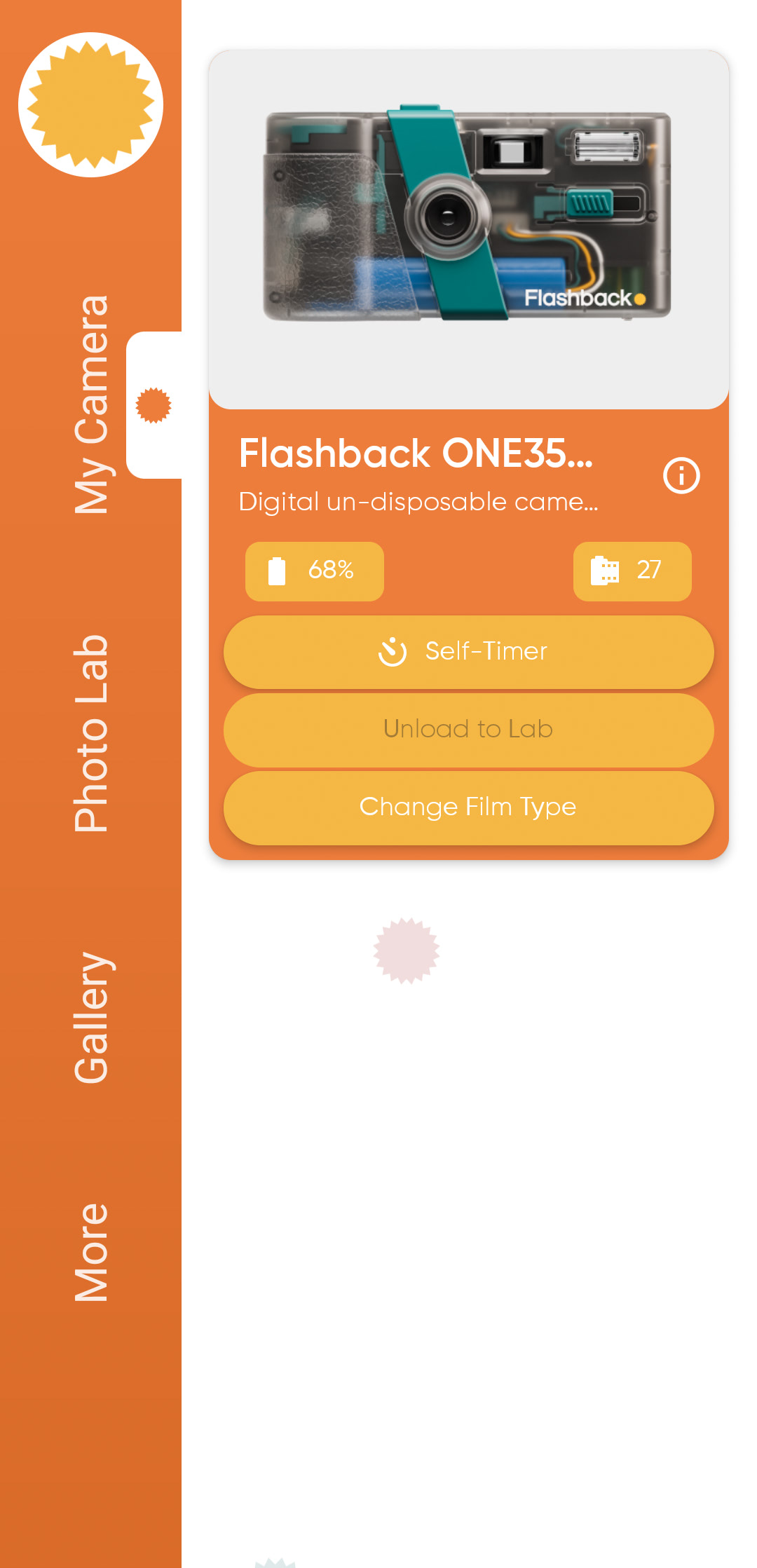
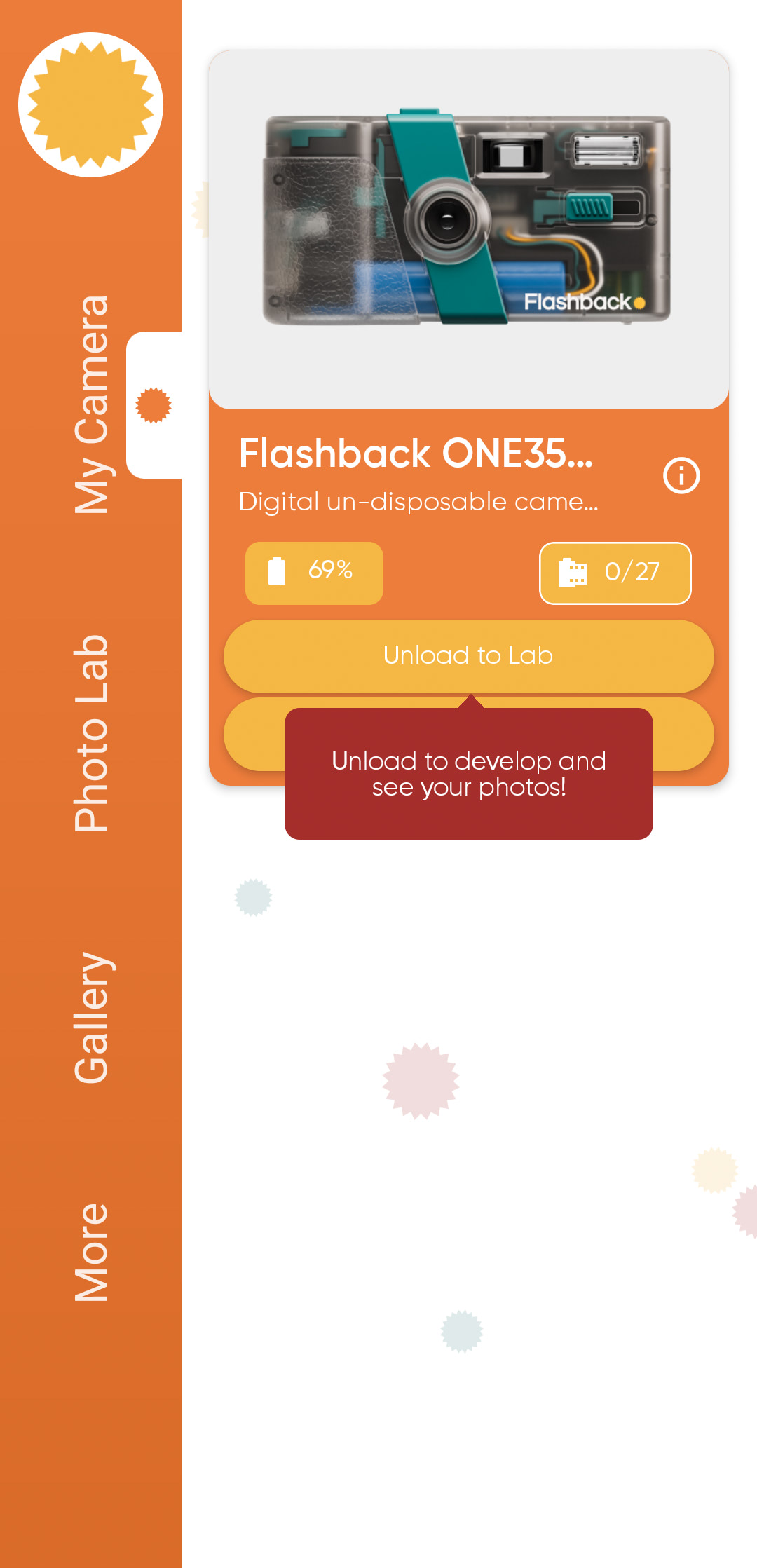
Pairing is incredibly simple: after opening the app, you just need to turn the thumb wheel on the camera, and the device is automatically recognized in the app. The overview shows important information such as the current battery level and the number of remaining images. Unfortunately, the exact battery level is not displayed on the camera's small screen itself, so you always have to look at the smartphone for that.
Within the app, you also set all basic settings for the camera. Here you can decide whether to use the device in direct mode like a normal digital camera or activate the classic development mode. The latter ensures that images only become visible in the app after a waiting period of 24 hours, which further enhances the analog character. Additionally, you can set whether the current recording time should be exposed directly into the image, like on old prints.
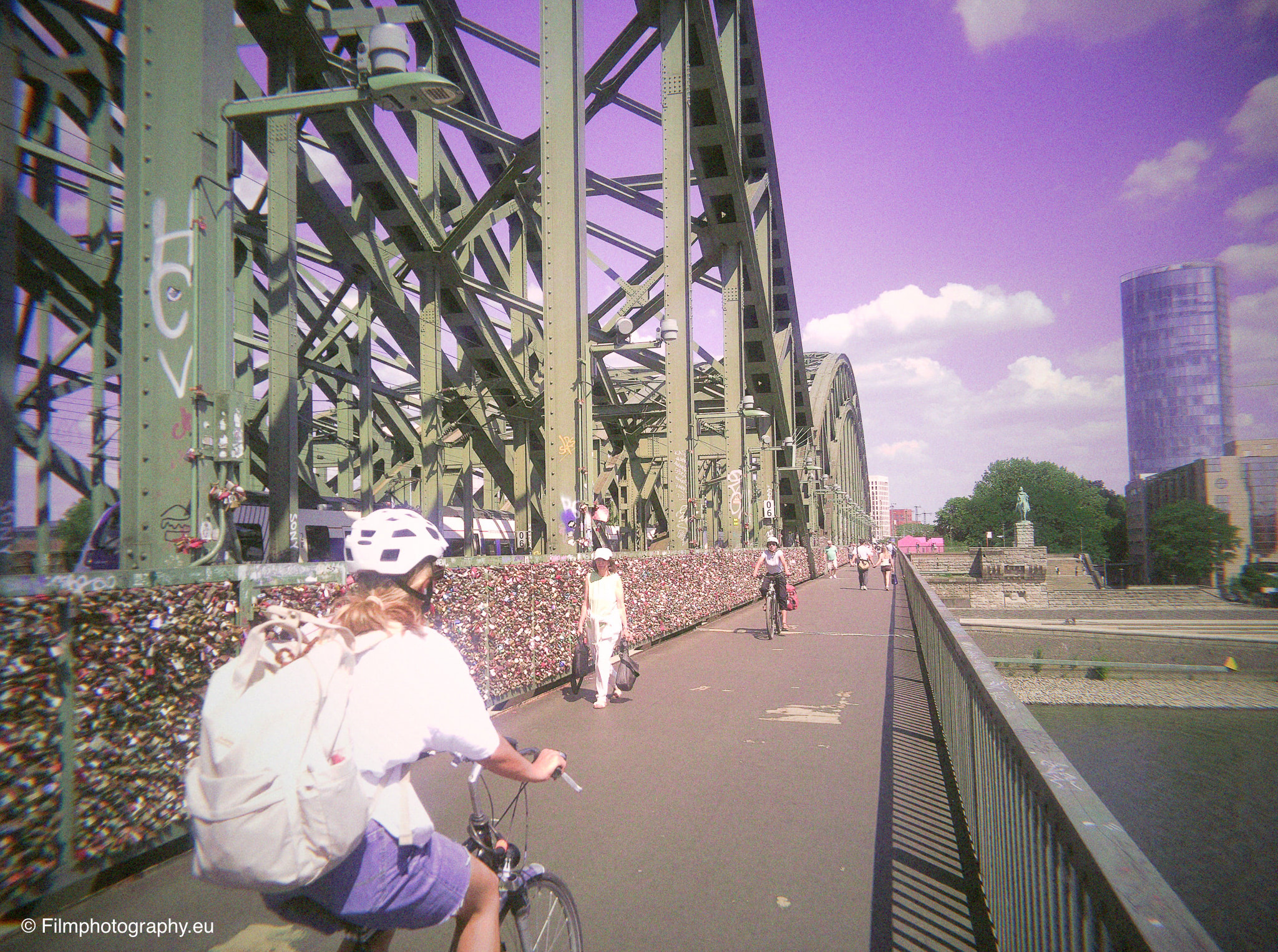
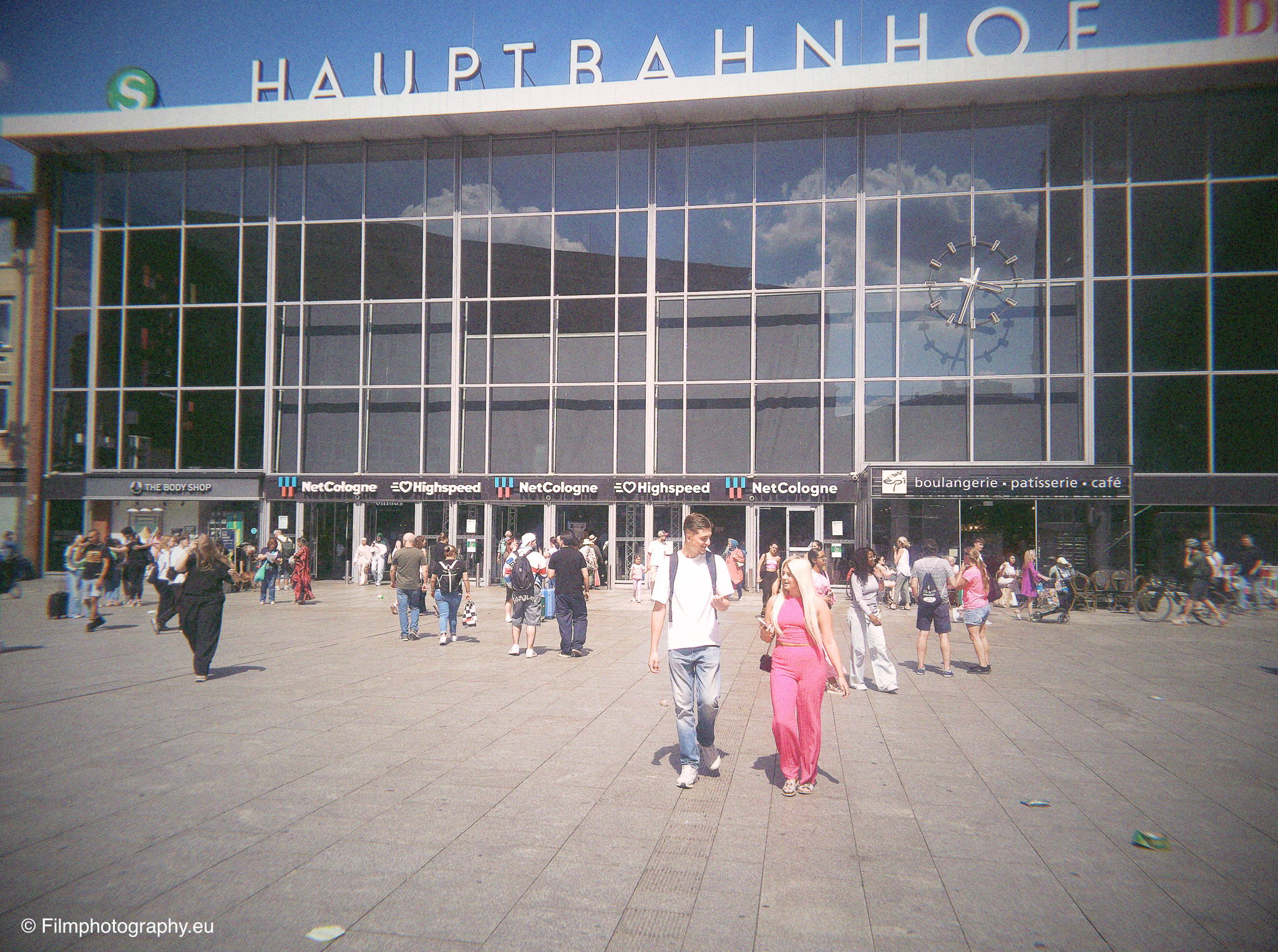
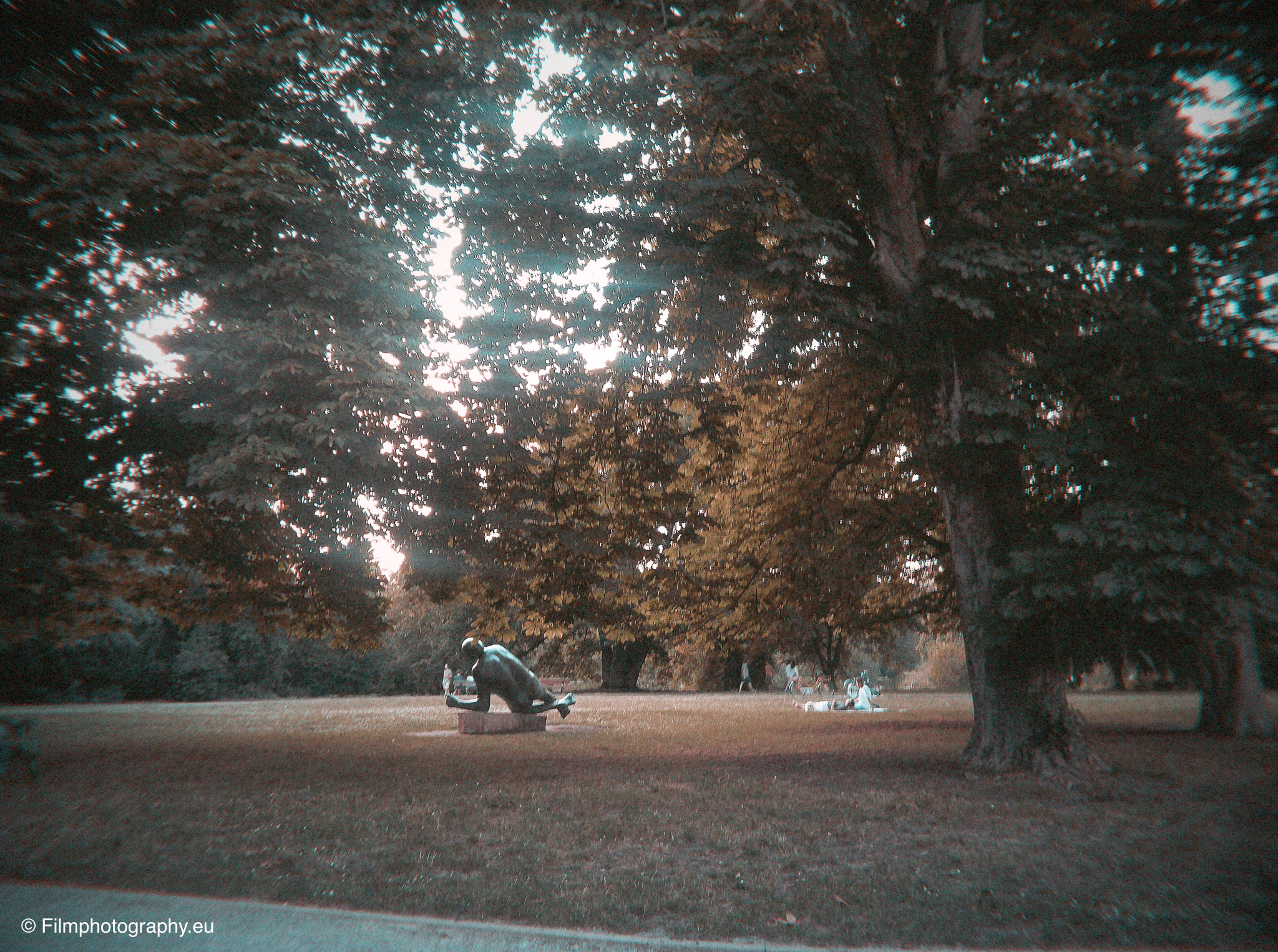
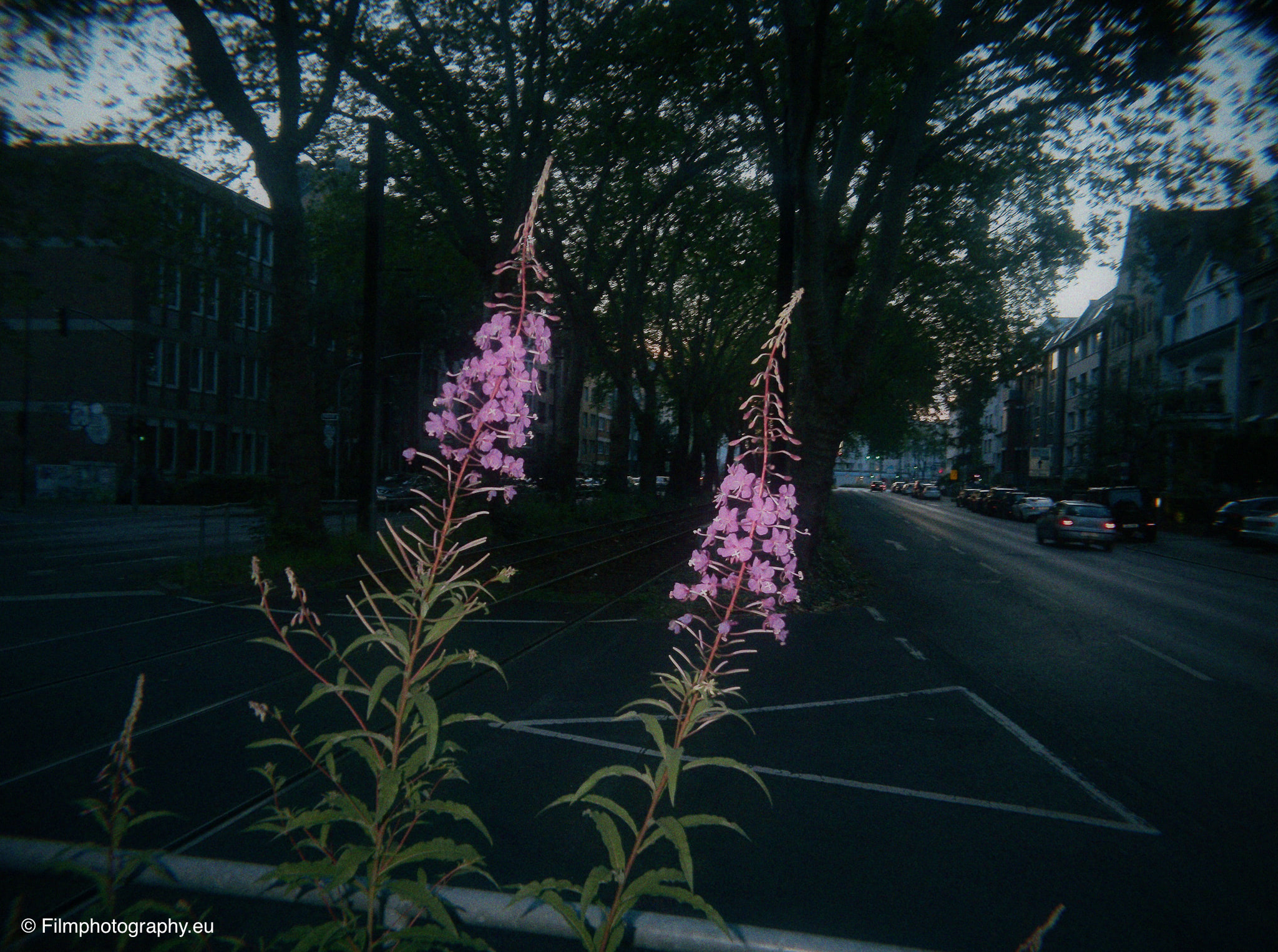
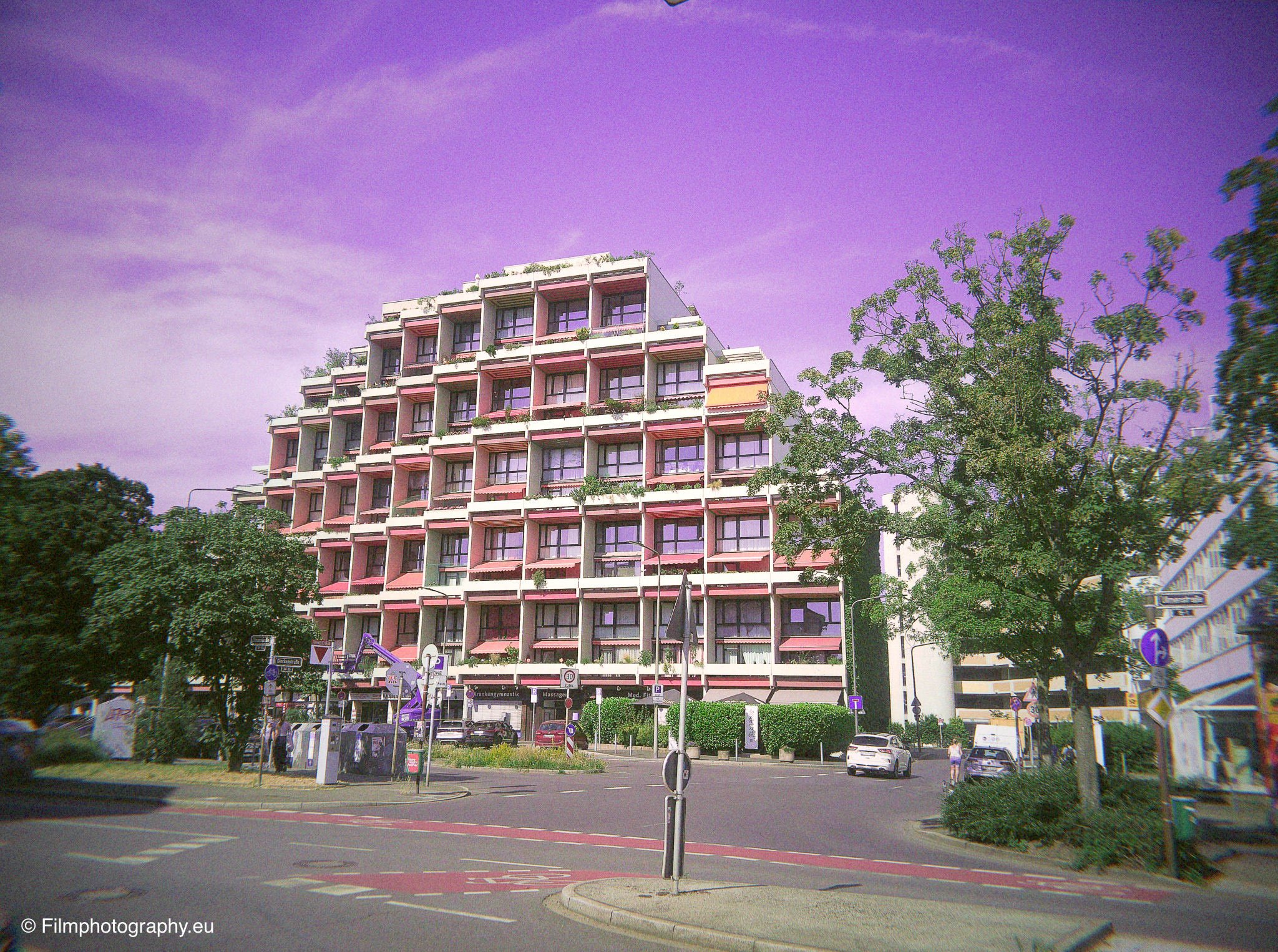
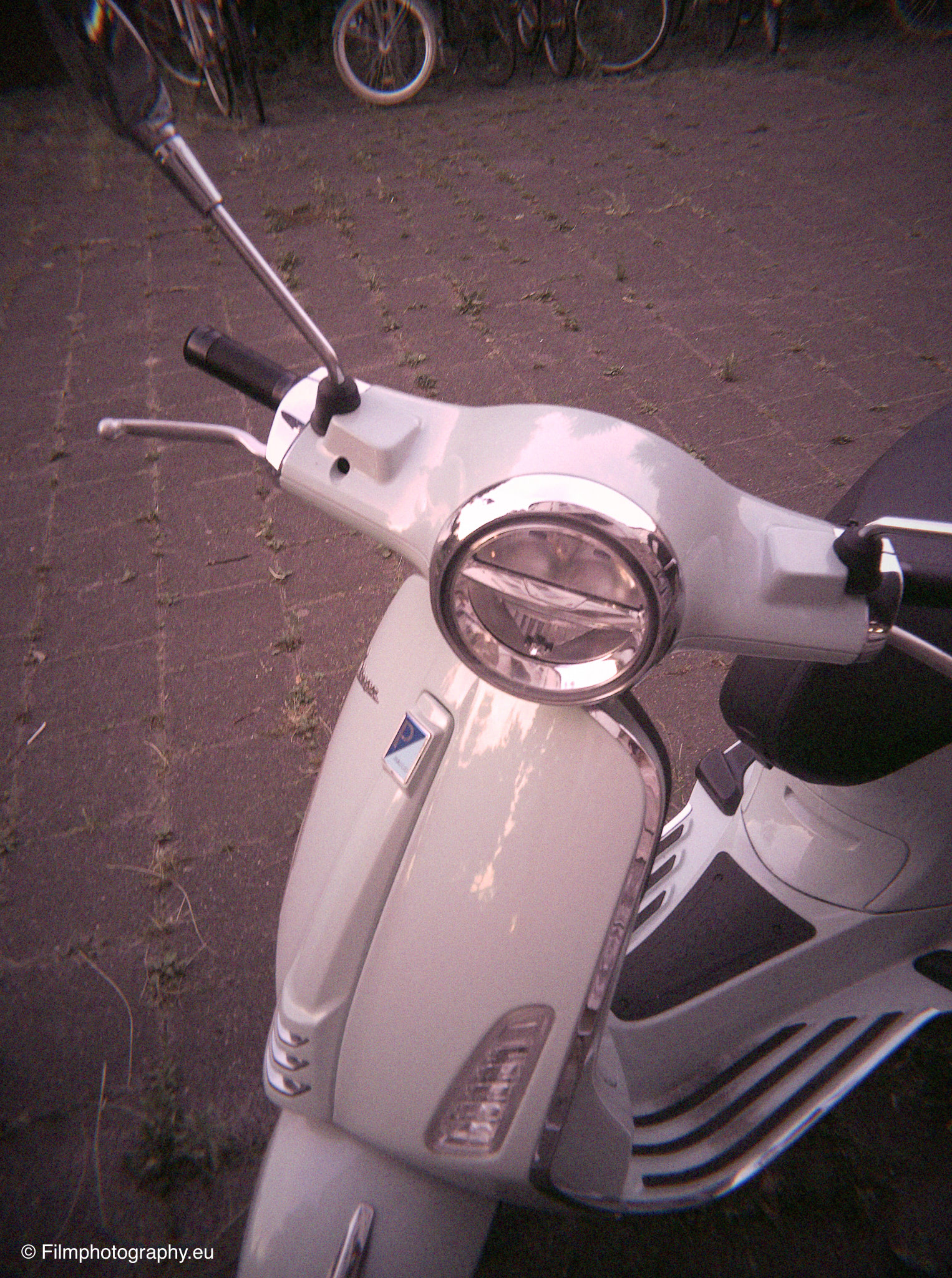
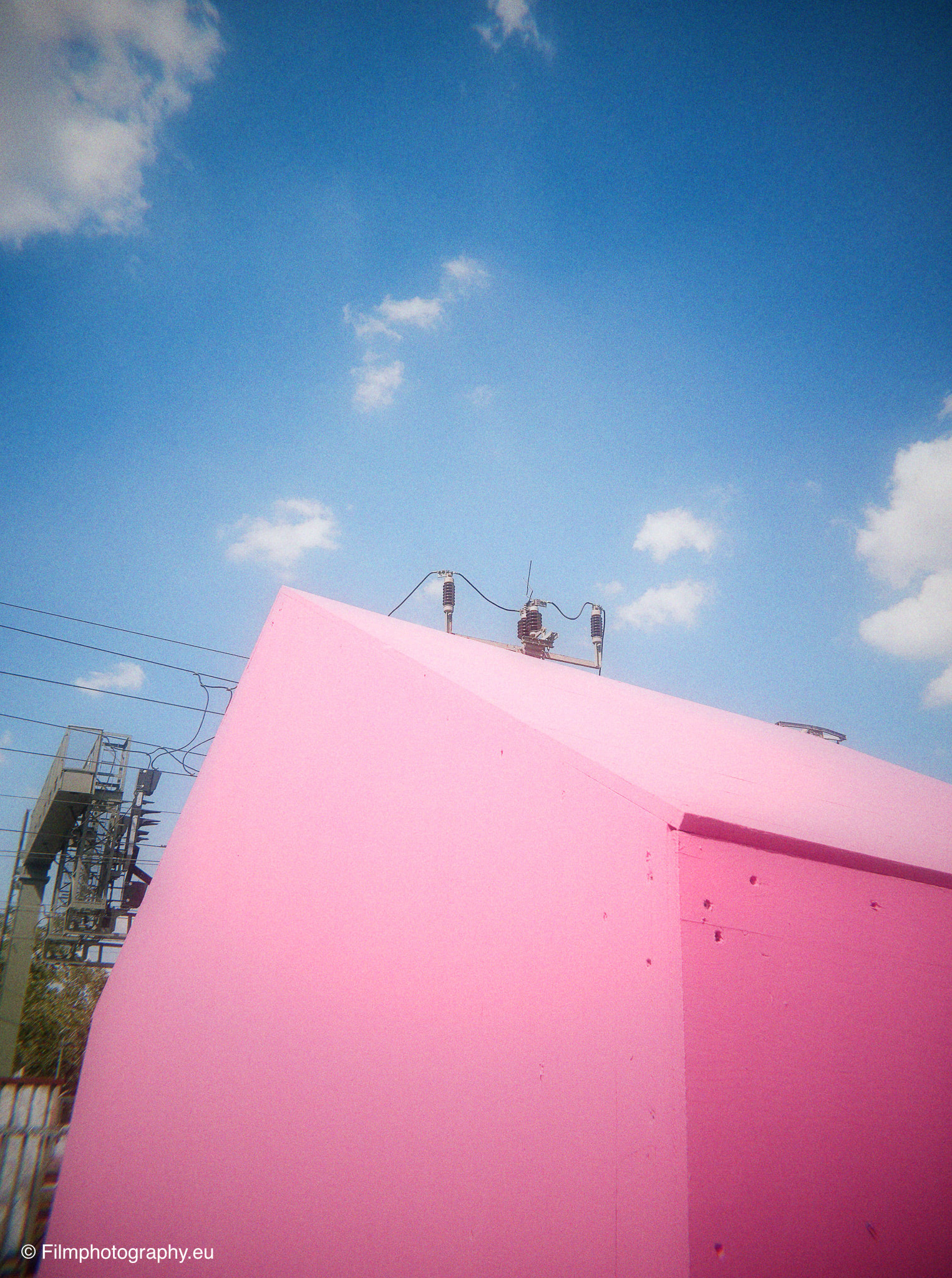
A central element of the app is the selection of the desired film style. Various simulations are available, such as FlashbackClassic, FlashbackMono, FlashbackBeta, FlashbackCine, FlashbackGold, RetroHaze, FlashbackDispo, and FlashbackDMG. For each of these styles, the app shows two sample images.
For beginners, a brief written explanation describing the color characteristics of each film and the lighting conditions it is best suited for would have been nice.
Once you have decided on a film roll, the name of the selected film is unfortunately not displayed in the main overview of the app. A small graphical representation, for example in the form of a stylized film cartridge, would have been a visually appealing solution. The range of functions is rounded off by a self-timer that allows lead times of three, five, or ten seconds.

Operation and Photographic Process
Taking photos with the Flashback One35 V2 is wonderfully uncomplicated. It's exactly this simplicity that you also appreciate in classic instant cameras: a tool that practically anyone can use to take a picture immediately, without the risk of accidentally selecting the wrong setting.
Whether the result ends up being a creative masterpiece is, of course, a different matter. But especially at parties, family celebrations, or on vacation, when you hand the camera to a stranger for a quick souvenir photo, it's invaluable that the operation is self-explanatory.
The most common mistake in everyday use remains the aforementioned hand in front of the lens. When you press the shutter, a mechanical click sounds, followed by a quiet electronic noise that signals the successful capture. After that, there's a pause, because like with an analog camera, you now have to turn the thumb wheel until it locks. Only then is the shutter released again.
The flash can be activated via a slider on the front. As soon as the small LED on the back lights up solid red, the flash is ready for use. At this point, we would have found a green LED much more appropriate, as the color red on many other devices signals that a charging process is underway or the system is not yet ready.
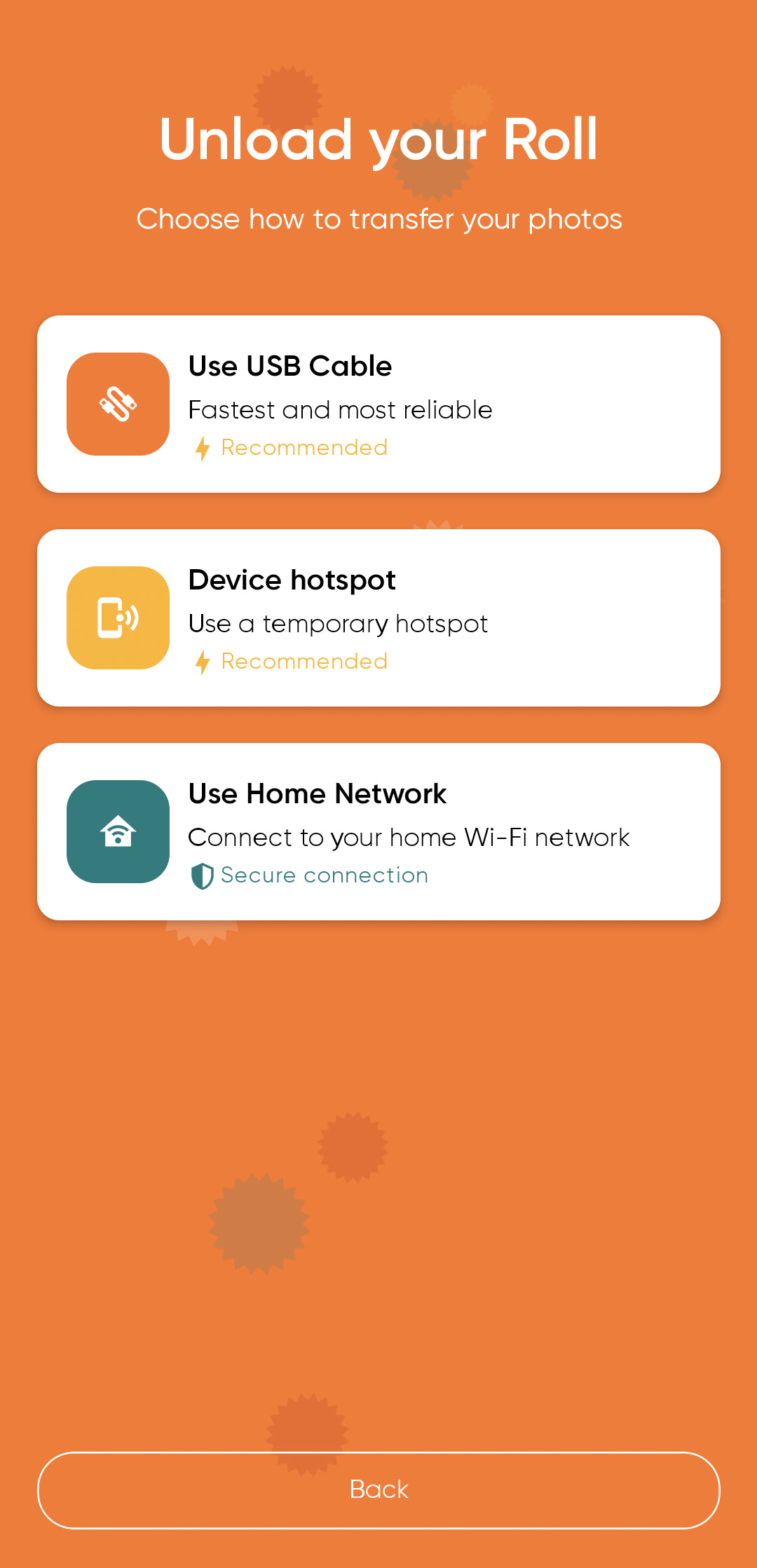
Once all 27 shots are exposed, the display shows the number zero. Now the virtual film roll must be brought to the lab via the app. Three options are available: connection via cable, setting up a hotspot with the smartphone, or integration into the home Wi-Fi. After the copying process, the camera's memory is cleared again and ready for the next pictures.
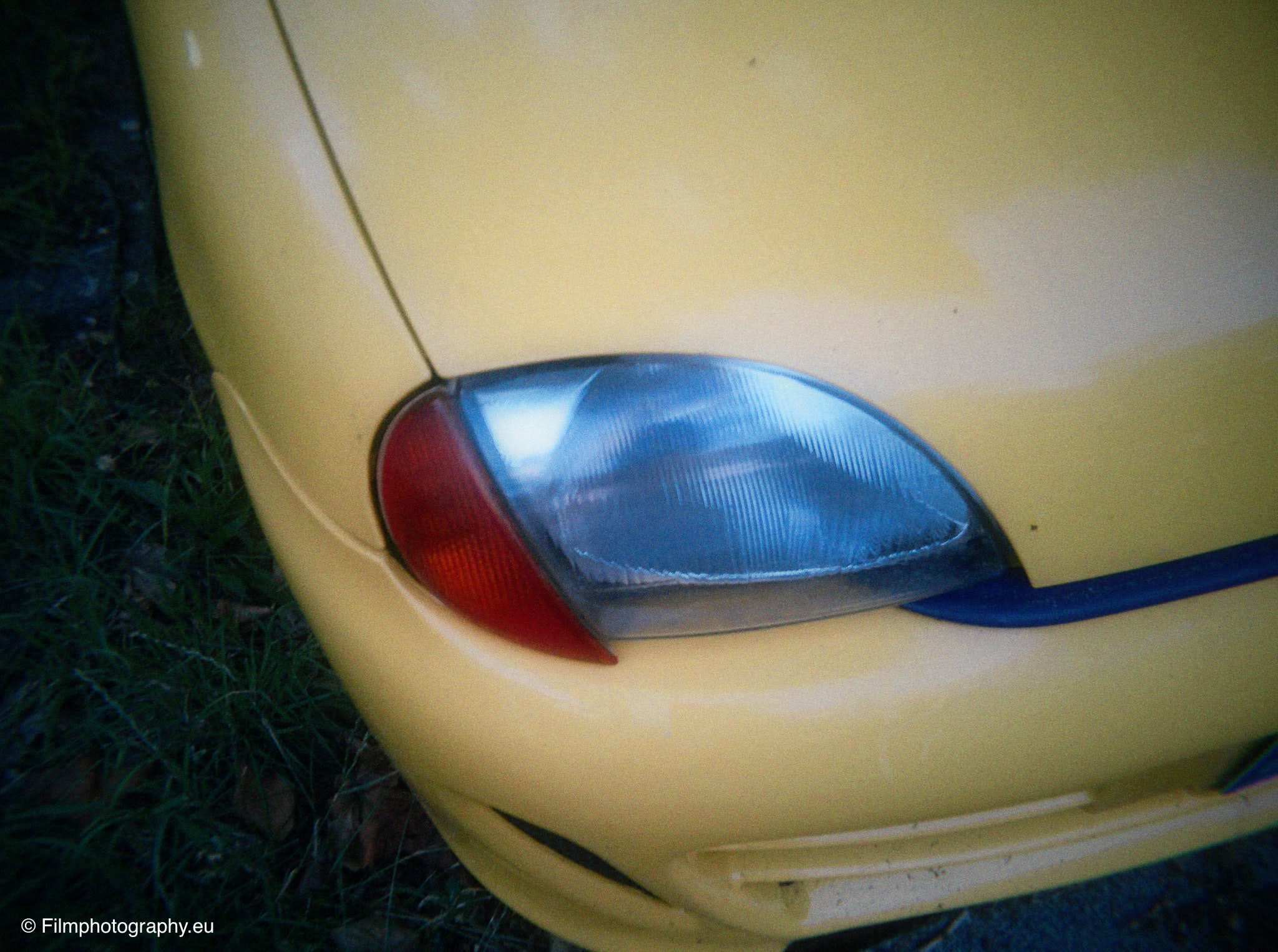

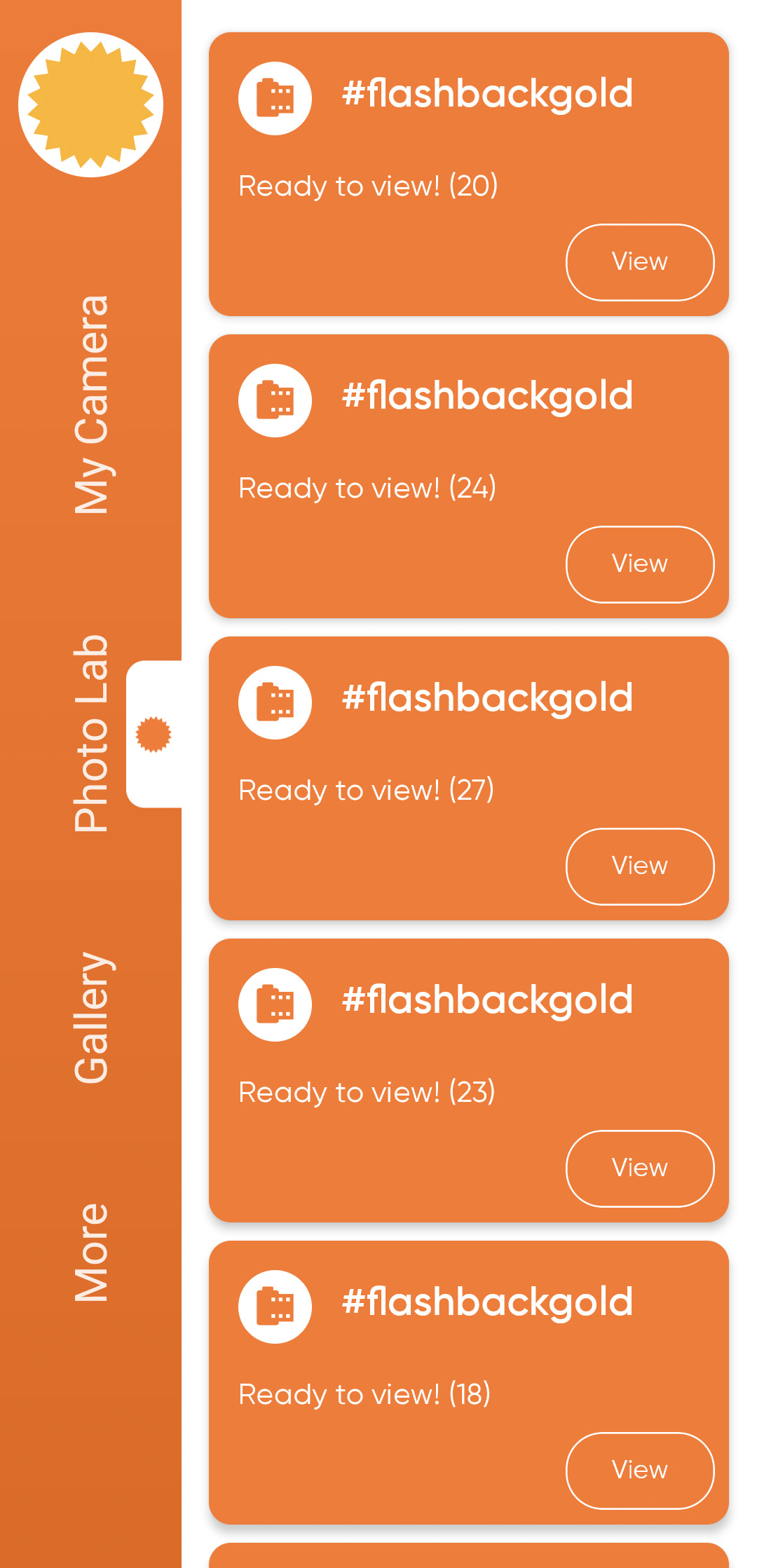
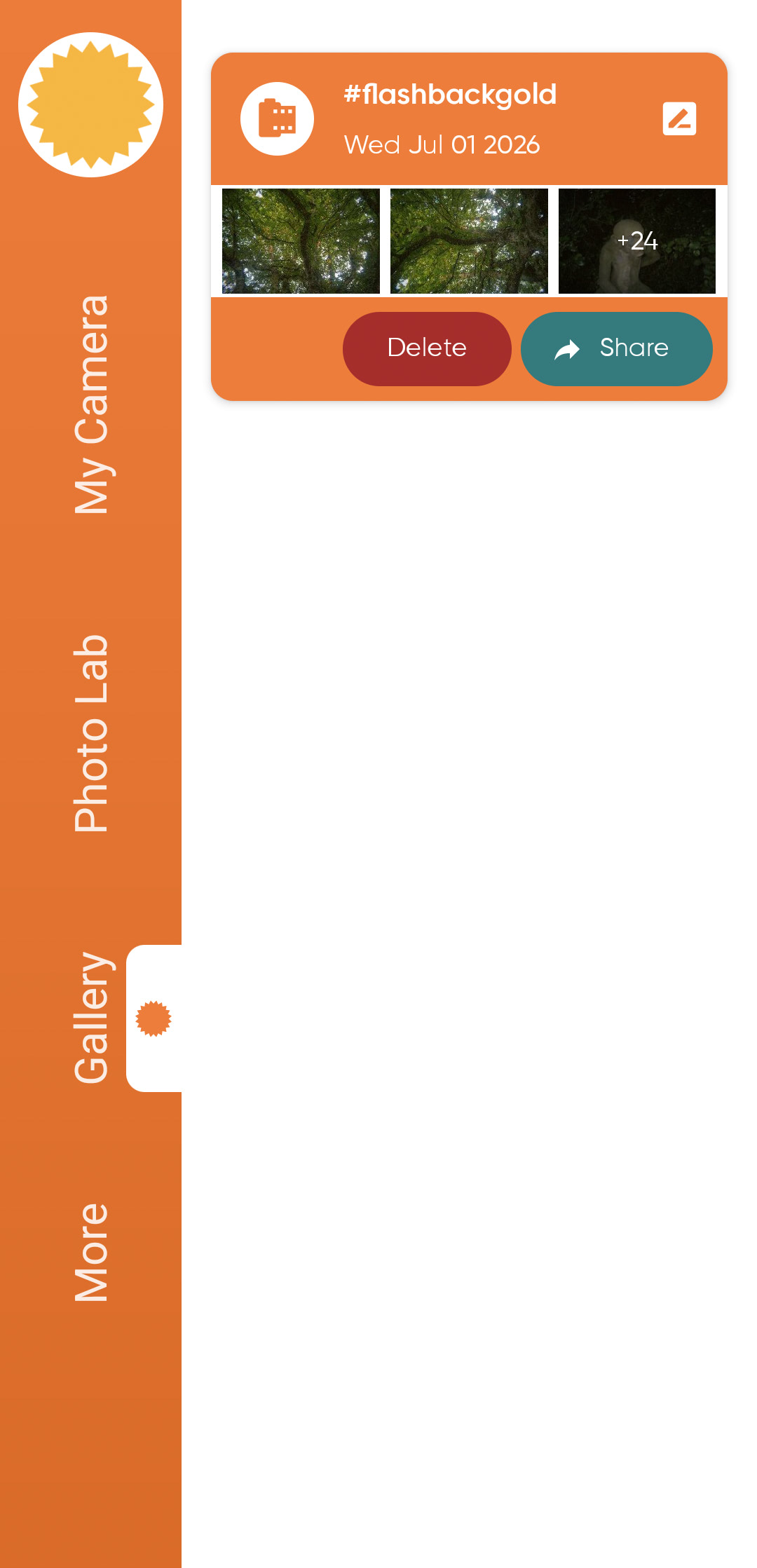
Depending on the selected mode, the images are displayed in the app either immediately or after the 24-hour development time, from where they can be shared or exported. The fact that you are forced to transfer the data after 27 images fits well with the analogy of the disposable camera, but can also be critically questioned. One could argue that in the past you would simply have pulled out a second camera from your pocket. The beauty of analog photography is precisely that you can completely detach yourself from the smartphone from time to time. An option where a new virtual roll is automatically started in the internal memory after 27 images would therefore be a welcome compromise for longer outings.
A very practical feature, on the other hand, is the ability to have an already transferred film roll redeveloped later with a different filter look if you are dissatisfied with the first result. Additionally, the images can also be exported as unprocessed files to develop them yourself on the computer.


Image Quality and the Aesthetics of Imperfection
When assessing image quality, it is not very useful to look at the photos in extreme magnification on the screen and academically analyze sharpness in the farthest corners or noise in low light. Such criteria play no role in a camera of this type.
Much more important is the question of how well the sensor and software convey the typical character of a disposable camera. For digital filters, it is crucial for me that they create a coherent aesthetic. A good effect is characterized by the fact that you don't perceive it as an artificial filter at first glance, but simply enjoy the beautiful and atmospheric colors.
The image effect should never be so dominant that it distracts from the actual subject. Many other apps and digital cameras with a supposed film look make the mistake of massively increasing saturation, using extreme sepia tones, or placing artificial light leaks over the entire image.



Whether the Flashback can perfectly replicate the real analog look ultimately remains a very subjective decision for the viewer. Especially since there is no single film look anyway, as it depends on countless factors such as development, scanner, and the film material itself. Moreover, even the simplest analog camera has a decisive advantage in depth of field due to the 35mm format, which cannot be physically replicated one-to-one with a small digital sensor. Nevertheless, the results of the Flashback are visually very appealing and exude their own charm.

Particularly noteworthy is the integrated flash, which contributes a large part to the typical aesthetic. Especially for indoor shots, the hard light of a flash is simply part of the look of a disposable camera. Even if the illumination sometimes seems a bit too intense or unflattering, it is precisely this imperfection that makes the images appealing.
Battery Life and Viewfinder
In our test, the camera proved to be pleasantly enduring in terms of power supply. After about 200 images taken, the display in the app still showed a charge level of 44 percent, with the xenon flash activated on about every tenth photo. With a full battery charge, you should easily get through several days or a long weekend.
The optical viewfinder of the camera serves only as a rough guide for the image section in everyday use. It quickly becomes apparent that the built-in sensor captures a significantly larger area than what you see through the viewfinder. So on the finished images, there is usually a bit more to see at the edges than you expected when looking through the housing, which you should keep in mind when composing the image.
Ideas for a Future Version
During use of the camera, we came up with some creative ideas that could make a potential successor version even more interesting.
An exciting approach would be, for example, a so-called surprise film, where the camera randomly selects a different look for each image or mixes different aesthetics. A waterproof version or a special underwater edition would also be an excellent addition to use the camera at the beach or pool without having to worry about the sensitive electronics.
An integrated test mode that allows you to apply all available film styles directly to a single subject would make it easier to compare the looks, even though this is already possible via the detour of post-development.
Finally, a direct connection to a real photo lab would be a charming idea: you send the full film roll digitally and a few days later receive real, printed prints in your mailbox, without having seen the images on your smartphone beforehand, just like in the good old days.



Conclusion
Can the Flashback One35 V2 completely replace a real analog disposable camera? The honest answer is no. However, this is less due to the qualities of this specific camera, but rather to the fact that real analog photography with all its chemical and mechanical processes can never be completely transferred to the digital world. Nevertheless, the Flashback comes surprisingly close to the original feeling and represents an excellent, environmentally friendly alternative.
In the test, we particularly liked how quickly the device is ready for use and how intuitive the entire process is, allowing you to fully concentrate on the moment. While photographing, you surprisingly quickly forget that you are actually holding a digital device in your hands.

Of course, this camera is not suitable for everyone's taste. You have to consciously embrace the artificial limitations that have technically become superfluous in today's world.
The limitation to 27 images and the waiting time for development may seem outdated at first glance, since you could take the same photos with your smartphone and edit them afterwards. But it is precisely these limitations that unfold a noticeable creative effect. Because the number of images is limited, you think much more carefully before pressing the shutter whether the subject is worth the shot. You change your position for a better perspective or wait patiently for the right moment. This gives each individual image more meaning and appreciation.
Waiting for the results also increases anticipation and changes the view of your own shots, as you evaluate them anew with some temporal distance. While some purists might argue that such cameras harm real analog photography, we see the opposite.
The Flashback One35 V2 is a wonderful entry-level tool. Especially for younger people who have only photographed with a smartphone so far, this concept can spark interest in conscious photography and pave the way to a real analog camera.
Given the increased prices for film material and development, this model offers an excellent opportunity to dip into the world of decelerated photography without taking a financial risk.


Buy
If you now feel like diving into this decelerated world of photography and trying out the Flashback One35 V2, you can get the camera directly from the manufacturer's official website.
At the address joinflashback.co, the model is offered in various color variants, with the transparent version we tested being a particularly special eye-catcher. The ordering process is straightforward and shipping is directly to your home, so nothing stands in the way of your next photographic adventure.

Giveaway
For our loyal readers, we have a very special surprise in cooperation with the manufacturer. We are giving away one Flashback One35 V2 so that you can soon test the camera yourself thoroughly.
To participate in the giveaway, simply send us a short email with your name to the address ... The deadline for entry is July 10. The lucky winner will be randomly selected after this date and notified directly by email. We wish all participants good luck and always good light in your search for subjects.
The giveaway has ended and the winner has been notified.
Sample Photo Gallery
#FlashbackClassic



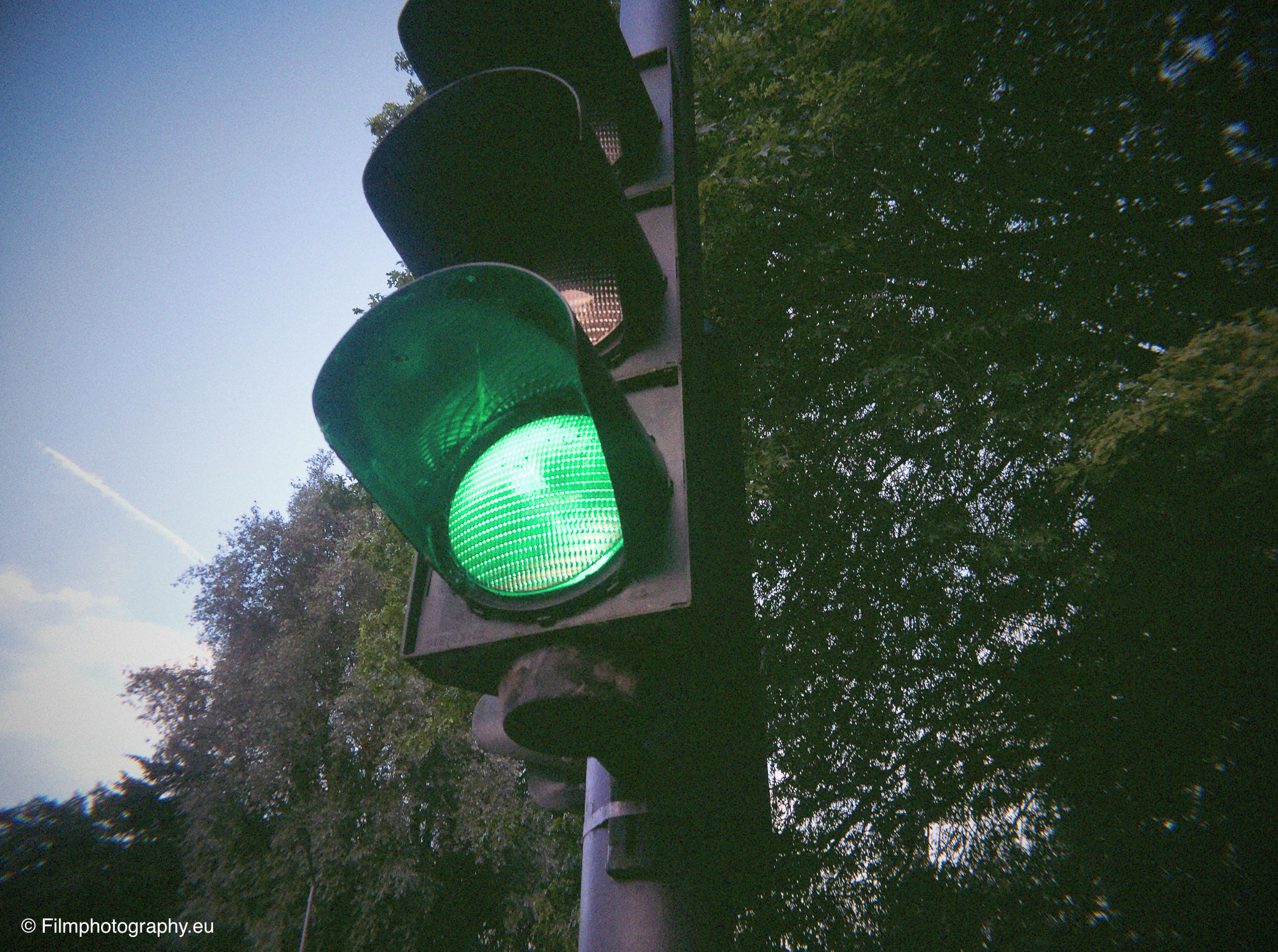
#FlashbackMono



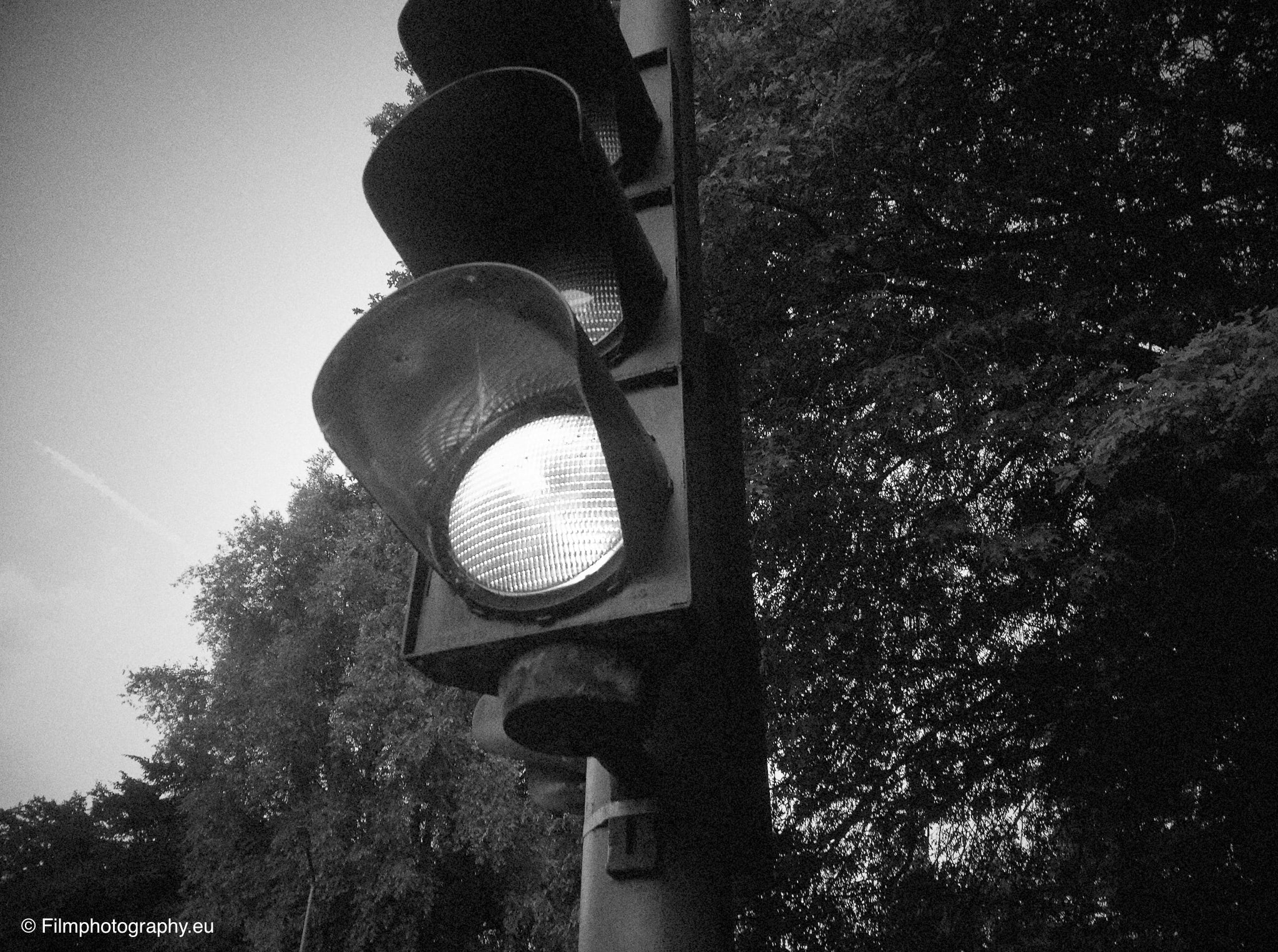
#FlashbackBeta



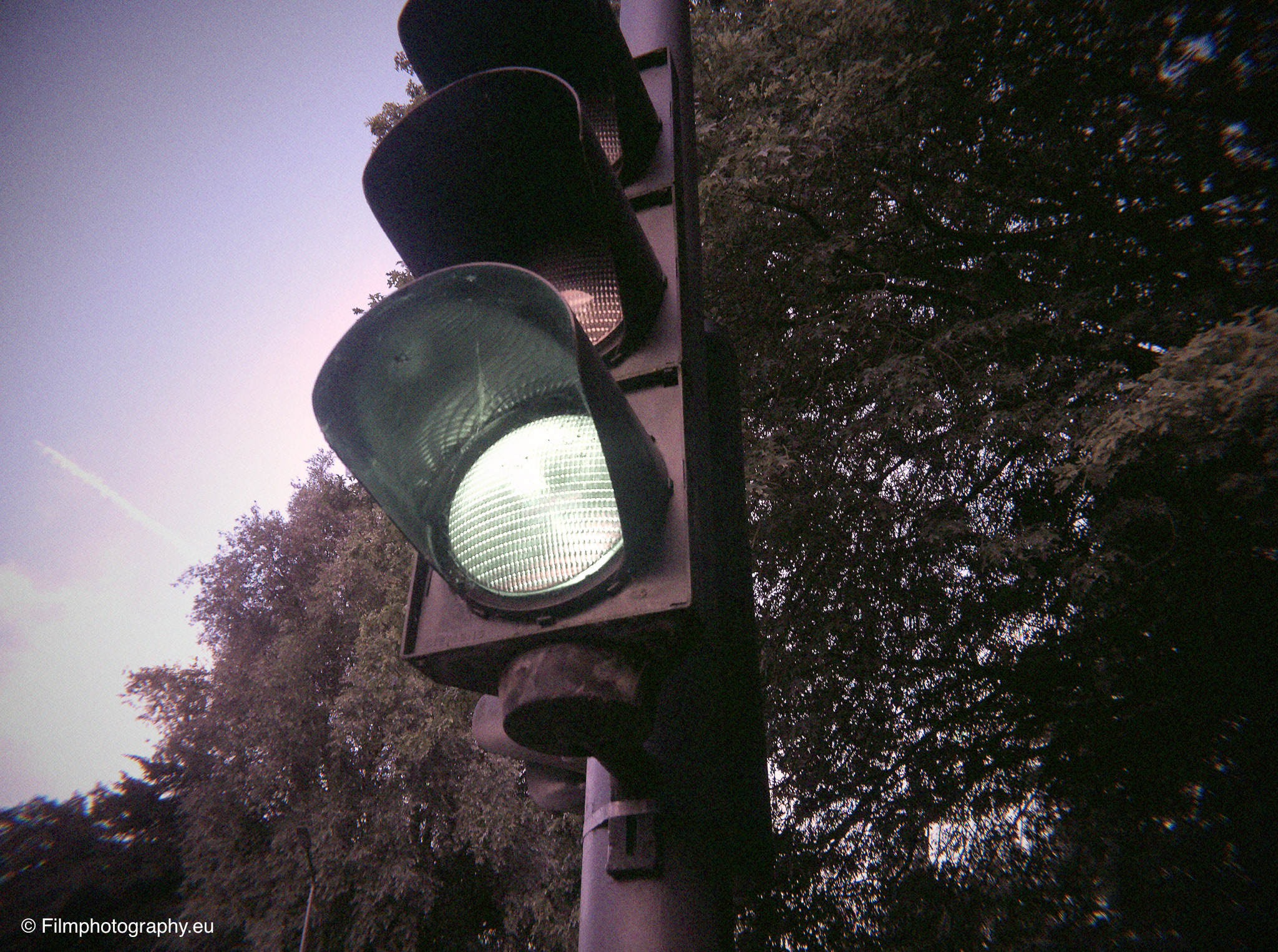
#FlashbackCine



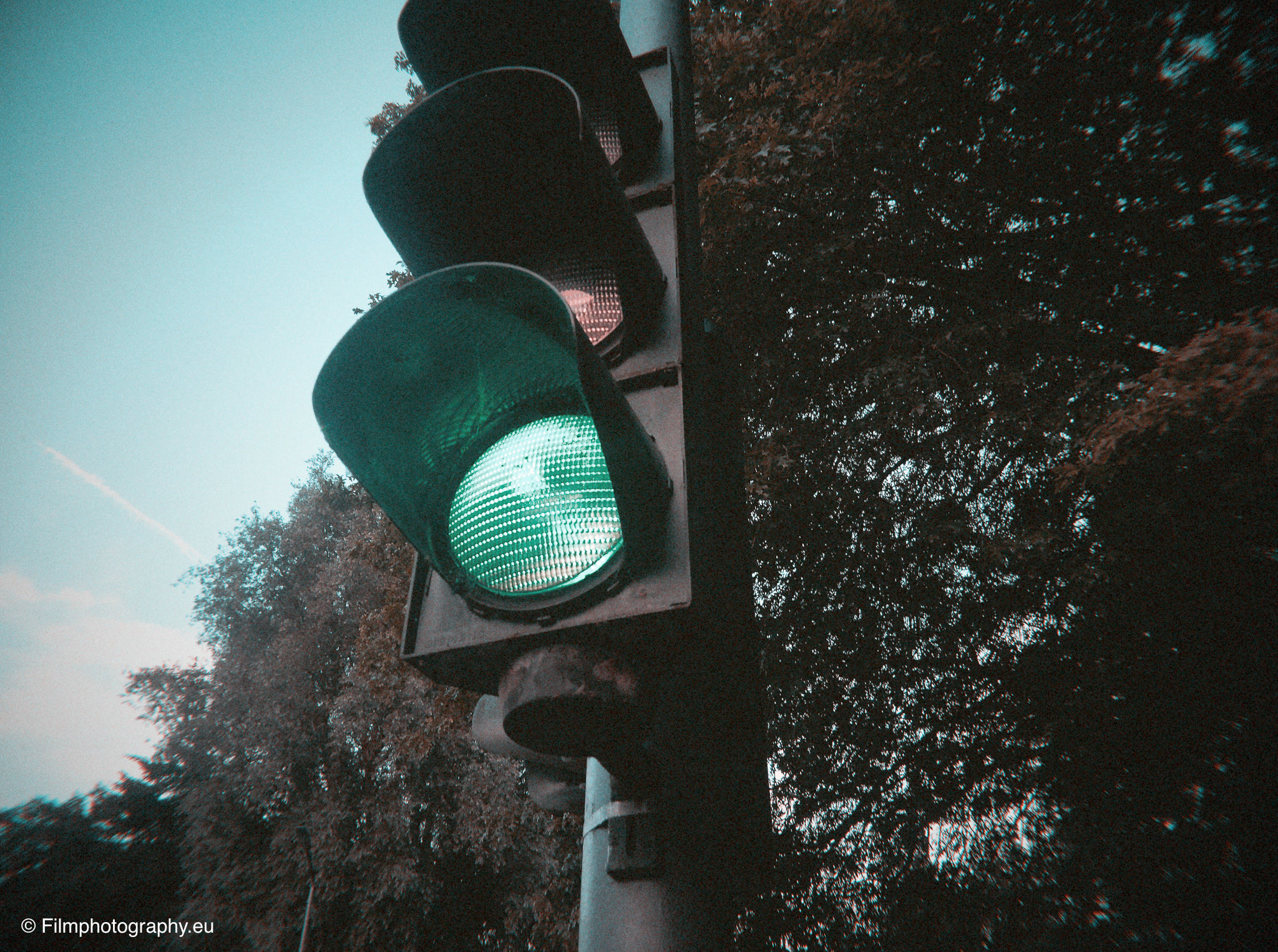
#FlashbackGold



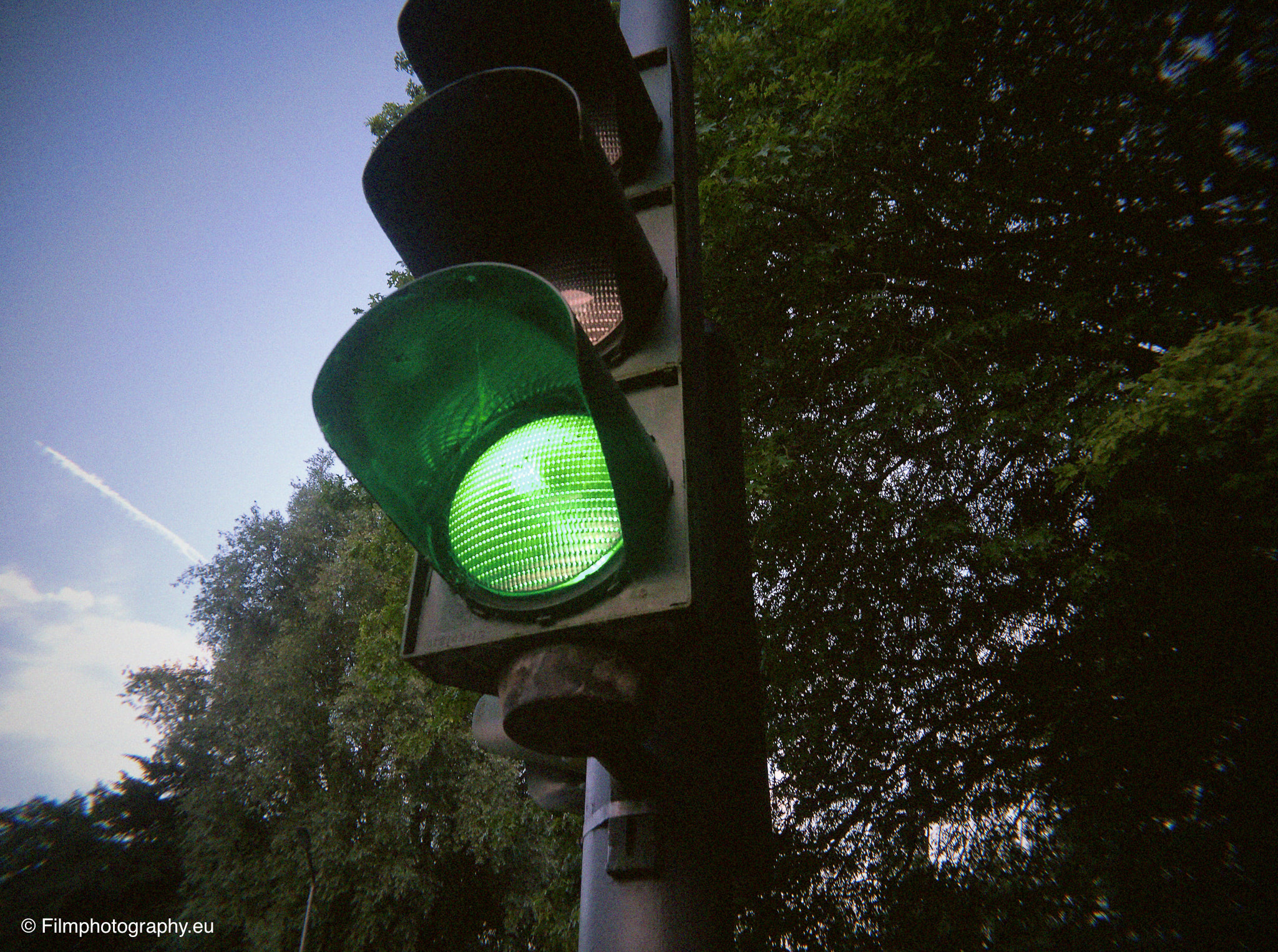
#RetroHaze



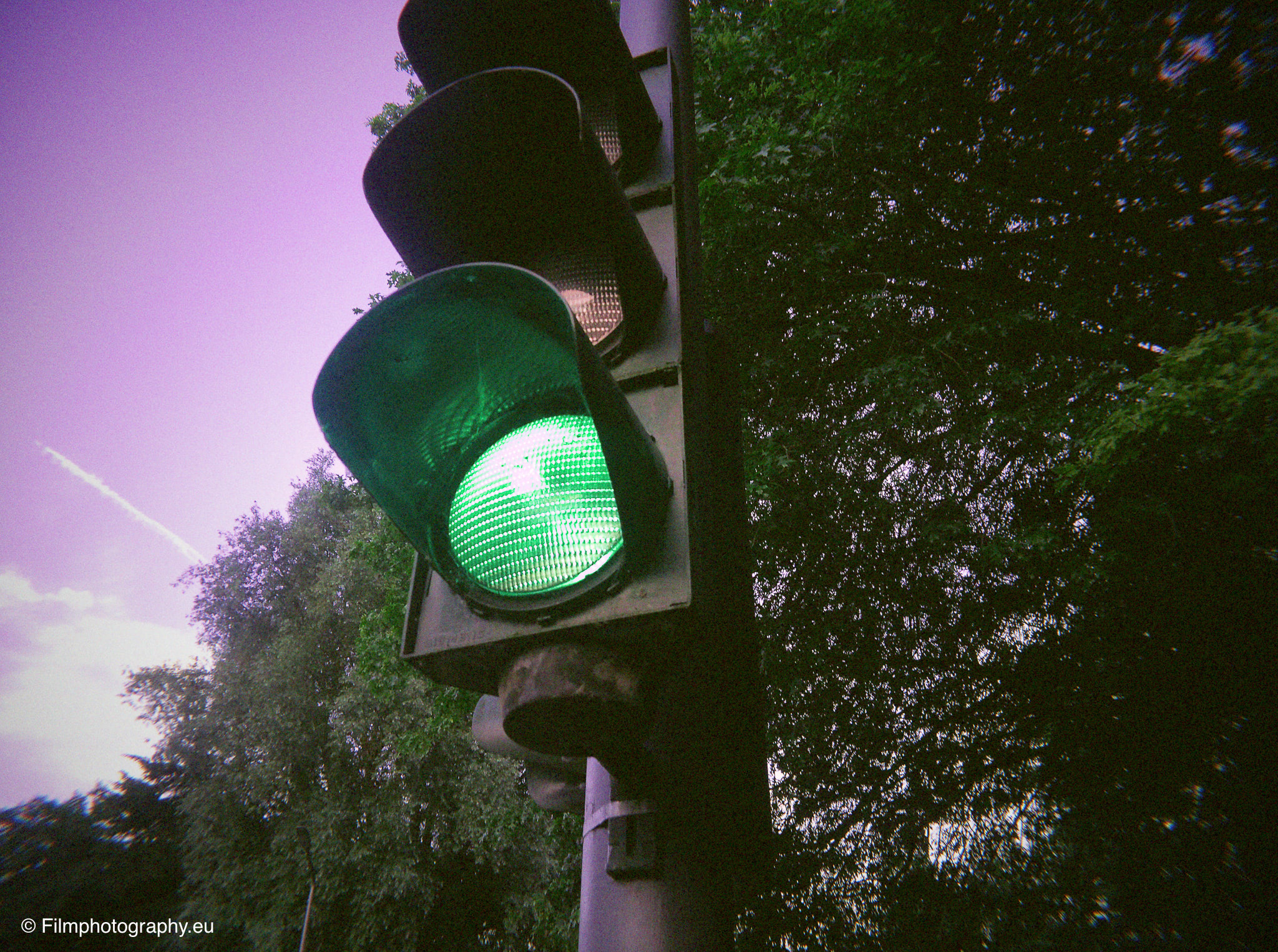
#FlashbackDispo



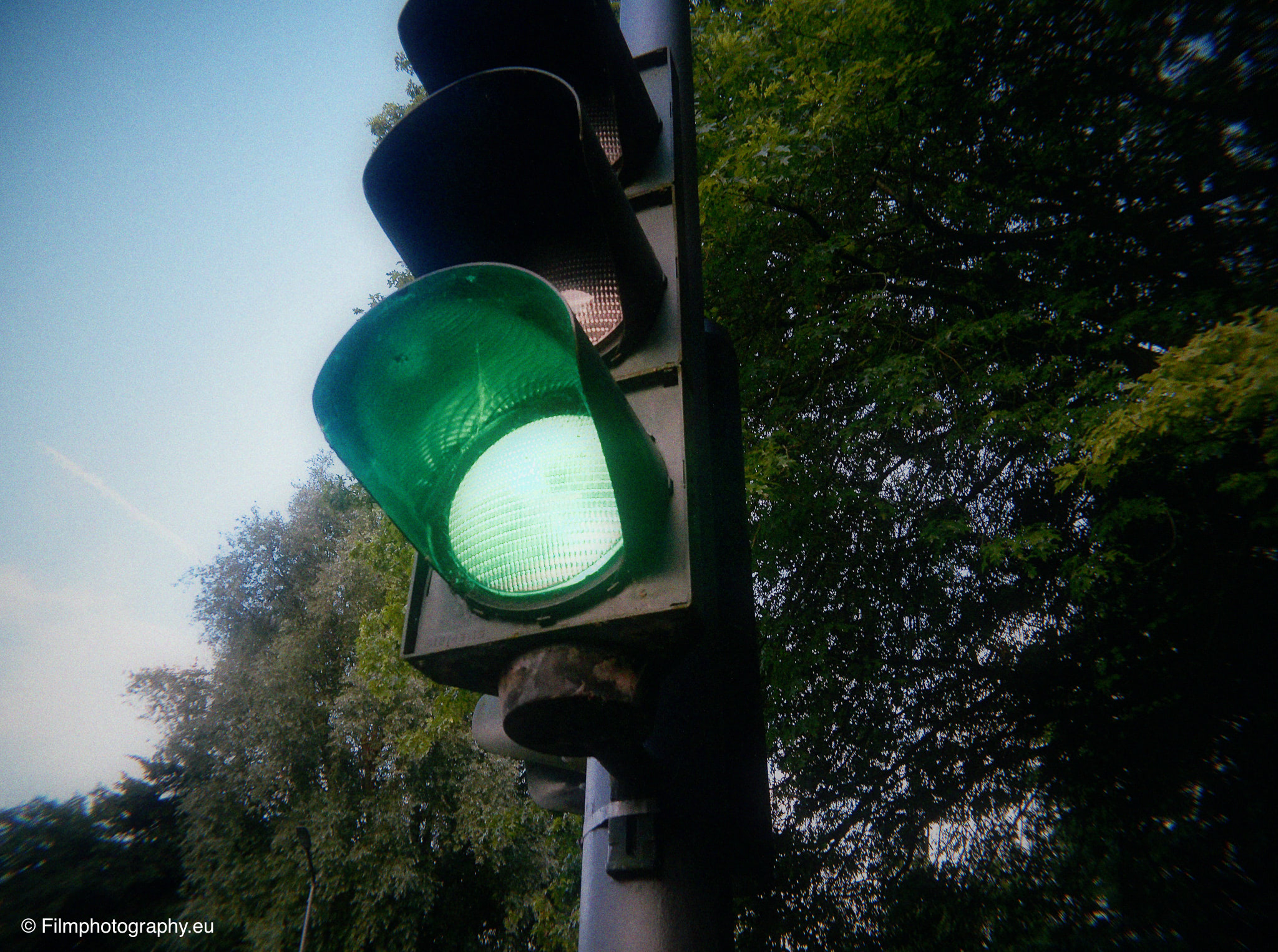
#FlashbackDMG




Original