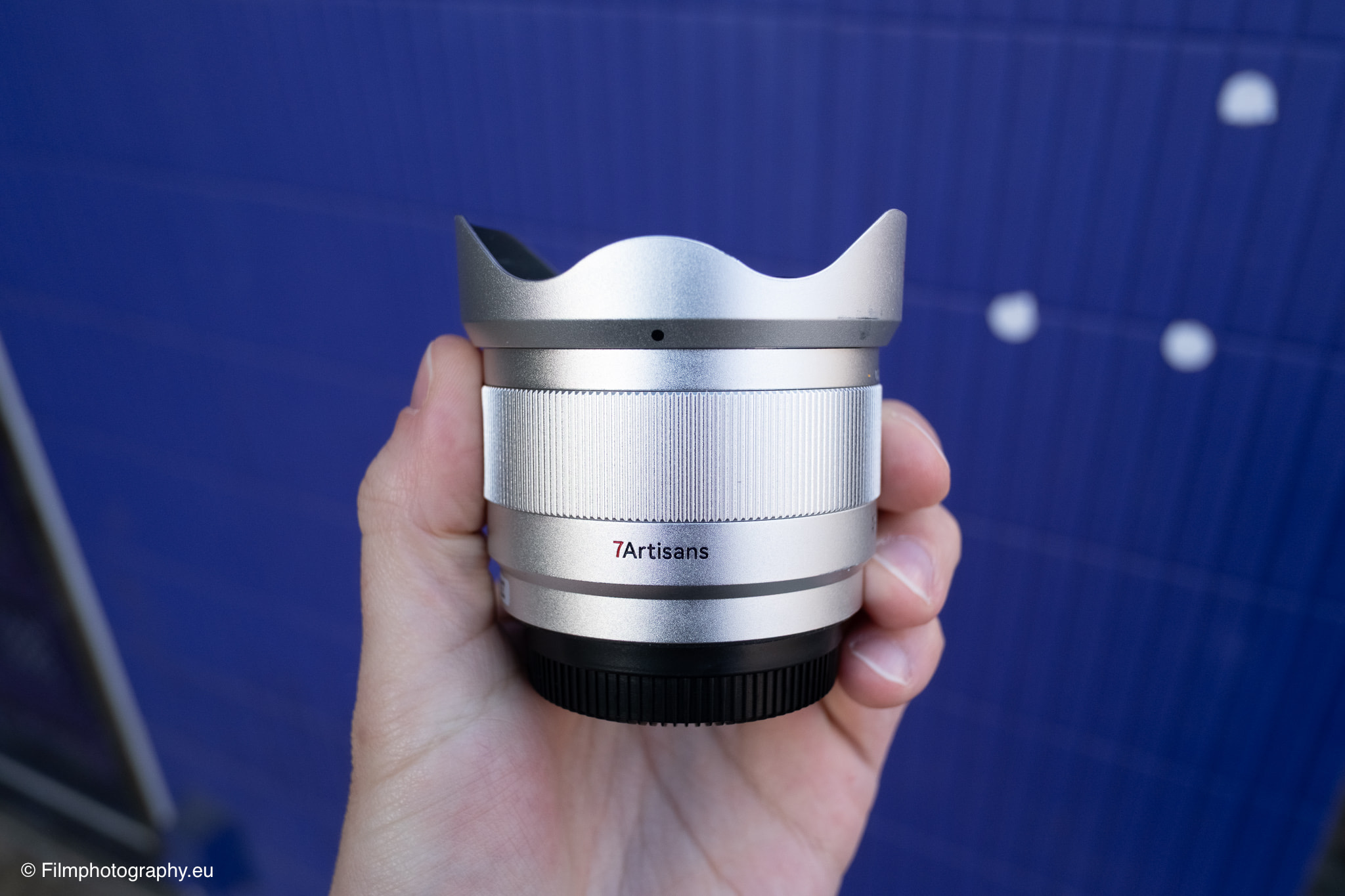
Before a longer trip, almost every photographer faces the same question: Which lenses can really come along in the carry-on, and which stay at home in the cupboard out of practicality? On a trip through Japan in particular, the idea of being prepared for every eventuality is tempting.
The heavy standard zoom quickly finds its way into the bag, followed by a telephoto lens and perhaps a fast backup prime. After the first few days on foot, however, the neck reliably starts to complain. On our trip through Japan this time, we deliberately downsized and packed an unusually slim duo: the 7Artisans AF 25mm f/1.8 and the 7Artisans AF 50mm f/1.8 for the Fujifilm system. Especially for beginners, this combination could be a worthwhile alternative to the classic travel zoom.
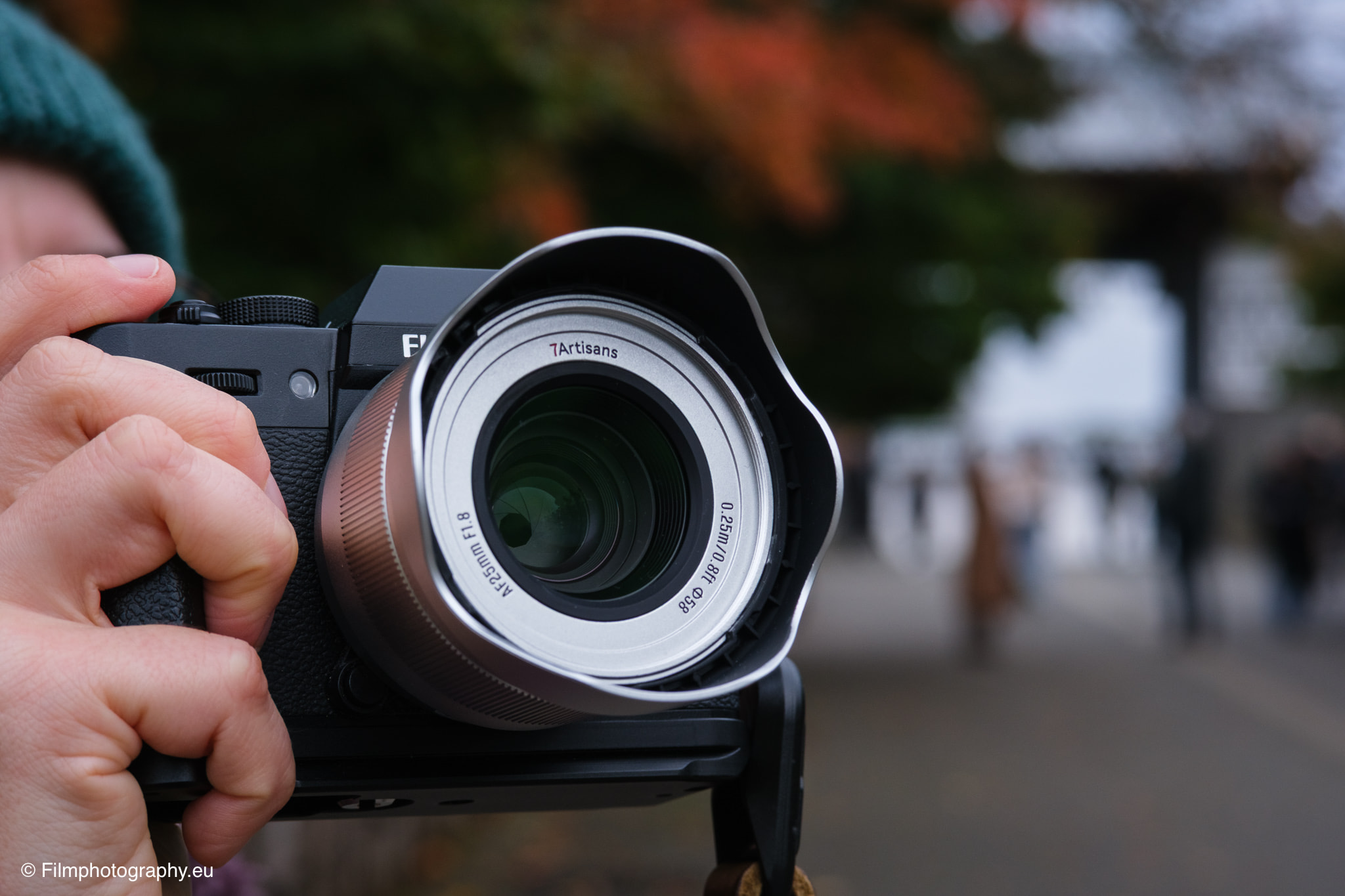
Compact Travel Lenses
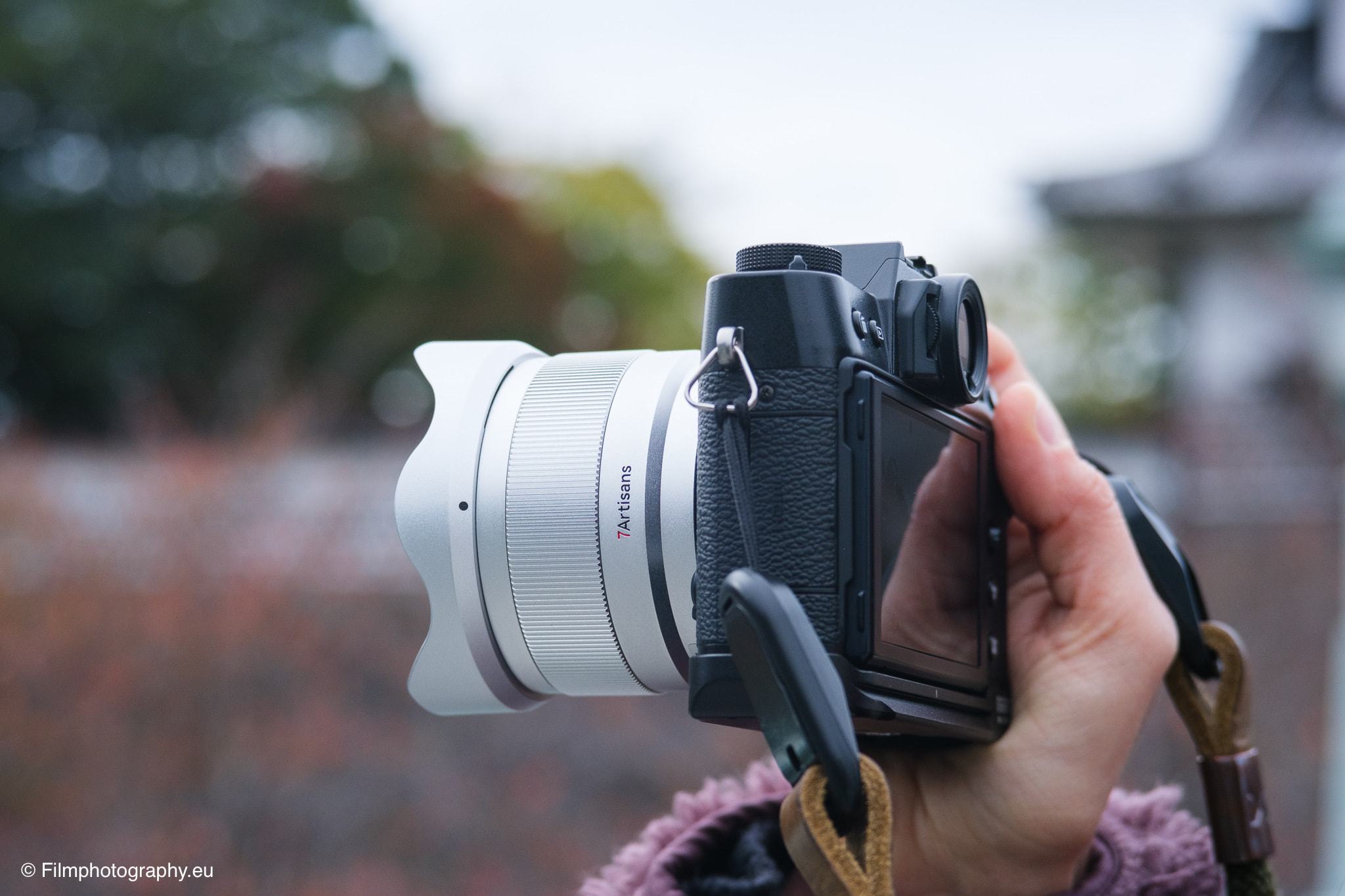
When someone takes a mirrorless camera on vacation for the first time, they often choose a universal zoom out of habit. While it covers a wide range, this all-in-one package usually brings considerable weight and bulk. The two models from 7Artisans behave noticeably differently. The 25mm f/1.8 weighs about 183 grams, and the 50mm f/1.8 weighs only about 178 grams. Together, both lenses stay well below 400 grams.
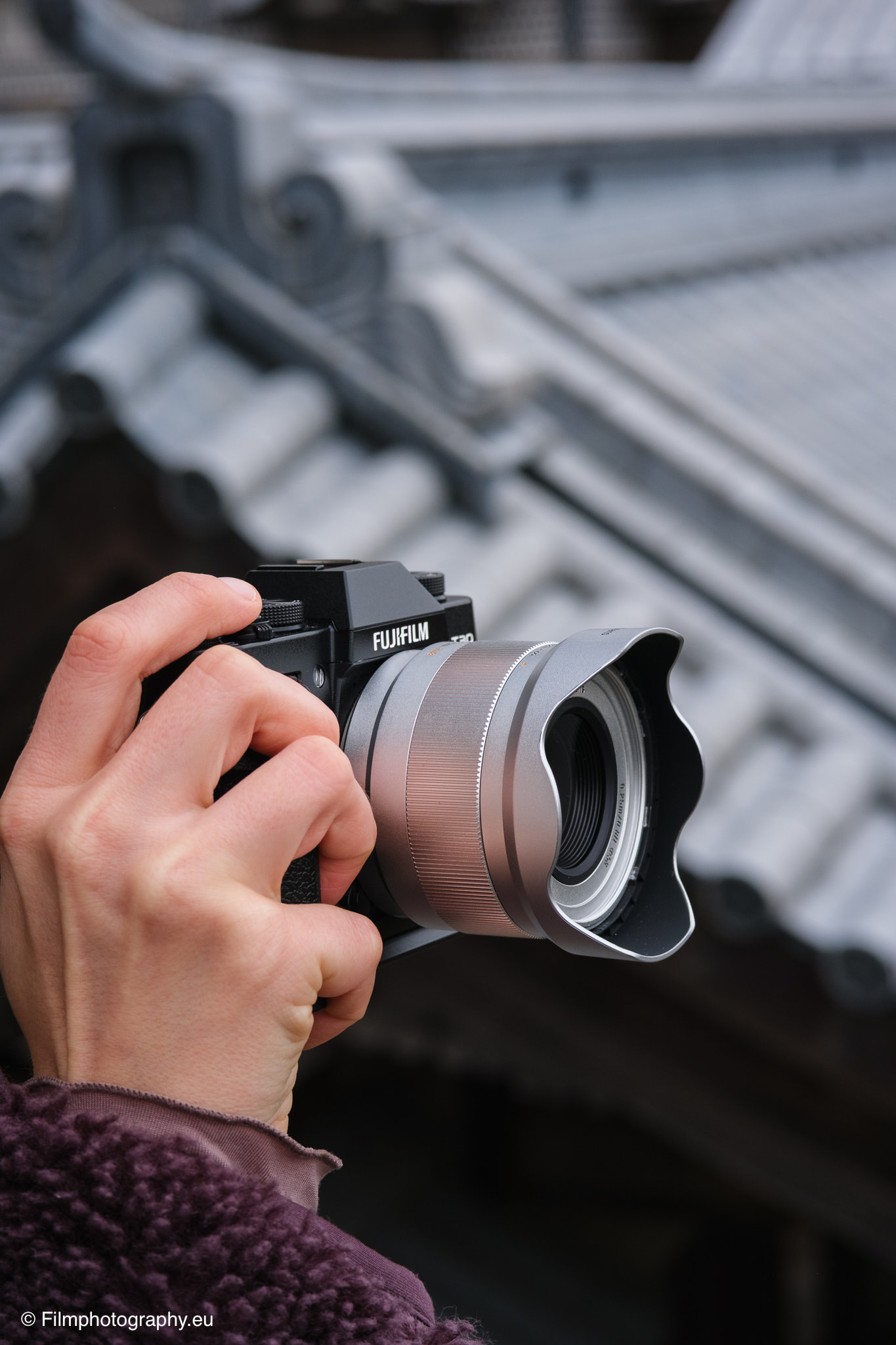
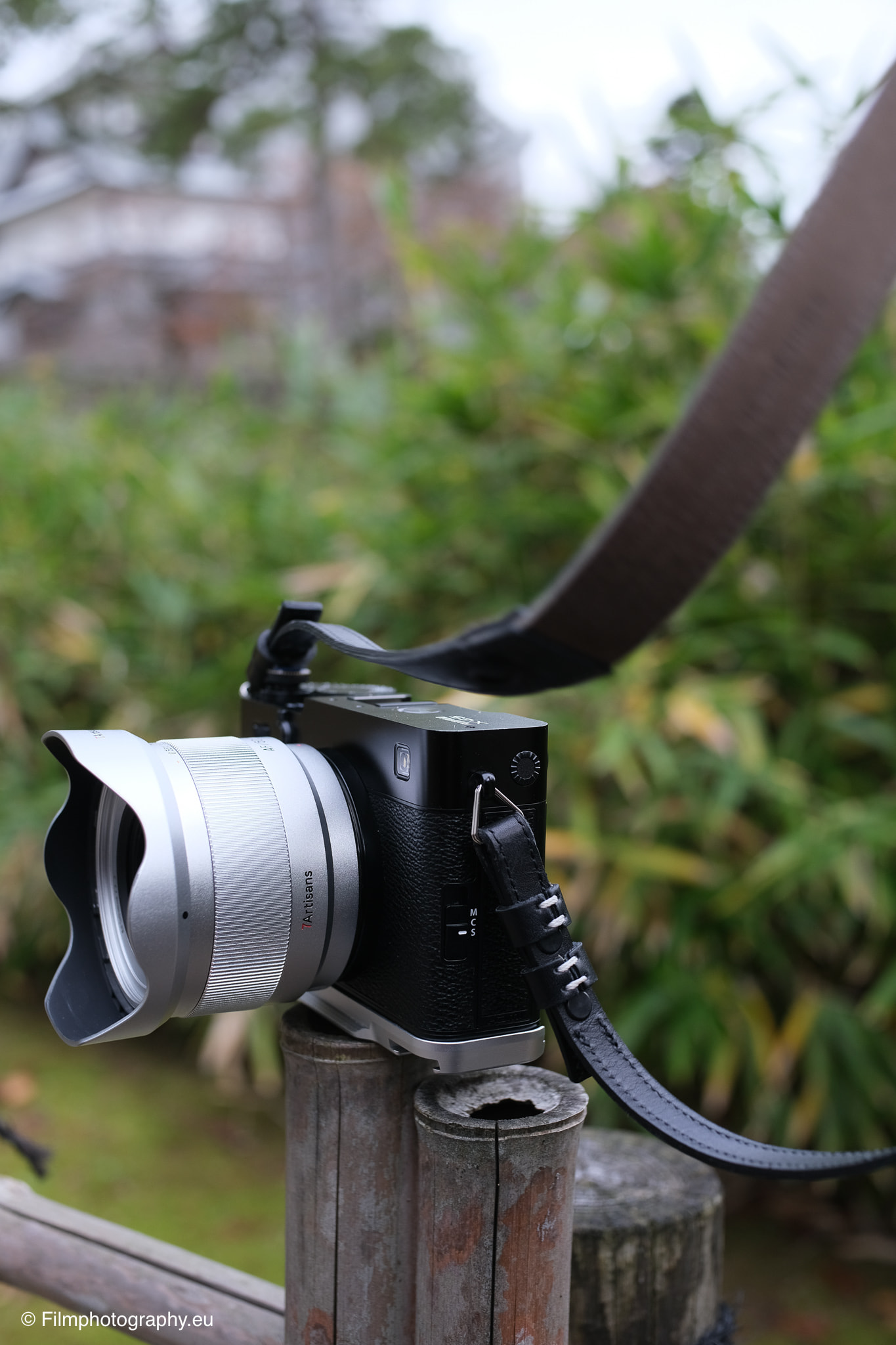
Because both lenses are almost identical in external design and measure roughly 51 millimeters long and 67 millimeters wide, they fit into almost any small everyday bag. A practical detail on the side is the filter thread: both versions use a diameter of 58 millimeters. If you want to use a polarizing or neutral density filter on the road, you only need to pack one and save additional space.
For beginners, this compact design has another pleasant side effect. You simply pick up a small, unobtrusive camera more often than a heavy brick that you first have to laboriously dig out of your backpack. You look less like a walking electronics shop and move more relaxed through the everyday rhythm of travel.
Two Focal Lengths
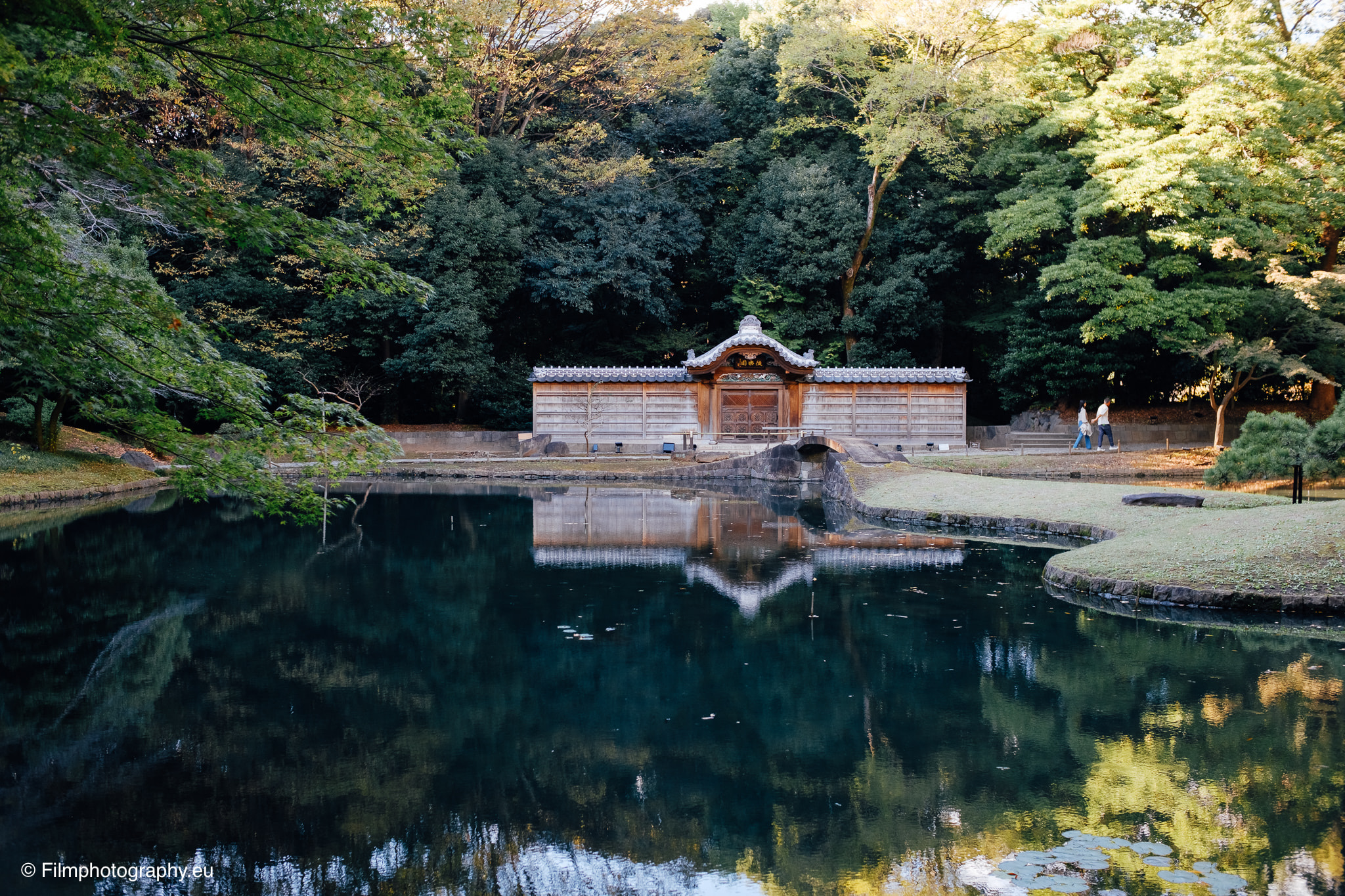
Of course, giving up a zoom ring requires some adjustment, but that is exactly the appeal for those willing to learn. On Fujifilm's APS-C sensors, the 25mm focal length corresponds to roughly 37.5mm in the classic full-frame format. This angle of view sits comfortably close to the natural human field of vision. It captures enough surroundings to convey the mood of a scene without lines at the edges looking overly distorted or warped. Thanks to the short minimum focus distance of 25 centimeters, you can also capture small details from close range without having to step far back.

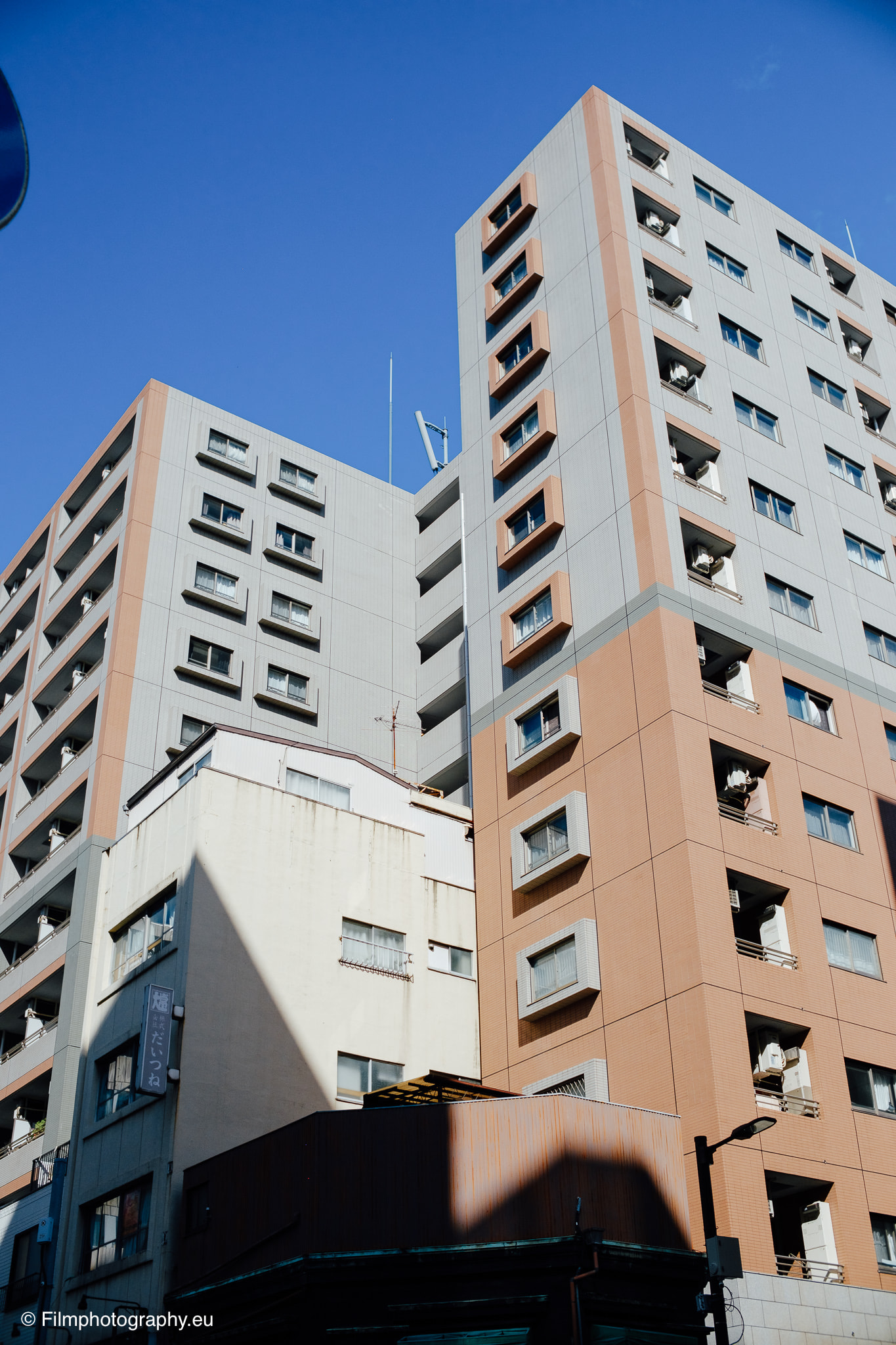
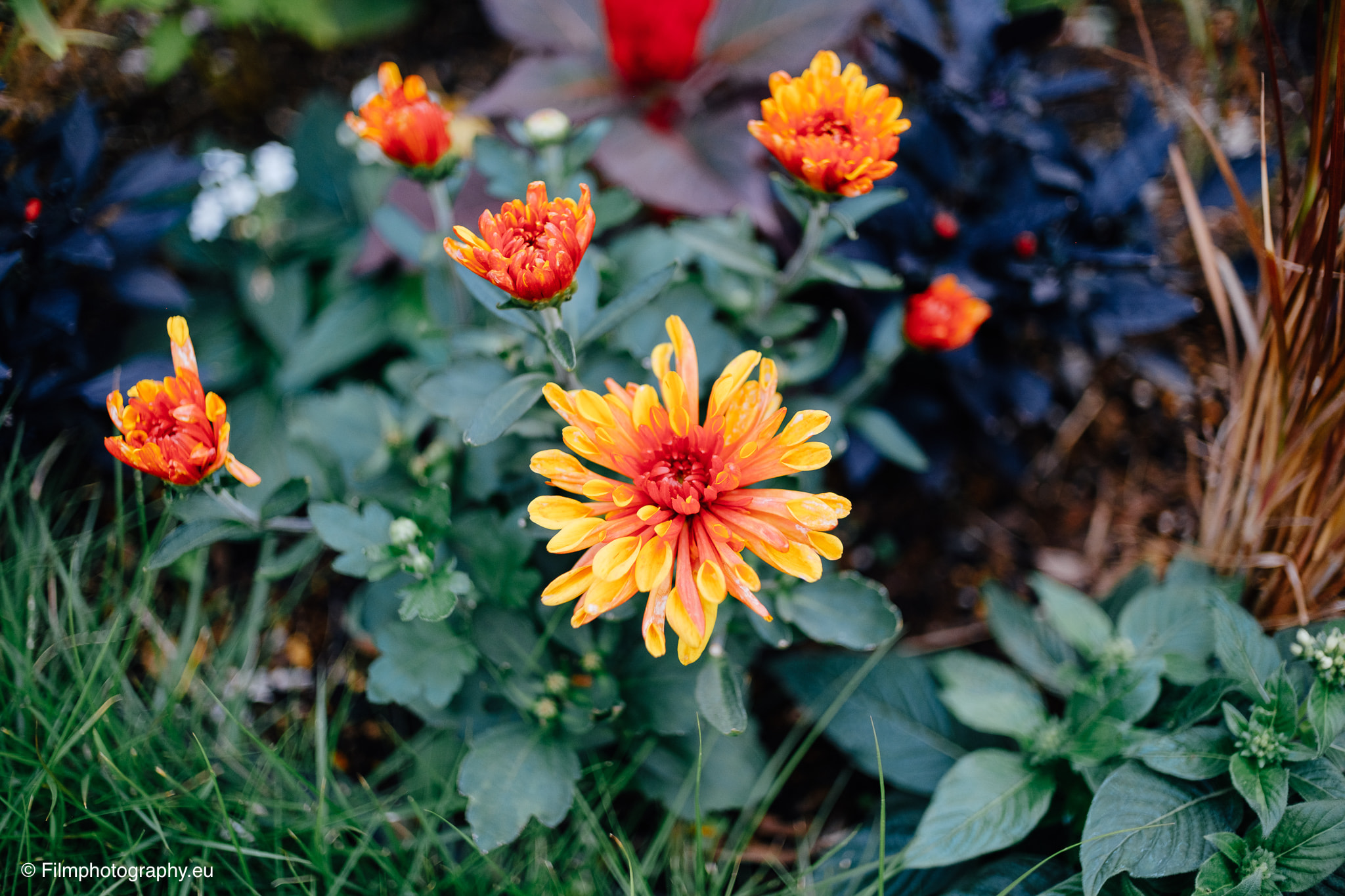
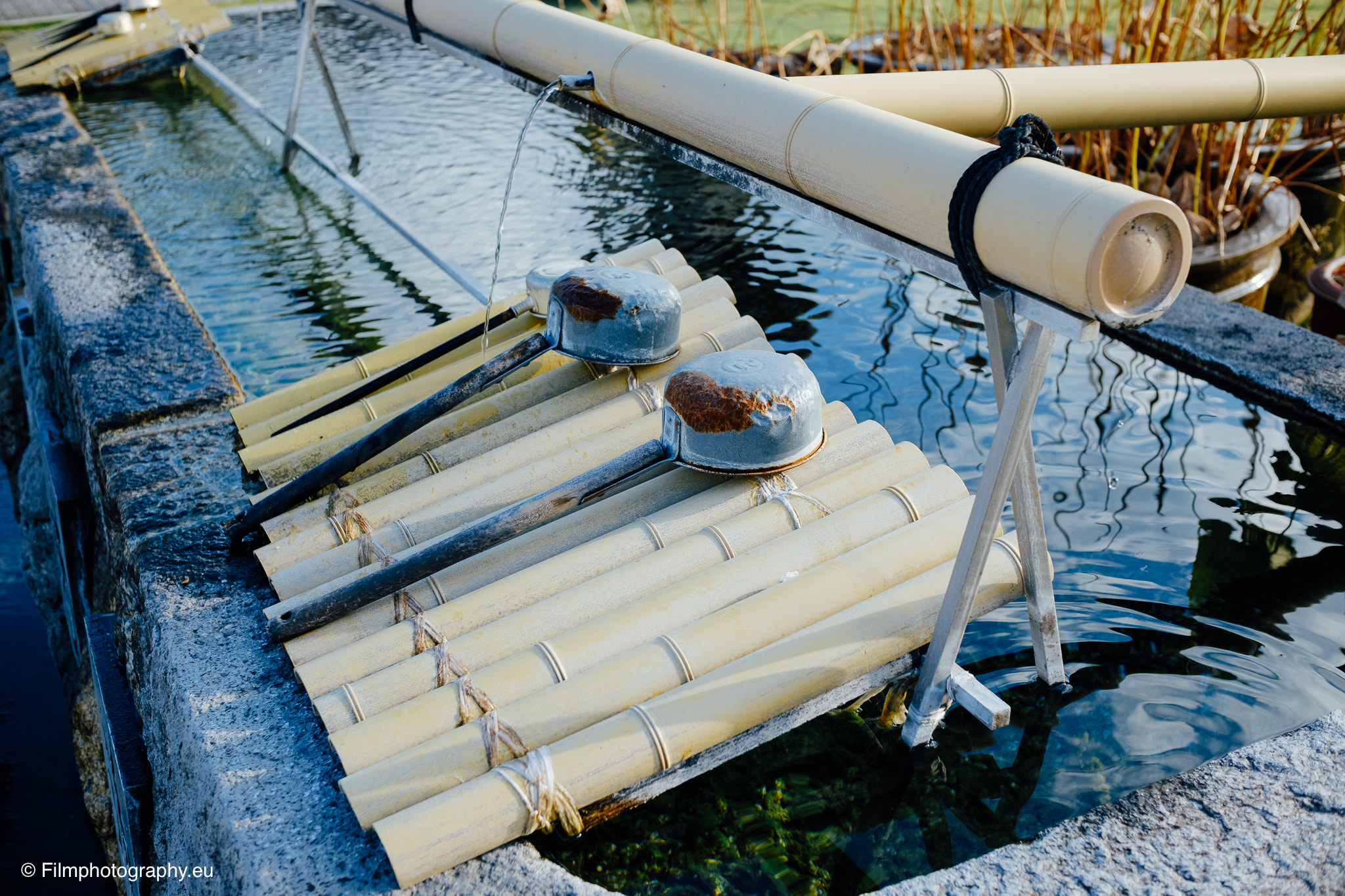
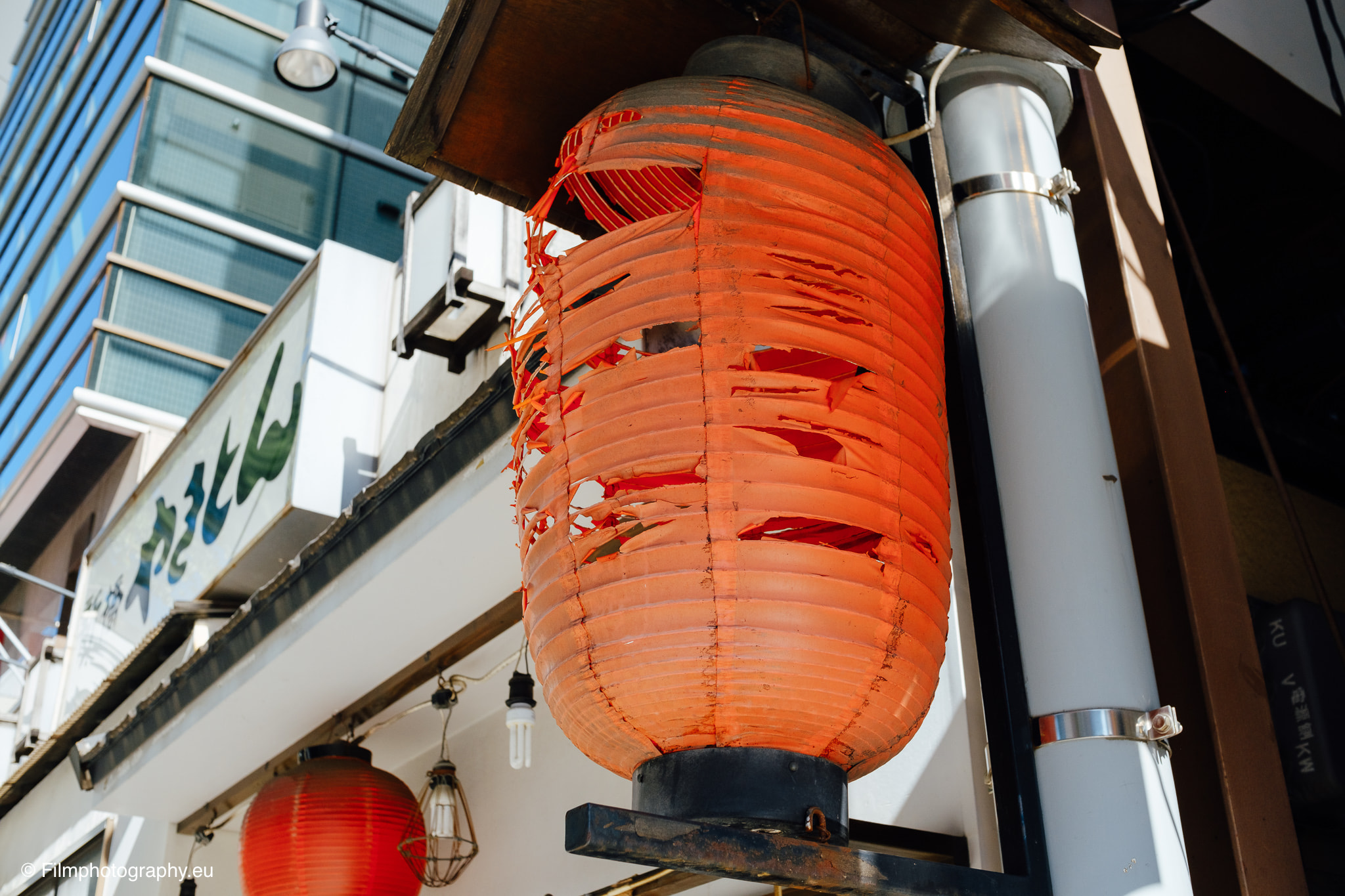
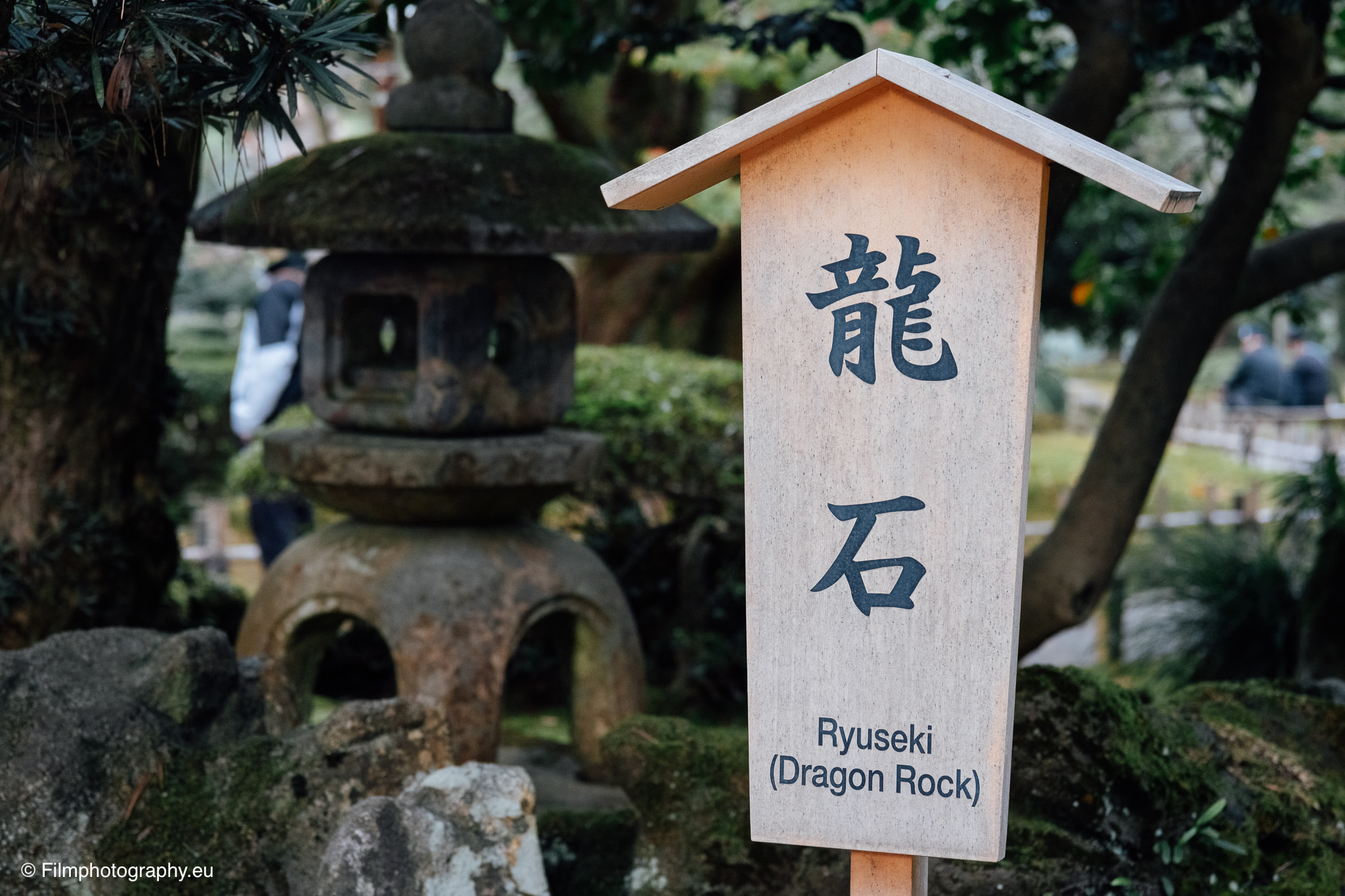
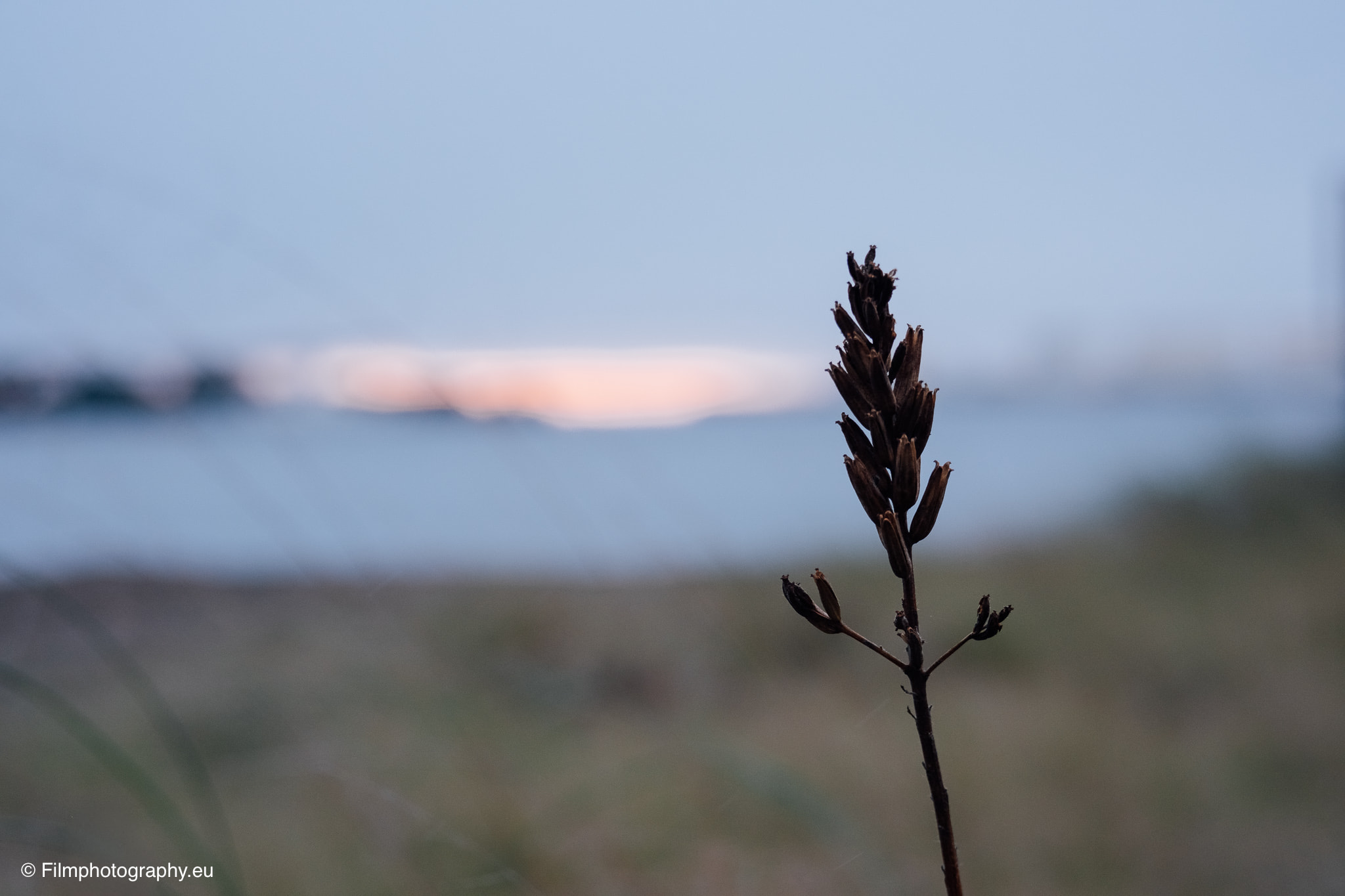
Whenever you want to separate a subject more clearly from its surroundings, the 50mm f/1.8 comes into play. At roughly 75 millimeters equivalent, the framing feels considerably tighter and more focused. The background appears to move optically closer, which gives images a calmer structure. Because the minimum focus distance here is 55 centimeters, you automatically keep a bit more distance.
For beginners, this deliberate switch between two fixed focal lengths is an instructive exercise. Instead of comfortably standing in one spot and turning a zoom ring, you think ahead about which perspective suits the situation and actively move with your feet. This trains the photographic eye in a way that a zoom rarely does.
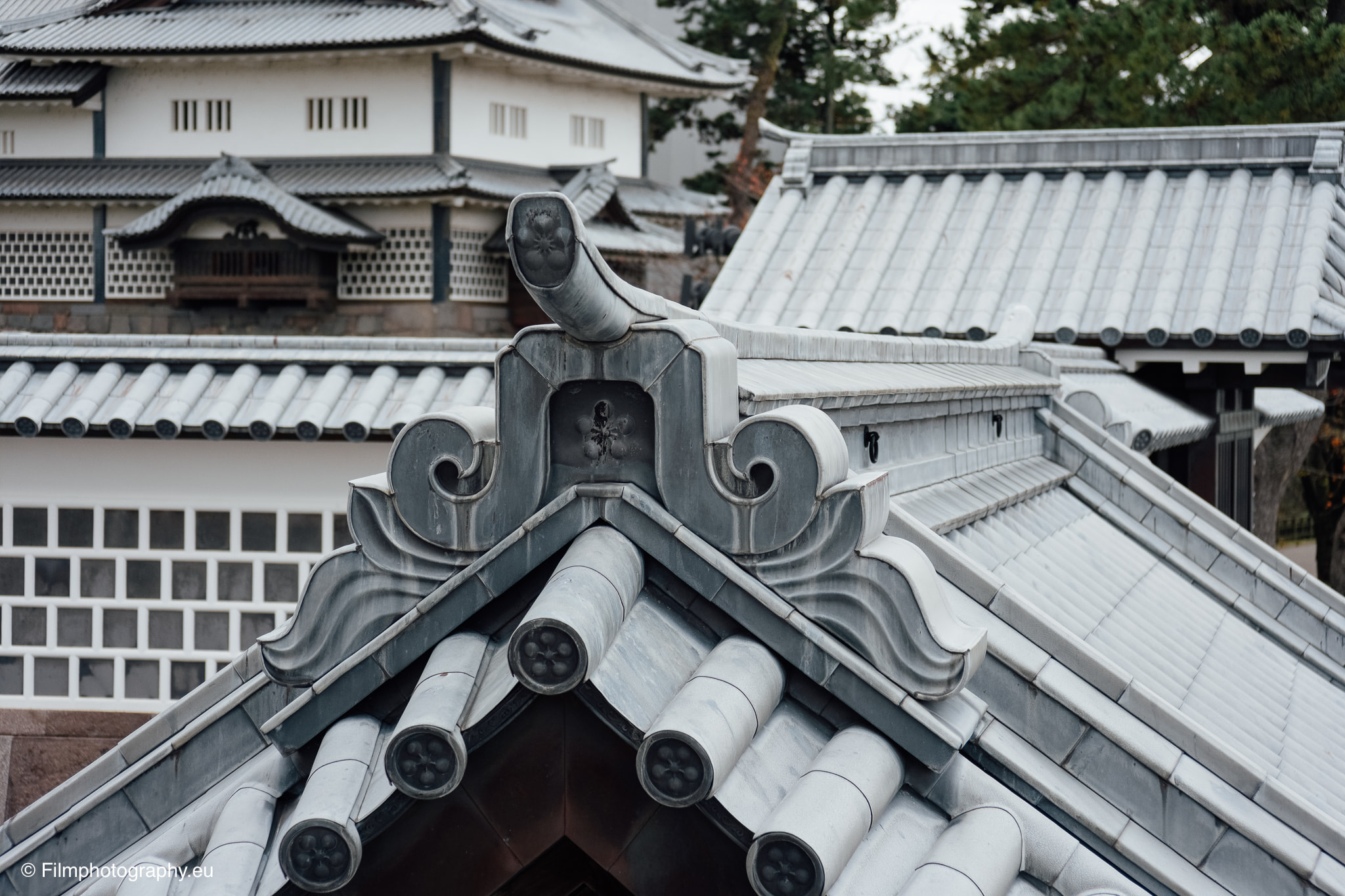
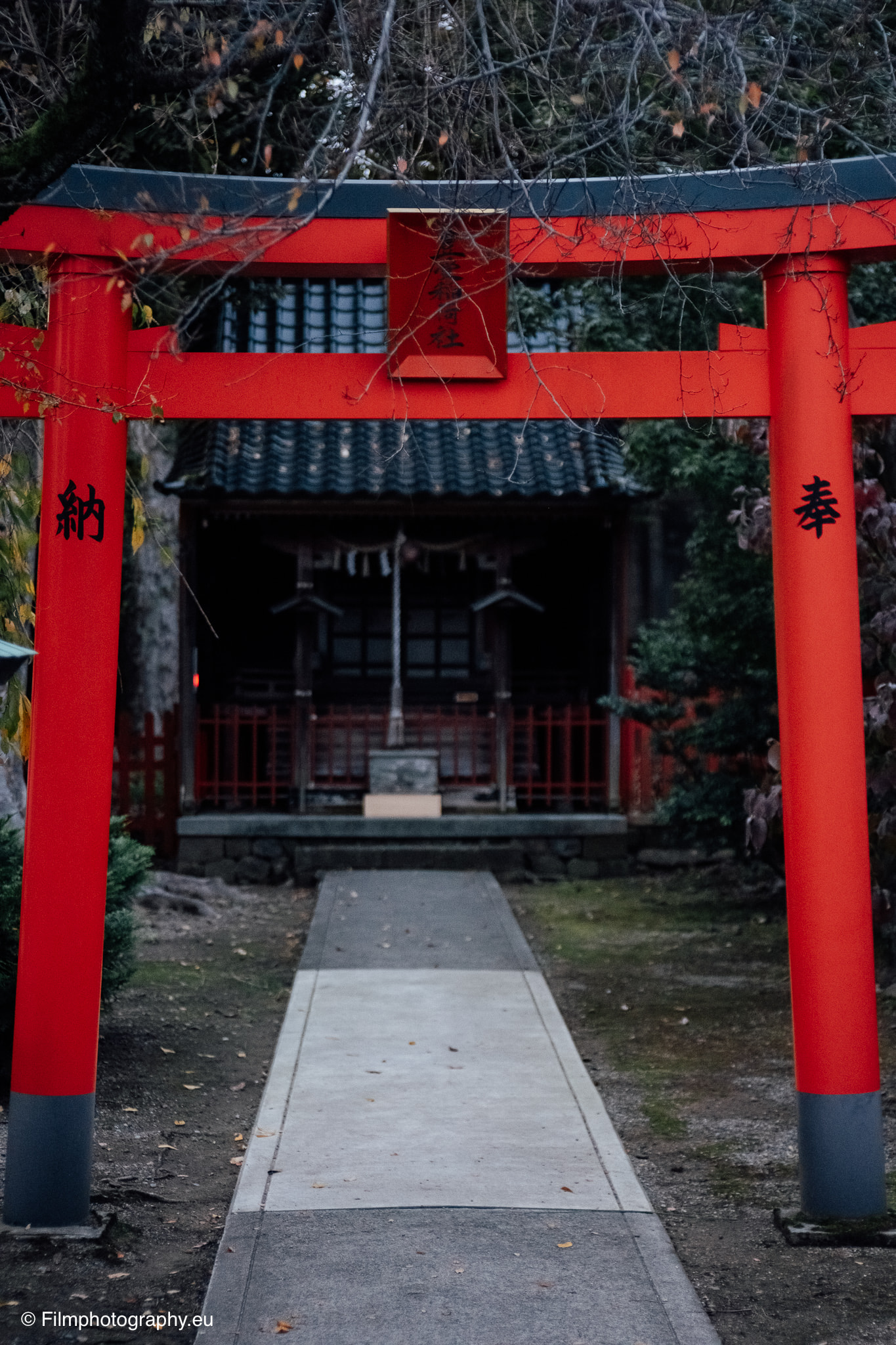
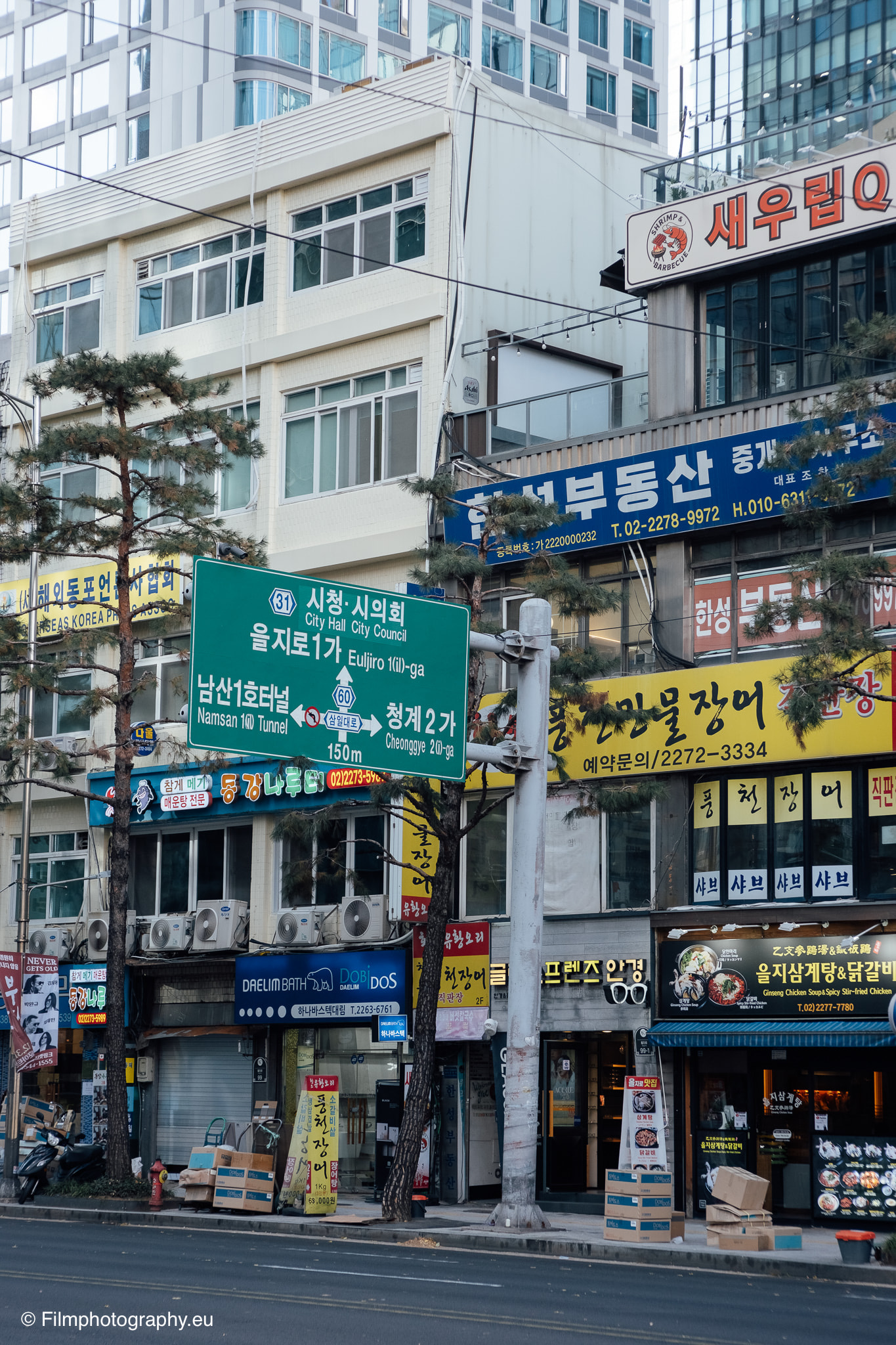
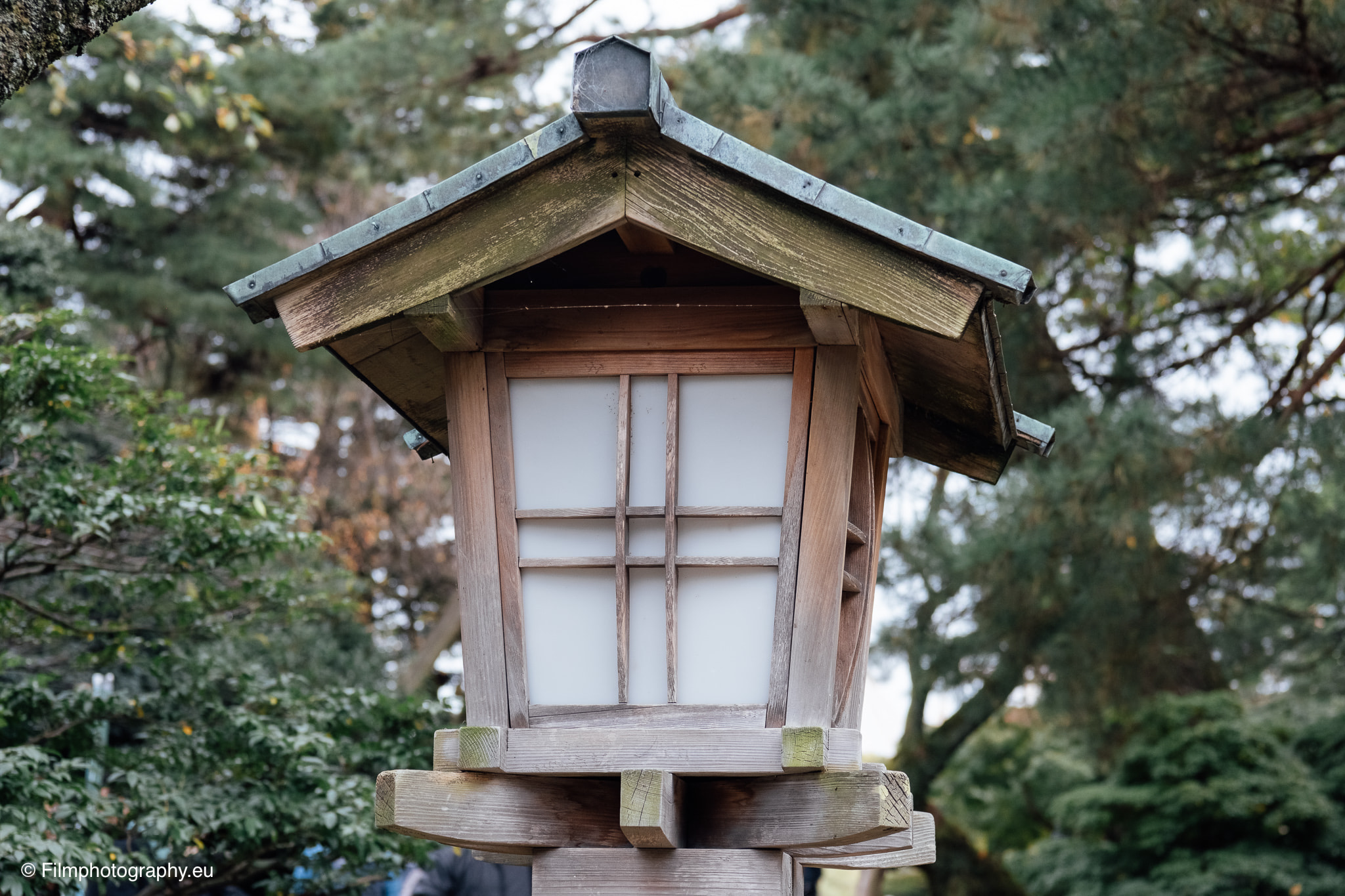
Many inexpensive lenses force the user to focus manually. In the hectic reality of travel, this can quickly lead to frustration and blurry memory shots for newcomers. Both prime lenses in this series, however, feature a quiet stepping motor for autofocus that works with modern Fujifilm cameras and also supports automatic face and eye detection.
In good daylight, focus locks quickly and accurately. At this price level, you should not expect the speed of expensive sports lenses. In very low light or with fast-approaching subjects, the focus occasionally takes a moment to find the right point. For normal travel photography, however, the speed is more than sufficient.
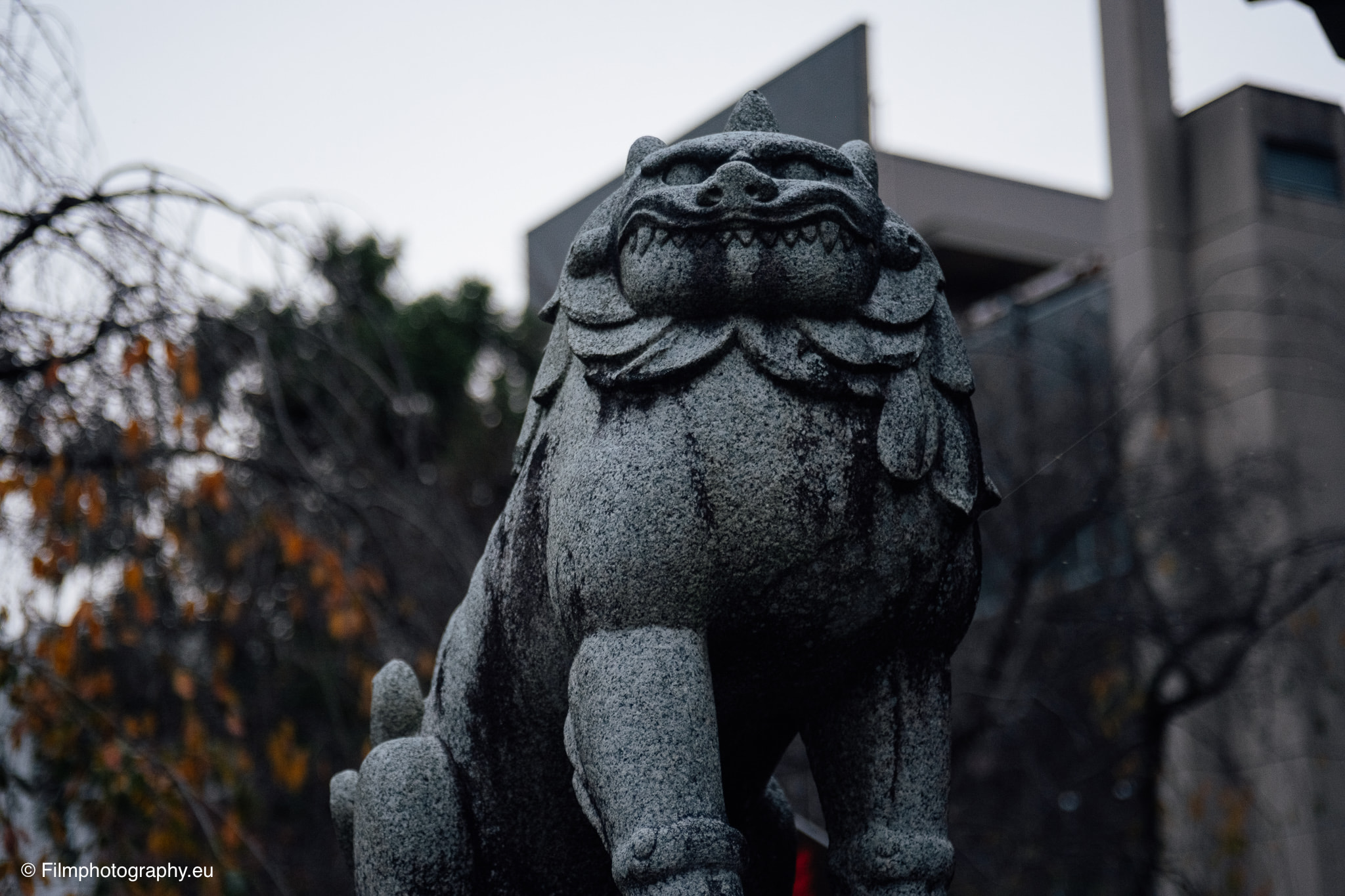
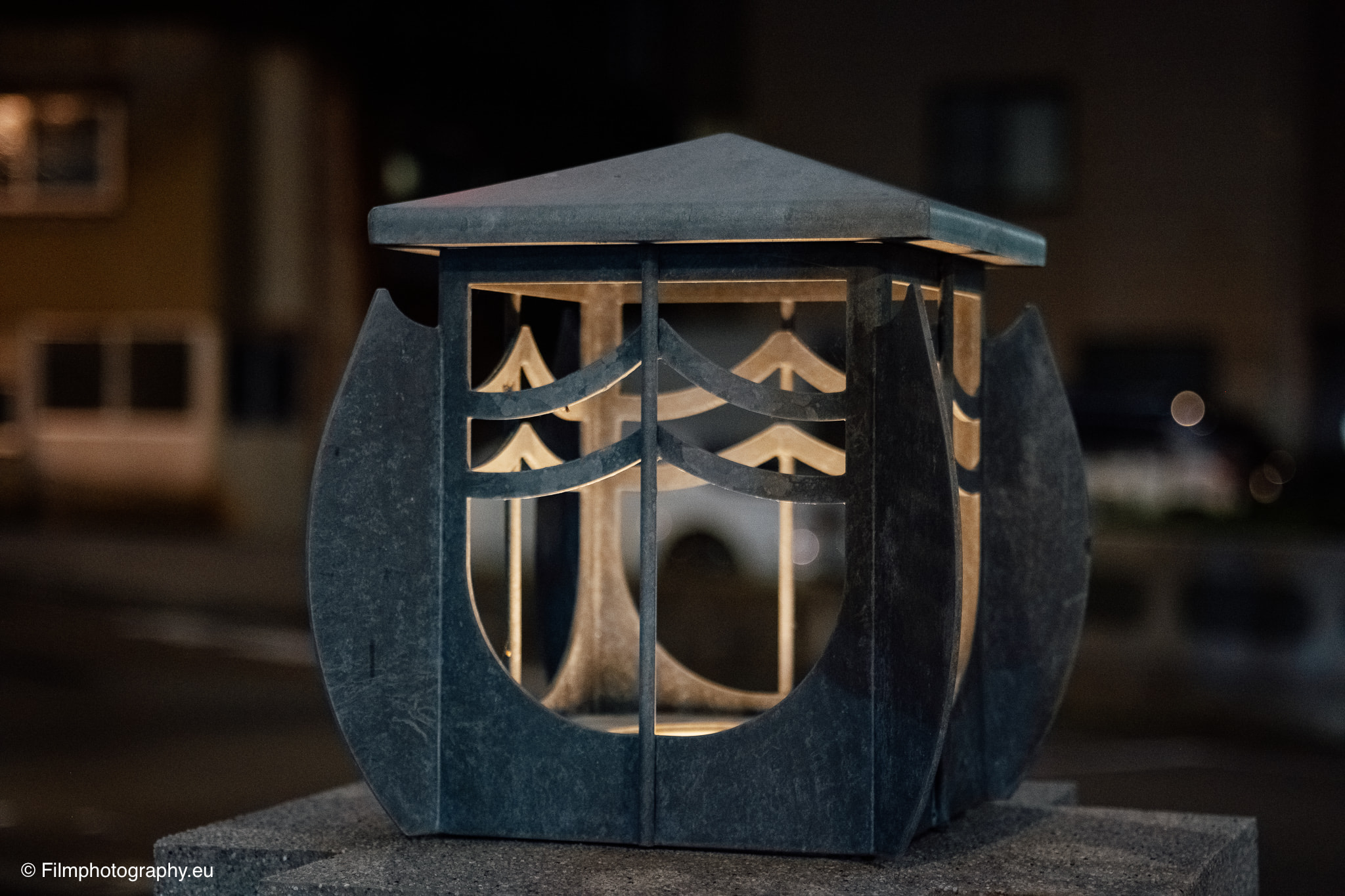
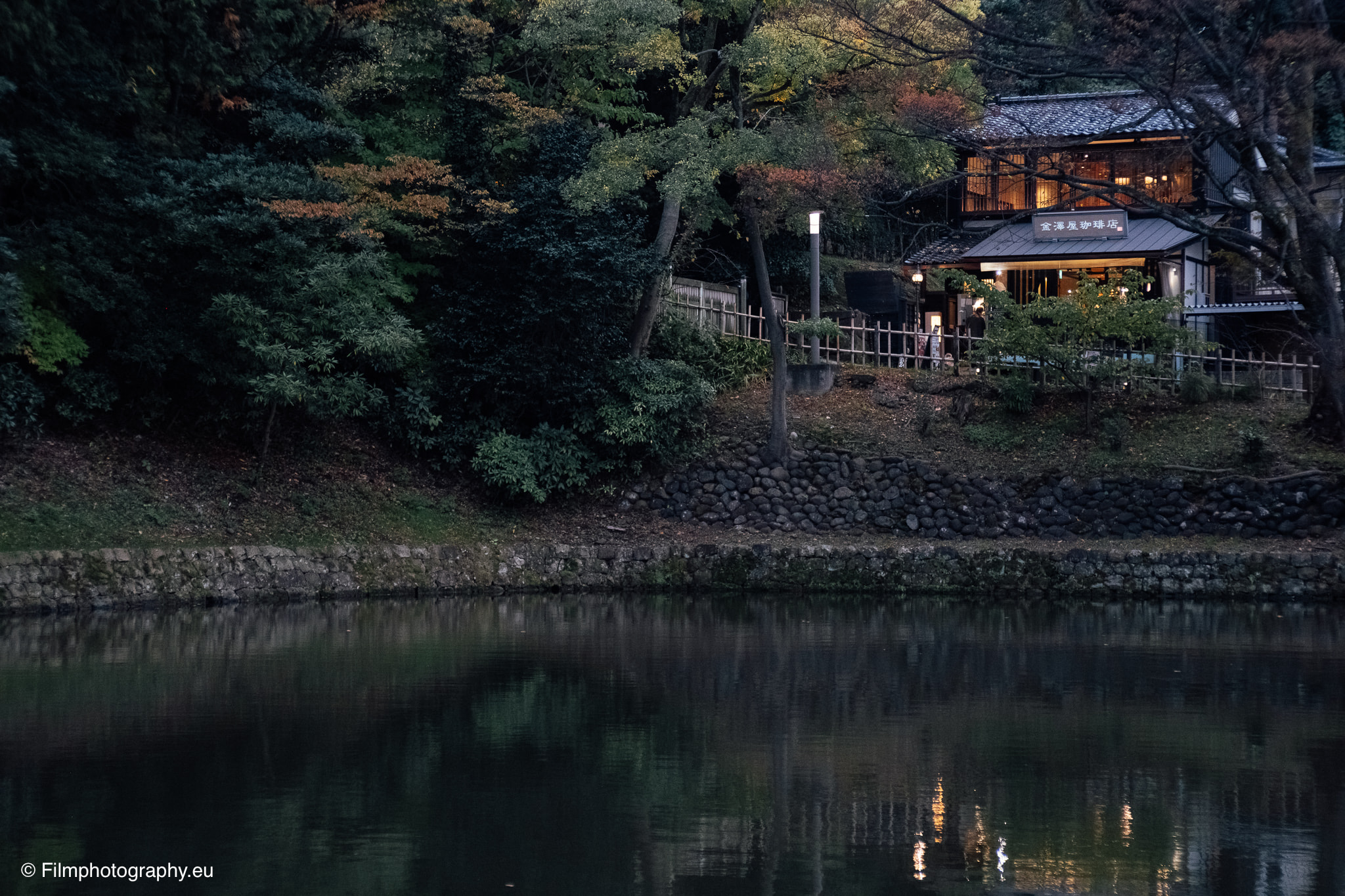
Another plus point for beginners is the high maximum aperture of f/1.8. Especially in the evening or in dimly lit interiors, this large opening lets significantly more light reach the sensor than a bundled standard zoom would. You can work with lower ISO values, avoid unsightly image noise, and do not need to carry a tripod.
At the same time, nine rounded aperture blades ensure that out-of-focus backgrounds dissolve softly and subjects stand out cleanly. The manufacturer has omitted a mechanical aperture ring on the lens, which Fujifilm purists may miss. However, if you are switching from a smartphone or another camera system, you will control the aperture as usual through the camera's dials or use aperture priority mode anyway.
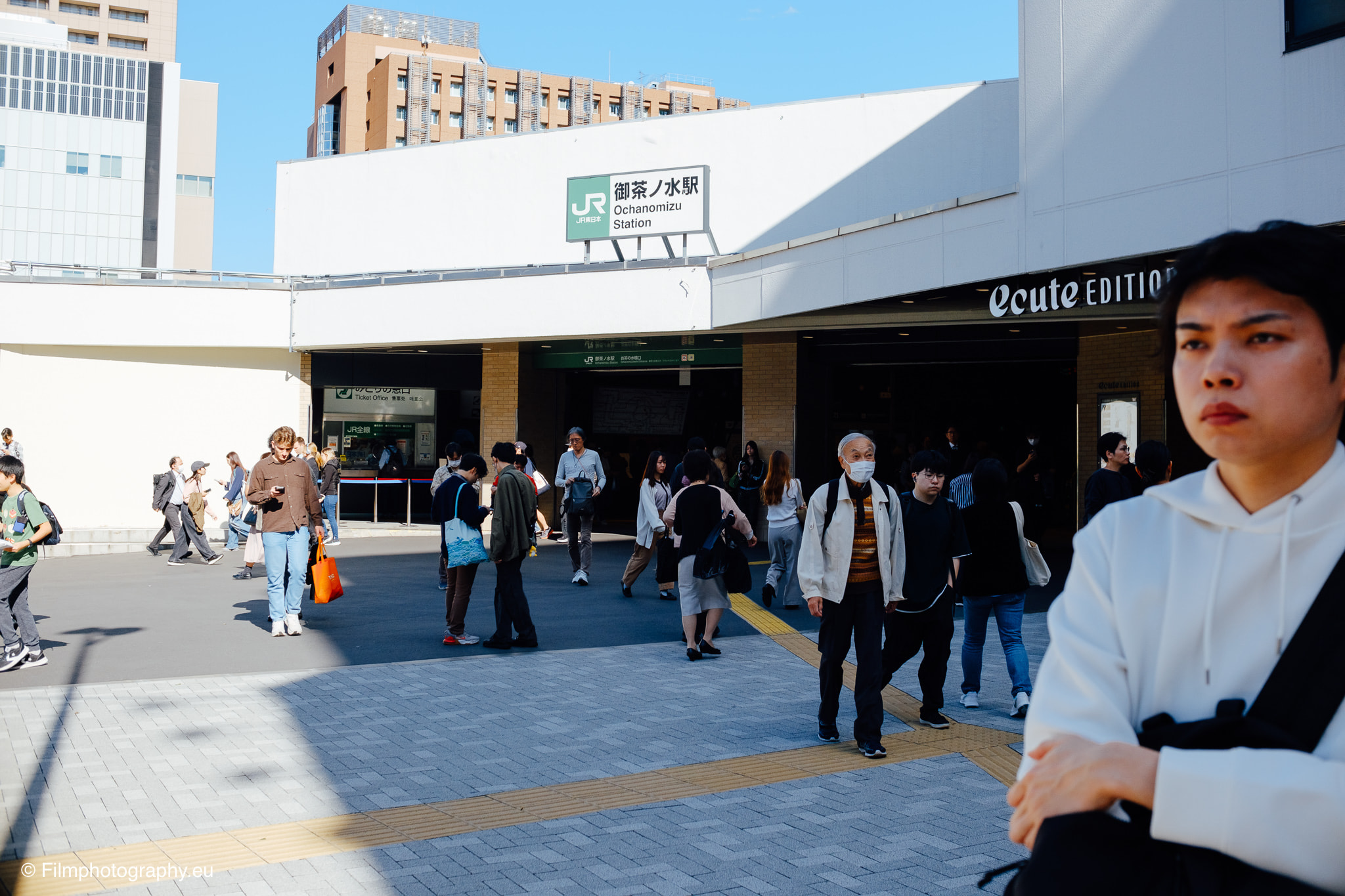
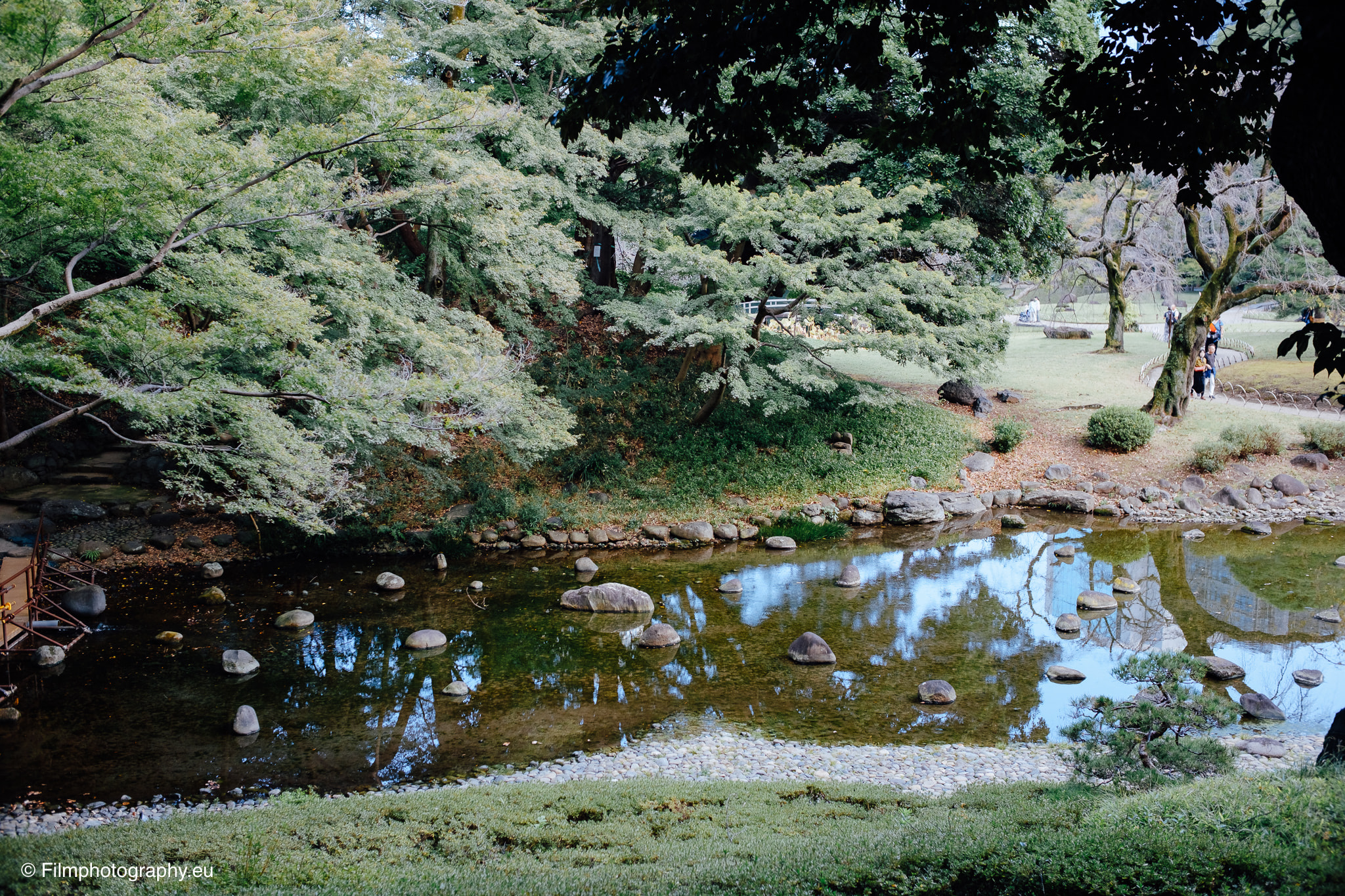
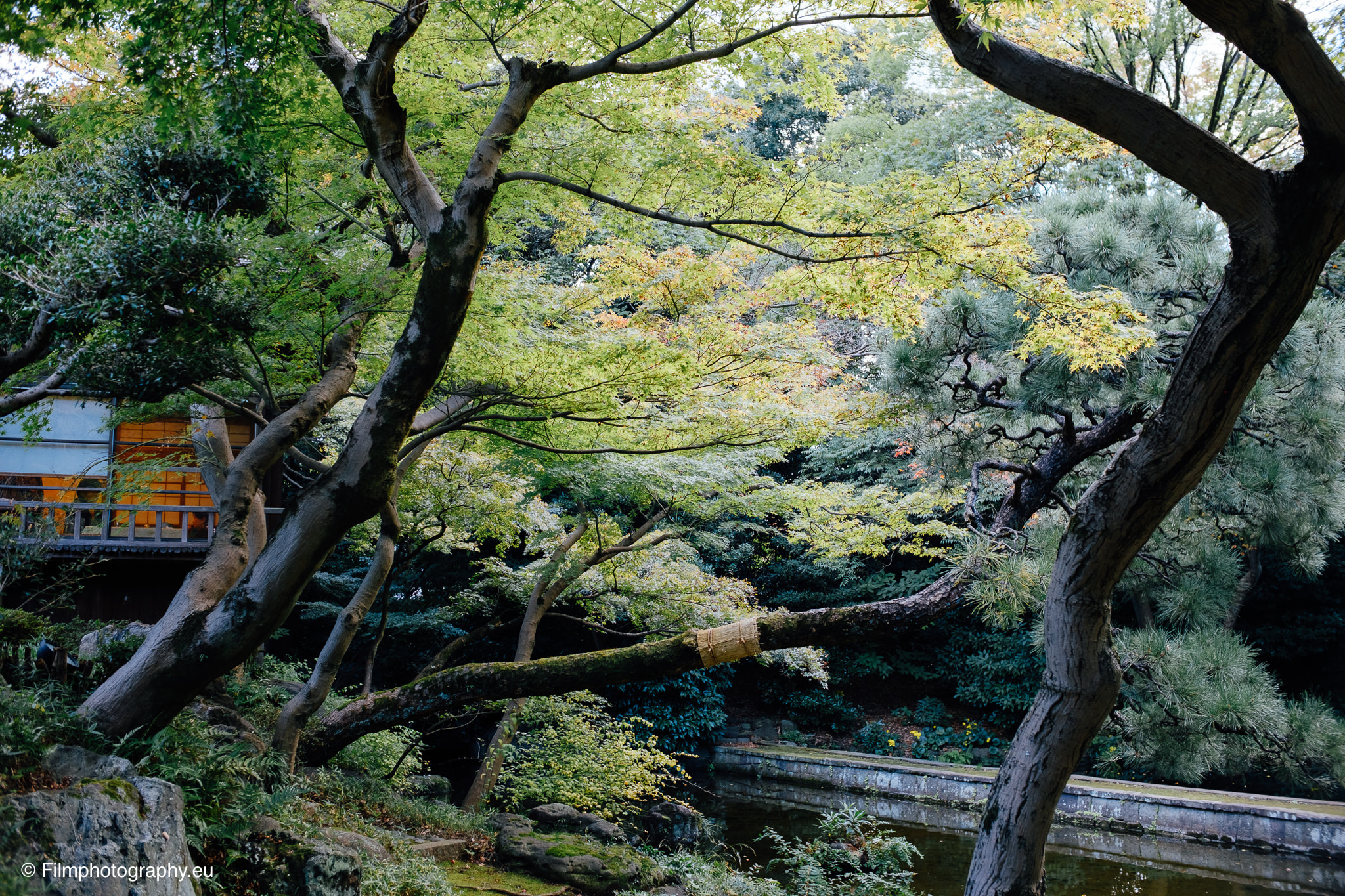
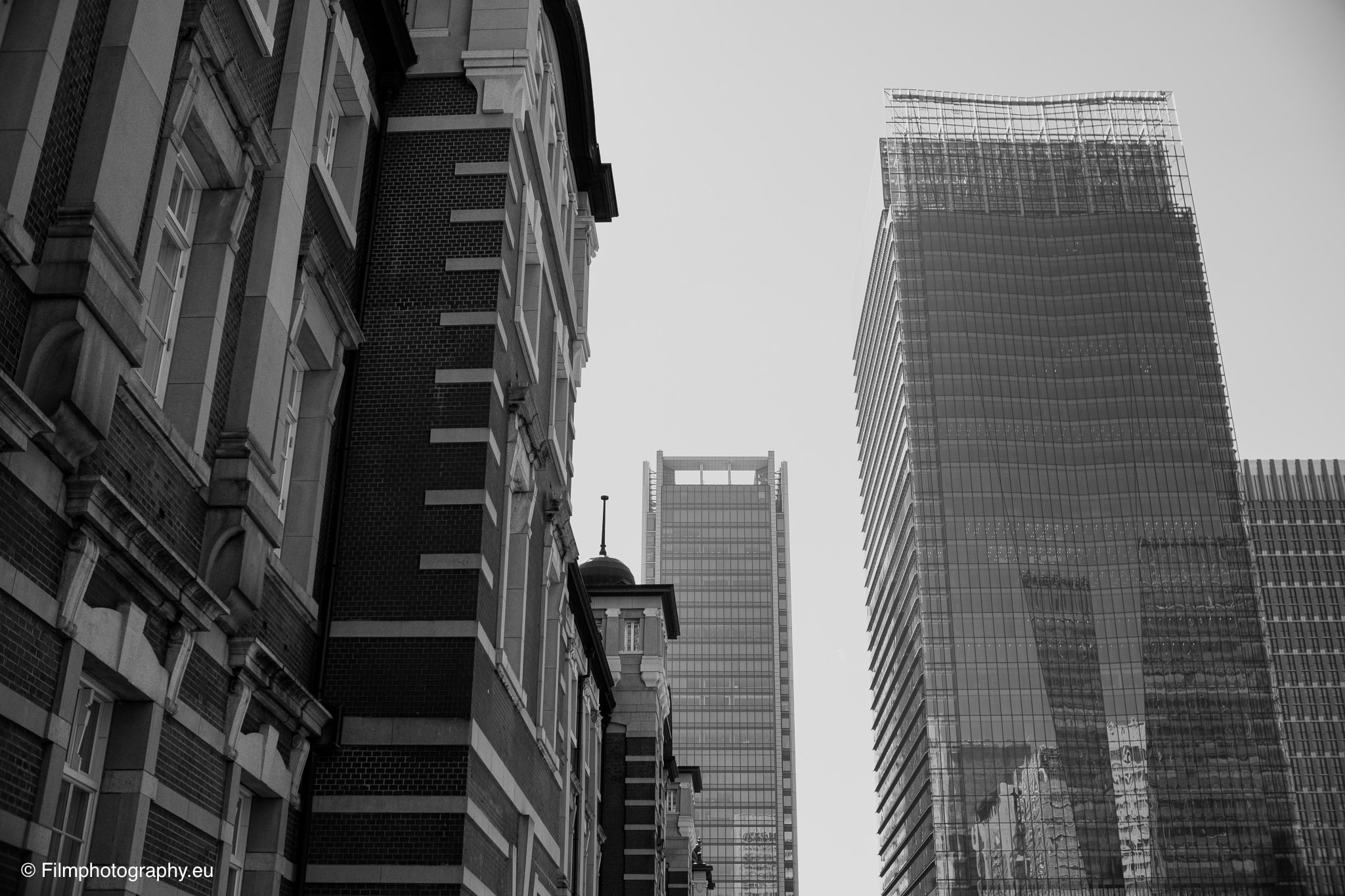
Where there is a lot of light, affordable technology naturally comes with some compromises, and you should be aware of them before buying. At the fully open aperture of f/1.8, both the 25mm and the 50mm deliver decent sharpness in the center of the frame, which is sufficient for portraits and everyday impressions. Toward the outer corners, however, detail falls off somewhat, and in high-contrast scenes, slight color fringing occasionally appears. If you stop down by one or two stops to f/2.8 or f/4, sharpness across the entire frame increases noticeably.
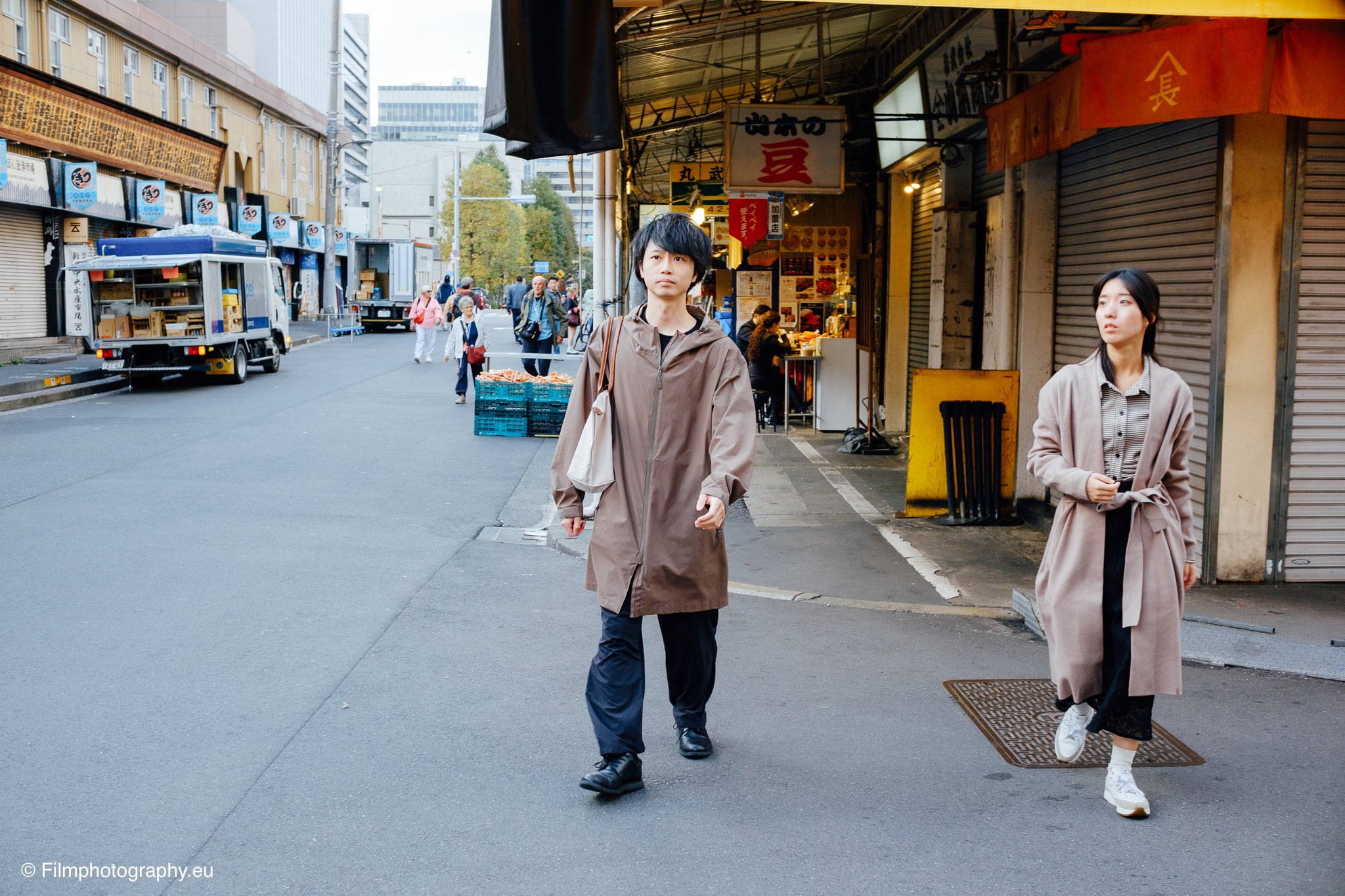
Both lenses also lack sealing against dust and splashing water. In heavy rain, it is best to keep the camera under your jacket or in your bag to be on the safe side. For beginners, these limitations usually matter little in practical use, especially since small corrections for contrast or edge sharpness can quickly be made on the computer if needed.
At the end of such a trip, it becomes clear that good travel photos do not necessarily depend on an overstuffed camera bag or high spending. The pairing of the 7Artisans AF 25mm f/1.8 and the 7Artisans AF 50mm f/1.8 covers a large part of the subjects you encounter on a trip through Japan.
You stay mobile, spare your back, and, thanks to the low purchase price, keep more room in the travel budget for experiences on the ground. We took the Fujifilm versions on our tour, but photographers with other camera systems are not left out either: both prime lenses are also offered with Sony E and Nikon Z mounts for APS-C format.
For beginners, these compact lenses offer an uncomplicated entry into the world of prime lenses across systems. If you are willing to trade a little of the convenience of a zoom for more light-gathering power, low weight, and a more deliberate look at your subject, this duo makes a sensible travel companion.

Buying the Lenses
If you want to add this compact pair to your own travel kit, you can conveniently order both lenses online. On the official 7Artisans website, you will find all technical specifications as well as the direct choice between the Fujifilm X, Sony E, and Nikon Z mounts. Alternatively, the prime lenses are also available through regular online retailers, such as the 7Artisans AF 25mm f/1.8 at Amazon* and the complementary 7Artisans AF 50mm f/1.8, also directly at Amazon*. When ordering, it is only worth taking a quick careful look to make sure the correct camera mount and the desired body color actually end up in your shopping cart.