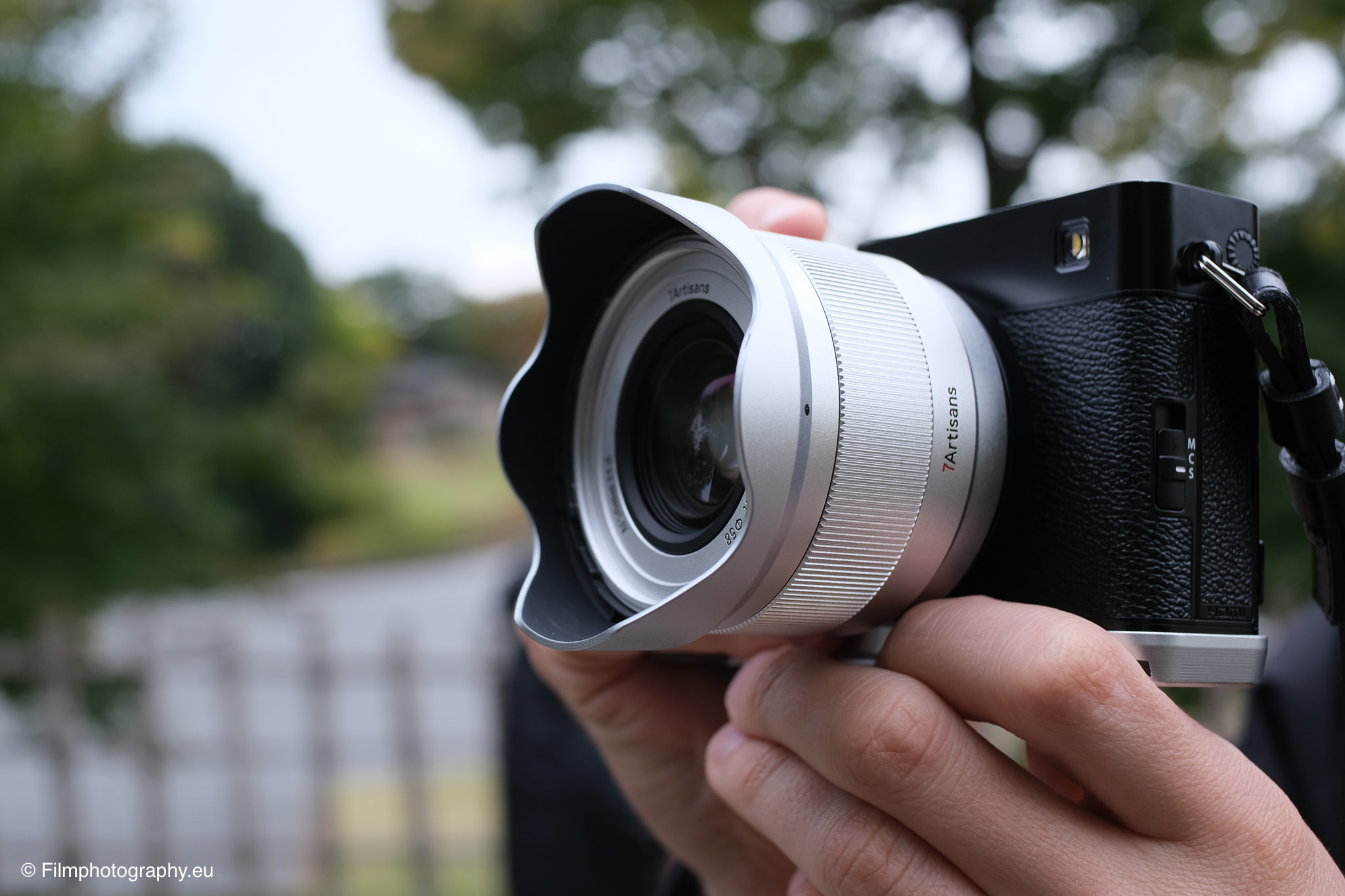
After the 25mm f/1.8 proved to be a handy companion on our trip across Japan with a stop in Seoul, the time has come for its optical twin. The 7Artisans AF 50mm f/1.8 for Fujifilm uses an almost identical construction, but on APS-C sensors it delivers a completely different view of the surroundings, equivalent to 75 millimeters.
Technical Data
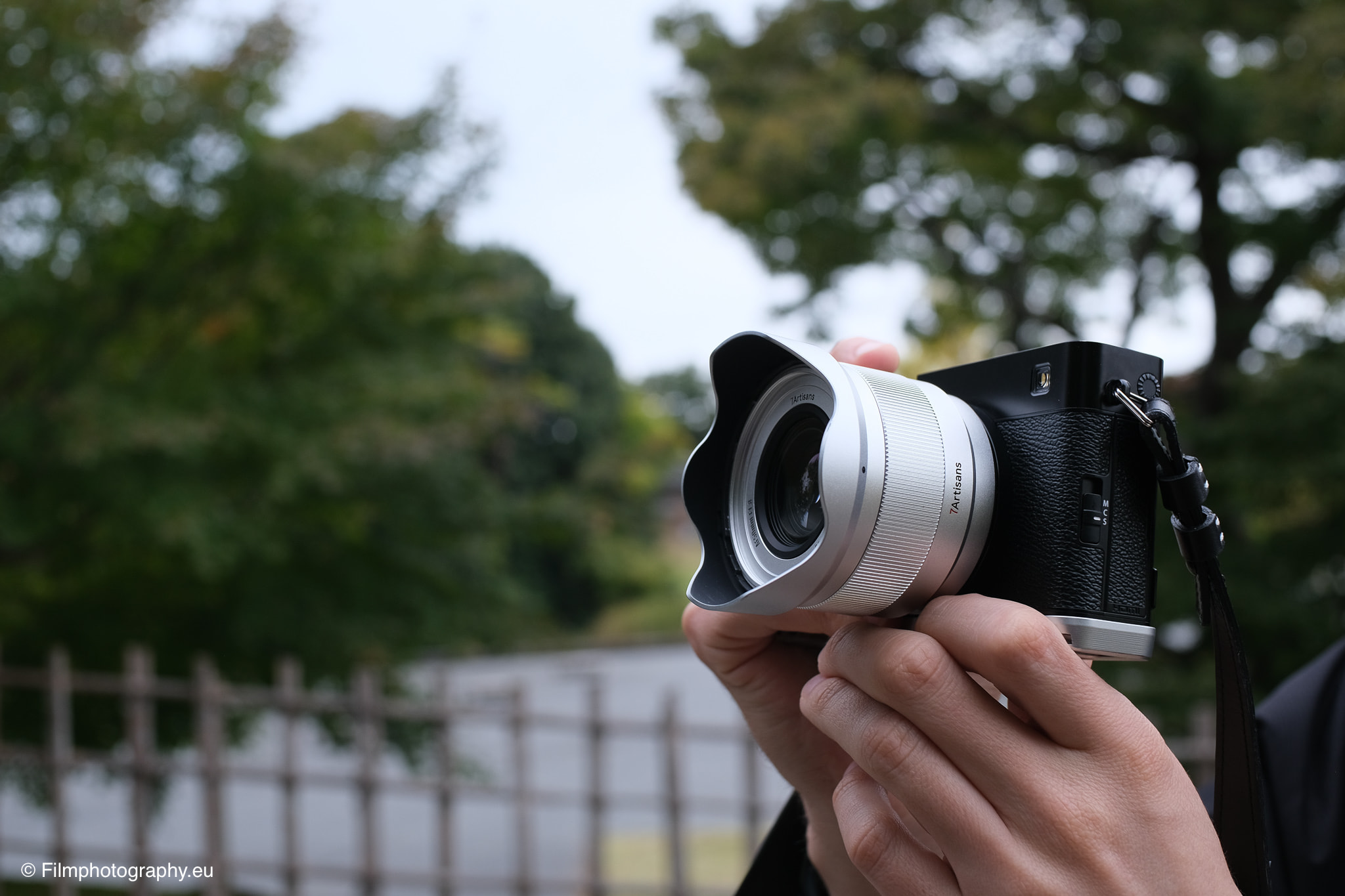
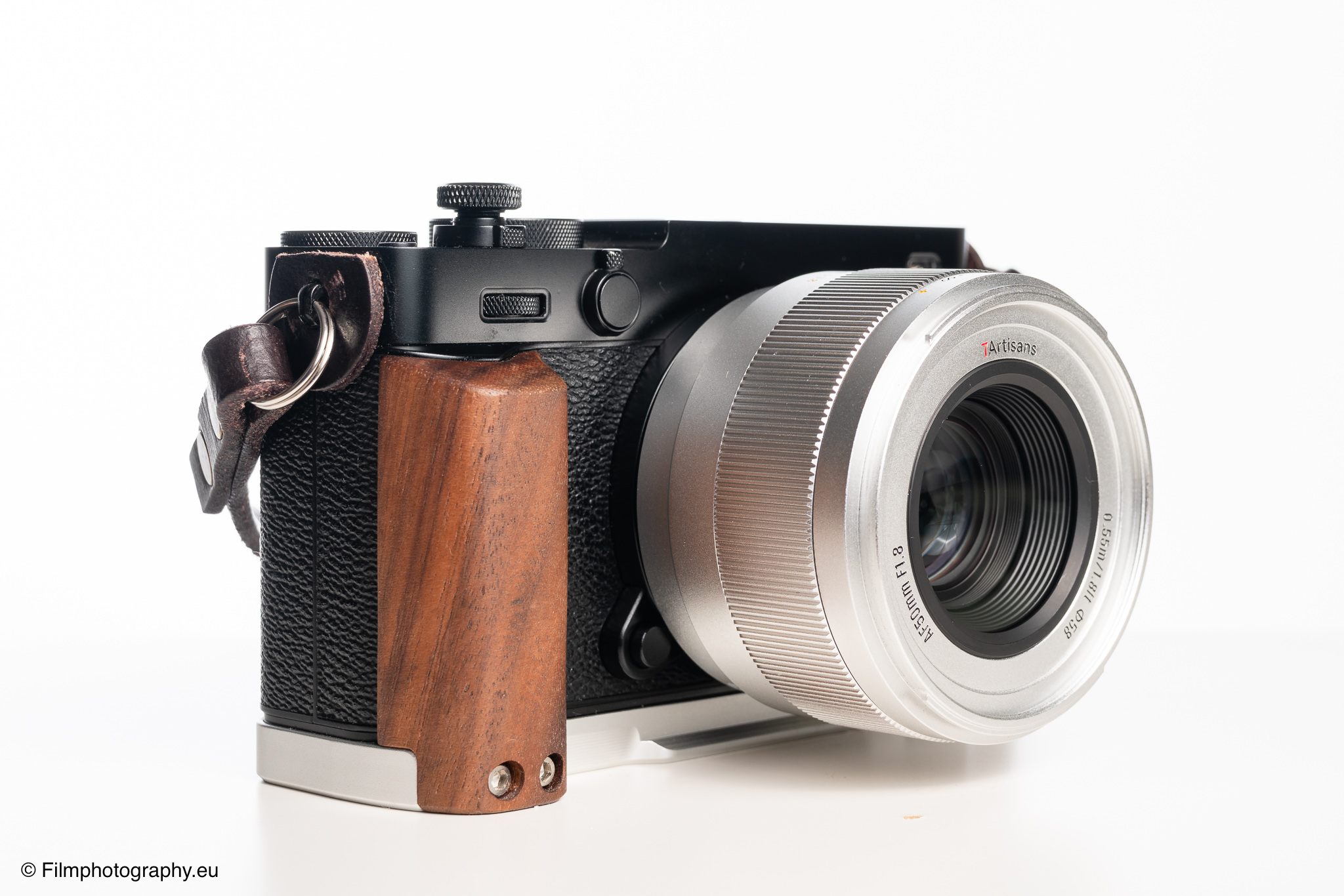
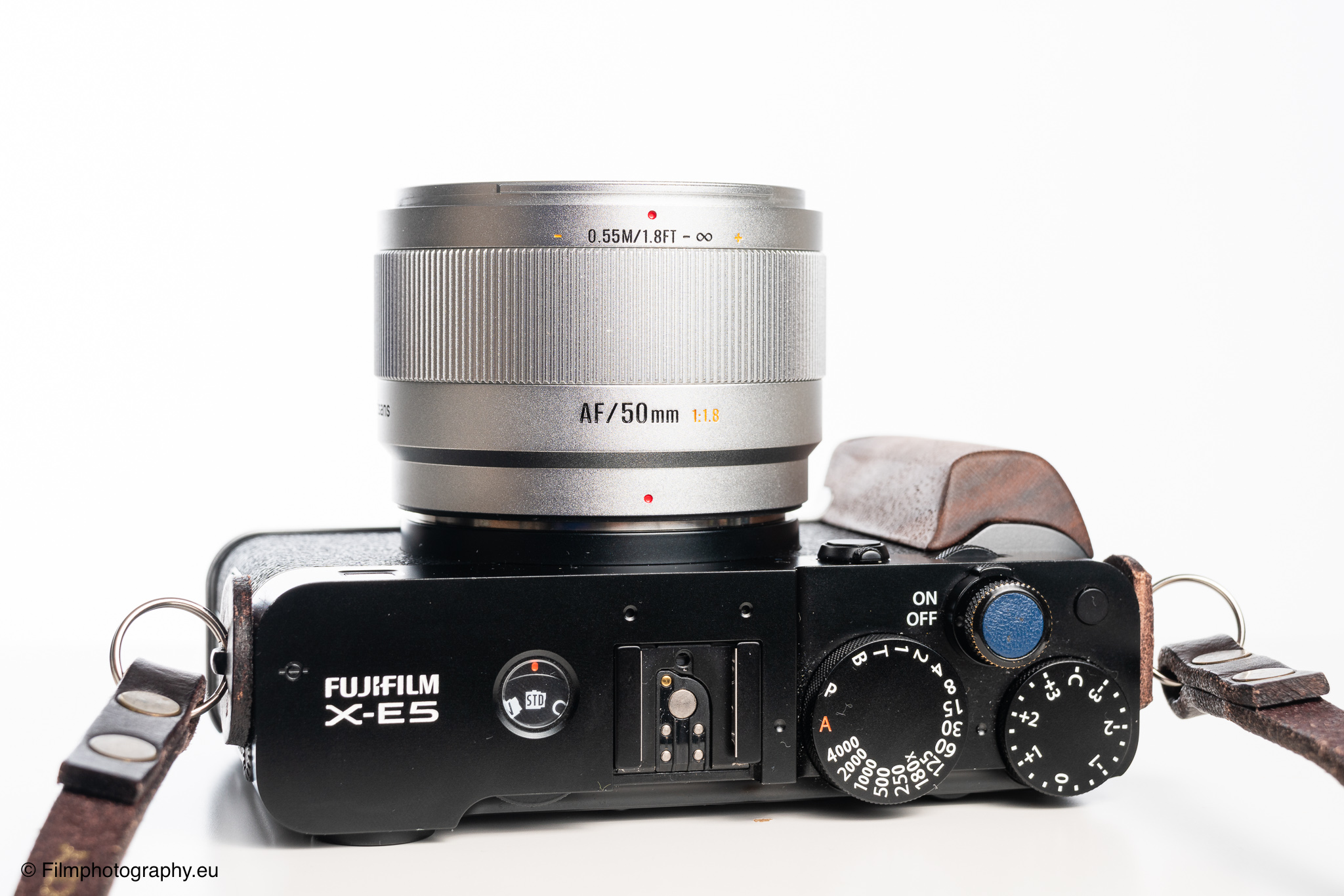
Externally, the 50mm is almost identical to its wider sister model, down to the last detail, as is the 35mm lens of the Lite series. On the APS-C cameras of the Fujifilm system, the 50 millimeter focal length results in an angle of view of about 31.4 degrees due to the crop factor, which corresponds to roughly 75 millimeters in the classic 35mm format. This places the lens in the range of light telephoto and classic portrait focal lengths.
The aperture ranges from a wide-open f/1.8 to a closed f/16. A six-element optical design arranged in five groups is responsible for image quality. Once again, there is no mechanical aperture ring; the aperture is controlled directly via the camera's dials.
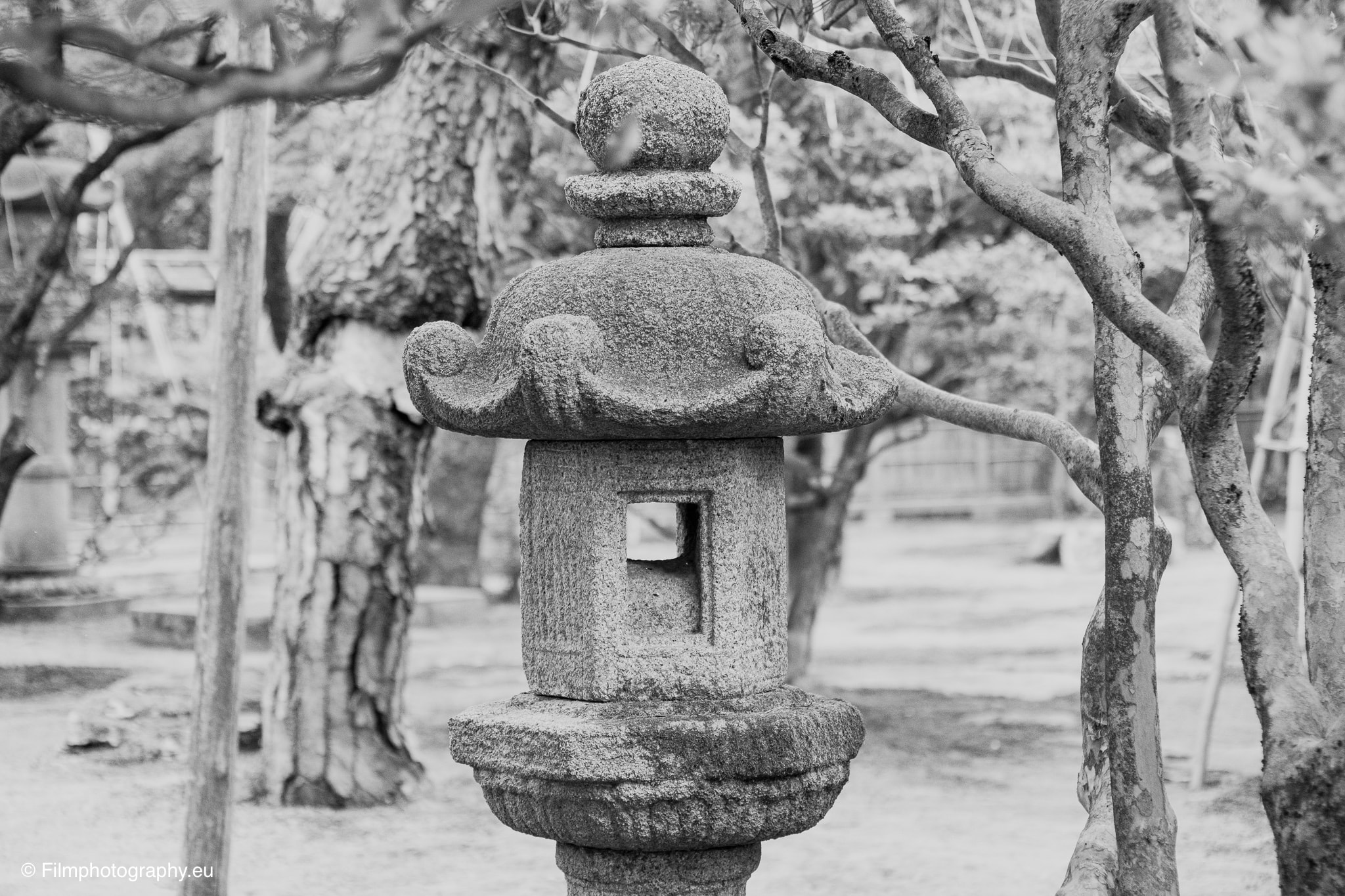
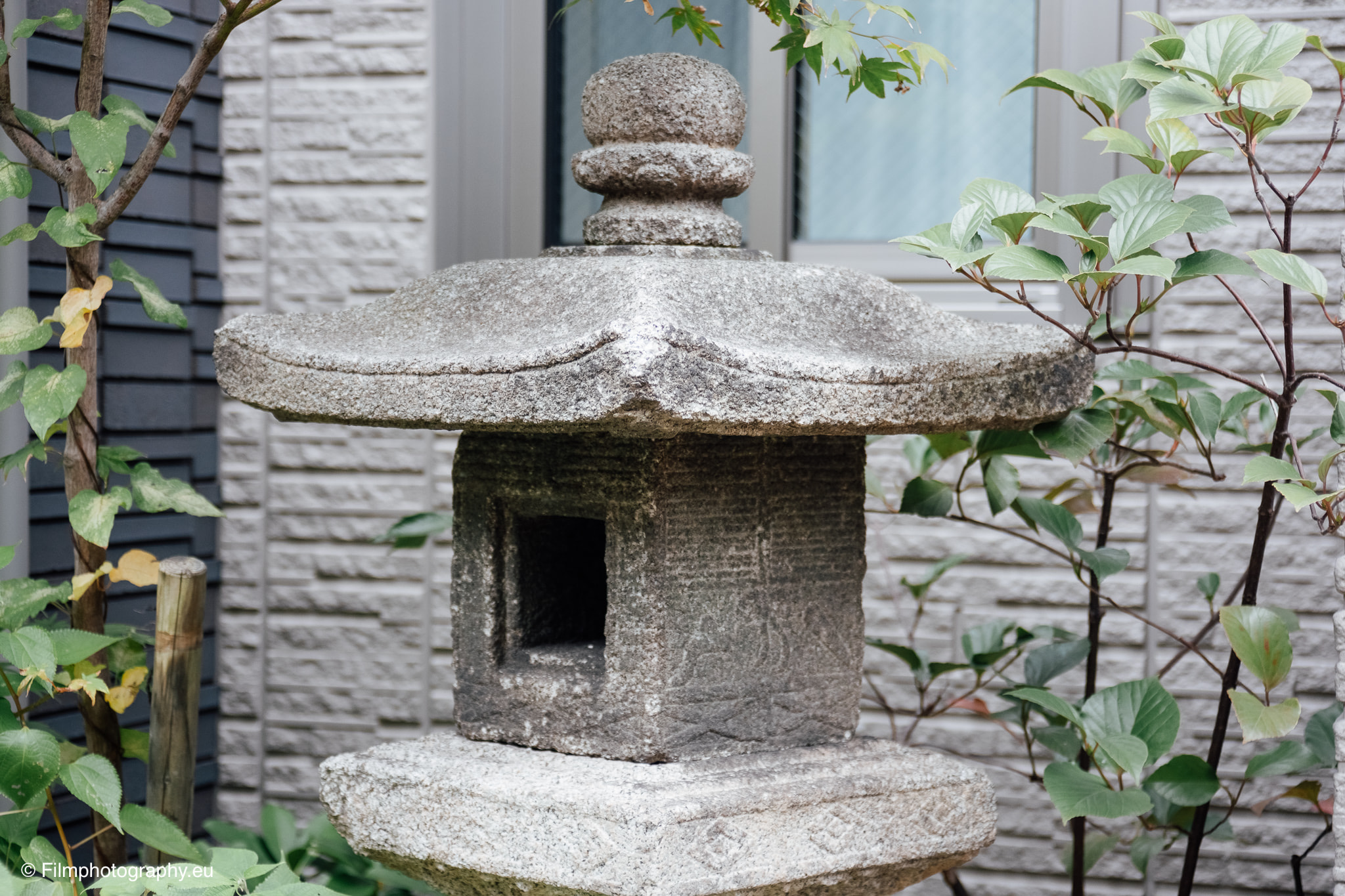
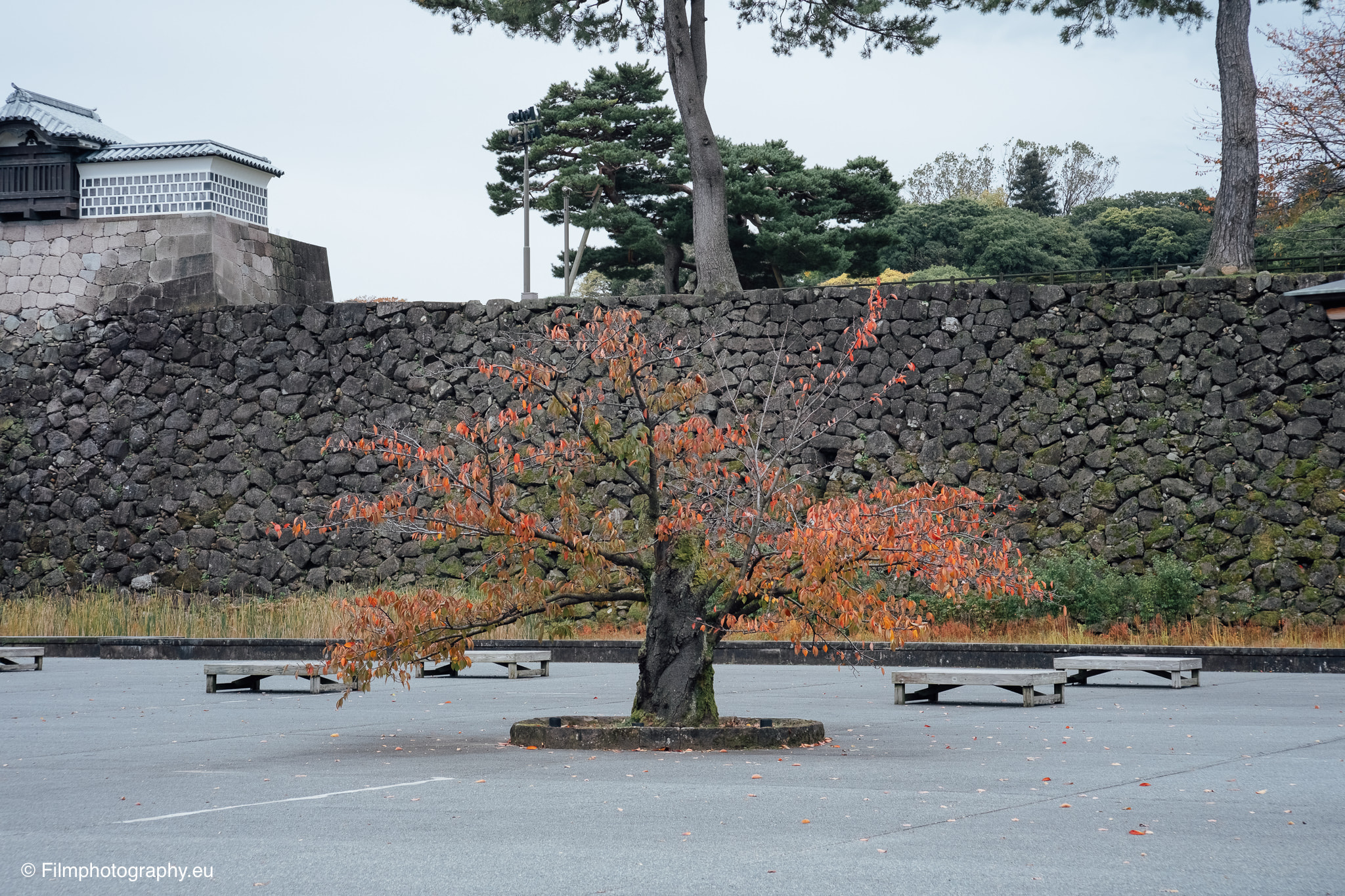
To render out-of-focus areas in the background harmoniously, the manufacturer uses a nine-blade rounded aperture. Focusing is handled by an internal stepping motor that communicates fully with the autofocus functions of current Fujifilm cameras and also detects eyes and faces. The minimum focus distance is 55 centimeters.
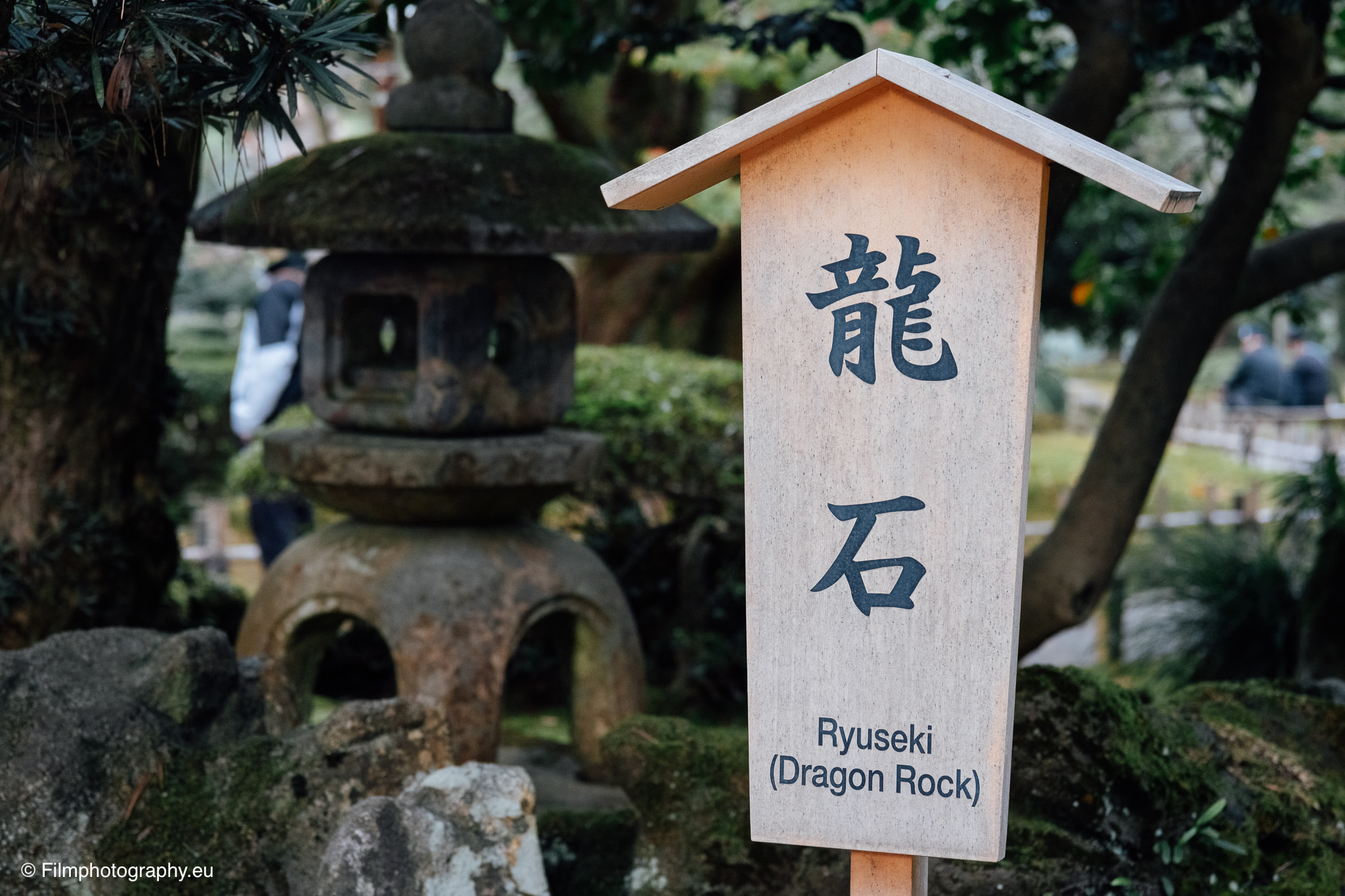
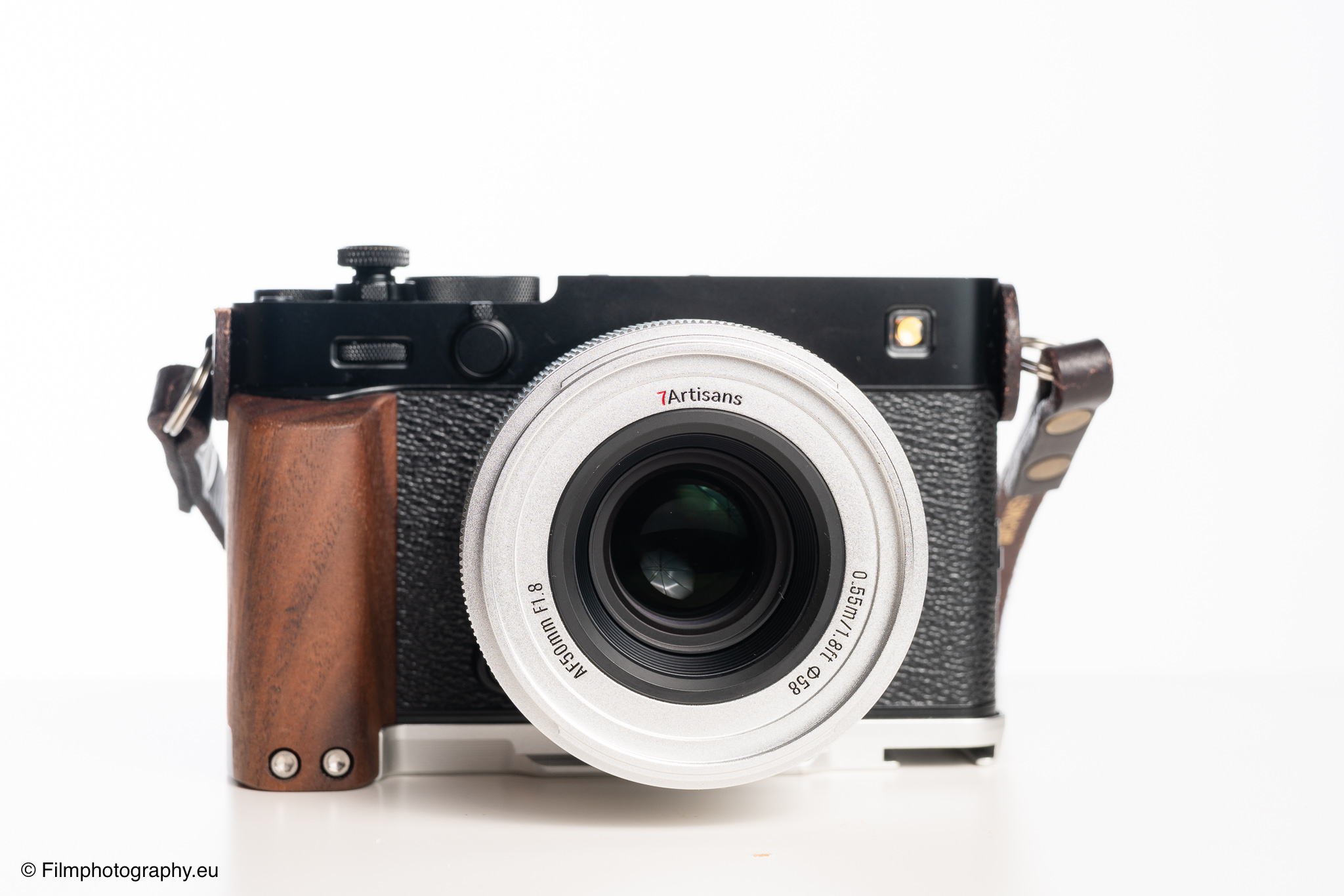
With an overall length of about 51 millimeters, a diameter of 67 millimeters and a weight of just under 178 grams, the lens is even a touch lighter than the 25mm.
The front takes the same 58 millimeter filter thread. A built-in USB-C port on the solid metal mount allows firmware improvements to be installed. This lens is also available in silver and black.
In Practice
For travel, I would not recommend the 50mm as your only lens. The focal length is too inflexible for that, especially when you want to shoot in small rooms or photograph typical sights.
I would, however, recommend it as a second lens to bring a new perspective to your images. Thanks to the low price and especially the low weight and compact size, this is no problem. A good combination is the 50mm with the 25mm.
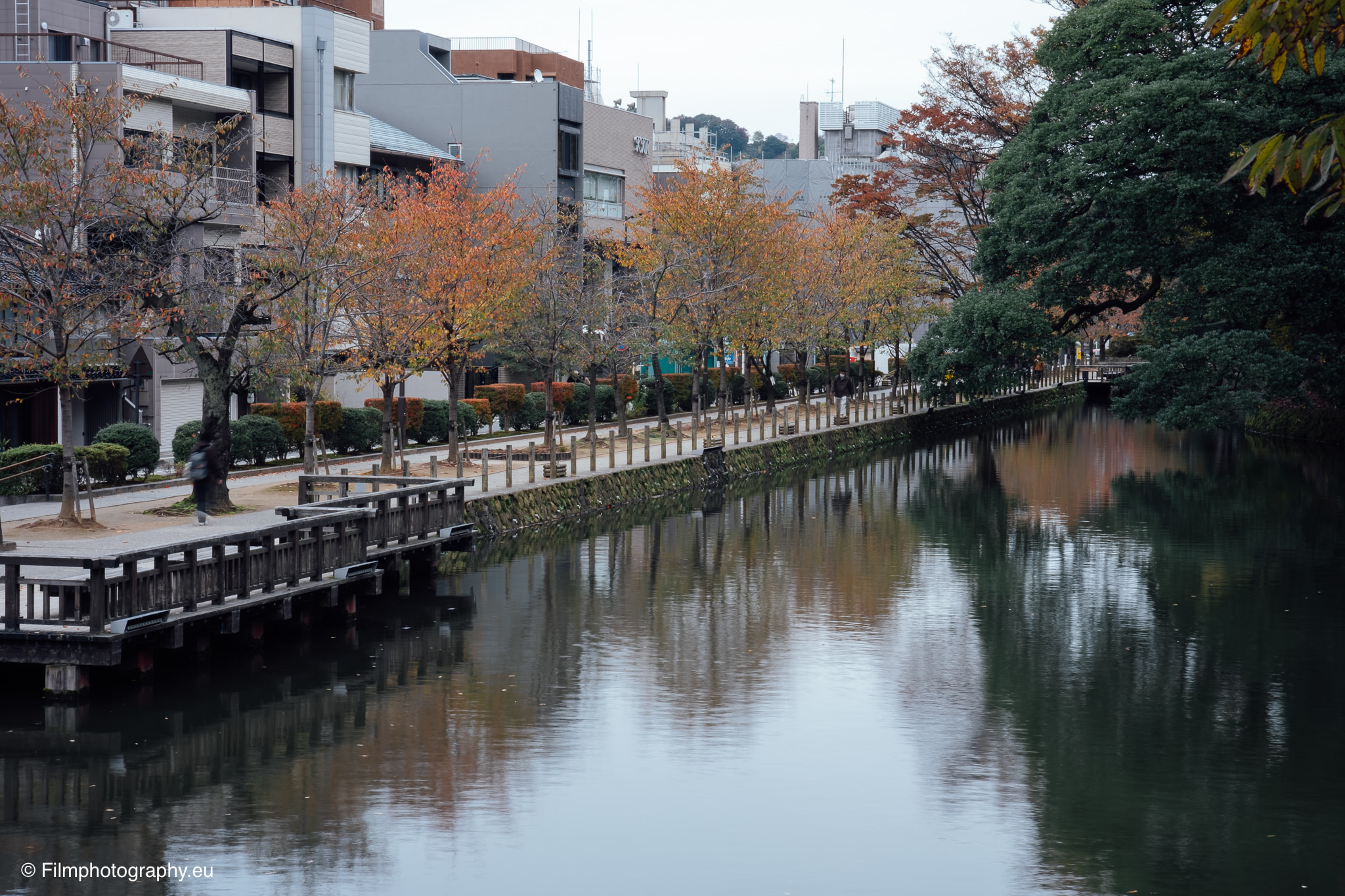
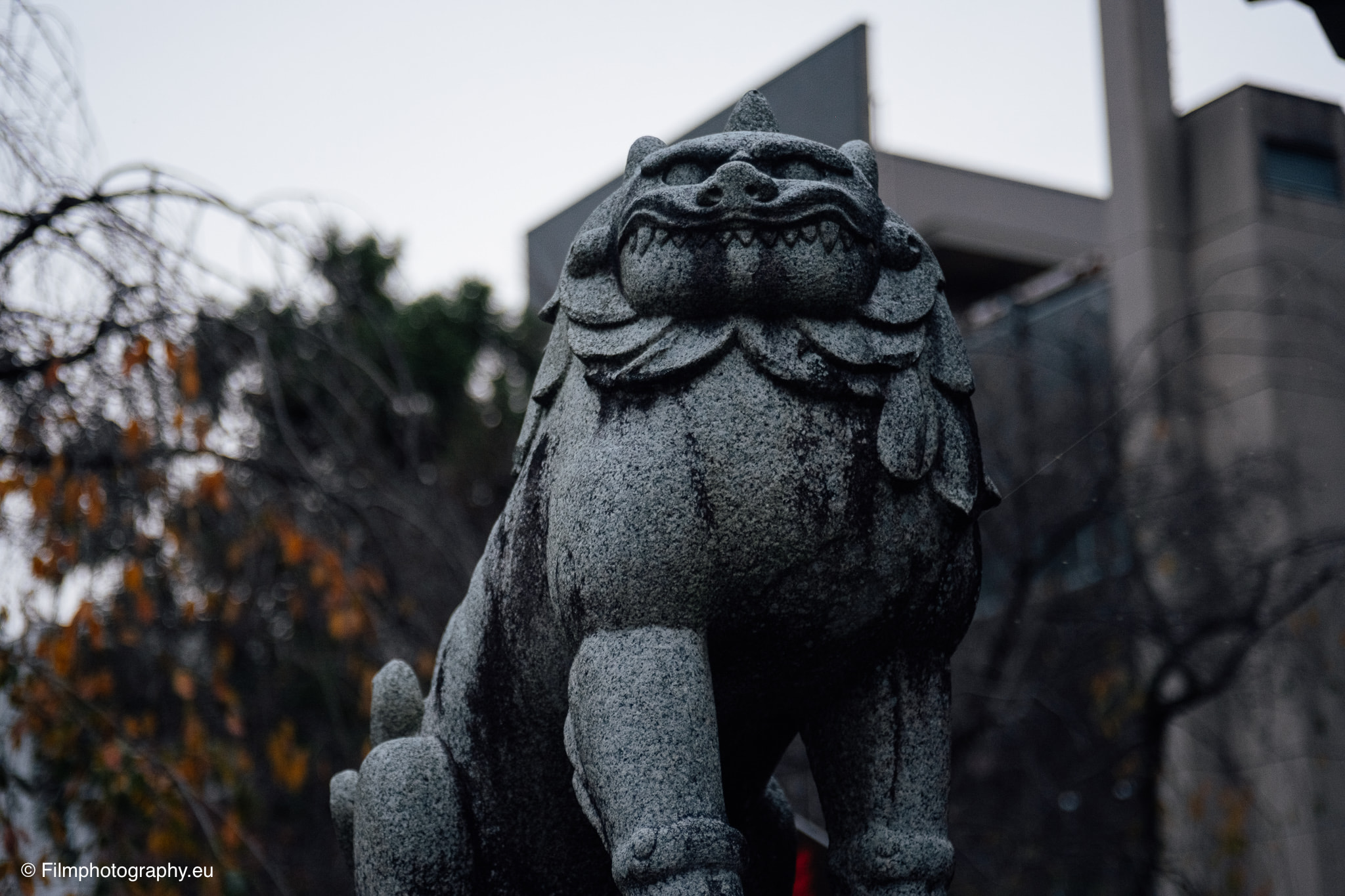
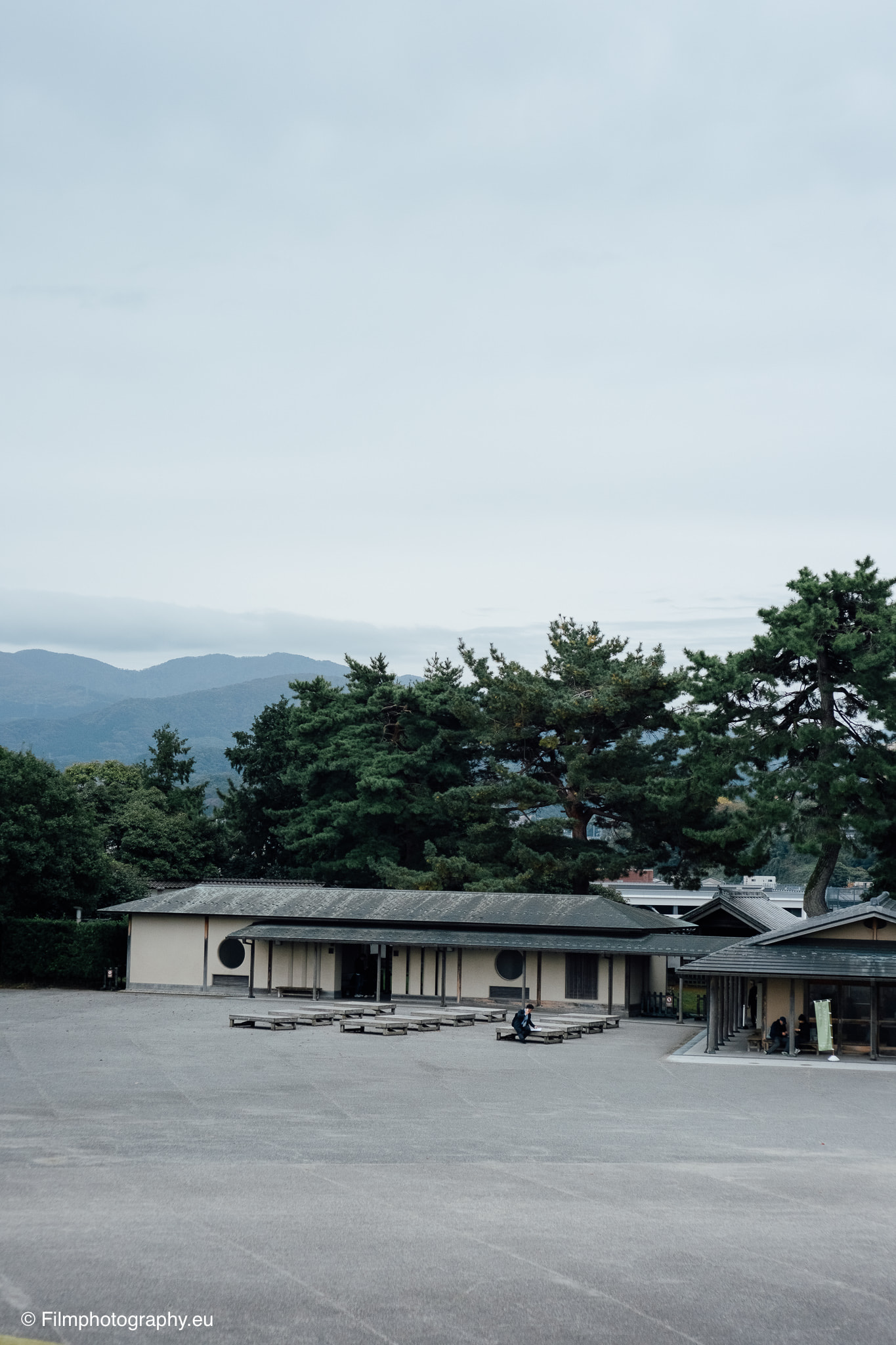
While the 25mm with its wide angle captures the whole of a scene, the 50mm fundamentally changes the photographic approach. The narrower frame forces the eye to filter out the chaos of a busy environment and focus on the essentials.
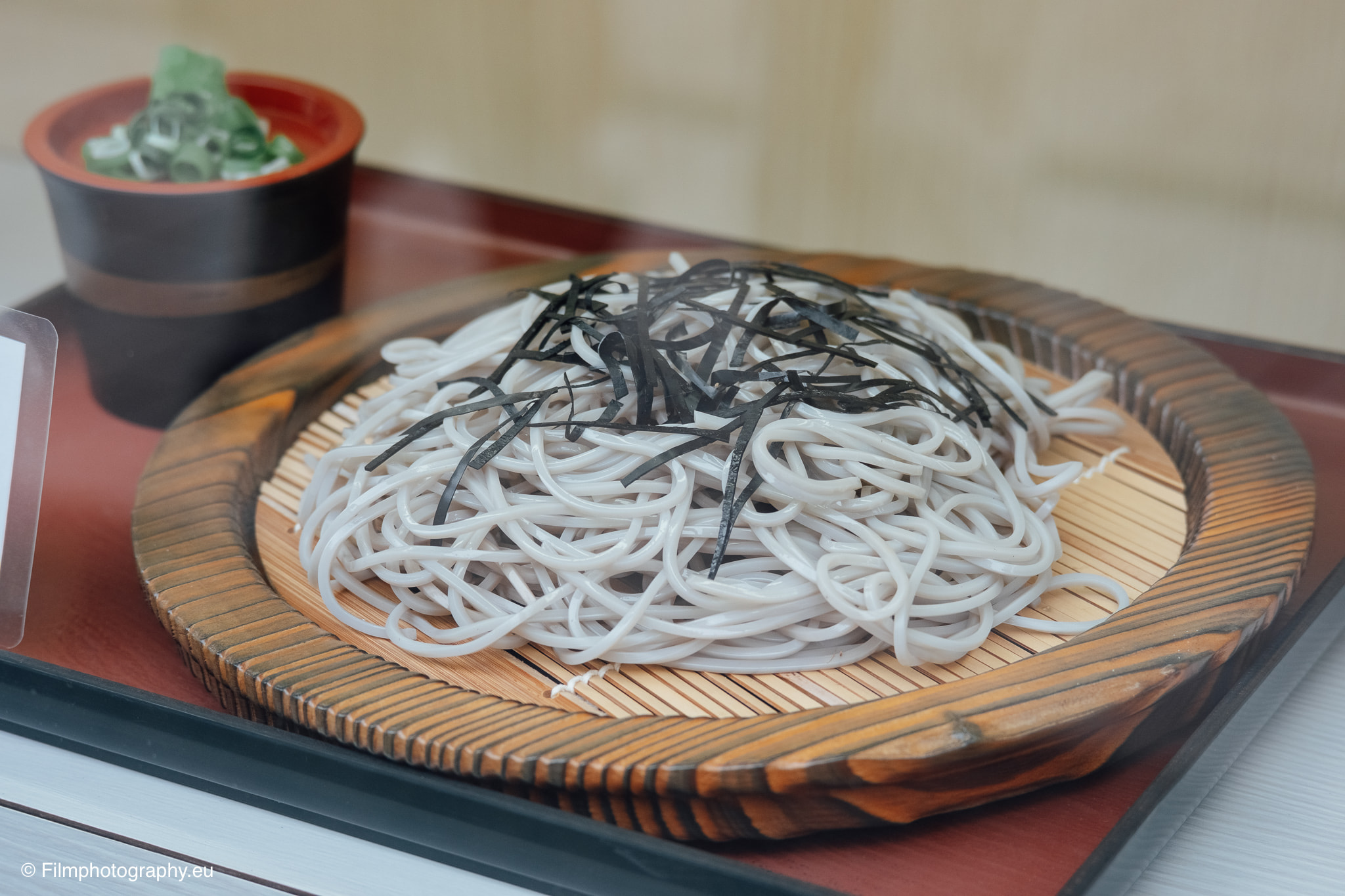
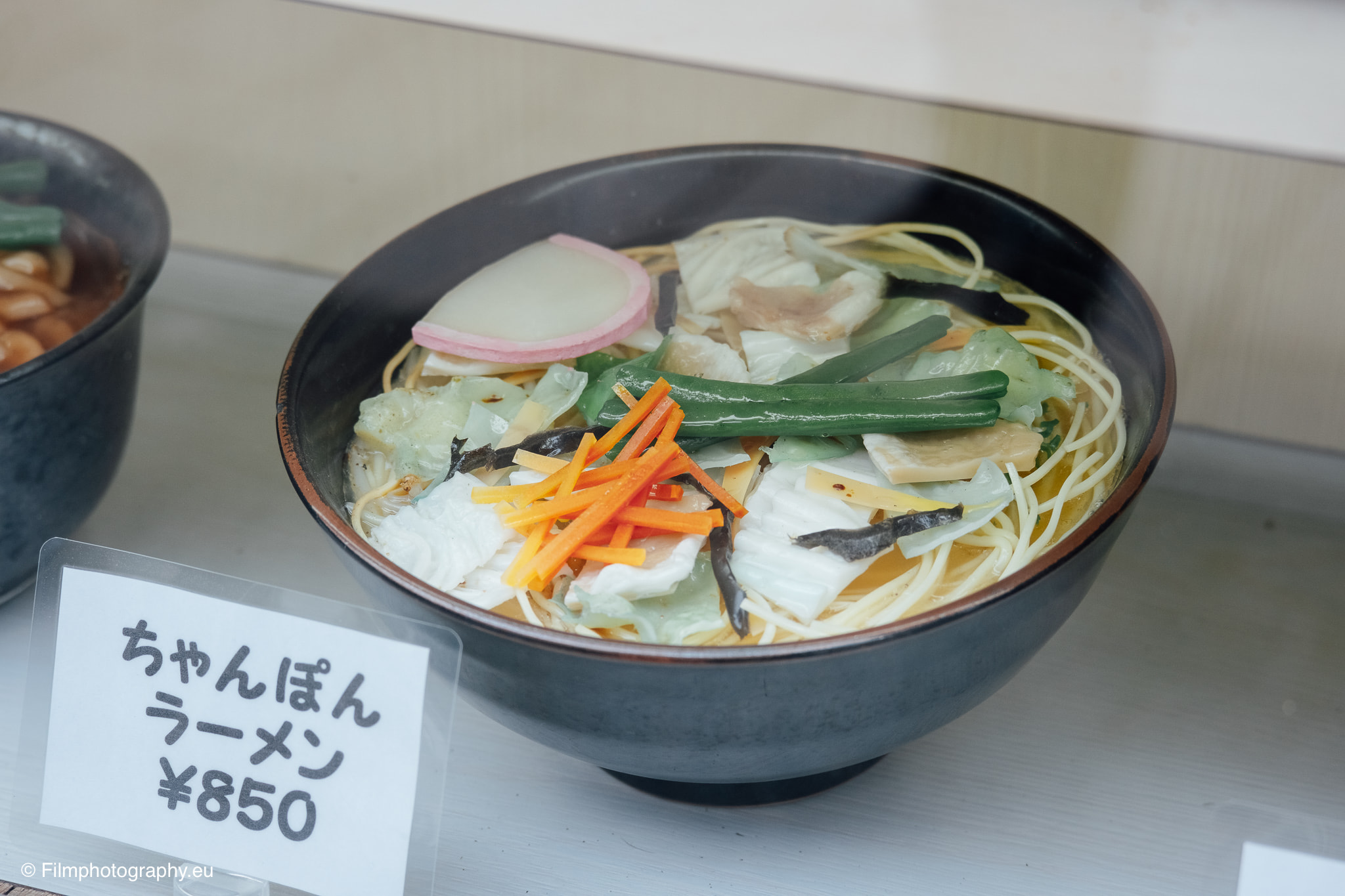
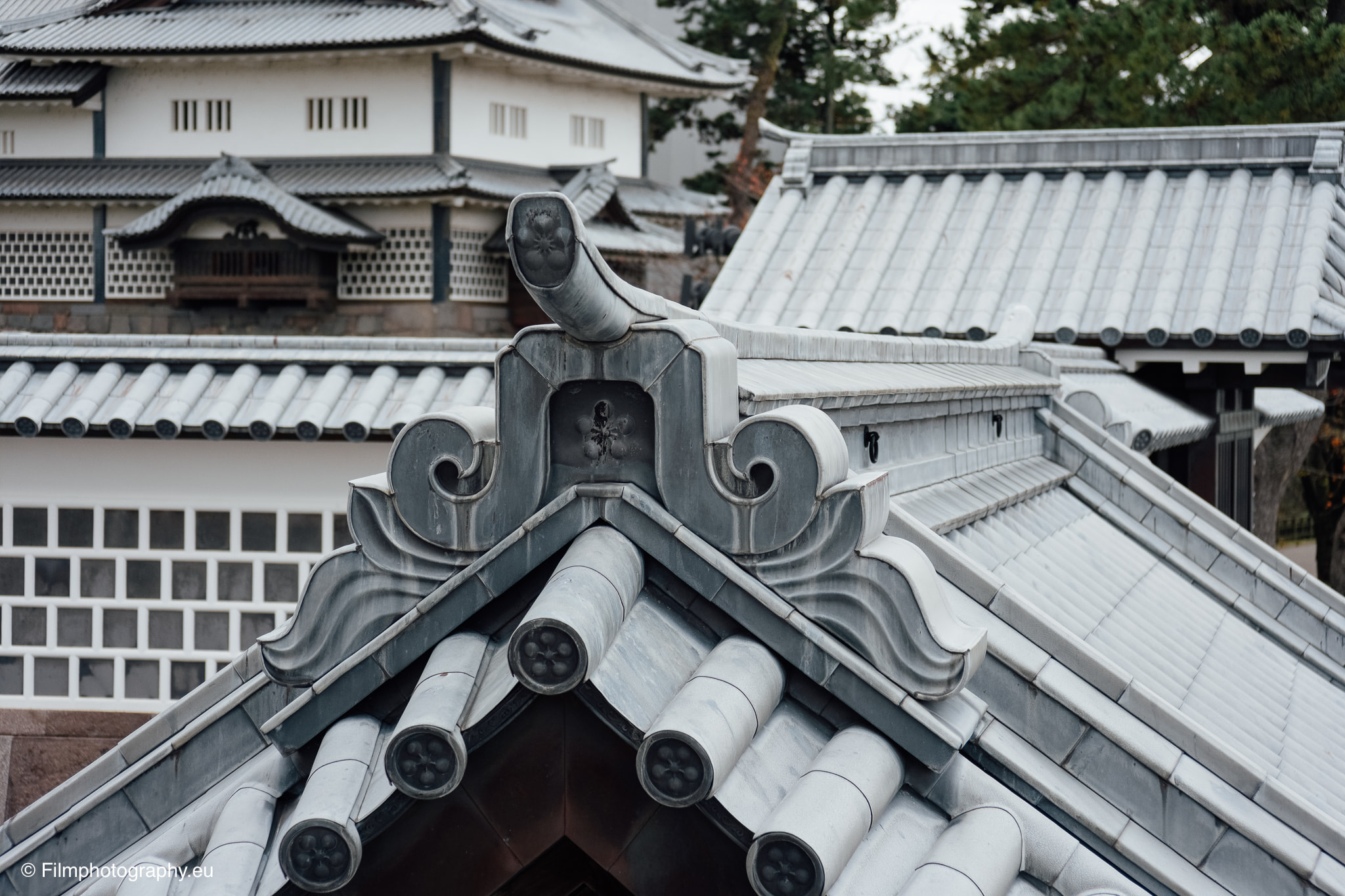
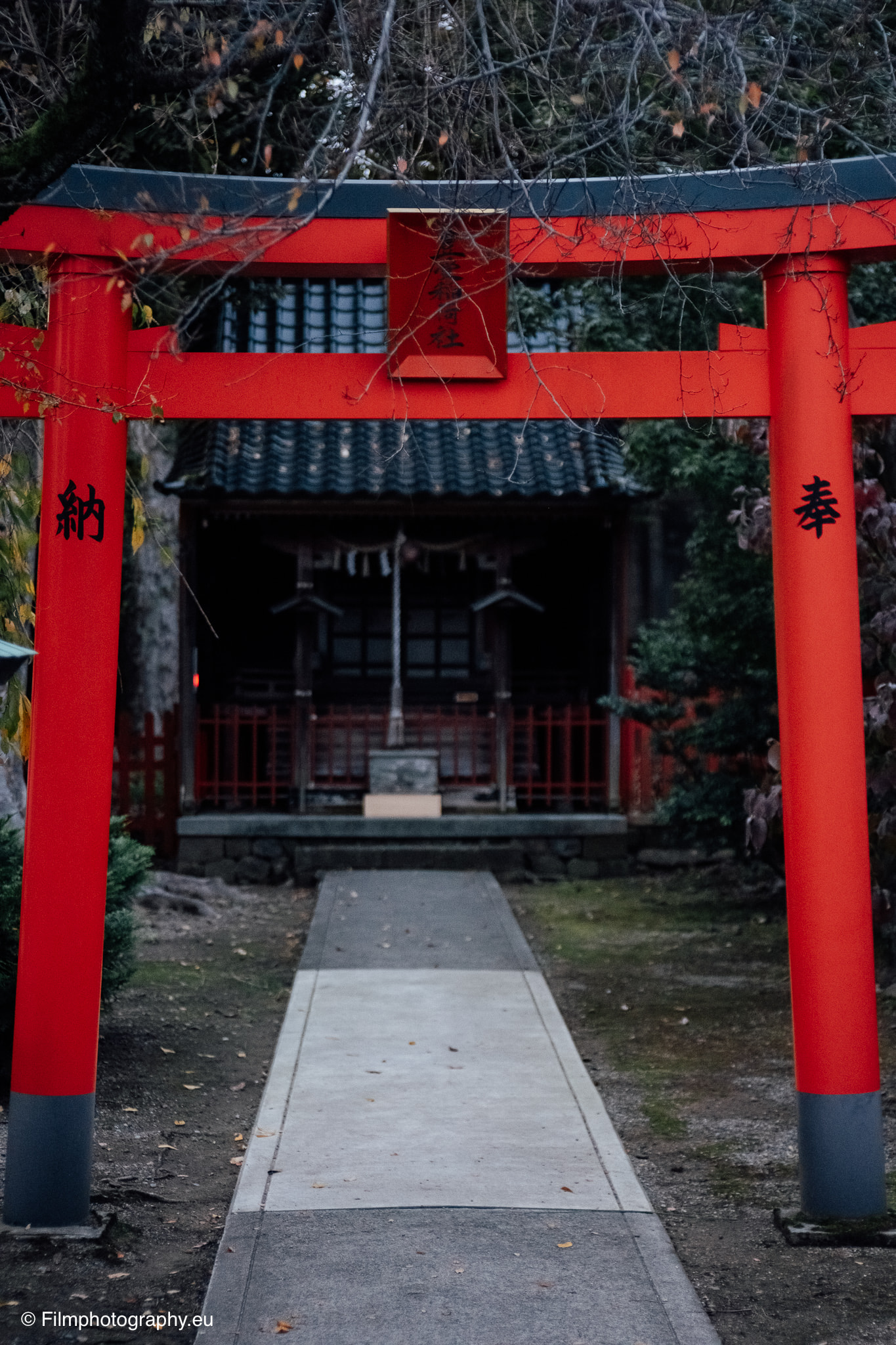
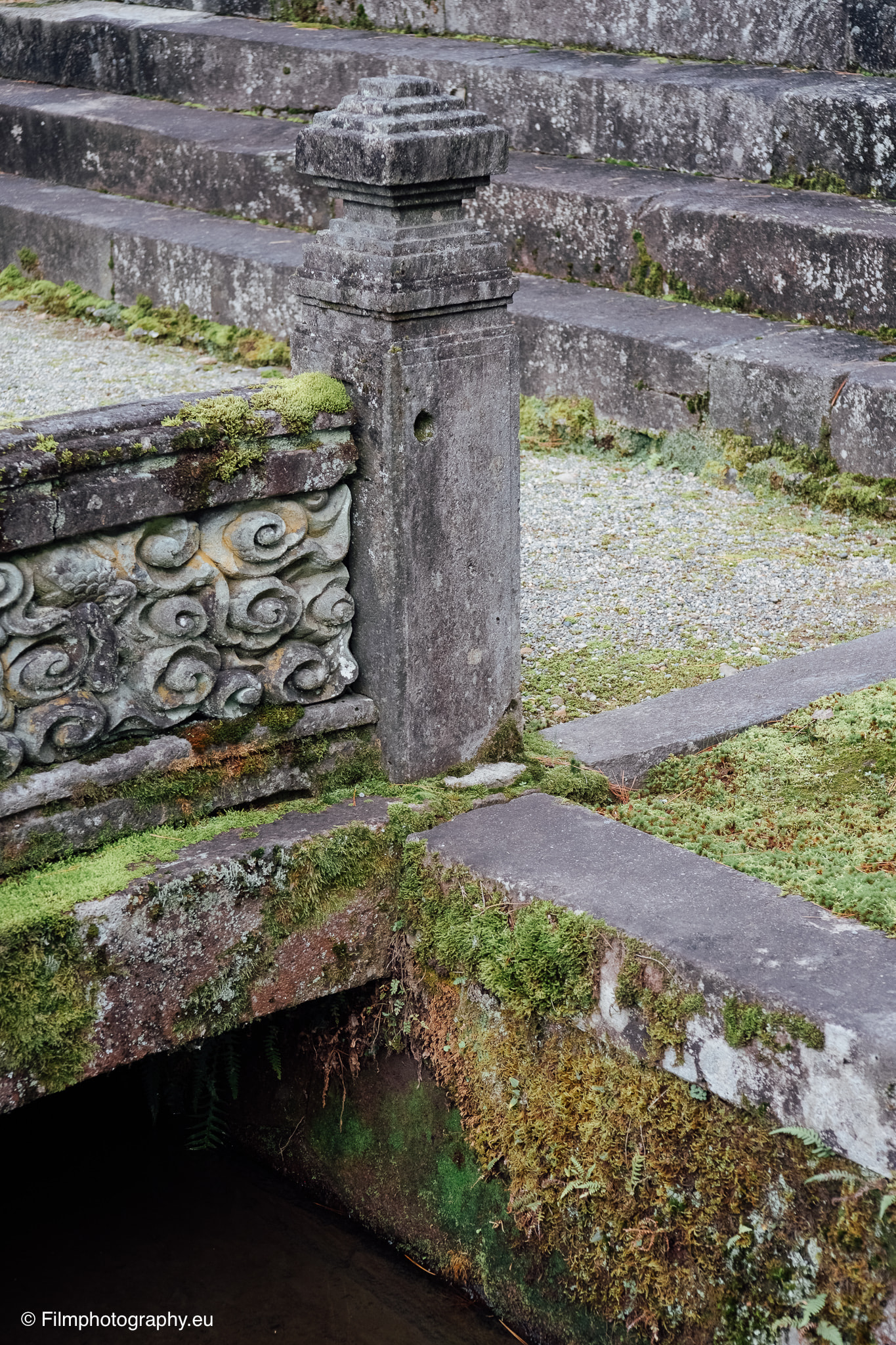
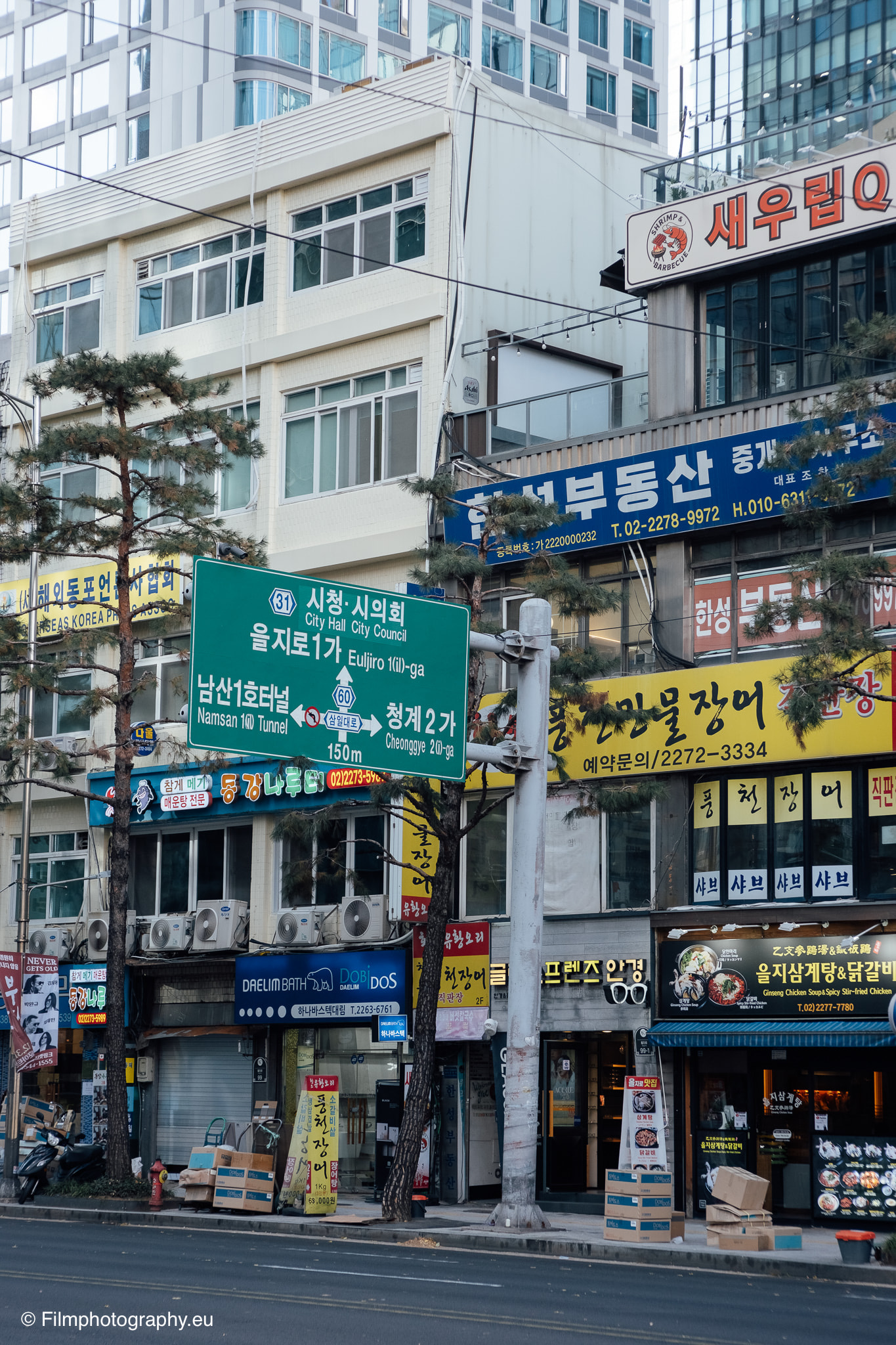
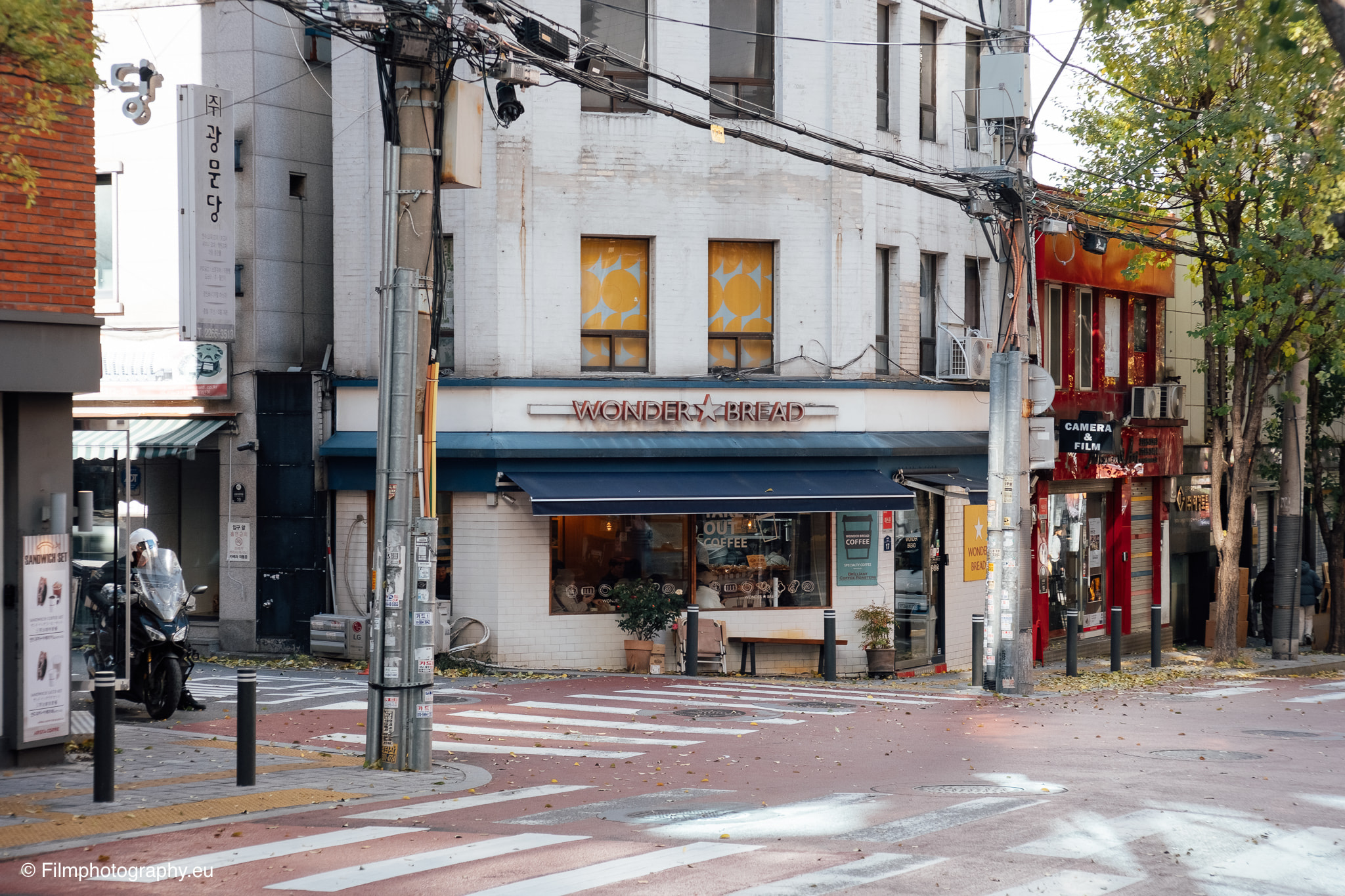
In the often visually overloaded urban landscapes of Japan, this angle of view proved a real blessing. Instead of entire streetscapes, fine structures suddenly come into focus.
The telephoto effect makes the background appear pulled closer, creating an appealing compression of the image planes. Pedestrians on distant crossings, dense rows of shopfronts or stepped roofs of historic buildings look more compact and graphic than the human eye perceives them.
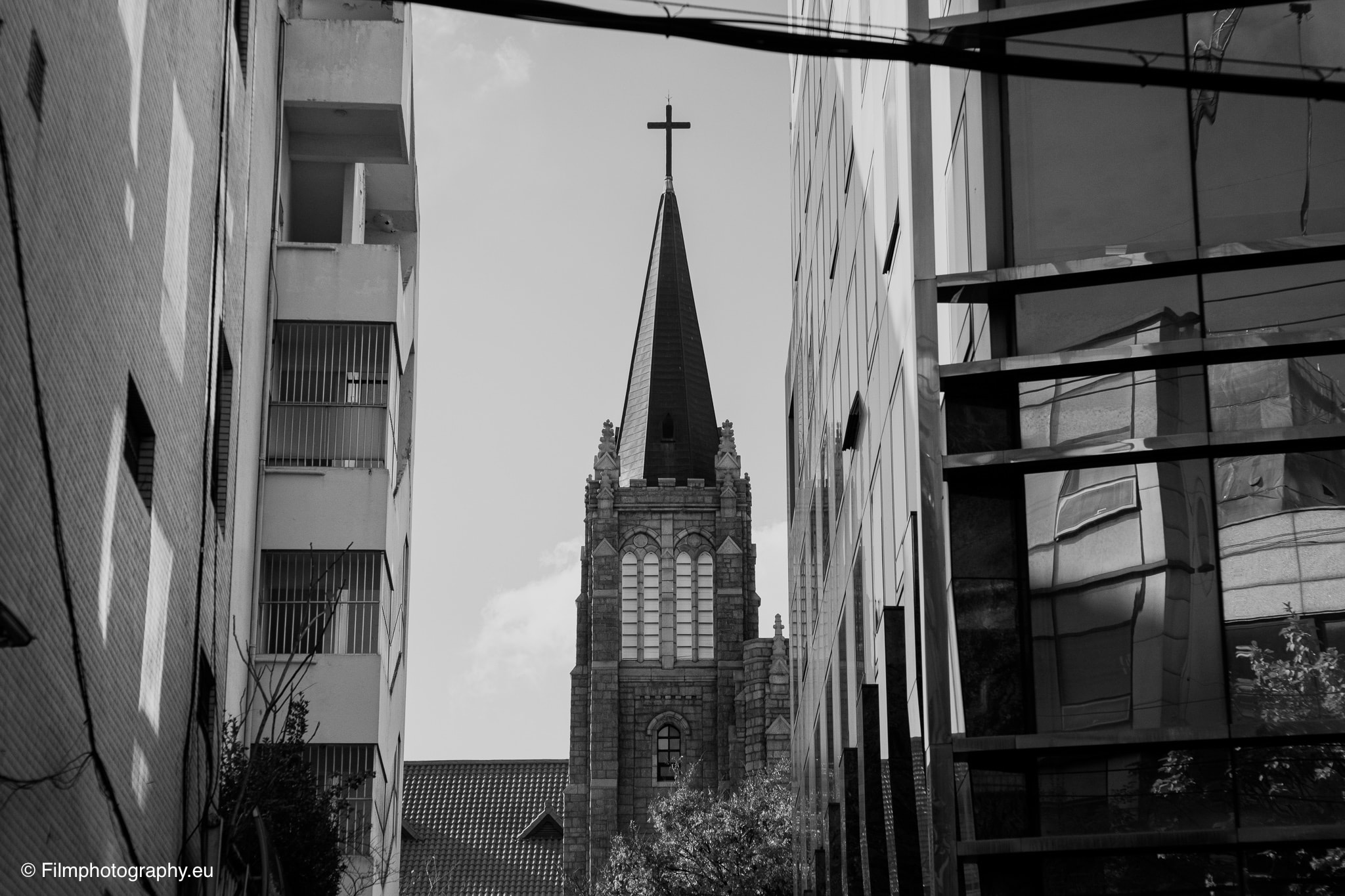
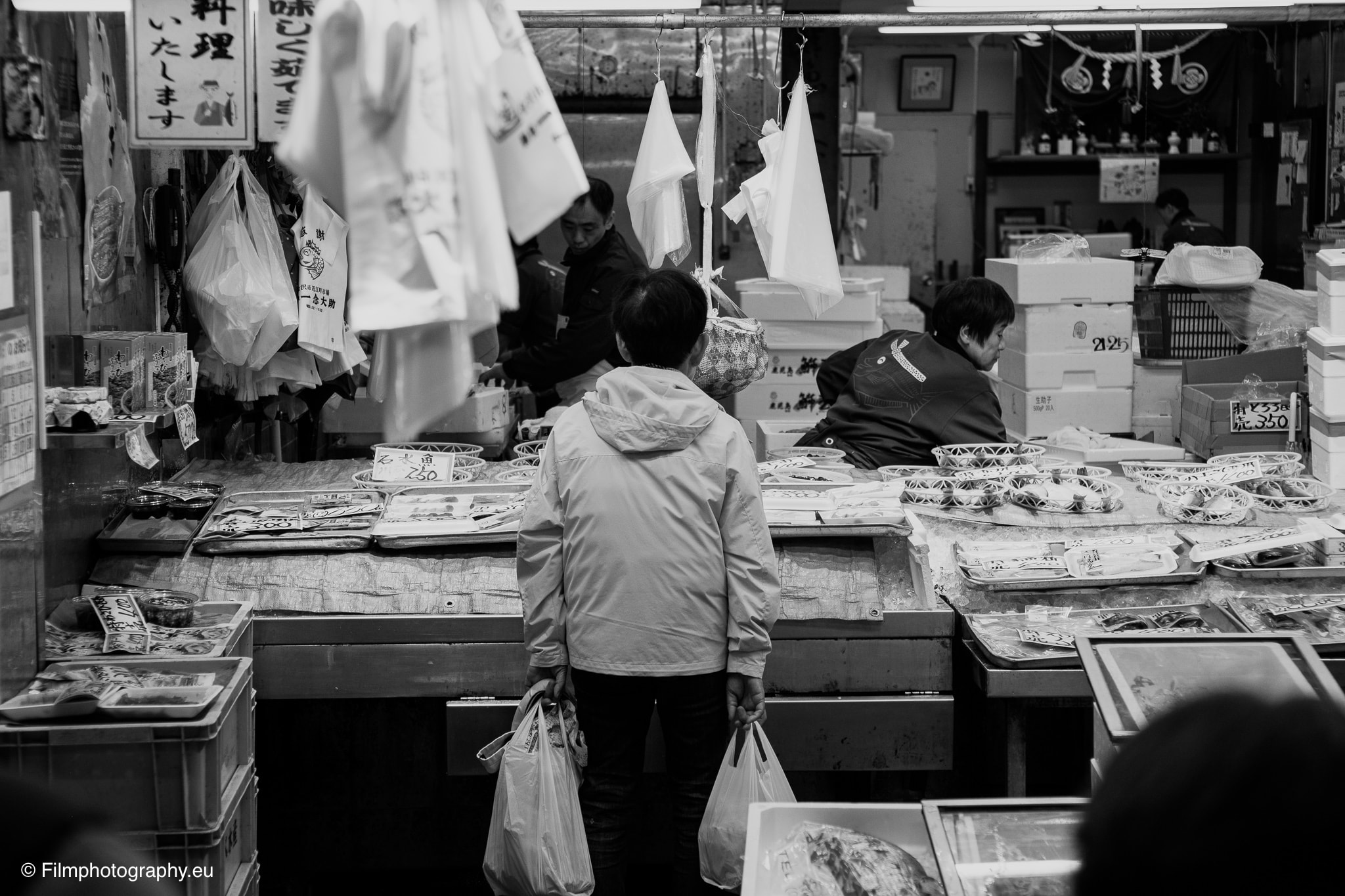
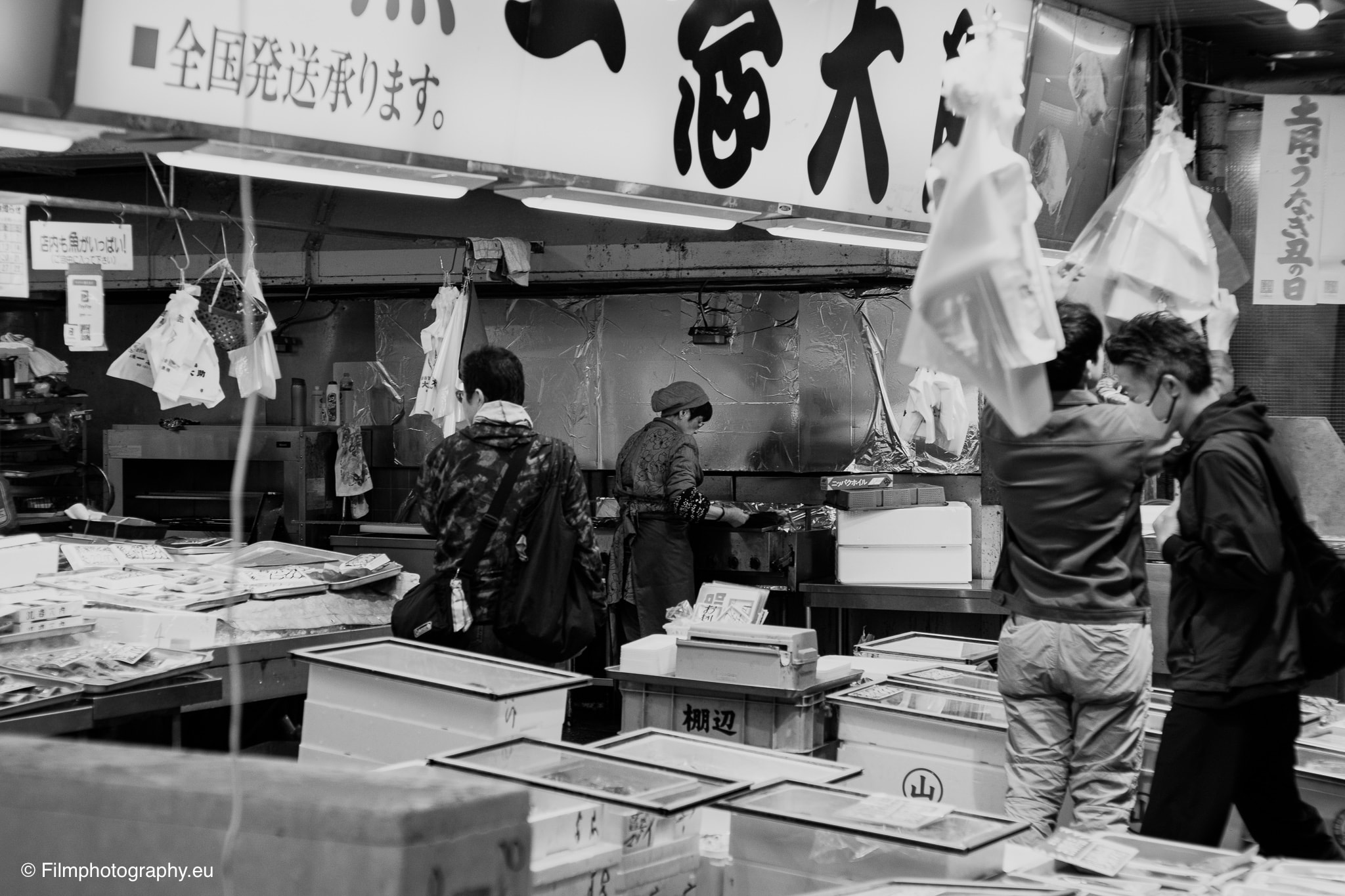
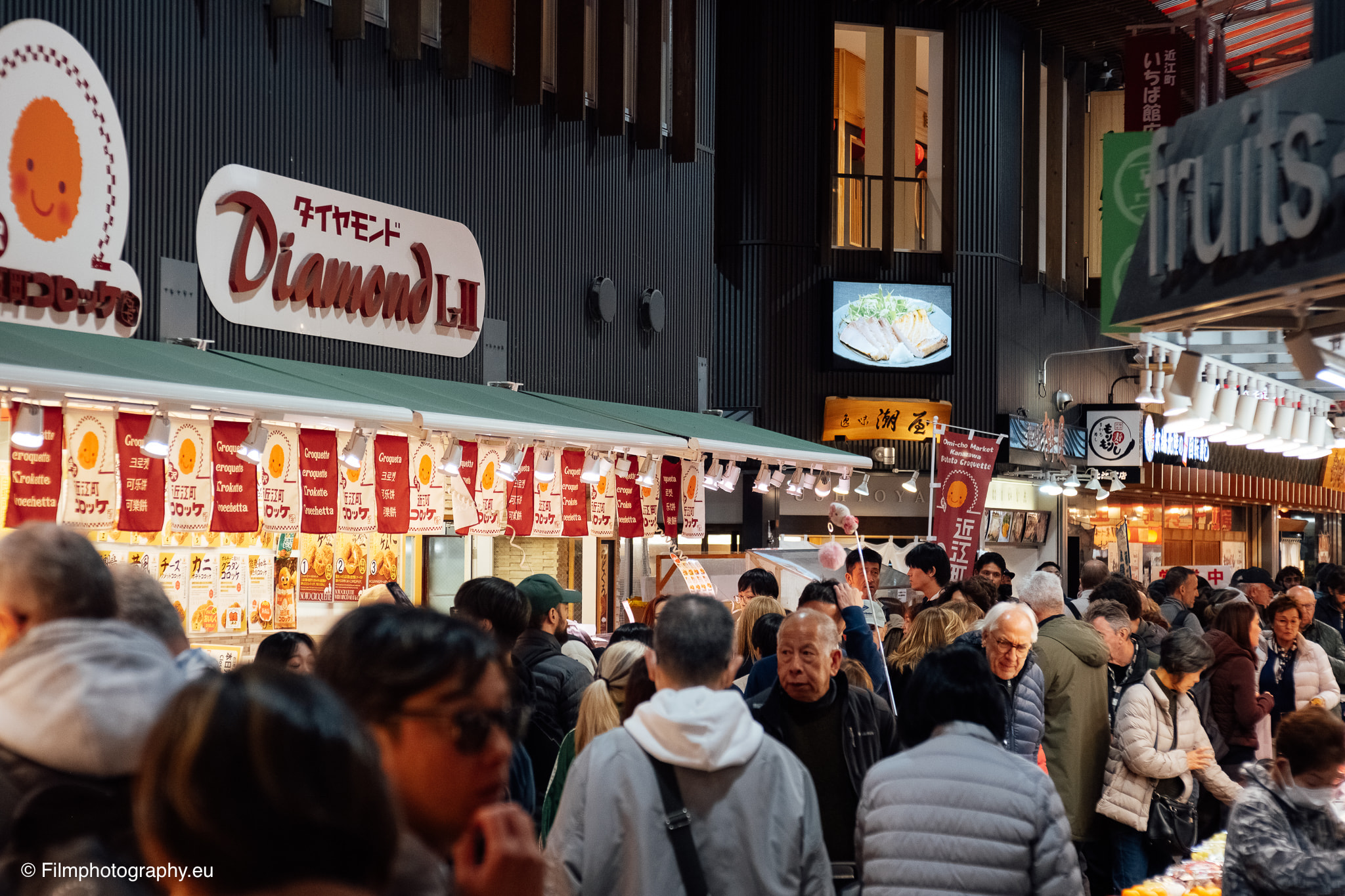
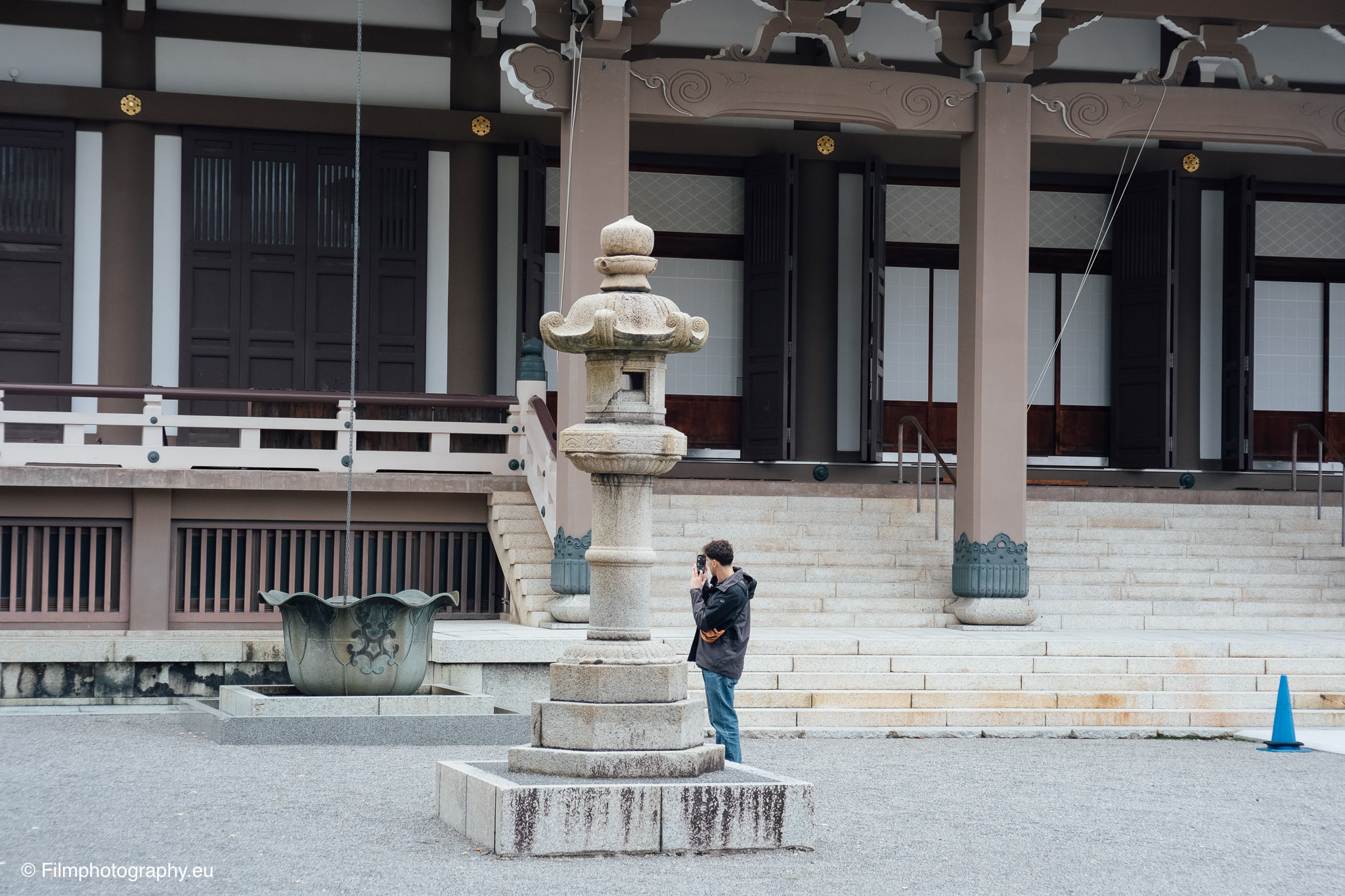
For beginners, this switch is an instructive experience: you quickly realize you don't have to show the entire street to capture the atmosphere of a place. A small, deliberately chosen section often tells the more intimate and exciting travel story.
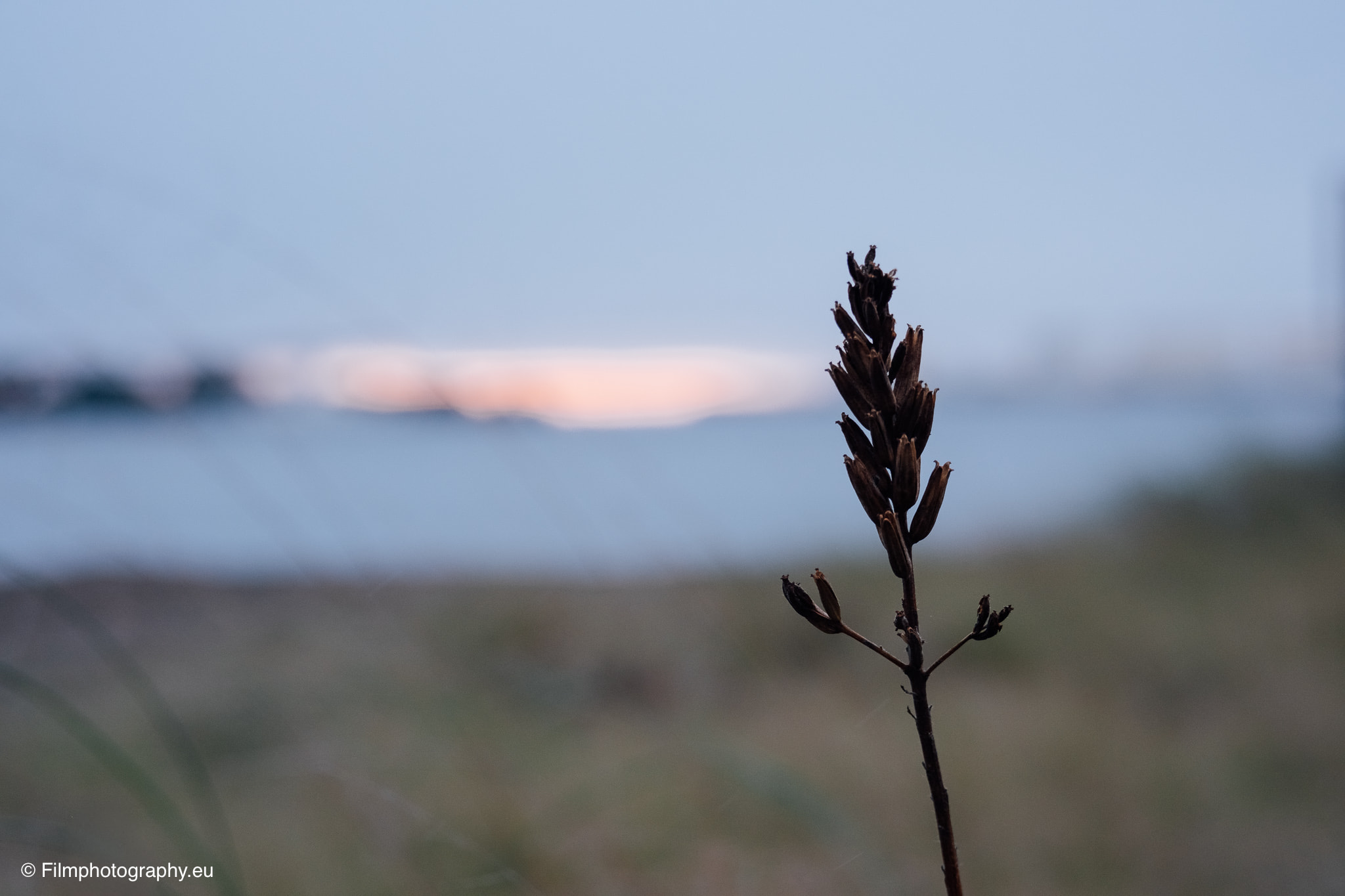
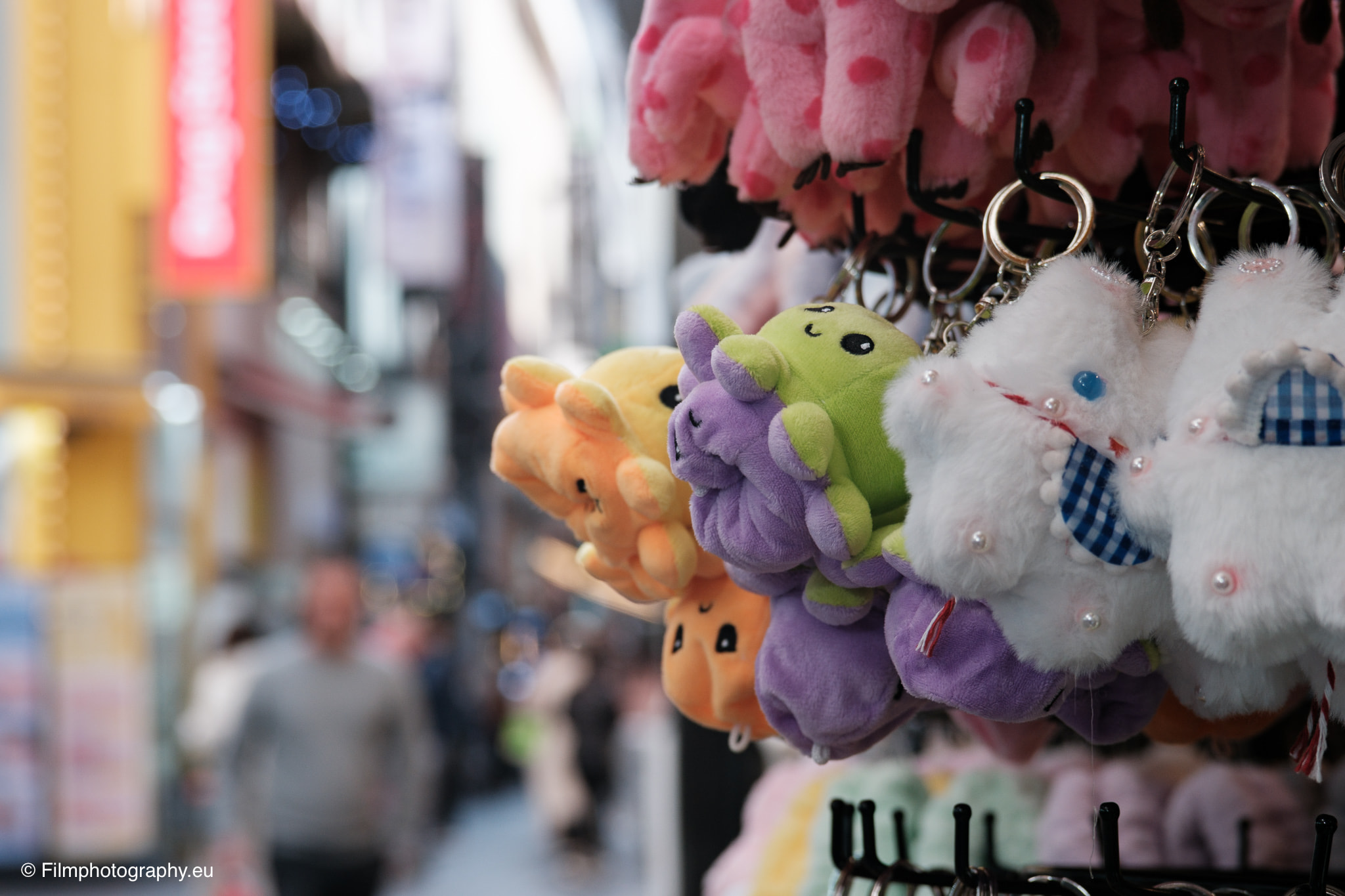
At 50mm, depth of field at wide open is considerably shallower than with a wide angle, so autofocus has to work noticeably more precisely. The built-in stepping motor does its job pleasantly quietly in everyday use and focuses quickly in daylight.
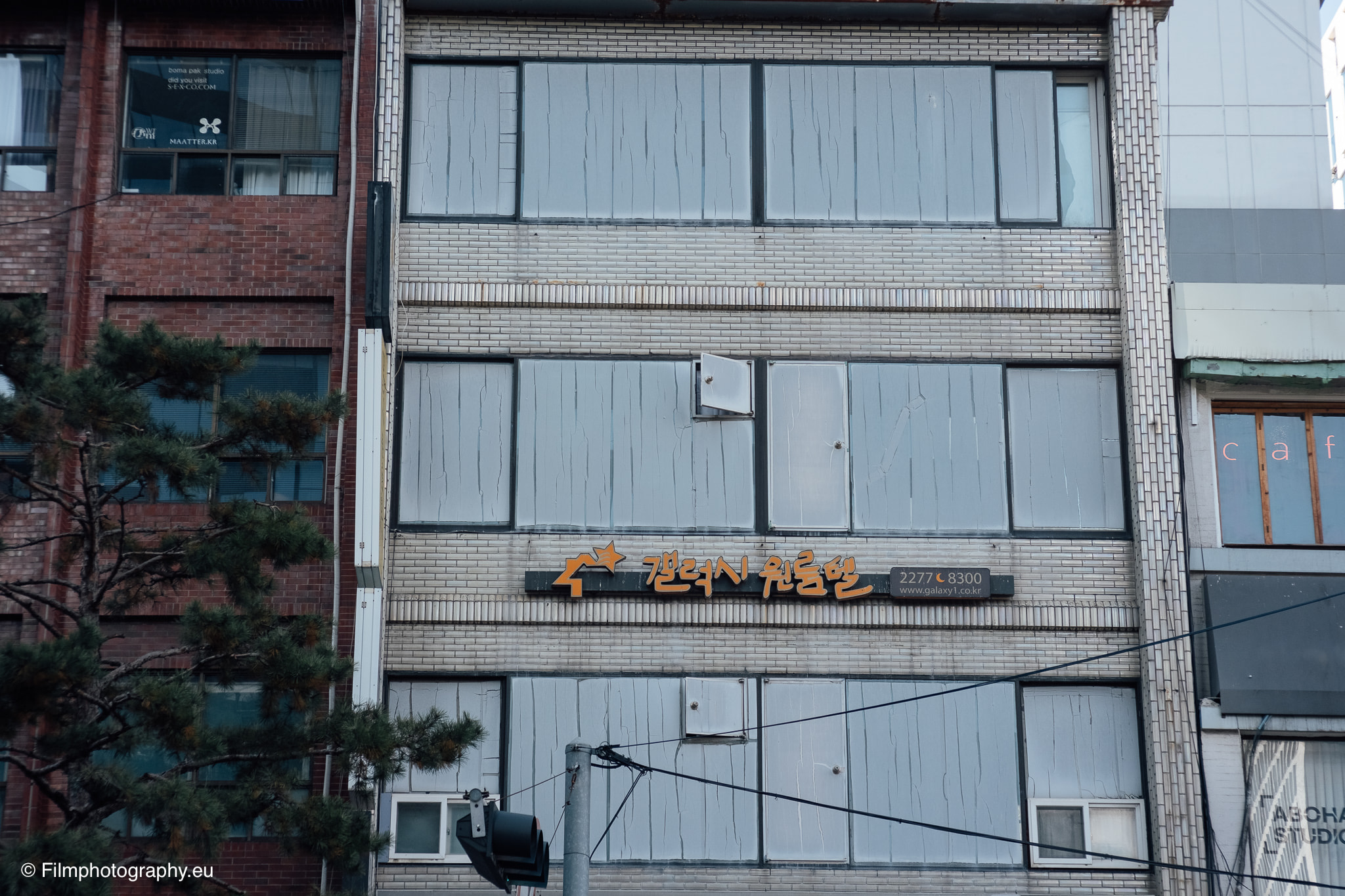
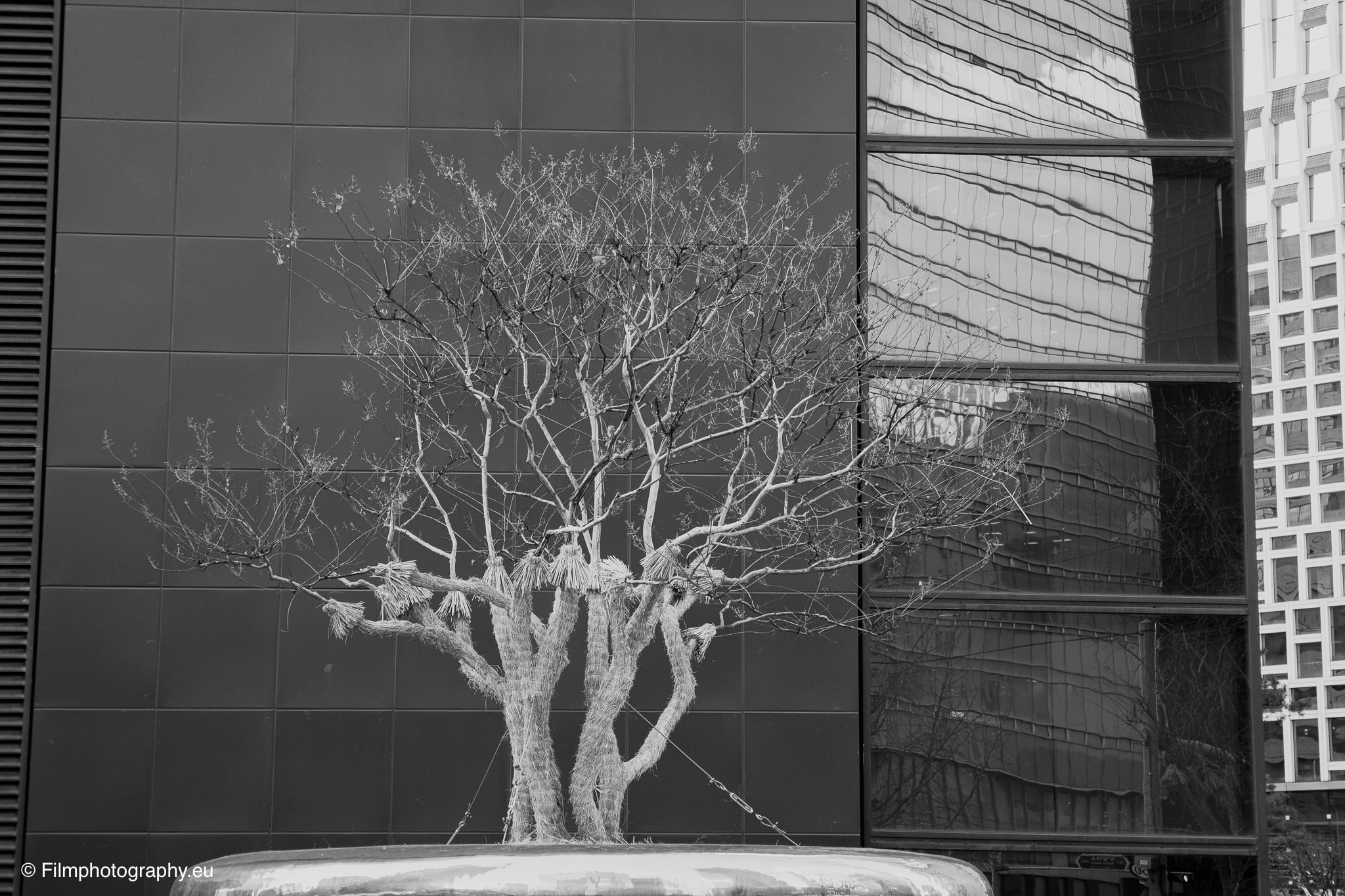
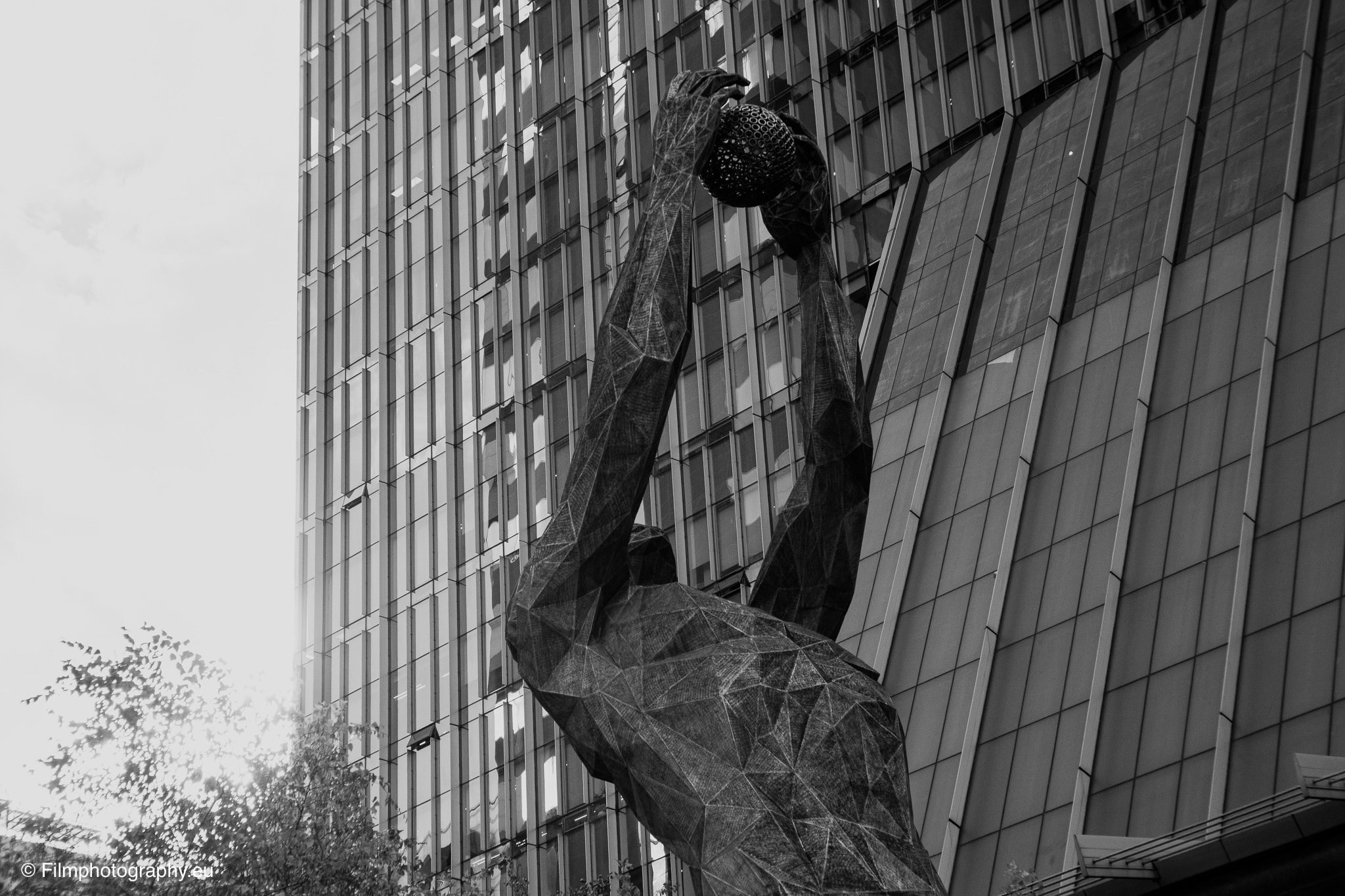
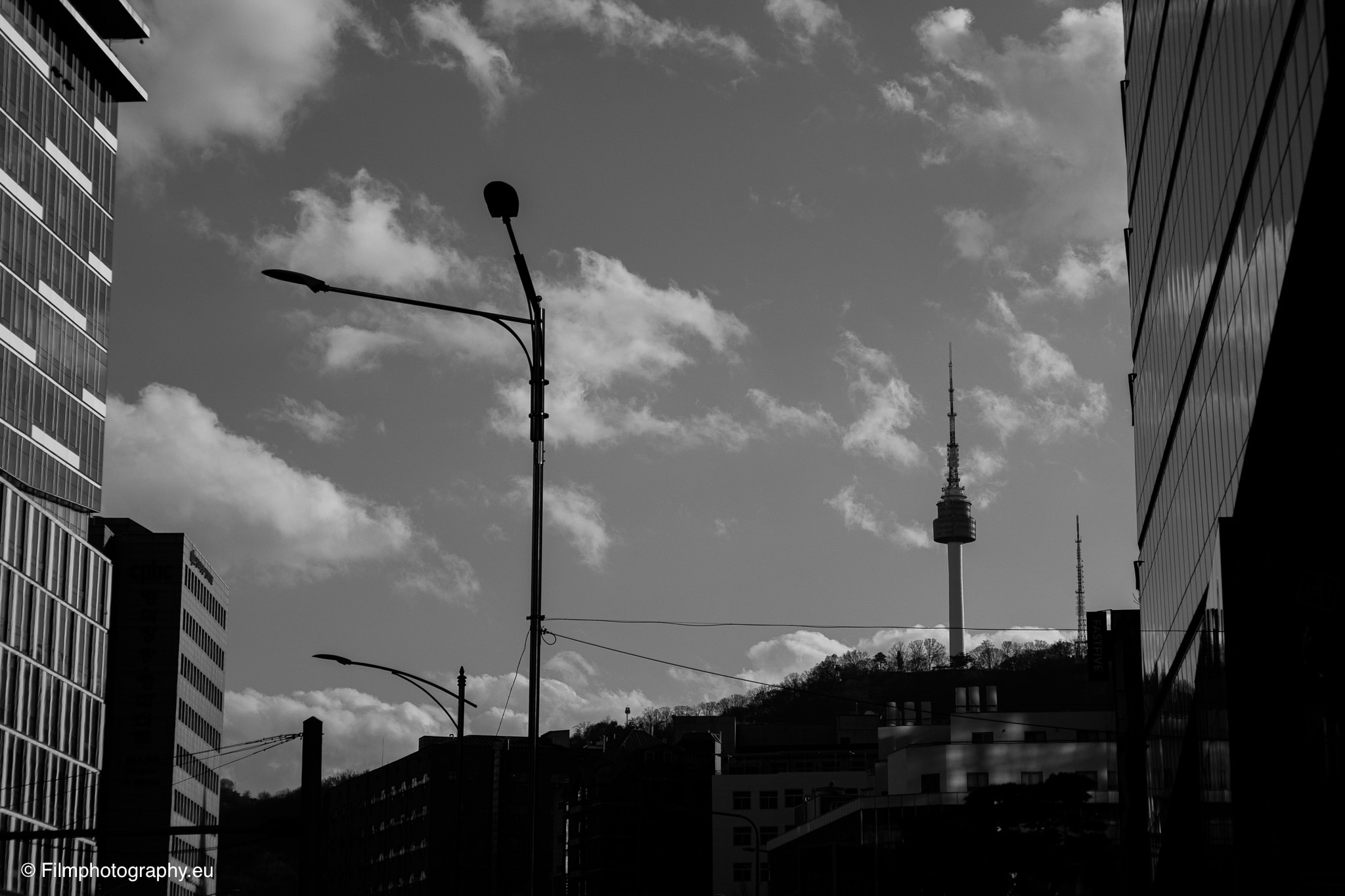
Of course there are limits here too, which are due to the affordable price. If a subject moves very quickly straight toward the camera, or light drops sharply in late evening, autofocus may hesitate briefly or hunt for focus. The lens is not designed for fast sports scenes.
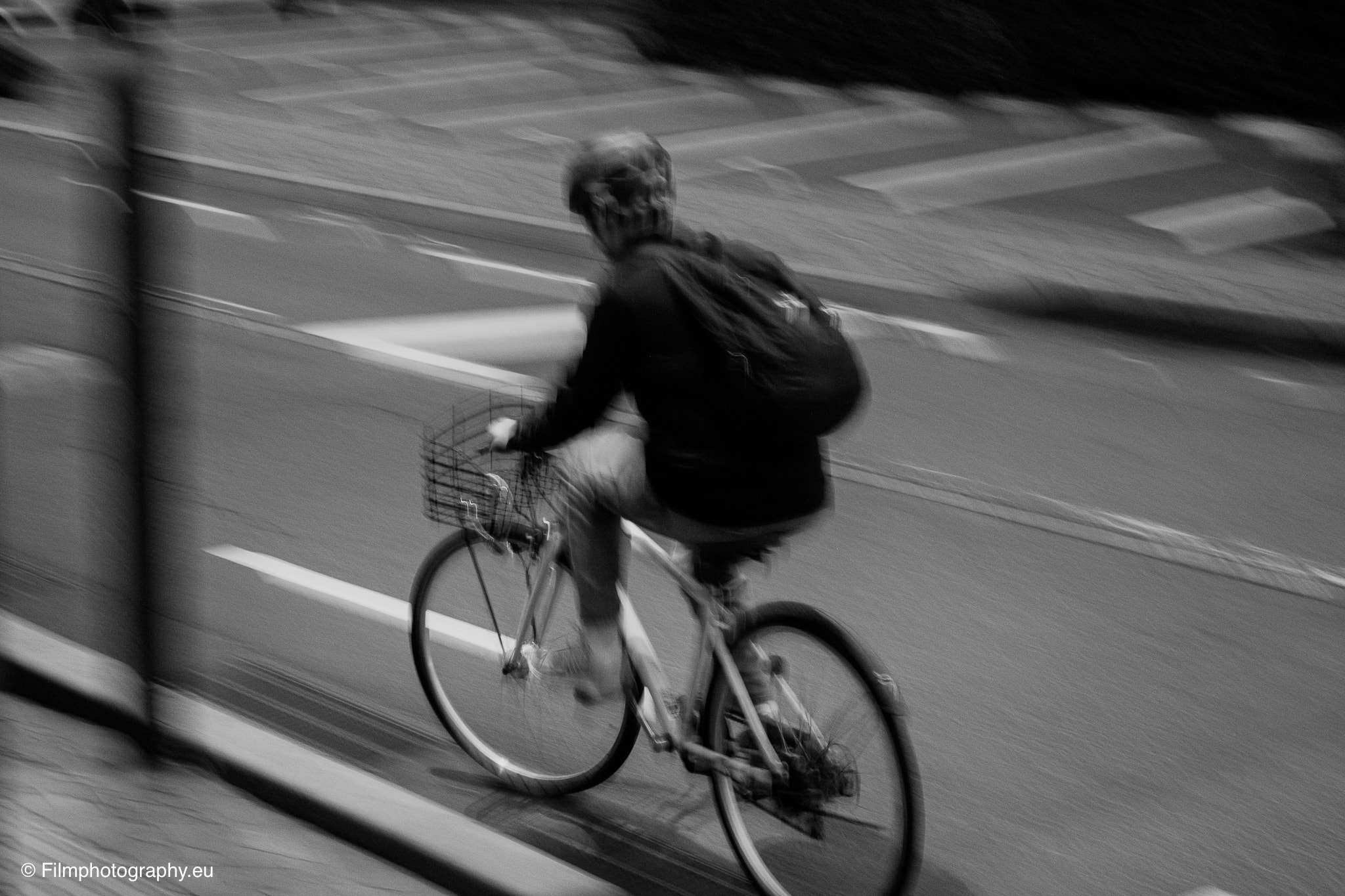
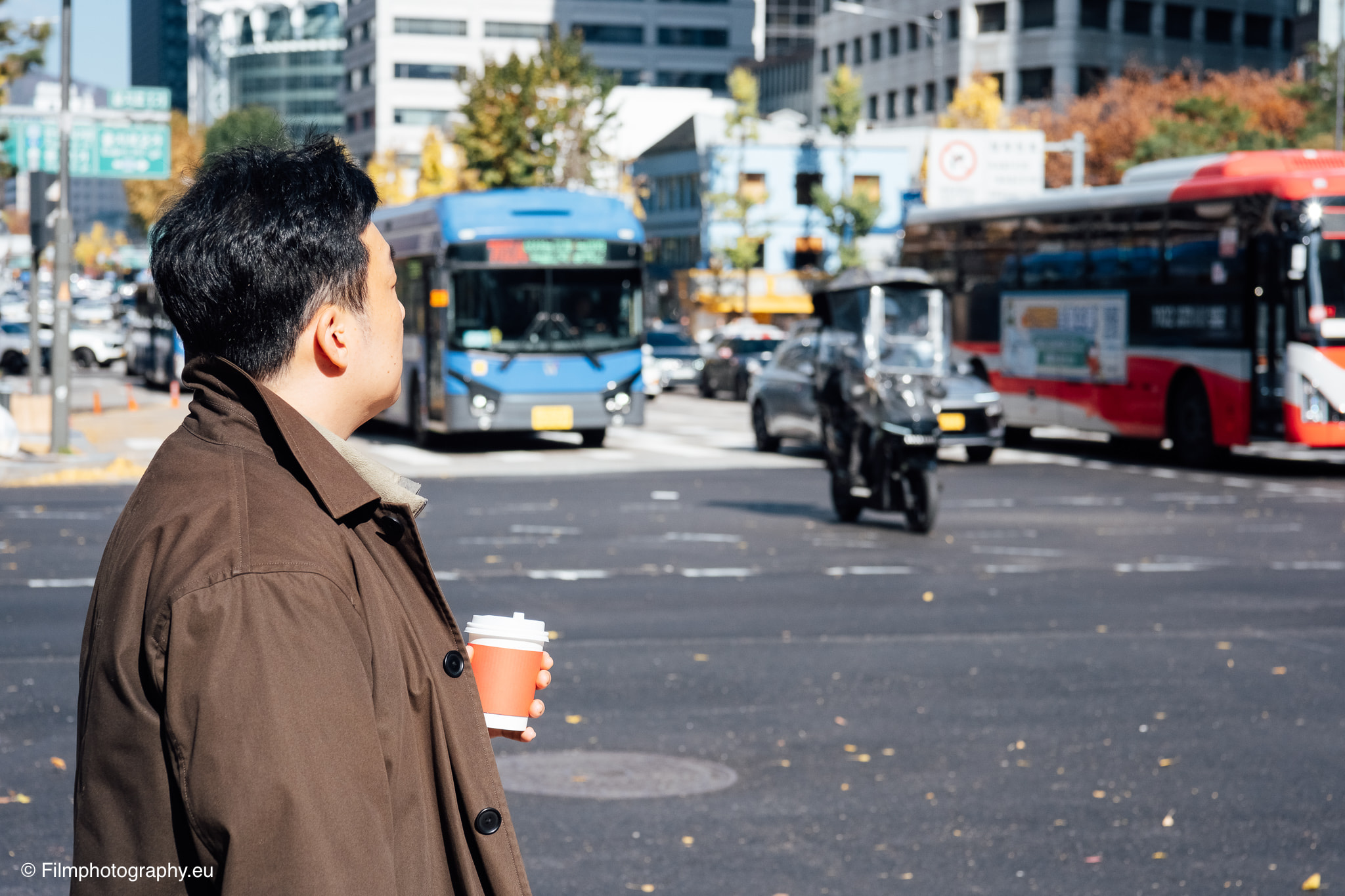
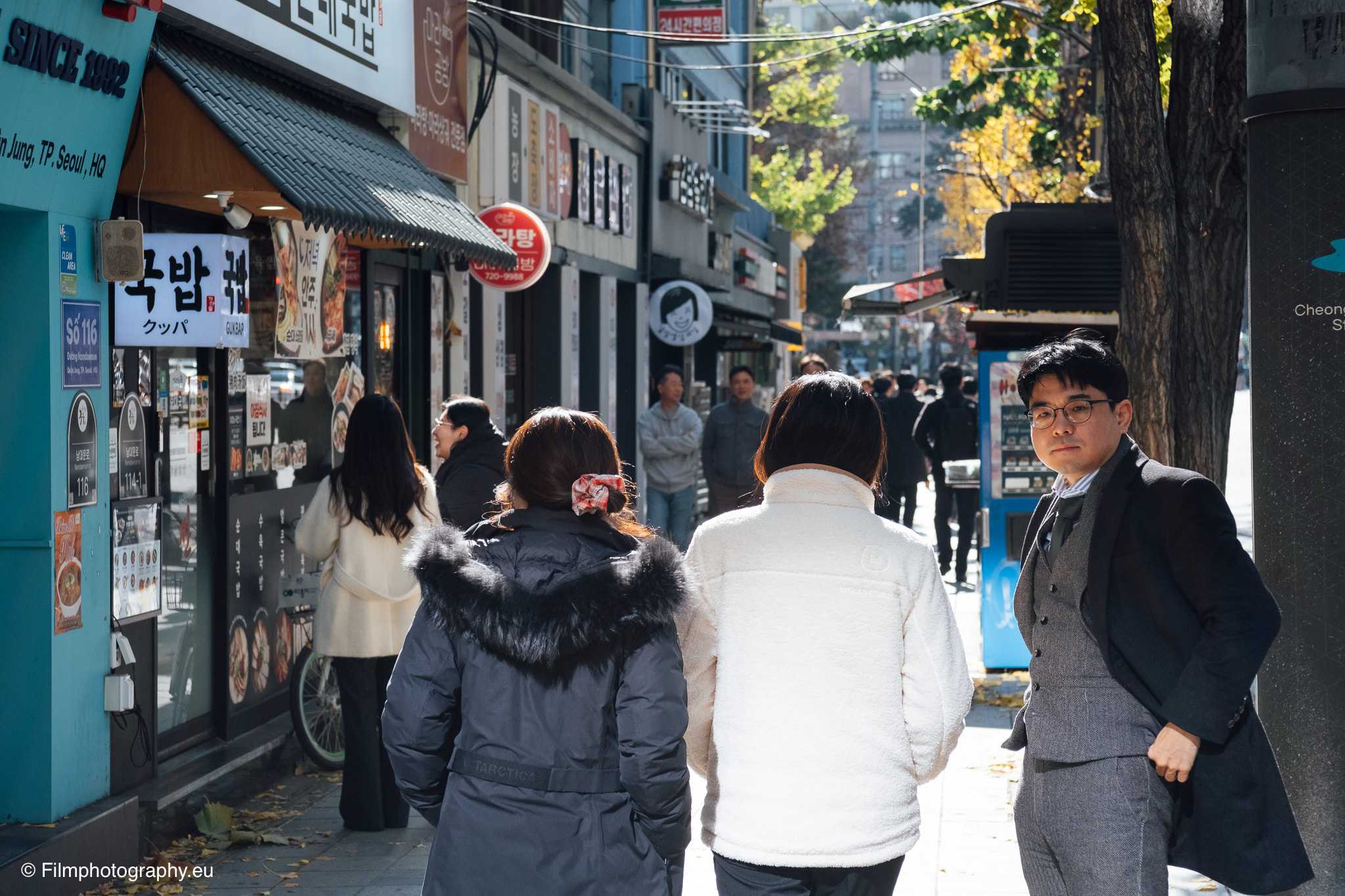

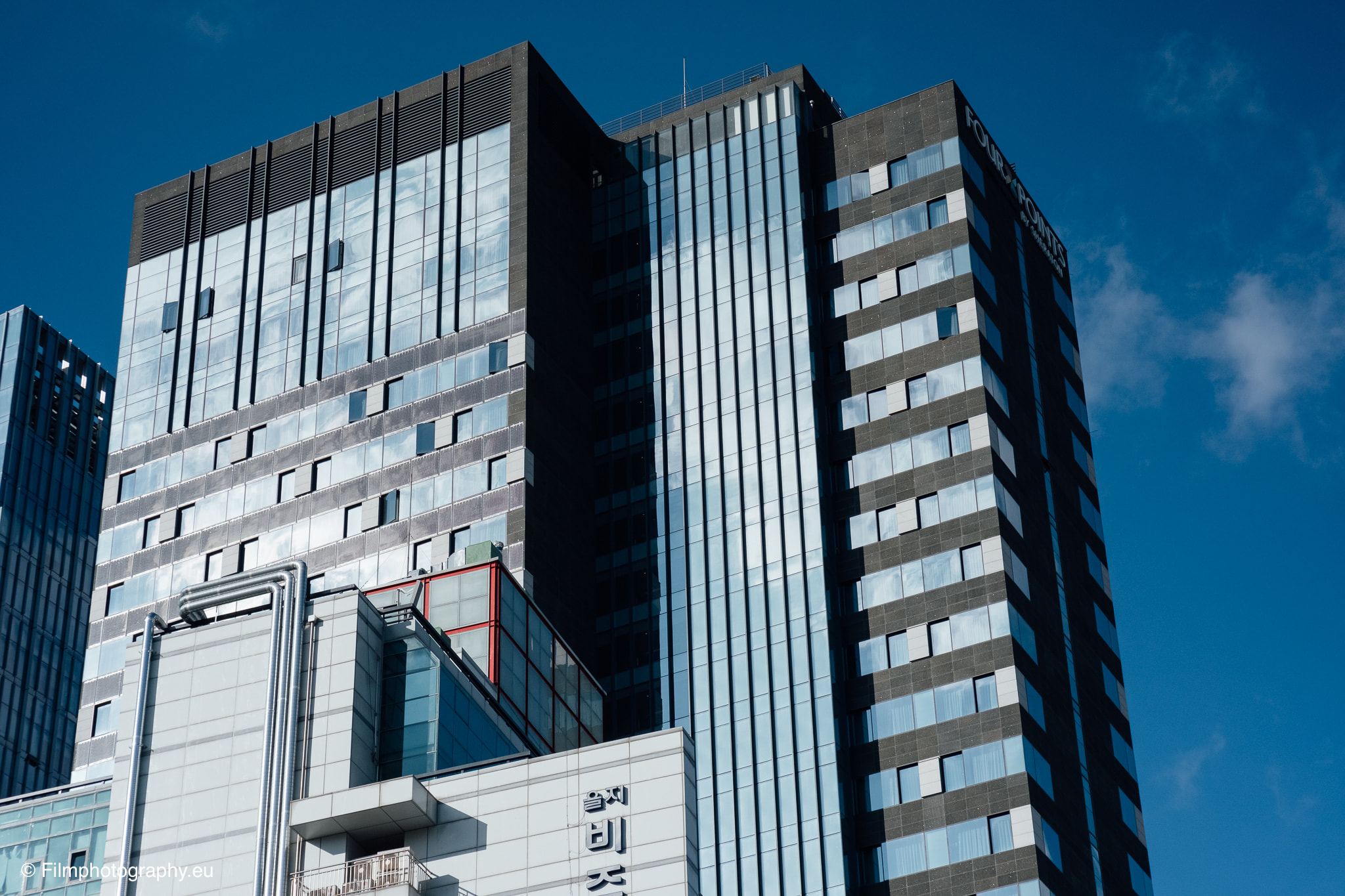
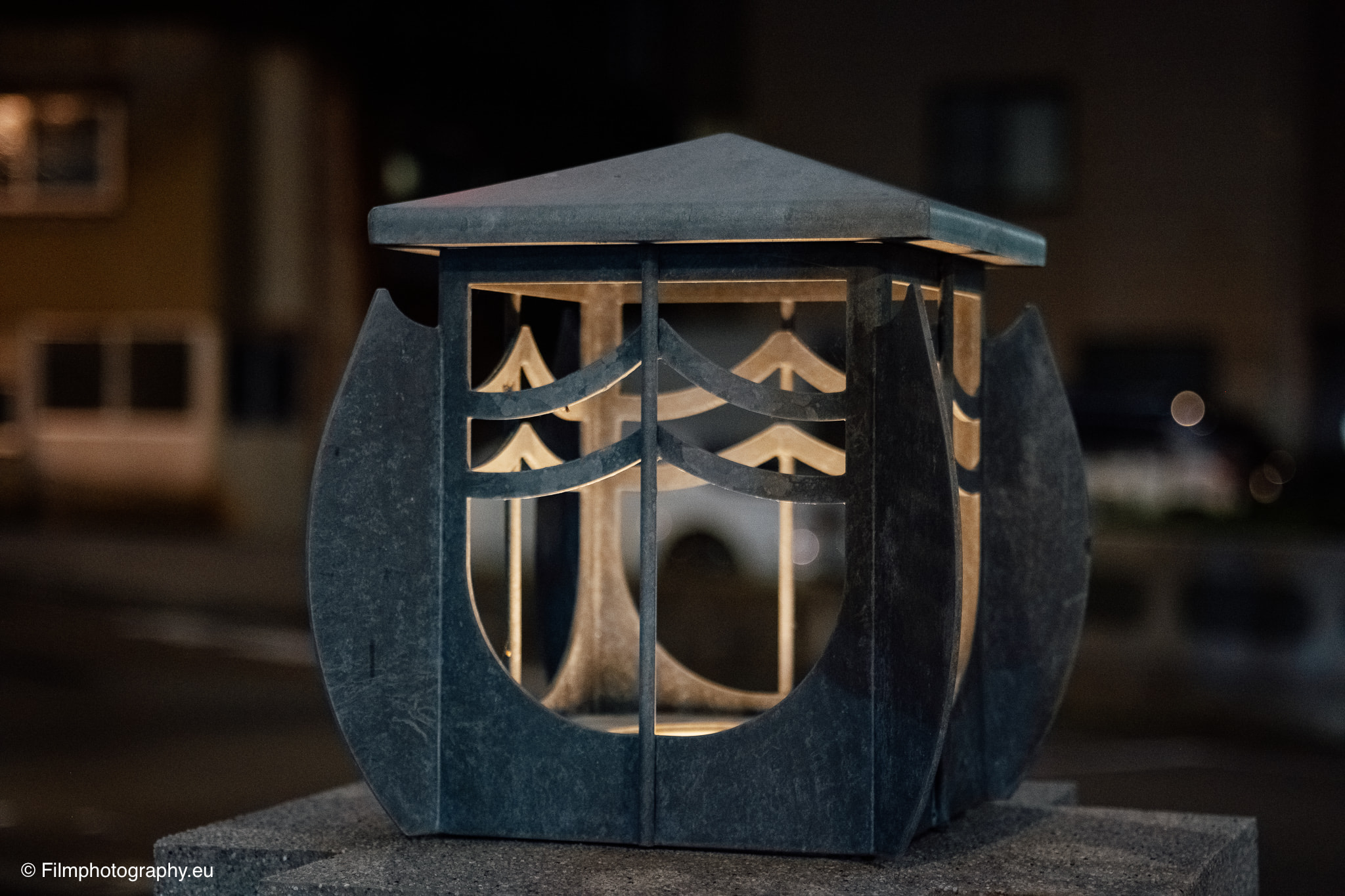
Optically, the 50mm delivers a pleasingly balanced image. At wide-open f/1.8, the center of the image shows appealing sharpness that is entirely sufficient for faces and detail shots. Toward the corners, the image loses a little contrast and edge resolution, but for a portrait lens this matters far less than for a landscape wide angle, since the edges usually dissolve into painterly blur anyway. Stopping down to values between f/2.8 and f/5.6 noticeably sharpens the entire frame.
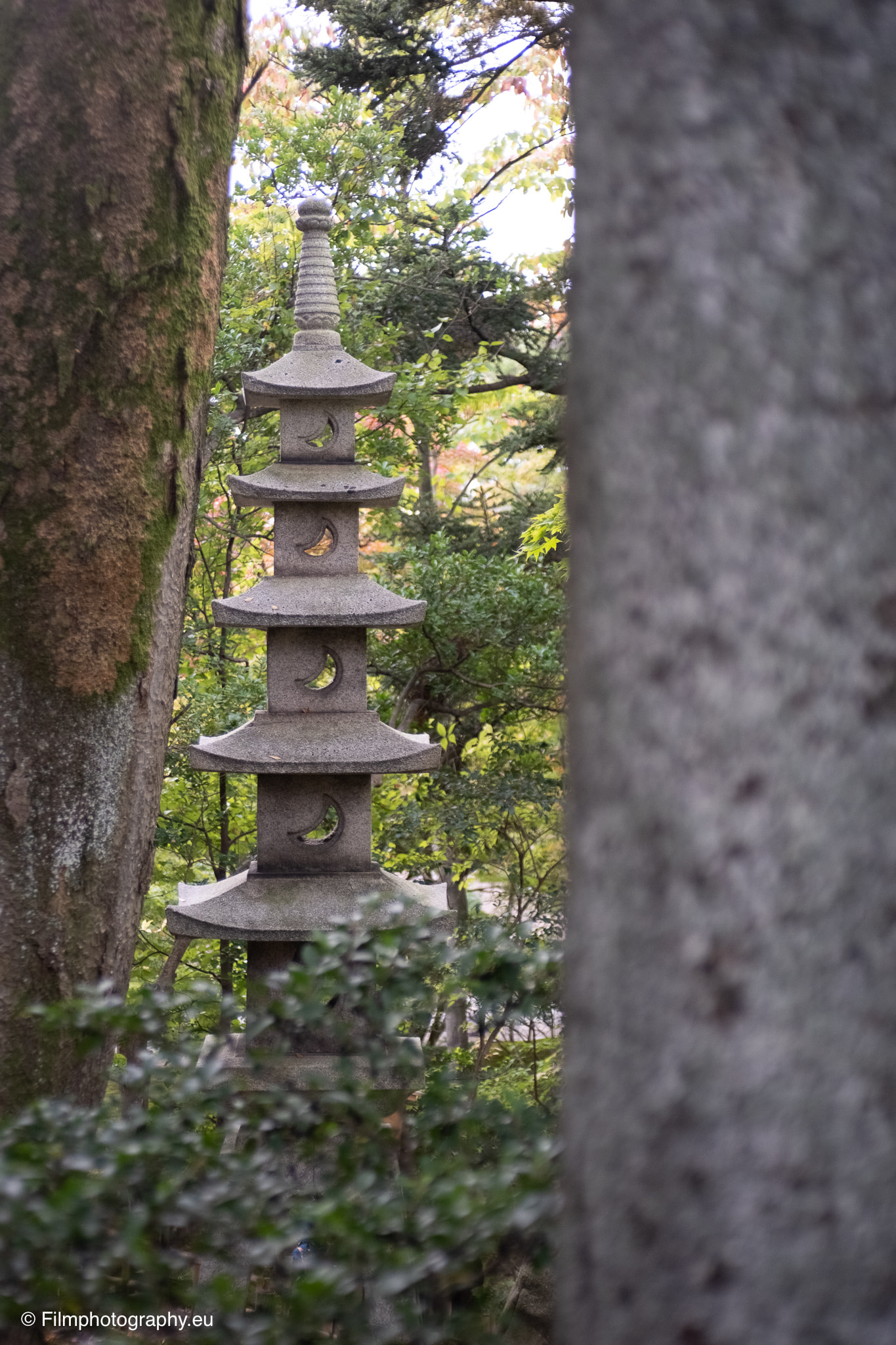
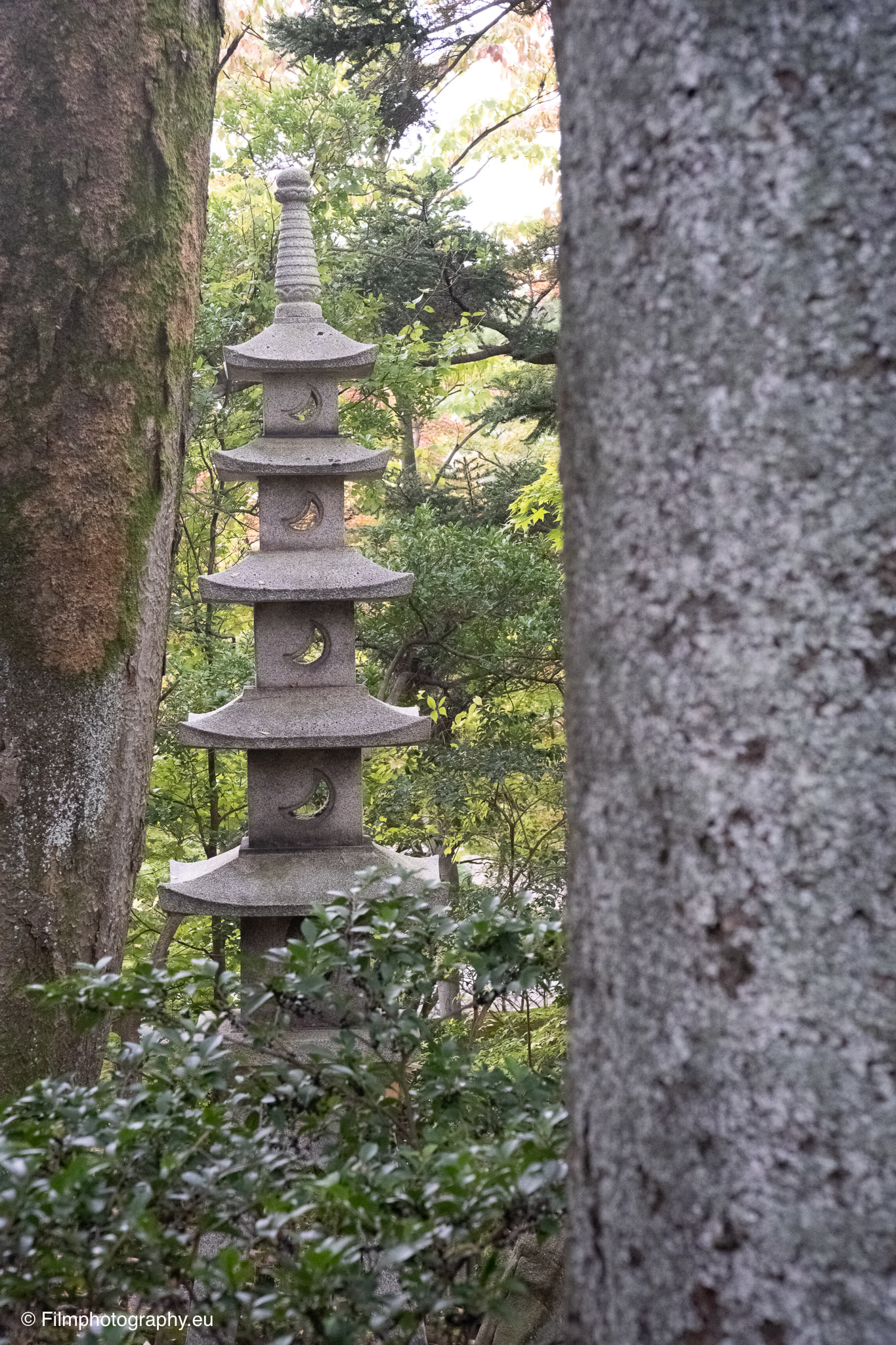
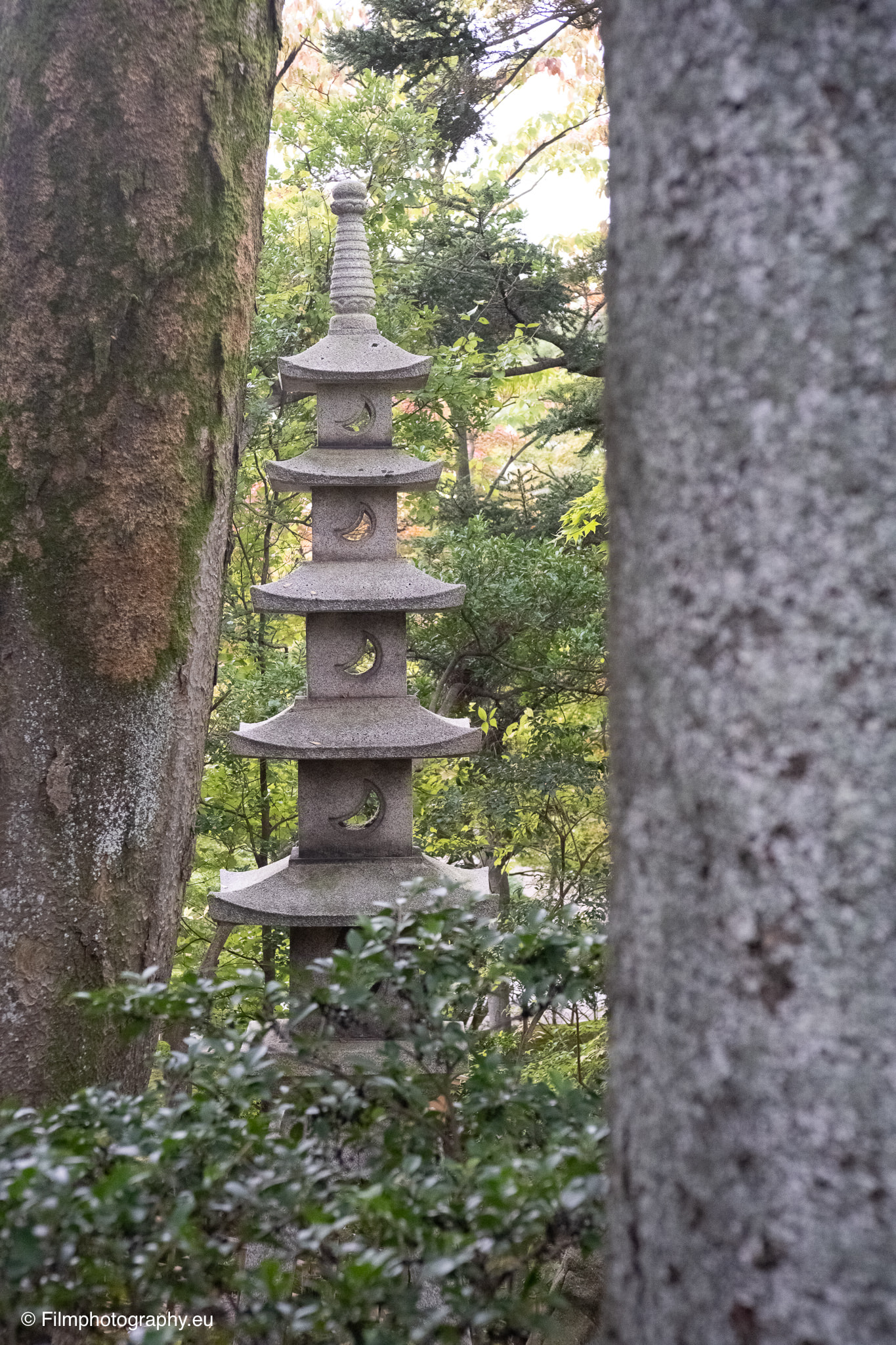
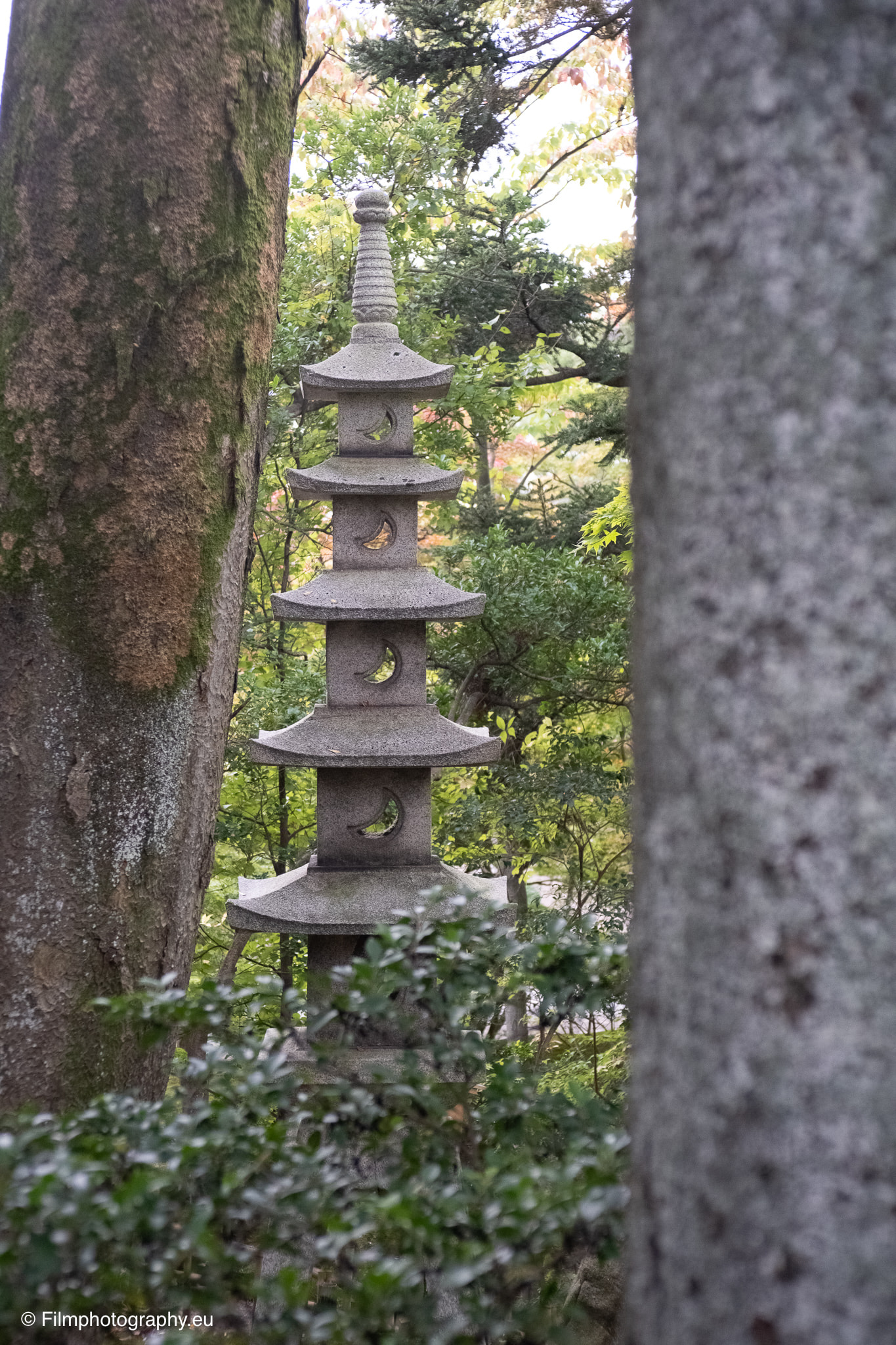
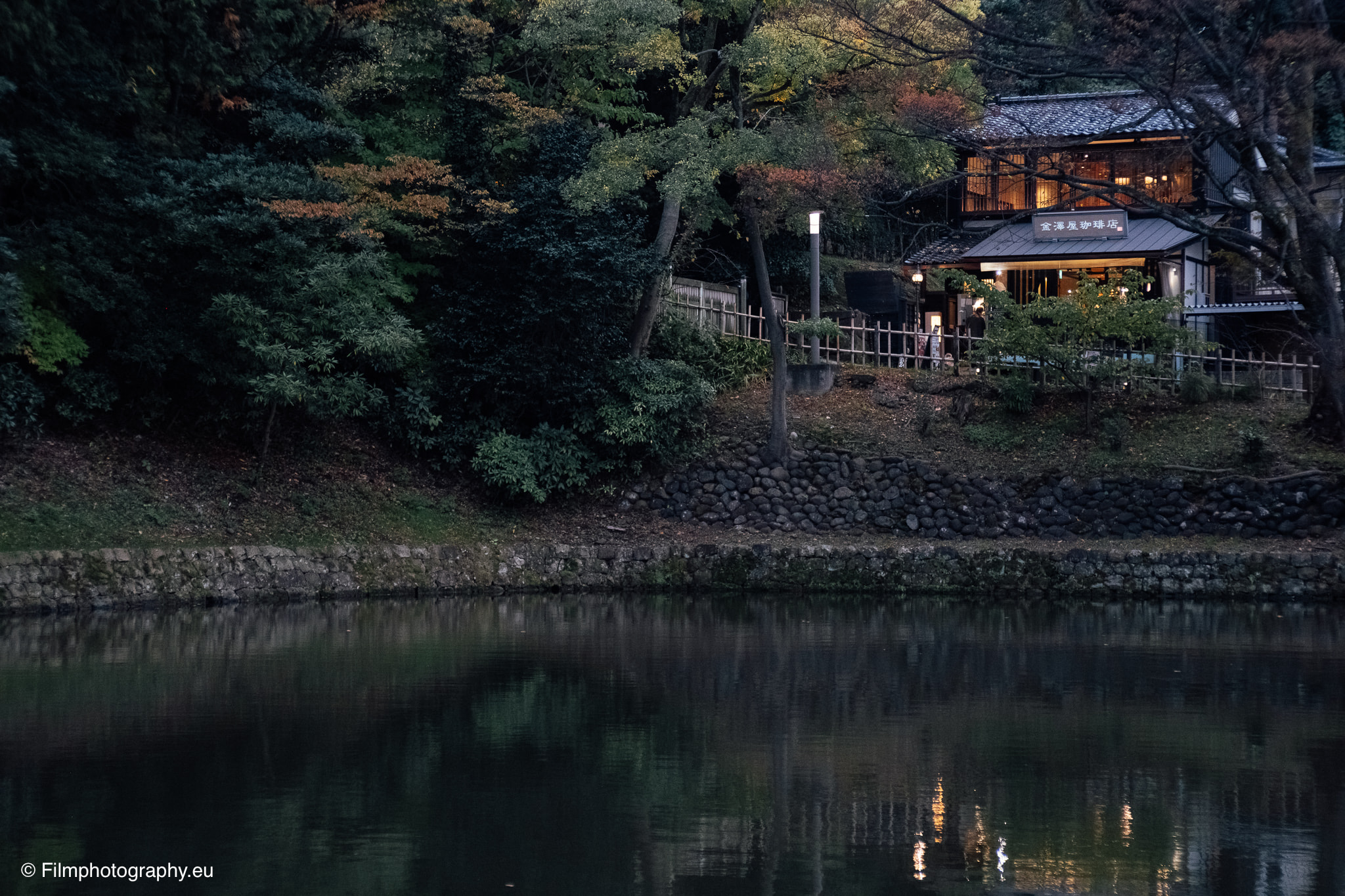
Subject separation works wonderfully smoothly thanks to the f/1.8 aperture and the nine blades. When colorful signs and lanterns light up in the alleys in the evening, the lens turns background light sources into clean, round circles of light. Moreover, the fast aperture lets you shoot handheld even late at night without flash or tripod, which is priceless for spontaneous snapshots while traveling.
Conclusion
The 7Artisans AF 50mm f/1.8 for Fujifilm proves in practice to be a welcome counterpart to its wide-angle sister model. It gives beginners exactly what makes a good telephoto prime: an appealing compression of perspective, pronounced subject separation for portraits and enough light reserve for atmospheric night shots.
Here too, you have to accept some compromises: edge sharpness at wide open, the lack of a physical aperture ring and no weather sealing.
However, if you consider the lens as part of a travel pairing with the 25mm f/1.8, it creates a remarkably versatile kit that takes up little space and doesn't break the budget. While the 25mm keeps the overview, the 50mm reaches for the exciting details and emotions along the way. If you want to travel light and learn to isolate subjects more deliberately, this compact telephoto lens is a rewarding addition to your camera backpack.
Buy
If you want to add this lens to your travel kit, you can conveniently order it online. All technical details and direct sales can be found on the official 7Artisans website. Alternatively, the lens is also available at Amazon*.