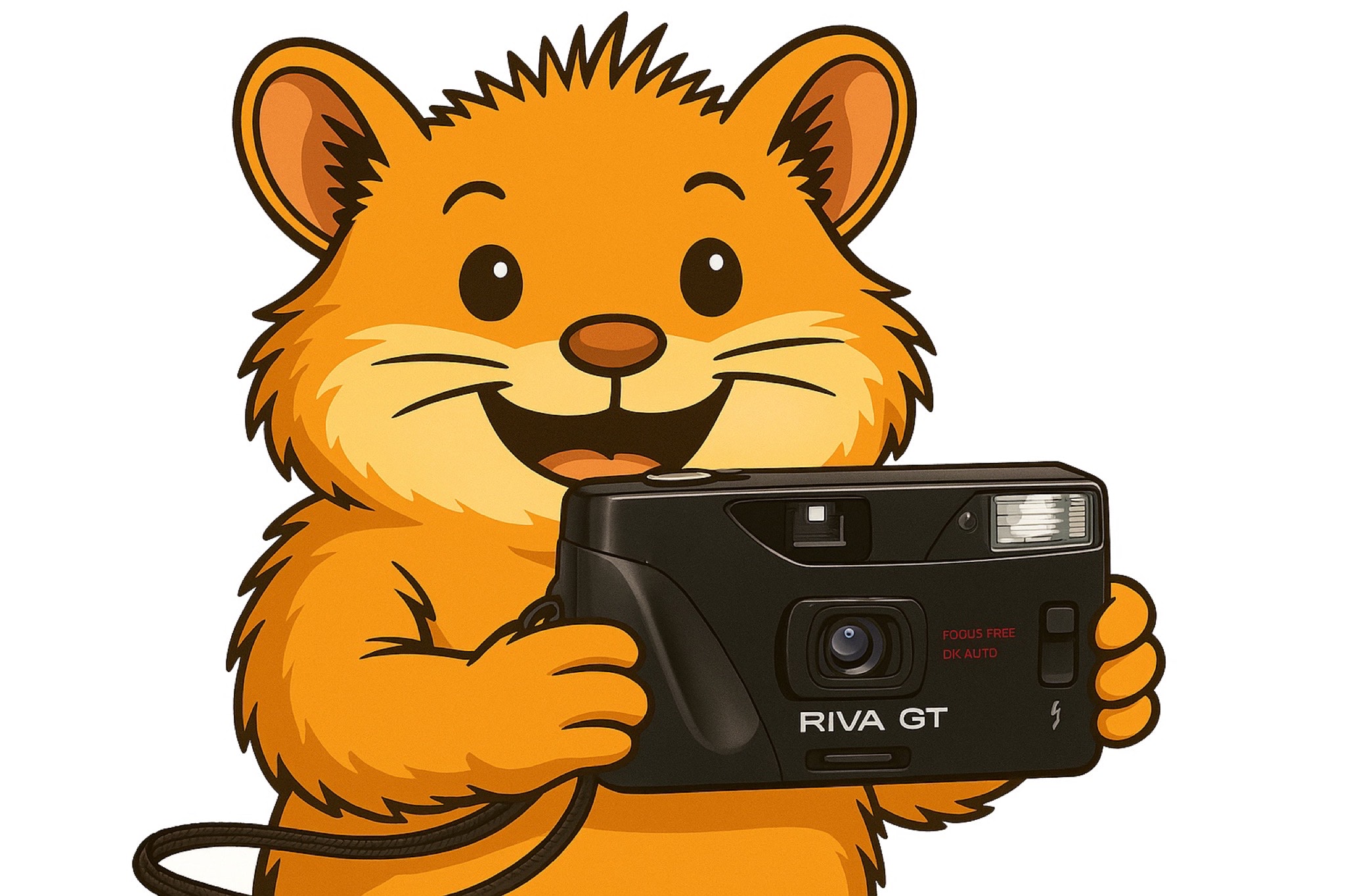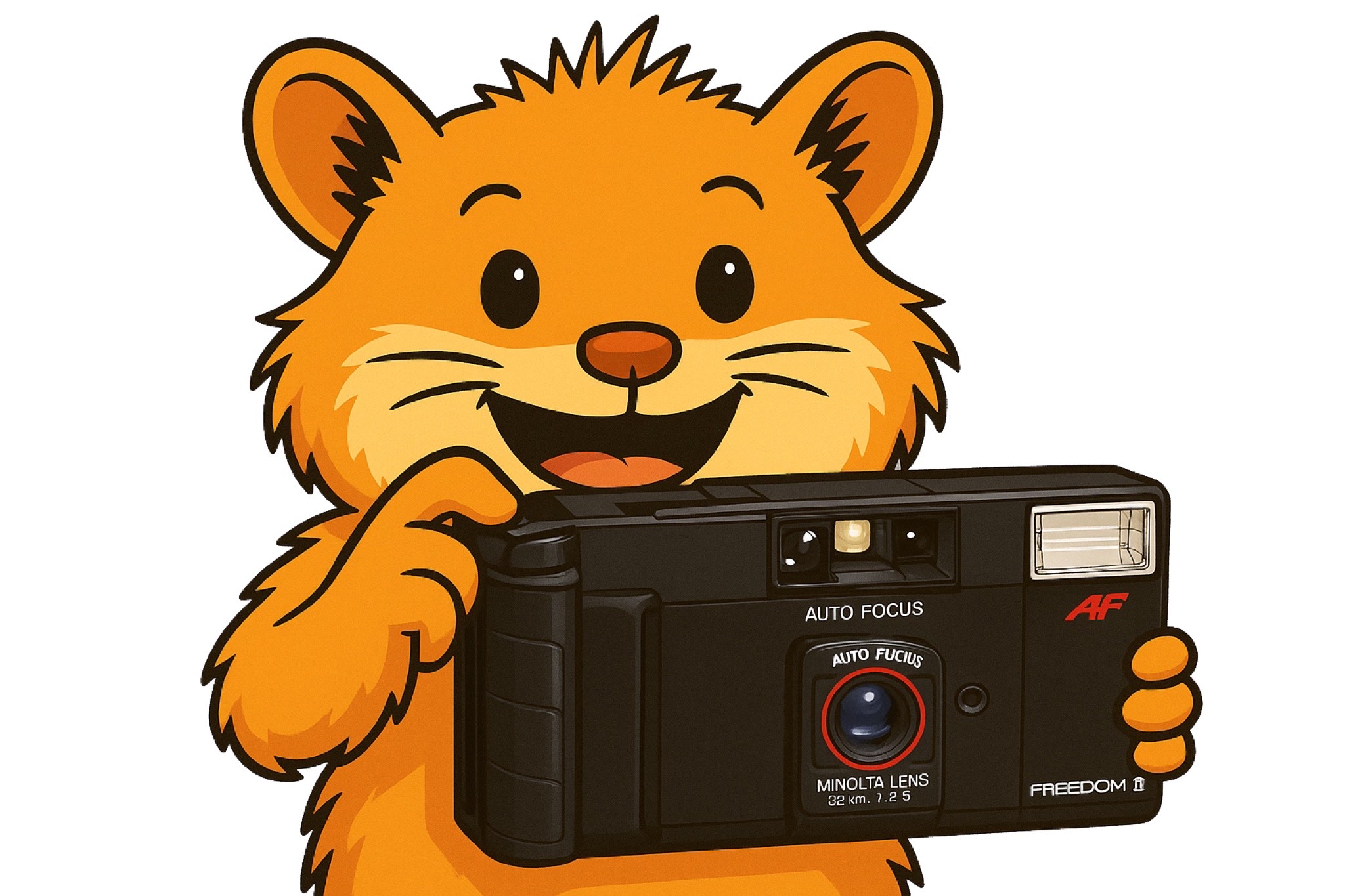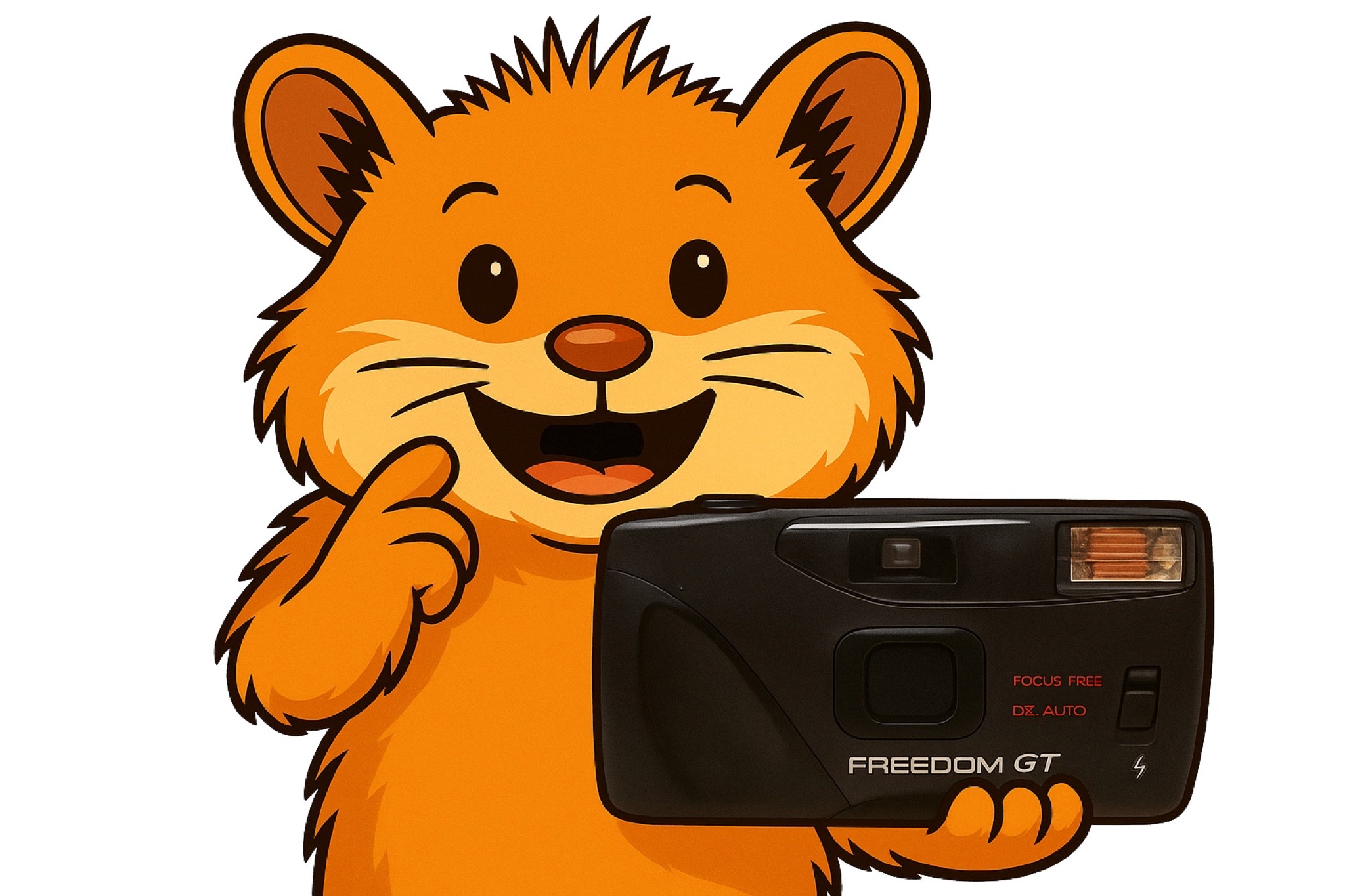
The Minolta Freedom GT is a simple 35mm camera for quick snapshots. The camera is limited to the most necessary functions and could have only convinced photographers with its low price compared to professional devices.
It was launched in the early 1990s by the Japanese company Minolta Camera Co., Ltd. The model was produced in a factory in Malaysia. Under the name "Minolta Riva GT", the 35mm photo camera was also sold in other markets around the world. In terms of technical function, it is also identical to the Freedom 50N and Freedom 50.
The 35 mm photo camera is equipped with a fixed lens. 35 mm is the focal length of the lens. The camera's widest aperture is f/4.5, and there is no autofocus. The lens is fixed to a focus range of 150 cm to infinity.
The 35mm camera has a built-in light meter. It is designed for films from ISO 100 to ISO 400. The film speed is read via the DX code; if this code is not present on the cartridge, the camera selects ISO 100. The exposure time is always fixed at 1/125 second. The aperture corresponds to f/8.
When shooting with the built-in flash, the camera technology selects the maximum aperture of f/4.5. The output of the flash depends on the film speed. The range with ISO 100 film is specified as up to 4 meters. The flash does not have different flash modes. However, the flash can be deactivated in return.
The camera requires two regular AA batteries (eBay / Amazon*). This type of battery is very easy and cheap to get. Here, of course, you can also resort to rechargeable batteries. These usually last for over 1300 pictures.
A thread for a tripod is missing. The camera also does not have a self-timer.
Films for the Minolta Freedom GT
According to the manual, the Minolta Freedom GT is designed for 35mm film. The camera automatically transports the film to the next frame after each shot. The film is also automatically rewound into the cartridge at the end. The number of frames taken is displayed on the top of the camera.
A recommendation for color shots, for example, is the Fujifilm Superia 400*. If you want to stay monochrome, the Kodak T-Max 100* is not bad. Both films deliver solid results and have been convincing in test reports. Other suitable films are offered by Foma, Rollei and Adox, among others.
The color film is designed for development using the C-41 process. This process is offered by most professional photo labs. The B/W film must be developed in a suitable developer according to regulations.