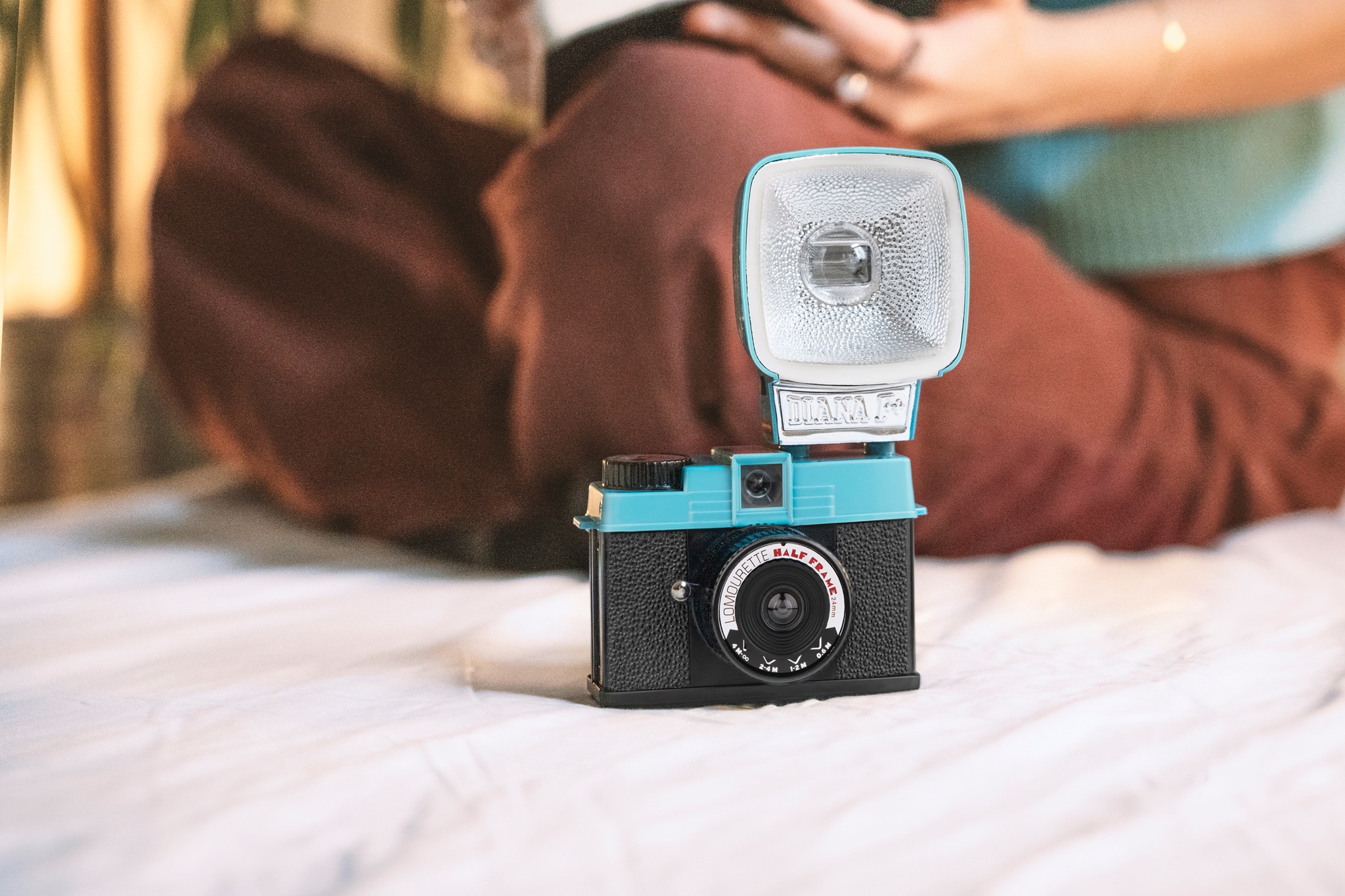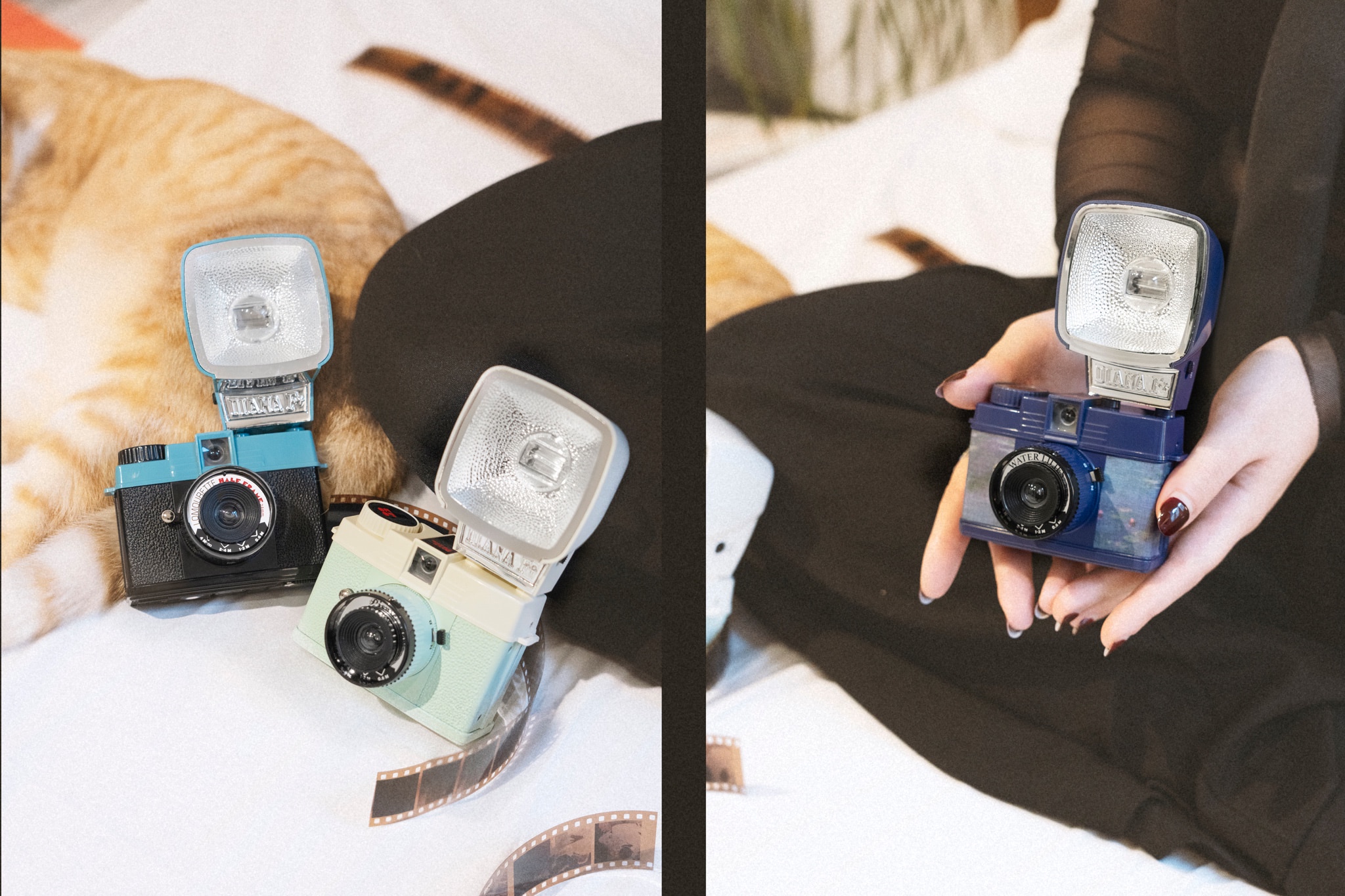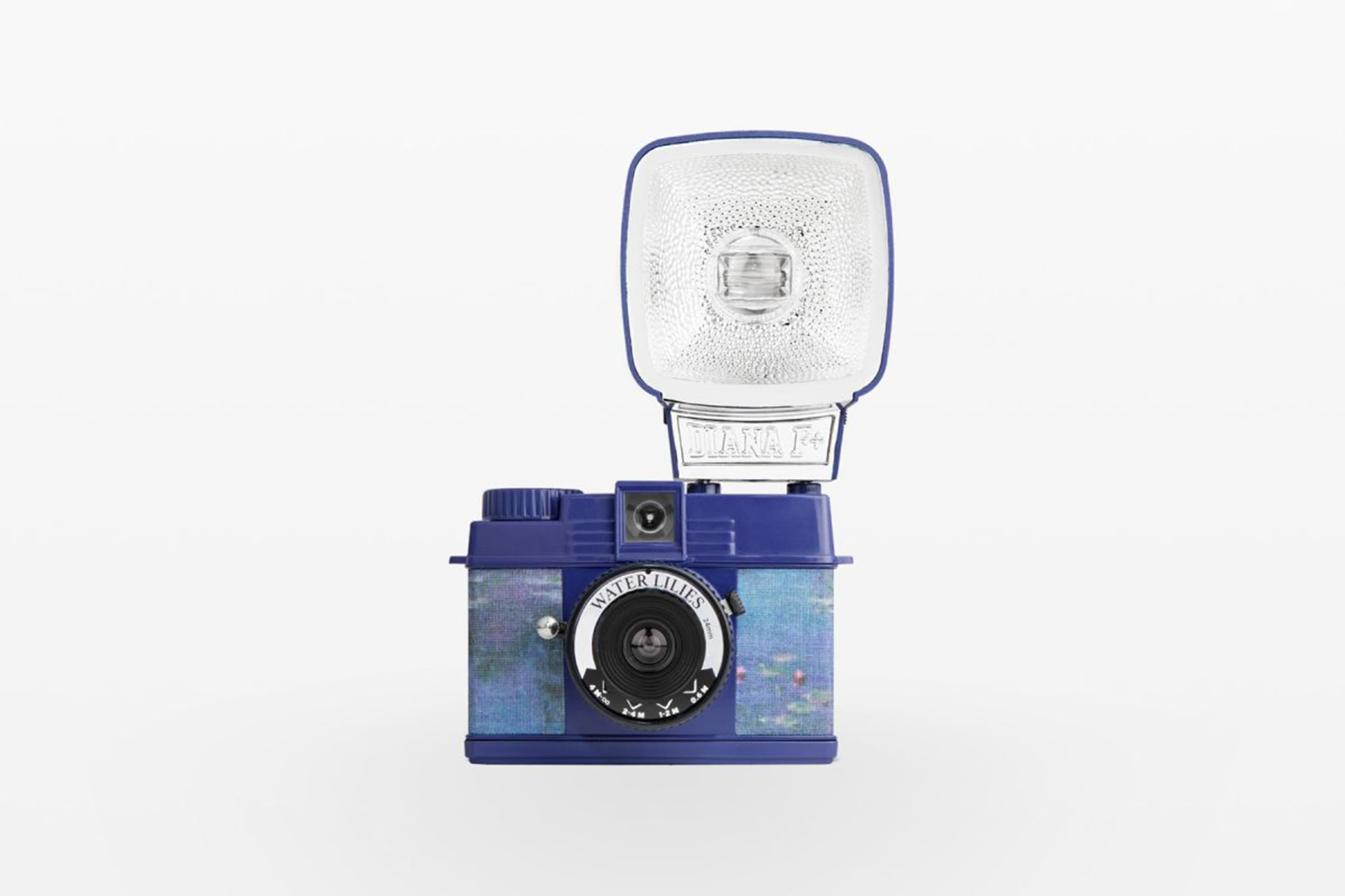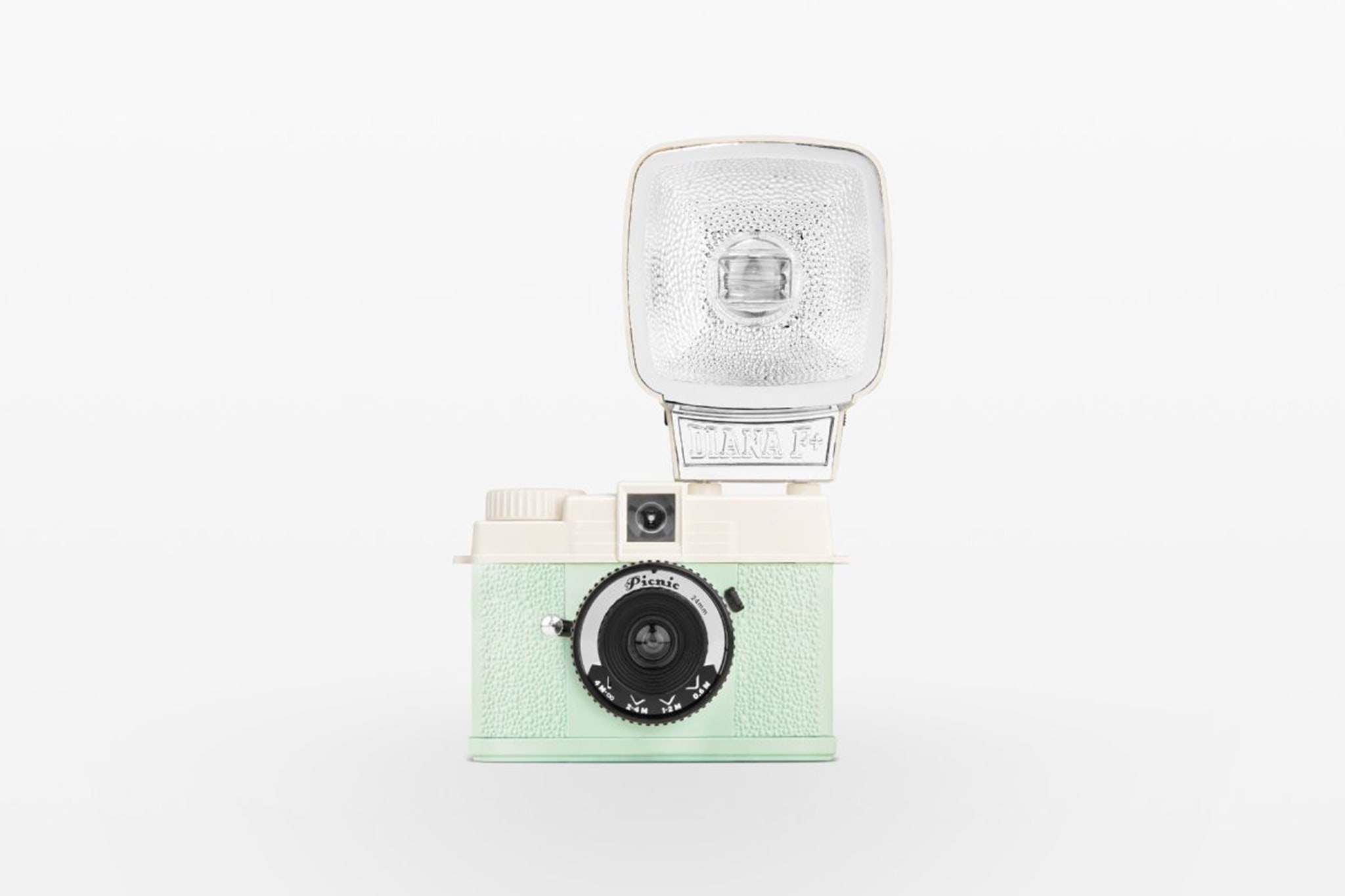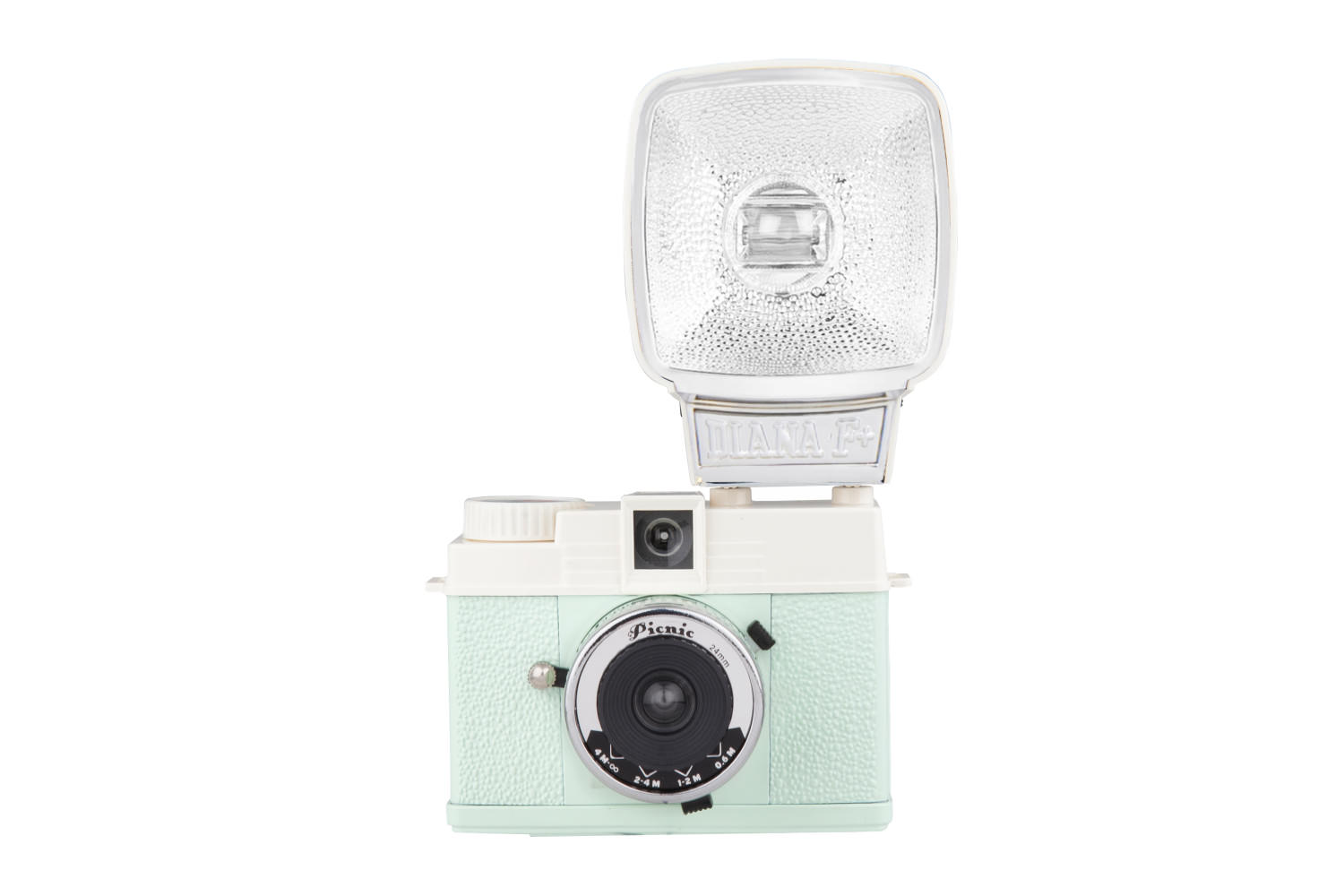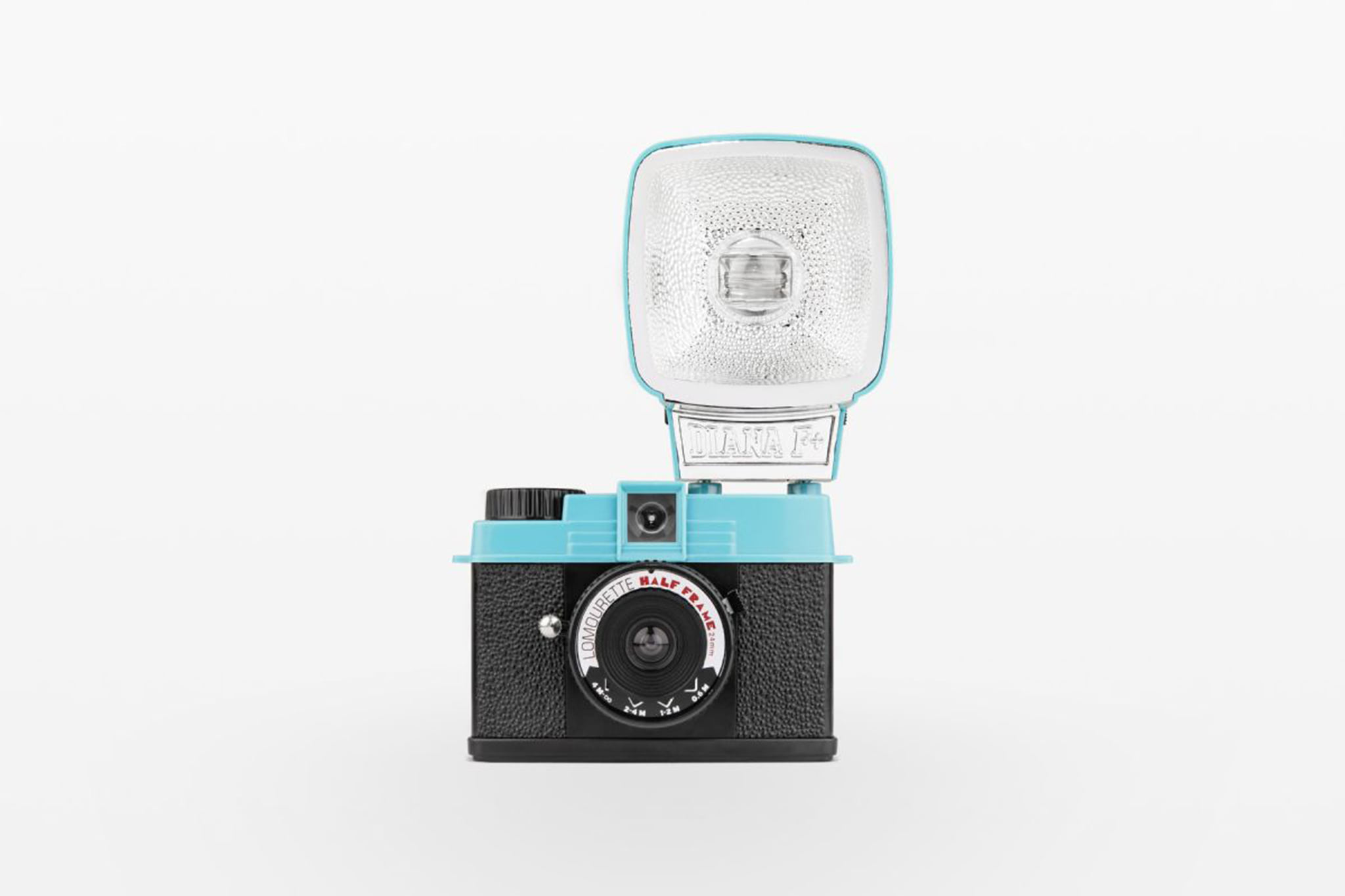
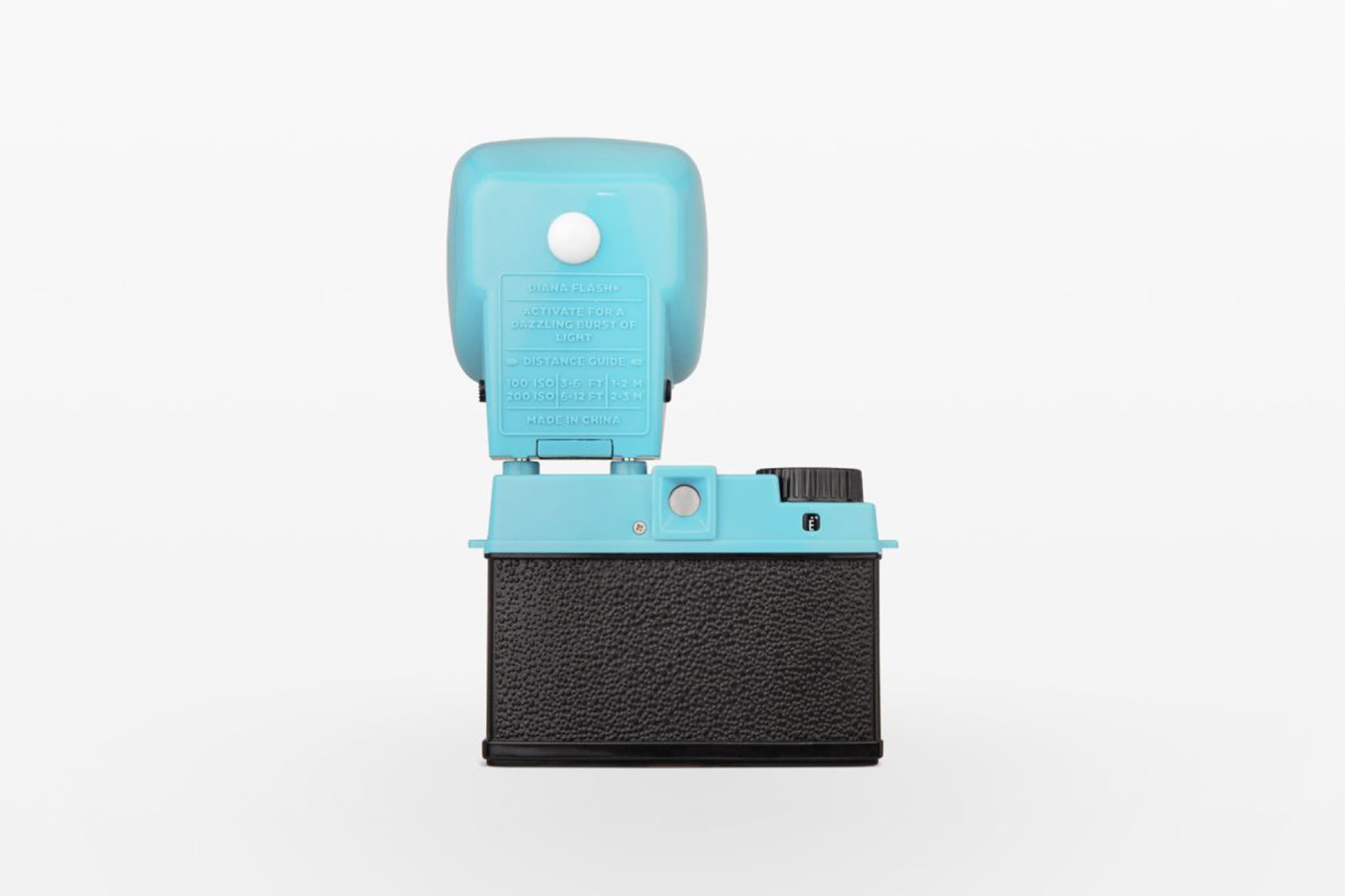
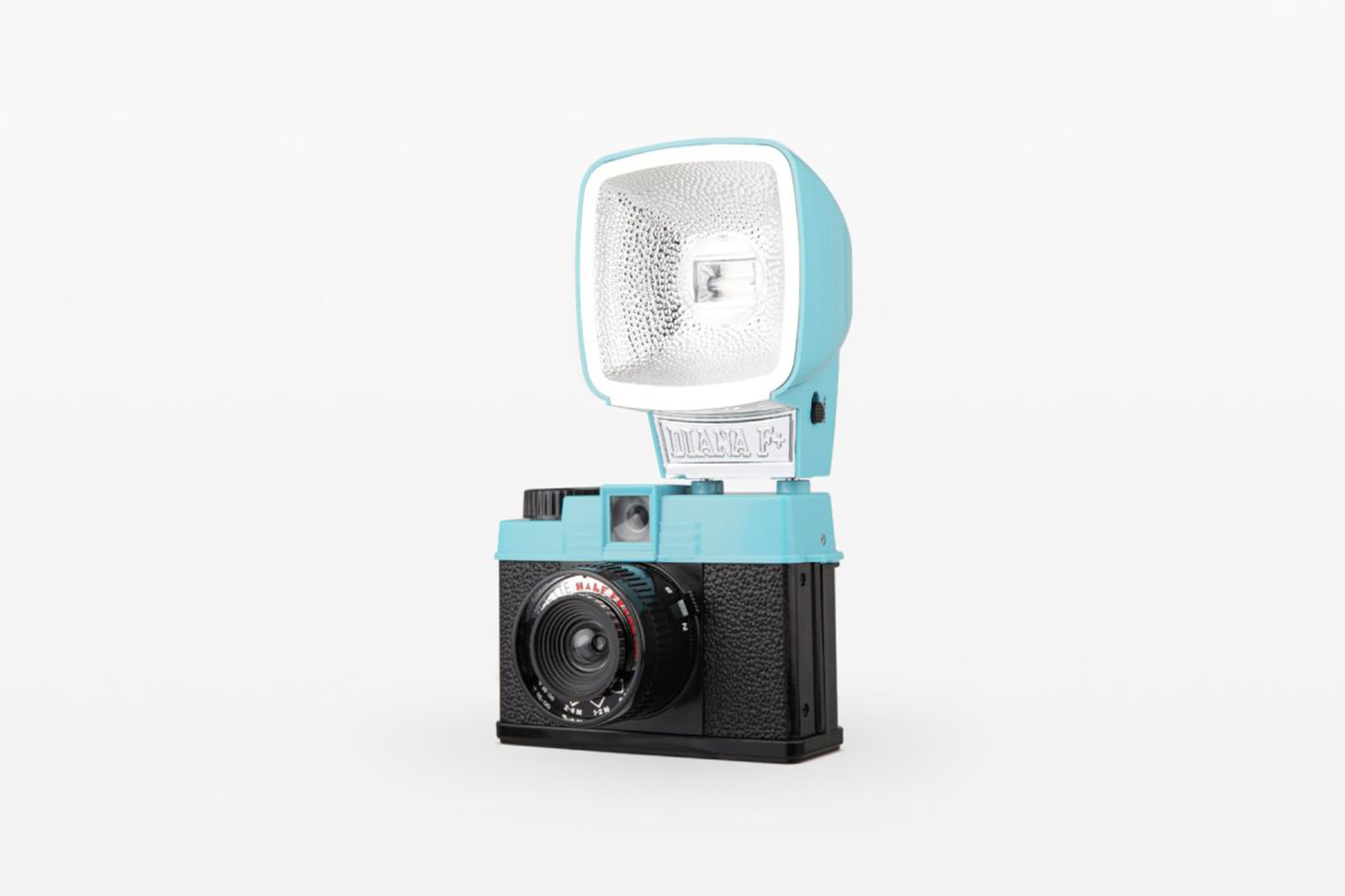
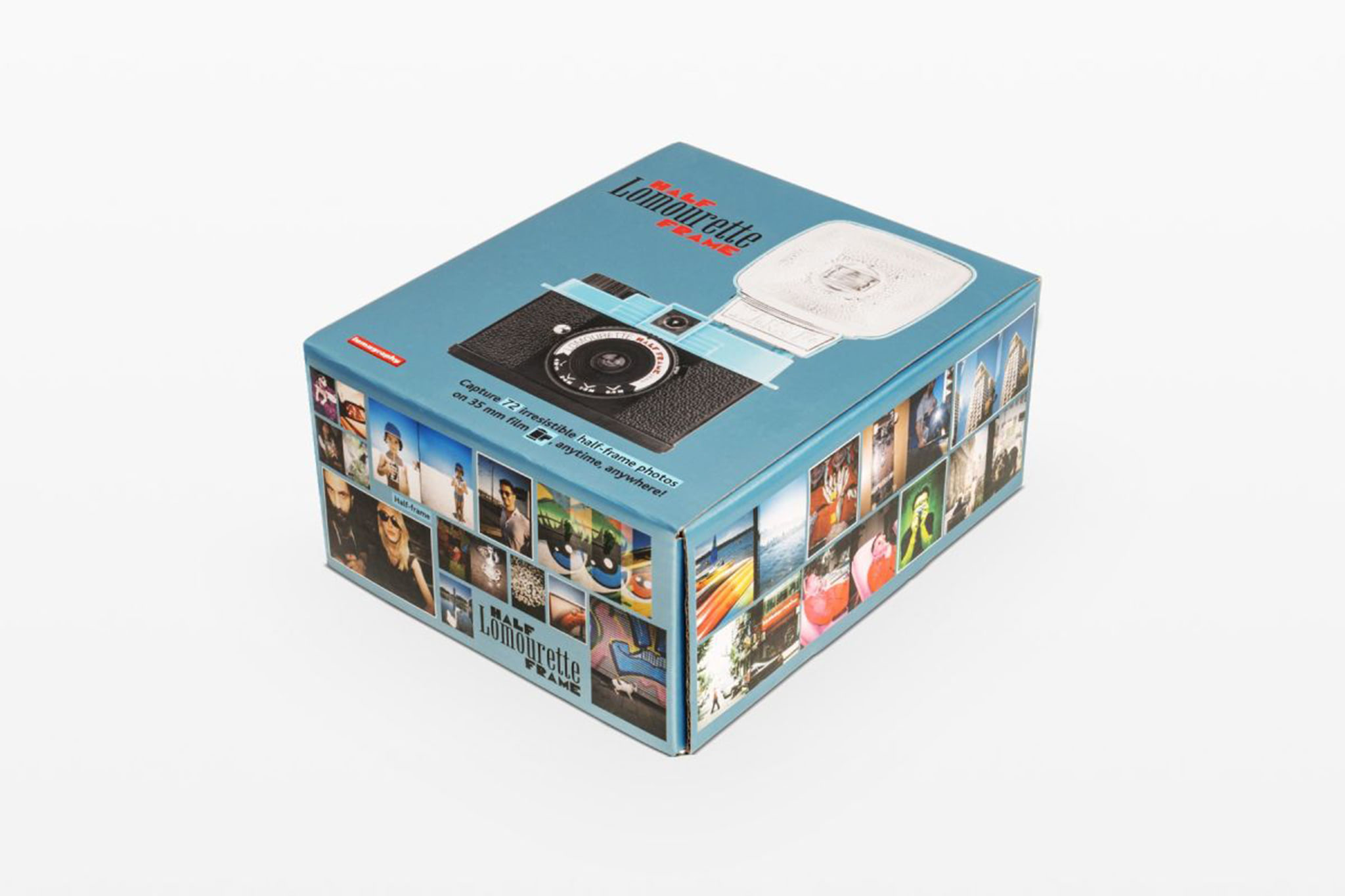
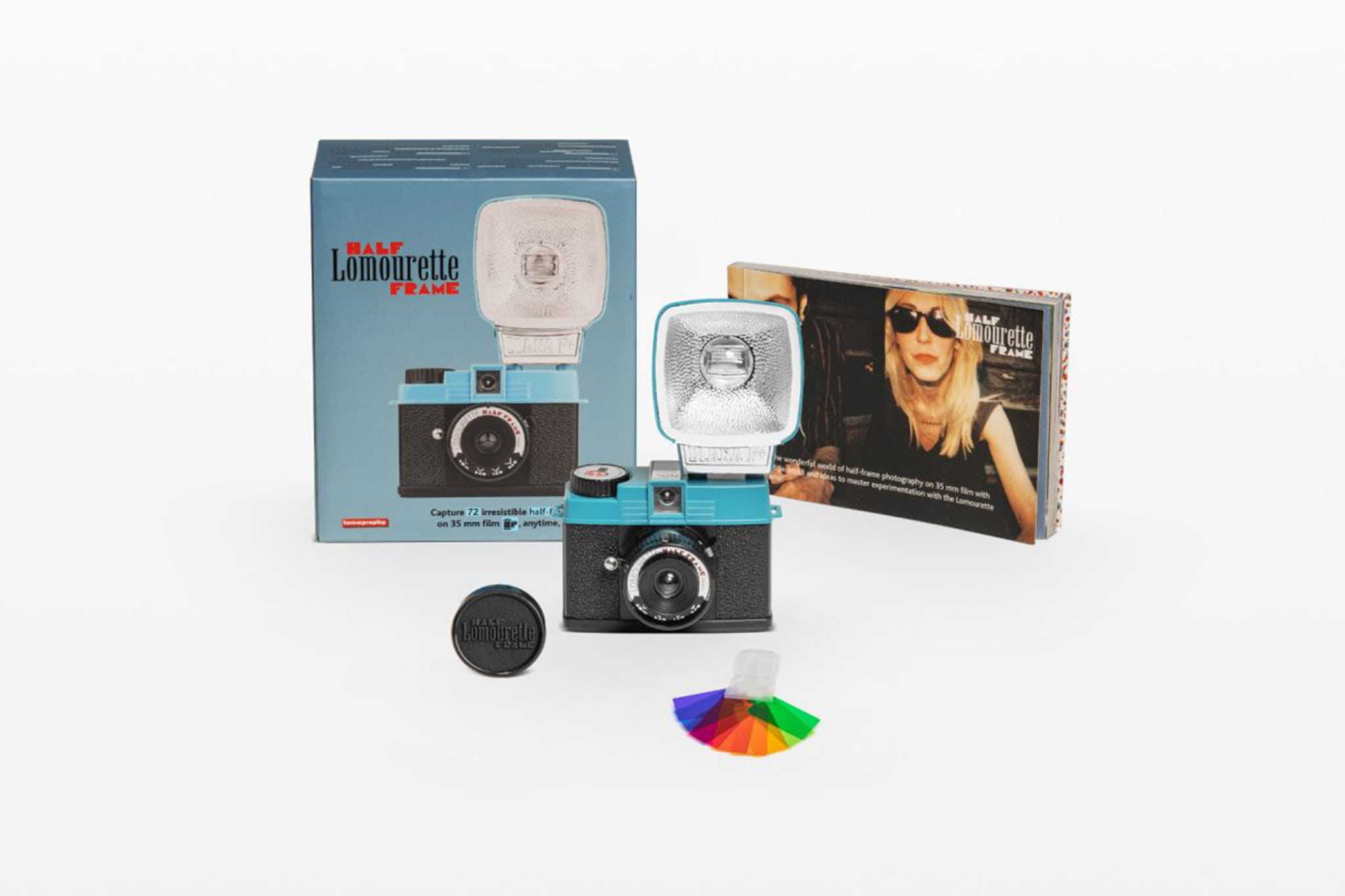
The Lomourette is a half-format camera from Lomography. It has been sold for around 75 euros since 2024. The camera can be seen as a variation of the Diana Mini, as it is very similar to this model in terms of appearance and functionality.
Functions
The design of the camera is reminiscent of classic film cameras and is inspired by the Diana Mini and Diana F+. It is a toy camera. In other words, a camera that is more suitable for creative and experimental photos.
The lens on this camera model is permanently installed and cannot be replaced. The largest aperture at a focal length of 24 mm is f/8. Focusing is done manually, as the 35mm camera does not have autofocus. To avoid blurring, a minimum distance of 60 cm from the subject should be maintained.
The focus is set manually. There are four levels for the focus. The options are 0.6 m, 1 to 2 m, 2 to 4 m and 4 m to infinity.
The 35mm camera does not have an integrated light meter for measuring exposure. There are two exposure times to choose from, 1/60 second (N) and Bulb (B). Multiple exposures are also possible if desired.
Bulb mode is used for shots with a long exposure time. In this mode, it is possible to vary the length of the exposure to achieve different effects. To do this, the shutter button must be pressed and held. If you let go of the shutter button, the shutter closes.
A flash can also be connected to the Lomography camera. The Diana F+ Flash can be used. There is also an additional adapter for using hot shoe flashes.
No batteries are required for taking photos. There is no connection for a tripod or cable release. There is also no self-timer. A camera strap can be attached instead.
Films for the Lomourette
The Lomourette is designed for 35mm films. The 35mm format remains popular with many photographers, which is why some manufacturers continue to offer film for this format.
Photo films for the Lomourette that are easily available online include the Kodak T-Max 400*, ideal for impressive black and white shots, and the Kodak Ultramax 400*, perfect for vibrant color photos. Reviews confirm that both films are versatile and perform well in different situations.
The color film is a negative film and is processed using the C-41 development process, a service that most photo labs offer. Many drugstores also allow color film to be developed.
The camera exposes an area of 24 mm x 18 mm and requires manual film advance by the user as there is no automatic motor. A roll typically holds 72 images.
Differences to the Diana Mini
Both cameras are very similar, but there are some differences.
Aperture setting: The Diana Mini offers two aperture settings (sunny/cloudy) to adjust the exposure. The Lomourette, on the other hand, has a fixed aperture, which means you have to rely more on the choice of the right film and the lighting conditions.
Image format: The Lomourette only takes square photos in 24 x 18 mm format, similar to the classic Diana F+. The Diana Mini, on the other hand, offers you the choice between square shots (24 x 24 mm) and a rectangular format (24 x 17 mm). A small switch on the back of the camera allows you to switch between the formats.
Cable release: The Diana Mini has a connection for a cable release, ideal for long exposures and blur-free shots. This function is missing on the Lomourette.
Tripod thread: For even more stability and creative possibilities, the Diana Mini has a tripod thread on the bottom. The Lomourette, on the other hand, does not have such a thread, which makes using a tripod difficult.