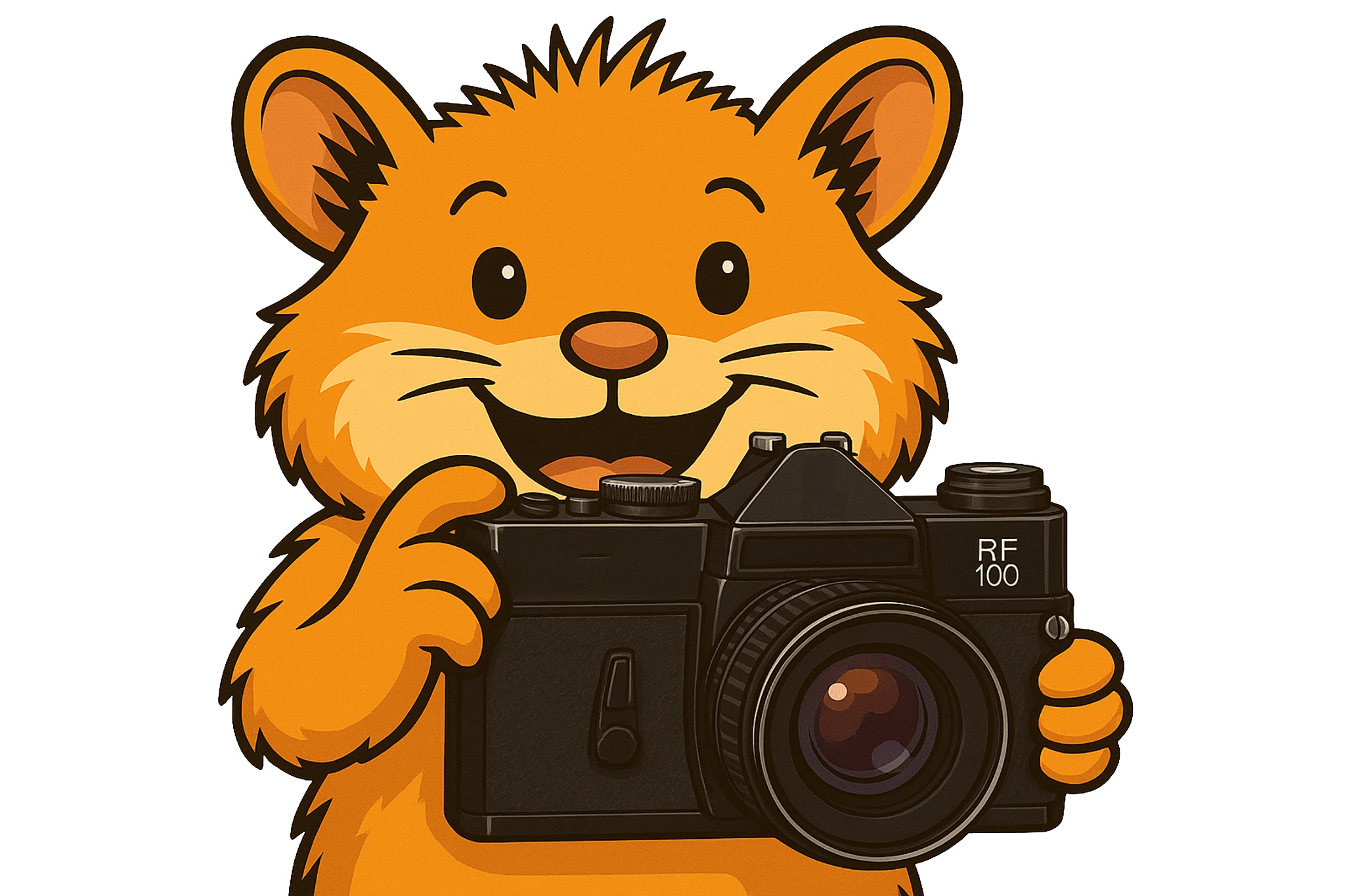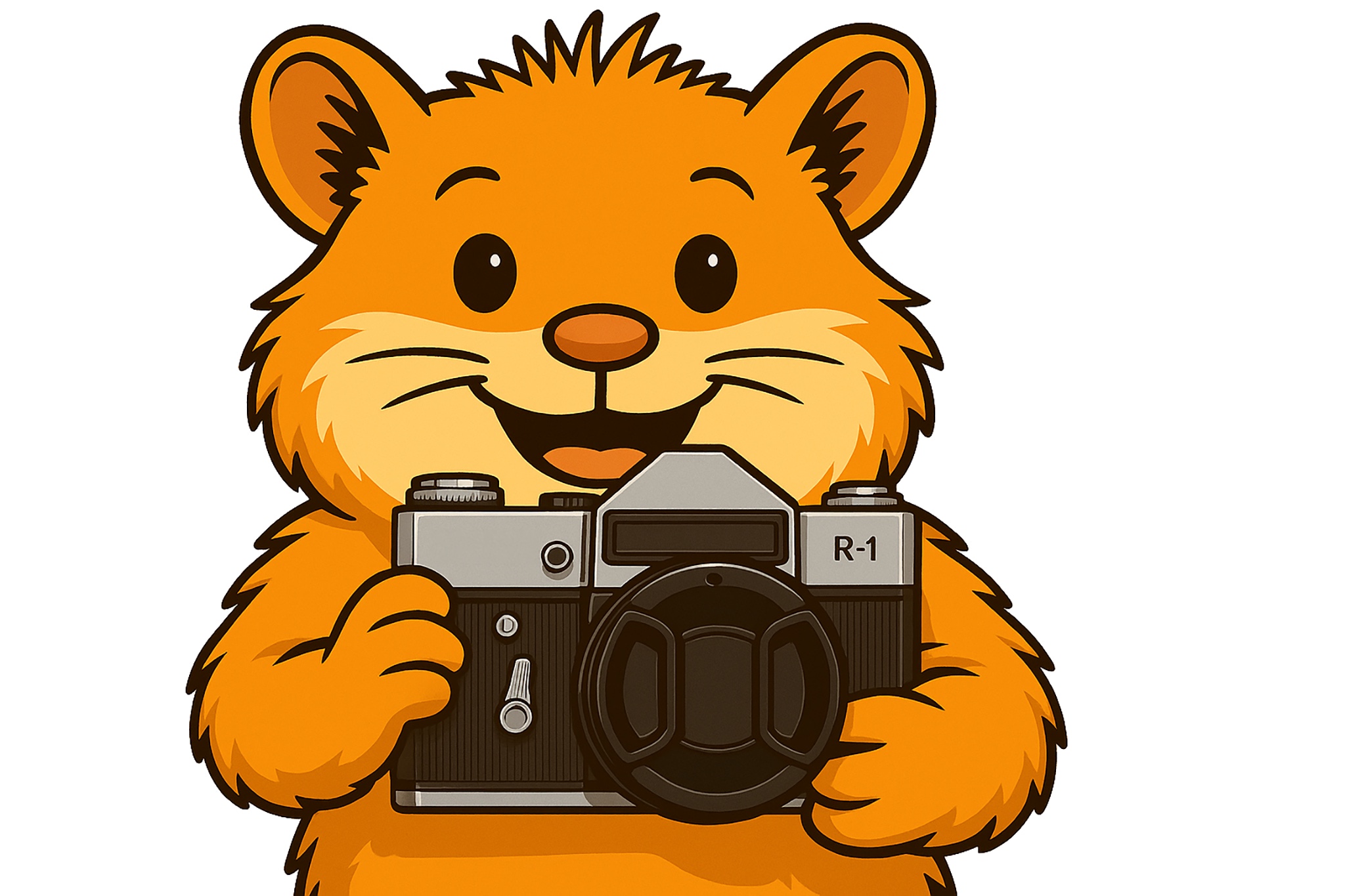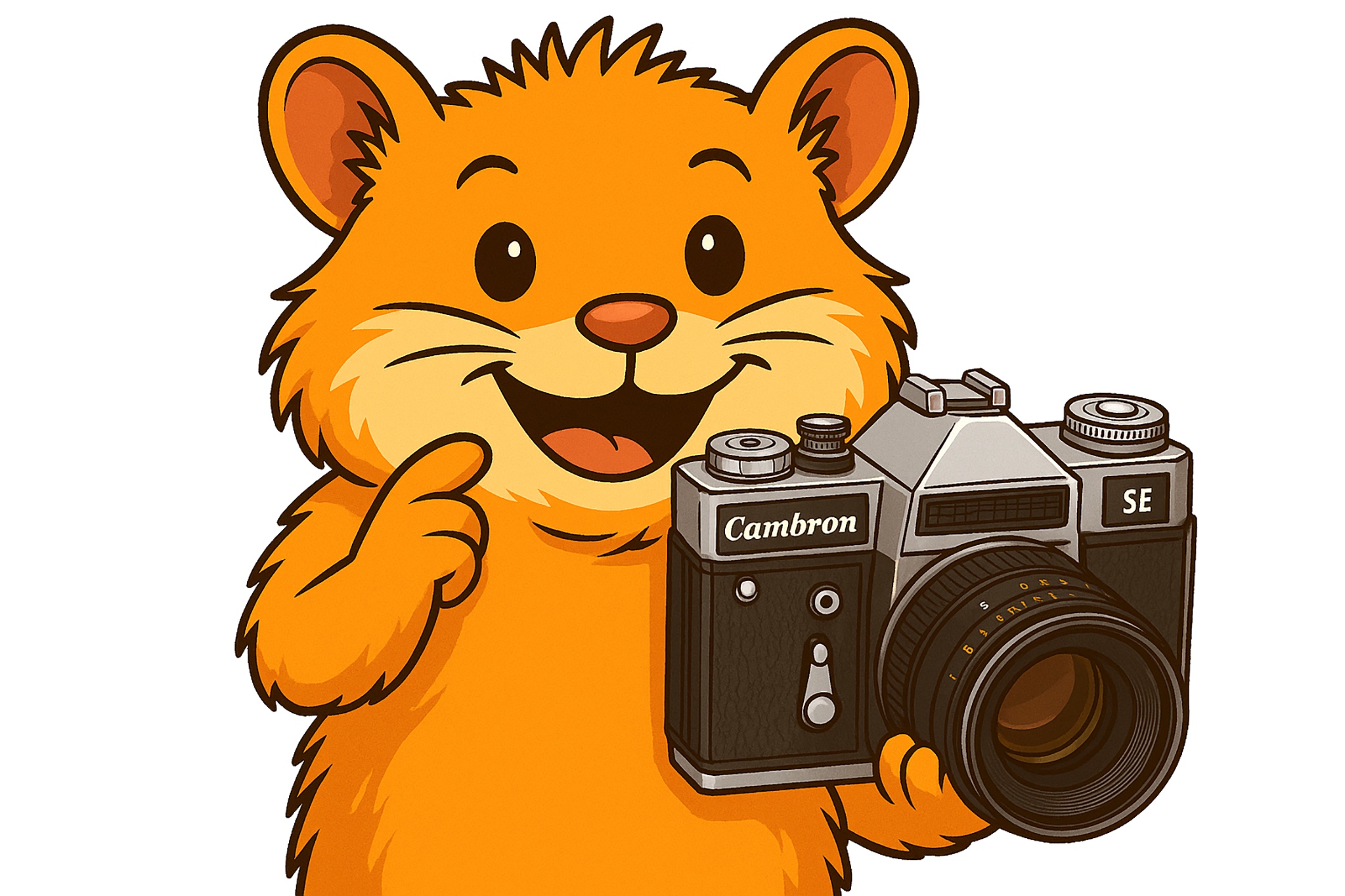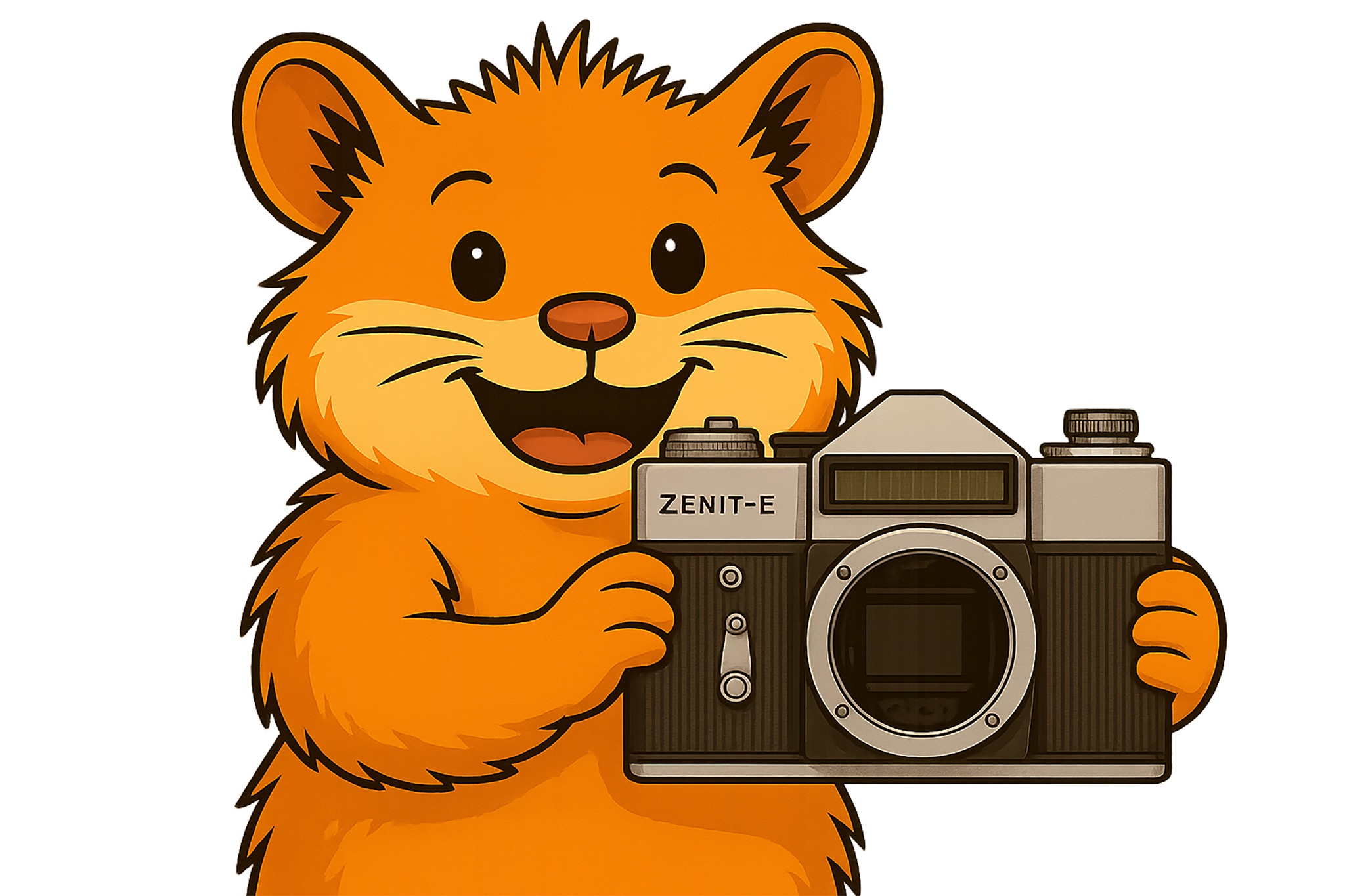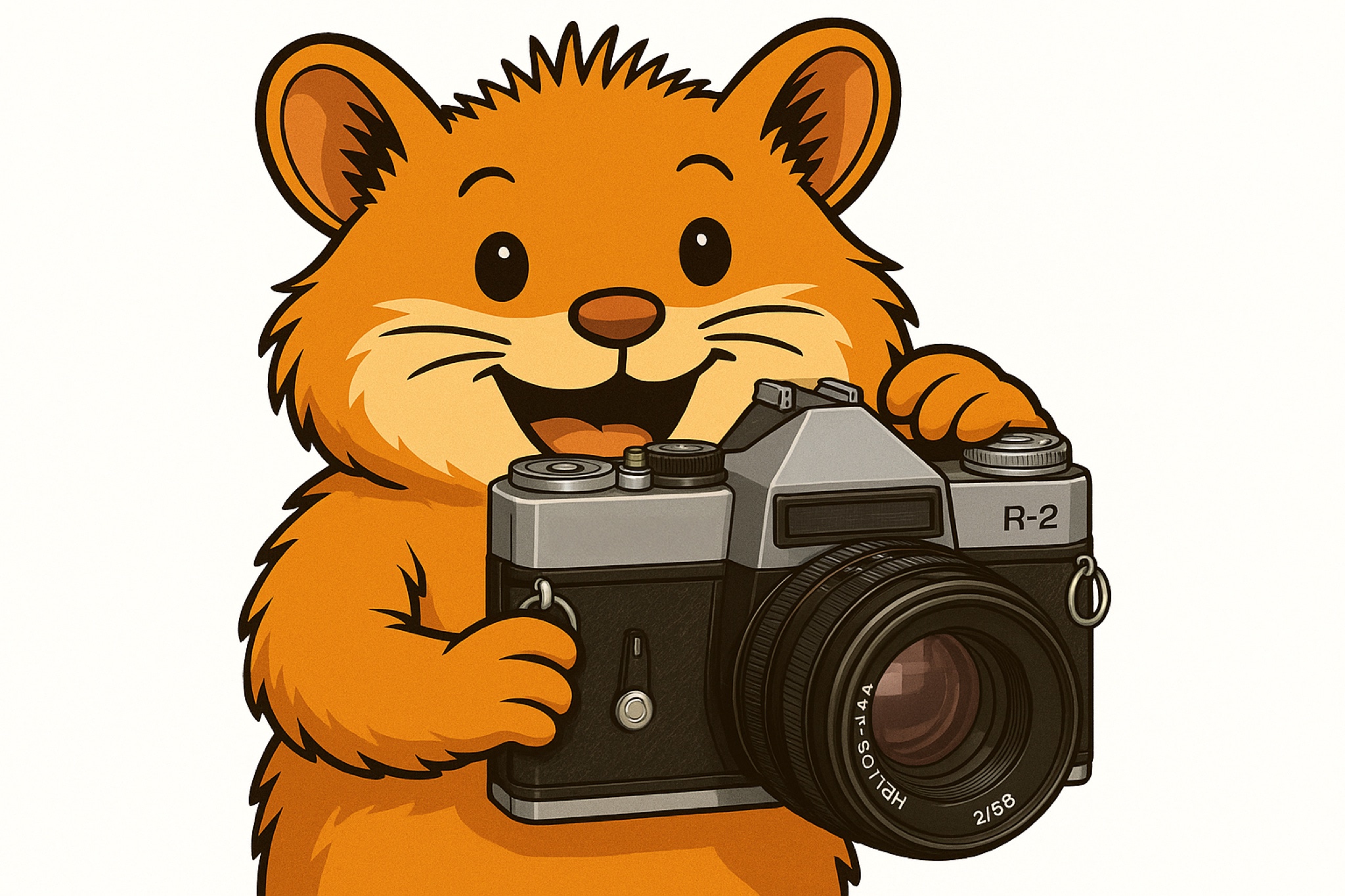
The Diramic R-2 is an SLR camera. It was built by KMZ in the Soviet Union. There it was known as Zenit EM. It was offered in Canada under the brand name Diramic.
This camera, characterized by the absence of an autofocus system, requires the user to focus manually. A key feature of the model is the ability to swap lenses at will, supported by the M42 thread, which is a standardized thread for interchangeable lenses, independent of the brand. This was introduced as an evolution of the M39 thread, with companies such as Pentax, Pentacon, Zeiss and KMZ (Diramic) taking over the production of various M42 lenses.
An integrated light meter makes using the camera even easier. The exposure measurement is carried out through the lens (TTL), based on a selenium light meter, which does not require batteries, but can lose its functionality after a certain period of time. Individual setting options for aperture and exposure time enable the photographer to freely choose the parameters between 1/500 second and 1/30 second, although the aperture opening is of course dependent on the lens.
The Diramic R-2 also offers a bulb function where the shutter can remain open for a variable period of time, ideal for long exposures. It is possible to connect an external flash device via the PC flash port and to mount the camera on a tripod. There is also a thread for cable release and a self-timer function.
As a purely mechanical tool that does not require batteries, the Diramic R-2 proves to be particularly suitable for travel and vacations, as all of its functions are mechanical in nature.
Film options for the Diramic R-2
35mm films are exposed in the camera, with 35mm films available from various manufacturers. Options include the Kodak Gold 200* for color images and the AgfaPhoto APX 400* for black and white photographs, both supplied with the Diramic R-2 solid results.
The development process for the color film follows the C-41 process, which is used in all photo laboratories that develop 35mm film. The black and white film, on the other hand, is processed in a suitable black and white developer. The film negatives measure 24mm x 36mm and can typically hold up to 36 exposures on standard film (135-36). It is important to note that the film transport in the device must be carried out manually by the user.