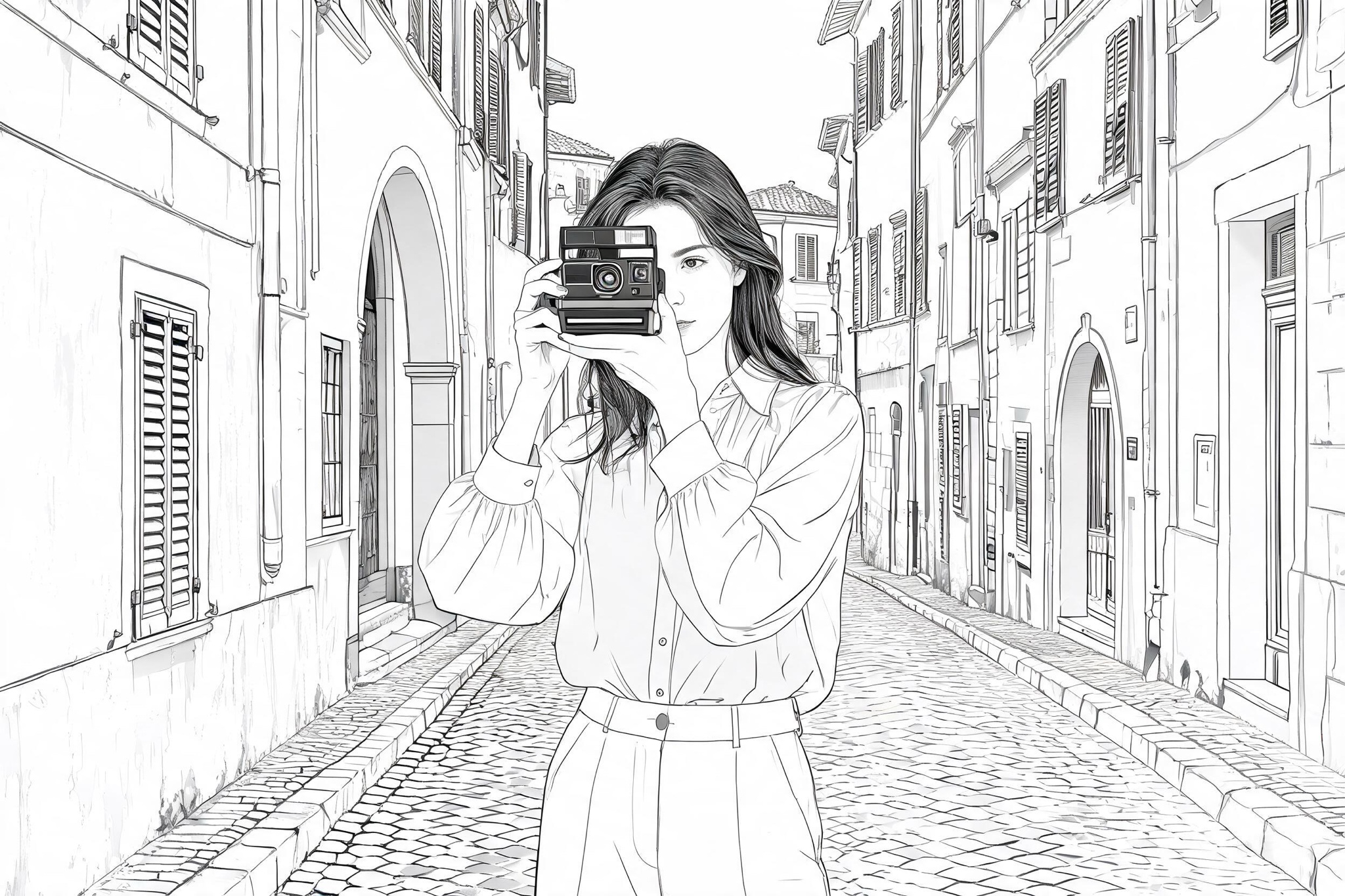
Vacation time offers many opportunities to capture special moments. While digital photos often fade into oblivion in the smartphone gallery, an instant camera delivers a physical image right after pressing the shutter. These unique prints make great souvenirs or gifts for people you meet on your travels. However, if you want to take such a camera on vacation, you should consider some important aspects when choosing the right model and handling the film material.
Choosing the Right Camera System
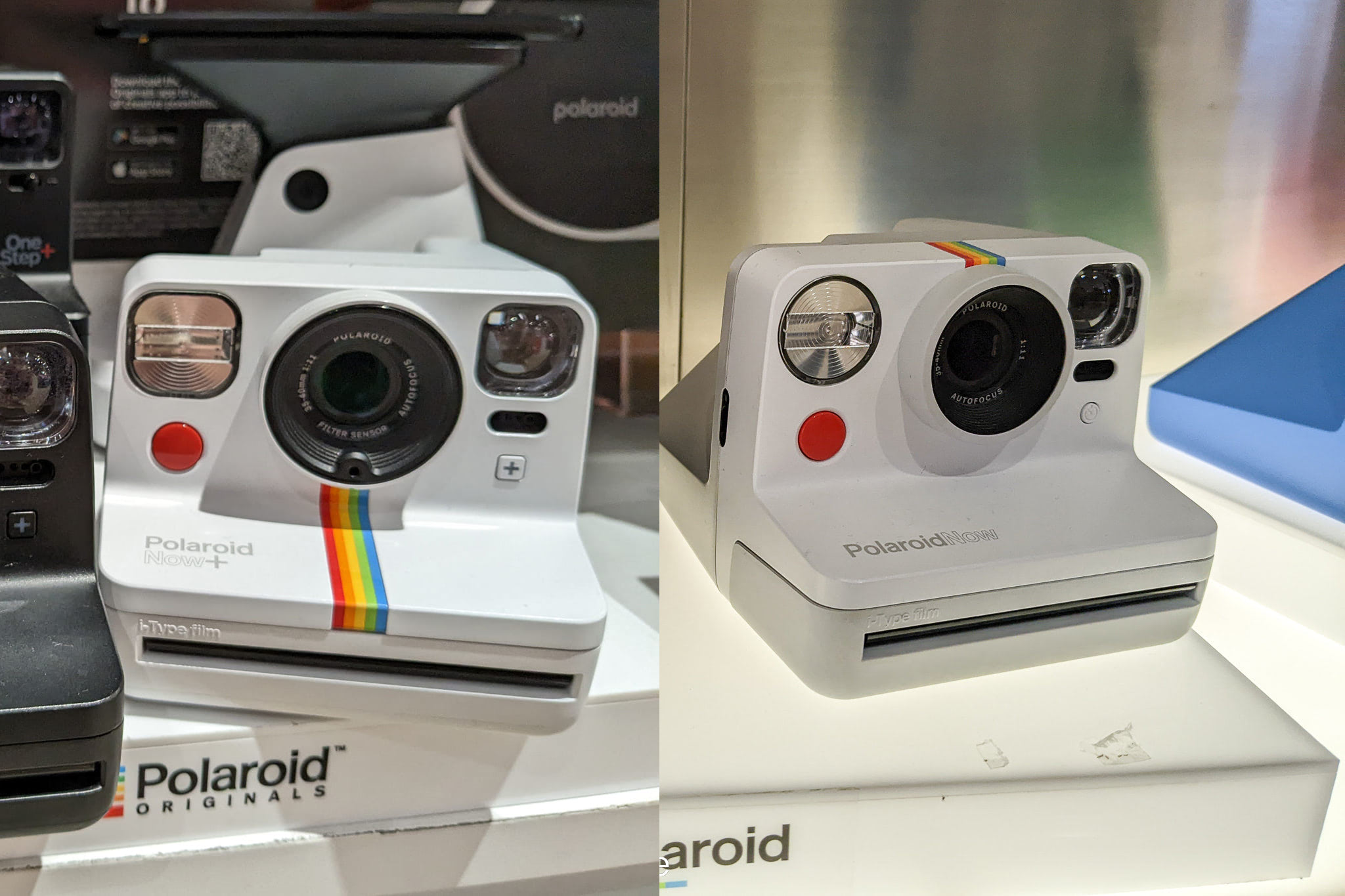
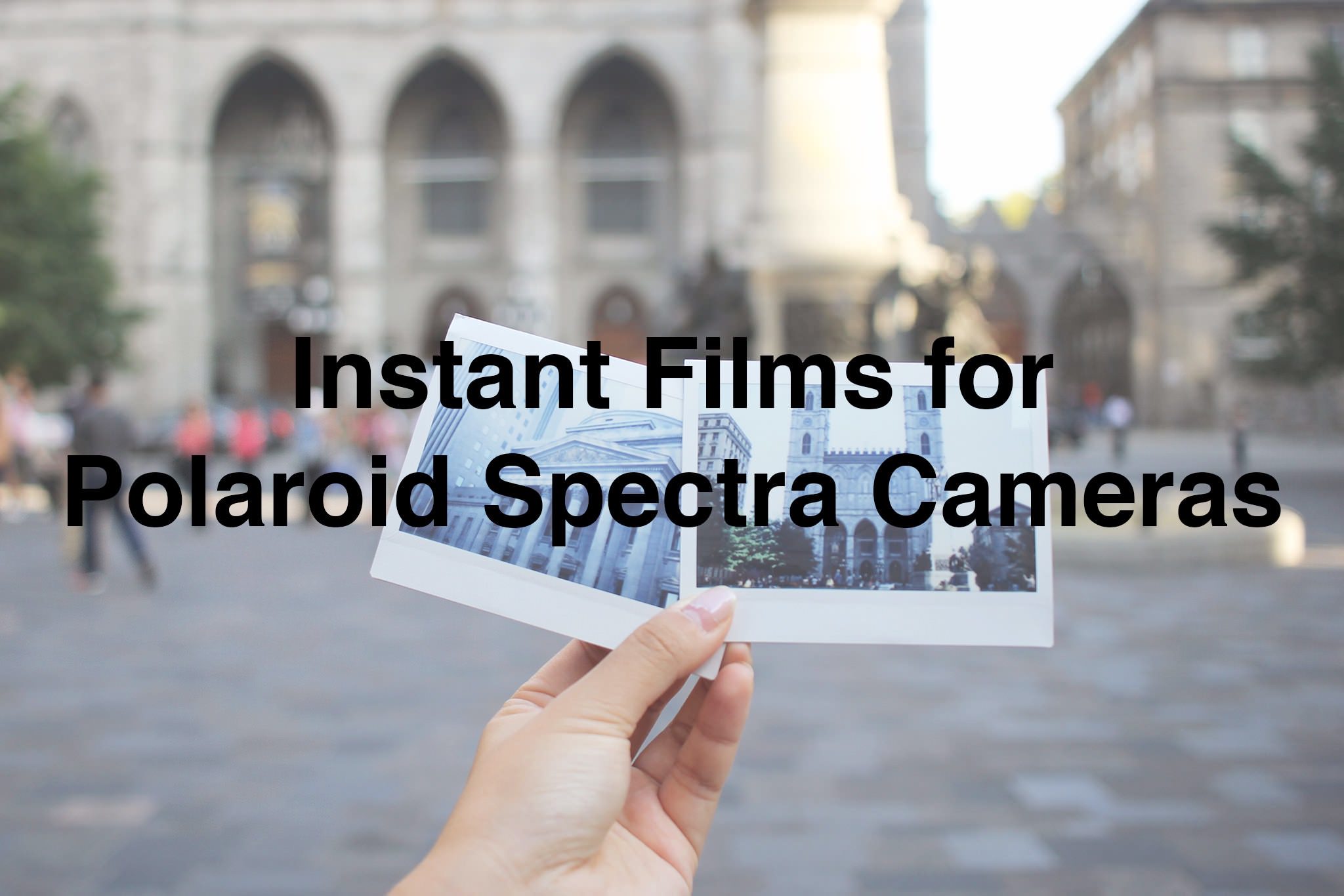
Two major systems dominate the analog instant photography market. On one hand, there are the Instax models from Fujifilm, and on the other, the classic cameras from Polaroid. The decision for a system influences the image format and the purchase costs for the film material.
Instax films come in three sizes: Mini, Square, and Wide. The Mini format is very compact and well-suited for portraits. Polaroid pictures have the traditional square format with a wide white border, but they are usually a bit more expensive to purchase.
Fujifilm cameras are often considered compact and easy to use, while Polaroid models often have a more nostalgic character. However, there is also a compact model like the Polaroid Go.
Transport on the Plane and Security Check
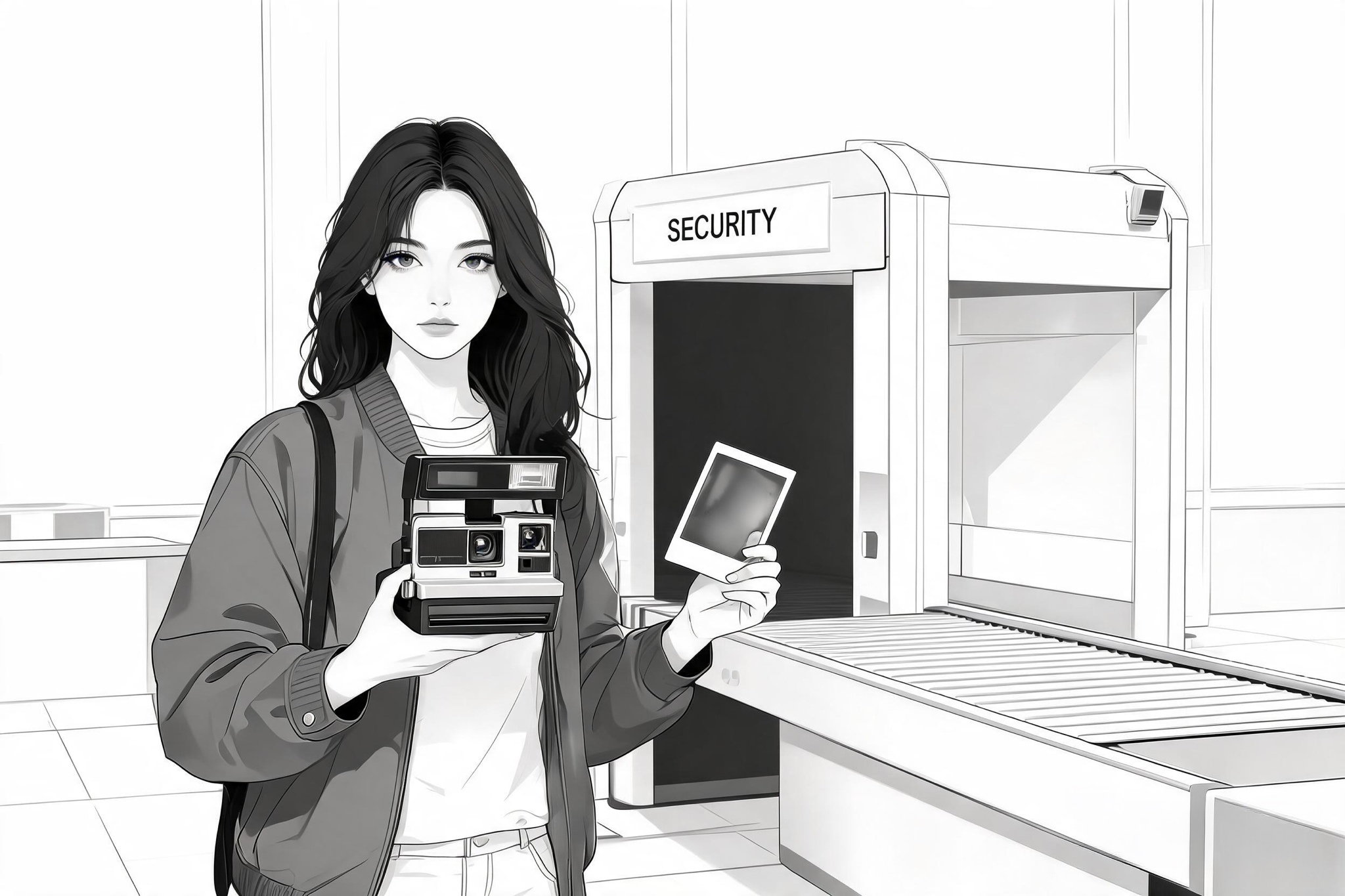
An important factor when flying is the transport of the film material. Instant films are light-sensitive materials that can be damaged by X-ray radiation at airport security checks.
Especially the newer CT scanners at modern airports can completely fog undeveloped films. Therefore, film material should not be placed in checked luggage, as the scanners there emit even stronger radiation. Travelers should carry the films in their hand luggage and ask for a manual inspection at the security checkpoint. In most cases, this request is granted if the films are taken out of their original packaging and presented in a transparent bag.
Proper Handling of Heat and Sunlight
Once at the vacation destination, the climate plays a major role in the quality of the pictures. Instant films are sensitive to extreme temperatures. Too much heat often causes a reddish or yellowish color cast during development, while cold makes the colors appear pale.
It is advisable not to leave the camera and films in a hot car or in direct sunlight on the beach. Storing them in a shady place in the hotel room or in an insulated bag protects the material. After taking a picture, the print should be protected from direct light for the first few minutes to ensure correct color development.
Practical Aspects for Travel
In addition to protecting the material, travelers should also keep an eye on the power supply and the supply of films. Many modern instant cameras use built-in rechargeable batteries that can be charged via USB. Older models or certain series, on the other hand, require special batteries that are not always easy to find in the vacation country. With old Polaroid cameras, however, you don't need to worry: the battery is included in the film pack. When you change the film, you automatically change the battery as well.
A sufficient supply of films should also be purchased before the trip, as prices in tourist areas are often higher or the desired type may not be available. Those who consider these details will get unique tangible memories from their trip.